At Forty: When I Learned How to Learn
Introduction
One day at work, I was thinking about what had brought us this far. I realized that every time a problem or a work challenge came up, Omid and I would sit down together and keep learning and pushing until we solved it. And that very trait had carried us a long way at work.
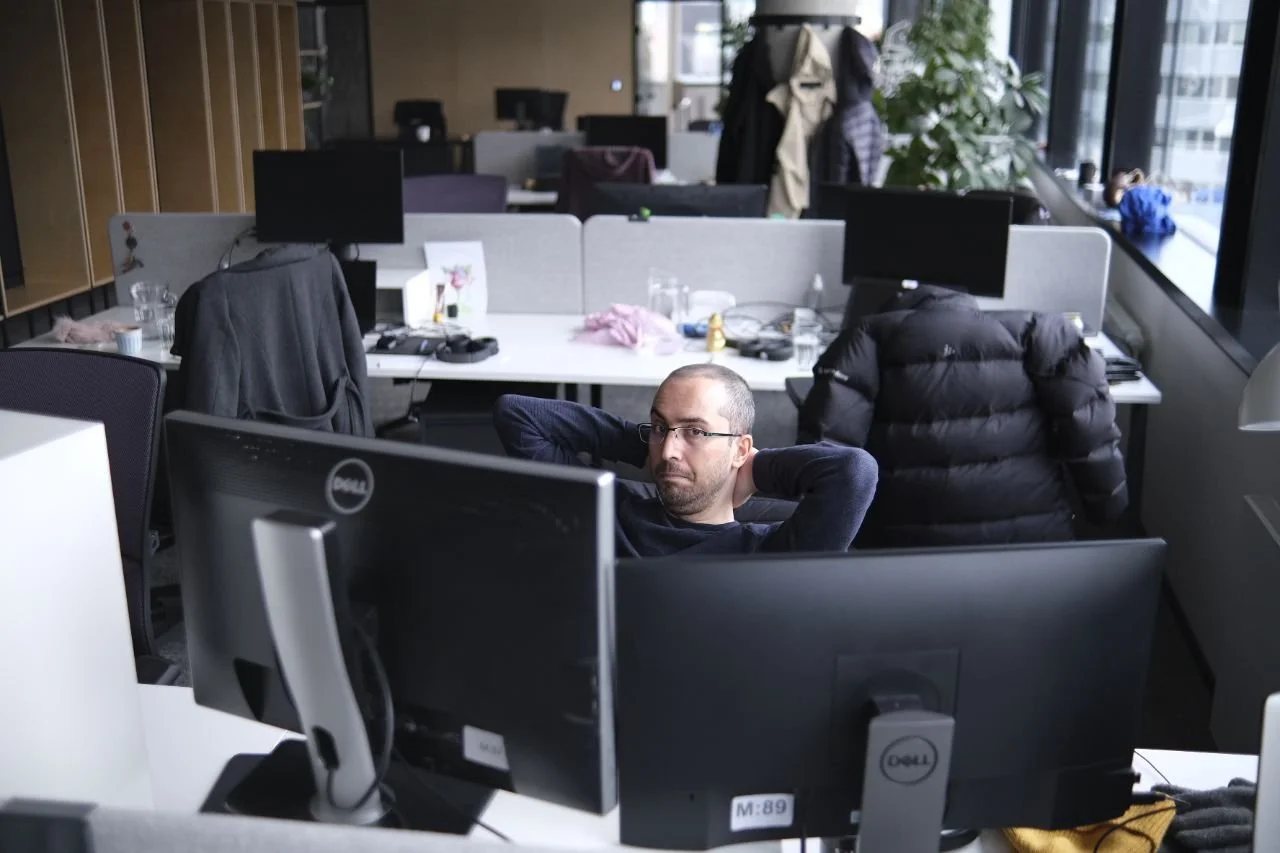
Right there, something clicked. Oh my! We had come all the way to forty like this without having a name for it: we're learners. Not because we know a lot of things, but because we've learned how to learn.
When I told Omid, he agreed.
Then I looked at the people around me. The difference showed clearly in our lives. I don't mean it as a judgment; it's just a difference I noticed. We've come this far and we're still learning, but many people have settled for where they are and stayed there.
This post is about that late discovery.
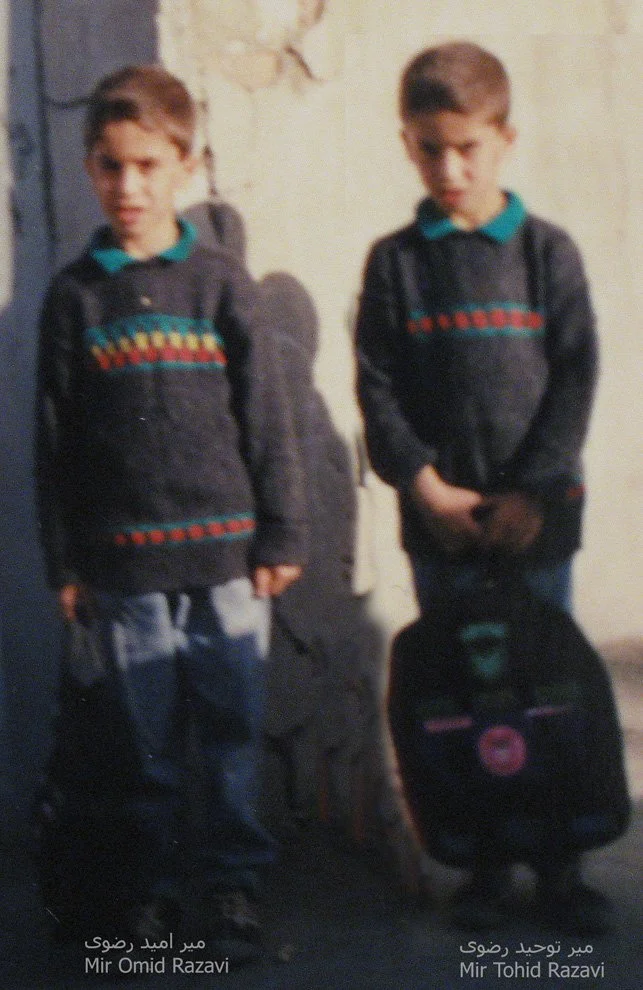
Me and Omid at first day of school
Before Forty: Learning Without Knowing It
I was a teenager in Urmia when I learned 3ds Max, and I even taught it a little. My first serious assignment, at the local branch of Iran's state broadcaster in Urmia, was to model a donkey. To really understand subdivision modeling, I worked at it day and night. Back then I didn't call it learning; to me it was just work.
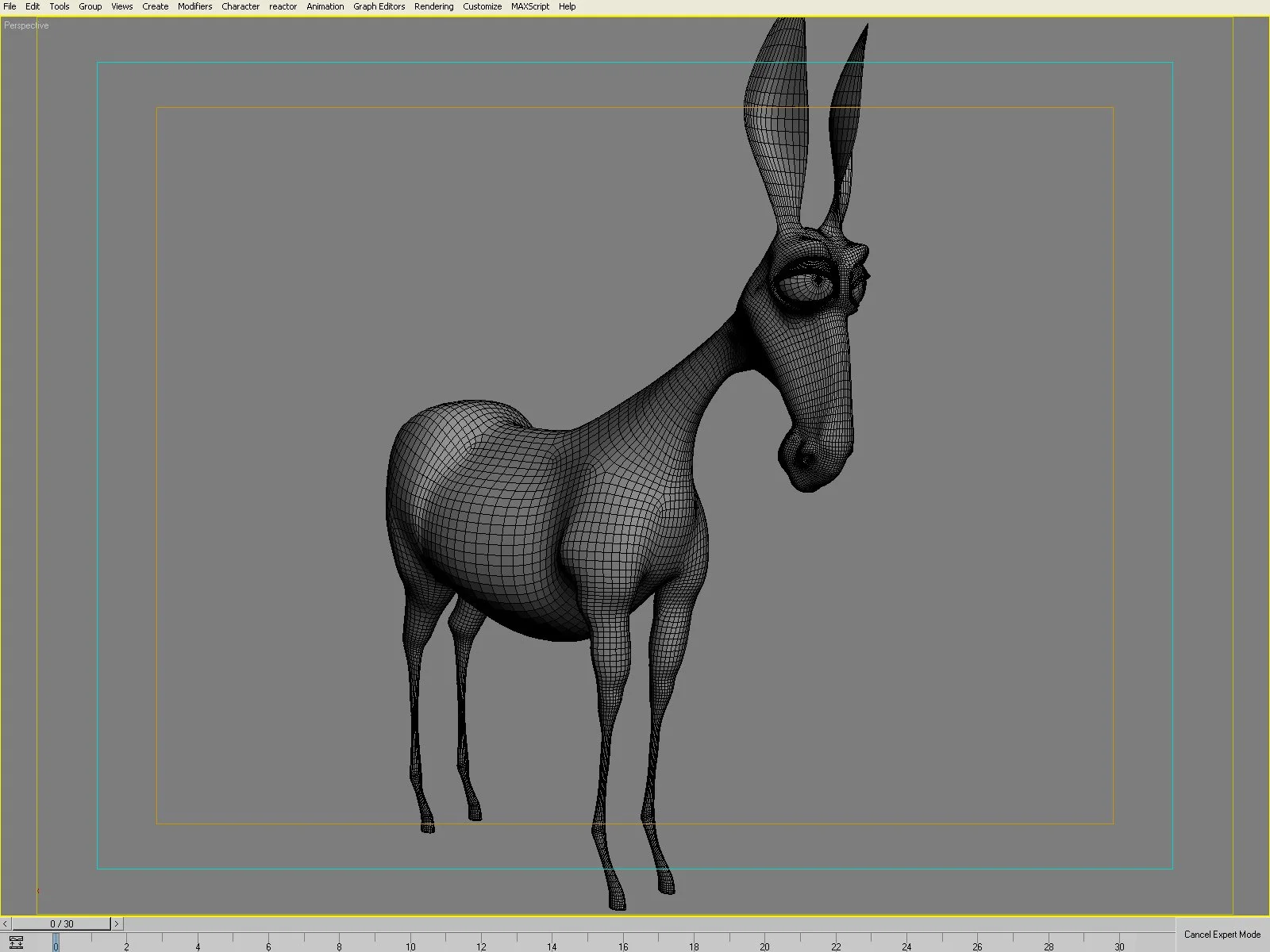
The donkey I made back then.
Then I moved to Tehran to study at university. But in my final year, because of family circumstances and work, I left and entered the industry earlier than most. For years I thought that unfinished degree meant I wasn't "the studious type." In my mind, learning meant classes, grades, and diplomas.
Yet all through those years, I never stopped learning:
At Fanafzar, on the Garshasp project, I learned ZBrush, normal mapping, and render optimization.
I spent a year studying graphic design at Vijeh School and tried my hand at painting.
When the company we'd hired to build Puyanama's website couldn't finish the job, Omid and I sat down and taught ourselves WordPress.
For a job abroad, I needed to know Maya, and I didn't. I spent my last savings on a class and, in practice, drove the class forward myself using what I knew from 3ds Max.
All of this was learning, but out of necessity. I learned because I had to, not because I chose to.
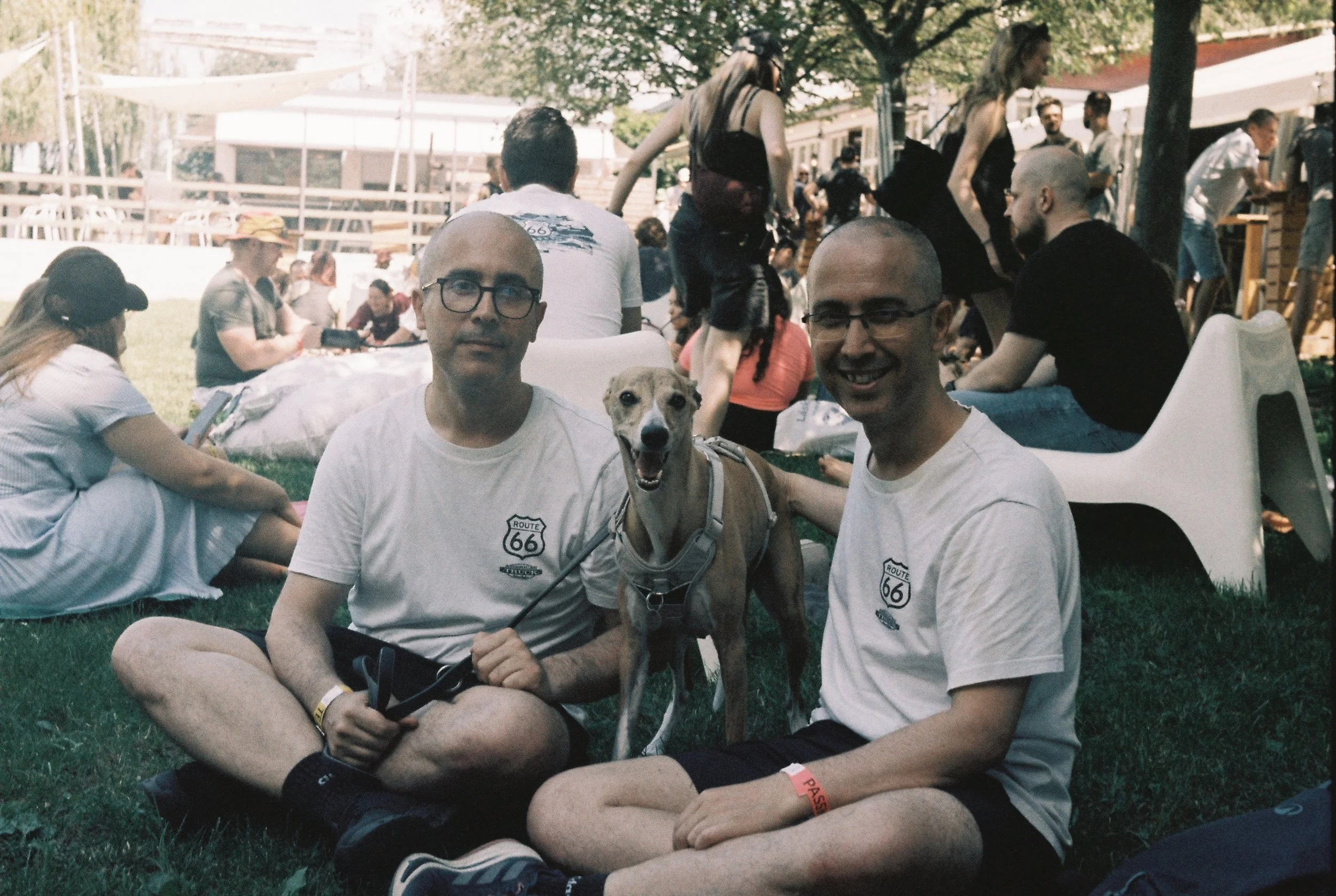
Me, Omid my twin brother and our whippet dog named: Art
The Turning Point
I was 34 when I left Iran for the first time and came to Prague with about 500 euros. Everything was new: the language, the city, the work culture. Learning had become a condition for survival.
Then there was English. Before leaving Iran, Omid and I had taken just ten English lessons. Suddenly I was in a studio where meetings, feedback, and emails were all in English.
For a Persian speaker, English isn't just a new vocabulary. You switch from writing right to left to writing left to right. You move from sentences that end with the verb to sentences where the verb comes early. You suddenly have to care about "a" and "the," which Persian doesn't have, and about "he" versus "she," which Persian doesn't separate. Sounds like "th," or the difference between "v" and "w," don't exist in my mother tongue.
But a few years later, something else happened. I started learning things nobody had asked me to. I studied Czech seriously, learned soap-making and gave the formulas to my family so they could sell the products, took up analog photography, and Omid and I learned how studio pipelines work. We're still learning.
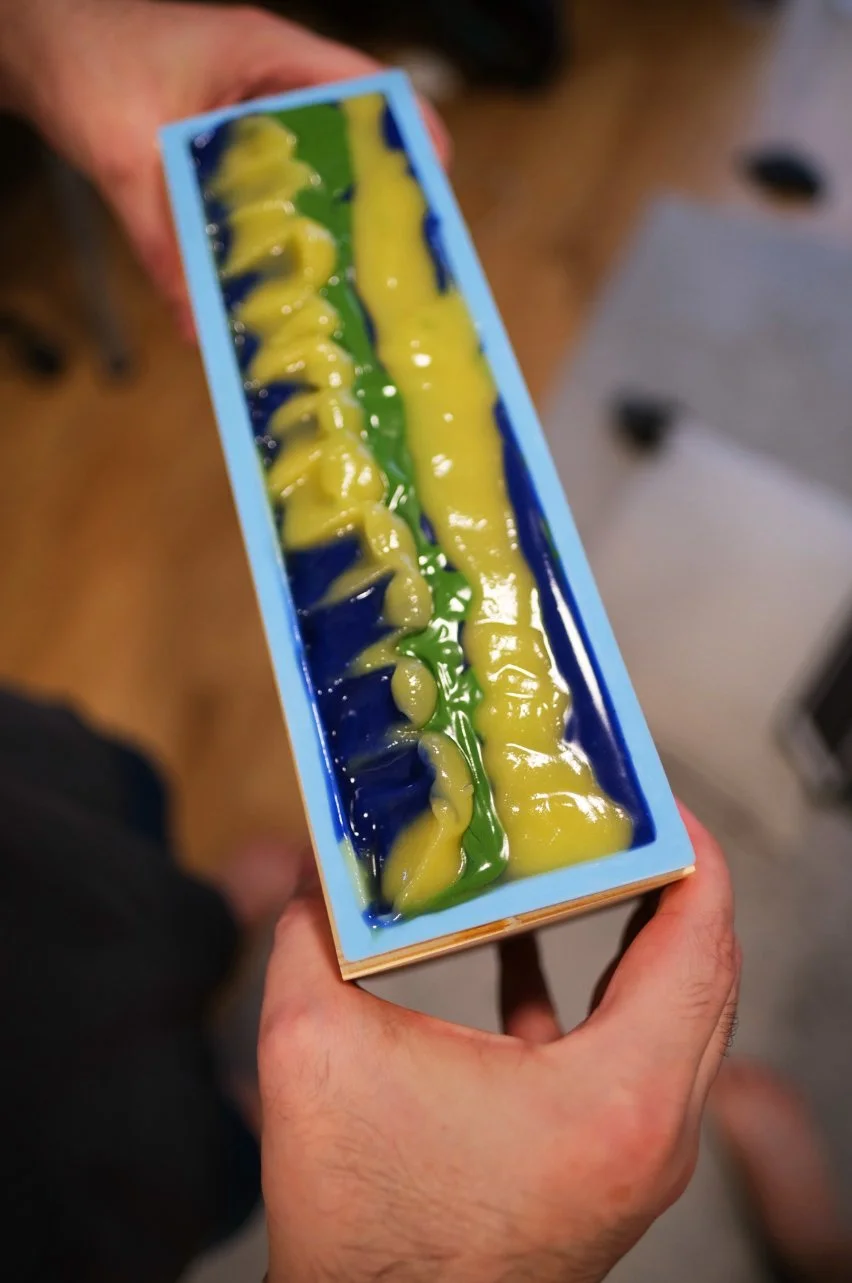
The soap we made
I learned it the same way I'd learned everything else: by doing the work, getting things wrong, and fixing them the next day.
This time, learning was my own choice. When I looked back from this angle, I saw a pattern that had always repeated itself: I'd step into something unknown, break it into pieces, practice, and build something.
That's the difference between "learning something" and "learning how to learn." The first is about the subject; the second is about the method.
How I Learn
If I had to sum up my approach, it comes down to five principles. I didn't take any of them from a book; I found all of them through practice and mistakes.
I learn by making, not by watching. No tutorial taught me modeling the way that 3D donkey in Urmia did. Until I build something, I haven't truly understood it.
I build bridges from what I already know. I didn't learn Maya from scratch; I built it on top of 3ds Max. I connect every new skill to something I already know.
Teaching is learning twice. From teaching 3ds Max in Urmia to sixteen years of Puyanama and translating the book The Illusion of Life, every time I tried to explain something, I understood it more deeply myself.
I accept being a beginner. Sitting in a Czech class at forty, or learning analog photography from scratch, means accepting that I'll make lots of mistakes. That embarrassment is the price of admission.
Small, but steady. Don't bite off more than you can chew. I always start with small steps and try to keep going; consistency is the key that opens closed doors. I had never made soap before, but by sticking with it I learned a great deal and got results.
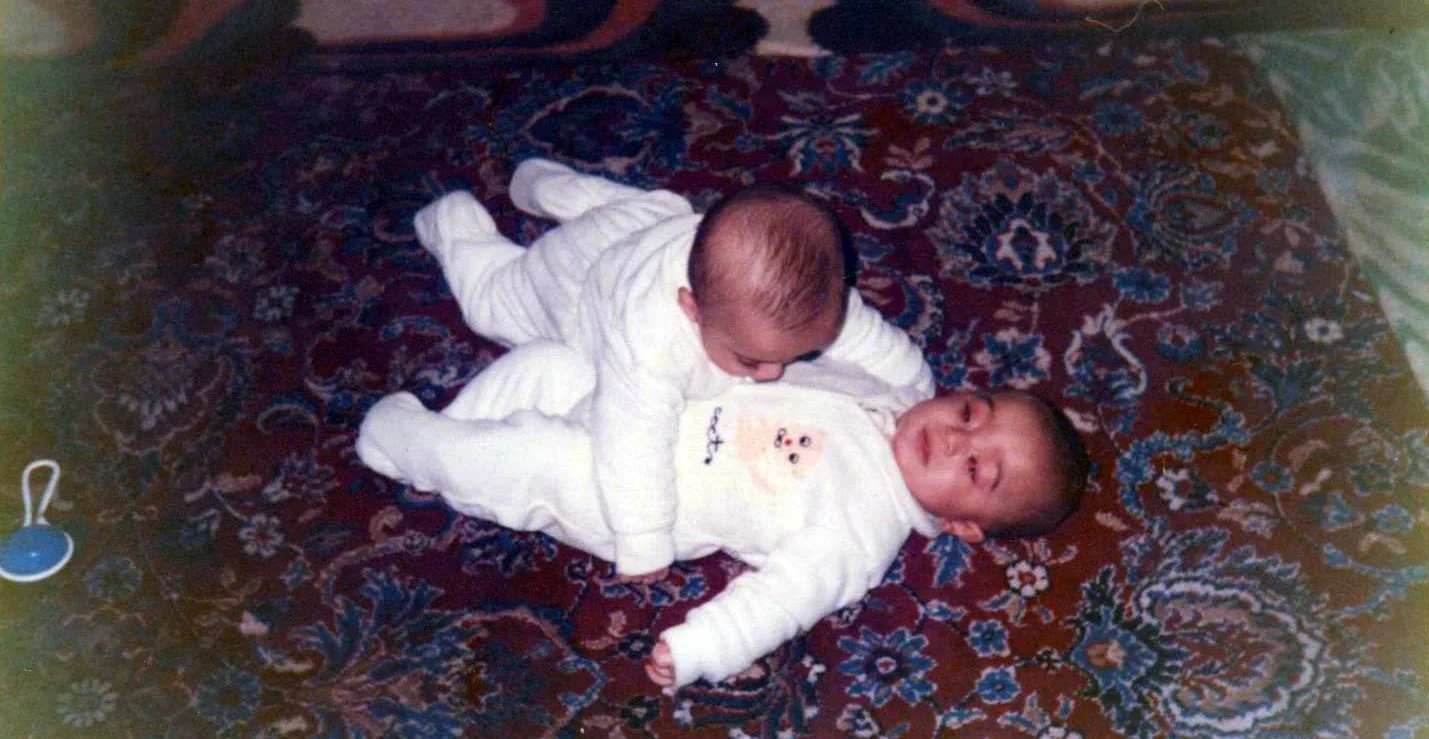
Me and Omid
The Hard Parts
Learning as an adult isn't all that romantic. A few things have always stood in my way:
Fatigue: After a full day of work, the evening is the hardest time to study. Many times I've pushed practice to the next day.
Environment: My work is in English, and my life is mostly in Persian and Azerbaijani Turkish. Outside of class, there's no room to practice Czech.
That old voice: The one that says "it's too late" or "you don't even have a time" still comes back sometimes.
I've learned not to fight them. I lower my expectations, accept being slow, and count the small wins. A small step today beats a big plan for tomorrow.
Learning as Identity
I no longer see learning as a stage of life that starts and ends with university. It's part of who I am.
Conclusion
I left university halfway through, but I never left learning. It just took me forty years to see it. If you think it's too late to start something new, my experience says it isn't. You don't need to know everything; you just need to know how to start.
And a question for you: when was the last time you learned something from scratch?
مقدمه
یه روز سر کار داشتم فکر میکردم چی ما رو تا اینجا جلو آورده. دیدم هر بار یه مشکل یا چالش کاری پیش میاد، من و امید دوتایی میشینیم و اونقدر یاد میگیریم و تلاش میکنیم تا حلش کنیم. و همین خصلت، توی محیط کار ما رو خیلی جلو انداخته.
همونجا یه چیزی برام روشن شد. ای دل غافل! ما همینجوری تا چهل سالگی اومده بودیم و اسمش رو نمیدونستیم: ما یادگیرنده ایم. نه اینکه چیزای زیادی بلدیم؛ اینکه یاد گرفتیم چطوری یاد بگیریم.
وقتی به امید گفتم، اونم تأیید کرد.
بعد به آدمای دور و برم نگاه کردم. این تفاوت توی زندگیها کاملاً پیدا بود. قصدم قضاوت نیست؛ فقط تفاوتیه که دیدم. ما تا اینجا اومدیم و هنوزم داریم یاد میگیریم، ولی خیلیها به جایی که هستن رضایت دادن و همونجا موندن.
این نوشته دربارهی همین کشفِ دیرهنگامه.
قبل از چهل: یاد میگرفتم، ولی خبر نداشتم
نوجوون بودم که توی ارومیه تریدی مکس رو یاد گرفتم و حتی یه کم هم درسش دادم. اولین سفارش جدیم توی صداوسیمای ارومیه این بود که یه الاغ مدل کنم. برای اینکه مدلسازی سابدیویژن رو واقعاً بفهمم، شب و روز پاش نشستم. اون موقع اسمش رو یادگیری نمیذاشتم؛ برام فقط کار بود.
بعد رفتم تهران که دانشگاه بخونم. ولی سال آخر، بهخاطر شرایط خانواده و کار، دانشگاه رو ول کردم و زودتر از بقیه رفتم توی صنعت. سالها فکر میکردم این مدرکِ نصفهنیمه یعنی من «اهل درس» نیستم. توی ذهنم یادگیری یعنی کلاس و نمره و مدرک.
ولی توی همون سالها یه لحظه هم از یاد گرفتن دست نکشیدم:
توی فنافزار، سر پروژهی گرشاسب، زیبراش و نرمالمپ و بهینهکردن رندر رو یاد گرفتم.
یه سال توی مدرسهی ویژه گرافیک خوندم و یه دستی هم به نقاشی بردم.
وقتی شرکتی که سایت پویانما رو بهش سپرده بودیم نتونست کار رو تموم کنه، من و امید نشستیم خودمون وردپرس یاد گرفتیم.
برای یه تست کاری خارج از ایران باید مایا بلد میبودم و نبودم. با آخرین پساندازم توی یه کلاس ثبتنام کردم و عملاً با چیزایی که از تریدی مکس بلد بودم، خودم کلاس رو جلو بردم.
همهی اینا یادگیری بود، ولی از سر ناچاری. یاد میگرفتم چون مجبور بودم، نه چون خودم انتخابش کرده بودم.
نقطهی چرخش
سیوچهار سالم بود که برای اولین بار از ایران زدم بیرون و با حدود پونصد یورو اومدم پراگ. همهچی تازه بود: زبون، شهر، فرهنگ کار. یاد گرفتن شده بود شرط زنده موندن.
ولی چند سال بعد یه اتفاق دیگه افتاد. شروع کردم به یاد گرفتن چیزایی که هیچکس ازم نخواسته بود. زبون چک رو جدی خوندم ، صابون سازی یاد گرفتم و فرمول به خانواده دادم تا فروش داشته باشند و رفتم سراغ عکاسی آنالوگ و پایپلاین استودیو رو یاد گرفتیم با امید و هنوز هم داریم یاد میگیریم...
این دفعه یادگیری انتخاب خودم بود. وقتی از این زاویه به گذشته نگاه کردم، یه الگو دیدم که همیشه تکرار شده بود: میرفتم توی یه چیز ناشناخته، تیکهتیکهش میکردم، تمرین میکردم و یه چیزی میساختم.
فرقِ «یاد گرفتنِ یه چیز» با «یاد گرفتنِ خودِ یادگیری» همینه. اولی دربارهی موضوعه؛ دومی دربارهی روش.
چطوری یاد میگیرم
اگه بخوام روشم رو خلاصه کنم، میرسم به پنج تا اصل. هیچکدومش رو از کتاب برنداشتم؛ همهش رو توی عمل و با اشتباه کردن پیدا کردم.
با ساختن یاد میگیرم، نه با تماشا کردن. هیچ آموزشی اندازهی همون الاغ سهبعدیِ ارومیه بهم مدلسازی یاد نداد. تا یه چیزی رو نسازم، واقعاً نفهمیدمش.
از چیزایی که بلدم پل میزنم. مایا رو از صفر یاد نگرفتم؛ سوارش کردم روی تریدی مکس. هر مهارت تازه رو به یه چیزی که از قبل بلدم وصل میکنم.
یاد دادن یعنی دوباره یاد گرفتن. از درس دادن تریدی مکس توی ارومیه تا شونزده سال پویانما و ترجمهی کتاب «توهم زندگی»، هر بار خواستم یه چیزی رو توضیح بدم، خودم عمیقتر فهمیدمش.
مبتدی بودن رو قبول میکنم. توی چهل سالگی سر کلاس زبون چک نشستن، یا عکاسی آنالوگ رو از اول یاد گرفتن، یعنی قبول کنم که کلی اشتباه میکنم. این خجالت، بلیت ورودشه.
کم، ولی پیوسته. نباید یهو لقمه بزرگ برداری؛ من همیشه با قدم های گوچیک شروع میکنم و سعی میکنم مداومت کنم، همین مداومت رمز بازگشایی درب های بسته هست. من تا بحال صابون نساخته بودم، ولی با مداومت کلی چیز یاد گرفتم و به نتیجه رسیدم.
سختیها
یاد گرفتن توی بزرگسالی اونقدرام رمانتیک نیست. چند تا چیز همیشه سر راهم بوده:
خستگی: بعد از یه روز کامل کار، شب سختترین وقت برای درس خوندنه. بارها تمرین رو انداختم به فردا.
محیط: کارم انگلیسیه و زندگیم بیشتر فارسی و ترکی آذری. زبون چک بیرون از کلاس جایی برای تمرین نداره.
اون صدای قدیمی: همون صدایی که میگه «دیگه دیره» یا «تو که وقت نداری» هنوز گاهی برمیگرده.
یاد گرفتم باهاشون نجنگم. توقعم رو میارم پایین، کُند بودن رو قبول میکنم و پیشرفتای کوچیک رو میشمرم. یه قدم کوچیکِ امروز از یه برنامهی گنده برای فردا بهتره.
یادگیری بهعنوان هویت
الان دیگه یادگیری رو یه مرحله از زندگی نمیدونم که با دانشگاه شروع و تموم بشه. بخشی از اینه که کی هستم.
جمعبندی
من دانشگاه رو نصفه ول کردم، ولی یادگیری رو هیچوقت. فقط چهل سال طول کشید تا اینو ببینم. اگه تو هم فکر میکنی برای شروع یه چیز تازه دیر شده، تجربهی من میگه نه، نشده. لازم نیست همهچی رو بدونی؛ کافیه بدونی چطوری شروع کنی.
و یه سؤال ازت: آخرین باری که یه چیزی رو از صفر یاد گرفتی کِی بود؟
