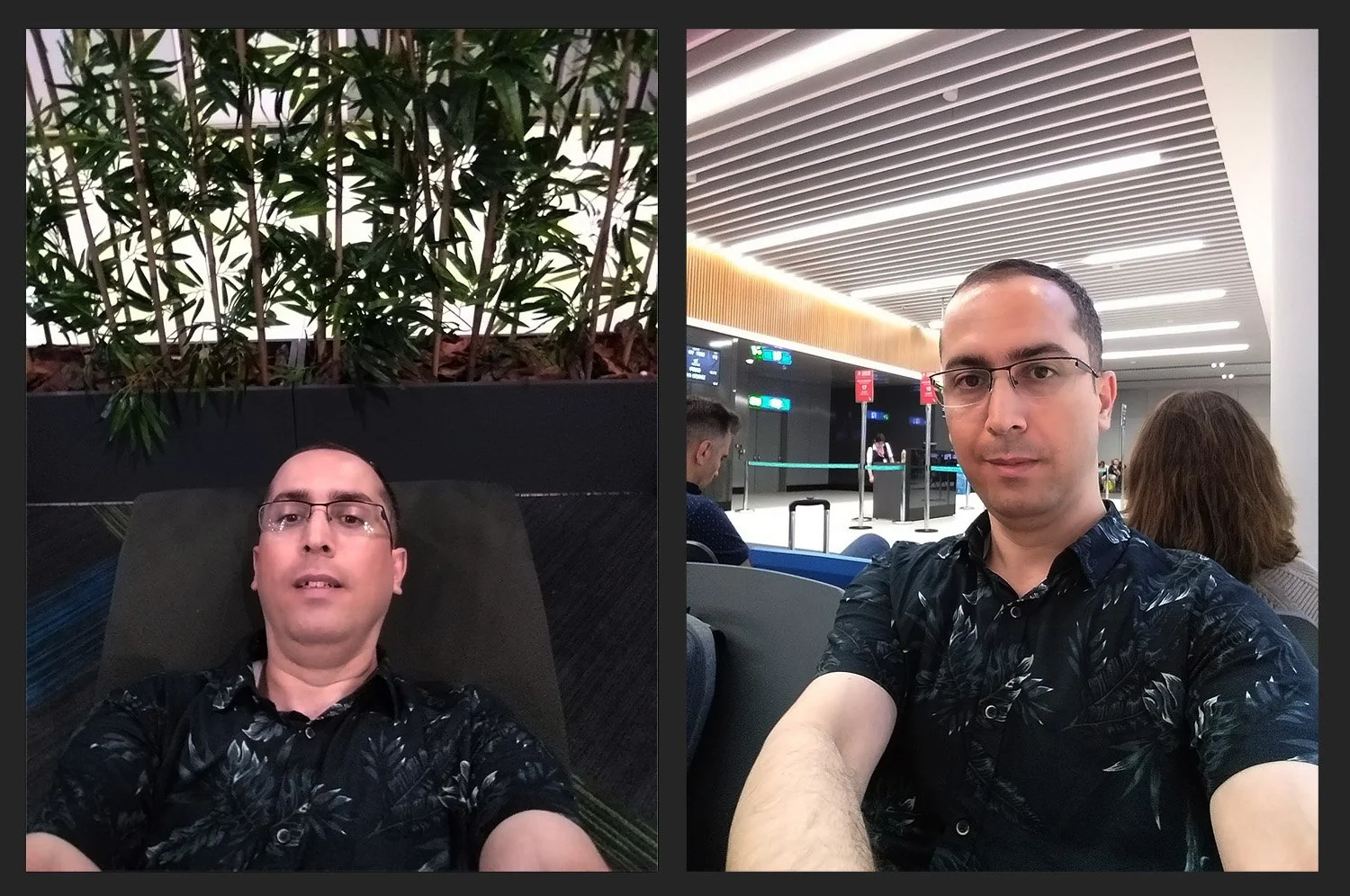
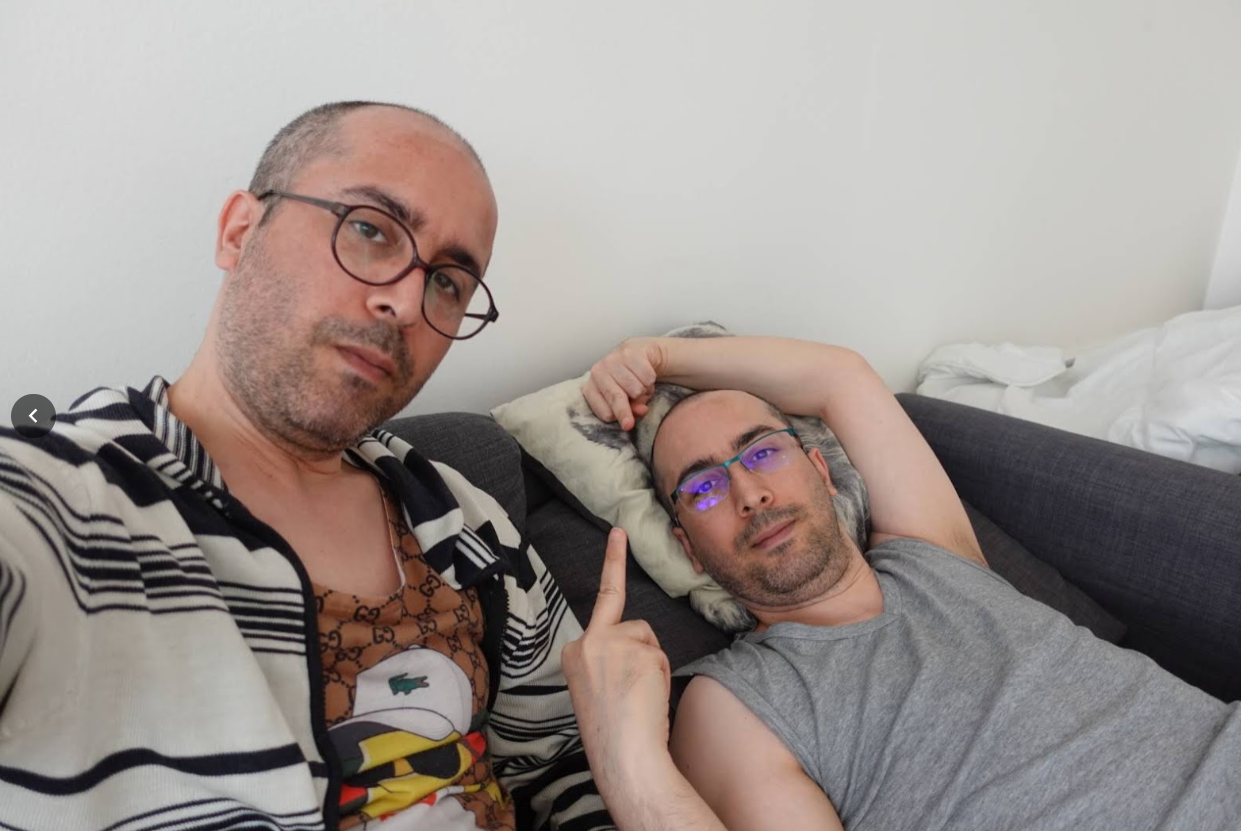
این سلفیها رو توی فرودگاهِ استانبول گرفتم. توی عکسِ چپ، زور میزدم تا بخوابم، چون ساعتِ ۷:۵۰ صبح پرواز به سمتِ پراگ بود. توی عکسِ راست هم من جلویِ گیت هستم، منتظرِ پرواز، با صورتِ ورمکرده و بیخواب.
I took these selfies at Istanbul airport. In the left photo, I was struggling to sleep, since the flight to Prague was at 7:50 a.m. In the right one, I'm in front of the gate, waiting for the flight, with a puffy, sleep-deprived face.
نوشتنِ اینجا به بعد سختتر هم میشه، چون واقعاً نمیدونم چطور باید نوشت. رسیدم فرودگاه، چمدونِ کوچیکِ آبیم رو برداشتم و زدم بیرون. هوایِ بخار و شرجیِ تابستونِ اروپا برایِ اولینبار خورد توی صورتم، و این عکس رو گرفتم.
Writing from here on gets harder too, because I honestly don't know how to put it into words. I arrived at the airport, grabbed my little blue suitcase, and stepped outside. The humid, muggy air of a European summer hit my face for the first time, and I took this photo.
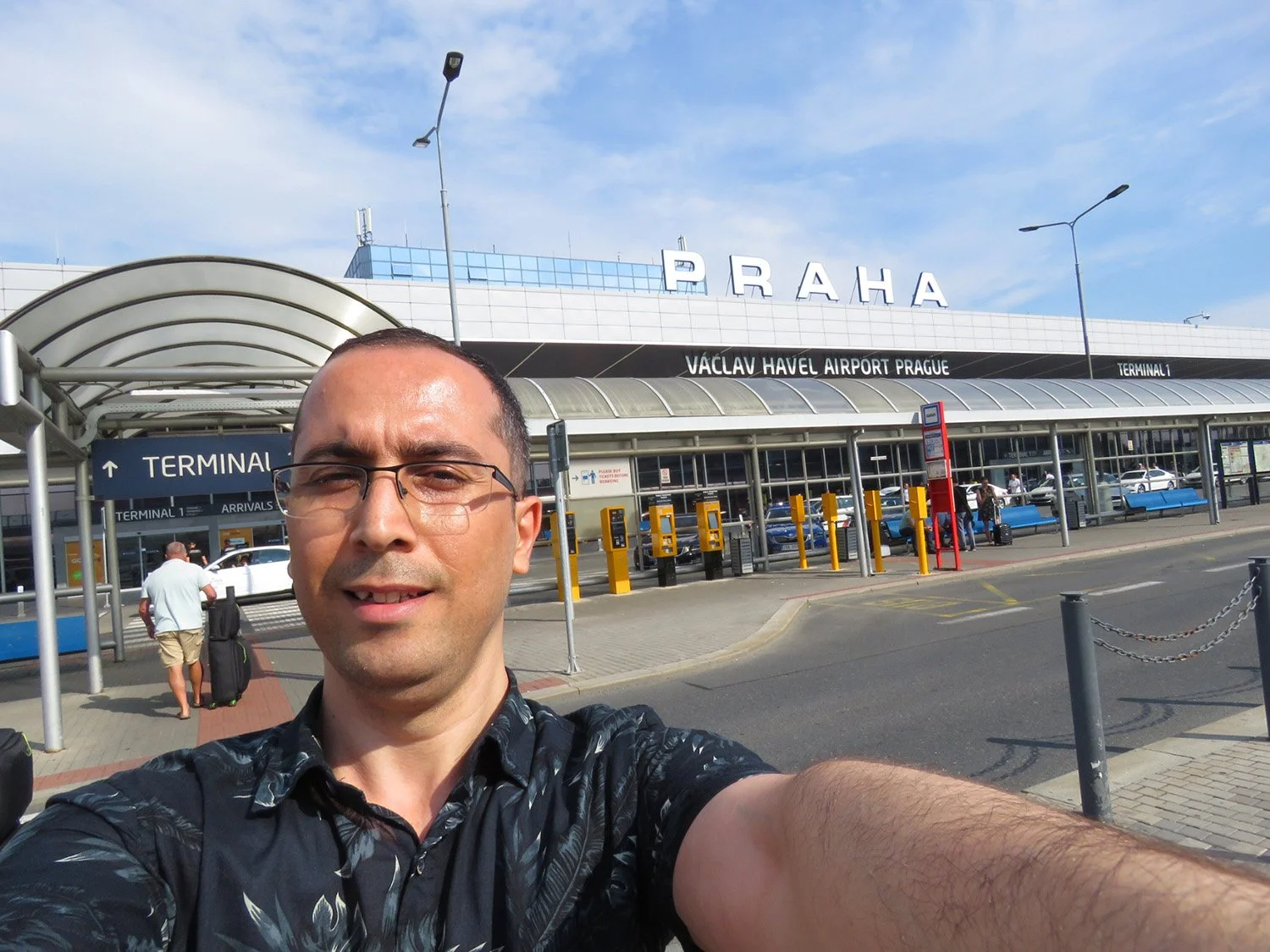
اولین سلفی من در پراگ / جمهوری چک
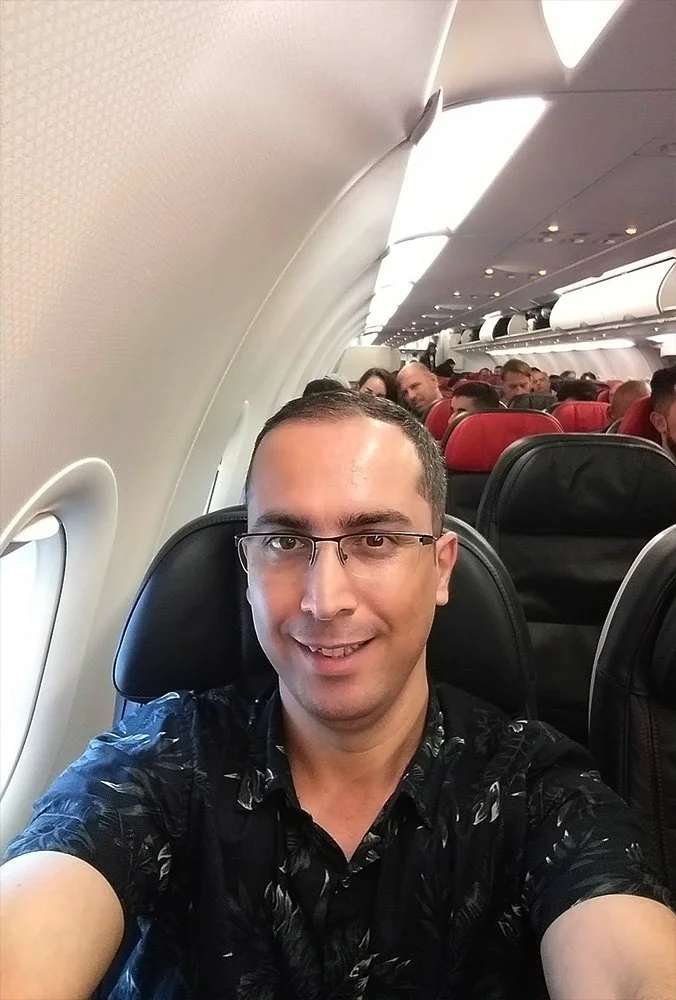
توی هواپیمایِ ترکیشایرلاینز این سلفی رو گرفتم، و از اینکه اینبار با هواپیمایِ داغون پرواز نمیکنم، خیلی خوشحال بودم.
I took this selfie on the Turkish Airlines flight, and I was so relieved that, this time, I wasn't flying on some beat-up plane.
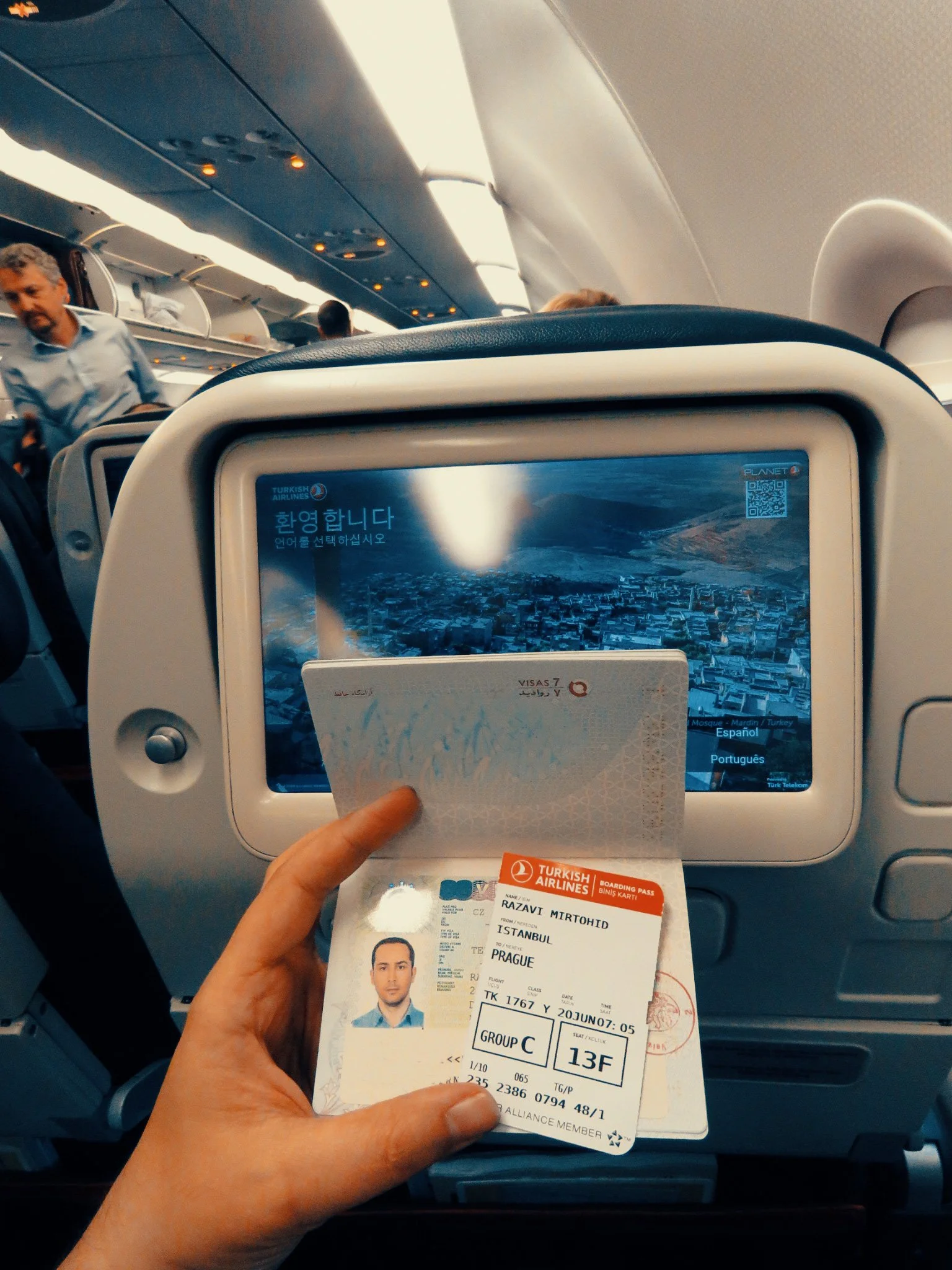
عکس از ویزا و بلیطِ بوردینگ گرفتم تا برایِ همیشه این لحظه رو فراموش نکنم. اینجا تازه از خوابِ نصفهنیمه توی فرودگاهِ استانبول پاشده بودم و خودمو رسونده بودم به پروازِ استانبول-پراگ.
I took a photo of the visa and the boarding pass so I'd never forget this moment. Here, I'd just woken up from a half-sleep at Istanbul airport and rushed to catch the Istanbul-Prague flight.
قبلش توی فرودگاه یه پولِ کوچیک چنج کردم و سوارِ اتوبوس شدم. نحوهیِ رسیدن به مرکزِ شهر رو از یوتیوب یاد گرفته بودم، و روی گوشیم هم همون ویدئو از هانستِگاید بود. طبقِ اون، خودمو رسوندم به شهر، و چون وکیل برام خونه گرفته بود، از قبل آدرس رو میدونستم و رفتم صاف اونجا. اولینبار مترویِ پراگ رو سوار شدم و هیچی از ایستگاهها و چیزهایی که از اسپیکرها پخش میشد نمیفهمیدم. خیلی مریخمانند بود، و همهچیز برام وارونه بود. انگار مرده بودم و توی یه جهانِ تازه متولد شده بودم؛ احساسی که بههیچوجه نمیشه توصیفش کرد.
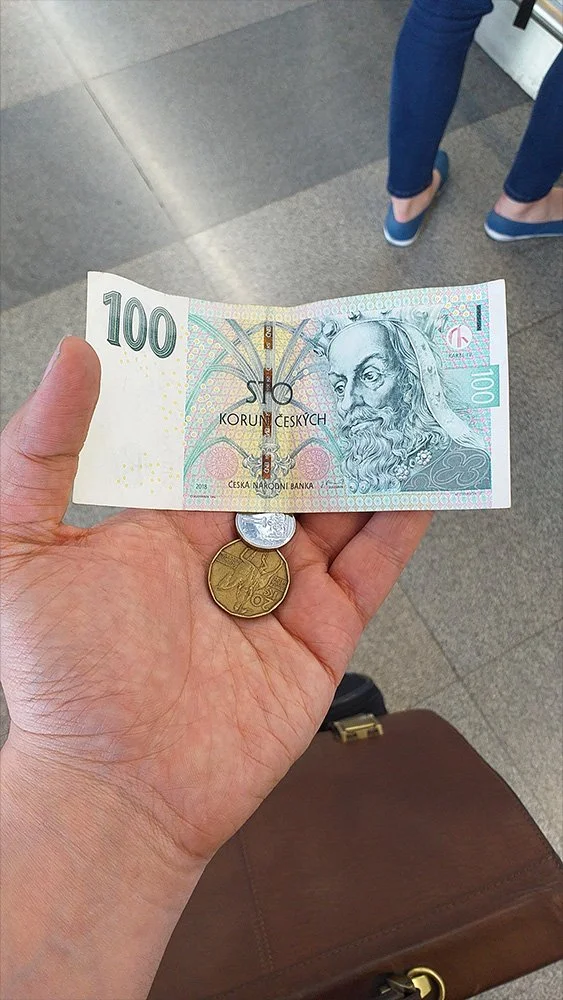
اولین صرافیِ من به کرونِ چک :)
My first currency exchange into Czech koruna :)
Before that, at the airport, I'd exchanged a small amount of money and gotten on a bus. I'd learned how to get to the city center from YouTube, and I had that same Honest Guide video on my phone. Following it, I made my way into the city, and since my lawyer had already arranged an apartment for me, I knew the address in advance and went straight there. That was the first time I rode the Prague metro, and I couldn't understand anything about the stations or what was being announced over the speakers. It felt completely alien; everything was upside down for me. It was as if I'd died and been born again into a brand-new world — a feeling that can't be described in any way.
توی طبقهیِ سوم یه اقامتگاهِ ویلایی بودم که دو هفتهای اونجا موندم. همش دنبالِ اجاره کردن خونه بودم؛ بالاخره یه خونه اجاره کردم، و طیِ همهیِ این مدت، میرفتم سرِ کار و برمیگشتم.
خیلی روزهایِ پرمشغله و عجیبی بودن. باید مداوم انگلیسی حرف میزدم و میفهمیدم، در کنارِ زبانِ چکی. این بلیط یکطرفه بود، و تا لحظهیِ مرگم قسم خورده بودم که به عقب فکر نکنم، چه برسه به نگاه کردن. تجربهیِ تهران، و بهعقب که ارومیه باشه رو داشتم، و خودمو داغ کرده بودم که این کار رو نکنم.
I stayed on the third floor of a villa-style guesthouse for about two weeks. I kept searching for an apartment to rent the whole time; I finally rented one, and throughout all of it, I kept going to work and coming back.
Those were busy, strange days. I had to constantly speak and understand English, alongside Czech. This ticket was one-way, and I'd sworn to myself, until my dying breath, not to think back, let alone look back. I had the experience of Tehran, and before that Urmia, as a cautionary tale, and I'd made myself determined never to repeat it.
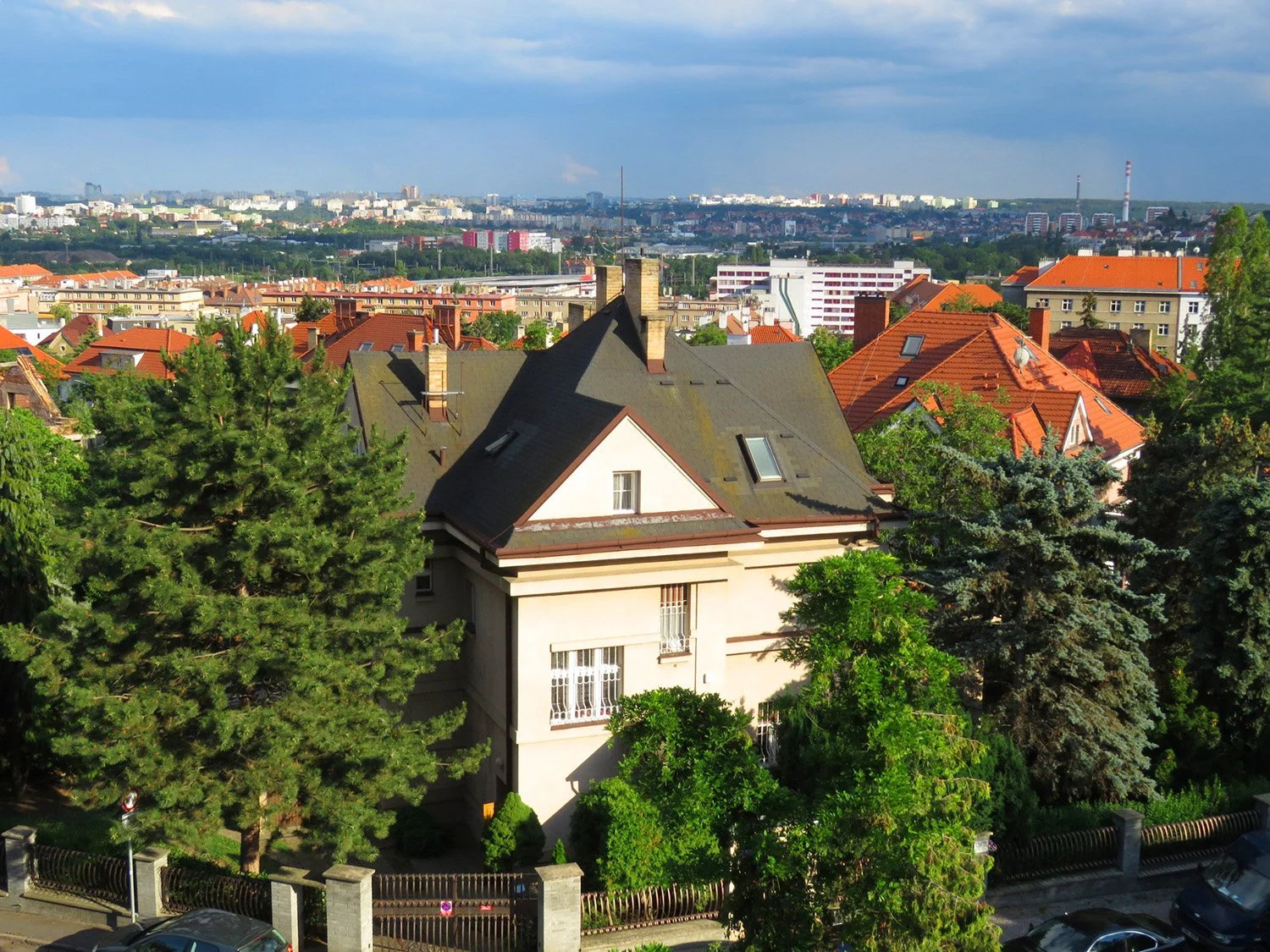
چشماندازِ اقامتگاه.
The view from the guesthouse.
کمکم برایِ خودم یخچال خریدم، لوازمِ خونه رو ریزریز از آیکیا خریدم. خیلی خوب یادمه، بعد از امضایِ قراردادِ خونهای توی سمتِ ژیژکوف، صاحبخونه کلید رو داد به من و رفت. من موندم و یه خونه که بویِ خیلی عجیبی داشت؛ کهنگی، همراه با نم و گچوخاک. تشک و پتو هم نداشتم. فقط میخواستم هرچه زودتر از اون طبقهیِ سوم که هفتگی پول میدادم، پاش بیام، تا برایِ خودم باشم.
صاحبخونه که در رو بست، از شدتِ خستگی گوشهیِ آشپزخونه دراز کشیدم روی کف. یه تیشرت و یه حولهیِ کوچیک که امید از اصفهان خریده بود رو لوله کردم، گذاشتم زیرِ سرم، و همونجوری خوابیدم تا صبح. ذرهای هیچی نداشتم، و فقط به آیندهیِ مبهمم فکر میکردم. اینکه چه اتفاقهایی قراره بیفته؟ من کجام؟ خواب که نمیبینم؟ دوازده ساعت پیش تهران بودم، حالا اینجا؟ به همین زودی و سادگی بود؟ دو تا هواپیما، و یه جهانِ تازه؟ ولی قطعاً منظورم سادگیِ تغییرِ پروازها و نشستن توی هواپیماست؛ وگرنه، تا اینجا رسیدن، ذرهذره از وجود و روانم ذوب شده بود.
Little by little, I bought myself a fridge, and picked up household items bit by bit from IKEA. I remember it very well — after signing the lease for an apartment in the Žižkov area, the landlord handed me the keys and left. I was left alone with a place that had a very strange smell; staleness, mixed with damp, plaster, and dust. I didn't even have a mattress or a blanket. All I wanted was to get out of that third-floor place I'd been paying weekly for, as soon as possible, and finally have something of my own.
Once the landlord closed the door, out of sheer exhaustion, I lay down on the kitchen floor. I rolled up a t-shirt and a small towel Omid had bought in Isfahan, put it under my head, and slept like that until morning. I had absolutely nothing, and all I could think about was my uncertain future. What was going to happen? Where even was I? Was I dreaming? Twelve hours ago I'd been in Tehran, and now I was here? Was it really that quick, that simple? Two flights, and a whole new world? But by "simple," I obviously just mean the mechanics of changing flights and sitting on a plane; because getting to this point, my being and my psyche had been melting away, piece by piece, the whole way here.
عکاسی در روزِ دومِ من در پراگ
Photography on my second day in Prague
احساسی که خوب یادمه اینه: هر روز صبح چند ثانیه طول میکشید تا پی ببرم که چشامو توی ایران باز نکردم و اینجایی که هستم، کلاً یه جهانِ تازهست. یهو تهدلم هررری میریخت پایین، و دوندگیهام و دنبالِ آدرس گشتنها و تلاشهام شروع میشد. خیلی لحظاتِ سورئالی بودن که تا زندگیشون نکنی، درکشون خیلی مشکله.
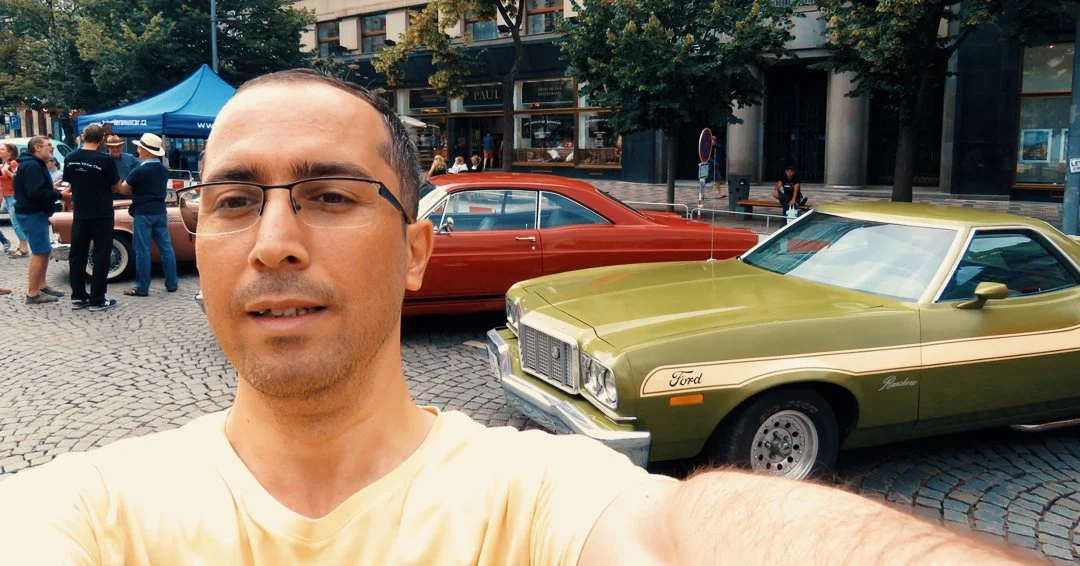
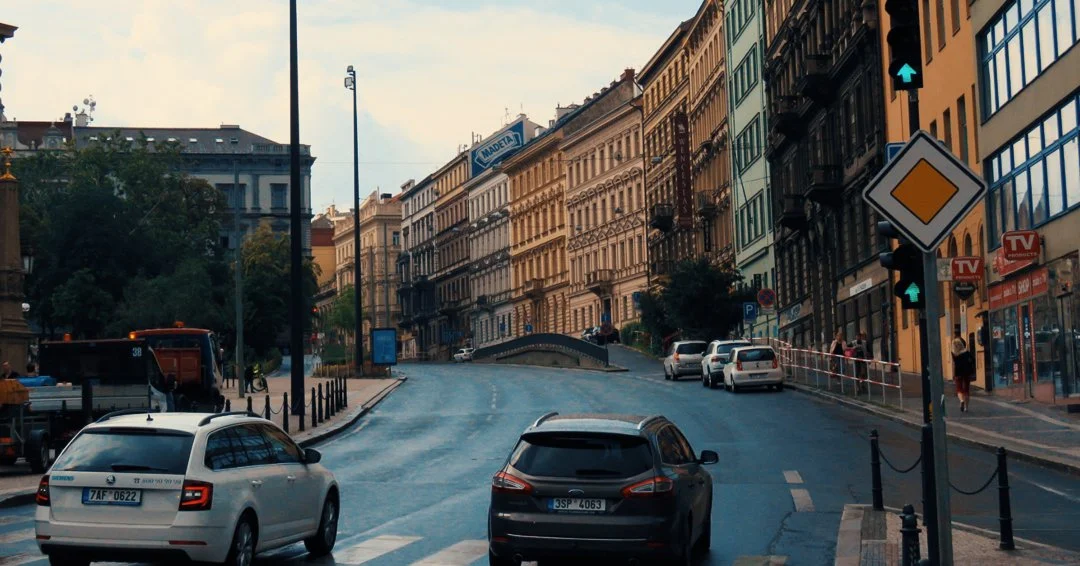
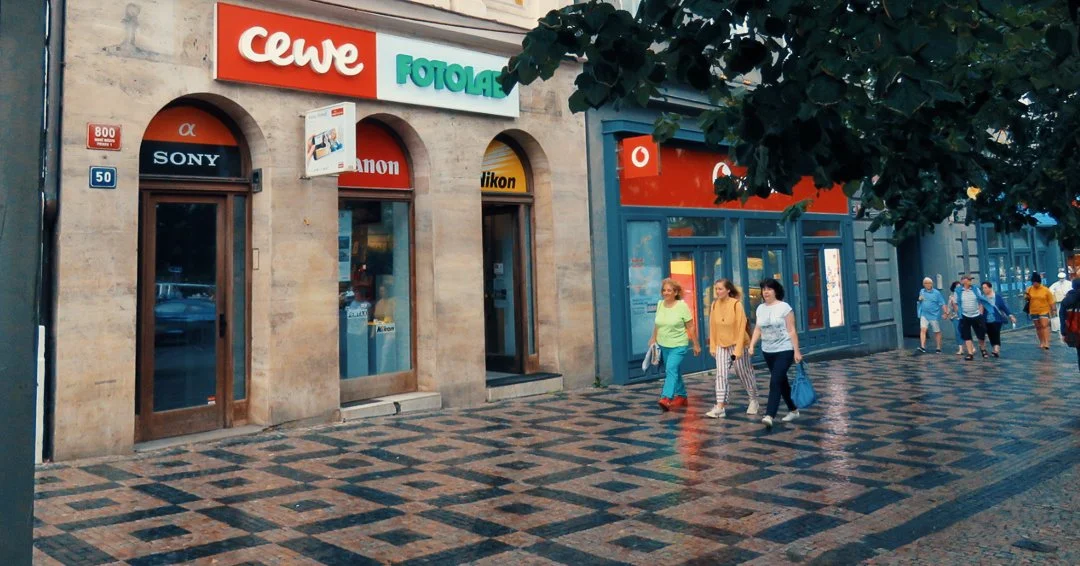
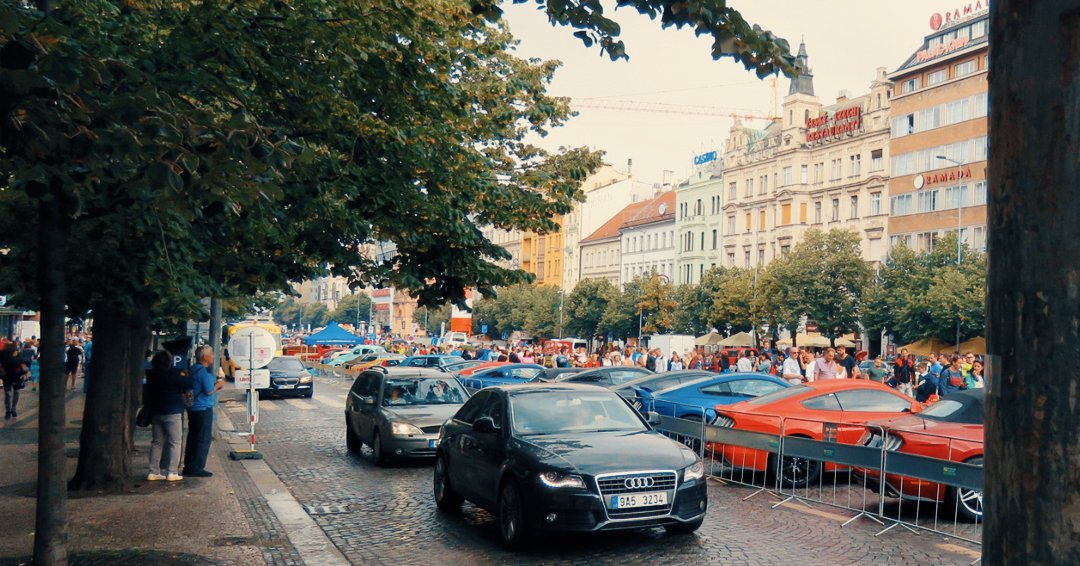
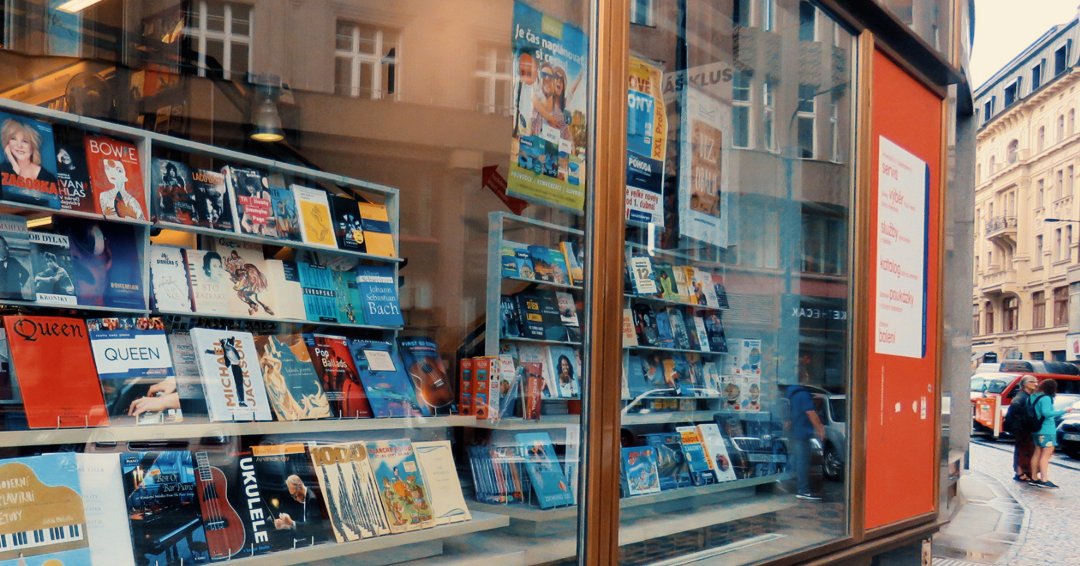
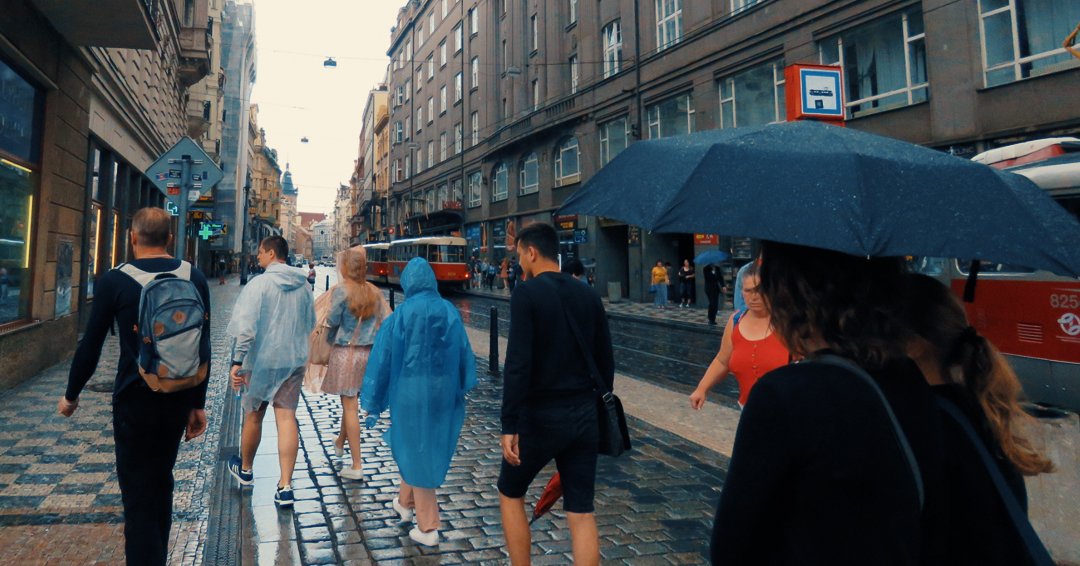
روزِ دوم، با دوربینی که از میرداماد خریده بودیم، رفتم وسطِ شهر. خیلی اتفاقی از اونجا سر درآوردم. یهو دیدم همهجا ماشینهایِ کلاسیکِ آمریکایی هست و سیلِ توریست ریخته. باورم نمیشد. ساختمونها، مغازهها، همه شکیل و باروک و قرونِوسطایی و خوشگل...
The feeling I remember well is this: every morning, it took a few seconds to realize I hadn't opened my eyes in Iran, and that where I was now was an entirely new world. My stomach would suddenly drop, and then my running around, searching for addresses, and pushing forward would start all over again. There were so many surreal moments that are really hard to understand unless you've lived them.
On the second day, I took the camera we'd bought on Mirdamad Street and went into the city center. I ended up there completely by chance. Suddenly I saw classic American cars everywhere, and a flood of tourists. I couldn't believe it. The buildings, the shops, all of it elegant, baroque, medieval, and beautiful...
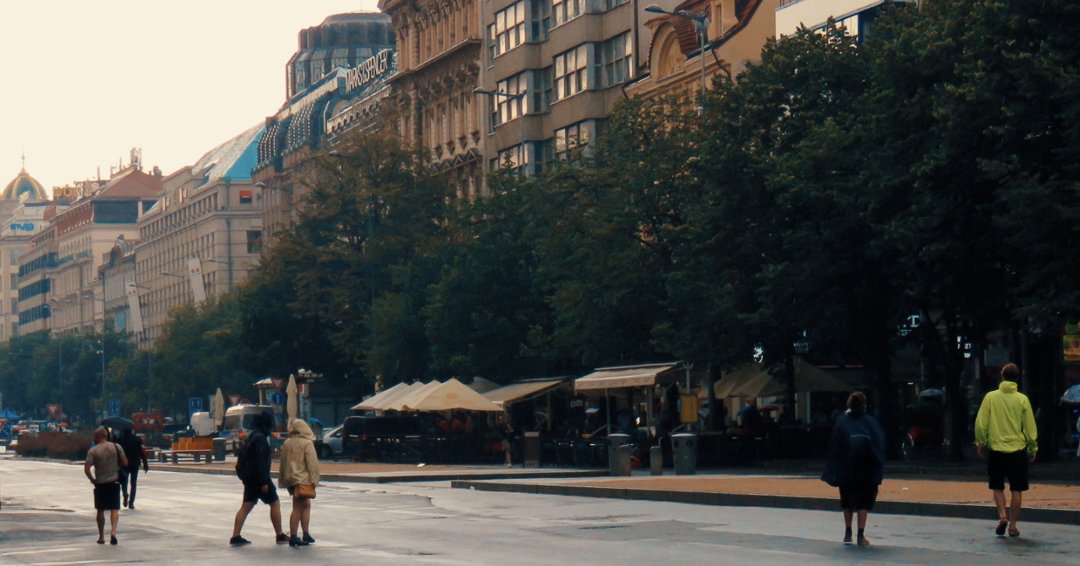
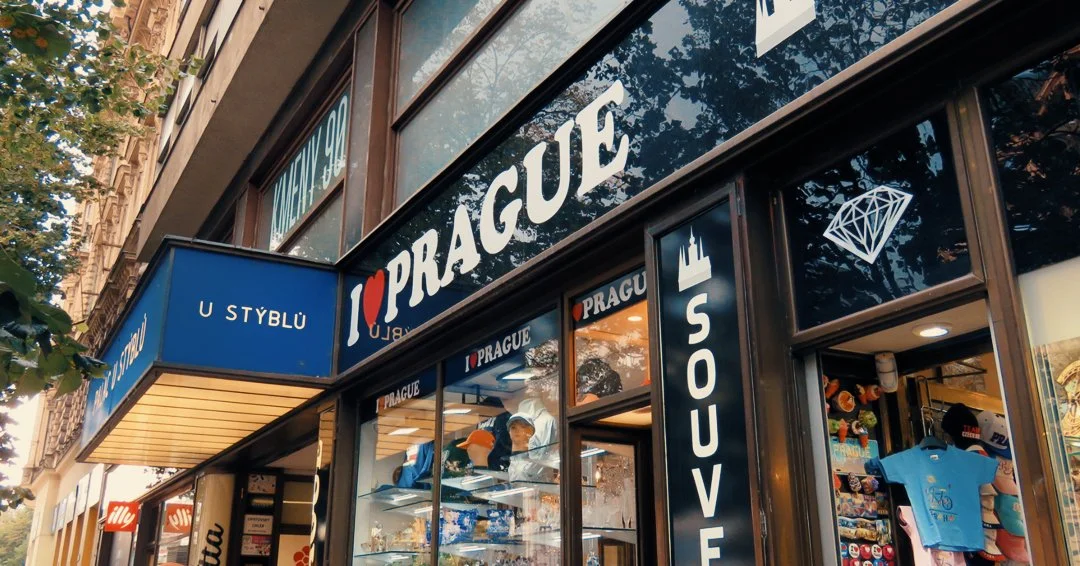
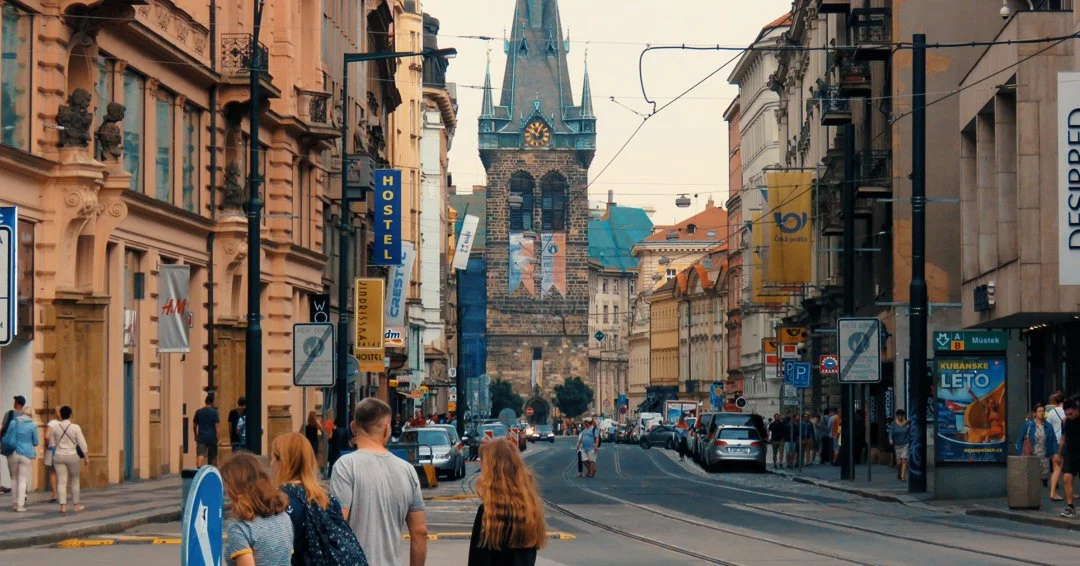
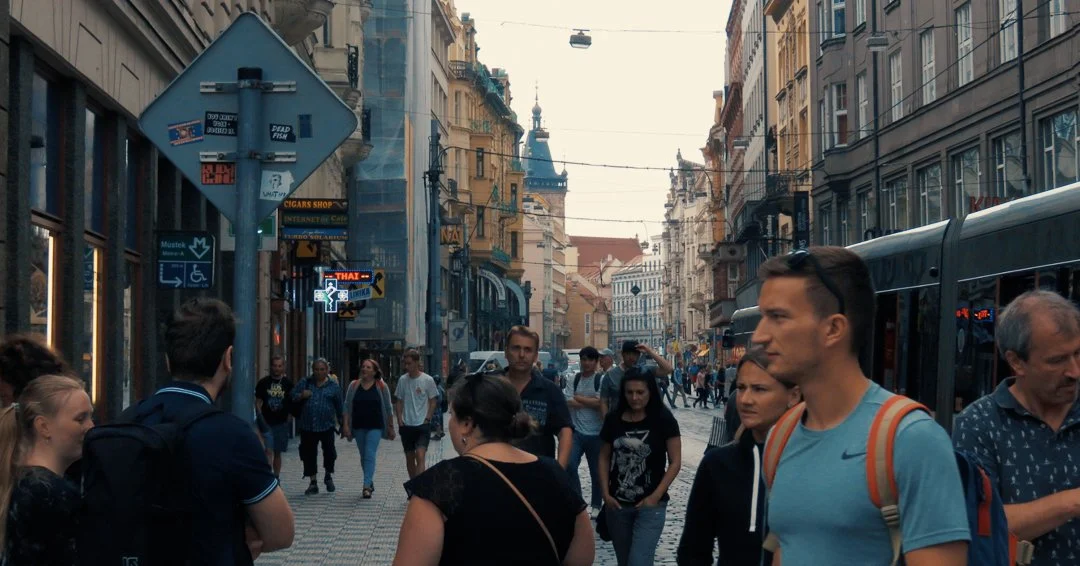
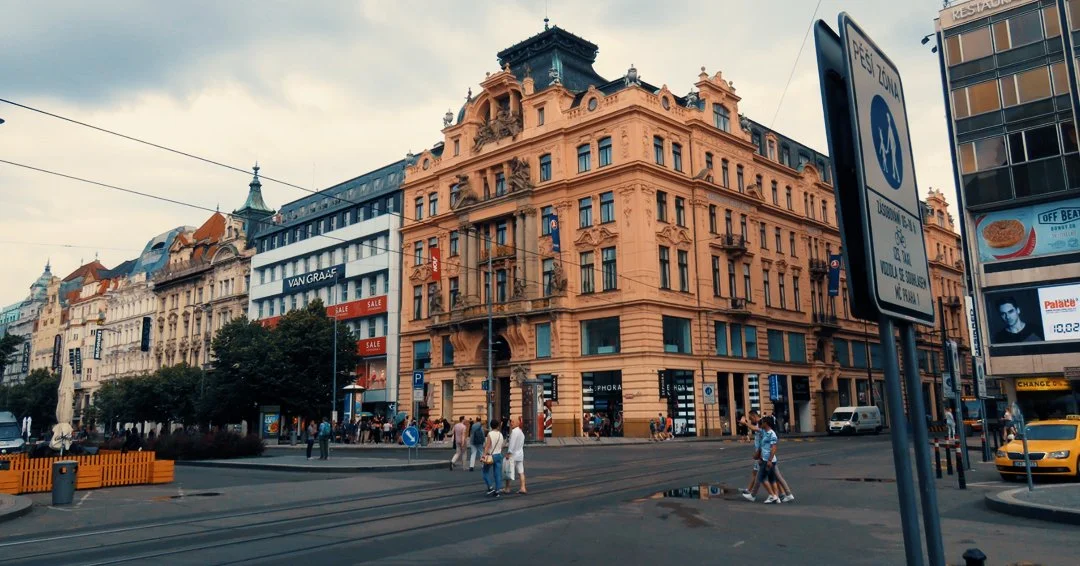
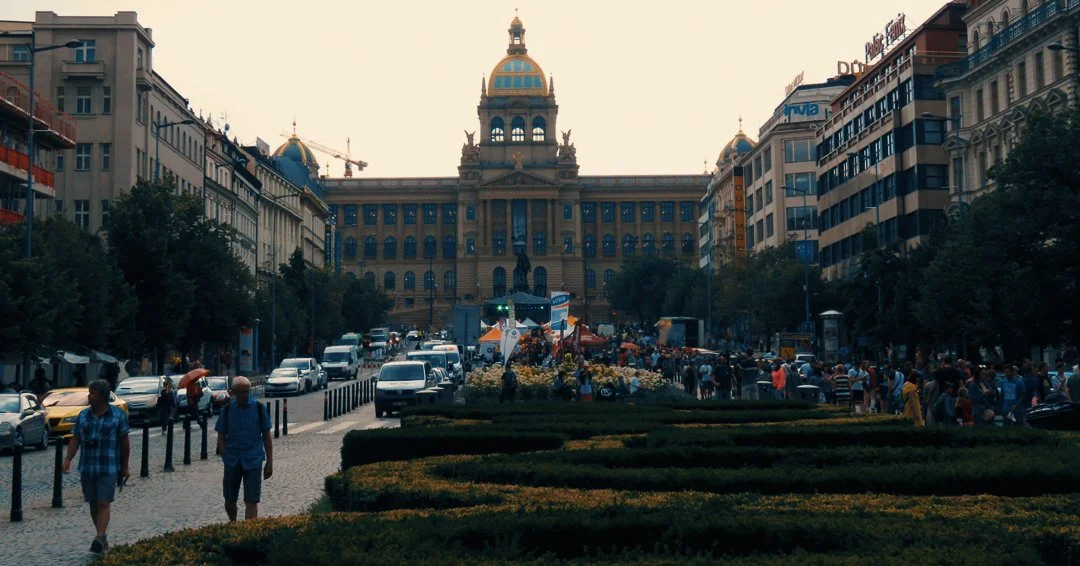
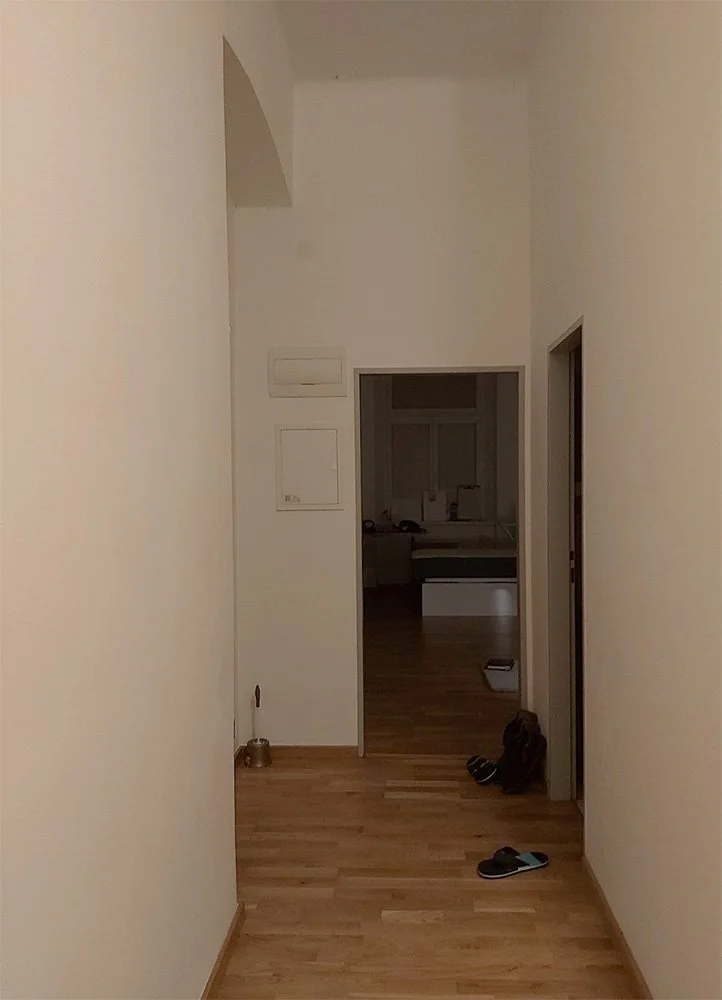
این اون آپارتمانی بود که اجاره کرده بودم. یادش بهخیر. یه سالِ اول رو اینجا زندگی کردم. چقدر روزگارِ سختی بود، و در عینِ حال لذتبخش و آموزنده.
This was the apartment I'd rented. Good times. I lived here for the first year. What a hard period it was — and at the same time, enjoyable and full of lessons.
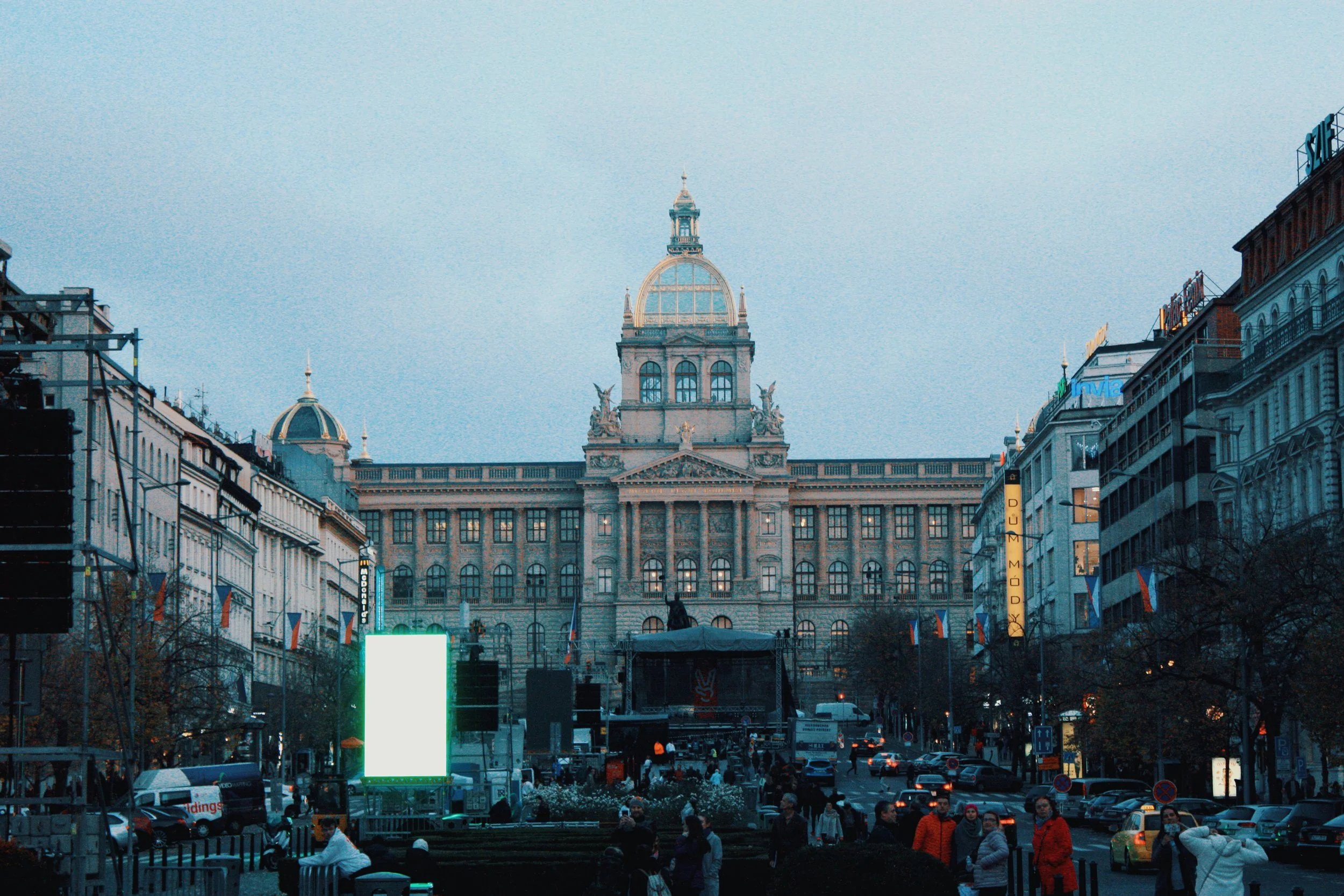
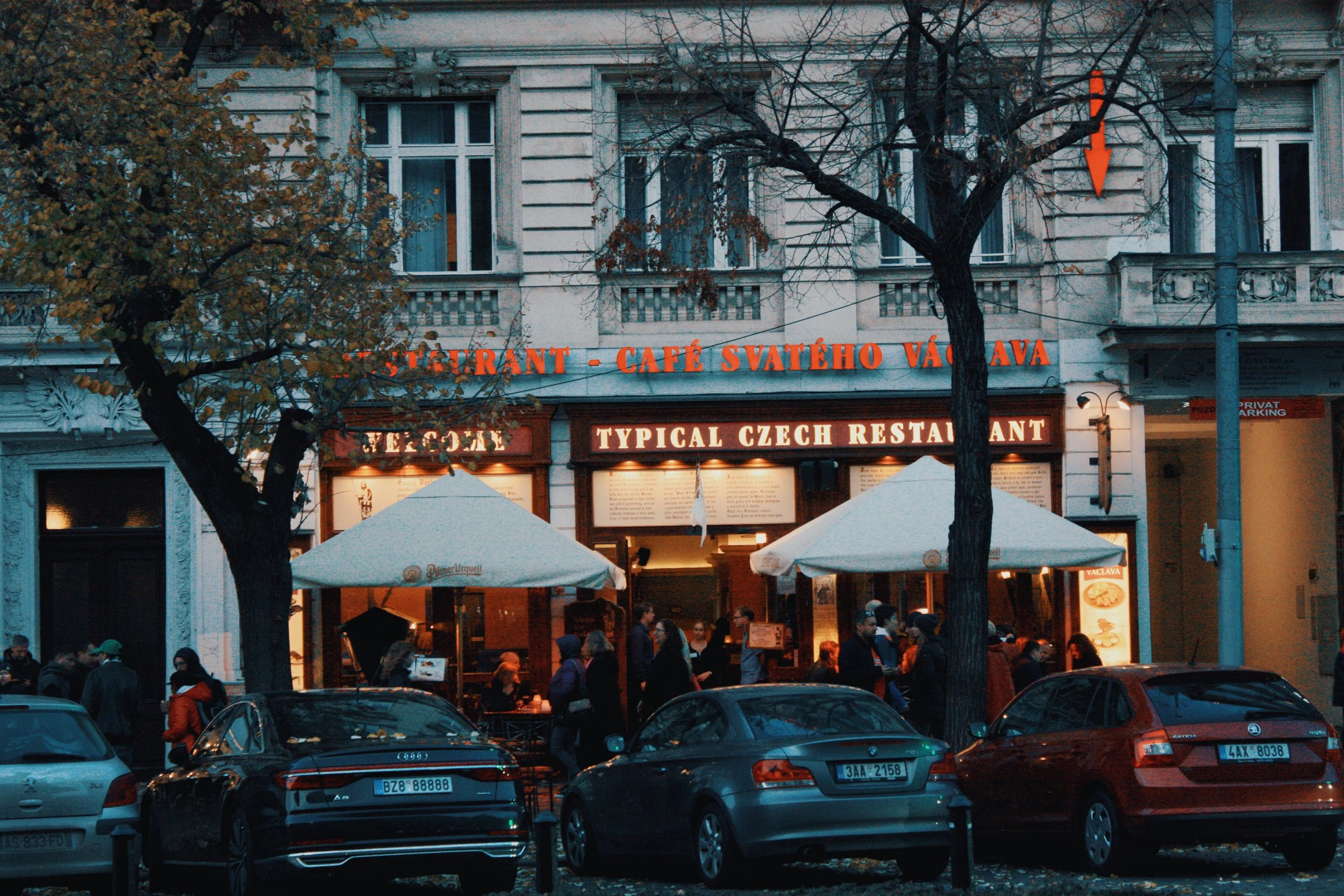
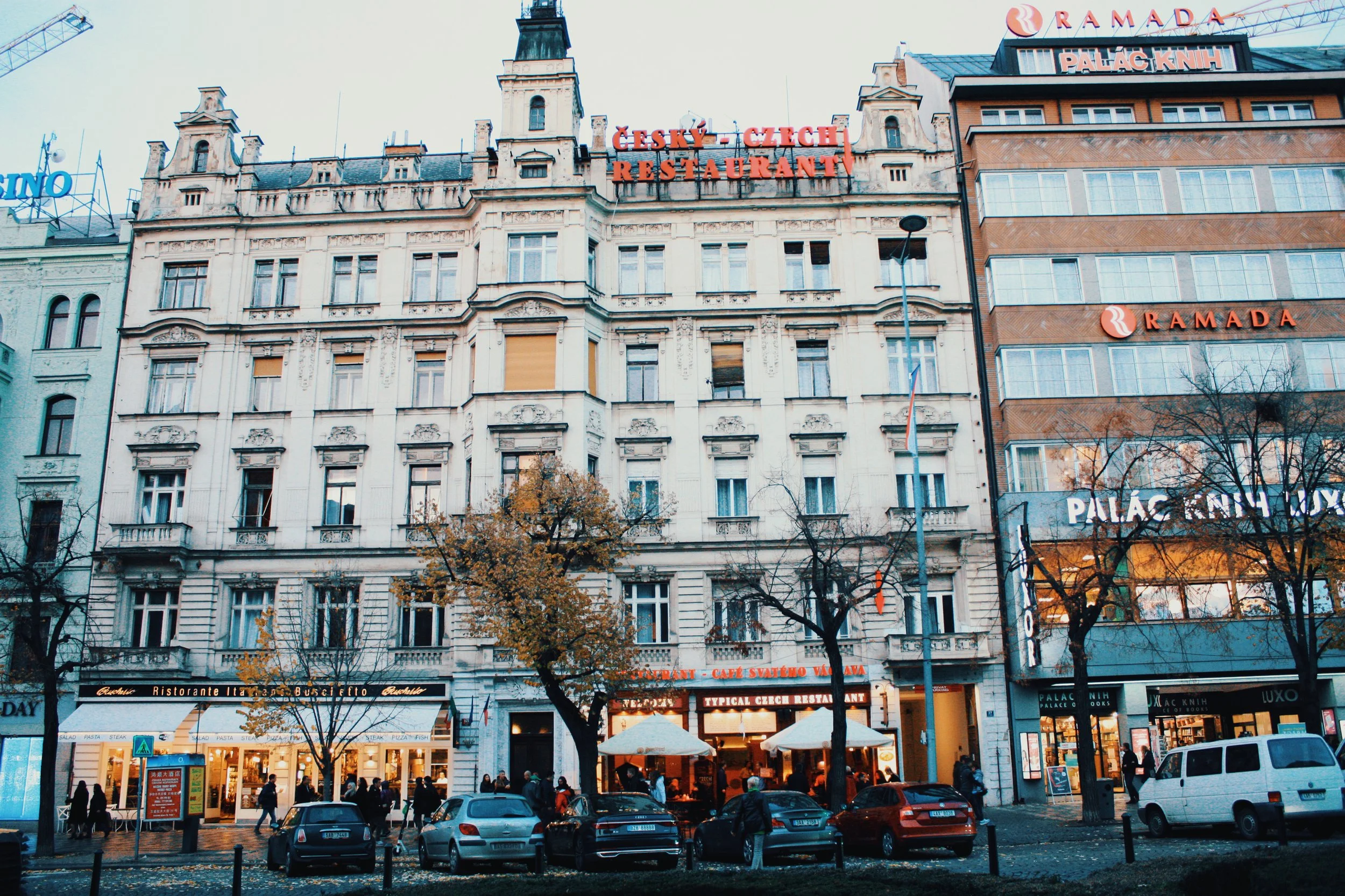
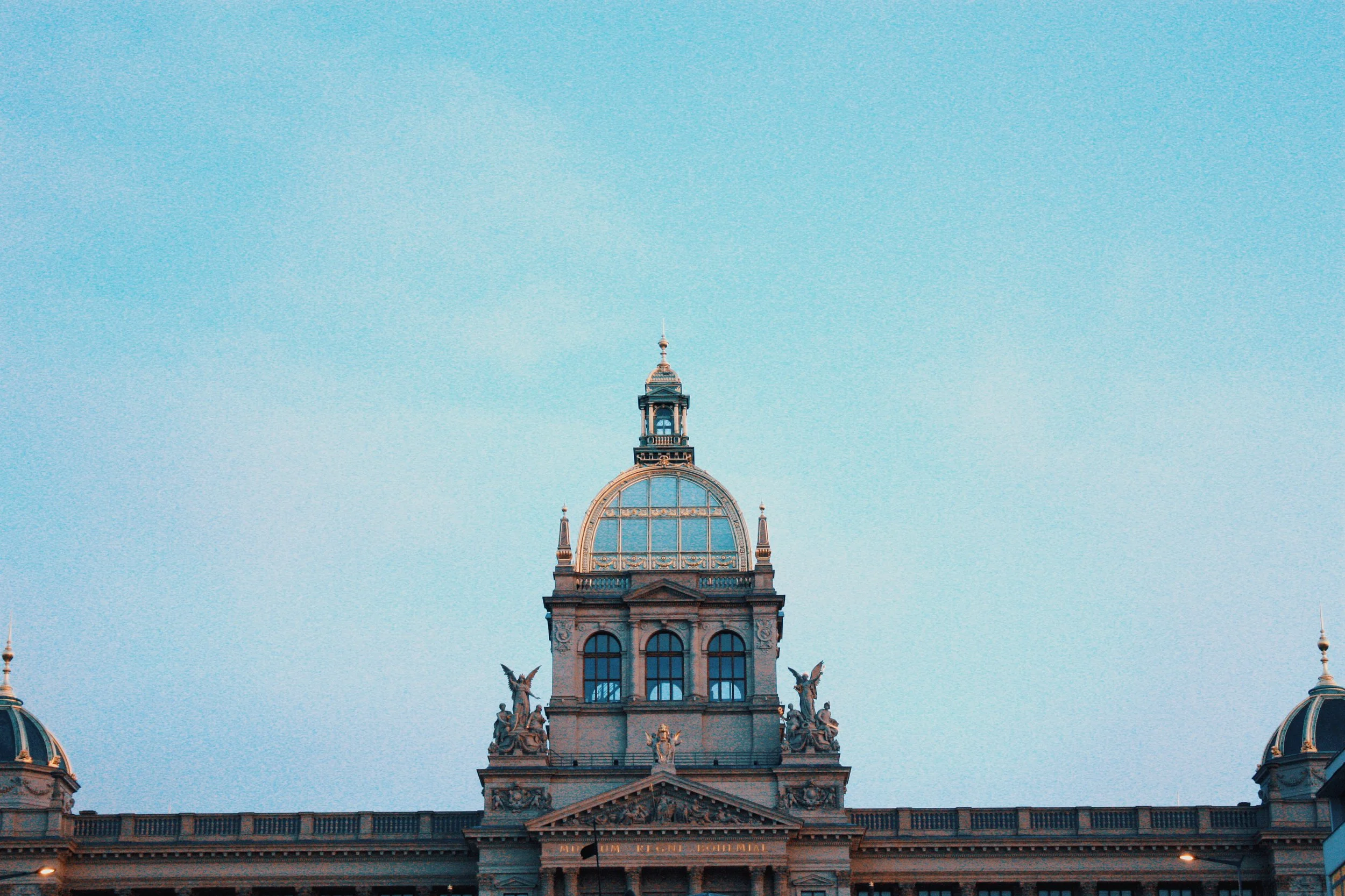
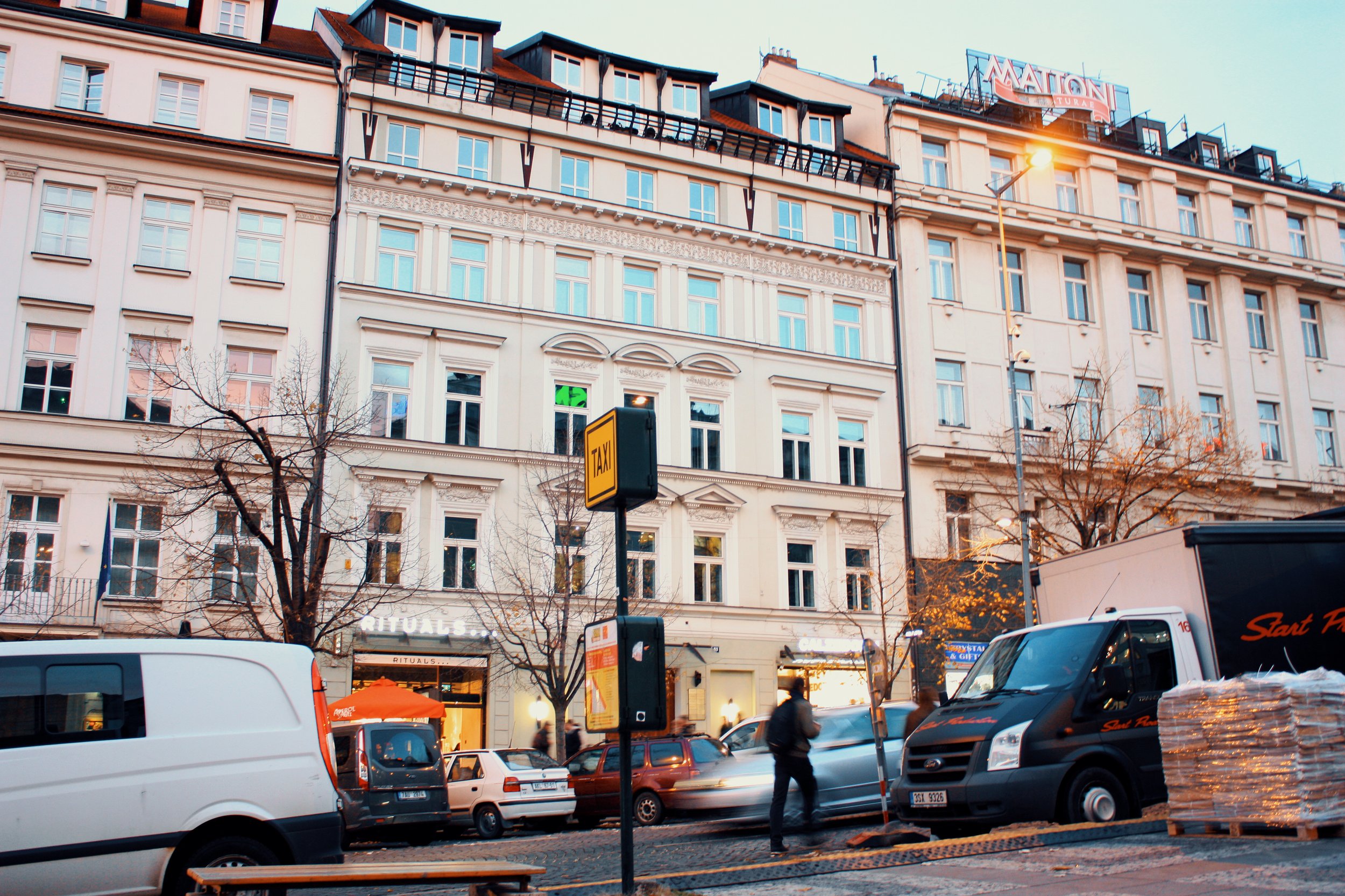
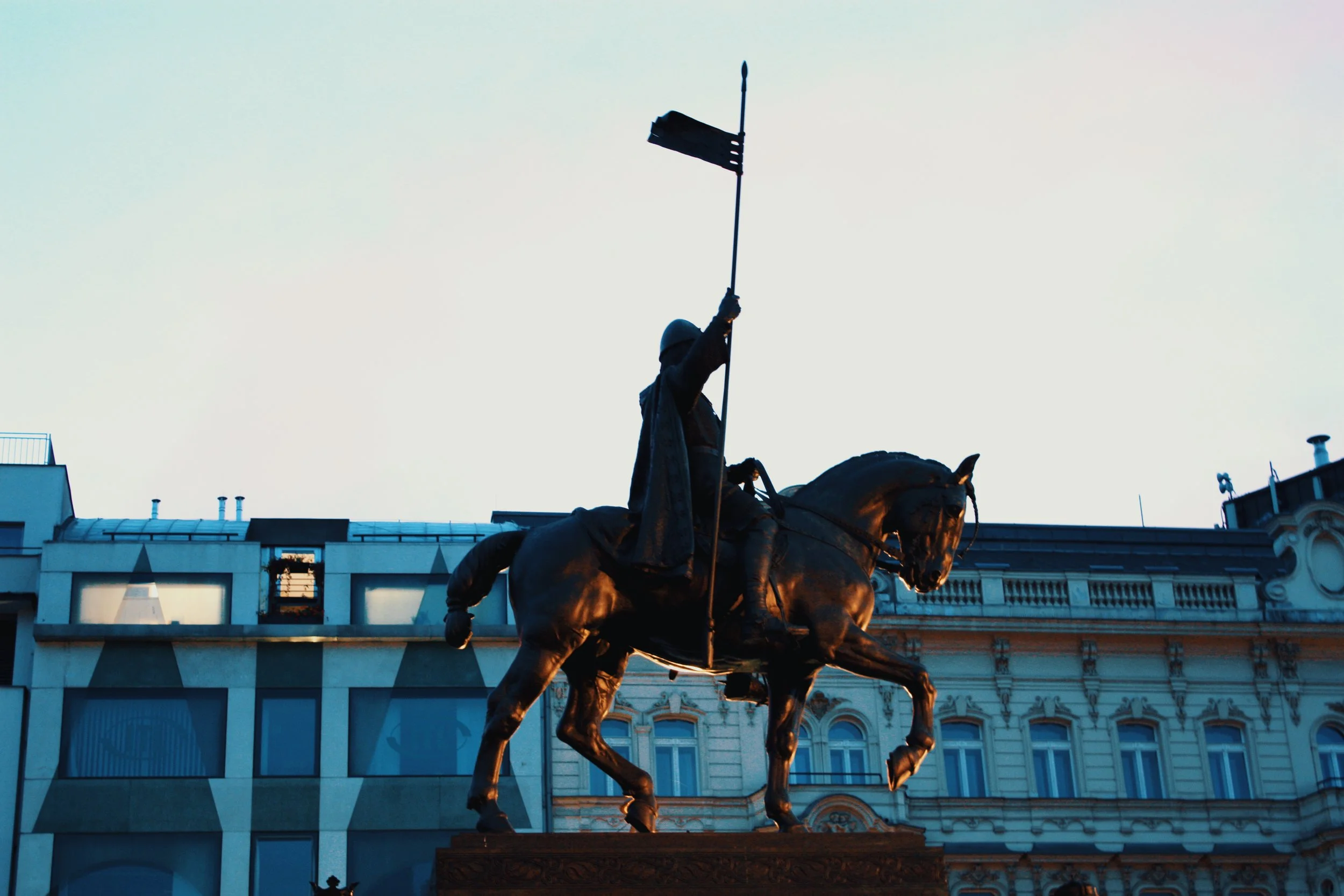
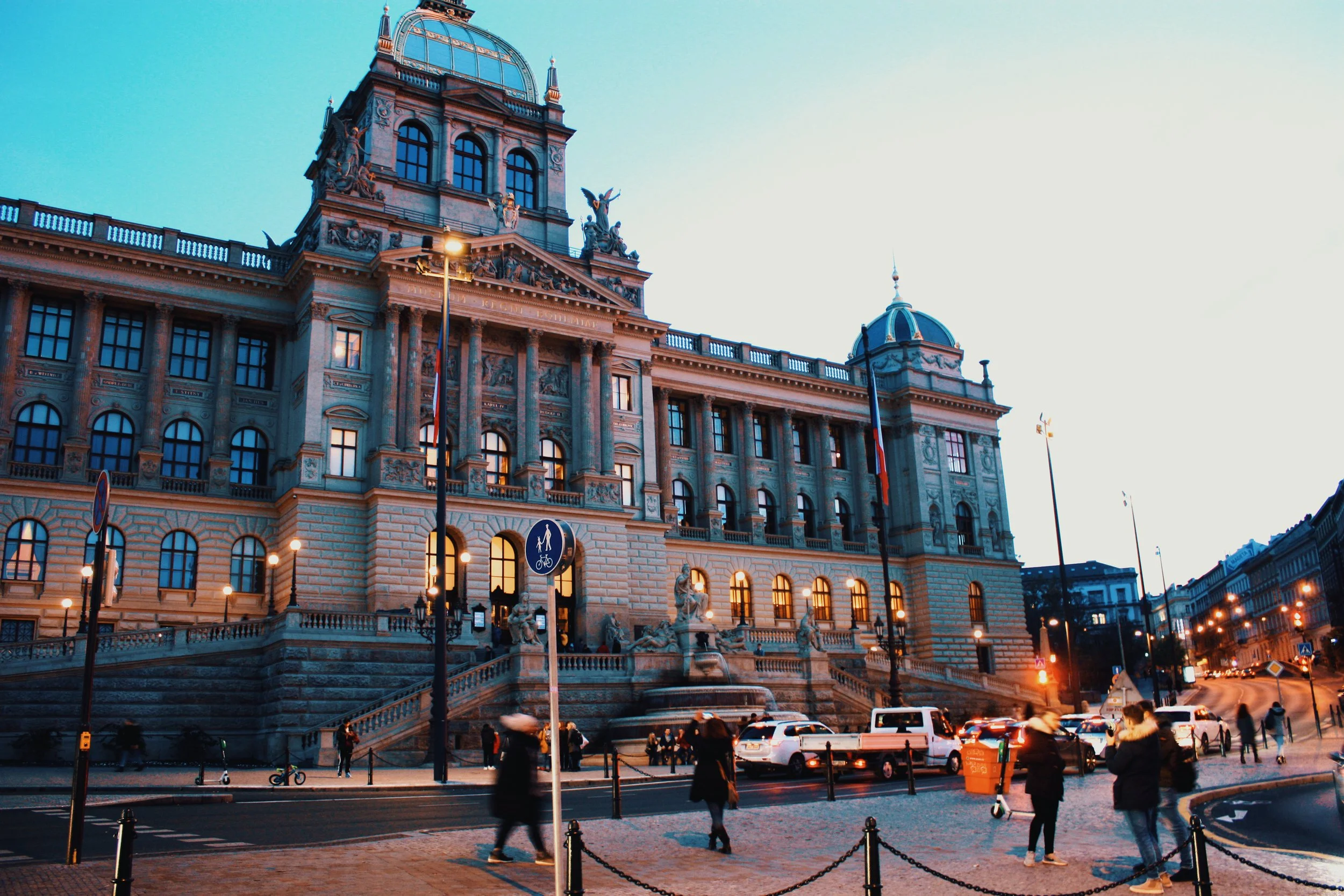
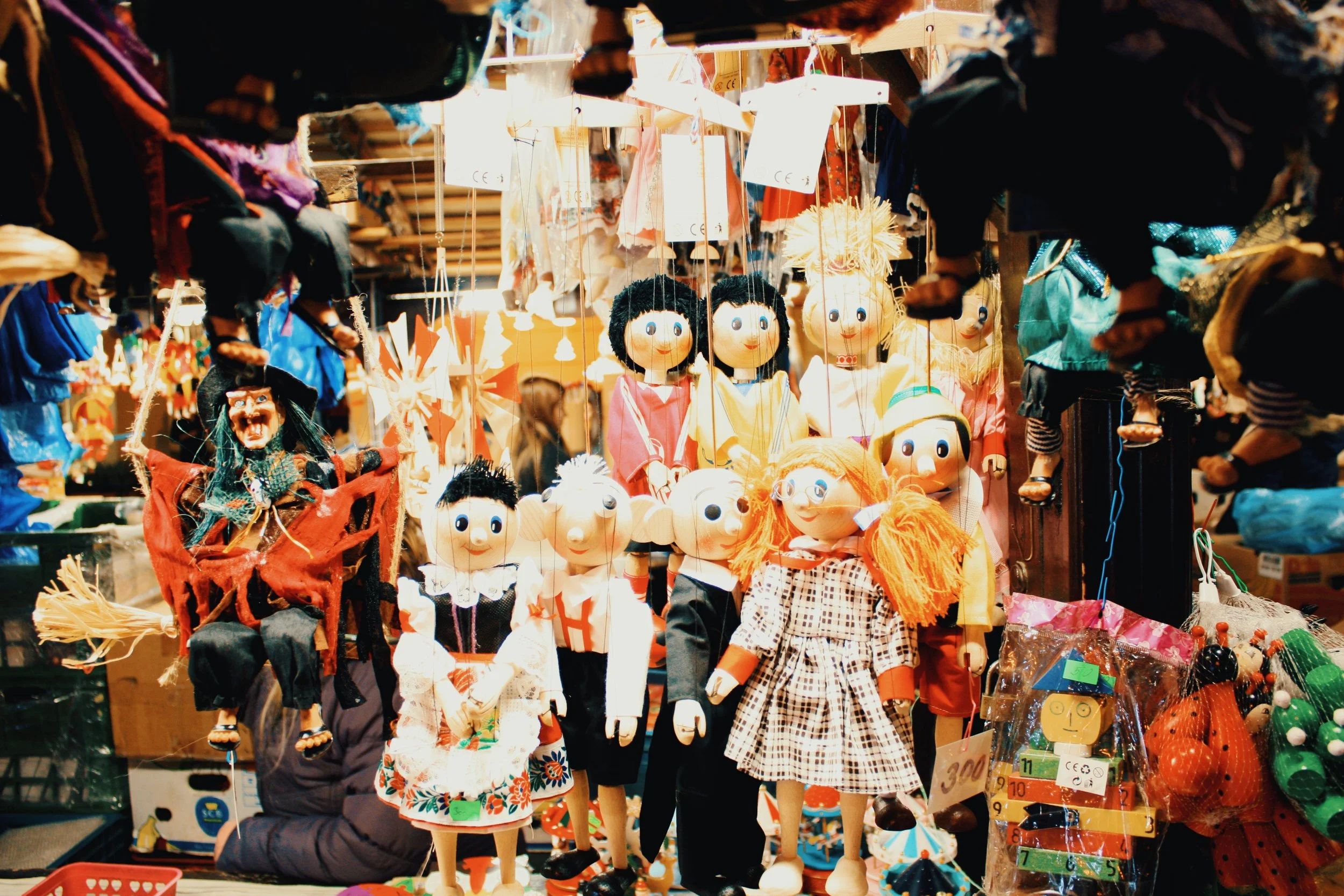
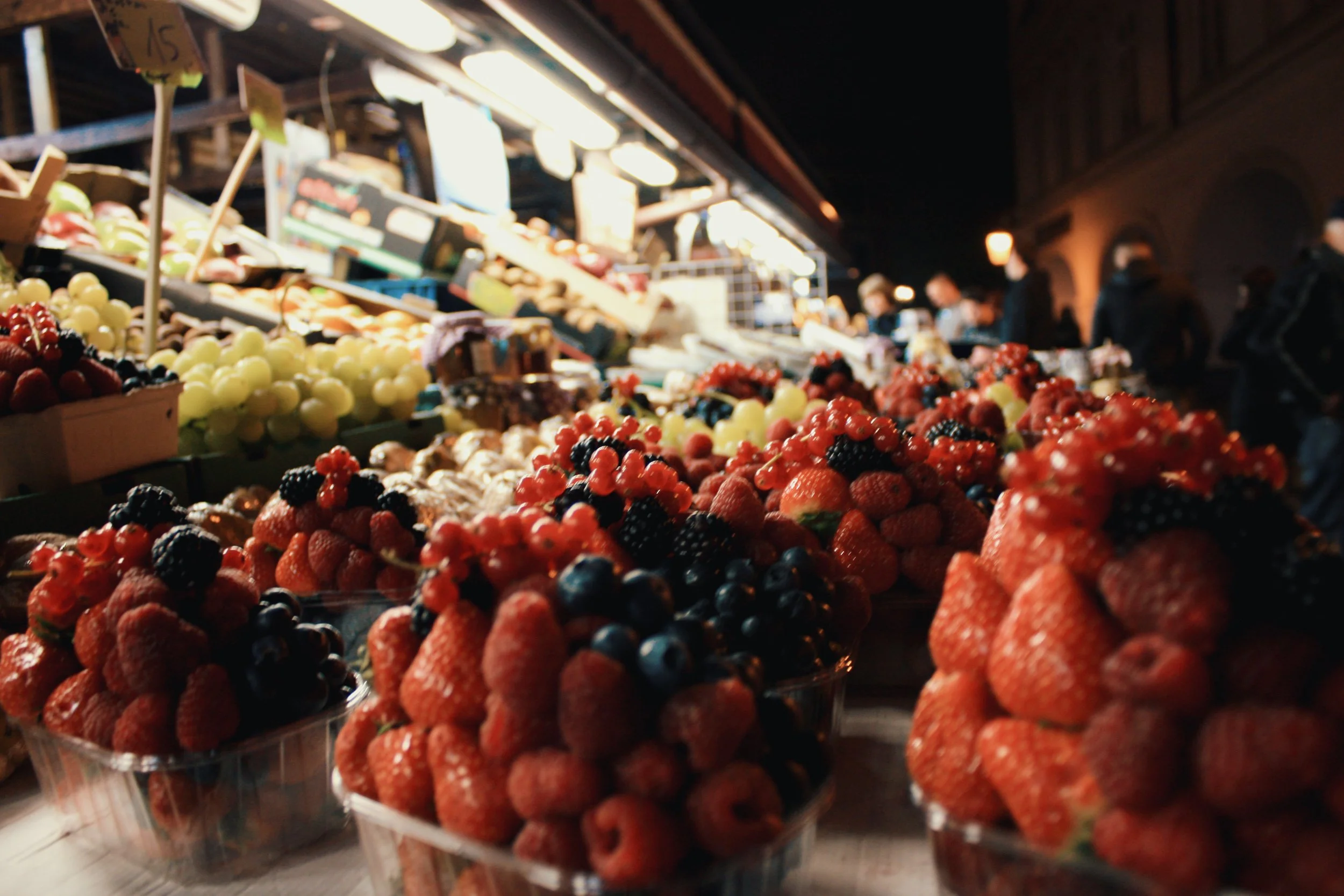
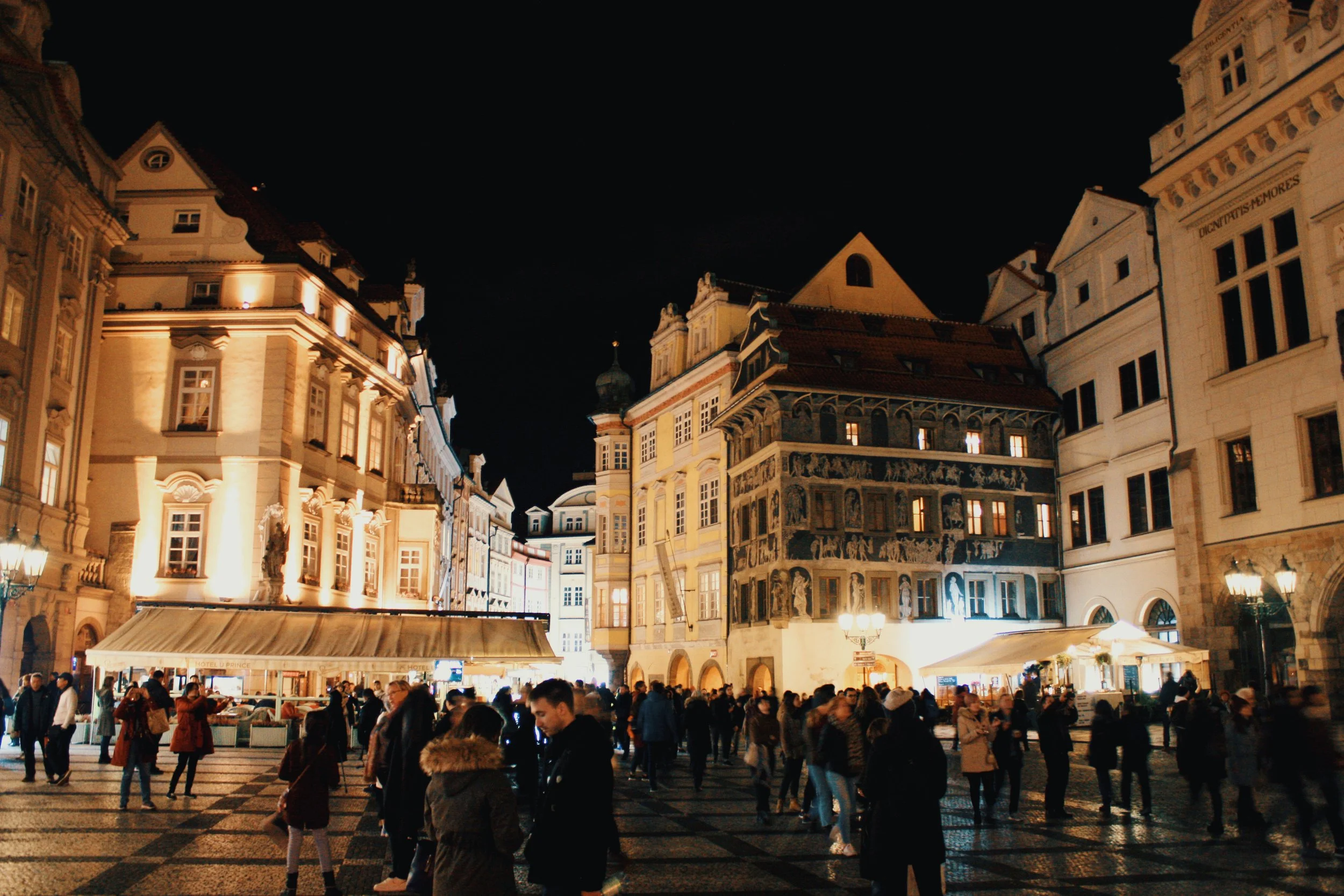
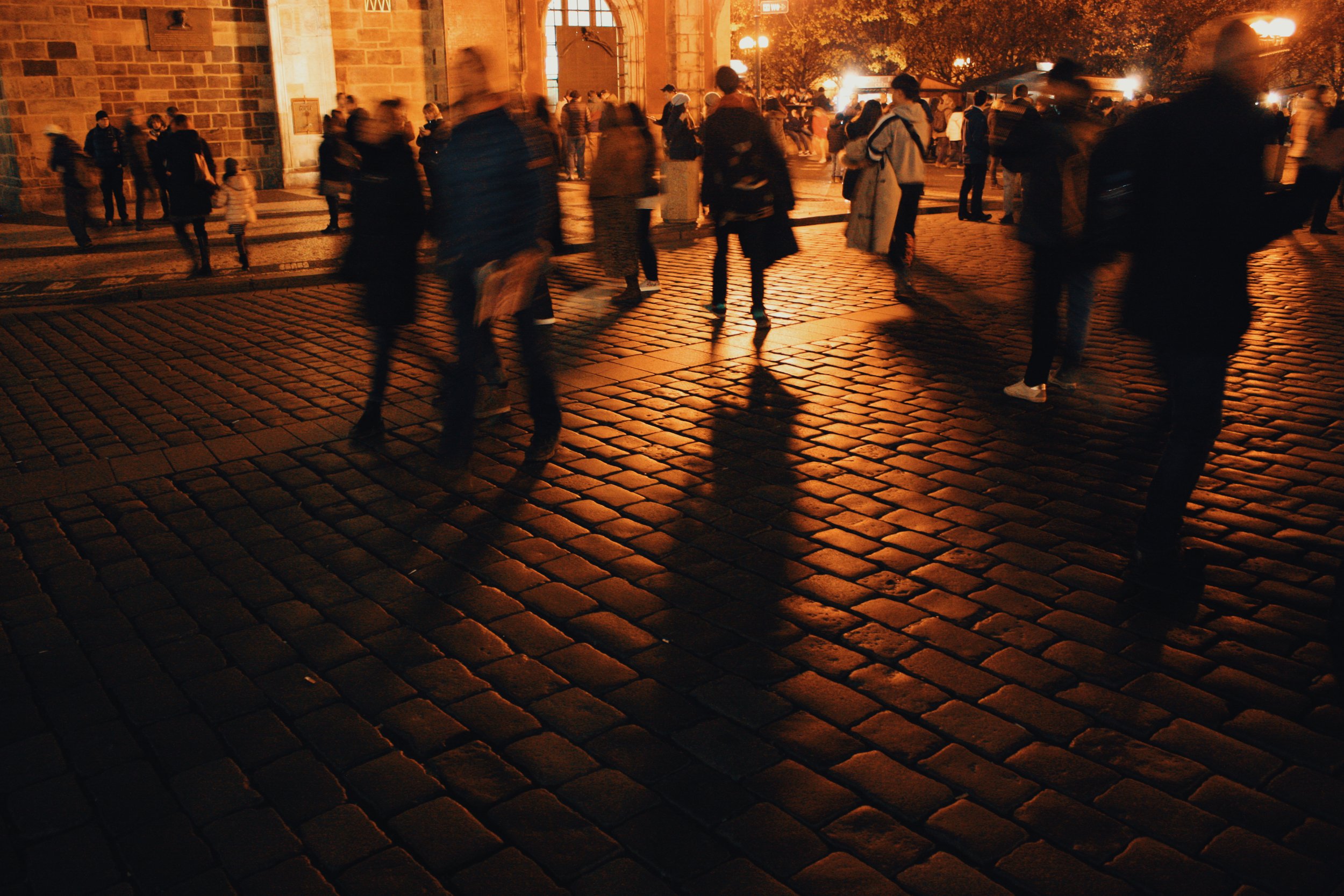
الان دیگه میتونم پراگ رو خونهیِ خودم تعریف کنم. هیچوقت یادم نمیره، وقتی با امید رفتیم دانمارک؛ یه چرخی توی کپنهاگ زدیم، و بهمحضِ رسیدن به پراگ و شنیدنِ صدایِ تراموا، یه احساسِ خونهبودن و آرامش بهم دست داد که تا عمر دارم فراموش نمیکنم. برگشتم و به امید گفتم: «همینطوری احساس میکنی؟» گفت: «آره توحید.»
خیلی عجیبه که در خارج از مملکتِ خودت، یه مملکتِ دیگه احساسِ خونهبودن بهت بده؛ هرچند هیچوقت توی ایران احساسِ زندگی توی خونه رو نداشتم و همیشه فراری و منزوی زندگی کرده بودم. ولی همیشه جنگیدم و تلاش کردم تا مثلِ پدر و مادرم توی انزوایِ مطلق زندگی نکنم. فکر میکنم یه کوچولو موفق بودم — نه زیاد.
I can call Prague my home now. I'll never forget the time Omid and I went to Denmark; we walked around Copenhagen a bit, and the moment we got back to Prague and heard the sound of the tram, a feeling of home and calm washed over me that I'll never forget as long as I live. I turned to Omid and asked, "Do you feel that too?" He said, "Yeah, Tohid."
It's strange that outside your own country, a completely different country could give you that feeling of home; even though I never felt like I was truly living at home in Iran, and always lived like a fugitive, isolated. But I always fought and tried not to live in total isolation the way my parents did. I think I succeeded a little — not a lot.
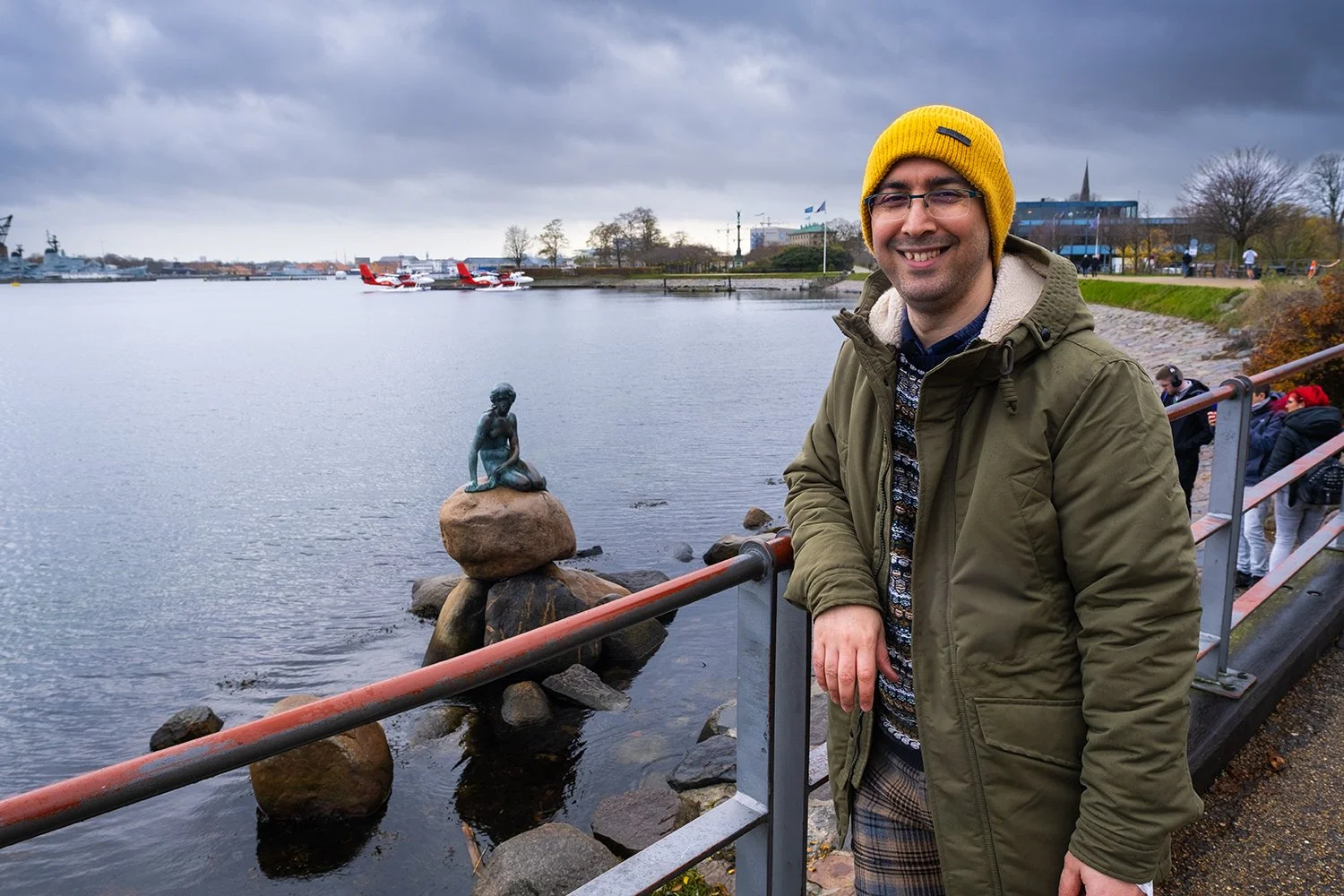
نوامبر ۲۰۲۱، در دانمارک، کنارِ مجسمهیِ مشهورِ پریِ دریاییِ کوچولو.
November 2021, in Denmark, next to the famous Little Mermaid statue.
سالهایِ اولِ زندگیم، سرشار از چالش و یادگیریِ نحوهیِ کار کردن با اروپاییها بود. توی ایران پرکار بودم، و همیشه زیرِ سایهیِ پویانما و مباحثی که ترجمه میکردم، ذهنم آشنا بود؛ همین آشناییِ ذهنی خیلی مسیر رو برام هموار کرد. توی ایران به سختکوشی و پوستکلفتی هم عادت کرده بودم، برایِ همین دوندگیِ زیاد و شبانهروز تلاشکردن برام عجیب نبود.
The first years of my life here were full of challenge and learning how to work with Europeans. In Iran I'd been a hard worker, and thanks to Puyanama and all the material I'd translated, my mind was already familiar with a lot of it — that mental familiarity smoothed the path for me a lot. I was also used to hard work and having thick skin from Iran, so a lot of running around and working around the clock wasn't strange to me.
نکتهیِ مهم، خجالت توی رفتارم بود. الان که فکر میکنم، به این نتیجه میرسم که میشد با ارتباطِ بهترِ با مدیریتِ مجموعهیِ اولی که بهش ملحق شده بودم، از استرسی که یه کارگردانِ هنری بهم میداد خلاص بشم؛ ولی سکوت کرده بودم، و اشتباه بود. در نهایت بچههایِ دیگه شکایت کردن و نظرِ من رو هم جویا شدن، و منم تا میتونستم از خجالت دراومدم، و در نهایت اخراجش کردن. کاش این نگاه رو توی ایران هم داشتم، کاش مرزها رو مشخص میکردم؛ اما نمیشد، چون اون رشدِ ناقص و اون توحیدِ کودکطور که خیلی احساساتی هم بود، مانع میشد. همیشه میدونستم که نباید اینجوری باشه. اما الان دیگه سکوت نمیکنم، و همین ساکتنموندنم باعثِ تعجبِ خیلیها، از جمله خواهرم و خانوادهام، شده. اون توحید سالهاست که دیگه مرده، و اون روزها و تجربههاش رو اجازه نمیدم تکرار بشن.
The key issue was shyness in how I behaved. Looking back now, I realize I could have communicated better with the management of the first company I joined and gotten out from under the stress a certain art director was putting on me — but I stayed silent, and that was a mistake. Eventually, other people complained too, and they asked for my input, and I finally worked up the nerve to speak, and in the end they let him go. I wish I'd had that same outlook back in Iran, I wish I'd set boundaries there too; but it wasn't possible, because that incomplete growth, that overly emotional, child-like version of Tohid, kept getting in the way. I always knew it shouldn't be like that, but to avoid further intense conflict and its consequences, I stayed quiet. But I don't stay quiet anymore, and that shift has surprised a lot of people, including my sister and my family. That old Tohid has been dead for years now, and I won't let those days or those experiences repeat themselves.
من اینجا خیلی هم تلاش کردم، و بهمحضِ اینکه فرصت فراهم شد، امید رو هم آوردمش اینجا؛ چون امکان نداشت بذارم امید بمونه و در سکوت ذرهذره جونش رو بخورن و من از دور تماشا کنم. توی تمومِ مدتی که اینجا زندگی کردم، لحظهای با امید قطعِ ارتباط نکردم، و همین ارتباطِ مداومِ روزانه بود که بهم انرژیِ مضاعف میداد؛ وگرنه کسی تا حالا براش مهم نبود که من از لحاظِ مالی چطور سرپام، چطور از پسِ هزینهها برمیام، سردمه یا گرممه، تهِ دلم چی میگذره، تنهام یا نه، دوستدختر دارم یا نه، دلم گرفته یا نه، اصلاً آدمم یا نه.
I worked really hard here, and as soon as the opportunity arose, I brought Omid over too; there was no way I could let Omid stay behind and be worn down bit by bit in silence while I watched from a distance. In all the time I've lived here, I never once cut contact with Omid, and that constant daily connection is what gave me extra energy — because until then, no one had ever really cared how I was holding up financially, how I was covering my costs, whether I was cold or hot, what was going on deep inside me, whether I was lonely, whether I had a girlfriend, whether I felt low, or even whether I counted as a person at all.
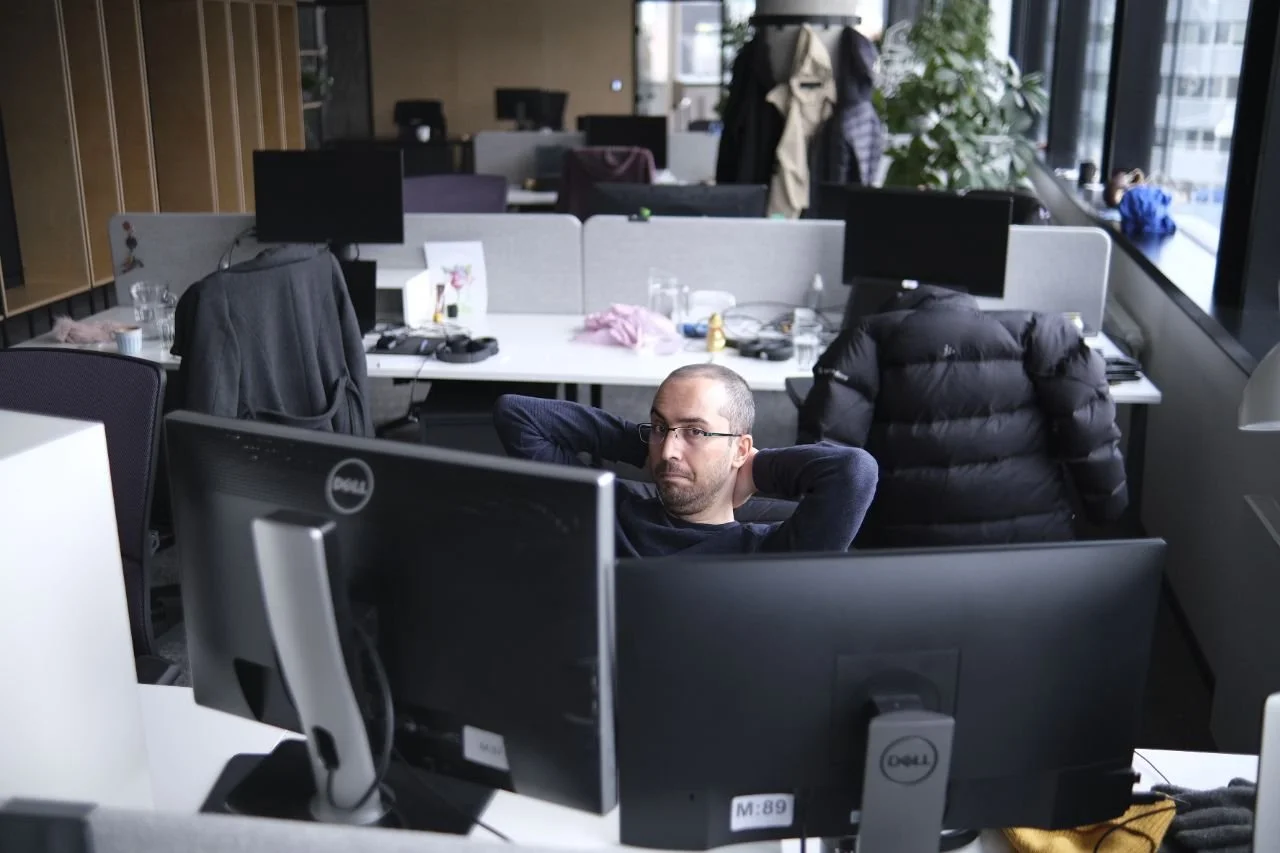
working in Prague
میشه گفت خیلی جاها توی این سالها کار کردم. خیلی چیزها یاد گرفتم که باید توی ایران یاد گرفته بودم، ولی بهدلیلِ زندگیِ غیرعادی توی ایران، نشده بود؛ اینجا هم دوباره ضررِ روحی کردم و هم مالی، تا یاد گرفتم — چون دانشگاهِ زندگی هیچوقت تموم نمیشه، و درسهاش گرانبها و ارزشمندن. همکارانِ زیادی اومدن و رفتن، و بیشتر و بیشتر با نحوهیِ کار کردن با اروپاییها آشنا شدم.
I've worked in quite a few places over these years. I learned a lot of things I should have learned back in Iran but couldn't, because of how abnormal life there was; here too, I took another hit, both emotionally and financially, until I learned — because the university of life never really ends, and its lessons are precious and worth every cost. Many colleagues came and went, and I got more and more familiar with how to work with Europeans.
اصل یکیه: تلاش در اوجِ خلوصِ نیت. اگه کسی نخاله باشه، خودش رو نشون میده. این تلاشهایِ من در اوجِ خلوصِ نیت، همیشه به نفعم بودن؛ هرچند موقتاً باعثِ ناراحتی و بیانگیزگی هم میشدن.
There's one principle: effort at the peak of sincere intent. If someone is trouble, it shows itself eventually. My efforts, made with the purest of intentions, always worked out in my favor in the end, even though they sometimes caused temporary frustration and loss of motivation.
طیِ این مدت هم پول برایِ خانواده فرستادم، و حتی سرِ اولین فرصت، اون پونصد یورو رو به خواهرم برگردوندم. .
During this time, I also sent money to the family, and as soon as the first opportunity came, I paid my sister back that 500 euros.
من حتی بیشتر هم کمک کردم و همچنان هم میکنم. من خودم رو پیشرو، توی خطِ مقدم، میدونم؛ و همیشه توی کمککردن دستودلباز بودم، چون عمیقاً به آدمها باور دارم. ولی اینکه آدمها همهچیز رو با پول و سودِ شخصی حسابوکتاب میکنن، و بر اساسِ همین اصول برنامه میچینن که باهات چطور رفتار کنن، چی بگن یا نگن تا بیشتر سود کنن، دیگه مشکلِ خودشونه.
I even helped more than that, and I still do. I see myself as someone who leads from the front, and I've always been generous when it comes to helping, because I genuinely believe in people. But if people calculate everything in terms of money and personal gain, and plan their whole approach to you around it — how to act, what to say or not say, just to profit more — that's their own problem, not mine.
با تمومِ دلشکستگیهایی که حتی توی زندگیِ خارج هم بهم وارد شد، هنوز امیدم رو از دست ندادم؛ و تا جایی که هم در توانِ من، هم امید باشه، علیرغمِ تمومِ مشغلههامون در خارج، از کمک کردن دریغ نمیکنیم.
With all the heartbreaks I've experienced, even in my life abroad, I still haven't lost hope; and as long as it's within my ability, and Omid's, we won't hold back from helping, no matter how busy we are here.
چرا روح و روانم فرو نپاشید؟
Why didn't my soul and mind collapse?
درسِ مهمِ دیگهای که یاد گرفتم این بود که کامپیوتر و دنیایِ دیجیتال و سهبعدی، همون چیزی بود که من رو از فروپاشیِ جسمی و روحی نجات داد. چون بهمحضِ نشستن پایِ کامپیوتر، دنیا و خودم رو فراموش میکنم؛ نمیدونم چرا اینجوریام. مخصوصاً یادمه اوایلِ مهاجرت به پراگ رو؛ حدودِ هفتهشت ماه کامپیوتر نداشتم، و خیلی احساسِ عذاب میکردم. بهمحضِ اَسمبلکردنِ یه سیستم، به کمکِ یکی از رفقا، و اومدنِ کامپیوتر به خونه، اون احساسِ «در خونه بودن» رو خیلی خوب درک کردم — چقدر خوبه آدم برایِ خودش یه فضایِ شخصی داشته باشه، برسه بهش، و کارهایِ خودش رو انجام بده؛ یاد بگیره، از اینکه با جریانِ جهان همسو میشه احساسِ رضایت کنه، و چیزهایی که یاد میگیره رو شِیر کنه. البته تا یه سقفِ مشخص.
Another important lesson I learned was that the computer, the digital and 3D world, was the very thing that saved me from physical and mental collapse. Because the moment I sit down at a computer, I forget the world and myself; I don't know why I'm like that. I especially remember the early days after moving to Prague; I didn't have a computer for about seven or eight months, and I felt real anguish over it. The moment I assembled a system, with a friend's help, and the computer arrived home, I truly understood the feeling of "being home" — how good it is to have your own personal space, to be able to get to it, and do your own work; to learn, to feel satisfied at moving in step with the flow of the world, and to share what you learn. Up to a certain limit, of course.
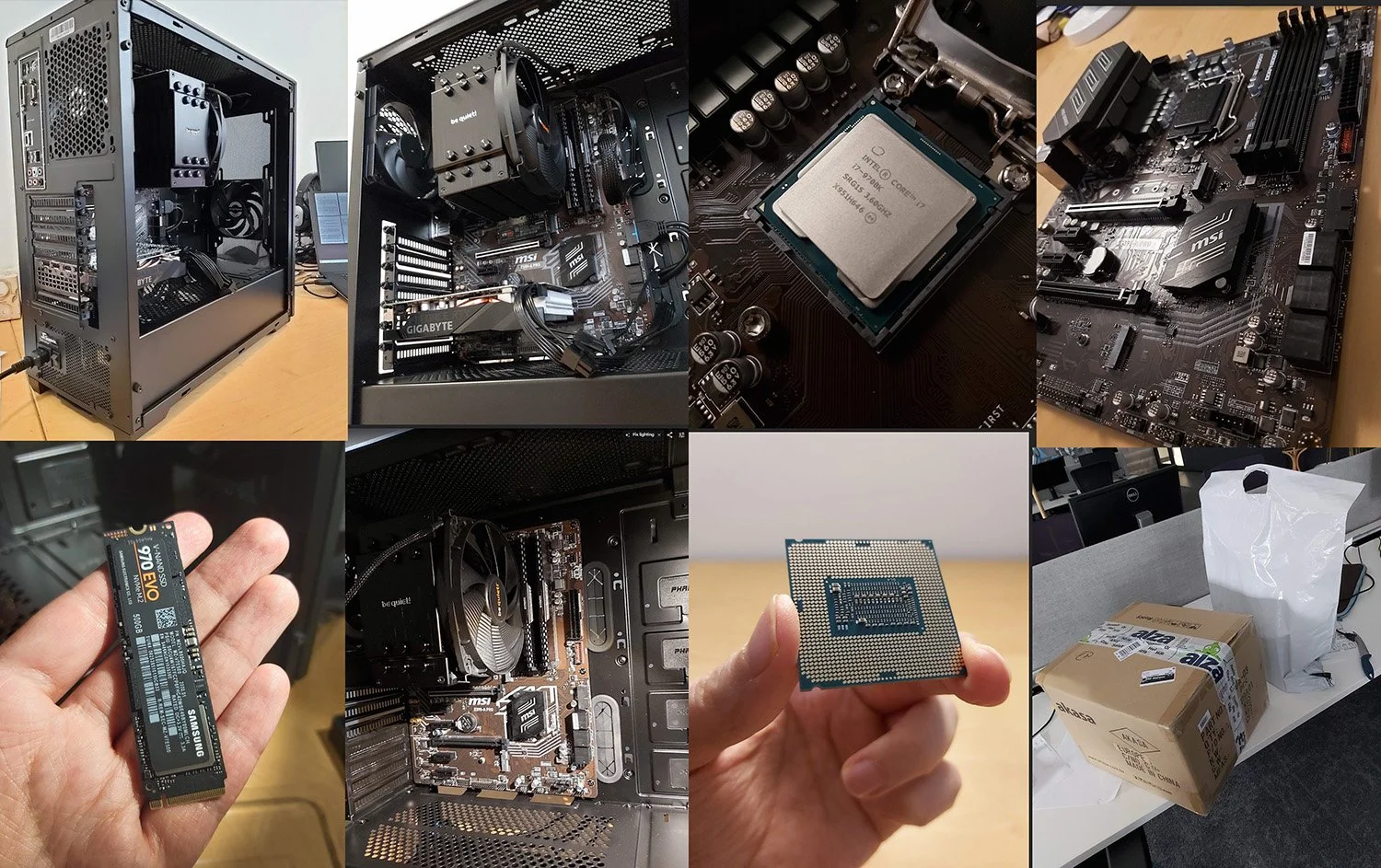
اولین کامپیوترِ من در پراگ، و اولین کامپیوتری که خودم، تنهایی، اسمبلش کردم.
My first computer in Prague, and the first computer I ever assembled entirely on my own.
من اسمش رو میذارم علاقهیِ شدید؛ علاقهای اعتیادمانند که نکاتِ مثبتِ زیادی داشت برام. خوشحالم که حالا اینجام و این پاراگرافها رو تایپ میکنم؛ هرچند نوشتنِ چهار قسمتِ اول، بهصورتِ خلاصه، بازم مجبورم کرد تا به گذشته بیندیشم و روحوروانم داغون بود، و امید همش میگفت ننویس و فکر نکن به اون دوران، ولی نمیشد ننویسم.
I call it an intense passion; an addiction-like devotion that brought me a lot of good. I'm glad I'm here now, typing out these paragraphs; even though writing the first four parts, even in condensed form, forced me to dwell on the past again and left my soul in ruins, and Omid kept telling me not to write, not to think about that period — but I couldn't not write it.
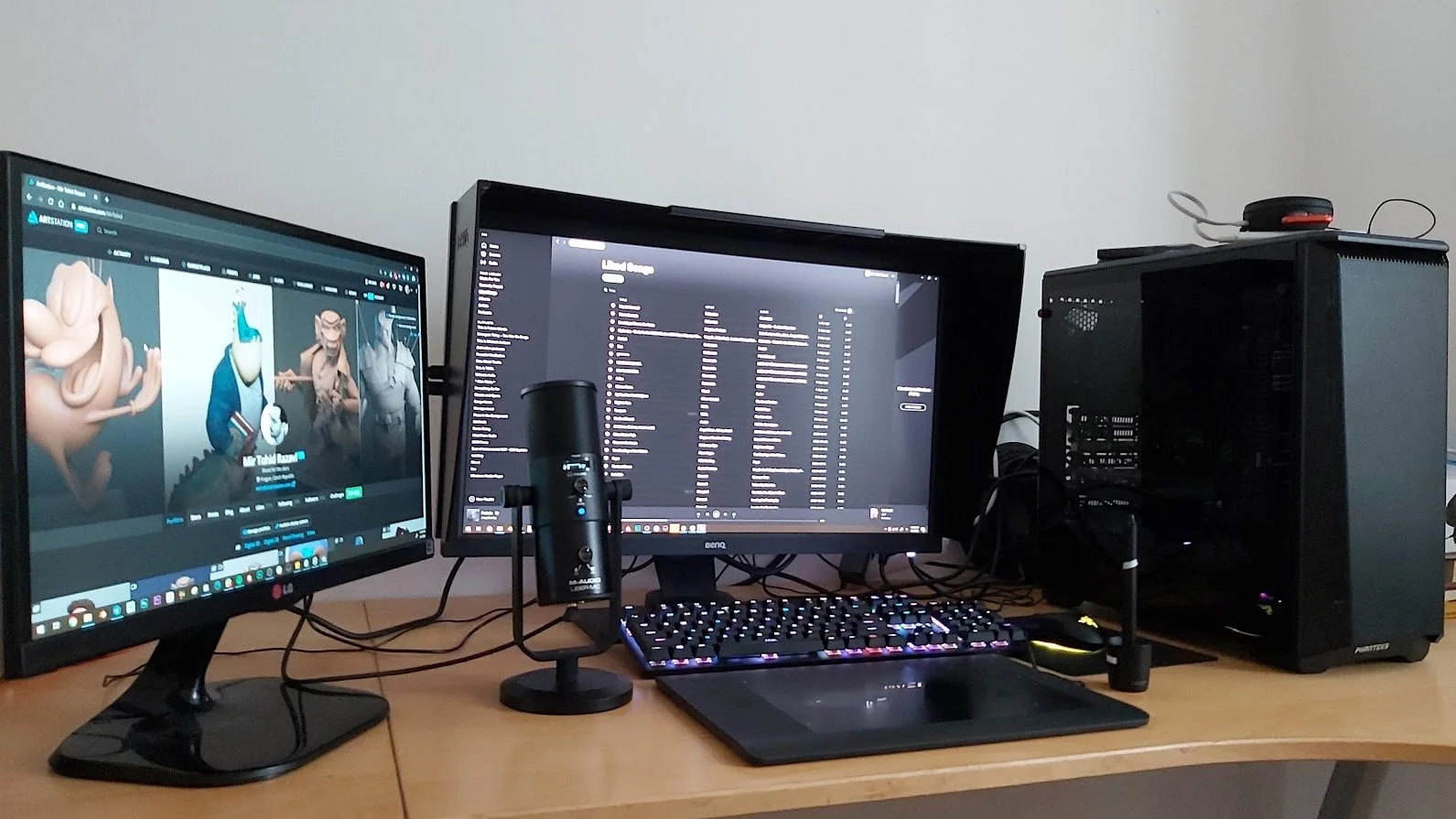
این هم اولین سیستمیه که اسمبل کردم. اون هم همون میکروفونیه که توی ایران پادکستهایِ پویانما رو باهاش استارت زدیم. چقدر خوشحال بودم که در نهایت فضایِ شخصیِ خودم رو دارم. البته هزاران برابر بهتر و قویتر از کامپیوتری که توی ایران داشتم.
And this is the first system I assembled. That's also the same microphone we used in Iran to start the Puyanama podcasts. I was so happy to finally have a personal space of my own. Thousands of times better and more powerful than the computer I had back in Iran, of course.
توی ایران اون همه کار کرده بودم، اون همه جلو رفته بودم، ولی یه کامپیوترِ درستوحسابی نداشتم که حتی بتونم تستهایی که ازم میگرفتن رو انجام بدم. یه کامپیوتر خریده بودیم، چون اون کامپیوترهایی که برایِ پروژهیِ تهرانیها خریده بودیم رو همهشون فروختیم، و کلاً رویهم یه کیسِ کورآیسون تونستیم بخریم، با سیگیگ رم. پول به مانیتور نرسید، که دست به دامنِ خواهرم شدیم و بخشی رو هم از همکارمون گرفتیم که قرار بود یه پرداختی انجام بده که همش به تعویق میانداخت. یه مانیتورِ ایسوس که مدلش دقیق یادم نیست. خیلی خوب یادمه نمیتونستیم رندر رو برایِ یه استودیویِ آلمانی آماده کنیم، درحالیکه یه هفته به سرعت در حالِ سپریشدن بود، و با هزار زحمت و کلک بالاخره تونستیم یه فریم دربیاریم. چقدر زیبراش تمرین کرده بودم، و چقدر کارهایِ جدید فقط برایِ پورتفولیو میزدم؛ چون هرچی کار کرده بودیم بازاریِ ایرانی بود، و خیلیاش اصلاً بهدردِ پورتفولیو نمیخورد.
I'd worked so much in Iran, made so much progress, but I didn't even have a proper computer to be able to do the tests they'd give me. We'd bought a computer, since we'd sold all the computers we'd bought for the Tehrani-ha project, and altogether we could only afford one Core i7 case with 30 gigs of RAM. There wasn't enough money left for a monitor, so we had to turn to my sister for help, and also got some from a colleague who was supposed to make a payment but kept putting it off. It was an Asus monitor, I don't remember the exact model. I remember very clearly not being able to get a render ready for a German studio, while a week was rapidly slipping away, and with a thousand tricks and workarounds we finally managed to produce one frame. How much I'd practiced ZBrush, and how many new pieces I made purely for my portfolio; because everything we'd worked on had been for the Iranian market, and a lot of it simply wasn't usable in a portfolio at all.
در پراگ، کار کردن برام حکمِ زندگی داشت. این مملکت، چهل سال بود که بر اساسِ عدالت و لیاقت، بعد از انقلابِ مخملی و رهایی از دیکتاتوریِ کمونیستها پیش میرفت، و قوانین شکل گرفته بود.
خیلی کار کردم. بیش از حد بهم استرس وارد کرد اون کارگردانِ هنری که از دستِ روزگار، از یکی از کشورهایِ نزدیکِ ایران اومده بود. روزگارم تقریباً سیاه شده بود از نظراتِ ضدونقیض و هویتِ دوگانهیِ اون آدم، اما در نهایت اخراج شد، هرچند طوری وانمود کرد که خودش رفته. بعد از اون خیلی آزاد شدم و طعمِ کار در آزادی رو چشیدم؛ خوشبختانه تا به امروز شخصی با اون خصوصیات رو باهاش کار نکردم، و اگه هم ببینم، خودم از آدمهایِ اونشکلی دوری خواهم گزید!
In Prague, working felt like life itself to me. This country had spent forty years building itself on justice and merit, after the Velvet Revolution and freedom from communist dictatorship, and its laws had taken proper shape.
I worked a lot. I was put under excessive stress by that art director, someone who, as fate would have it, had come from one of the countries near Iran. My days had turned almost black from that person's contradictory opinions and double-faced nature, but eventually he was let go, though he made it look like he'd left on his own. After that, I felt so much freer and tasted what it meant to work in freedom; fortunately, to this day I haven't worked with anyone else with those same traits, and if I ever do, I'll keep my distance from people like that myself!
خیلی خوب یادمه، یه بار از شدتِ فشار و ناراحت بودم. همکارا اومدن کنارم، توی همینِ پراگ. میگفتم این یارو خیلی رویِ اعصابِ منه و فکر میکنه اینجا پیکساره. کلی شکایت کردم و پیِ همهچی رو مالیده بودم به تنم؛ یهو دیدم میگن «درکت میکنیم، چون همه همنظریم، و بهزودی با مدیرِ مجموعه صحبت میکنیم تا مشکل برطرف بشه.» که مشکل با اخراجِ اون شخص برطرف شد، و چقدر من اون روز خوشحال بودم.
I remember this very clearly: once, I was tired from sheer pressure and distress. My colleagues came and stood by me, right here in Prague. I was saying this guy really got on my nerves and thought this was Pixar or something. I complained about everything, had let it all pile up on me; and suddenly they said, "We understand you, because we all feel the same way, and we'll talk to management soon to get this sorted out." The issue got resolved with that person's dismissal, and I was so happy that day.
برادرِ دوقلوم، امید، هم نقلمکان کرد به پراگ.
My twin brother, Omid, moved to Prague too.
بهمحضِ نیاز به یه نیرویِ تازه توی استودیو، بهخاطرِ سابقهیِ درخشانم، از مدیریت درخواست کردم امید رو استخدام کنن. طبقِ روالِ قانونی، تستِ هنری و مصاحبه هم گذاشتن، و پس از رقابت با چند نفردیگه، توی استودیو امید رو هم استخدام کردن. باورمون نمیشد.
البته به این آسونیها هم نبود، هرچند خوندنِ این متن، آسونتر از زندگیکردنِ اون لحظاته. یه هفته فرصت داده بودن برایِ آرتتست: یه ریگِ کاراکتر و یه انیمیتِ چند ثانیه. شب و روز روش کار کرد امید، و هر روز و هر ساعت باهم روش نظر میدادیم؛ و خلاصه اوکی شد. اما من هیچ دخالتی توی پروسه نداشتم، جز معرفیِ امید به مجموعه.
The moment the studio needed a new hire, because of my strong track record, I asked management to bring Omid on. Following proper procedure, they set up an art test and an interview, and after competing against a few other candidates, they hired Omid at the studio too. We couldn't believe it.
Of course, it wasn't quite that easy, even though reading this is easier than living through those moments. They gave him a week for the art test: a character rig and a few seconds of animation. Omid worked on it day and night, and every day, every hour, we'd give each other feedback on it; and in the end, it got approved. But I had no involvement in the process itself, beyond introducing Omid to the company.
با فیلترشکن و محدودیتهایِ فراوانِ اینترنت در ایران، همیشه مشکلِ ارتباط داشتیم، و این وضعیتِ همیشگیِ ما بود. یا تصویر پیکسلی بود، یا قطع میشد، یا قطعووصل و رباتی میشد همهچی...
With VPNs and Iran's endless internet restrictions, we always had connection problems, and this was our constant state of affairs. Either the picture was pixelated, or it would drop, or everything would cut in and out and turn robotic...
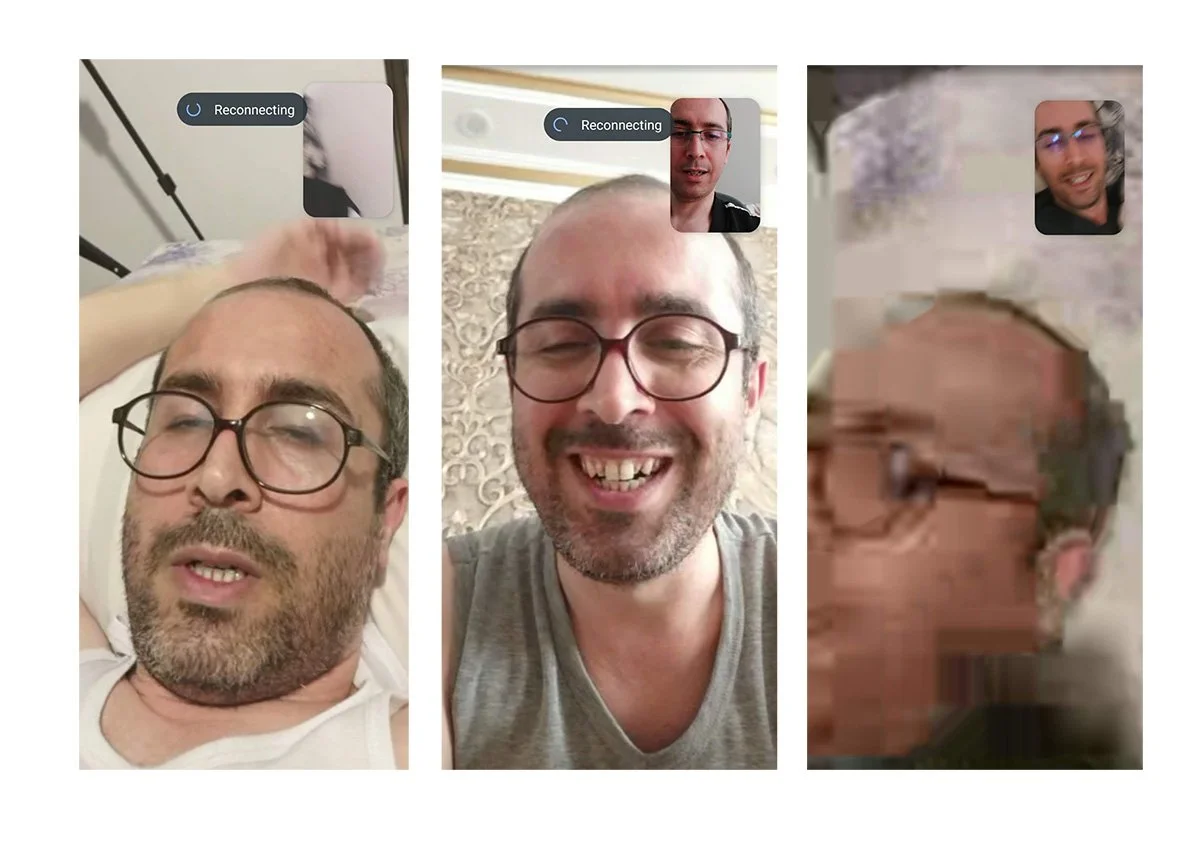
وضع تماس های ما وقتی امید در ایران بود
The state of our calls when Omid was still in Iran.
اونموقع اوجِ کرونا بود و محدودیتهایِ زیادی بود. اما امید میگفت همهجا خلوت بود، حتی داخلِ هواپیما، و از اینکه اینجوری اکسپرس ویآیپی اومده بود، به خودش میبالید. من واقعاً توی پوستِ خودم نمیگنجیدم. توی یه روزِ سردِ نهمِ ژوئن، امید رسید.
That was the peak of Covid, and there were a lot of restrictions. But Omid said everywhere was empty, even inside the plane, and he took pride in having arrived that way, like some express VIP. I was truly beside myself with excitement. On a cold day, June 9th, Omid arrived.
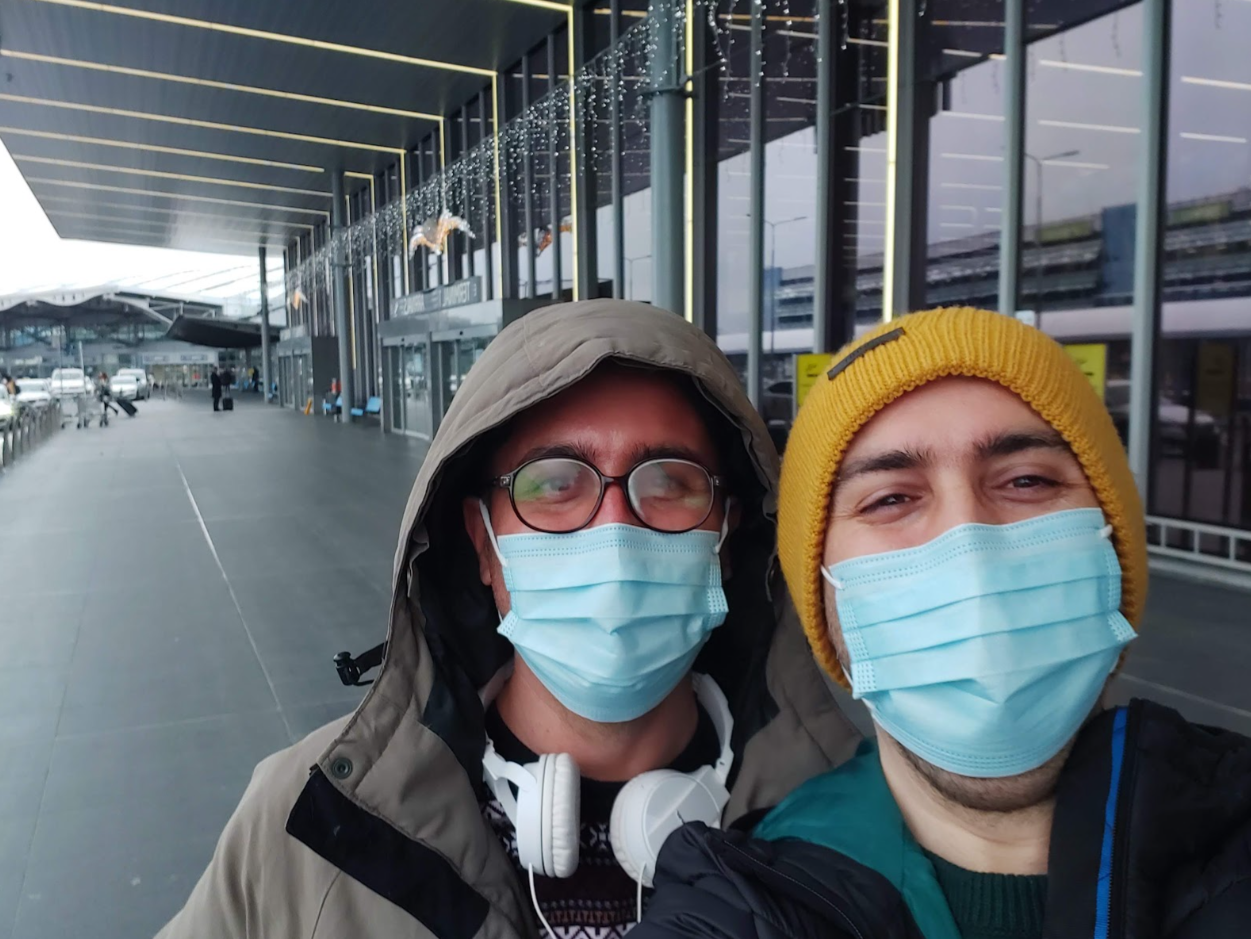
اولین سلفیِ ما در اوجِ کرونا، در فرودگاهِ واتسلاو هاول.
Our first selfie, at the height of Covid, at Václav Havel Airport.
اینجا در حالِ فاک نشوندادن به تمومِ عوامل و رویدادهایی هستم که تلاش میکردن ما رو زمین بزنن. ولی ما روزهایِ سخت رو برایِ صبحانه و ناهار میخوریم، و هیچچیز جلودارمون نیست.
Here I am giving the finger to every factor and every event that tried to knock us down. But we eat hard days for breakfast and lunch, and nothing stands in our way.
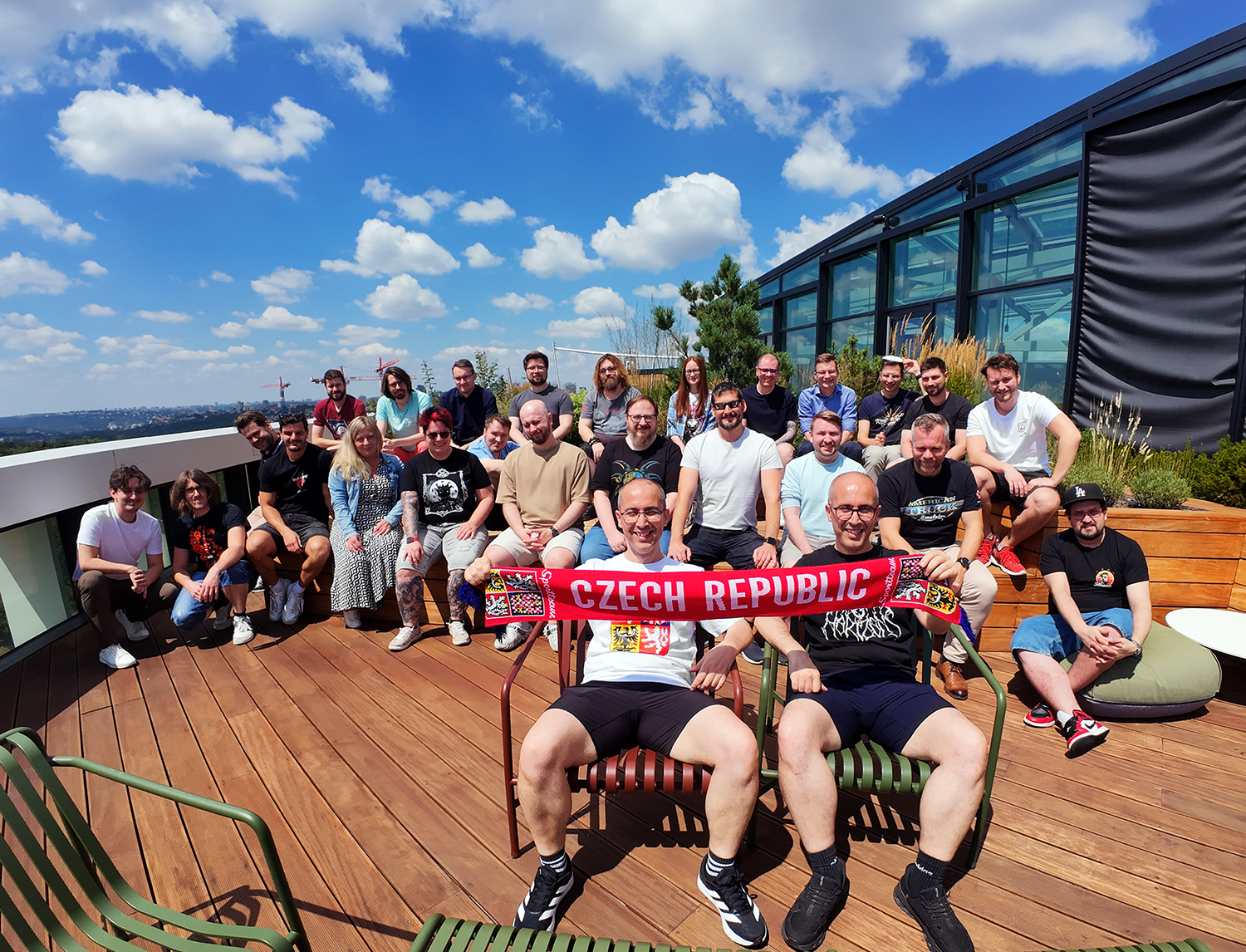
این عکس رو بعد از هشت سال زندگی در پراگ، و کسبِ تجربههایی که با هیچگونه پول یا پارتیبازی نمیشد بهدست آورد، میونِ بهترین همکارانِ عالم، که همیشه حامیِ ما بودن، گرفتیم. چه روزِ مهمی بود برامون، و ممنونم از همهیِ همکاران، که با متوجهشدنِ این روزِ مهم و درخواستِ ما، بدوبدو اومدن و باهم این عکس رو برایِ همیشه ثبت کردیم.
We took this photo after eight years of living in Prague, and gaining experience that no amount of money or connections could have bought, surrounded by the best colleagues in the world, who have always been in our corner. What an important day it was for me, and I'm grateful to every colleague who, once they learned how significant the day was and I asked, came running over so we could capture this photo together forever.
و کمی بیشتر And a bit more…
قطعاً از دورانِ پراگ زیاد نخواهم نوشت، چون دیگه از اینجا به بعد زندگی برام طورِ دیگهایه. پس از مهاجرت تازه فهمیدم که زندگیکردن و دوامآوردن، حرفزدن و پیداکردنِ سادهترین چیزها هم برایِ آدم چالشِ عظیمیه؛ چالشی که قرار نیست یکیدو روزه یا یکیدو ماهه از بین بره. طیِ مدتی که امید هنوز نیومده بود و تکوتنها زندگی میکردم، یه روز نشد که باهاش ویس ردوبدل نکنیم. امید خیلی نگرانِ من بود، و با کوچکترین تأخیرِ من توی پیامدادن یا پاسخدادن، هزار فکر میکرد و نمیدونست من در چه حالیام.
I definitely won't write much about the Prague years, because from here on, life for me takes a different shape. After moving, I finally understood that simply living and enduring, speaking up, finding even the simplest things, is a massive challenge for a person — a challenge that doesn't vanish in a day or two, or a month or two. During the time Omid hadn't come yet and I was living completely alone, there wasn't a single day we didn't exchange voice messages. Omid worried about me constantly, and the smallest delay in me messaging or replying would send his mind racing, not knowing what state I was in.
من تمومِ دستوبدنم رو داغ کرده بودم که به هیچوجه شکایت نکنم و به هیچوجه به عقب فکر نکنم، چه برسه برگردم! شاید بعضیها فکر میکردن من بعد از مدتِ کوتاهی کم میارم و برمیگردم، که خوشبختانه هیچوقت رخ نداد؛ و تازه اونموقع بود که کمکم همه فهمیدن، ای دلِ غافل، اینها دوتایی گویا برایِ همیشه رفتن و قرار هم نیست برگردن.
I'd burned it into every part of my hands and body never to complain, never to think back, let alone go back! Some of them probably thought I'd give up after a short while and come home, which, thankfully, never happened; and that's when it slowly dawned on everyone — oh, how naive we were — that these two really had left for good, with no plans of returning.
خیلی عجیب بود که، اونطوری که باید، دهنم سرویس نشد. بهصورتِ طبیعی روند رو تحمل کردم، و تمومِ تلاشم ایجادِ یه دایره از همکاران و آدمهایی بود که بشه روشون حساب کرد؛ و خوشبختانه موفق هم بودم.
Strangely enough, I didn't quite fall apart the way I probably should have. I carried on through the process naturally, and my whole effort went into building a circle of colleagues and people I could actually rely on; and fortunately, I succeeded.
طیِ این همه سالی که اینجام، یه بار هم پویانما رو فراموش نکردیم و همیشه آپدیتش میکنیم، و حتی با سماجتِ بیشتر هم ادامه میدیم. کلی اپیزود برایِ پادکستهایِ پویانما تولید کردیم، و سختافزارِ مناسب برایِ این کار رو هم خریدیم. از هیچ تلاشی برایِ بهثمرنشوندنِ تلاشهامون دریغ نمیکنیم، و کمک میکنیم تا دیتایِ صحیح رو منتقل کنیم؛ تا اگه کسی مثلِ ما میخواد اپلای کنه، یا آرزویِ زندگیِ بهتری رو داره، بدونِ در نظر داشتنِ تراژدیهایِ حاضر توی زندگیش، بدونه که میتونه انجامش بده، همونطوری که ما تونستیم. اما باید از خیرِ خیلی چیزهایِ دیگه بگذره؛ و این قربانیکردنِ خود، دقیقاً همون جاییه که آدمها رو متمایز میکنه.
Throughout all these years I've been here, we haven't forgotten Puyanama for a single day; we keep updating it, and if anything, we keep going with even more persistence. We've produced tons of episodes for the Puyanama podcasts, and bought the right hardware for it too. We hold nothing back in trying to see our efforts through, and we try to pass along accurate information; so that anyone else out there like us, wanting to apply abroad or dreaming of a better life, regardless of whatever tragedies are present in their own life, knows they can do it too, the way we did. But they'll have to let go of a lot of other things along the way; and that act of sacrificing yourself is exactly what sets people apart.
من خجالتی بودم و حرف نمیزدم، اما این رویکرد رو هم کنار گذاشتم؛ و حالا که چهلساله شدم، میخوام از تکتکِ لحظاتِ زندگیم استفاده کنم.
I used to be shy and not speak up, but I've let go of that approach too; and now that I've turned 40, I want to make use of every single moment of my life.
فشارهایِ اقتصادیِ ایران، و جنگی که به راه افتاد، چه قبل و چه بعدش، همیشه هوایِ خانواده رو داشتیم و داریم؛ طبقِ درخواستِ خانواده، شب و روز دربارهٔ صابونهایِ دستساز مطالعه کردیم، منابع خریدیم، چندتا صابونِ خودمون هم درست کردیم، و چندین فرمول با وزنهایِ مختلف بهشون دادیم که به فروشِ خیلی خوبی منجر شد، و همچنان هم موفقه.
Through Iran's economic pressures and the war that broke out, both before and after it, we always looked out for the family, and we still do; at the family's request, we studied handmade soaps night and day, bought resources, made a few soaps ourselves, and gave them several formulas in different weights, which led to very good sales — and it's still successful today.
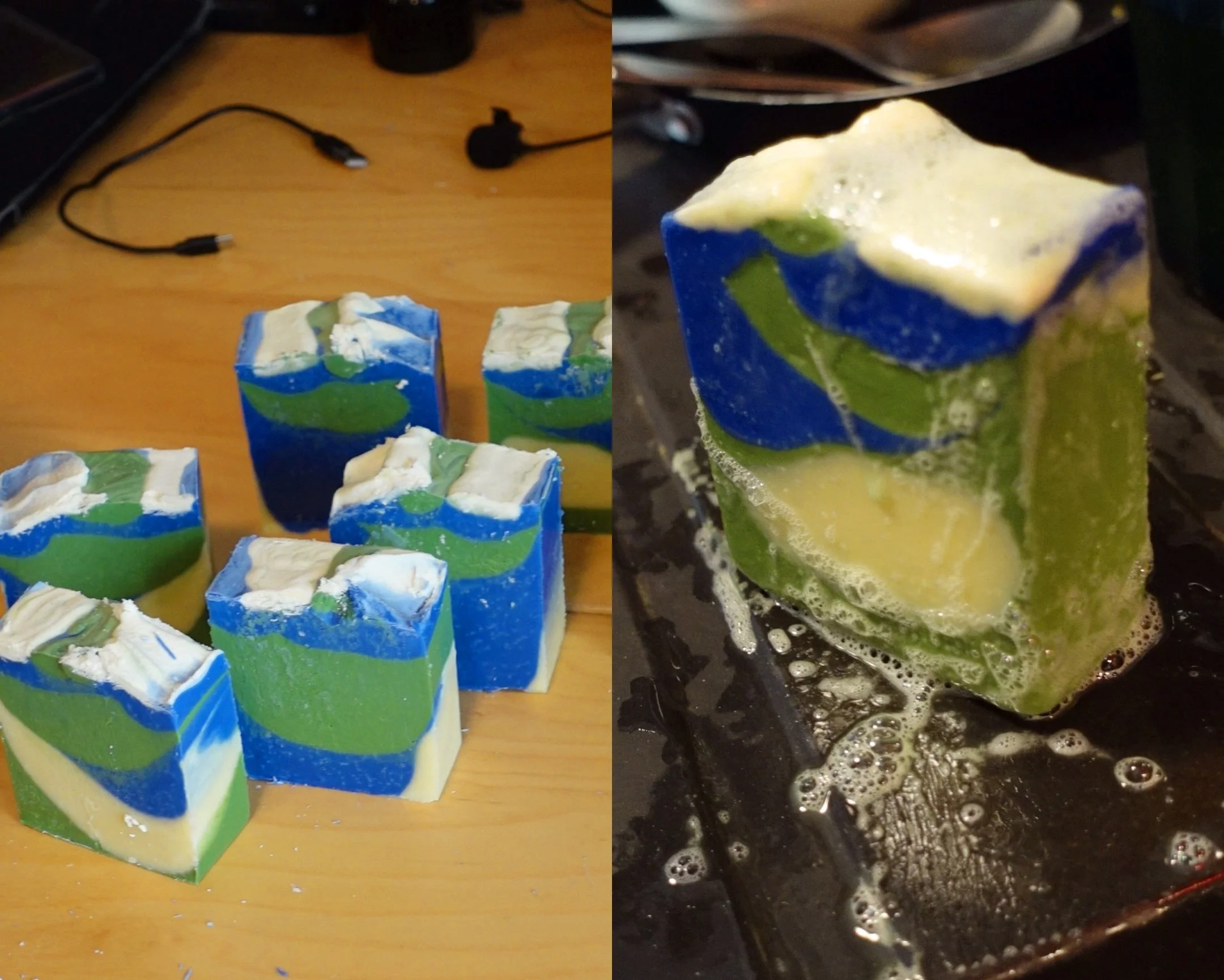
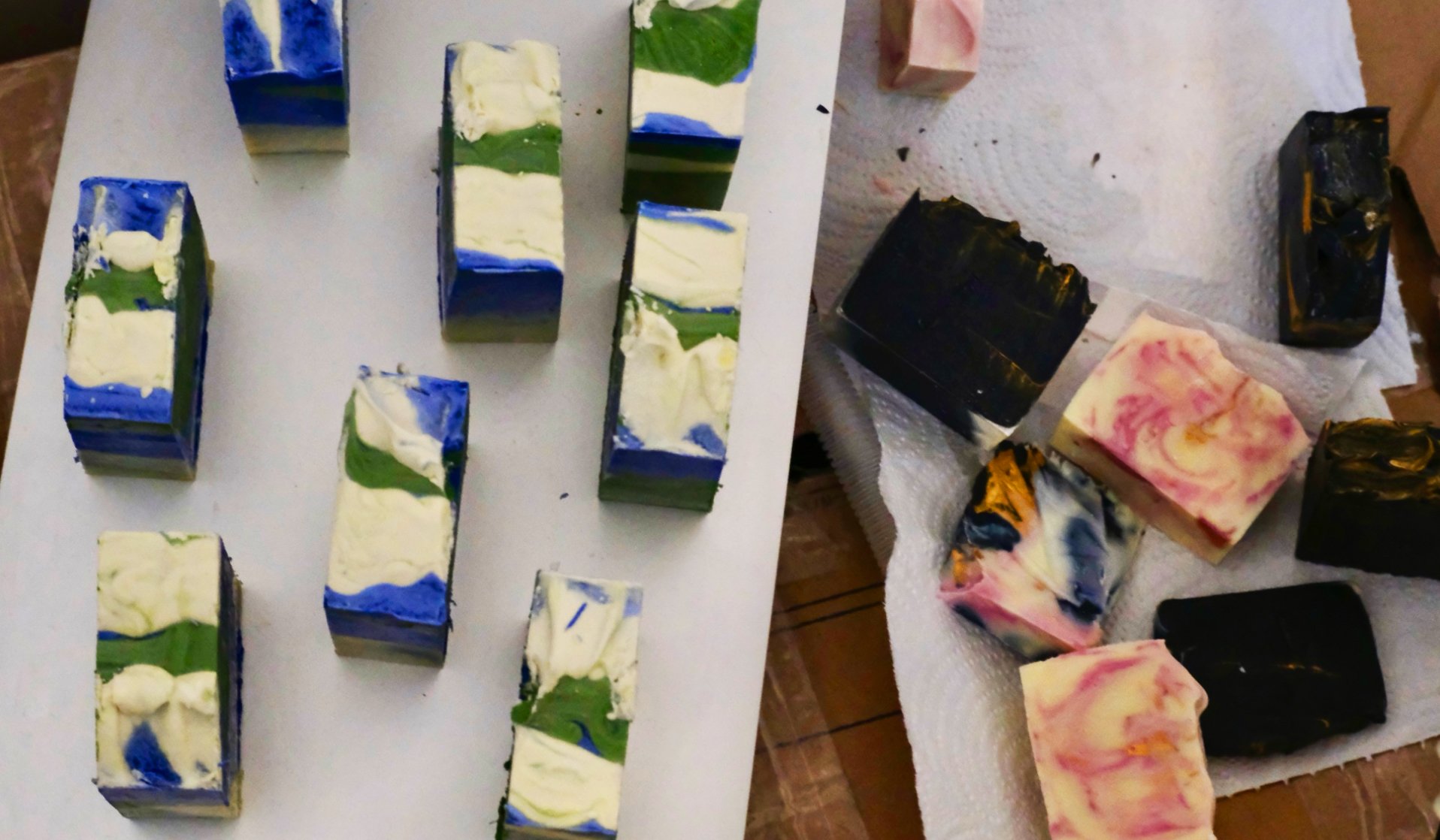
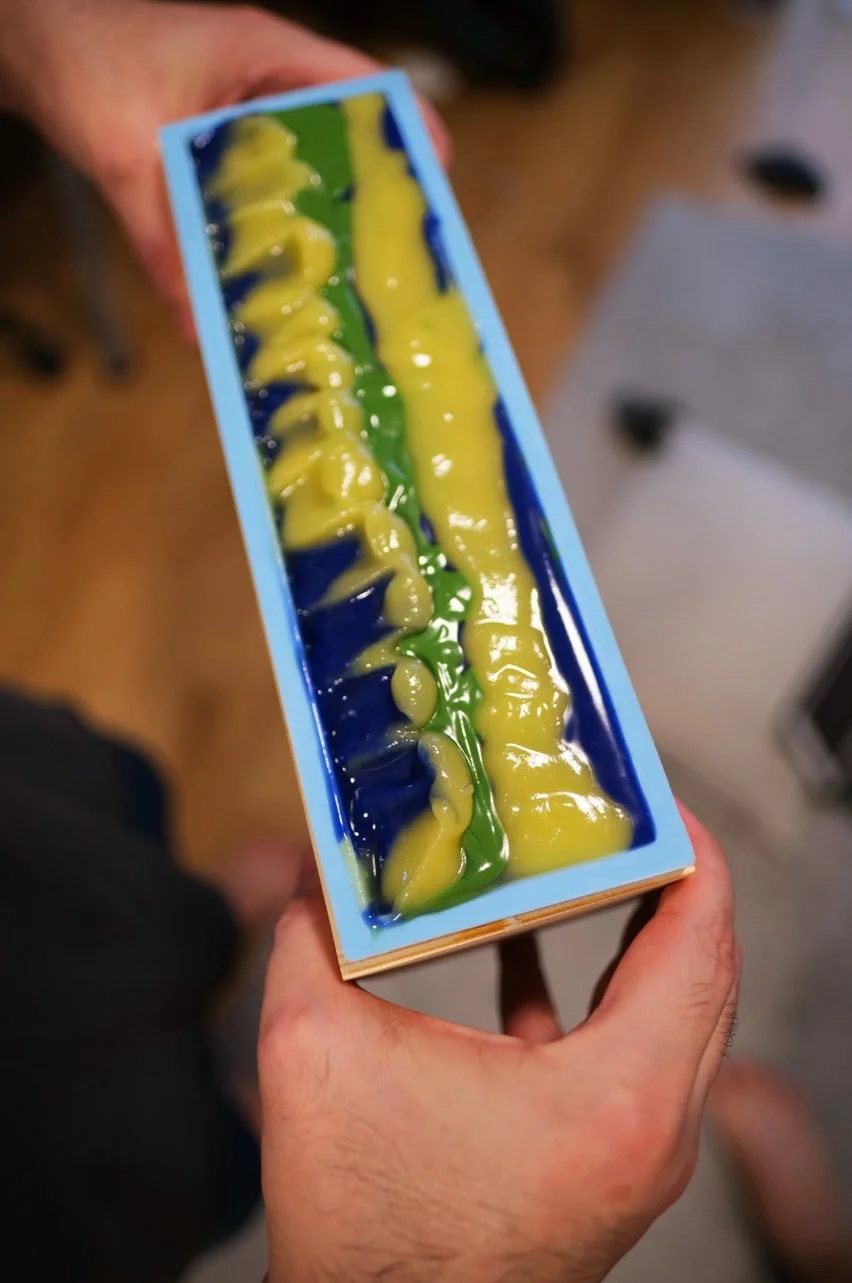
این هم نمونهیِ صابونهایی که ساختیم؛ کلی ویدئو ضبط کردیم و برایِ خانواده فرستادیم و مشکلاتشون رو رفع میکردیم، و از این پروسه خیلی لذت میبردیم.
Here's a sample of the soaps we made; we recorded plenty of videos and sent them to the family, solving their problems along the way, and we really enjoyed the whole process.
ما همچنان به کمک ادامه میدیم. قبل از جنگ، خواهرم رو دعوت کردیم و آوردیمش پراگ؛ یه ماهِ تمام مهمونِ ما بود. کلی گشت زدیم و ازش کلی عکس و ویدئو گرفتیم، و حتی تیکِ آبی برایِ صفحهش مهیا کردیم تا اعتبارِ بیشتری کسب کنه. بردمش توی یه کلاسِ صابونسازی توی پراگ، و کلی کمک کردیم تا فروشِ خوبی داشته باشه و پدر و مادرم هم راضی باشن. هرچی باشه، الان دیگه مردِ خونه، من و امید هستیم.
We keep helping, and still do. Before the war, we invited my sister over and brought her to Prague; she stayed with us as a guest for a full month. We went around the city together and took plenty of photos and videos of her, and even set up a blue checkmark for her page to build more credibility. I took her to a soap-making class in Prague, and we helped a lot so she'd see good sales and so my parents would be satisfied too. Whatever happens, Omid and I are now the men of the house.
من و امید سالهایِ سال به خواهرمون و پدر و مادرمون کمک کردیم و میکنیم. در احداثِ فروشگاهِ آنلاین و تولیدِ محتوایِ سایت، ویدئوسازی، مدیریتِ محتوا، عکاسی، اشتراکِ تجربههامون در قالبِ ویس و تماسِ تصویری، و هر طوری که فکرش رو بکنید. سعی میکنیم اجازه ندیم تجربههایِ تلخِ گذشته ما رو بیرحم جلوه بده؛ اما دیگه من و امید هم تغییر کردیم، و خیلی حواسمون هست که چه چیزی رو تا چه حد باید پافشاری کرد و چقدر باید پیگیری کرد.
Omid and I have helped our sister and our parents for years, and we still do — setting up the online shop and producing website content, making videos, managing content, photography, sharing what we've learned through voice messages and video calls, and whatever else you can think of. We try not to let the bitter experiences of the past make us seem cold-hearted; but Omid and I have also changed, and we're much more mindful now about what's worth pushing for and how far to follow up.
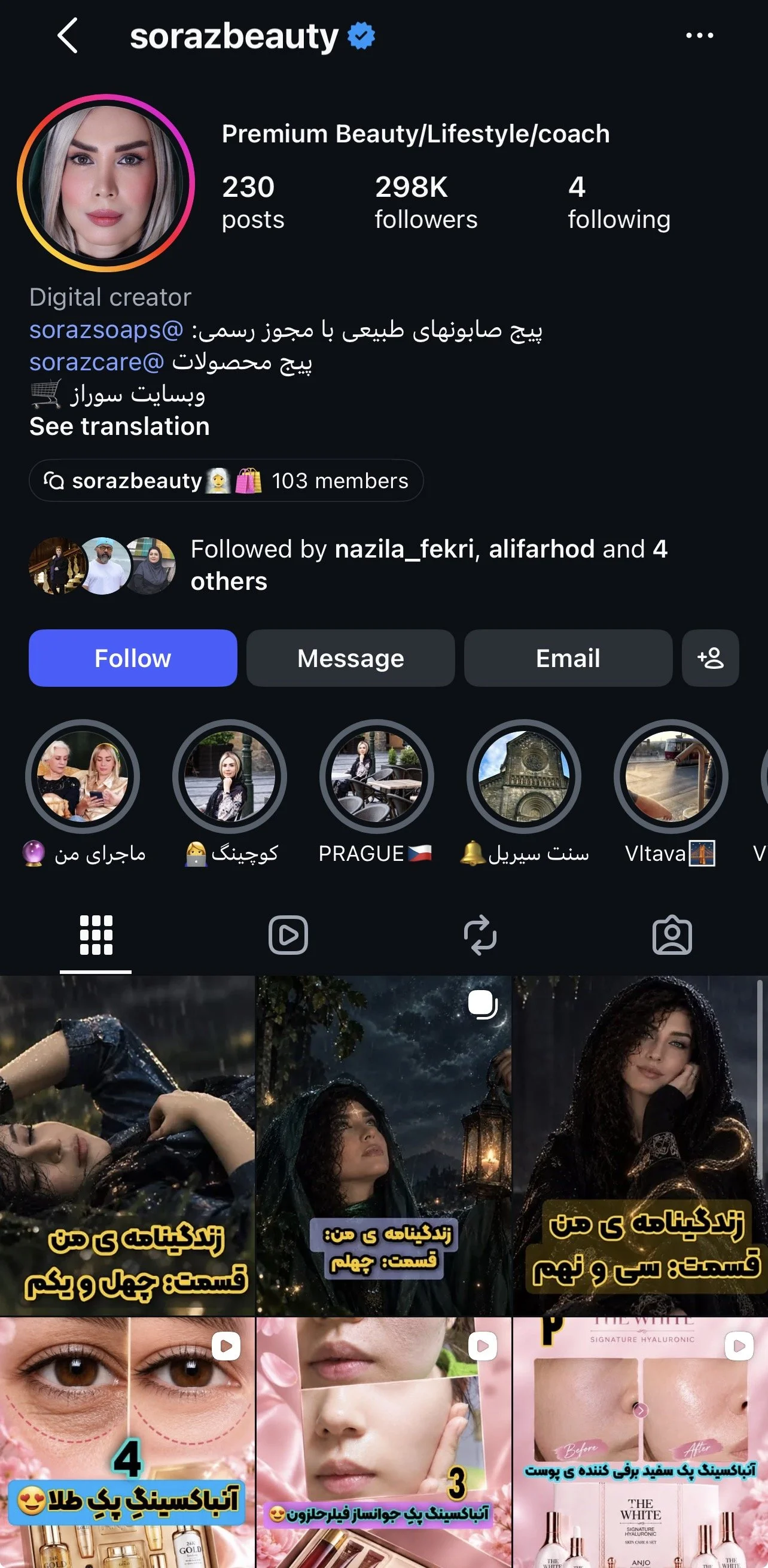
این هم همون پیجِ خواهرمه که شروع کرده به نوشتنِ زندگینامهیِ من. سریِ پستهاش رو ببینید. هیچوقت انتظارِ این رو نداشتم که پیجش رو تبدیل کنه به صفحهیِ خزعبلاتِ روحی؛ ما انتظار داشتیم بیزینس رو ببره جلو، ولی متأسفانه این اتفاق هیچوقت نمیافته و نخواهد افتاد. باید ببینیم این وضعیت تا کِی ادامه پیدا میکنه، و در نهایت تا چه زمانی باید هزینهیِ تیکِ آبی رو ما بپردازیم.
This is the same page of my sister's, where she has started writing my biography. Take a look at her series of posts. I never expected her to turn the page into a place for spiritual ramblings; we expected her to take the business forward, but unfortunately that's never going to happen, and we'll have to see how long this situation continues, and for how much longer we'll have to keep paying for the blue checkmark.
فعلاً یه سخنِ پایانی:
من الان چهلسالگی رو رد کردم. حرفامو هم زدم. چرا؟ چون من هیچوقت حرف نمیزدم. چون هیچوقت اجازهیِ حرفزدن نداشتم. نه پدرم، نه مادرم، نه خواهرم، من و امید رو نمیشناسن. مهم نیست برام، چون چنین خانوادههایی زیادن. من قصد و نیتِ بدی از نوشتنِ اینهمه تاریخچهیِ زندگیم ندارم؛ چون مطمئنم کسانی هستن که همینجوری توی ایران دارن زندگی میکنن، و با خوندنِ این مطالب و تاریخچهیِ خلاصهای از زندگیِ من، امیدوارم بتونن تغییری بدن — که قطعاً مشکل خواهد بود، و من یکی که نتونستم تغییری بدم .
این چیزها عذابم میده. اینکه آدمها با دستِ خودشون میرن داخلِ چاه، و هرچقدر تلاش میکنی، میگن «من جام خوبه.»
These things torment me. Watching people walk into the well with their own two hands, and no matter how hard you try, they just say, "I'm fine right where I am."
بعضی آدمها موفقیت و پول رو فقط برایِ دیگران خوب میبینن. سختکوشی و کامیابیِ غریبهها به دلشون مینشینه. آدمهایِ پولدار رو از تلویزیون و ماهواره میشناسن، و از سماجت و پشتکارشون تعریف میکنن. لذت میبرن که فلان مدیر خونه و زن و بچه داره و چه قدرتی بههم زده. ساعتها پایِ این تصویرها میشینن و تحسینشون میکنن.
اما وقتی همین سختکوشی، شفافیت و انضباط توی افراد نزدیک خودشون دیده میشه، ماجرا عوض میشه. اون آدم میشه آدمی بیادب و سختگیر؛ کسی که مدام گیر میده، گلایه میکنه، و نمیشه یه کلمه باهاش حرف زد. همون صفتی که توی غریبه فضیلته، توی خودی عیب میشه.
Some people only see success and money as good things for other people. The persistence and success of strangers warms their heart. They know wealthy people through TV and satellite, and praise their drive and hard work. They take real pleasure in how some manager has a house, a wife and kids, and how much power he's built. They sit for hours watching those images, admiring them.
But when that same hard work, transparency, and discipline shows up in their own child, everything changes. That child becomes rude and difficult; someone who's constantly nitpicking, always complaining, impossible to exchange a single word with. The very trait that's a virtue in a stranger becomes a flaw in your own.
آدم نباید اینطور ببینه. عجیبه که کسی موفقیت رو برایِ دیگران خوب بدونه، و در عوض، یه لاتِ زنبازِ بازار توی چشمش آدمی خوب و قوی جلوه کنه. فرزندانی که سالها زحمت کشیدن تا کار درست پیش بره، پایِ راستگویی و شفافیت و حسابوکتابِ دقیق ایستادن، در نهایت با همه غریبه میشن. و همیشه این سؤال میمونه: مگه چه کردن؟
This isn't how it should be. It's strange that someone can see success as good for others, yet not make their own flesh-and-blood children their first priority; and instead see some street thug and womanizer from the bazaar as someone good and strong. Children who spent years working hard to get things right, who stood by honesty, transparency, and careful accounting, end up becoming strangers to their own family. And the question always remains: what did they even do?
کسی حساب این رو نکرده که توحید توی این ده سال واقعاً تغییر کرده. یاد گرفته که پول در قبالِ ارائهیِ سرویس پرداخت میشه؛ که زمان ارزش داره، و کاری که توی اون زمانِ محدود انجام میشه هم باید حسابوکتاب داشته باشه. توحید دیگه تعارف نداره .
No one's taken into account that Tohid has genuinely changed over these ten years. He's learned that money gets paid in exchange for a service rendered; that time has value, and that work done within that limited time deserves to be accounted for. Tohid doesn't deal in pleasantries anymore.
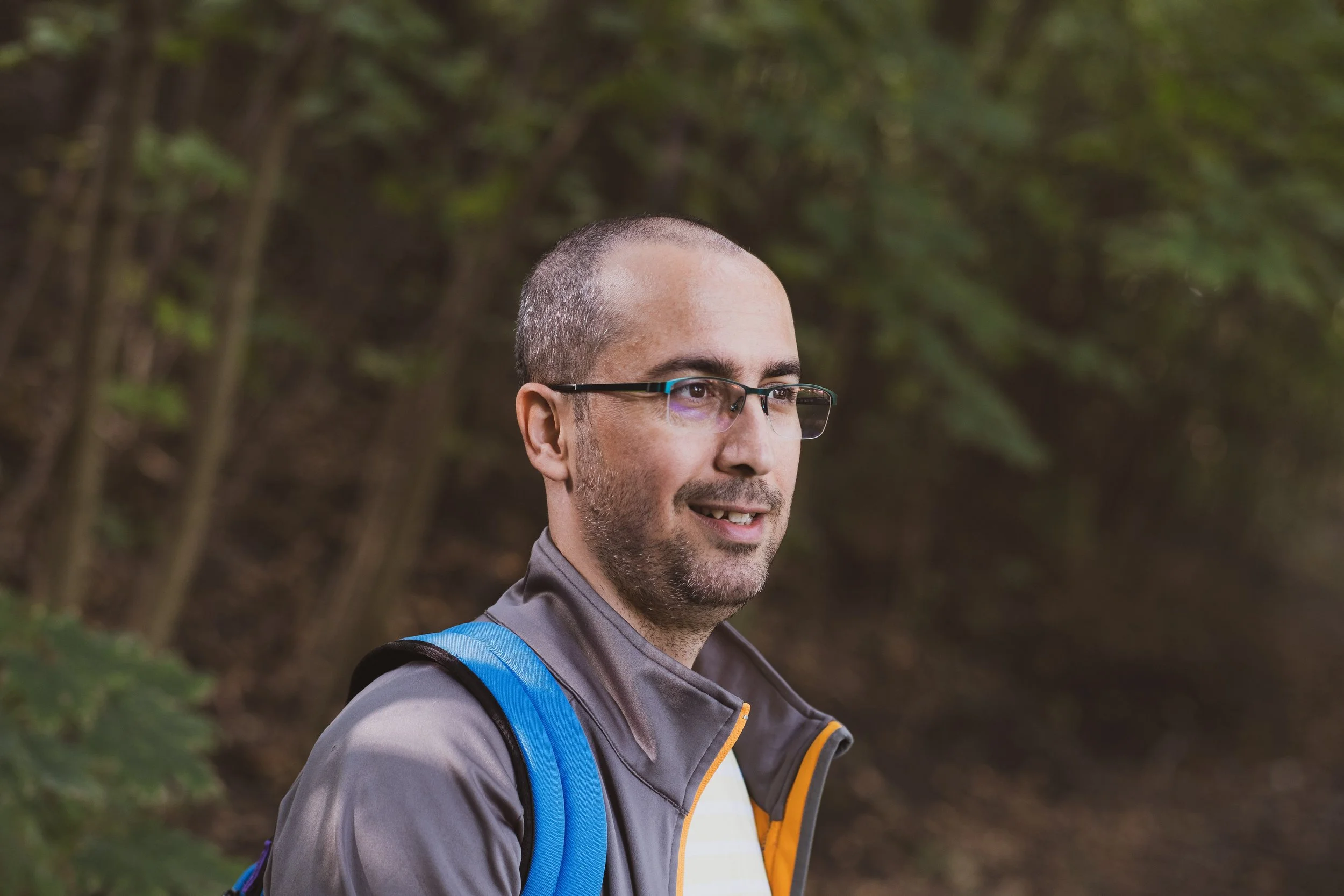
25 September\2022\
