میخوام توی این نوشته از خودم و مسیرِ رشدم بگم. بیستودو سال تلاش، سختی و کارِ بیوقفه که در نهایت من رو به پراگ رسوند. تا حالا هیچوقت دربارهیِ این مسیر چیزی منتشر نکرده بودم، اما وقتی ترابایتها عکس و ویدئو و مستنداتی رو دیدم که طیِ این سالها جمع شده، حس کردم باید خلاصهای از اینها رو منتشر کنم — نه فقط برایِ ثبتِ یه سختی، بلکه برایِ نشوندادنِ اینکه چطور از دلِ اون سالها، آدمی ساخته شد که الان هستم. هر بخشِ این مسیر، هرچقدر هم سخت، یه درس بود.
I want to write about myself and my path of growth in this piece. Twenty-two years of effort, hardship, and relentless work that eventually brought me to Prague. I had never published anything about this journey before, but when I saw the terabytes of photos, videos, and documents accumulated over these years, I felt I should publish a summary of them — not just to record hardship, but to show how the person I am today was built from those years. Every part of this path, however difficult, was a lesson.
این تاریخچه از گذشتهیِ من رو میشه بهعنوانِ یه کلاسدرسِ واقعی، از یه خانوادهیِ شدیداً احساساتی، فقیر، و بدونِ دانش و اطلاعاتِ کافی از اقتصاد و چگونگیِ کسبِ درآمد و کنترلِ هزینهها، دید و ازش یاد گرفت. خیلی چیزها رو میشد طورِ دیگهای زندگی کرد؛ اما اون دوران و اون نوع نگاهها، بههیچوجه اجازهیِ طرحریزیِ راهِ جدید و راهحلِ تازه رو نمیداد.
این متون رو خیلی ویرایش کردم. اولش خیلی تند نوشته بودم، چون ناراحت بودم — و البته که هنوز هم هستم — اما بعد تصمیم گرفتم خطوطِ سنگین و تلخ و گزنده رو حذف کنم؛ چون بههرحال سنی از همهمون گذشته، و نمیخوام اینجا باعثِ ناراحتیِ کسی بشم. با اینحال، من هنوز عمیقاً ناراحت، شوکه، و دلشکستهام؛ و امیدوارم بهمرورِ زمان حل بشه. اگر که نه، با مرگ من همه چیز از بین بره حتی این وب سایت و پویانما.
This history of my past can be seen, and learned from, as a genuine lesson from a deeply emotional, poor family that lacked the knowledge and understanding of economics, of how to earn income and manage expenses. A lot of it could have been lived differently; but that period, and those kinds of attitudes, never allowed room for mapping out a new path or a fresh solution.
I've edited this piece of writing a great deal. At first, I'd written it very sharply, because I was upset — and of course, I still am — but then I decided to remove the heaviest, bitterest, most cutting lines; because, after all, we've all gotten older, and I don't want this to cause anyone pain. Still, I remain deeply upset, shocked, and heartbroken; and I hope, with time, it resolves itself.
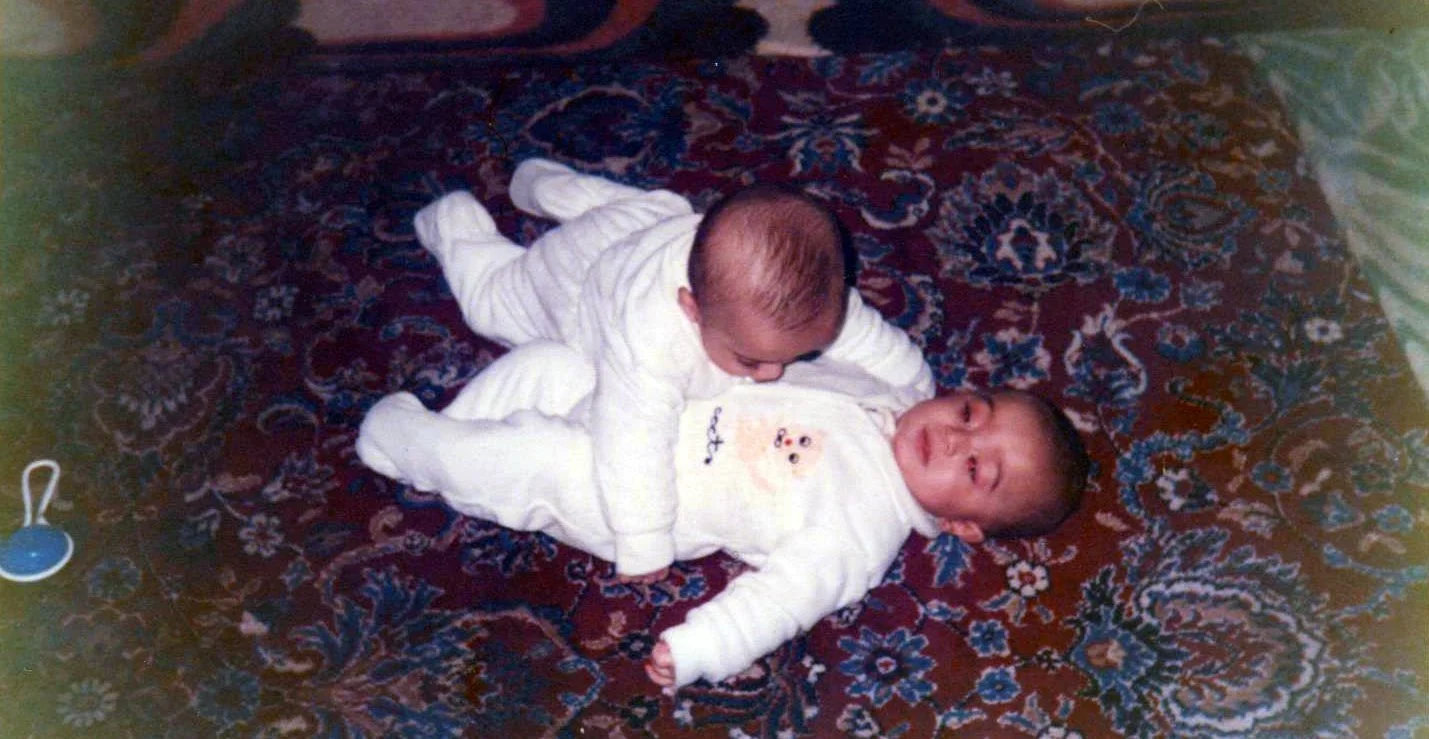
مادرم اینجا خیلی جوونه. خودش گفت هجدهسالش بود اینجا، و من رو چند ماه بعد از این عکس بردن اتاقِ عمل.
My mother is very young here. She told me she was eighteen in this photo, and a few months after this picture, they took me into the operating room.
نکتهیِ بعدی این بود که من توی نوزادی در حالِ مردن بودم، و مادرم خیلی دعا و شبزندهداری کشید تا زنده بمونم، درحالیکه پدرم از من قطعِ امید کرده بود. من رو عملِ فتق کردن، و در آخر بهخاطرِ عفونت حالم وخیم شده بود؛ فقط چند ماهه بودم. اما بهطورِ معجزهآسایی زنده موندم، تا بقیهیِ ماجراهایی که قراره اینجا بخونید رو زندگی کنم.
من خیلی خلاصه کردم و فقط نقاطِ عطف رو نوشتم؛ درحالیکه اگه وارد جزئیات میشدم، این متون تمومی نداشتن. ده سال از زندگیم رو توی سررسیدهام با جزئیاتِ کامل نوشتهام. امید همهشون رو آورده پراگ؛ اون روز ورق میزدم و هایهای گریه میکردم. یهو منفجر شدم، اما امید همه رو جمع کرد و برد. نمیتونم نگاهشون کنم، چون بدونِ سانسور نوشتهام. اینجا مجبورم سانسور کنم و با احتیاط برم جلو، وگرنه روزبهروز رو میتونستم اینجا نقل کنم — البته فقط از بیست تا سیوچندسالگی. قبلش که نوجوان بودم، و بعد از سیوچهارسالگی هم که اومدم پراگ، چند صفحهای نوشتم، مخصوصاً هفتههایِ اول رو، و دیگه ننوشتم.
The next thing was, as an infant, I was dying, and my mother prayed and stayed up night after night just to keep me alive, while my father had already given up hope on me. They operated on me for a hernia, and in the end, my condition turned critical because of an infection; I was only a few months old. But by some miracle, I survived, to go on and live through the rest of the events you're about to read here.
I've kept this very condensed, only writing the turning points; if I went into the full details, these pieces would never end. I have ten years of my life written out, in complete detail, in my daily journals. Omid brought all of them to Prague; that day, I was flipping through them, sobbing uncontrollably. I suddenly broke down, but Omid gathered them all up and took them away. I can't bring myself to look at them, because I wrote them uncensored. Here, I have to censor myself and proceed carefully, otherwise I could recount this day by day — though only from age 20 to my early thirties. Before that, as a teenager, and after age 34 when I came to Prague, I wrote a few pages, especially about the first few weeks, and nothing more.
خلاصه، این نوشتهها ممکنه برایِ بعضیها باعثِ تعجب بشه، چون هیچوقت از خودم چیزی منتشر نکردم؛ اما الان، احتمالِ زیاد، خیلیها بگن من ساده اپلای کردم و همینجوری راحت فرشِ قرمز پهن کردن برام و اومدم، و الان هم سالهاست رویِ فرشِ قرمز زندگی میکنم. نه. من ذرهذره از عمرم رو فروختم و زجر کشیدم، و قطعاً سالهایِ اولِ زندگی توی پراگ آسون نبود؛ اما الان دیگه همهچی برام طبیعی شده، و اینجا رو شهرِ خودم میدونم.
In short, these writings might come as a surprise to some people, since I've never published anything about myself before; but now, there's a good chance many will say I simply applied, had a red carpet rolled out for me with no effort, walked in, and have been living on that red carpet for years since. No. I sold off my life piece by piece and suffered for it, and the first years of life in Prague were absolutely not easy; but now, everything feels natural to me, and I consider this my own city.
ما بسیار فقیر بودیم. دورانِ سخت و نداری رو با گوشتوجان میچشیدیم. پدرم و مادرم هم روزگارِ سختی داشتند، و کودکیِ درب و داغونی داشتند. ولی این بخش رو از اونجایی مینویسم که پدرم از خیرِ خریدنِ ماشین گذشت و با دیدنِ عشق و علاقهیِ من و امید به کامپیوتر، تصمیم گرفت کامپیوتر برامون بخره. ما خیلی نوجوان و ناآگاه بودیم، و یادم نیست چطور و چقدر پول بابتِ کامپیوتر داد؛ ولی خوب یادمه یه نمایشگاهی بود توی پارکِ جنگلیِ ارومیه، و چون نزدیکِ پارک زندگی میکردیم، من و امید هر روز با هیجان از کوهِ نزدیکِ خونه بالا میرفتیم و خودمون رو میرسوندیم اونجا. نمایشگاه بالایِ کوه بود، و یه چشماندازی هم به شهرِ ارومیه داشت.
خلاصه، از دیدنِ اون رنگهایِ رنگینکمونیِ سیدیها، چنان بهوجد میومدیم که حد نداشت. کامپیوتر رو با ذوق آوردیم خونه، و از اون سالها تا همینِ امروز، شبانهروز پایِ کامپیوترها کار و زندگی میکنیم.
We were very poor. We tasted hard times and destitution in our flesh and blood. My father and mother had a hard life too, and a rough, broken-down childhood. But I'm writing this part because my father gave up on buying a car, and, seeing how much Omid and I loved computers, decided to buy us one instead. We were very young and naive, and I don't remember how or how much he paid for it; but I remember clearly there was an exhibition at Urmia's forest park, and since we lived near the park, Omid and I would climb the hill near our house every day, excited, to get ourselves there. The exhibition was up on the hill, and it had a view over the city of Urmia too.
Anyway, seeing all those rainbow colors on the CDs, we got so thrilled it was beyond measure. We brought the computer home with such joy, and from those years to this very day, we've worked and lived day and night in front of computers.
الان دقیق یادم نیست که این اتفاقِ خریدِ کامپیوتر چه تاریخی رخ داد، اما یادمه که توی سالِ ۲۰۰۰ خبری از کامپیوتر نبود؛ حدس میزنم ۲۰۰۱ یا ۲۰۰۲ بوده باشه.
I don't remember exactly what year this computer-buying happened, but I remember there was no computer around in 2000; I'd guess it was 2001 or 2002.
نمیدونم چطور شد که با نرمافزارهایِ سهبعدی آشنا شدیم و چه چیزی ما رو اینطوری مجذوب میکرد به این نرمافزارها. شبانهروز پایِ نرمافزارِ تریدیاستودیومکس بودیم و با امید تلاش میکردیم بفهمیم چطور میشه با اینها کار کرد. نه کسی چیزی بلد بود که بهمون بگه، نه اصلاً مواد و متریالی برایِ یادگیری وجود داشت. هیچچیزی توی مملکت توی زمینهیِ دیجیتال و انیمیشنِ سهبعدی نه تولید شده بود، نه چاپ شده بود؛ و در عینِ حال ما تلاش میکردیم این زبون رو درک و رمزگشایی کنیم. با هر موفقیتی توی این زمینه، چنان بهوجد میومدیم که حدوحساب نداشت. نرمافزارهایِ گوناگون نصب میکردیم و هر روز با خطایِ جدید و چالشِ جدیدی روبهرو بودیم؛ و اینطوری بود که با سماجت تونستیم با امید، برادرِ دوقلوم، یه کارهایی بکنیم.
I don't know how it happened that we got into 3D software, or what it was that captivated us so much about these programs. We were on 3D Studio Max day and night, and Omid and I kept trying to figure out how to work with it. There was no one around who knew anything to teach us, and there was no material at all to learn from. Nothing had been produced or published in the country in the field of digital and 3D animation; and still, we kept trying to decode and understand this language on our own. With every small success in this area, we got thrilled beyond measure. We'd install all sorts of software and run into a new error and a new challenge every day; and that's how, through sheer stubbornness, my twin brother Omid and I managed to make something happen.
My Teenage Years
〰️
My Teenage Years 〰️
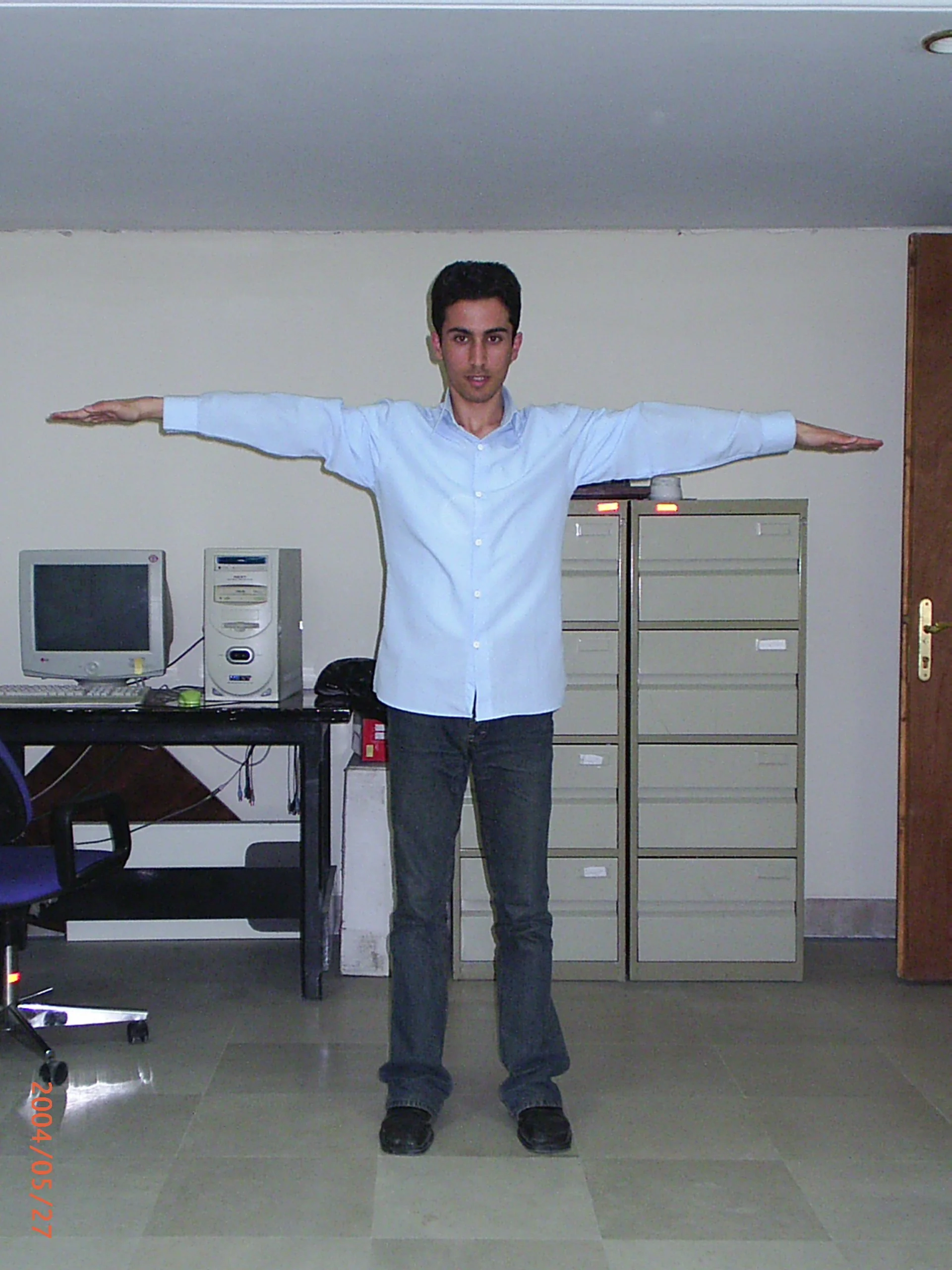
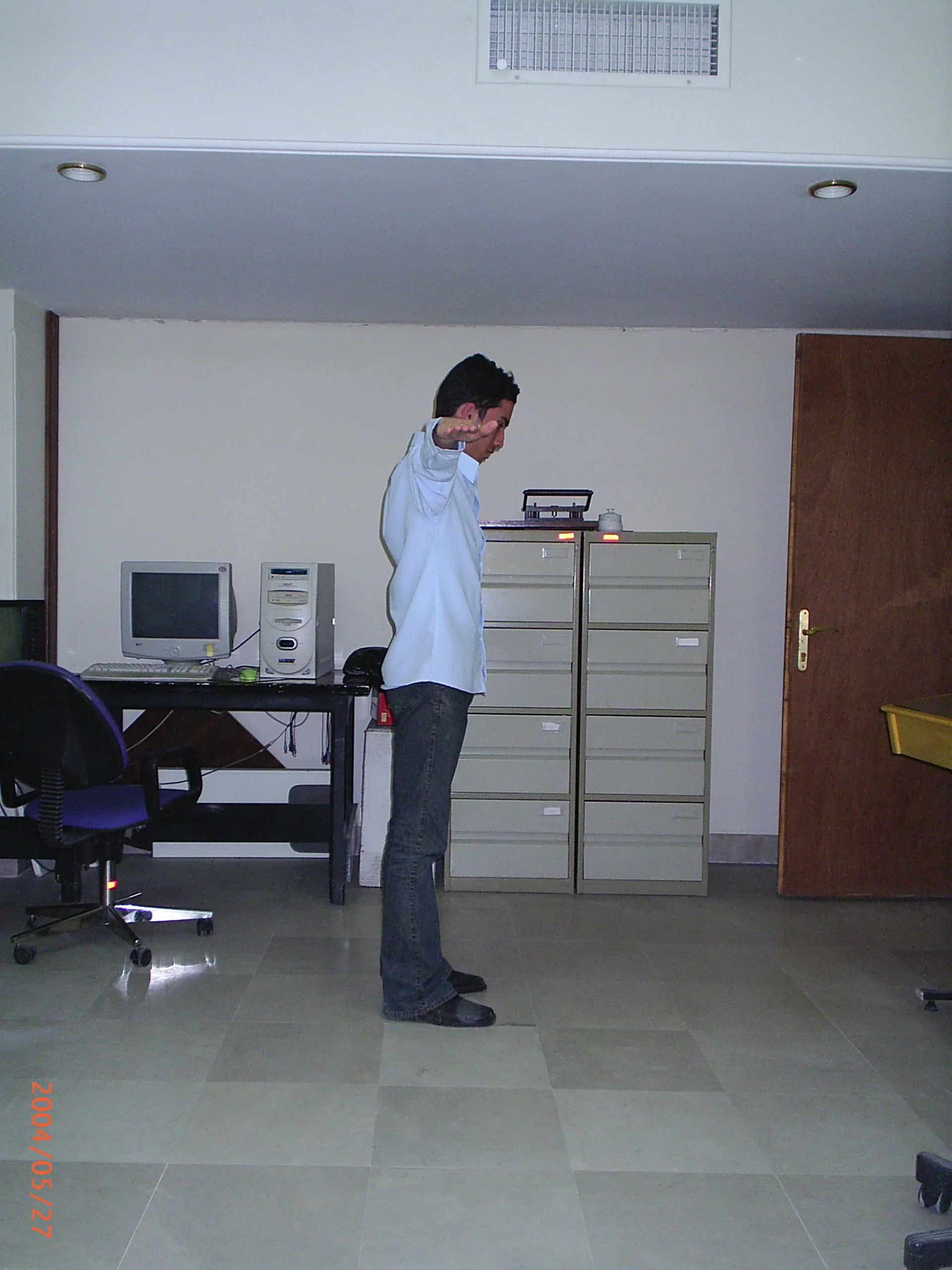
تاریخ این سال 1383 هست. جایی که گرفته شده صداوسیمای ارومیه بود؛ شهری که در آن به دنیا اومدم و سالهای سخت زندگیام رو تا ۲۰ سالگی همونجا گذروندم. از شوق ورود به همچین جای شگفتانگیزی شبها خوابم نمیبرد.
آقای نظامآبادی رو یادمه؛ روی انیمیشنِ «من بدی میفروشم» کار میکرد. دیدنِ یک بچهی تهرانی که توی صداوسیمای ارومیه با نرمافزار تریدیاستودیومکس کار میکرد، برام هیجانی غیرقابل توصیف داشت. توی این عکس، برای مدلسازیِ شخصیتها پوز گرفته بودم تا بتونم تناسبات رو درست دربیارم.
این تصویر برای یک بیننده فقط یک عکس قدیمیه، اما برای من نقطهی شروعِ یه مسیره؛ نوجوانی که هنوز نمیدونست چقدر باید تلاش کنه، ولی از همینجا شروع کرد به ساختنِ چیزی از هیچ؛ فردی بیخبر از همهجا که نمیدونست در سالهای بعد با چه رنجهای بیشتری روبهرو خواهد شد.
This photo is from 2004. It was taken at Urmia's Seda va Sima (the local radio and TV station). Urmia is my home city. I was born there. I lived there until I was 20 years old. Those years were hard. I was so excited to be in this wonderful place. I could not sleep at night.
I remember Mr. Nezamabadi. He worked on an animation called "I Sell Badness." It was amazing to see a boy from Tehran using 3D Studio Max at Urmia's TV station. In this photo, I am posing for character modeling. I wanted to get the body proportions right.
For other people, this is just an old photo. But for me, it is my whole life. In the photo, I am young. I know nothing yet. I do not know how much more pain is coming in the future.
تمام تحقیرها، کتکها و آزارهایی که دیدم، و تلاش برای جبرانِ زندگیای که بههم ریخته بود، باعث شد من و امید از همون سالها کار کردن رو توی ارومیه شروع کنیم؛ از طراحی کارتویزیت گرفته تا کار توی چاپخانهی آقای قندی در خیابان امام ارومیه. شب و روز با اسید و جوهر، توی فضایی سمی و بدون تهویه، برای مبلغ ناچیزی کار میکردیم.
بعدها به تایپیستی روی آوردم. نرمافزار واژهپرداز زرنگار رو هیچوقت فراموش نمیکنم. یه مدت هم شروع کرده بودم به آموزش تریدیاستودیومکس!
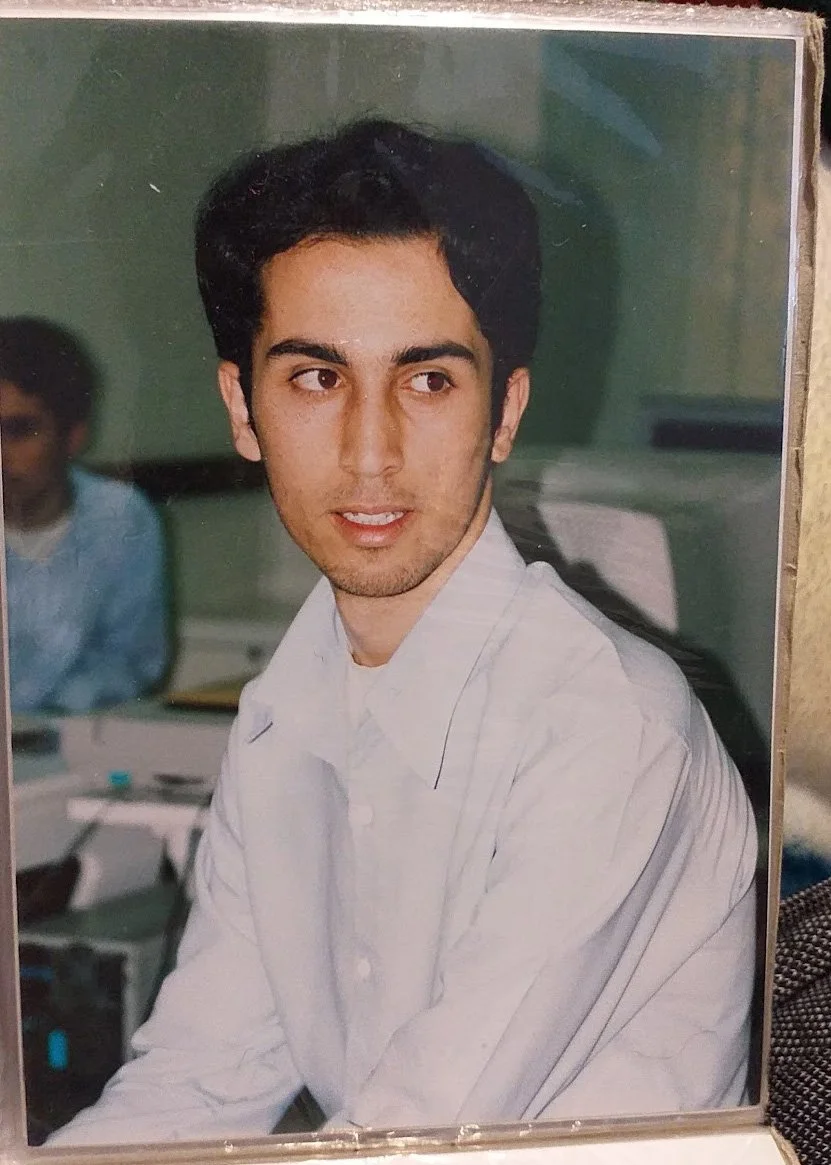
احتمالاً این عکسِ باکیفیت، جایزهیِ من بوده بهخاطرِ مدلسازیِ اون الاغ و درخششم توی وظایفِ دیگه. چقدر هم مو داشتم... یادمه دورانی که کتیرا مالیدن روی مو مد شده بود در ایران. الان دیگه خبری از اون موها نیست :)
This high-quality photo was probably my reward for modeling that donkey and standing out in other tasks. Look how much hair I had... I remember the era when putting katira gel on your hair was trendy in Iran. There's no trace of that hair left now :)
All the humiliation, beatings, and mistreatment I saw, and the effort to fix a life that had been turned upside down, pushed Omid and me to start working in Urmia from those very years — from designing business cards to working at Mr. Ghandi's print shop on Emam Street. Day and night with acid and ink, in a toxic, unventilated space, for almost no pay.
Later, I became a typist. I will never forget the Zarnegar word-processing software. For a while, I also taught 3D Studio Max classes. I had almost no money to start this. Only God knows how I did it!
من و امید واقعاً شب و روز پای کامپیوتر بودیم؛ نه صرفاً چند ساعت در روز، بلکه به معنای واقعی کلمه. اونقدر که گاهی بوی بدنمون بلند میشد. از فرط هیجانِ ساختنِ چیزی در فضای سهبعدی، یا حتی توانایی گذاشتن زیرنویس زیر یک ویدئو و تدوینش با ابزارهای بدوی اون روزها، از خوشحالی توی پوستمون نمیگنجیدیم؛ بیخبر از اینکه چقدر قراره در آینده جان بکنیم تا چرخ زندگی بچرخه، بدون اینکه عموها، عمهها، داییها، خالهها و بقیه بفهمند.
ولی همون شور و اشتیاق بود که بعدها ما رو سرِ پا نگه داشت.
Omid and I spent day and night at the computer. It was not just a few hours a day. It was really all the time. Sometimes we even smelled bad because of this. We were so excited to create things in 3D. We were also excited just to add subtitles to a video and edit it with the simple tools of that time. We were extremely happy. We did not know how hard we would have to work in the future just to survive. Our uncles, aunts, and other relatives never knew about any of this.
At that time, our bodies were still healthy. Our minds were not poisoned yet. And people had not shown their real faces yet...
It was 2004. This was taken at Urmia's state broadcasting station — the city where I was born and where I spent the hard years of my life until I was twenty. I was so excited to be walking into a place like that, I couldn't sleep at night.
I remember Mr. Nezamabadi; he was working on the animation "I Sell Badness." Seeing a kid from Tehran (capital of Iran) who could actually work with 3D Studio Max at the Urmia broadcasting station gave me indescribable excitement.
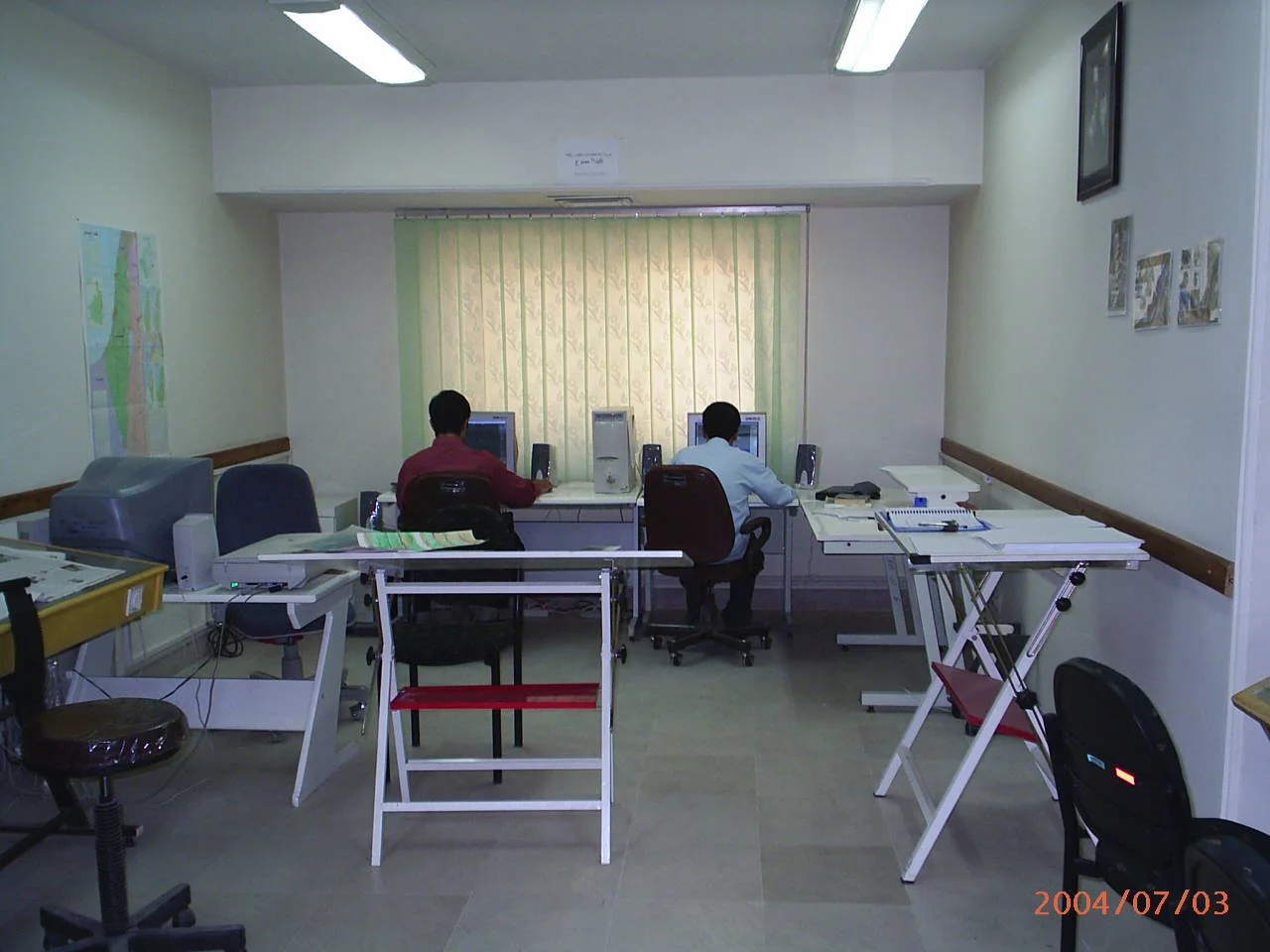
A photo of Omid and Mohammad Saffar تصویری از امید و محمد صفار
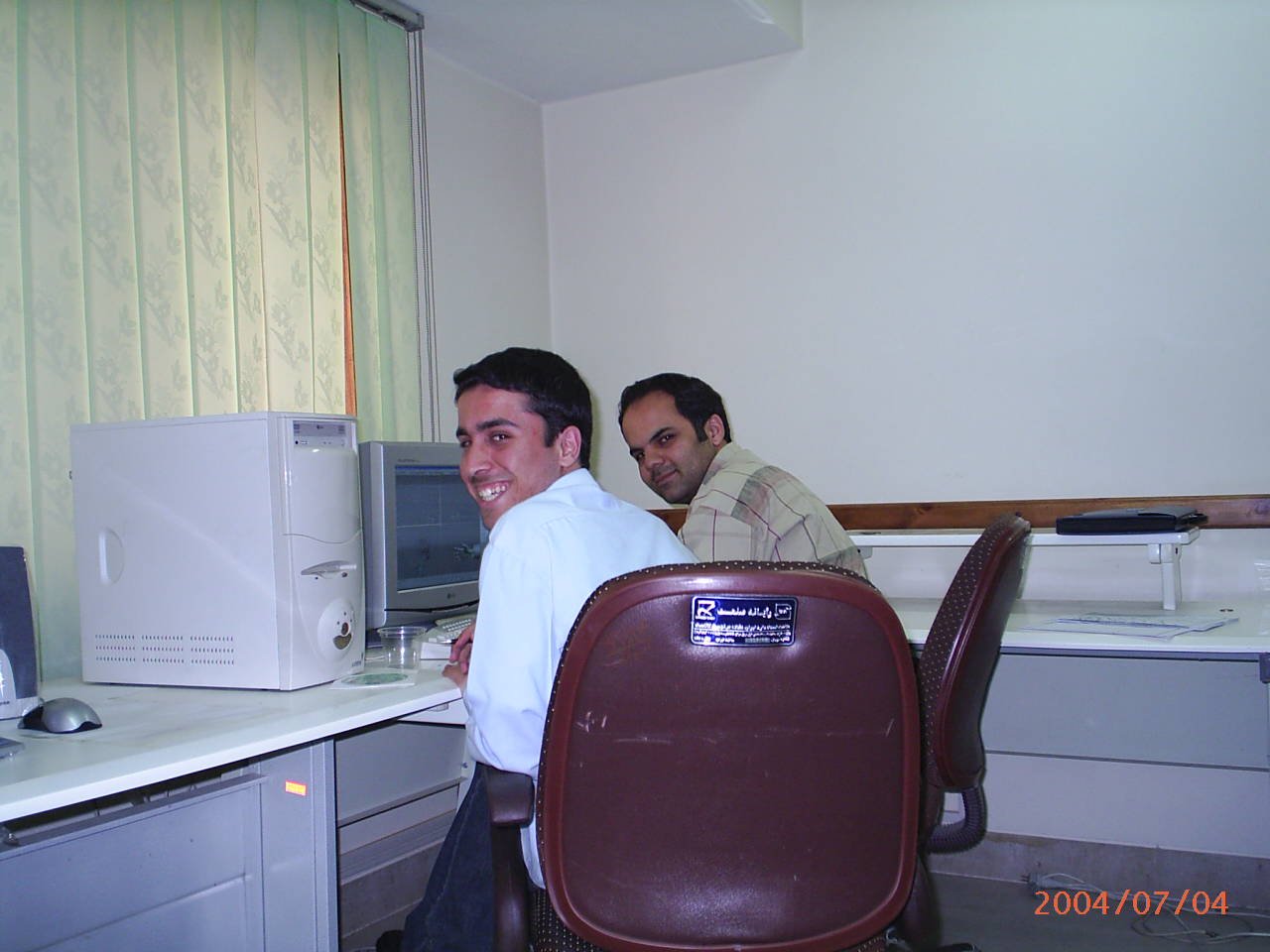
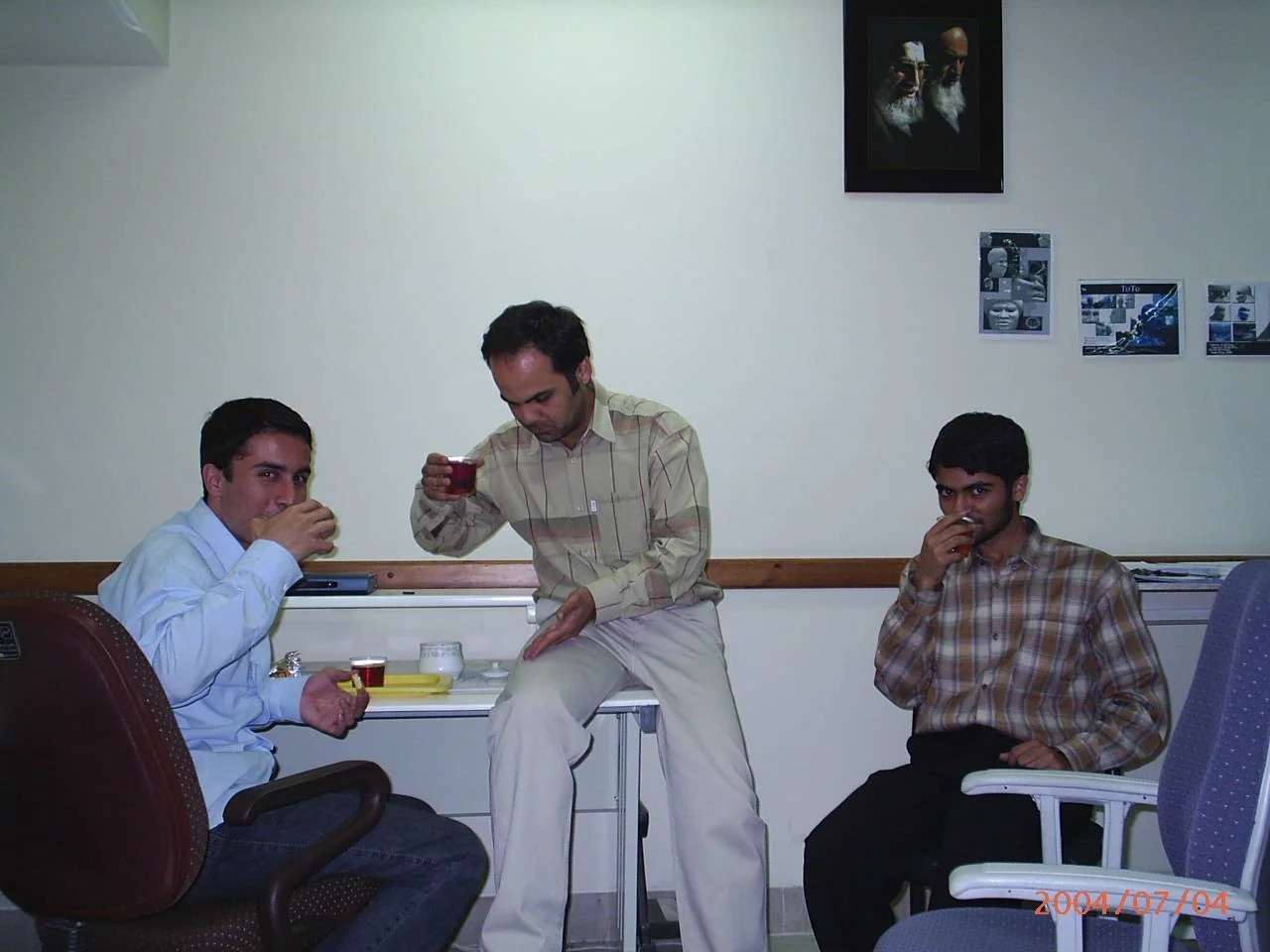
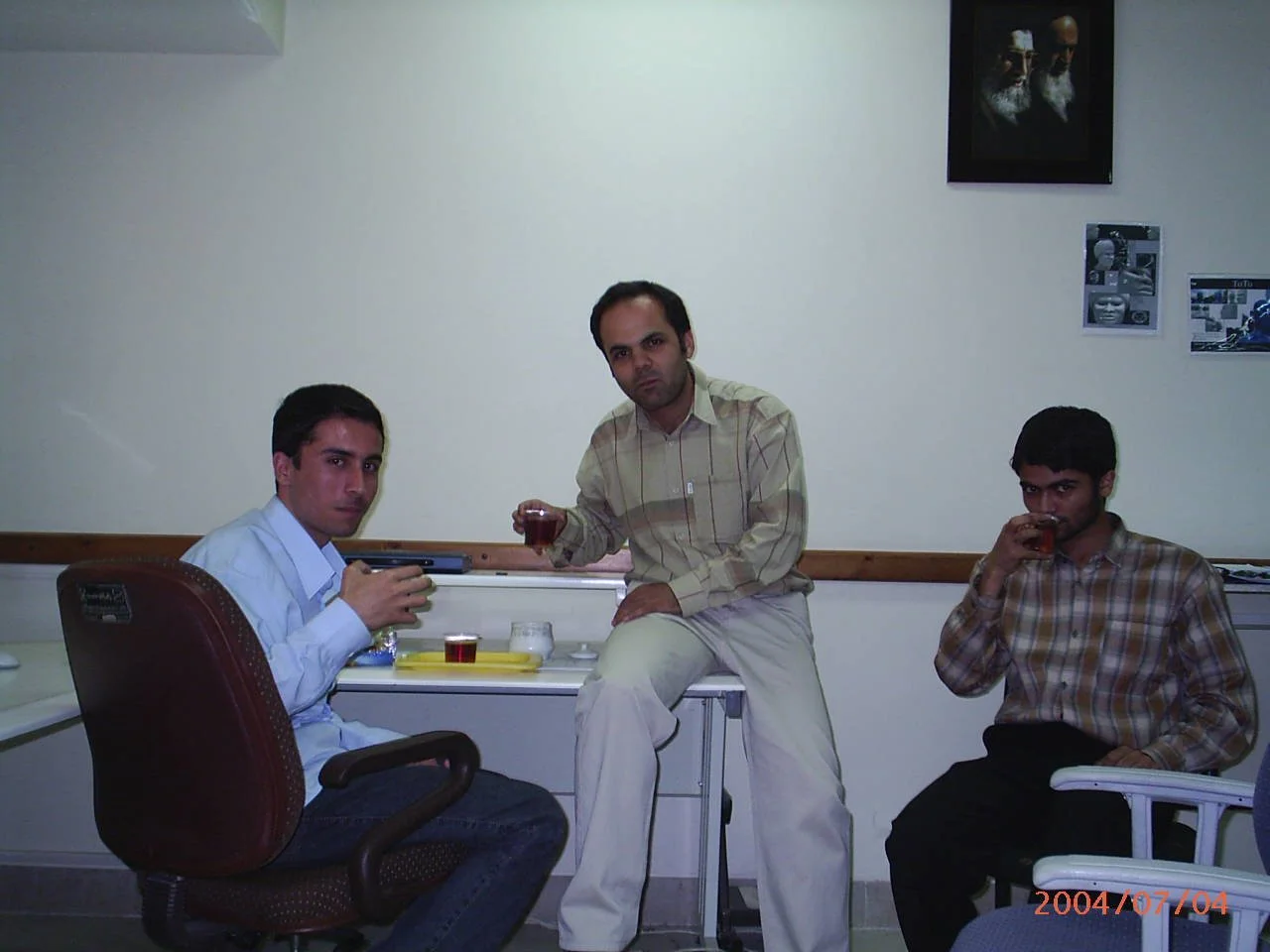
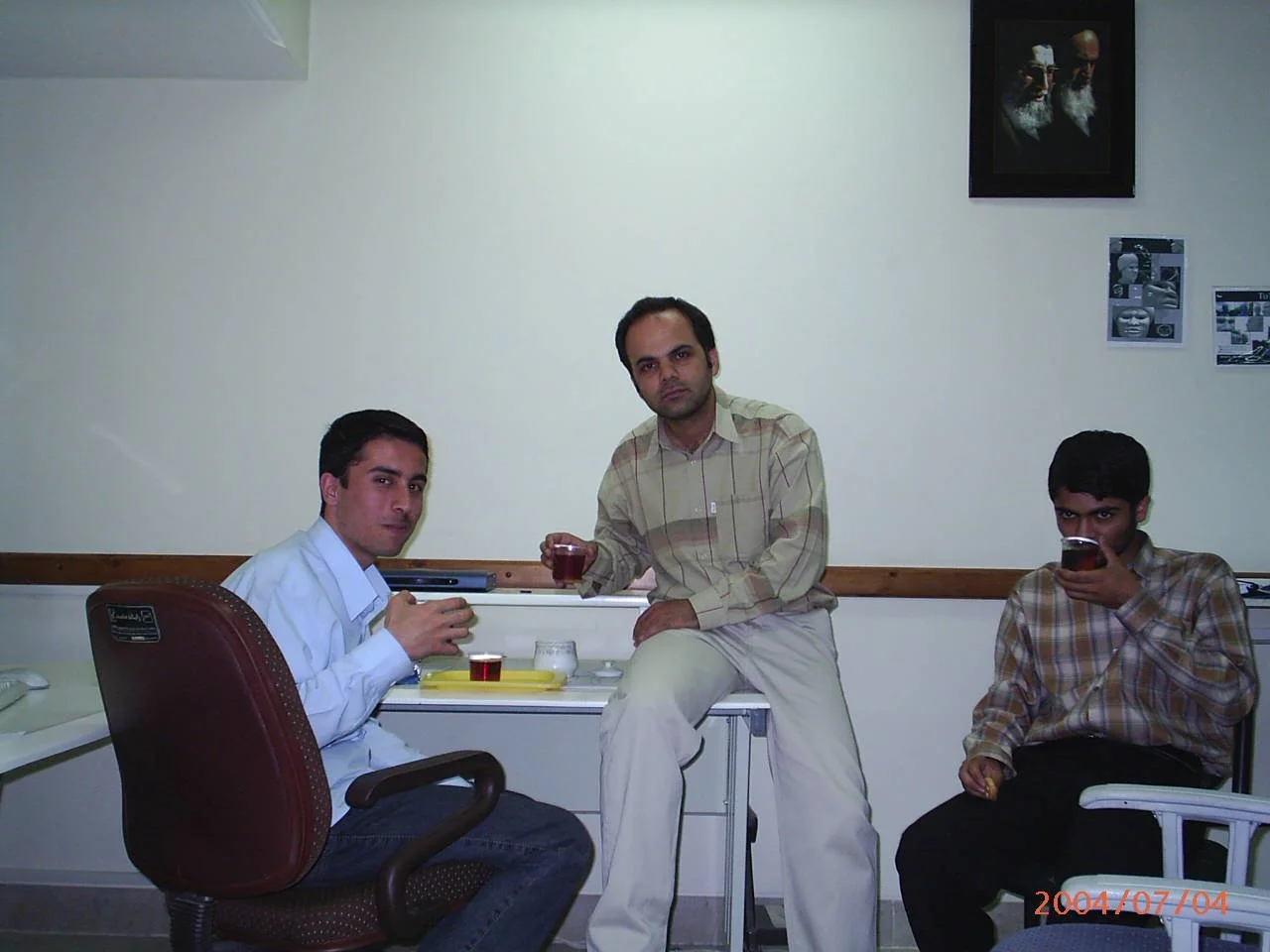
توی این عکسها امید سرش رو برگردونده و داره میخنده. عکس رو من گرفتم؛ دوربین دستِ من بود. دور میز نشسته بودیم و چای میخوردیم، و من هم انگار طبق معمول داشتم دلقکبازی درمیآوردم. اون یکی آقای خلیلزادهست؛ پسری پرتلاش که دقیق یادم نیست توی کدوم بخش کار میکرد.
اگه دقت کنید، روی دیوار توی عکس چند تا مدل دیده میشه که خودم ساخته بودمشون. دقیق یادمه که آقای نظامآبادی تا اون مدلها رو دید باورش نمیشد کارِ من باشه. از همون روز انگار قفلِ مدلسازی سهبعدی برام باز شد و کار ساختِ یک الاغ و آهو رو بهم سپردند. با چه هیجانی شروع کردم به کار روی اون مدل…
In these photos, Omid has turned around and is laughing. I took the picture; I had the camera. We were sitting around the table drinking tea, and as usual, I was apparently clowning around. That's Mr. Khalilzadeh — a hard-working guy, though I don't quite remember which department he worked in.
If you look closely, you can see a few models on the wall in the photo — I'd made those myself. I remember clearly that when Mr. Nezamabadi saw them, he couldn't believe they were my work. From that day on, it was as if a door opened for me in 3D modeling, and I was given the job of making a donkey. The excitement I felt starting on that model…
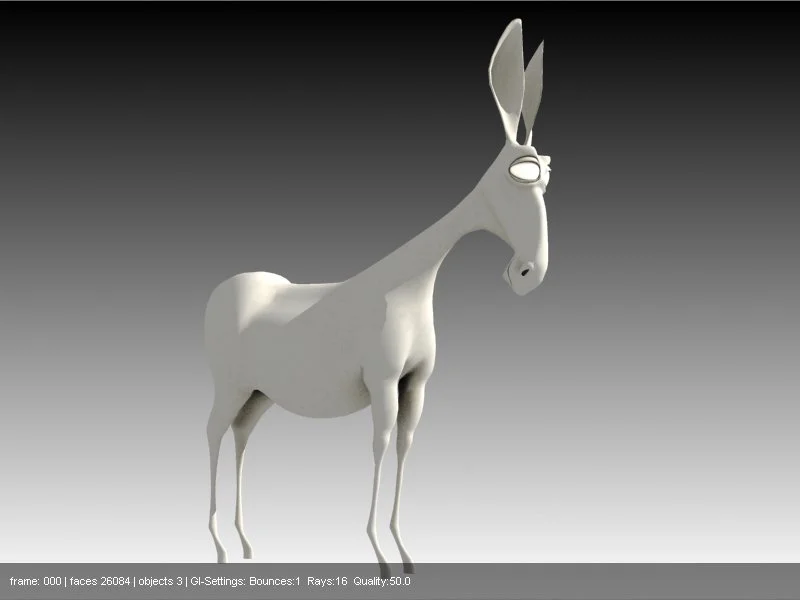
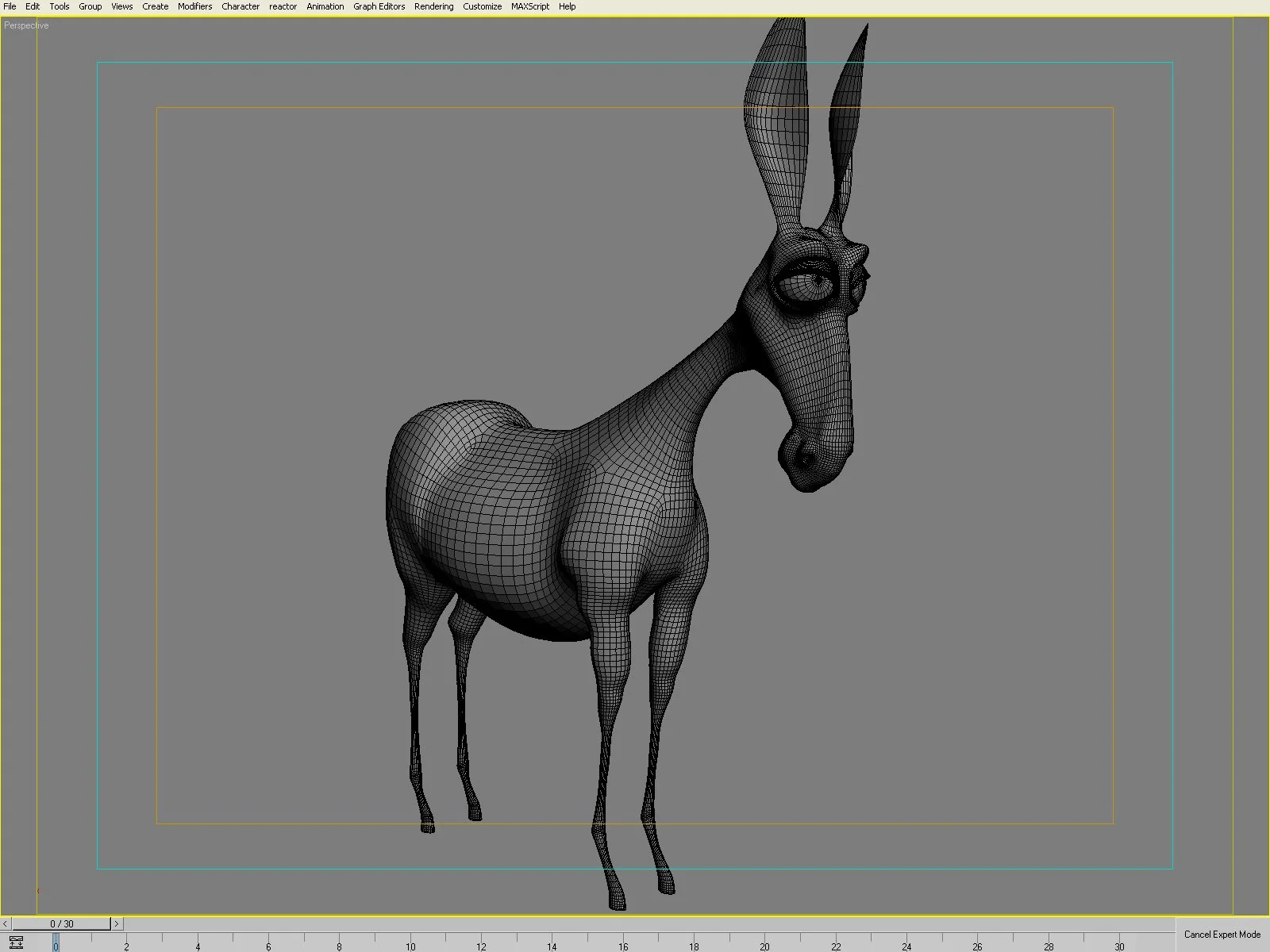
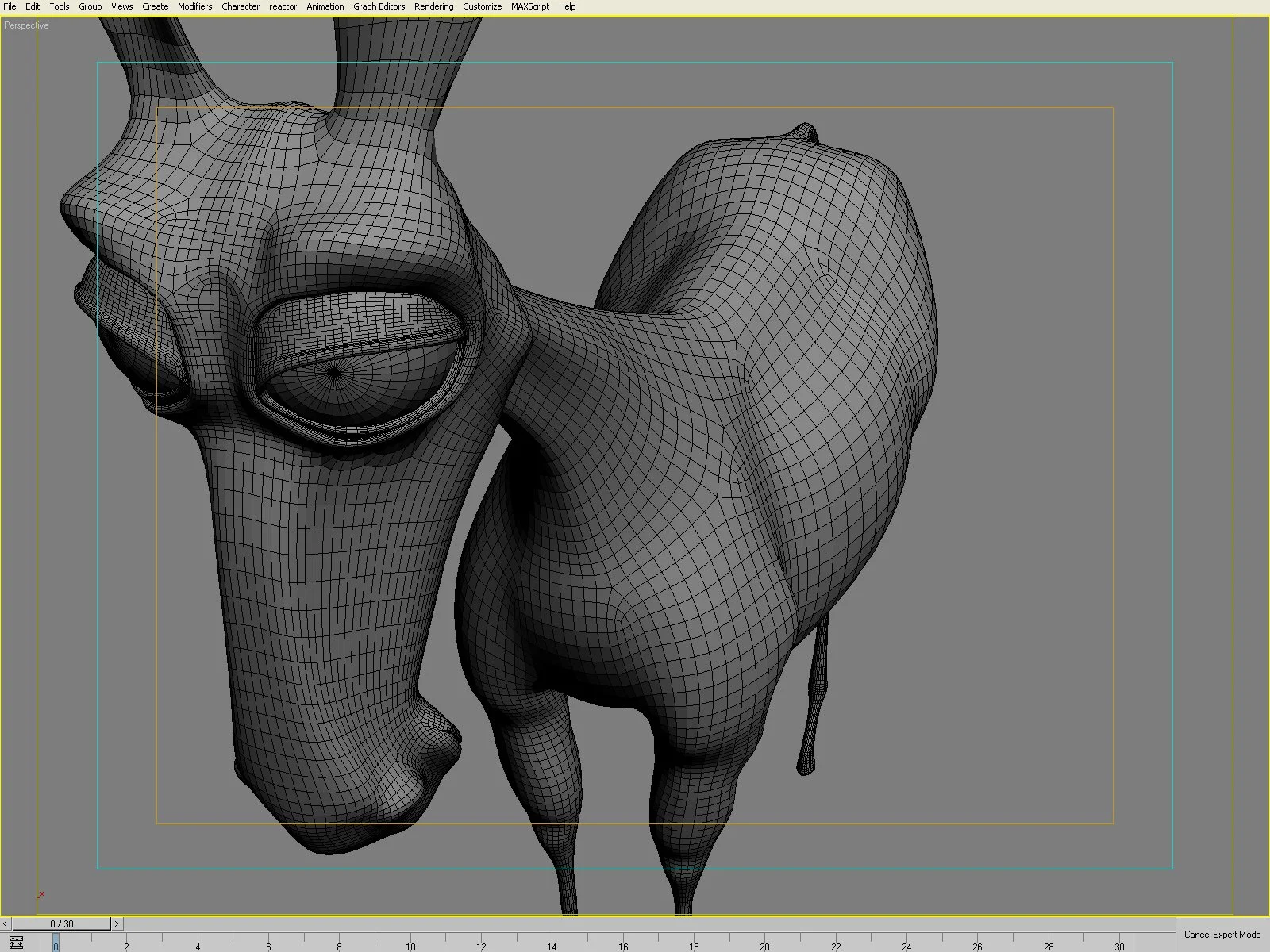
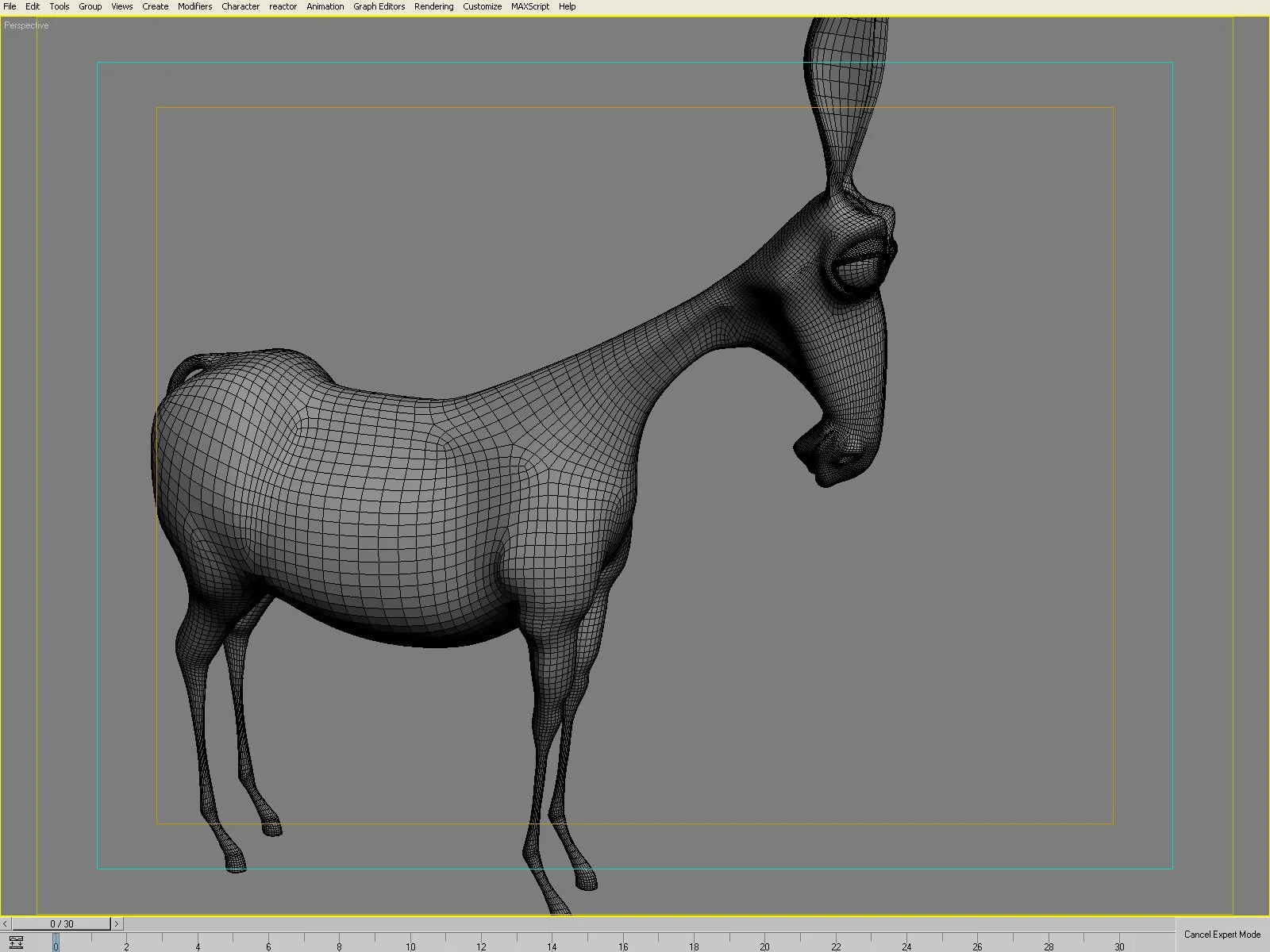
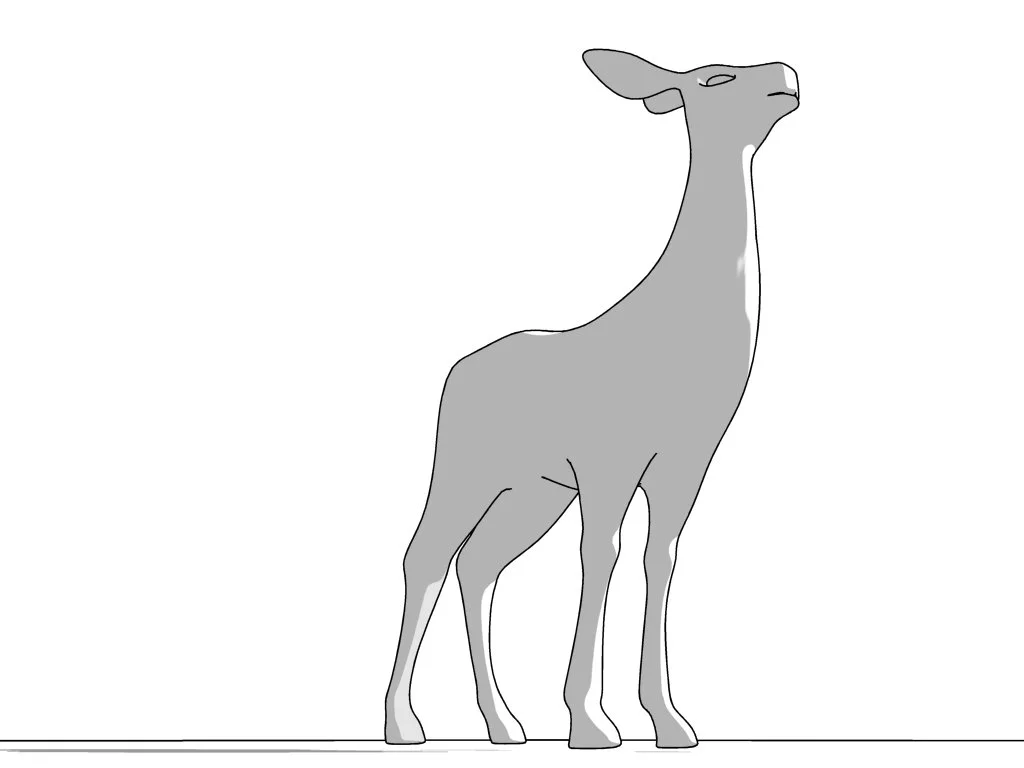
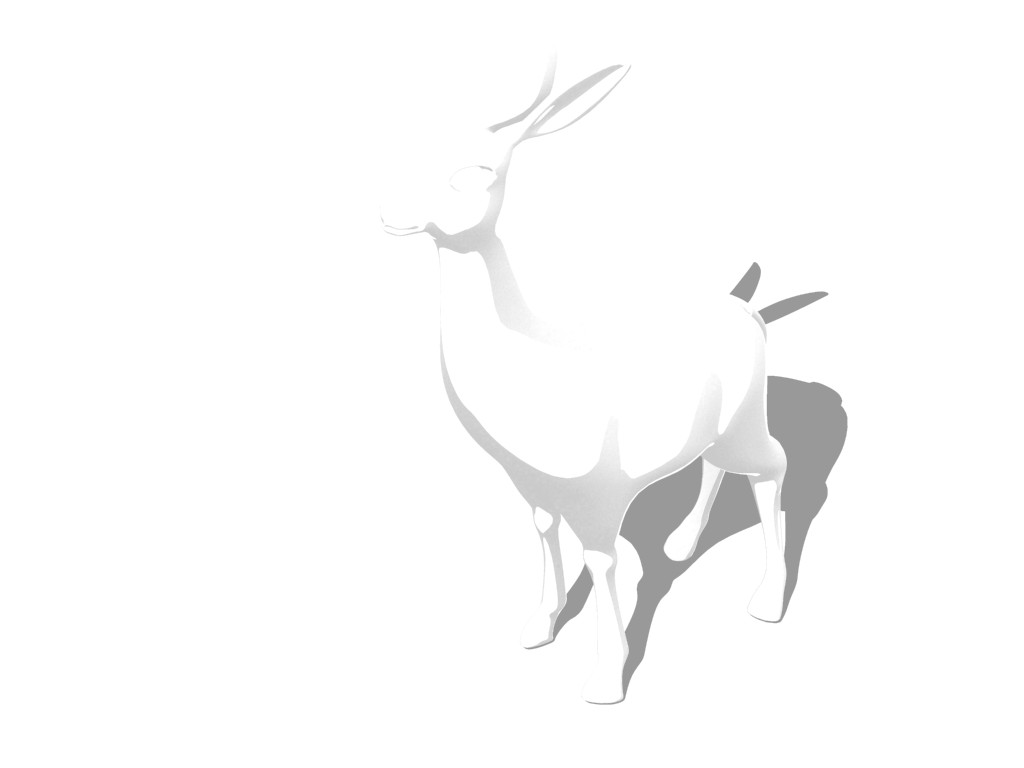
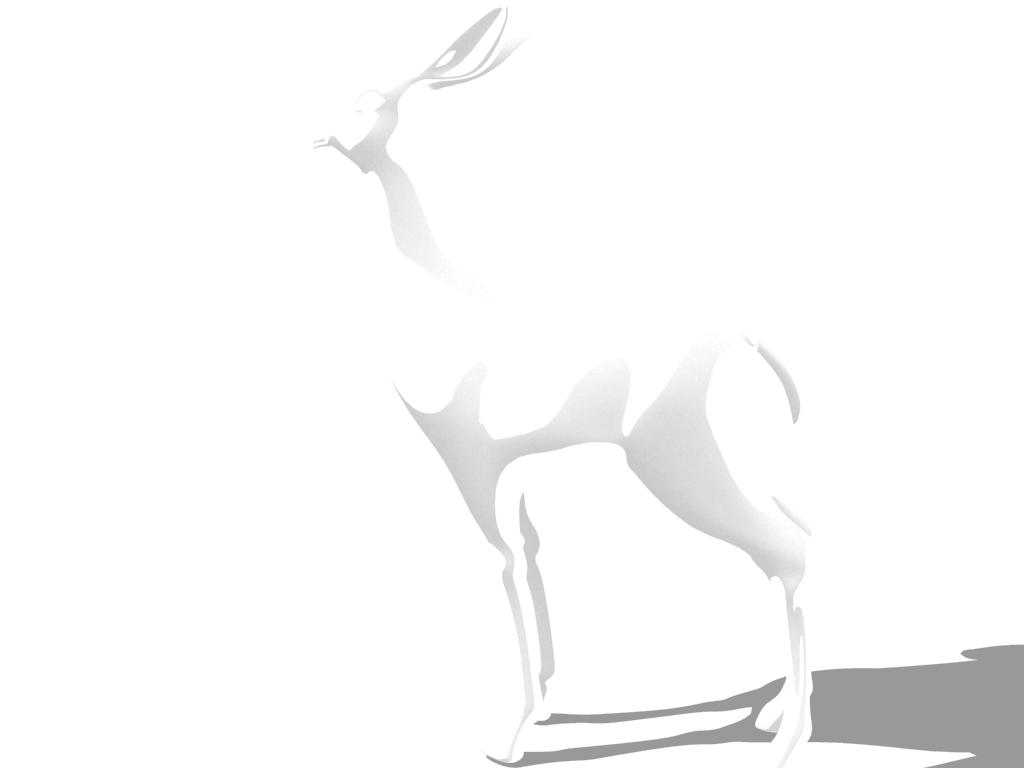
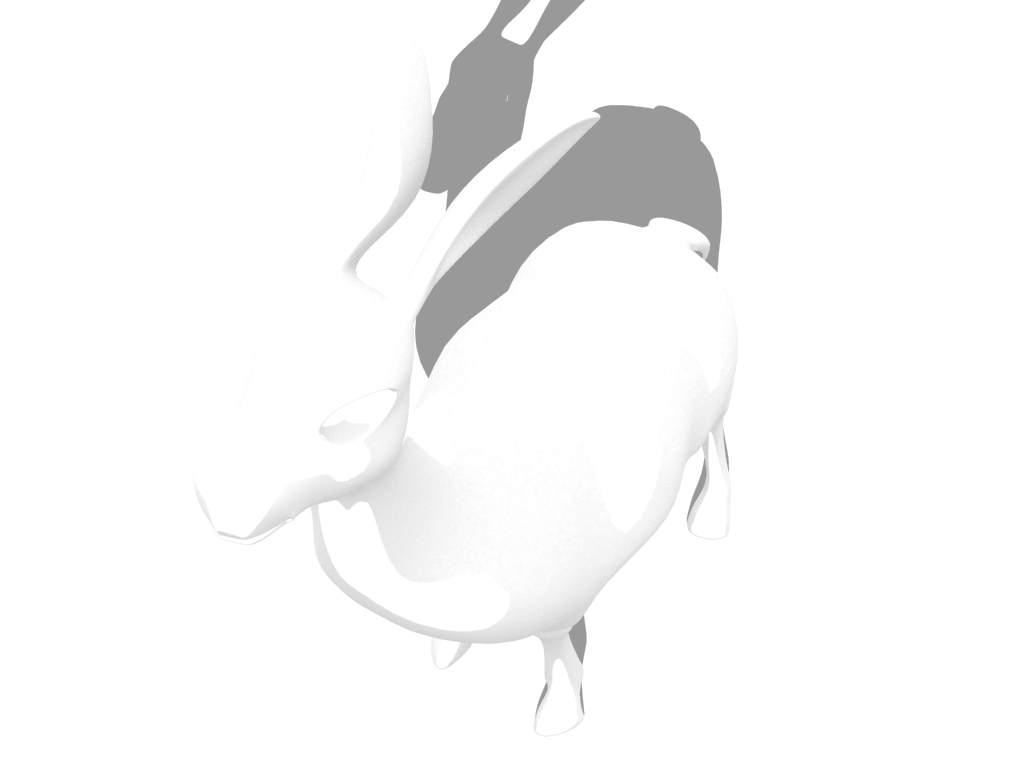
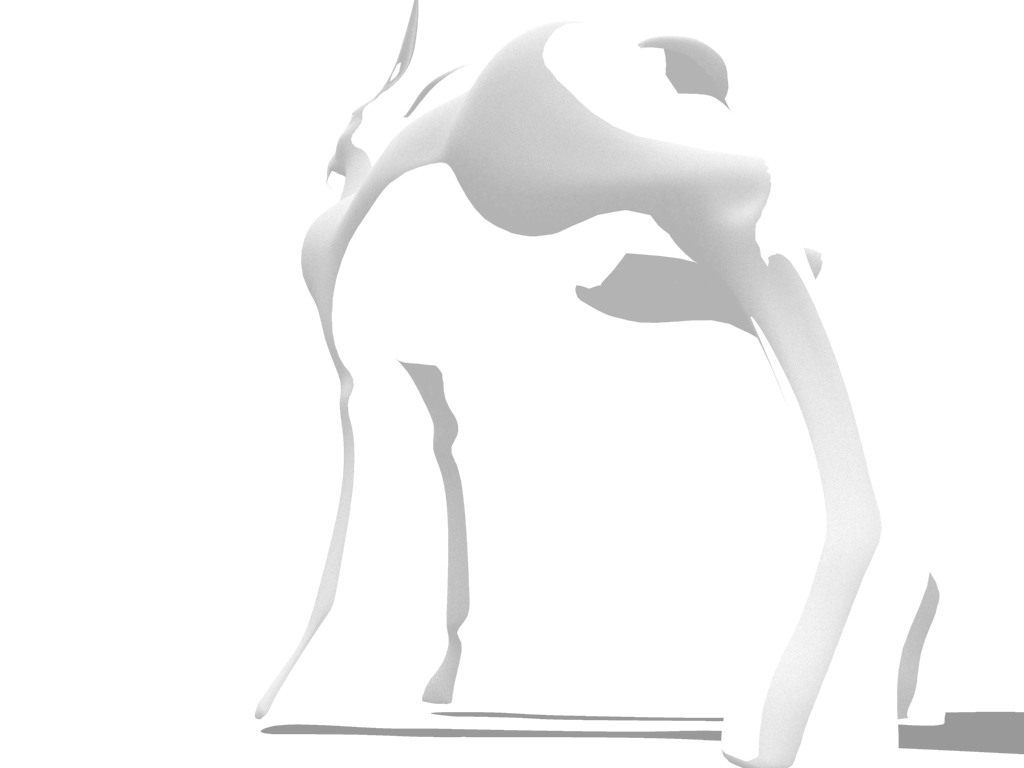
The donkey and Deer I made back then
الان که بهش نگاه میکنم، تازه میفهمم چرا اونقدر روی کارهای هایپولی وقت میذاشتم. با چه افتخاری از صفحه، فولاسکرین اسکرینشات میگرفتم؛ و این الاغ، چقدر توی اون دوران برام راه باز کرد. چقدر شب و روز تلاش کردم تا مدلسازیِ سابدیویژن رو یاد بگیرم و درکش کنم.
Looking at it now, I finally understand why I spent so much time on high-poly work. How proudly I'd take full-screen screenshots of it — and how much that donkey opened doors for me back then. How many days and nights I spent trying to learn and truly understand subdivision modeling.
اون موقعها اینترنت دایلآپ و خیلی کند بود، و زندگی توی یه شهرستان کوچیک که هیچ امکاناتی نداشت، خودش بهتنهایی سخت بود؛ چه برسه به دونستنِ دانش گرافیک کامپیوتری. هیچ کسی نبود که ازش چیزی بپرسیم. با هزار زحمت به اینترنت فیلترشدهی ایران وصل میشدیم و میرفتیم توی همون چند تا سایت اندکِ سهبعدی، ولی چیز زیادی ازشون سر در نمیآوردیم؛ فقط یهسری تصاویر گنگ و جستهگریخته از آموزشهای اچتیامال. انگلیسی هم که کلاً تعطیل بودیم...
Back then, the internet was dial-up. It was very slow. Life in a small town with no good resources was really hard. And we knew nothing about computer graphics. There was no one to ask for help. We connected to Iran's filtered internet with great difficulty. We visited the few 3D websites that existed. But we could not understand them. We only saw confusing pictures from HTML tutorials. And our English? We knew almost nothing at all...
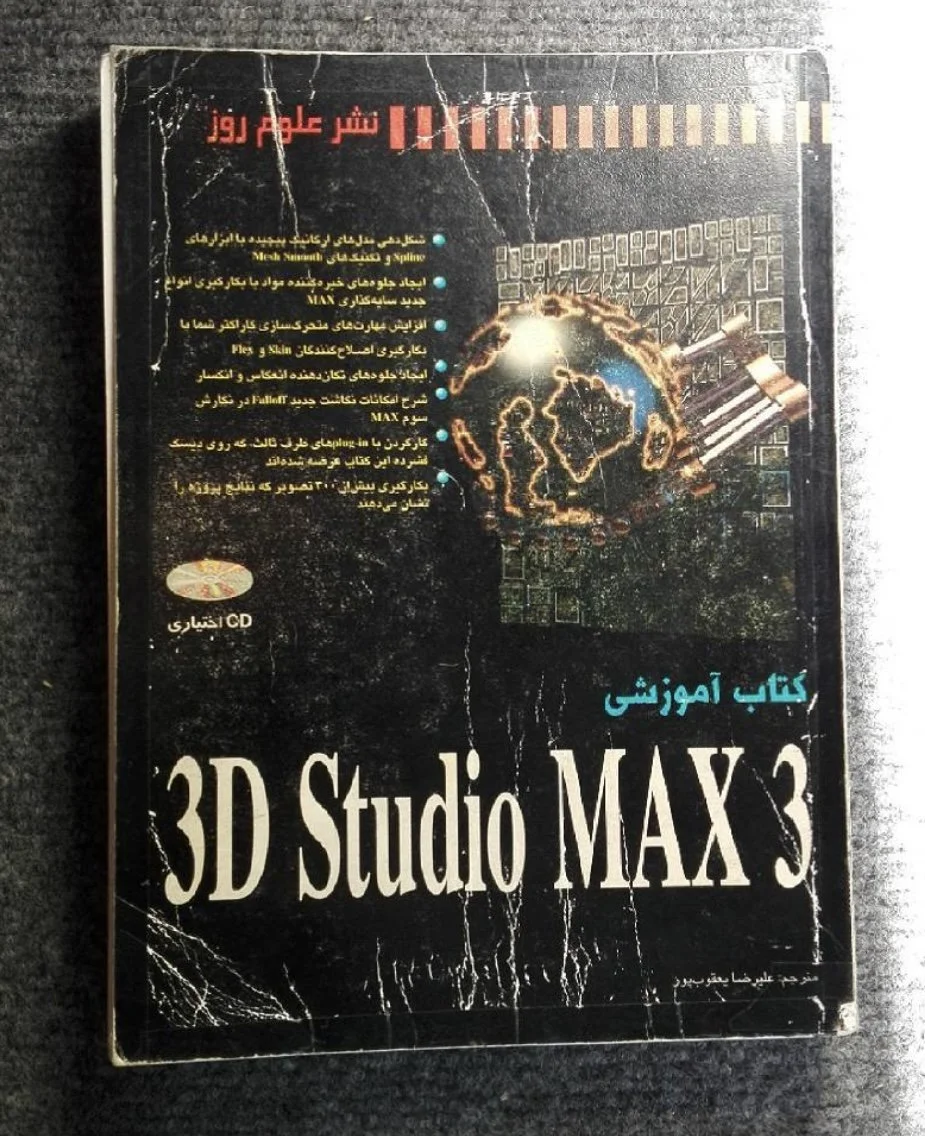
the first book
اولین کتابی که در موردِ مدلسازی و گرافیکِ کامپیوتری خریدیم، همین بود. یادش بهخیر، چقدر تلاش میکردم تا بفهممش، و چقدر توی ترجمه از معادلاتِ فارسی استفاده شده بود که برایِ من اصلاً قابلِ درک نبودن؛ و چقدر مراحل کلی بودن که نمیشد باهاشون کاری کرد!
This was the first book we bought about 3D modeling and computer graphics. Good times — how hard I tried to understand it, and how many Persian equivalents were used in the translation that made absolutely no sense to me, and how vague and general the steps were, to the point where you couldn't actually do anything with them!
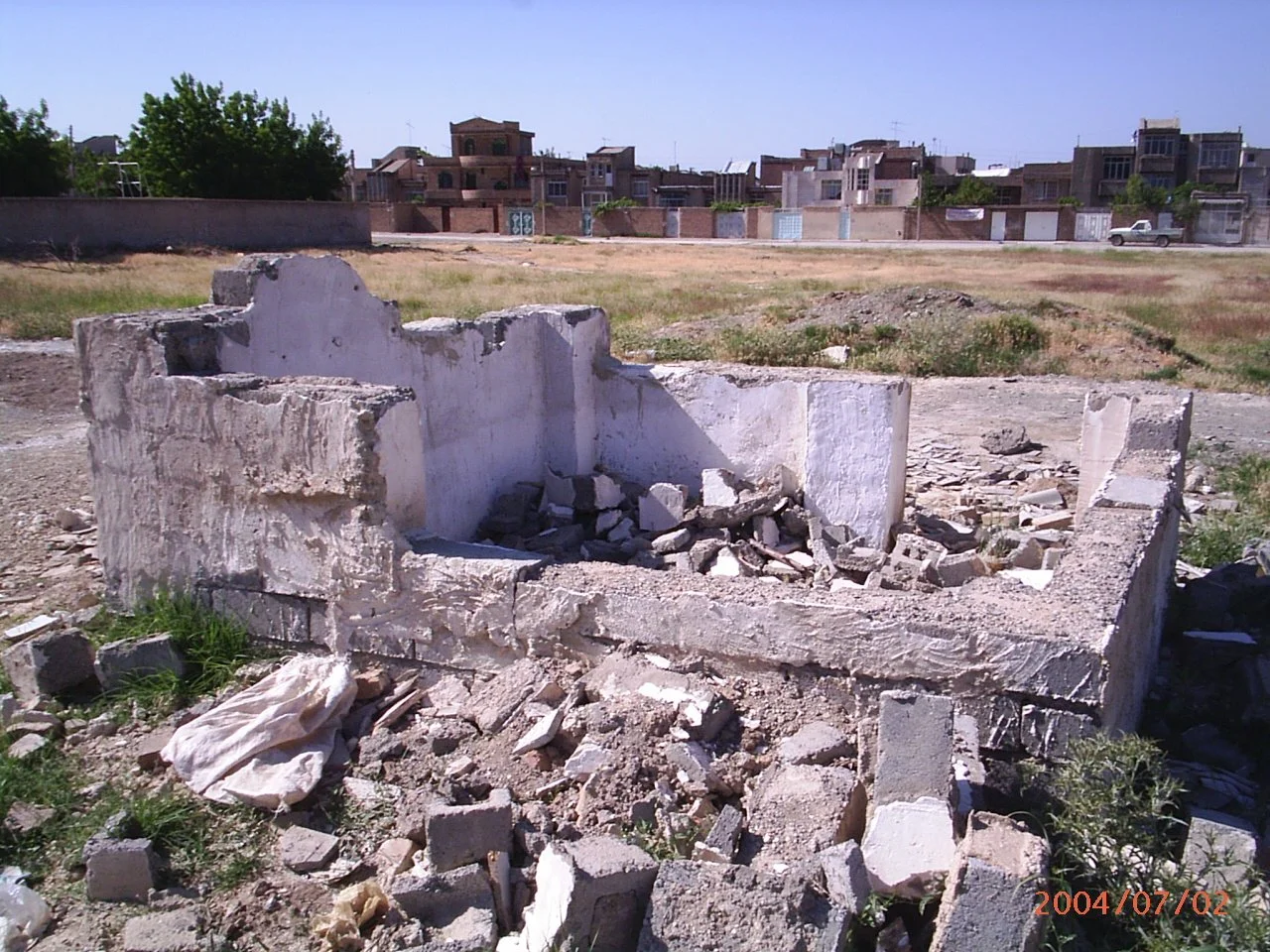
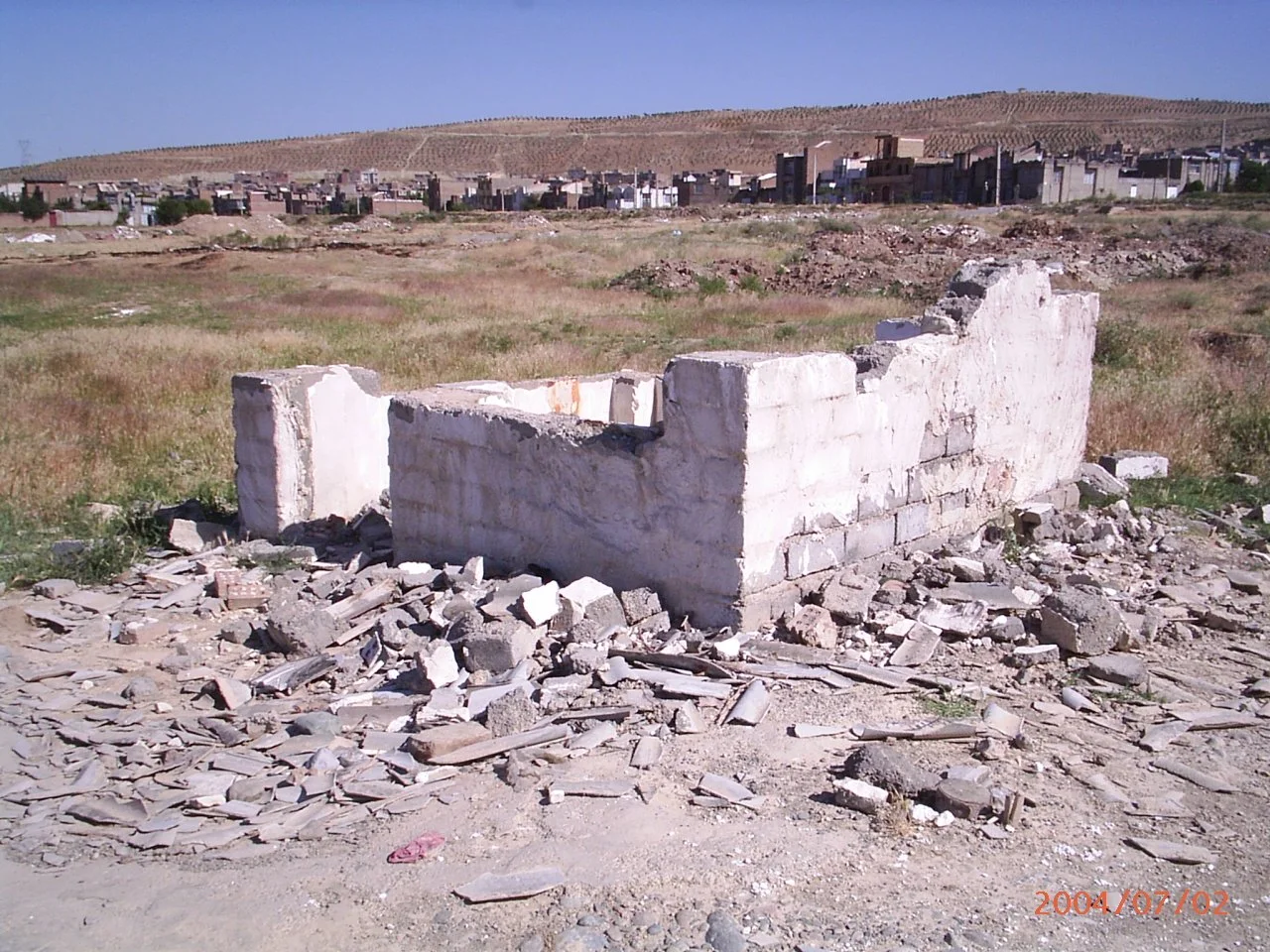
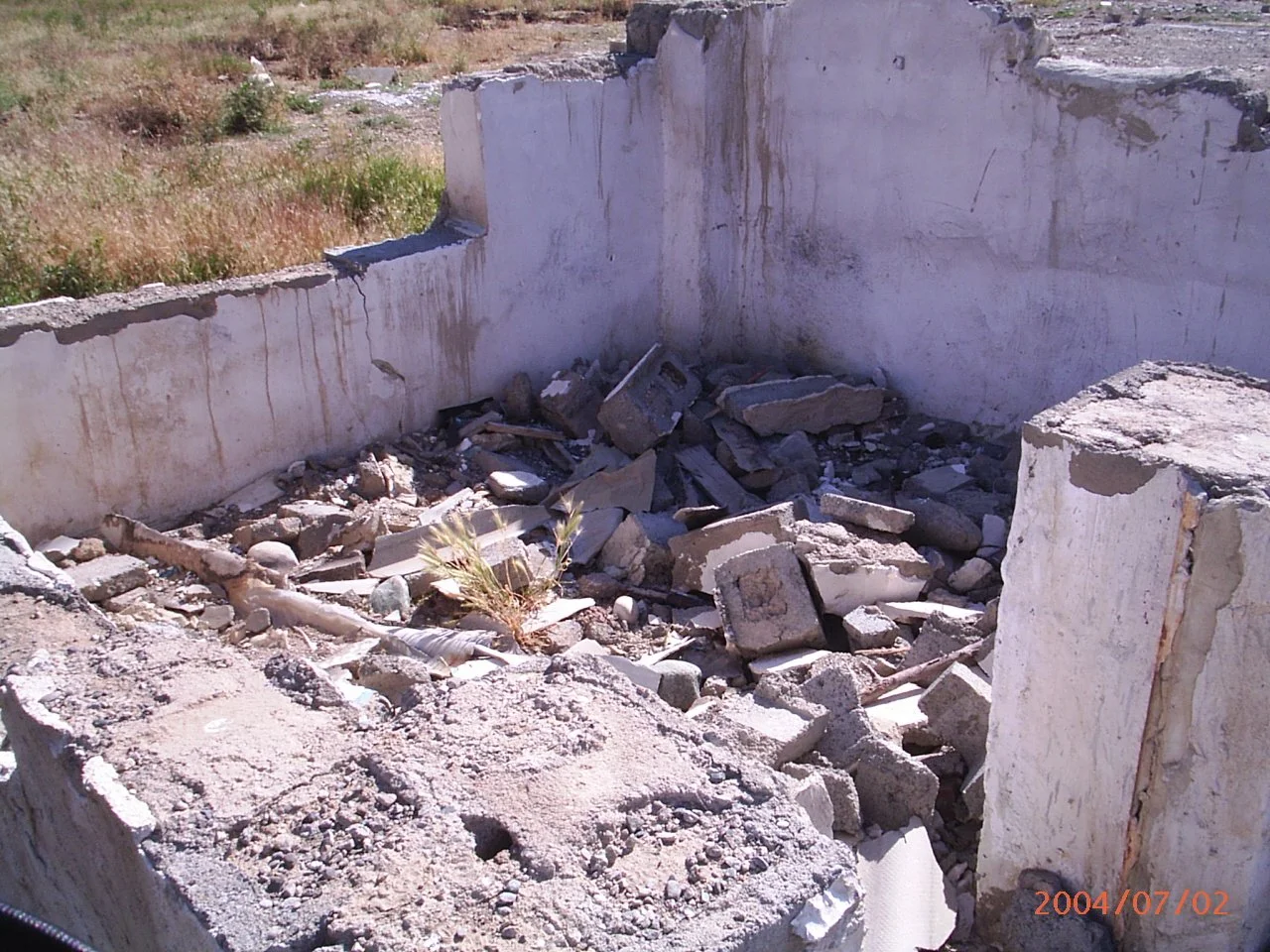
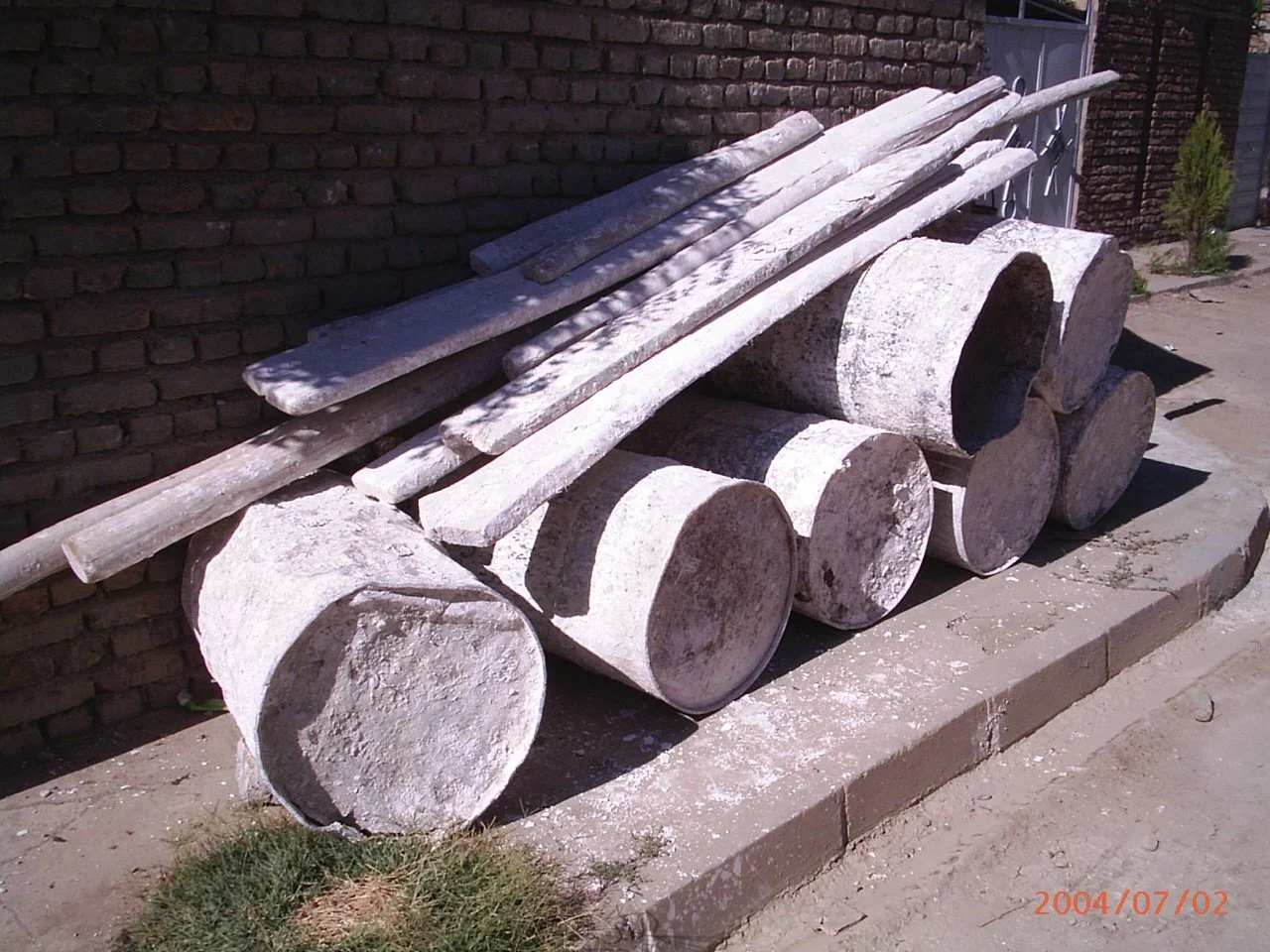
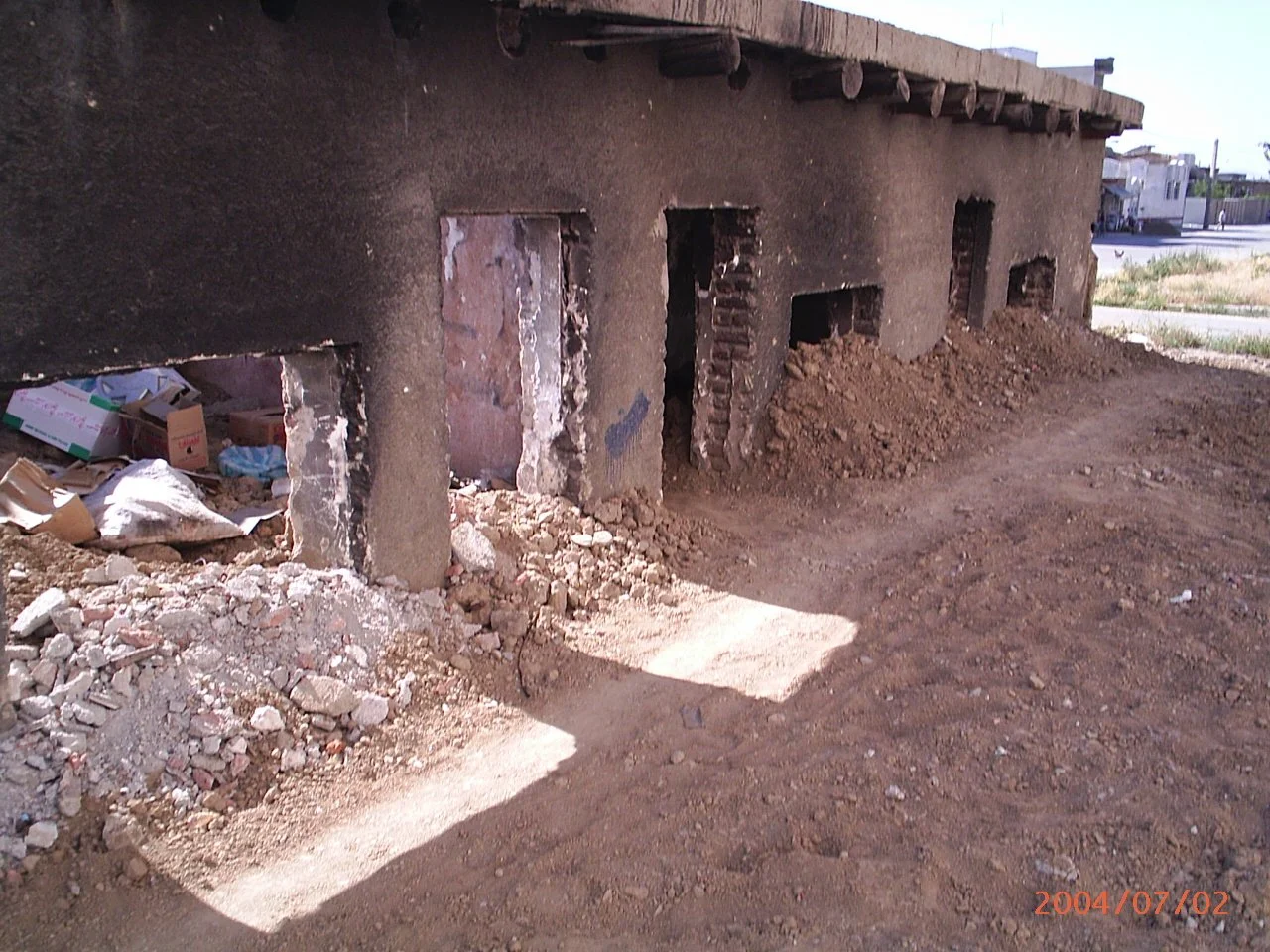
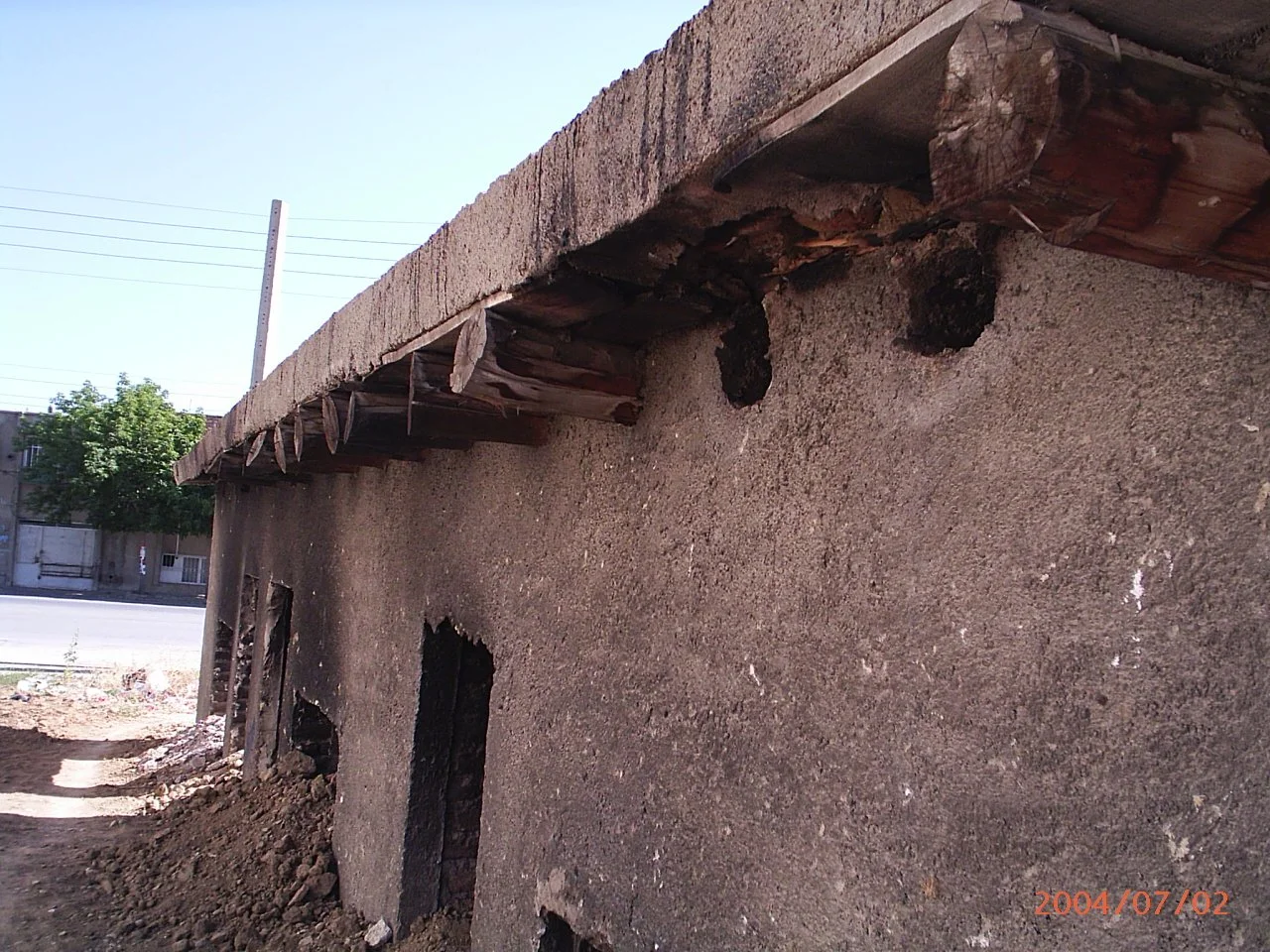
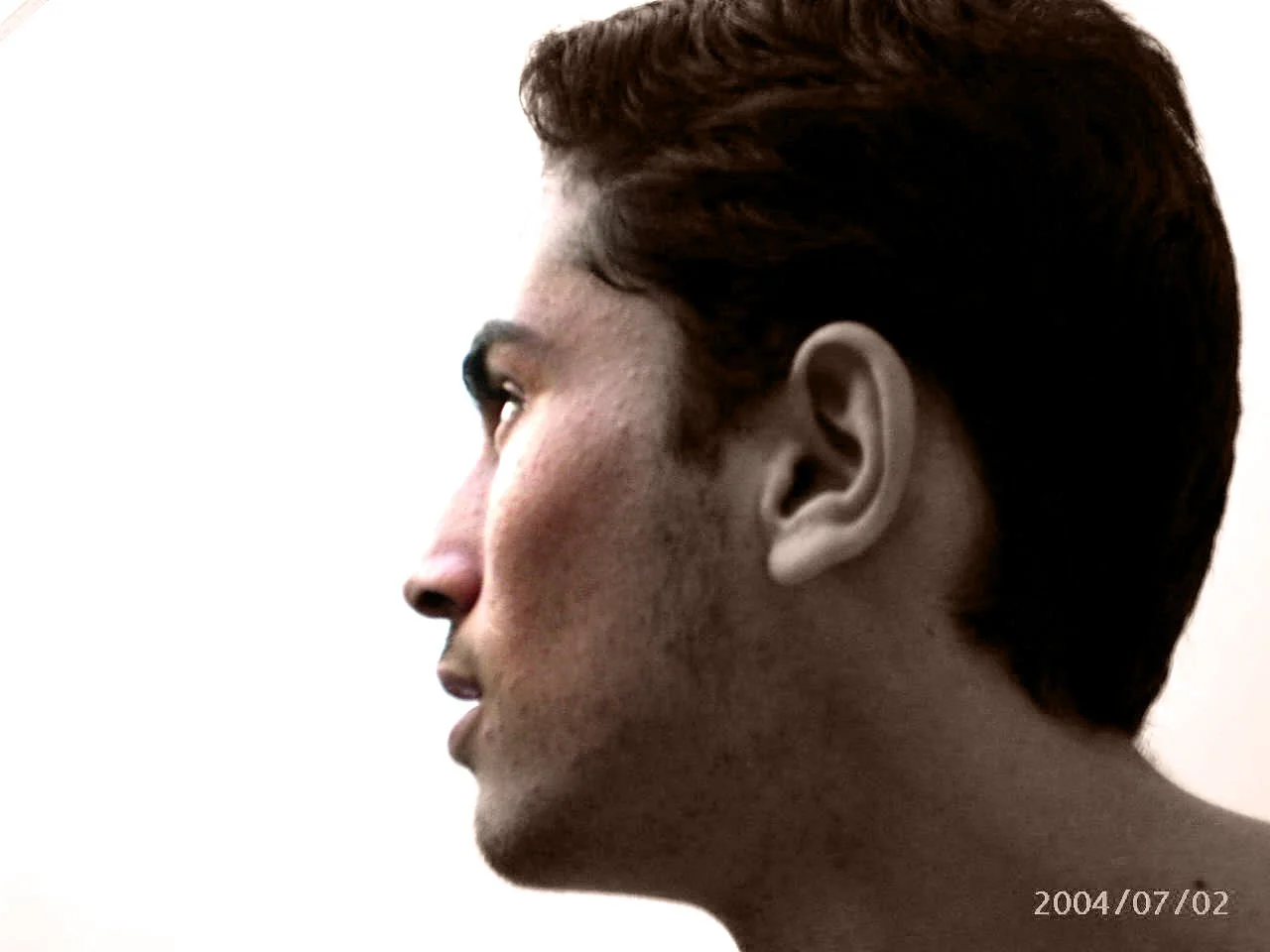
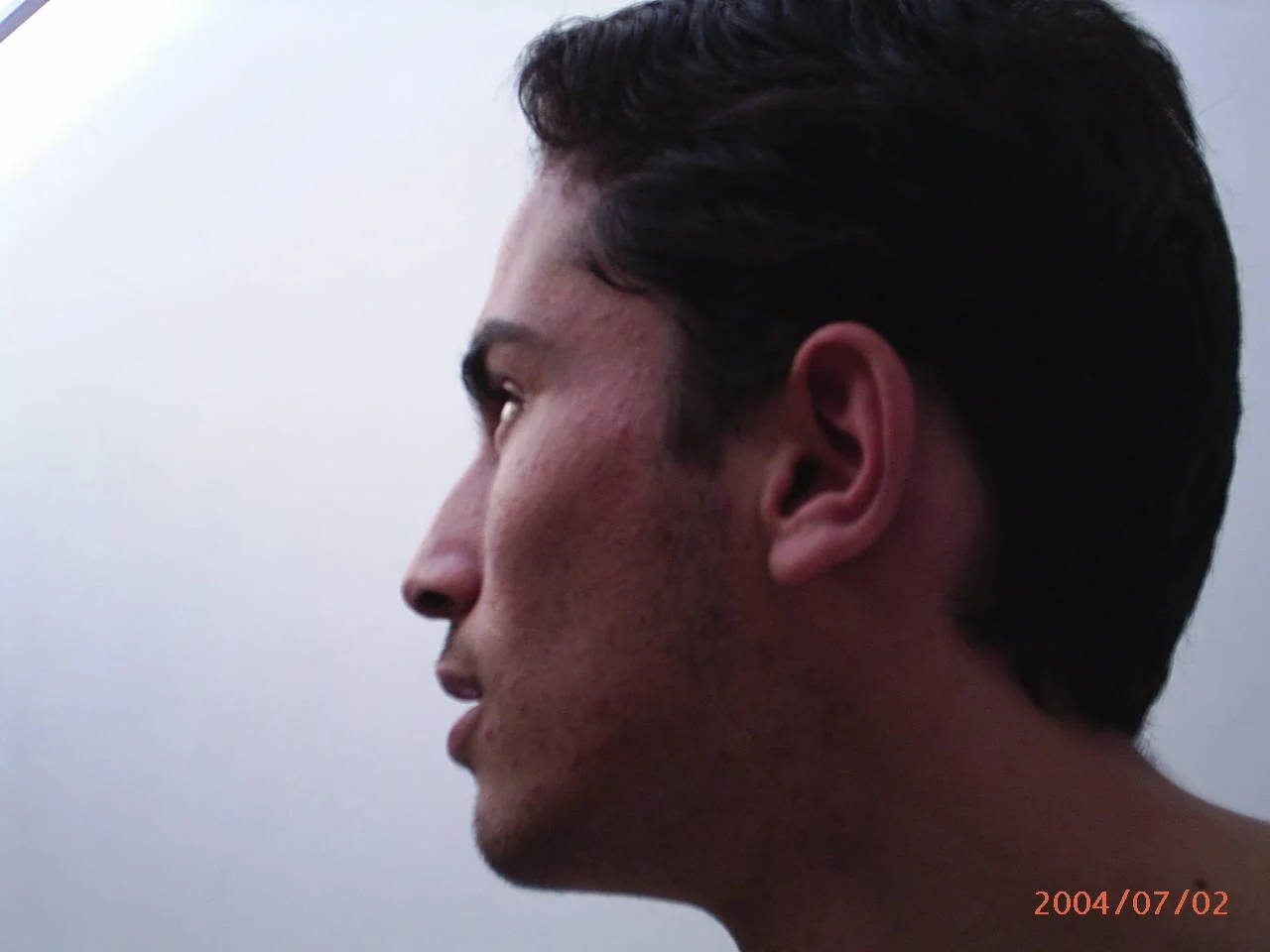
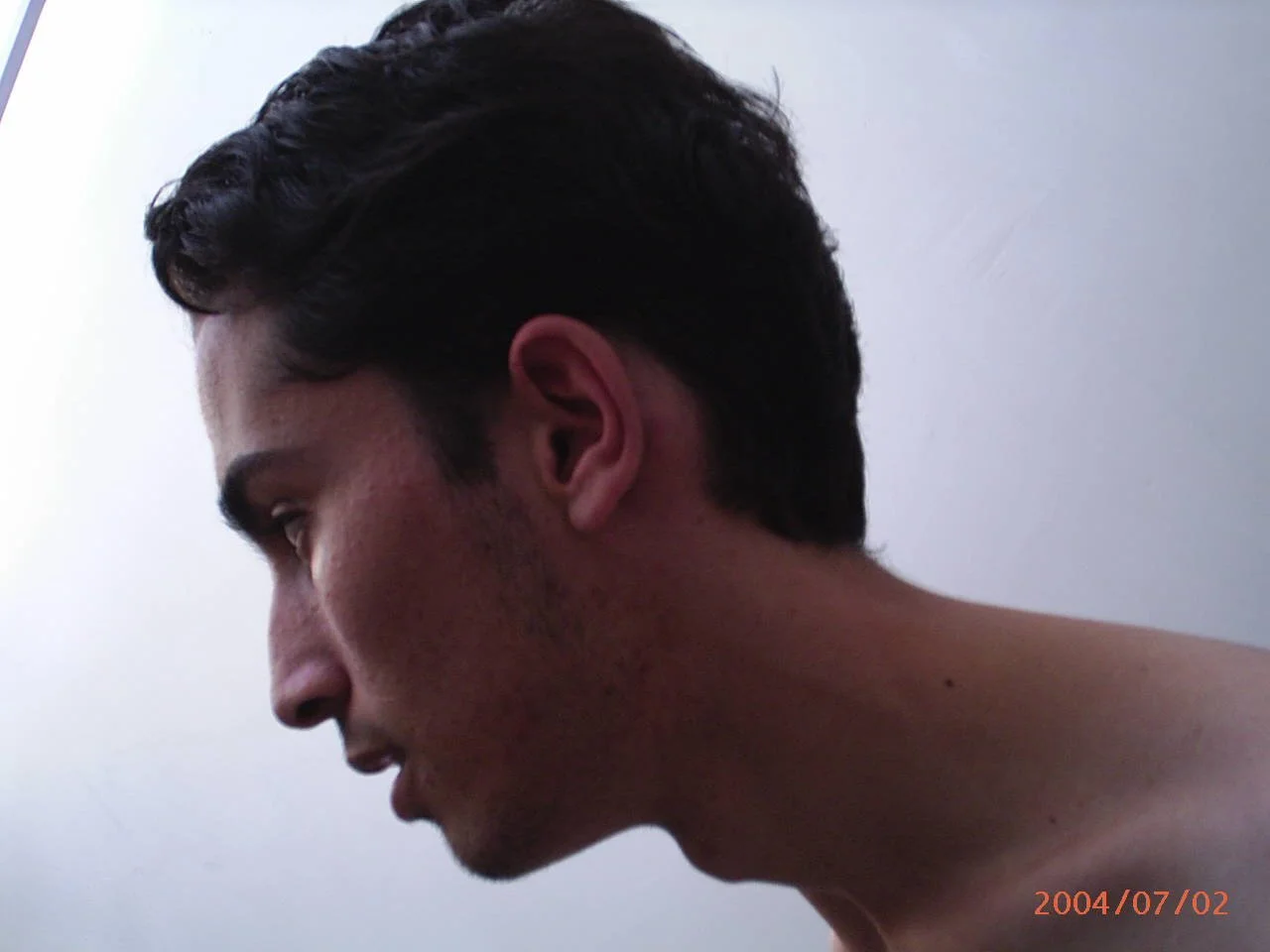
انگار اون دوربینِ آقای نظامآبادی چند روزی دست ما بود؛ اصلاً یادم نیست چطور به دستمون رسید. آدم توی فقر دستوپا بزنه و دوربین هم داشته باشه؟! بههرحال با همون دوربین چند تا عکس از محیط زندگیِ اونموقعمون توی ارومیه گرفتم. یه عکس هم از خودم هست که حتی روم به دوربین نیست. همینجوری هم میشه فهمید چقدر نگاهمون به زندگی عجیب و وارونه بود؛ فقط از طرزِ در دست گرفتنِ دوربین معلومه.
It seems Mr. Nezamabadi's camera was in our hands for a few days — I honestly don't remember how it ended up with us. Struggling in poverty, yet having a camera? Anyway, with that camera I took a few photos of our living environment in Urmia back then. There's also one photo of myself, where I'm not even facing the camera. You can tell just from the way we held it how strange and upside-down our view of life was.
Moving to Tehran
رفتن به تهران
بعد از چند سال جونکندن توی ارومیه — کار توی چاپخونهها، صیقلدادنِ کریستالهایِ لوستر توی زیرزمینهایی پر از دودِ سیگار و رطوبت، تا جایی که نوکِ انگشتهامون رویِ سنگِ زبر ساییده میشد؛ بازاریابی برایِ مغازهها و متر کردنِ تمومِ خیابونها با پایِ پیاده، اونقدر که دیگه نایِ راهرفتن نداشتیم؛ کار توی دخمههایی که با نامِ چاپخونهیِ سیلک فعالیت میکردن، و تکوندنِ صدها گونیِ کودِ شیمیایی که تمیز بشن تا بعدش بتونیم روشون چاپ بزنیم — هیچوقت این گونیها و گردوغبار و کودهایی که به دهن و ریههامون میرفت رو فراموش نمیکنم؛ اما پیشِ خودمون میگفتیم داریم کمک میکنیم به خونه، تا زندگیِ بهتری داشته باشیم. عقلمون نمیرسید که تبدیل شده بودیم به کودکانِ دوقلویِ کار، و این نباید ادامه پیدا میکرد؛ ولی کودک بودیم . سخن رو کوتاه کنم — بالاخره توی دانشگاهِ علمیکاربردیِ تهران قبول شدم و اولین سفر و بزرگترین تغییرِ زندگیم شروع شد.
After several years of grinding in Urmia — working in print shops, polishing chandelier crystals in basements full of cigarette smoke and damp, until the tips of our fingers wore thin on the rough stone; marketing for shops and pacing every single street on foot, to the point of having no strength left to walk; working in dingy little dens that operated under the name of a silk-screen print shop, beating the dust out of hundreds of chemical fertilizer sacks so they'd be clean enough to print on — I will never forget those sacks, and the dust and fertilizer residue that went straight into our mouths and lungs; but we told ourselves we were helping the household, so we could have a better life. We didn't have the sense to understand we'd become twin child laborers, and that it shouldn't have been allowed to continue; but we were children — eventually, I was accepted into Tehran's University of Applied Science and Technology, and my first trip away from home, the biggest change of my life, began.
تغییری که برایِ همیشه هویتمون رو شکل داد .
The change that permanently shaped our identity
همیشه داستانهایی از بدبختی که با تولدِ من و امید بهوجود اومده بود، از سمتِ خانواده نقل میشد؛ اینکه مجبور بودن سالی چند بار خونه عوض کنن، من و امید خیلی جنبوجوش میکردیم و باعثِ آبروریزی بودیم همیشه، و نباید اینطوری میشد. انگار این من و امید بودیم که خواسته بودیم متولد بشیم و بیایم تا این زجرها رو به پدر و مادرمون بدیم؛ چون هیچوقت از زندگیای که با خواهرم طی کرده بودن نمیگفتن، و این خودش نشونهی اینه که سهتایی، تا قبل از تولدِ من و امید، از زندگی راضی بودن و محتاجِ کسی نبودن.
Stories about the misfortune supposedly caused by Omid's and my birth were always recounted by the family — how they'd had to move house several times a year, how Omid and I were too restless and always an embarrassment, and how it shouldn't have been this way. As if it were Omid and I who had chosen to be born, arriving into the world just to put our parents through this suffering; because they never talked about the life they'd had with my sister before us, and that in itself is a sign that the three of them, before Omid and I were born, had been content with life and needed no one.
حالا که بهش فکر میکنم، میفهمم که فقر، و ترسِ مزمن از نداری، رفتارِ آدمها رو برایِ همیشه شکل میده. هر وقت صحبتِ پول پیش میاد، یهجور اضطراب و حالتِ دفاعی توی آدم بیدار میشه که تا ابد درگیرش میکنه، بدونِ اینکه خودش هم متوجهش بشه؛ و حتی اگه براش توضیح بدی، اون لحظه گوشش بدهکار نیست. این چیزیه که الان درکش میکنم.
Looking back on it now, I understand that poverty and chronic fear of not having enough shape a person's behavior permanently. Whenever the subject of money comes up, a kind of anxiety and defensiveness wakes up in a person that ties them up forever, without them even realizing it — and even if you try to explain it to them, in that moment they simply won't hear it. That's something I understand now.
ما رفتیم و در دانشگاه ثبتنام کردیم؛ شهریه رو دادیم و توی زیرزمینِ خونهیِ عمو حیدر ساکن شدیم. البته زیرزمین نبود؛ انتهایِ پارکینگِ عمو بود، که فکر میکنم بهزور پنج یا شیش متری میشد، که یه گوشهش هم دستشویی درست کرده بودیم. من و امید بهزور جا میشدیم، ولی خب، بهتر از هیچی بود. روزهایِ سخت و طاقتفرسایی بود. باید با تهرانِ دهمیلیوننفری خو میگرفتیم؛ مسیرها رو یاد میگرفتیم و فارسی حرفزدن رو تمرین میکردیم، چون توی ارومیه به ترکیِ آذری صحبت میکردیم.
We went and enrolled at the university; we paid the tuition and settled into the basement of my uncle Heydar's house. Well, it wasn't actually a basement; it was the far end of my uncle's parking area, which I think barely came to five or six square meters, with a corner of it turned into a makeshift toilet. Omid and I could barely fit, but still, it was better than nothing. Those were hard, grueling days. We had to adapt to a city of ten million; learning the routes, practicing speaking Farsi, since we spoke Azeri Turkish in Urmia.
بعد ازیکی دو ماه خواهرم زنگ می زد و گریه میکرد که پدرم زیرِ بارِ فشارِ مالی نمیتونه خرجمون رو در بیاره. میگفت از شدت کار کردن رنگ صورت بابا بنفش میشه و خواهرم گریه میکرد. پدرم کارگر در تراکتورسازی ارومیه بود. من و امید از ترس و استیصال، تمرکزمون رو روی درس و دانشگاه از دست دادیم و شب و روز دنبال کار میگشتیم؛ تا اینکه یک روز از طریق آگهی با آقای بهرام ارجمندنیا آشنا شدیم که برای تکمیل تیمِ انیمیشنشون نیرو میخواستن. رفتیم و نمونهکارهامون رو نشون دادیم؛ همونجا بود که با مرحوم آقای محمد ابوالحسنی هم آشنا شدیم. همه جوون بودیم؛ من و امید ۲۰ ساله. اولین حقوقمون خیلی میچسبید و با تمامِ وجود کار میکردیم؛ هرچی درمیآوردیم، بدون کوچکترین توقعی، به پدرمون میدادیم.
After a few months, my sister would call and cry, telling us that our father couldn't keep up financially. Dad's face would turn purple because of the burden. Out of fear and desperation, Omid and I lost our focus on our studies for good and spent our days and nights hunting for work — until one day we found an ad and met Mr. Bahram Arjmandnia, who needed people to round out his animation team. We went in, showed our portfolios, and that's also where we met the late Mr. Mohammad Abolhasani. We were all young — Omid and I were twenty. Our first paychecks meant the world to us, and we worked with everything we had; whatever we earned, we handed straight to our father, expecting nothing in return.
ماهها گذشت و کمکم آقای ابوالحسنی تبدیل شد به یکی از شناختهشدهترین چهرههای عرصهی مدیا و انیمیشن ایران؛ پروژه پشتِ پروژه توی دفترِ فرمانیه کار میساختیم. اول توی خیابان شریعتی بودیم و بعد از یک سال رفتیم فرمانیه.
Months passed, and Mr. Abolhasani gradually became one of the most recognized names in Iranian media and animation; we worked project after project out of the office in Farmanieh. We'd started on Shariati Street, then moved to Farmanieh after a year.
من و امید خیلی تحت فشار بودیم؛ چند سال توی پارکینگ خونهیِ عمو حیدر زندگی کردیم. من گریه میکردم؛ تحملِ اونهمه فشار برام خیلی سخت بود. (الان فکر میکنم و پیشِ خودم میگم کاش گریه نمیکردم، و کاش یاد میگرفتم چطور در تنهایی روی پایِ خودم بایستم.) تصمیم گرفته شد که خونهای رو که پدر و مادرم آجربهآجر و با بدبختی ساخته بودن بفروشن و بیان تهران. و شالودهیِ جملهیِ «ما خونمونو بهخاطرِ شما فروختیم، اومدیم تهران» برایِ بیست سالِ آینده بنیانگذاری شد»
Omid and I were under a lot of pressure; we lived in uncle Heydar's basement for several years. I would cry; bearing all that pressure was very hard for me. (Looking back now, I think to myself I wish I hadn't cried, and I wish I'd learned how to stand on my own two feet in solitude.) The decision was made to sell the house my parents had built brick by brick, with such hardship, and move to Tehran. And that's when the foundation of the sentence "we sold our house because of you and came to Tehran" was laid, for roughly the next twenty years; in every situation and over every excuse, we'd hear that sentence, along with "we sold our house because of you, and now you are going to DO THIS and THAT…?"
اگه عقلِ الانم رو اونموقع داشتم، اجازه نمیدادم این اتفاق همونجوری پیش بره؛ چون حالا که نگاه میکنم، میبینم ریشهیِ خیلی از مشکلاتِ بعدی، دقیقاً از همونجا شروع شد که ما بدونِ هیچ مرزی، تمامِ درآمدمون رو میدادیم. اونموقع فکر میکردم این یعنی عشق و سخاوت، ولی الان میدونم که سخاوتِ بدونِ مرز، بعضی وقتها بهجایِ اینکه رابطه رو حفظ کنه، زمینهیِ سوءِتفاهم و نارضایتیِ بیپایان رو هم فراهم میکنه.
If I'd had the mind I have now back then, I probably wouldn't have let it unfold the way it did; because looking back, I can see that a lot of the disrespect and problems that followed trace back to that exact point — us handing over our entire income with no boundaries at all. At the time I thought that was what love and generosity meant, but now I know that generosity without boundaries can sometimes, instead of preserving a relationship, lay the groundwork for endless misunderstanding and dissatisfaction.
خشونتها، کتکها و شکنجههایِ بیپایان
Endless Violence, Beatings, and Torment
کودکیِ ما همیشه سرشار بود از خشونت، کتک و شکنجههایِ بیپایان، و زجرهایِ روحی و جسمی. من همیشه از تهِ دلم آرزو میکنم که هیچ کودکی توی هیچ جایِ جهان در معرضِ خشونت نباشه؛ مخصوصاً زیرِ دستِ کسانی که بهشون میگه پدر و مادر. هیچوقت زیرِ کتک خودشو خیس نکنه، و اون وحشتها و اون ترکیبشدنِ آبِ دماغ با اشک، همراه با سوزش و دردِ ناشیِ از کتکهایِ بیپایان، و بعدش مچالهشدن توی انزوا و تنهایی خودش رو — که در موردِ من و امید، با هم بود — هیچوقت نچشه.
Our childhood was always full of violence, beatings, and endless torment, both emotional and physical. I always wish, from the bottom of my heart, that no child anywhere in the world would ever face violence, especially at the hands of the people they call mother and father. That no child would ever soil themselves from being beaten, or taste that terror, that mixture of snot and tears mixed with the sting and pain of endless beatings, and then curling up alone in isolation, which, for me and Omid, at least happened together.
یادم میاد تهدیدهایِ مادرم رو، که اگه بابا بیاد بهش میگم؛ و ما از ترسِ کتکها التماس میکردیم نگه. پدرم میاومد و شروع میکرد به نصیحتکردنِ ما. چندین دقیقه، بدونِ اینکه تکون بخوریم، سرمونو پایین میانداختیم و همش گریه میکردیم؛ اشکِ چشامون با آبِ دماغمون قاطی میشد و میریخت رویِ لبامون، اما جرأت نمیکردیم دستمونو بالا بیاریم. که یهو شروع میکرد به داد زدن با تمومِ قدرت، و یه سیلیِ محکم میزد به من، و بعدش به امید، و شروع میکرد به کتکزدنِ ما. ما مثلِ دو تا عروسکِ بیجون، زیرِ دستوپاهایِ بزرگ و تیرهرنگش له میشدیم و خودمونو خیس میکردیم، و تا میتونستیم فریاد میزدیم و التماس میکردیم که ادامه نده، باشه فهمیدیم، دیگه شلوغی نمیکنیم. الان که این متون رو مینویسم، تهِ دلم و تمومِ قلبوجودم آکنده از آه و درد میشه و خودمو احساس نمیکنم.
I remember my mother's threats, saying that if Dad comes, she'll tell him; and, terrified of being beaten, we'd beg her not to. My father would come in and start "advising" us. For several minutes, without moving, we'd keep our heads down and cry, tears mixing with the snot running down onto our lips, but we never dared raise a hand to wipe it. Then suddenly he'd start shouting with all his force, slap me hard across the face, then Omid, and start beating us. We'd get crushed like two lifeless dolls under his large, dark hands and feet, soiling ourselves, screaming and begging as loud as we could for him to stop, okay, we get it, we won't act up anymore. Writing this now, the bottom of my heart, my entire chest, fills with grief and ache, and I lose the feeling of myself.
بعدش میرفتیم زیرِ لحاف و گریه میکردیم. امید منو بغل میکرد و منم امید رو، و میگفتیم به هم که گریه نکنیم. تموم شد. گریه نکن امید. گریه نکن. جاهایی که کتک زده بود قرمز میشد و گرمتر از جاهایِ دیگهیِ بدنِ کوچولومون، و من امید رو نوازش میکردم تا دردش زودتر خوب بشه، امید هم من رو. بعدش خوابمون میبرد.
Afterward, we'd go under the blanket and cry. Omid would hold me, and I'd hold him, telling each other not to cry. It's over. Don't cry, Omid. Don't cry. The spots where he'd hit us would turn red and stay warmer than the rest of our small bodies, and I'd stroke Omid's to help the pain ease faster, and he'd do the same for me. Then we'd fall asleep.
مادرم فرش میبافت، و حتی با سیخِ پودکشی که عکسش رو هم میذارم — با کمربند و این سیخ و قاشقِ داغ، هر طوری که فکر کنید، من و امید رو کتک میزدن و تهدید میکردن. ما نمیدونستیم که عضوی از یه خانوادهایم، و همیشه در رعبووحشت زندگی میکردیم، و همیشه سرِ کلاس تقلا میکردیم، ولی درسمون ضعیف بود و اصلاً تمرکز نداشتیم. نمیدونستیم که هر لحظه پدرم با چه بهانهای قراره بهمون حمله کنه و قراره چطور کتکمون بزنه. هر کاری میخواستن رو همون لحظه انجام میدادیم؛ اگه ثانیهای دیر میجنبیدیم، تمومِ فحشها رو نثارمون میکردن، و همیشه هر کاری میگفتن، میکردیم.
My mother wove carpets, and with the very iron tool carpet weavers use — a beater comb, a photo of which I'll include — along with a belt and that comb and a heated spoon, in every way you can imagine, they'd beat and threaten Omid and me. We didn't know we belonged to a family; we lived in constant terror, and we always struggled in class, but our grades were poor and we simply couldn't concentrate. We never knew what excuse my father would find at any given moment to come at us, or how he'd beat us. Whatever they wanted, we did instantly; if we were even a second slow, we'd get showered with every curse imaginable, and we always did whatever we were told.
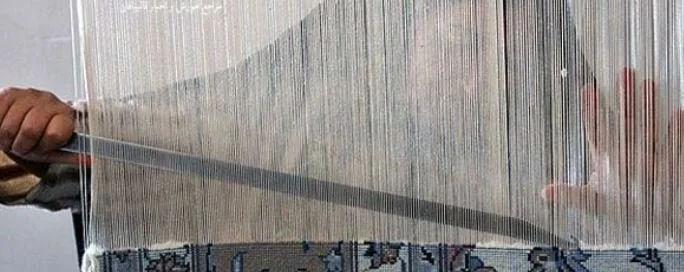
این عکس سیخ پود کشی است | This photo is of the carpet-weaving beater comb.
یکی از حرفهایِ پدرم رو یادمه: کتک میزد و با دندونهایِ بههمفشرده داد میزد و میگفت: «به من یکی نباید دروغ بگید. نگفتم دروغ نگید؟» و بعدش هی کتک میزد.
I remember one of my father's lines: he'd hit us, shouting through clenched teeth, "You don't lie to me. Didn't I tell you not to lie?" And then he'd keep hitting.
سالهایی بودن که تمومی نداشتن. زمان طی نمیشد. زمان جلو نمیرفت، و تنها وقتی که مهمون میاومد خونهمون، با ما خوب بودن. هر وقت هم میرفتیم خونهیِ دایی یا عمو و عمه، بعد از اومدن کتک میخوردیم که چرا فلان کار رو کردیم و چرا حرف گوش نکردیم و چرا چرا چرا.
Those were years that felt endless. and that time simply wasn't passing. Time didn't move forward, and the only time they were kind to us was when guests came to the house. And whenever we went to our uncle's or aunt's place, we'd get beaten afterward for why we'd done this or that, why we hadn't listened, why, why, why.
دلیلِ اینکه همیشه من و امید با همیم و هیچوقت از هم جدا نمیشیم، اینه که یاد گرفتیم حامی و پشتیبان و غمخوارِ همدیگه باشیم. هیچوقت یه خواننده که زندگیِ ما رو نزیسته، این حرفها و پاراگرافها رو کاملاً درک نمیکنه، و انتظاری هم ندارم.
The reason Omid and I are always together and never apart is that we learned to be each other's support, backup, and comfort. A reader who hasn't lived our life will never fully understand these words and these paragraphs, and I don't expect them to.
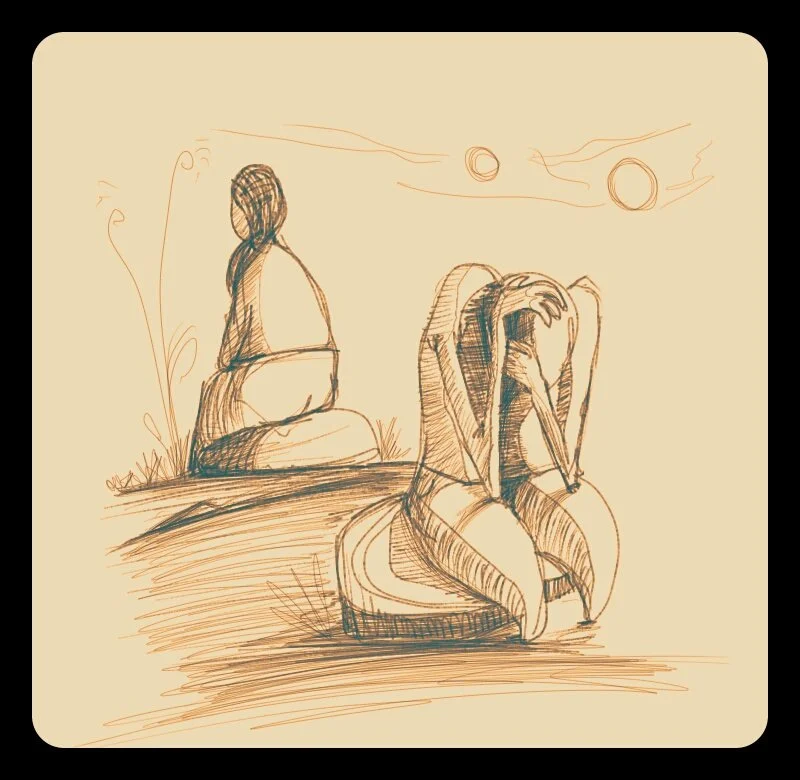
این رو سال ها بعد طراحی کردم. طراحی دیجیتال
مگه من و امید چه بدی کرده بودیم؟ مگه دوتا پسربچهیِ دوقلویِ سفیدِ کوچولویِ معصوم، که همهچیزِ جهان براشون هیجانانگیز و عجیبه، چه بدی یا اشتباهی مرتکب میشدن که سزاوارِ این رفتارها و شکنجهها باشن؟ آدم با حیوونها این کارها رو نمیکنه، چه برسه به بچههایِ خودش.
I'll never forget the sound of my own ear-splitting screams, the burning in my throat, the stinging pain in my body, or the beatings — but why wasn't my sister ever treated that way? What had Omid and I done wrong? What could two innocent, fair-skinned little twin boys, for whom everything in the world was thrilling and strange, possibly have done or gotten wrong to deserve this kind of treatment and torture? A person doesn't even do this to animals, let alone their own children.
ما شروع کردیم به کار کردن، کار کردن و واریز کردنِ همهچیز؛ و بهمحضِ اینکه وضعِ مالیمون رو به راه شد، نقلمکان کردن به تهران .
Yes; we started working, working, and depositing everything; and as soon as our finances stabilized, they moved to Tehran — I wish they never had.
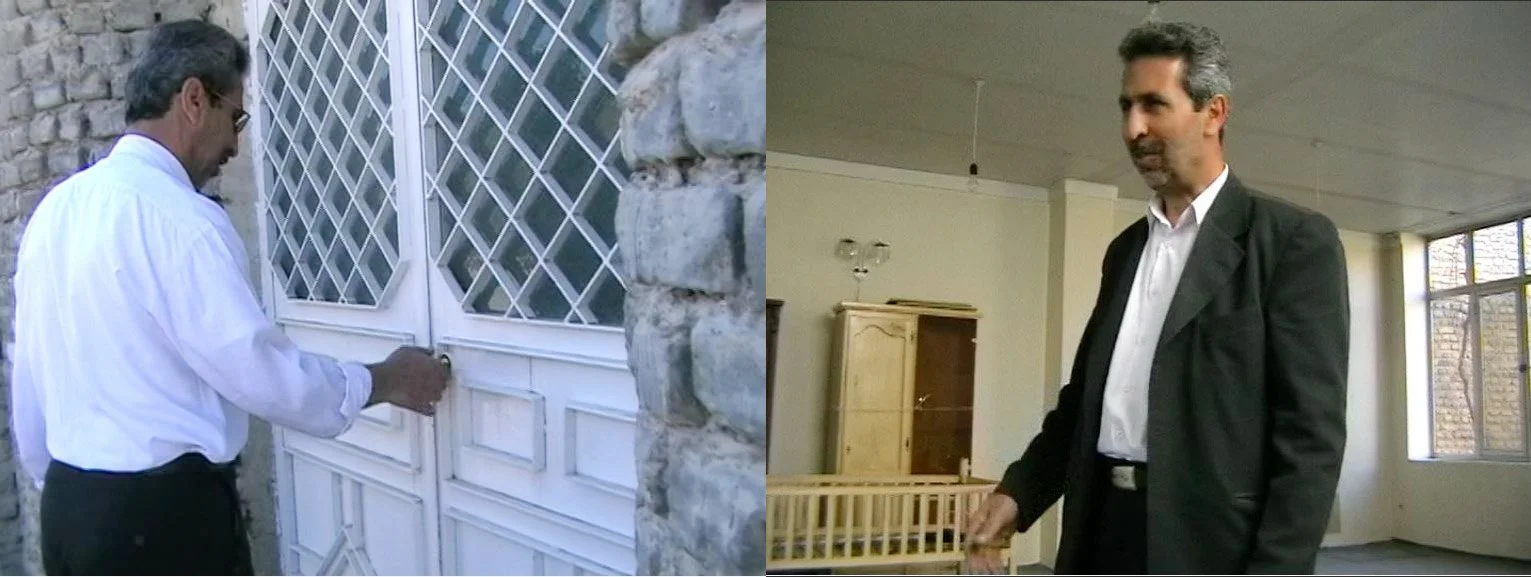
این عکس، پدرم رو دقیقاً توی لحظهای نشون میده که درِ خونه رو برایِ آخرین بار میبنده. از رویِ نوارِ مینیدیوی اسکرینشات گرفتم.
This photo captures my father in the exact moment he's closing the door of the house for the last time. I took the screenshot from the MiniDV tape.
من و امید میدویدیم و جون میکندیم، پدر و مادر و خواهرم هم منتظر بودن یه روز با پولِ زیاد از راه برسیم و خونه بخریم. خونه داشتیم، ولی نمیدونم چرا فروختنش؛ اونم برای بارِ دوم. یعنی قبل از اثاثکشی از ارومیه به تهران، یه خونه خریده بودیم، خونهی عمو کاظم رو؛ هفتاد متر بود. خونهی ارومیه سیصد متر بود. ولی فروختنش و همون اول ورود از ارومیه، اجارهنشینیِ ما شروع شد.
The darkest period of my life was about to get even darker. No matter how much I said we all needed to work together, it felt like no one listened. I kept running and working myself to exhaustion. My father, my mother, and my sister were waiting for me to come home one day with a lot of money, so we could buy a house. We had a house, but I don't know why they sold it — for the second time. Before we moved from Urmia to Tehran, we had bought a house — my uncle Kazem's house. It was 70 square meters. Our house in Urmia was 300 square meters. But they sold it, and as soon as we arrived from Urmia, we started renting.
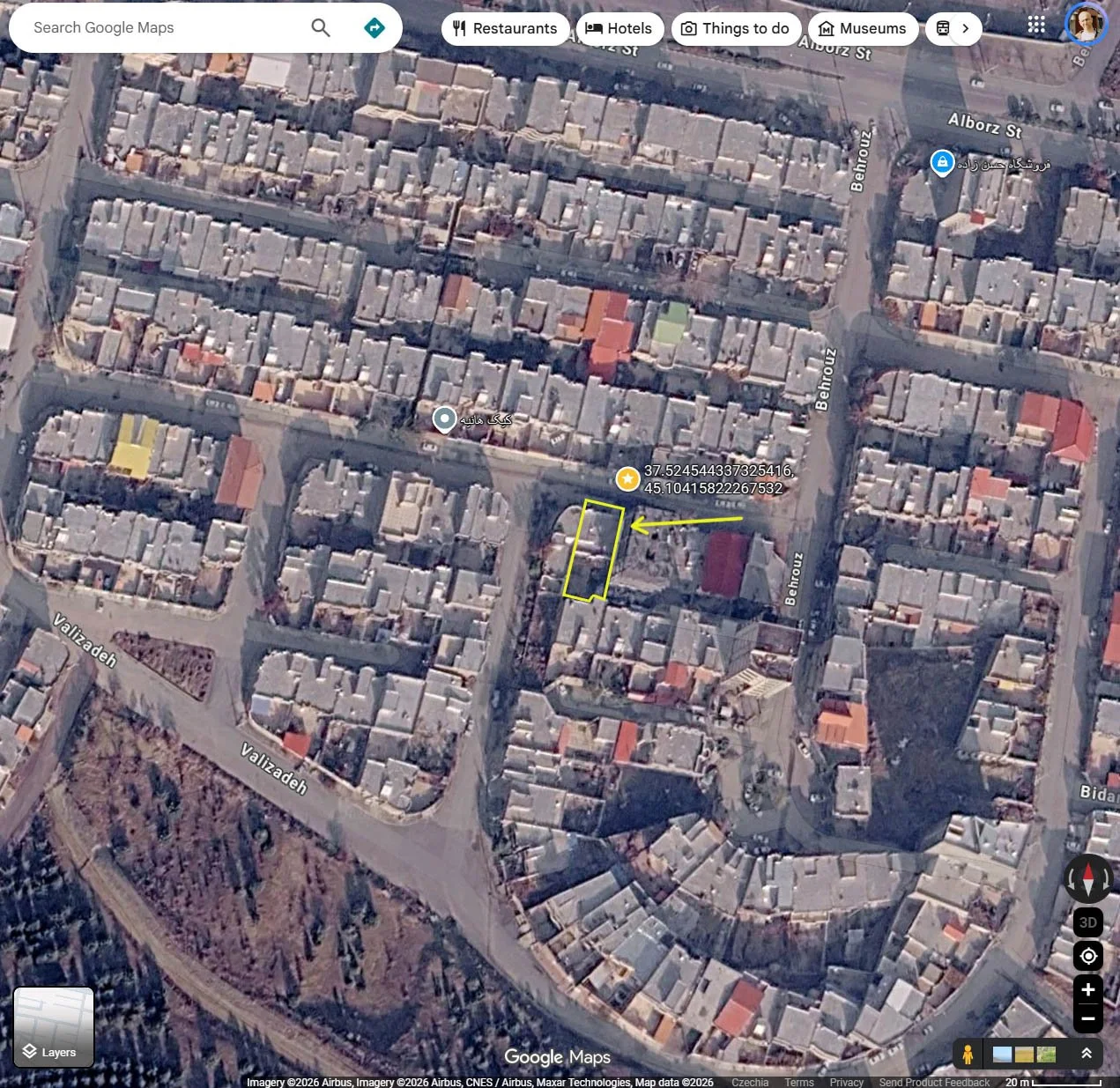
اونجا خونهیِ ما بود.
That was our home.
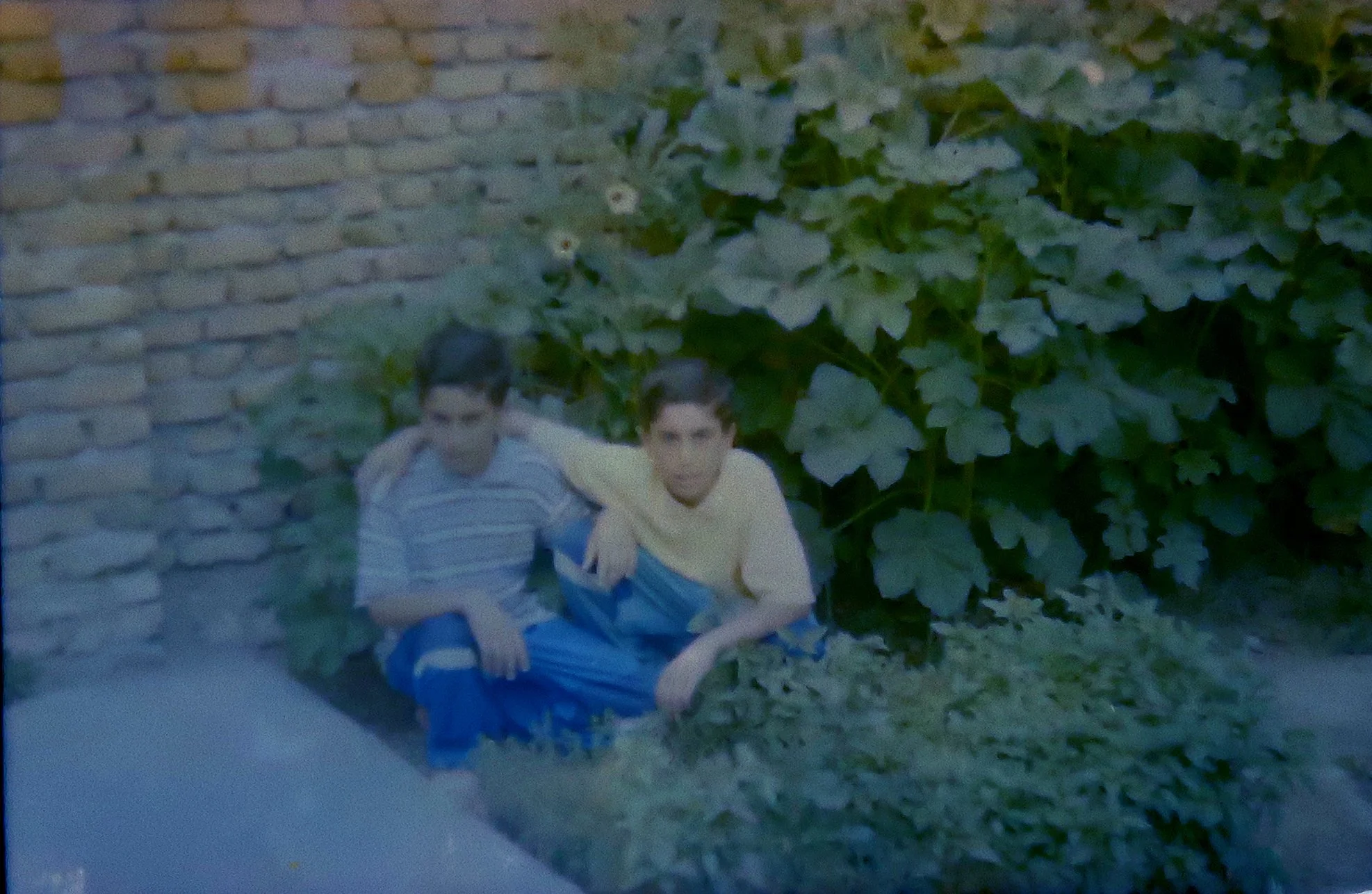
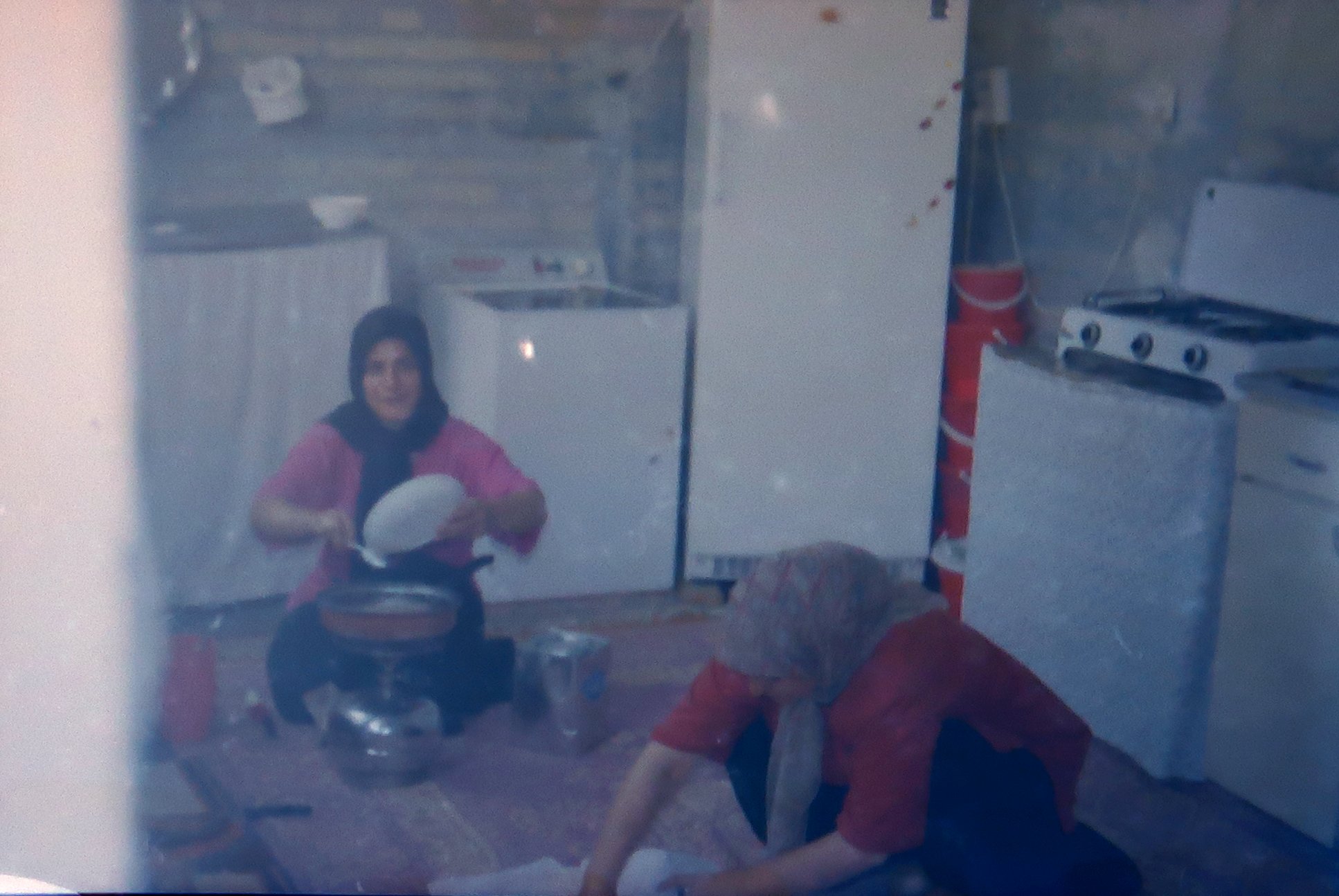
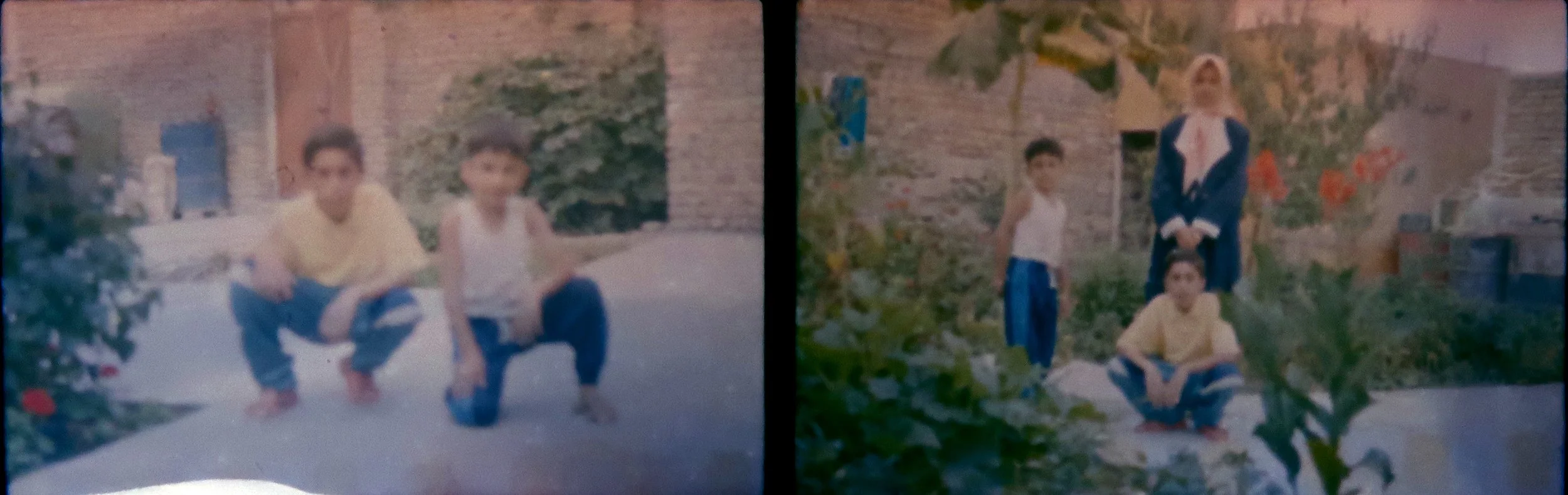
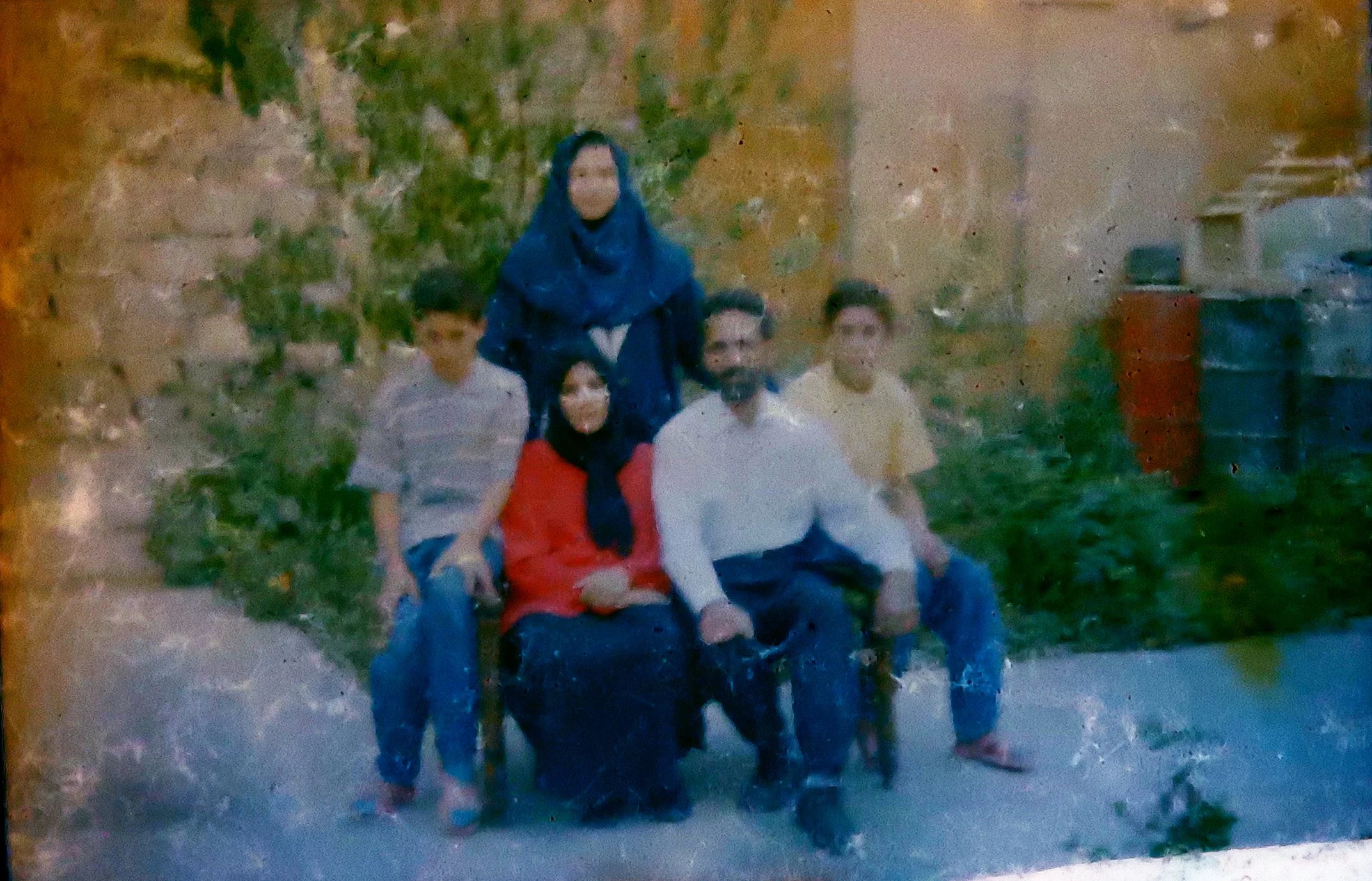
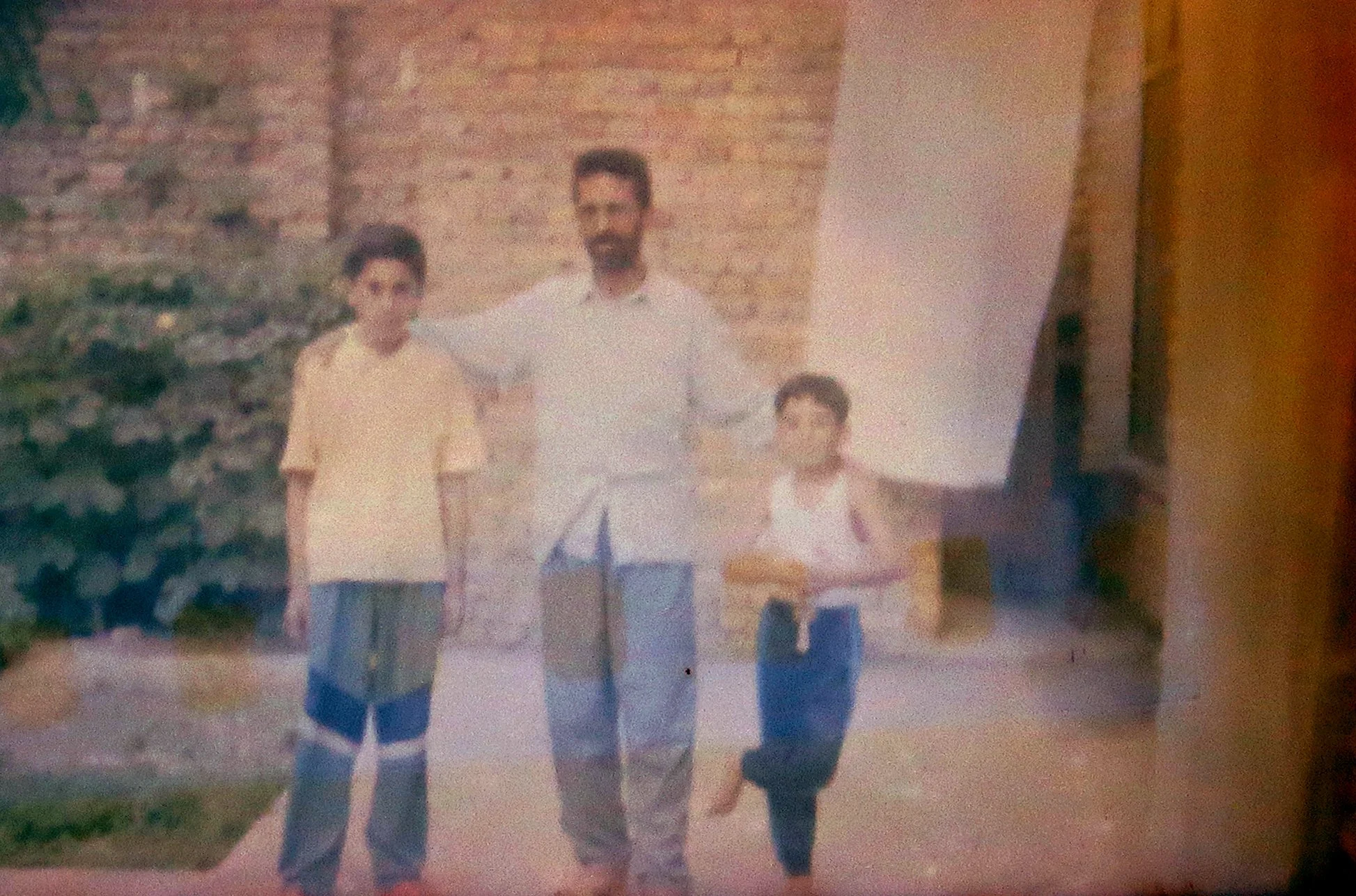
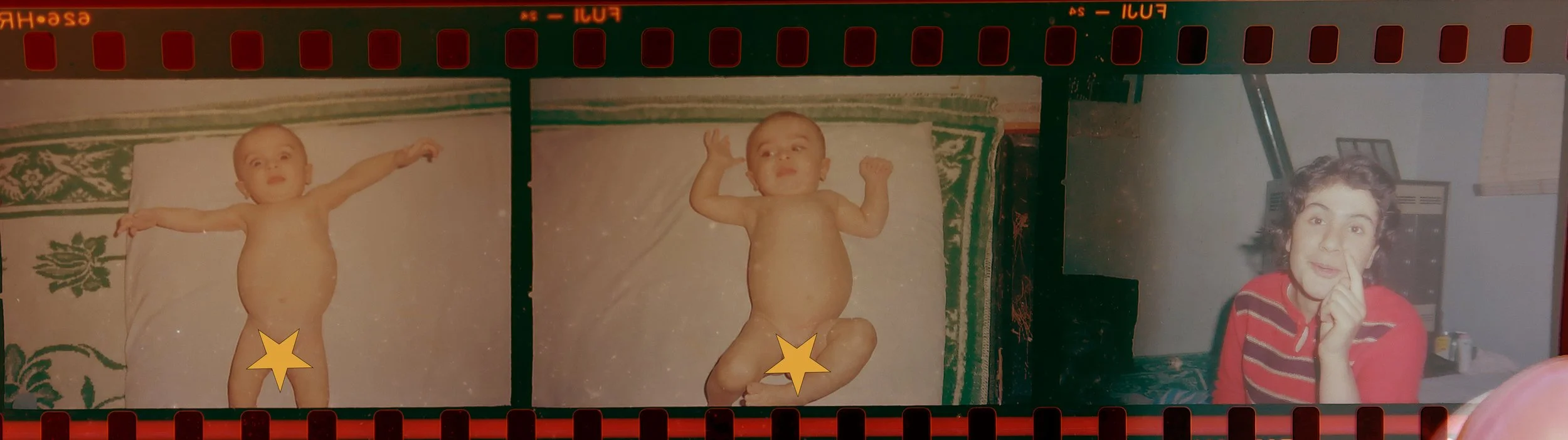
این عکسها رو از لابهلای نگاتیوهای قدیمیِ دورانی که توی ایران زندگی میکردم پیدا کردم. گشتم تا ببینم چطور میتونم خودم توی فتوشاپ اسکنشون کنم و ظاهرشون کنم. خوشبختانه موفق شدم، ولی همه تار بودن. این تصاویر توی خونهی خودمون در ارومیه گرفته شده، با دوربینِ خالهام -که سالهاست هیچ ارتباطی باهاش نداریم.
I found these photos among the old negatives from when I still lived in Iran. I looked into how I could scan and develop them myself in Photoshop. Luckily, I managed it — but they all came out blurry. These pictures were taken in our own house in Urmia, with my aunt's camera; we haven't had any relationship with her for years now.
این عکسها برام مثل تکهای از یک فیلمِ وحشتناکن که توی گذرِ زمان ثابت مونده؛ دقیقاً همونطور که توی خاطراتمه: تار، تیره، توی فضایی مهآلود و بدون کنتراست. ما خیلی فقیر بودیم و تقریباً هیچی نداشتیم. اما از روزی که توی تهران شروع کردیم به کار کردن و حقوق گرفتن، کمک کردیم تا مبلمان بخرن. مادرم همهچیز خرید؛ تقریباً هر وسیلهای که یک زنِ خانهدار ممکنه بخواد، از ماشین گرفته تا لوازمِ خونه، مبل، فرِ گاز، یخچال، جاروبرقی و غیره. من و امید همیشه کار میکردیم و پول میفرستادیم. و از این که مادرم زندگی بهتری خواهد داشت خوشحال بودیم.
این عکس، خونهایه که توی ارومیه پدر و مادرم ساخته بودن.
This photo is of the house my parents built in Urmia.
To me, these photos feel like a fragment of some terrifying film, frozen in time — exactly as they exist in my memory: blurry, dark, hazy, without contrast. We were very poor and had almost nothing. But from the day we started working in Tehran and getting paid, we helped them buy furniture. My mother bought everything — nearly every item a housewife could want: a car, household goods, a sofa, a gas oven, a fridge, a vacuum cleaner, and so on. Omid and I were always working, always sending money.
مادرم همیشه میگفت «همهچیز که پول نیست».
My mother always used to say, "Not everything is about money." But judging by their actions — even now.
My years in Tehran | زندگیام در تهران
توی تهران، درسخوندن برامون فقط یه خاطره شد؛ اصلاً فرصتی براش نمیموند. همیشه سرِ کار بودیم؛ با آقای ابوالحسنی، و بچههای تریدیِ تیم. مثل هادی پورکرمان، مجید محمدی، امیر میرآغاسی، میرامید رضوی، میرتوحید رضوی، علیرضا مهاجر و چند نفر دیگه. تا اینکه آقای ارجمندنیا هم با دلخوری از شرکت استعفا داد.
In Tehran, studying became nothing more than a memory for us — there was simply no time for it. We were always at work: with Bahram Azimi, Mr. Abolhasani, and the 3D team — people like Hadi Pourkarman, Majid Mohammadi, Amir Mirâghâsi, Mir Omid Razavi, Mir Tohid Razavi, Alireza Mohajer, and a few others. Then Mr. Arjmandnia resigned from the company, upset — and that day, overcome with emotion, I cried. Why? I don't know, but I remember it clearly.
کارِ زیادی ساختیم: تمامِ سریالهای شرکتِ گاز، چندین کار برای صبا، کارهای نمایشگاهی، سریالهای تلویزیونی، میانبرنامهها و خیلی پروژهی دیگه. بعد از مدتی هم رفتیم توی استودیویی نزدیک پارک ساعی، شرکتی به اسم «سائس» یا «ساعص» -اسمش دقیق یادم نیست- که اونجا هم «پیشول و میشول» رو ساختیم. اولش آقای هادی پورکرمان استارتش رو زده بود، ولی بعد همهچیزش افتاد گردنِ ما. چند اپیزود جلو بردیم . جدا از اینکه شبانهروز درگیرِ رفتوآمدِ سرِ کار، کلنجار با نرمافزارها، خودآموزی و تلاش برای ارائهی کارِ باکیفیت بودیم، توی ایران کار کردن یعنی کار کردن و پول نگرفتن.
We made a lot of work: every series for the Gas Company, projects for Saba, exhibition pieces, TV series, interstitials, and many other projects. After a while, we also went to work at a studio near Saei Park, a company called "Saes" or "Saas" — I don't remember the exact name — where we made "Pishol and Mishol." Mr. Hadi Pourkarman had originally started it, but afterward everything fell on us. We produced a few episodes, Beyond the daily grind of commuting to work, wrestling with software, teaching ourselves, and pushing to deliver quality work — in Iran, working meant doing the work and not getting paid.
اون موقعها ایلا سلیمانی رو یادمه. طراحیِ شخصیتهایِ شرکتِ گاز رو انجام داد برایِ پروژهیِ انیمیشنهایِ سریالیِ سیانجی. همهشون رو من ساختم، و چقدر از کارم راضی بود. فقط من میتونستم شخصیتها رو در اون حد شبیه به طرحِ دوبعدی دربیارم، و ایلا هم خیلی کم بهم ادیت میداد. قصدش رفتن به کانادا بود. یه پسرِ یکییهدونه داشت که خیلی هواشو داشت و با جدیتِ تمام انگلیسی میخوند همیشه؛ منم خیلی بیاطلاع و ساده بودم و اصلاً اهمیتی نمیدادم که انگلیسی چیه اصلاً! بالاخره رفت؛ یهو دیدیم ایلا سلیمانی دیگه نیست و دیگه هم ایران آفتابی نشد. الان بالایِ ۲۰ ساله که کاناداست و پسرش هم بزرگ شده. همدوره بود ایلا با فرخِ یکدانه و بهرام عظیمی و امیرمحمد دهستانی.
I remember Ila Soleimani from back then. he did the character designs for the National Gas Company's animated CNG series project. I built all of the characters myself, and he was so pleased with my work. I was the only one who could bring the characters that close to the 2D concept art, and Ila gave me very little in the way of edits. he was planning to go to Canada. he had an only son she looked after closely, who always studied English with real seriousness; I, meanwhile, was completely clueless and naive, and had no idea whatsoever what English even was! Eventually he left; suddenly Ila Soleimani was just gone, and he never showed his face in Iran again. he's been in Canada for over 20 years now, and his son has grown up. Ila was a contemporary of Farrokh Yekdaneh, Bahram Azimi, and Amirmohammad Dehestani.
این عکس رو امید (برادر دوقلوم) از من گرفت. داشتنِ دوربینی با این کیفیت و عکس در این ابعاد، توی اون دوران یه موهبتِ بزرگ بود. این تقریباً بهترین عکسیه که از اون دوران از من گرفته شده. دفترِ مرحوم آقایِ ابوالحسنی توی فرمانیهست. اتفاقهایِ زیادی اینجا رخ داد، و الان این خونه رو نابود کردن و بهجاش یه ساختمونِ دیگه ساختن. آدرسش رو دیگه اصلاً یادم نیست کجایِ فرمانیه بود.
This photo was taken of me by Omid (my twin brother). Having a camera of this quality, taking photos at this resolution, was a real blessing back then. This is probably the best photo taken of me from that period. This is the late Mr. Abolhasani's office in Farmanieh. A lot happened here, and now they've torn down that building and put up another one in its place. I don't remember at all anymore where exactly in Farmanieh it was.
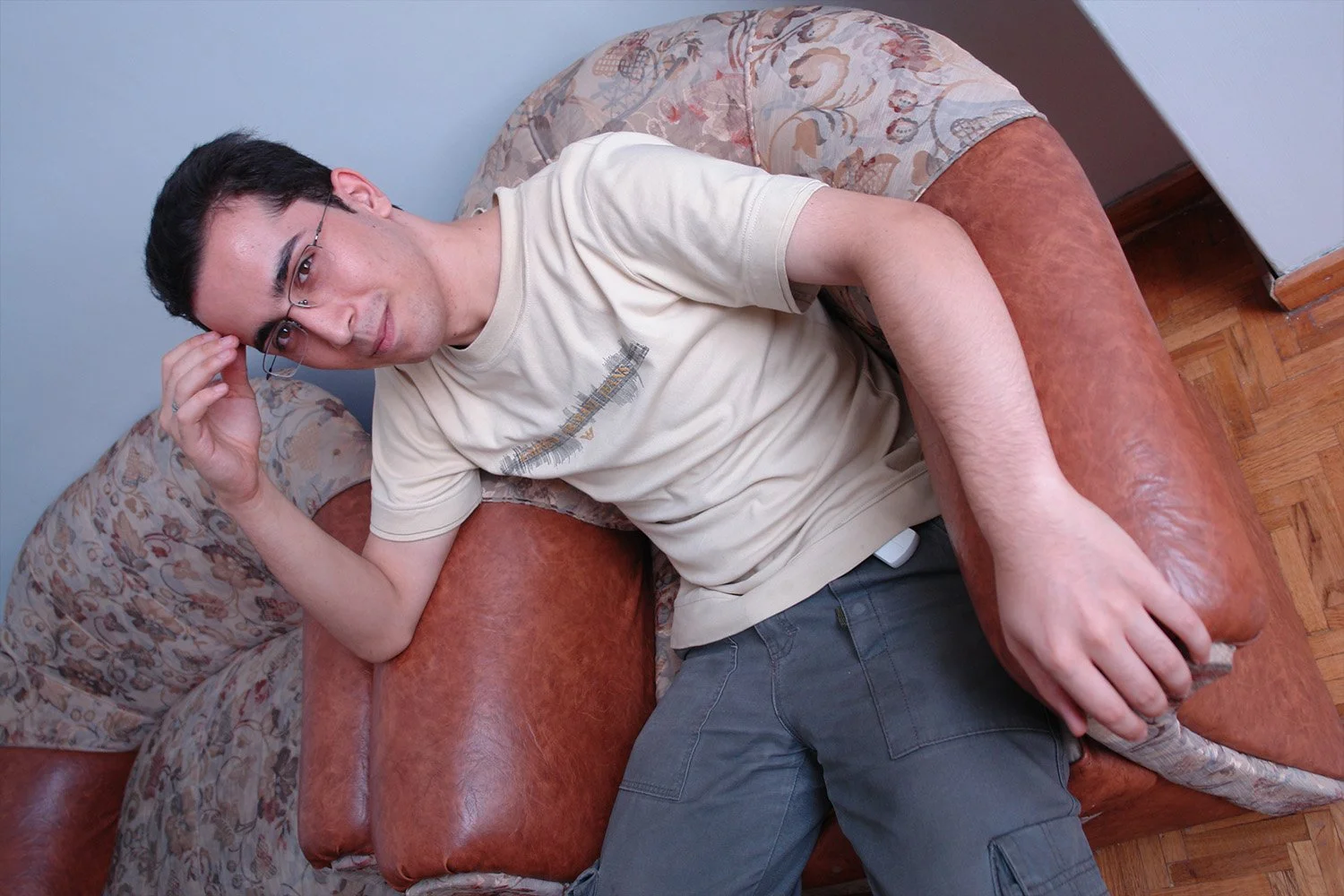
اصلاً یادم نیست چندساله بودم اینجا. احتمالاً بیستویک یا بیستودو ساله بودم.
I honestly don't remember how old I was here. Probably 21 or 22.
اون امپیتریپلیری که از زیرِ تیشرت زده بیرون رو قشنگ یادمه. شبانهروز موسیقی گوش میدادم و کار میکردم، و تمامِ پولی که درمیآوردیم رو تقدیم میکردیم. هر روز از میدانِ آزادی میرفتیم فرمانیه، با اتوبوس و مینیبوس، توی دود و دم و ترافیکِ فلجکننده، زیرِ گرمایِ لهکننده، توی زمستون، گرسنه و خسته میرفتیم و میاومدیم و سگدو میزدیم — و همیشه به آینده و یه زندگیِ بهتر امیدوار بودم.
اینجا اوجِ تولیدِ تیزرهایِ شرکتِ ملیِ گاز بود. بچهها هم غرقِ چیدنِ سیاست بودن، و من و امیدِ شهرستانی و سادهدل هم همیشه خندان و پرانرژی و هیجانزده بودیم.
You can clearly see the MP3 player sticking out from under my t-shirt. I listened to music day and night while working, and we handed over every penny we earned. Every day, we'd go from Azadi Square to Farmanieh, by bus and minibus, through smog and paralysing traffic, under crushing heat, and in winter too, hungry and tired, running ourselves ragged back and forth — and I always stayed hopeful about the future, about a better life.
This was at the peak of producing the National Gas Company's ad spots. The other guys were caught up in office politics, while Omid and I, small-town and naive, stayed happy, energetic, and excited the whole time.
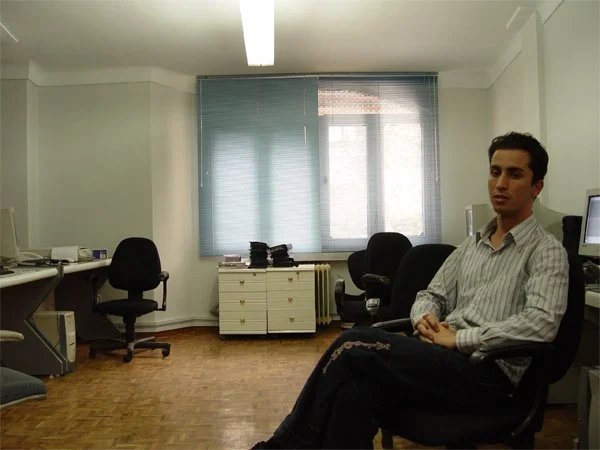
این عکس رو خودم از خودم گرفتم. یادمه، هنوز کسی نبود و ذوقِ آرتیستیم گل کرده بود. اون پشت، کامپیوترِ نزدیکِ پنجره مالِ من بود و همیشهیِ خدا پاش در حالِ کار کردن بودم. پشتِ سرِ من خانم کیایی بود و کنارم هادی پورکرمان، امید برادرم، علیرضا مهاجر و مرحوم مجید محمدی. اینجا هنوز آقایِ ابوالحسنی با آقایِ بهرام عظیمی آشنا نشده بود و کسی هم اسمِ شرکتِ نسلِ اندیشهیِ سبز رو نشنیده بود.
I took this photo of myself. I remember, no one else was around yet, and my artistic enthusiasm had kicked in. That computer over there, near the window, was mine, and I was always, always parked in front of it working. Behind me was Ms. Kiaei, and next to me were Hadi Pourkarman, my brother Omid, Alireza Mohajer, and the late Majid Mohammadi. At this point, Mr. Abolhasani hadn't even met Mr. Bahram Azimi yet, and no one had heard the name Nasl-e Andisheh-ye Sabz company.
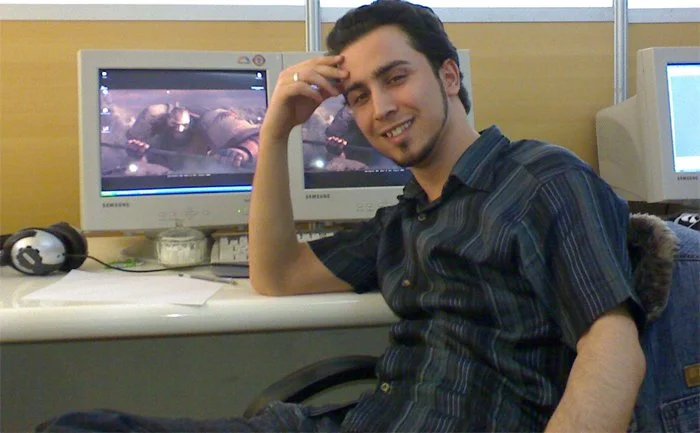
میرتوحید رضوی در بدو جوانی :) Mir Tohid Razavi in early youth :)
عکسِ زیر هم من هستم، با اون کاپشنِ همیشگیم که آستینهاش پارهپوره و ریشریش بود؛ اگه کمی دقت کنید، کاپشنِ جین رو رویِ صندلی، گوشهیِ سمتِ راستِ پایینِ عکس میبینید. اینجا دفترِ دومِ آقایِ ابوالحسنی بود، درست توی همین آدرس. سالیانِ سال این ساختمون آشیونهیِ انیماتورها و کارگردانها و اهالیِ سینما و انیمیشنِ ایران شد، تا وقتِ فوتِ آقایِ ابوالحسنی.
The photo below is also me, wearing that jacket I always wore, the one with frayed, torn-up sleeves; if you look closely, you can see the denim jacket draped over the chair in the bottom-right corner of the photo. This was Mr. Abolhasani's second office, right at this address. For years, this building became the nesting ground for Iran's animators, directors, and film and animation people, until the time of Mr. Abolhasani's passing.
این عکس، ماههایِ اولِ ورودِ ماست که خودمون کارهایِ اثاثکشی رو انجام دادیم. بعدش آقایِ عظیمی بهمون ملحق شد. چه روزهایِ پرهیجان و پرشوری بود، و فکر میکردم دارم توی هالیوود زندگی میکنم. یادمه یه روز، قبل از همهیِ این ماجراها، برایِ پیدا کردنِ کار و کمکِ مالی به خانواده، از ارومیه کوبیدیم اومدیم شرکتِ حور، و ترسانولرزان درخواستِ کار کردم. پدرم هم بود؛ خونهیِ عمو حیدر رفته بودیم. هیچوقت یادم نمیره، از شدتِ هیجان، که تونستم گوشهیِ موهایِ آقایِ عظیمی رو از سالنی که توش نشسته بودم ببینم. باورم نمیشد. فرم رو پر کردم و با ترس، میزانِ حقوقِ درخواستی رو هم نوشتم. کاش یادم بود چقدر نوشته بودم، ولی اون فرم همون شد و دیگه هیچوقت کسی از حور باهام تماس نگرفت — اما حالا، با آقایِ عظیمی اینجوری عکس گرفته بودم؛ کسی که سیاساکتی میساخت و تبِ انیمیشن در ایران به اوج رسیده بود.
This photo is from the first months after we moved in, when we did the moving-in work ourselves. Mr. Azimi joined us after that. What exciting, spirited days those were — I thought I was living in Hollywood. I remember one day, before all of this happened, we drove straight from Urmia to the Hoor company, looking for work and a way to help the family financially, and, trembling with fear, asked for a job. My father was there too; we'd gone to uncle Heydar's place. I'll never forget, out of sheer excitement, catching a glimpse of the edge of Mr. Azimi's hair from the hall I was sitting in. I couldn't believe it. I filled out the form and, nervously, wrote down the salary I was asking for. I wish I remembered what number I'd written, but that form went nowhere, and no one from Hoor ever contacted me again — but now, here I was, having taken a photo like this with Mr. Azimi, the man who made "Siasakti," at the very peak of Iran's animation fever.
این عکس رو امید از من گرفته. چقدر امیدوار بودم، و سنِ چهلویکسالگی رو در دوردست های نامعلوم تصور میکردم. البته الان هم امیدوارم، ولی خب، اون احساسِ عمیقِ حسرت رو نمیشه نادیده گرفت. خوشحالم که اون روزها تموم شدن و من دیگه اون آدمِ سابق نیستم.
This photo was taken of me by Omid. How hopeful I was — imagining age 41 as something in some far, undefined distance. Of course, I'm still hopeful now too, but that deep sense of longing can't be ignored. I'm glad those days are over, and I'm not that same person anymore.
این همون عکسیه که در بالا بهش اشاره کردم. خانم نوشین واقف، بهرام عظیمی، من، حمید علیخانی و مرحوم مجید محمدی. کامپیوتری که پشتِ خانم واقف معلومه، کامپیوترِ من بود، همونی که عکسِ بالا رو باهاش گرفتم. این عکس رو هم بازم یادم نیست چه کسی گرفته.
This is the same photo I mentioned above. Ms. Nooshin Vaghef, Bahram Azimi, me, Hamid Alikhani, and the late Majid Mohammadi. The computer visible behind Ms. Vaghef is mine — the same one I took the photo above with. And again, I don't remember who took this one either.
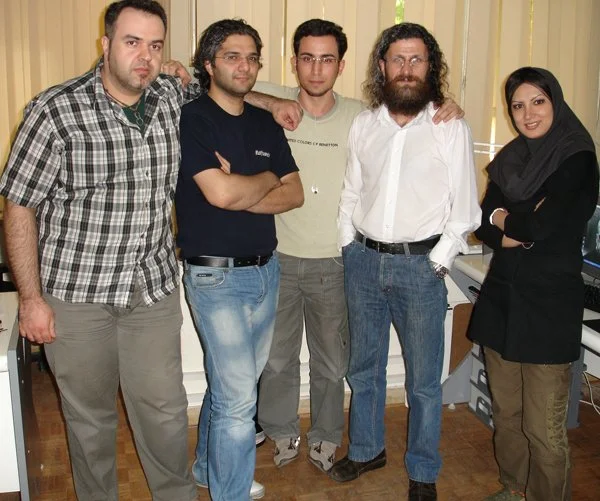
خانم نوشین واقف، بهرام عظیمی، میرتوحید رضوی، حمید علیخانی و مرحوم مجید محمدی
شب و روز کار میکردیم، و هر چیزی که ماهبهماه میگرفتیم رو تقدیم میکردیم. نه چیزی برایِ خودمون میخریدیم، نه به خودمون بهعنوانِ یه انسان حتی فکر میکردیم، چه برسه اقدام هم بکنیم؛ هم من، هم امید. خودمون رو زیرِ بارِ مسئولیتِ عظیمی احساس میکردیم، و حالا بارِ زندگیِ خانوادهای که از ارومیه اومده بود، با سه نفرِ دیگه، هم روی دوشمون بود. پدرم کمکم به فکرِ بازنشستهکردنِ خودش افتاد، و باید حقوقِ خودش رو خودش واریز میکرد؛ من و امید هم تنها منبعِ درآمد بودیم، و همهیِ این مراحل هم طی شد.
We worked day and night, and offered up whatever we earned, month after month. We didn't buy anything for ourselves, we didn't even think of ourselves as human beings, let alone act on it; both me and Omid. We felt the weight of an enormous responsibility on us, and now the burden of the family that had come from Urmia, three more people, was on our shoulders too. My father gradually started thinking about arranging his own retirement, and had to fund his own contributions for several months himself; Omid and I were the only source of income, and all of that process went ahead too.
تنها چیزی که ازاون دوران از مادرم یادمه، چهرهیِ جدی و نگاهِ دوختهش به فرشِ رویِ زمین بود. من دلقک بودم؛ دلقکبازیِ زیادی درمیاوردم تا بخنده. میپریدم بغلش و همیشه میگفتم درست میشه، و شبها گریه میکردم که چرا زندگی باید با من اینطوری بکنه؟
The only thing I remember of my mother is her sharp remarks, her serious face, and her gaze fixed on the carpet on the floor. I was the clown; I'd act the fool constantly just to make her laugh. I'd jump into her arms and always say it'll be fine, and at night I'd cry, asking why life had to treat me this way.
مادرم یه دورهیِ شدیدِ افسردگی رو پشتِ سر گذاشته بود، و افسردگیها و فکروخیالاتی که حتی الان، بعد از اینهمه سال، نمیتونم کنترلشون کنم، هنوز مثلِ افکارِ مادرم گریبانگیرِ من هم هستن. مادرم چند مدت بستری هم شد. به نظرِ من، اول از همه زندگیِ مادرم تباه شد، بعدش ریزریز و آهسته، زندگیِ ما. مادرم خیلی تلاش کرد سوادِ خوندنونوشتن یاد بگیره. الان هم بهخوبی این کار رو میکنه، و بهش افتخار میکنم. این عطشِ ما برایِ یادگیری و بدونِ ترمز جلو رفتن رو از مادرم یاد گرفتم.
My mother went through a severe period of depression, and the same kind of depressive thoughts and spirals that I still can't fully control, even now, after all these years, haunt me too, just like they haunted her. My mother was even hospitalized for a while at one point. In my view, my mother's life was ruined first, and then, bit by bit, slowly, ours followed. My mother worked very hard to learn to read and write. She still does it well today, and I'm proud of her for it. That hunger of ours to keep learning, to move forward without brakes, is something I learned from my mother.
شب و روز کار میکردم. هیچ رابطهیِ اجتماعیای نداشتم، جز محلِ کار. پولی هم توی جیبم نبود که با همکارها یه شام بریم یا یه دایرهای از رفقا تشکیل بدیم. همهچیز رو از فاصلهیِ دور نگاه میکردم، و همیشه یاد گرفته بودم از جمع دوری کنم، مبادا هزینهای تراشیده بشه؛ همین ترسها و اضطرابها بود که شد جزئی از هویتم، و انزوایِ من و امید طوری شکل گرفت که دیگه نمیتونستیم جورِ دیگهای فکر کنیم. انگار یه ماهی که دیگه نمیدونه داخلِ آبه، چون دیگه توش غرقه.
I worked day and night. I had no social life outside of work. There wasn't even money in my pocket to go grab dinner with coworkers or form a small circle of friends. I watched everything from a distance, and I'd always learned to keep away from groups, in case it cost me something; those same fears and anxieties became part of my identity, and Omid's and my isolation took shape in a way that we could no longer think any other way. Like a fish that no longer knows it's in water, because it's simply drowning in it.
تمامِ دغدغهام انجامدادنِ یه کارِ بزرگ بود که پولِ خوب بیاره تا از این شرایط راحت بشم؛ اما زهی خیالِ باطل، مخصوصاً جایی که سوادِ مالی و رابطهیِ بینِ کار و آدمها و پول رو کسی بلد نباشه. هرچقدر هم تلاش کنی، در نهایت برمیگردی سرِ خونهیِ اول — و به اینها اضافه کنید شروعِ نابودیِ اقتصادِ ایران رو، که تا به امروز هم ادامه داره.
My only concern was pulling off something big that would bring in good money so I could finally get out of that situation; but it was all wishful thinking, especially in a place where no one around you understands financial literacy or the relationship between work, people, and money. However hard you try, you end up right back at square one — and add to all of this the start of Iran's economic collapse, which continues to this very day.
اینجا چند نمونهکار از کارهایِ اون دوران میذارم تا ببینید.
Here, I'm including a few samples of work from that period for you to see.
تیزرِ تولیپرس از اون کارهاییه که هنوز بهش افتخار میکنم. همهیِ انیمیتها رو منِ بیستوچندساله، که همهچیز رو تجربی یاد گرفته بود، انجام داده، و هنوز باورم نمیشه که این کار رو من انجام دادم. یادمه که همهیِ همکارها اونموقع از این انیمیت سرخوش شده بودن، و تمومِ تلاشمون این بود که کار خوب از آب دربیاد. ریگِ شخصیتها رو هم امید، برادرِ دوقلوم، انجام داده بود. چه دورانِ سرخوش و هیجانانگیزی برایِ من و امید بود.
The Tulipers ad is one of the pieces I'm still proud of. I did all the animation myself, back when I was in my early twenties and had learned everything through trial and error, and I still can't quite believe I made this. I remember all my colleagues at the time getting genuinely giddy over that animation, and all our effort went into making sure the work turned out well. My twin brother Omid did the character rigging. What a joyful, exciting period it was for both of us.
اون موقعها خیلی پرانرژی بودم. هیچوقت خسته نمیشدم. خیلی کار از ما کشیدن. نمیخوام برم توی فازِ اینکه من یه قربانیام. اما واقعاً بودم. چرا؟ چون خیلی ساده و صادقانه زندگی میکردم، و البته که هنوز هم میکنم. ولی اونوقتها، همونطور که الان هم همینه، اگه ساده میبودی، کلاهی سرت میرفت تا پایینِ بیضههات که کیف کنی. مخصوصاً اون فشارهایِ ساختِ شخصیتهایِ انیمیشن برایِ یه فیلمِ شرکتِ صبا که داودِ مقدمی، با دوستش عباسِ محبی، از شرکتِ صبا گرفته بودن رو یادمه. خسته که میرسیدم خونه، تا پاسی از شب رویِ اون شخصیتها کار میکردم، و بعدش دنبالِ پولم میدویدم، و میگفتن هنوز نتونستن از صبا پول بگیرن. الان دیگه خاطرم نیست در نهایت چقدر و چه زمانی تسویه کردن. اون سوزشِ چشمهام و اشکهایی که از شدتِ خستگی سرازیر میشدن رو یادمه. کاراکترها هم تمومی نداشتن. الان دیگه همه انیمیشن رو بوسیدن گذاشتن کنار، چون دیگه سنی ازشون گذشته.
I was very high-energy back then. I never got tired. They really worked us hard. I don't want to lean into the framing of being a victim here. But I genuinely was one. Why? Because I lived very simply and honestly, and of course, I still do. But back then, just like now, if you were naive, they'd take you for a ride so thoroughly you'd hardly even notice. I especially remember the pressure of building the animated characters for a film that Davoud Moghaddami, along with his friend Abbas Mohebbi, had taken on from Saba company. I'd get home exhausted and work on those characters well into the night, and then I'd chase after my pay, and they'd say they still hadn't managed to collect the money from Saba. I honestly don't remember anymore how much they eventually settled, or when. I remember the burning in my eyes, and the tears that would stream down from sheer exhaustion. The characters seemed never-ending too. By now, they've all kissed animation goodbye and set it aside, since they're past that age.
الان که فکر میکنم، به این نتیجه میرسم که کاش یکی به من یاد میداد که چطور باید در قبالِ کاری که میکنی رقمِ مالی طی کنی، و چطور باید صحبت کنی، و نباید همینجوری عینِ حَمّال کار کنی و کار رو تحویل بدی و بعدش بدوی دنبالِ پولت. ولی کار کردن توی ایرانِ اونموقع همینجوری بود؛ همه وعدهووعید میدادن، و منِ ساده و زودباور، باورم میشد.
Looking back now, I realize I wish someone had taught me how to actually settle a financial figure for the work I was doing, how to speak up, and that I shouldn't have just worked like a laborer, delivered the work, and then chased after my pay afterward. But that's just how working in Iran was back then; everyone made empty promises, and I, naive and gullible, believed them.
من نباید استعداد و هنرم رو، که اونقدر پاش خونِ دل خورده بودم و شبزندهداری کشیده بودم، اینجوری خرج میکردم. ولی با بارِ یه خانواده که باید کمک میکردم تا بخوروبمیرش دربیاد و قسطِ اجاره جور بشه، باید ادامه میدادم. البته مدتی اون رقمِ فروشِ خونه بود که پدرم ازش خرج میکرد، و وقتی پول تموم شد و هیچ راهِ برگشتی نمونده بود، تراژدیِ خانوادهیِ ما شروع شد. چون پدرم فکر میکرد پنجاهمیلیونتومن پولِ خیلی بزرگیه و اینزودیها تموم نمیشه، ولی یه لحظه غفلت، و شروعِ اجارهنشینیِ ما در تهران، یه حرکتِ مهلک بود که برایِ همیشه تأثیراتِ روحیوروانی و جبرانناپذیرش رو رویِ همهمون گذاشت — که کاش اینطور نمیشد.
I shouldn't have spent my talent and my art, which I'd bled so much heart's blood and so many sleepless nights over, that way. But with the weight of a family I had to help just barely survive on and cover the rent installments, I had to keep going. For a while, it was actually the money from the house sale that my father was living off of, and once that money ran out with no way back, our family's tragedy began. Because my father thought 50 million tomans was a huge amount that wouldn't run out anytime soon, but one moment of negligence, and the start of our life renting in Tehran, was a fatal move whose psychological and emotional effects were permanent and irreversible for all of us — I wish it hadn't gone that way.
