My History Part 2
Tehran 1500 Future film - 2009 - 1388
24 ساله شده بودیم
بعد از موفقیتهای پیاپیِ آقای ابوالحسنی و موفقیتهای آقای بهرام عظیمی و ما و بقیهی دلباختگانِ دنیای سهبعدی، آقای ابوالحسنی مصمم شدند قدمِ بزرگِ دیگهای بردارن؛ چون دیگه انیمیشنِ ایران کسی رو جز ایشون نداشت، و هم توانِ مالی رو داشتند و هم سختافزار و نیروی انسانیای که من و امثالِ من طیِ این سالها، با تولیدِ صدها دقیقه انیمیشن و گیم، یاد گرفته بودیم.
بالاخره کلیدِ تولیدِ انیمیشنِ «تهران ۱۵۰۰» زده شد و با همهی رنجها و سختیها، این پروژه بعد از بیش از ۵ سال تموم شد؛ متأسفانه به شکست انجامید و خاطراتِ تلخ و شیرینِ زیادی از خودش به جا گذاشت. توی تیمِ تهران ۱۵۰۰، من و برادرم هم مسئولِ مدلسازیِ شخصیتها بودیم و هم مسئولِ لیآوت، مدلسازی و تکسچرینگِ بخشی از وسایلِ صحنه.
By then, my twin brother Omid and I were 24. After the string of successes by Mr. Abolhasani, and the successes of Mr. Bahram Azimi and us and the other 3D-world devotees, Mr. Abolhasani became determined to take another big leap — Iranian animation, after all, had no one left but him, and he had both the financial capacity and the hardware and manpower that I and others like me had built up over the years by producing hundreds of minutes of animation and games.
Eventually, production on the animated film "Tehran 1500" was greenlit, and despite all the hardship, the project took more than five years to finish. Unfortunately, it failed, leaving behind plenty of bittersweet memories. On the Tehran 1500 team, my brother and I were responsible for character modelling, as well as layout, modelling, and texturing for some of the set props.
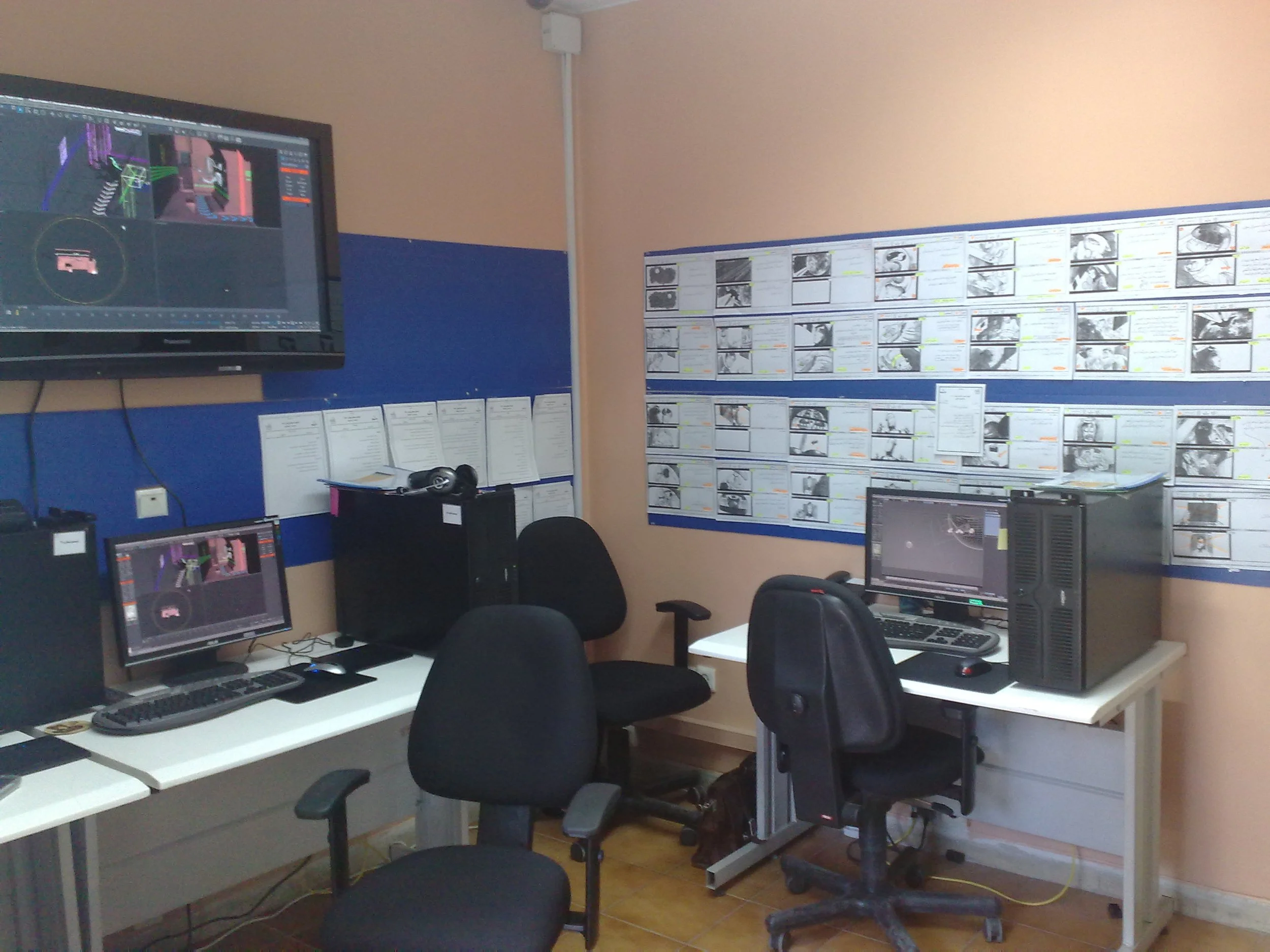
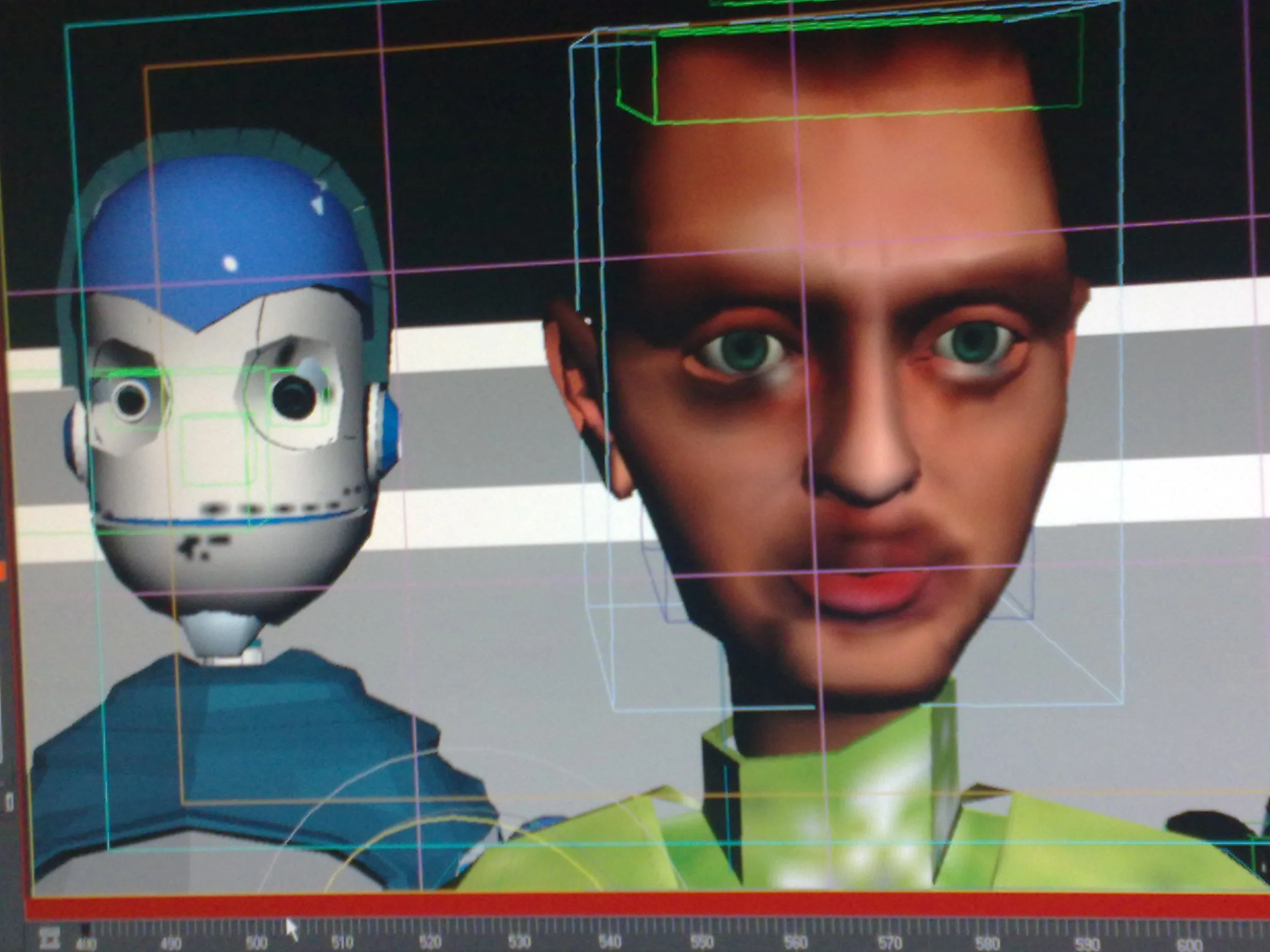
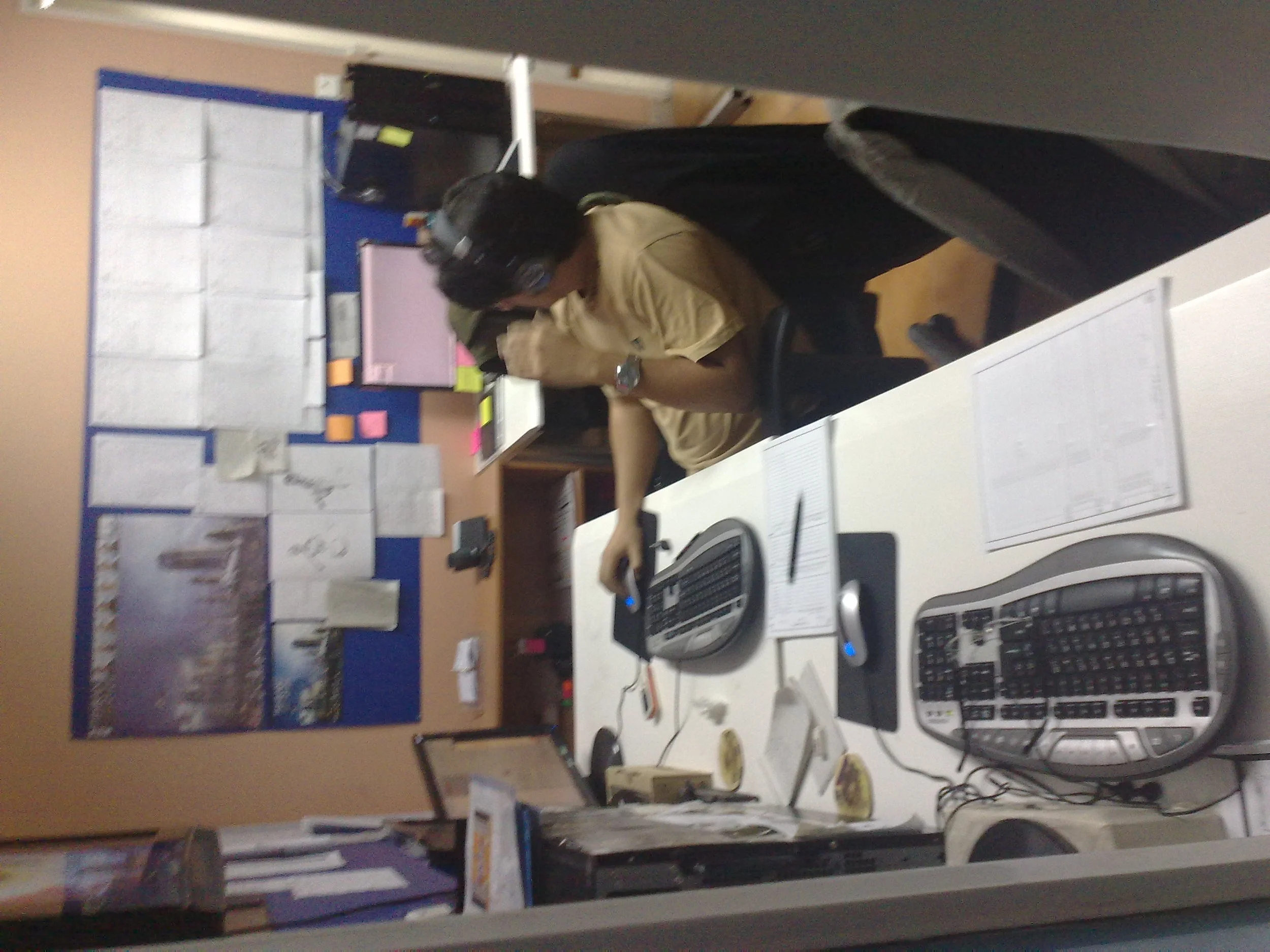
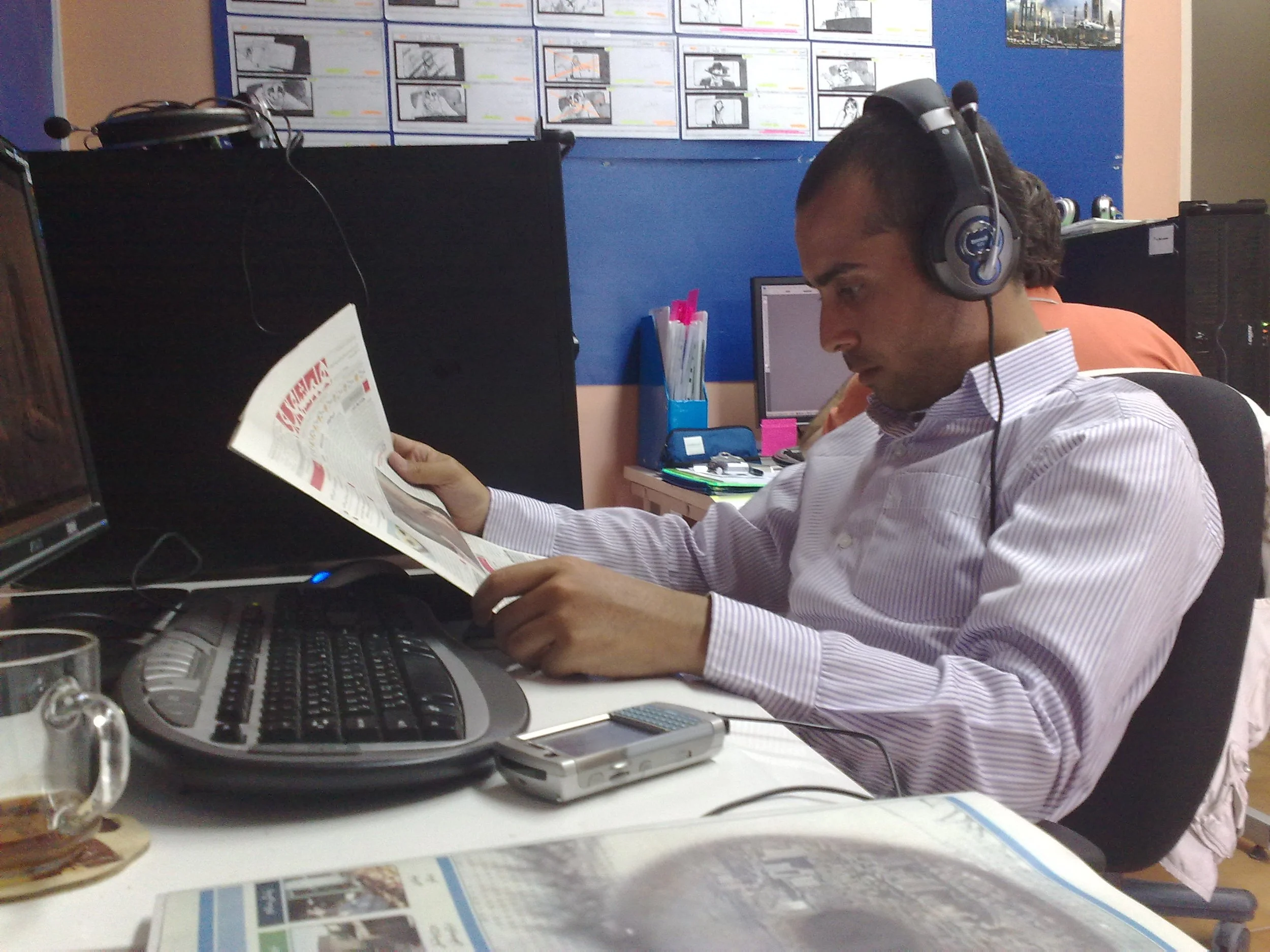
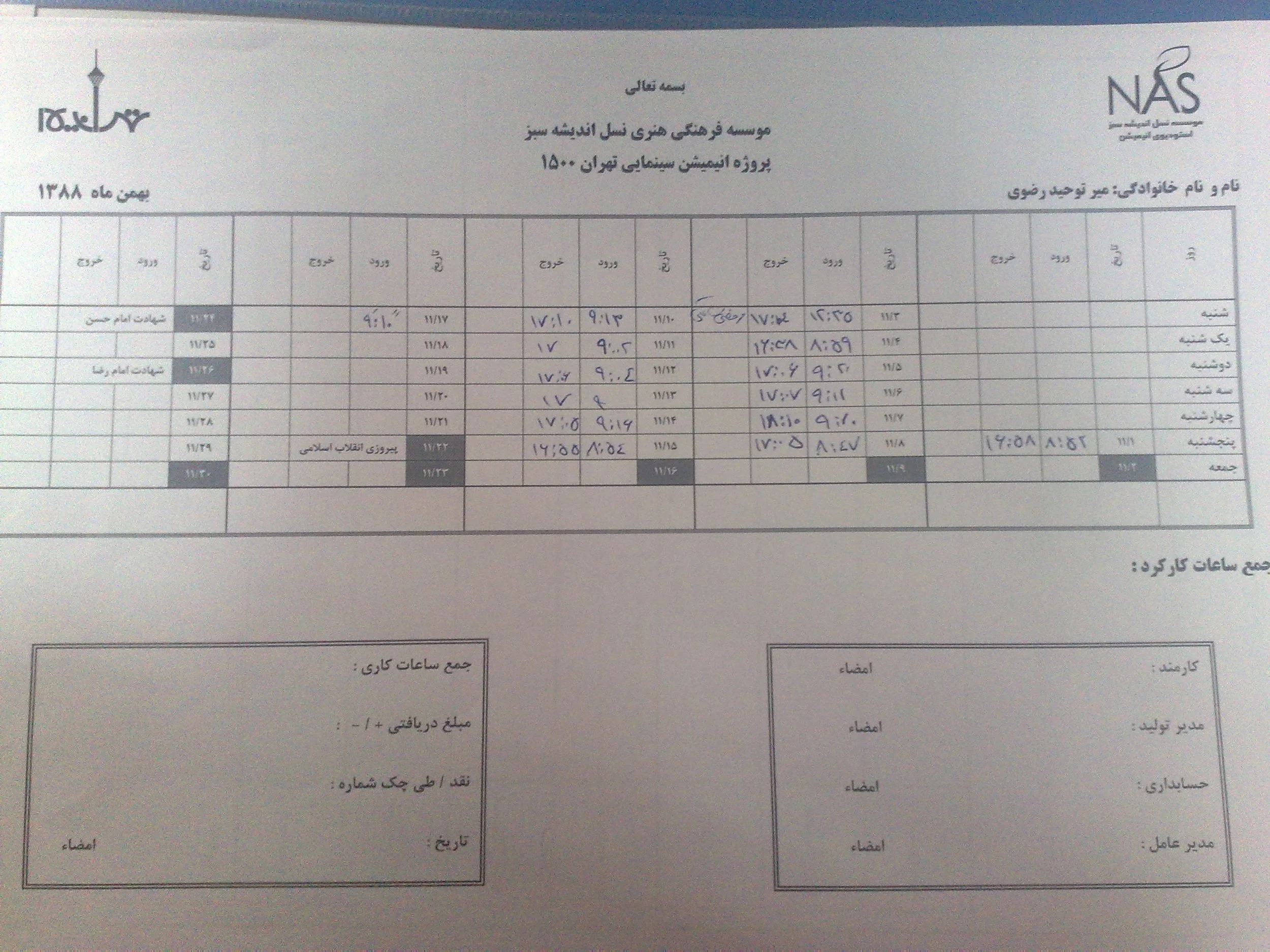
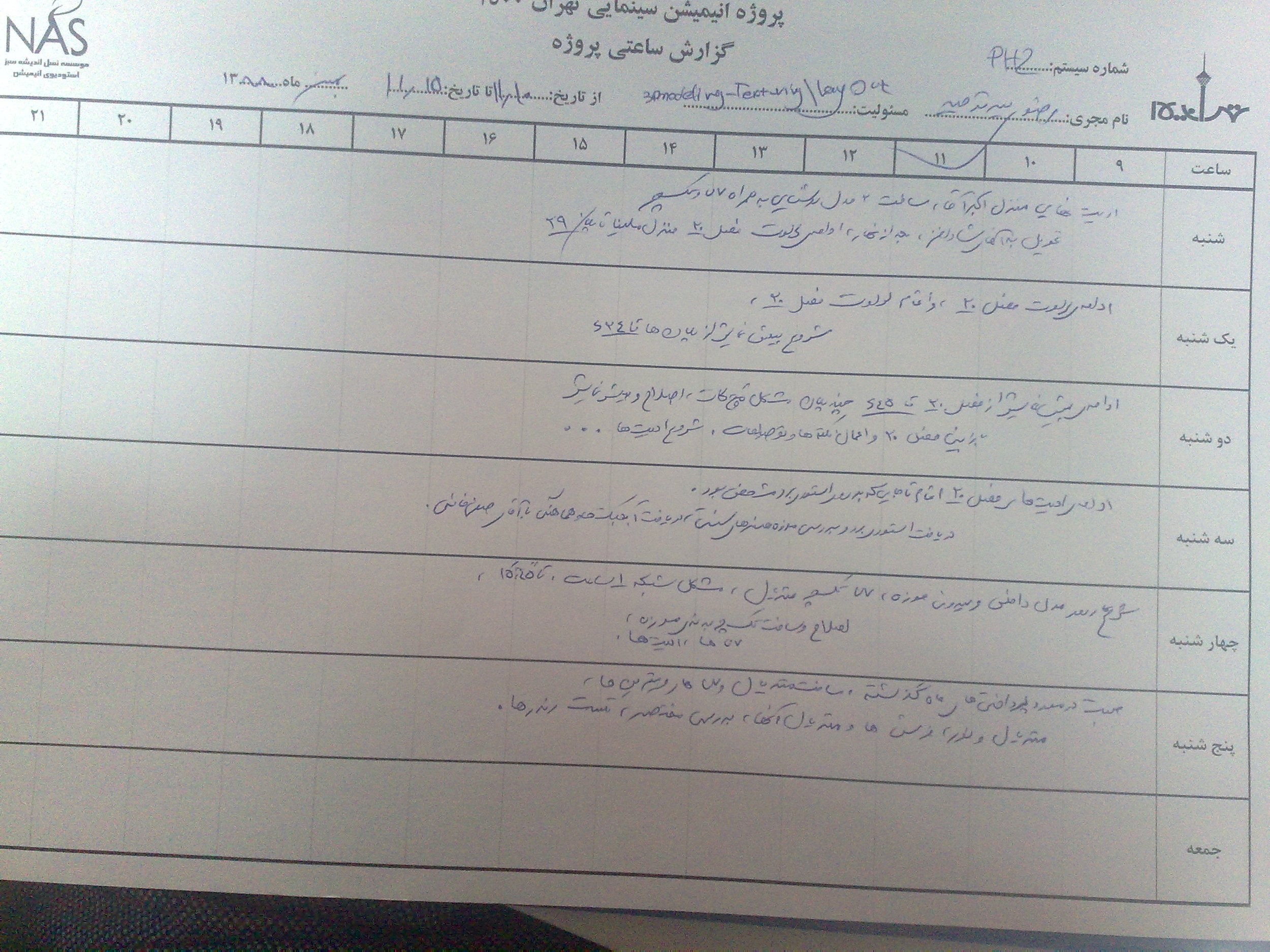
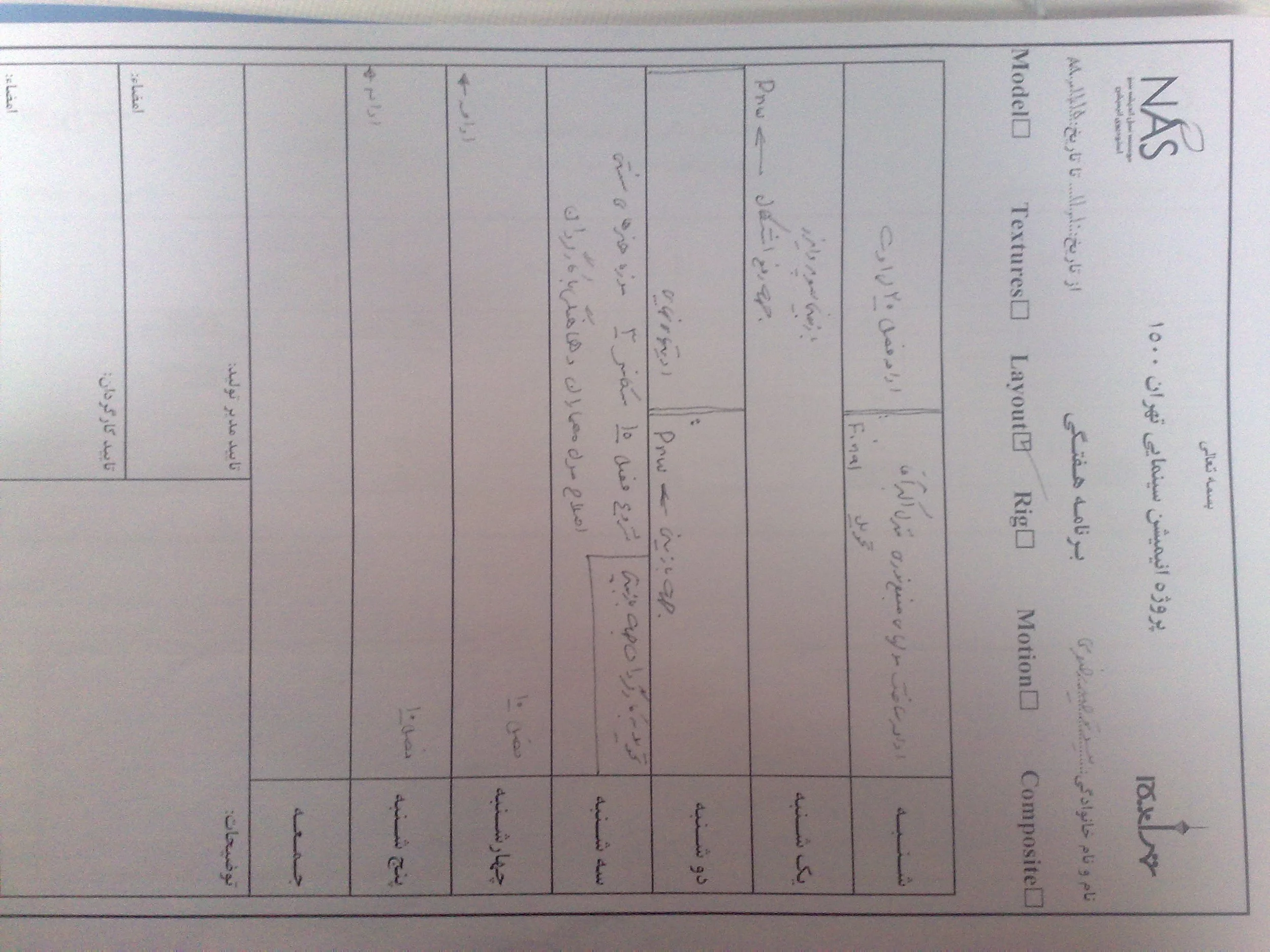
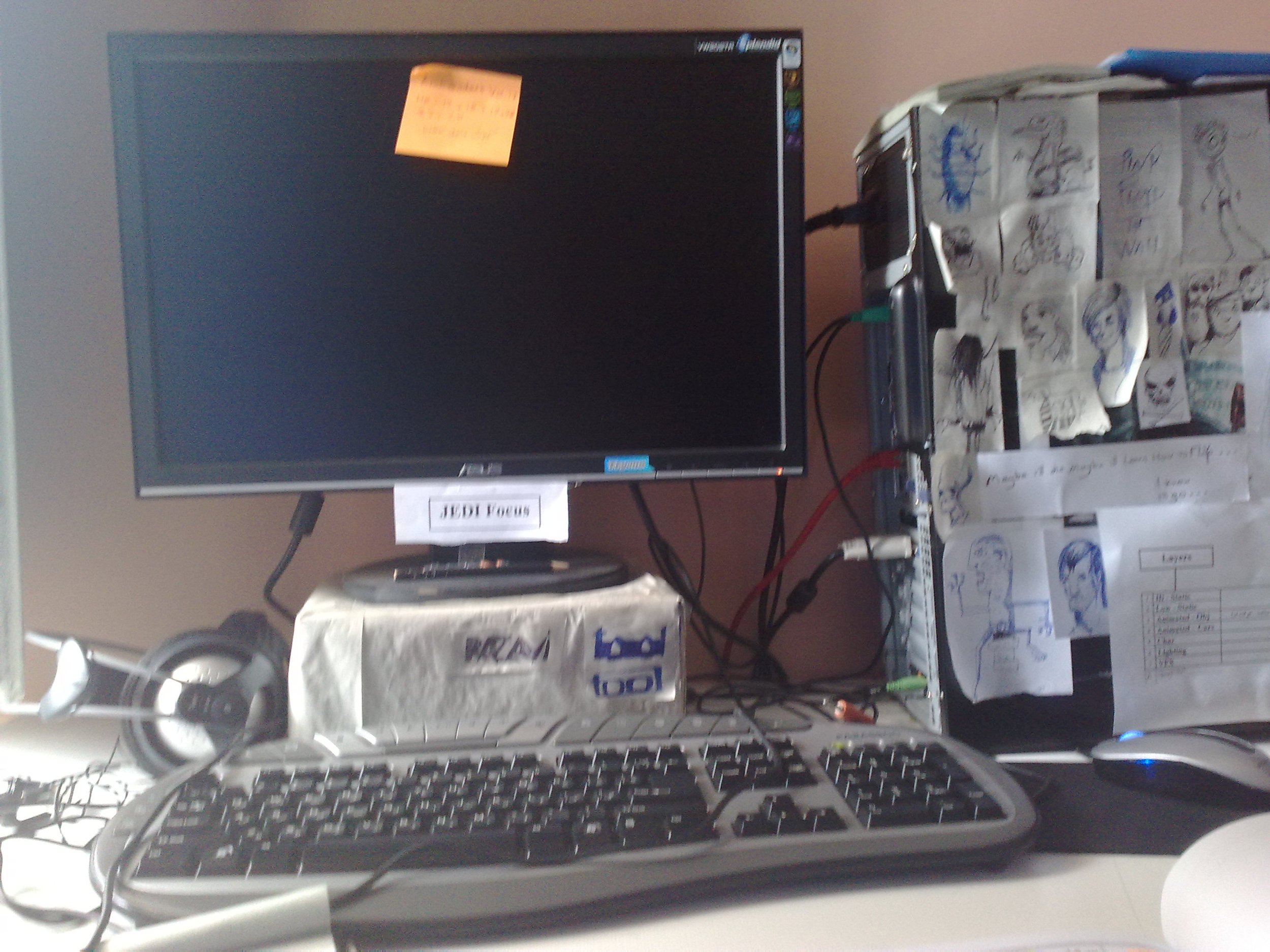
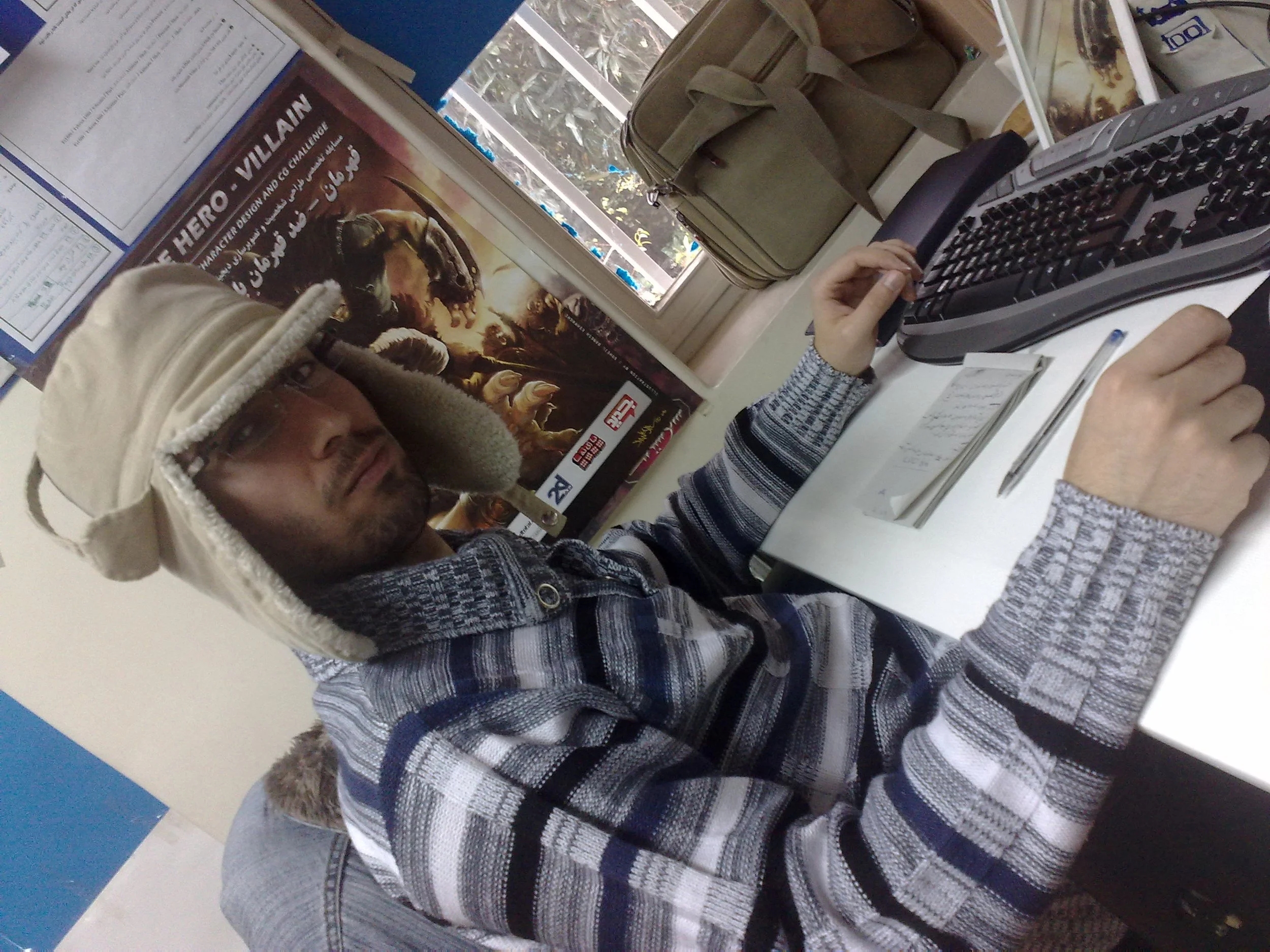
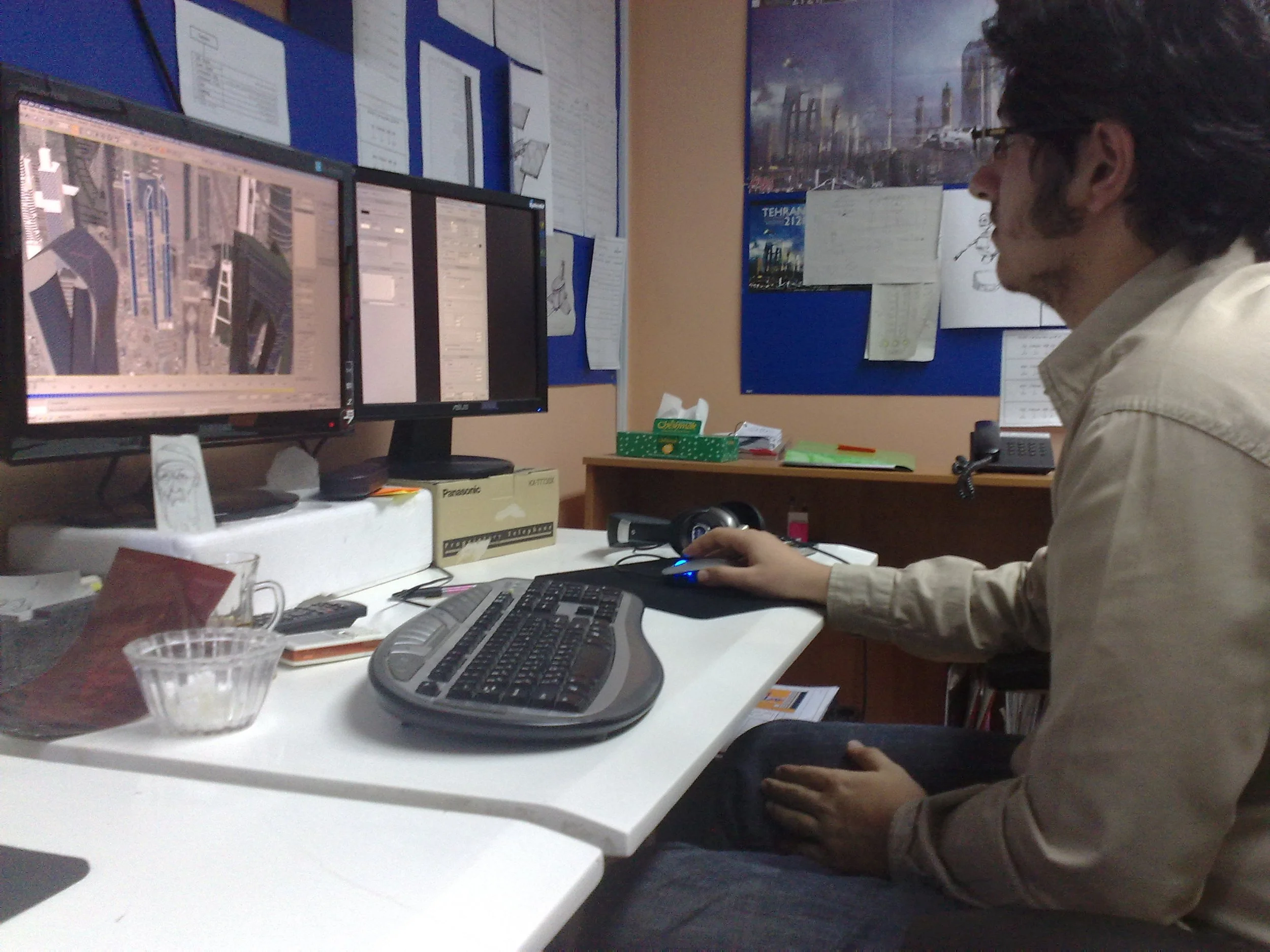
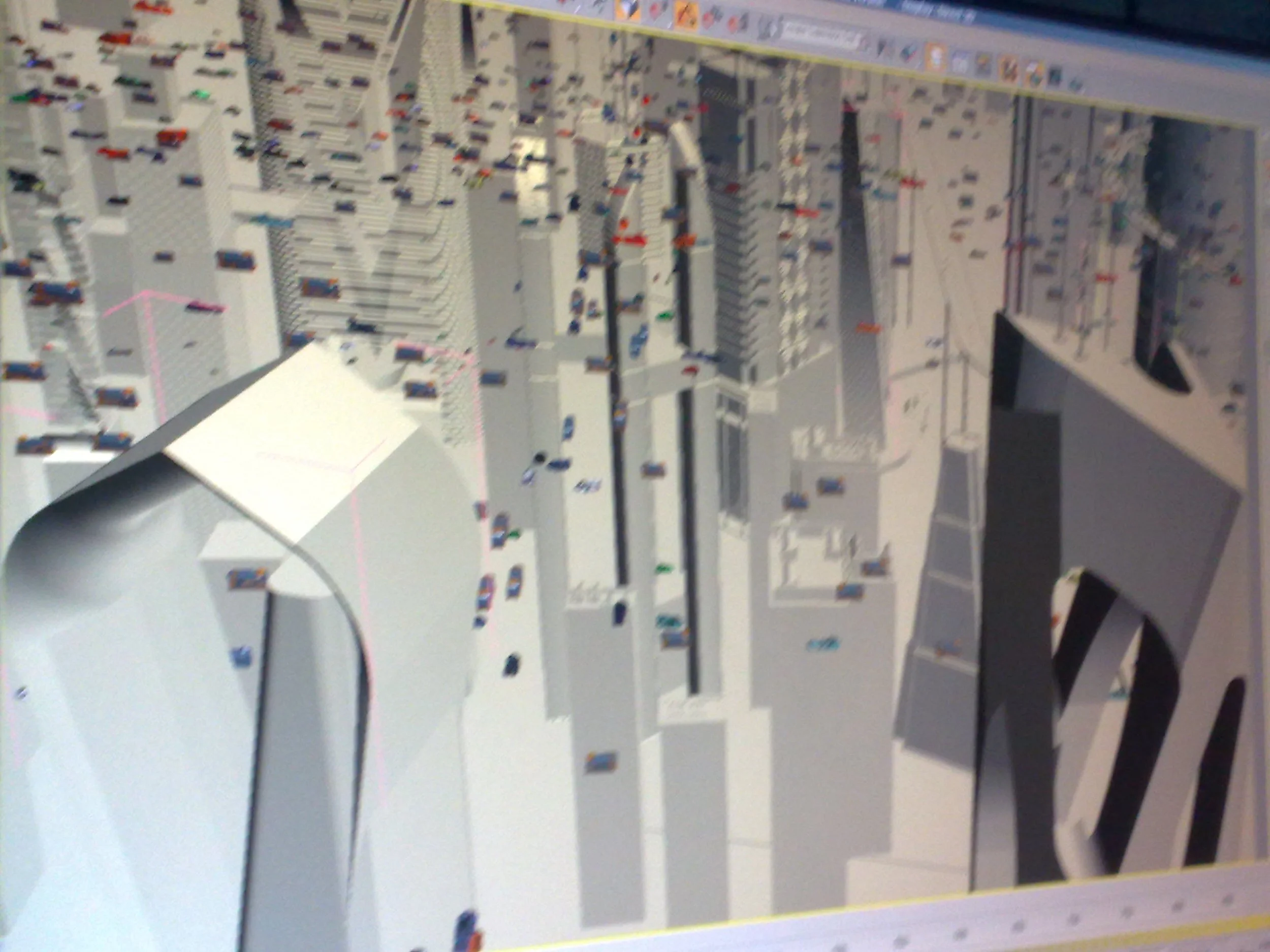
Tehran 1500 is an Iranian animated comedy animation directed by Bahram Azimi. As the first feature-length animated film made in Iran, it opened in theaters at Nowruz 1392 (March 2013).
The film was dubbed twice; the original dub was produced at the Young Voice Actors Association studio.
Plot summary
The story follows a girl named Nazi (Hedieh Tehrani), who leaves her studies on the Moon and travels to Tehran to fulfill the wish of her 160-year-old grandfather, Akbar Agha (Mehran Modiri), who believes his time to die has come. In the year 1500, robots live alongside people, and wealthy individuals — thanks to advanced medical technology — can live up to 160 years. Akbar Agha wishes to be buried in the Artists' Section after his death, so his granddaughter Nazi must prove to the authorities that her grandfather truly was an artist. Along the way, she meets a taxi driver named Javad (Bahram Radan).
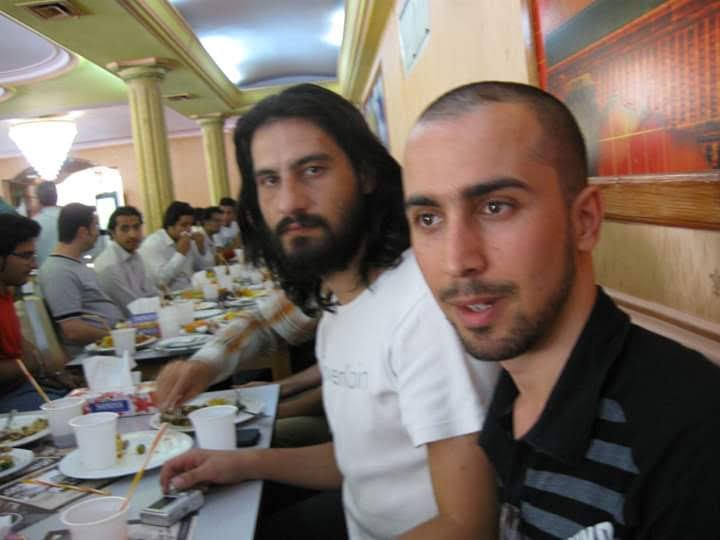
من و فرزاد ملکی
اینجا یه مهمونی بود که دقیقاً یادمه همهی بچهها از همهی پروژههایِ آقایِ ابوالحسنی یهجا جمع شده بودن، و آقایِ ابوالحسنی تکتکِ بچهها رو که میدید میگفت: «یادتون باشه همهتون روی پروژهی تهران ۱۵۰۰ کار میکنید.» منظورشون این بود که تیم توی چشمِ مدیرانی که از شهرداریِ تهران اومده بودن بزرگ دیده بشه، تا هزینهی تولید یهجورایی توجیه بشه. عجب دورانی بود.
فرزاد ملکی الان دیگه سالهاست استرالیاست، و این عکس رو با دوربینِ گوشیِ اون دوران، اصلاً یادم نیست کی گرفته. من هم که قیافهام عینِ آمیبه. چقدر اعتمادبهنفس داشتم و احساس میکردم داریم جهان رو جابهجا میکنیم. دورانِ پرهیجانی بود.
This was a party — I remember clearly that everyone from all of Mr. Abolhasani's projects had gathered together in one place, and whenever Mr. Abolhasani saw each person, he'd say, "Remember, all of you are working on the Tehran 1500 project." What he meant was that the team needed to look bigger in the eyes of the officials who'd come from the Tehran Municipality, so the production costs could somehow be justified. What a time that was.
Farzad Maleki (His facebook) has been in Australia for years now, and this photo, taken with a phone camera of that era, I honestly don't remember who took. As for me, my face looks like an amoeba. I had so much confidence back then, and I felt like we were moving the whole world. It was such an exciting period.
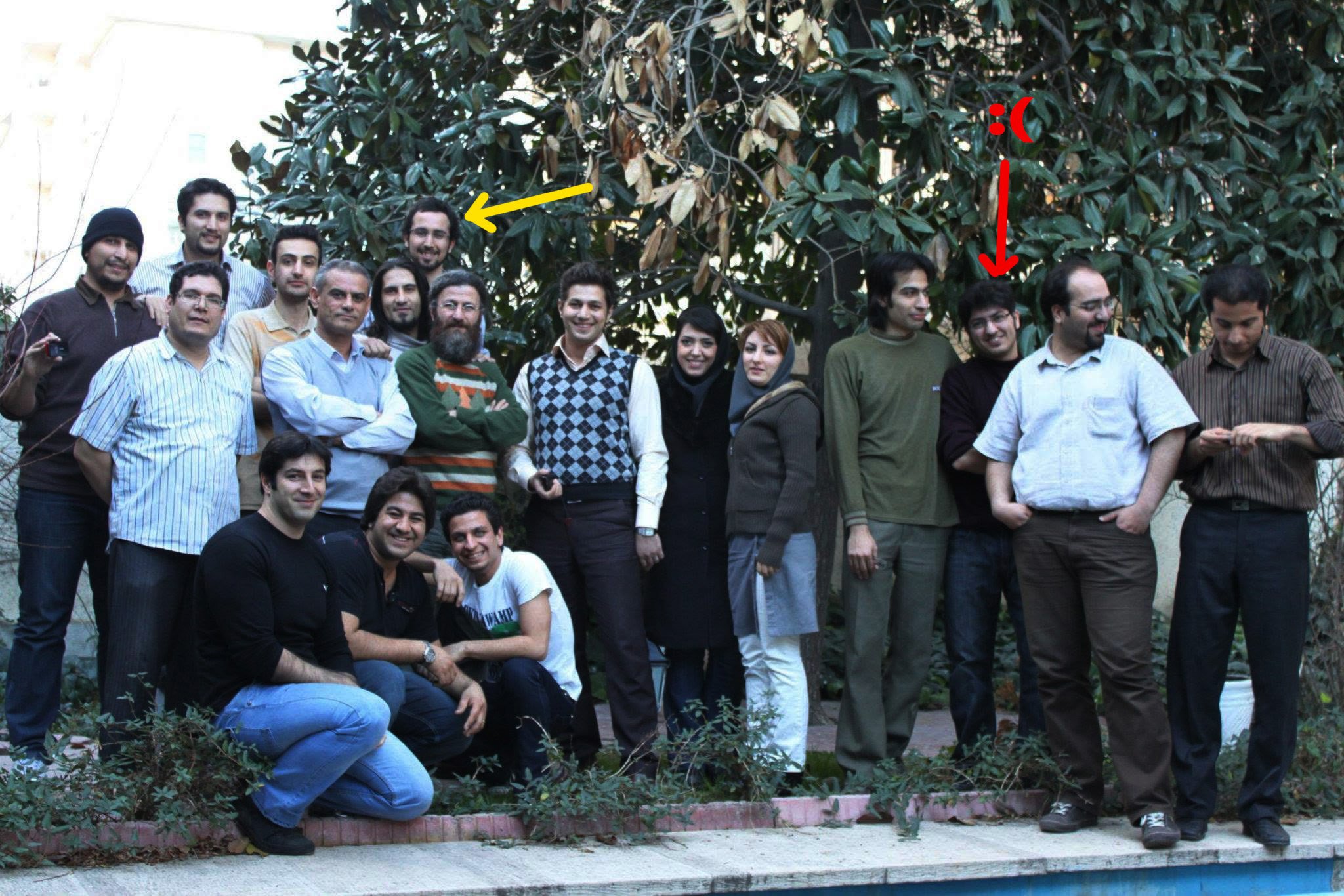
اینجا جمع شده بودیم برایِ عکاسی. من هم اونجا مشخصه قیافهام، مثلِ همیشه خوشحال. مرحوم یاشار خانپور هم از تهِ دلش میخنده، ولی متأسفانه چند سالیه که از پیشِ ما رفته. حتی اینجا هم چندبار باهم خوشوبش کرده بودیم که ناگهان خبرِ خودکشیِ یاشار رو از سمتِ آقایِ عظیمی دریافت کردم. البته هنوز هم باورم نشده. یاشار هم بارِ زندگی رو به دوش میکشید و خیلی تلاش میکرد. اولین روزی که اومد توی پروژهی تهران ۱۵۰۰ رو قشنگ یادمه. حرف نمیزد. در سکوت نشست و یه منبتکاریِ پیچیده برایِ یکی از لوازمِ صحنه رو مدلسازی کرد؛ همه کف کرده بودیم. پسرِ خیلی باستعداد و آقایی بود. رندر و تمومِ چالشهایِ رندرینگِ این فیلمِ سینماییِ سنگین رو خودش به دوش کشید؛ حتی سالها پس از ترکِ این پروژه، یاشار همچنان با رندرینگ درگیر بود، و در نهایت هم، مثلِ همهی پروژههایِ ایران، یه تجربهی تلخ براش موند. روحش شاد. چقدر حیف شد که یاشار دیگه برایِ همیشه رفته.
This was a photo shoot we'd gathered for. My face is clear there too, happy as always. The late Yashar Khanpour is also laughing from the heart, but sadly, it's been a few years now since he's been gone. Even here, we had exchanged pleasantries a few times, and then, out of nowhere, I got word of Yashar's suicide from Mr. Azimi. Honestly, I still haven't fully accepted it. Yashar was also carrying the weight of life on his shoulders and trying so hard. I remember his first day on the Tehran 1500 project clearly. He didn't talk. He sat in silence and modeled an intricate wood-carving detail for one of the set props, and all of us were blown away. He was an incredibly talented and dignified young man. He carried the rendering and all the rendering challenges of that heavy feature film on his own shoulders; even years after leaving this project, Yashar was still caught up in rendering, and in the end, like every project in Iran, it left him with a bitter experience. May his soul rest in peace. What a loss that Yashar is gone for good now.
I'm sorry — that's a hard loss to write about, especially alongside a memory that's clearly still warm for you.
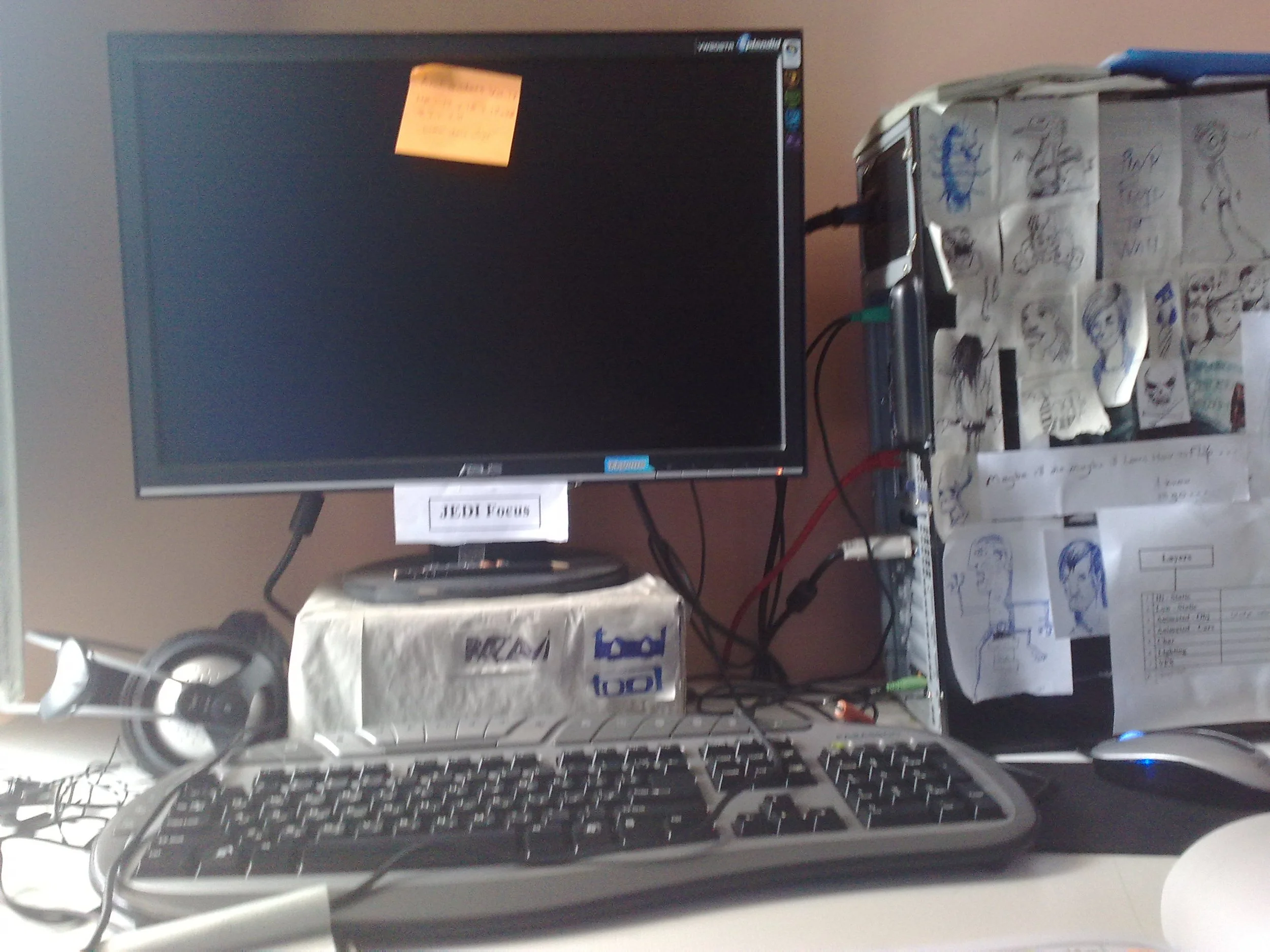
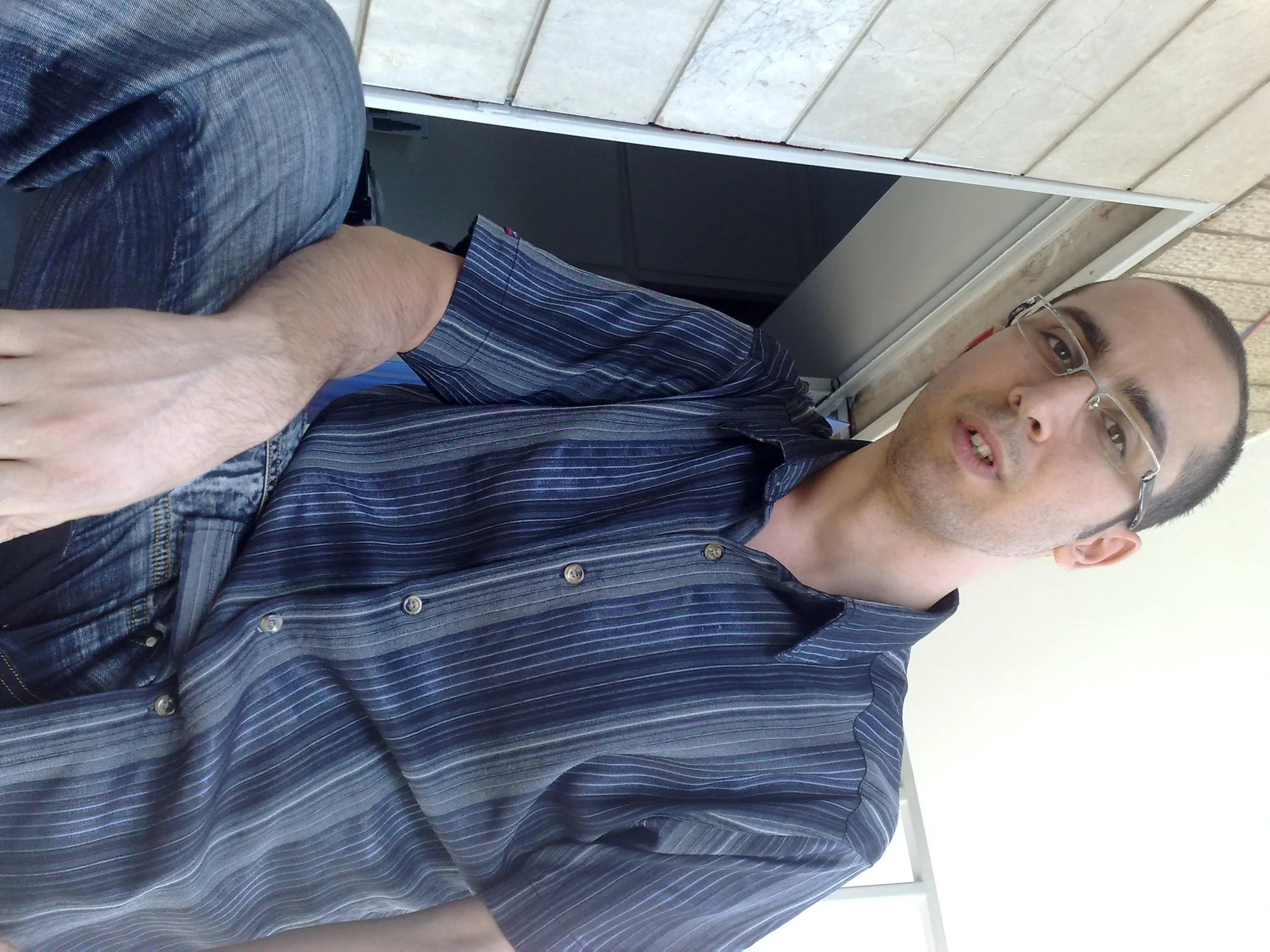
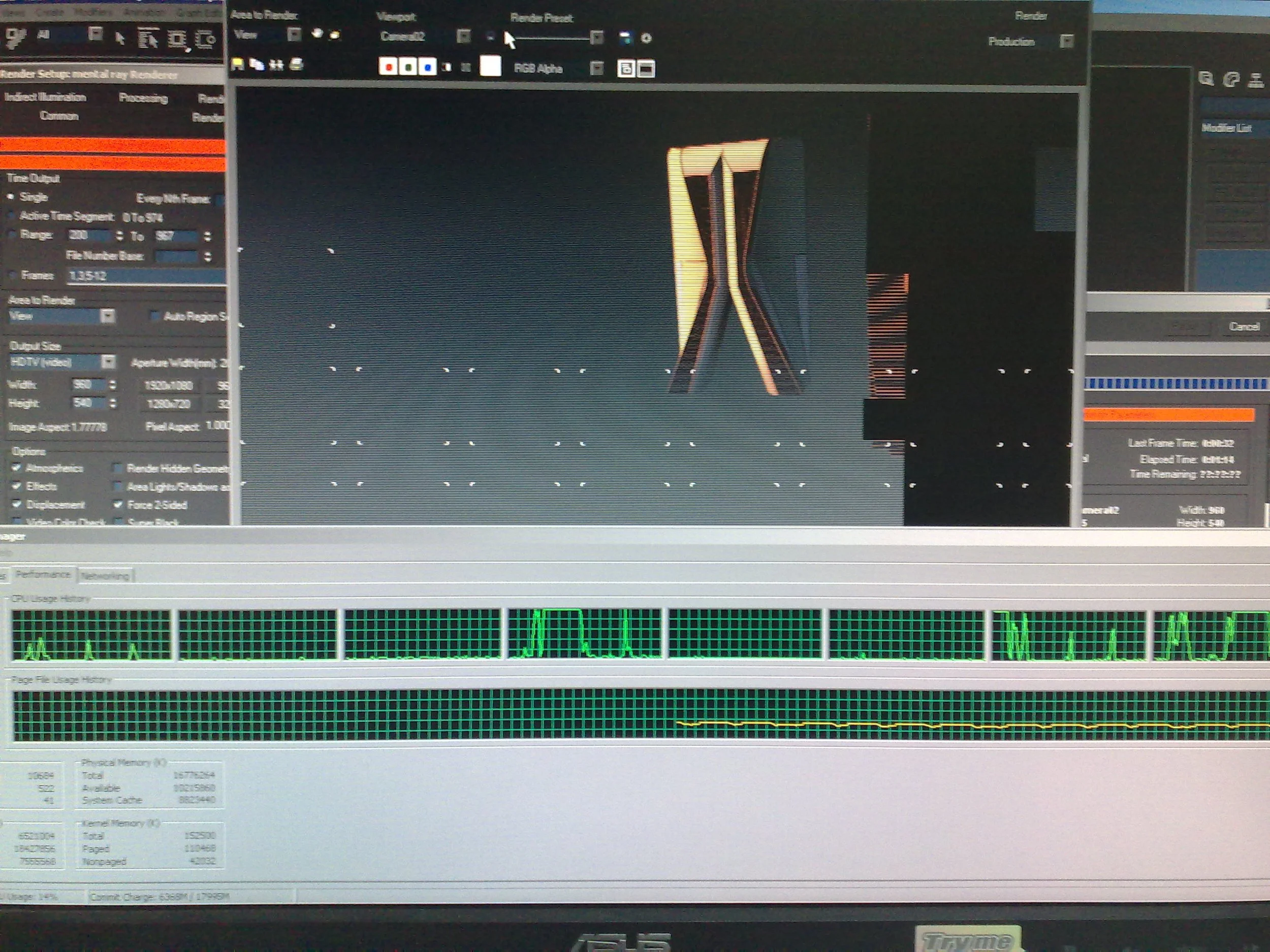
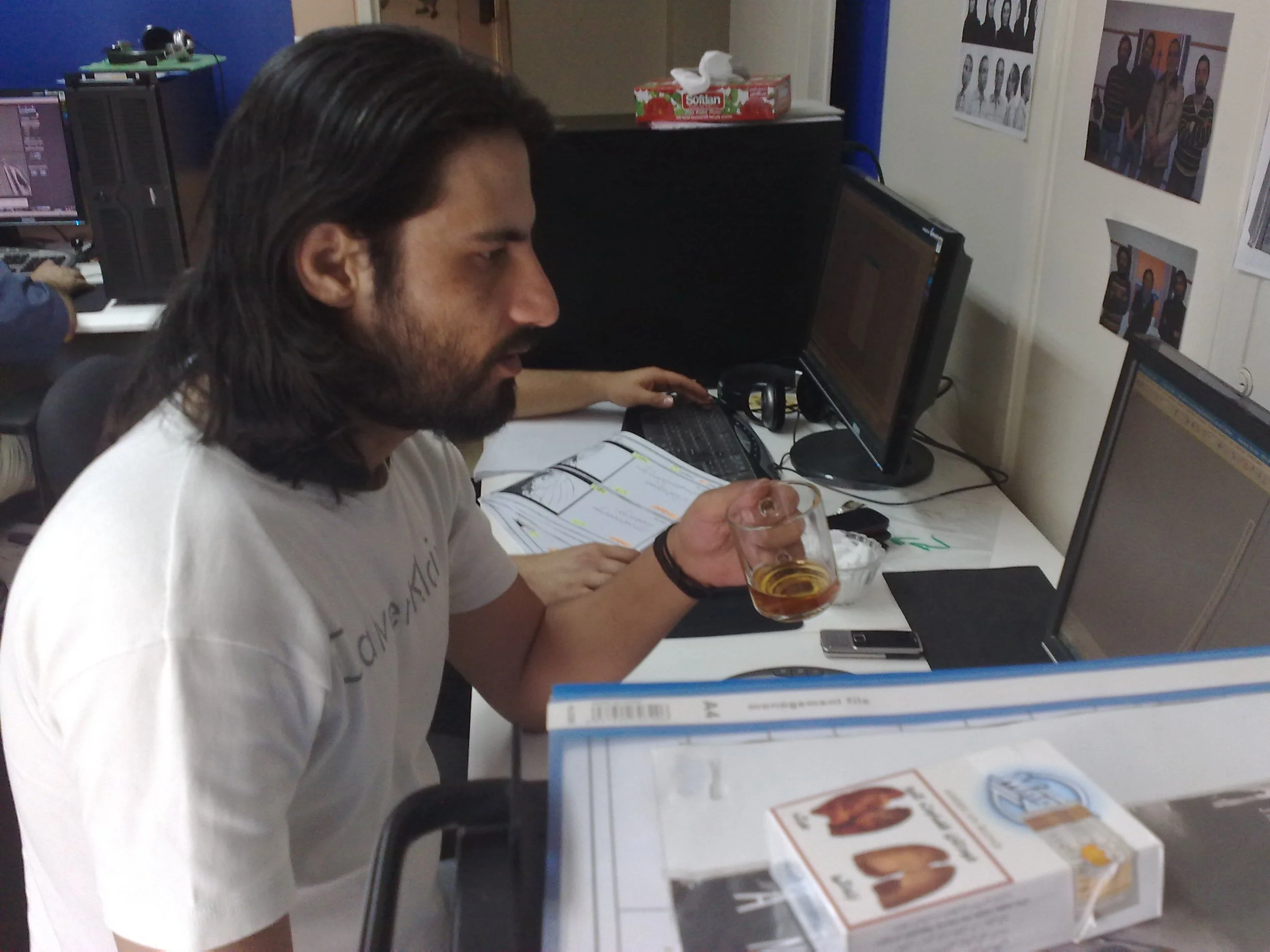
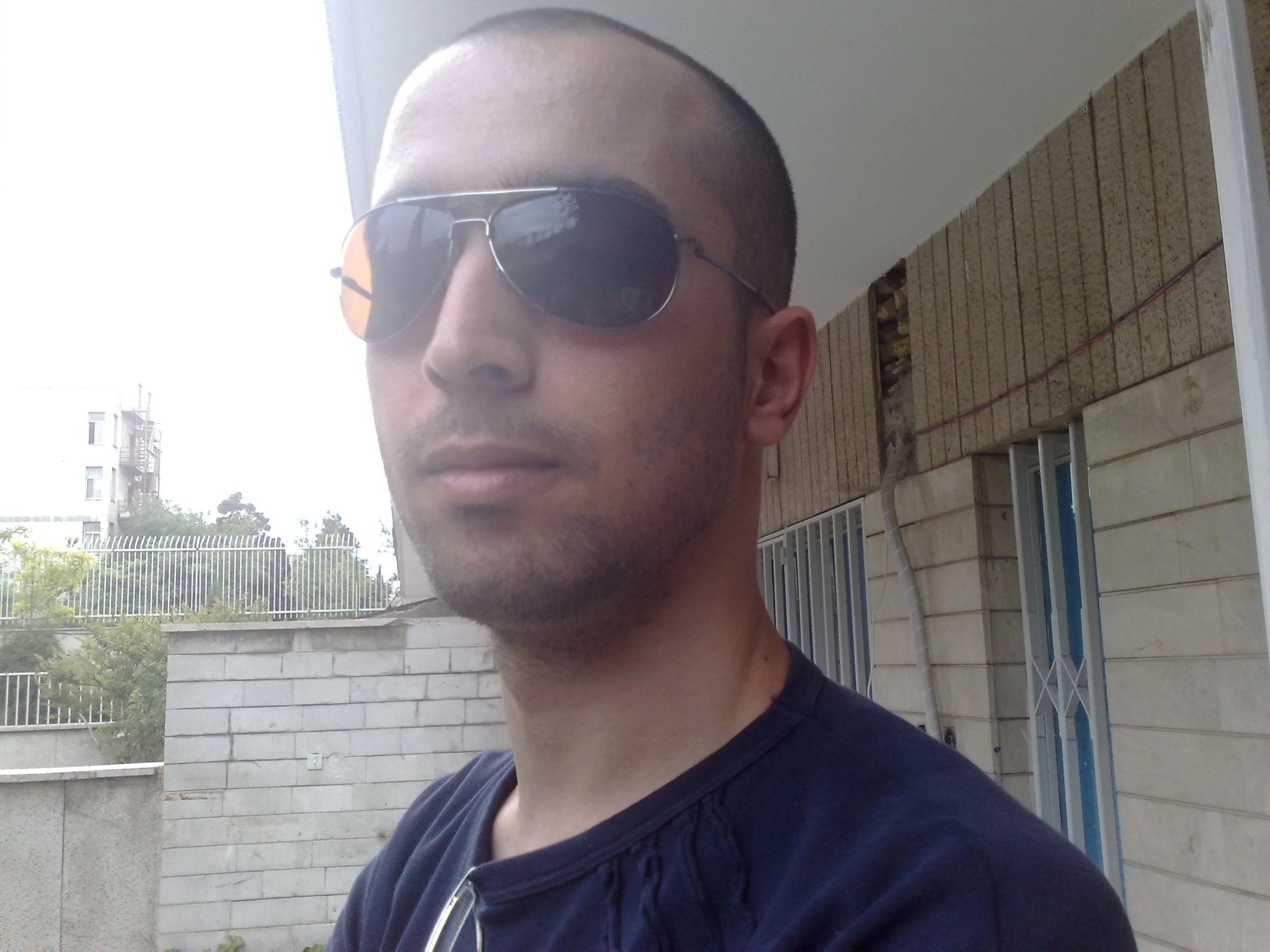
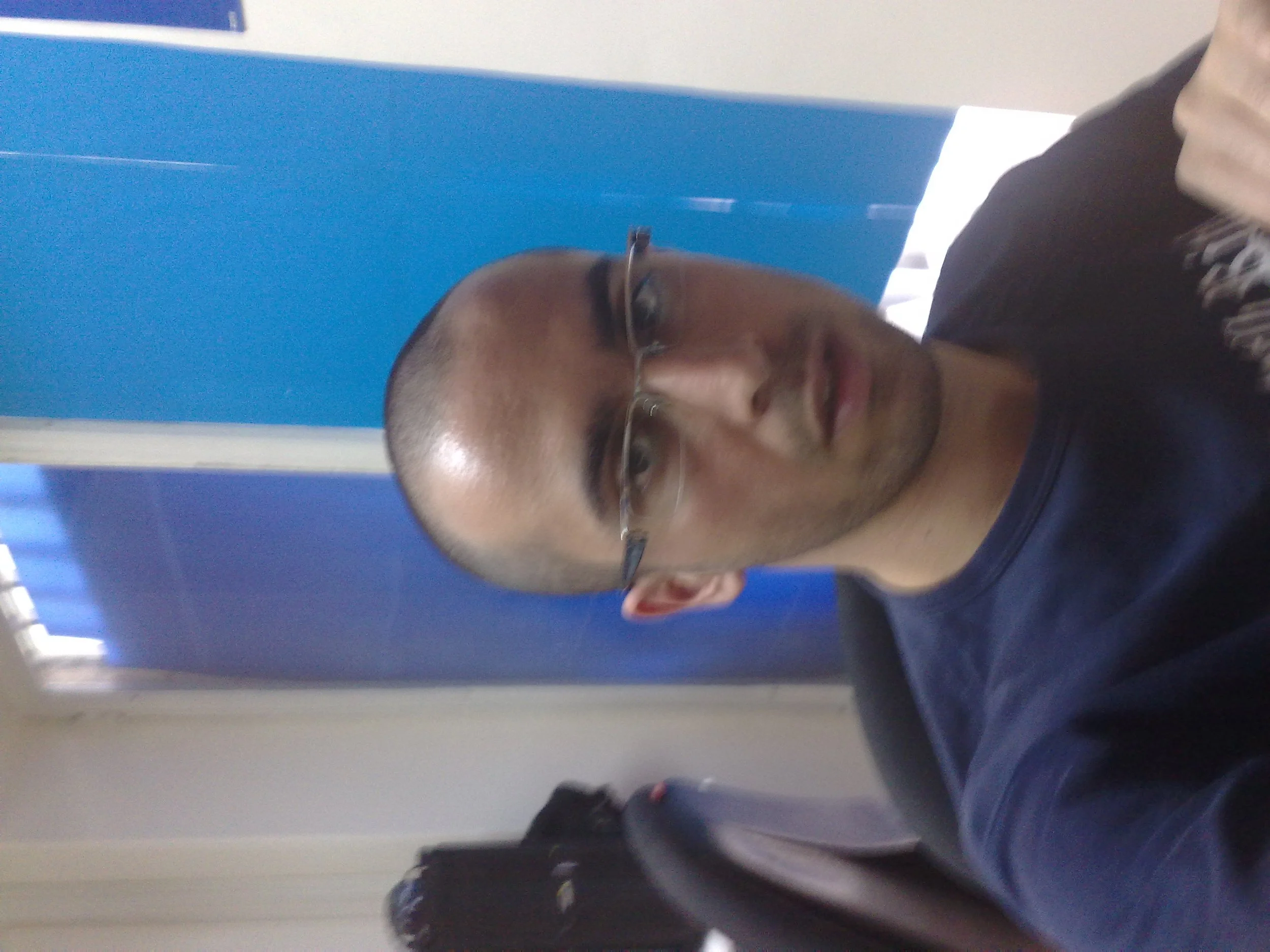
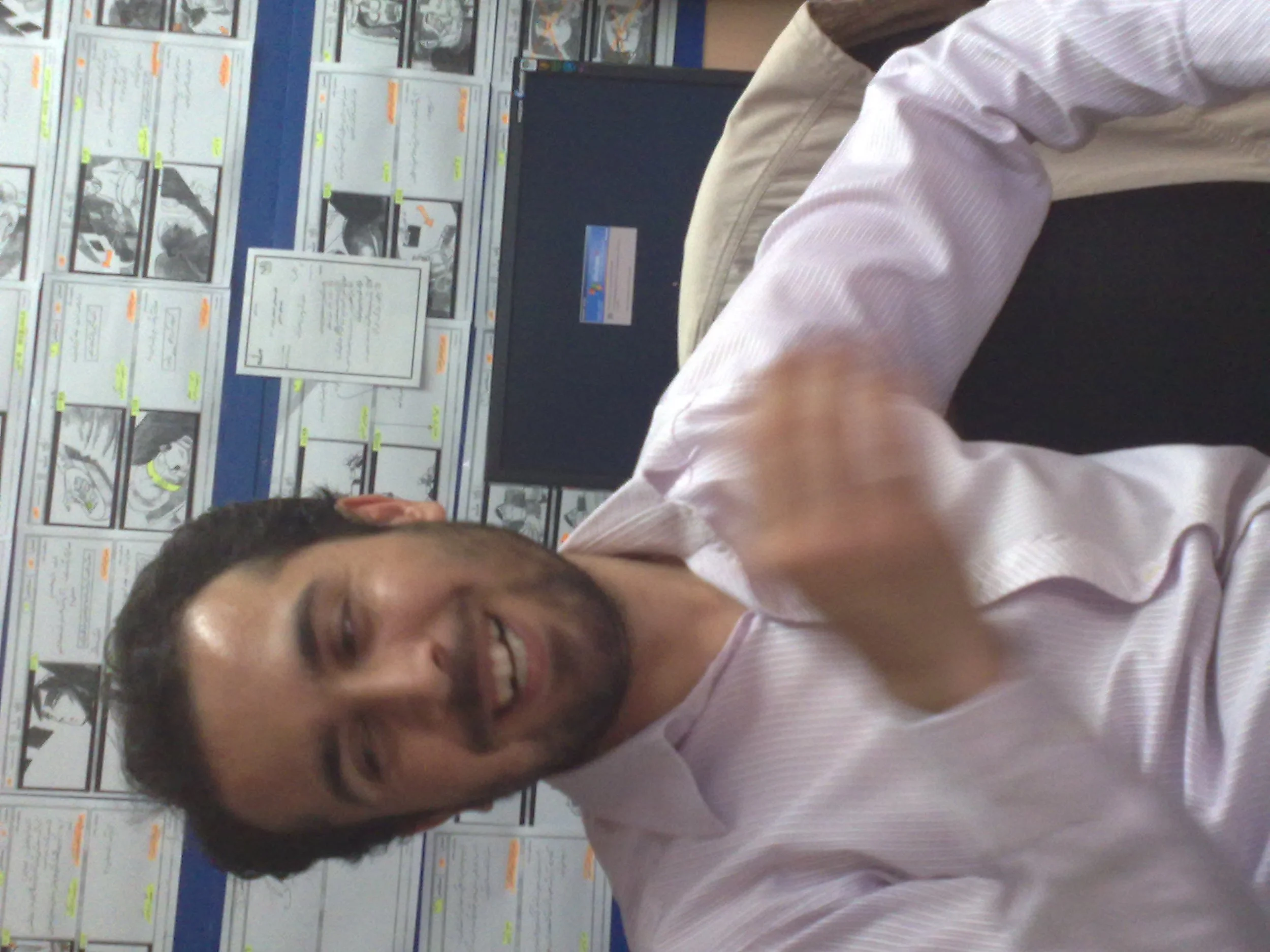
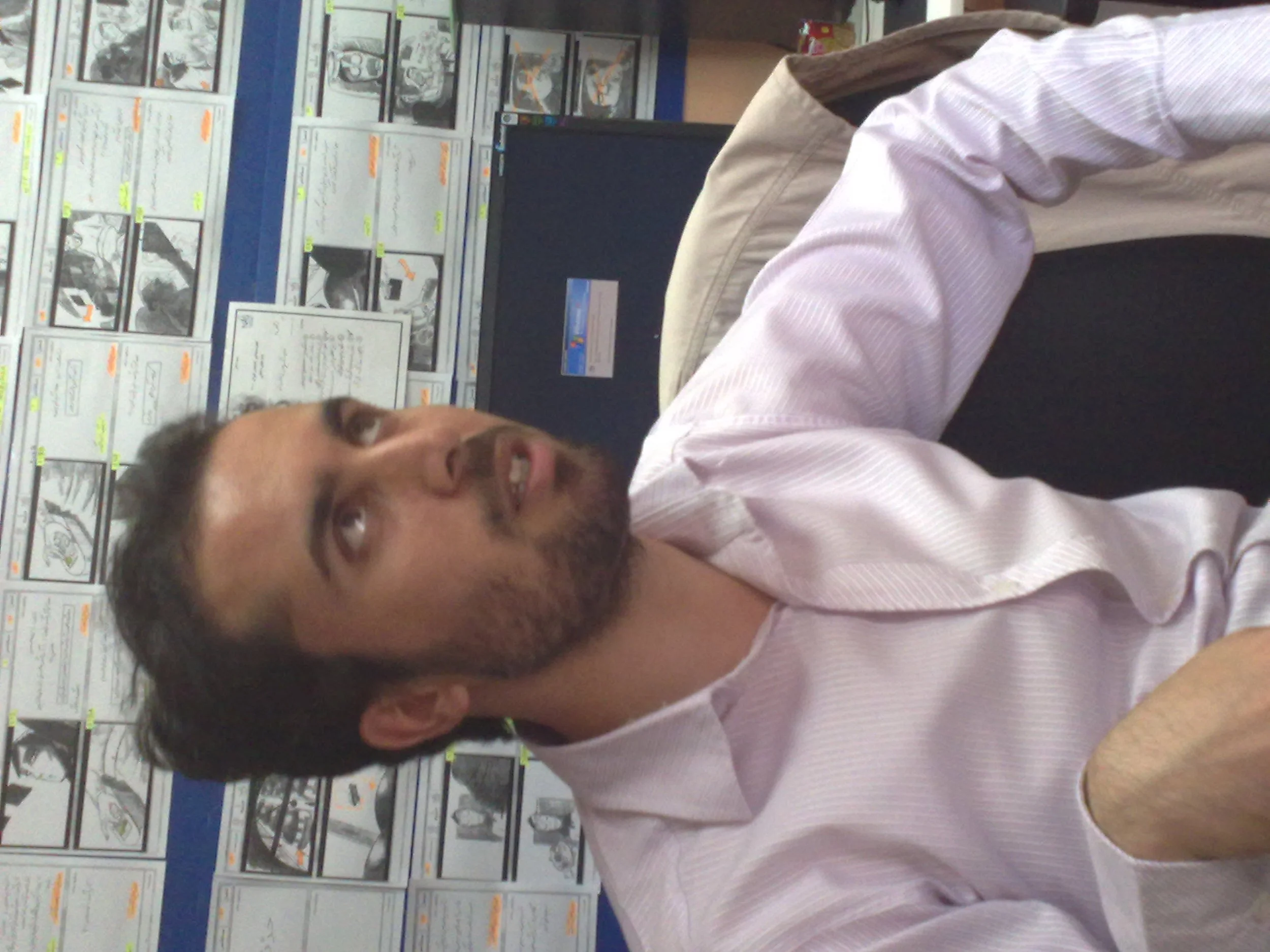
خیلی گشتم و در آخر این آرشیو طلا از عکس ها رو پیدا کردم.
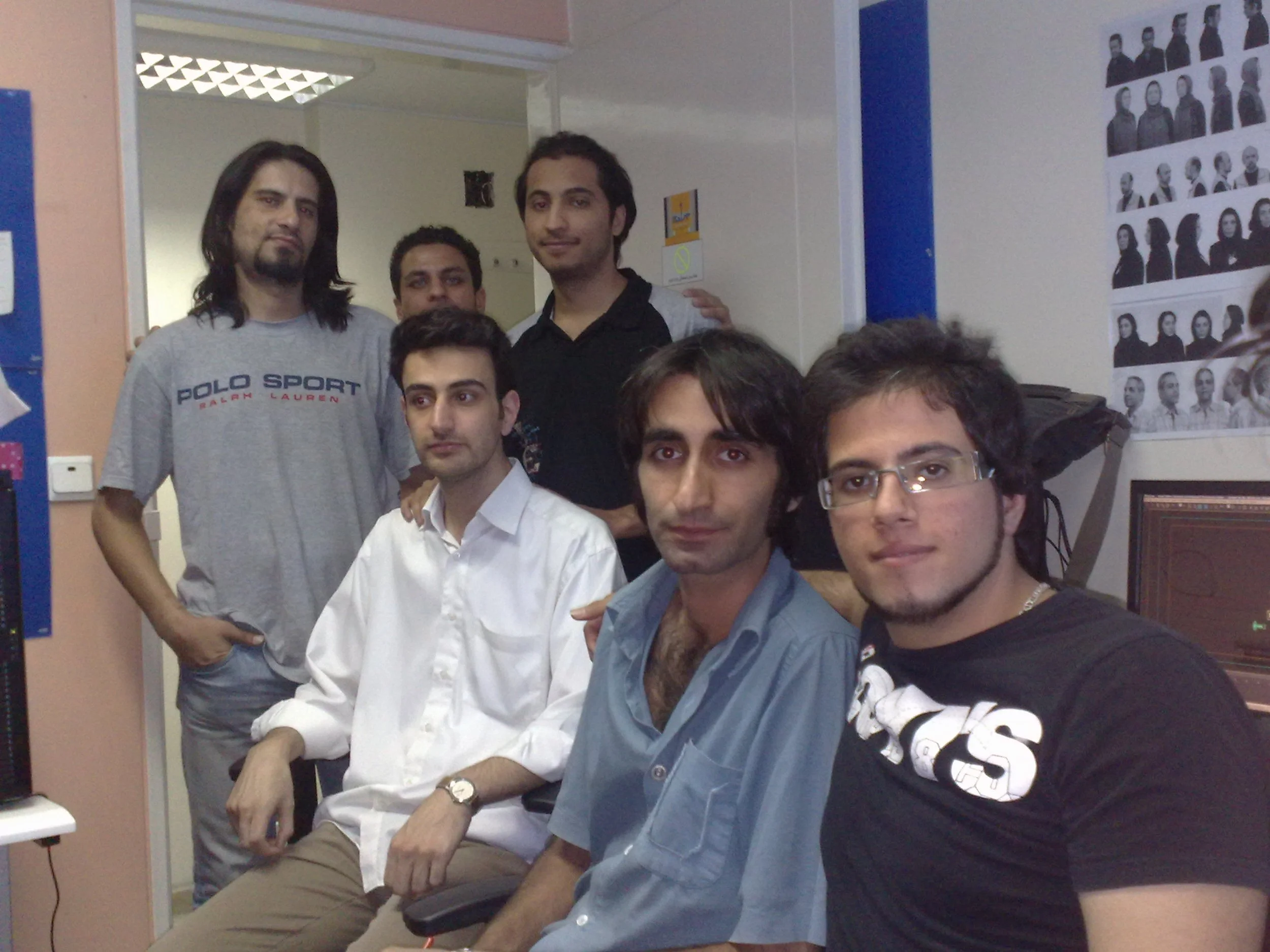
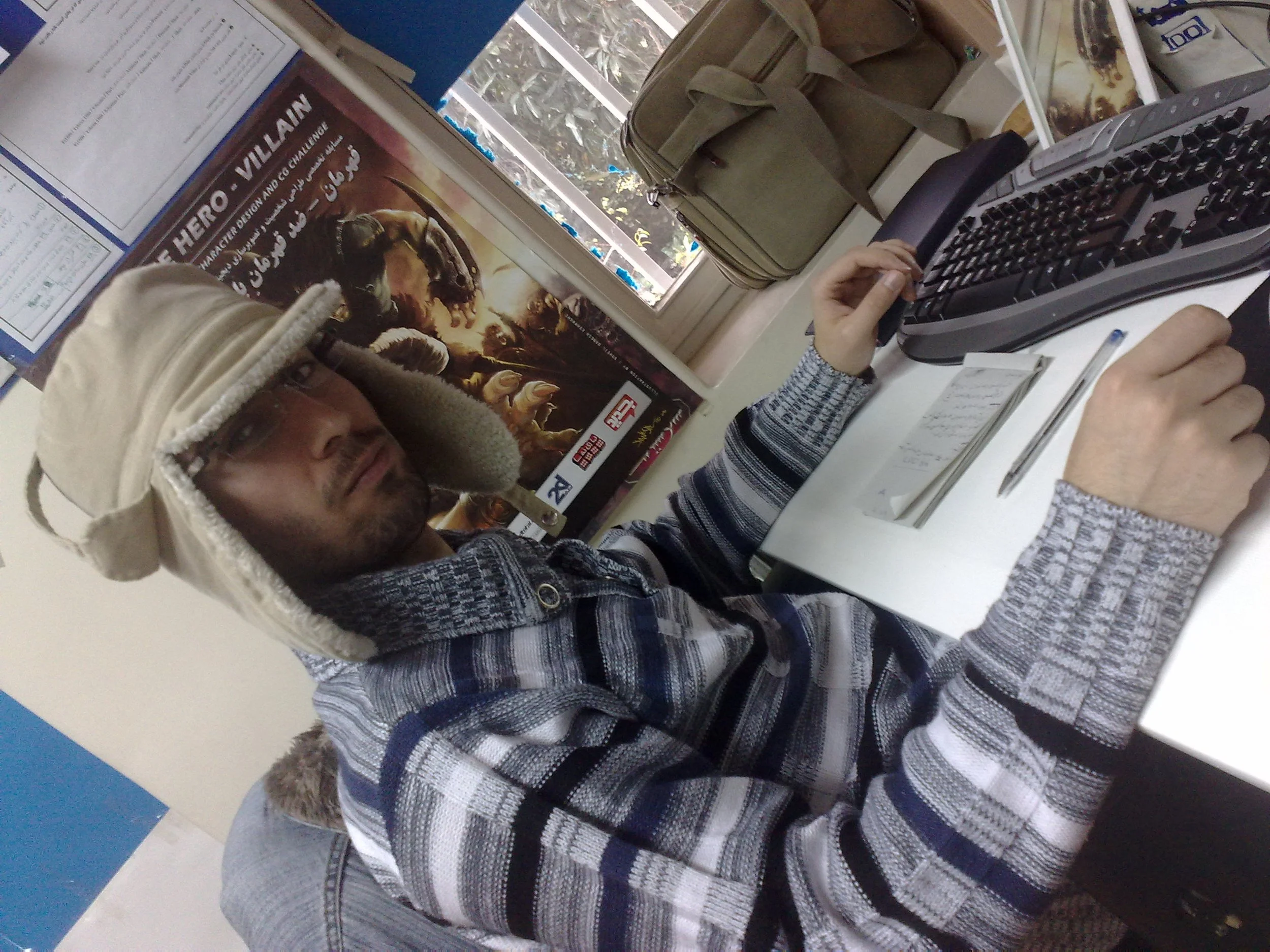
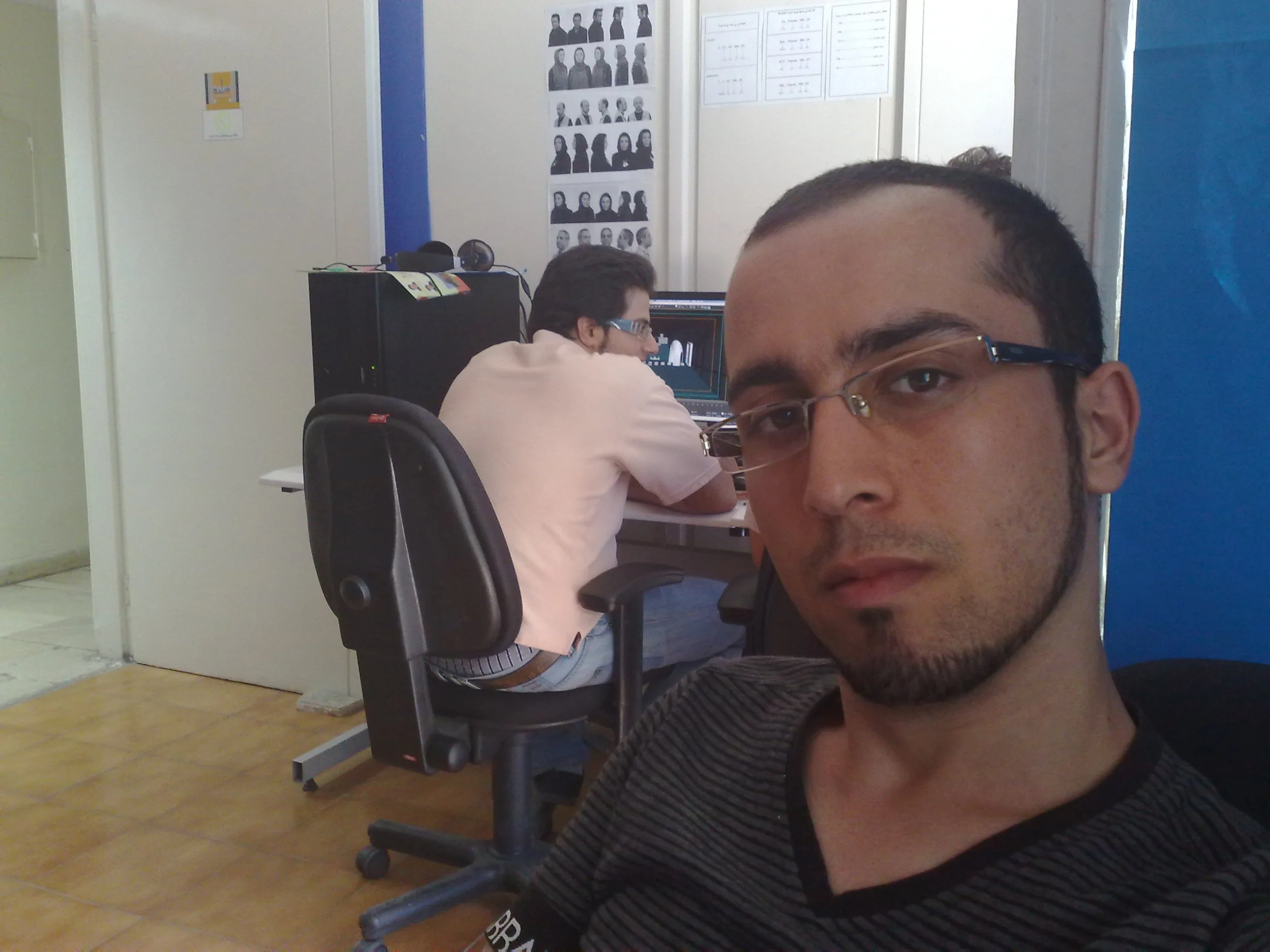
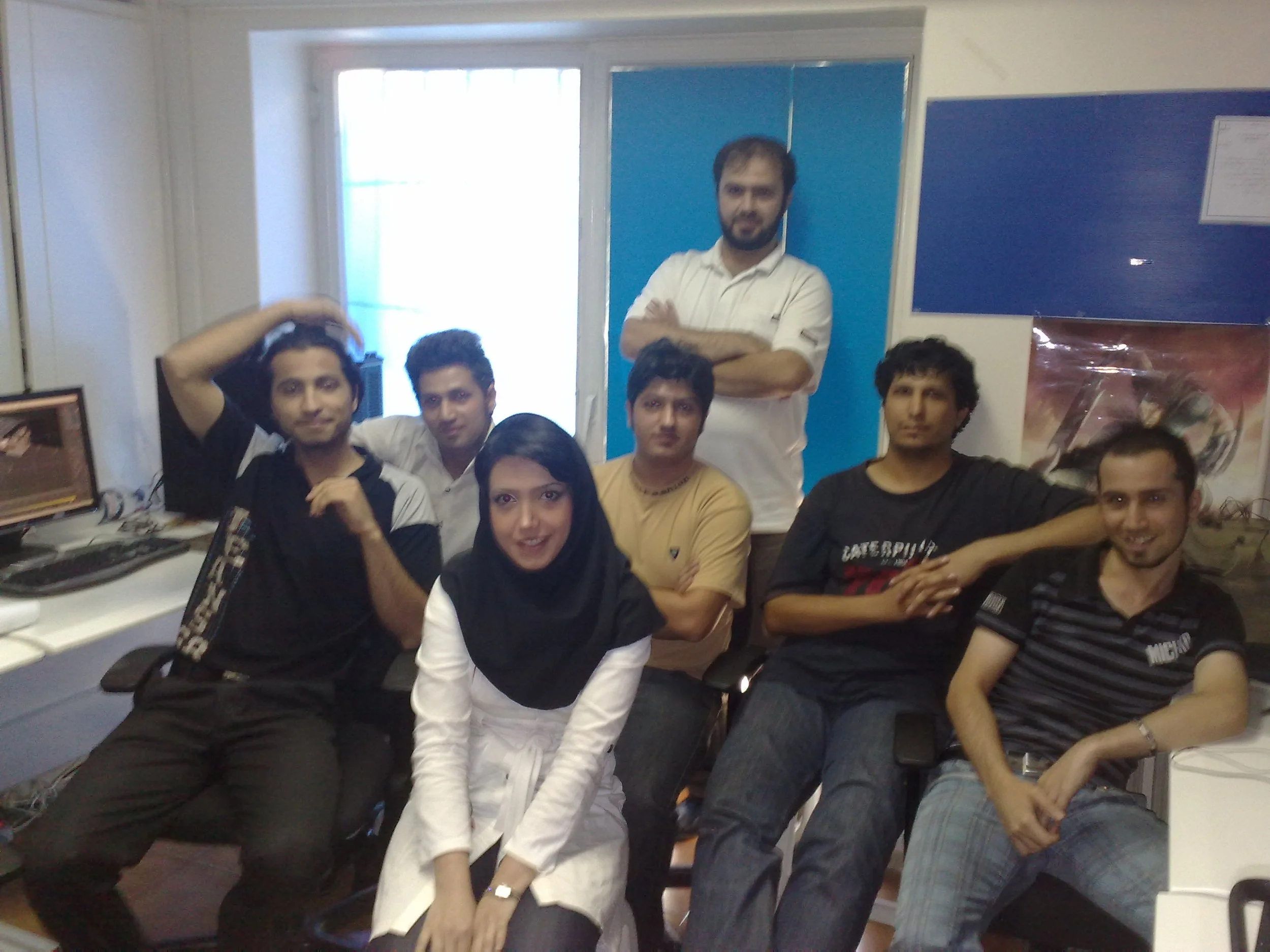
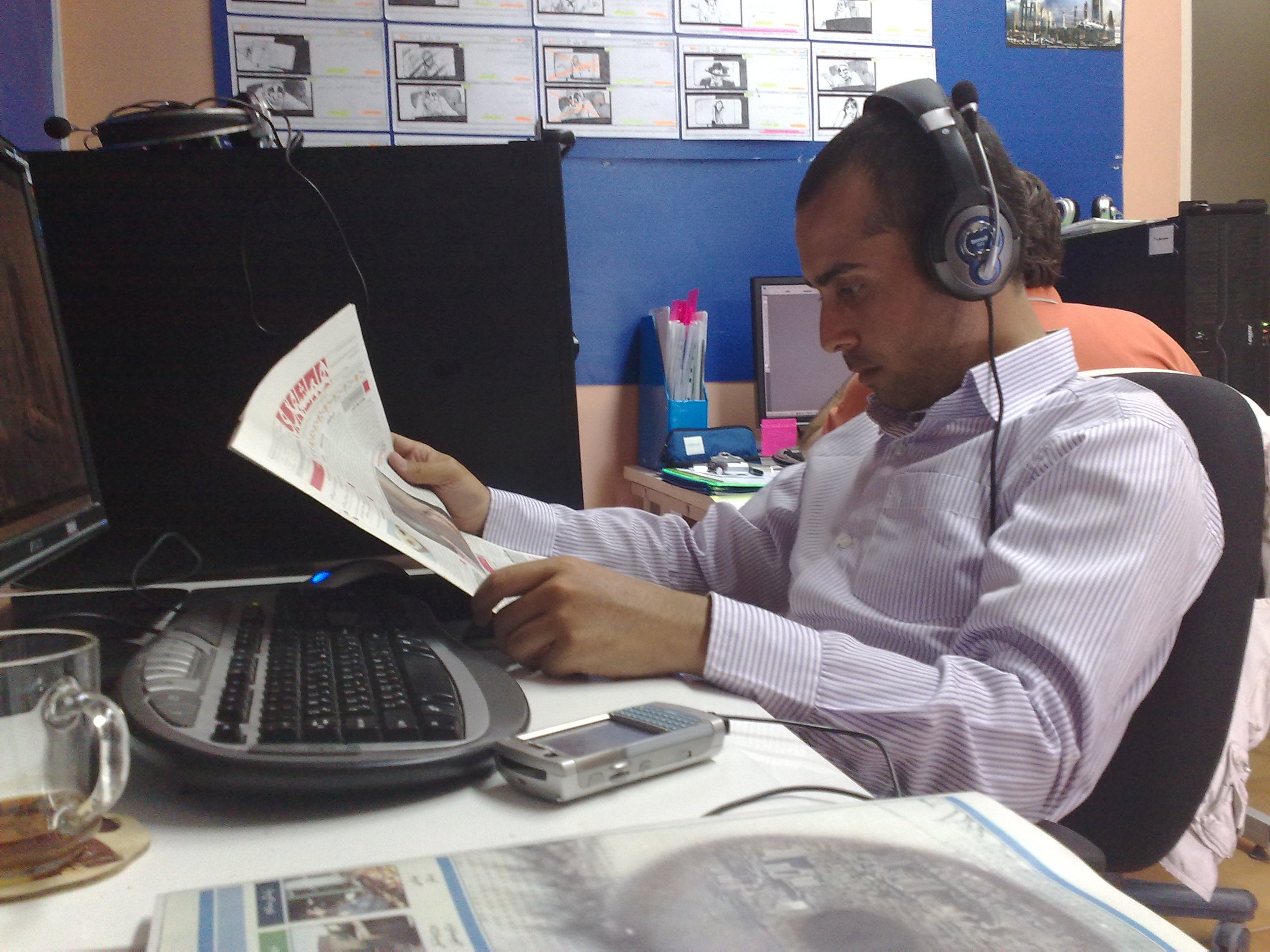
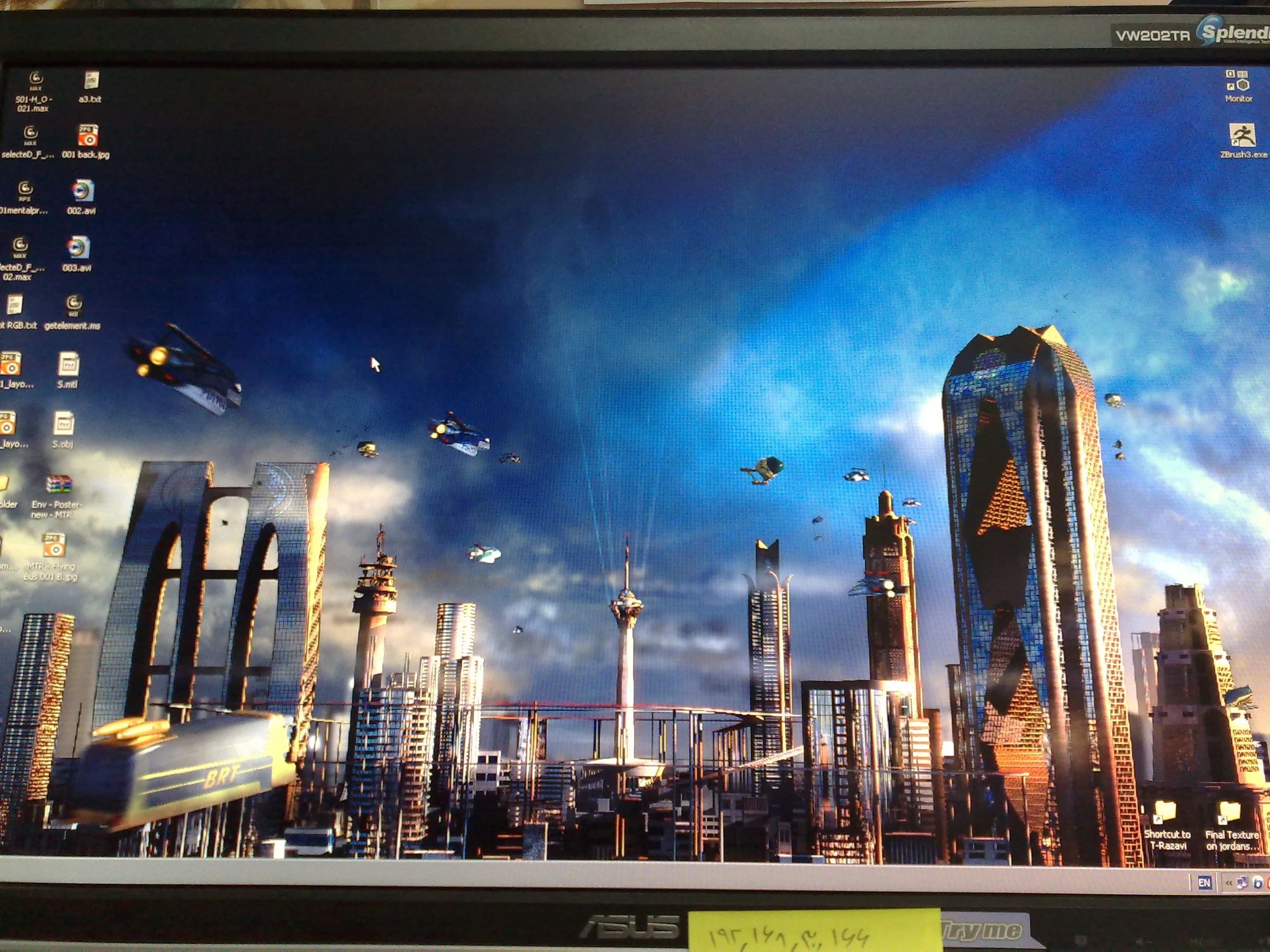
و در تاریخ 25 .5.1388
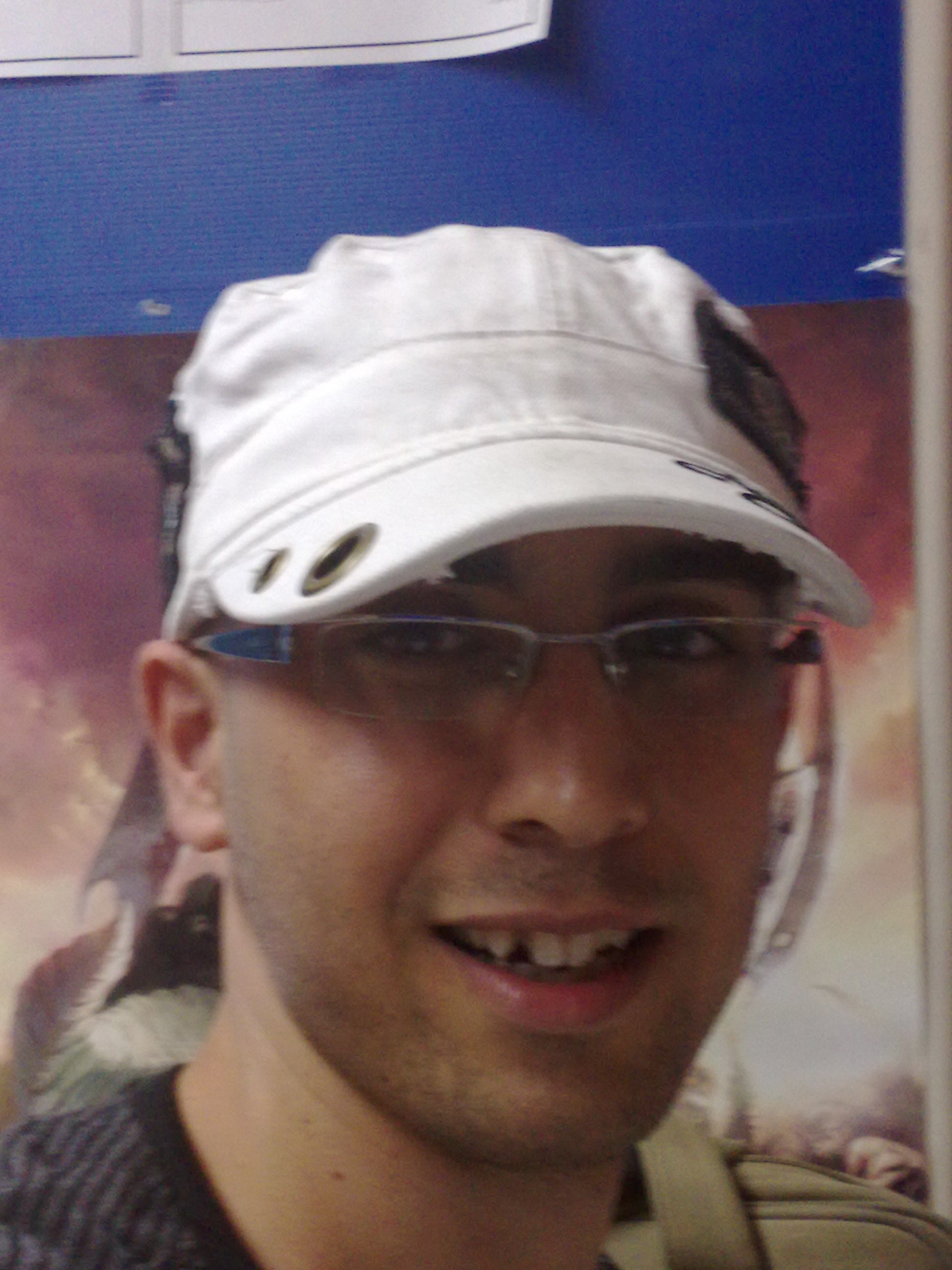
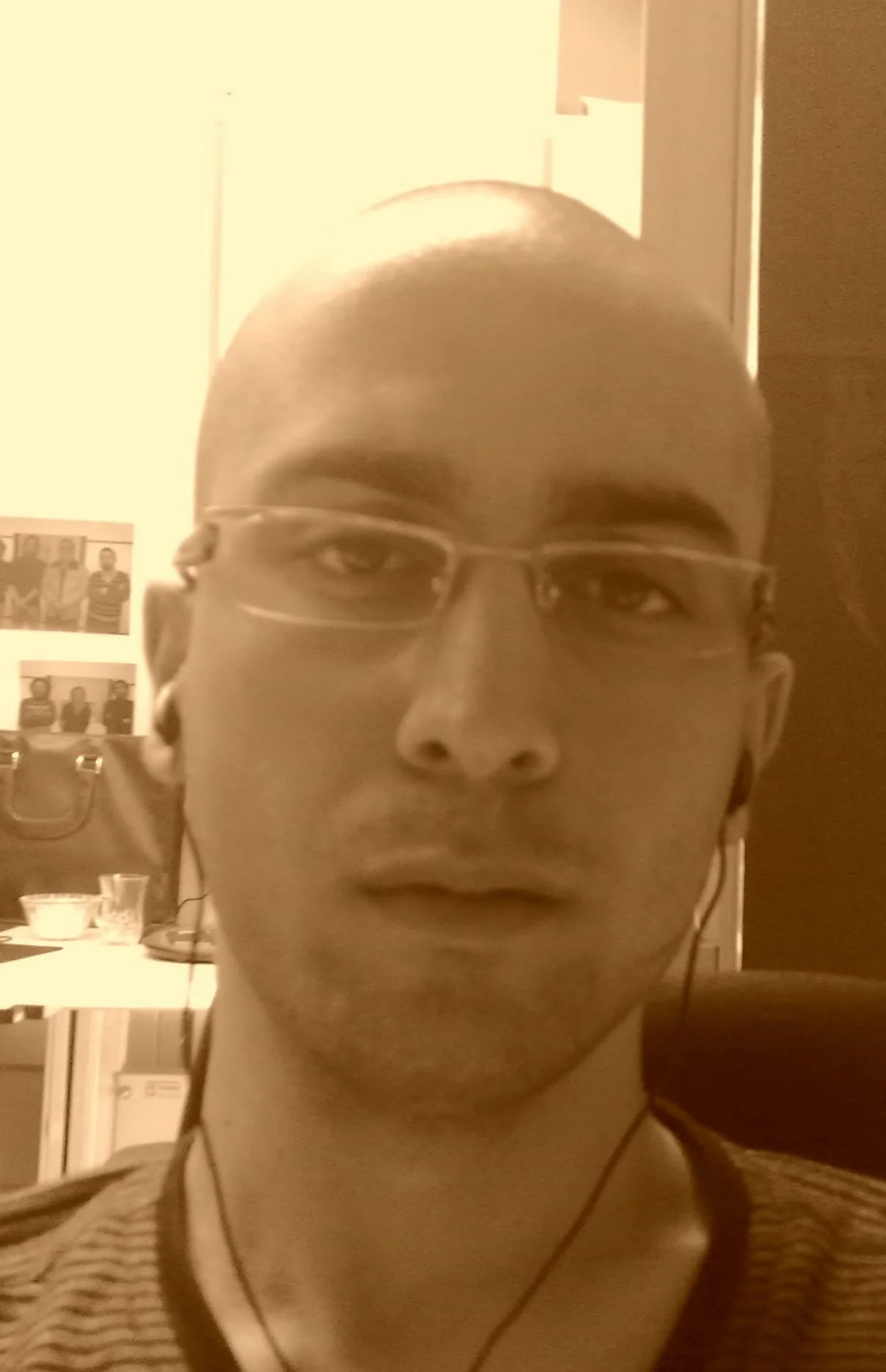
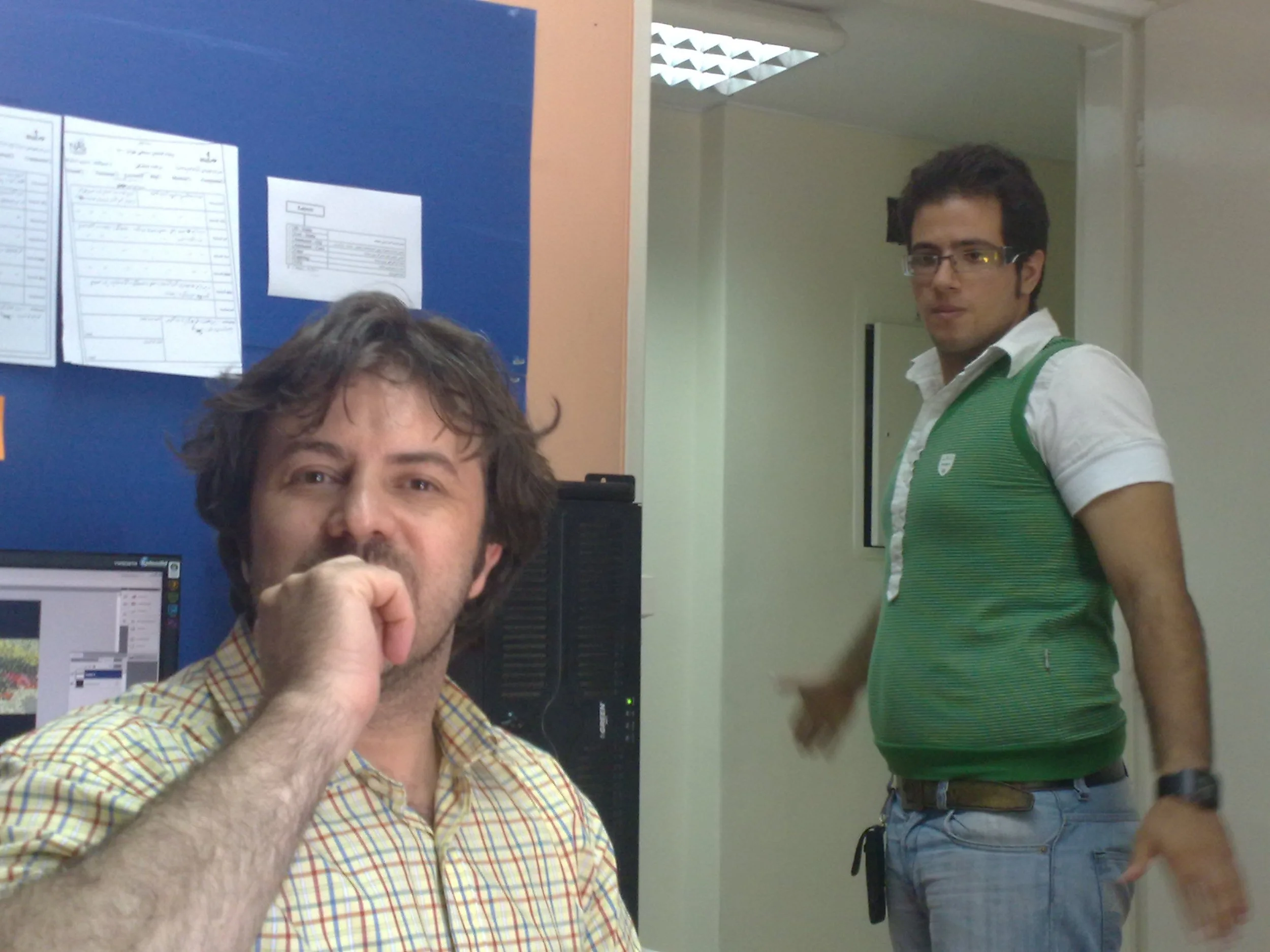
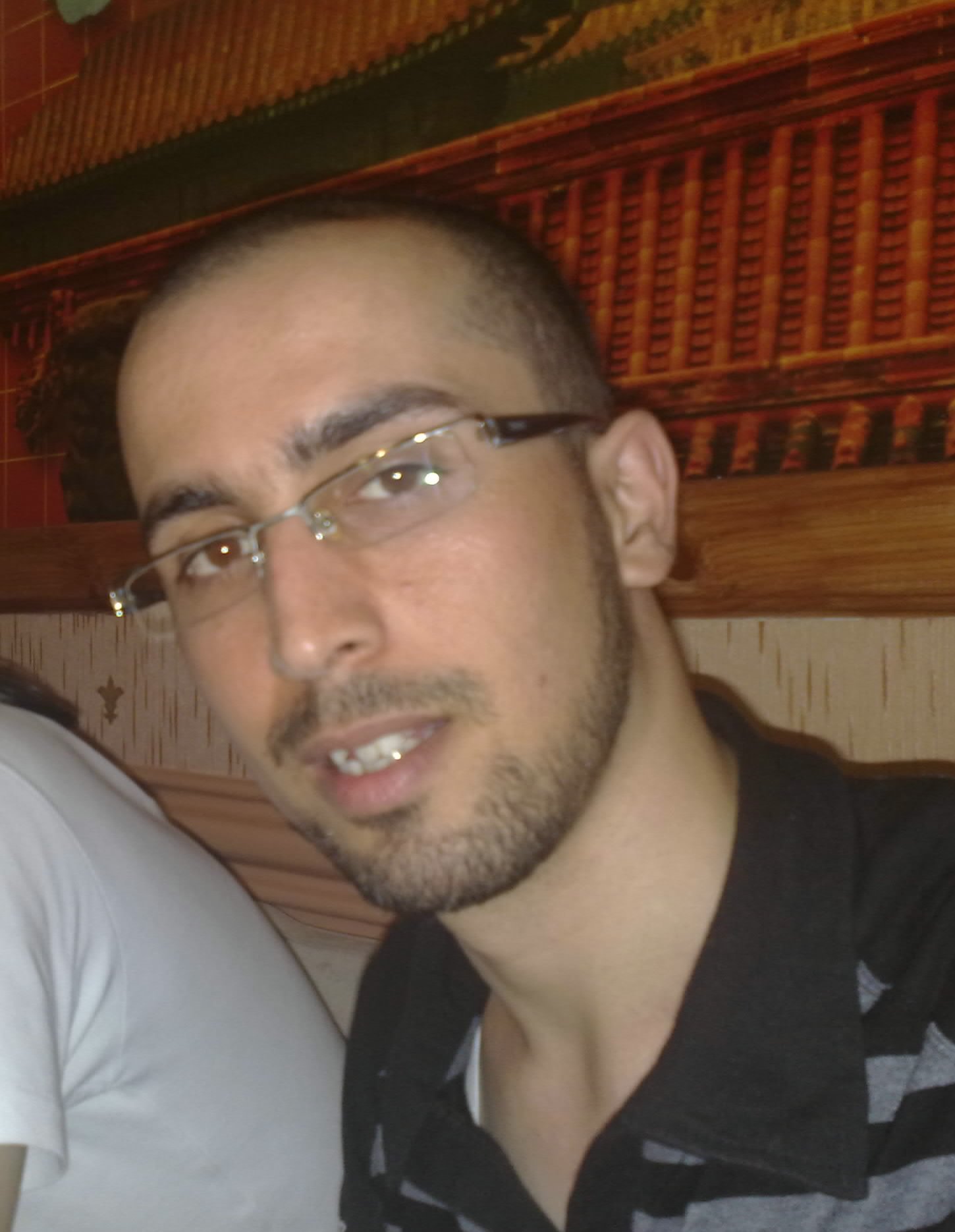
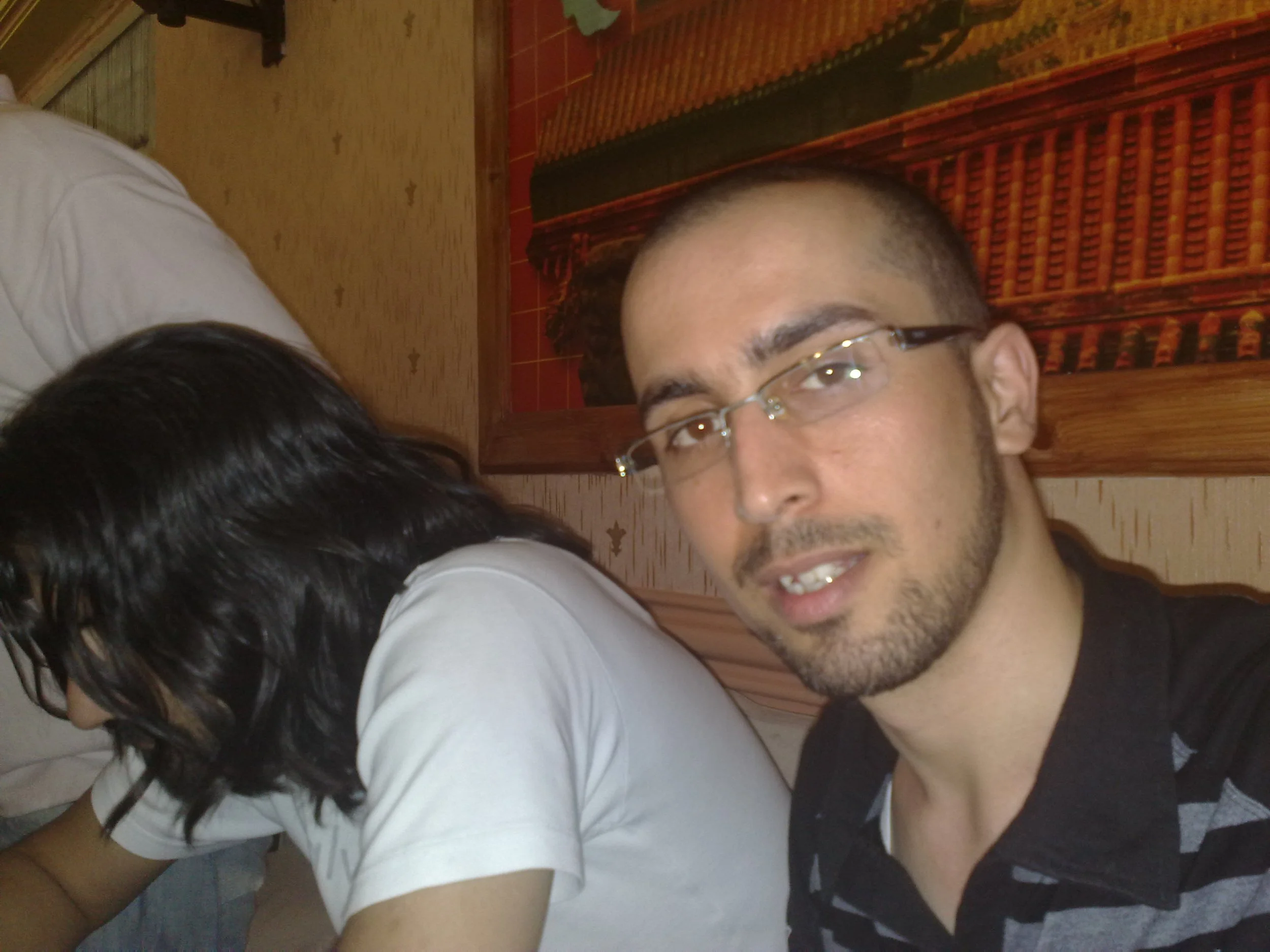
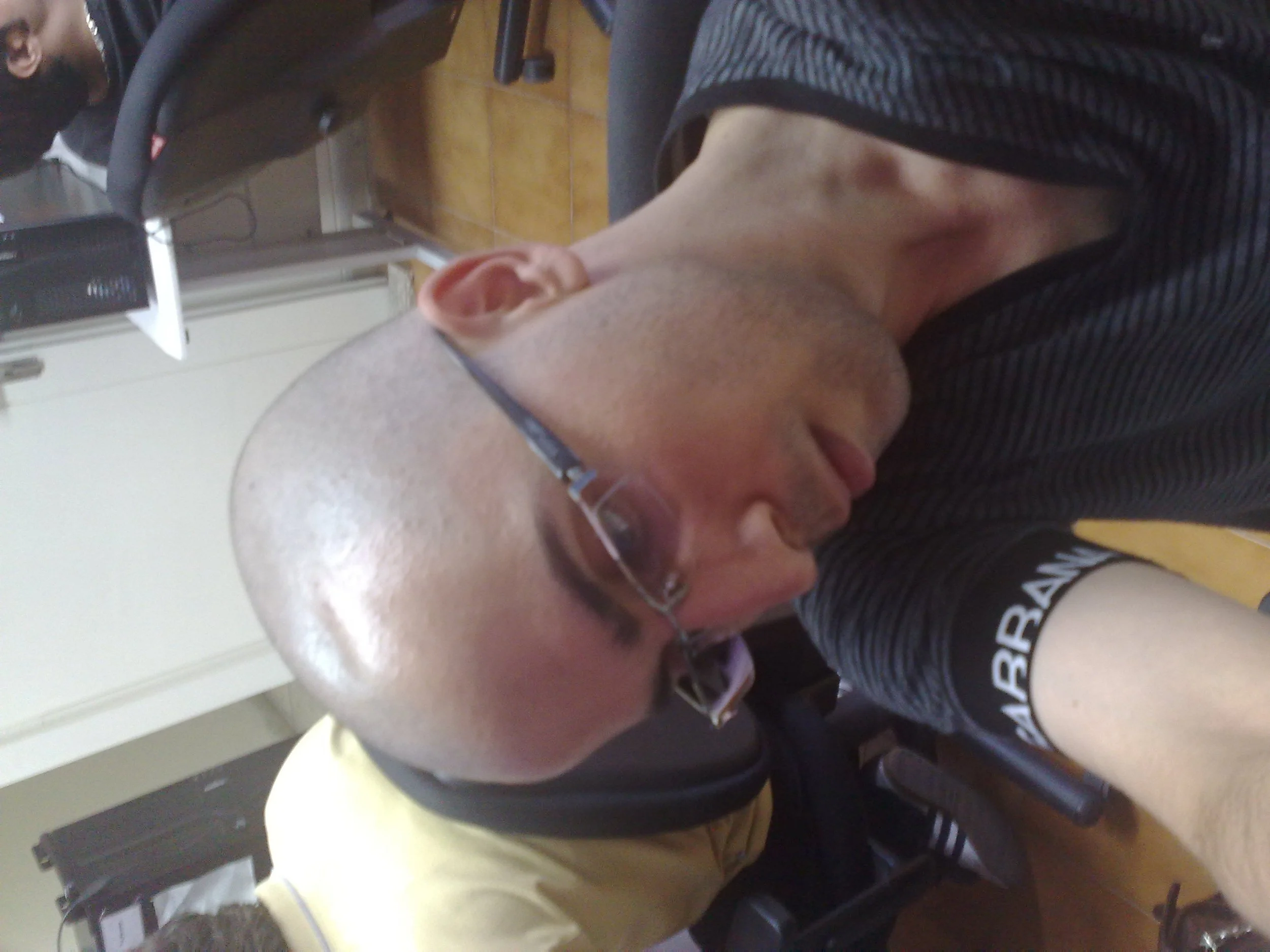
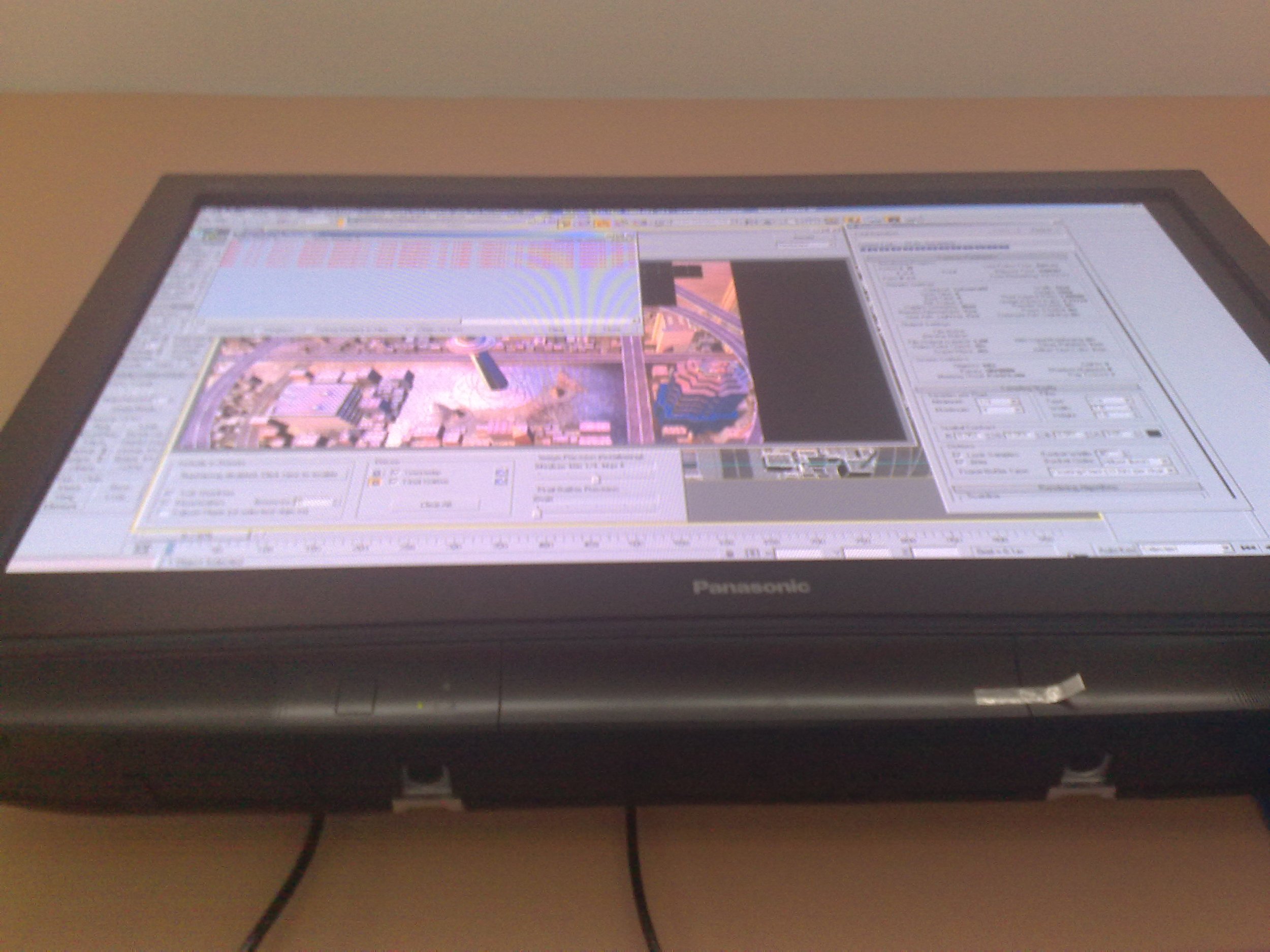
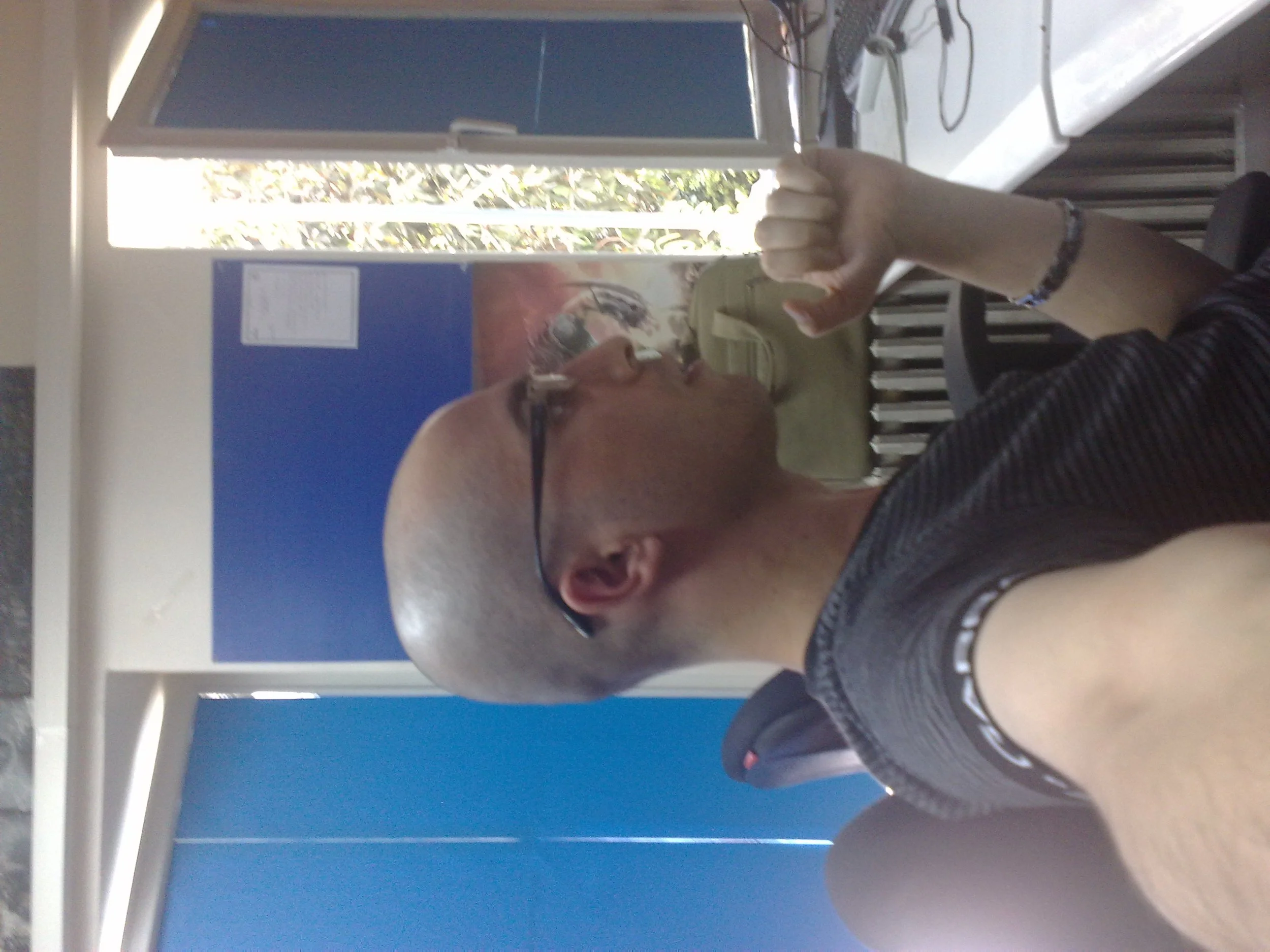
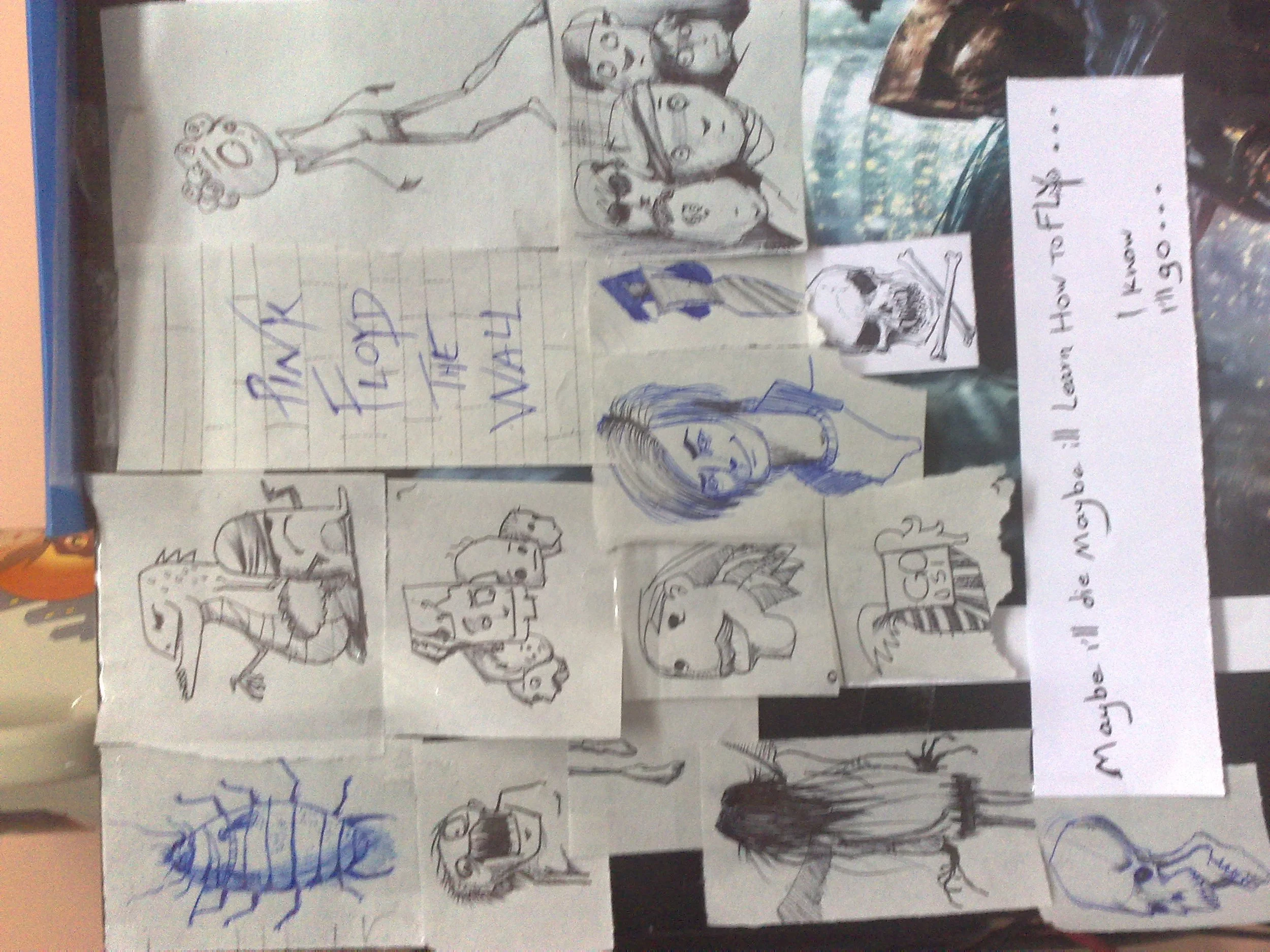
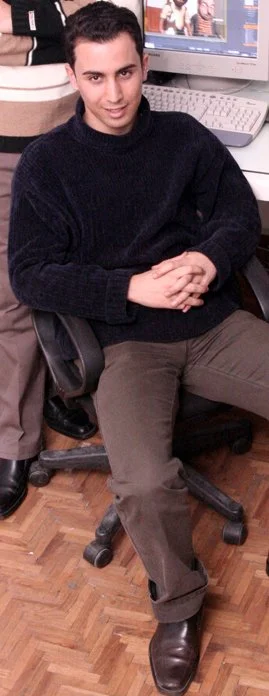
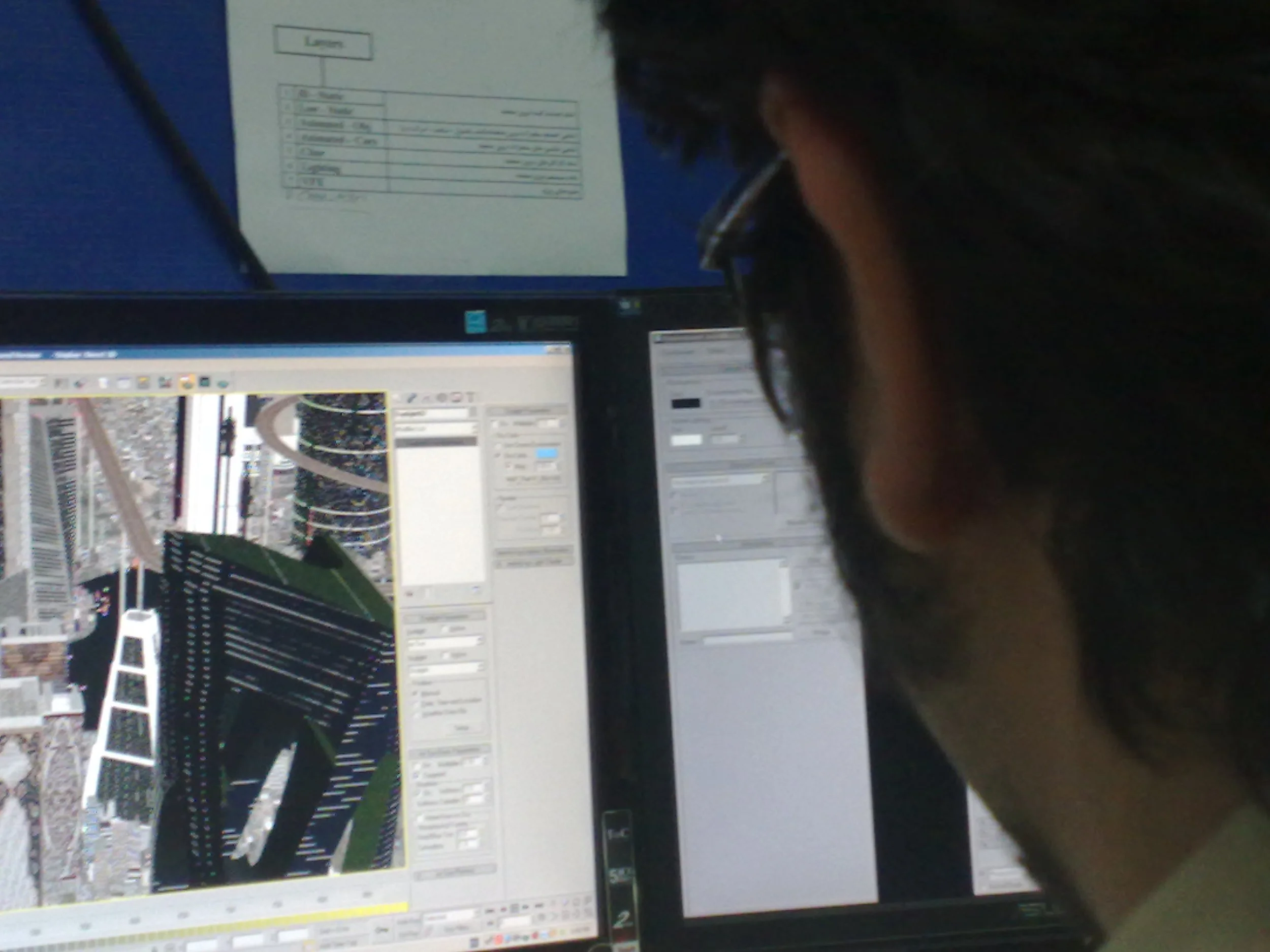
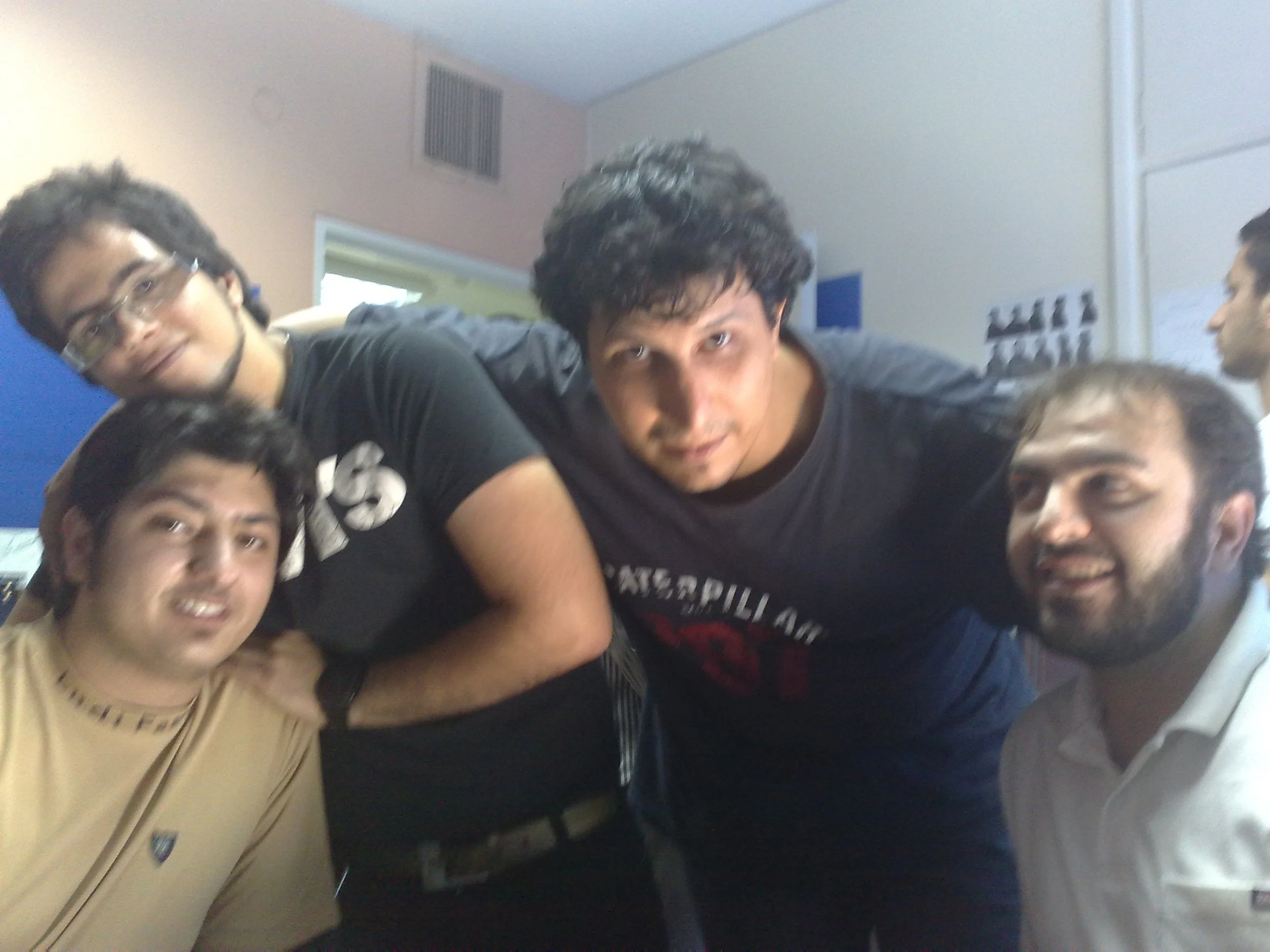
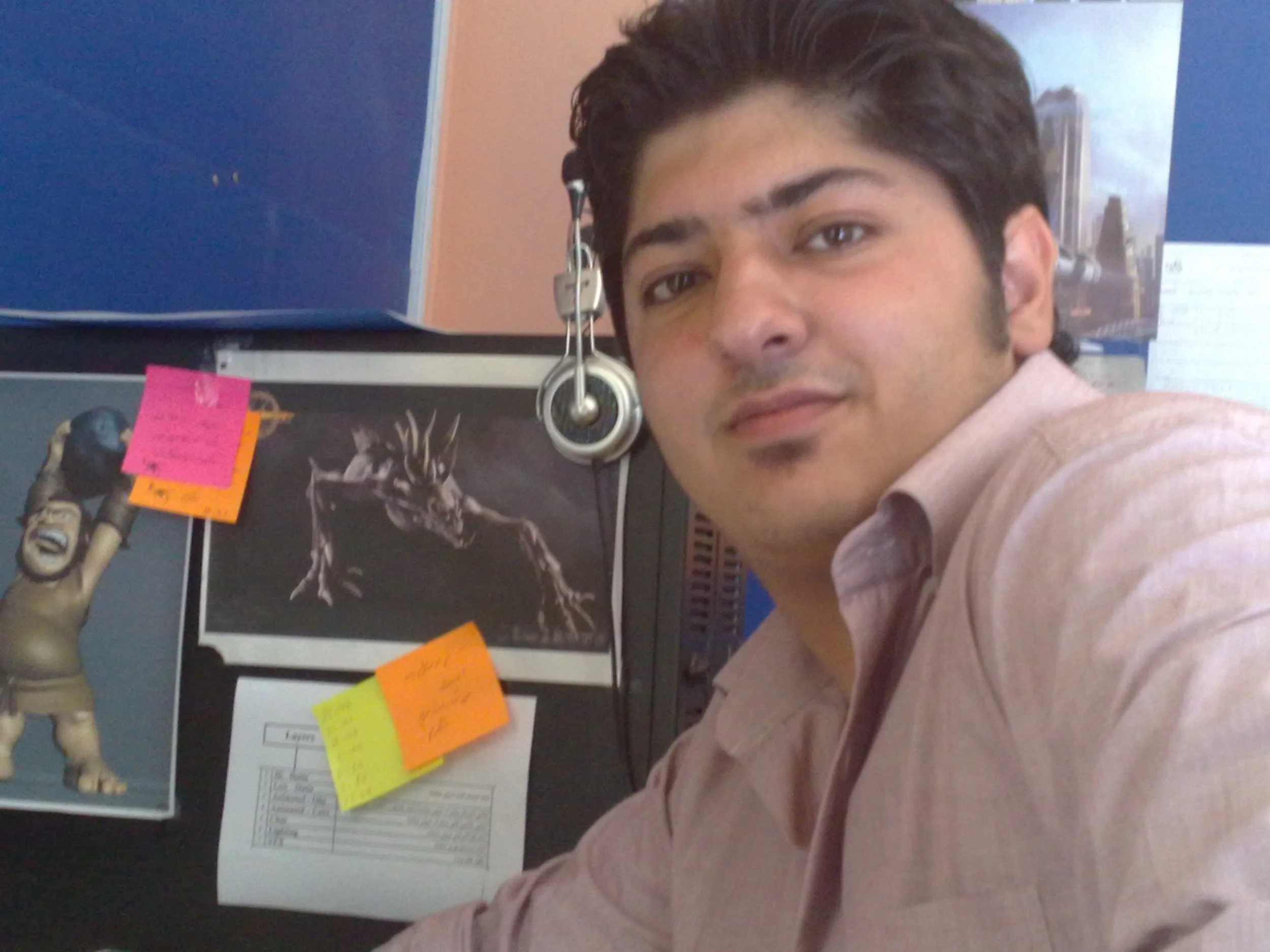
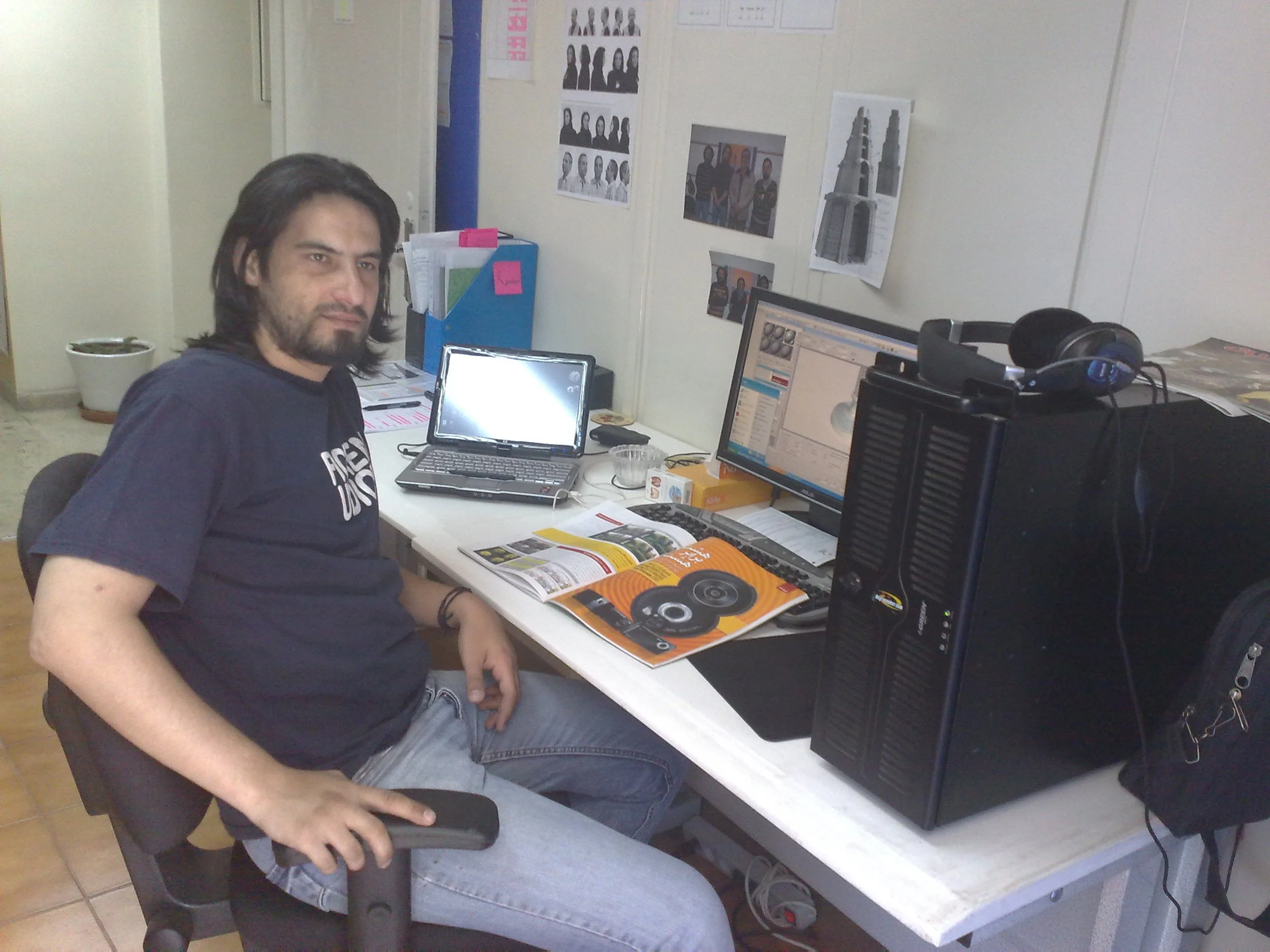
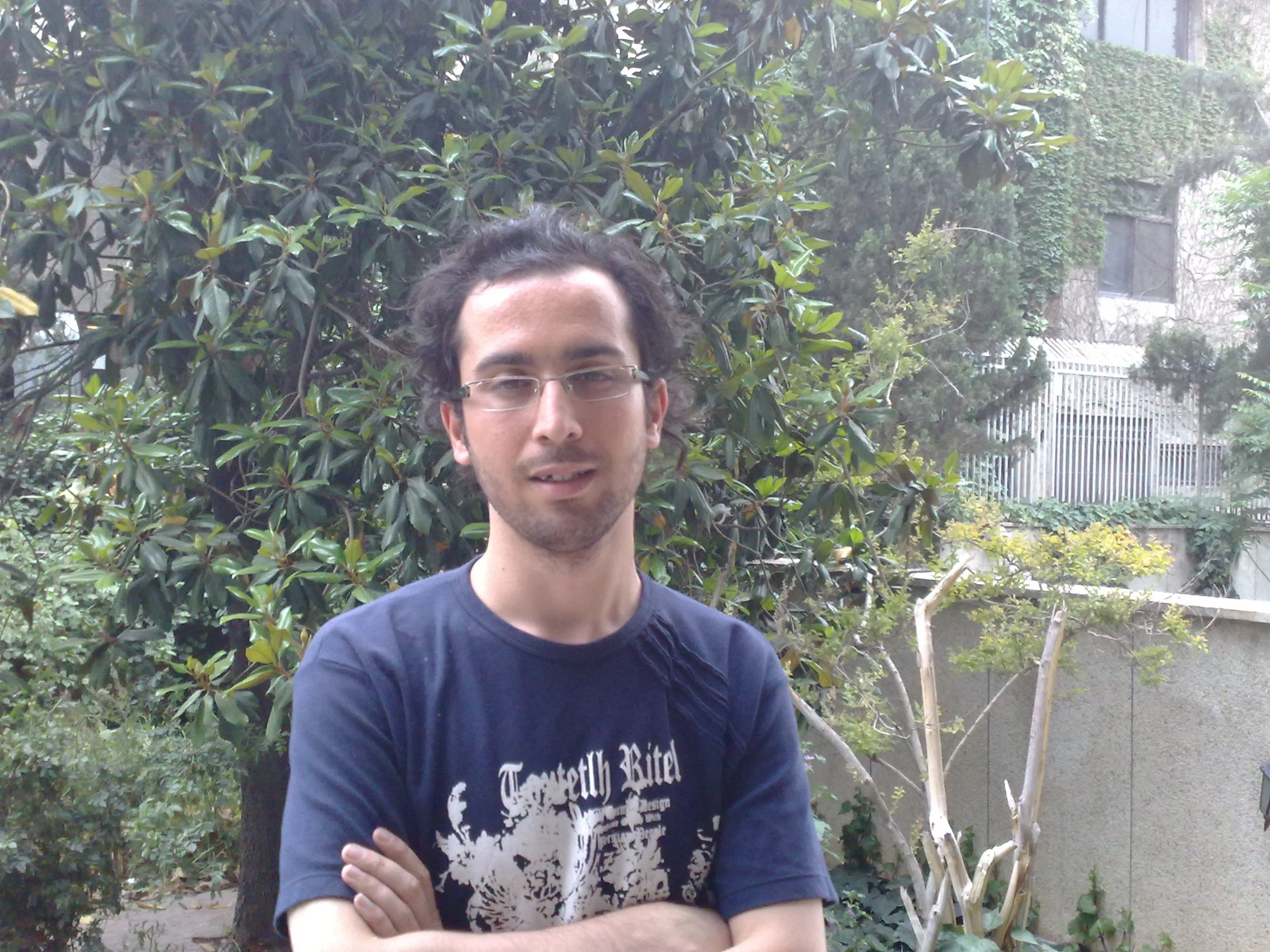
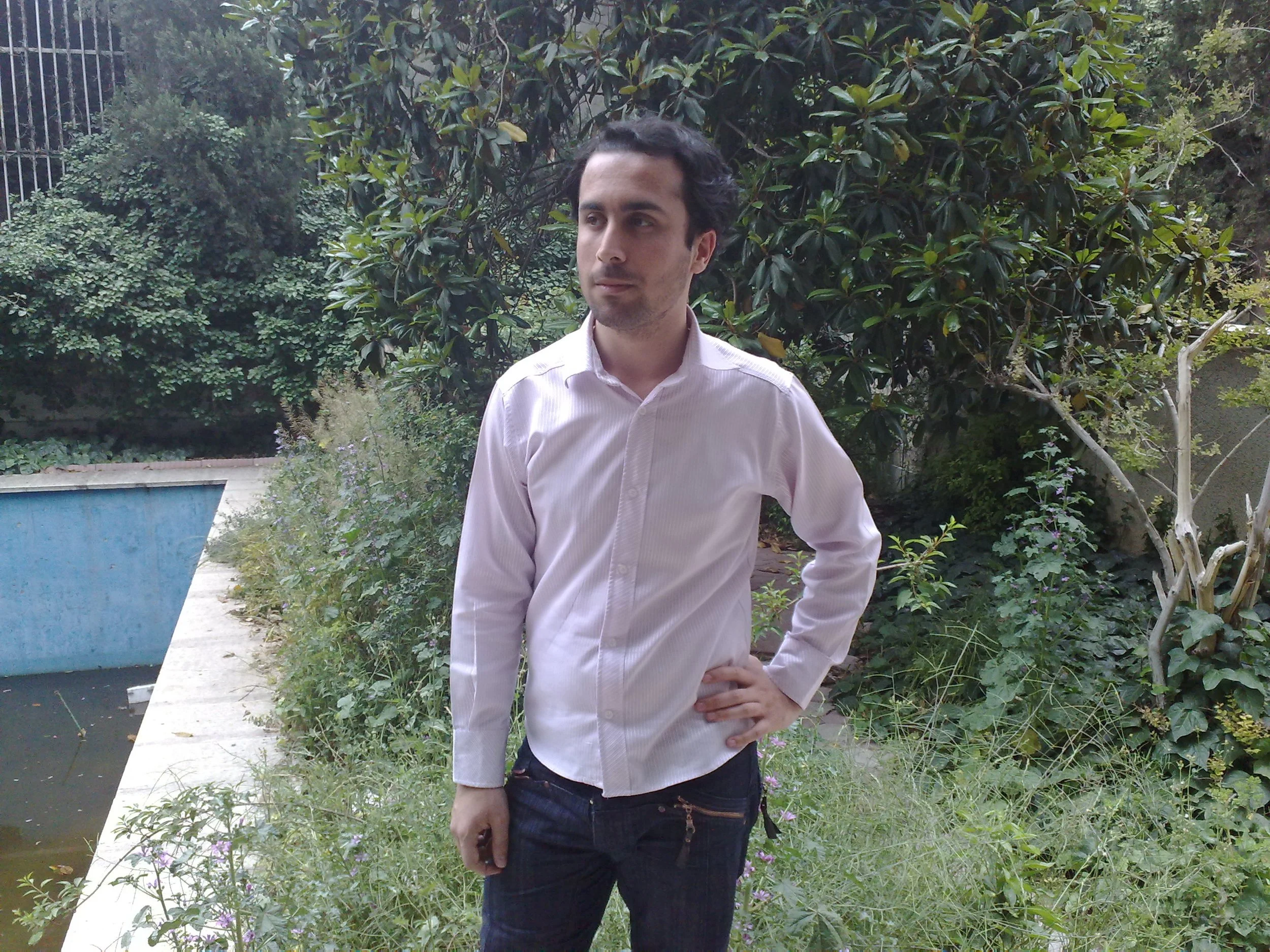
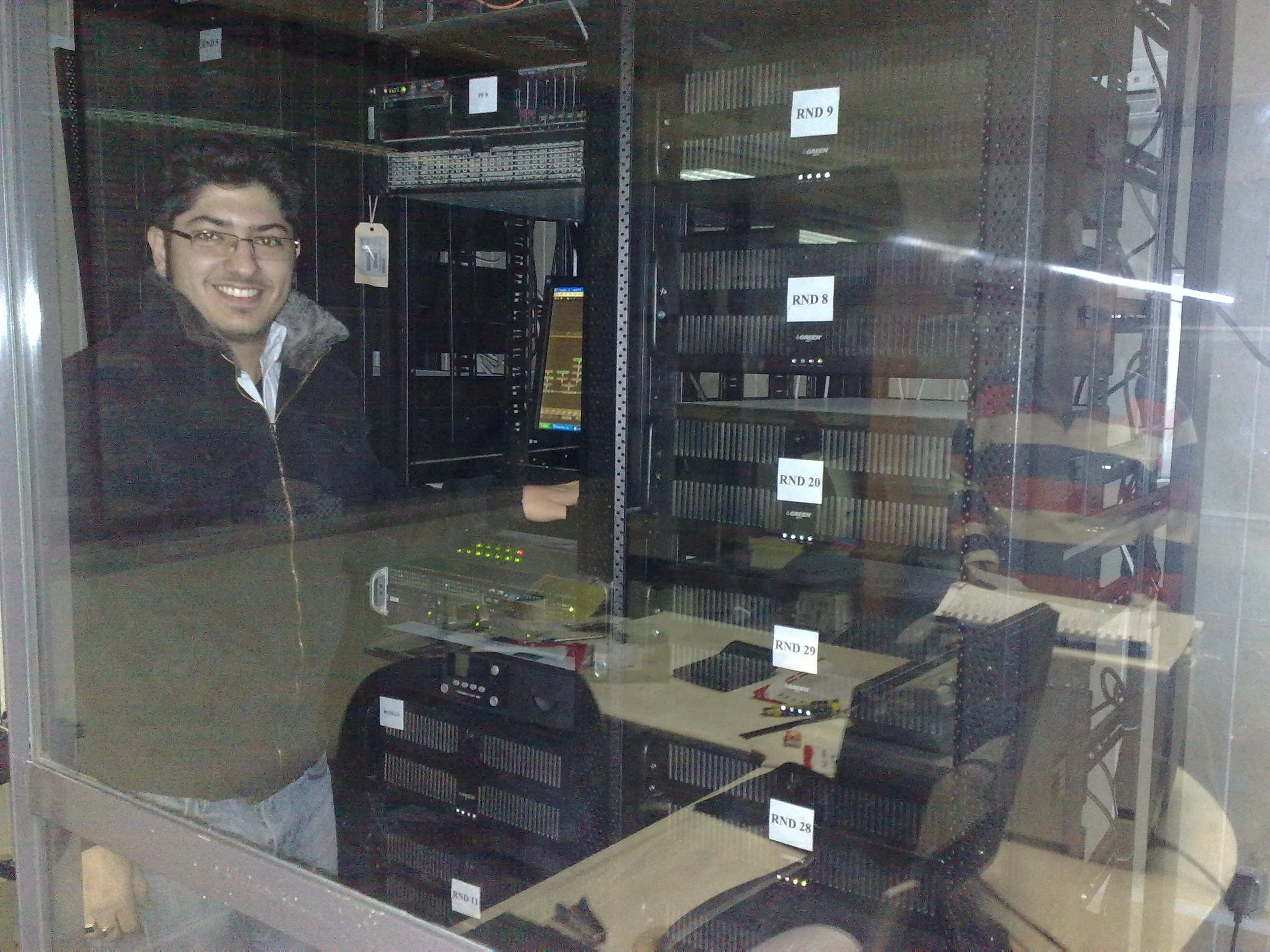
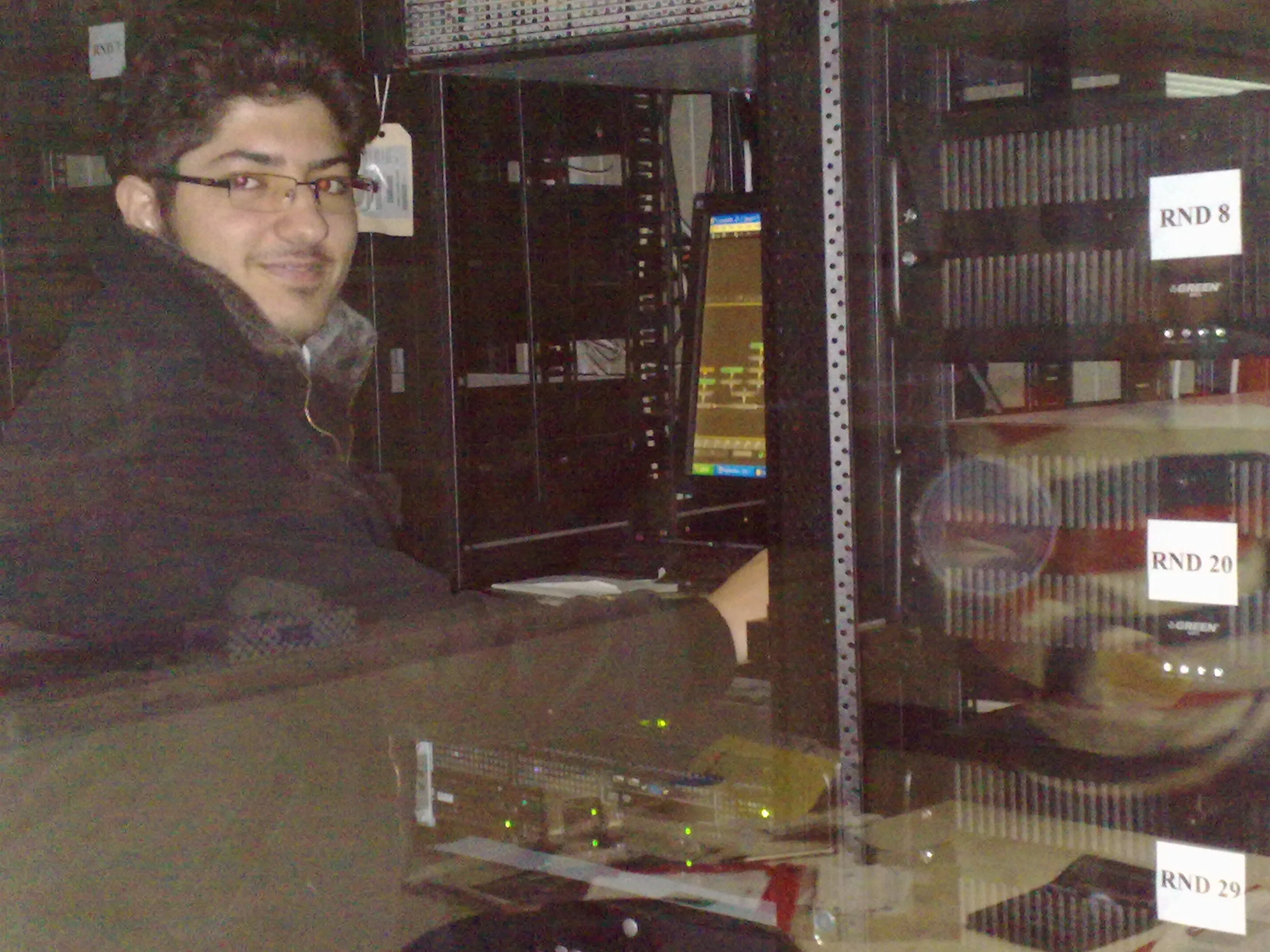
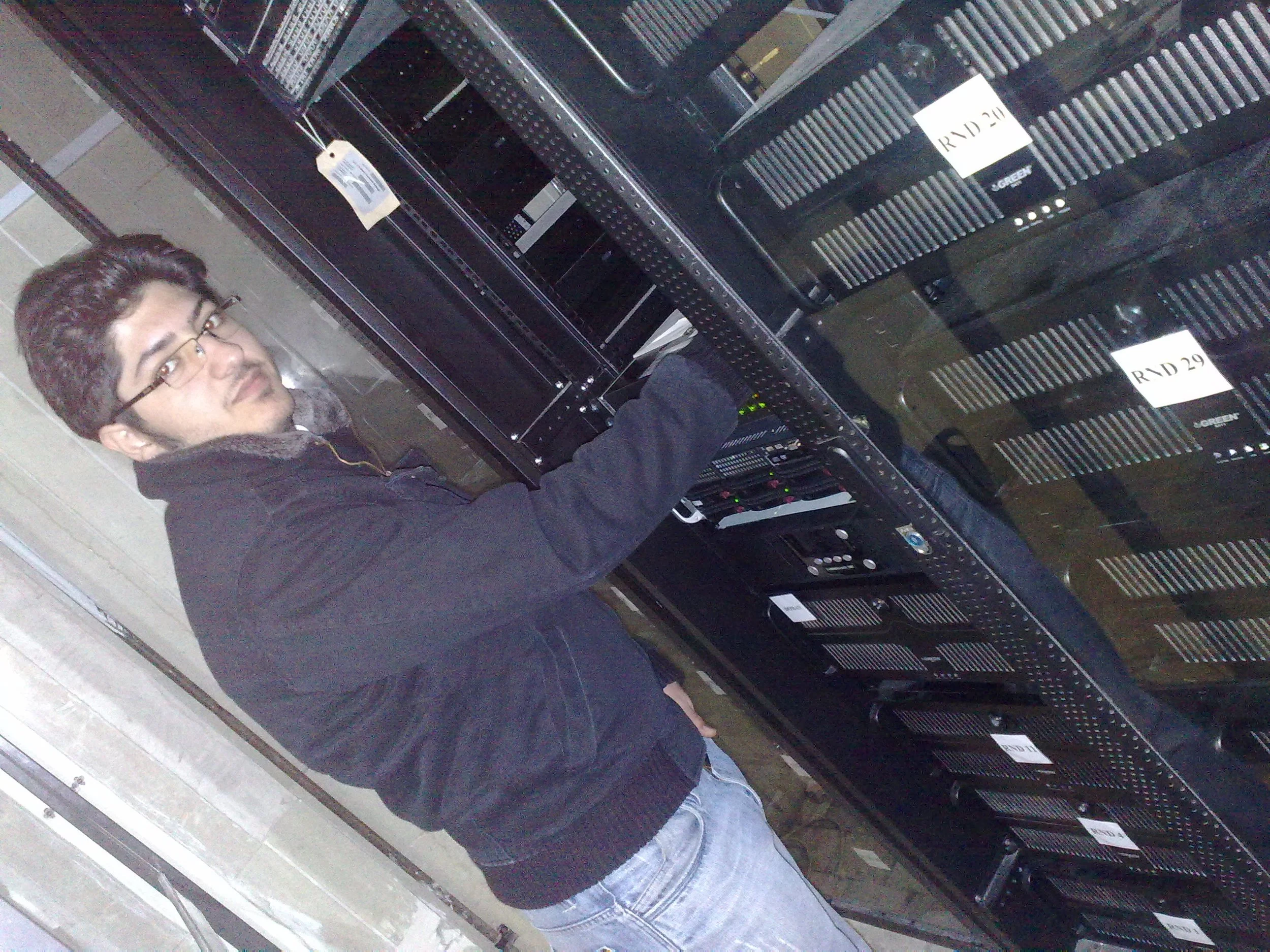
و در واپسینِ ماههایِ سالِ هشتادوهشت، از مرحوم یاشار خانپور، کنارِ رندرفارمِ فیلمِ تهران هزاروپونصد، عکس گرفتم. روحت شاد، پسر. از یاشار فقط خاطراتِ خوب و خندههاش و سخاوت و مهربونیهاش یادمه، و واقعاً کم پیدا میشن آدمهایی اینشکلی.
In the final months of 1388 (2009/2010), I took this photo of the late Yashar Khanpour, next to the render farm for the Tehran 1500 film. Rest in peace, man. All I remember of Yashar are good memories — his laughter, his generosity, his kindness. People like that are genuinely rare to find.
Garshasp video game
همزمان با کار توی تهران ۱۵۰۰، پام رسید به شرکتِ فنافزار. چطور؟ رفته بودم نمایشگاهِ رسانههای دیجیتال و میخواستم ببینم چه چیزهای تازهای قراره وارد بازار بشه و کلاً چه خبره. یه غرفه خیلی توجهم رو جلب کرد و دیدم خیلیها جلوش جمع شدن و دارن بازی با نام گرشاسپ رو تماشا میکنند!
دقیق یادم نیست چطور شد که سرِ صحبت با تیمِ گرشاسپ باز شد و با کی صحبت کردم، ولی سیروس پورلطیفی رو خوب یادمه. یه بازی با الهام از گاد آو وار ساخته بودن که دهنِ همه از کیفیتِ بازی باز مونده بود و توجهِ همه رو جلب کرده بود. پیشِ خودم گفتم من که تجربهی بازیِ رایانهای ندارم، این میتونه گزینهی خوبی باشه، حداقل یه چیزی یاد بگیرم. به سیروس گفتم من سهبعدی کار میکنم و سوابقم رو گفتم، و خیلی جالب بود که گفت یه تست بهت میدیم، اگه اوکی شدی بیا شروع کن به کار.
تست رو اجرا کردم و صبحها توی تهران ۱۵۰۰ کار میکردم و عصرها میکوبیدم و توی ترافیکِ خفهکننده میرفتم سیدخندان. یه دفترِ کوچیک، پر از دودِ سیگار و آدمهایی عاشقِ کارِ گیم و باسواد؛ چیزی که توی صنعتِ گیم و انیمیشنِ مملکت خیلی کم پیدا میشد. از شدتِ هیجان نمیدونستم چیکار کنم، علیالخصوص که محمد مدرس و سهیل دانشاشراقی هم اونجا بودن و با سیروس و آقای فصیحی و بقیه، یه تیمِ ستاره تشکیل شده بود. از اینکه تونسته بودم وارد این پروسه و تولید بشم، خیلی خوشحال بودم. شب و روز کار میکردم، و روندِ کار با نرمالمپ و بهینهسازی و رندرِ انجین رو اونجا خیلی یاد گرفتم؛ مخصوصاً کار با زیبراش رو اونجا شروع کردم.
سیروس خیلی صبور بود و همش سیگار لول میکرد و از لابهلایِ دودِ سیگار روی کارهام باهام نظر میداد؛ سهیل هم، بهقولِ خودمون، همش گراز میزد و به سادگی و سادهدلیِ من میخندید، ولی محیط خیلی حرفهای بود. از منظرِ مالی هم، گاهی آقای فصیحی توی پاکتِ نامه پول میاورد؛ رقمِ صد هزار تومن رو قشنگ یادمه.
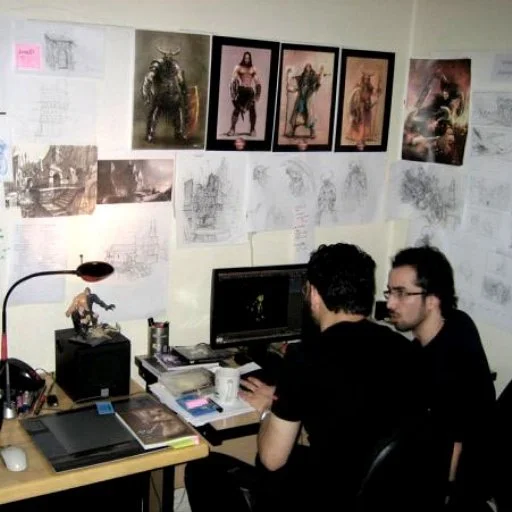
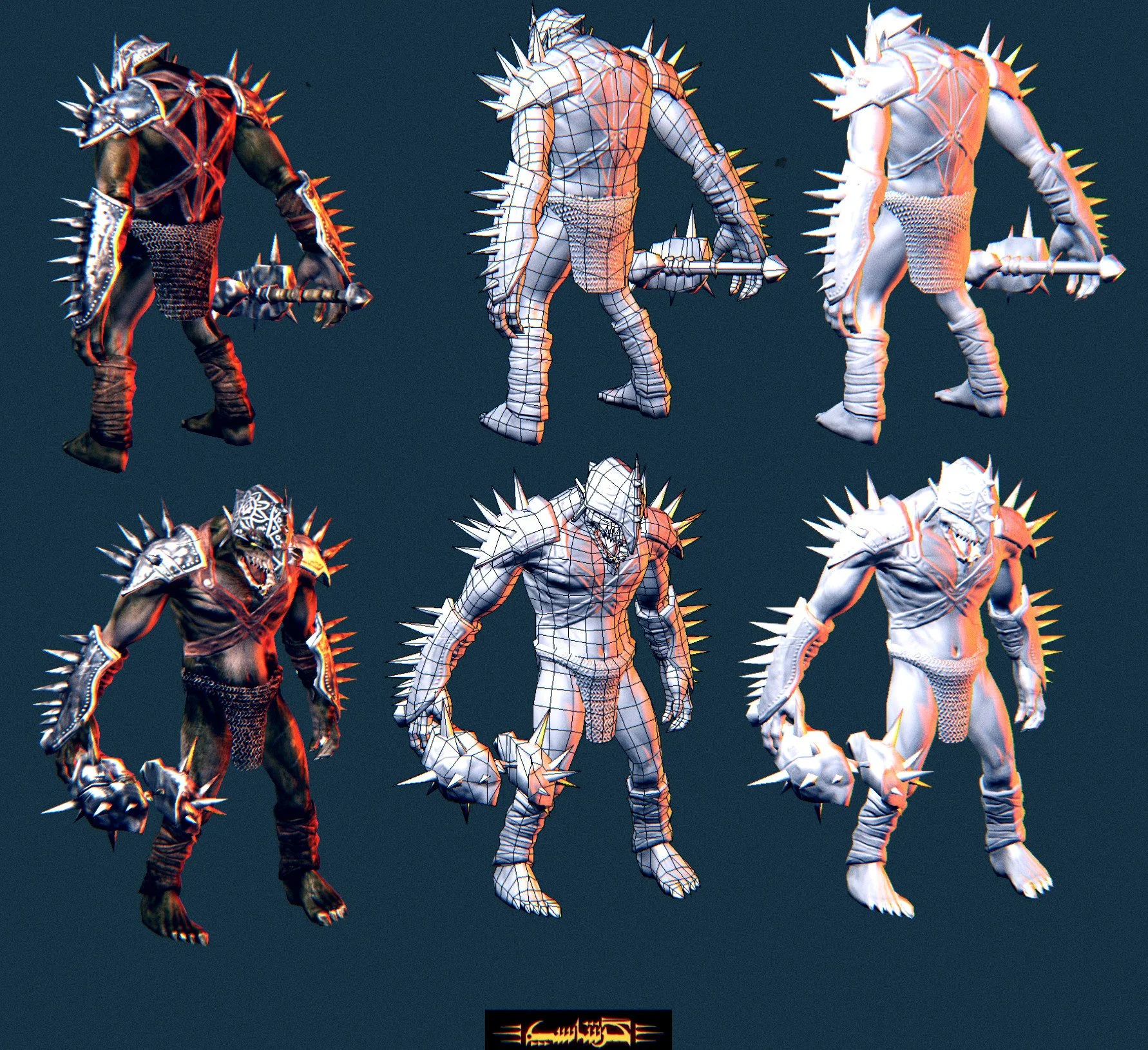
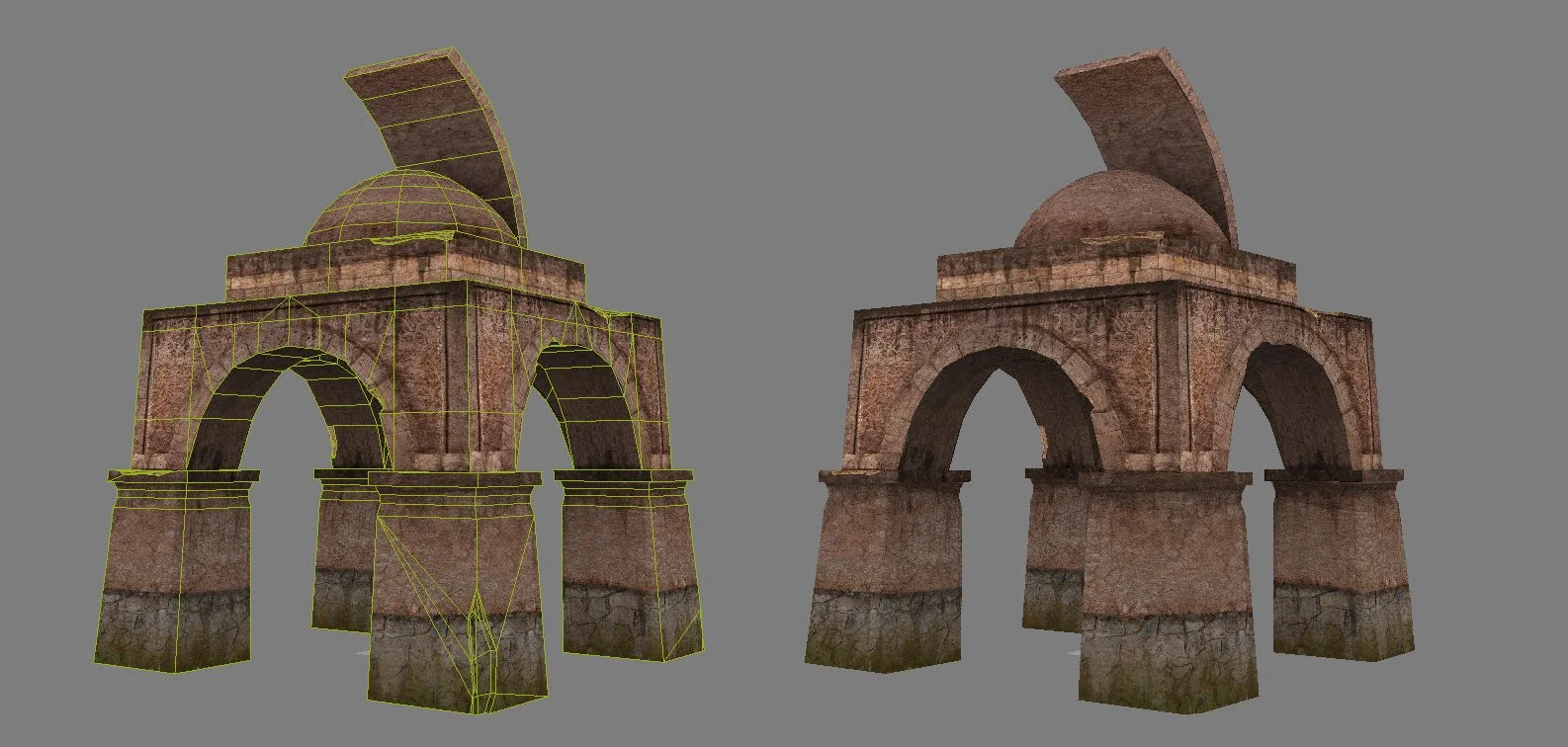
اینجا چند تا کار از اون دوران، و یه عکس — تنها عکسِ من با سیروس در حینِ کار — رو میذارم تا ببینید.
While working at Tehran 1500, I also found my way to Fanafzar. How? I had gone to a digital media expo, wanting to see what new things were coming to market and what was going on in general. One booth really caught my attention, and I saw a lot of people gathered in front of it.
I don't remember exactly how the conversation with the Garshasp team started, or who I first spoke to, but I remember Sirous Pourlatifi well. They had made a game inspired by God of War, and everyone's jaws dropped at the quality — it had grabbed everyone's attention. I thought to myself, since I had no video game experience, this could be a good opportunity, at least to learn something. I told Sirous I worked in 3D and told him about my background, and interestingly, he said they'd give me a test — if I passed, I could start working.
14 September 2015
یک عکس خیلی نادر از من، آرش جعفری و امیرحسین فصیحی | A very rare photo of me, Arash Jafari, and Amirhossein Fasihi.
I did the test, and I'd work mornings at Tehran 1500, then rush out in the evenings through suffocating traffic to Seyed Khandan. It was a small office, full of cigarette smoke and people who were passionate about games and genuinely knowledgeable — something that was very rare in the country's game and animation industry. I was so excited I didn't know what to do with myself, especially since Mohammad Modarres and Soheil Danesheshraghi were also there, and together with Sirous, Mr. Fasihi, and the others, they'd formed a real dream team. I was so happy to have gotten into this process and this production. I worked day and night, and I learned a lot there about normal maps, optimization, and the render engine — and that's especially where I started working with ZBrush.
Sirous was very patient, always rolling his own cigarettes, and he'd give me feedback on my work through the smoke. Soheil, as we used to say, was always "acting the wild boar," teasing me for my naivety and simplicity, but the environment was very professional. On the financial side, Mr. Fasihi would sometimes bring cash in an envelope — I remember the amount clearly: 100,000 tomans.
Here, I'll include a few pieces from that period, and one photo — the only photo I have of myself with Sirous while we were working.
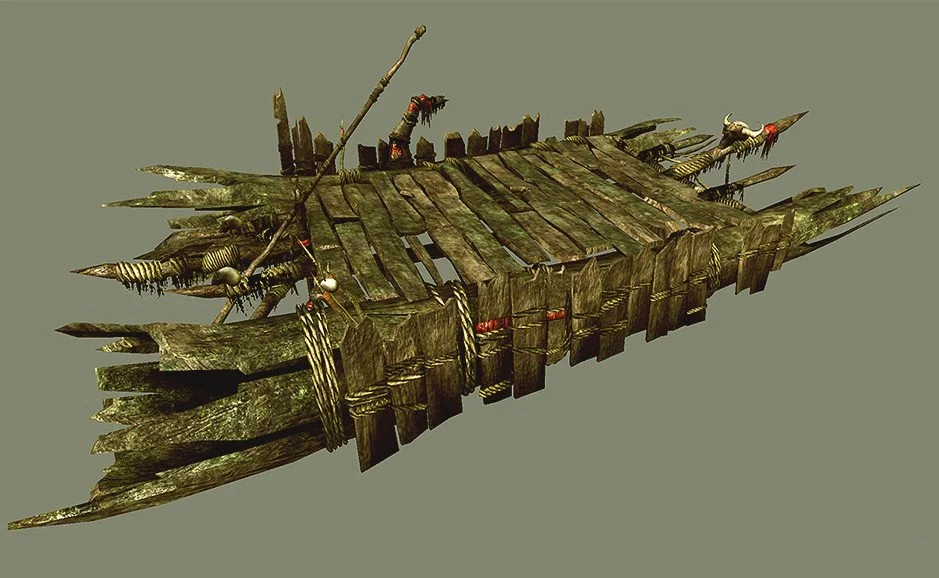
The gameplay - 2012
خیلی از اصطلاحاتِ مربوط به دنیایِ بازی رو توی پروژهی گرشاسپ یاد گرفتم. با انجینِ اوگر کار میکردیم. این رو هم خوب یادمه که وسطِ تولید، تکنولوژیِ نرمالمپ از راه رسیده بود و جهان توی تبِ نرمالمپ میسوخت؛ تصمیم گرفته شد که همهچی رو مجدداً نرمالمپ بیک کنیم یا اضافه کنیم تا بازی یهو قدیمی به نظر نرسه. این تصمیم خیلی به تولید فشار آورد، ولی نتیجهاش تاریخسازی در سطحِ کشور شد. استقبال از بازی بینظیر بود، و از اینکه توی این تیم نقشآفرینی کرده بودم و رشد کرده بودم، به خودم میبالیدم.
عمرِ من توی گرشاسپ خیلی کوتاه بود، به یه سال هم نکشید. فشارهایِ کاری و هزینهها و مسیر و ترافیک، و بعدش مسائلِ مالی، مجبورم کرد که دیگه توی تیم نباشم؛ و راستش هنوزم هرازگاهی فکر میکنم کاش همین مسیر رو با بچهها ادامه میدادم. ولی اونا هم همه فکرِ مهاجرت رو توی سر داشتن؛ سیروس همیشه داشت پورتفولیوش رو پولیش میزد و آخرش تونست بره نیوزیلند، کمپانیِ وتا دیجیتال، و الان سالهاست که اونجاست. محمد مدرس هم رفت آمریکا.
I learned a lot of game industry terminology working on the Garshasp project. We worked with the Ogre engine. I also clearly remember that partway through production, normal mapping technology arrived, and the whole world was burning with normal-map fever; the decision was made to re-bake normal maps onto everything, or add them where missing, so the game wouldn't suddenly look outdated. That decision put a lot of pressure on production, but the result made history nationally. The reception for the game was phenomenal, and I took pride in having played a part on that team and grown from it.
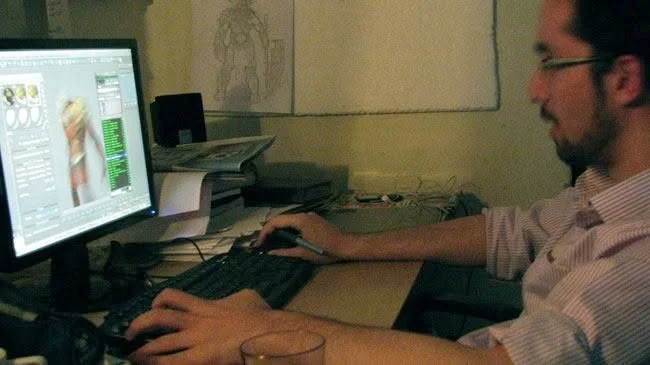
سخت مشغول کار در شرکت فنافزار روی بازی گرشاسپ Hard at Work at Fanafzar on the Garshasp Game
My time at Garshasp was very short — less than a year. Work pressure, expenses, the commute and traffic, and then financial issues forced me to leave the team. Honestly, even now, I sometimes think I wish I had stayed on that path with the guys. But they all had emigration on their minds too — Sirous was always polishing his portfolio and eventually made it to New Zealand, to Weta Digital, where he's been for years now. Mohammad Modarres went to the US as well.
2010 - 2012
توی میانهی تولیدِ انیمیشنِ تهران ۱۵۰۰، با تجربهی بیشتری که پیدا کرده بودیم، تصمیم گرفتیم یه استودیوی خودمون راه بندازیم. تمومِ انرژی و بخشی از زندگی و پولمون رو صرفِ دوندگی بینِ این اداره و اون اداره کردیم. آخرش هم هرجا میرفتیم مسئولین میگفتن «آقای ابوالحسنی همین الان اینجا بودن»، یعنی به شما کاری نمیدن، برید دنبالِ کارِ خودتون. ولی در نهایت بهواسطهی آقای منبتی تونستیم یه پروژهی دهقسمتیِ انیمیشن با شهرداریِ تهران ببندیم.
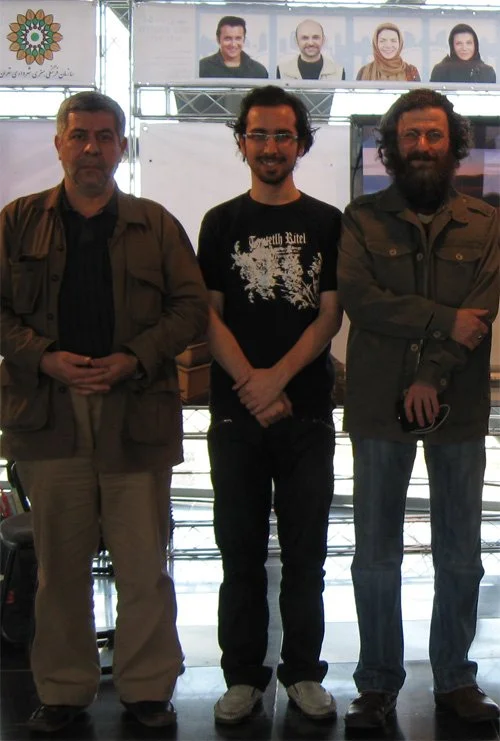
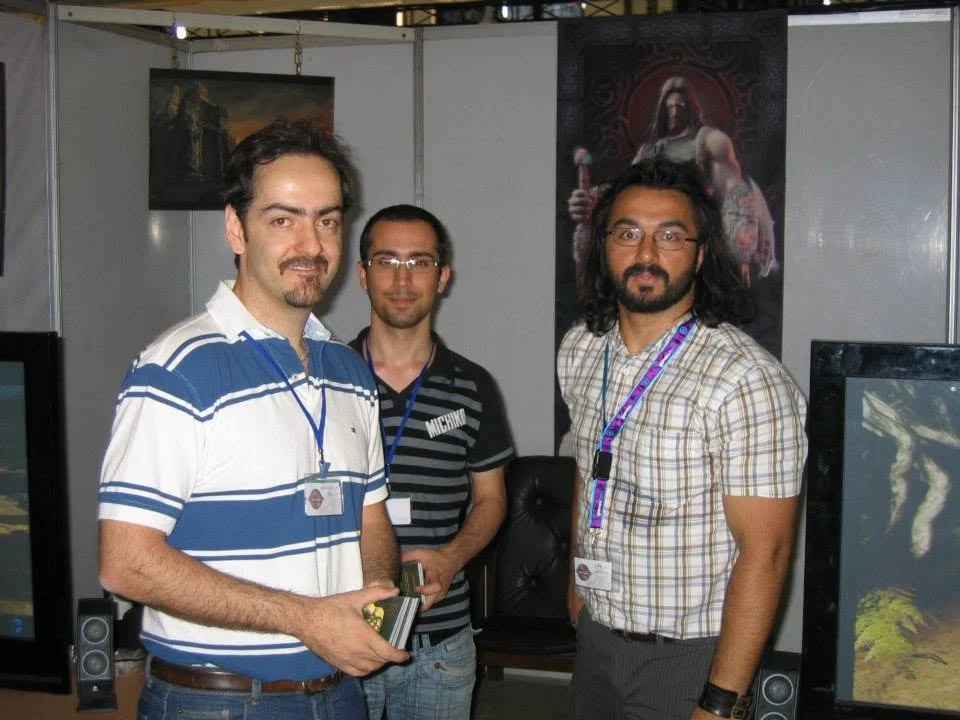
من و آقای عظیمی و آقای منبتی در غرفه تهران هزاروپونصد در یک نمایشگاهی که یادم نیست کجاست و چه زمانی بود
Me, Mr. Azimi, and Mr. Manbati, at the Tehran 1500 booth in an exhibition — I don't remember where or when.
یه روز هم آقای عظیمی من رو صدا کرد به دفترِ فرمانیه و گفت شنیده که دارم پروژه میگیرم و نباید این کار رو بکنم، و چیزهایی از این دست که هیچوقت فراموش نمیکنم. الان میدونم نیتِ ایشون مثبت بود، ولی شرایطِ سختِ خانواده مجبورم کرده بود این کار رو بکنم؛ وگرنه من توی اون سنوسال نباید زیرِ اون فشارهای کمرشکن میبودم، اونقدر که شب و روزِ قبل از هر جلسه حالت تهوع داشتم و چشمام از حدقه بیرون میزد. نباید اونجور زندگیای رو تجربه میکردم.
In the middle of making the Tehran 1500 animation, with more experience under our belts, we decided to start our own studio. We put all our energy, and all of our money and our lives, into running between one office and another. In the end, wherever we went, the officials would say, "Mr. Abolhasani was just here" — meaning they wouldn't give us any work, and we should go find something else to do. But eventually, thanks to Mr. Manbati, we managed to land a ten-episode animation project with the Tehran Municipality.
One day, Mr. Azimi even called me into his office in Farmanieh and told me he'd heard I was getting projects, and that I shouldn't be doing that — along with other things I'll never forget. I know now his intentions were good, but my family's harsh situation had forced me into it. At that age, I shouldn't have been under that kind of crushing pressure in Iran — pressure so bad that I felt nauseous day and night before every meeting, and my eyes would practically pop out of their sockets. I shouldn't have had to live that kind of life.
راه انداختنِ استودیو و زیرِ بارِ قانون، قرارداد، مسئولیت و مالیات رفتن، کارِ گرونی بود؛ ولی بالاخره تونستیم شب و روز کار کنیم و کار رو از دفتری که توی سیدخندان کرایه کرده بودیم تحویل بدیم. حوصلهی وارد شدن به جزئیات رو ندارم، ولی اشتباهاتِ استراتژیکِ زیادی مرتکب شدیم؛ از جمله کرایه کردنِ اون دفتر که یه ضررِ مطلق بود. اون پروژه رو میشد حتی توی خونه هم پیش برد، ولی خب، کسی نمیتونست حریفِ خواهرم بشه؛ حتی سرِ خریدِ یه ماشین هوندا سانتافه هم پافشاری کرد. چون آخرش همهچیز با ضرر تموم شد، چند سال بعد دولت هم گیر داد که مالیاتمون رو ناقص دادیم و باید ۱۵ میلیون تومنِ دیگه هم بدیم، که اون رو هم دادیم.
اما سرِ این پروژه، تا تصویب شدنش و تموم کردنِ ۱۰ قسمت انیمیشنِ ۱۰ دقیقهای، خون گریه کردم؛ هرچند بعدها فهمیدم که اون خون گریه کردنها در برابرِ کاری که از استودیوی «دوشیری» توی ترکیه گرفتیم، هیچی نبود.
Setting up the studio and taking on the weight of regulations, contracts, liability, and taxes was expensive. But we managed to work day and night regardless, and delivered the work out of an office we'd rented in Seyyed Khandan. I don't have the patience to get into all the details, but we made plenty of strategic mistakes — including renting that office, which was a pure loss. That project could easily have been done from home, but there was no arguing with my sister, since she's the one who runs the house; she even pushed hard for buying a Honda Santa Fe. Since everything ended up at a loss, a few years later the government came after us too, saying we'd underpaid our taxes and owed another 15 million tomans — which we also paid.
But over this project — getting it approved and finishing all 10 episodes of the 10-minute animation — I cried blood. Though later I realized that blood-crying was nothing compared to what we went through with the work we took on from the Düşyeri studio in Turkey. It was 30 minute of LELIKO animation.
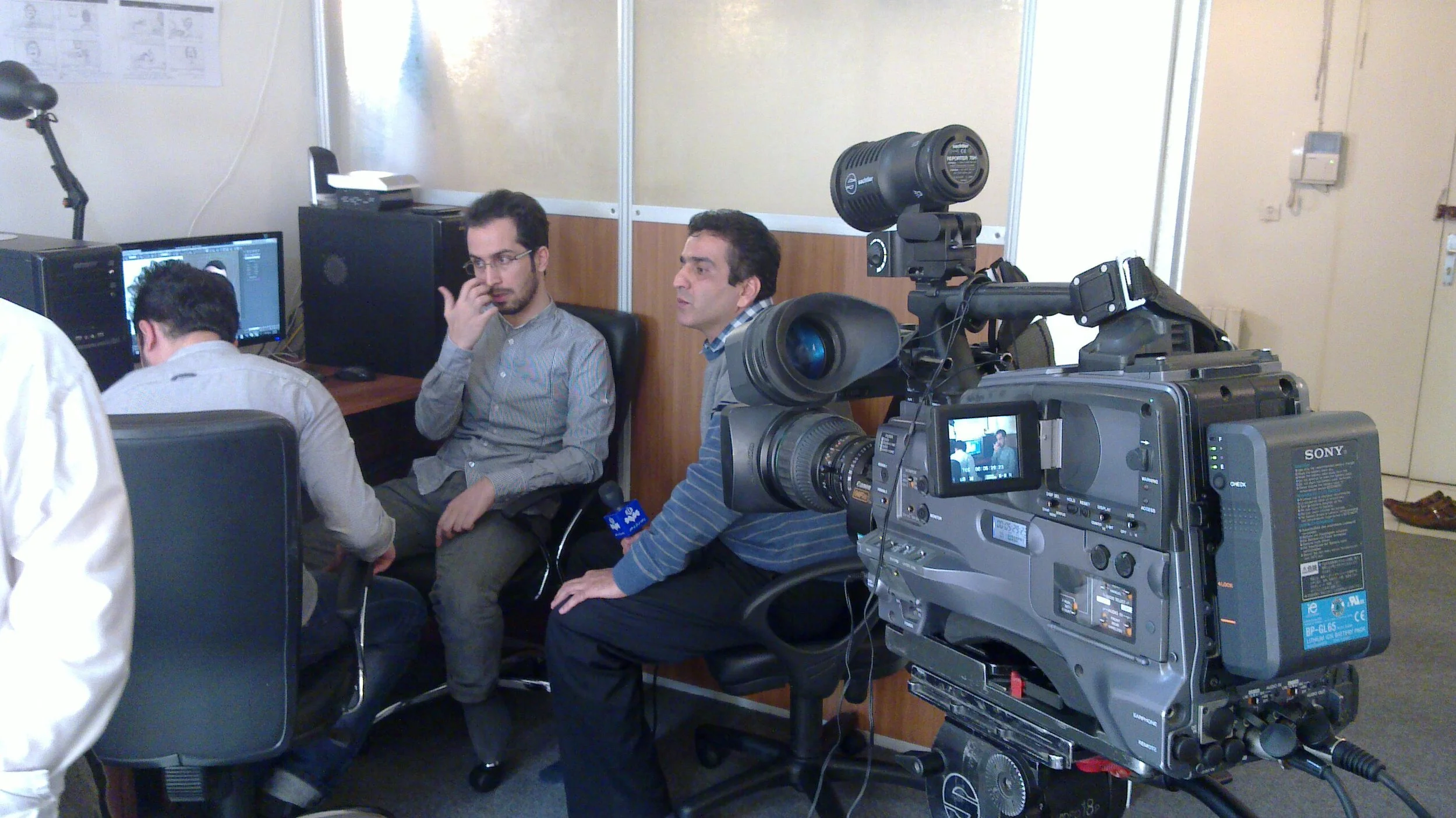
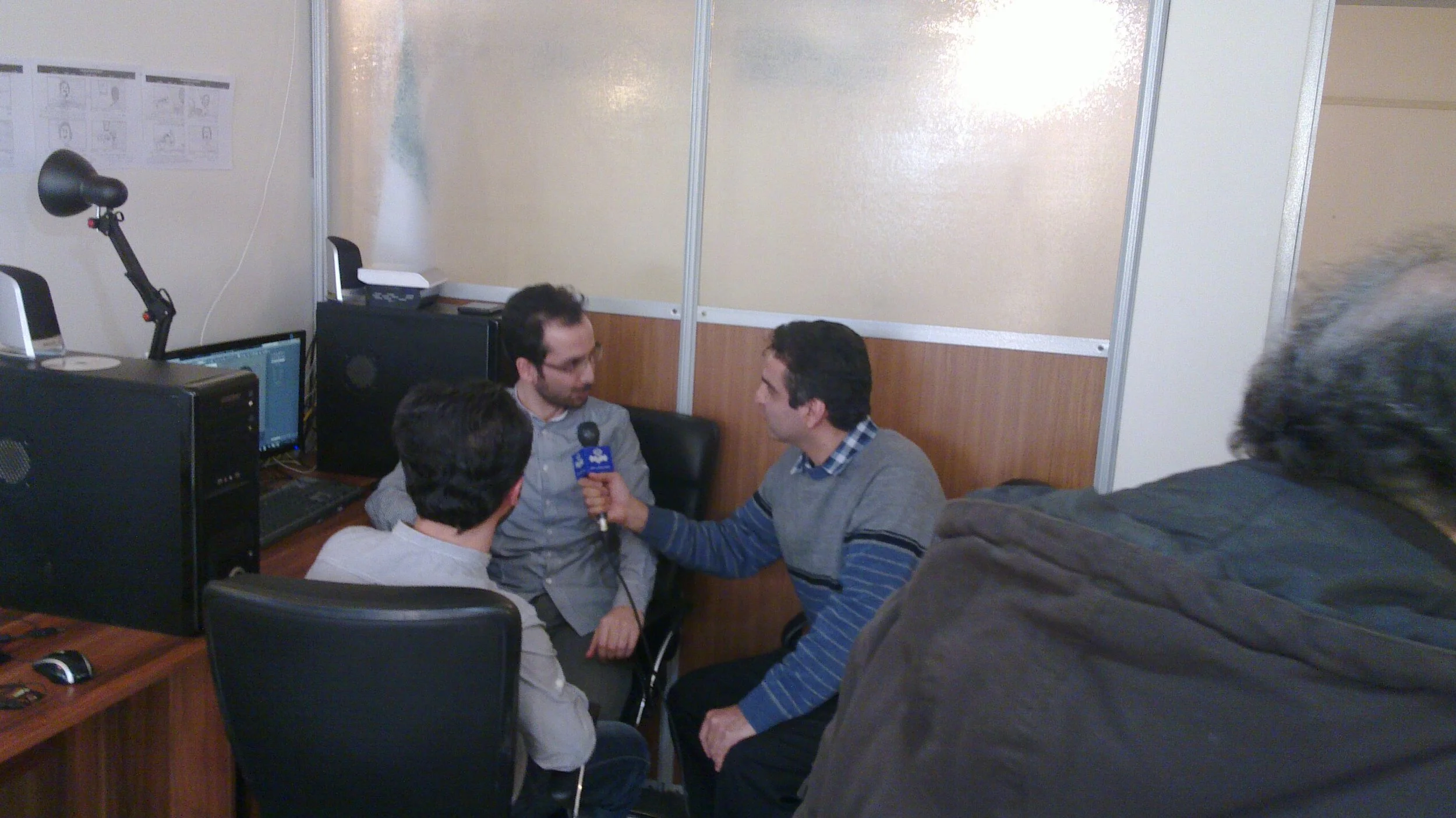
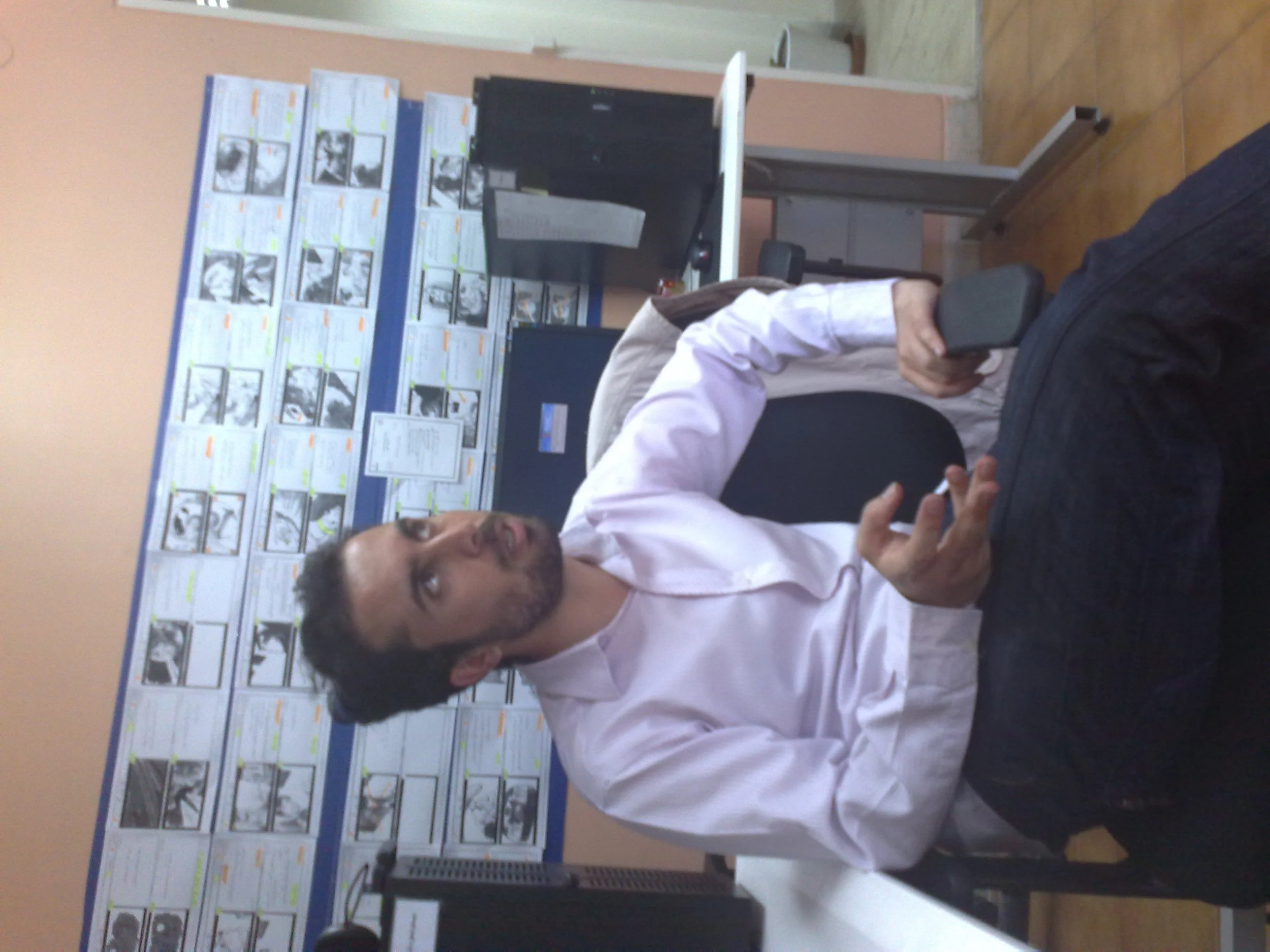
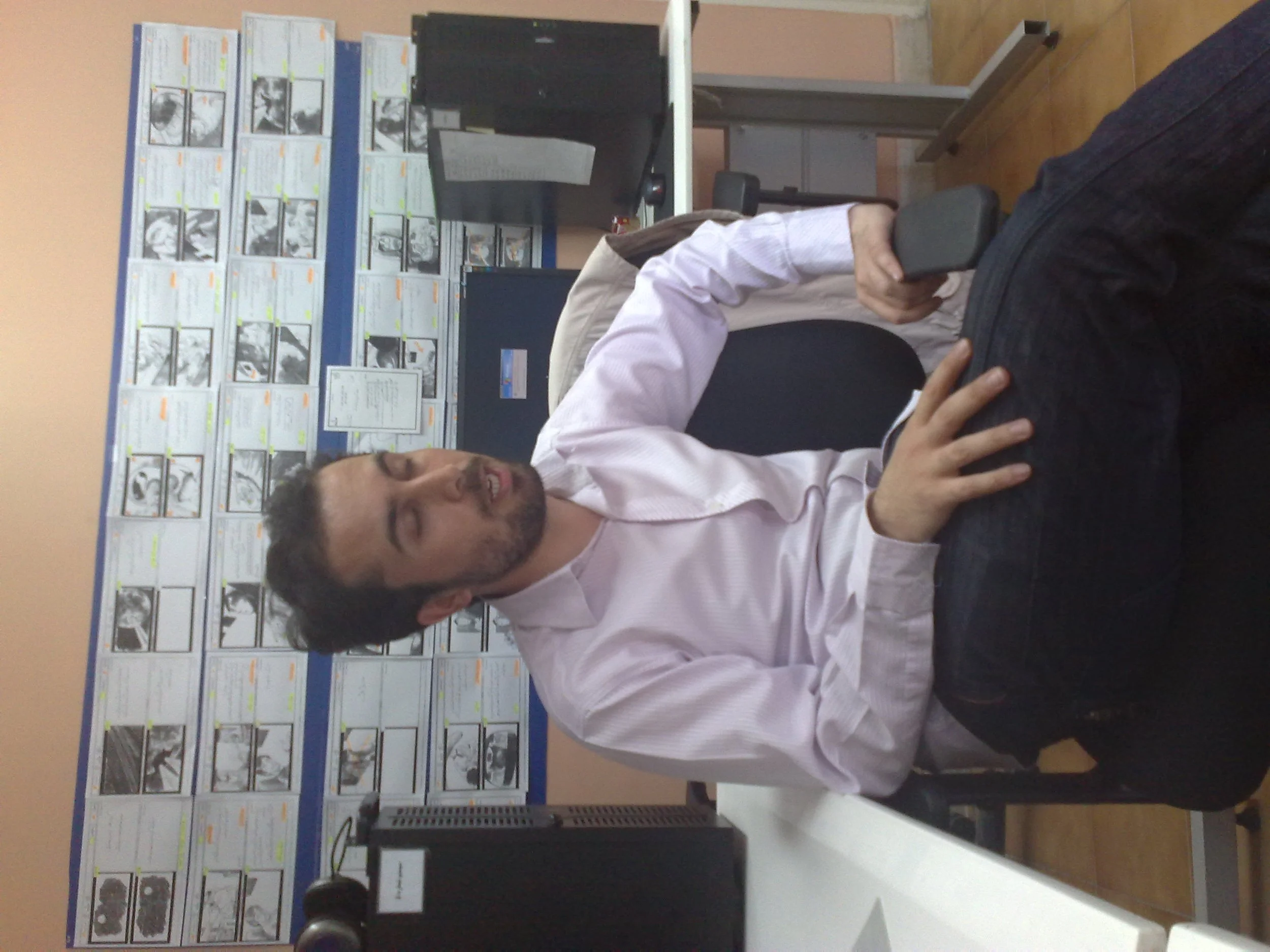
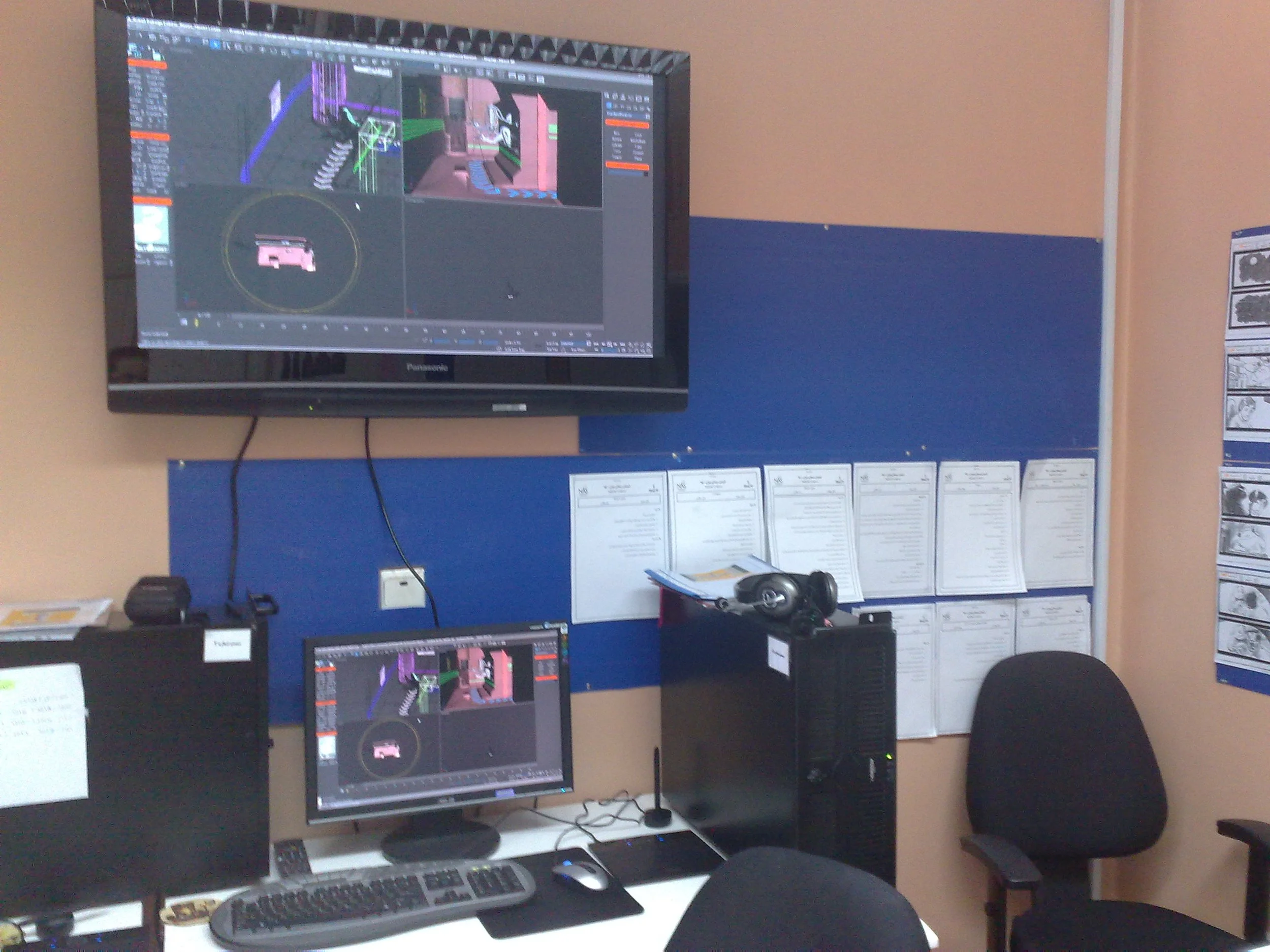
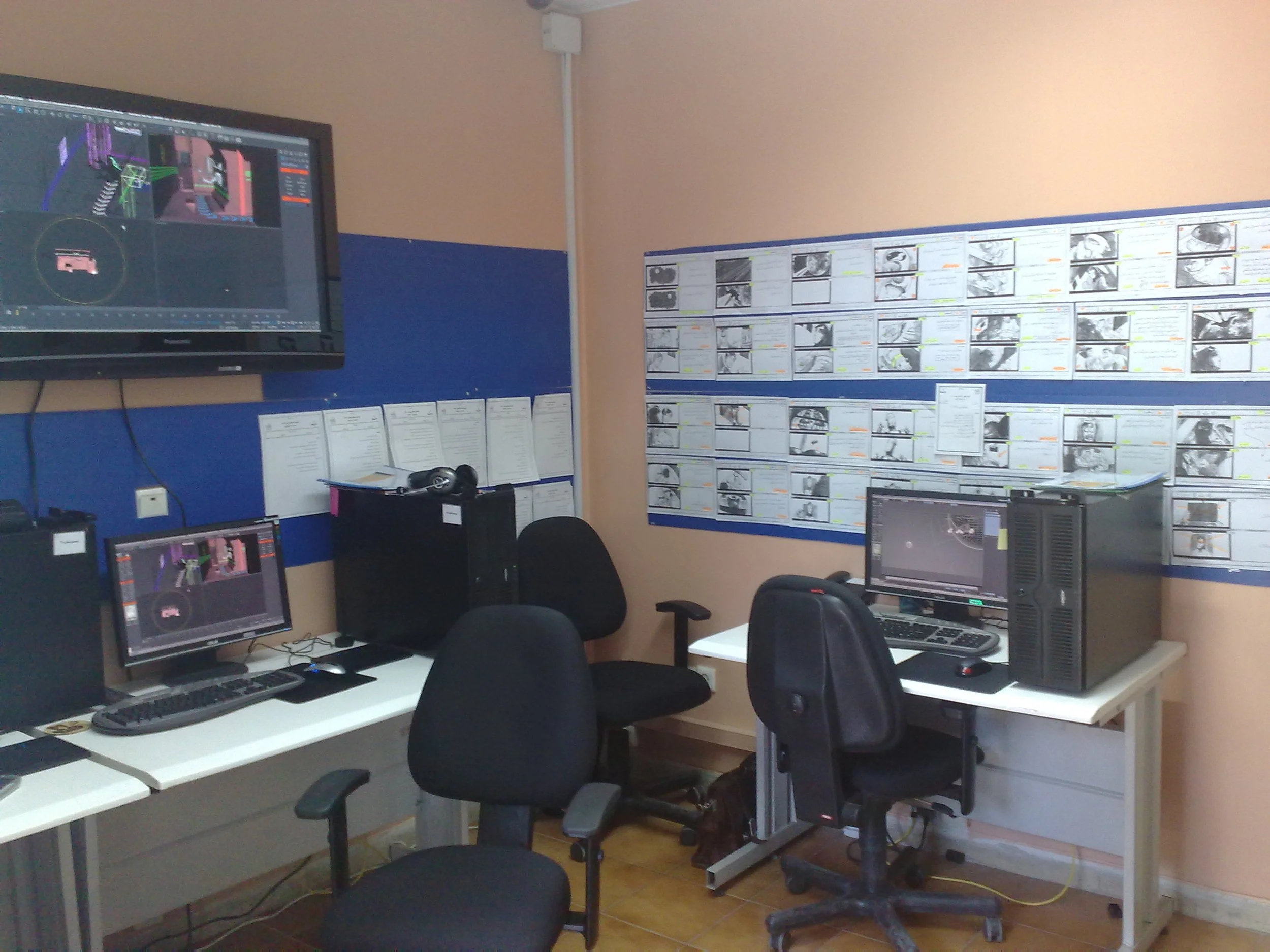
توی این عکسها، گروهی از تلویزیونِ ایران اومده بودن تا دربارهی پروژهی انیمیشنِ «تهرانیها» گزارش تهیه کنن و باهامون مصاحبه کردن؛ دربارهی روندِ کار، شخصیتها، چالشها و هدفِ تولید. امید هم روبهروم نشسته بود. ولی یادم نیست که این گزارش بالاخره از تلویزیون پخش شد یا نه.
In these photos, a crew from Iranian National Television had come to put together a report on the "Tehrani-ha" animation project and interviewed us — about the workflow, the characters, the challenges, and the goals of the production. Omid was sitting across from me too. But I don't remember whether this report ever actually aired.
در نهایت پروژهیِ تهرانیها تموم شد. روزی سیزده تا پونزده ساعت کار میکردیم؛ هم من، هم امید. چند نفر رو هم اضافه کردیم به تیم، ولی از پسِ هزینههاشون برنیومدیم؛ اونا هم طبقِ معمول لاکپشتی کار میکردن، و هر چقدر توضیح میدادیم که باید سرِ موقع همهچی تموم بشه، انگار هیچی نمیشنیدن. روزِ تعطیل و استراحت هم نداشتیم. ولی آخرش تمومِ پول دود شد و رفت هوا. سرِ اجاره، سرِ هزینههایِ تولید، نداشتنِ دانشِ کافی، هزینههایِ خونه و ماشین و هزار تا کوفتوزهرمارِ دیگه، همهچی به هیچ ختم شد. چقدر دوندگی کردیم تا پروژهیِ دوم رو بگیریم، ولی آخرش نشد. بعد از سالها دوندگی، وقتی از پولِ باقیمونده خرج کردیم و باز هم به صفر رسیدیم، پدرم به دیوار تکیه داد و پرسید: «حالا باید چیکار کنیم؟»
In the end, the Tehrani-ha project was finished. We worked thirteen to fifteen hours a day; both Omid and me. We added a few people to the team, but we couldn't afford them; they also worked at a snail's pace as usual, and no matter how much we explained that everything needed to finish on time, it was like they weren't listening. We had no days off, no rest. But in the end, all the money went up in smoke. Between rent, production costs, not having enough know-how, home and car expenses, and a thousand other headaches, everything ended in nothing. We ran ourselves ragged trying to land a second project, but in the end it didn't happen. After years of running around, when we'd spent down the remaining money and hit zero again, my father leaned against the wall and asked, "So what do we do now?"
ما ایرانیها یه جمله داریم که میگه وقتی کسی دیگه پولی نداره و به صفر رسیده، باید با سیلی صورتش رو سرخ نگه داره، تا رنگِ زردِ صورتش از شدتِ نداری و گرسنگی رو اطرافیان نبینن. و حالا بعد از این همه سال تلاش و فشار و دوندگی و دنبالِ این و اون رفتن و پیگیریکردن و پول جورکردن، و حرومکردنِ همهچیز برایِ خودم و امید، حالا باید با سیلی صورتمون رو سرخ نگه میداشتیم.
We Iranians have a saying: when someone has no money left and has hit zero, they have to slap their own face red so the pale yellow of their skin, from hunger and destitution, doesn't show to the people around them. And now, after all those years of effort, pressure, running around, chasing down this person and that, following up, scraping money together, and giving up everything, for myself and Omid, we now had to slap our own faces red.
Mohammadreza Alimardani محمدرضا علیمردانی
کار با محمدرضا علیمردانی، مشهورترینِ هنرمندِ صداپیشه، یکی از تجربههایِ ارزشمند توی تولیدِ انیمیشنِ تهرانیها بود. یادمه اومده بود دفتر و از روندِ زندگیِ کوفتی که داشت میگفت؛ از فشارهایِ مالی و زخمِ اطرافیانش حرف میزد. کار کردیم و کار کردیم، و صداها انصافاً خوب از آب دراومدن. محمدرضا استعدادِ ویژهای داشت توی تبدیلکردنِ یه دیالوگِ معمولی به یه عنصرِ ماندگار، و خیلی روی زندهکردنِ شخصیتها تأثیر داشت. الان ولی سالهاست از ایشون بیخبرم و امیدوارم هرجا هست موفق باشه و روبهراه.
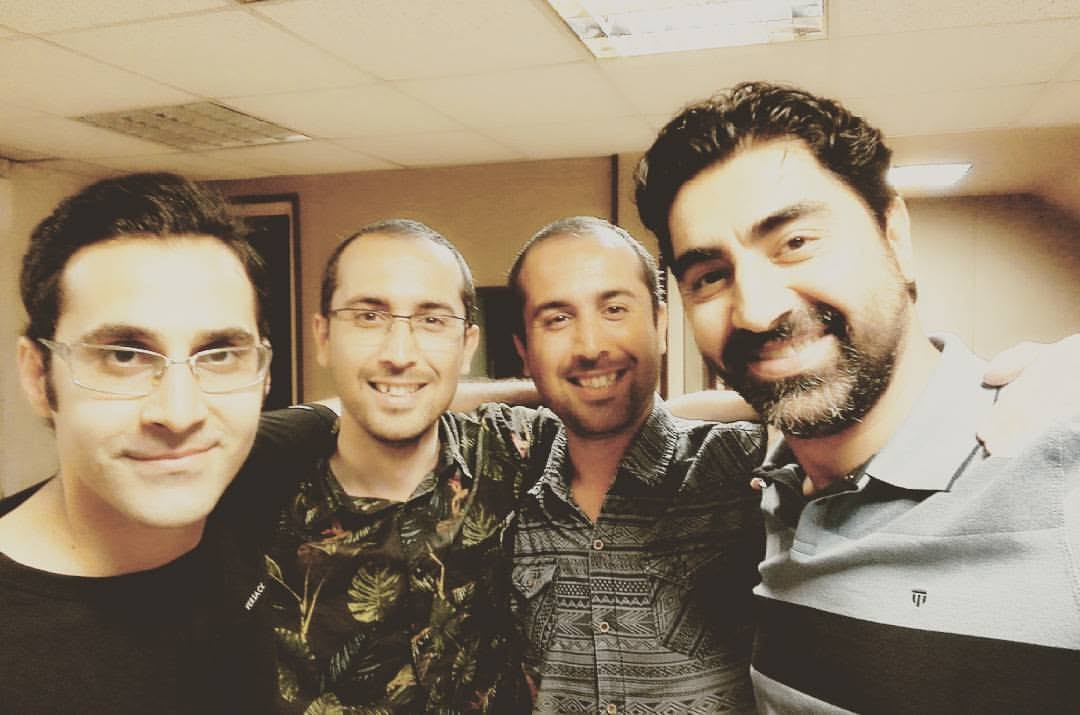
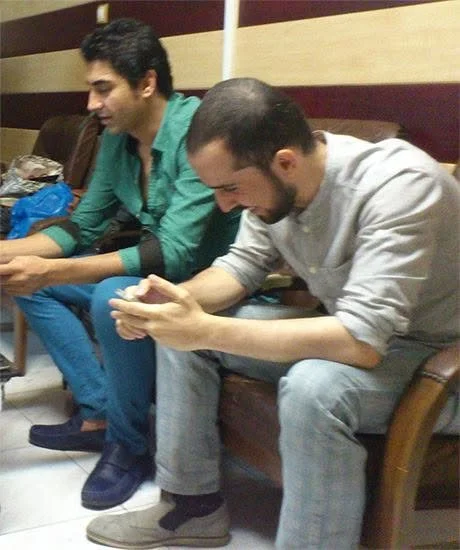
Working with Mohammadreza Alimardani, the most famous voice actor, was one of the valuable experiences in producing the Tehrani-ha animation. I remember he came to the office and talked about the miserable life he was going through — the financial pressures, the wounds inflicted by people around him. We worked and worked, and the voices honestly turned out great. Mohammadreza had a special talent for turning an ordinary line of dialogue into something memorable, and he had a huge influence on bringing the characters to life. But it's been years now since I've heard anything from him, and I hope wherever he is, he's doing well and thriving.
Time at Vijeh School — One-Year Graphic Design Course
دوران شرکت در کلاس یک ساله طراحی گرافیک در مدرسه ویژه
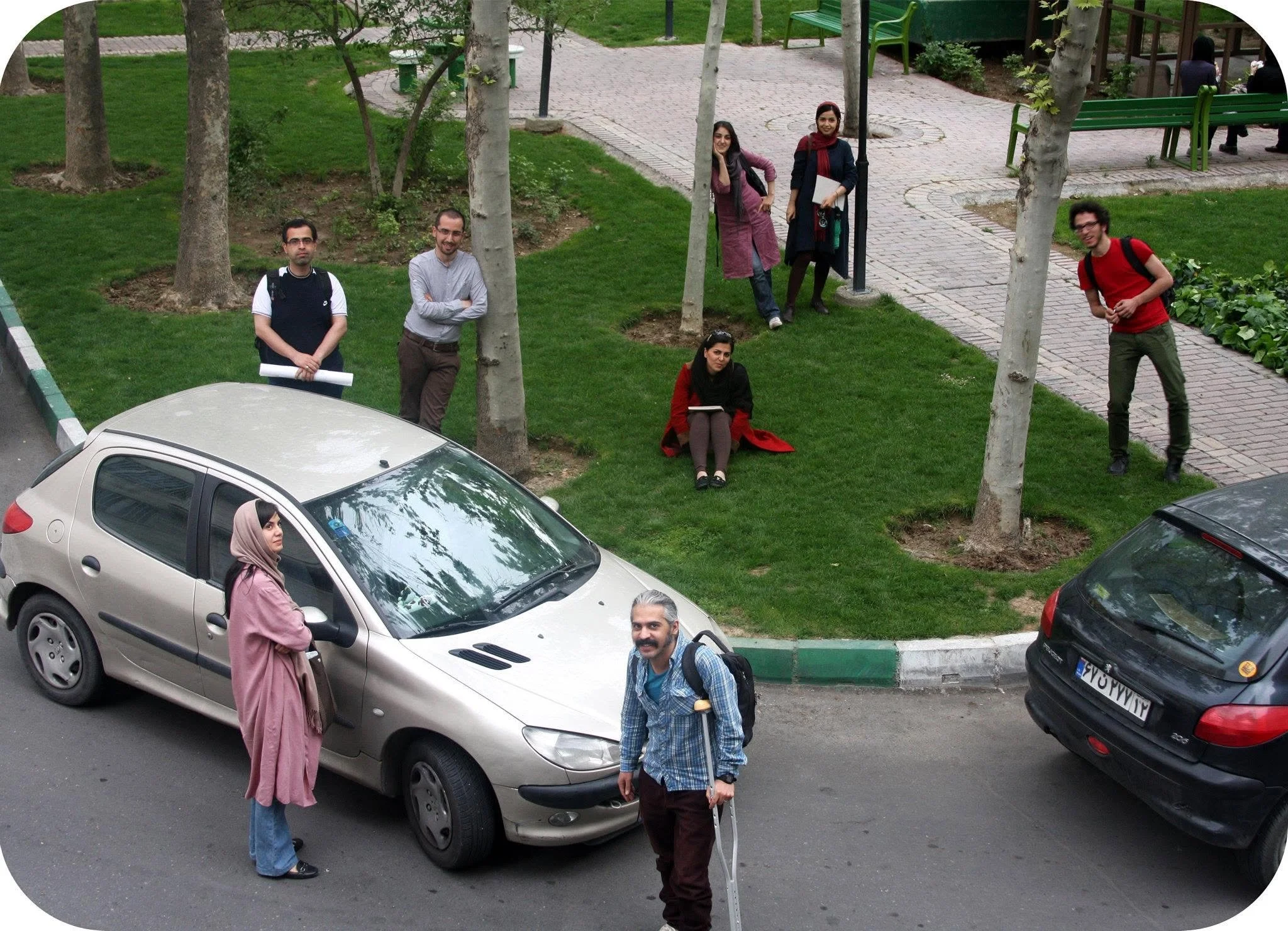
عکس رو مونا قرهیاضی گرفته. من تکیه دادم به درخت. اسامیِ بچهها رو دیگه یادم نیست و امیدوارم خودشون این مطلب رو پیدا کنن و بنویسن :) ولی فرهاد فزونی با عصا به دوربین نگاه میکنه و میخنده.عکس رو مونا قرهیاضی گرفته. من تکیه دادم به درخت. اسامیِ بچهها رو دیگه یادم نیست و امیدوارم خودشون این مطلب رو پیدا کنن و بنویسن :) ولی فرهاد فزونی با عصا به دوربین نگاه میکنه و میخنده.
Photo by Mona Gharehyazi. I'm leaning against the tree. I don't remember the other students' names anymore, and I hope they find this piece themselves and write in :) But Farhad Fozouni, leaning on his cane, is looking at the camera and laughing.
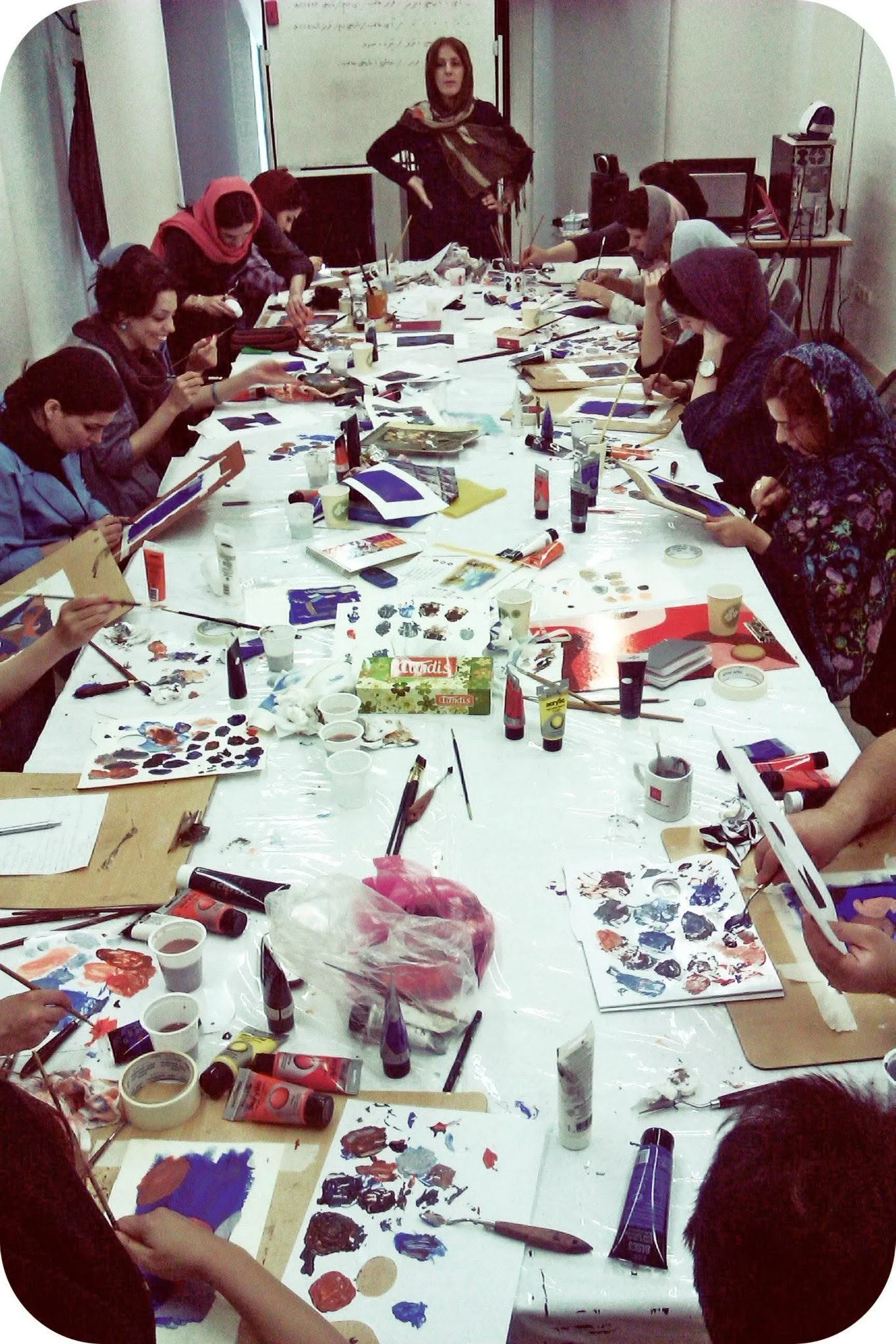
درس خوندن و بهترینِ نسخه از خودم بودن رو همیشه دوست داشتم، ولی قرار نیست برایِ یاد گرفتنِ چیزی حتماً به مدرسه رفت. زندگیِ من با تمومِ سختیهاش داشت بهم میگفت مسیرِ درست چطوریه، اما چون زبانِ بیتکلم داره و باید با چشمهایِ باز نگاه کرد و متوجه شد، برایِ من یکی چالشبرانگیز بود. اسمِ مدرسهی ویژه به گوشم خورده بود و میدونستم بهترینهایِ گرافیکدیزاینِ کشور اونجا تدریس هم میکنن. با تمومِ تلاش یه ذره پول جمع کردم، اصلاً نمیدونم چطور، ولی رفتم و ثبتنام کردم. از دفتری که توی خیابونِ سیدخندان اجاره کرده بودیم تا مدرسهی ویژه خیلی راه نبود و میرفتم و میاومدم. خیلی تلاش کردم نقاشی هم یاد بگیرم پیشِ استاد مهردادِ جمشیدی، ولی بعداً به این موضوع میپردازم.
توی ویژه، افتخارِ شاگردیِ اساتیدی چون فرهادِ فزونی، مریمِ کهوند، آریا کسایی رو داشتم؛ کلاسهایی که بهشدت روی اعتمادبهنفسم تأثیر گذاشتن. من همیشه خجالتی و کمرو بودم و تمومِ تلاشم رو میکردم تا با فضایِ جدیدِ مدرسه خو بگیرم، چون مثلِ مدرسهی کلاسیکِ ایرانی نبود و گفتگومحور و آزادانه بود. کلاسهایِ جستجویِ آقایِ فرهاد فزونی واقعاً خوب بودن و اونجا یاد گرفتم که به خودم و منحصربهفردبودنم بیشتر تکیه کنم. چون توی فضایِ مدرسهی ویژه بهشدت خجالتی بودم و عکس نمیگرفتم. یادمه مونا قرهیاضی رو که اهلِ دوربین بود و چندتا عکس گرفته که اینجا میذارمشون.
با انرژیِ دورانِ جوونیم، توی اون دوره خیلی امیدوار بودم و خیلی با اشتیاق توی کلاسها شرکت میکردم. از کلاسِ مبانیِ رنگِ خانم کهوند هم خیلی چیزها یاد گرفتم، و به جرأت میتونم بگم ترسم از رنگ و بازیکردن با رنگها سرِ همون کلاسها ریخت. چه دورانِ سرشار از امیدی بود.
از شدتِ فشارِ کاری و تحویلِ پروژهی تهرانیها — دوبلورها، رندرها، لیآوت و انیمیت که دستِ ناصر نجفیان بود، که الان سالهاست رفته ژاپن، آدمِ کاردرست و نازنینی که هیچوقت تجربهی کار کردن باهاش رو فراموش نمیکنم، حرفهای و منظم — همهی اینها، بهکنارِ شرکت در کلاسها، چنان ازم انرژی میگرفت که نمیتونم وصفش کنم. الان اون خستگیها رفتن و سنم از چهل گذشته، ولی هنوزم به تصمیمِ خودم برایِ شرکت در کلاسهایِ مدرسهی ویژه و حمایتِ امید افتخار میکنم.
I always loved studying and becoming the best version of myself, but you don't necessarily need school to learn something. My life, with all its hardships, kept telling me what the right path was — but since that's a language without words, one you have to see and understand with open eyes, it was a real challenge for me. I had heard of Vijeh School, and I knew that some of the country's best graphic designers taught there. Through a lot of effort, I scraped together a little money — I honestly don't know how — but I went and enrolled. It wasn't far from the office we'd rented on Seyed Khandan Street to Vijeh School, so I commuted back and forth. I also tried hard to learn painting under Master Mehrdad Jamshidi, but I'll get to that later.
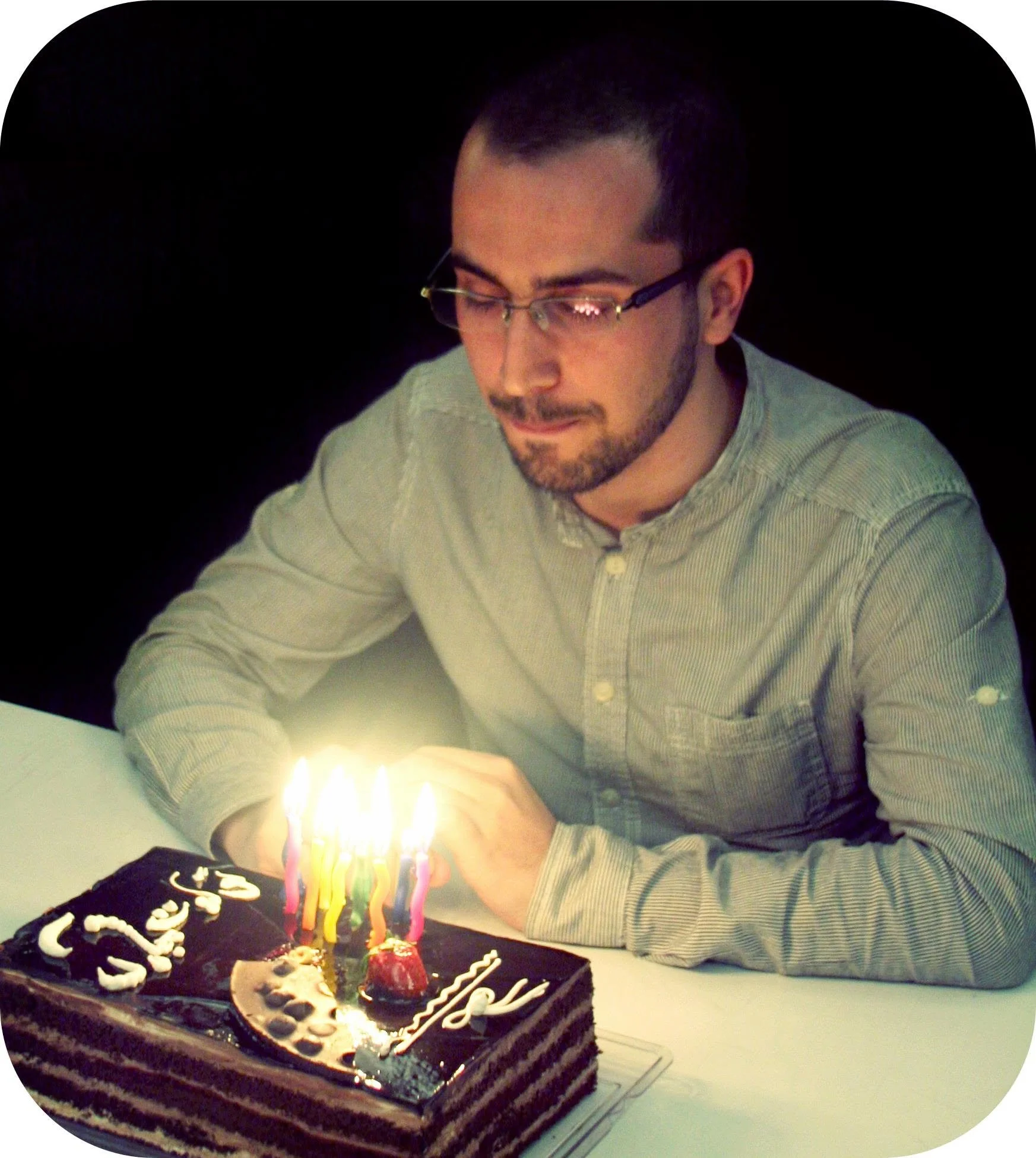
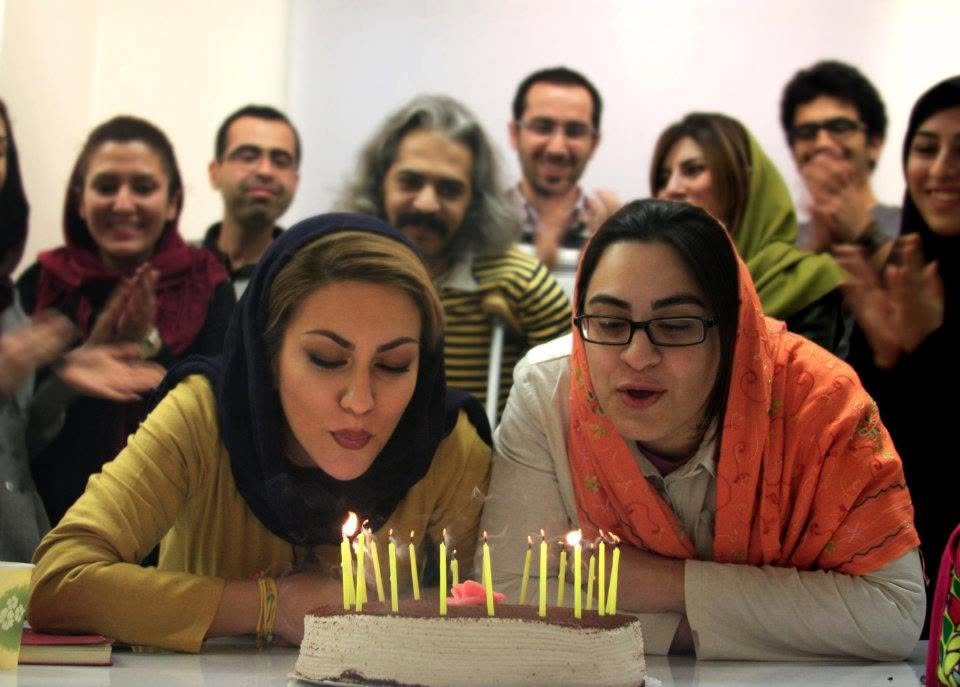
اینجا بچههایِ کلاس برام تولد گرفته بودن. نمیتونم نگم که فقط با نوشتنِ این مطلبِ مربوط به مدرسهی ویژه و دیدنِ این عکس، بغض کردم. چقدر خاطراتِ خوب کم دارم، و چقدر نادرن لحظاتی که درونشون احساسِ آدمبودن و زندهبودن بکنم. دستتون درد نکنه بچهها، و مرسی که در سختترین دورانِ زندگیم در کنارم بودید.
Here, the classmates threw me a birthday party. I can't not admit that just writing this piece about Vijeh School and seeing this photo made a lump rise in my throat. How few good memories I have, and how rare the moments are where I feel truly human and alive inside them. Thank you so much, everyone — and thank you for being by my side during the hardest period of my life.
At Vijeh, I had the honor of studying under teachers like Farhad Fozouni, Maryam Kahvand, and Aria Kasaei — classes that had a huge impact on my self-confidence. I was always shy and timid, and I did everything I could to get used to the new environment, since it wasn't like a traditional Iranian classroom — it was discussion-based and free-flowing. Mr. Farhad Fozouni's research-oriented classes were genuinely excellent, and that's where I learned to rely more on myself and my own uniqueness. I only have a couple of photos from that period, not many, because I was so shy in the Vijeh environment that I didn't take pictures. I remember Mona Gharehyazi, who was into photography and took a few shots, which I'll include here.
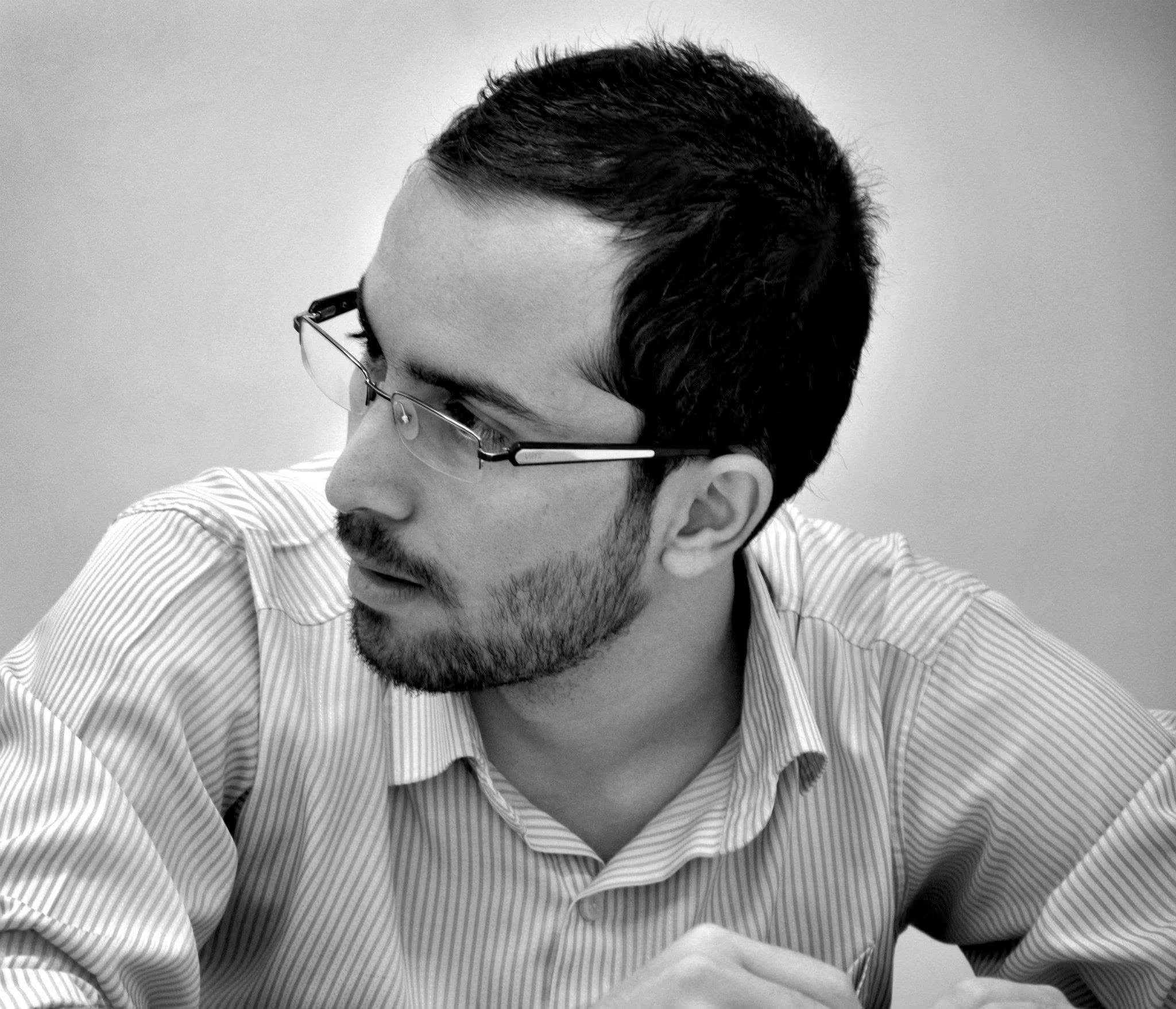
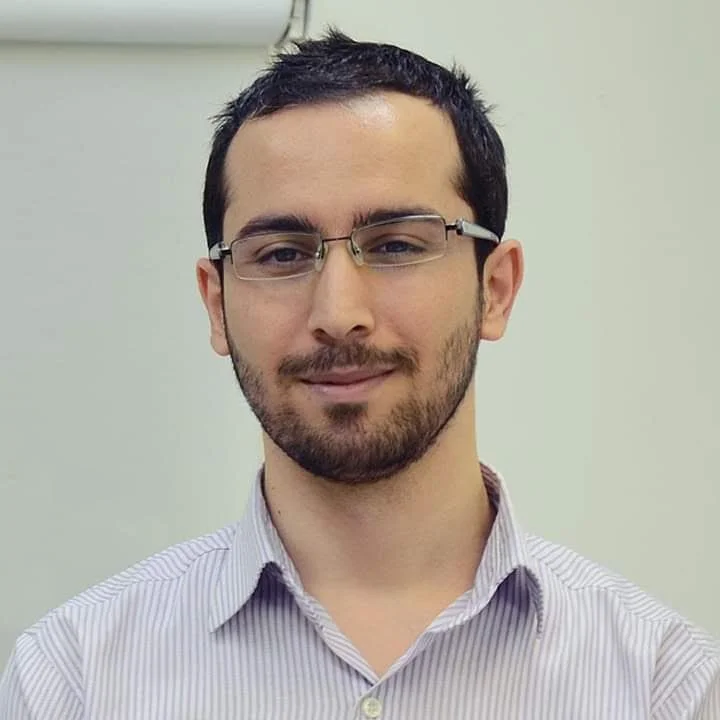
این عکسها رو هم مونا گرفته. دمت گرم مونا :) از معدود عکسهایِ بسیار باکیفیت از اون دوران، سالِ ۲۰۱۲، هستن که دارمشون. دوربینِ خوب داشتن برام آرزو بود. از چشمهام توی عکس معلومه که چقدر فشار روم بود. ما ایرانیها یه مثل داریم که میگه: «کونِ پاره، لبِ خندون».
These photos were also taken by Mona. Thanks, Mona :) They're among the very few high-quality photos I have from that period, 2012. Having a good camera was a dream of mine back then. You can tell from my eyes in the photo how much pressure I was under. We Iranians have a saying: "torn pants, smiling lips" — putting on a happy face no matter how bad things really are underneath.
With the energy of my youth, I was very hopeful during that period and threw myself into the classes with real enthusiasm. I also learned a lot from Ms. Kahvand's color fundamentals class, and I can honestly say my fear of color and playing with color dissolved right there in those classes. What a period so full of hope it was.
Between the intense pressure of work and delivering the Tehrani-ha project — the voice actors, the renders, the layout and animation, which was in the hands of Naser Najafian, who's been in Japan for years now, a genuinely skilled and wonderful person whose experience working together I'll never forget, professional and organized — all of this, on top of attending classes, drained more energy out of me than I can describe. That exhaustion is gone now, and I'm past 40, but I still take pride in my decision to attend those classes at Vijeh School, and in Omid's support.

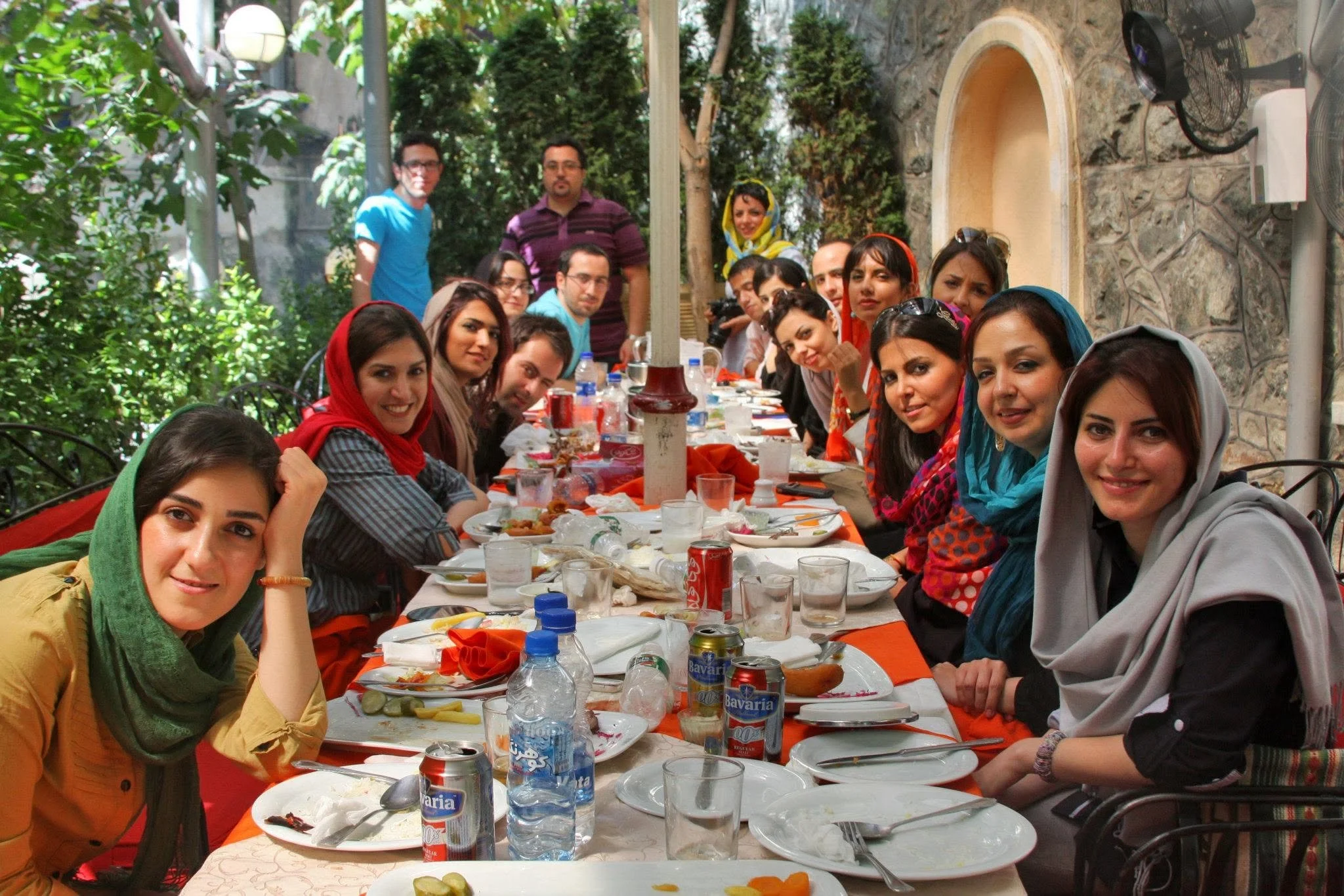
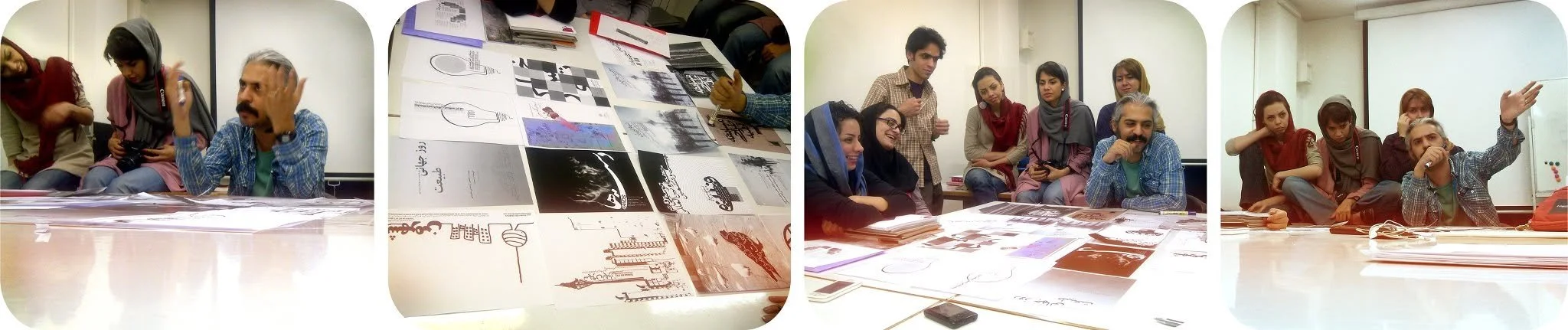
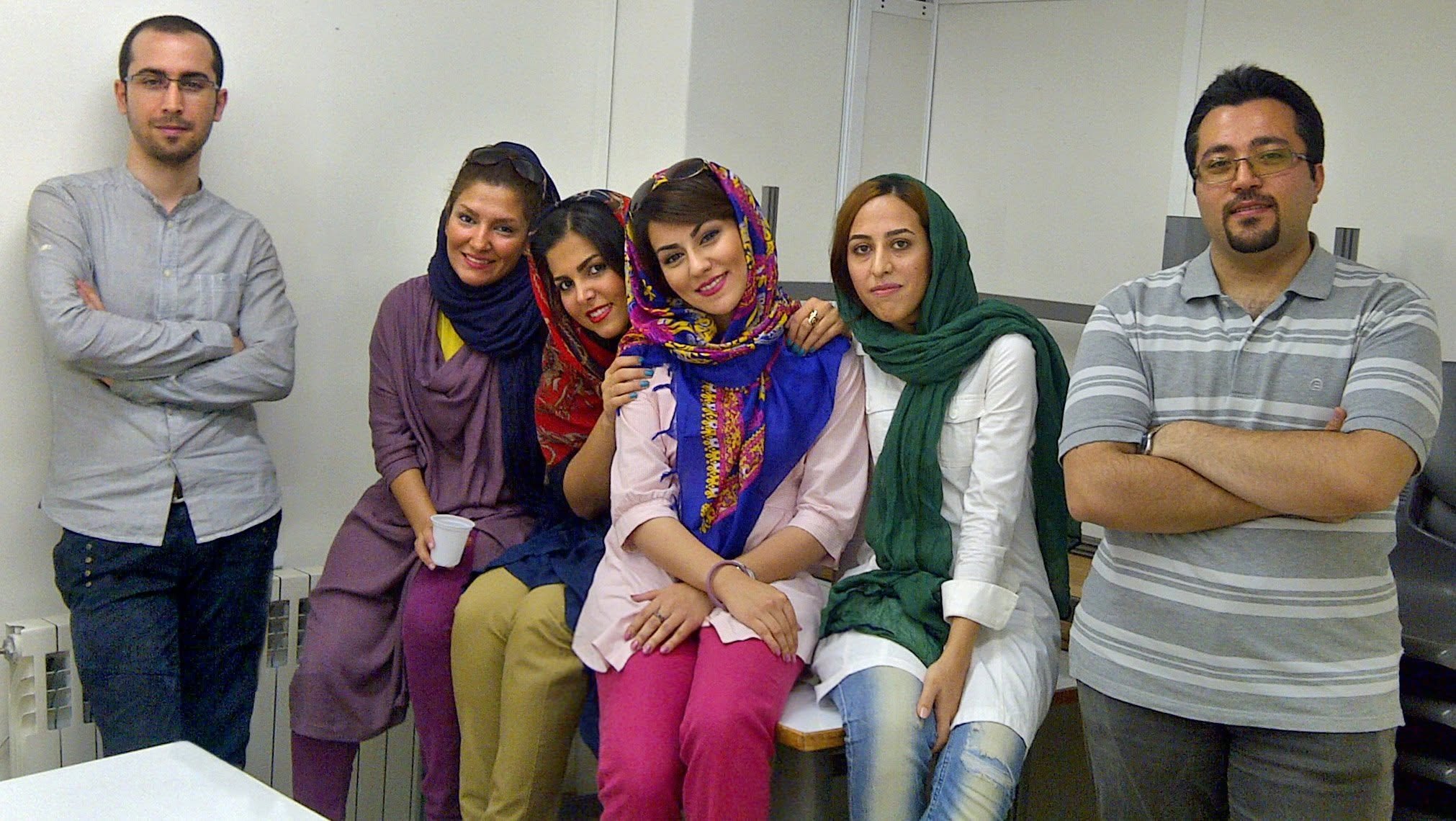
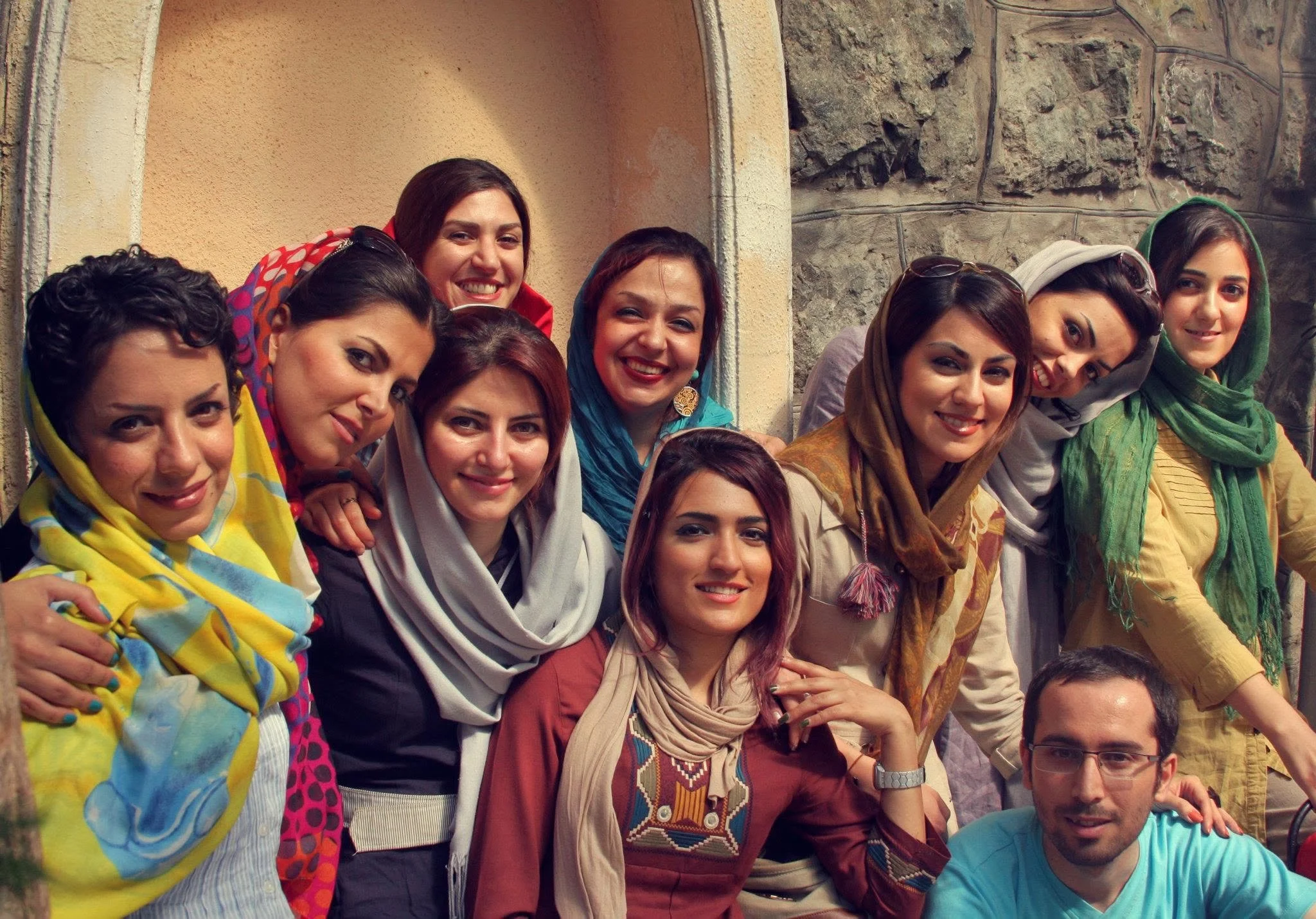
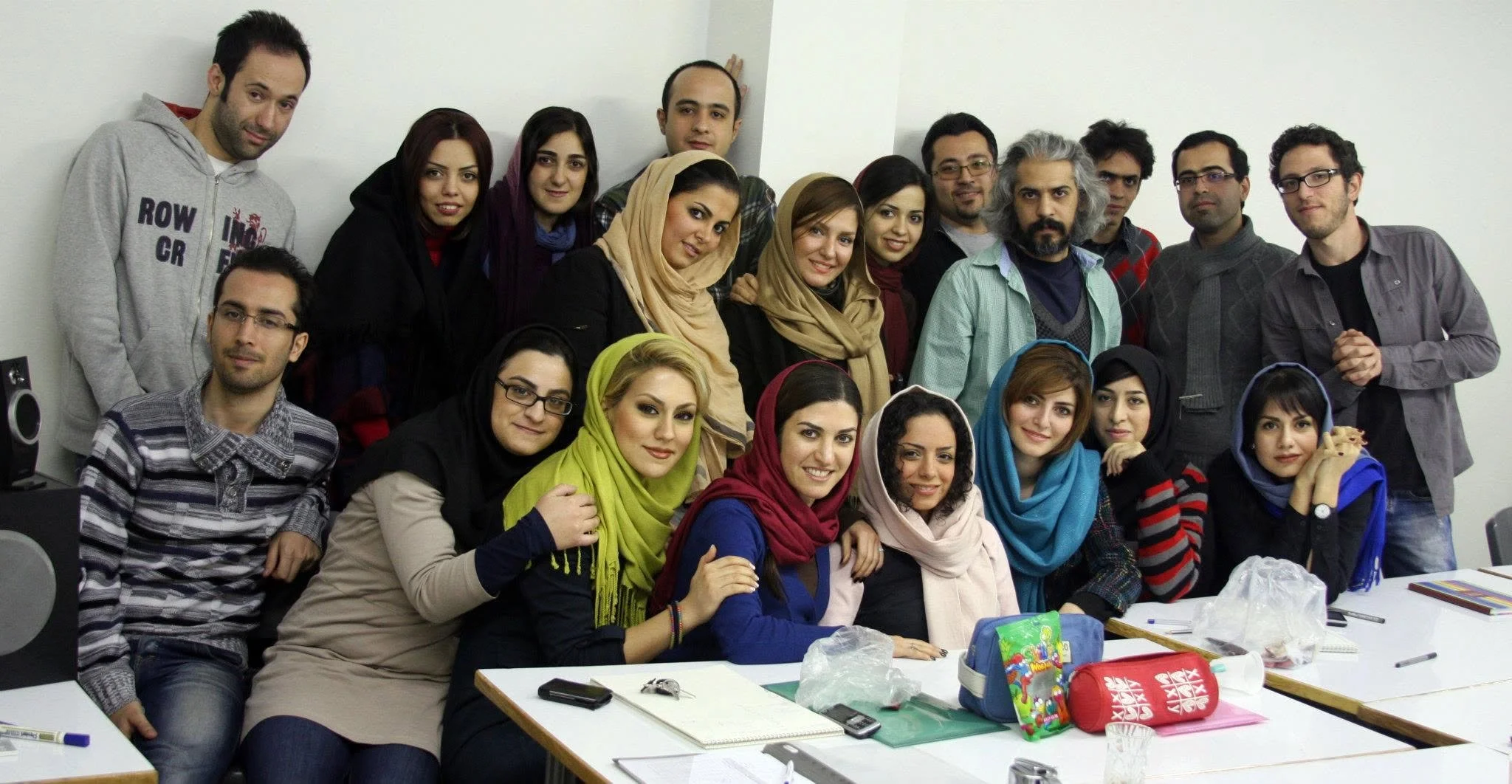
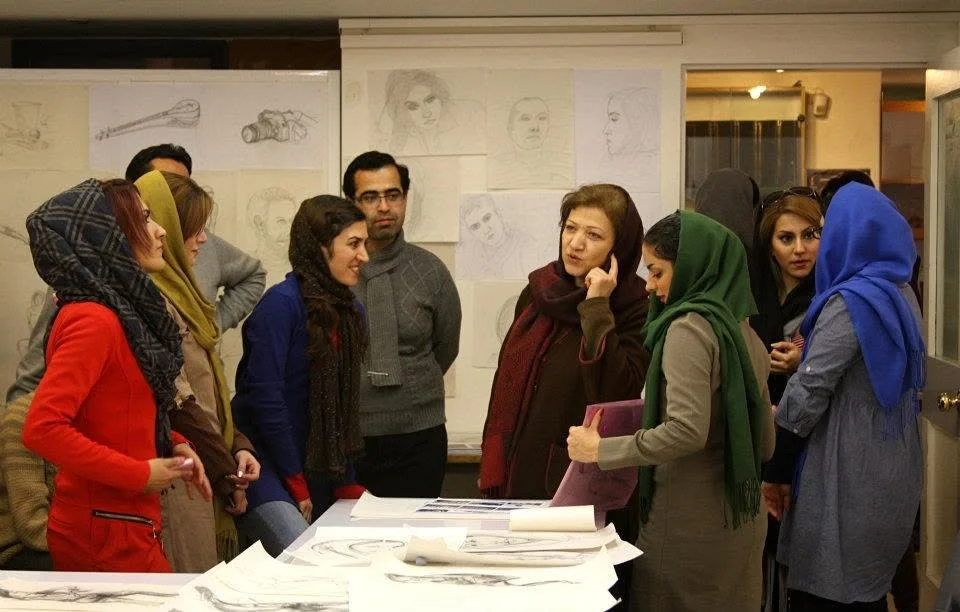
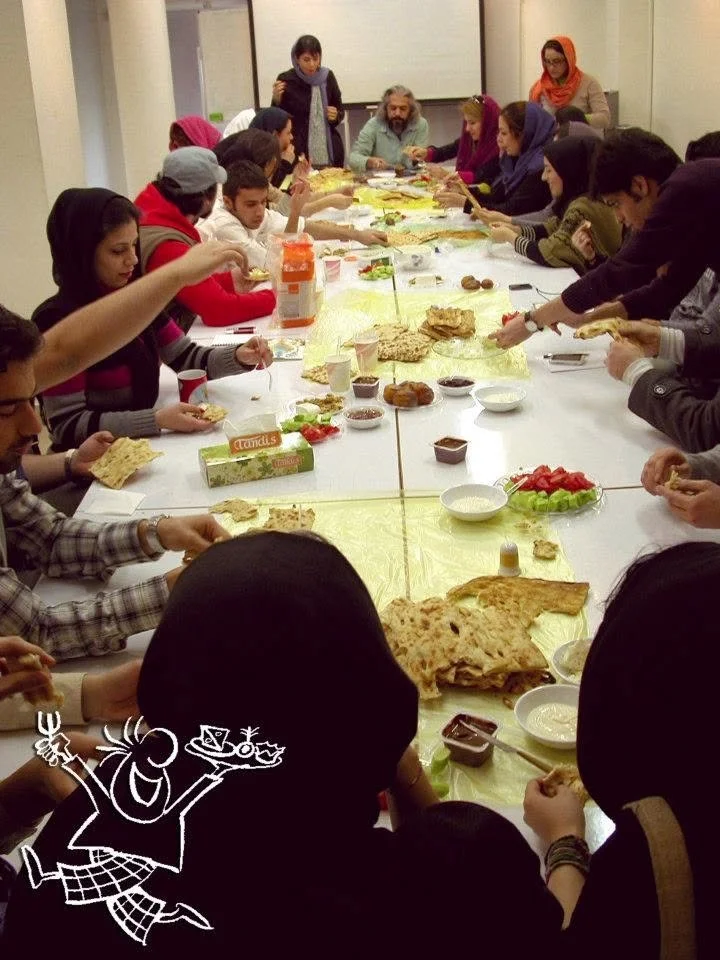
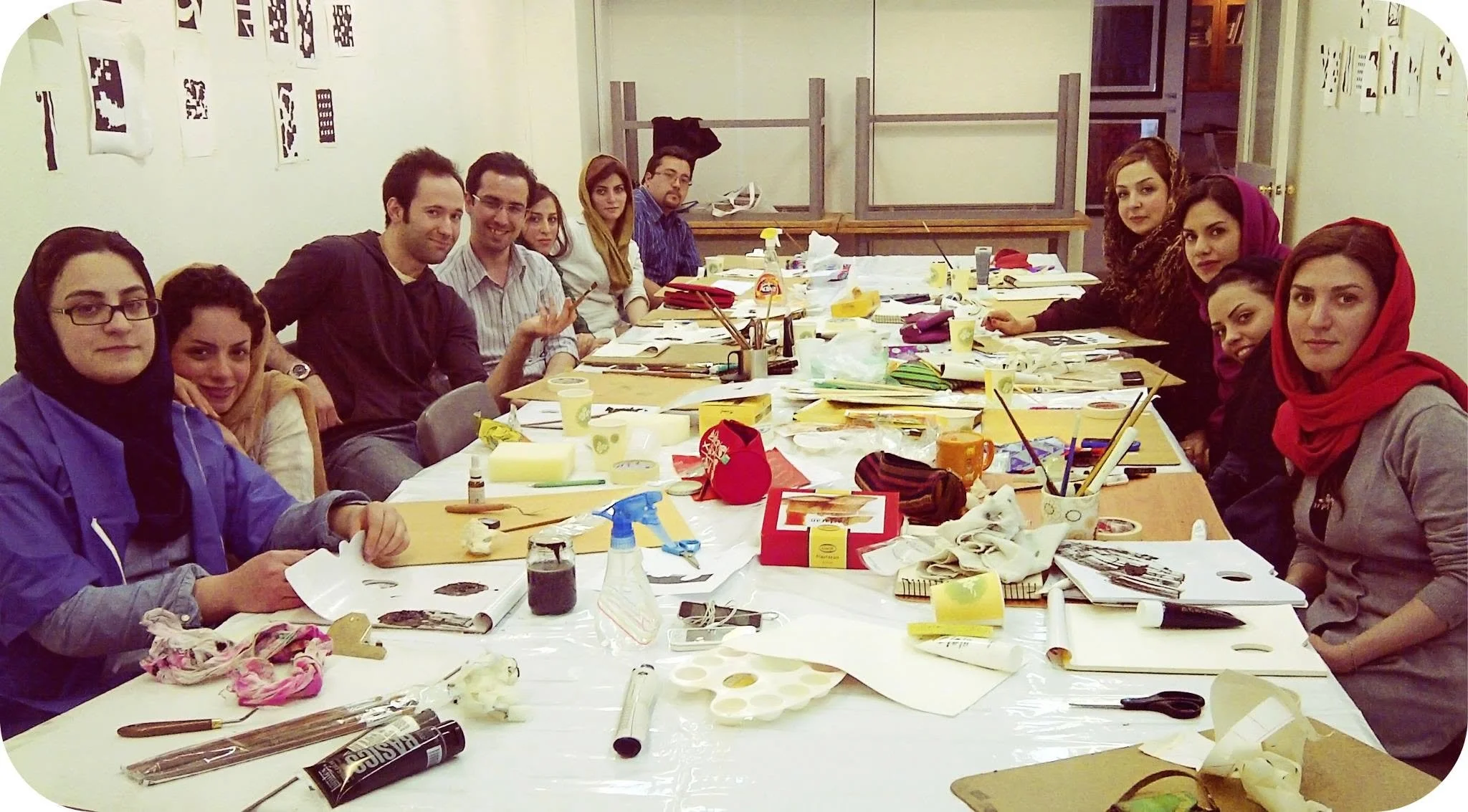
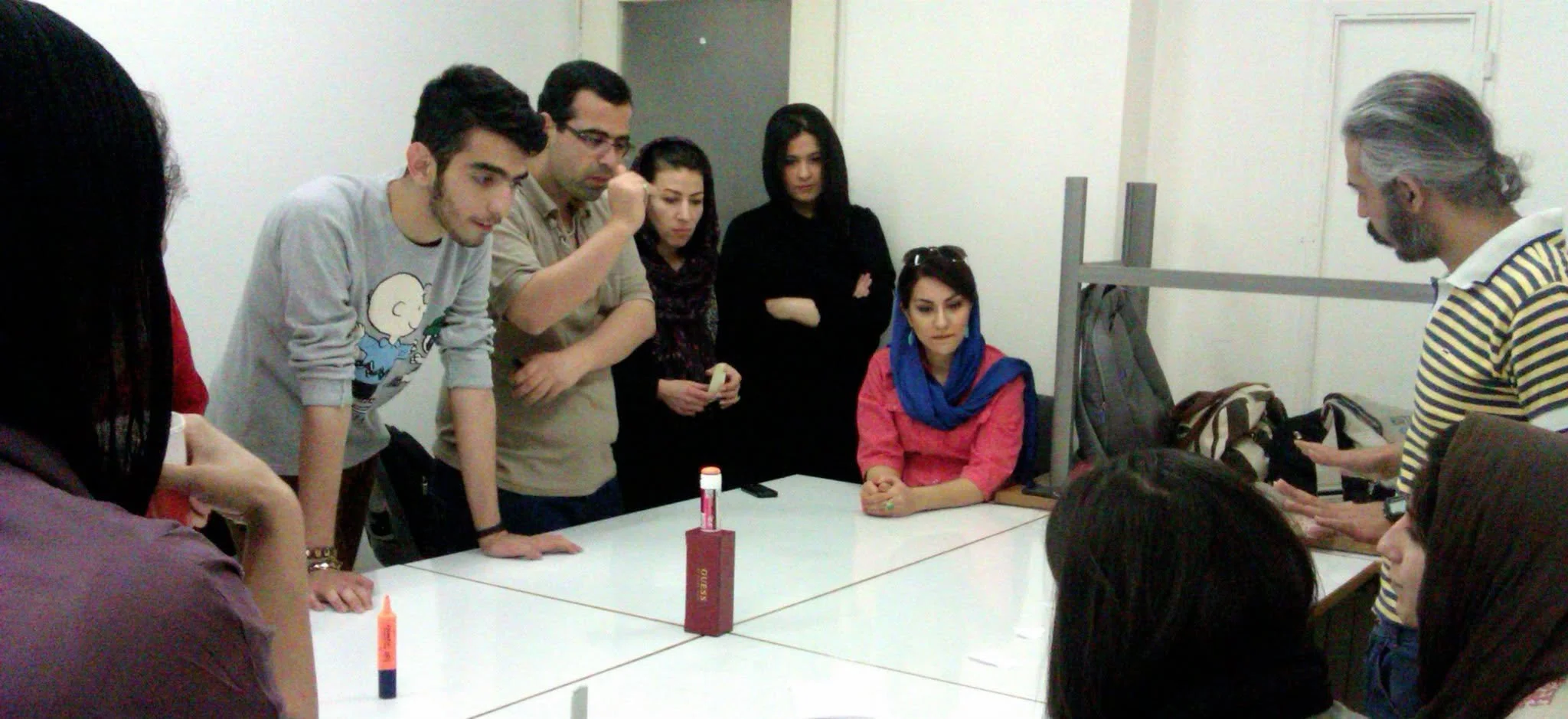
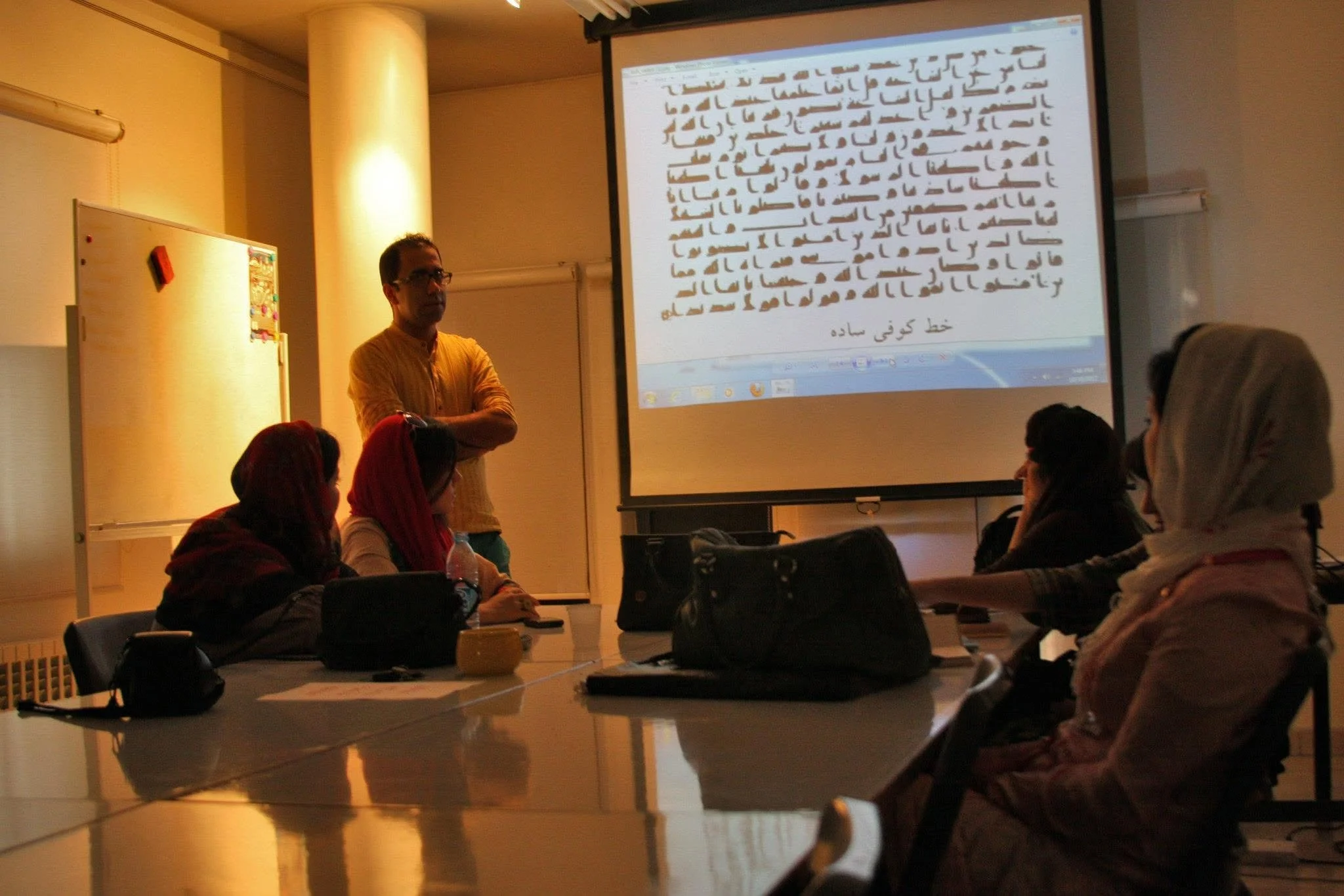
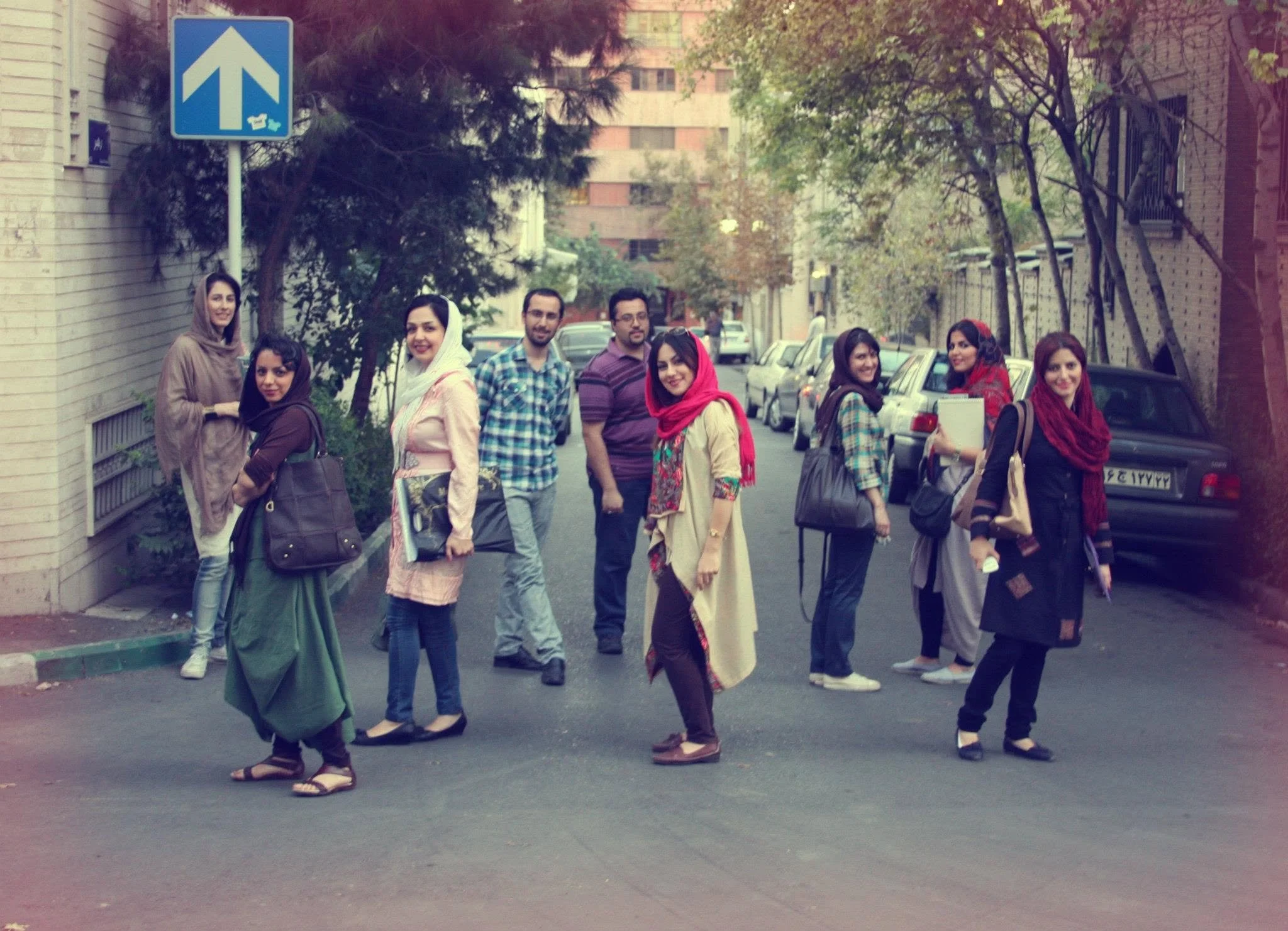
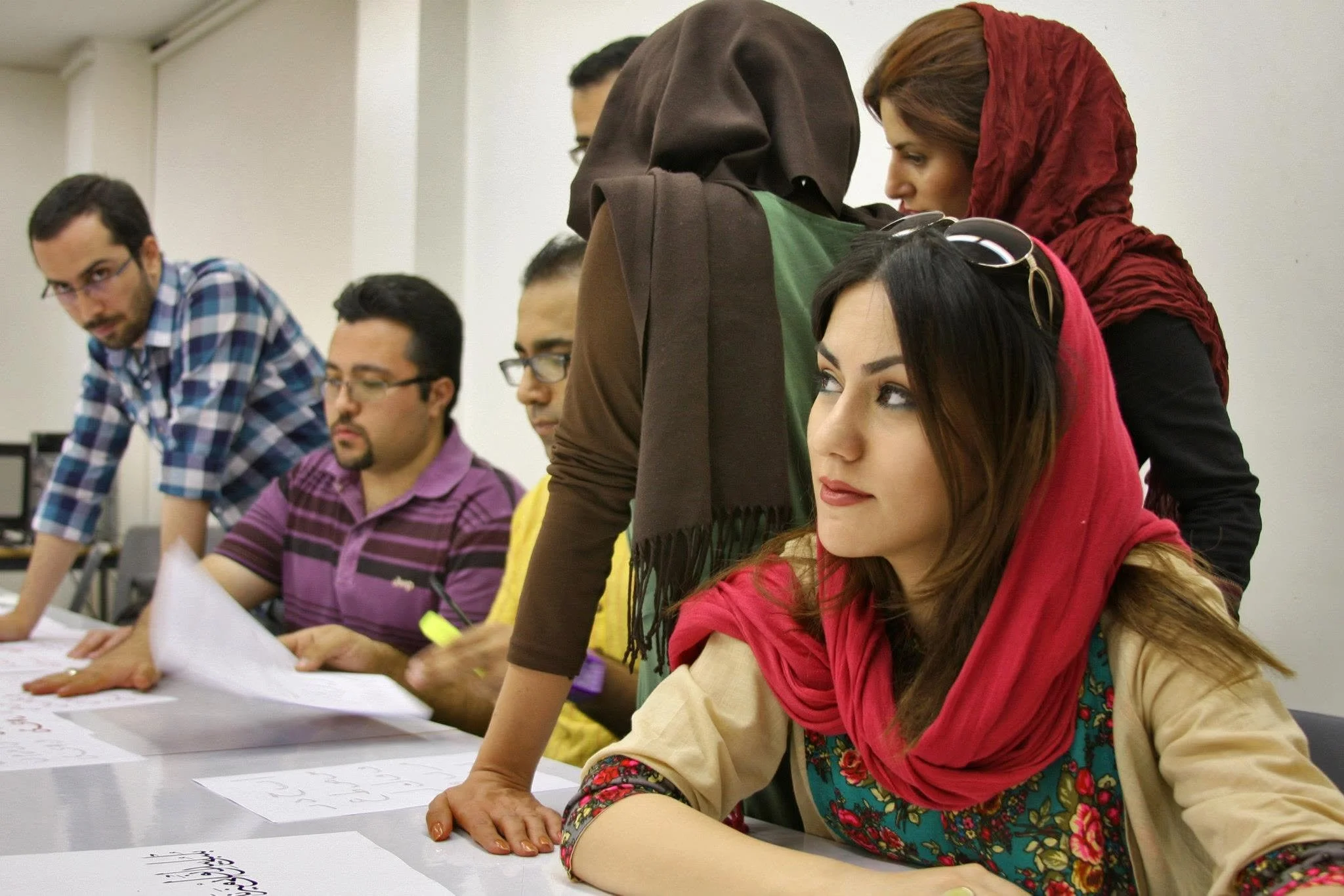
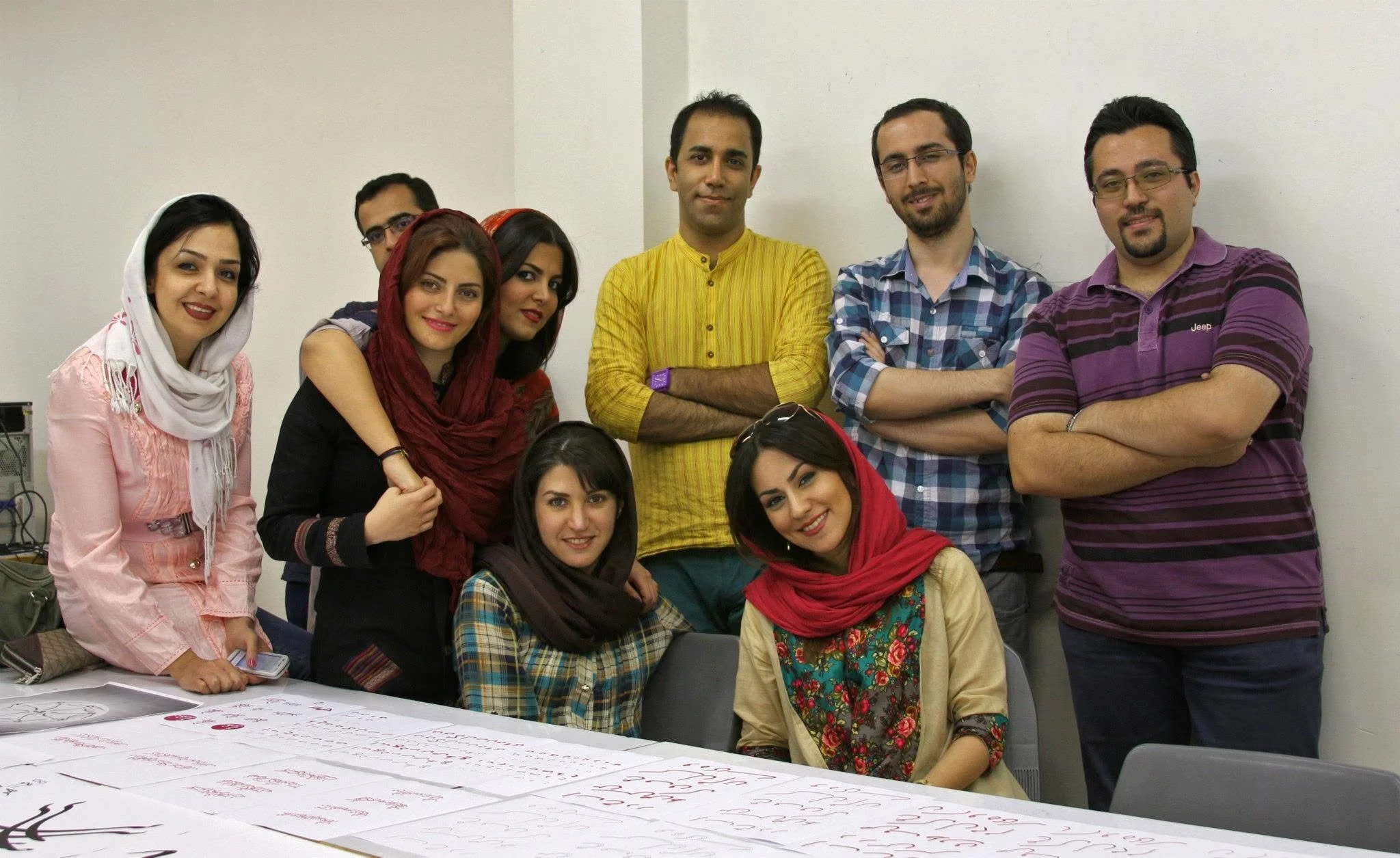
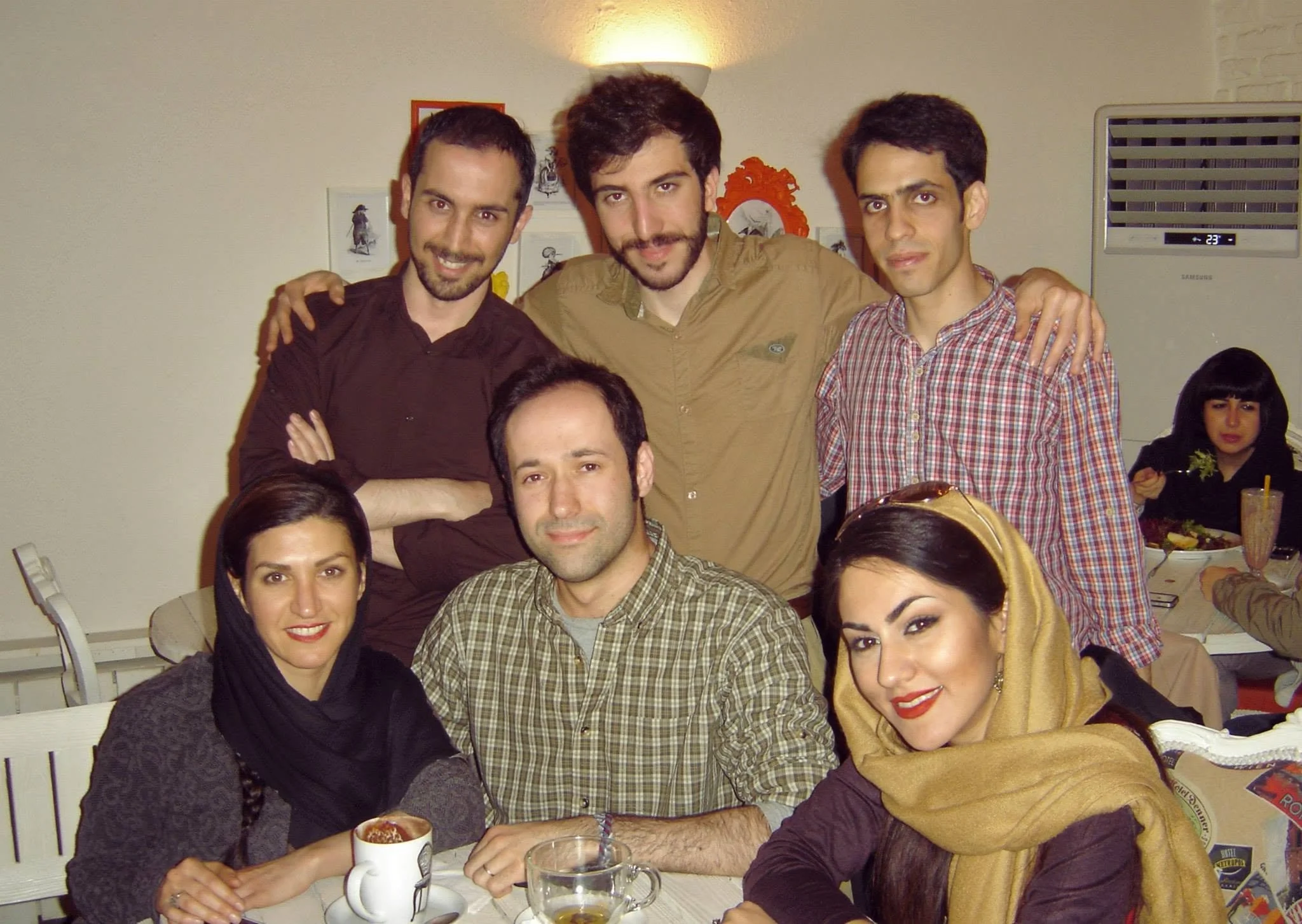
خدایِ من! این همه عکس از دورانِ مدرسهی ویژه توی گالریِ فیسبوکِ مونا و پریسا پیدا کردم. چقدر عکس گرفته بودیم! هیچکدوم یادم نبود. رفته بودیم ناهار خوردن! البته الان گویا توی ایران حجاب به این شکل اجباری نیست و نسلِ جدید راحتتر هستن :)
My god! I found all these photos from the Vijeh School days in Mona and Parisa's Facebook gallery. We took so many photos! I didn't remember any of them. We had gone out for lunch! Though apparently in Iran, hijab isn't mandatory in this way anymore now, and the new generation seems to have it easier :)
از اینکه توی این عکسها من هم حضور دارم، واقعاً خوشحالم. چقدر چهرهام کودکانه بود و چقدر تغییر کردم. تغییر در مسیرِ رشد.
I'm truly glad that I'm present in these photos too. How childlike my face was, and how much I've changed. Change on the path of growth.
Lunching our first website 2010:
راه اندازی نخستین وب سایت مون
www.puyanama.com
با ظهورِ اینترنت و تبِ راهاندازیِ وبسایت، با امید مصمم شدیم یه وبسایت راه بندازیم. اسمش رو «پویانما» گذاشتیم؛ معادلی برای واژهی انگلیسیِ «انیماتور» بود و هست. توی سالِ ۲۰۱۰ میلادی، یعنی ۱۳۸۹ شمسی، رسماً لانچش کردیم. الان که این متن رو مینویسم، هنوزم از اون تصمیم و اقدامی که کردیم خیلی خوشحالم؛ چون پویانما الان تبدیل شده به معتبرترین و بهترین منبعِ فارسیزبان برای انیمیشن، و هنوز هم با تولیدِ پادکستها و ریلز و شورتهای کوتاه، تجربهها و نکتههای مرتبط با دنیای گیم و انیمیشن رو با بقیهی کشور به اشتراک میذاریم.
طیِ این همه سال که پایِ پویانما هزینه و انرژی گذاشتیم، هیچکس نه پولی بهمون داد، نه سراغی ازمون گرفت. عملاً ۱۱۶۸ مطلب توی زمینههای گوناگون توی سایت منتشر کردیم و بالای ۸۰ اپیزود پادکست هم منتشر کردیم. با فروپاشیِ اقتصادِ کشور، نگهداریِ پویانما دیگه برامون هزینهی سرسامآوری داشت که جز عشق و علاقه به تولیدِ محتوا، توی سالهایی که هیچکس نمیدونست تولیدِ محتوا اصلاً چیه، نمیشه توجیهش کرد. بر اون شدیم که هاست و دامین رو منتقل کنیم به جمهوریِ چک، که به کمکِ آقای محسنِ مریدیِ عزیز این اتفاق هم افتاد؛ که توی بخشِ مهاجرت به پراگ در موردش مینویسم..
With the rise of the internet and the excitement around building websites, Omid and I decided to launch a website of our own. We named it "Puyanama," a Persian equivalent for the English word "animator." We officially launched it in 2010, which was 1389 in the Persian calendar. Even now, as I write this, I am still happy about that decision. Puyanama has since become the most credible and best Persian-language source for animation, and we still share experiences and tips about gaming and animation with the rest of the country through podcasts, reels, and short-form videos.
Over all these years of putting money and energy into Puyanama, no one ever paid us, and no one ever checked in on us. We have published 1,168 articles across various topics on the site, and released over 80 podcast episodes. As the country's economy collapsed, maintaining Puyanama became a huge financial burden for us — something that can only be explained by our love and passion for content creation, in years when nobody even knew what "content creation" meant. We decided to move the hosting and domain to the Czech Republic, which happened with the help of our dear friend Mohsen Moridi — something I will write more about in the section on moving to Prague.
راهاندازیِ وبسایت توی جایی مثلِ ایران، توی اون سالهایی که ما شروع کردیم، عملاً ریسکِ زیادی داشت و ضررِ زیادی هم کردیم. هیچوقت یادم نمیره یه جایی به اسمِ «پارمین وب» پیدا کرده بودیم و درخواستِ طراحیِ سایت دادیم؛ با یه کنترلپنل برای ثبتنامِ کاربر و یه نوع پلتفرم که قرار بود اونجا تبدیل بشه به یه هاب. قربونِ دستِ پارمینوبیها برم که تا میتونستن ما رو چاپیدن، و آخرش فقط قبضِ پرداختِ هزینه میفرستادن که پرداخت نباید دیر بشه؛ اما وبسایت کو؟ هیچکس نبود جوابگو باشه. آخرش هم با ضررِ زیاد و پرداختِ هزینه، یه وبسایتِ ناقص تحویل گرفتیم و در نهایت بهمون گفتن که از پسش برنمیان.
طراحیِ سایت توی اون سالها مثلِ راکت هوا کردن بود؛ همه تیز کرده بودن تا سرمون کلاه بذارن. آخرش بعد از یاد گرفتنِ مبانی و اصطلاحات، مخصوصاً به کمکِ امید، تونستیم یهکم با وردپرس آشنا بشیم و باهاش کار کنیم. همین آشناییِ با وردپرس نجاتمون داد، و از اون تاریخ تا امروز روی وردپرس جلو رفتیم، بدونِ اینکه دیگه درگیرِ شرکتهای سودجوی طراحیِ سایت بشیم.
یه مدتی بعدش هم لوگوی وبسایت و هویتِ بصریش رو ریدیزاین کردیم. برای سومین بار
Launching a website in a place like Iran, in the years we started, carried real risk — and we lost a lot of money because of it. I will never forget finding a company called "Parmin Web" and asking them to design our site, with a control panel for user registration and a kind of platform meant to become a hub. Bless the folks at Parmin Web, who milked us for everything they could and, in the end, just kept sending payment invoices insisting we not be late — but where was the website? No one was ever there to answer for it. In the end, after a lot of financial loss, we received an incomplete website, and eventually they told us they simply couldn't deliver it.
Web design in those years was like a gold rush — everyone had sharpened their knives to cheat people. Eventually, after learning the basics and the terminology, especially thanks to Omid, we got a bit familiar with WordPress and started working with it. That familiarity with WordPress saved us, and from that point until today, we have built everything on WordPress, without ever getting tangled up with predatory web design companies again.
Sometime later, we also redesigned the website's logo and visual identity:
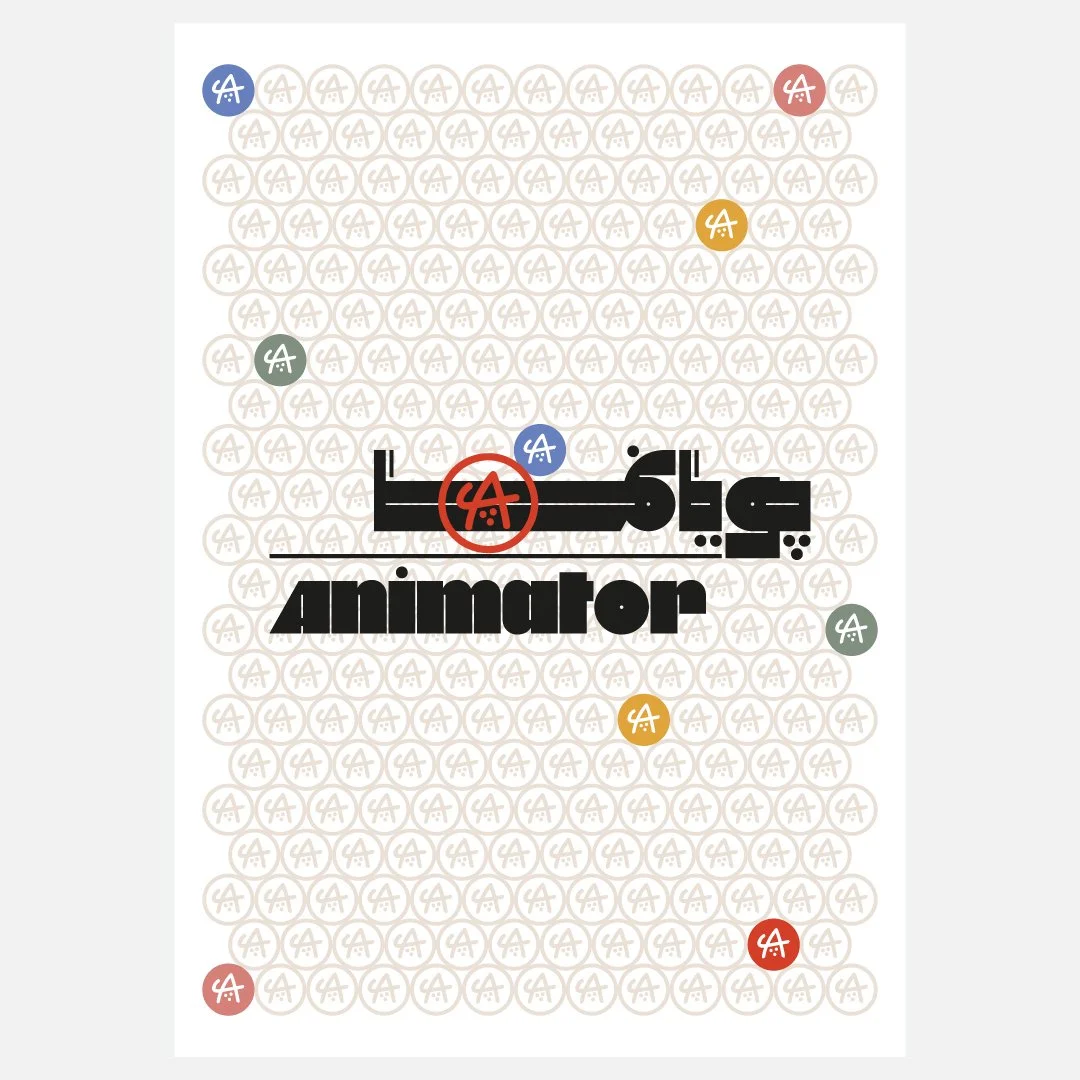
این لوگو ترکیبیه از حرفِ «پ» فارسی و حرفِ «A» انگلیسی، که نقطههای حرفِ «پ» نقشِ اجزای صورت رو بازی میکنن؛ انگار یه شخصیتِ کارتونیه با دهنی باز و چشمهایی گشاد که خیره شده به دنیای بیانتهای انیمیشن.
This logo combines the Persian letter "پ" with the English letter "A." The dots of the "پ" act like facial features — as if it's a cartoon character with an open mouth and wide eyes, staring into the endless world of animation. He also has a little hat :D
طیِ این شونزده سال، بهطور مداوم پویانما رو پشتیبانی کردیم و سرپا نگهش داشتیم؛ به این امید که یه روز انیمیشنِ کشور یه پایگاهِ مستقل داشته باشه، بدونِ وابستگی به هیچ نهاد یا شخصی. همیشه تلاش کردیم مطالبِ خوب و درجهیک رو ترجمه و منتشر کنیم. شب و روز پایِ پویانما تلاش کردیم، و امیدوارم بعدِ مرگِ ما دو برادر، حداقل چراغِ پویانما روشن بمونه و یه نفرِ دیگه از ایران، به همین اندازه دلسوزانه، راهمون رو ادامه بده.
For sixteen years, we have continuously supported Puyanama and kept it standing, hoping that one day the country's animation industry would have an independent home, without depending on any institution or individual. We always tried to translate and publish good, first-rate material. We worked day and night for Puyanama, and I hope that after the two of us brothers are gone, Puyanama's light will at least stay on, and someone else from Iran will carry our path forward with the same devotion.
