My History Part 3
تا اینجایِ کار، تقریباً ده سال از فروشِ خونه و اثاثکشی به تهران میگذشت، و هنوز نتونسته بودیم خونه برایِ پدر و مادر بخریم. من و امید هم بزرگتر شده بودیم، و فشارهایِ روحی و مالی و جامعه چنان مهلک بود که از وصفش توی اینجا عاجزم، و فقط به این متونِ ضعیف بسنده میکنم.
Up to this point, about ten years had passed since selling the house and moving to Tehran, and we still hadn't managed to buy a house for our parents. Omid and I had grown older too, and the psychological, financial, and social pressure was so crushing that I'm incapable of fully describing it here, and can only settle for these weak words.
زخمزبونها و حرفهایِ خانواده تمومی نداشت، و هر روز و هر ماه یه زجر و حرفِ تازه رو باید تحمل میکردیم؛ با کوچکترین اشاره، توی هر جایِ تهران یا ایران، اونجا حاضر بودیم و امیدوار که این دفعه این پروژه میتونه ناگتِ طلاییمون باشه. امید، برادرم، مجبور شد بره سربازی، و من تکوتنها موندم. تکوتنها خیلی تلاش کردم تا پروژهیِ للیکو از ترکیه به نتیجهیِ خوبی برسه، اما نشد.
The sharp remarks and comments from the family never ended, and every day, every month, we had to endure a fresh torment, a fresh comment; at the slightest hint of opportunity, anywhere in Tehran or Iran, we'd be there, hopeful that this time this project could be our golden nugget. My brother Omid was forced to go do his military service, and I was left completely alone. Alone, I tried so hard to bring the Leliko project from Turkey to a good outcome, but it didn't happen.
بخشی رو اینجا مینویسم، اما از اعماقِ وجودم ناراحتم که چرا باید اونطور از جسم و روح و روانم کار میکشیدم، و چرا باید من این زندگی رو با این بارِ مهیب به دوش میکشیدم. احساسی که داشتم، احساسِ لهشدگی زیرِ غلطکِ ماشینِ آسفالتصافکن بود؛ که با گوشتواستخوان، آهسته، روی زمین از روم رد میشه، اما نه توانایی تکلم داشتم و نه حرکت؛ دقیقاً مثلِ کابوسهایی که میبینی ولی نمیتونی کاری کنی.
I'm writing part of it here, but from the depths of my being I'm troubled by the fact that I had to work my body, spirit, and mind that way, and why I had to carry this life with such a crushing weight. The feeling I had was of being crushed beneath the roller of an asphalt-paving machine, flesh and bone, slowly passing over me on the ground, yet I had neither the ability to speak nor to move — exactly like the nightmares you have where you can see everything happening but can't do anything about it.
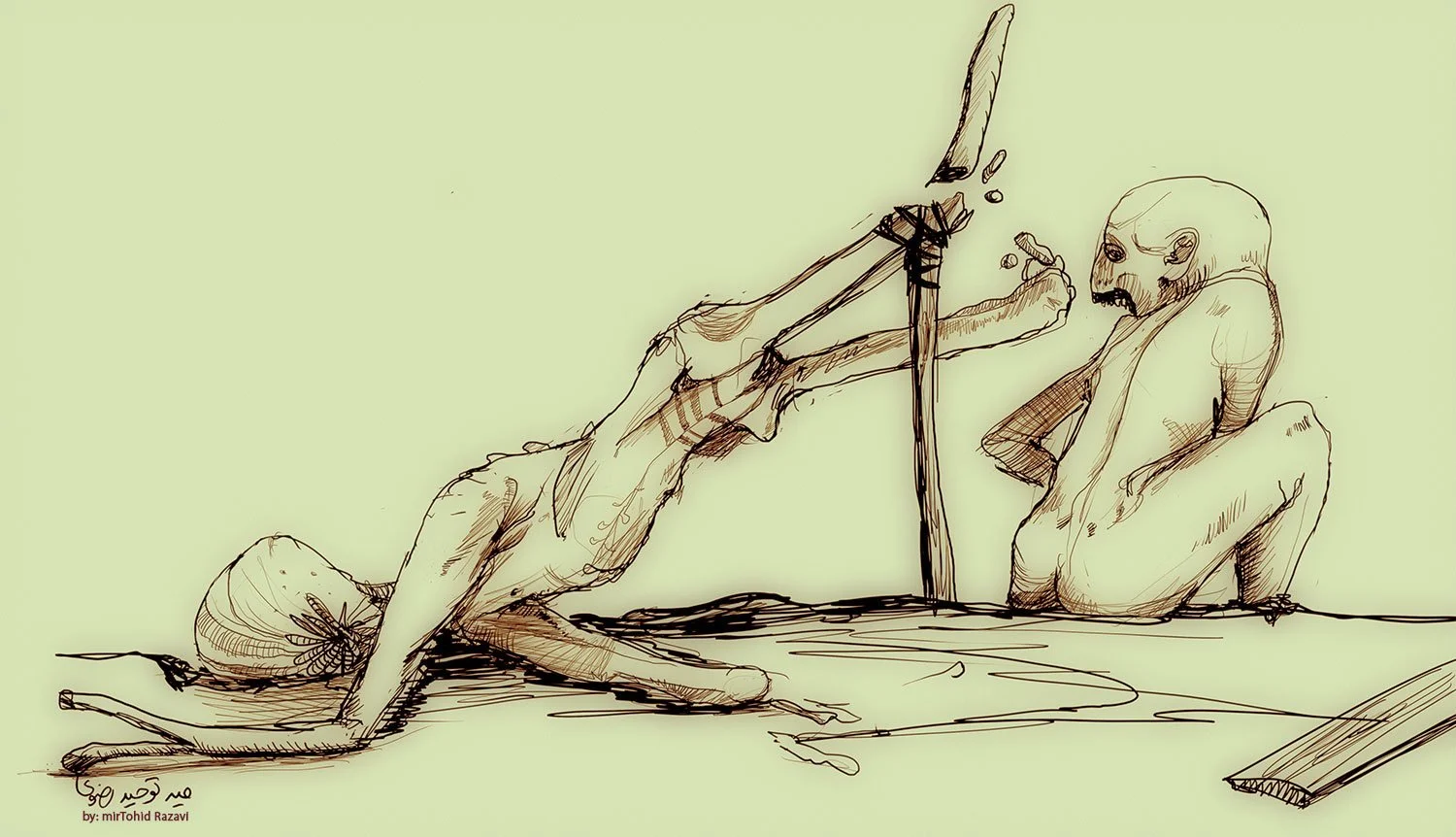
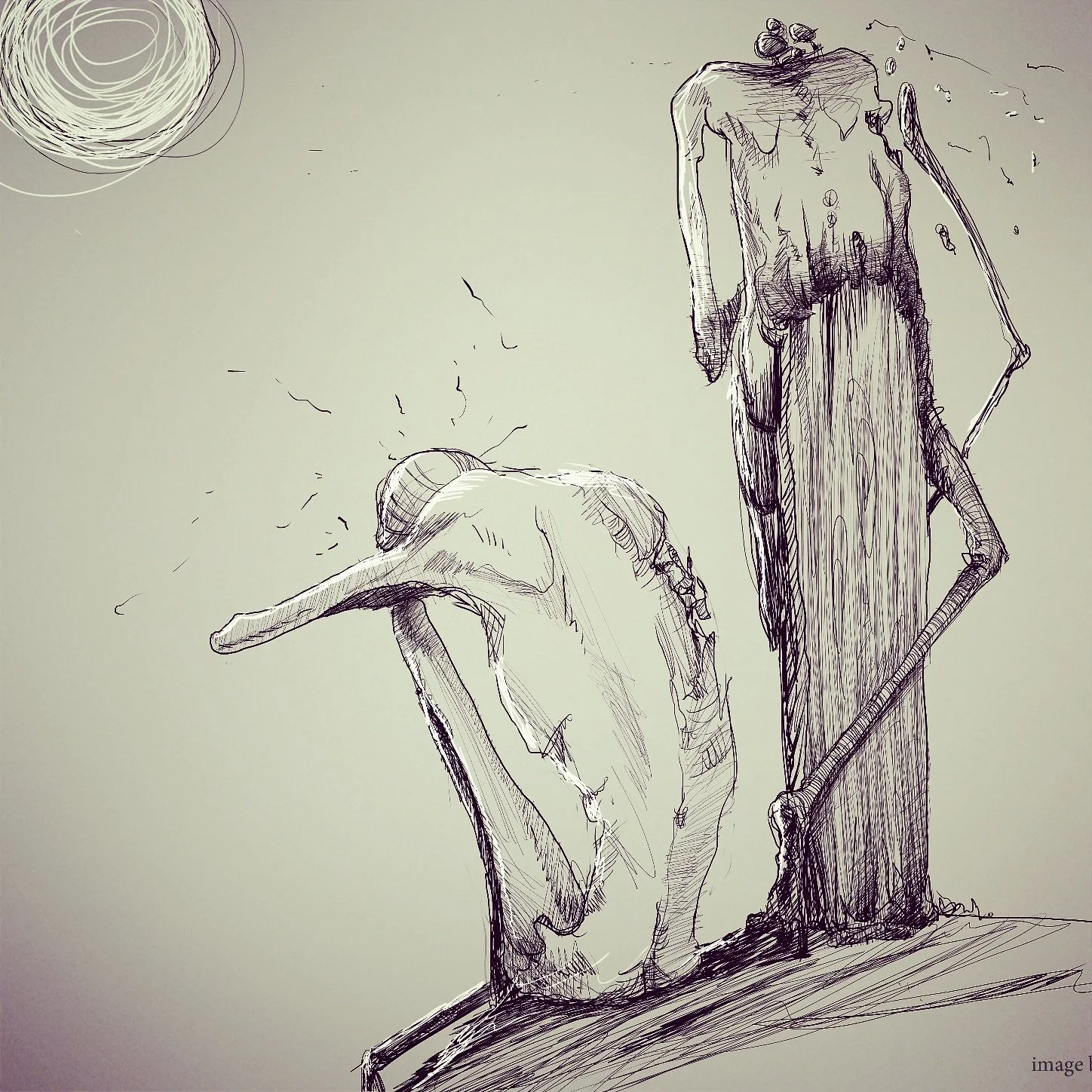
از سریِ اتودهایِ سرزمینهایِ درونیِ من
From the series: Sketches of My Inner Lands
جوِّ خونه طوری بود که اجازهیِ حرفزدن نداشتی، چه برسه به شکایت. چون خونه رو بهخاطرِ ما فروخته بودن و کامپیوتر برامون خریده بودن، و ما، با اینکه هم ماشین براشون خریده بودیم، هم تمومِ هزینهها رو میدادیم، هم لوازمِ خونه خریده بودیم، هم تمومِ بدهیهایِ پدرم رو صاف کرده بودیم و آبرویِ خونه رو برگردونده بودیم، و همچنان بدونِ چشمداشت کمک میکردیم، اما هنوز کافی نبود؛ باید به سندِ خونه میرسیدیم — اون هم نه یه خونهیِ کوچیک، بلکه یه خونهیِ بزرگ. نه پنجاهمتری، بلکه هشتاد تا نود متری، چون خونهیِ ارومیه سیصد متر بود. خونهیِ عمون هفتادوپنج متر بود که گفتن ما با سهتا بچه نمیتونیم توی یه همچین جایی زندگی کنیم. خلاصه، لقمه بزرگ بود، و کسی حاضر نبود از قدمهایِ کوچیک شروع کنه.
The atmosphere at home was such that you weren't allowed to speak, let alone complain. Because they'd sold the house because of us and bought us a computer, and even though we'd bought them a car, covered every expense, bought them furniture, cleared every one of my father's debts, and restored the family's standing, and were still helping without expecting anything back, it still wasn't enough; we needed to reach the deed of a house — and not a small one either, a big one. Not fifty square meters, but eighty to ninety, because the Urmia house had been three hundred. Our uncle's house was seventy-five square meters, and they said we couldn't live somewhere like that with three kids. In short, it was too big a bite to take, and no one was willing to start with small steps.
جلویِ چشمهایِ ما، همکارهامون ازدواج میکردن، مستقل میشدن، برایِ خودشون حقِ زندگی قائل بودن، و به هر جا که میخواستن میرفتن و هر چیزی که میخواستن میخریدن، چون کار میکردن برایِ خودشون؛ و ما فقط نظارهگر بودیم. هر چیزی که میخواستیم رو باید از پدر و مادر اجازه میخواستیم — از لباس تا غذا تا همهچی.
Right in front of our eyes, our colleagues were getting married, becoming independent, claiming their own right to a life, going wherever they wanted and buying whatever they wanted, because they worked for themselves; and we were just spectators. Whatever we wanted, we had to ask our parents for permission — from clothes to food to everything.
همه فامیل منتظر بودن تا ببینن چه سرنوشتی برایِ ما رقم میخوره...
The whole extended family was waiting to see what fate had in store for us...
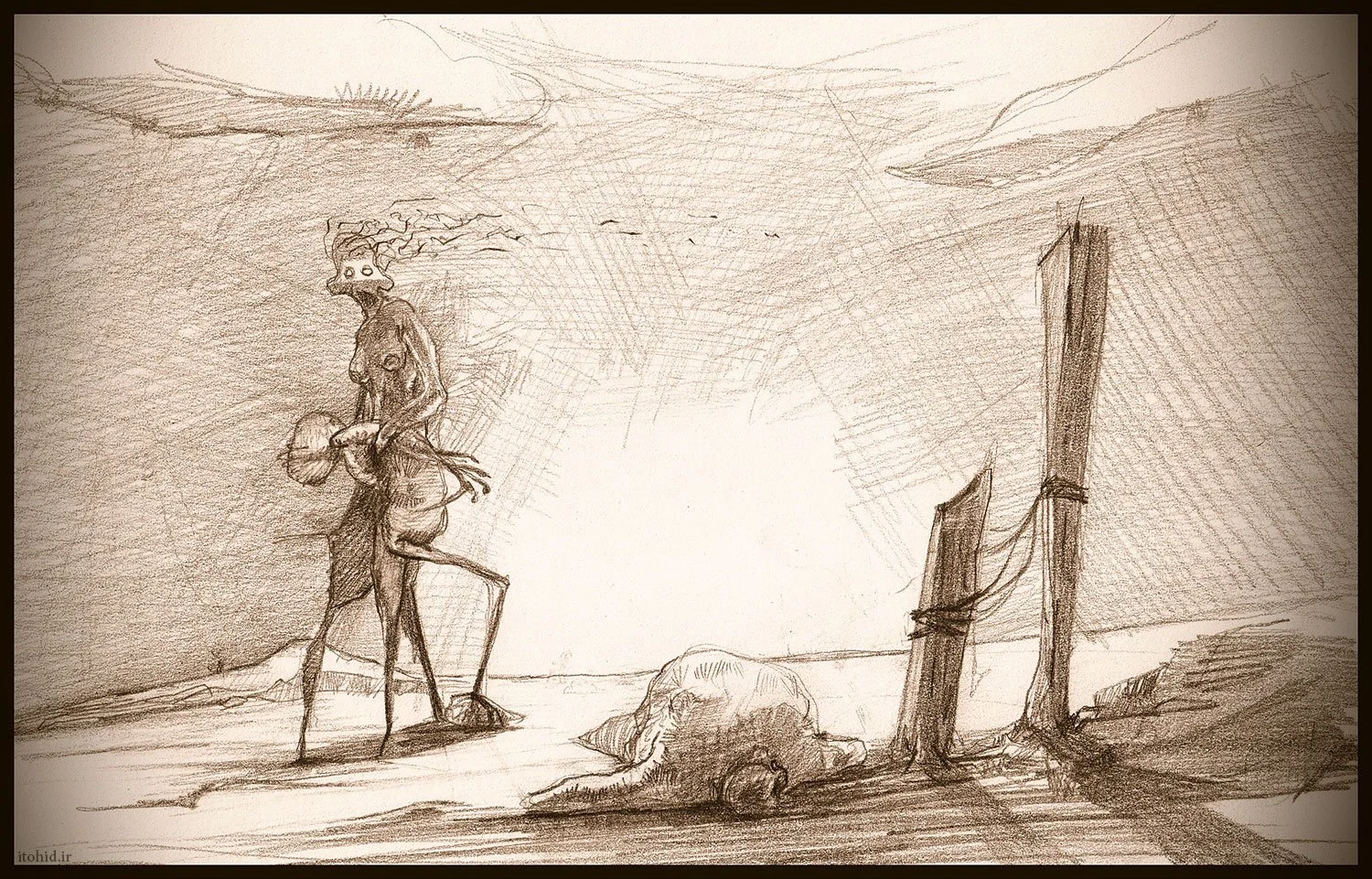
از سریِ اتودهایِ سرزمینهایِ درونیِ من
From the series: Sketches of My Inner Lands
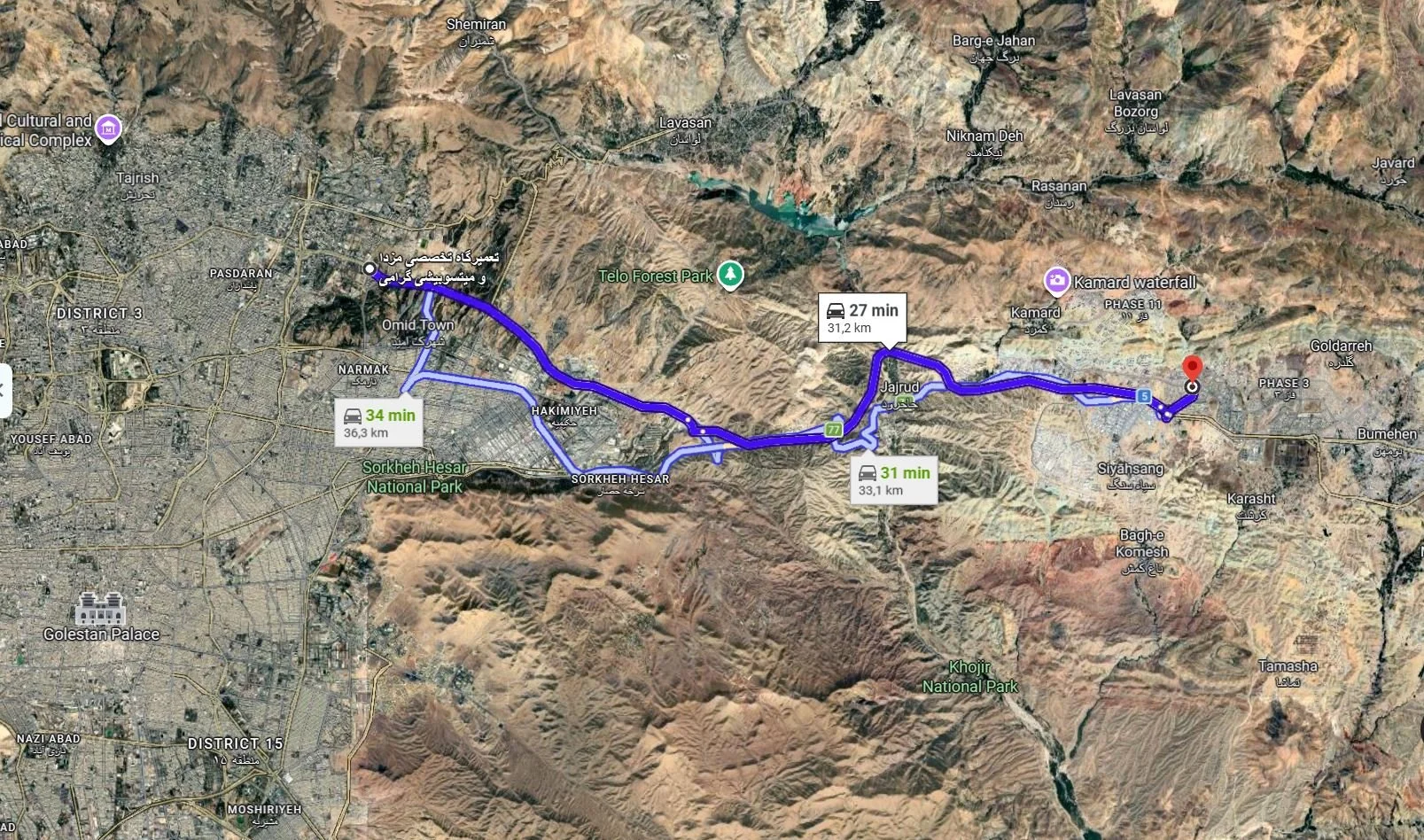
انزوا از اومدنِ به تهران شروع شده بود، اما اوجش اونجایی بود که خواهرم یه روز رفت به یه سمینار توی یه دانشگاهی، و اونجا یه نفر گفت سمتِ پردیس برایِ خریدِ خونه خوبه، و یهو دیدیم در حالِ اثاثکشی به پردیسِ دماوند هستیم؛ مادرم هم گفت اینجا چقدر خوبه. توی تهران فقط یه سال با خانواده زندگی کرده بودیم. مادرم بههیچوجه نمیتونست آلودگی و ترافیکِ اونجا رو تحمل کنه، و همین تصمیم — رفتن به پردیس، بدونِ هیچ ملاحظهای برایِ آیندهیِ کاریِ من و امید — چنان ضربهای بهمون زد که عملاً بیکار شدیم.
Isolation had already started with our move to Tehran, but it peaked when my sister went to a seminar at some university one day, and someone there mentioned that the Pardis area was good for buying a house, and suddenly we found ourselves in the middle of moving to Pardis-e Damavand; my mother said how nice it was there too. We'd only lived with the family in Tehran for one year. My mother couldn't stand the pollution and traffic there at all, and this decision — moving to Pardis, with zero consideration for Omid's and my careers — hit us so hard that we effectively became unemployed.
چرا؟ حملونقلِ روزانه یه هزینهیِ سنگین شده بود؛ تاکسی گرفتن هر روز، از پردیس تا مرکزِ تهران و برگشت، هم پول میبرد هم جون. اتوبوس هم توی اون مسیر وجود نداشت اون دوران؛ تونلِ تهران-پردیس هنوز افتتاح نشده بود، بههمراهِ جادهش؛ و برایِ من و امید، رفتن و برگشتن با اون رانندگیِ وحشیانهیِ بعضی رانندهها، هم خطرِ جانی داشت، هم استهلاک. خستگیِ مسیر، فرسودگیِ جسمی، و اینکه هر روز از شهر دور میشدم، انزوایِ کاریام رو هم بیشتر کرد؛ دیگه فرصتی برایِ هیچچیزِ دیگهای، جز رفتن و برگشتن و کار کردن، نمیموند.
Why? The daily commute became a heavy expense; taking a taxi every day, from Pardis into central Tehran and back, cost both money and stamina. There wasn't even a bus route on that road back then; the Tehran-Pardis tunnel, along with its highway, hadn't opened yet; and for Omid and me, the commute, with some drivers' reckless driving, carried both physical danger and sheer wear and tear. The exhaustion of the commute, the physical toll, and being farther from the city every day deepened my isolation at work too; there was no room left for anything except going, coming back, and working.
نتیجه؟ هیچ. طیِ چند سال، کاملاً از بازارِ کارِ تهران دور افتادیم. تلاش میکردم بهصورتِ اینترنتی هم کار کنیم، ولی عملاً این گزینه هم جوابی نمیداد، چون اینترنتِ خونه ۱۲۸ کیلوبایتی بود، و هرچقدر میگفتیم «پدرجان، این مورد رو با صاحبخونه صحبت کنید تا بلکه ارتقا بدیم»، میگفت بعداً، و هی امروزوفردا میکرد؛ طبقِ یه حرف که پدر همیشه میگفت — یه کلمهیِ ترکیِ آذری که برگردانش به فارسی حقِ مطلب رو ادا نمیکنه، ولی در کل به معنایِ «هرگز» میشه؛ یعنی کاری که هرگز انجام نمیشه.
The result? Nothing. Over the course of a few years, we became completely cut off from Tehran's job market. I tried to find work online too, but that option practically went nowhere either, since our home internet ran at 128 kilobytes; and no matter how many times we said, "Dad, please talk to the landlord about upgrading this," he'd say later, and kept putting it off day after day — in line with a phrase my father always used, an Azeri Turkish word whose translation into Persian doesn't quite do it justice, but which basically means "never"; meaning something that will never, ever get done.
Dušyeri, LELIKO, PEPEE - 2015
مداومِ رو به جلو حرکت کردن توی سرشتِ آدمه و هیچوقت امیدواری از دلِ آدم کنده نمیشه. با وجودِ تمومِ شکستها و بر باد رفتنِ هر چیزی که به حساب واریز میشد، توی شرایطِ یه خانوادهی منفعل و منتظرِ معجزه، و اقتصادِ رو به فروپاشیِ ایران توی اون سالها، من مداوم دنبالِ راهِ چاره بودم. مادرم شبانهروز نماز و دعا میخوند. یه مدتی هم رفت و زیرزمینی که من و امید توش زندگی میکردیم، توی خونهی عمو حیدر، رو تبدیل کرد به آرایشگاهِ زنونه؛ ولی هزینهی رفتوآمد نمیصرفید و جمعش کرد. همین وضع رو توی ارومیه هم داشتیم، ولی بازم کفافِ کار رو نمیداد و فشارِ زیادی روی مادرم بود با سهتا بچه. توی تهران هم جواب نداد؛ یا شاید ما اصلاً سواد و تخصصِ بزرگکردنِ یه بیزینسِ کوچیک رو نداشتیم، نمیدونم دلیلش چی بود. ولی خلاصه بعد از اون همه سال کارِ بیوقفه، زندگیِ بدونِ تفریح و استراحت، حتی بدونِ داشتنِ یه دوستدختر، بازم امیدوار بودم و فکر میکردم یه روز این فشارها تموم میشن و ازدواج میکنم و مستقل میشم. ولی نشد. تنها راه، پیدا کردنِ کار بیرون از ایران بود؛ چون زندگی توی ایران، و تحریمِ بانکهای ایرانی، عملاً کار کردن رو تعطیل کرده بود و گزینهی خوبی نبود. بالاخره ایمیل زدیم به خانم عایشه شوله بیلگیچ (Ayşe Şule Bilgiç) و هر چی کار کرده بودیم رو جمع کردیم توی رزومه و فرستادیم.
Constantly moving forward is in human nature, and hope never leaves a person's heart. Despite every failure and every bit of money that vanished, in the situation of a passive family waiting for a miracle, and Iran's collapsing economy in those years, I kept searching for a solution. My mother prayed day and night. For a while, she even turned the basement where Omid and I lived, in uncle Heydar's house, into a women's hair salon, but the commute cost too much and she closed it. We had the same situation in Urmia too, but it still was not enough work, and there was a lot of pressure on my mother with three children. It did not work out in Tehran either — or maybe we just did not have the knowledge or skill to grow a small business. I don't know the reason. But after all those years of nonstop work, a life with no fun, no rest, not even a girlfriend, I still had hope. I thought one day this pressure would end and I would get married. But it did not happen. The only option left was to find work outside Iran, because life in Iran, and the sanctions on Iranian banks, had basically shut down any chance of working. It was not a good option. In the end, we emailed Ms. Ayşe Şule Bilgiç, gathered everything we had worked on into a resume, and sent it.
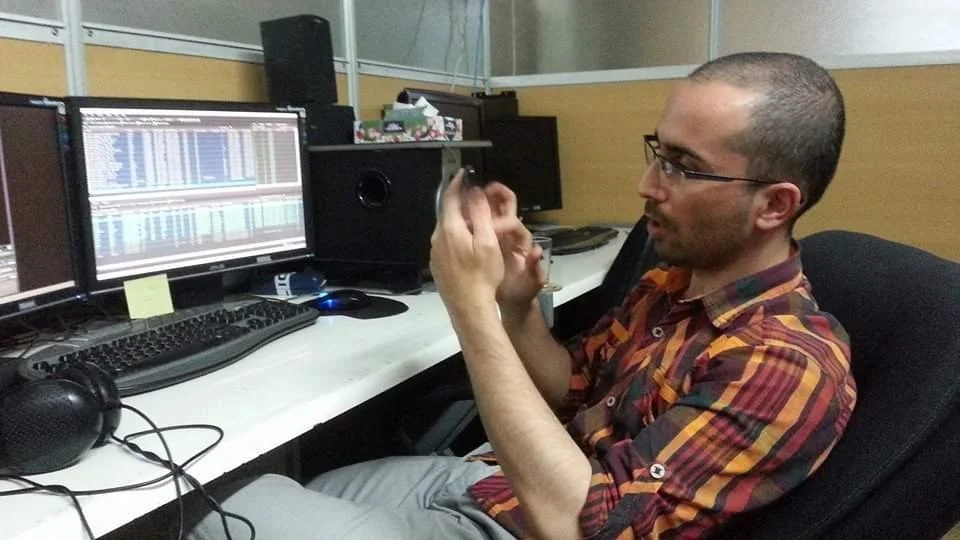
عکسی که از دورانِ تولیدِ سه قسمت از انیمیشنِ محبوبِ «للیکو» از خودم دارم، همینه؛ فکر کنم امیر ذوقی این رو از من گرفته بود.
The photo I have of myself from the time we produced three episodes of the popular animation "Leliko" is this one — I think Amir Zoghi took it.
وقتی ایشون موافقت کرد یه تست بگیره و بعدش یه کار بهمون بده، اونقدر خوشحال و شاد بودم که توی پوستِ خودم نمیگنجیدم. احساس میکردم دیگه برای همیشه فقر و بدبختی رو پشتِ سر میذارم. خونه میخرم برای پدر و مادرم و اونا هم خوشحال میشن. ولی زهی خیالِ باطل. هیچوقت احساس نکردم پدر دارم. سرپا ایستادم و جنگیدم. ولی خیلی هم توی تنهایی اشک ریختم. زاری کردم و دعا کردم که چرا این زندگی باید با من اینجوری رفتار کنه؟ چرا من اصلاً باید به دنیا میاومدم؟ ولی این بار فکر میکردم آخرین تلاشه.
When she agreed to give us a test and then possibly give us a job, I was so happy I could hardly contain myself. I felt like I was finally leaving poverty and hardship behind for good. I would buy a house for my parents, and they would finally be happy. But it was all wishful thinking. I never felt like I had a father to lean on — I always chased down my own work myself. I stood on my own feet and fought. But I cried a lot in private too. I wept and prayed, asking why life had to treat me this way. Why did I even have to be born? I always blamed my parents, and their parents before them, and I still do. But this time, I thought it was my last chance.
من اصلاً مایا بلد نبودم. شب و روز مایا تمرین میکردم. نمیدونم چرا ولی هنوز امیدوار بودم. با تهپساندازی که داشتم رفتم یه کلاسِ مایا ثبتنام کردم و چند تا جلسه رفتم. تنها کلاسی بود که یه بندهخدایی برگزار میکرد و همش میخواست کلاس بذاره و ملبازی کنه و اسکریپت بنویسه، و منم همش میگفتم آخه آدمِ خوب، این چیزها برام مهم نیست. چون تجربهی کافی داشتم، خودم هدایت میکردم که مثلاً اگه بخوام فلان کاری که توی تریدیمکس میکردم رو توی مایا انجام بدم، چیکار باید بکنم. و اینجوری یهکم یاد گرفتم.
I did not know Maya at all. I practised Maya day and night. I don't know why, but I was still hopeful. With the little savings I had left, I signed up for a Maya class and attended a few sessions. It was the only class around, run by some guy who mostly wanted to mess around and write scripts instead of teaching. I kept telling him, "Look, man, none of that matters to me." Since I already had enough experience, I would just direct him — asking, for example, how to do in Maya something I already knew how to do in 3ds Max. That's how I picked up a bit of it.
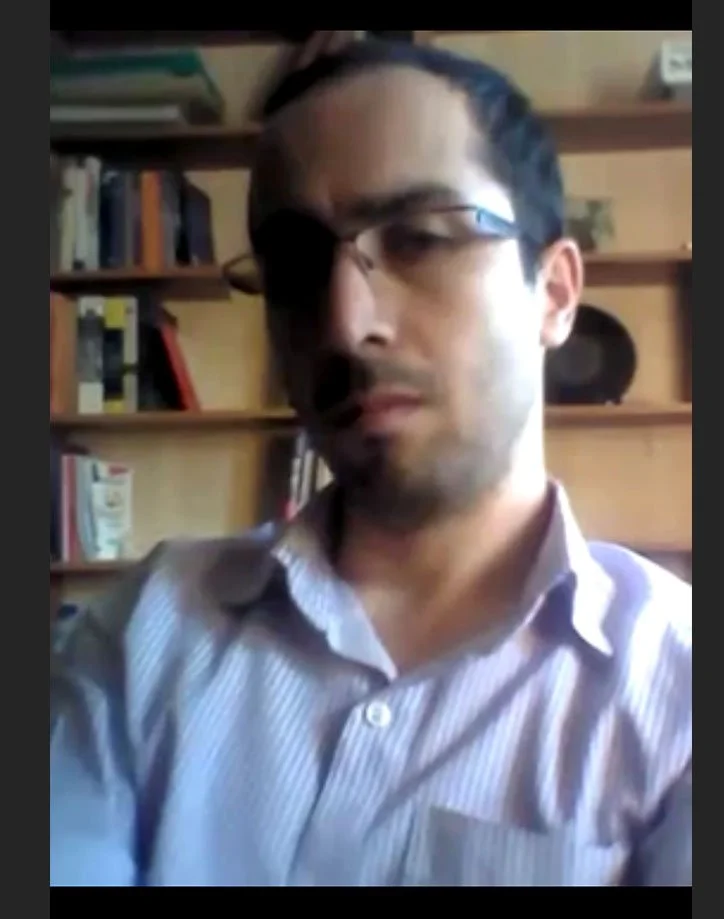
این عکس بالا رو هم از روی یه ویدئوی کیفیتپایین، سرِ همون کلاسِ مایا، اسکرینشات گرفتم. این یکی رو هم گوگل خودکار بکآپ گرفته بود و من اصلاً خبر نداشتم ازش. چهرهام قشنگ از حالِ درونم خبر میده، ولی چارهای جز حرکت رو به جلو و امیدواری نداشتم.
I took this screenshot above from a low-quality video during that same Maya class. This one was also automatically backed up by Google, and I had no idea it even existed. My face clearly shows what was going on inside me, but I had no choice but to keep moving forward and stay hopeful.
تستِ انیمیشنِ پپه رو توی همین تاریخ براشون فرستادم؛ از توی ایمیلِ خودم درش آوردم: چهارشنبه، ۲۷ فروردین ۱۳۹۳.
I sent them the Pepee animation test on this date — I found it in my own email: Wednesday, April 16, 2014.
تستِ انیمیشن یه دقیقه بود، با سه شخصیت، که باید از استوریبورد شروع میکردم تا انیمیت و رندرِ نهایی. چون مایا رو هنوز کار نکرده بودم و بلد نبودم، تلاش کردم و همهیِ شخصیتها رو آوردم به نرمافزارِ مکس، با بایپد ریگشون کردم، و همهیِ تست رو توی مکس انجام دادم. روزهایِ طاقتفرسایی بود، چون هیچرقمه نمیدونستم که آیا با دیدنِ تست، اوکیِ نهایی رو میدن، یا میگن «خوشمون نیومد، برید پیِ کارتون». گزینهیِ دوم، قطعاً برایِ من و خانواده در اون دوران، یه فاجعهیِ مهلک بود. باید و باید این کار اوکی میشد.
The animation test was one minute long, with three characters, and I had to take it from storyboard all the way to final animation and render. Since I hadn't worked with Maya yet and didn't know it, I brought all the characters into 3ds Max, rigged them with Biped, and did the entire test in Max. Those were grueling days, because I had no way of knowing whether they'd give final approval after seeing the test, or say "we're not impressed, go your own way." That second option, for me and my family at that time, would have been an absolute catastrophe. This had to, had to, get approved.
یادمه اینقدر توی گوگلمپ توی کوچه و خیابونهایِ منطقهای که شرکتِ دوشیری بود میرفتم و خیره میشدم، و لحظهشماری میکردم برایِ دریافتِ یه ایمیل از ترکیه، از دستِ خانم عایشه. در تمامِ این مدت هم خواهرم، طبقِ معمول، رئیس بود و همهچیز رو ایشون تنظیم میکرد، و برایِ هر پاسخی، مخصوصاً توی زمینهیِ مالی، باید دخالت میکرد؛ و من صرفاً یه انجامدهنده بودم که در نهایت، کار باید به پولِ خوبی میرسید تا تبدیل بشه به خونه. هیچوقت عذاب و استیصالی که تجربه میکردم رو نمیتونم توصیف کنم.
I remember how much I'd go into Google Maps and stare at the alleys and streets in the area where the Dušyeri company was, counting down the moments for an email from Turkey, from Ms. Ayşe. Through all of this, my sister, as usual, was in charge, arranging everything, and had to weigh in on every response, especially anything financial; I was simply the one carrying it out, while in the end, the work had to translate into good money that could become a house. I can never fully describe the anguish and desperation I experienced.
در اوجِ انتظار، پاسخِ مثبت رو دریافت کردیم و قرار شد سه قسمتِ دهدقیقهای تولید کنیم.
At the height of that waiting, we finally got a yes, and it was decided we'd produce three ten-minute episodes.
به کمک مرحوم آقای ابوالحسنی و اعتمادی که به من و پشتکارم داشت، کلیدِ تولید رو توی یکی از اتاقهای استودیوی ایشون زدم. همهجای اتاق کثیف بود، با هزار بدبختی تمیزکاری کردم؛ مخصوصاً چیدنِ اون همه کامپیوتر و نصبِ مایا و ددلاین برای مدیریتِ رندرها و تستِ شبکه، دمار از روزگارم درآورد. شروع کردم به استخدامِ چند تا انیماتورِ باذوق: خانم لیلا شعبانی، راحیل شهبازی، امیر ذوقی، یکی از برادرانِ نجومی که تازه از مشهد رسیده بودن به تهران — آقای فرزاد نجومی که چنان با شور و علاقه کار میکرد که هنوز یادمه و خیلی به پروژه کمک کرد؛ آها، هومن سروشنیا هم بود؛ خانم نگاه مجلسی و خودم.
Thanks to the late Mr. Abolhasani, and the trust he had in me and my work ethic, I got the green light to start production in one of the rooms of his studio. The whole room was filthy. I cleaned it up with a thousand struggles, and especially setting up all those computers and installing Maya and Deadline to manage renders and network tests nearly finished me off. I started hiring a few talented animators: Leila Shabani, Rahil Shahbazi, Amir Zoghi, one of the Nojoomi brothers who had just arrived in Tehran from Mashhad — Farzad Nojoomi, who worked with such passion and enthusiasm that I still remember it, and who contributed a lot to the project. Oh, and Houman Soroushnia, who was not a very good experience to work with. Also Negah Majlesi, and myself.
از صبح تا ساعتِ یازده شب کار میکردم، کار و کار. فشارِ کار اونقدر زیاد بود که روزی صد بار آرزویِ مرگ میکردم، ولی باید ادامه میدادم. بعد از کلی بیخوابی برایِ تمومِ کردنِ تستِ انیمیشنِ پِپِ، و با نیازِ مرگوزندگیِ پروژهیِ جدید که همین للیکو بود، دیگه نمیتونستم کار رو ول کنم. اصلاً عقبنشینی توی خونِ من وجود نداره.
I worked from morning until 11 p.m., nothing but work. The pressure was so intense I wished for death a hundred times a day, but I had to keep going. After all those sleepless nights finishing the Pepee animation test, and with the do-or-die urgency of the new project, which was Leliko itself, I couldn't let the work go anymore. Backing down simply isn't in my blood.
اما از ترکیه مدام ادیت میفرستادن و من خیلی کلافه شده بودم؛ اونقدر کار رو به استهلاک کشوندن که داشتم روانم رو از دست میدادم. یه ایمیل هم در همین زمینه فرستادم ولی به جایی نرسید.
But Turkey kept sending edits nonstop, and I was extremely frustrated — I sent an email about it too, but it went nowhere.
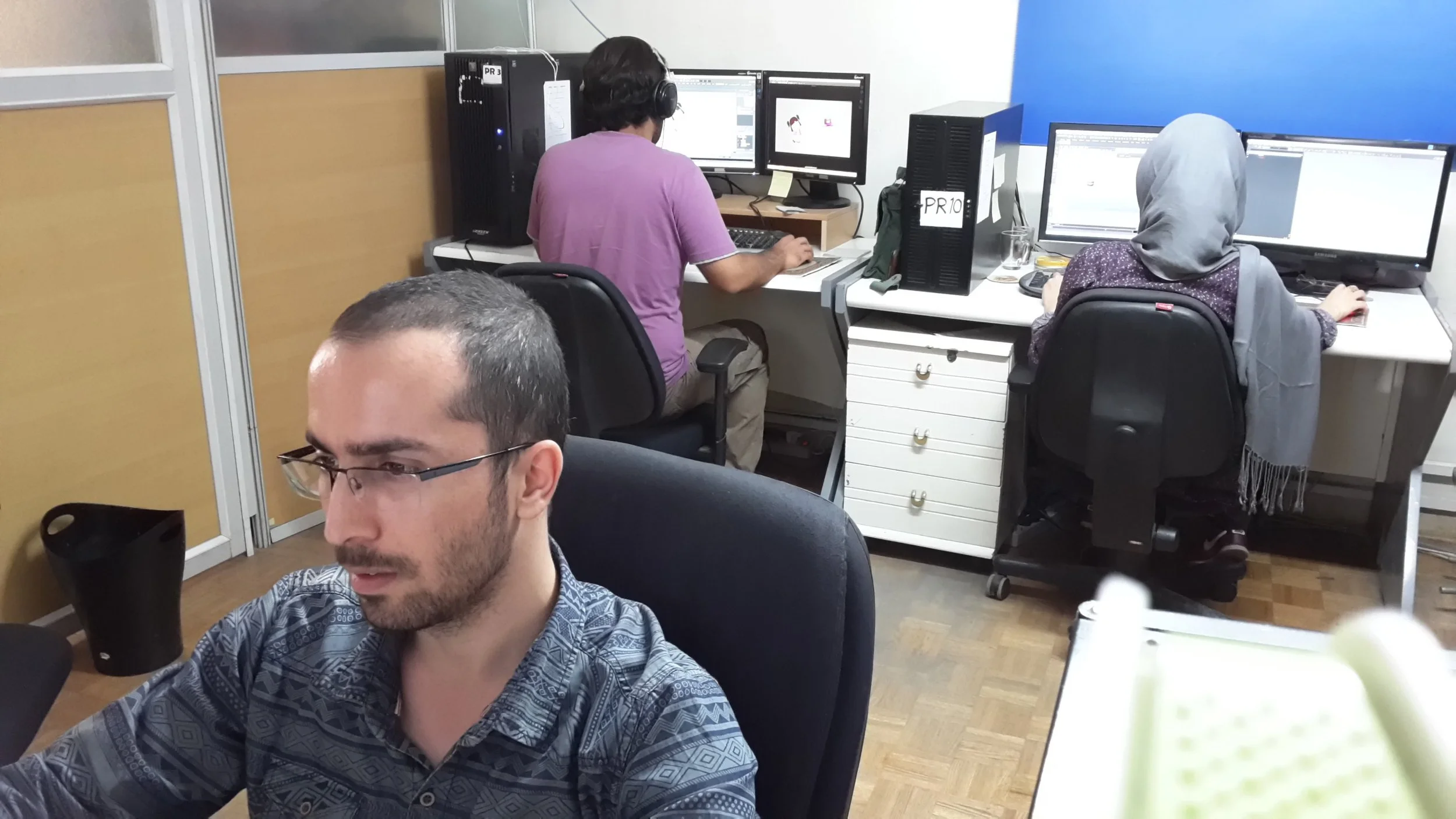
این عکس رو هومن سروش نیا گرفت. کاش روی صورت آدم معلوم بود که درونش چطوره. پشت سرم خانم شهبازی هست با آقای امیر ذوقی
This photo was taken by Houman Soroushnia. I wish a person's face could show what's going on inside them. Behind me are Ms. Shahbazi and Mr. Amir Zoghi.
من پایِ کامپیوترها، شب و روز، هر لحظه داشتم نابود میشدم؛ شب و روز میرفتم سرِ کار و برمیگشتم، و آقایِ ابوالحسنی هم هروقت من رو میدید میپرسید: «این کارِ ترکیه کِی تموم میشه؟»
I was destroying myself, moment by moment, day and night, in front of those computers; day and night I'd go to work and come back, and whenever Mr. Abolhasani saw me he'd ask, "When is this Turkey job going to be done?"
کارِ ترکیه بالاخره تموم شد، و با هزار جور واسطه و درصد، پول گرفتیم — که در نهایت اون هم به ضرر ختم شد.
The Turkey job finally wrapped up, and after going through a thousand kinds of middlemen and cuts, we got paid — which, in the end, also came out to a loss.
آقای ابوالحسنی یه روز من رو احضار کرد که چی شد پروژهی ترکیه؟ منم کمی ماجرا رو توضیح دادم، و ایشون با چهرهای درهمکشیده گفت: «آقای رضوی، این همه ماه از استودیوی من استفاده کردی، کامپیوترها و هزینهی برق و آب و اینها؛ حالا من چطور از شما پول بگیرم؟» و دیگه چیزی نگفت. این، آخرین ارتباطِ من با آقای ابوالحسنی بود؛ آبروی حرفهای که سالها رنج و زحمت کشیده بودم تا جمعش کنم، همینجوری بر باد رفت.
One day, Mr. Abolhasani summoned me and asked what had happened with the Turkey project. I explained a little of the situation, and with a grim face, he said, "Mr. Razavi, you have used my studio all these months — the computers, the electricity and water costs, and so on. Now how am I supposed to ask you for money?" And he said nothing more. That was the last contact I ever had with Mr. Abolhasani — the professional reputation I had spent years of hardship building was destroyed just like that.
ولی کسی نمیدونست که توی خانواده، پشتِ پرده، توحید شاهدِ چه فجایع و زجرها و اهانتهایی بوده. کسی نمیدونست توحید پولپرست نیست، توحید فامیلپرست نیست، توحید از کسی سوءاستفاده نمیکنه؛ توحید ناچاره برایِ خانواده خونه بخره، مبادا کار از دستش در بره. توی خانوادهیِ توحید کسِ دیگهای کار نمیکنه، و باید هزارجور پولِ اجاره و خوردوخوراک و بنزین و لباس و غذا و قبوض و خیلی چیزهایِ دیگه رو دربیاره. چرا توحید باید اینجوری میشد؟ چون هنوز نمیدونه، و کسی هم نیست که بهش بگه، توی عالمِ بیزینس اصول و مقرراتی هست که باید بهش پایبند بود؛ وگرنه همهچیز سوءاستفاده و بهضررِ آدم تموم میشه — که همینطور هم شد. ولی کسی نمیدونست و نمیشد گفت.
But no one knew what horrors, torments, and insults Tohid was witnessing behind the scenes, within his own family. No one knew that Tohid isn't money-obsessed, that Tohid doesn't put family above everything, that Tohid doesn't exploit anyone; Tohid has no choice but to buy his family a house, In Tohid's family, no one else works, and he has to somehow come up with rent, food, gas, clothes, groceries, bills, and a thousand other things. Why did it have to be this way for Tohid? Because he still doesn't know, and there's no one there to tell him, that in the world of business there are principles and rules you need to hold to — otherwise everything ends in exploitation and works against you, which is exactly what happened. But no one knew, and there was no way to say it.
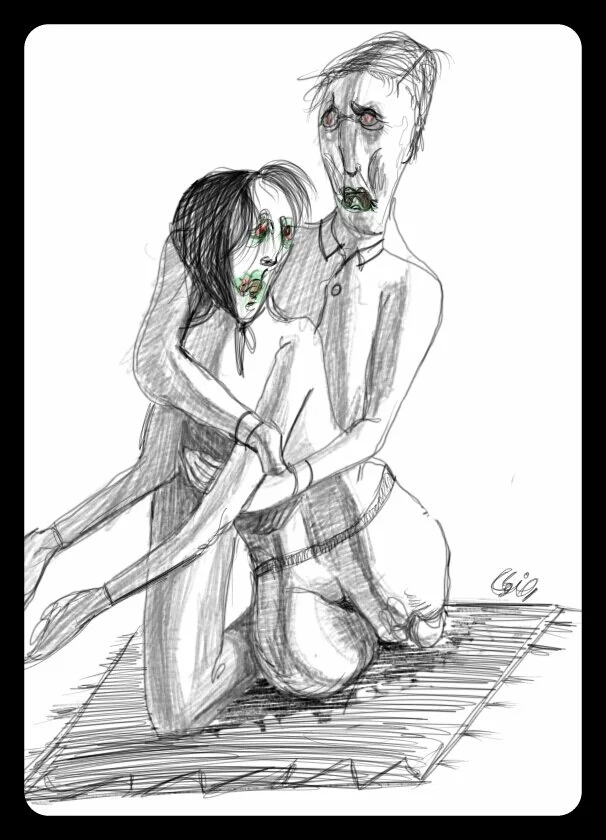
از سریِ اتودهایِ سرزمینهایِ درونیِ من
From the series: Sketches of My Inner Lands
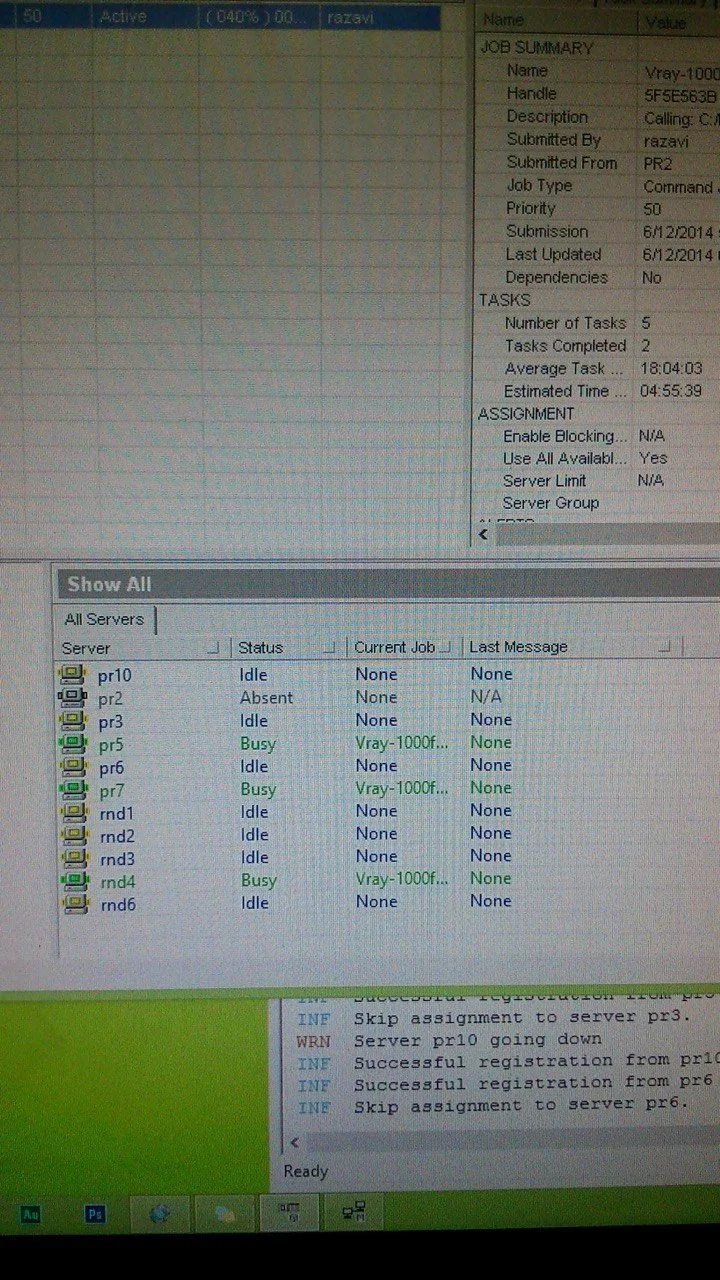
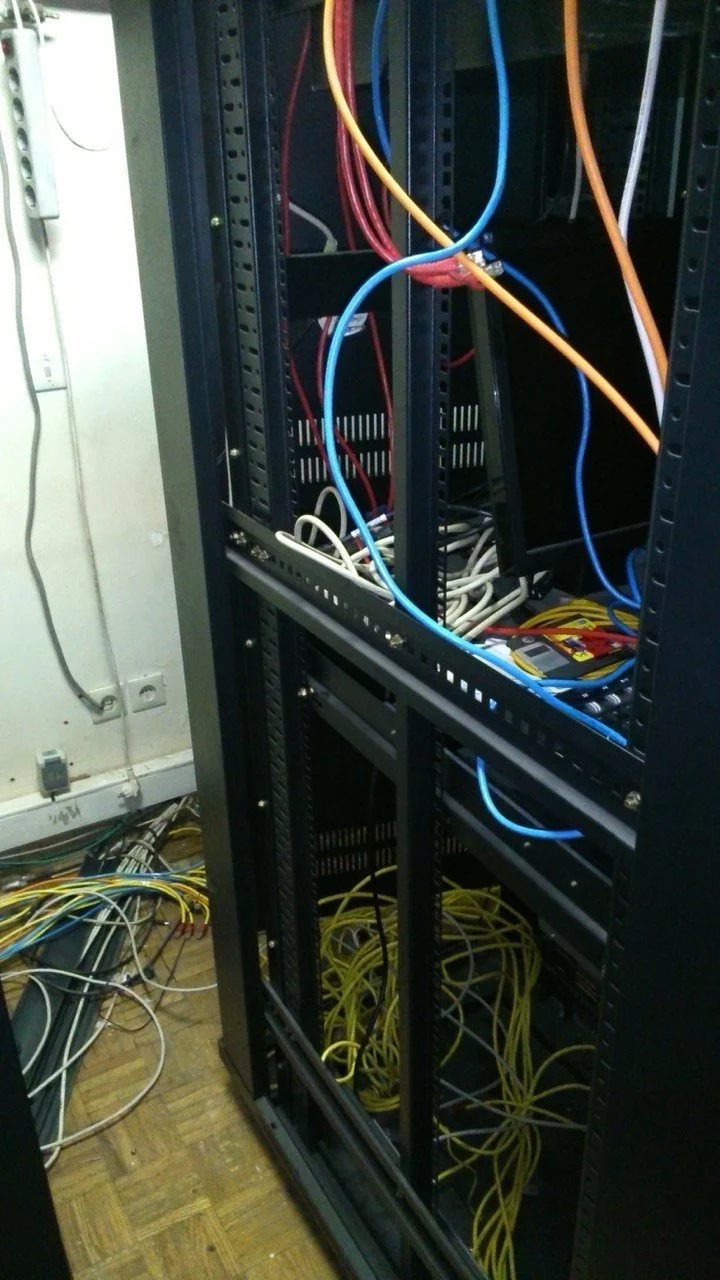
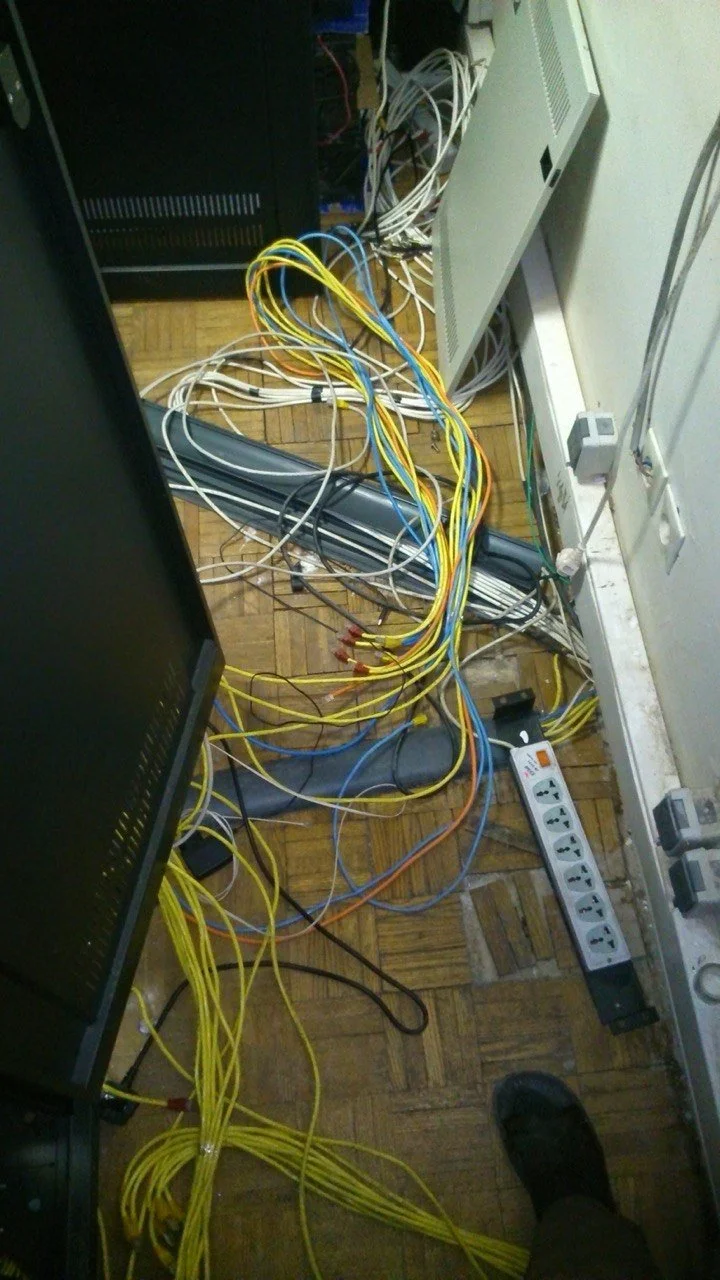
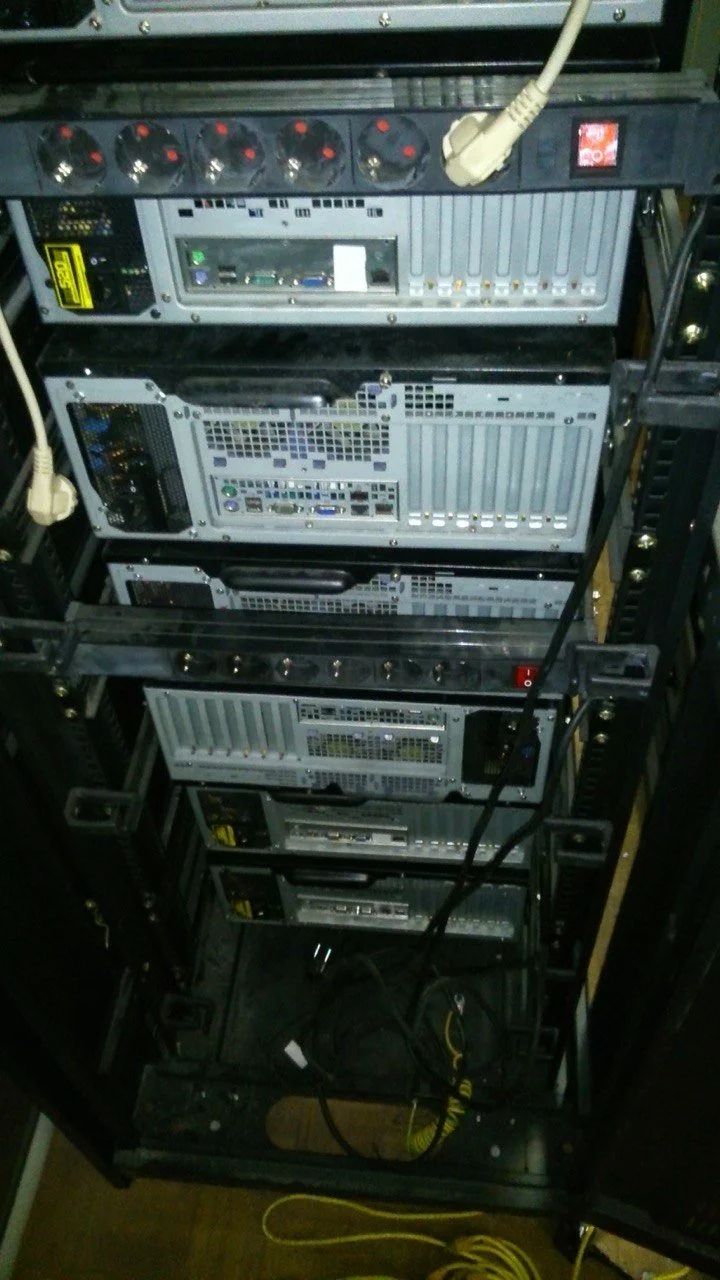
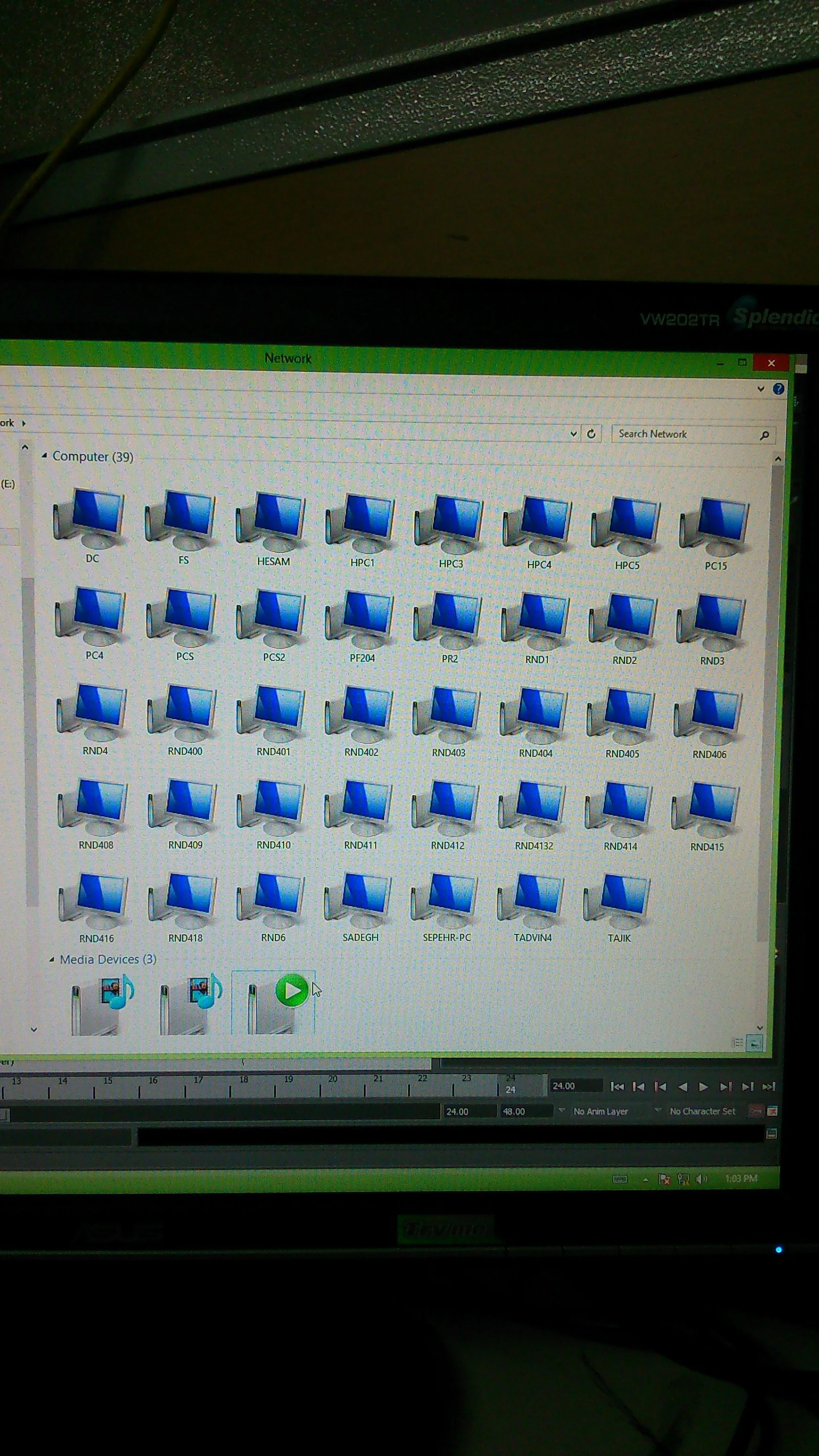
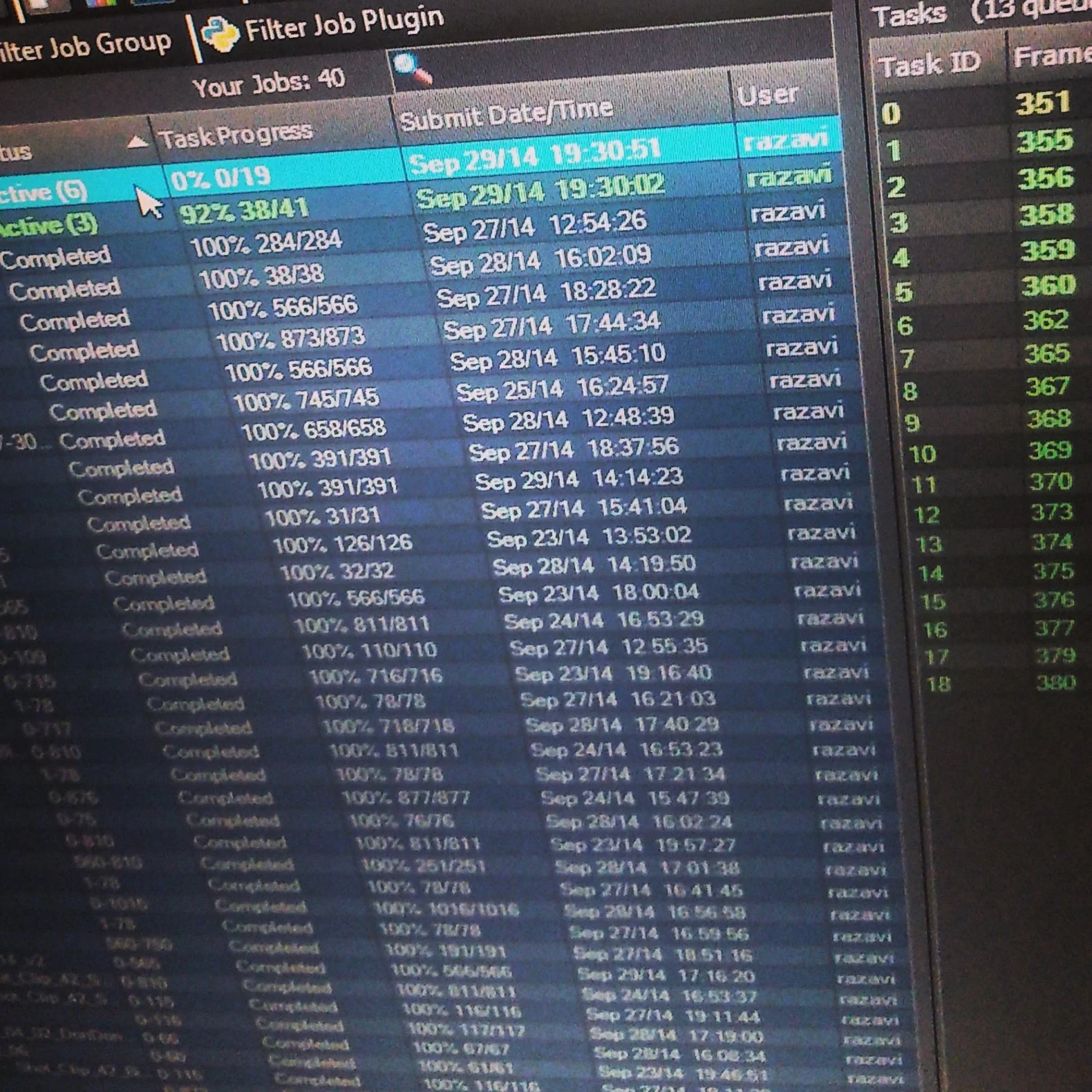
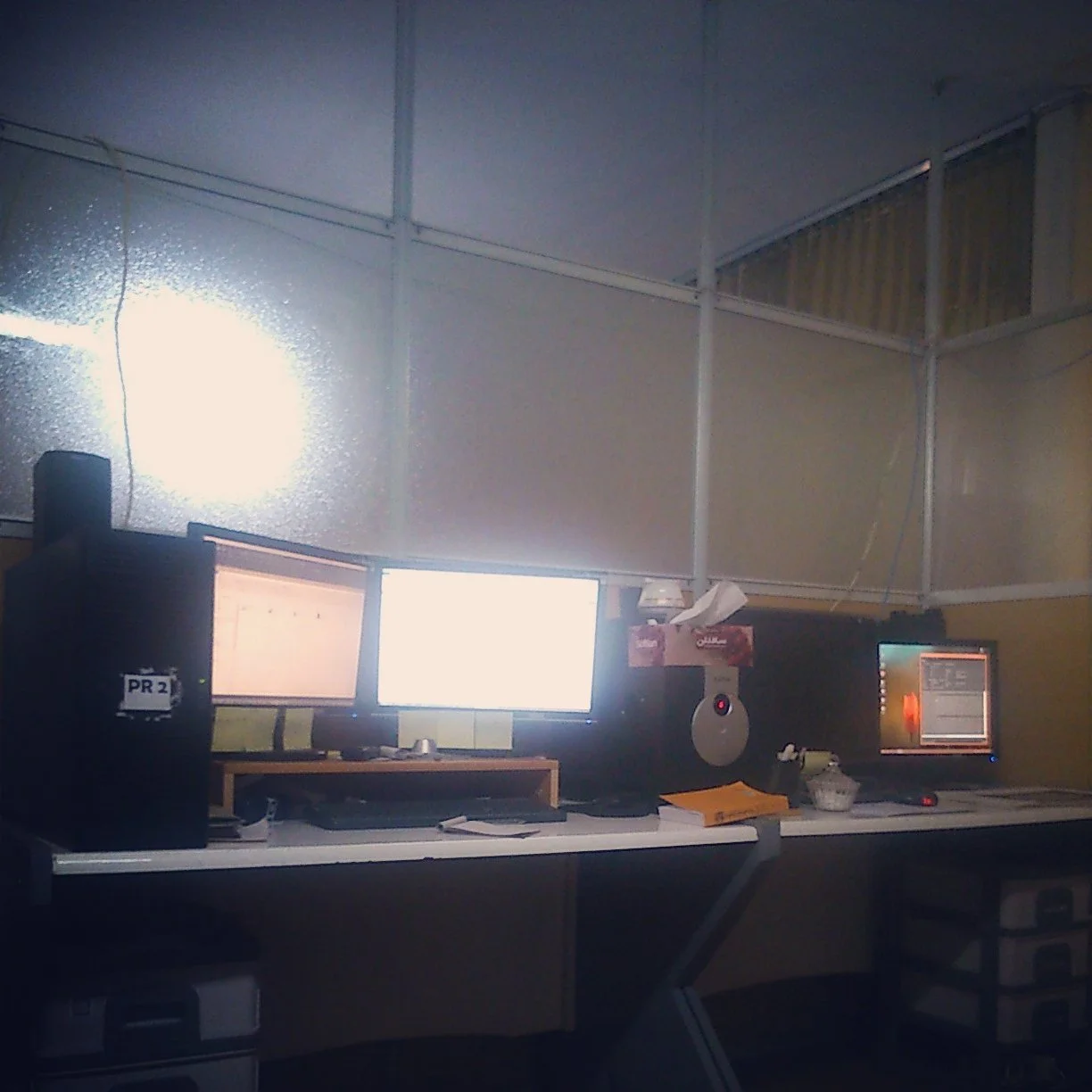
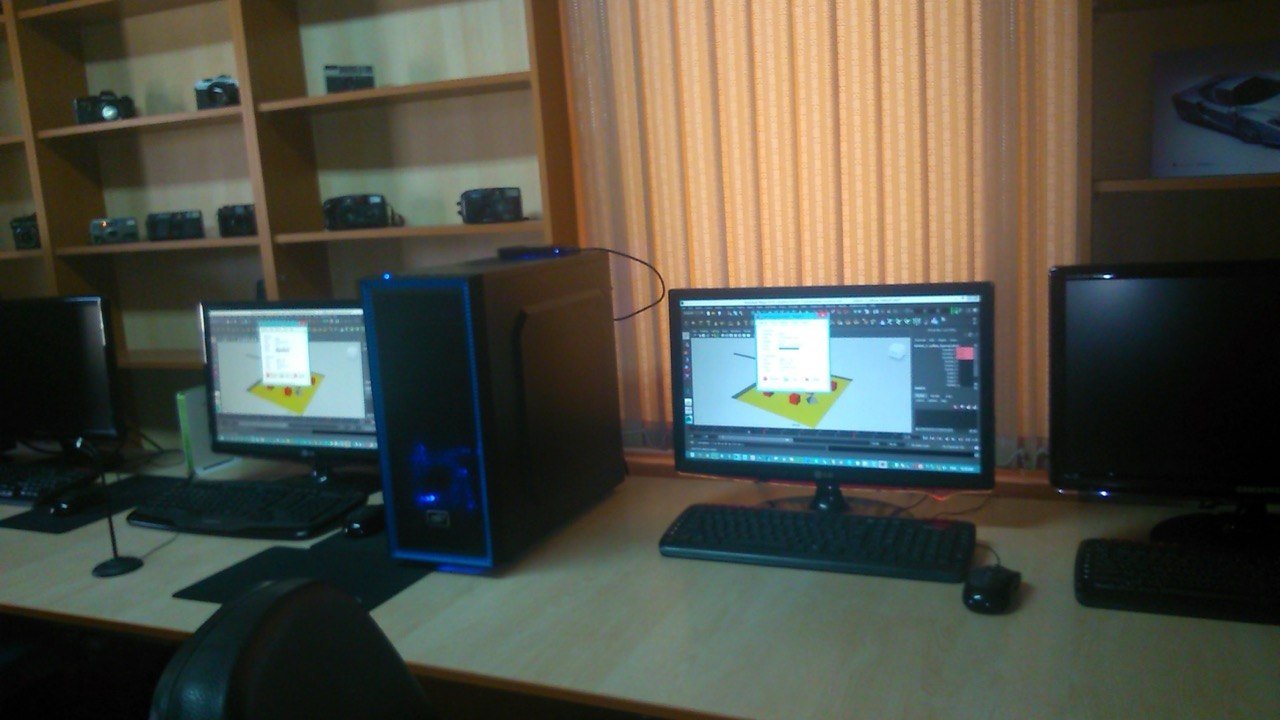
تصاویرِ بالا بهصورتِ اتفاقی توی گوگلفوتوز بکآپ گرفته شده بودن. با یازده تا کامپیوتر کار رو رندر میکردم و مدیریتِ رندر رو هم با ددلاین انجام میدادم. وضعیتِ کابلها و سرور رو، پیش از سر و سامون دادنش، میبینید؛ اصلاً وضعی بود. خوشحالم که این تصاویر وجود دارن و قرار نیست از ذهن پاک بشن، چون از اون دوران فقط خاطراتِ مبهم و درسهاش باقی موندن.
These photos above were accidentally backed up on Google Photos. I rendered the work using eleven computers and managed the render queue with Deadline. What you see here is the state of the cables and server before I got them organized — it was a real mess. I am glad these photos exist and won't fade from memory, because from that period, only vague memories and their lessons remain.
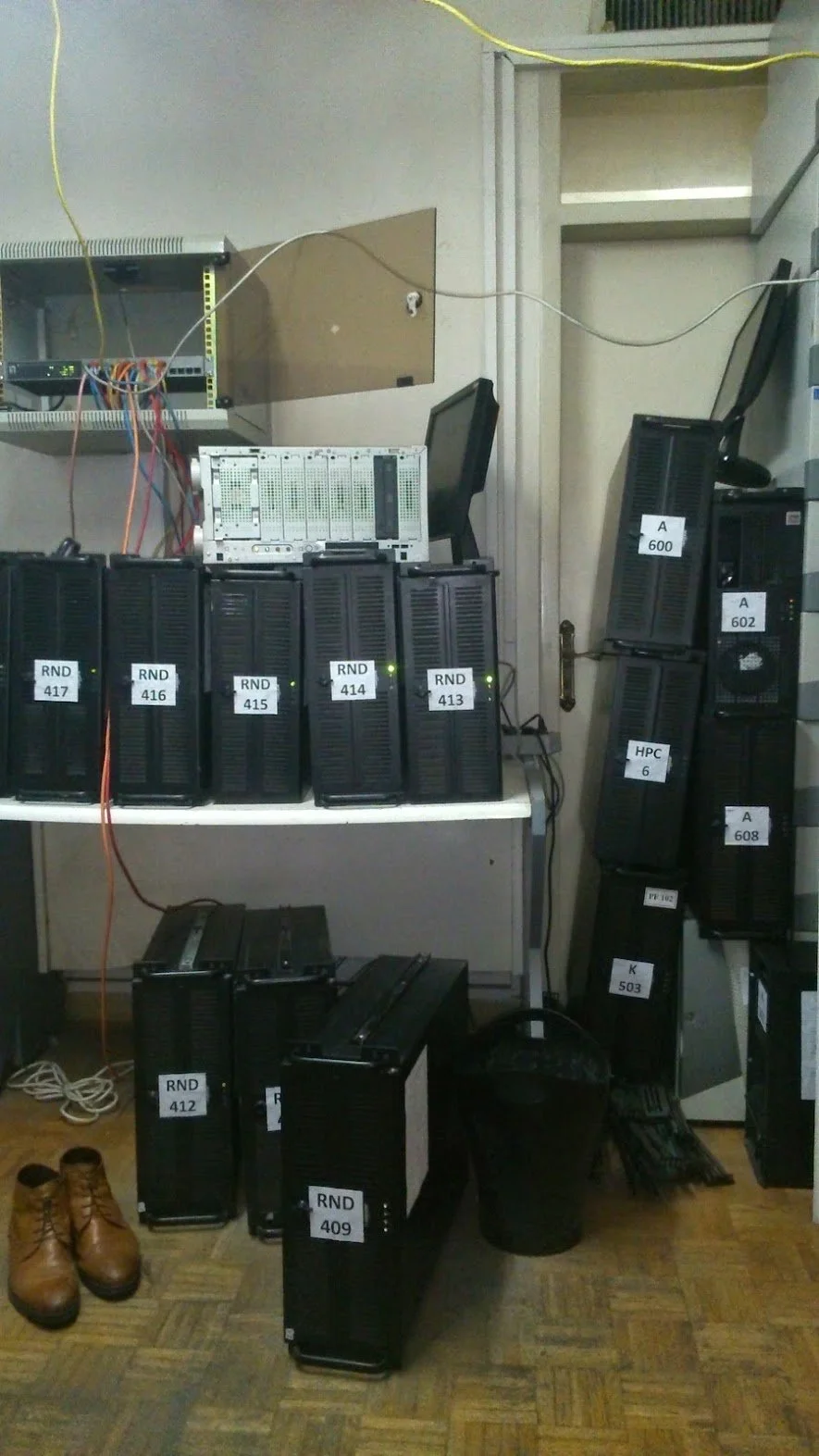
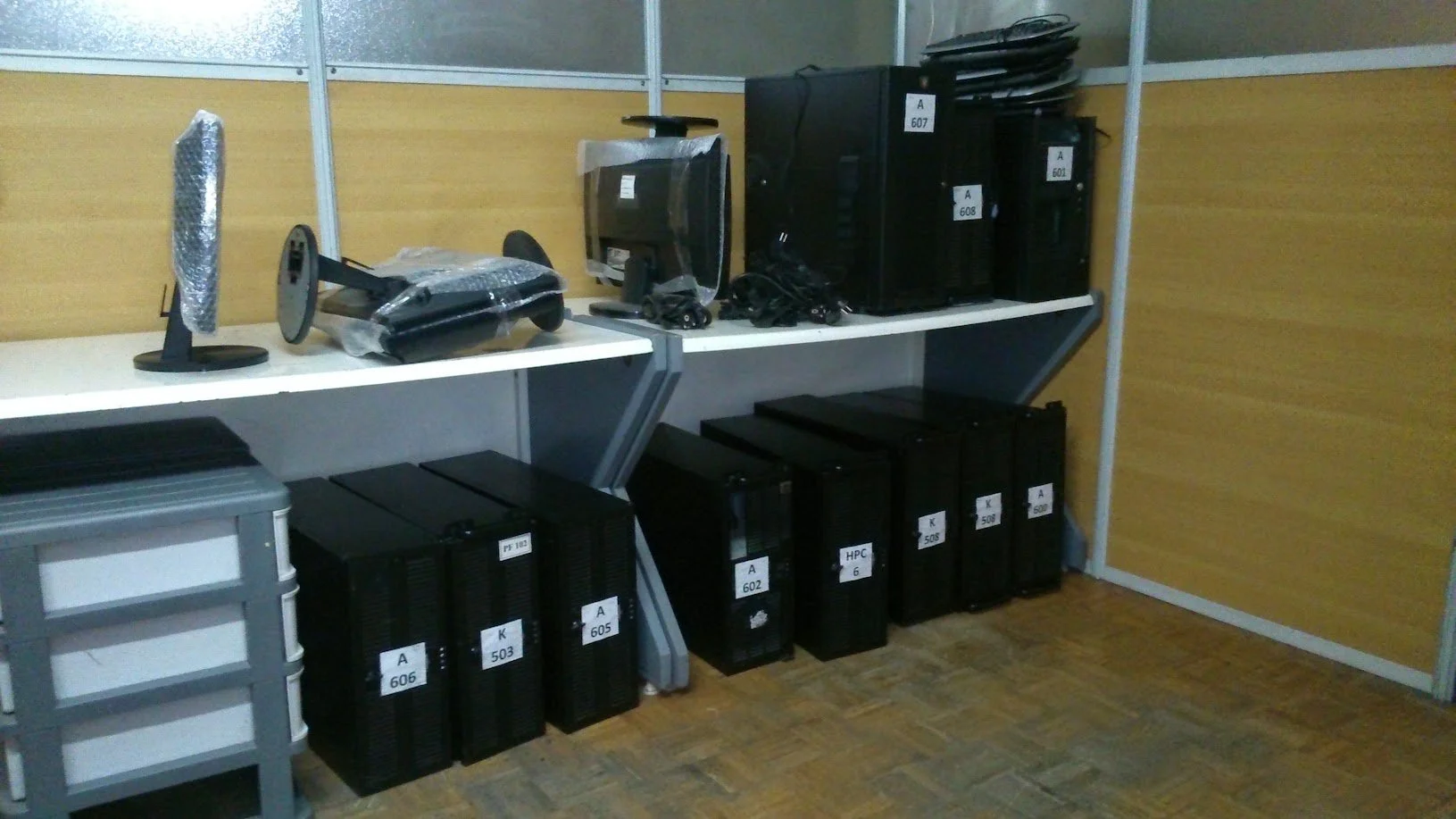
این اتاقی بود که آقایِ ابوالحسنی در اختیارم گذاشت. تا روزی که بشه ازش استفاده کرد تا پروژه رو کلید بزنیم، خیلی کار کردم!
This was the the room that Mr. Abolhasani gave me to use. I worked hard to get it to a point where we could actually use it to kick off the project!
هیچوقت یادم نمیره روزی رو که از طریقِ یه واسطه، پولِ نهاییِ للیکو رو بهمون دادن. یادم نیست دقیقاً چقدر بود. یادمه که از طریقِ آشناهای آقای منبتی تونستیم پول رو بگیریم.
بعد از چند ماه، پدرم خیلی راحت رو کرد بهم و گفت: «از لیرهای ترکیه چیزی نمونده.»
I will never forget the day a middleman finally handed us the final payment for Leliko. I don't remember exactly how much it was. But instead of thanking us, my father was upset, right there on the street. I remember we managed to get the money through some of Mr. Manbati's connections.
A few months later, my father just casually turned to me and said, "There's nothing left of the Turkish lira."
I was destroyed.
این تنها یه اپیزود از سه اپیزودیه که خودم کارگردانی کردم و تولیدش کردیم. طبقِ توافقمون با خانم عایشه، اسمِ کارگردان رو ذکر نکردن. الان بهش افتخار میکنم، ولی تحملِ دیدنِ حتی یه فریم از این ویدئو رو ندارم؛ چون میلیونها بار پایِ هر فریمش خونِ گریه کردم. این اپیزود رو ضربدر سه بکنید.
This is just one of three episodes I directed and we produced. Based on our agreement with Ms. Ayşe, the director's name was not credited. I am proud of it now, but I cannot bear to watch even a single frame of this video, because I cried blood a million times over every frame of it. Multiply this episode by three.
از للیکو چی یاد گرفتم؟ نحوهی برخورد با یه سریالِ سهبعدی رو یاد گرفتم. اینکه روشهایی وجود داره تا کار رو بهینهتر و حرفهایتر جلو ببری. یهجور دانشگاهِ تولیدِ سریالِ انیمیشنِ سهبعدی بود، ولی توی مقیاسی خیلی حرفهایتر و بینالمللیتر. یاد گرفتم چه تکنیکهایی باید بهکار برد تا کار، با اینکه ممکنه بینِ پنج تا ده تا انیماتورِ فولتایم تقسیم بشه، یکدست از آب دربیاد. یاد گرفتم که همیشه، اعتمادها رو توی سطحِ بالاتر حفظ کنم. یاد گرفتم که اجازه ندم یه آدمِ بیتجربه توی مسائلِ مالی و قراردادی و مذاکرات همراهم بشه. به نظرم بزرگترین درس اینه که نداشتنِ صداقت توی روندِ کار، باعث میشه بیشتر از حدِ معمول فشارِ روانی و جسمی به آدم وارد بشه؛ فشاری که میتونه کمرِ آدم رو بشکنه، مخصوصاً اگه بارِ خانواده با تمومِ هزینههاش روی دوشت باشه و منتظر باشن یه پولِ قلمبه بیاری تا خونه بخرن.
What did I learn from Leliko? I learned how to approach a 3D series. I learned that there are methods to move work forward more efficiently and more professionally. It was like a university for producing 3D animated series, but on a much more professional, international scale. I learned what techniques are needed to keep the work consistent, even when it might be split among five to ten full-time animators. I learned to always maintain and preserve trust at a higher level. I learned not to let an inexperienced person get involved alongside me in financial matters, contracts, or negotiations. I think the biggest lesson is that a lack of honesty in the process puts more psychological and physical pressure on a person than usual — pressure that can break someone's back, especially when the burden of a family and all its expenses rests on your shoulders, and they're waiting for you to bring home a large sum of money to buy a house.
August 2015
Buying out military service and obtaining the End-of-Service Card
خرید خدمت و گرفتن کارت پایان خدمت
میونِ اون همه بدبختی و مسئولیت، خواستم از ایران خارج بشم؛ مثلاً برم خارج. نمیشد. باید دو سال خدمتِ سربازی میرفتم. بدونِ داشتنِ کارتِ پایانِ خدمت، نمیتونستم پام رو از مرز بیرون بذارم. از روزی که مشمول شده بودم، دانشگاه رو هم نصفهونیمه ول کرده بودم و شب و روز سگدو میزدم تا خرجِ خانواده رو دربیارم؛ اگه پول داشتم و کارهایی که انجام میدادم پولش برایِ خودم بود، پا میشدم میرفتم ترکیه، حضوری با عایشه صحبت میکردم. من رقم نداشتم برم پارکِ سرِ کوچه، چه برسه خارج از ایران.
Amid all that hardship and responsibility, I wanted to get out of Iran — go abroad, for instance. It wasn't possible. I had to do two years of mandatory military service. Without an end-of-service card, I couldn't set foot outside the country. Ever since I became eligible for service, I had already half-abandoned university and was running myself into the ground day and night just to cover my family's expenses; if I'd had money, if the work I was doing had actually been for myself, I'd have just gotten up and gone to Turkey, spoken to Ayşe in person. I didn't have enough to go to the park at the end of the street, let alone leave Iran.
هر کاری میکردیم، هر روز و هر دقیقه میگفتن: «بهخاطرِ شما خونهمونو فروختیم و الان آوارهیِ خیابونها شدیم. وگرنه الان خونه داشتیم.» انگار نه انگار که خونهیِ عمو کاظم رو توی تهران فروختن، و خونهیِ بعدی رو هم که توی بخشِ خاکسفیدِ تهران بود، بهخاطرِ حرفهایِ عموم که میگفت اونجا معتاد داره، فسخ کردن؛ و خانمی که خونه رو میفروخت، نفرینمون میکرد. اما من و امید شده بودیم کیسهبوکس، و تمومِ تقصیرها و بدبختیها زیرِ سرِ ما بود. کاش زندگی اینجوری پیش نمیرفت.
No matter what we did, every single day, every minute, they'd say: "Because of you, we sold our house, and now we're out on the streets. Otherwise we'd still have a home." As if it never happened that they were the ones who sold uncle Kazem's house in Tehran, and then canceled the deal on the next house, in the Khak-e Sefid district of Tehran, because of something my uncle said about there being an addict living nearby — and the woman selling that house cursed us over it. But Omid and I had become the punching bags; every fault and every misfortune landed on us. I wish life hadn't gone this way.
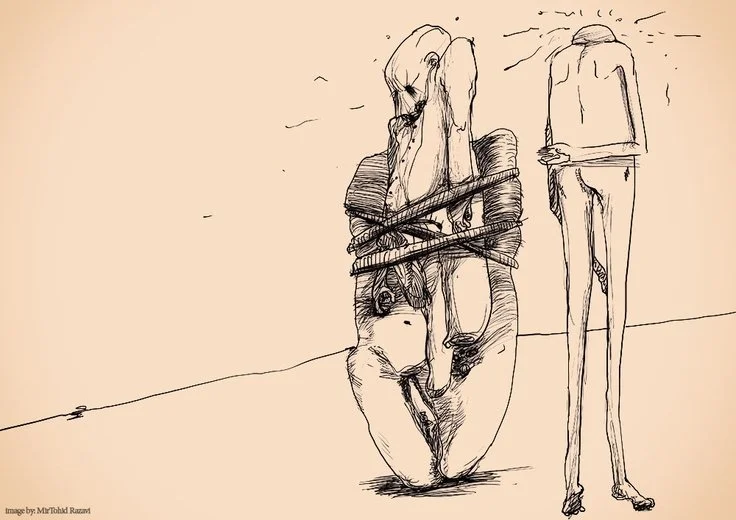
از سریِ اتودهایِ سرزمینهایِ درونیِ من
From the series: Sketches of My Inner Lands
بزرگترین شانسِ زندگیم زمانی بود که دولت، بهخاطرِ کسریِ بودجه، اقدام کرد به فروشِ خدمتِ سربازیِ مشمولانِ غایب، و من هم شاملش میشدم. دقیق یادمه که درست بعد از اتمامِ پروژهی تهرانیها بود که این طرح اعلام شد. رقمِ من بیستویک میلیون تومن بود.
In the middle of all that hardship and pressure, the biggest stroke of luck in my life came when the government, due to a budget shortfall, started allowing men who had skipped their mandatory service to buy their way out — and I qualified. I remember clearly it was right after the Tehrani-ha project ended that this program was announced. My amount came to 21 million tomans.
پیشتر، قبل از اینکه صاحبخونه پیشپرداخت رو برگردونه — پیشپرداختِ همون جایی که برایِ تولیدِ تهرانیها رهن کرده بودیم — به بابام گفتم این ۲۰۶ رو بفروشه؛ ده تومن که دستمون رسید، بریم پژو پارس بخریم. گفت نه.
پژو دویست و شیش نقره ای رو هم از یک نزول خور خریده بودیم و چقدر با امید زجر کشیدم تا رقمش رو صاف کردیم
We'd also bought the silver Peugeot 206 from a loan shark, and I and Omid suffered so much to pay off that amount.
روزی که خدمتم رو میفروختن، اگه پژو پارس رو داشتیم میشد نزدیکِ سی میلیون فروخت: بیستویکش رو میدادیم به خدمت و با بقیهش پراید میخریدیم. ولی نشد. التماسِ ما به این و اون شروع شد؛ من هیچجوره نمیخواستم دو سال از عمرم رو توی خدمت تلف کنم. بالاخره با کمکِ آقای ابراهیمِ داروغهزاده، و برادرانِ دوقلویی که توی شبکهی چهار کار میکردن — سیاوش صفاریانپور و محمدفؤاد صفاریانپور — رقم جور شد و خدمت رو خریدم.
Earlier, before the landlord returned our deposit — the deposit on the same place we'd mortgaged for producing Tehrani-ha — I told my father to sell the Peugeot 206; once we had 10 million, we could go buy a Peugeot Pars. He said no. On the day I bought out my service, if we'd still had the Peugeot, we could have sold it for close to 30 million: 21 million toward the service, and a Pride with the rest. But it didn't happen. We started begging one person after another for help — I did not want to waste two years of my life on military service, no matter what. In the end, with help from Mr. Ebrahim Daroghezadeh, and a pair of twin brothers who worked at Channel 4 — Siavash Saffarianpour and Mohammad Fouad Saffarianpour — we pulled the amount together and I bought out my service.
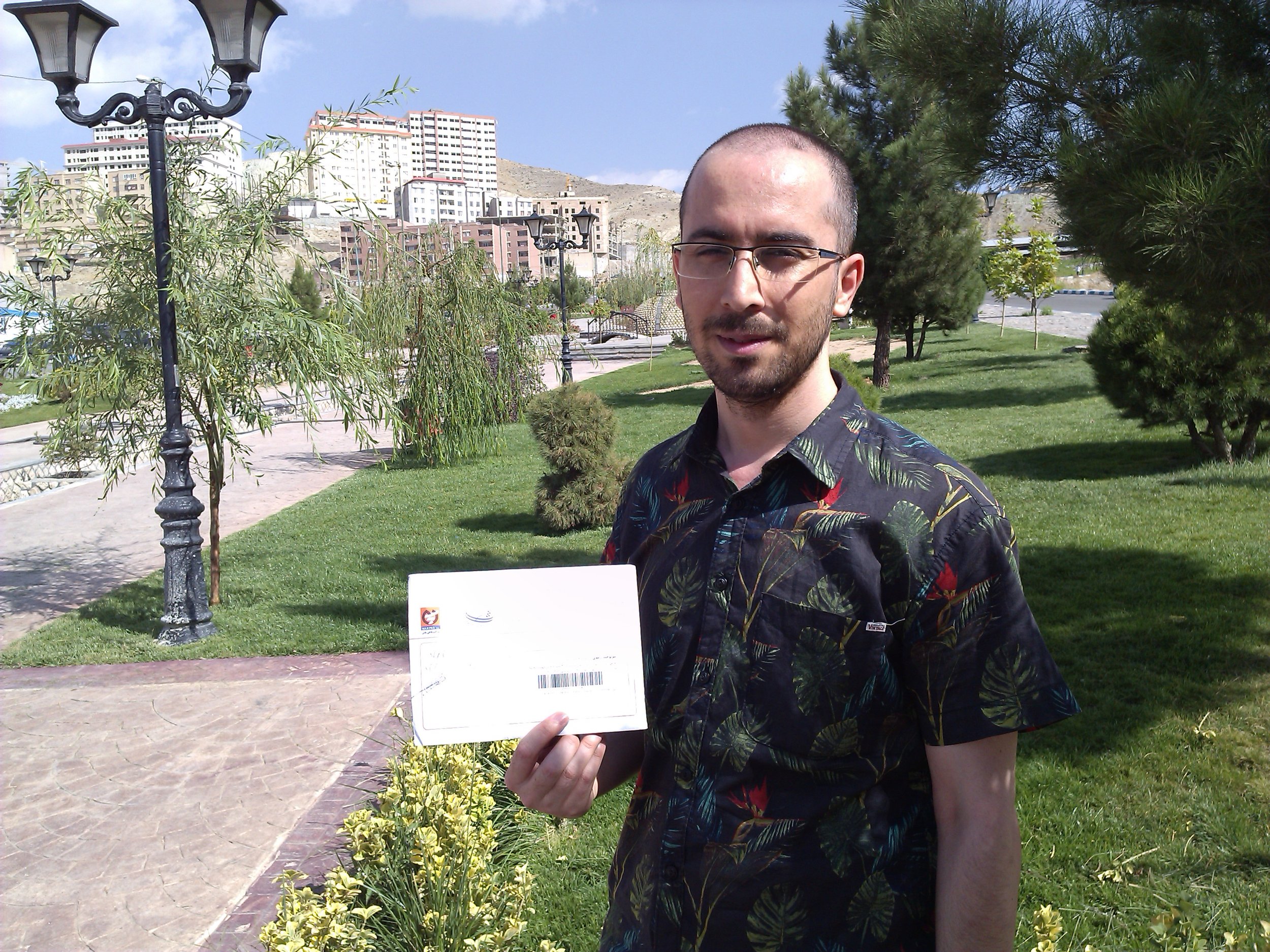
این عکس رو امید گرفته، و داخلِ پاکت، کارتِ پایانِ خدمت رو برام فرستاده بودن.
Omid took this photo — inside the envelope was my End-of-Service card, which they had sent me.
اون روزها، روزها و سالهایی بودن که پدر و مادرم توی صورتِ ما نگاه هم نمیکردن؛ مخصوصاً وقتی صبحونه یا ناهار میخوردیم، یا شام. من تا عمر دارم، دردِ اون لحظات رو فراموش نخواهم کرد. من مقصرِ بدبختیها و بیپولیها و ازدواجِ پدر و مادرم نبودم، هرچقدر هم که زندگیشون سخت بود؛ من به این دنیا نیومده بودم تا کمبودهایِ ایشون رو جبران کنم. از کودکی تا نوجوانی زیرِ مشتولگد و شکنجه بودم، و از بیست تا سیویکسالگی کار کردم و همهچی رو دادم بهشون. برادرم هم که رفت ازدواج کنه، محلِ سگ بهش نذاشتن؛ امید هم کمتر از یه سال طلاق گرفت و اومد. یه هفته همهچی خوب بود، بعدش همون آش بود و همون کاسه؛ تمومِ تمرکزشون رویِ سمیه، ازدواجِ سمیه، و اون خونهیِ ویلایی که قرار بود یارو براش درست کنه میچرخید، و امید و توحید دقیقاً مثلِ دستمالی بودن که استفاده شده و پرت شده بودن یه گوشه. باورم نمیشد که نزدیکانِ آدم با آدم این کار رو بکنن. انگار من معتاد، زنبازِ الکلیِ لاابالیای بودم که همهجا آبروریزی کرده و حالا باید تاوانش رو پس بده. عمقِ زجرها و فریادها و گریههایِ درونی و بیرونی رو نمیتونم وصف کنم. میرفتم پارکِ ساعی و با مجسمههایِ اونجا صحبت میکردم و گریه میکردم. روزهایِ طاقتفرسایی بودن.
Those were the days, the days and years when my parents wouldn't even look at our faces — especially at breakfast, lunch, or dinner. As long as I live, I will never forget the pain of those moments. I was not to blame for their misfortunes, their lack of money, or their marriage, however hard their life was; I had not been born into this world to make up for their shortcomings. From childhood through adolescence, I lived under fists and beatings and torment, and from age 20 to 31, I worked and gave everything to them. When my brother went to get married, they treated him like dirt; and Omid got divorced in under a year and came back. For one week everything was fine, then it was back to the same old story — their entire focus revolved around Somayeh, Somayeh's marriage, and that villa some guy was supposedly going to build for her, while Omid and I were tossed aside like a used rag, discarded in a corner. I couldn't believe that the people closest to you could do this to you. It was as if I were some addict, a reckless drunk who chased women, who had disgraced the family everywhere and now had to pay the price. I can't describe the depth of the anguish, the screams, the inner and outer weeping. I would go to Sa'i Park and talk to the statues there, and cry. Those were exhausting, gruelling days.
من و امید Me and my brother
از سریِ اتودهایِ سرزمینهایِ درونیِ من
From the series: Sketches of My Inner Lands
A letter from February 6th, 2015
اون موقعها خیلی امیدوار بودم. نگو یه نامه هم به آینده نوشته بودم از طریقِ وبسایتِ منِ آینده، و متنِ نامه همینه که عیناً اینجا میارمش، همراه با اسکرینشات.
تمومِ روحوروانم آتیش میگیره وقتی این رو میبینم و میخونم. تا لحظهی مرگ، همین احساس با همین شدت من رو درخواهد نوردید.
I was very hopeful back then. I had even written a letter to my future self through the website futureme.org, and this is the exact text of that letter, which I'll include here along with the screenshot.
My whole soul catches fire when I see and read this. Until the moment I die, this same feeling, with this same intensity, will overwhelm me.
سلام به خودم.
امروز که این نامه رو مینویسم به تاریخ:
جمعه - ۱۷ بهمن ۱۳۹۳
الجمعة - ١٦ ربيع الثاني ١٤٣٦
Friday - 2015 06 February
و دومین نامهی خودم به آینده هست.
قرار هست فردا برای ثبت نام خرید خدمت سربازی برم. مبلغ 15 میلیون تومان از طرف دولت تعیین شده و به زودی از قفس رها خواهم شد.
این نامه رو به این دلیل نوشتم که به کل زمین و کائنات دستور دادم تا در طی 3-4 سال آینده به خواستههای خودم برسم. به این طریق که کار با ترکیه به بهترین نحو درحال انجام هست و پروژهی لِلیکو رو به اتمام رسوندیم و مرتبا بین استانبول و تهران در رفت و آمد هستم. از لحاظ مالی هیچ مشکلی نداریم و همچنین خونه هم برای بابا و ماما خریدیم. و کار استودیو همچنان رو به کسترش و بهبودی و پروژههای خوبتر در پیش هست.
من هم متعاقبا وارد مدرسهی چارلز سِسیل تو ایتالیا شدم به این آدرس:
http://www.charlescecilstudios.com/full-time/
و تحت نظارت بهترین استادان هنر در حال یادگیری بزرگترین عشقم، یعنی هنر نقاشی و بعد از اون مجسمهسازی هستم. البته قبلا و به صورت موازی زبان انگلیسی خودم رو بهبود بخشیدم و مشکل حاد زبانی ندارم خوشبختانه:)
الان توی سایت یک ترم سه ماهه رو این طور قیمت زده:
Autumn 06 October 2014 12 December 2014 € 3600
تا اون تاریخ باید ببینیم چی شده! :)
من این نامه رو تنظیم می کنم تا در اولین تحویل سال 2018 به دستم برسه، الان ماه دوم هستک که وارد 2015 شدیم.
با بهترین آرزوها برای خانواده و همه کسانی که دوستشون دارم
میرتوحید رضوی
Hello to myself.
Today, as I write this letter, the date is:
Friday - 17 Bahman 1393
Al-Jumu'ah - 16 Rabi' al-Thani 1436
Friday - February 6, 2015
And this is my second letter to my future self.
Tomorrow, I'm supposed to go register to buy out my military service. The government has set the amount at 15 million tomans, and soon I'll be freed from this cage.
I wrote this letter because I've ordered the entire earth and universe to help me reach my goals within the next 3-4 years. Specifically: the work with Turkey is going as well as possible, we've finished the Leliko project, and I'm regularly traveling back and forth between Istanbul and Tehran. Financially, we have no problems at all, and we've also bought a house for Father and Mama. The studio's work also keeps growing and improving, with better projects ahead.
I've also since been admitted to Charles Cecil Studios school in Italy, at this address:
http://www.charlescecilstudios.com/full-time/
And under the guidance of the best art teachers, I'm learning my greatest love — the art of painting, and after that, sculpture. I had already been improving my English in parallel before this, and thankfully I don't have any serious language problems :)
The website currently lists the price for a three-month term as:
Autumn 06 October 2014 – 12 December 2014 — €3600
We'll have to see what's happened by that time! :)
I'm setting this letter to arrive on the first delivery of 2018 — right now we're only in the second month of 2015.
With the best wishes for my family and everyone I love,
Mir Tohid Razavi

اسکرین شات از خود نامه از اینباکسم An screen shot from a letter.
الان که این نامه رو می خونم روحم به آتیش کشیده میشه.
Reading this letter now sets my whole soul on fire.
من این متن رو توی سالِ ۲۰۱۸ نوشتم. چه خوشحالم که نوشتمش، چون تا همینِ الان هم داره برام یادآوری میشه. اون بحثها یه بار نبود؛ اون بحثها همیشه بود. همیشه. همیشه. همیشه.
عینِ متن رو همینجا میذارم، که از وبلاگم — جایی که به فارسی مینوشتم — برداشتم:
I wrote this piece back in 2018. I'm so glad I wrote it, because it's still bringing things back to me even now. Those arguments weren't a one-time thing; they were constant. Always. Always. Always.
I'm placing the original text right here, taken from my blog, where I used to write in Persian:
چهارشنبه، ۲۴ مرداد ۱۳۹۷
آگوست 15, 2018
صبح مشغول کار بودم که دیدم یهو وسط یه مبحث تکراری راجع به زندگی هستم. طول کشید فک کنم نزدیک به یک ساعت و نیم. و توی این یک ساعت و نیم مقصرها رو شمردند. من و امید.
من ناراحتم. من عمیقا دلم شکسته. همه رو بلاک کردم. همه افراد فامیلی که منو داشتند فالو میکردند. دیگه هیچ وقت دوست ندارم کسی از من و امید خبردار بشه. خسته شدم از این زندگی. از این حرفها، از این سخیف بازیها، از خاله بازیها، از مهم بودن پول بیشتر از هر چیز دیگهای. از مهم بودن خونه بیشتر از هر چیز دیگهای، از ازدواج، از مهمونی رفتن، از آدم ها، از تولدها، از تمام جاهایی که بیشتر از یک نفر دور هم باشند. از همه آدم هایی که از چیزهای عق آور حرف میزنن. از خونه، از قسط، از بچه دار شدن، از خواستگار، از همهی کثافت کاری هایی که ممکنه یک آدم در طی زندگی داشته باشه.
من فقط باید مدتهای طولانی توی سکوت خودم زندگی کنم تا بفهمم چه کسی هستم.
[Wednesday, August 15, 1397 (2018)]
I was working in the morning when I suddenly found myself in the middle of a repetitive conversation about life. It went on, I think, for close to an hour and a half. And in that hour and a half, they counted off who was to blame: me and Omid.
I'm upset. I'm deeply heartbroken. I blocked everyone; every relative who used to follow me. I never want anyone connected to me and Omid to hear from us again. I'm exhausted from this life; from these conversations, these shallow games, this gossipy nonsense, from money mattering more than anything else, from a house mattering more than anything else, from marriage, from going to parties, from people, from birthdays, from every place where more than one person gathers together. From everyone who talks about things that make me sick; about houses, about installments, about having kids, about suitors, about every ugly, petty thing a person might carry through life.
I just need to live for long stretches in my own silence, to figure out who I am.
عشق من به نقاشی
My Love for Painting
من همیشه عاشقِ نقاشی و مجسمهسازی و عکاسی بودم. نمیدونم چرا همیشه آدمهایِ فقیر و ندار هنرمند میشن یا شورِ هنر دارن، چون هنر یه مقولهیِ هزینهبر و سرشار از آزمونوخطاست؛ اما فکر میکنم اون اشتیاق برایِ بیانِ احساسات، همون چیزیه که باعث میشه فرد یه مدیوم رو شکل بده تا بتونه حرف بزنه، چون واژهها از بیانِ چیزهایِ سورئالِ ذهنی و تجربیاتِ منحصربهفردِ اون آدم برنمیان، و ناگزیر میره سراغِ این چیزها؛ من هم مستثنی نبودم. یادمه از بچگی به شکلدادنِ گل و خمیرِ مجسمهسازی علاقه داشتم، مخصوصاً به طراحی و نقاشی، و یه کششِ درونیِ همیشگی به این مقوله داشتم.
قطعاً هیچوقت کسی از من حمایت نکرد و شرایط هم مهیا نشد؛ هرچند همیشه خودم پول درآوردم، ولی خب، به دلایلِ مشخص، هیچوقت نتونستم با خیالِ آسودهتر، یا حتی نیمهآسوده، به این علایقم بپردازم.
I've always loved painting, sculpture, and photography. I don't know why it's always poor, have-not people who become artists or carry that passion for art, since art is a costly pursuit, full of trial and error; but I think it's the yearning to express one's feelings that pushes a person to shape a medium so they can speak, because words fall short of expressing the surreal, inner things and the unique experiences of that person, and they inevitably turn to these mediums instead. I was no exception. I remember, from childhood, loving to shape clay and sculpting dough, especially drawing and painting, and I always had an inner pull toward this field.
Certainly, no one ever supported me in it, and the circumstances never allowed for it either; although I always earned my own money, for clear reasons, I could never pursue these interests with real peace of mind, or even half peace of mind.
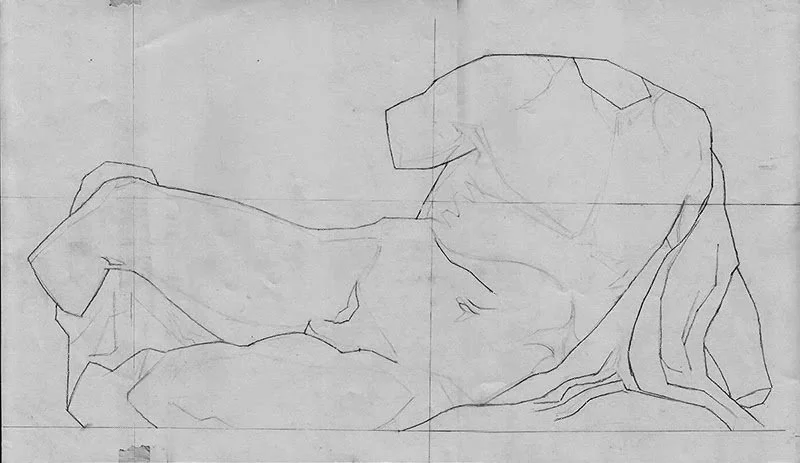
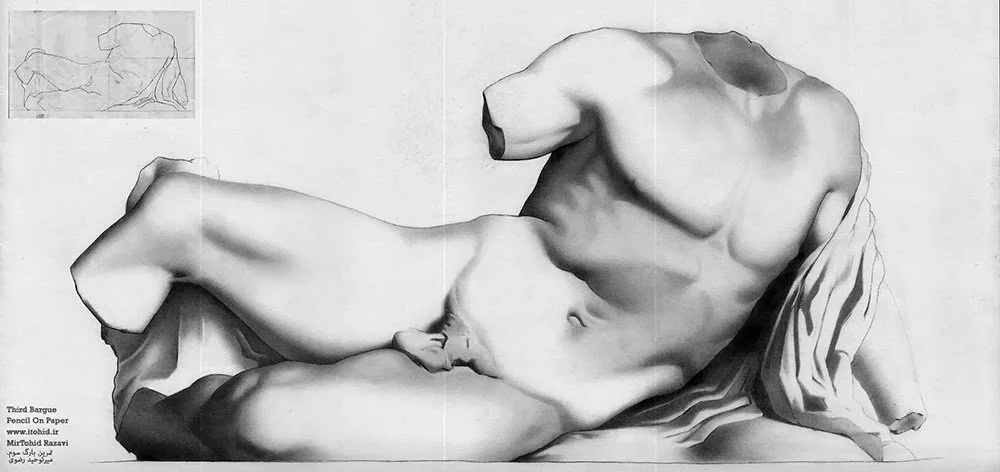
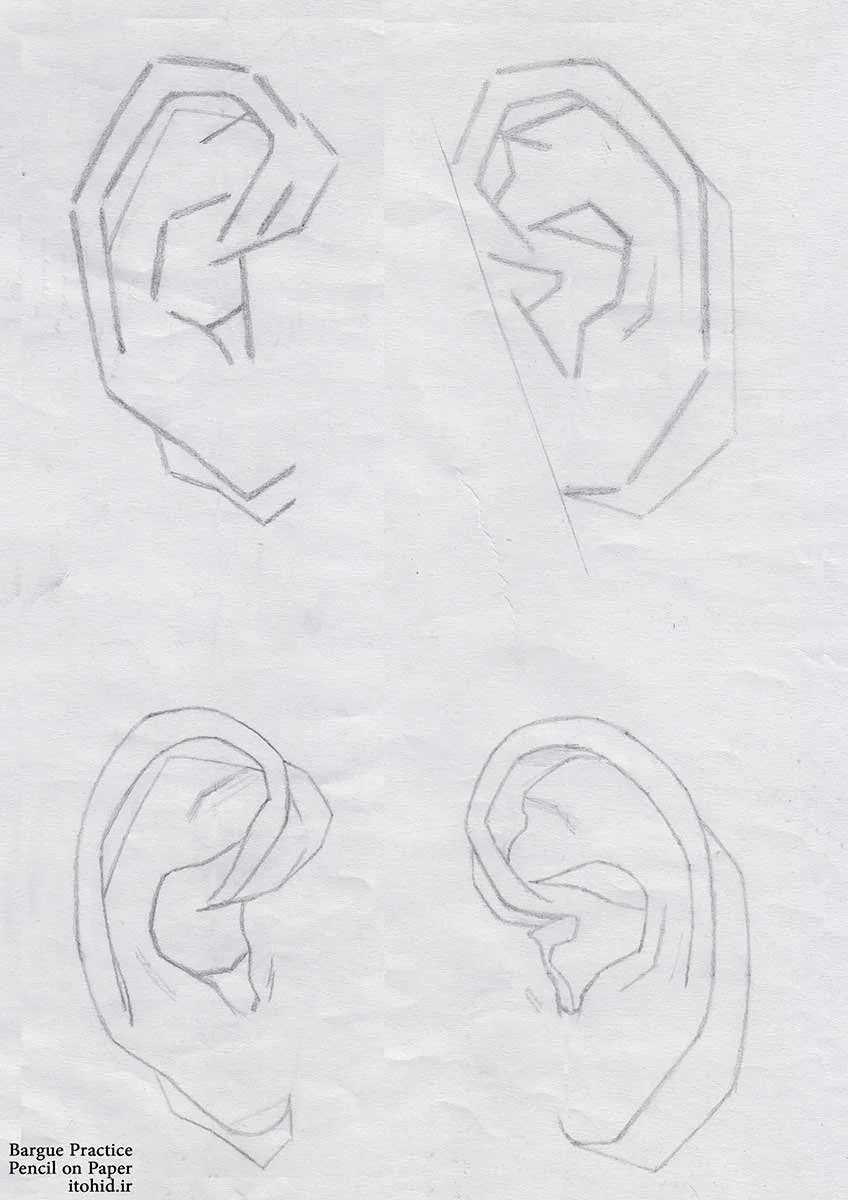
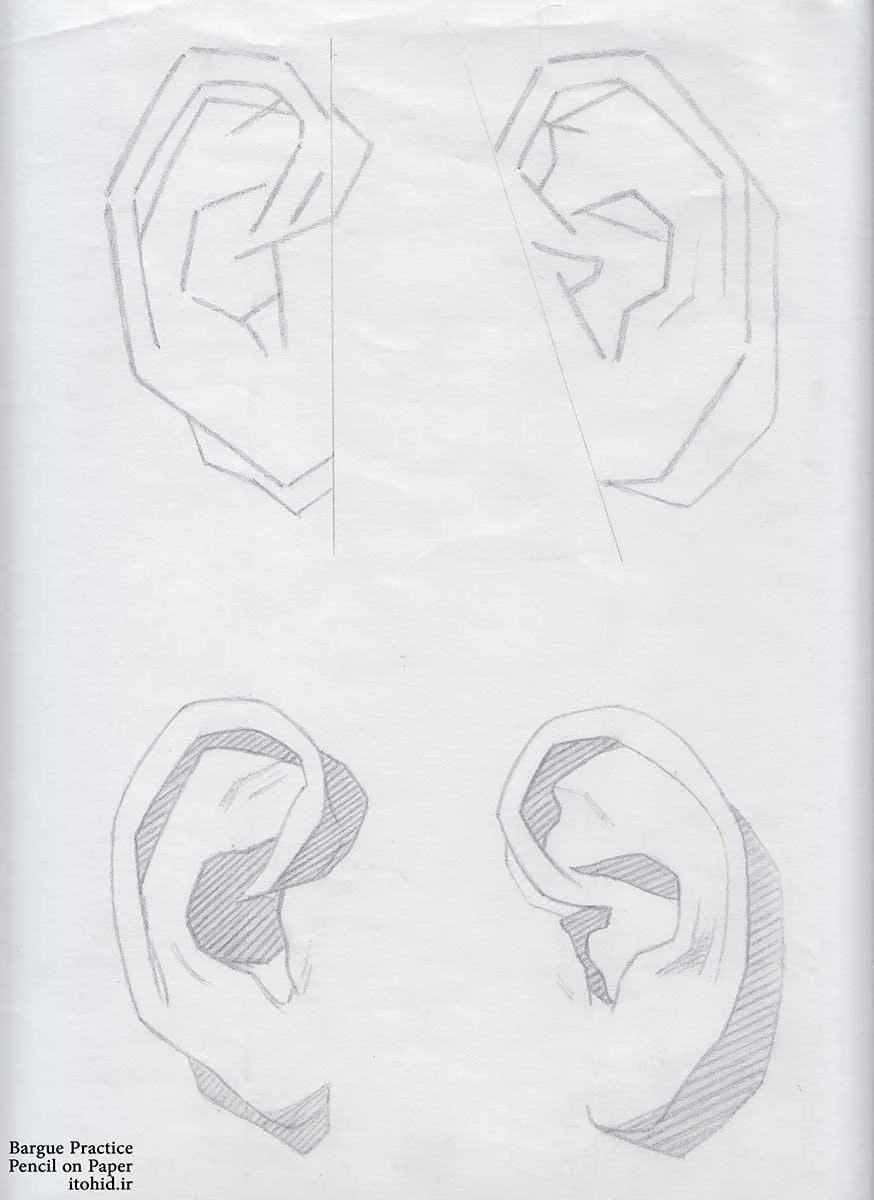
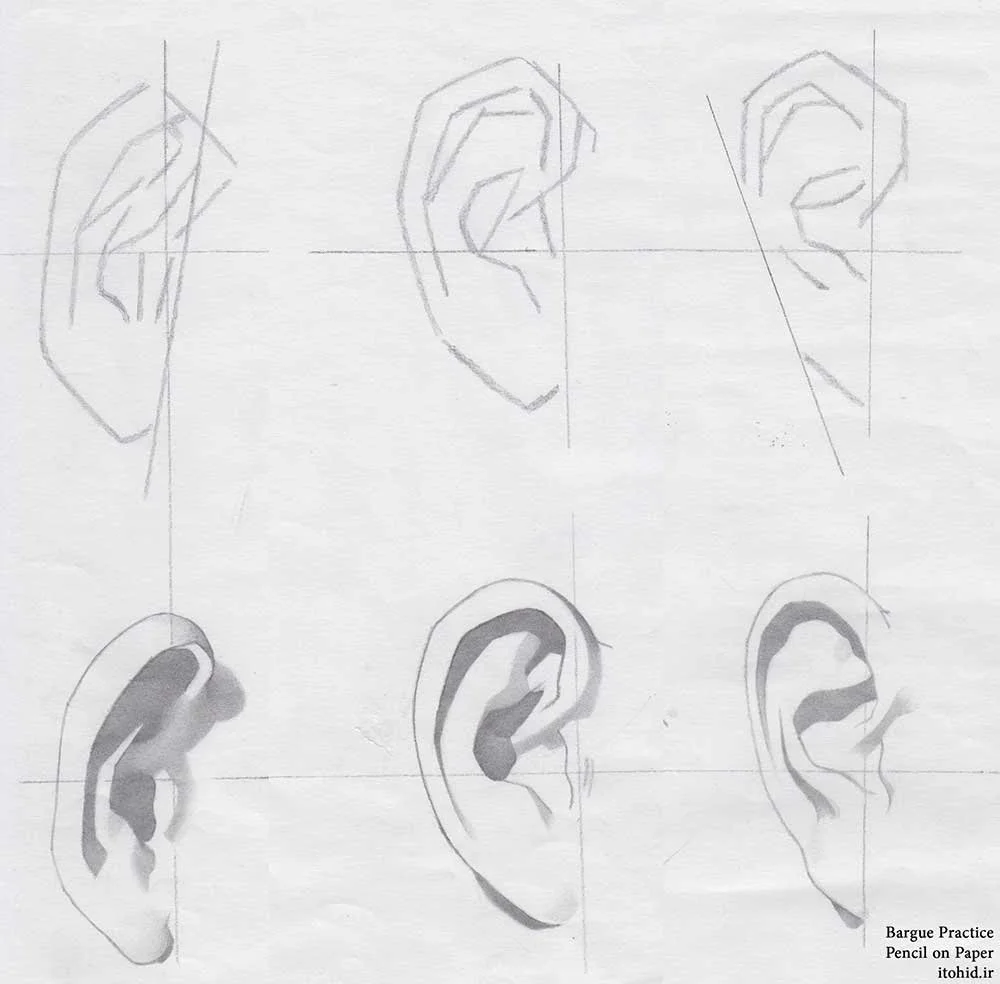
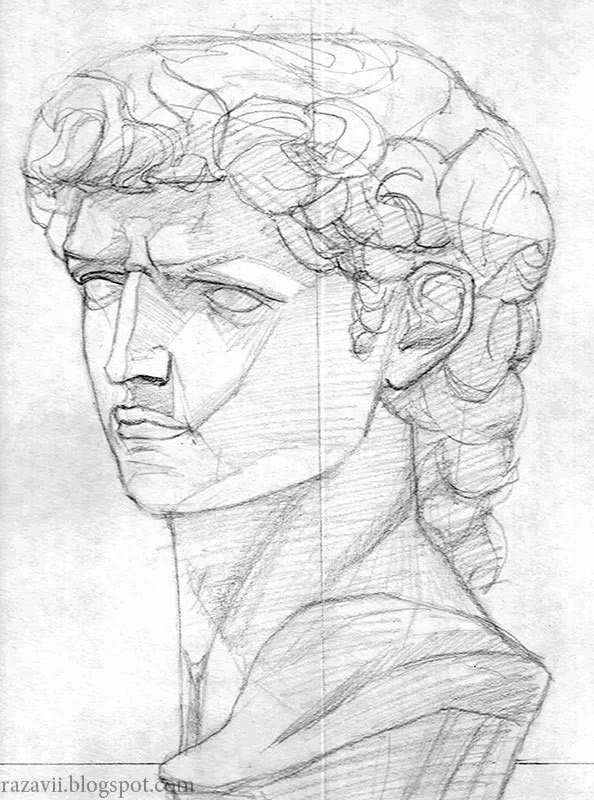
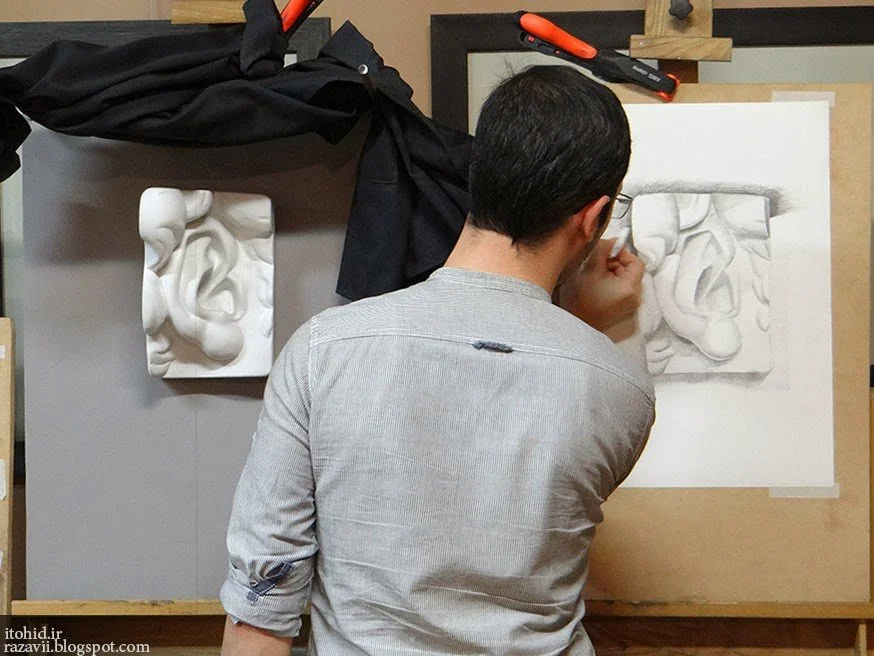
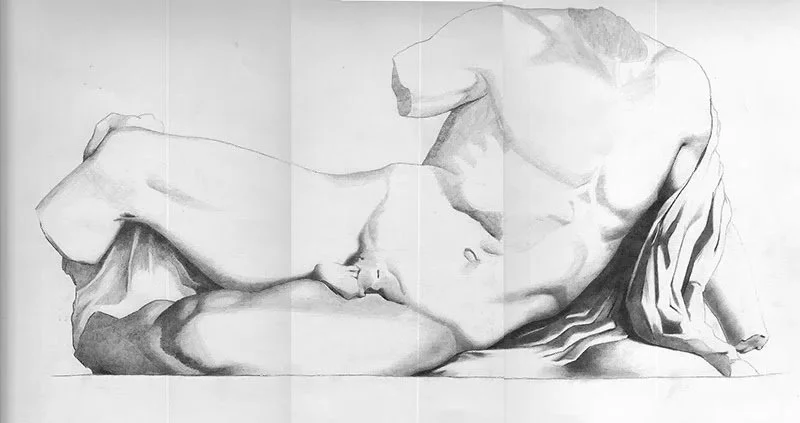
اما چند بار تلاشِ جدی کردم، که اوجش شرکت در کلاسهایِ آقایِ مهردادِ جمشیدی بود. بارگ طراحی میکردم تا سایهزدن و فرمها و تناسبات رو یاد بگیرم، و از طرفی نقاشیهایِ سیاهوسفید انجام میدادم تا با Valueها بیشتر آشنا بشم.
حتی آقایِ جمشیدی یه روز یه کیفِ پر از قلمو بهم داد و گفت «مالِ خودت». اما شرایطِ سختِ کاری، فشارهایِ روحی، خستگیِ جسمی و ذهنی دیگه نایی نمیذاشت تا بکوبم، همیشه از پردیسِ تهران برم به مرکزِ شهر، توی خیابانِ گاندی، تا توی کلاسها شرکت کنم. خیلی مثبت و با نگاهِ باز میرفتم، ولی طبقِ معمول، درست مثلِ کسی که ازدواج کرده باشه و چند بچه داشته باشه، هیچوقت فرصتِ پرداختن به این علایقم فراهم نشد؛ اما دستوپایی زدم و چیزهایی اندک، اما ارزشمند، یاد گرفتم.
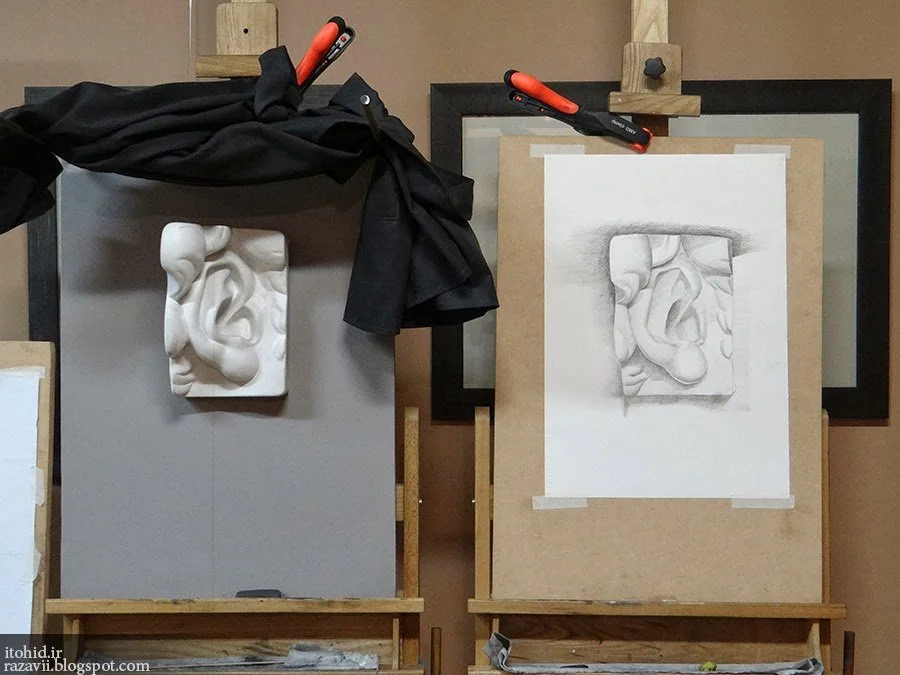
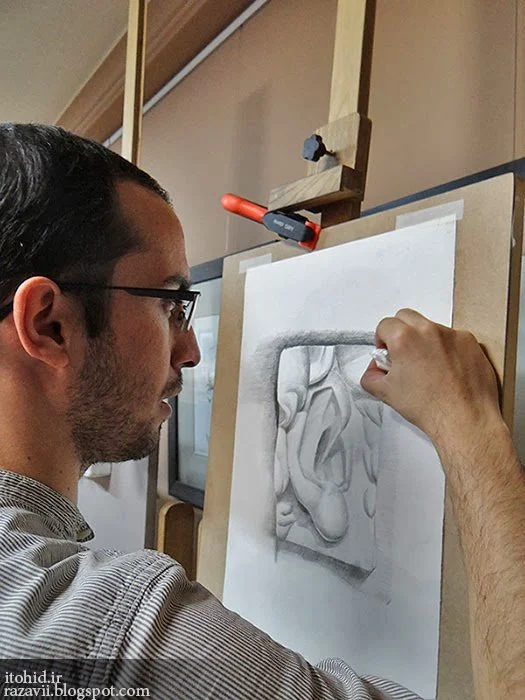
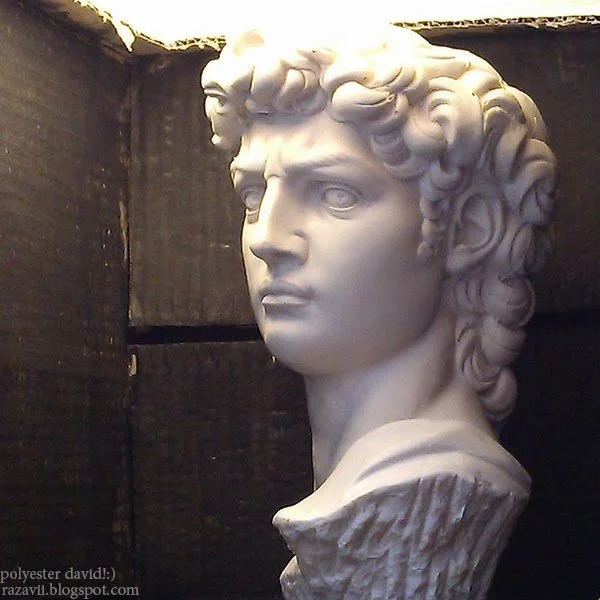
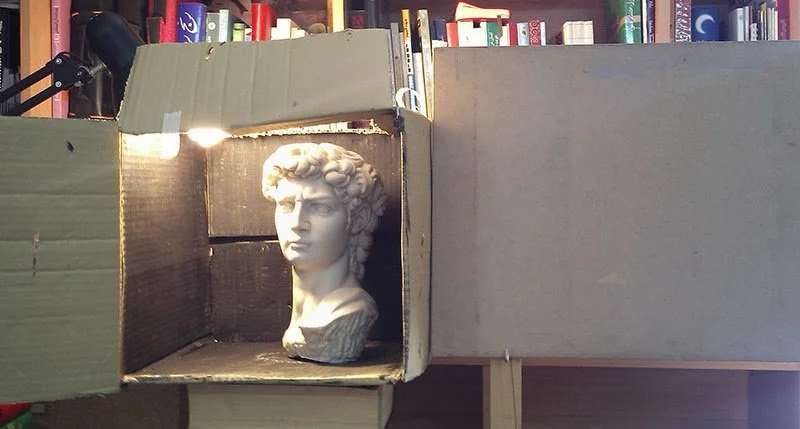
But I made a few serious attempts, the peak of which was attending Mr. Mehrdad Jamshidi's classes. I did Bargue drawing plates to learn shading, form, and proportion, and alongside that, worked on black-and-white paintings to get more familiar with value.
Mr. Jamshidi even handed me a bag full of brushes one day and said, "These are yours now." But the harsh work conditions, the psychological pressure, and the physical and mental exhaustion left me with no strength to keep pushing myself all the way from Pardis in Tehran to the city center, on Gandhi Street, to attend classes. I always went in with a positive, open mindset, but as usual, exactly like someone who's married with a few kids, I never got the chance to really pursue these interests; still, I gave it my best shot and picked up a few things, small but valuable.
این کارها، فکر میکنم، حوالیِ سالِ ۲۰۱۴ هستن. حتی آقایِ جمشیدی چند عکس از من در حینِ طراحیِ بارگ گرفت. توی طراحیِ بارگ خیلی درخشان ظاهر شده بودم، و توانایی توجه به کوچکترین جزئیات رو هم بهخوبی توی خودم پرورش داده بودم؛ چه در امرِ اختلافِ زاویهها، چه در دیدنِ تیرگی و روشنایی و شکلی که سایهها ایجاد میکنن.
These pieces, I think, are from around 2014. Mr. Jamshidi even took a few photos of me while I was working on Bargue drawings. I turned out to be genuinely excellent at Bargue drawing, and I'd built up a real ability to notice the smallest details — whether in reading angles precisely, or in seeing the darks, lights, and shapes that shadows create.
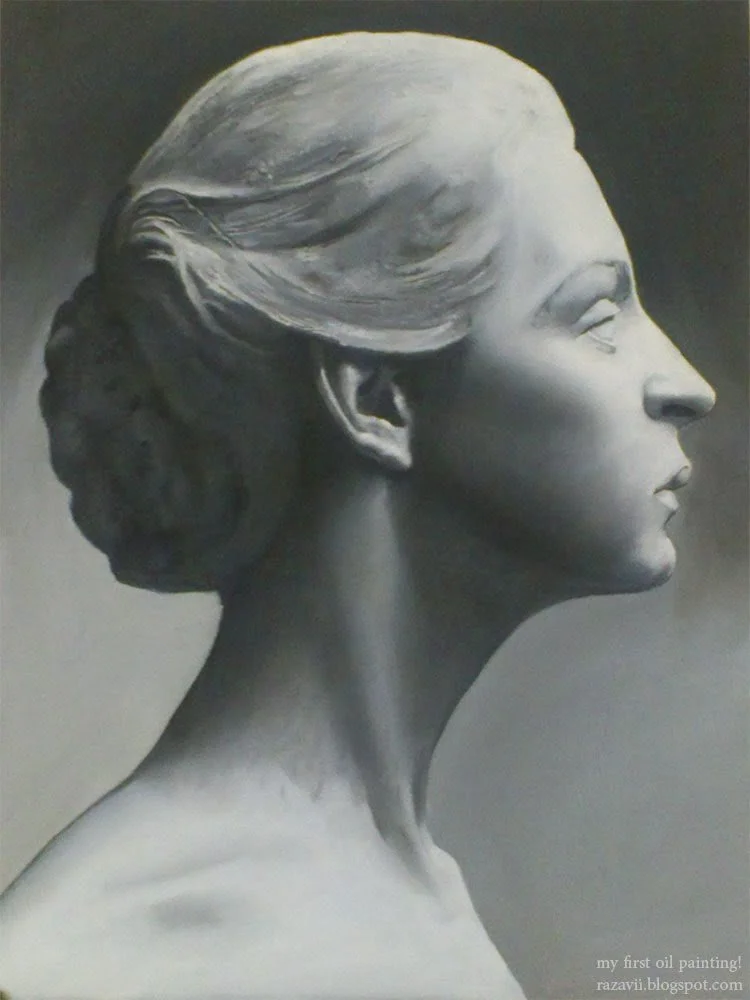
این اولین نقاشیِ من با رنگِ روغنه. یه نقاشیِ دوم هم دارم که توی ایران مونده و هیچ عکسی ازش ندارم. اگه جایی دیدمش یا تونستم به دستش بیارم، حتماً اینجا اضافهش میکنم. دلم برایِ بویِ رنگِ روغن و پروسهیِ نقاشیِ رنگروغن، بسی تنگ شده.
This is my first oil painting. I have a second painting too, but it stayed behind in Iran and I don't have a single photo of it. If I ever come across it or manage to get my hands on it, I'll definitely add it here. I miss the smell of oil paint and the whole process of oil painting so much.