My History Part 4
My ms.Rain short Animation 2016-2017
بعد از اتمامِ پروژهی للیکو، پیشِ خودم حساب کرده بودم که حالا کار کردم و با پولش میتونم کارِ کوتاهِ خودم رو شروع کنم. یه ایده داشتم بر اساسِ تجربههای خشونتِ خانگی که تجربه کرده بودم و همچنان میکردم، ولی با این پروژه فکر میکردم پولِ تولید رو تأمین کردهام. اما زهی خیالِ باطل... شروع کردم به کار، و بعد از چند ماه که خواستم استارتِ انیمیت رو بزنم، پدرم گفت لیرهایی که از ترکیه بود تموم شده و هیچ پولی نداریم. باورم نمیشد. خشکم زده بود، داغون شده بودم، و اقتصادِ مملکت لحظهبهلحظه متورمتر هم میشد. یادم نیست چطور، ولی پولِ انیمیت رو تأمین کردم و با خانم شعبانی شروع کردم به کار کردن. تقریباً ادیت نمیدادم، چون لبِ مرز کار میکردم و با ادیتها احتمال داشت خانم شعبانی کار رو بذاره زمین و نصفه بمونه؛ چون اونموقع تنها انیماتورِ مورد اعتماد و کاربلد توی تهران بودن.
طیِ این نوشتهها چند تا تصویر از پیشتولید، تولید، و پس از تولید رو میذارم.
After finishing the Leliko project, I had calculated that now that I'd done the work, I could use the money to start my own short film. I had an idea based on experiences of domestic violence I had gone through and was still going through since my childhood (me and my twin brother Omid), but with this project, I thought I'd secured the funding for its production. But it was all wishful thinking... I started working, and a few months later, when I wanted to begin the animation phase, my father told me: “the lira from Turkey was gone and we had no money left.” I could not believe it. I was stunned. I was devastated, and the country's economy kept inflating by the moment. I don't remember how, but I somehow secured the money for the animation and started working with Ms. Shabani. I gave almost no notes, because I was working right at the edge, and with notes there was a real chance Ms. Shabani would drop the work and leave it half-finished — since at the time, she was one of the only trustworthy and skilled animator in Tehran.
Throughout this piece, I'll include a few images from pre-production, production, and post-production.
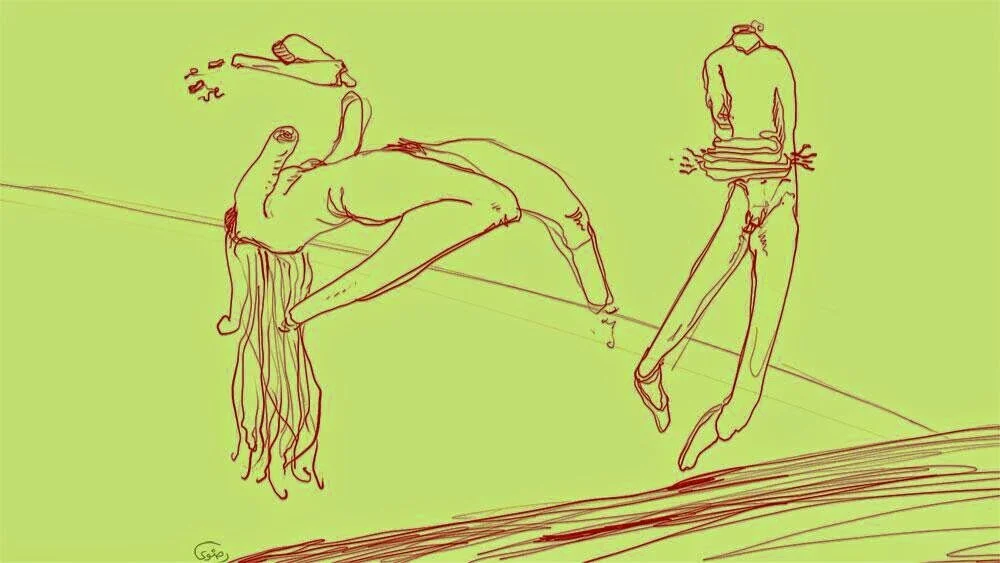
از سریِ اتودهایِ سرزمینهایِ درونیِ من
From the series: Sketches of My Inner Lands
کار روی انیمیشنِ کوتاهم رو زمین نذاشتم. تا میشد و زمان اجازه میداد، داستان رو پولیش میزدم؛ یه بار حتی دادمش که آقای بهرامِ عظیمی بخونه. ایشون هم خوند، و بعد از چند روز که دیدمش، کاغذها رو بهم داد و سرش رو میخاروند و گفت: «مهندس، خوندمش ولی چیزی متوجه نشدم.»
ولی من توی شرایطی نبودم که بخوام تازه چند ماه یا چند سال داستان رو پولیش کنم؛ اون تجربه رو هم نداشتم. هر چه سریعتر میخواستم وارد تولید بشم. فقط من و امید بودیم. تا میتونستیم روی فضاها کار کردیم، و از اونجایی که میدونستیم نمیتونیم از پسِ رندر و تکسچر و ساختِ یه انیمیشنِ سهبعدی بربیایم، تصمیم گرفتیم بریم سمتِ دوبعدیِ روتوسکوپی. کارهای آقای الکس گریگ خیلی روی من تأثیر داشت، مخصوصاً Phantom Limb؛ تمومِ تلاشم رو کردم تا اون خطها و ورکفلو رو دنبال کنم.
I never let go of the work on my short film. Whenever I could, and time allowed, I kept polishing the story; at one point I even gave it to Mr. Bahram Azimi to read. He read it, and a few days later when I saw him, he handed the pages back to me, scratched his head, and said, "I read it, but I didn't understand a thing."
But I wasn't in a position to spend months or years polishing the story further — I didn't have that kind of experience yet. I wanted to get into production as fast as possible. It was just me and Omid. We worked on the environments as much as we could, and since we knew we couldn't handle the rendering, texturing, and full pipeline of a 3D animation, we decided to go with 2D rotoscoping instead. Alex Grigg's work influenced me a lot, especially Phantom Limb — I did everything I could to follow those lines and that workflow.
شب و روز توی فتوشاپ میلولیدم، و کامپیوترِ ضعیفِ خونه هم پایِ من و امید زور میزد. بالاخره تونستیم با امید یه شاتِ آزمایشی آماده کنیم. اینهاهاش. از نتیجه خیلی راضی بودیم... و خوشحال.
Day and night, I was buried in Photoshop, and our weak home computer was struggling right along with us. Finally, Omid and I managed to put together one test shot. Here it is. We were very happy with the result... and proud.
ایدهی این کار، چون از اعماقِ روحوروانم و خشونتهایی که توی خونه تا 34 سالگی از سمتِ پدر متحمل میشدیم، و کتکهایی که من و امید میخوردیم سرچشمه میگرفت (بهجز سمیه، خواهرم؛ ایشون تاجِ سر بودن و هستن)، برام مهم نبود کسی انیمیشن من رو درک کنه یا نه. فقط میخواستم درونم نمونه و گند نزنه. میخواستم بندازمش بیرون.
The idea for this work came from the depths of my soul and psyche, from the violence we endured at home — until I was 34 — from my father, and the beatings my mother and Omid and I received (except for Somayeh, my sister; she was and is the crown of our heads). It didn't matter to me whether anyone understood it or not. I just wanted it out of me — I didn't want it to fester inside and poison me. I wanted to throw it out.
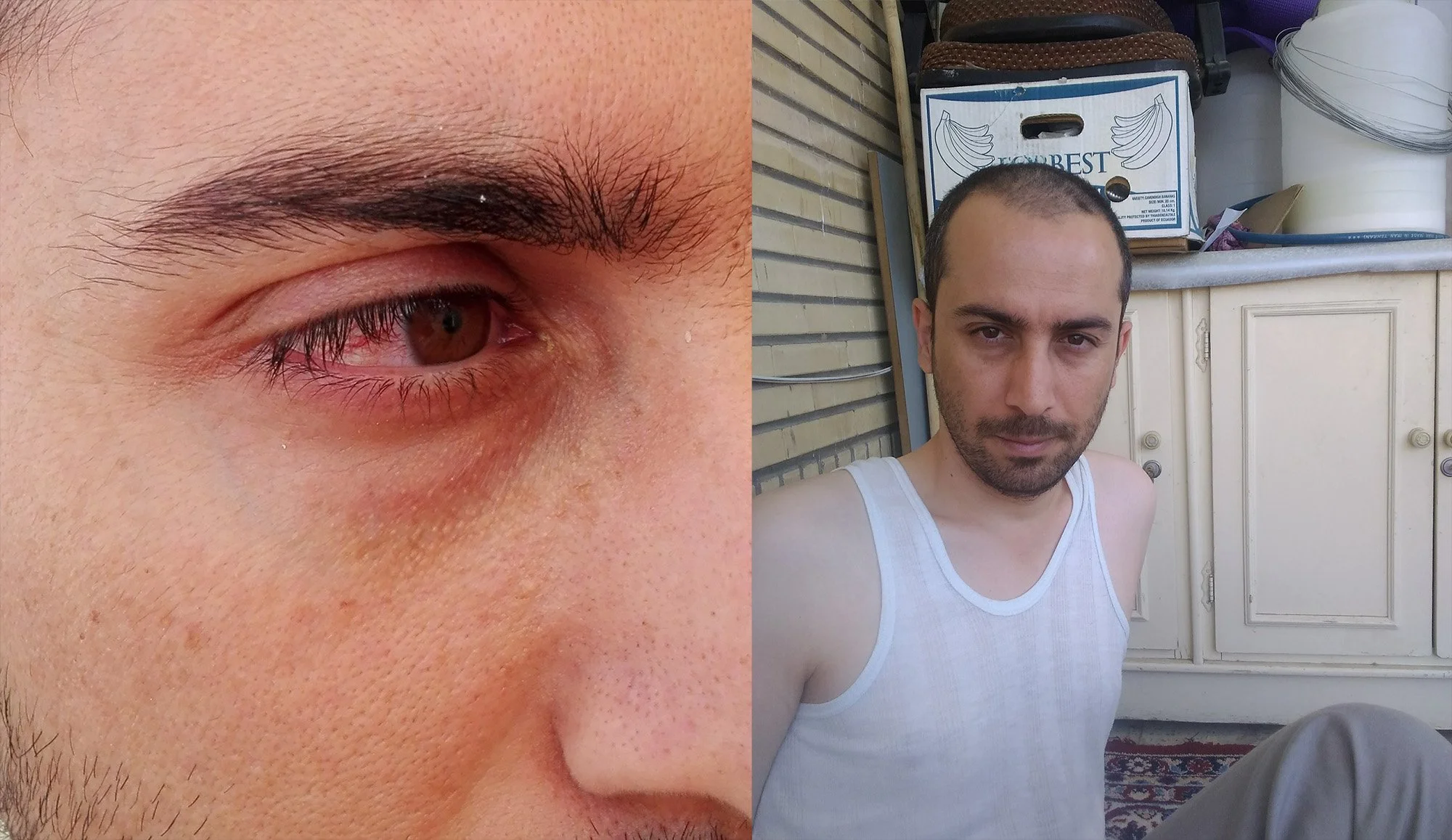
چشمهایِ خسته، توی انزوایِ مطلق و کارِ شبانهروزی، داشت داغونم میکرد.
Exhausted eyes, total isolation, and round-the-clock work were destroying me.
این عکس رو یکی از همون روزها امید ازم گرفت. سالِ ۲۰۱۶ بود، و فریمهایِ انیمیشنِ کوتاهم انگار تمومی نداشتن. صبح تا شب پایِ کامپیوتر بودم و رگِ چشمام داشت منفجر میشد. اما تنها یه چیز زنده نگهم داشته بود: رفتن از مملکتی که همه فقط به فکرِ خودشونن، و ساختنِ یه آینده برایِ خودم. هیچ تصوری نداشتم، اما صدایِ درونم میگفت باید ادامه بدم.
اون خونهها هم تراسهایِ معلم، توی فازِ دومِ شهرِ پردیسِ دماوندن؛ جایی که هیچوقت، حتی یه ثانیه، حاضر نیستم دوباره اون حوالی قدم بزنم. توی اون ساختمونها من مُردم و جنازهام رو دفن کردن، و دوباره متولد شدم؛ چون از همون ساختمون بود که مصاحبه موفقیتآمیز شد.
This photo was taken by Omid one of those days. It was 2016, and the frames of my short animation seemed endless. I was at the computer from morning to night, and the veins in my eyes felt like they were about to burst. But one thing alone kept me alive: leaving a country where everyone only thinks of themselves, and building a future for myself. I had no idea what that future looked like, but the voice inside me kept saying I had to keep going.
Those buildings are the Teachers' Terraces, in Phase 2 of Pardis-e Damavand — a place I would never, not for a single second, be willing to walk near again. In those buildings, I died and they buried my corpse, and I was reborn; because it was from that very building that the successful interview happened.
اینجا یه سری از استوریبوردهایی که برای این پروژه اجرا کردم رو میبینید.
Here, you can see some of the storyboards I created for this project.
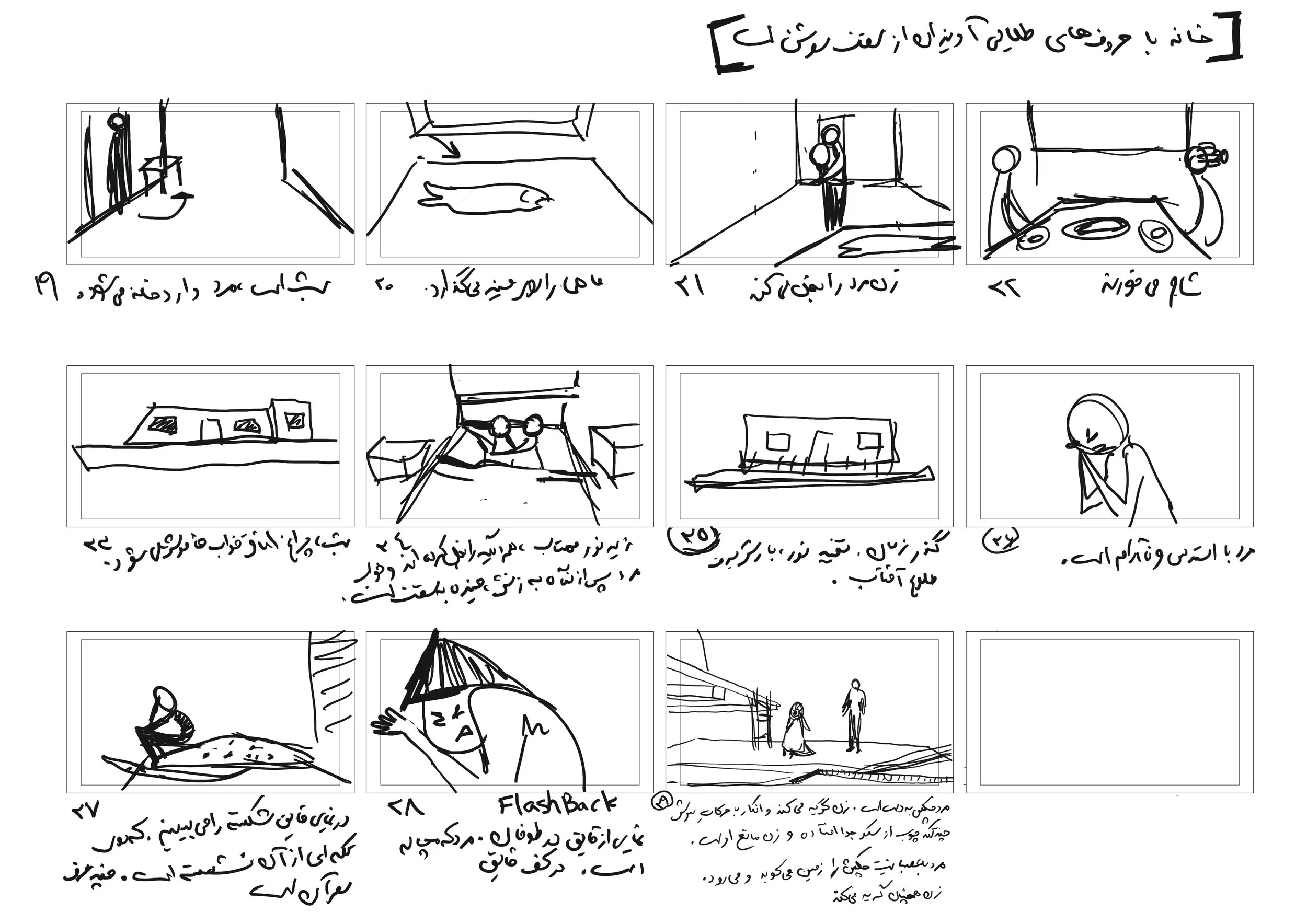
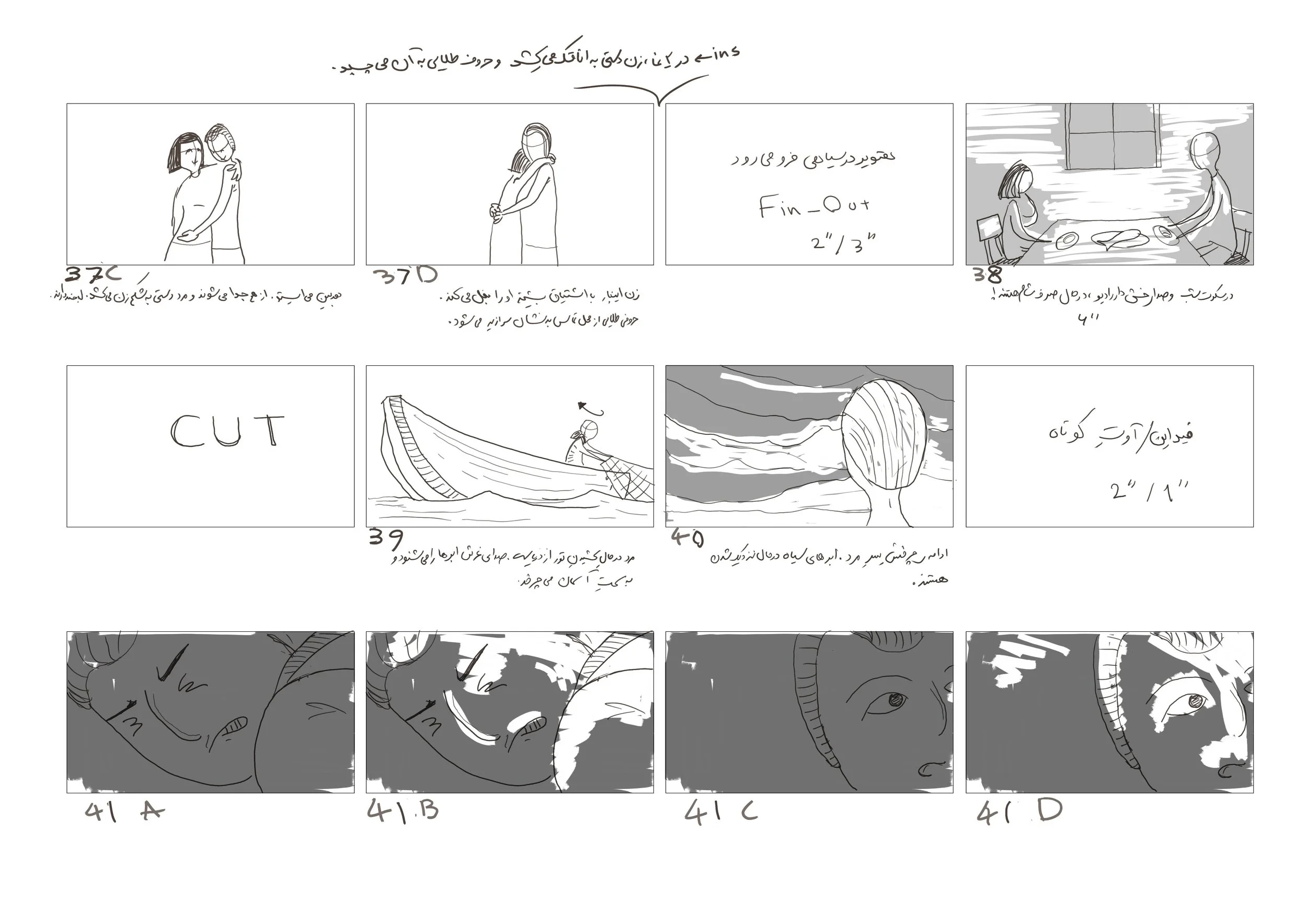
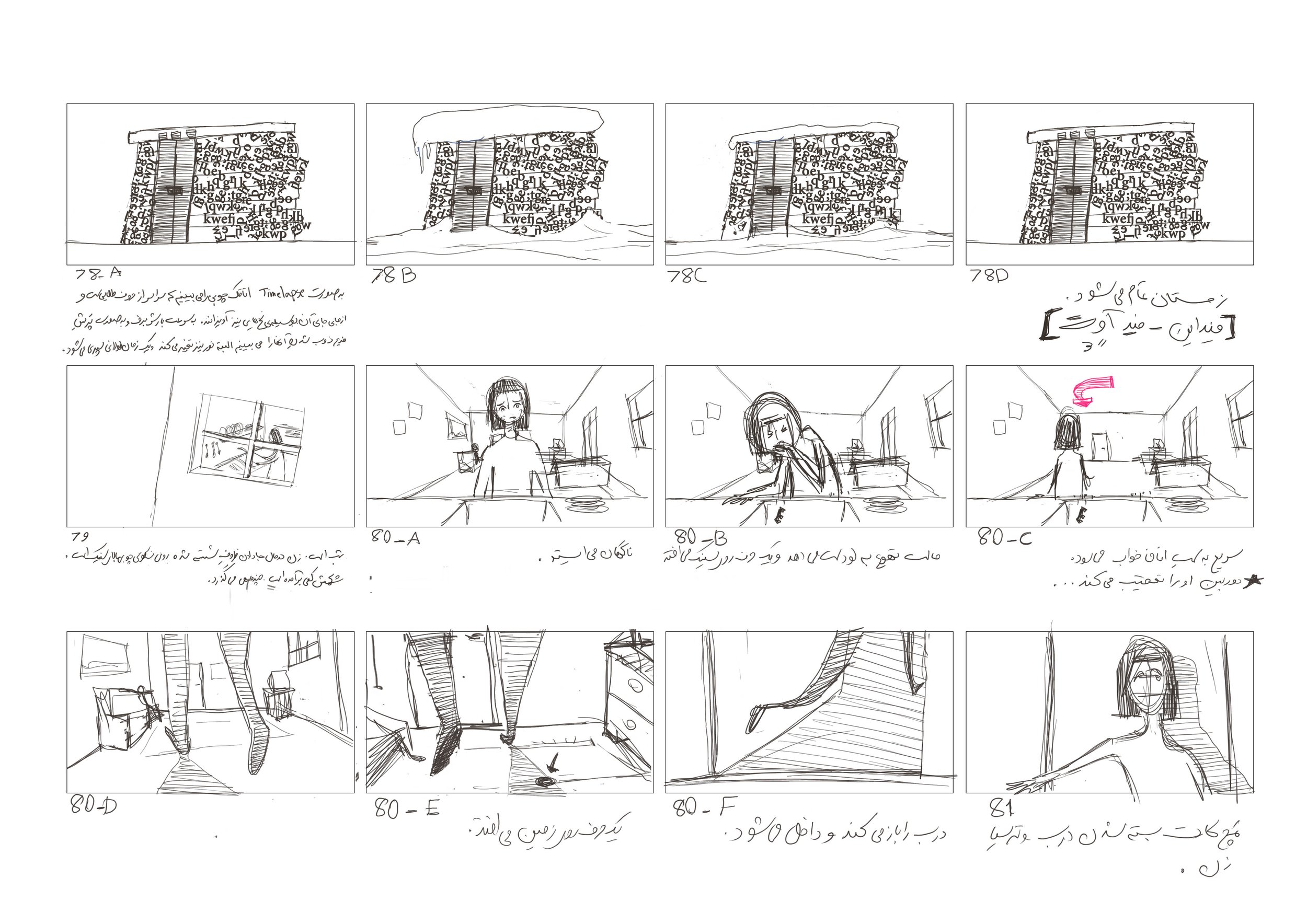
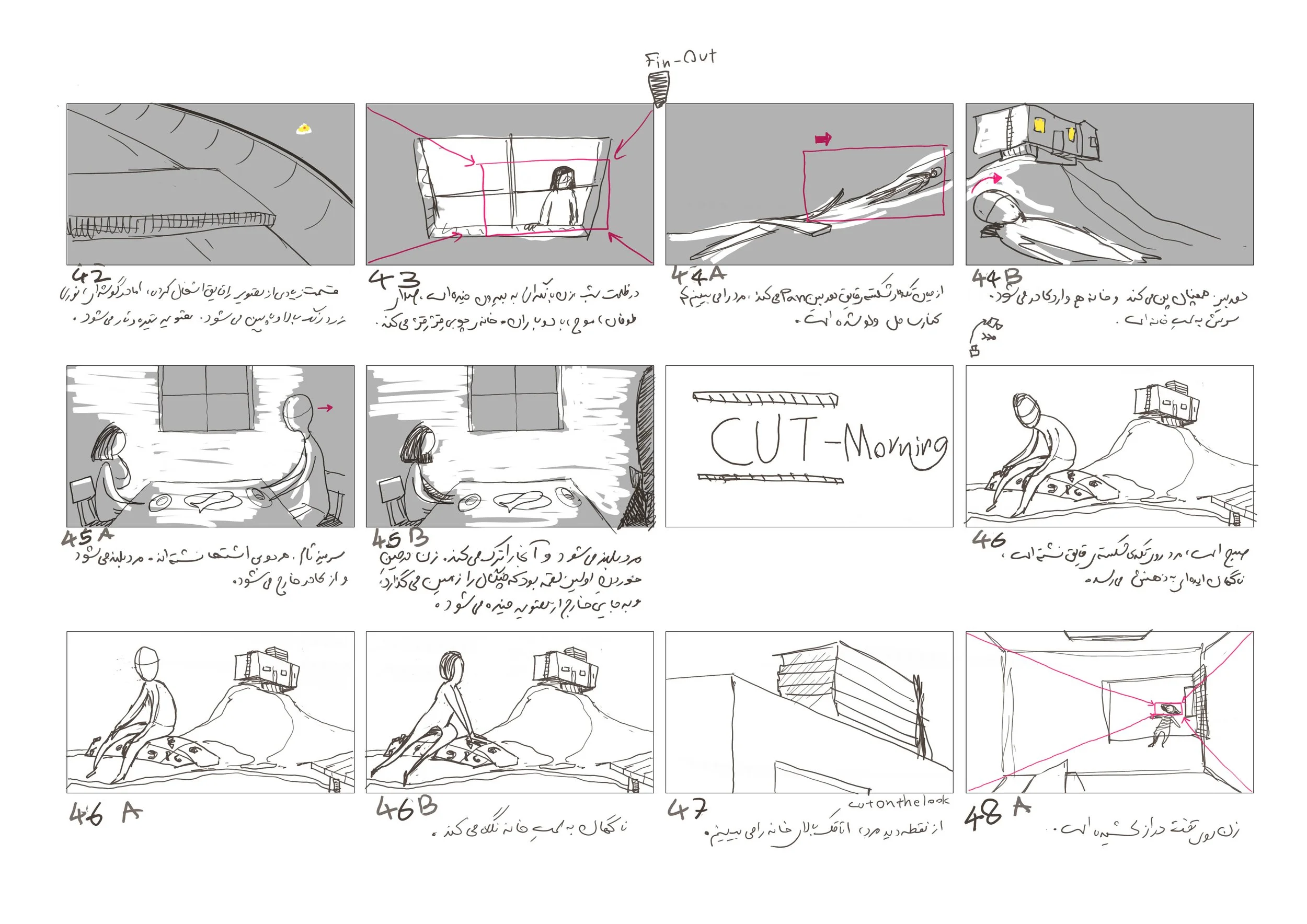
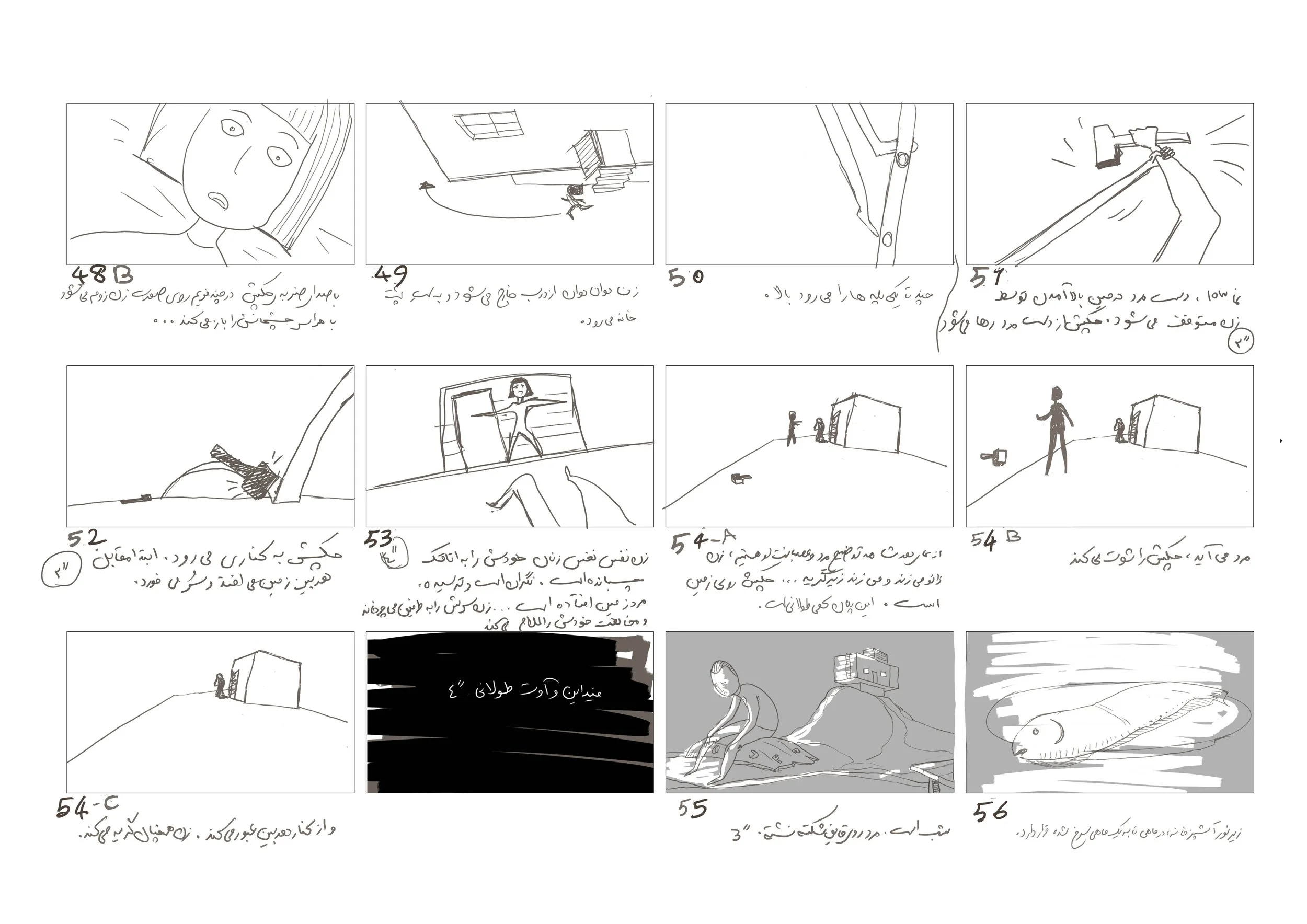
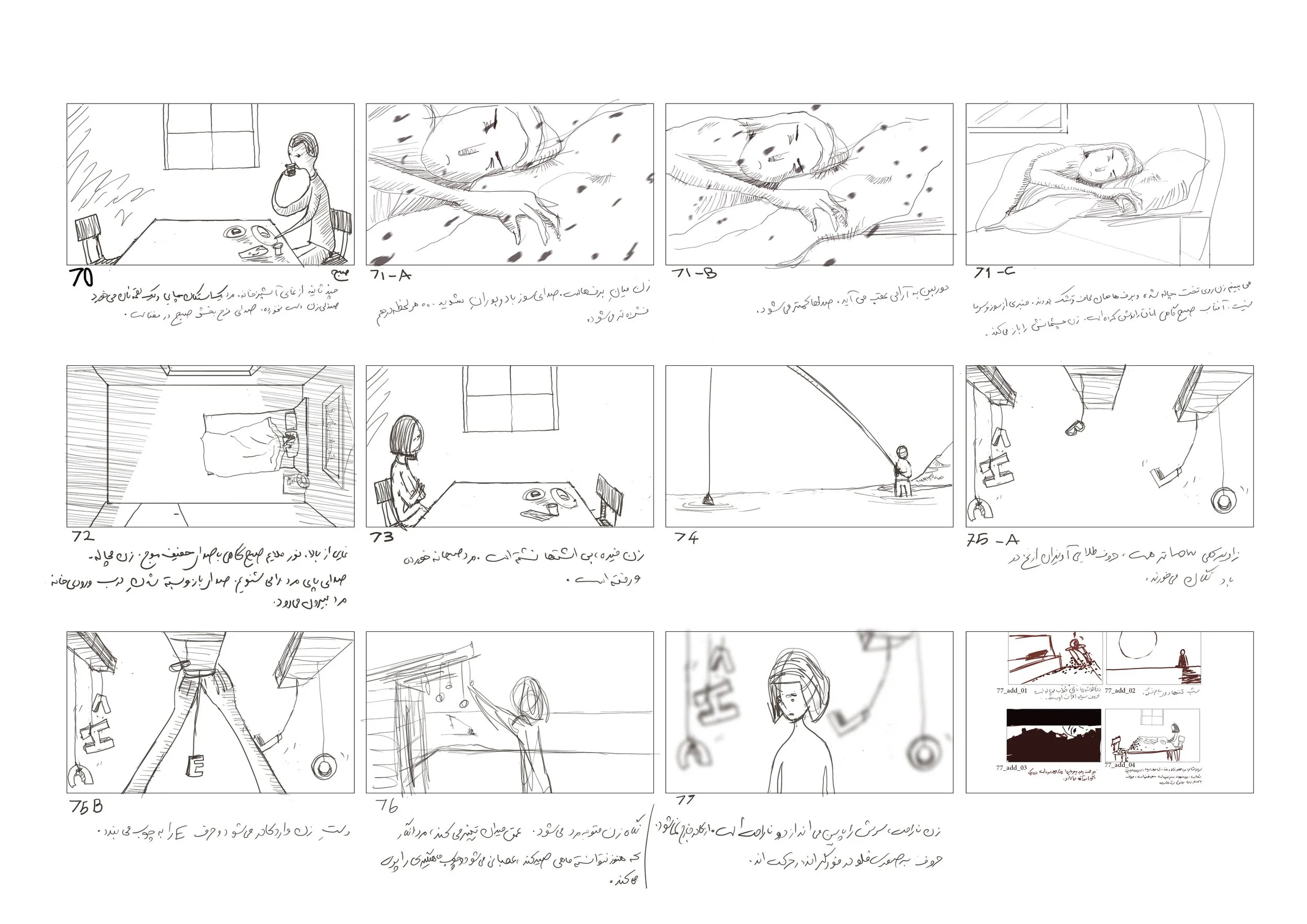
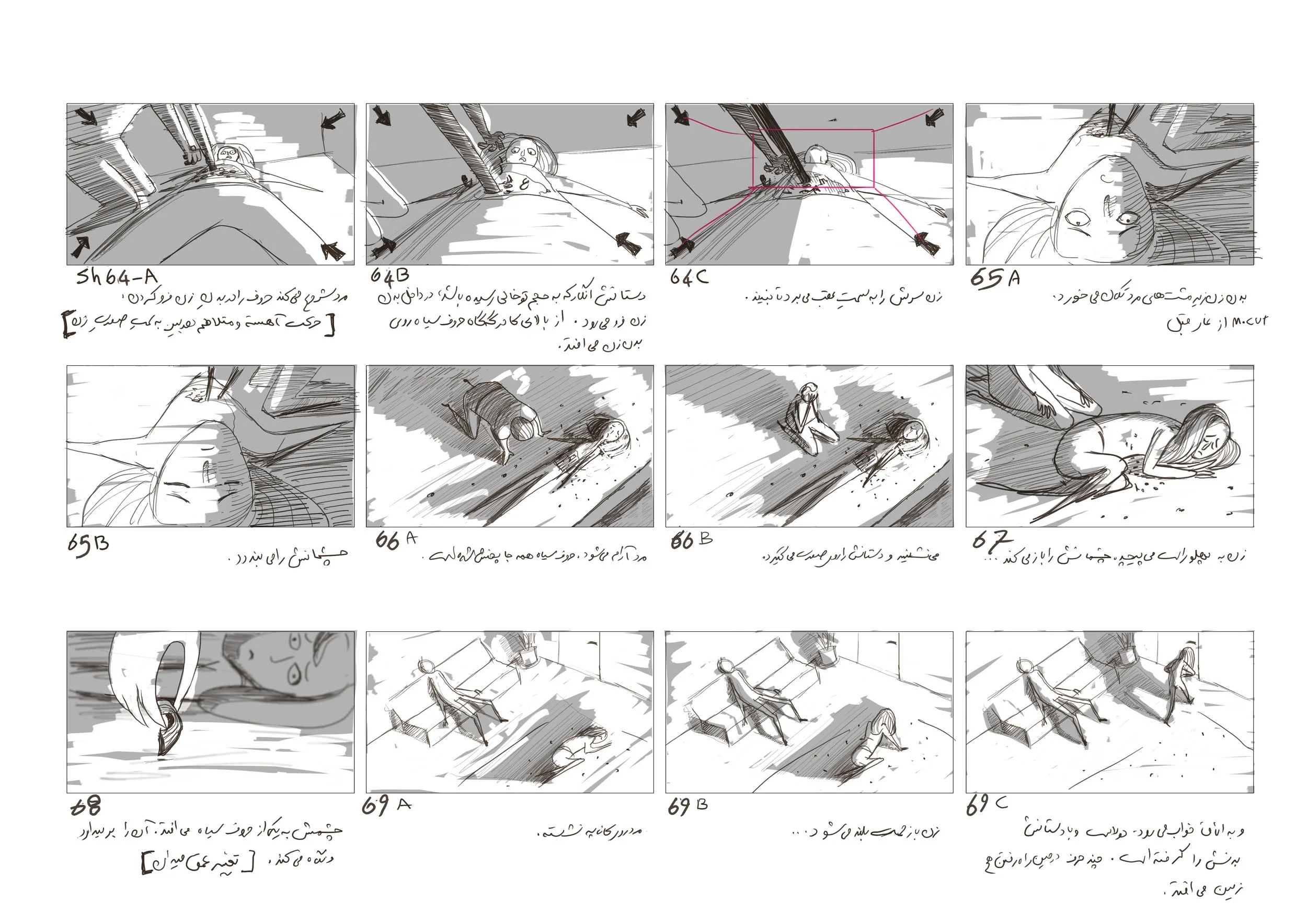
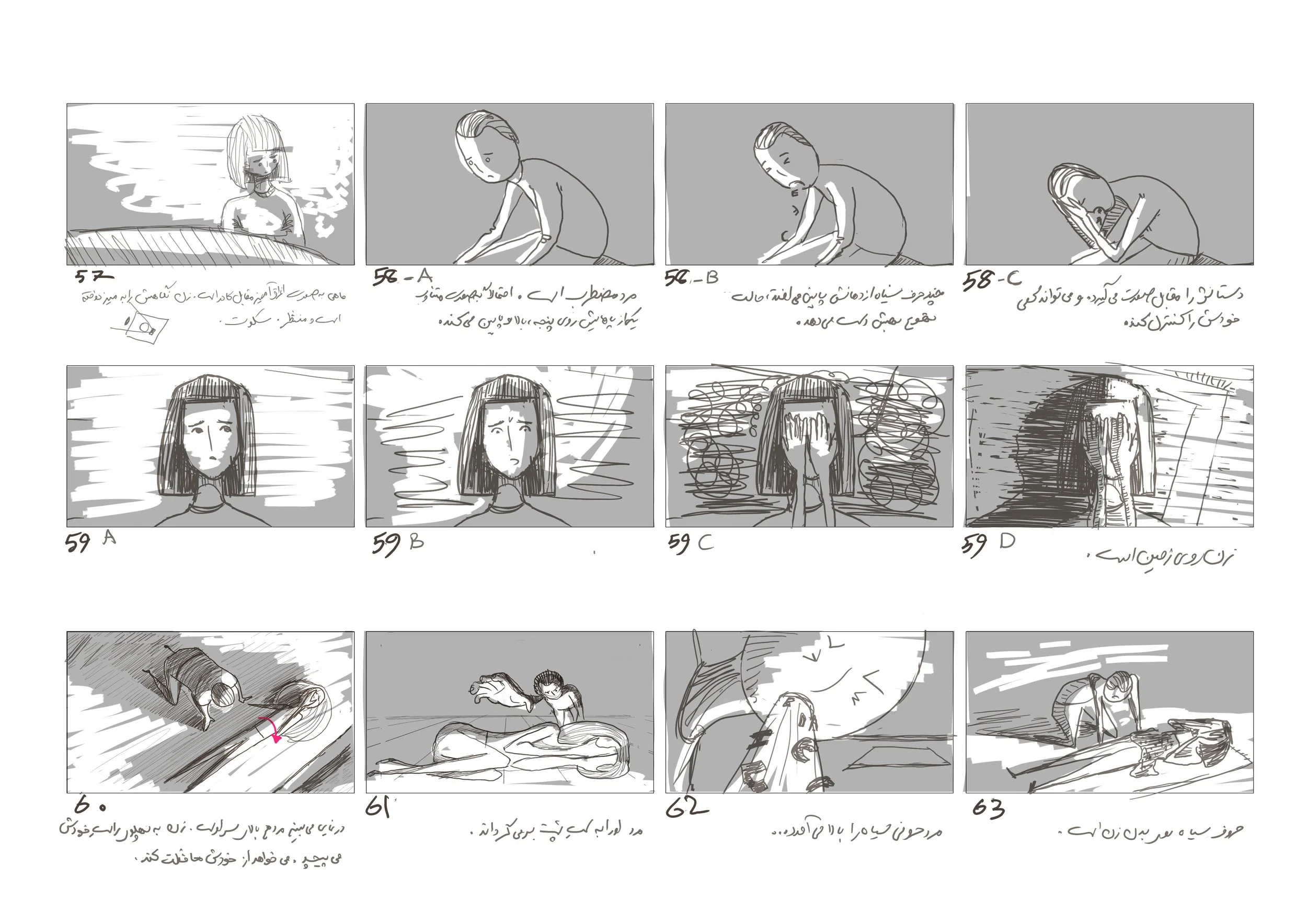
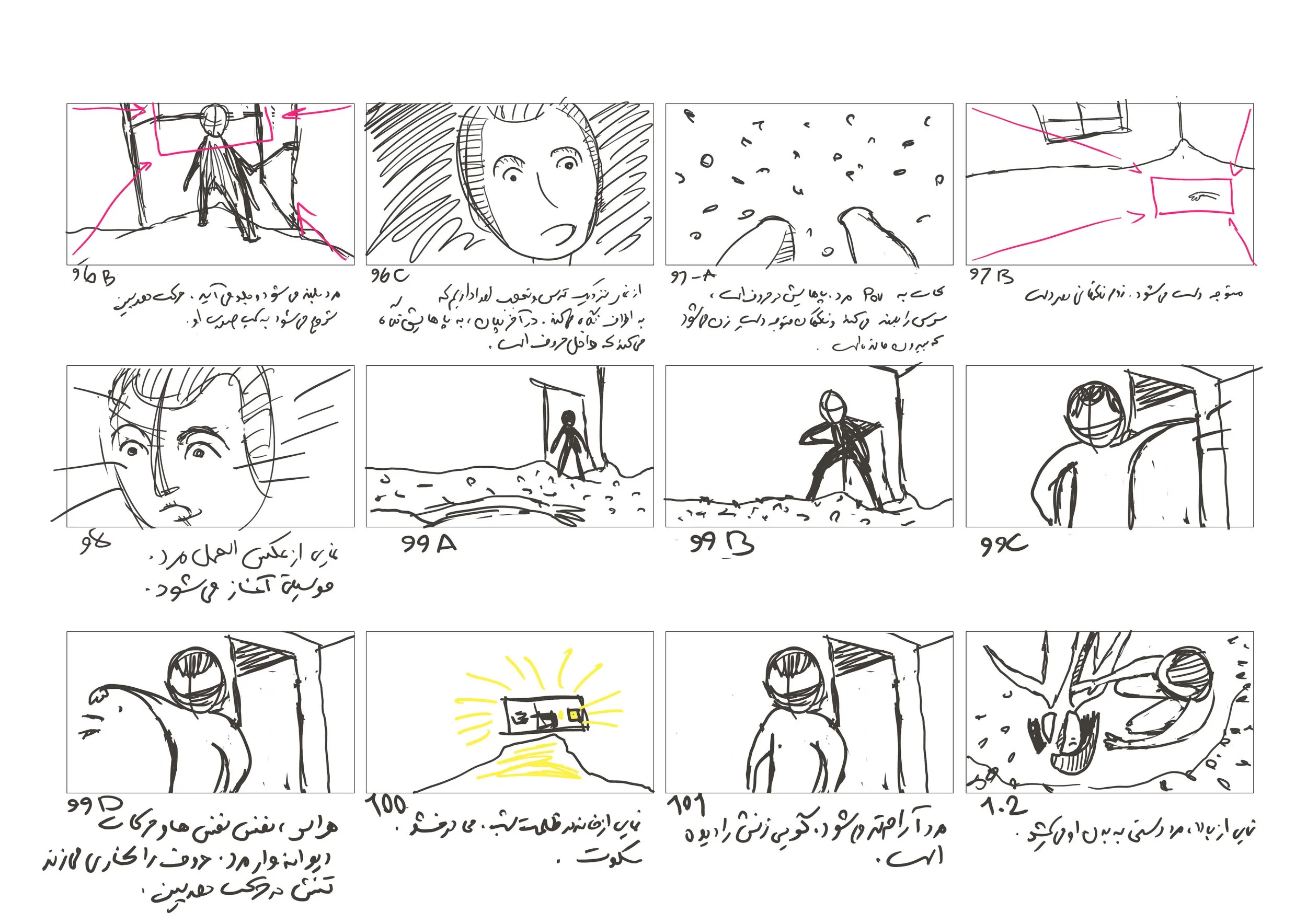
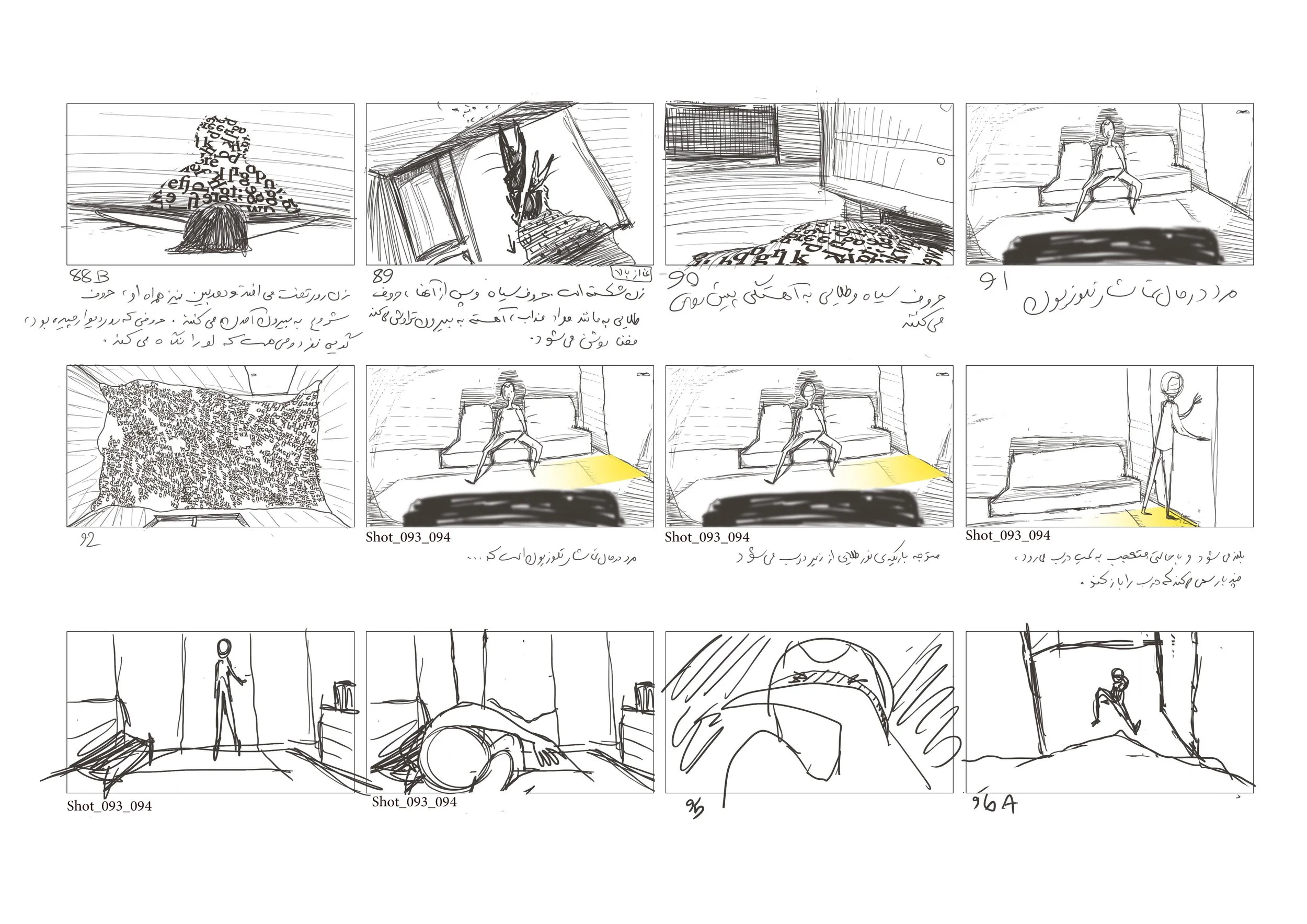
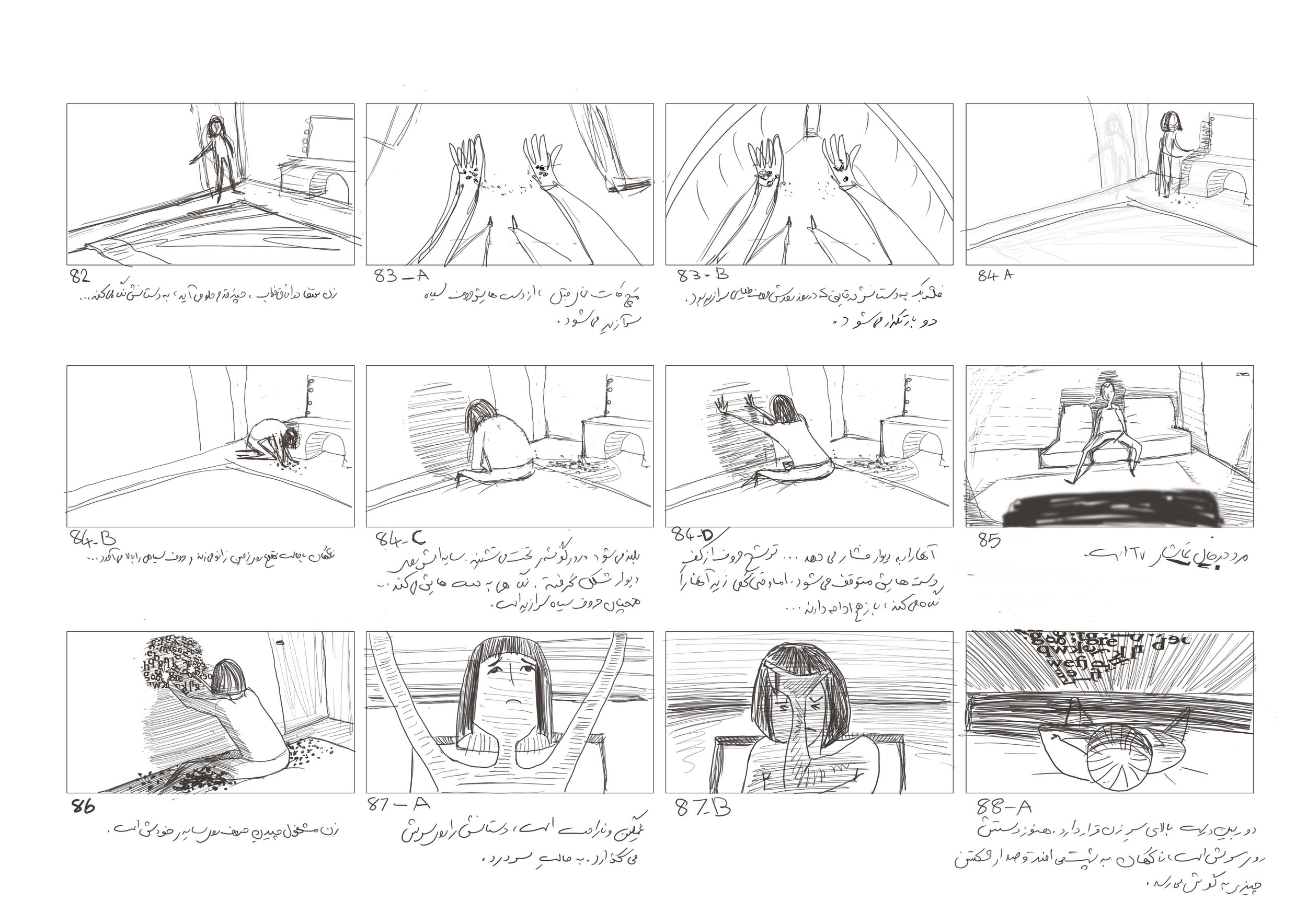
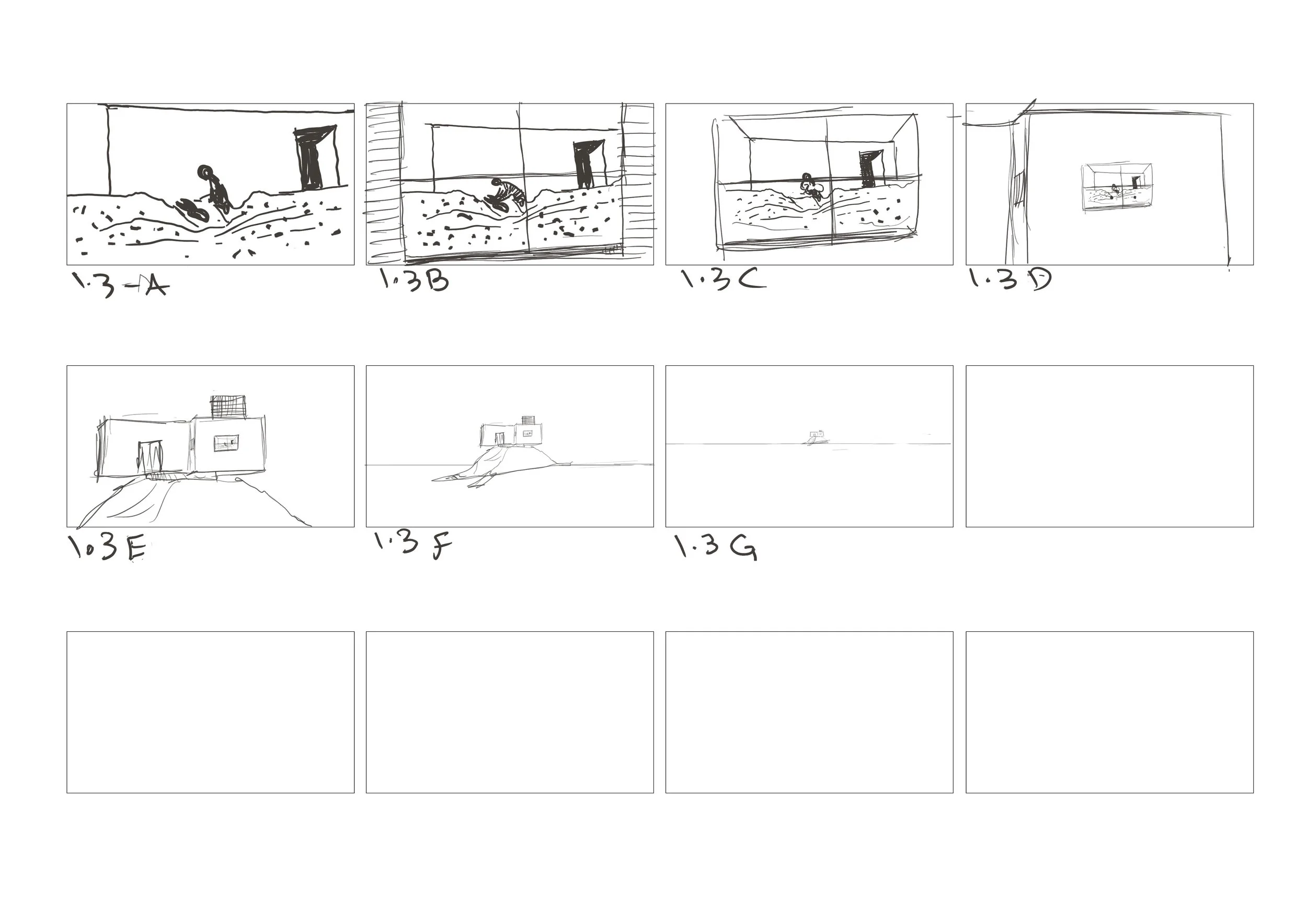
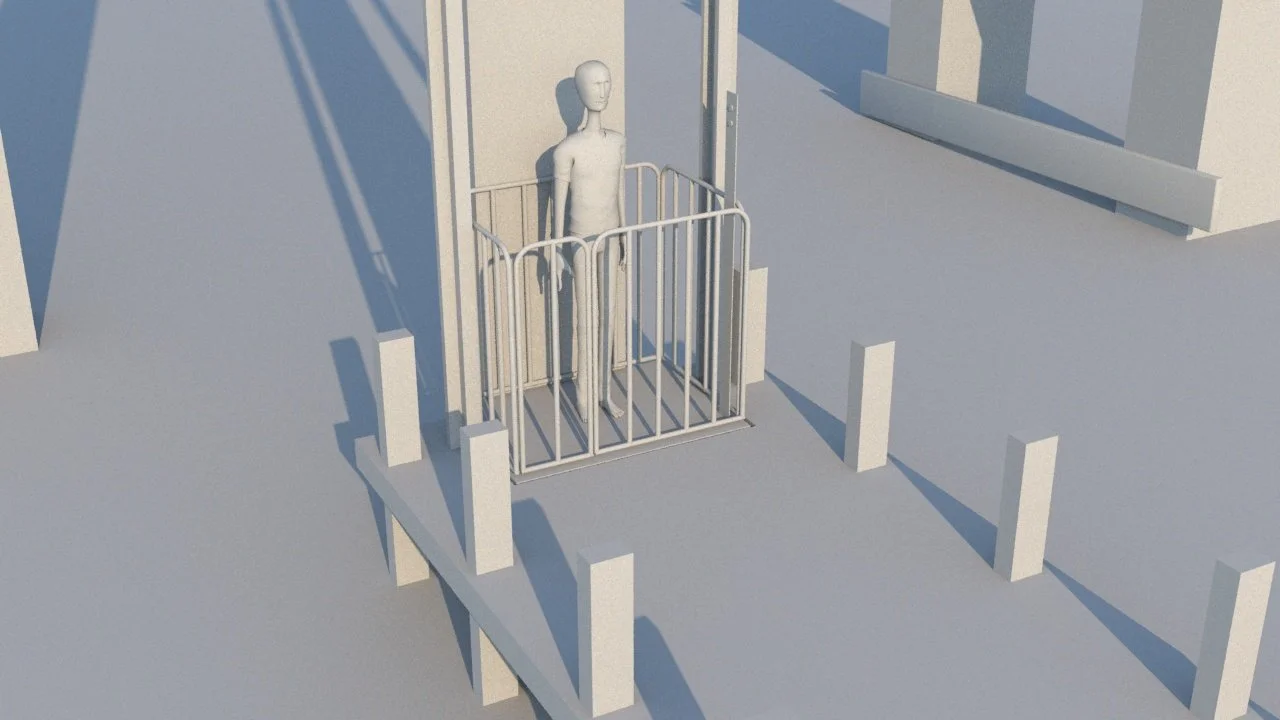
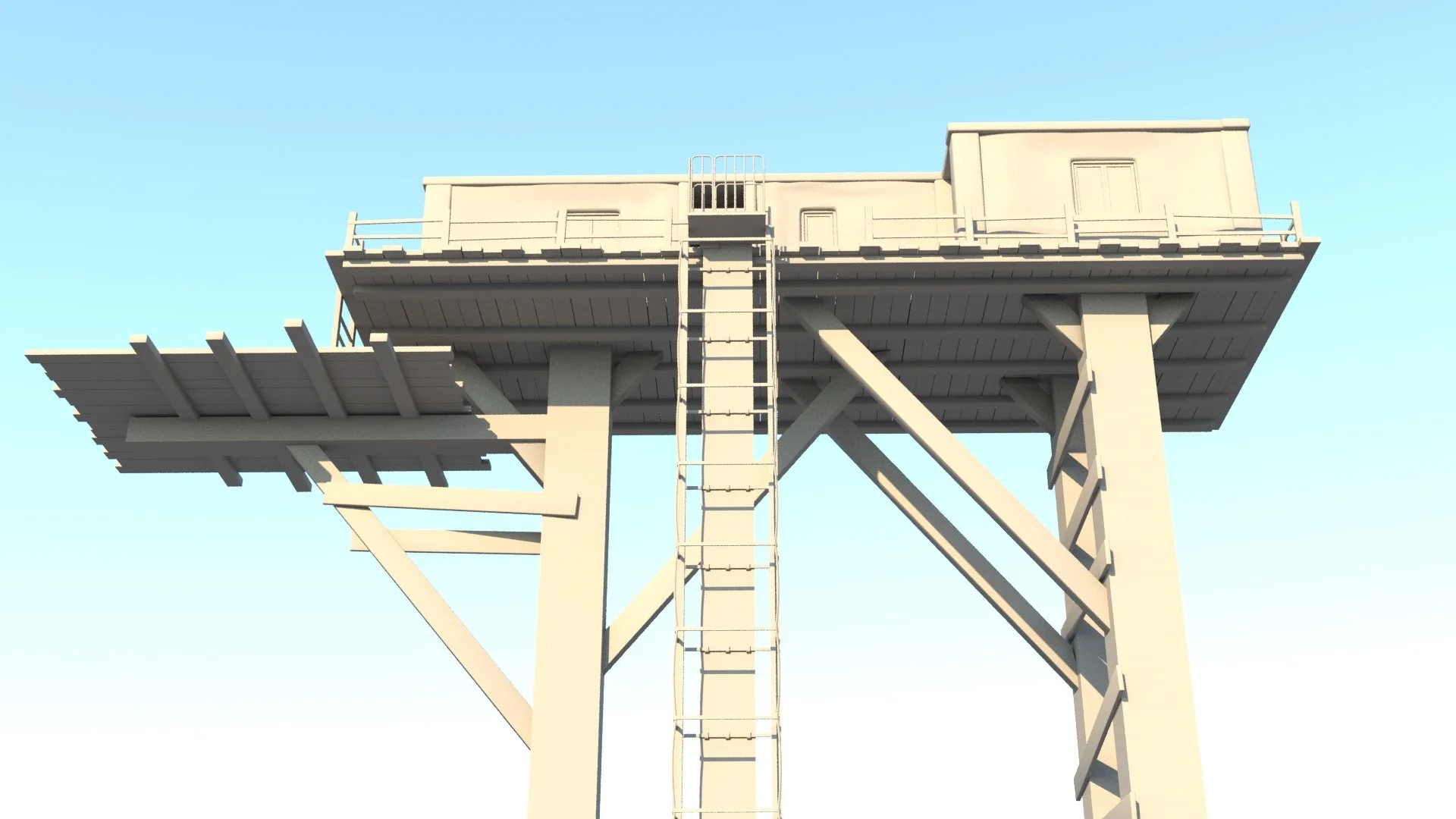
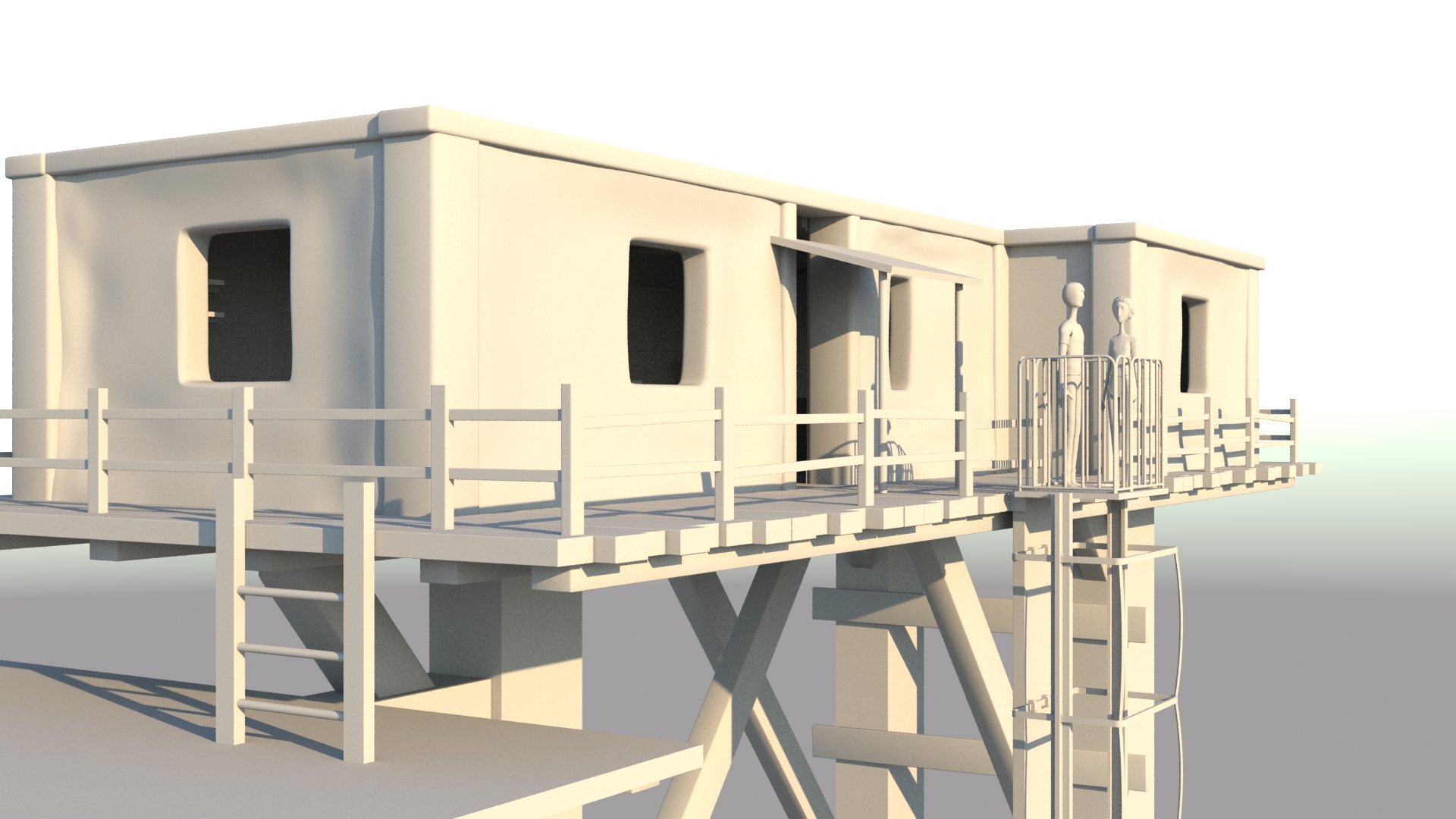
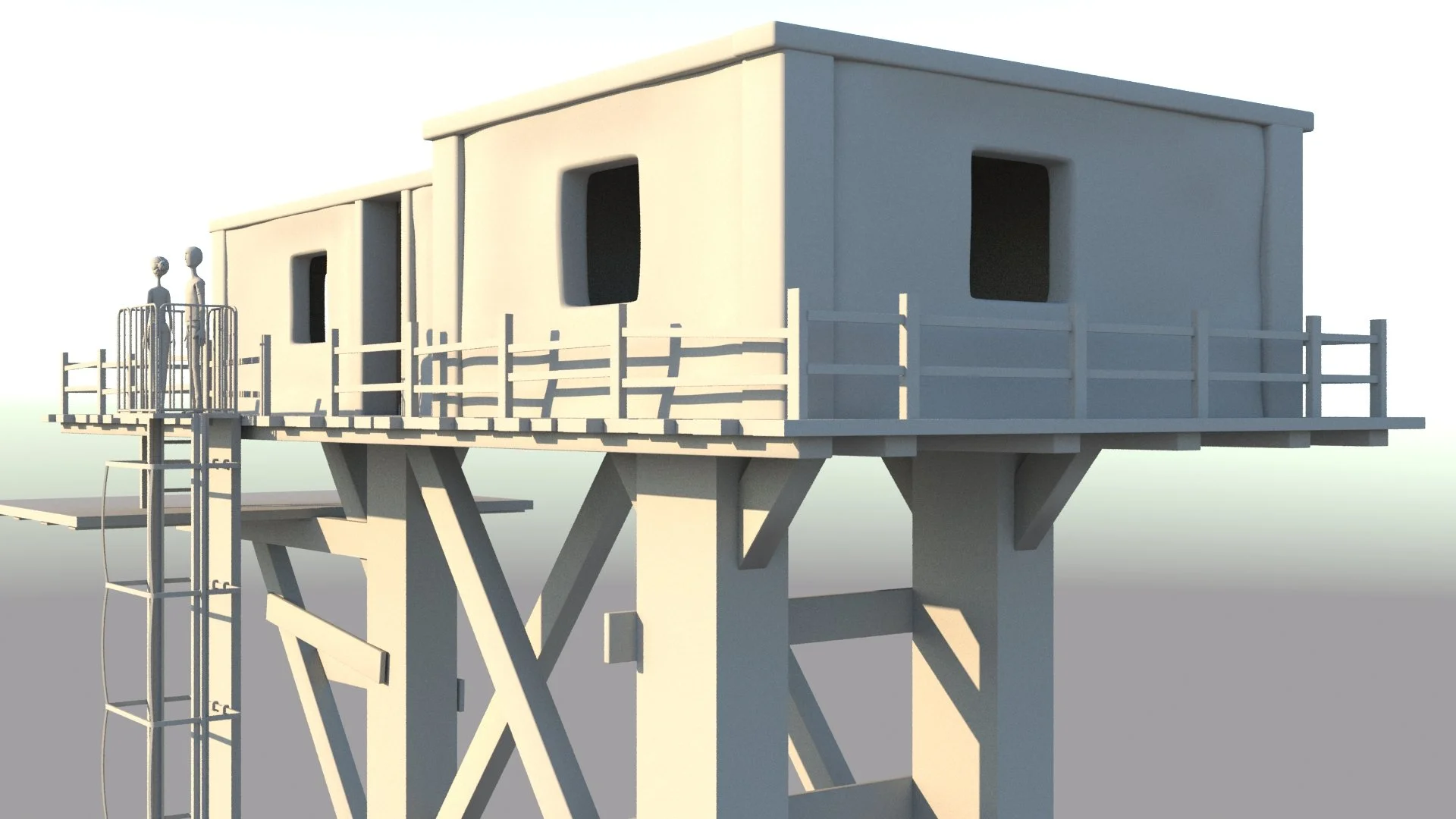
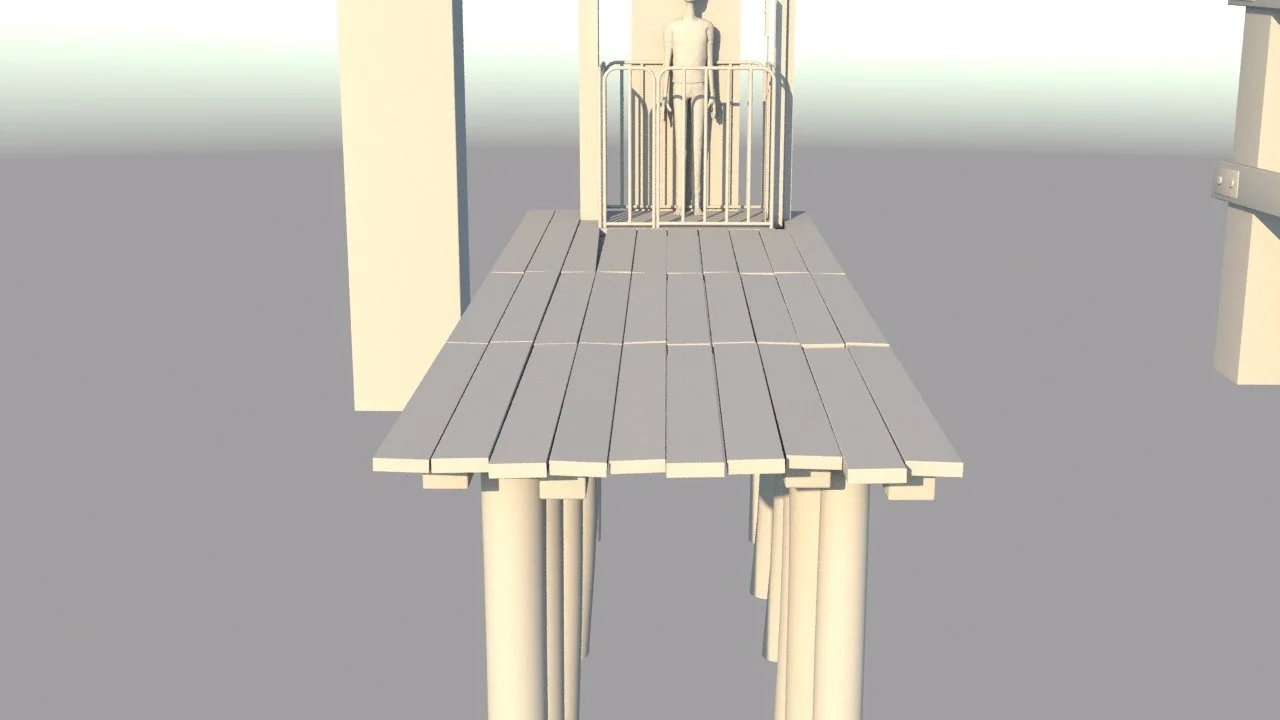
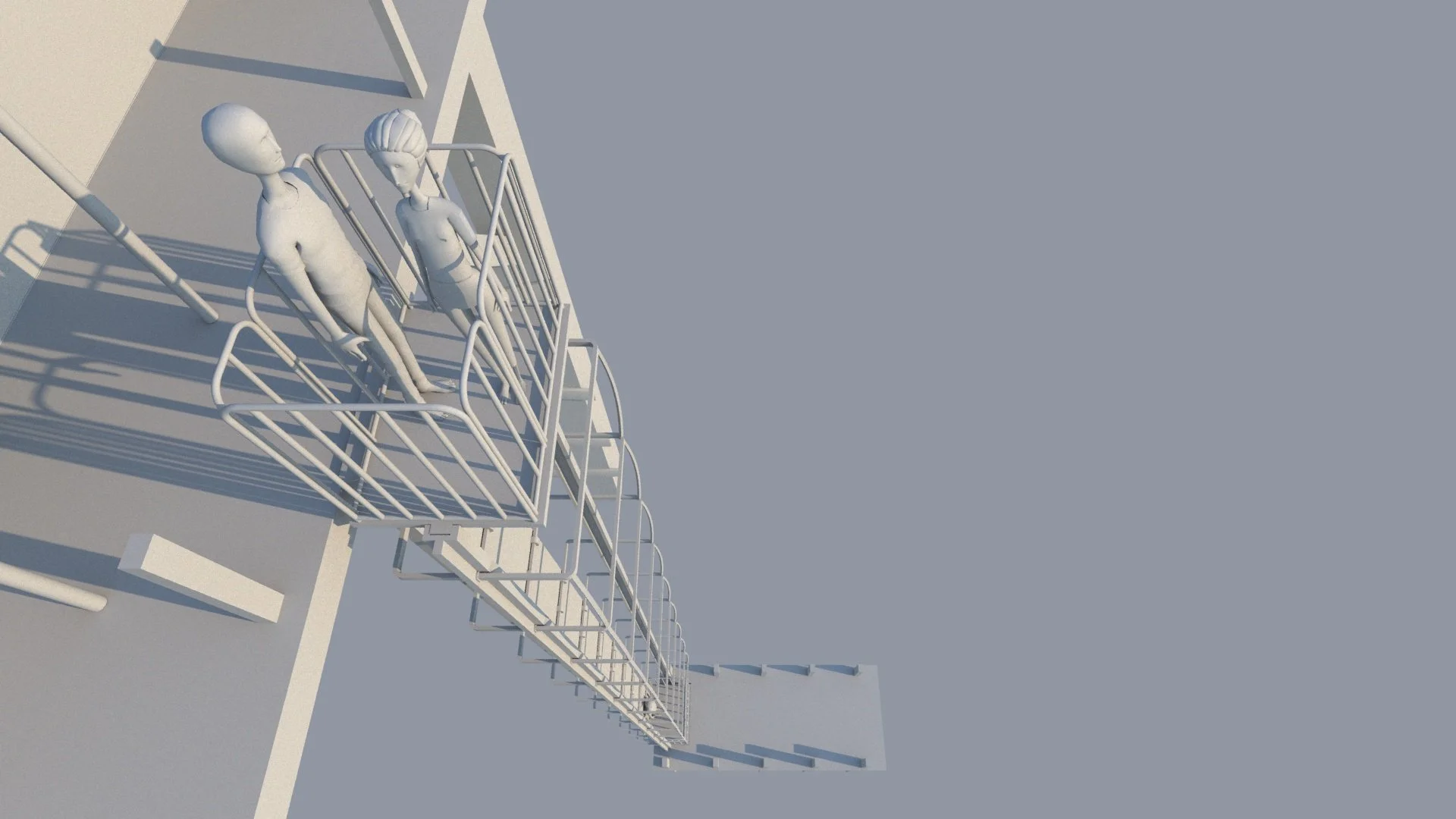
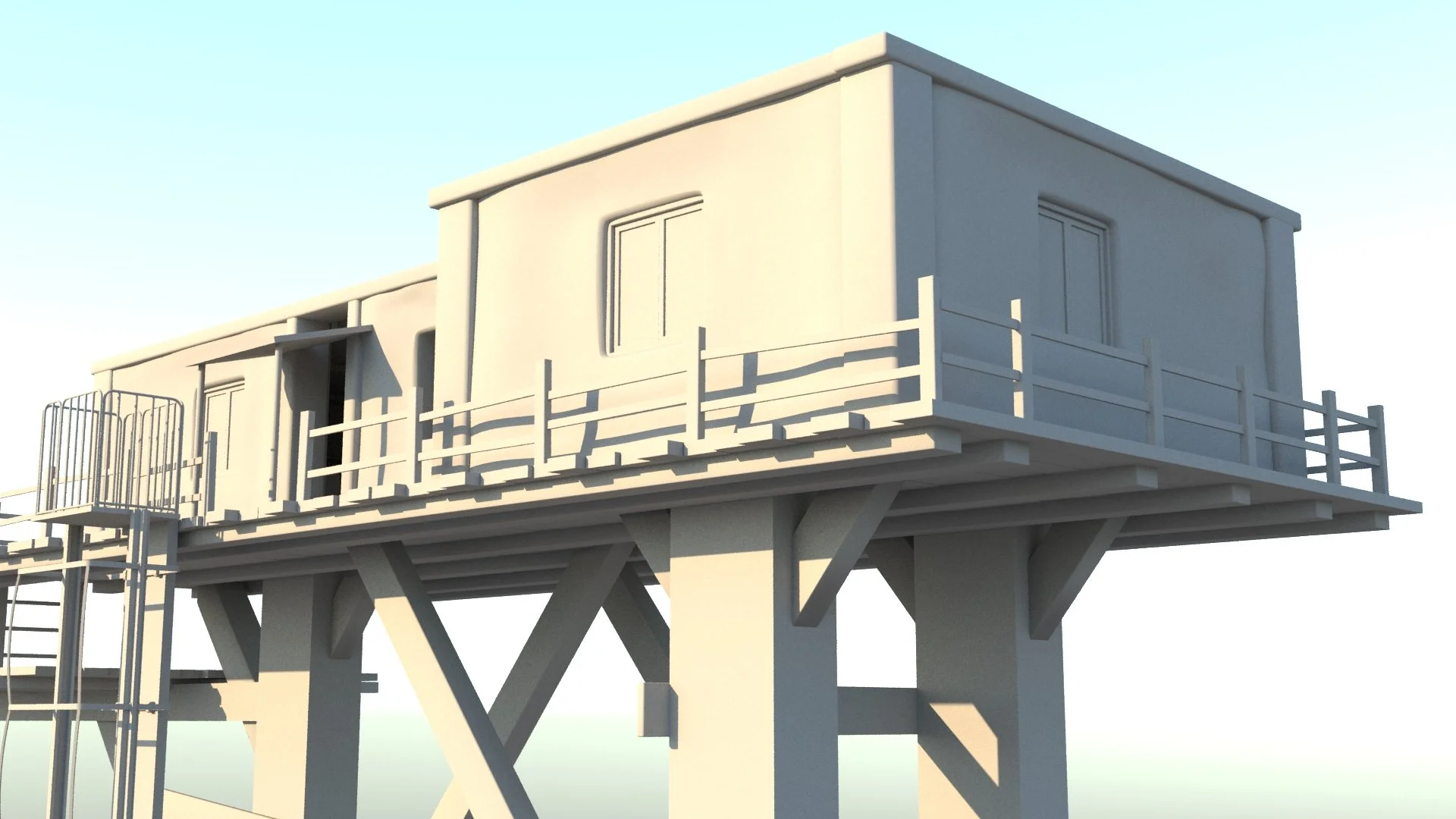
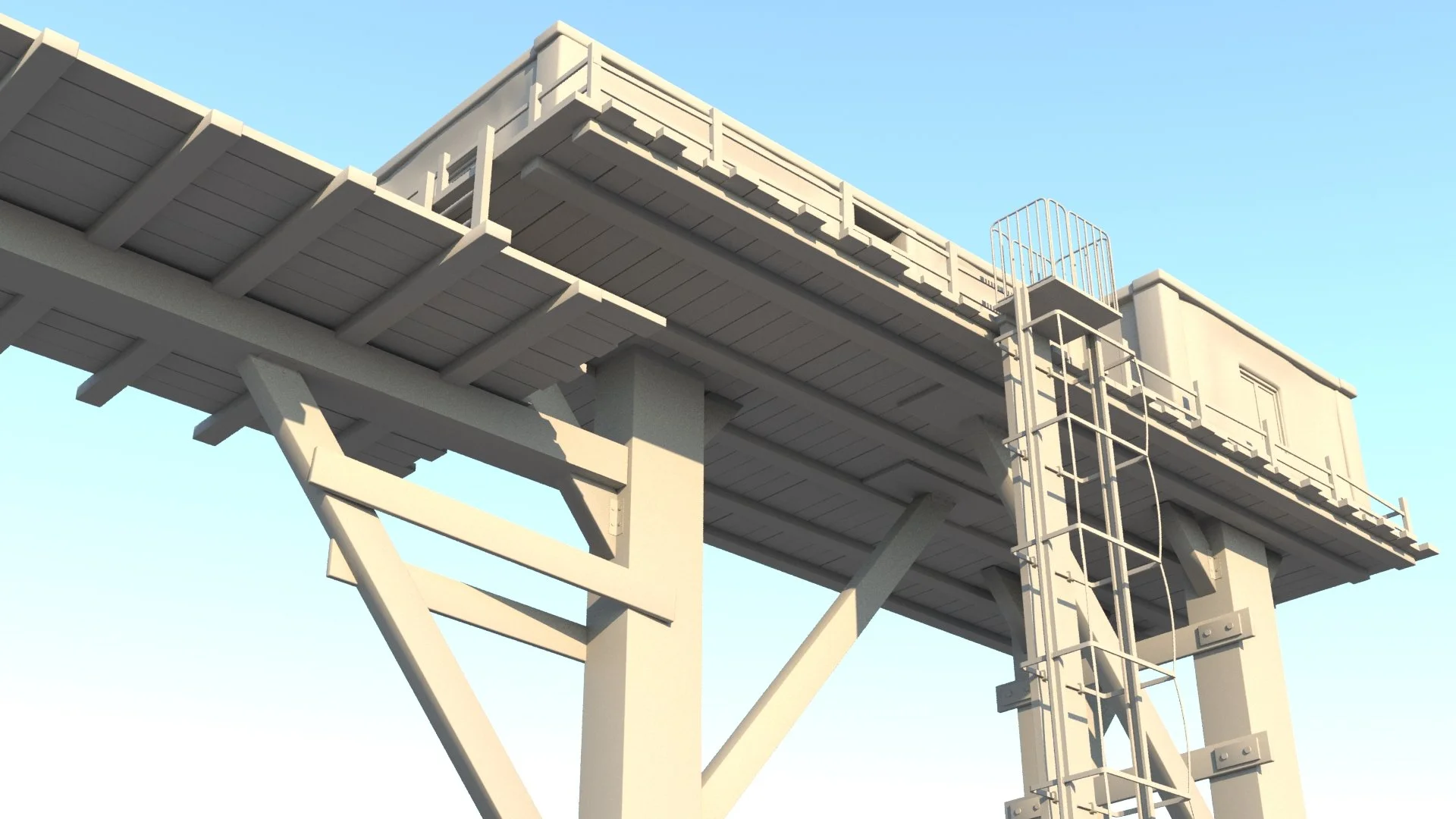
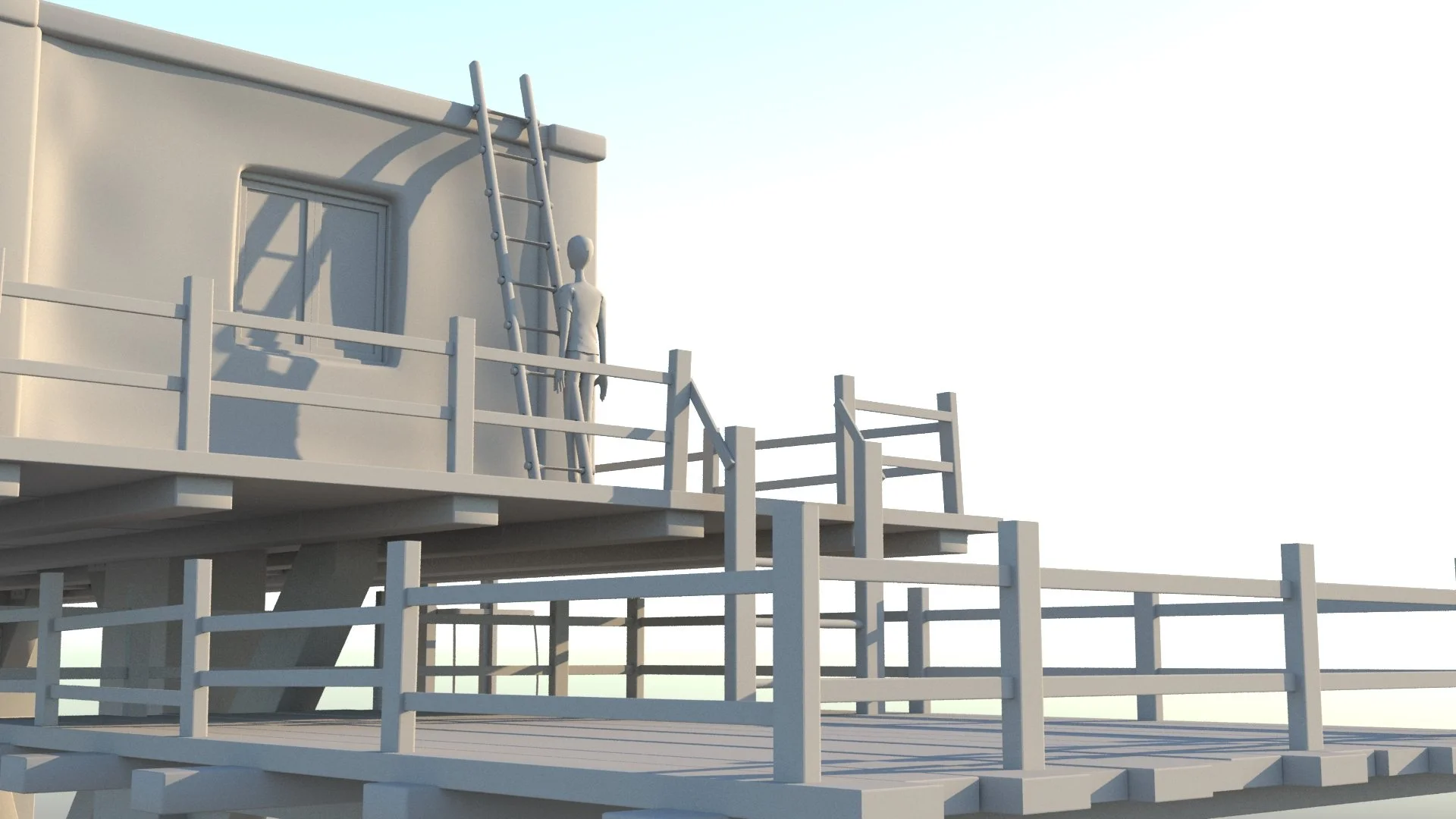
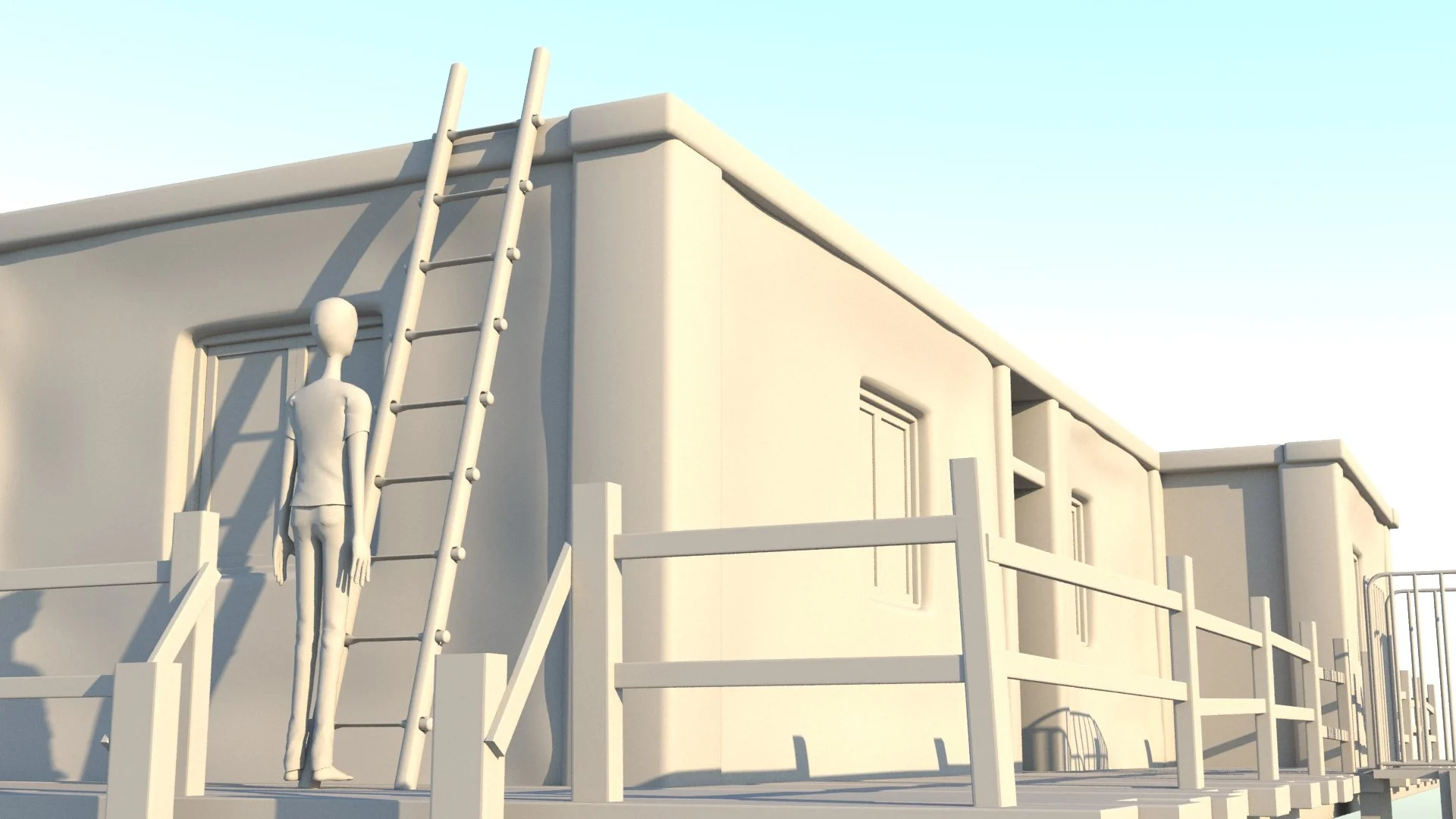
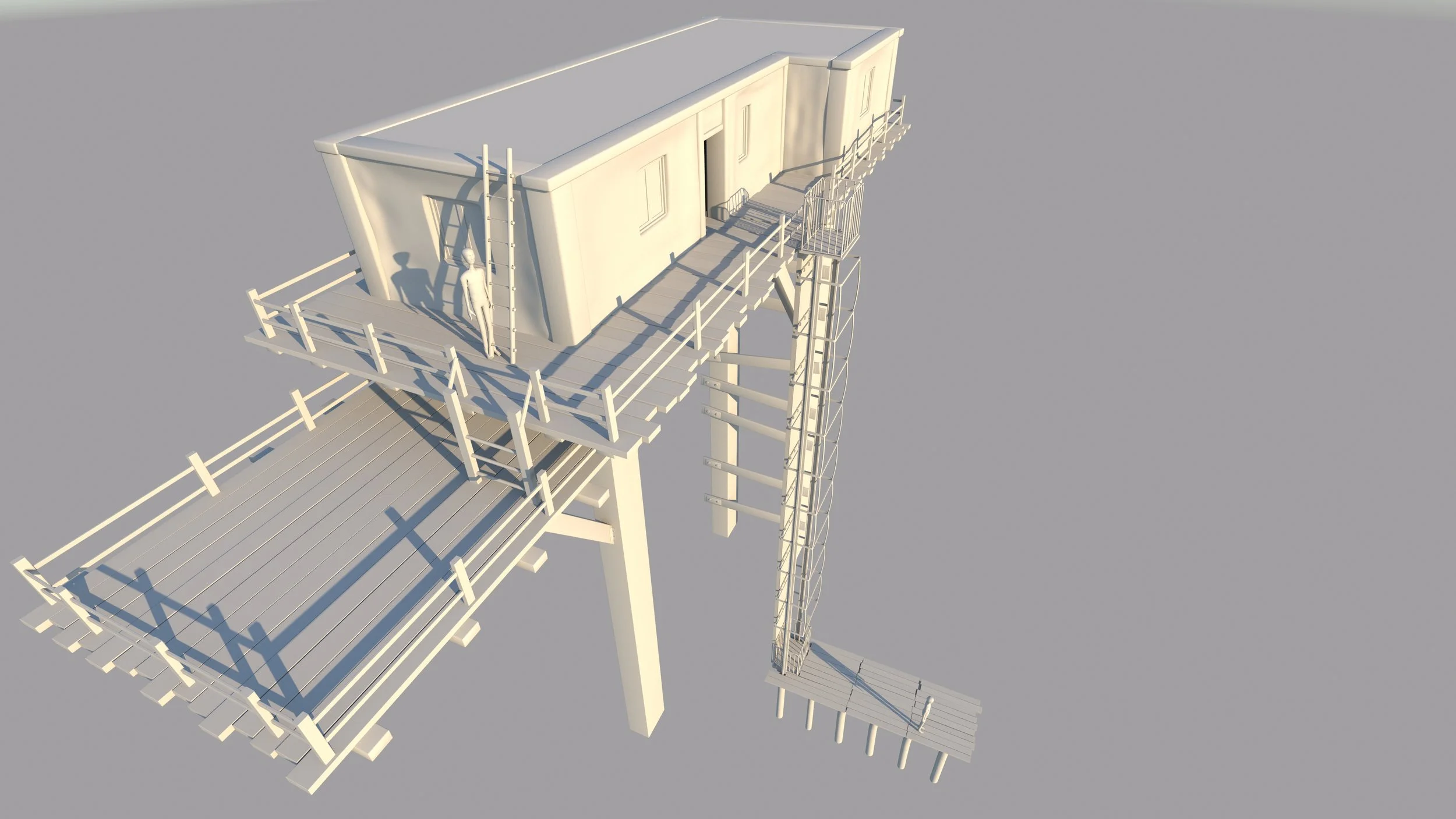
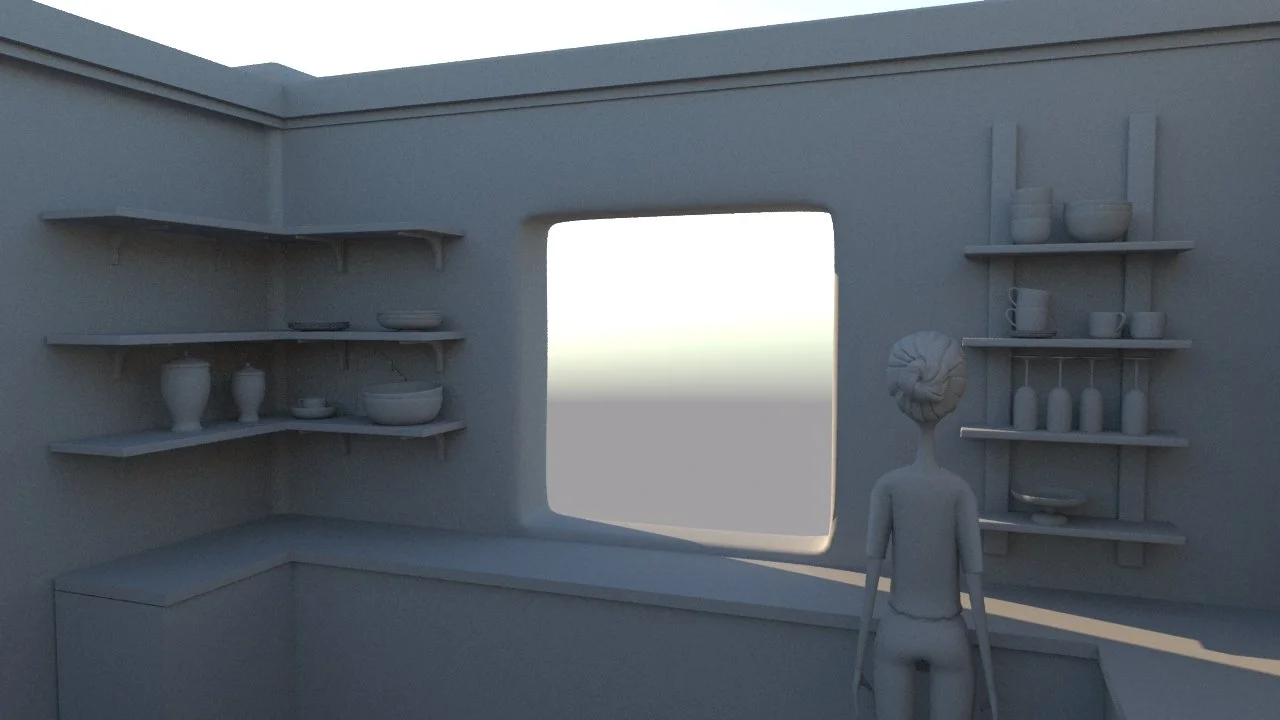
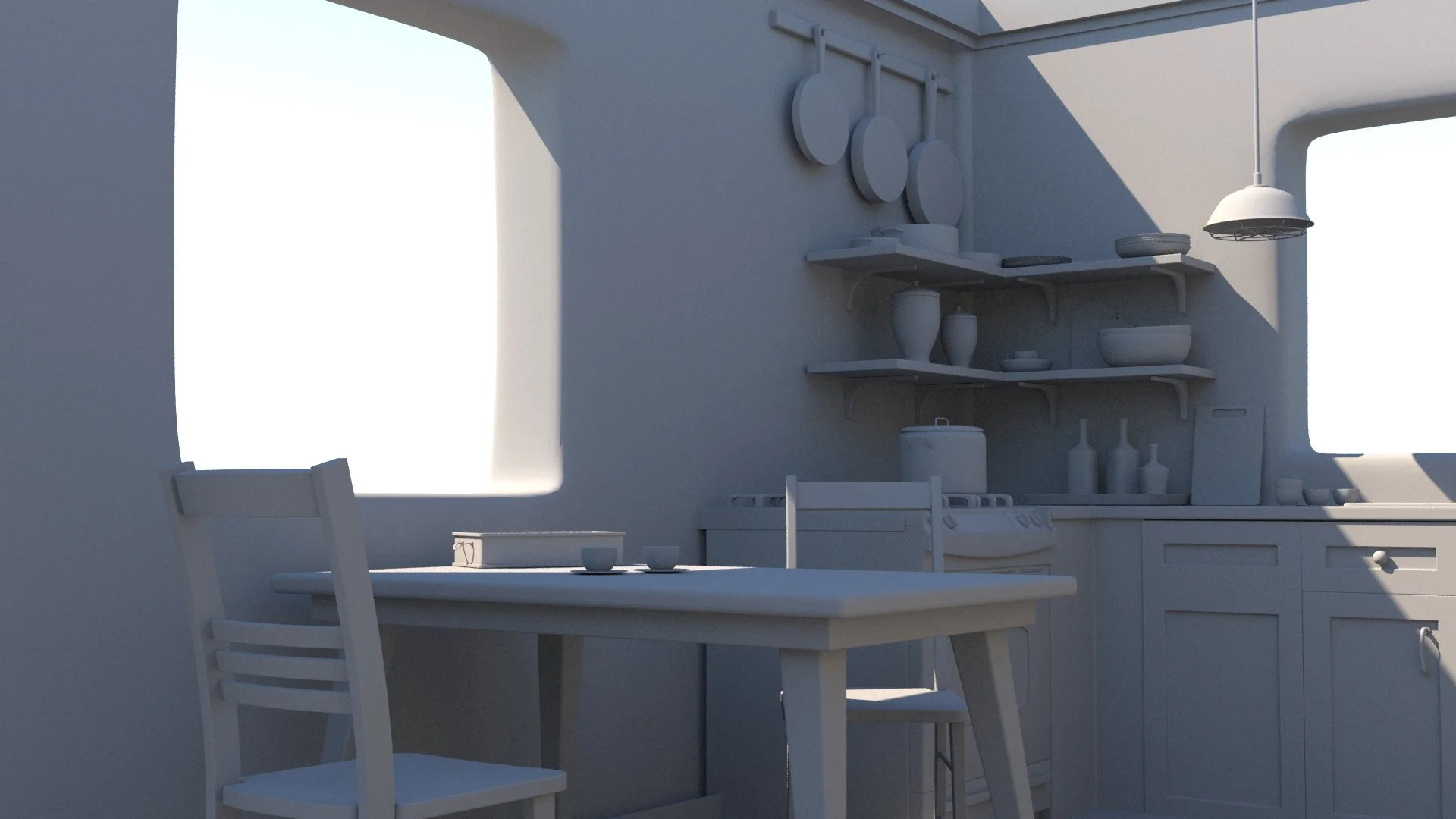
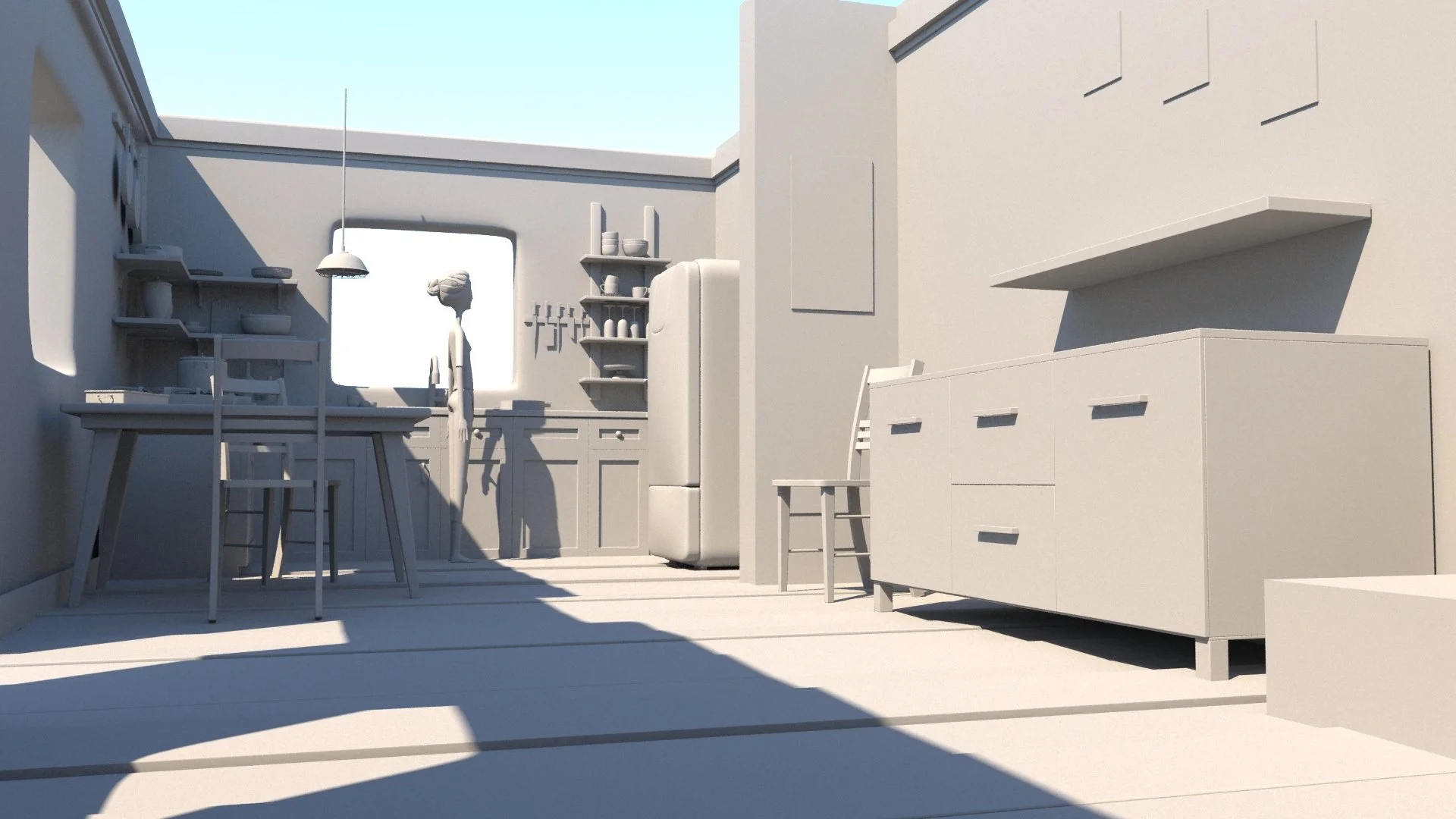
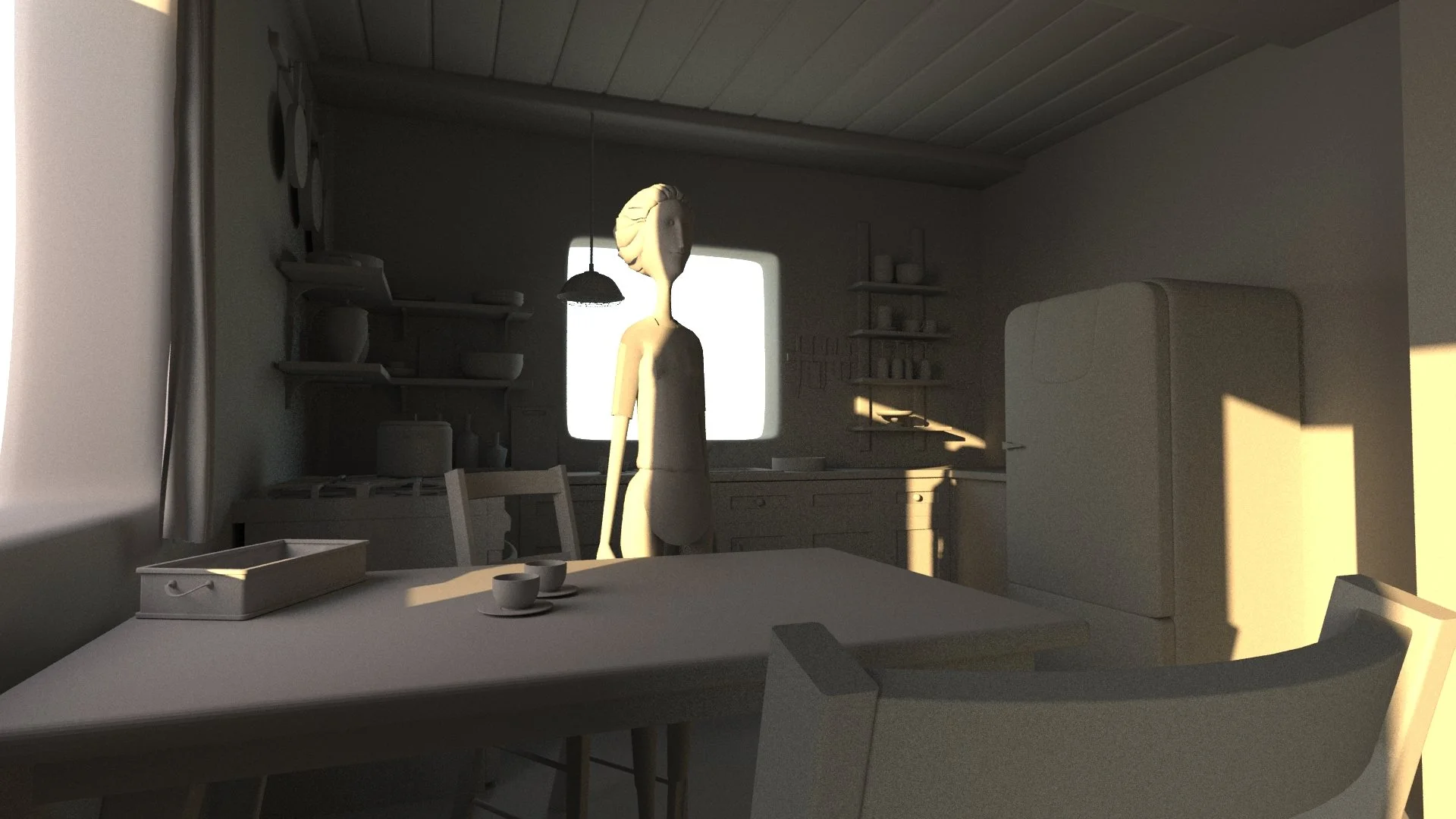
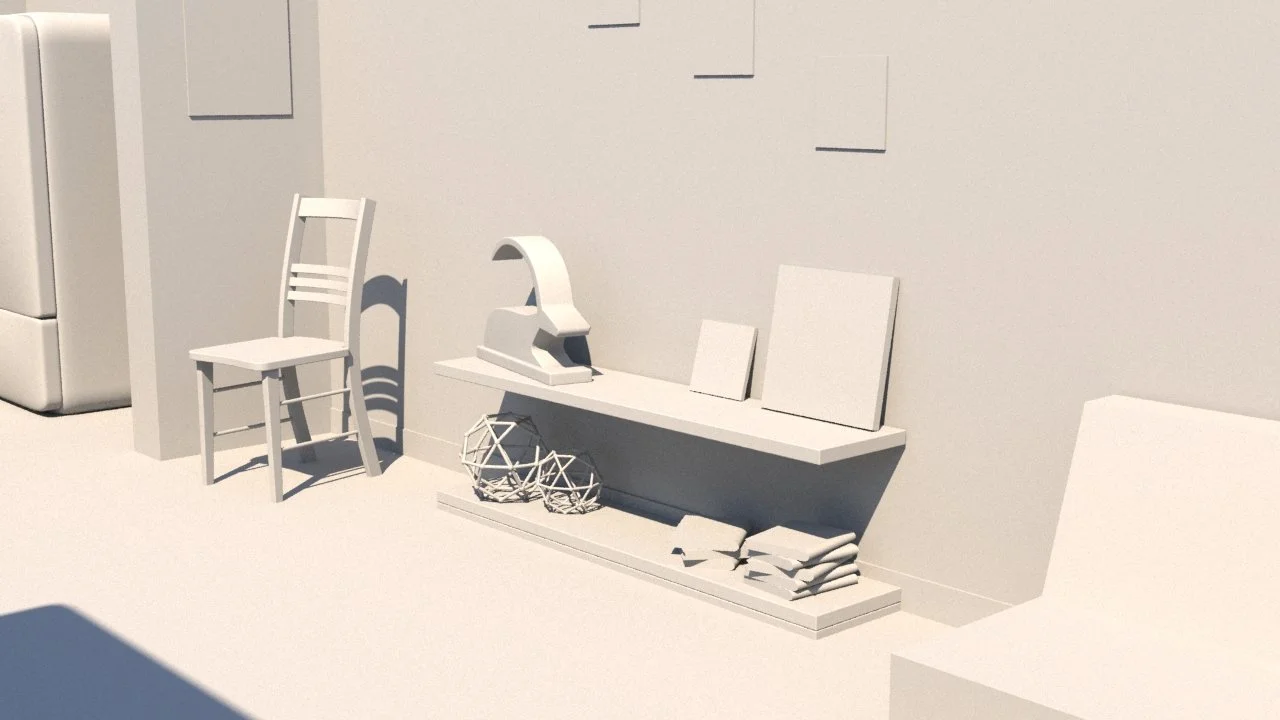
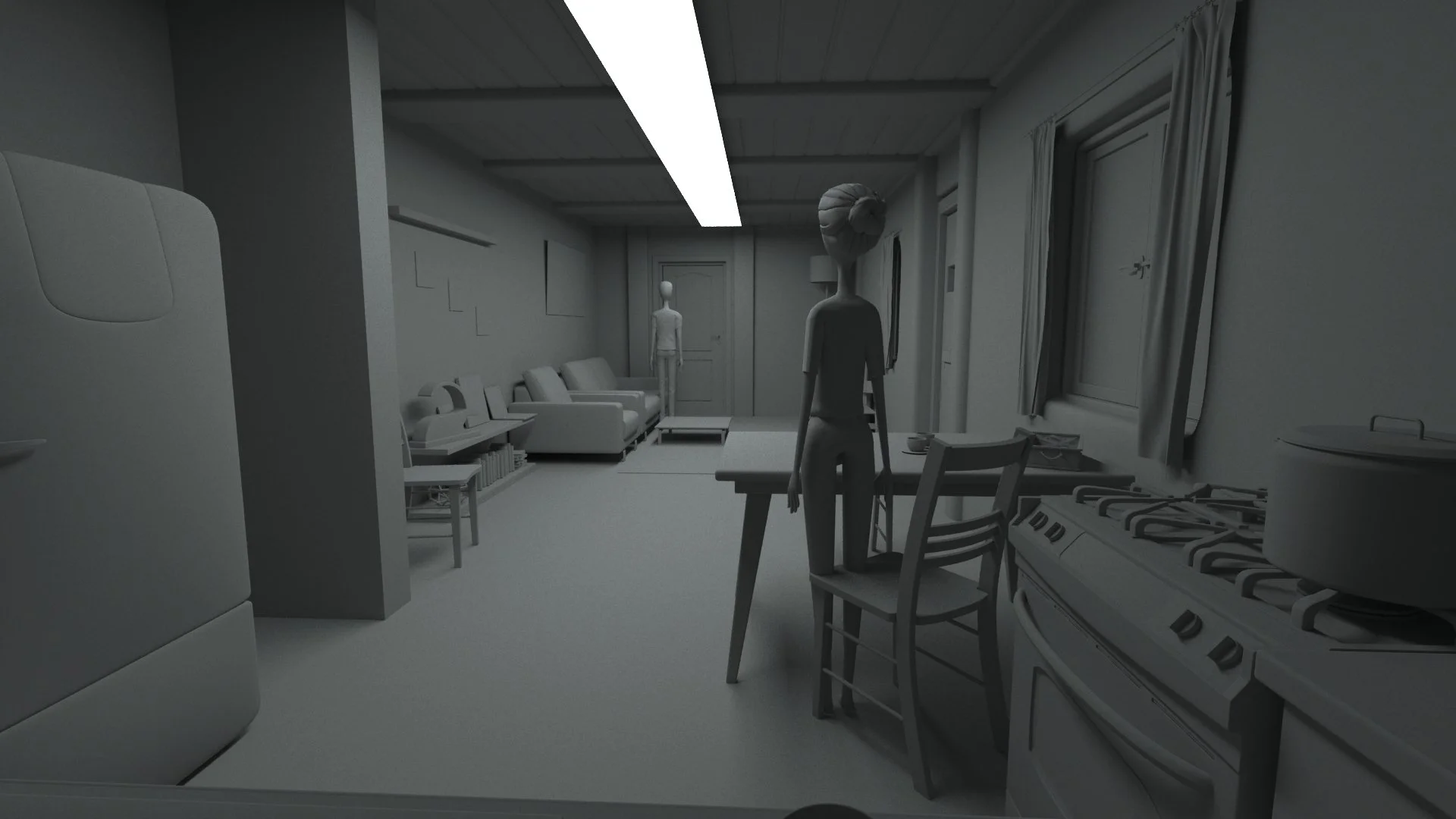
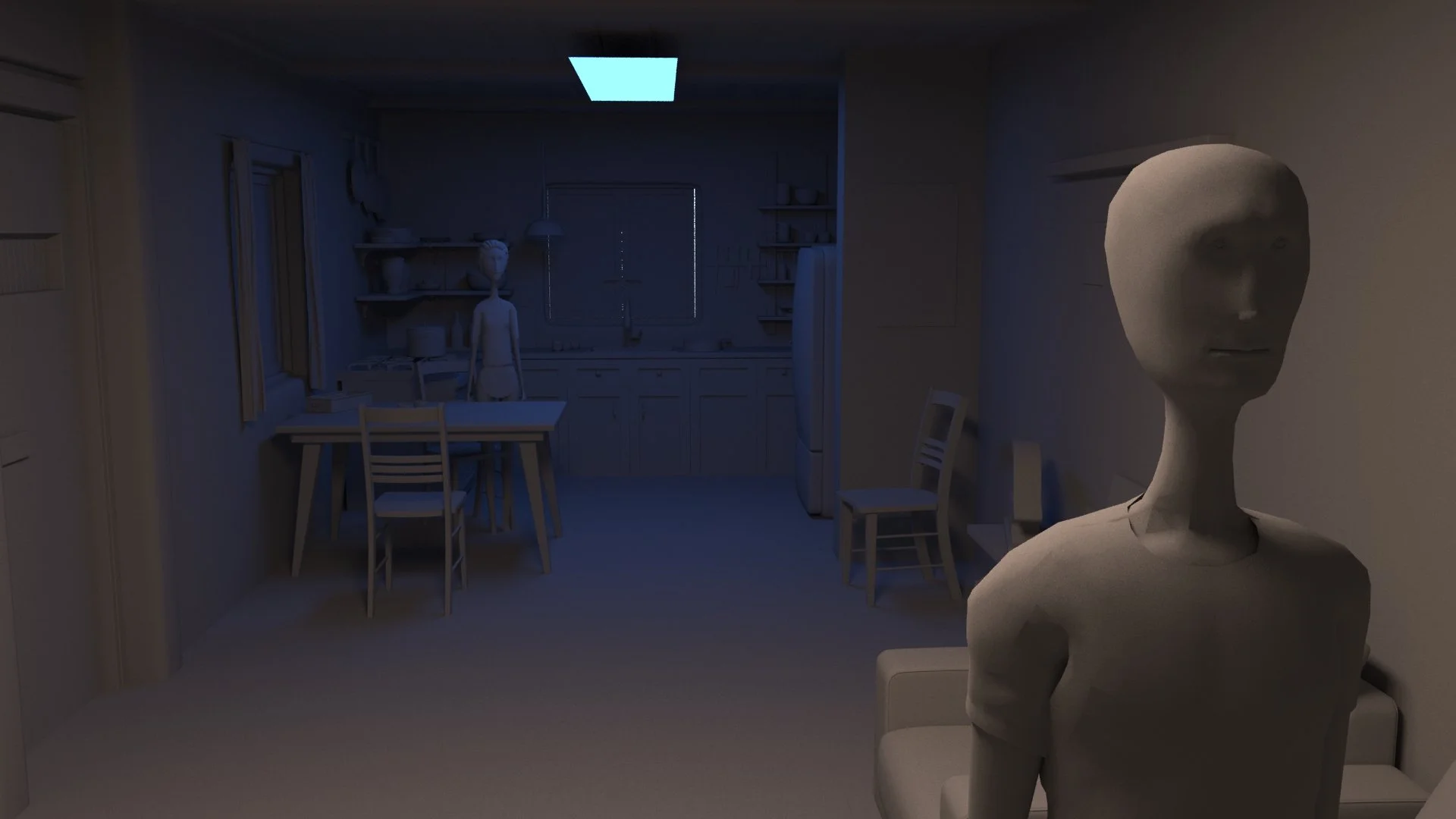
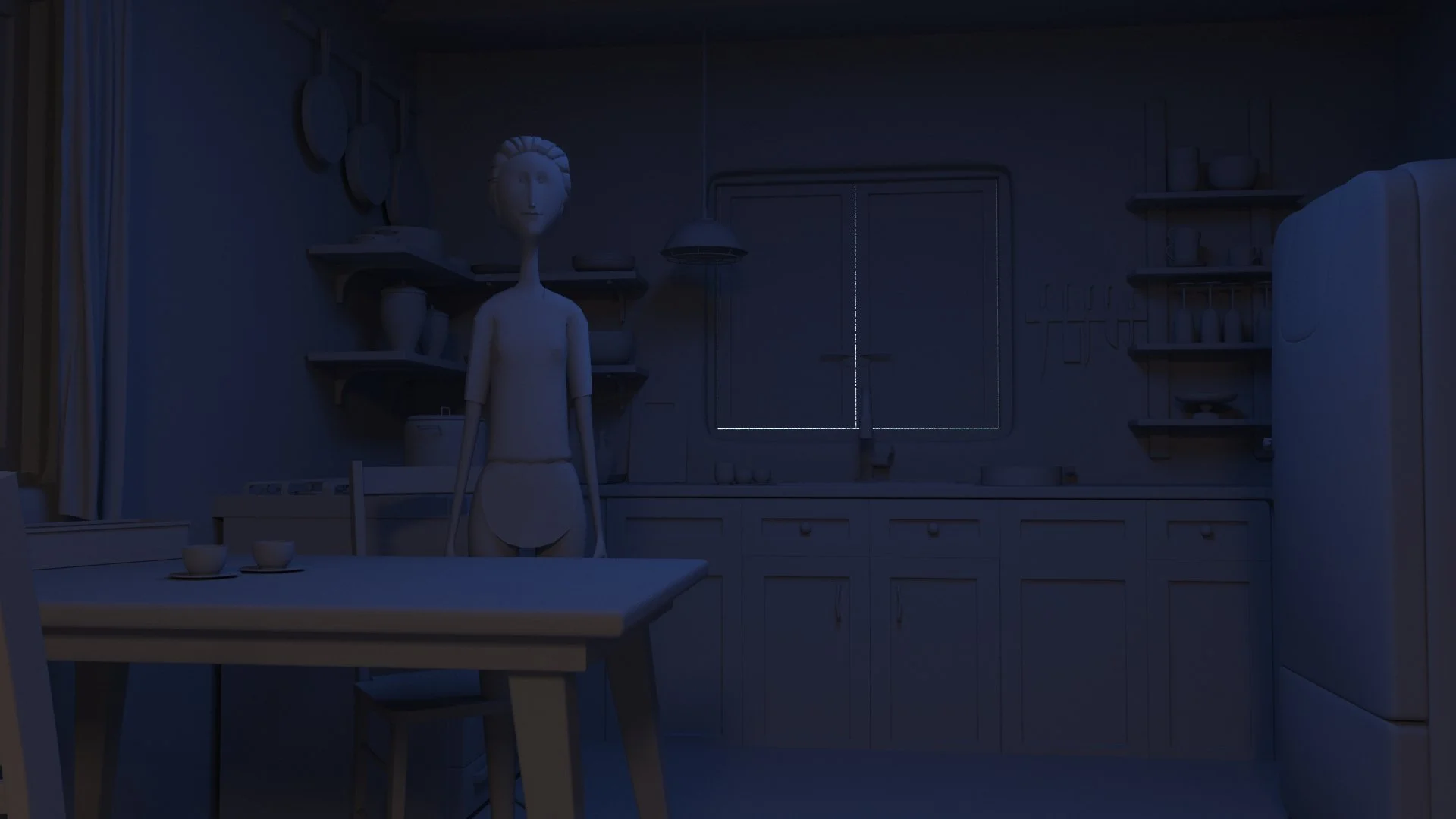
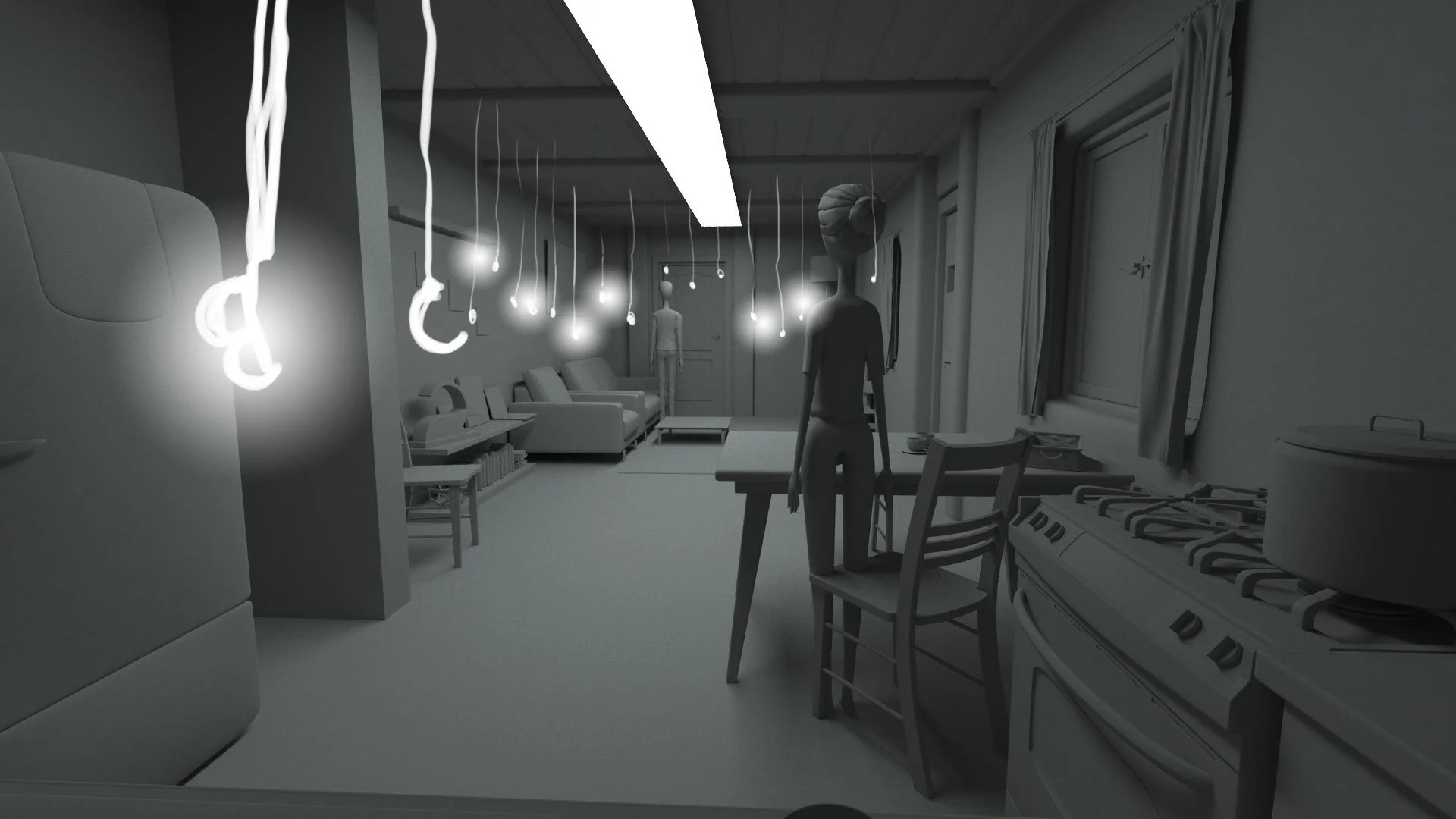
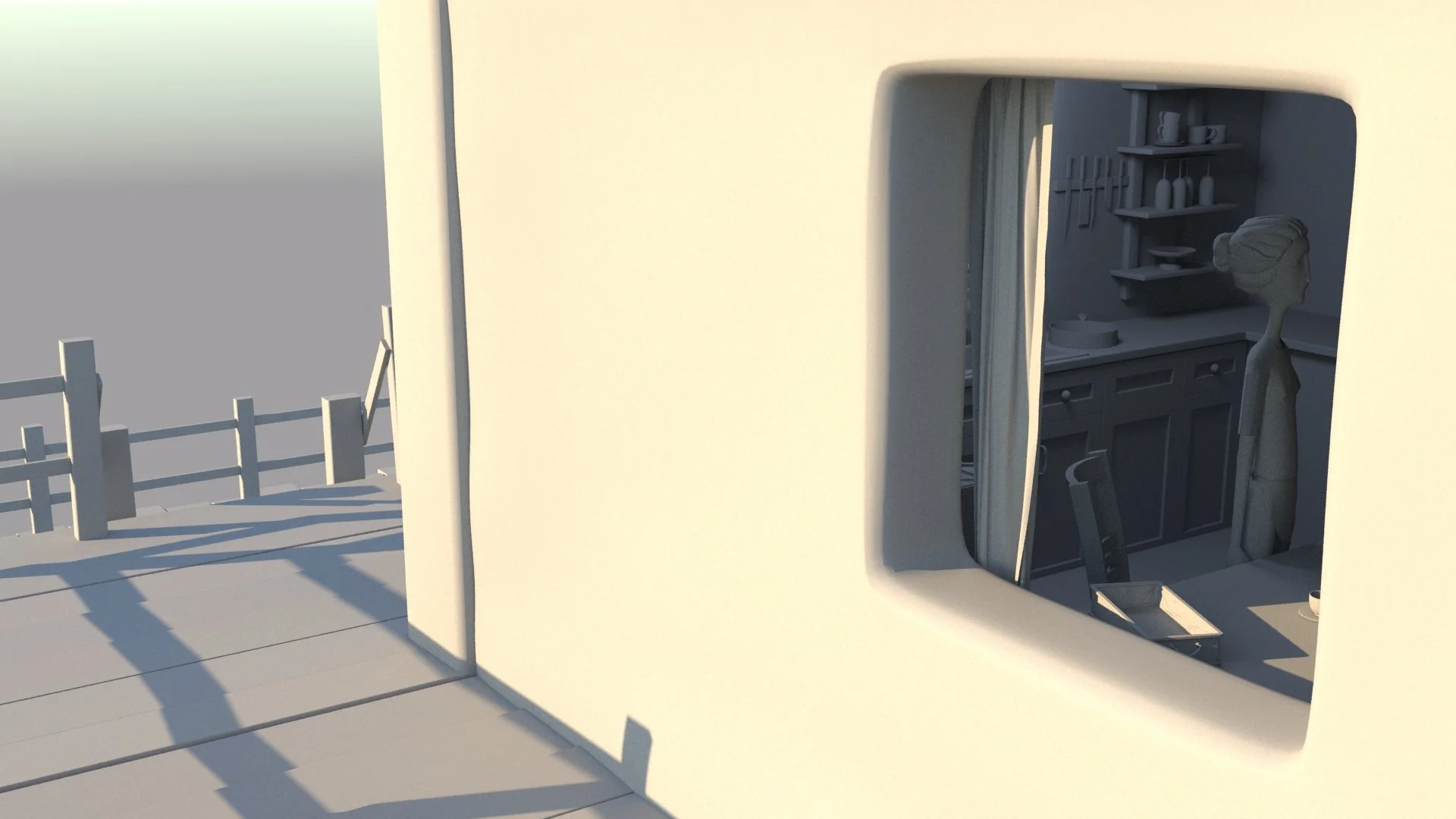
استوریبورد رو چندین بار تغییر دادم و در نهایت شروع کردیم به اجرای سهبعدیِ کار. اینجا از مدلِ شخصیتها و لوکیشن، تصاویری که اونموقع رندر کرده بودیم رو میذارم.
I revised the storyboard several times, and eventually we started executing the work in 3D. Here, I'm including some images we rendered back then, of the character models and the location.
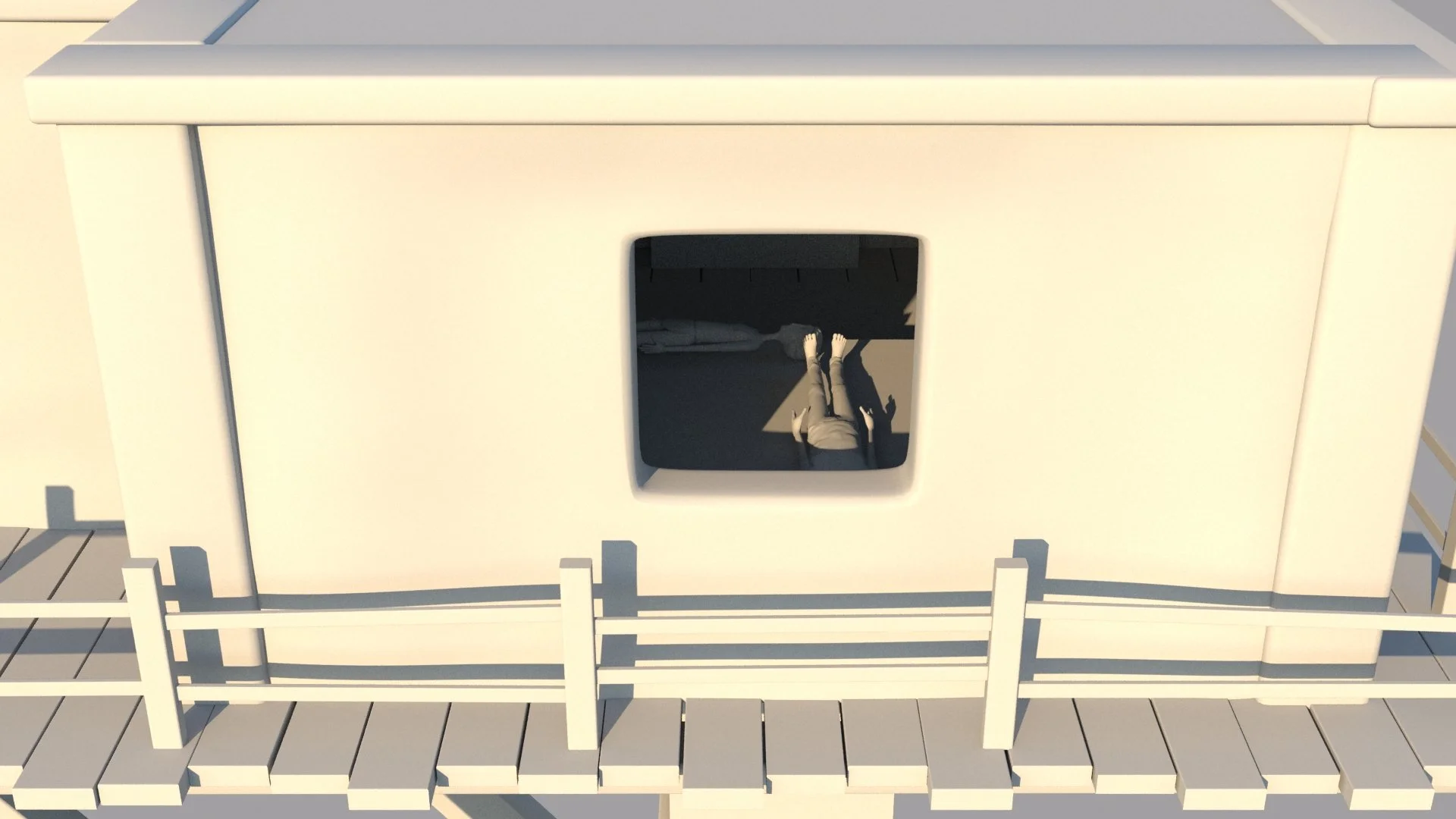
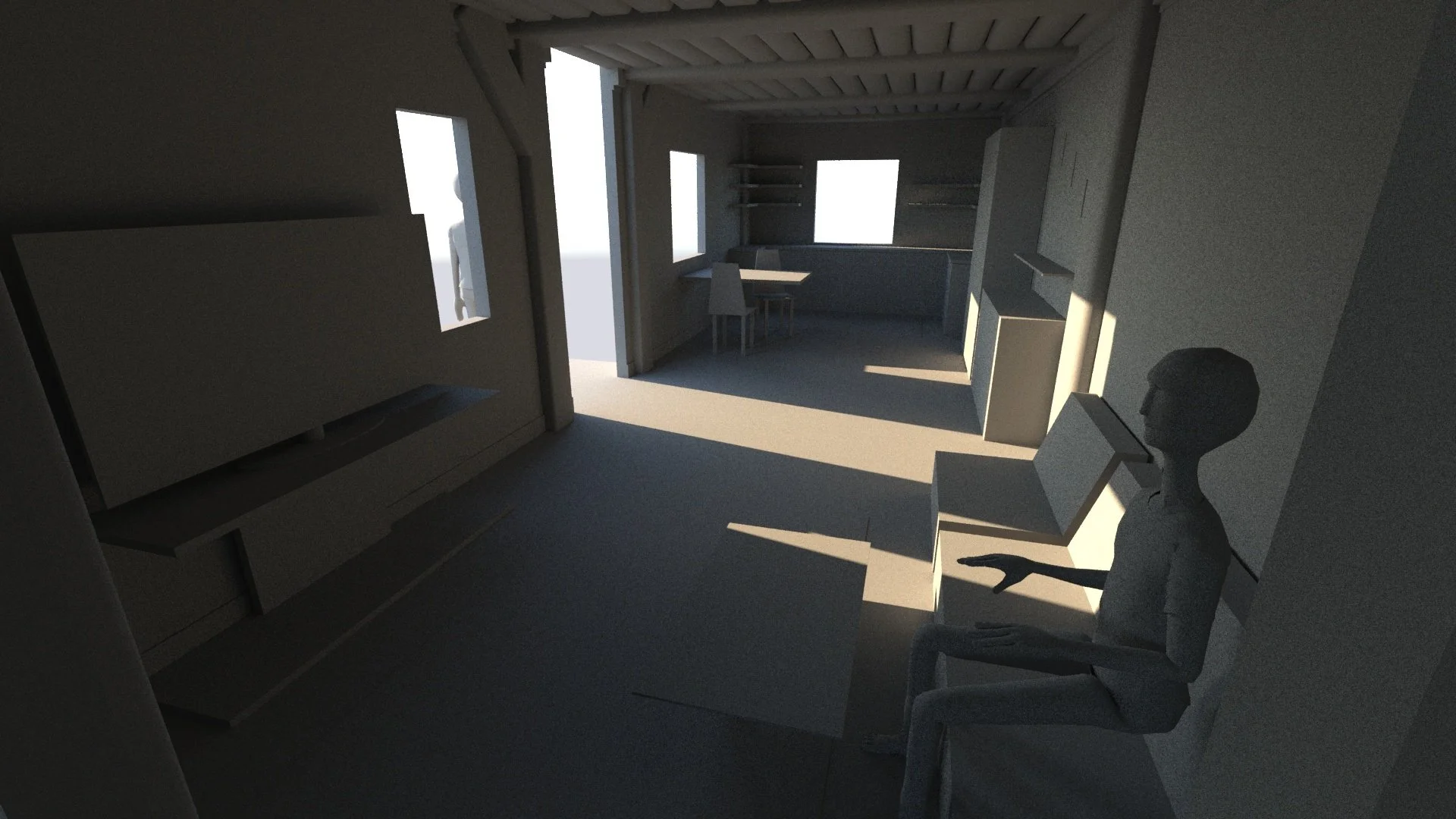
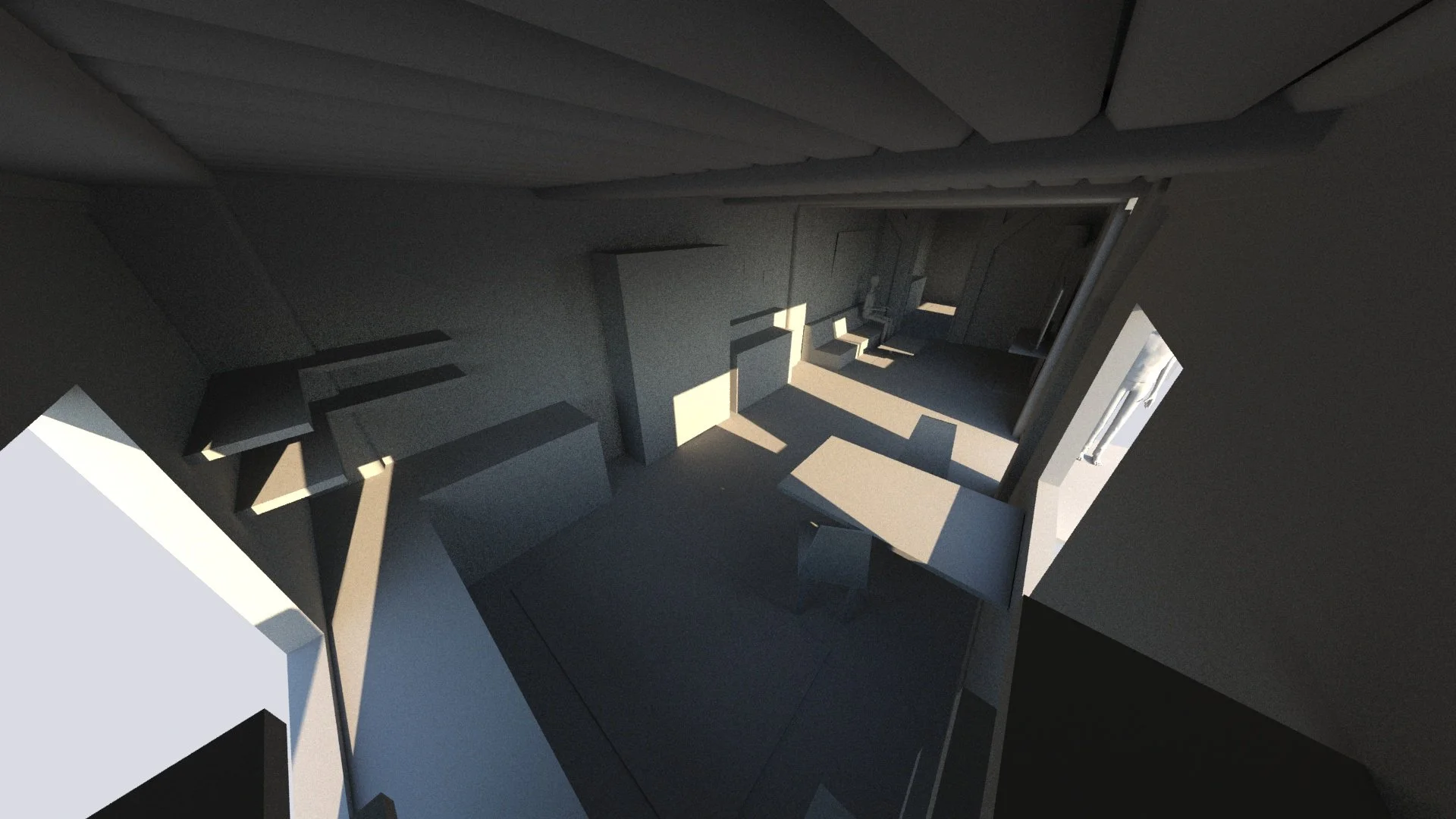
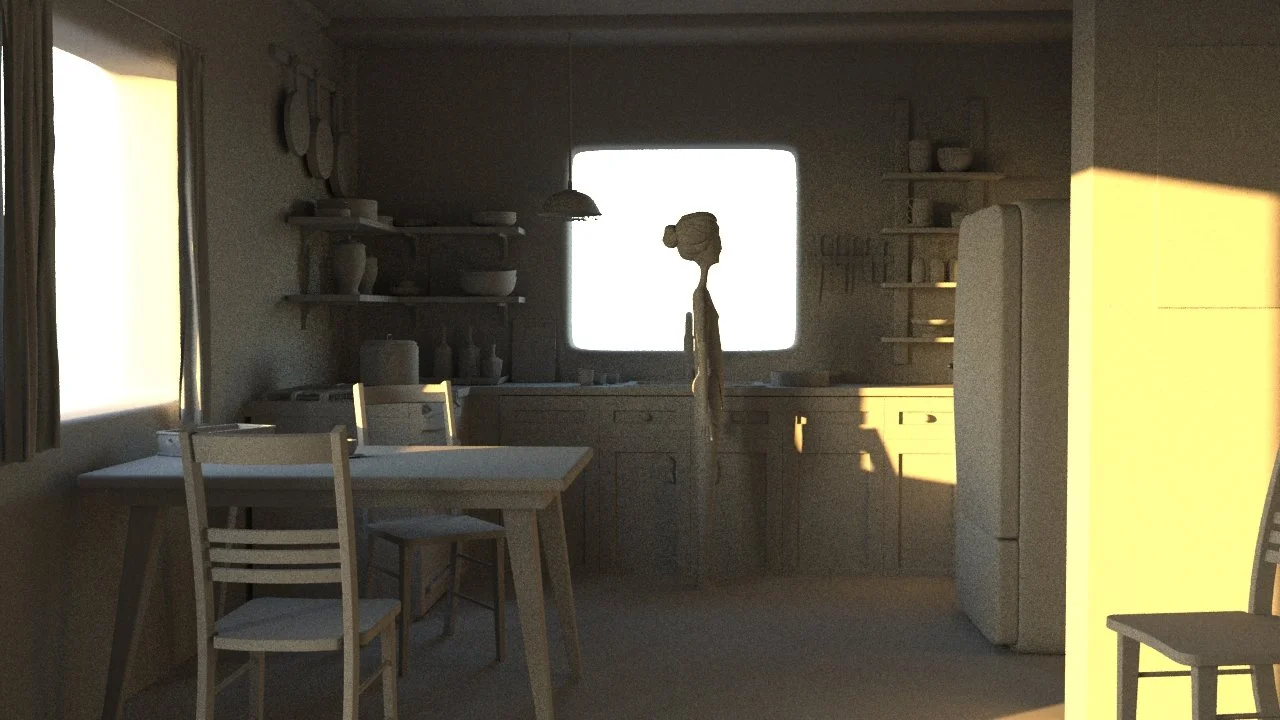
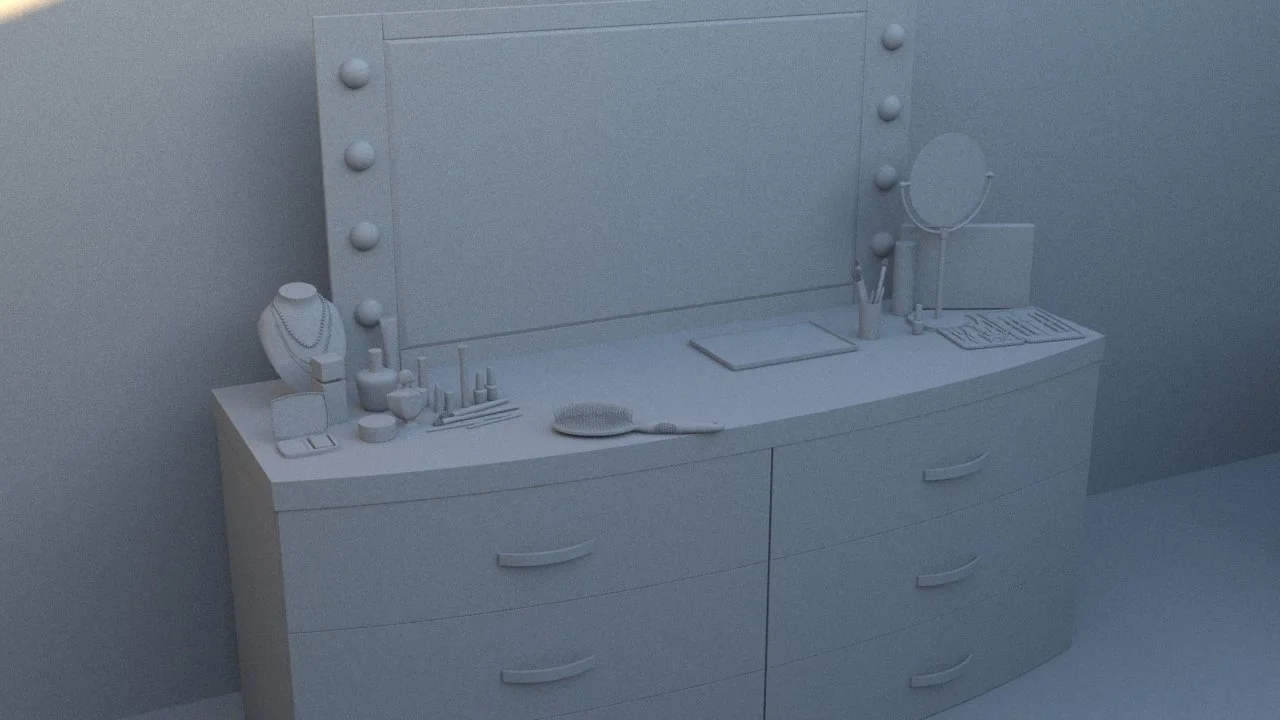
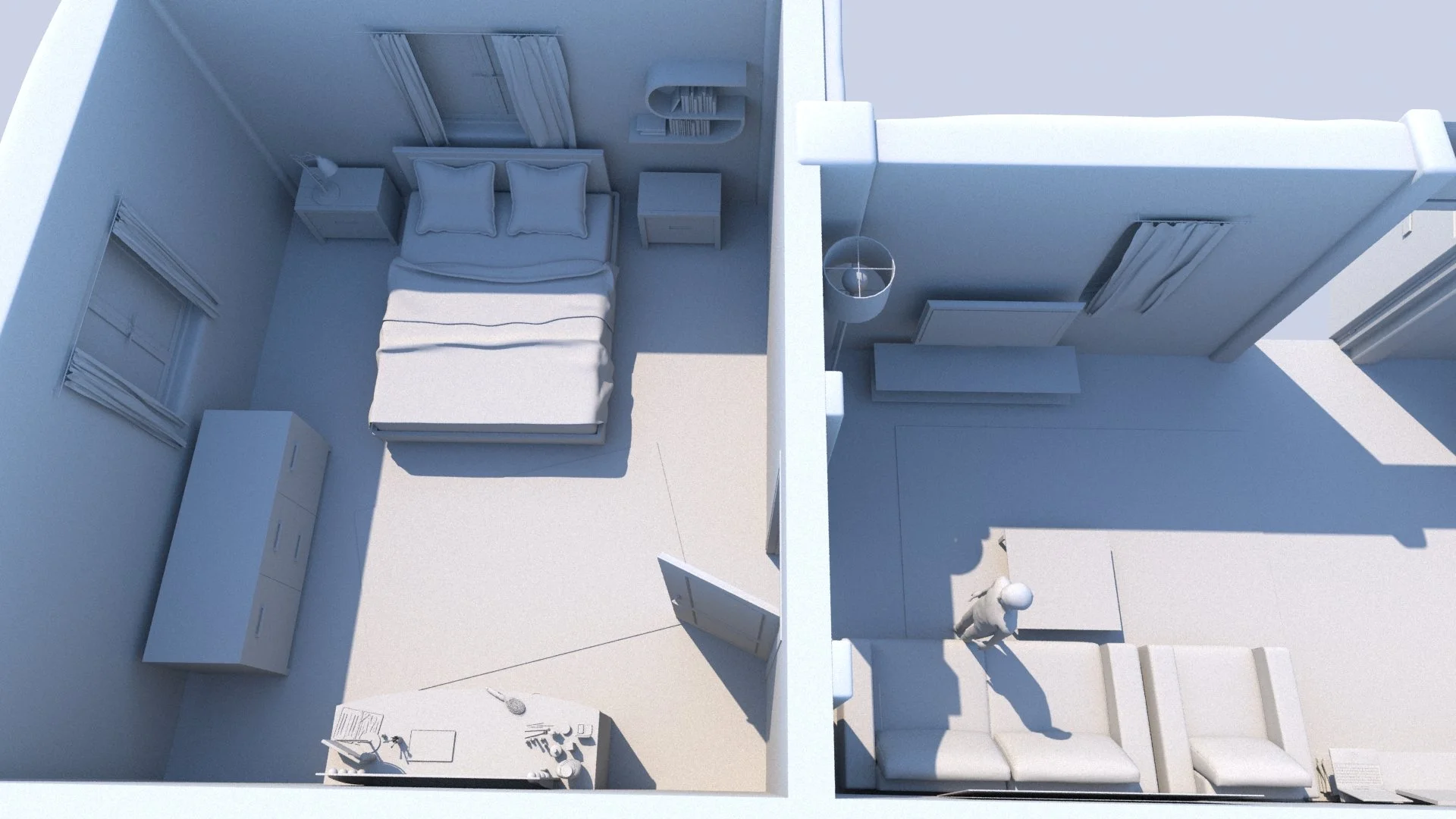
و فضای داخلی:
And the interior space:
شیش ماهِ تمام، بدونِ اینکه از اتاق خارج بشم — بهجز برای پیادهروی با امید — فقط روتوسکوپی زدم توی فتوشاپ، و امید هم مثلِ همیشه پابهپایِ من توی ادوبیآفترافکت زحمتِ کامپوزیت رو میکشید. روزهایِ طاقتفرسایی بود و چشمام داشت از کاسه درمیاومد. ولی فریمبهفریمِ کار، انگار قرار بود سالیانِ سال طول بکشه... اما هیچ رقم نمیخواستیم نصفونیمه رها بشه؛ تمومِ تلاشمون این بود که تموم بشه، و حداقل یه رزومه هم بشه تا شاید توی پروسهی اپلای و کار پیدا کردن، راه رو یه مقدار برامون هموار بکنه.
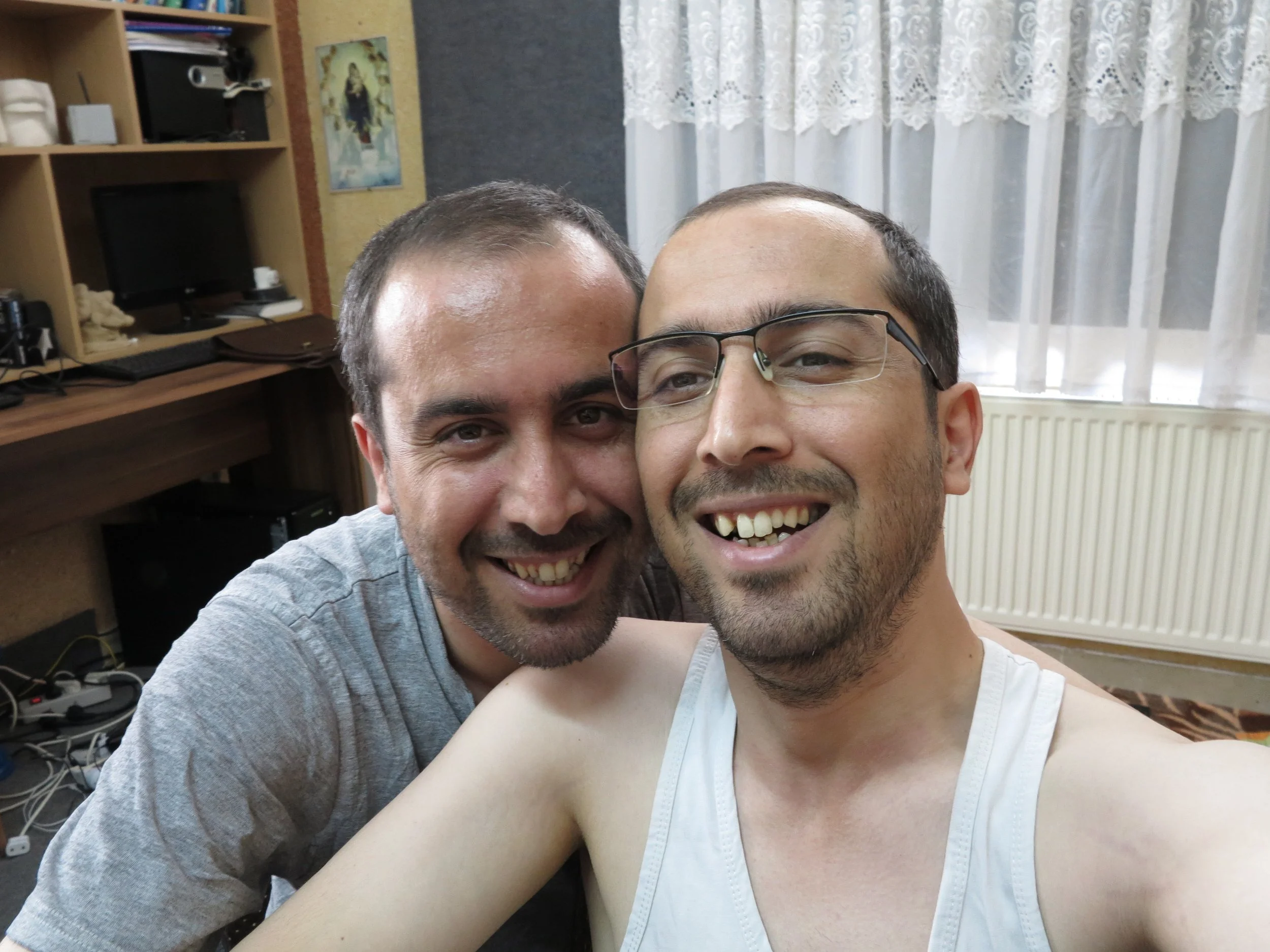
من و امید، تنها دوستانِ واقعیِ همدیگهایم. از اینکه باهم زندهایم خیلی خوشحالم؛ و توی این عکس، در اوجِ ناامیدی، و دقیقاً توی همون اتاقی که نه سال توش ذوب شدیم، داریم به آیندهای لبخند میزنیم که هیچ سرنخی از چگونگیش نداریم.
Omid and I are each other's only real friends. I'm so grateful that we're alive together; and in this photo, at the height of despair, in the very same room where we melted away for nine years, we're smiling at a future we have no clue what shape it will take.
For six full months, without leaving my room except for walks with Omid, I did nothing but rotoscoping in Photoshop, and Omid, as always, worked right alongside me, handling the compositing labor in Adobe After Effects. Those were grueling days, and my eyes felt like they were about to pop out of their sockets. But frame by frame, the work felt like it was going to take years... yet no matter what, we didn't want to leave it half-finished; all our effort went into completing it, so it could at least become a portfolio piece — something that might smooth the path a little in the process of applying and finding work.
ویدئویِ زیر نسخهی رافلِیآوتِ کاره که آماده کردم. یادم نیست چقدر پاش وقت صرف کردم، اما تمومِ تلاشم این بود که نماها روان به هم کات بخورن و کار بدونِ گیرکردن، روان پیش بره.
The video below is the rough layout version of the piece that I put together. I don't remember how much time I spent on it, but my whole effort was to make sure the shots cut together smoothly and the piece flowed without any snags.
موسیقیِ کار رو هم مهیا کردیم. آقای رامین کوشا توی آمریکا این کار رو انجام داد؛ تا ابد، هر چقدر هم که بگذره، لطفِ ایشون رو در حقمون فراموش نمیکنم. یه موسیقیِ درجهیک و با احساس، که با حالوهوایِ فیلم کاملاً همخونی داشت.
خوشبختانه فیلم توی کلی جشنواره نمایش داده شد و توی چندتایی به فینال راه پیدا کرد و آفیشیالسلکشن هم شد، ولی جایزهای نبرد. اما همین مقدار هم برامون یه دنیا ارزش داشت.
We also arranged the film's music. Mr. Ramin Kousha did it in the US; no matter how much time passes, I will never forget his kindness to us. It was first-rate, emotional music that perfectly matched the film's mood and atmosphere.
Fortunately, the film was screened at many festivals, reached the finals at several, and became an official selection at some — though it didn't win any awards. But even that much meant the world to us.
Music Written & Performed by: Ramin Kousha
اینجا بخشی از انیمیشنِ سهبعدی که برای این پروژه اجرا شده رو میبینید.
Here, you can see a portion of the 3D animation created for this project.
بزرگترینِ افتخارِ من این بود که توی جشنوارهیِ فیلمِ آنیفیلم، همینجا توی جمهوریِ چک، فیلمم بخش رقابت راه پیدا کرد؛ و از اینکه الان سالهاست دارم توی پراگ زندگی میکنم، توی حیرتم! چقدر خوب شد که اونطوری تلاش کردیم.
My greatest pride was that at the Anifilm festival, right here in the Czech Republic, my film received the jury's selection; and I'm still amazed that I've now been living in Prague for years. What a good thing it was that we pushed so hard.
پس از شکستِ تمومِ تلاشهایِ ما، و دودشدنِ نتیجهیِ سالها تلاش، و عدمِ مدیریتِ بهینه و منفعلبودنِ خانواده و انتظار برایِ معجزه، ناامیدیِ عمیقی به وجود اومد و تقریباً همهچیز از هم گسست. ما شروع کردیم به انجامِ کارهایِ دیگه و تماس با هر کسی که عقلمون میرسید. الان که فکر میکنم، خیلی تعجب میکنم که ما با اون همه سابقه و تجربه، چطور توی یه مملکتِ نودوپنجمیلیوننفری، به چنین سیهروزی رسیده بودیم.
After the failure of all our efforts, and watching years of hard work go up in smoke, combined with poor decision-making and a family that stayed passive, waiting for a miracle, a deep despair set in and nearly everything fell apart. We started taking on other jobs and reaching out to anyone we could think of. Looking back now, I'm genuinely amazed that with all that background and experience, we'd ended up in such dire straits, in a country of 95 million people.
یادم نیست چطور با شرکتِ آگهسازان آشنا شدم. خیلی خوشحال بودم که جایی هست که کمی ثبات داره و میشه روش حساب کرد. از پردیس ساعتِ پنج یا پنجونیمِ صبح راه میافتادم تا با احتسابِ ترافیکِ تهران، ساعتِ نه یا نهونیمِ صبح اونجا برسم. تقریباً چهار ساعت رفت، چهار ساعت برگشت. الان خاطرم نیست چقدر تونستم تحمل کنم، ولی خوب یادمه که هر روز پدرم روی میز ده تا پونزده هزار تومن میذاشت تا بتونم برم و بیام، و رقمی که میگرفتم رو تقدیمِ ایشون میکردم؛ و گاهی هم از پدرم پیامک میگرفتم که هزینهیِ قسطِ خدمت یادم نره. خیلی میخواستم هرچه سریعتر از شرِّ این زندگی خلاص بشم، ولی ادامه میدادم.
I don't remember how I came across the company Aghesazan. I was so relieved there was a place with some stability, somewhere I could actually count on. I'd leave Pardis at 5 or 5:30 a.m., accounting for Tehran's traffic, to arrive around 9 or 9:30 a.m. Roughly four hours there, four hours back. I don't remember exactly how long I managed to keep it up, but I clearly remember my father leaving 10,000 to 15,000 tomans on the table every day so I could make the trip, and whatever I earned, I handed over to him; sometimes I'd even get a text from him just reminding me not to forget the military-service installment payment. I wanted so badly to get out from under that life as fast as possible, but I kept going.
توی آگهسازان، چنان فشارِ کاری بهم وارد میشد، در کنارِ خستگیِ رفتوآمد، که نمیتونم وصفش کنم. پس از چند مورد اهانت که متحمل شدم، و مخصوصاً سرِ حقوق و پولِ کمی که در مقایسه با بقیه بهم میدادن، با قزلو صحبت کردم و از آگهسازان خداحافظی کردم. اونجا برام مشخص شد که رفتارِ حرفهای و زیرِ بارِ سوءاستفاده نرفتن، برام خیلی مهمتر از پوله. حتی یکی از بچهها، موقعی که برمیگشتیم، بهم گفت کاش میتونست مثلِ من حرفش رو بزنه و زیرِ بارِ اون شرایط کار نکنه، و باید از من یاد بگیره. کمی خوشحال شدم، چون میدونستم حق با من بود.
توی آگهسازان هم چند تا کار ساختیم که همهشون رو دوست دارم، ولی سرنوشت من رو زود از اون مسیرِ اشتباه برگردوند.
At Aghesazan, the work pressure on top of the commute exhaustion was something I can't fully describe. After a few instances of disrespect I had to put up with, especially around salary — I was paid noticeably less than others — I talked to Ghezelou and said my goodbyes to Aghesazan. That's where it became clear to me that professional treatment, and not putting up with exploitation, mattered to me far more than money. One of the other guys even told me, on our way back one day, that he wished he could speak up the way I had and refuse to work under those conditions, and that he needed to learn from me. That made me a little happy, because I knew I'd been right.
We did build a few pieces of work at Aghesazan that I'm still fond of, but fate steered me away from that wrong path fairly quickly.
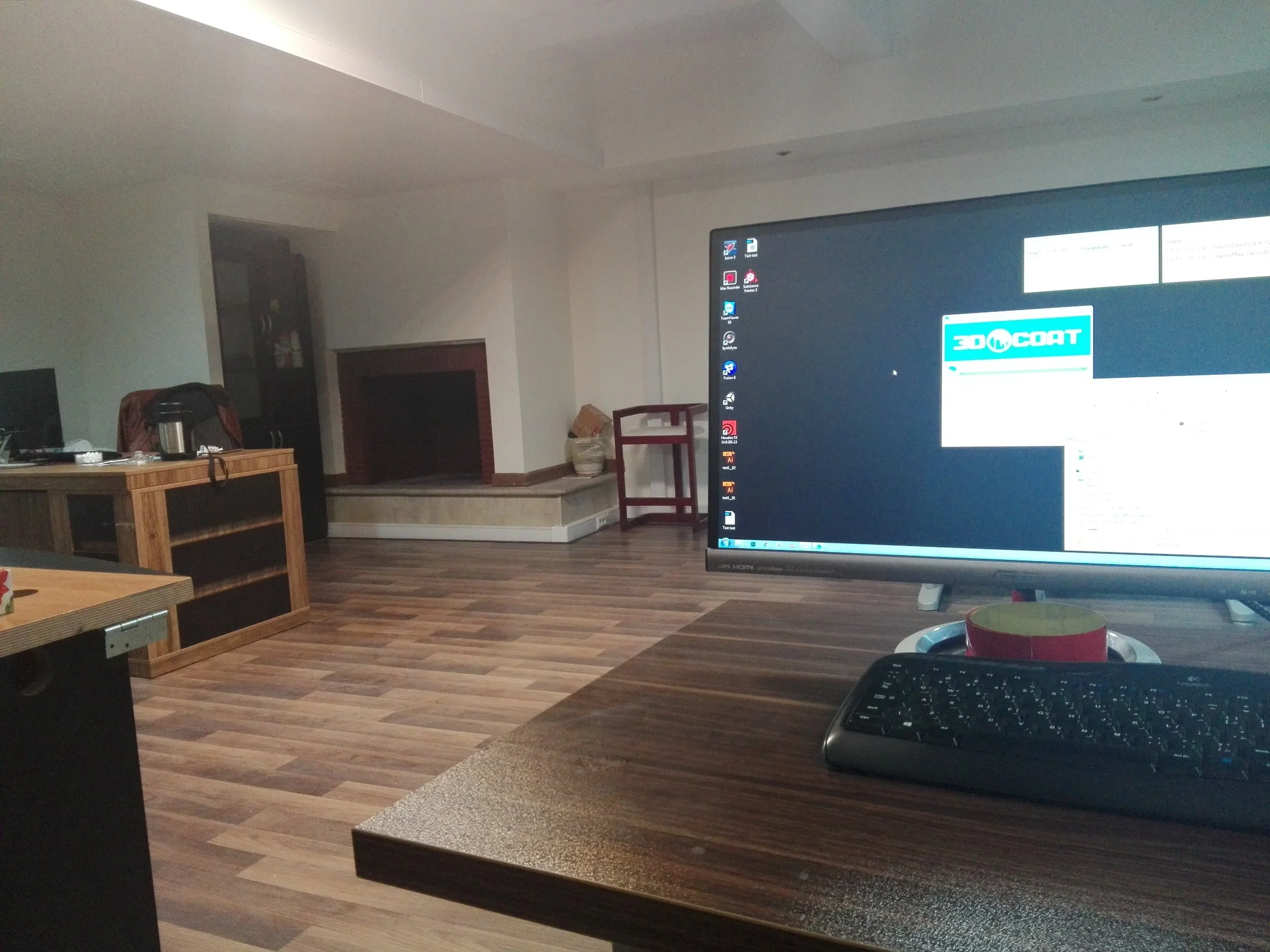
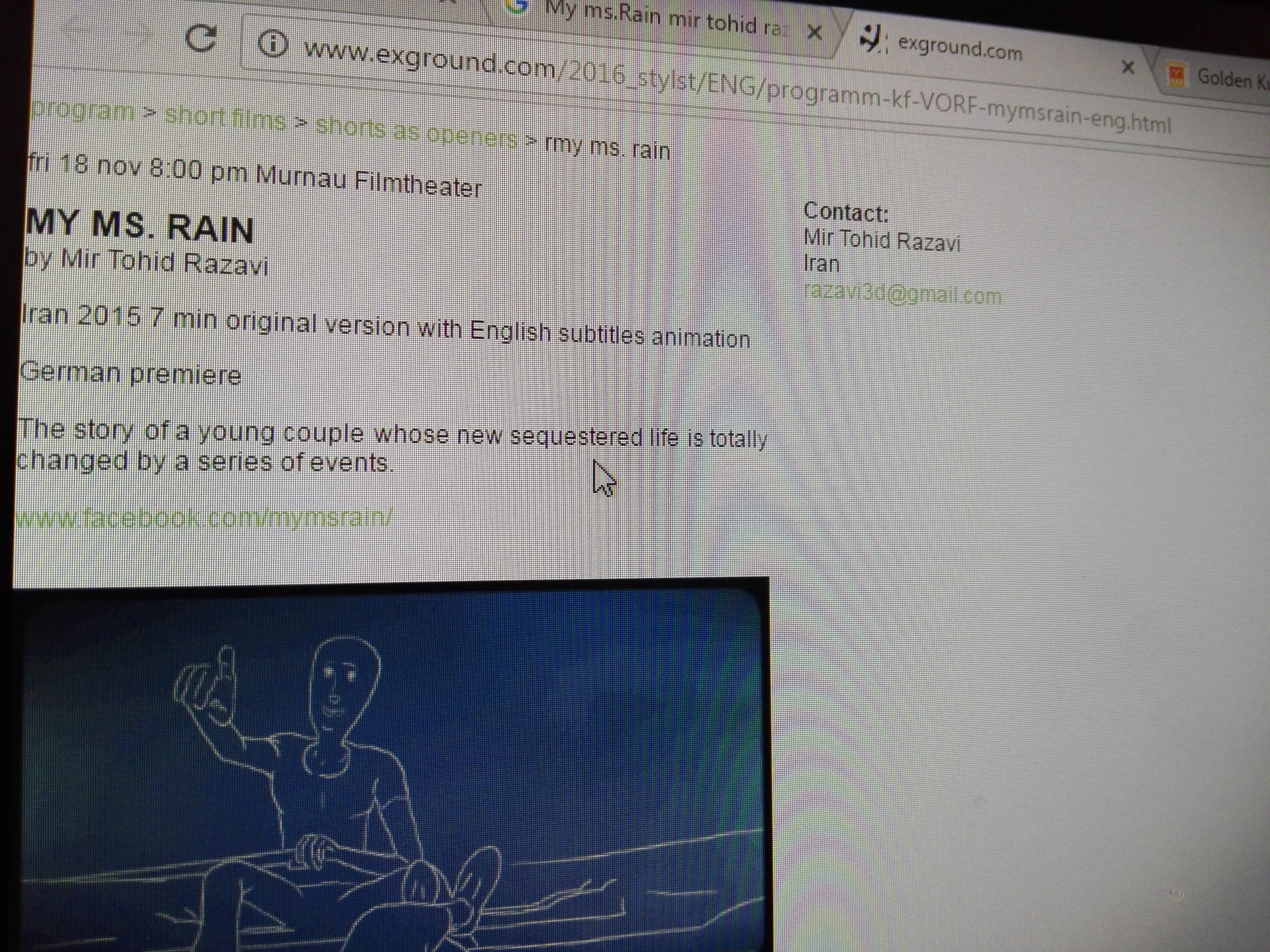
اینها عکسهایی هستن از اون دوران، از آگهسازان، که ایکاش حداقل یه سلفی هم از خودم میگرفتم.
These are photos from that period at Aghesazan — I wish I'd at least taken one selfie of myself
پس از ماهها تلاش — که توی این دوران چند ماهی بود خواهرم کسبوکارِ فروشِ لوازمِ آرایش راه انداخته بود و از اینترنت میتونست کسبِ درآمد کنه — فشارِ مالی، بعد از اون همه سال اضطراب و استرس، یهکم از روم برداشته شد. همین روزنه کافی بود تا بیشتر و با شدتِ زیادتری کار کنیم، چون نمیدونستیم چند ماه بعد قراره چی بشه.
After months of effort — during which my sister had started a makeup sales business and was earning income online — the financial pressure eased a bit, after all those years of anxiety and stress. That small opening was enough for us to work even harder, because we had no idea what would happen a few months down the line.
طیِ این دوران، که کاملاً منزوی شده بودیم و دلار در ایران، بههمراهِ بنزین، ساعتی گرونتر میشد، کسی حتی درِ اتاق رو باز نمیکرد تا حالی از ما بپرسه، یا حتی چک کنه ببینه نکنه مردیم یا اتفاقی برامون افتاده باشه. یادمه آقایِ داروغهزاده یه بار بهم گفت این روندِ شما اشتباهه؛ انیمیشن باید در کنارِ کاری باشه که بخوروبمیرِ شما رو دربیاره، و در کنارش دوندگیِ انیمیشن بکنید، و ریسک نکنید. اما کو گوشِ شنوا. من هم کسی نبودم که انیمیشن رو ببوسم بذارم کنار؛ من این همه سال، از نوجوانی، زجر نکشیده بودم تا کار رو در این حد خوب بلد بشم، کلی سابقه داشته باشم، و ول کنم برم سرِ یه کارِ دیگه. من هیچوقت حاضر نبودم از علاقهام دست بکشم.
Through this period, when we'd become completely isolated and the dollar, along with gas, was rising by the hour in Iran, no one would even open our door to ask how we were doing, or even check whether we'd died or something had happened to us. I remember Mr. Daroghezadeh once told me this approach of mine was wrong; that animation should sit alongside a job that at least covers survival, and I should keep chasing animation work on the side, without taking such risks. But who was listening? I wasn't someone who'd just kiss animation goodbye and set it aside; I hadn't suffered all those years, since adolescence, to become this good at something, to build up all that experience, only to drop it and go do something else. I was never willing to give up on what I loved.
اما خدا میدونه در اون روزها خانواده چه نگاهی به من و امید داشتن، و هیچوقت هم نمیخوام بدونم. ناگهان همهچیز توی خانواده مخفیانه پیش رفت. یهو به خودم اومدم دیدم صداها پچپچطور شده، و کسی از درآمدِ مالیِ خواهرم چیزی نمیگه. وقتی وارد اتاق میشدیم سرزده، ناگهان حرفها تغییر میکرد؛ تا نصفِ شبها جلسهیِ پدر و مادر و خواهر برقرار بود، بدونِ اینکه چیزی به من و امید بگن، و ما هم تونستیم سرنخهایی به دست بیاریم.
But God only knows what view the family took of Omid and me in those days, and I don't ever want to know. Suddenly, everything in the family started happening in secret. All at once, I noticed the voices had turned into whispers, and no one said a word about my sister's income. When we walked into a room unannounced, the conversation would suddenly shift; there were meetings between my parents and my sister that ran until midnight, without a word said to Omid or me, though we did manage to pick up a few clues.
ولی چرا؟ چرا منی که تمومِ جوونیم رو، از دورانِ صداوسیمایِ ارومیه تا سیوچهارسالگی، بهپایِ شما ریختم، و هر چی داشتم و نداشتم رو میدادم به شما، و هیچ کارتِ بانکی توی جیبم نبود، و پولِ خودم و تلاشِ خودم رو باید از خودِ شما اجازه میگرفتم، حالا چرا باید نامحرم میشدم؟ چرا باید ناگهان همهچیز مخفیانه پیش میرفت؟ چرا باید برایِ کوچکترین چیز از خواهرم پول میخواستم؟ چرا وقتی من منبعِ درآمد بودم، کسی از من پول نمیخواست؟ چرا من رئیسِ خونه نبودم؟ چرا من باید مثلِ سگ از باز کردنِ دهنم میترسیدم، که حالا یهشبه همهچیز لابهلایِ دیوارهایِ همون خونه مخفیانه بشه؟ چرا وقتی خواهرم میرفت تا با یارو شبها تا صبح بمونه، کسی خبردار نمیشد؟ چرا من با یه دختر نمیرفتم تا صبح بمونم؟ چرا من نمیرفتم گردش؟ چرا من نمیرفتم عشقوحال؟ چرا من باید برایِ همهچیز گدایی میکردم؟
But why? Why was it that I, who had poured my entire youth, from the days at Urmia's Seda va Sima all the way to age 34, into all of you, giving you everything I had and didn't have, without a single bank card in my pocket, having to ask your permission for my own money and my own effort, suddenly needed to become an outsider? Why did everything suddenly have to move in secret? Why did I have to beg my sister for even the smallest amount of money? Why, when I was the source of income, did no one ask me for anything? Why wasn't I the head of the household? Why did I have to be so afraid, like a dog, of even opening my mouth, only for everything to suddenly go on in secret behind the very walls of that same house? Why, when my sister would go off to stay with some guy until morning, did no one find out? Why couldn't I go stay out with a girl until morning? Why couldn't I go out and have fun? Why couldn't I go enjoy myself? Why did I have to beg for everything?
Last birthday cake آخرین کیک تولد
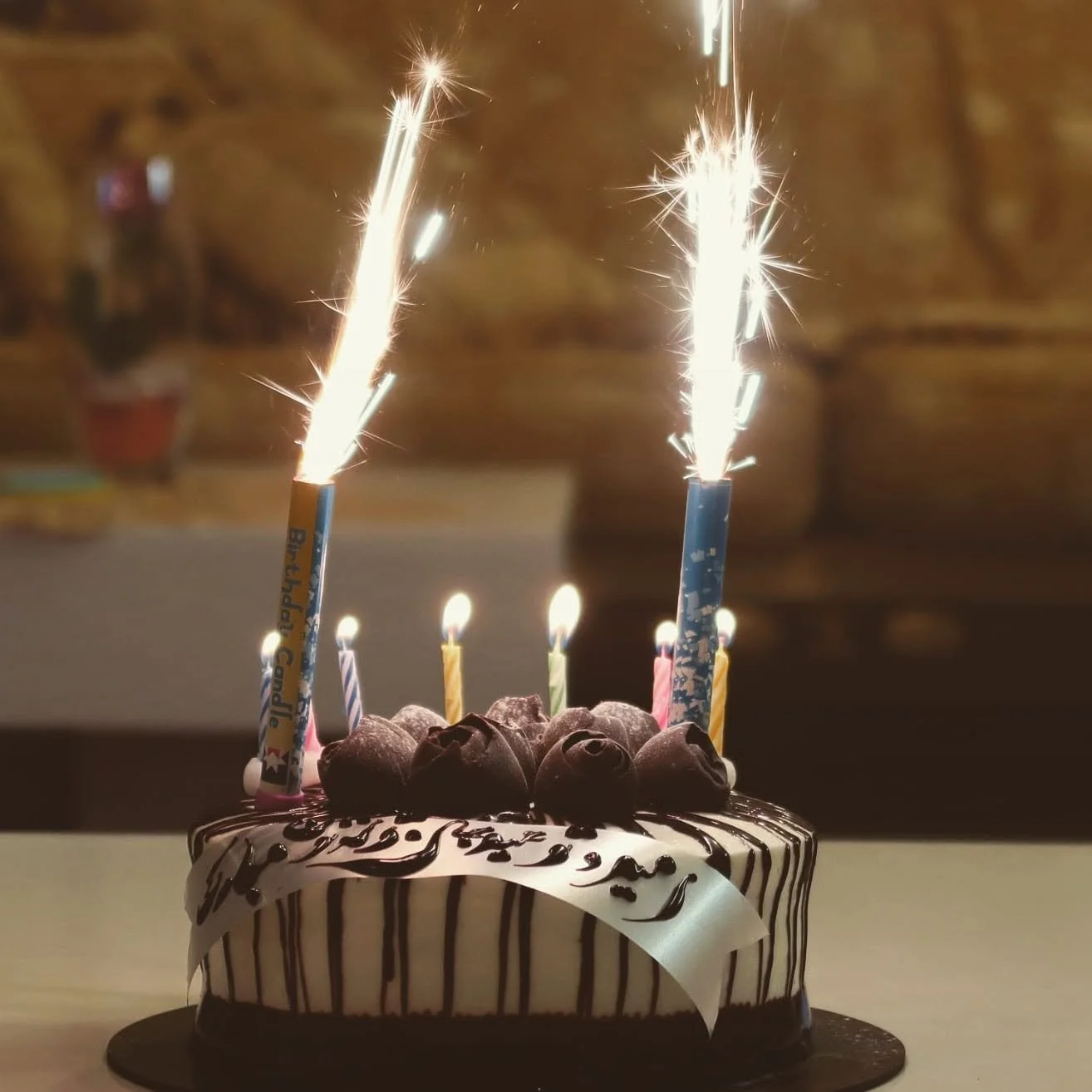
34th birthday
آخرین کیک تولد
آخرین کیک تولد رو با چشمِ خودتون ببینید. دیگه از تولد و تبریکِ تولد خبری نیست. مشکلاتِ عدیده با اطرافیان مصمم کرده بودم رو که حتی توی لحظاتِ تصنعیِ شاد بودن هم پیشِ خودم به بستنِ درب و دیگه بازنکردنش فکر کنم. این بلیط، یکطرفه بود.
See the last birthday cake with your own eyes. No more birthdays, no more birthday wishes after this. So many accumulated problems with the people around me had made up my mind — to the point that even in those artificially happy moments, I'd think to myself about closing that door for good and never opening it again. This ticket was one-way.
یه روزِ پر از تنش رو یادمه. اونهایی که باید یادشون باشه، خودشون میدونن. امید دستِ من رو گرفت و گفت: «توحید، باید بریم.» گفتم: «کجا؟» کارهایِ سفارت داشت انجام میشد. کمی صحبت کردیم. داد و فریادها به گوشم میرسید که «برید هرجایی، جز اینجا، بمیرید»؛ و دعا میکردند که خدا آدمهایی مثلِ من و امید رو جلویِ خودمون بذاره، تا بفهمیم چقدر باعث و بانیِ عذاب بودیم.
I remember one day full of tension. Those who should remember it, know it themselves. Omid took my hand and said, "Tohid, we need to go." I said, "Where?" The embassy paperwork was being processed. We talked a little. Shouting reached my ears — go anywhere, just not here, go die — and they prayed that God would put people like me and Omid right in front of ourselves, so we'd understand how much suffering we had caused.
یه نفر رو پیدا کرده بودن تا اونها رو به آرزوهاشون برسونه. در این باره نمیخوام چیزی بگم، چون چنان ولولهای به پا میشه که نمیشه جمعش کرد. بعدها معلوم شد سرنوشت چقدر عادله، و هر کسی که دنبالِ پول و خودپرستی و خودخواهی بره، عاقبتش خوش نیست — هرچند پشتِ یه ظاهرِ قربانی پنهان بشه.
They had found someone to help them reach their own dreams. I don't want to say anything more about this, because it would stir up an uproar that couldn't be settled. It later turned out just how fair fate can be, and that anyone who chases money and pure self-interest doesn't end up well — even if it's hidden behind the appearance of a victim.
هیچوقت یادم نمیره اون ویدئویی که خواهرم نشونم داد، و با هیجان میگفت «این شمشِ طلا رو داد دستم، چقدر سنگین بود!»؛ همونجا فهمیدم که عمرِ من، چشمهایِ من، تمومِ امیدها و آرزوهایِ من، فقط توهم بود؛ و تا زمانی که همهچیز به پول ختم بشه و بره توی جیبها، ارزش دارم — وگرنه توحید یه دستمالیه که برایِ مدتی میتونه کاربرد داشته باشه.
I'll never forget the video my sister showed me, saying excitedly, "He handed me this gold bar, it was so heavy!" Right then, I understood that my life, my own eyes, all my hopes and dreams, were just an illusion; that I was only worth something as long as everything ended up as money in someone's pocket — otherwise, Tohid was just a rag that could be useful for a while.
روزهایِ باورنکردنی بود برام، مثلِ کابوس؛ ولی ما رفتیم پیشِ حمید علیخانی، اونجا کار میکردیم و میخوابیدیم، چند هفته اونجا بودیم، و چندتا کلاس رزرو کردیم تا انگلیسی تمرین کنیم با معلم. به خواهرم گفتم کمکِ مالی کنه تا ثبتنام کنم و کمی انگلیسی تمرین کنم، چون دیگه رفتنم نزدیک بود؛ مادرم از راه رسید و گفت: «برامون هزینه نتراشید. کافیه.»
Those were unbelievable days for me, like a nightmare; but we went to stay with Hamid Alikhani, where we worked and slept, staying there for a few weeks, and booked a few classes to practice English with a teacher. I asked my sister to help financially so I could enroll and practice a bit of English, since my departure was getting close; my mother showed up and said, "Don't rack up expenses for us. Enough."
چقدر عذاب کشیدم. چقدر این همه سال،...
How much I suffered. All those years, from age 20 to 34,
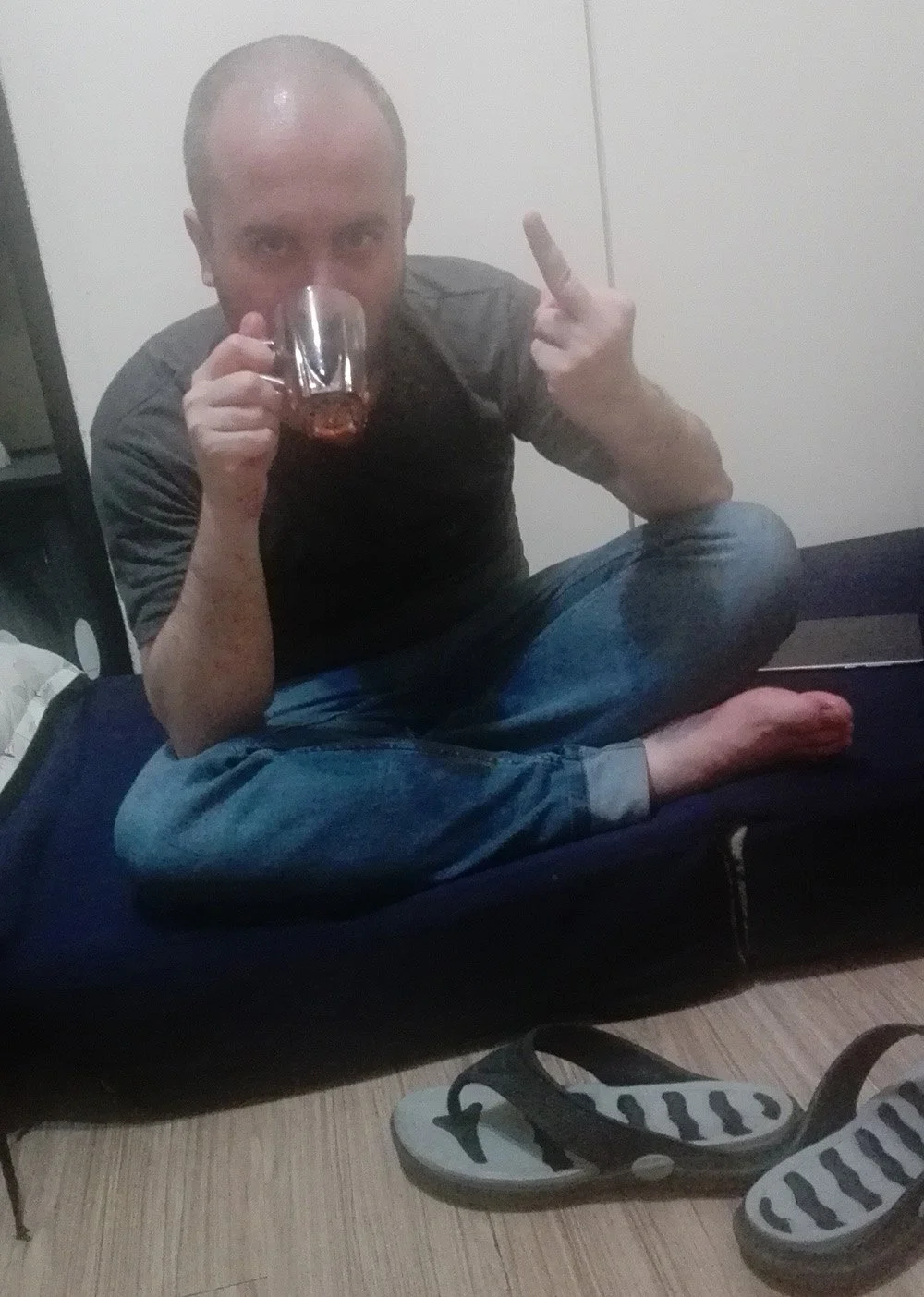
امید در حال چایی خوردن و فاک دادن
اینجا توی دفترِ حمید علیخانی کار میکردیم و میخوابیدیم و انگلیسی تمرین میکردیم، و تونستیم ده جلسه انگلیسی رو با معلم تمرین کنیم.
Here, we worked, slept, and practiced English at Hamid Alikhani's office, and we managed to get through ten English lessons with a teacher.
حملههای عصبیای که کسی ندید / "The Anxiety Attacks No One Saw"
یه دورهی شدید حملهیِ عصبی رو هم پشتِ سر گذاشتم که طیِ چندین ماه هیچی نمیتونستم بخورم و همش حالتِ تهوع داشتم. خیلی هم لاغر شدم، ولی توی خونه هیچکس متوجه نشد. کابوس میدیدم، ضربانِ قلبم همش بالا میرفت، و شب و روز اسهال بودم.
I also went through a severe period of anxiety attacks where, for several months, I couldn't eat anything and constantly felt nauseous. I lost a lot of weight, but no one at home noticed. I had nightmares, my heart rate kept spiking, and I had diarrhea day and night.
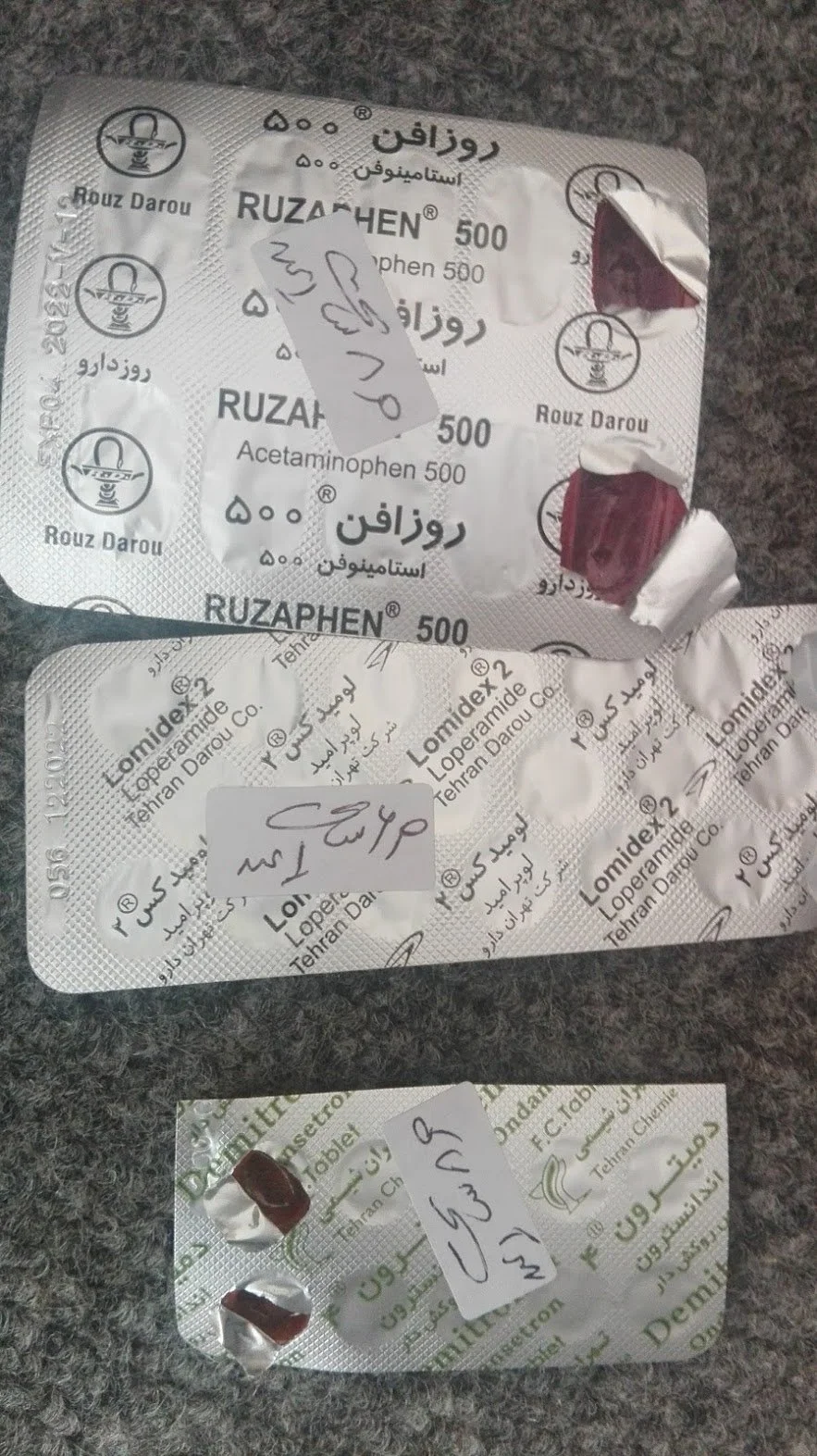
قرص هایی که می خوردم
روزافن (استامینوفن ۵۰۰): برای کاهش درد و تب استفاده میشه؛ مثل سردرد، دردهای عضلانی و تب.
لومیدکس (لوپرامید): ضد اسهاله؛ حرکت روده رو کند میکنه.
دمیترون (اندانسترون): ضد تهوع و استفراغه؛ معمولاً برای حالت تهوع شدید یا بعد از شیمیدرمانی و جراحی تجویز میشه.
Ruzaphen (Acetaminophen 500): Used to relieve pain and reduce fever — headaches, muscle aches, fever.
Lomidex (Loperamide): An anti-diarrheal; slows down bowel movement.
Demitron (Ondansetron): An anti-nausea medication; typically prescribed for severe nausea, or after chemotherapy and surgery.
من انتظاری از کسی نداشتم، ولی کودکیِ فقیر و زیرِ کتک و زیرِ شکنجه داشتم. بزرگتر که شدم، تا سیویکسالگی همش با امید کار کردیم تا اجاره و هزینهها و پولِ گوسفندهایی که پدرم برایِ فامیل سر میبرید و کبابها جور بشه؛ هزینهیِ ردیفکردنِ بازنشستگیش، هزینههایی که هیچکس عنوان نمیکرد، و پولهایی که به رفقاش قرض میداد. اما کسی که بغل میشد، خواهرم بود؛ چون ایشون شروع کرده بود به پول درآوردن و لوازمِ آرایش میفروخت، و وقتی خواهرم کمی دیر از اتاق بیرون میومد، مادرم با اضطراب میگفت: «برو ببین طوریش نشده باشه، خیلی کار میکنه دخترم. شب رو تا صبح بیدار میمونه.»
I didn't expect anything from anyone, but I had a childhood full of poverty, beatings, and torment. As I got older, up until age 31, Omid and I worked nonstop just to cover rent and expenses, and the cost of the sheep my father would slaughter for the extended family and the kebabs that came with it; the cost of arranging his retirement, expenses no one ever mentioned out loud, and money he lent out to his friends. But the one who got the sympathy was my sister — because she had started earning money selling makeup, and whenever she came out of her room a little late, my father would anxiously say, "Go check on her, make sure nothing's wrong — my daughter works so hard. She stays up all night."
خیلی چیزهایِ دیگه هم دیدم که اگه همهشون رو بنویسم، زخمهایِ کهنه باز میشن و احتمالاً توی فامیل هم ولوله به پا میشه؛ ولی نمیگم. همه رو شاهد بودم، ولی جرأت نداشتم لب باز کنم.
I saw a lot of other things too, which, if I wrote them all down, would reopen old wounds and probably cause an uproar within the family — so I won't. I witnessed all of it, but I never dared to speak up.
حملههایِ عصبی و حالتهایِ تهوعِ شدید هم شدیدتر شده بود. به خودم نگاه میکردم و با دیدنِ کوچکترین چیز، مثلاً یه خال که تا حالا ندیده بودمش، وحشت تمومِ وجودم رو میگرفت؛ ضربانِ قلبم بالا میرفت و با حالتِ تهوعِ شدید میدویدم توی دستشویی. پول حتی نداشتم برم بیرون؛ فقط با امید قدم میزدیم تا چند خیابون و برمیگشتیم به اتاقی که تبدیل شده بود به زندانمون، و همش از آینده حرف میزدیم؛ از اینکه یه روز این دوران تموم میشه.
The anxiety attacks and severe nausea got even worse. I would look at myself, and at the smallest thing — like a mole I'd never noticed before — sheer terror would seize my entire body; my heart rate would spike, and I'd run to the bathroom with intense nausea. I didn't even have money to go outside; Omid and I would just walk a few blocks and come back to the room that had become our prison, constantly talking about the future — about how one day this period would end.
سالها بعد، که به مادرم خلاصه گفتم چه روزهایی داشتم، گفت: «به ما که چیزی نگفتی.» بله، نگفتم. وقتی تمومِ دغدغههاتون خواهرم باشه و من و امید رو باعثوبانیِ بدبختیِ خودتون ببینید، و از هیچ کتک و شکنجه و توهینی دریغ نکنید، قطعاً براتون هم مهم نخواهد بود که چه بر سرِ توحید میاد. توحیدی که از نوجوانی تا سنِ سیوچهارسالگی، همهچیزِ خودش رو حروم کرد تا هزینهیِ خانواده رو بده، و هر فشار و کوتهفکری و عذابی رو تحمل کرد، دلقکبازی کرد و همیشه مثبت بود — معلومه که توحید چیزی نمیگه. فرض کنید بگم؛ چه اتفاقی بعدش رخ میداد؟ مگه فضا فضایِ حرفزدن بود؟
Years later, when I gave my mother a brief summary of what those days had been like, she said, "You never told us anything." That's right, I didn't. When your entire concern is your daughter, and you see Omid and me as the cause of your own misfortune, and you spare no beating, no torment, no insult, then of course it will never matter to you what happens to Tohid. Tohid, who from adolescence until age 34, sacrificed everything of himself to cover the family's expenses, endured every kind of pressure, narrow-mindedness, and anguish, played the clown, and always stayed positive — of course Tohid says nothing. Suppose I had spoken up; what would have happened next? Was there ever really room to talk?
یه اتاقی بود توی گوشهیِ خونهیِ خانم زجاجیان، توی فازِ دومِ تراسههایِ معلم، که ده سال از عمرِ من توی اون اتاقِ کثافت تباه شد؛ که آخرِ سر خواهرِ عزیزِ یکدونهتون بشه؟ مگه زندگی و انسانبودنِ توحید و امید براتون چه ارزشی داشت؟ هر بار دهن باز کردیم، گفتید فامیل منتظره زمین بخوریم؛ هر بار خواستیم بگیم نباید اینطوری باشه، گفتید مگه سمیه چه بدی به شما کرده؟ هر بار اتفاقی افتاد، گفتید بهخاطرِ شما خونه فروختیم.
There was a room in the corner of Ms. Zojajian's house, in Phase 2 of the Teachers' Terraces, where ten years of my life were wasted away in that filthy room — only for it to end up going to your one and only precious daughter? Did Tohid's and Omid's lives, our very humanity, mean anything to you at all? Every time we opened our mouths, you said the relatives are waiting for us to fall flat on our faces; every time we tried to say this shouldn't be happening, you said, what harm has Somayeh ever done to you? Every time something went wrong, you said we sold the house because of you.
حرف زیاده، اما کار به مصرفِ داروهایِ زیادی کشید، و از این بابت که توی اون دوران، حملاتِ شدیدِ عصبی و خوددرمانی خودمو به فنا ندادم، خوشحالم. لبهام مثلِ صحرایِ عرفات خشک میشد. و در سکوت شاهدِ همهچیز بودم.
ظهرهایِ سوزانِ تابستون، توی اتاقی که الان میدونید کجا بود، دراز میکشیدم؛ امید هم که طلاق گرفته بود و اومده بود. امید با من حرف میزد و خوابش میبرد، و من ریزریز به درونِ اون همه افکار کشیده میشدم؛ ضربانِ قلبم همینجوری بالا میرفت، عرق رویِ صورتم رو میپوشوند و از رویِ پیشونیم میریخت پایین، و کمکم حالتِ تهوع شروع میشد. با تمومِ قدرتم دهنم رو میگرفتم تا وقتی عق میزنم کسی نشنوه، و با سرعت میرفتم دستشویی، یا صورتمو توی بالش فرو میبردم.
وقتی جمع میشدیم سرِ میزِ ناهار یا شام، بهزور چند قاشق میذاشتم توی دهنم؛ و چون کسی توی صورتِ من نگاه نمیکرد، کسی نمیدید که من چقدر خوردم یا اصلاً خوردم یا نه، و بعد پا میشدم و در سکوت میرفتم. هیچوقت اون اضطرابها رو یادم نمیره.
There's a lot more to say, but it got to the point of relying on heavy medication, and I'm glad that, in that period, the severe anxiety attacks and self-medicating didn't finish me off completely. My lips would go as dry as desert. And in silence, I witnessed all of it.
On scorching summer afternoons, I'd lie down in the room you now know the location of; Omid, who'd gotten divorced and moved back in, would be there too. Omid would talk to me and drift off to sleep, while I'd get pulled, piece by piece, into a flood of thoughts; my heart rate would climb on its own, sweat would cover my face and run down from my forehead, and gradually the nausea would begin. I'd clamp my mouth shut with everything I had so no one would hear me gagging, and rush to the bathroom, or bury my face in the pillow.
When we gathered at the lunch or dinner table, I'd force down a few spoonfuls; and since no one ever looked at my face, no one saw how much, or whether, I actually ate, and then I'd get up and leave in silence. I'll never forget that anxiety.
شبها بهزور آمیتریپتیلینِ بیست میلیگرم میخوابیدم، و از شدتِ ناراحتی و گریه بیقراری میکردم، و امید نمیدونست چیکار کنه. میخوابیدم،
و بعد از چند ساعت، بهخاطرِ تشنگیِ خیلی زیاد و داروهایی که میخوردم — چون همش اسهال بودم و میخواستم توی دستشویی مدفوعِ سفت هم ببینم تا مطمئن بشم سالمم — لبودهنم خشک میشد و بازم تلاش میکردم بخوابم. یهو میدیدم دارم کابوس میبینم؛ آدمهایِ مرده و پیرزنهایِ سیاه و وحشتناک داشتن فریاد و جیغ میکشیدن..
همهچیز برام غیرقابلتحمل شده بود، ولی کسی حتی توی اتاقی که تبدیل شده بود به زندان، احوالِ من رو نمیپرسید، چه برسه به باز کردنِ درِ اتاق. بهخاطرِ پول. بهخاطرِ خونهخریدن، و بهخاطرِ اینکه من و امید باعثوبانیِ همهیِ اینها بودیم، و بهجز من و امید، همه فرشته بودن و آدمهایی معصوم و خوب.
At night, I'd force myself to sleep on twenty milligrams of amitriptyline, restless from the sheer distress and crying, and Omid never knew what to do. I'd fall asleep, And a few hours later, because of extreme thirst and the medication I was on — since I was constantly having diarrhea and wanted to see firm stool in the toilet just to reassure myself I was okay — I'd wet my lips and mouth with a little water and try to fall back asleep. Suddenly I'd realize I was in the middle of a nightmare; dead people, terrifying black old women, screaming and shrieking..
Everything had become unbearable, but no one, not even in that room that had become my prison, ever asked how I was doing, let alone opened the door. Because of money. Because of buying a house, and because Omid and I were seen as the cause of all of it, while everyone except us was an angel, innocent and good
بله، روزگارِ کثافتی بود، و همهچیز سرِ پول و خونهخریدن بود. فقط و فقط پول.
Yes, it was a filthy, rotten time, and everything came down to money and buying a house. Only and only money.
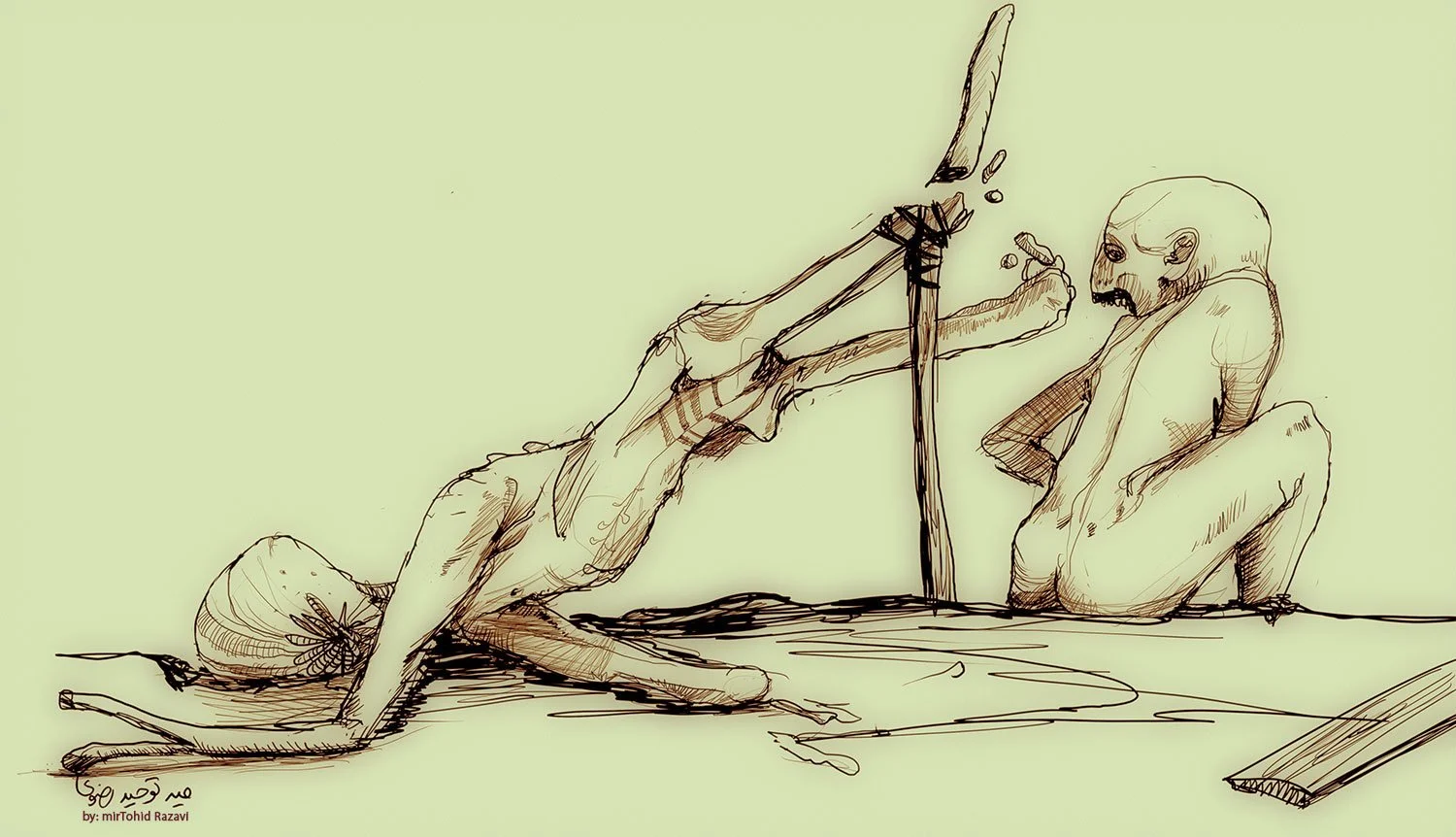
از سریِ اتودهایِ سرزمینهایِ درونیِ من
From the series: Sketches of My Inner Lands
"I Had to Leave"باید میرفتم
Applying for work 2017-2019
دورانِ درخواست کار توی سالهای ۲۰۱۷ تا ۲۰۱۹
خب، با توجه به شرایطِ من توی اون دوران — اقتصادِ افتضاح و رو به نابودیِ مملکت، نبودِ کار و آینده — تصمیم گرفتم اپلای بکنم و ایران رو ترک کنم. اما اولین مشکل، مشکلِ صحبت به انگلیسی بود. خوشبختانه با ترجمهی مطالب توی پویانما، تا حدِ زیادی مشکلِ انگلیسیم رو برطرف کرده بودم؛ بضاعتِ مالی هم نداشتم که زبان بخونم. توی دورانی که استودیو دایر کرده بودیم، یه معلم گرفتیم برای آموزش، که خیلی دوام نیاورد.
Given my situation at the time — the country's disastrous, collapsing economy, no work, no future — I decided to apply abroad and leave Iran. But the first obstacle was speaking English. Fortunately, translating content for Puyanama had largely solved my English problem; I didn't have the financial means to take language classes. During the period we ran our own studio, we hired a teacher for lessons, but that didn't last long.
شروع کرده بودم به انگلیسی خوندن. دیگه نمیتونستم شرایط رو تحمل کنم؛ اینکه سرِ سفره کسی بهم نگاه نمیکرد. با امید رفتیم شمال تا بلکه یه طویله پیدا کنیم بچپیم توش، که کمی سرسبز هم باشه. اما رقمها عجیب بود. برگشتیم. یادمه رفته بودم یکی از این دفاترِ سودجویِ مهاجرت که فقط پول بالا میکشن. گفتم میخوام برم کانادا؛ هیچی نگفت، یارو فقط پرسید «پول چقدر داری؟» گفتم مگه چقدر میشه؟ یه عددِ نجومی گفت، کرکوپرم ریخت. گفتم من هنرمندِ سهبعدیام، انیمیشنِ دیجیتال، گیم و فلان و بیسار... یارو گفت: «برو بینیم بابا.»
خیلی تلاش میکردم تا امیدوار به زندگی بمونم. روزهایِ واقعاً جانکاه و آخرالزمانیای رو تجربه میکردم، و باورم نمیشد حقیقتِ زندگیِ من اینطوری رقم خورده باشه.
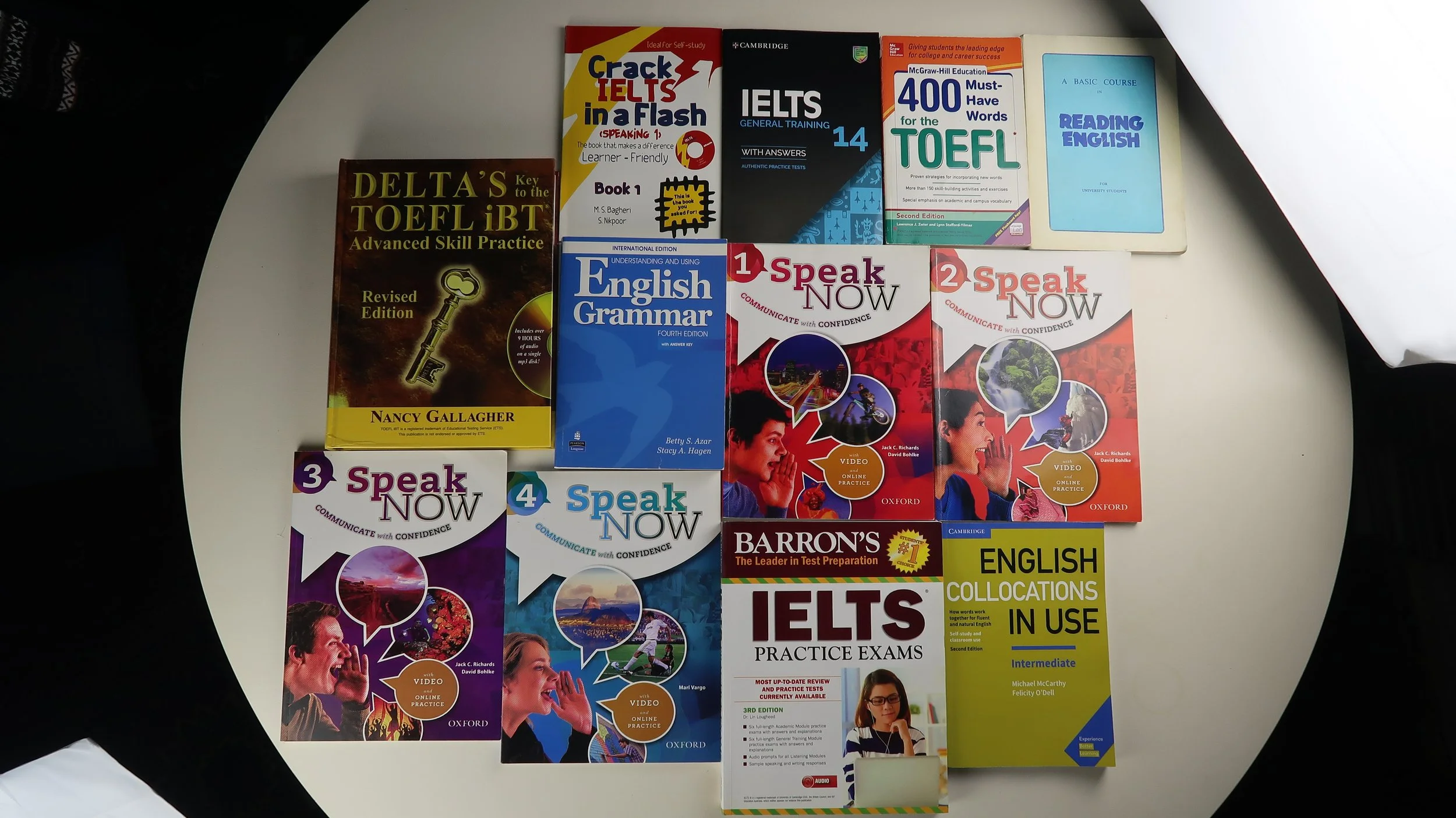
Make it stand out
کتاب هایی که باهاشون تمرین می کردم
I'd started studying English. I couldn't bear the situation anymore — the way no one at the dinner table even looked at me. Omid and I went north, hoping to find some barn we could squeeze into, somewhere at least a bit green. But the prices were absurd. We came back. I remember going to one of those predatory immigration offices that just fleece you for money. I said I wanted to go to Canada; the guy said nothing, just asked, "How much money do you have?" I said, how much is it going to be? He named some astronomical figure, and my heart sank. I said I'm a 3D artist, digital animation, games, and so on... The guy just said, "Get out of here."
I tried so hard to stay hopeful about life. I was living through days that were genuinely gut-wrenching, apocalyptic, and I couldn't believe that this was really how my life's story was turning out.
از سیویکسالگی، هوایِ رفتن به سرم زد و شروع کردم به اپلای کردن.
at age 31, the urge to leave took hold of me, and I began applying.
پروسهیِ اپلای، تا گرفتنِ پیشنهادِ کار از یه شرکتِ اروپایی که مستقر توی پراگِ جمهوریِ چک بود، سه سال و نیم طول کشید. طیِ این سه سال، صبرم تا آستانهیِ لبریزی، تست و آزموده شد؛ و درست پیش از عملیکردنِ ایدهیِ خودکشی، نهایی شد.
The application process, up until I finally received a job offer from a European company based in Prague, Czech Republic, took three and a half years. Throughout those three years, my patience was tested right to the brink of breaking — and it was finalized right before I would have acted on the idea of suicide.
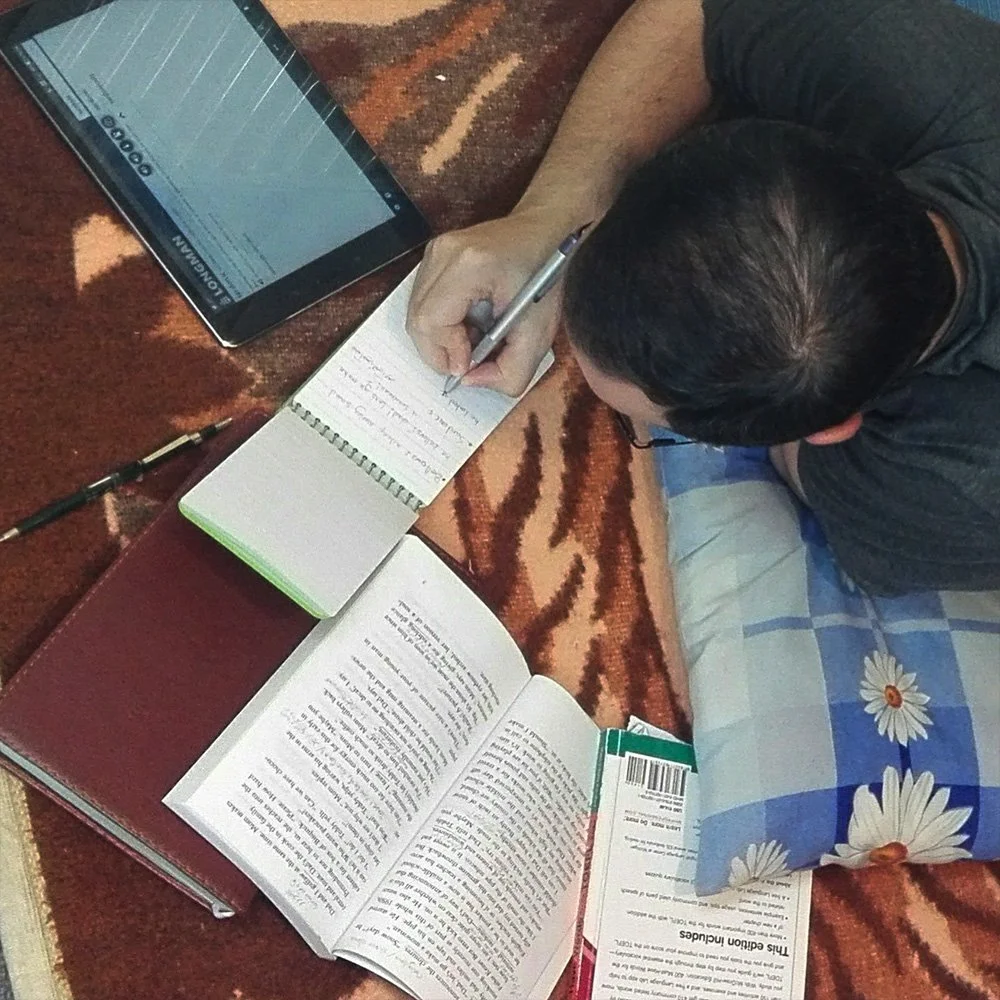
انگلیسی یاد می گرفتم
توی این عکس که امید از من گرفته، من رو میبینید. شب و روز انگلیسی تمرین میکردم، و قشنگ یادمه همیشه به امید میگفتم که فرصت محدوده و نمیدونیم این دریچهای که جلومون باز شده چقدر دوام میاره. نباید دست بکشیم.
You can see me in this photo, taken by Omid. I was practicing English day and night, and I clearly remember always telling Omid that the opportunity was limited, and we didn't know how long this window that had opened in front of us would last. We couldn't afford to give up.
دقیقاً یادمه همین شرکتی که بهش اشاره کردم، اگه اوکی نمیشد کاملاً جدی به خودکشی فکر میکردم. تنها عاملی که احتمالاً میتونست جلوی اقدام کردنم رو بگیره، زجر و عذابی بود که به مادرم وارد میشد. وگرنه به آخرِ خط رسیده بودم.
خوشبختانه شرکت اوکی رو داد و کارهایِ اخذِ ویزا و اقامت و گرفتنِ کارتِ کارمندی رو شروع کردیم.
I clearly remember that this company I mentioned was my last thread — if it hadn't come through, I was seriously considering suicide. The only thing that could have possibly stopped me was the suffering it would cause my mother. Otherwise, I had reached the end of the line.
Fortunately, the company said yes, and we started the process of getting the visa, residency, and my employee card.
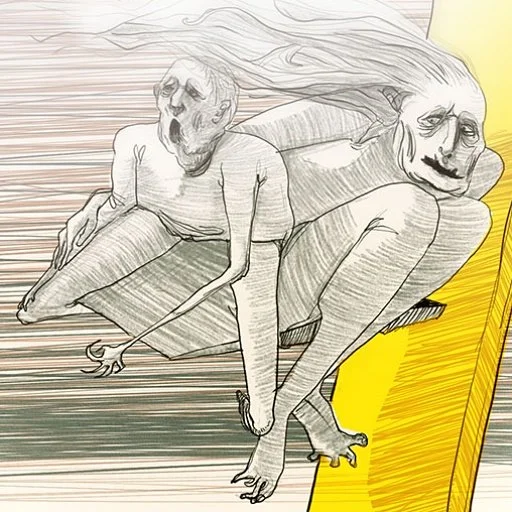
از سریِ اتودهایِ سرزمینهایِ درونیِ من
From the series: Sketches of My Inner Lands
That's a heavy thing to put into words, and I imagine writing it down took something out of you too. If any of that weight from that period is still something you're sitting with, it might help to talk to someone directly — not just write around it.
از کودکی فقر و توهین و بدبختی رو تجربه میکردم، و تا سیسالگی همچنان ادامه داشت؛ درحالیکه عینِ روبات کار میکردم و هر چیزی که به آدمبودنم ربط داشت رو سرکوب کرده بودم. نه دوستی داشتم، نه دوستدختری، نه حامیای، نه چیزی که بشه دلم رو بهش خوش کنم یا حتی امیدوار باشم. هر کسی هم که اسمِ ایران رو موقعِ اپلای میشنید، فرار میکرد؛ هرچند در ظاهر و کلام بگن «نه، اینطوری نیست».
یادم نیست چندبار ایمیلی که با «متأسفانه» شروع میشد دریافت کردم. صدها بار امیدم ناامید شد؛ تا جایی که مادرم یه روز برگشت گفت: «تو اگه کار بلد بودی، تا حالا استخدامت کرده بودن.»
From childhood, I experienced poverty, insults, and hardship, and it kept going all the way until I was 30 — while I worked like a robot and suppressed everything that had to do with being human. I had no friends, no girlfriend, no support, nothing I could take comfort in or even feel hopeful about. Anyone who heard the word "Iran" during the application process would back away, even if, in words, they claimed otherwise.
I don't remember how many emails I received that started with "unfortunately." My hope was crushed hundreds of times — to the point that one day my mother turned to me and said, "If you actually knew how to do your job, they would have hired you by now."
صدها جا اپلای کردم. فرمهایِ آنلاینِ بیشماری پر کردم، و گاهی هم خودم با ایمیلِ خودم اپلای میکردم، و از طریقِ لینکدین هم خیلی از درخواستها رو فرستادم. همه رو ندارم و نمیشه که داشته باشم تا اینجا بذارم، ولی این پایین لیستِ ایمیلهاییه که صرفاً با واژهی «متأسفانه» شروع شدن و همه به اپلایهایِ من مربوطان؛ نامربوطها رو خط زدم. تقریباً سه برابرِ اون لیست، ایمیل و سیوی و پورتفولیو فرستادم که خیلیهاشون اصلاً جواب ندادن. دلم آتیش میگیره وقتی به این لیستِ بلندبالا نگاه میکنم؛ که تازه، همونطور که گفتم، صرفاً اونهاییه که توی اینباکسم هستن.
چندین جا هم آرتتست گرفتن. شب و روز کار میکردم. معمولاً هم یه هفته زمان بهت میدن. اون یه هفتهها رو تا مرزِ نابودیِ فیزیکی و روحی کار میکردم تا کار رو به بهترین شکلِ ممکن آماده کنم و بفرستم. خیلیها حتی سرکاری بودن و کلاً کار رو اینجوری انجام میدادن، ولی برایِ من فقط رفتن مهم بود؛ چون آینده رو باید خودم میساختم، نه اینکه دودستی تحویلم بدن.
I applied to hundreds of places. I filled out countless online forms, and sometimes I even applied through my own email address, and I sent many applications through LinkedIn too. I don't have all of them, and there's no way I could, so I can't include them all here — but below is a list of emails that simply started with the word "unfortunately," all related to my applications; I've crossed out the irrelevant ones. I sent roughly three times that number of emails with my CV and portfolio, and many never even replied. My heart still burns looking at this long list — and as I said, this is only what's left in my inbox.
Several places gave me art tests. I worked day and night. They usually give you a week. I worked through those weeks to the brink of physical and mental collapse, trying to prepare and submit the work in the best possible way. Many of these tests were honestly a scam, done just to extract free work, but for me, all that mattered was getting out — because I had to build my own future, not wait for it to be handed to me.
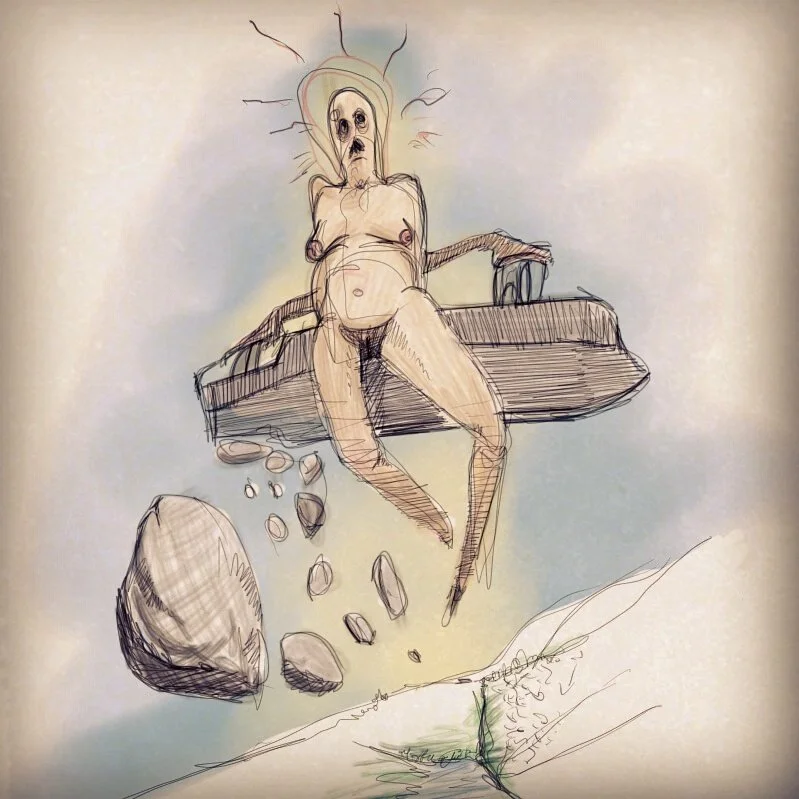
از سریِ اتودهایِ سرزمینهایِ درونیِ من
From the series: Sketches of My Inner Lands
The result that came of it all نتیجهای که حاصل شد
خوشبختانه توی سالِ ۲۰۱۹، قرعه به نامم افتاد و هم آرتتست، هم مصاحبه با استودیویی توی پراگ، به ثمر نشست.
خوشحالیم رو نمیتونم وصف کنم. ناباوریِ آمیخته با ترس؛ ترس از ناشناختهها. ولی به هیچ چیز فکر نمیکردم جز رفتن. حتی به اینکه چی خواهم خورد، چطور دوام خواهم آورد، و به چالشهایِ پیشِ رو هم فکر نمیکردم. یه نفس توی اقیانوسِ ریسک شیرجه زده بودم، و حالا باید ادامه میدادم.
Fortunately, in 2019, my number finally came up: both the art test and the interview with a studio in Prague came through successfully.
I can't describe how happy I was. Disbelief mixed with fear — fear of the unknown. But I wasn't thinking about anything except leaving. I wasn't even thinking about what I would eat, how I would survive, or the challenges ahead. I had taken one breath and dived into an ocean of risk, and now I had to keep going.
Moving to Prague 2019
هیچوقت روزهایِ هیجانانگیزِ اخذِ ویزا و انجامِ کارهایِ قانونی رو فراموش نخواهم کرد. امیدِ عزیزم تا میتونست مستند فیلمبرداری میکرد و عکس میگرفتیم. چندتایی رو اینجا میذارم؛ یه ویدئویِ یکونیمساعته هم هست از روزهایِ منتهی به پایانِ کارهایِ اداری و تماسِ سفارتِ جمهوریِ چک و اعلامِ خبرِ موافقت و صدورِ ویزا. باورم نمیشد که روزِ ۱۹ ژوئن پرواز میکنم سمتِ جمهوریِ چک.
I will never forget those thrilling days of getting the visa and handling all the legal paperwork. My dear Omid filmed as much of it as he could, and we took photos. I'll include a few here; there's also a hour-and-a-half video from the days leading up to finishing the paperwork, the call from the Czech embassy, and the announcement that the visa had been approved and issued. I couldn't believe it — I would be flying to the Czech Republic on June 19th.
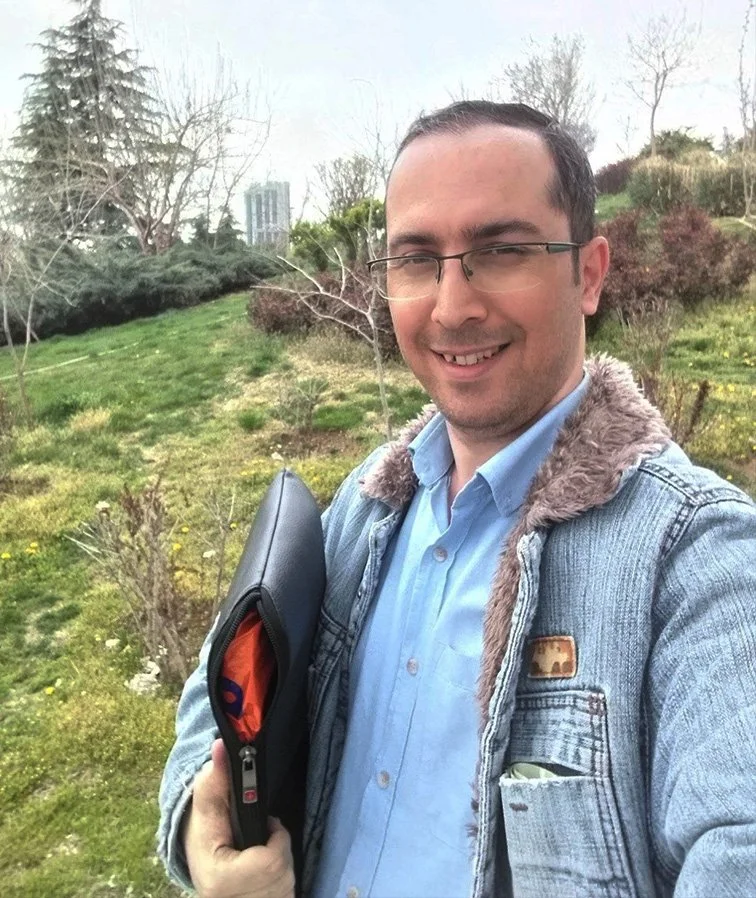
اینجا سلفی گرفتم از خودم که مدارکِ نهایی رو از شرکت پست تحویل گرفته بودم و عینِ خر خوشحال بودم. ذرهای به فردایِ پس از مهاجرت فکر نمیکردم.
Here I took a selfie of myself after picking up the final documents from the post, happy as a fool. I wasn't thinking one bit about what would come after the move.
روزِ موعود فرا رسید و توی اینستاگرام یه کلیپِ کوتاه هم آپلود کردم؛ زحمتِ تدوینش رو امید کشیده بود. اون چمدونِ آبیرنگ که تمومِ زندگیم توش بود رو هم فراموش نمیکنم. مهمتر از همه برام اون مدارک بودن که باید کاملاً حواسم بهشون میبود تا گموگور نشن. هیچوقت پامو بیرونِ مملکت نذاشته بودم و برایِ اولینبار توی سنِ سیوچهارسالگی داشتم میرفتم ترکیه — البته فقط فرودگاهِ استانبول ترانزیت داشتم — و بعد پراگ، فرودگاهِ واتسلاو هاول.
The day finally arrived, and I uploaded a short clip to Instagram; Omid did the editing work. I'll never forget that blue suitcase that held my entire life. Most important to me were the documents — I had to watch them like a hawk so nothing would get lost. I had never set foot outside the country before, and for the first time, at age 34, I was heading to Turkey — though only as a transit through Istanbul airport — and then on to Prague, Václav Havel Airport.
یکی از ارزونترین بلیطها رو خریده بودیم؛ رقمش هنوز یادمه: یکونیم میلیون تومن. یه هواپیمایِ دروداغون که از وقتی بلند شد توی هوا تکونهایِ شدید میخورد تا موقعِ فرود؛ حینِ فرود هم گوشهام چنان درد گرفته بود که احساس میکردم الانه که بترکن. شب رو توی فرودگاه خوابیدم کنارِ چمدون، و ساعت ده دقیقه به هفتِ صبح بود که حیوحاضر کنارِ گیت بودم؛ بیخواب و گرسنه. پونصد یورو پول داشتم. تمومِ زندگیم همون پونصد یورو بود که جرأت نداشتم چیزی ازش خرج کنم. حدودِ سه ماهی هم با شرکتی که قرارداد امضا کرده بودم کار کرده بودم، و چون همهی بانکها تحریم بودن و باید پول بهصورتِ قانونی وارد حسابم میشد، بهشون گفته بودم چیزی بهم ندن تا برسم اونجا و حساب بانکی باز کنم. خلاصه تا اون روزِ موعود هم باید با همون پونصد یورو گذرانِ زندگی میکردم.
We'd bought one of the cheapest tickets available; I still remember the price: 1.5 million tomans. It was a beat-up plane that shook violently in the air from the moment it took off until landing; during the landing my ears hurt so badly I thought they were about to burst. I slept the night at the airport next to my suitcase, and at ten minutes to seven in the morning, I was right there by the gate — sleepless and hungry. I had 500 euros. My entire life savings was that 500 euros, and I didn't dare spend a cent of it. I had already worked for about three months with the company I'd signed a contract with, and since all the banks were under sanctions and the money had to enter my account legally, I had told them not to pay me anything until I arrived there and opened a bank account. So, until that fateful day, I had to get by on just those 500 euros.
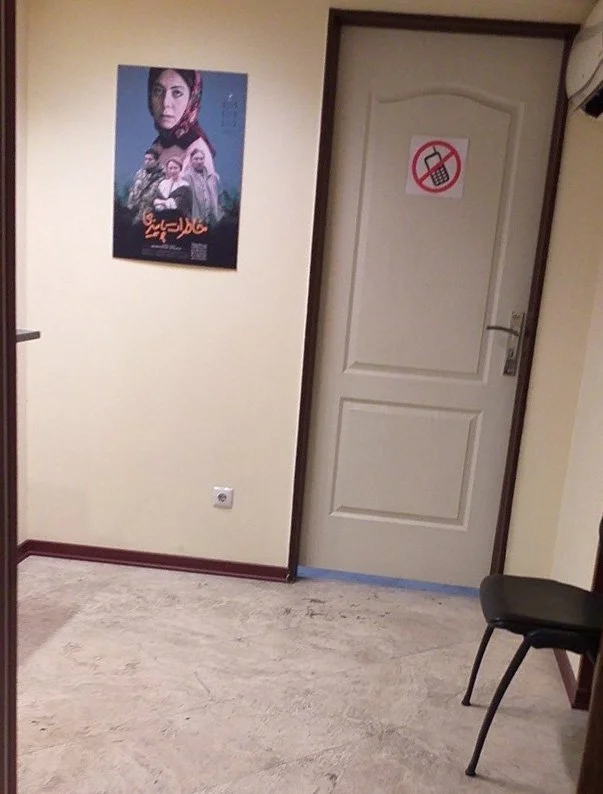
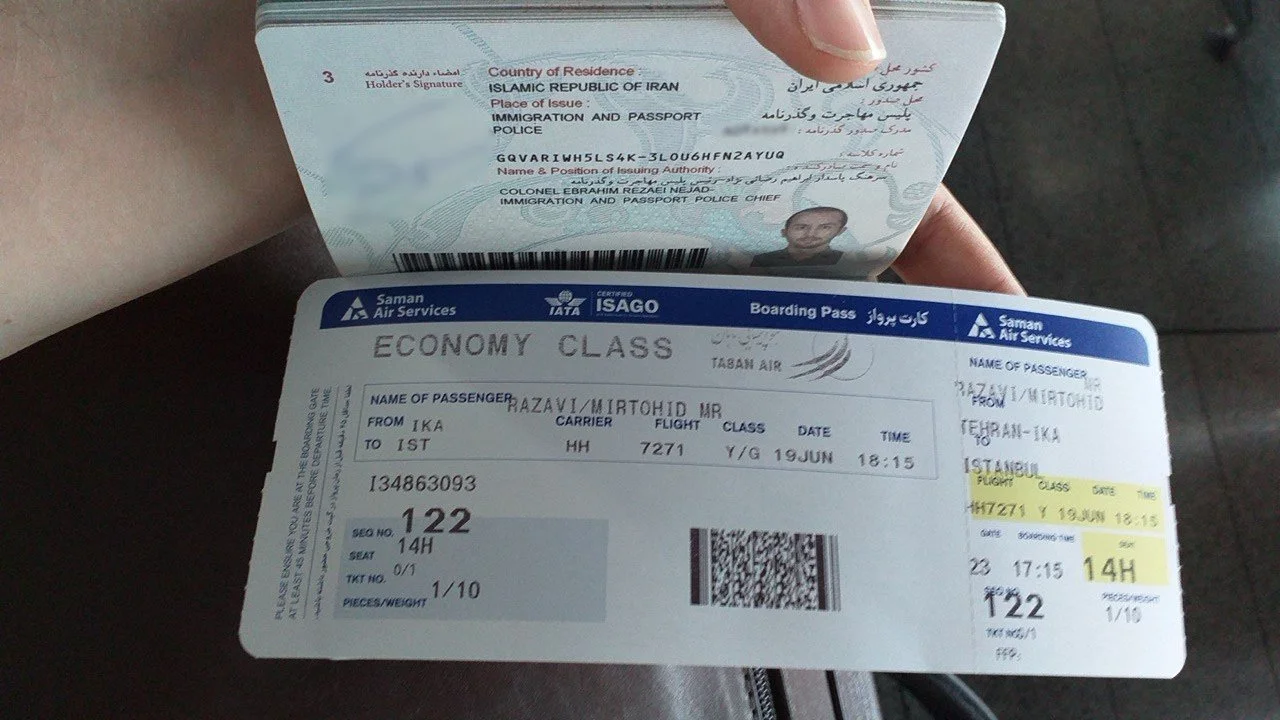
یه عکسِ قایمکی از سفارت و بخشِ کنسولگری گرفتم، جایی که زندگیم اونجا دگرگون شد. یه عکس هم از بلیطِ سفرم به استانبول؛ با هواپیمایِ قضیهدارِ سامانایر. هیچوقت از اینجا بلیط نخرید.
I sneaked a photo of the embassy and its consular section, the place where my life was transformed. I also have a photo of my ticket to Istanbul, on that problem-plagued Saman Air flight. Never buy tickets from them.
بالاخره رسیدم فرودگاه. من همیشه توی ایران، که بارِ زندگی افتاده بود روی دوشمون، صبحها حالتِ تهوع بهم دست میداد؛ از روزی که با امید تهران رفتیم، هر روز صبح که میرفتیم سرِ کار، محیطِ جدید، آدمهایِ جدید، باید فارسی صحبت میکردم، باید انتظارات رو برآورده میکردم، باید همیشه خوب پیش میرفتم تا مبادا به مشکلی بربخوریم؛ و خانوادهام همیشه میگفتن «توحید صبحها همیشه بالا میاره»، انگار این یه موهبتِ الهیه که من دارم. خلاصه بهمحضِ دیدنِ پراگ از داخلِ هواپیما، دوربین رو درآوردم (دوربینی که توی خیابونِ میرداماد کرده بودن توی پاچهمون و گرون فروخته بودنش) و از فرود و لحظهی دگرگونیِ زندگیم فیلم گرفتم؛ در همون حین هم تلاش میکردم صدایِ حالتِ تهوعم رو کسی نشنوه. چندینبار حالتِ تهوع بهم دست داد، ولی با اینحال ویدئو رو گرفتم، و بعد از بیرون اومدن از فرودگاه هم یه عکسِ دیگه گرفتم. جهان برام عجیب شده بود، و باید برایِ بارِ سوم از صفر شروع میکردم برایِ درستکردنِ زندگیم از سنِ سیوچهارسالگی.
I finally arrived at the airport. Back in Iran, especially from age 19 onward, once the burden of life had fallen on our shoulders, I would always get nauseous in the mornings — from the day Omid and I moved to Tehran, every morning heading to work: a new environment, new people, having to speak formally, having to meet expectations, always having to make things go well so we wouldn't run into trouble. My family always used to say, "Tohid always throws up in the mornings," as if it were some divine gift I had. Anyway, the moment I saw Prague from inside the plane, I pulled out my camera (a camera we'd bought overpriced from some shady dealer on Mirdamad Street) and filmed the landing and that life-altering moment, all while trying to make sure no one heard the sound of my nausea. I felt sick to my stomach several times, but I still got the video, and after coming out of the airport I took another photo. The world felt strange to me, and for the third time, I had to start from zero to rebuild my life — at age 34.
این ویدئوییه که من رو نشون میده، در حالِ پایین اومدن از پلهها، توی عصرِ روزی که پرواز داشتم. سیوچهار سال عذاب و بدبختی رو داشتم برایِ همیشه ترک میگفتم، و ذرهای از آیندهیِ مبهمم توی پراگ متصور نبودم. مادرم پشتِ سرِ من، در حالِ پاییناومدن از پلههاست؛ از اینکه داشتم میرفتم خوشحال بود. کسی نمیدونست که درونِ توحید چه قیامتی برپاست.
اون هم وضعِ راهروهاییه که خونهای که بهاصطلاح خریده بودن رو نشون میده. ما در نهایت نفهمیدیم چی شد، ولی هرچی درمیآوردن رو خرجِ اون خونه توی فازِ نهمِ پردیس کردن، و در نهایت طبقِ گفتهیِ امید، یهشبه کلِ خونه رو خالی کردن و اثاثکشی کردن و خونه رو تحویلِ اون شخصی که قرار بود با خواهرم ازدواج کنه دادن. بله. کسی صبر نداشت تا با امید و توحیدِ دلسوز کنار بیاد، صادق باشه و بره جلو؛ بلکه دنبالِ سریعترین راهی بودن که به خونه ختم میشد. من همیشه به امید میگفتم این روند اشتباهه، و این یارو رو که من دیدم اهلِ زندگی نیست. ولی وقتی اونقدر کور شده بودن که حینِ شام غذا رو از جلوت بردارن و بذارن توی بشقابِ یارو، دیگه حرفی نمیمونه؛ و دردش اینجاست که من و امید رو الاغ فرض میکردن.
This is the video that shows me coming down the stairs, on the afternoon of the day I had my flight. I was leaving 34 years of anguish and misfortune behind for good, and I couldn't picture even a shred of my uncertain future in Prague. My mother is behind me, coming down the stairs too; she was happy I was leaving. No one knew what upheaval was raging inside Tohid.
That's also the state of the hallways in the house they'd supposedly bought. We never really understood what happened, but whatever they earned went toward that house in Phase 9 of Pardis, and in the end, according to Omid, they emptied the whole place overnight, moved out, and handed the house over to that man who was supposed to marry my sister. Yes. No one was willing to wait around, deal honestly with caring Omid and Tohid, and move forward together; they were chasing the fastest route that ended in owning a house. I always used to tell Omid this whole approach was wrong, and that the guy I'd seen wasn't the type to build a real life. But once they'd become so blind that they'd take the food off your own plate at dinner and put it on his, there's nothing left to say — and the real sting of it is that they saw Omid and me as nothing but donkeys.
که البته جایِ تعجب نداره، و من و امید به این نوع نگاه عادت کردیم. ما حمالی هستیم که کامپیوتر بلدیم، و باید هر کاری رو بدونِ چشمداشت و سؤالِ اضافه، در اسرعِ وقت، برایِ همه انجام بدیم؛ و در قبالش هیچچیزی برامون نداشته باشه.
Which, of course, isn't surprising, and Omid and I got used to this kind of outlook. We're just laborers who happen to know computers, expected to do anything for anyone, immediately, with no expectation and no extra questions asked — and get nothing at all in return.
این همون ویدئوییه که توی پاراگرافهایِ بالاتر بهش اشاره کردم.
This is the same video I mentioned in the paragraphs above.
I captured one of the most life-changing moments of my life during this landing — my first-ever relocation to Europe and the start of building my life from scratch in Prague. You can watch the whole landing in this video. Flight: PRG — Turkish Airlines TK 1767, 20th :)
