A Small Dream Made of Clay
یه آرزوی کوچیک از جنس خمیر
I’ve always loved sculpting, and I still do.
At one point here in Prague, an empty stretch opened up in my life, and I made the most of it. During those few weeks, I turned to sculpting.
Until then, I had never even touched Monster Clay. I had only seen it in behind-the-scenes footage of animated films and movies, in sculpting tutorials, or in the hands of sculptors at universities and art schools outside Iran. It was always a curiosity for me, and honestly, a small dream: to one day see this clay up close, let alone actually touch it!
Time went on, I moved to Prague, and suddenly it was possible to own it, hold it, and make something with it!
I ordered it right away. There’s a company in Prague that imports pretty much anything related to sculpting, with no limits on what they carry. The medium-firmness clay I chose was a bit expensive, but I bought it anyway. On a cold winter day, we went and picked it up.
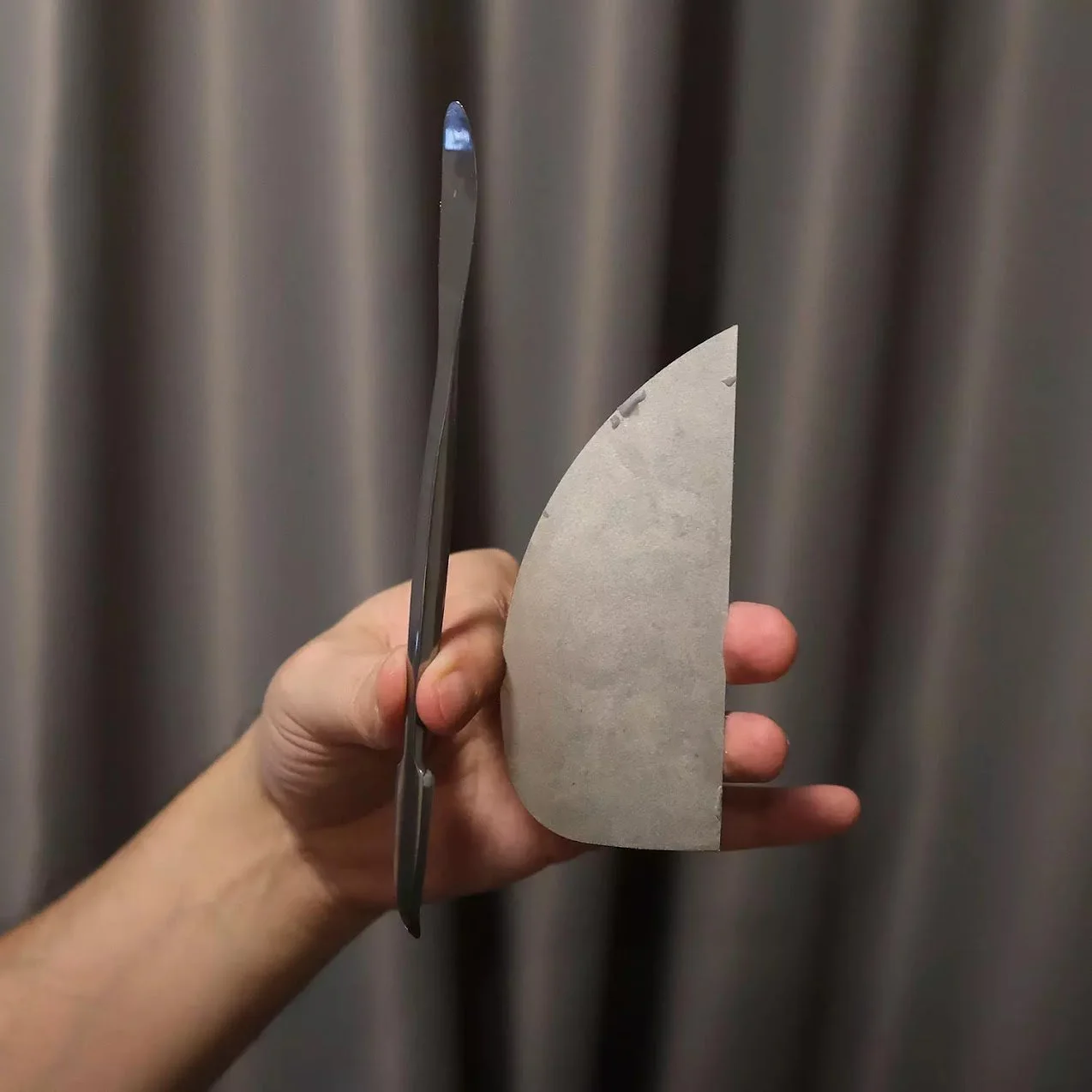
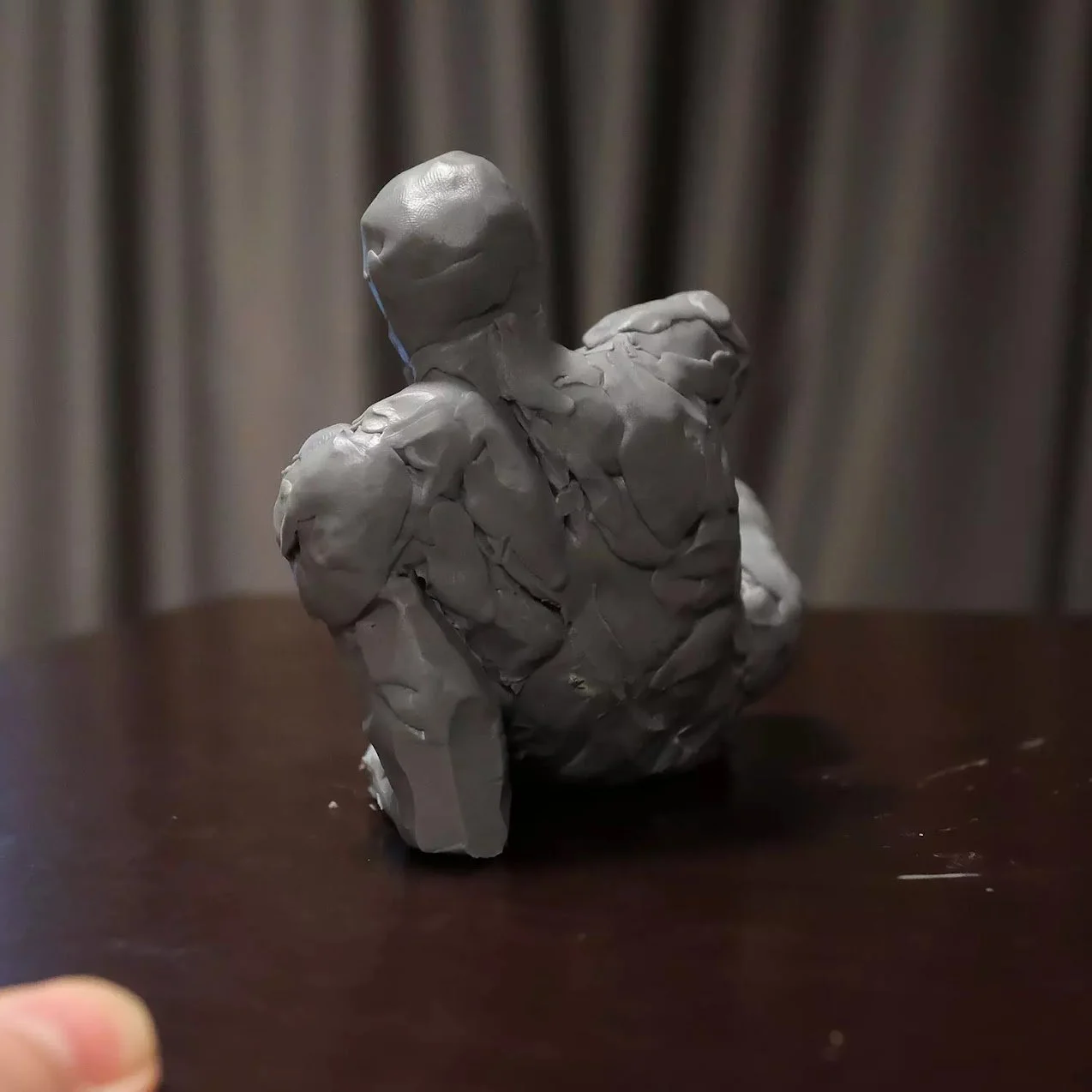
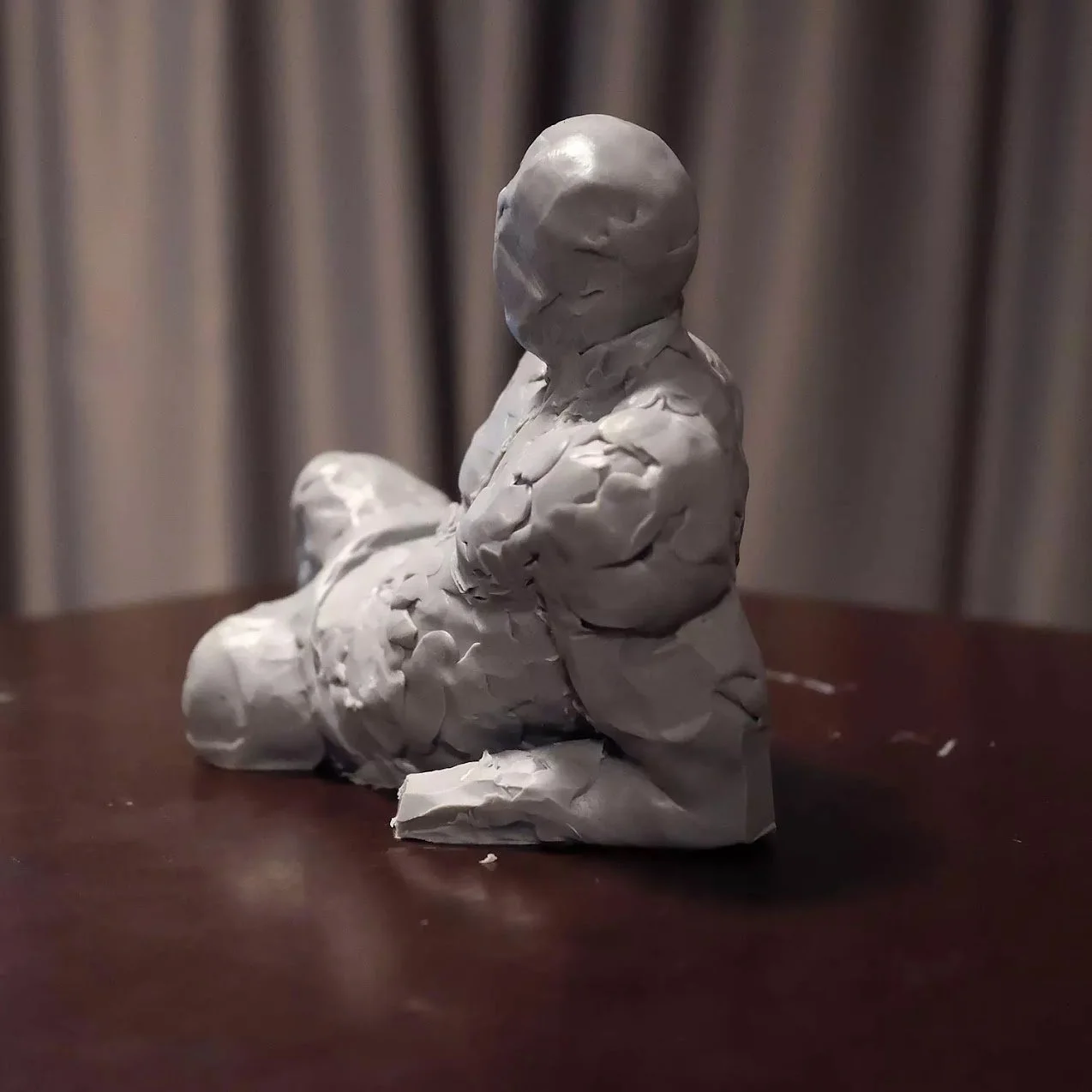
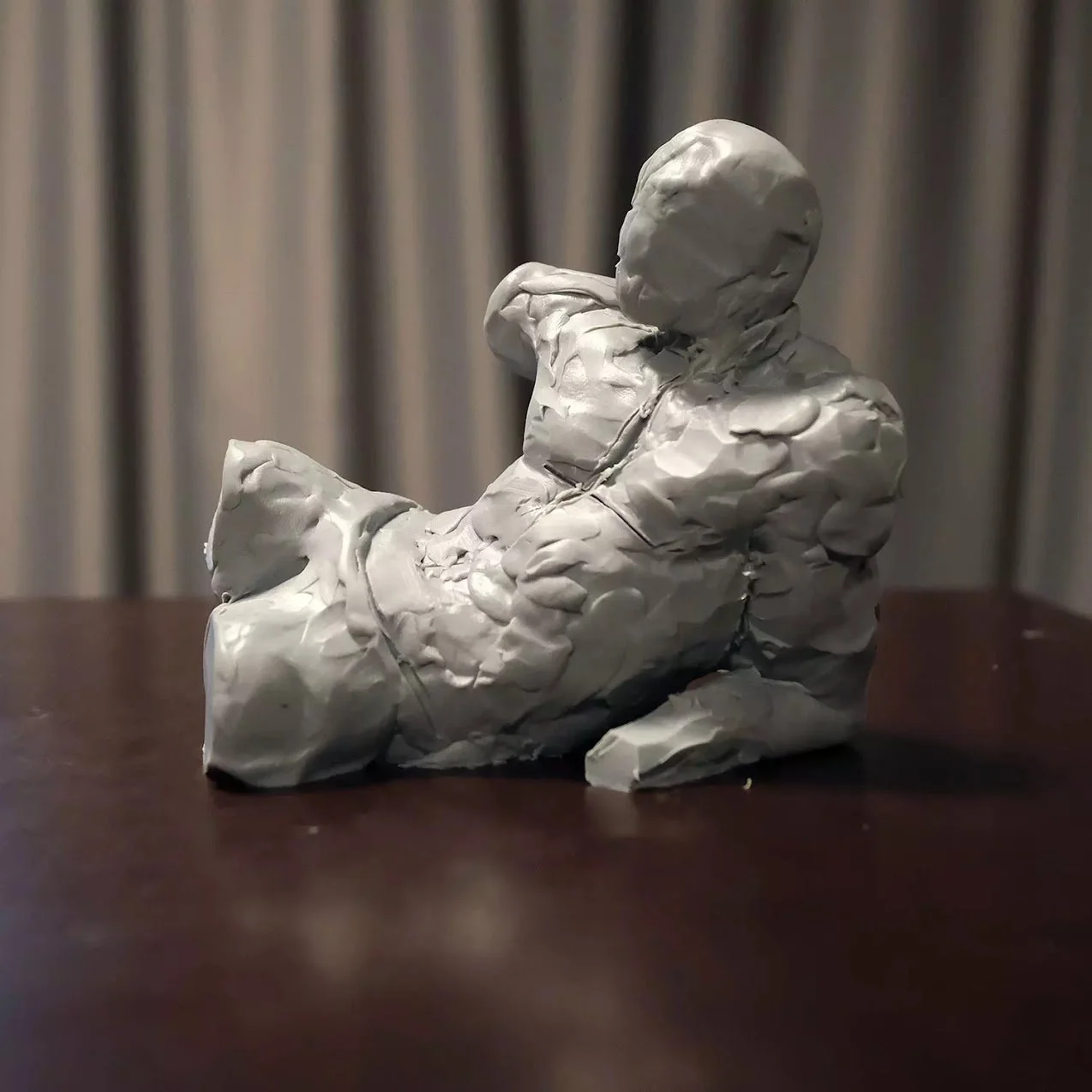
I had already bought these two tools to shape the sculpture with. And what an amazing clay it was! It didn’t stick to my hands, and I could work it and shape it any way I wanted. I jumped straight into making a bust. Of course, I made and ruined a few other pieces first to get the feel of it, and eventually I arrived at this bust.
I hope to start again soon and enjoy working with this wonderful clay... but sadly, work and life haven’t let me continue yet, so for now the clay is archived for a rainy day.
A Little About Monster Clay
Monster Clay is made by The Monster Makers, a company based in Cleveland, Ohio. Its owner, Arnold Goldman, started out selling basic mask-making supplies through ads in the back of Fangoria magazine, and over time the company grew into one of the leading suppliers of 3D special effects materials. Goldman first tried mask making in 1986, while still a sculpture major at Cleveland State, and in the early days he made masks and ran a mail-order supply business from his basement.
What it’s made of: A professional, sulfur-free, oil- and wax-based clay made entirely from non-toxic, food-grade ingredients, with a low-tack feel that doesn’t stick to tools or fingers. Exactly what I felt the first time I touched it!
How it reacts to heat: When warm, it stretches like soft taffy, yet at normal room temperature it’s firm enough to hold the finest details.
Melting point: All grades melt at around 57°C, the ideal temperature for melting and pouring is about 65°C, and for comfortable handling it shouldn’t go above roughly 46°C.
Endlessly reusable: Unlike many oil-based clays, it doesn’t turn brittle, dry out, or lose its plasticity over time, and it can be melted and reused indefinitely. That’s why I could archive it without worry.
Grades: It comes in Soft, Medium and Hard. Mine was Medium.
Mold-making: Being sulfur-free, it’s compatible with platinum-based silicones, which makes it a favorite for molding sculptures.
Lighter than most: Its density is lower than the average oil-based clay, so you get roughly 25% more clay per pound.
In film: According to one of its distributors, professionals have trusted it for more than 35 years, and it has been used to sculpt characters for films such as Star Wars and The Black Phone.
من همیشه عاشق مجسمهسازی بودم، و هنوزم هستم.
یه مدتی همینجا تو پراگ یه فضای خالی تو زندگیم پیش اومد و تا جایی که میتونستم ازش استفاده کردم. تو همون چند هفته رفتم سراغ مجسمه.
تا اون موقع حتی یه بار هم دستم به خمیر مانستر کلی نخورده بود. همیشه فقط تو پشتصحنهی انیمیشنها و فیلمها، تو آموزشهای مجسمهسازی، یا تو دست مجسمهسازهای دانشگاهها و مراکز آموزشی خارج از ایران دیده بودمش. همیشه برام یه سؤال بود، و راستش یه آرزو، که یه روز بتونم این خمیرو از نزدیک ببینم، چه برسه به اینکه بهش دست بزنم!
زمان گذشت، من اومدم پراگ و حالا دیگه میشد داشتش، بهش دست زد و باهاش یه چیزی ساخت!
بیمعطلی سفارش دادم. تو پراگ یه شرکتی هست که از این چیزا هر چی بخوای وارد میکنه و هر چیزی که به مجسمهسازی ربط داشته باشه رو داره. خمیری که گرفتم سفتی متوسط داشت و یه کم گرون بود، ولی خریدمش. یه روز سرد زمستونی رفتیم و تحویلش گرفتیم.
از قبل این دو تا ابزارو خریده بودم که باهاشون مجسمه رو فرم بدم. و چه خمیر معرکهای بود! به دست نمیچسبید و هر جوری دلت میخواست میتونستی باهاش کار کنی و شکلش بدی. سریع رفتم سراغ ساختن یه نیمتنه. البته قبلش چند تا کار دیگه هم ساختم و خراب کردم تا دستم راه بیفته، و آخرش رسیدم به همین نیمتنه.
امیدوارم زود دوباره شروع کنم و از کار با این خمیر محشر لذت ببرم... ولی متأسفانه کار و زندگی هنوز اجازه ندادن ادامه بدم، و فعلاً خمیرو گذاشتم کنار برای روز مبادا.
یه کم دربارهی خود مانستر کلی
مانستر کلی رو شرکت «د مانستر میکرز» ساخته که مقرش تو کلیولند آمریکاست. صاحبش، آرنولد گلدمن، کارشو با فروش لوازم سادهی ماسکسازی از طریق آگهیهای ته مجلهی فانگوریا شروع کرد و کمکم شرکتش شد یکی از تأمینکنندههای اصلی مواد جلوههای ویژهی سهبعدی. گلدمن سال ۱۹۸۶، وقتی هنوز دانشجوی مجسمهسازی تو دانشگاه کلیولند استیت بود، رفت سراغ ماسکسازی و اولش همهچیزو تو زیرزمین خونهش میساخت و پستی میفروخت.
جنسش: یه خمیر حرفهای بر پایهی روغن و موم، بدون گوگرد، که کاملاً از مواد غیرسمی و خوراکی ساخته شده و نه به ابزار میچسبه نه به انگشت. همون حسی که من اولین بار داشتم!
رفتارش با گرما: وقتی گرم میشه مثل تافی نرم کش میاد، ولی تو دمای معمولی اتاق اونقدر سفت هست که ریزترین جزئیات رو نگه داره.
دمای ذوب: همهی درجههاش حدود ۵۷ درجهی سانتیگراد ذوب میشن، برای ریختن بهترین دما حدود ۶۵ درجهست، و موقع کار با دست بهتره از حدود ۴۶ درجه گرمتر نشه.
استفادهی دوباره: برخلاف خیلی از خمیرهای روغنی، با گذشت زمان شکننده نمیشه، خشک نمیشه و نرمیشو از دست نمیده، و میشه بینهایت بار دوباره ذوبش کرد و ازش استفاده کرد. برای همینه که با خیال راحت آرشیوش کردم.
درجهی سفتی: تو سه درجهی نرم، متوسط و سفت تولید میشه. مال من متوسط بود.
قالبگیری: چون گوگرد نداره، با سیلیکونهای پایهپلاتین سازگاره، و برای همین تو کار قالبگیری از مجسمه خیلی محبوبه.
سبکتر از بقیه: چگالیش از بیشتر خمیرهای روغنی کمتره، یعنی به ازای هر پوند حدود ۲۵ درصد خمیر بیشتری دستت میاد.
تو سینما: به گفتهی یکی از فروشندههاش، بیشتر از ۳۵ ساله که حرفهایها ازش استفاده میکنن و تو ساخت کاراکترهای فیلمهایی مثل جنگ ستارگان و تلفن سیاه به کار رفته.