My History Part 1
میخوام توی این نوشته از خودم و مسیرِ رشدم بگم. بیستودو سال تلاش، سختی و کارِ بیوقفه که در نهایت من رو به پراگ رسوند. تا حالا هیچوقت دربارهیِ این مسیر چیزی منتشر نکرده بودم، اما وقتی ترابایتها عکس و ویدئو و مستنداتی رو دیدم که طیِ این سالها جمع شده، حس کردم باید خلاصهای از اینها رو منتشر کنم — نه فقط برایِ ثبتِ یه سختی، بلکه برایِ نشوندادنِ اینکه چطور از دلِ اون سالها، آدمی ساخته شد که الان هستم. هر بخشِ این مسیر، هرچقدر هم سخت، یه درس بود.
I want to write about myself and my path of growth in this piece. Twenty-two years of effort, hardship, and relentless work that eventually brought me to Prague. I had never published anything about this journey before, but when I saw the terabytes of photos, videos, and documents accumulated over these years, I felt I should publish a summary of them — not just to record hardship, but to show how the person I am today was built from those years. Every part of this path, however difficult, was a lesson.
این تاریخچه از گذشتهیِ من رو میشه بهعنوانِ یه کلاسدرسِ واقعی، از یه خانوادهیِ شدیداً احساساتی، فقیر، و بدونِ دانش و اطلاعاتِ کافی از اقتصاد و چگونگیِ کسبِ درآمد و کنترلِ هزینهها، دید و ازش یاد گرفت. خیلی چیزها رو میشد طورِ دیگهای زندگی کرد؛ اما اون دوران و اون نوع نگاهها، بههیچوجه اجازهیِ طرحریزیِ راهِ جدید و راهحلِ تازه رو نمیداد.
This history of my past can be seen, and learned from, as a genuine lesson from a deeply emotional, poor family that lacked the knowledge and understanding of economics, of how to earn income and manage expenses. A lot of it could have been lived differently; but that period, and those kinds of attitudes, never allowed room for mapping out a new path or a fresh solution.
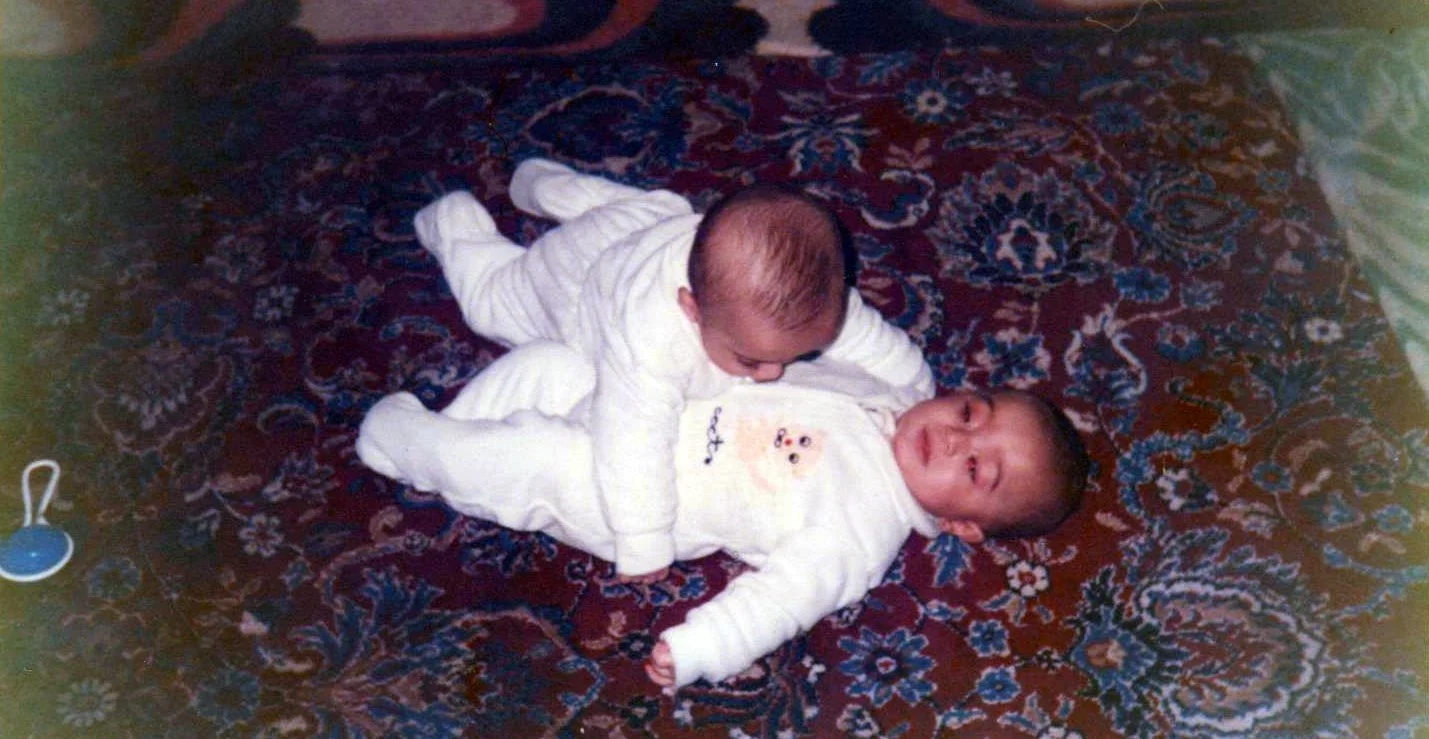
مادرم اینجا خیلی جوونه. خودش گفت هجدهسالش بود اینجا، و من رو چند ماه بعد از این عکس بردن اتاقِ عمل.
My mother is very young here. She told me she was eighteen in this photo, and a few months after this picture, they took me into the operating room.
نکتهیِ بعدی این بود که من توی نوزادی در حالِ مردن بودم، و مادرم خیلی دعا و شبزندهداری کشید تا زنده بمونم، درحالیکه پدرم از من قطعِ امید کرده بود. من رو عملِ فتق کردن، و در آخر بهخاطرِ عفونت حالم وخیم شده بود؛ فقط چند ماهه بودم. اما بهطورِ معجزهآسایی زنده موندم، تا بقیهیِ ماجراهایی که قراره اینجا بخونید رو زندگی کنم.
من خیلی خلاصه کردم و فقط نقاطِ عطف رو نوشتم؛ درحالیکه اگه وارد جزئیات میشدم، این متون تمومی نداشتن. ده سال از زندگیم رو توی سررسیدهام با جزئیاتِ کامل نوشتهام. امید همهشون رو آورده پراگ؛ اون روز ورق میزدم و هایهای گریه میکردم. یهو منفجر شدم، اما امید همه رو جمع کرد و برد. نمیتونم نگاهشون کنم، چون بدونِ سانسور نوشتهام. اینجا مجبورم سانسور کنم و با احتیاط برم جلو، وگرنه روزبهروز رو میتونستم اینجا نقل کنم — البته فقط از بیست تا سیوچندسالگی. قبلش که نوجوان بودم، و بعد از سیوچهارسالگی هم که اومدم پراگ، چند صفحهای نوشتم، مخصوصاً هفتههایِ اول رو، و دیگه ننوشتم.
The next thing was, as an infant, I was dying, and my mother prayed and stayed up night after night just to keep me alive, while my father had already given up hope on me. They operated on me for a hernia, and in the end, my condition turned critical because of an infection; I was only a few months old. But by some miracle, I survived, to go on and live through the rest of the events you're about to read here.
I've kept this very condensed, only writing the turning points; if I went into the full details, these pieces would never end. I have ten years of my life written out, in complete detail, in my daily journals. Omid brought all of them to Prague; that day, I was flipping through them, sobbing uncontrollably. I suddenly broke down, but Omid gathered them all up and took them away. I can't bring myself to look at them, because I wrote them uncensored. Here, I have to censor myself and proceed carefully, otherwise I could recount this day by day — though only from age 20 to my early thirties. Before that, as a teenager, and after age 34 when I came to Prague, I wrote a few pages, especially about the first few weeks, and nothing more.
خلاصه، این نوشتهها ممکنه برایِ بعضیها باعثِ تعجب بشه، چون هیچوقت از خودم چیزی منتشر نکردم؛ اما الان، احتمالِ زیاد، خیلیها بگن من ساده اپلای کردم و همینجوری راحت فرشِ قرمز پهن کردن برام و اومدم، و الان هم سالهاست رویِ فرشِ قرمز زندگی میکنم. نه. من ذرهذره از عمرم رو فروختم و زجر کشیدم، و قطعاً سالهایِ اولِ زندگی توی پراگ آسون نبود؛ اما الان دیگه همهچی برام طبیعی شده، و اینجا رو شهرِ خودم میدونم.
In short, these writings might come as a surprise to some people, since I've never published anything about myself before; but now, there's a good chance many will say I simply applied, had a red carpet rolled out for me with no effort, walked in, and have been living on that red carpet for years since. No. I sold off my life piece by piece and suffered for it, and the first years of life in Prague were absolutely not easy; but now, everything feels natural to me, and I consider this my own city.
ما بسیار فقیر بودیم. دورانِ سخت و نداری رو با گوشتوجان میچشیدیم. پدرم و مادرم هم روزگارِ سختی داشتند، و کودکیِ درب و داغونی داشتند. ولی این بخش رو از اونجایی مینویسم که پدرم از خیرِ خریدنِ ماشین گذشت و با دیدنِ عشق و علاقهیِ من و امید به کامپیوتر، تصمیم گرفت کامپیوتر برامون بخره. ما خیلی نوجوان و ناآگاه بودیم، و یادم نیست چطور و چقدر پول بابتِ کامپیوتر داد؛ ولی خوب یادمه یه نمایشگاهی بود توی پارکِ جنگلیِ ارومیه، و چون نزدیکِ پارک زندگی میکردیم، من و امید هر روز با هیجان از کوهِ نزدیکِ خونه بالا میرفتیم و خودمون رو میرسوندیم اونجا. نمایشگاه بالایِ کوه بود، و یه چشماندازی هم به شهرِ ارومیه داشت.
خلاصه، از دیدنِ اون رنگهایِ رنگینکمونیِ سیدیها، چنان بهوجد میومدیم که حد نداشت. کامپیوتر رو با ذوق آوردیم خونه، و از اون سالها تا همینِ امروز، شبانهروز پایِ کامپیوترها کار و زندگی میکنیم.
We were very poor. We tasted hard times and destitution in our flesh and blood. My father and mother had a hard life too, and a rough, broken-down childhood. But I'm writing this part because my father gave up on buying a car, and, seeing how much Omid and I loved computers, decided to buy us one instead. We were very young and naive, and I don't remember how or how much he paid for it; but I remember clearly there was an exhibition at Urmia's forest park, and since we lived near the park, Omid and I would climb the hill near our house every day, excited, to get ourselves there. The exhibition was up on the hill, and it had a view over the city of Urmia too.
Anyway, seeing all those rainbow colors on the CDs, we got so thrilled it was beyond measure. We brought the computer home with such joy, and from those years to this very day, we've worked and lived day and night in front of computers.
الان دقیق یادم نیست که این اتفاقِ خریدِ کامپیوتر چه تاریخی رخ داد، اما یادمه که توی سالِ ۲۰۰۰ خبری از کامپیوتر نبود؛ حدس میزنم ۲۰۰۱ یا ۲۰۰۲ بوده باشه.
I don't remember exactly what year this computer-buying happened, but I remember there was no computer around in 2000; I'd guess it was 2001 or 2002.
نمیدونم چطور شد که با نرمافزارهایِ سهبعدی آشنا شدیم و چه چیزی ما رو اینطوری مجذوب میکرد به این نرمافزارها. شبانهروز پایِ نرمافزارِ تریدیاستودیومکس بودیم و با امید تلاش میکردیم بفهمیم چطور میشه با اینها کار کرد. نه کسی چیزی بلد بود که بهمون بگه، نه اصلاً مواد و متریالی برایِ یادگیری وجود داشت. هیچچیزی توی مملکت توی زمینهیِ دیجیتال و انیمیشنِ سهبعدی نه تولید شده بود، نه چاپ شده بود؛ و در عینِ حال ما تلاش میکردیم این زبون رو درک و رمزگشایی کنیم. با هر موفقیتی توی این زمینه، چنان بهوجد میومدیم که حدوحساب نداشت. نرمافزارهایِ گوناگون نصب میکردیم و هر روز با خطایِ جدید و چالشِ جدیدی روبهرو بودیم؛ و اینطوری بود که با سماجت تونستیم با امید، برادرِ دوقلوم، یه کارهایی بکنیم.
I don't know how it happened that we got into 3D software, or what it was that captivated us so much about these programs. We were on 3D Studio Max day and night, and Omid and I kept trying to figure out how to work with it. There was no one around who knew anything to teach us, and there was no material at all to learn from. Nothing had been produced or published in the country in the field of digital and 3D animation; and still, we kept trying to decode and understand this language on our own. With every small success in this area, we got thrilled beyond measure. We'd install all sorts of software and run into a new error and a new challenge every day; and that's how, through sheer stubbornness, my twin brother Omid and I managed to make something happen.
My Teenage Years
〰️
My Teenage Years 〰️
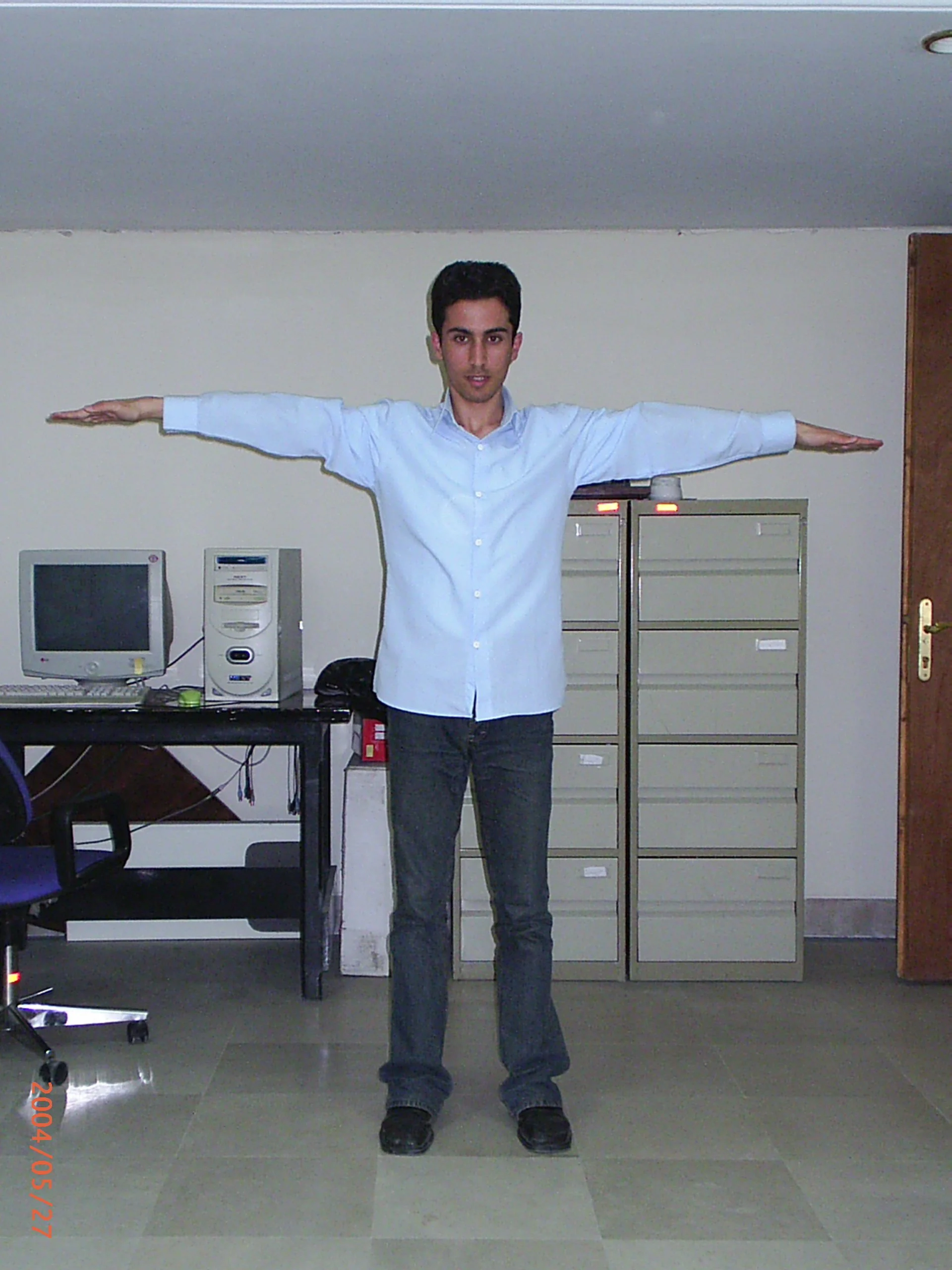
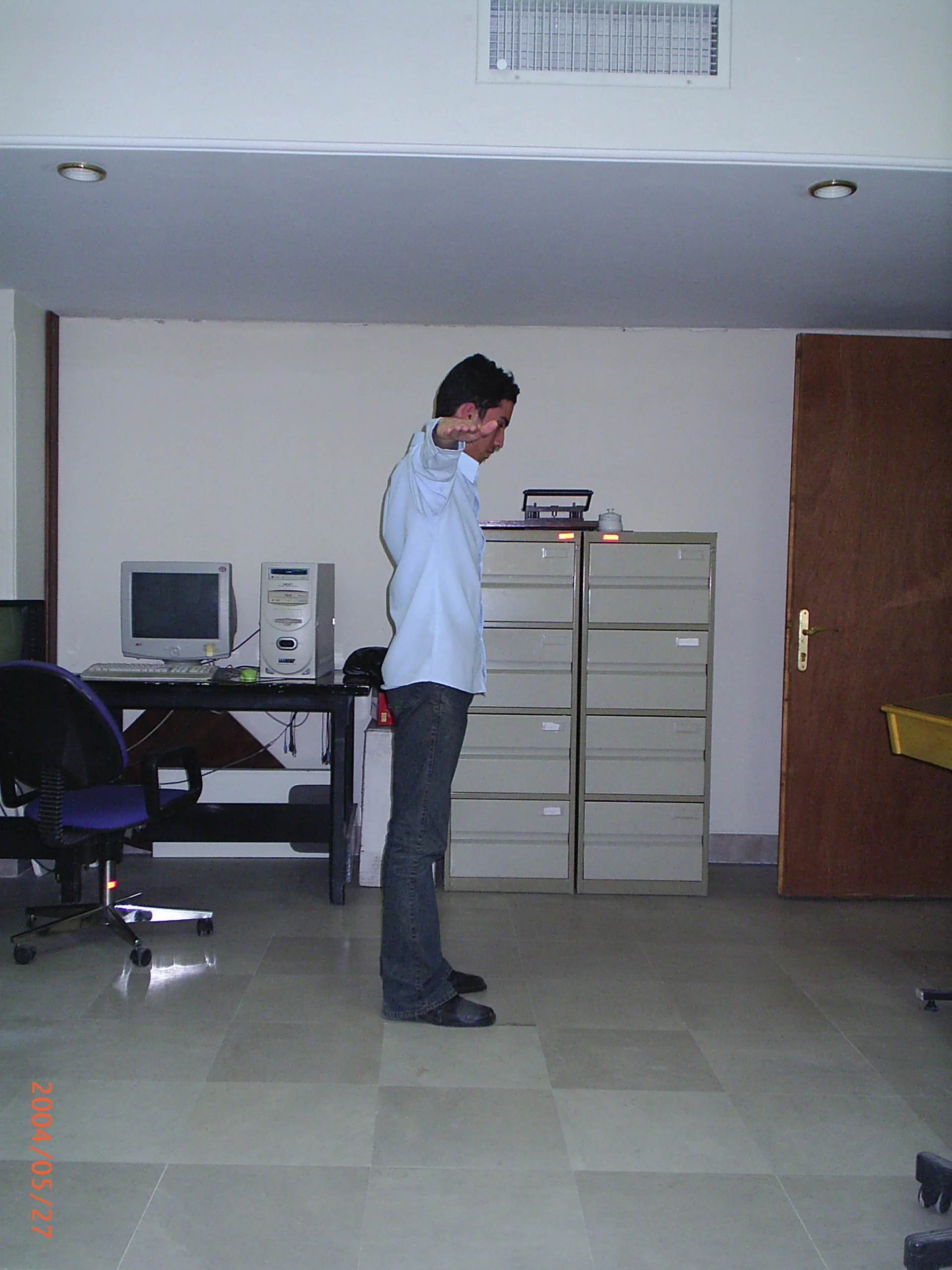
تاریخ این سال 1383 هست. جایی که گرفته شده صداوسیمای ارومیه بود؛ شهری که در آن به دنیا اومدم و سالهای سخت زندگیام رو تا ۲۰ سالگی همونجا گذروندم. از شوق ورود به همچین جای شگفتانگیزی شبها خوابم نمیبرد.
آقای نظامآبادی رو یادمه؛ روی انیمیشنِ «من بدی میفروشم» کار میکرد. دیدنِ یک بچهی تهرانی که توی صداوسیمای ارومیه با نرمافزار تریدیاستودیومکس کار میکرد، برام هیجانی غیرقابل توصیف داشت. توی این عکس، برای مدلسازیِ شخصیتها پوز گرفته بودم تا بتونم تناسبات رو درست دربیارم.
این تصویر برای یک بیننده فقط یک عکس قدیمیه، اما برای من نقطهی شروعِ یه مسیره؛ نوجوانی که هنوز نمیدونست چقدر باید تلاش کنه، ولی از همینجا شروع کرد به ساختنِ چیزی از هیچ؛ فردی بیخبر از همهجا که نمیدونست در سالهای بعد با چه رنجهای بیشتری روبهرو خواهد شد.
This photo is from 2004. It was taken at Urmia's Seda va Sima (the local radio and TV station). Urmia is my home city. I was born there. I lived there until I was 20 years old. Those years were hard. I was so excited to be in this wonderful place. I could not sleep at night.
I remember Mr. Nezamabadi. He worked on an animation called "I Sell Badness." It was amazing to see a boy from Tehran using 3D Studio Max at Urmia's TV station. In this photo, I am posing for character modeling. I wanted to get the body proportions right.
For other people, this is just an old photo. But for me, it is my whole life. In the photo, I am young. I know nothing yet. I do not know how much more pain is coming in the future.
تمام تحقیرها، کتکها و آزارهایی که دیدم، و تلاش برای جبرانِ زندگیای که بههم ریخته بود، باعث شد من و امید از همون سالها کار کردن رو توی ارومیه شروع کنیم؛ از طراحی کارتویزیت گرفته تا کار توی چاپخانهی آقای قندی در خیابان امام ارومیه. شب و روز با اسید و جوهر، توی فضایی سمی و بدون تهویه، برای مبلغ ناچیزی کار میکردیم.
بعدها به تایپیستی روی آوردم. نرمافزار واژهپرداز زرنگار رو هیچوقت فراموش نمیکنم. یه مدت هم شروع کرده بودم به آموزش تریدیاستودیومکس!
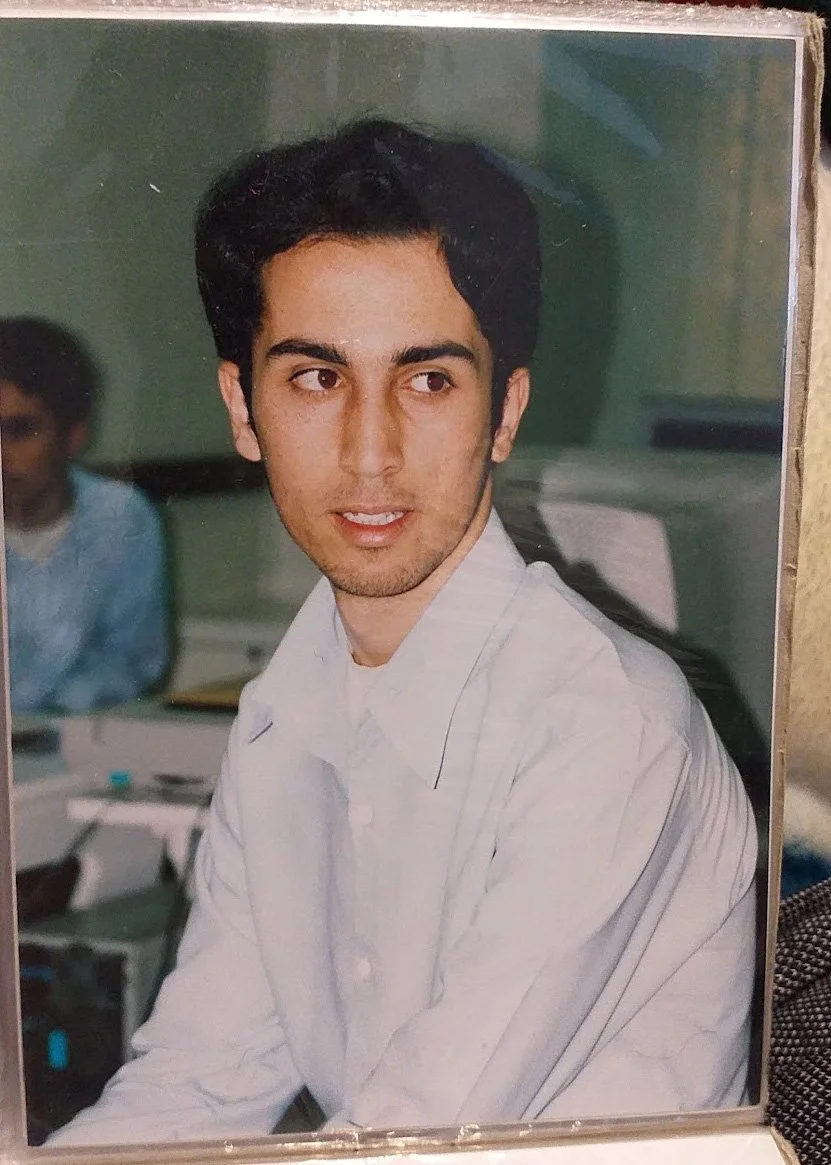
احتمالاً این عکسِ باکیفیت، جایزهیِ من بوده بهخاطرِ مدلسازیِ اون الاغ و درخششم توی وظایفِ دیگه. چقدر هم مو داشتم... یادمه دورانی که کتیرا مالیدن روی مو مد شده بود در ایران. الان دیگه خبری از اون موها نیست :)
This high-quality photo was probably my reward for modeling that donkey and standing out in other tasks. Look how much hair I had... I remember the era when putting katira gel on your hair was trendy in Iran. There's no trace of that hair left now :)
All the humiliation, beatings, and mistreatment I saw, and the effort to fix a life that had been turned upside down, pushed Omid and me to start working in Urmia from those very years — from designing business cards to working at Mr. Ghandi's print shop on Emam Street. Day and night with acid and ink, in a toxic, unventilated space, for almost no pay.
Later, I became a typist. I will never forget the Zarnegar word-processing software. For a while, I also taught 3D Studio Max classes. I had almost no money to start this. Only God knows how I did it!
من و امید واقعاً شب و روز پای کامپیوتر بودیم؛ نه صرفاً چند ساعت در روز، بلکه به معنای واقعی کلمه. اونقدر که گاهی بوی بدنمون بلند میشد. از فرط هیجانِ ساختنِ چیزی در فضای سهبعدی، یا حتی توانایی گذاشتن زیرنویس زیر یک ویدئو و تدوینش با ابزارهای بدوی اون روزها، از خوشحالی توی پوستمون نمیگنجیدیم؛ بیخبر از اینکه چقدر قراره در آینده جان بکنیم تا چرخ زندگی بچرخه، بدون اینکه عموها، عمهها، داییها، خالهها و بقیه بفهمند.
اونموقع هنوز نمیدونستیم چقدر باید تلاش کنیم تا چرخِ زندگی بچرخه، ولی همون شور و اشتیاق بود که بعدها ما رو سرِ پا نگه داشت.
Omid and I spent day and night at the computer. It was not just a few hours a day. It was really all the time. Sometimes we even smelled bad because of this. We were so excited to create things in 3D. We were also excited just to add subtitles to a video and edit it with the simple tools of that time. We were extremely happy. We did not know how hard we would have to work in the future just to survive. Our uncles, aunts, and other relatives never knew about any of this.
At that time, our bodies were still healthy. Our minds were not poisoned yet. And people had not shown their real faces yet...
It was 2004. This was taken at Urmia's state broadcasting station — the city where I was born and where I spent the hard years of my life until I was twenty. I was so excited to be walking into a place like that, I couldn't sleep at night.
I remember Mr. Nezamabadi; he was working on the animation "I Sell Badness." Seeing a kid from Tehran (capital of Iran) who could actually work with 3D Studio Max at the Urmia broadcasting station gave me indescribable excitement.
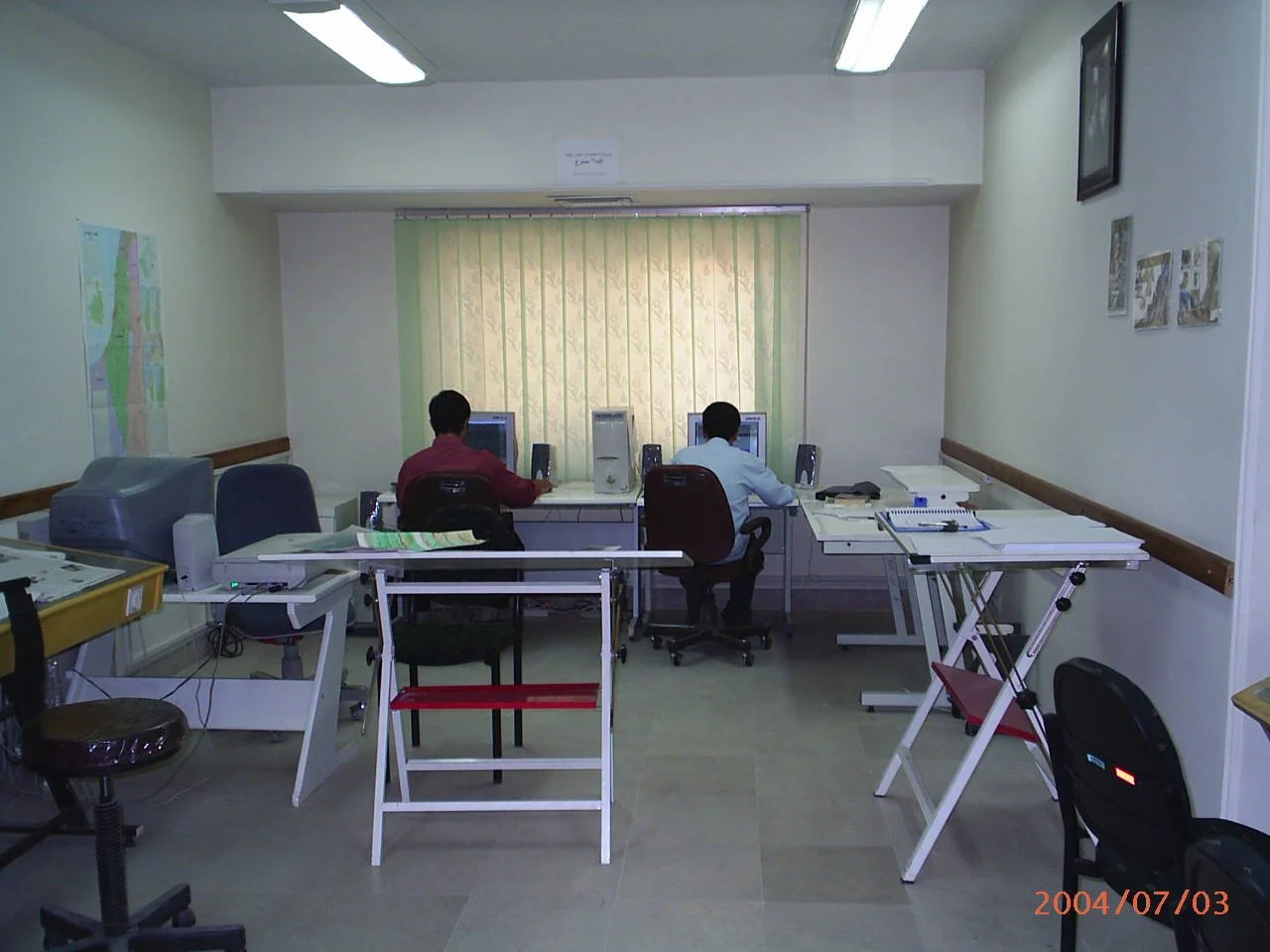
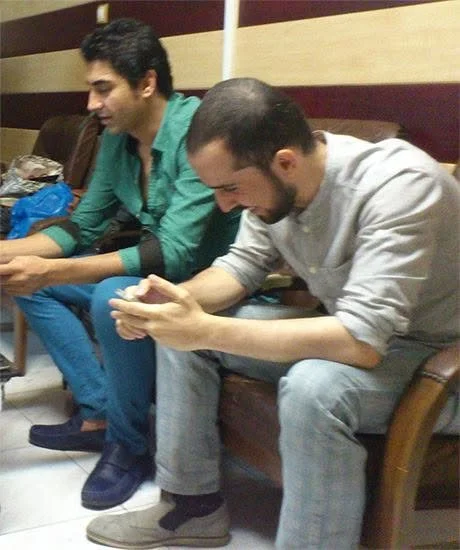
A photo of Omid and Mohammad Saffar تصویری از امید و محمد صفار
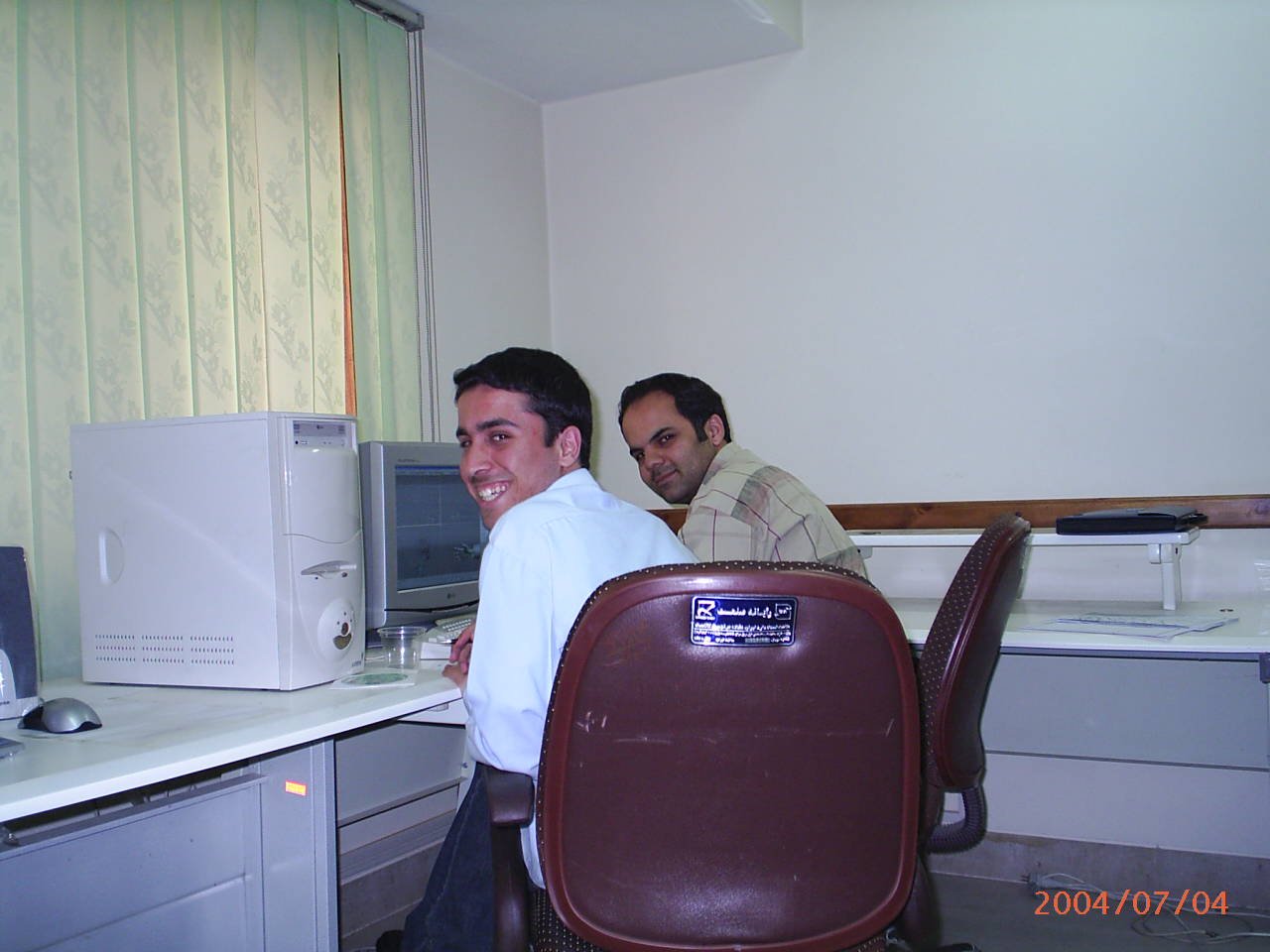
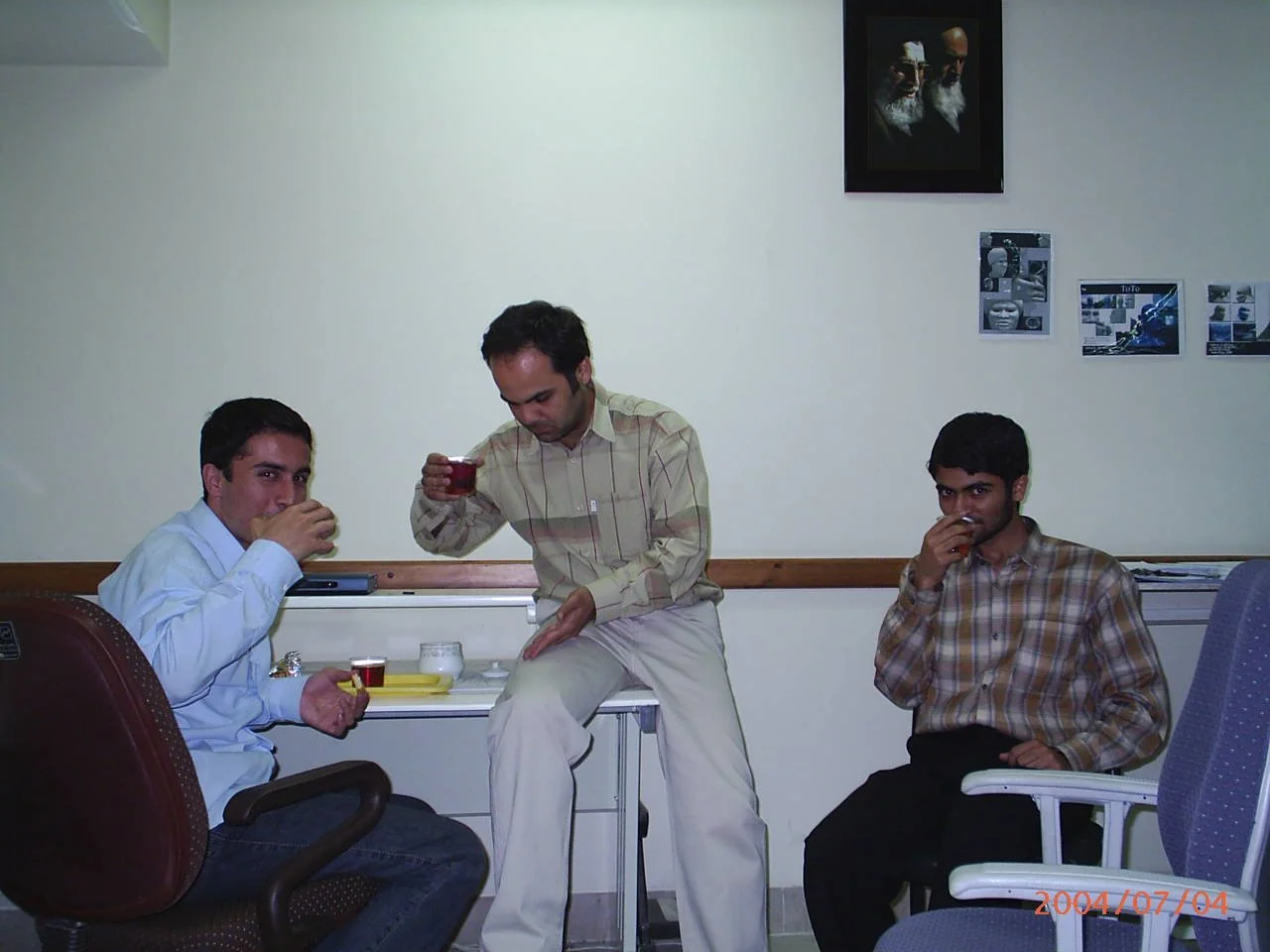
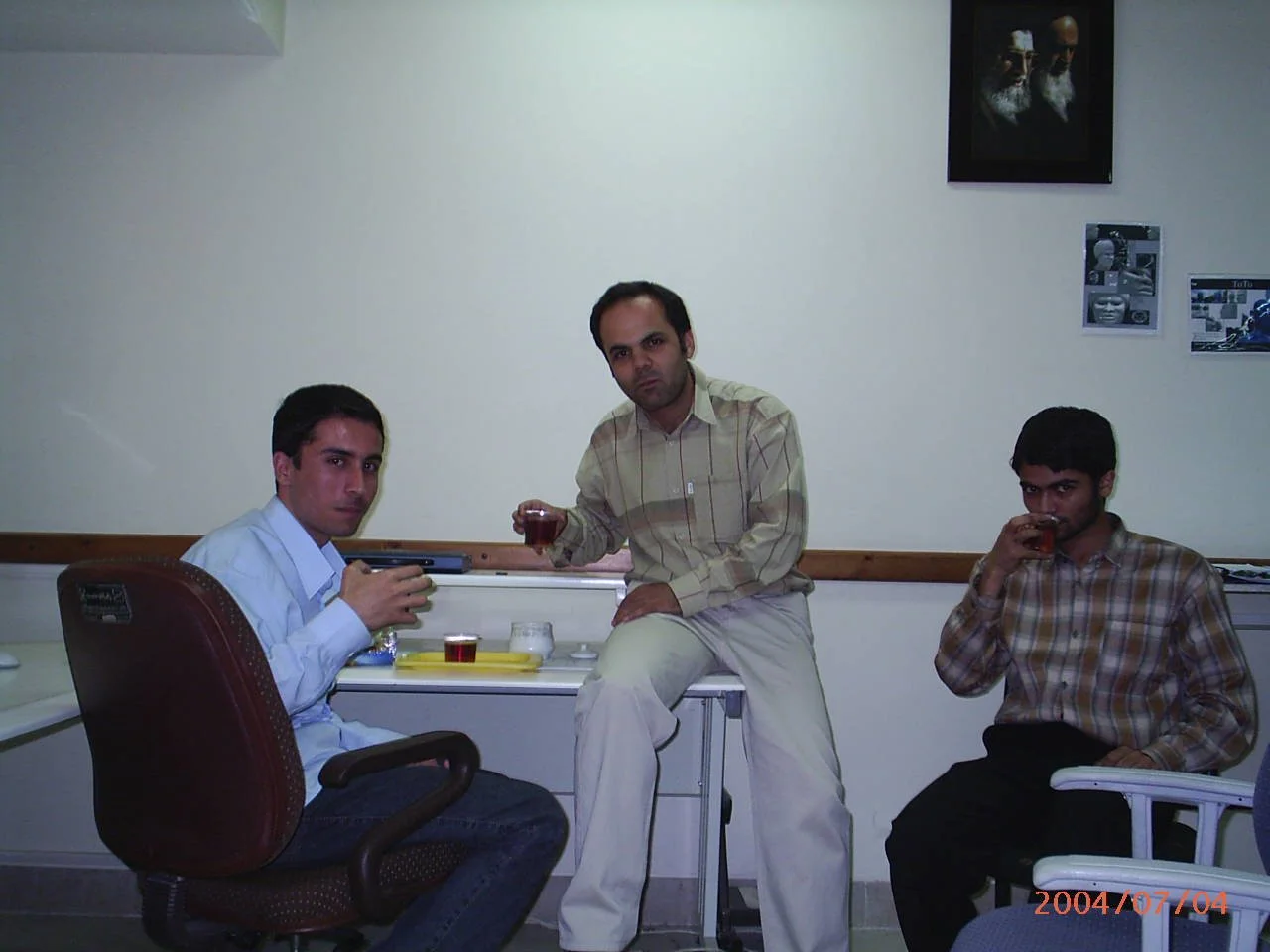
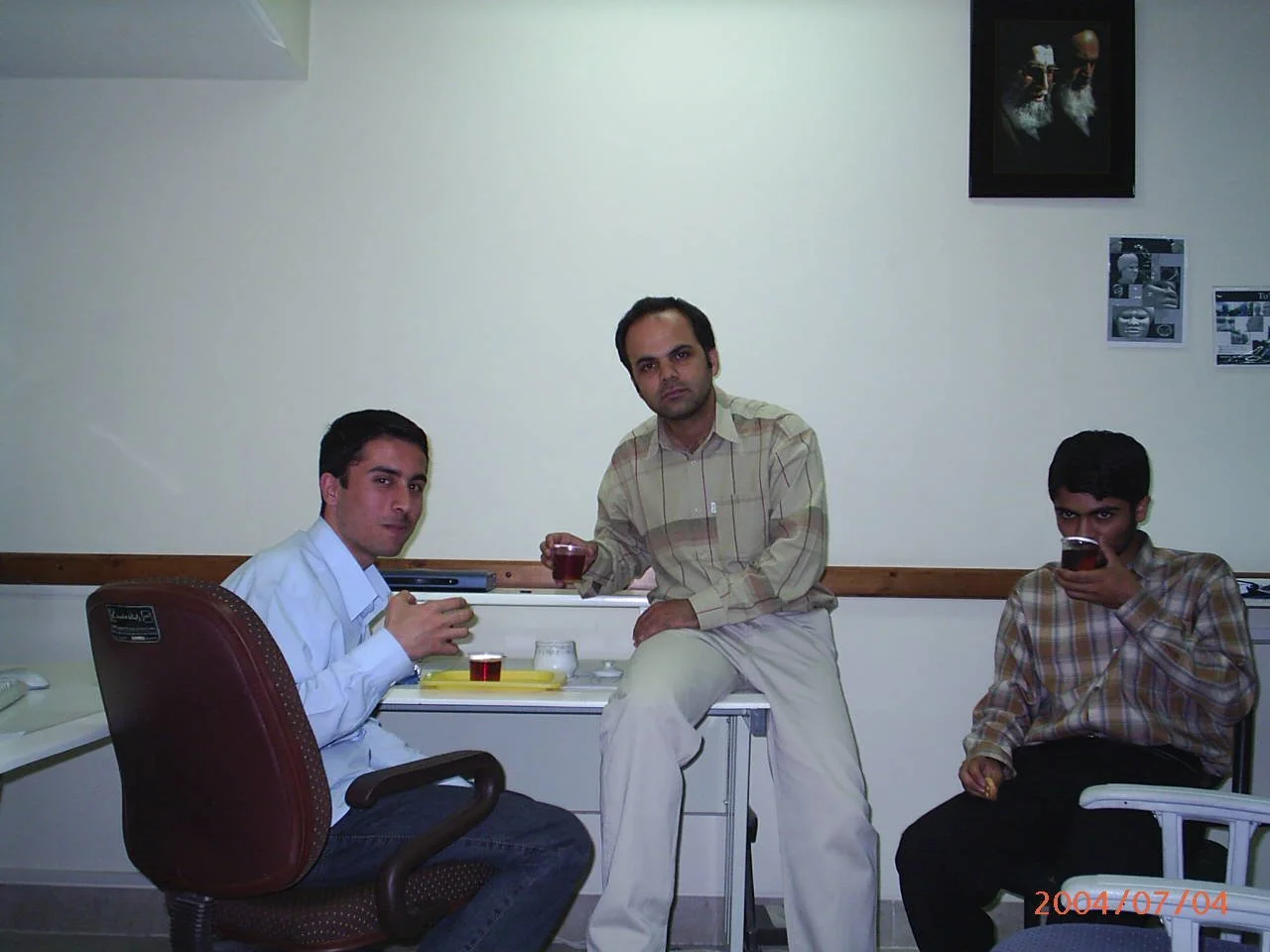
توی این عکسها امید سرش رو برگردونده و داره میخنده. عکس رو من گرفتم؛ دوربین دستِ من بود. دور میز نشسته بودیم و چای میخوردیم، و من هم انگار طبق معمول داشتم دلقکبازی درمیآوردم. اون یکی آقای خلیلزادهست؛ پسری پرتلاش که دقیق یادم نیست توی کدوم بخش کار میکرد.
اگه دقت کنید، روی دیوار توی عکس چند تا مدل دیده میشه که خودم ساخته بودمشون. دقیق یادمه که آقای نظامآبادی تا اون مدلها رو دید باورش نمیشد کارِ من باشه. از همون روز انگار قفلِ مدلسازی سهبعدی برام باز شد و کار ساختِ یک الاغ و آهو رو بهم سپردند. با چه هیجانی شروع کردم به کار روی اون مدل…
In these photos, Omid has turned around and is laughing. I took the picture; I had the camera. We were sitting around the table drinking tea, and as usual, I was apparently clowning around. That's Mr. Khalilzadeh — a hard-working guy, though I don't quite remember which department he worked in.
If you look closely, you can see a few models on the wall in the photo — I'd made those myself. I remember clearly that when Mr. Nezamabadi saw them, he couldn't believe they were my work. From that day on, it was as if a door opened for me in 3D modeling, and I was given the job of making a donkey. The excitement I felt starting on that model…
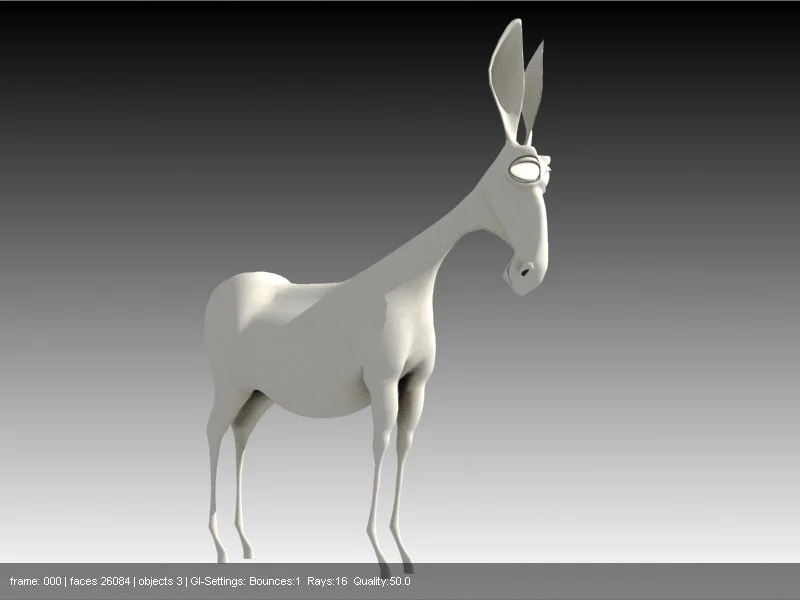
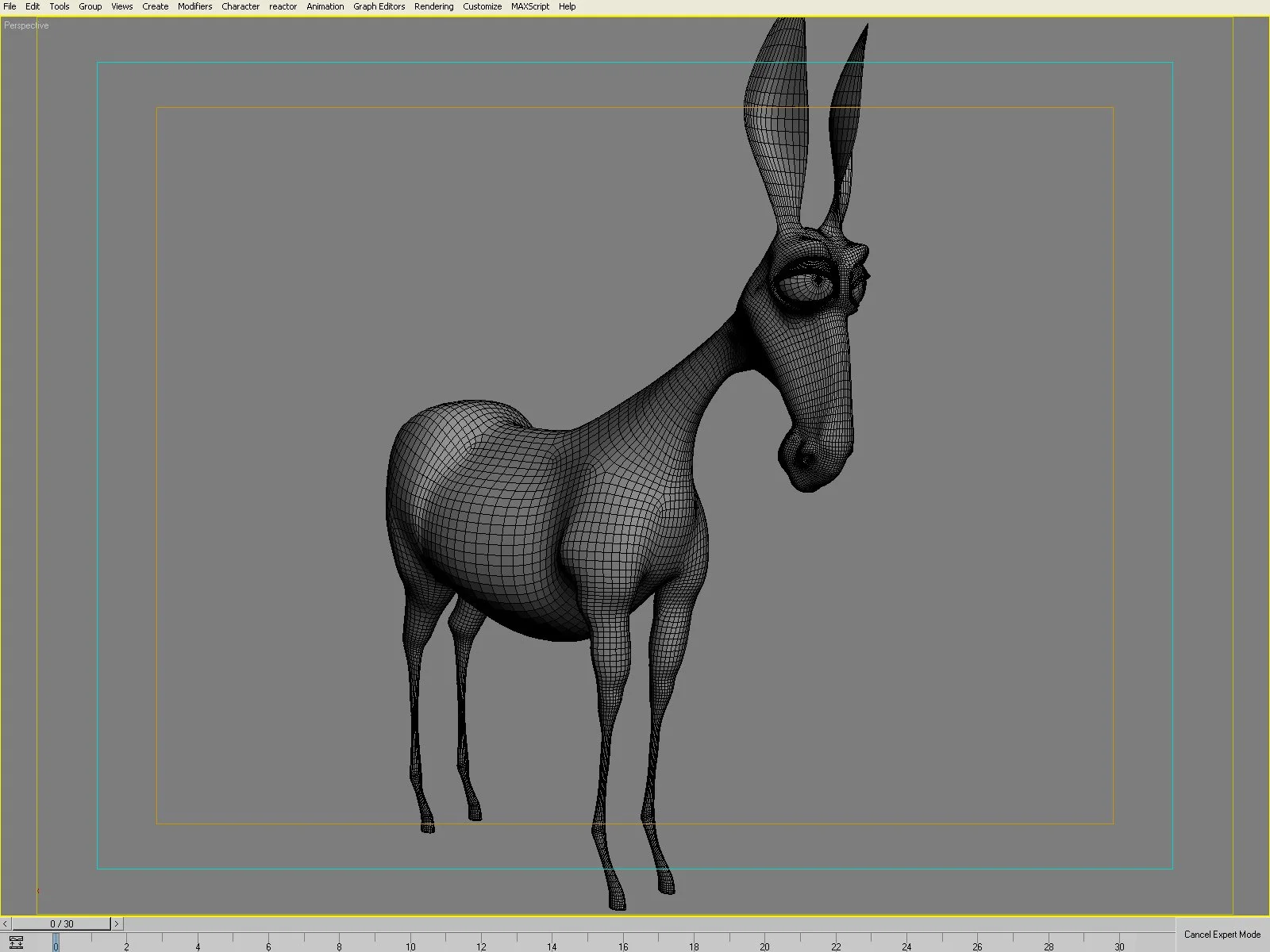
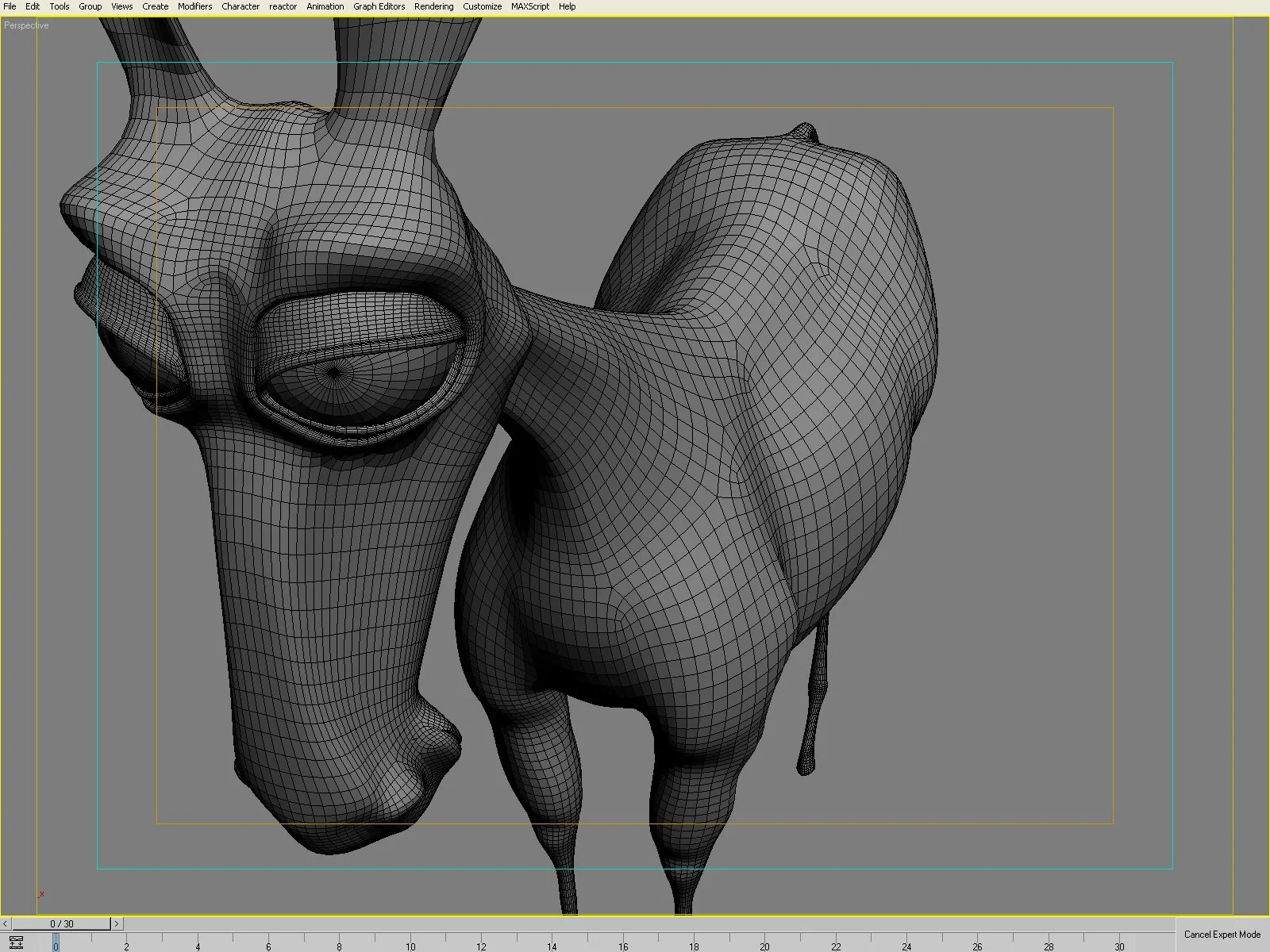
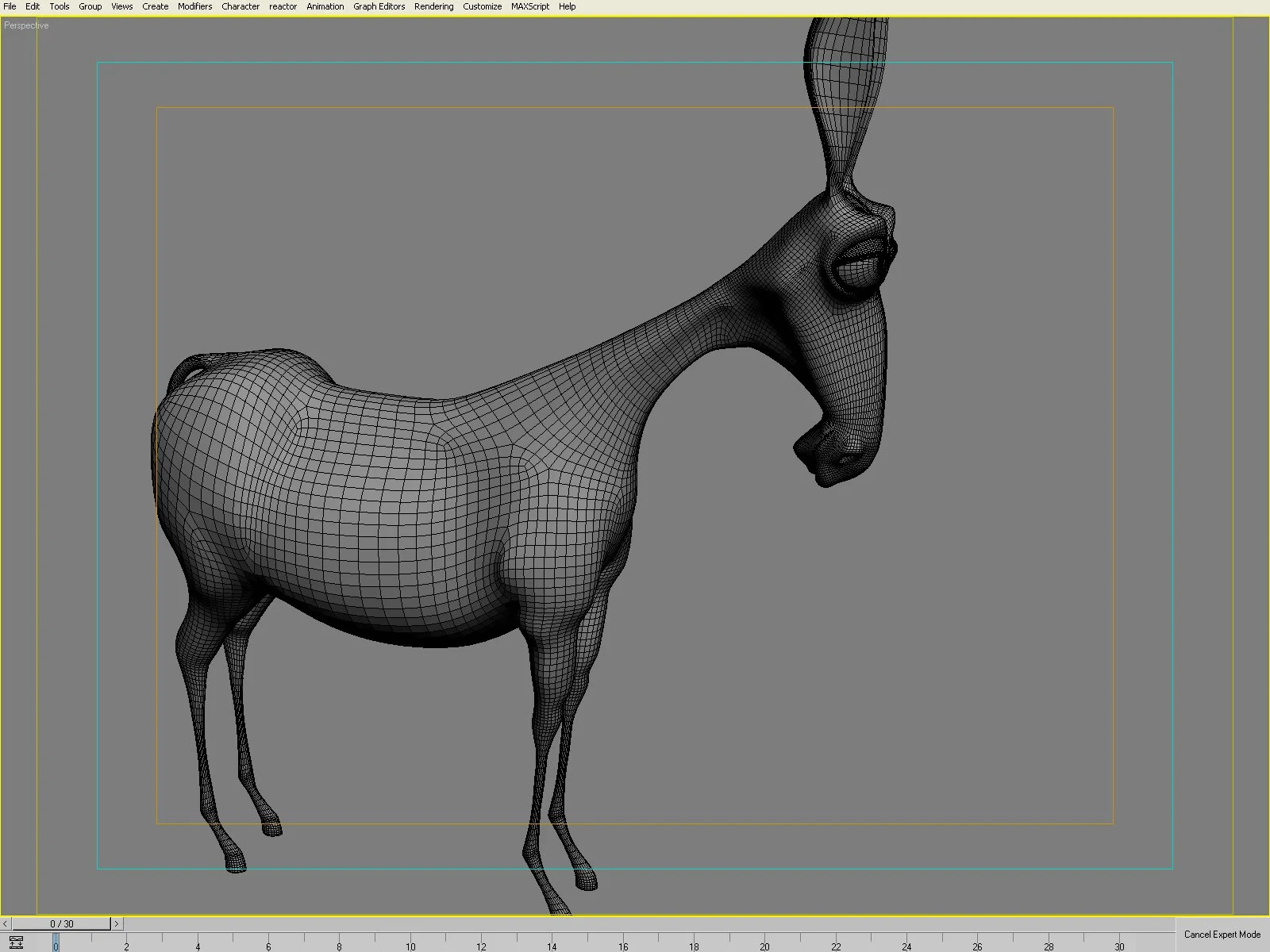
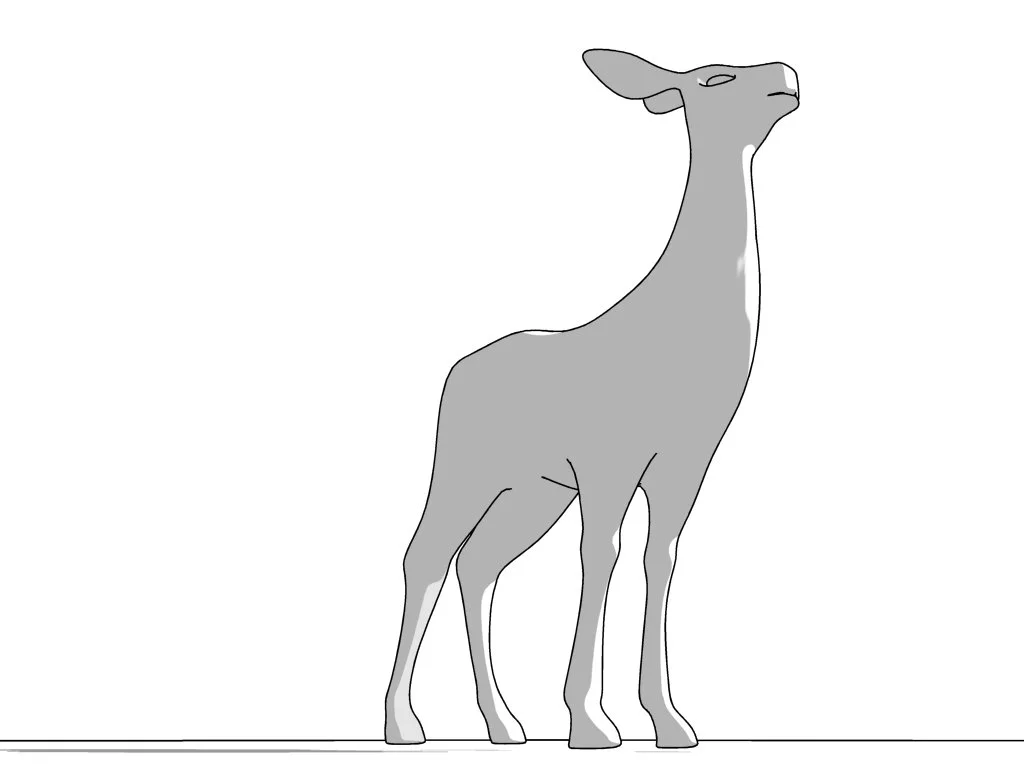
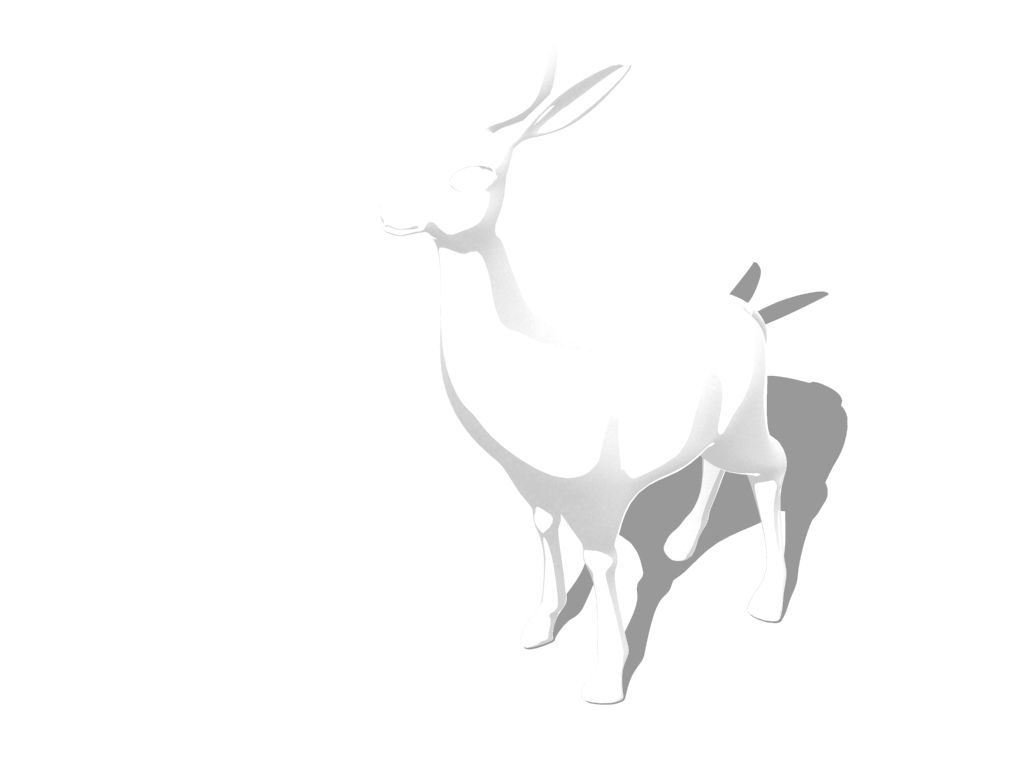
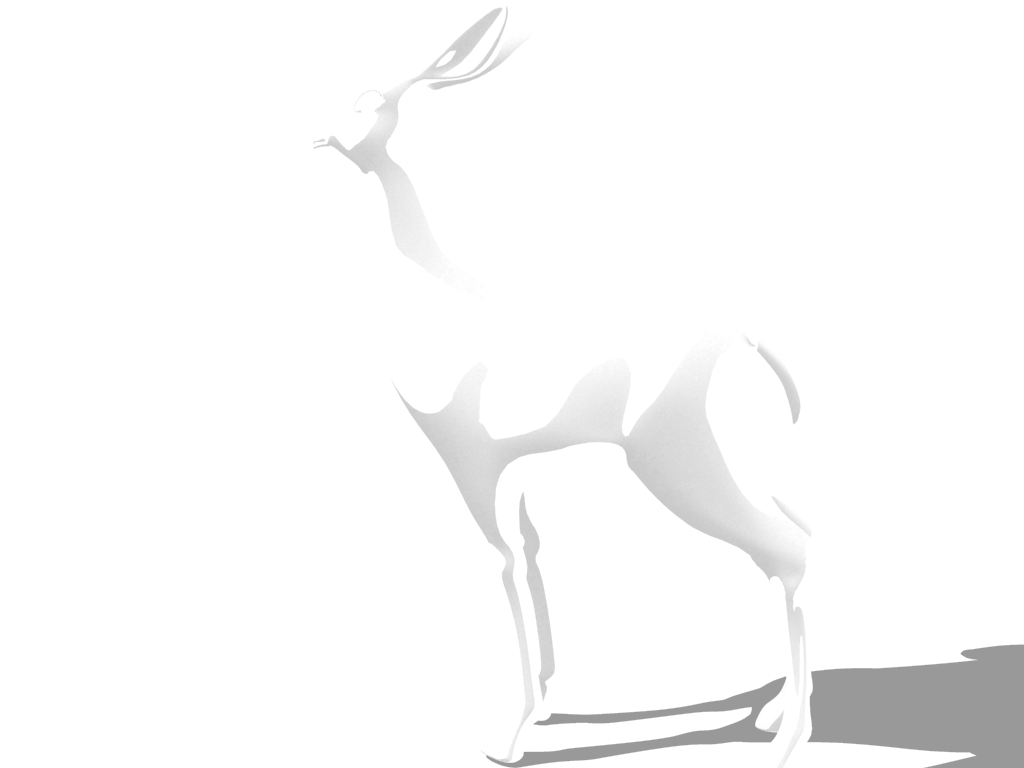
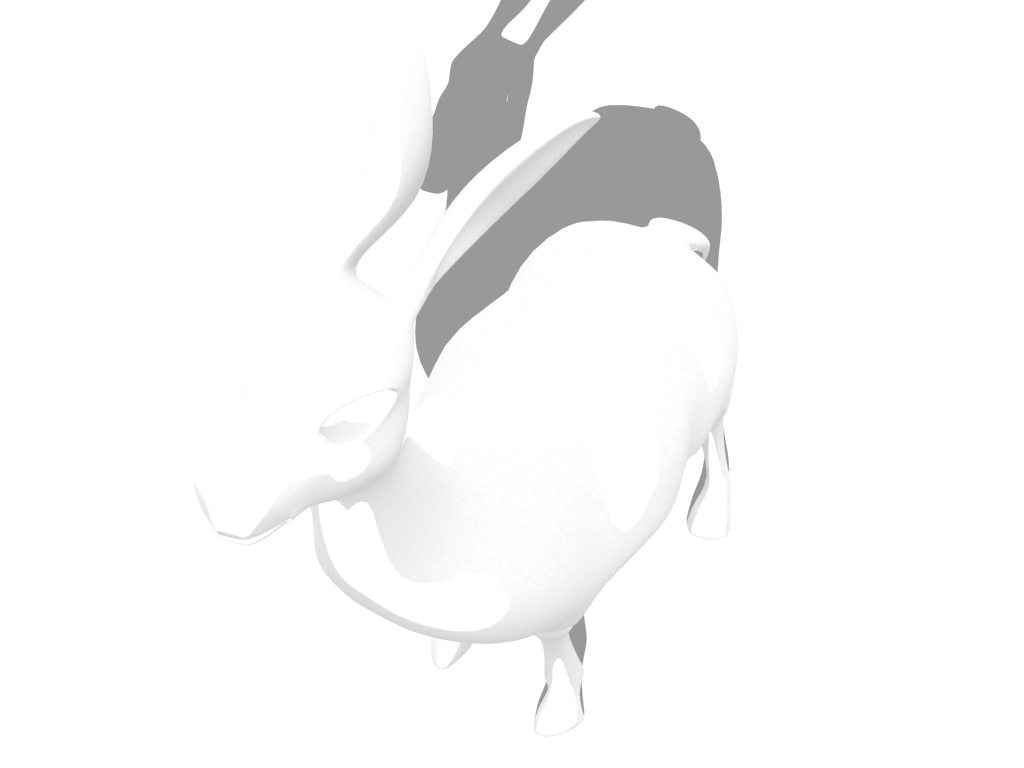
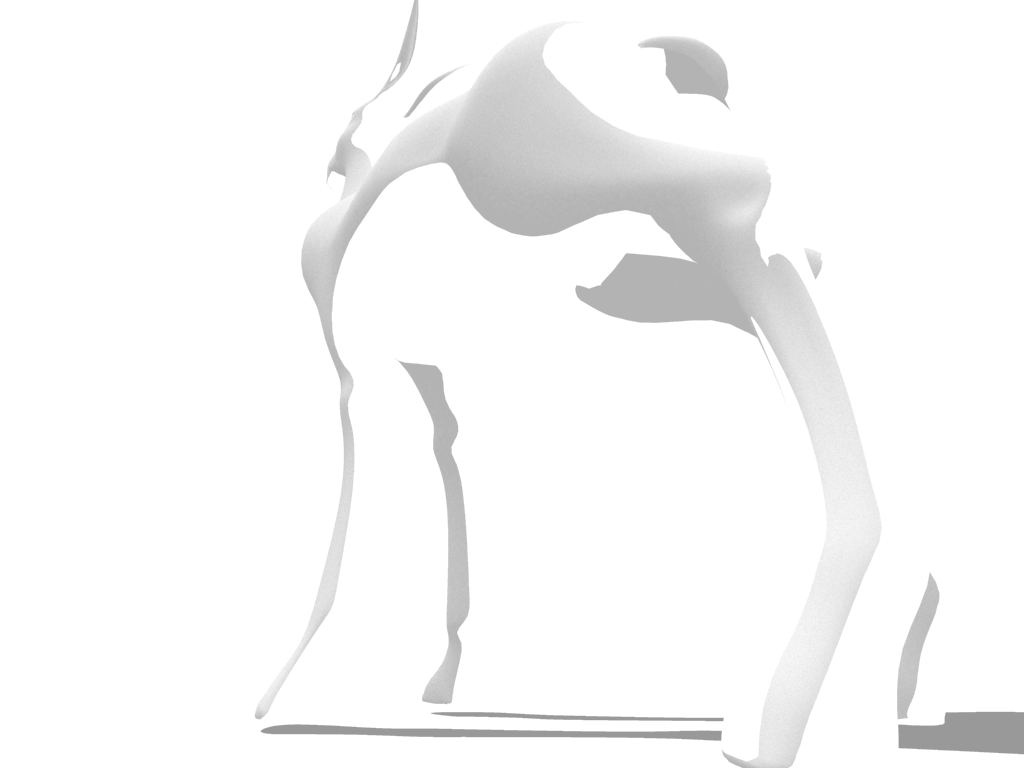
The donkey and Deer I made back then
الان که بهش نگاه میکنم، تازه میفهمم چرا اونقدر روی کارهای هایپولی وقت میذاشتم. با چه افتخاری از صفحه، فولاسکرین اسکرینشات میگرفتم؛ و این الاغ، چقدر توی اون دوران برام راه باز کرد. چقدر شب و روز تلاش کردم تا مدلسازیِ سابدیویژن رو یاد بگیرم و درکش کنم.
Looking at it now, I finally understand why I spent so much time on high-poly work. How proudly I'd take full-screen screenshots of it — and how much that donkey opened doors for me back then. How many days and nights I spent trying to learn and truly understand subdivision modeling.
اون موقعها اینترنت دایلآپ و خیلی کند بود، و زندگی توی یه شهرستان کوچیک که هیچ امکاناتی نداشت، خودش بهتنهایی سخت بود؛ چه برسه به دونستنِ دانش گرافیک کامپیوتری. هیچ کسی نبود که ازش چیزی بپرسیم. با هزار زحمت به اینترنت فیلترشدهی ایران وصل میشدیم و میرفتیم توی همون چند تا سایت اندکِ سهبعدی، ولی چیز زیادی ازشون سر در نمیآوردیم؛ فقط یهسری تصاویر گنگ و جستهگریخته از آموزشهای اچتیامال. انگلیسی هم که کلاً تعطیل بودیم...
Back then, the internet was dial-up. It was very slow. Life in a small town with no good resources was really hard. And we knew nothing about computer graphics. There was no one to ask for help. We connected to Iran's filtered internet with great difficulty. We visited the few 3D websites that existed. But we could not understand them. We only saw confusing pictures from HTML tutorials. And our English? We knew almost nothing at all...
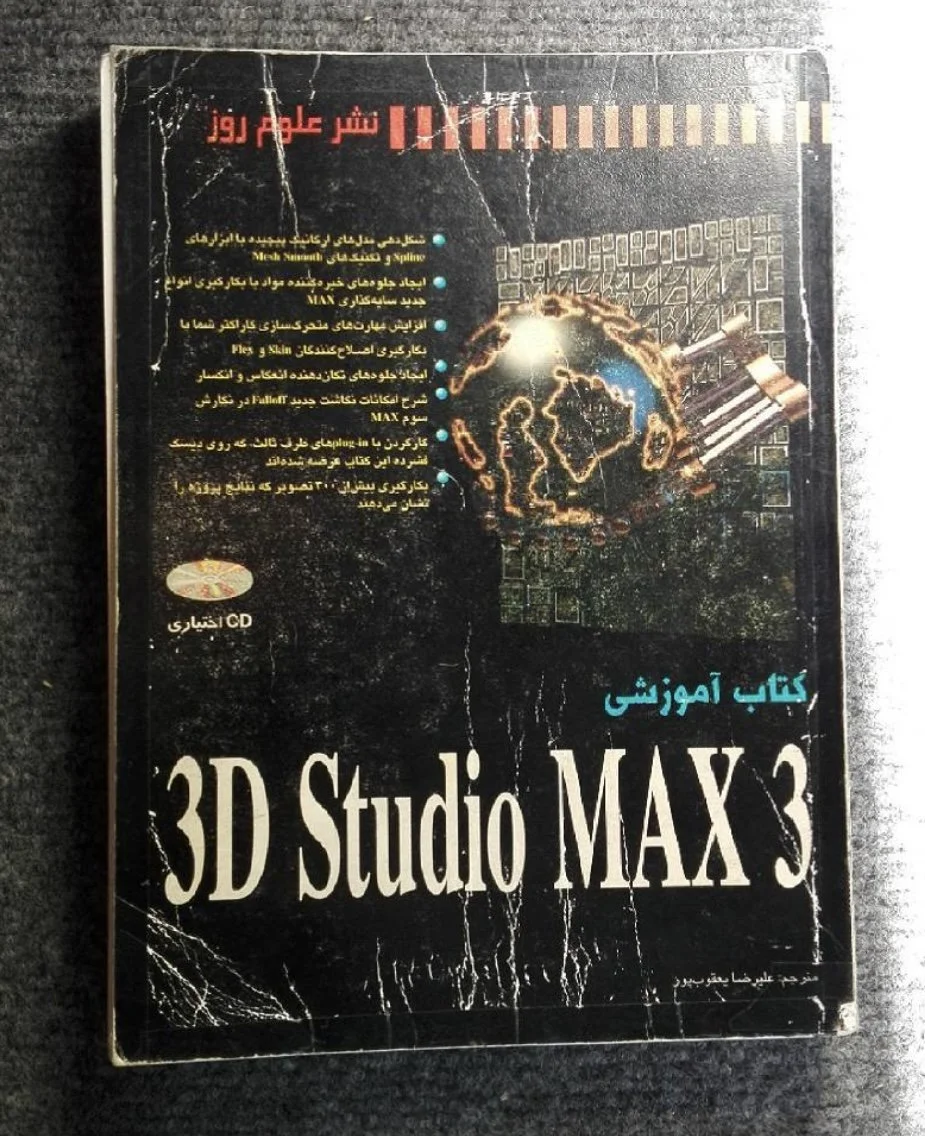
the first book
اولین کتابی که در موردِ مدلسازی و گرافیکِ کامپیوتری خریدیم، همین بود. یادش بهخیر، چقدر تلاش میکردم تا بفهممش، و چقدر توی ترجمه از معادلاتِ فارسی استفاده شده بود که برایِ من اصلاً قابلِ درک نبودن؛ و چقدر مراحل کلی بودن که نمیشد باهاشون کاری کرد!
This was the first book we bought about 3D modeling and computer graphics. Good times — how hard I tried to understand it, and how many Persian equivalents were used in the translation that made absolutely no sense to me, and how vague and general the steps were, to the point where you couldn't actually do anything with them!
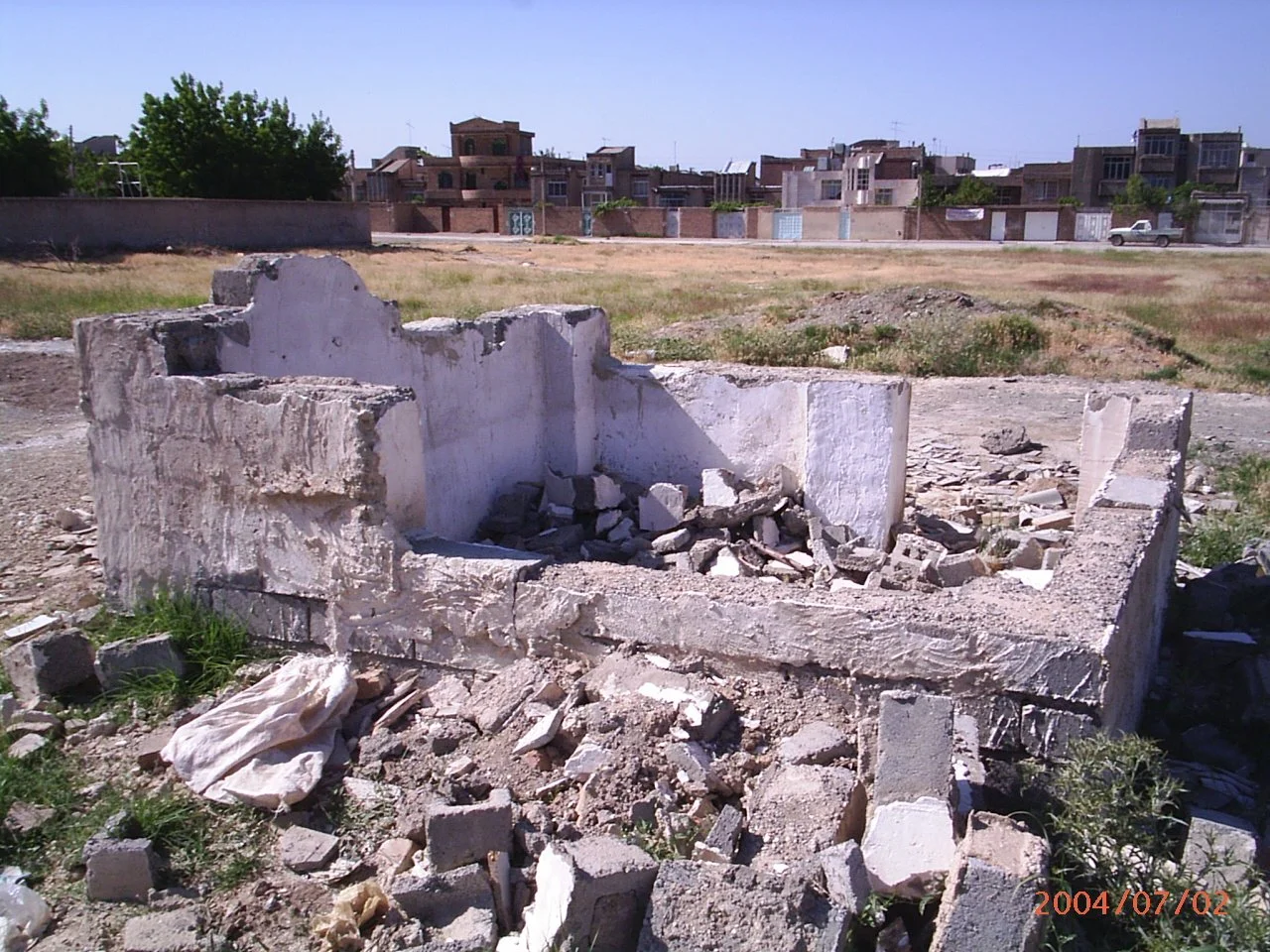
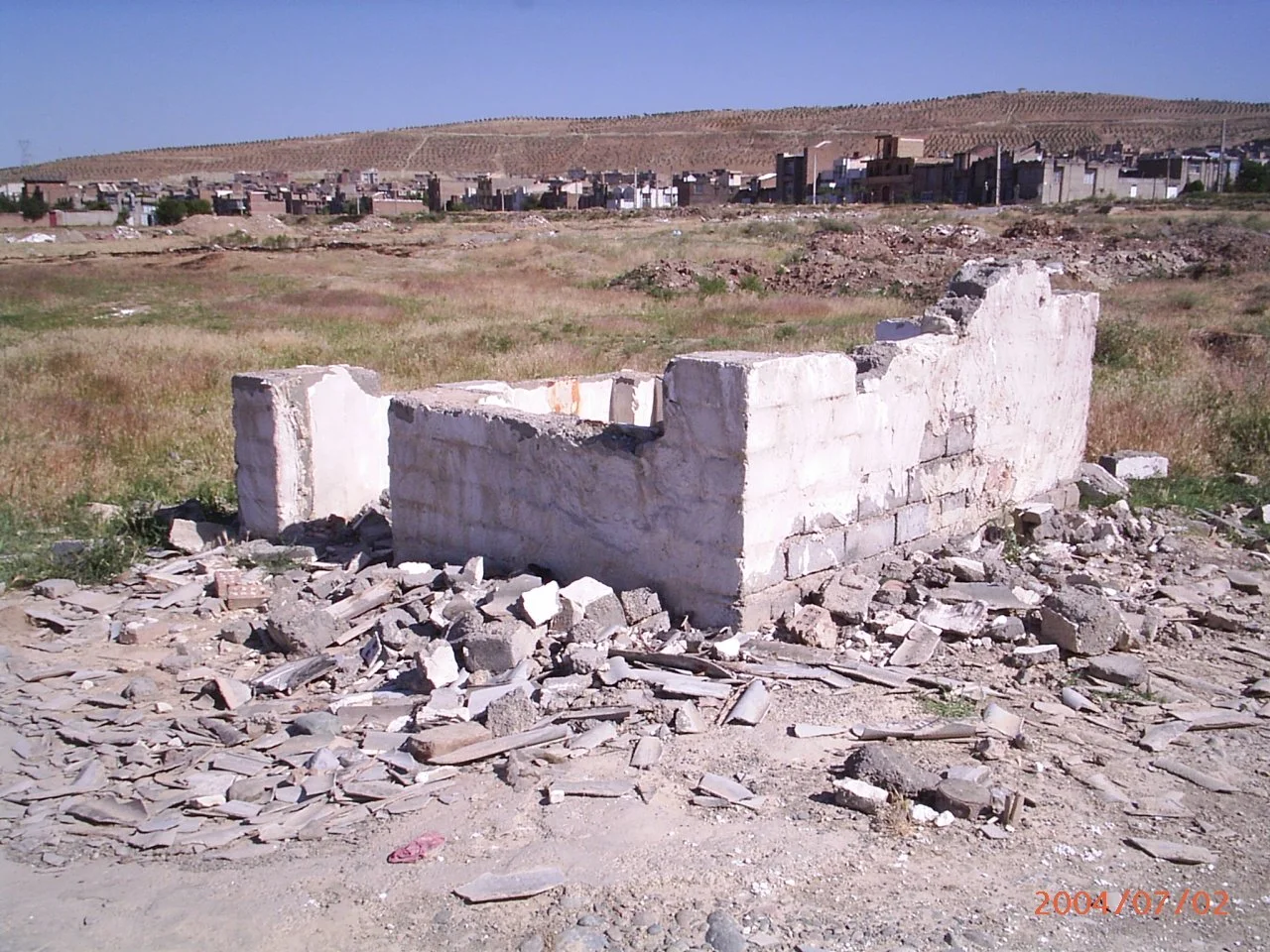
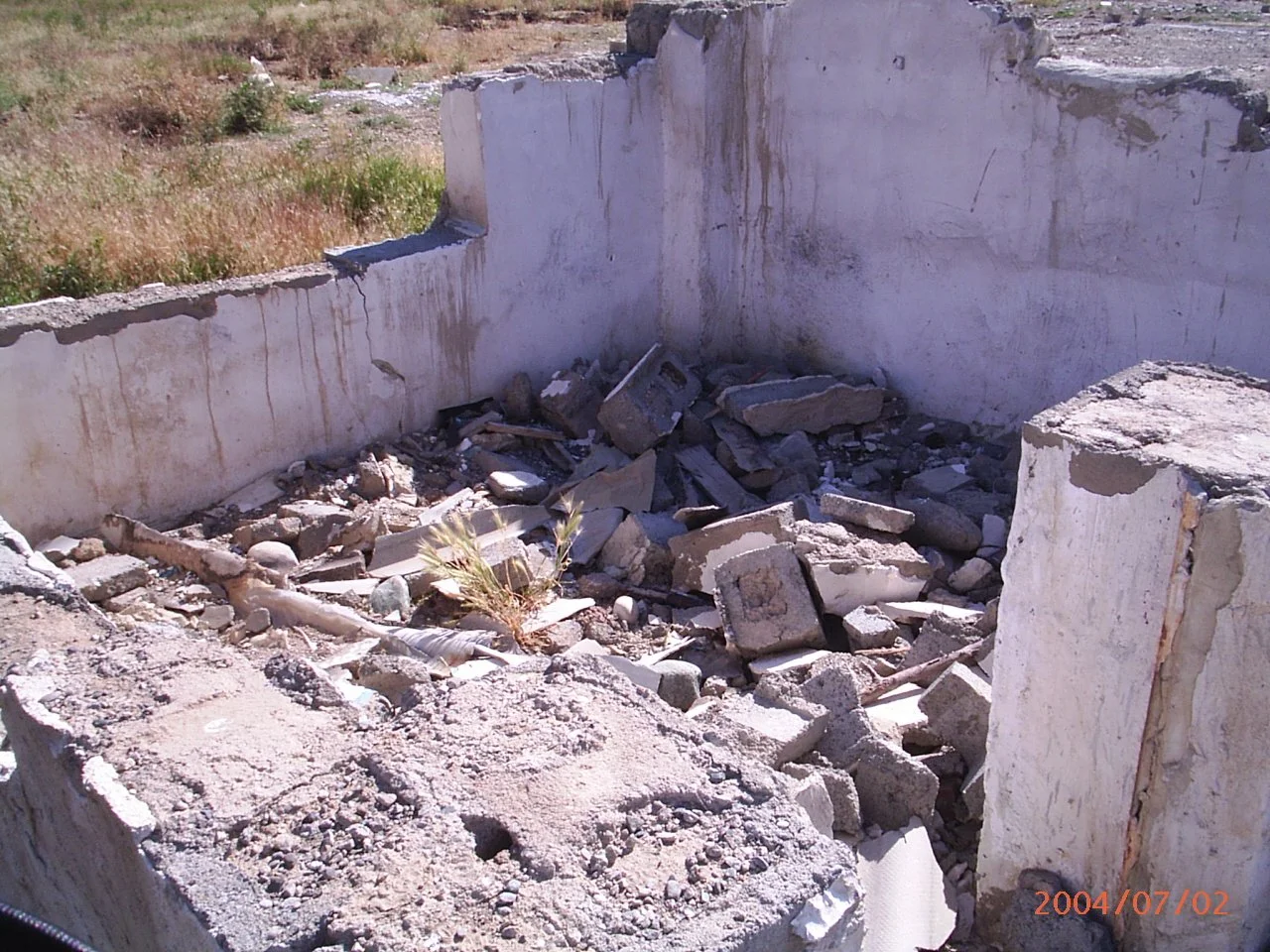
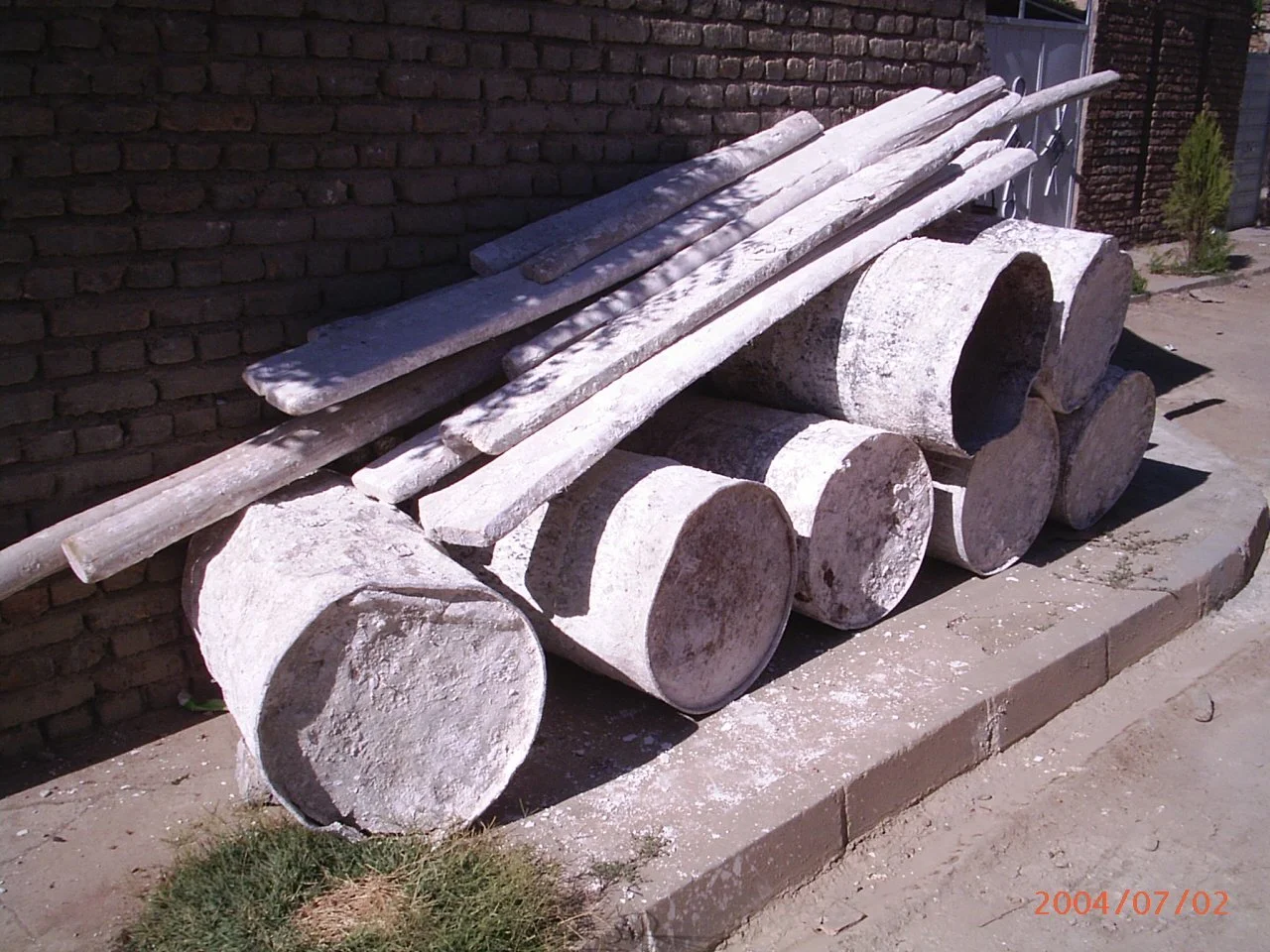
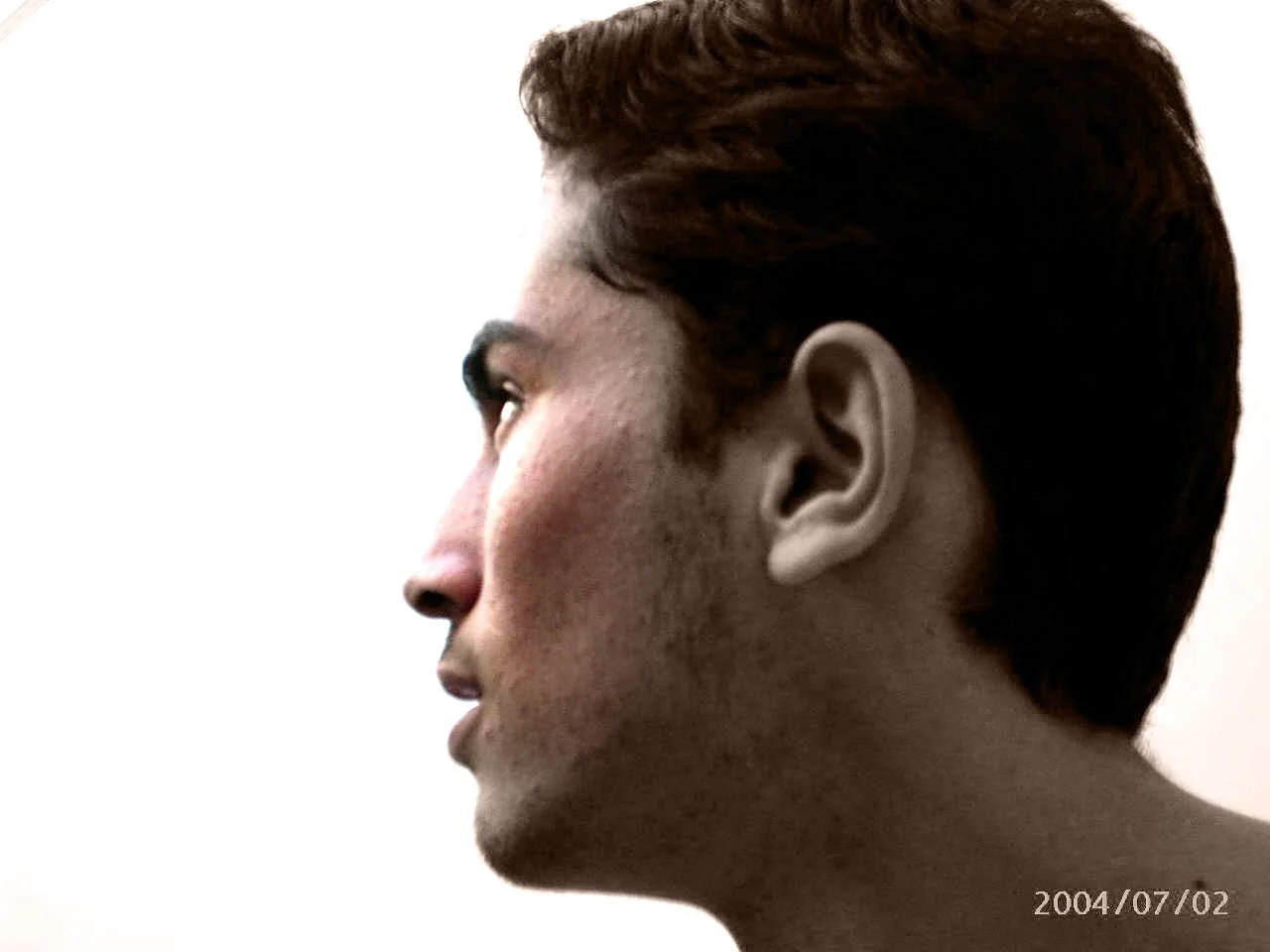
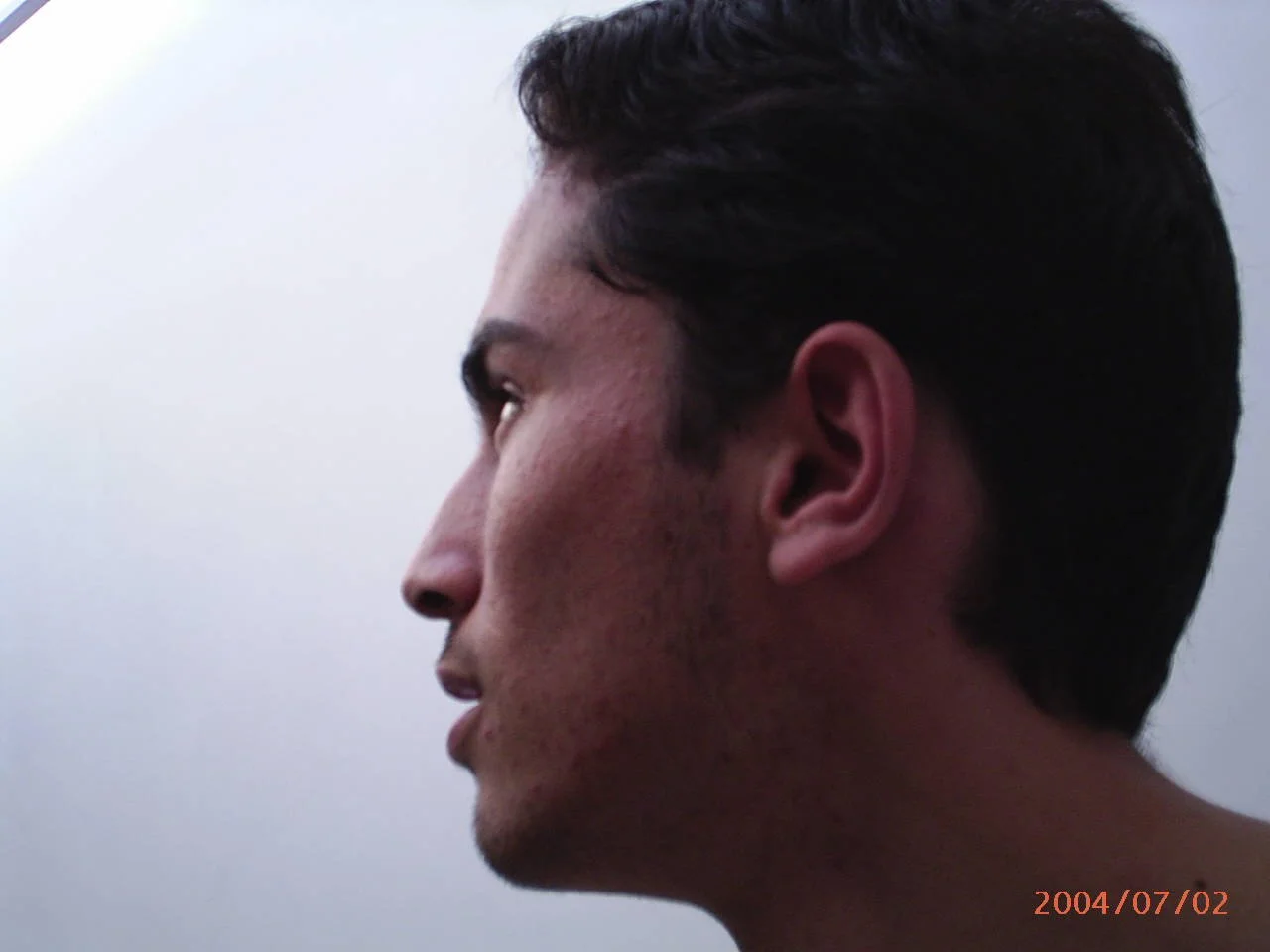
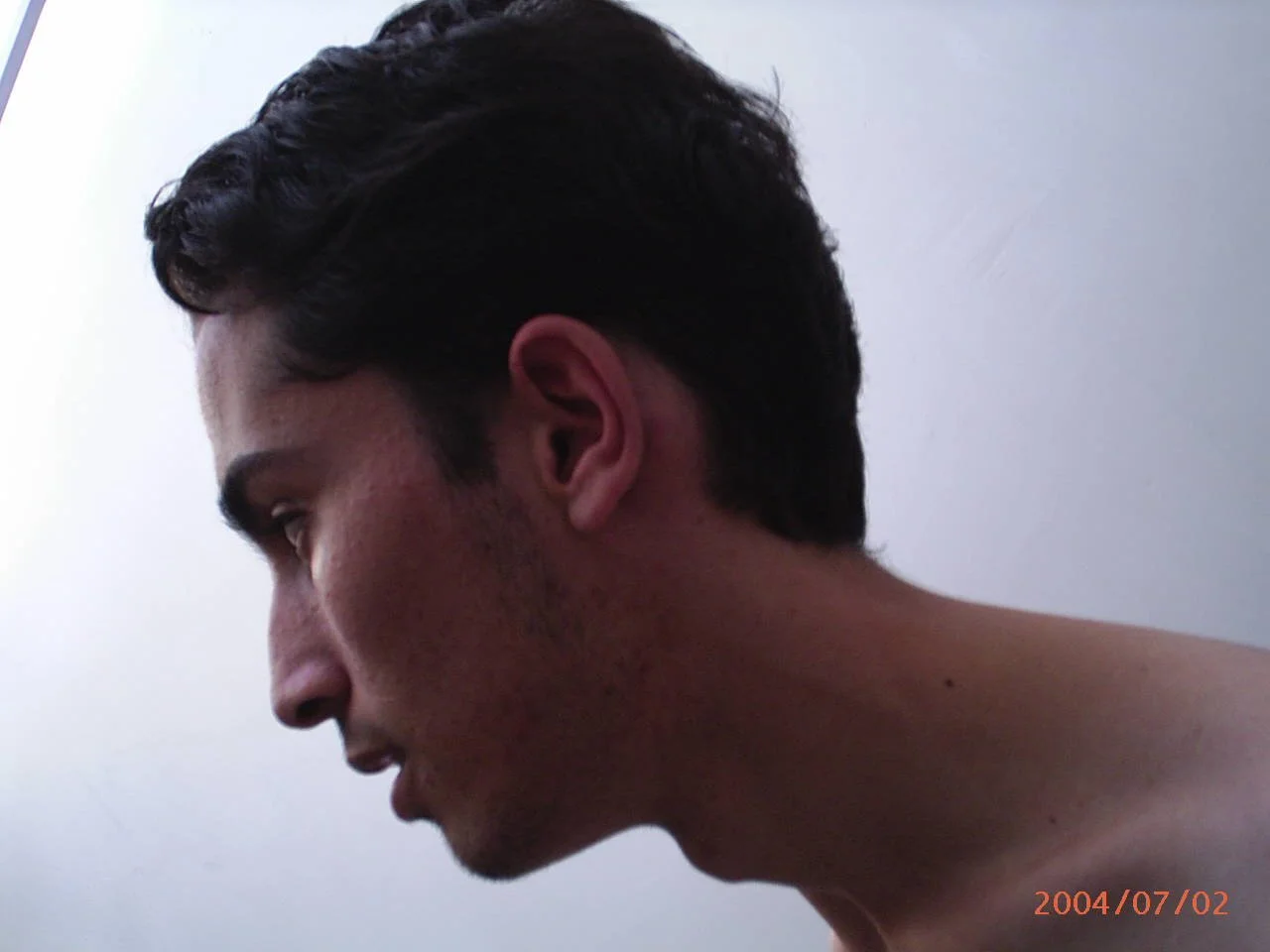
انگار اون دوربینِ آقای نظامآبادی چند روزی دست ما بود؛ اصلاً یادم نیست چطور به دستمون رسید. آدم توی فقر دستوپا بزنه و دوربین هم داشته باشه؟! بههرحال با همون دوربین چند تا عکس از محیط زندگیِ اونموقعمون توی ارومیه گرفتم. یه عکس هم از خودم هست که حتی روم به دوربین نیست. همینجوری هم میشه فهمید چقدر نگاهمون به زندگی عجیب و وارونه بود؛ فقط از طرزِ در دست گرفتنِ دوربین معلومه.
It seems Mr. Nezamabadi's camera was in our hands for a few days — I honestly don't remember how it ended up with us. Struggling in poverty, yet having a camera? Anyway, with that camera I took a few photos of our living environment in Urmia back then. There's also one photo of myself, where I'm not even facing the camera. You can tell just from the way we held it how strange and upside-down our view of life was.
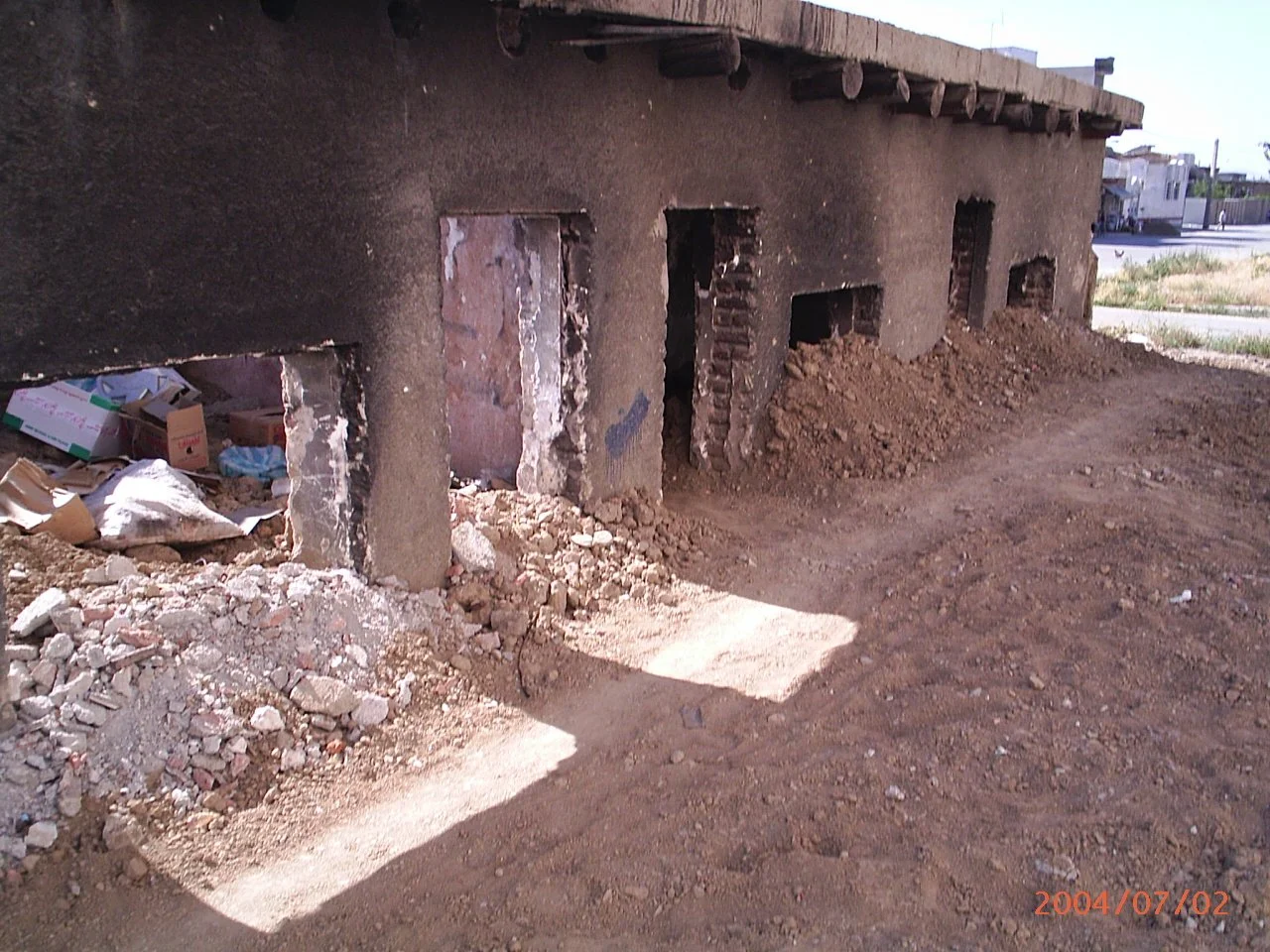
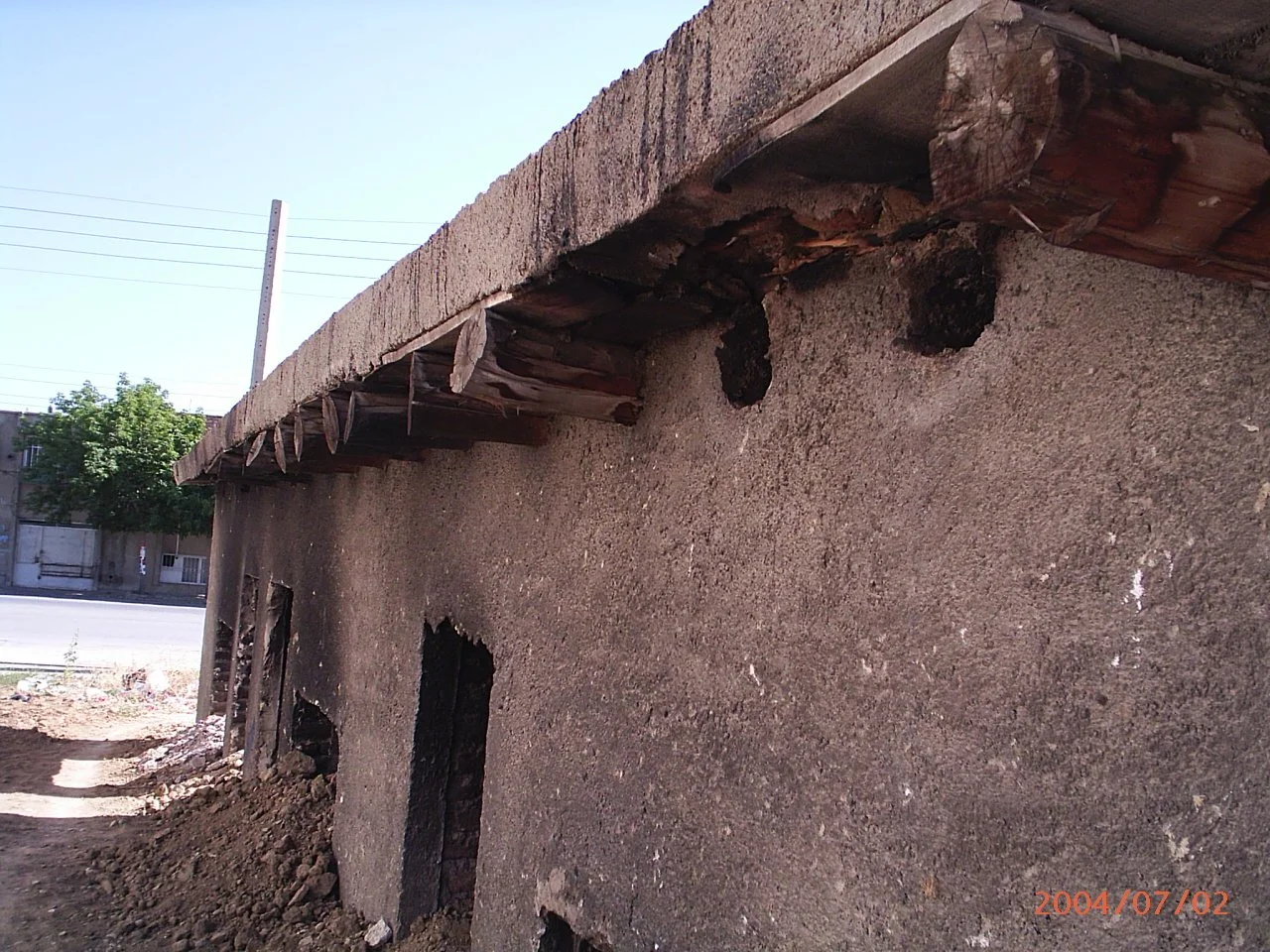
Moving to Tehran
رفتن به تهران
بعد از چند سال جون کندن توی ارومیه -کار توی چاپخونهها، صیقل دادنِ کریستالهای لوستر توی زیرزمینهایی پر از دود سیگار و رطوبت، تا جایی که نوکِ انگشتهامون روی سنگ زبر ساییده میشد؛ بازاریابی برای مغازهها و متر کردنِ تمام خیابونها با پای پیاده، اونقدر که دیگه نای راه رفتن نداشتیم؛ کار بهعنوان تایپیست و مدلساز سهبعدی، و کمی هم معلمی در چند جا که اصلاً یادم نیست پولی هم بابتش میگرفتیم یا نه- بالاخره توی دانشگاه علمیکاربردیِ تهران قبول شدم و اولین سفر و بزرگترین تغییرِ زندگیم شروع شد.
تغییری که برایِ همیشه هویتمون رو شکل داد؛ توی اون دوران، انگار من و امید بهنوعی مسئولِ همهیِ فقر و نداشتهها و بدبختیهایِ خانواده شناخته میشدیم. اونموقع خیلی بچه بودیم که این الگو رو بفهمیم، چون نمیدونستیم بزرگترهامون چه نگاهی به زندگی و به من و امید دارن.
همیشه داستانهایی از بدبختی که با تولدِ من و امید بهوجود اومده بود، از سمتِ خانواده نقل میشد؛ اینکه مجبور بودن سالی چند بار خونه عوض کنن، من و امید خیلی جنبوجوش میکردیم و باعثِ آبروریزی بودیم همیشه، و نباید اینطوری میشد. انگار این من و امید بودیم که خواسته بودیم متولد بشیم و بیایم تا این زجرها رو به پدر و مادرمون بدیم؛ چون هیچوقت از زندگیای که با خواهرم سمیه طی کرده بودن نمیگفتن، و این خودش نشونهی اینه که سهتایی، تا قبل از تولدِ من و امید، از زندگی راضی بودن و محتاجِ کسی نبودن.
The change that permanently shaped our identity: in that period, Omid and I seemed to be held responsible, in some way, for all the family's poverty, lack, and hardship. We were too young back then to understand this pattern, because we didn't know how our elders truly viewed life, or viewed Omid and me.
Stories about the misfortune supposedly caused by Omid's and my birth were always recounted by the family — how they'd had to move house several times a year, how Omid and I were too restless and always an embarrassment, and how it shouldn't have been this way. As if it were Omid and I who had chosen to be born, arriving into the world just to put our parents through this suffering; because they never talked about the life they'd had with my sister Somayeh before us, and that in itself is a sign that the three of them, before Omid and I were born, had been content with life and needed no one.
حالا که بهش فکر میکنم، میفهمم که فقر و ترسِ مزمن از نداری، رفتارِ آدمها رو برایِ همیشه شکل میده. هر وقت صحبتِ استرسِ مالی پیش میاد، یهجور اضطراب و حالتِ دفاعی توی آدم بیدار میشه که تا ابد درگیرش میکنه، بدونِ اینکه خودش هم متوجهش بشه؛ و حتی اگه براش توضیح بدی، اون لحظه گوشش بدهکار نیست. این چیزیه که الان درکش میکنم.
The change that permanently shaped our identity: in that period, Omid and I seemed to be held responsible, in some way, for all the family's poverty, lack, and hardship. We were too young back then to understand this pattern, because we didn't know how our elders truly viewed life, or viewed Omid and me.
Looking back on it now, I understand that poverty and chronic fear of not having enough shape a person's behavior permanently. Whenever the subject of financial stress comes up, a kind of anxiety and defensiveness wakes up in a person that ties them up forever, without them even realizing it — and even if you try to explain it to them, in that moment they simply won't hear it. That's something I understand now.
ما رفتیم و در دانشگاه ثبتنام کردیم؛ شهریه رو دادیم و توی زیرزمینِ خونهی عمو حیدر ساکن شدیم. روزهای سخت و طاقتفرسایی بود. باید با تهرانِ دهمیلیوننفری خو میگرفتیم؛ مسیرها رو یاد میگرفتیم و فارسی حرف زدن رو تمرین میکردیم، چون توی ارومیه به ترکیِ آذری صحبت میکردیم.
بعد ازیکی دو ماه خواهرم زنگ می زد و گریه میکرد که پدرم زیرِ بارِ فشارِ مالی نمیتونه خرجمون رو در بیاره. میگفت از شدت کار کردن رنگ صورت بابا بنفش میشه و خواهرم گریه میکرد. پدرم در تراکتورسازی ارومیه کار می کرد. من و امید از ترس و استیصال، تمرکزمون رو روی درس و دانشگاه از دست دادیم و شب و روز دنبال کار میگشتیم؛ تا اینکه یک روز از طریق آگهی با آقای بهرام ارجمندنیا آشنا شدیم که برای تکمیل تیمِ انیمیشنشون نیرو میخواستن. رفتیم و نمونهکارهامون رو نشون دادیم؛ همونجا بود که با مرحوم آقای محمد ابوالحسنی هم آشنا شدیم. همه جوون بودیم؛ من و امید ۲۰ ساله. اولین حقوقمون خیلی میچسبید و با تمامِ وجود کار میکردیم؛ هرچی درمیآوردیم، بدون کوچکترین توقعی، به پدرمون میدادیم.
We went and enrolled at the university, paid the tuition, and moved into the basement of my uncle Heydar's house. Those were hard, exhausting days. We had to adjust to a Tehran of ten million people — learning our way around, practicing our Persian, since back in Urmia we spoke Azerbaijani Turkish.
After a few months, my sister would call and cry, telling us that our father couldn't keep up financially. Dad's face would turn purple because of the burden. Out of fear and desperation, Omid and I lost our focus on our studies for good and spent our days and nights hunting for work — until one day we found an ad and met Mr. Bahram Arjmandnia, who needed people to round out his animation team. We went in, showed our portfolios, and that's also where we met the late Mr. Mohammad Abolhasani. We were all young — Omid and I were twenty. Our first paychecks meant the world to us, and we worked with everything we had; whatever we earned, we handed straight to our father, expecting nothing in return.
ماهها گذشت و کمکم آقای ابوالحسنی تبدیل شد به یکی از شناختهشدهترین چهرههای عرصهی مدیا و انیمیشن ایران؛ پروژه پشتِ پروژه توی دفترِ فرمانیه کار میساختیم. اول توی خیابان شریعتی بودیم و بعد از یک سال رفتیم فرمانیه.
Months passed, and Mr. Abolhasani gradually became one of the most recognized names in Iranian media and animation; we worked project after project out of the office in Farmanieh. We'd started on Shariati Street, then moved to Farmanieh after a year.
من و امید خیلی تحت فشار بودیم؛ چند سال توی زیرزمینِ خونهیِ عمو حیدر زندگی کردیم. من گریه میکردم؛ تحملِ اونهمه فشار برام خیلی سخت بود. (الان فکر میکنم و پیشِ خودم میگم کاش گریه نمیکردم، و کاش یاد میگرفتم چطور در تنهایی روی پایِ خودم بایستم.) تصمیم گرفته شد که خونهای رو که پدر و مادرم آجربهآجر و با بدبختی ساخته بودن بفروشن و بیان تهران. و شالودهیِ جملهیِ «ما خونمونو بهخاطرِ شما فروختیم، اومدیم تهران» برایِ تقریباً بیست سالِ آینده بنیانگذاری شد؛ و در هر شرایط و هر بهانهای، این جمله را بههمراهِ «ما خونمونو بهخاطرِ شما فروختیم اومدیم که حالا فلانگه رو بخورید؟» میشنیدیم و زیرِ بارش له میشدیم... که یه روز پدرم به من گفت: «مگه تو نبودی که گفتی خونه رو بفروشید بیاید تهران؟»
Omid and I were under a lot of pressure; we lived in uncle Heydar's basement for several years. I would cry; bearing all that pressure was very hard for me. (Looking back now, I think to myself I wish I hadn't cried, and I wish I'd learned how to stand on my own two feet in solitude.) The decision was made to sell the house my parents had built brick by brick, with such hardship, and move to Tehran. And that's when the foundation of the sentence "we sold our house because of you and came to Tehran" was laid, for roughly the next twenty years; in every situation and over every excuse, we'd hear that sentence, along with "we sold our house because of you, and now you are going to DO THIS and THAT…?" — and we'd be crushed under its weight... until one day my father said to me: "Wasn't it you who said to sell the house and come to Tehran?"
اگه عقلِ الانم رو اونموقع داشتم، احتمالاً اجازه نمیدادم این اتفاق همونجوری پیش بره؛ چون حالا که نگاه میکنم، میبینم ریشهیِ خیلی از مشکلاتِ بعدی، دقیقاً از همونجا شروع شد که ما بدونِ هیچ مرزی، تمامِ درآمدمون رو میدادیم. اونموقع فکر میکردم این یعنی عشق و سخاوت، ولی الان میدونم که سخاوتِ بدونِ مرز، بعضی وقتها بهجایِ اینکه رابطه رو حفظ کنه، زمینهیِ سوءِتفاهم و نارضایتیِ بیپایان رو هم فراهم میکنه.
If I'd had the mind I have now back then, I probably wouldn't have let it unfold the way it did; because looking back, I can see that a lot of the disrespect and problems that followed trace back to that exact point — us handing over our entire income with no boundaries at all. At the time I thought that was what love and generosity meant, but now I know that generosity without boundaries can sometimes, instead of preserving a relationship, lay the groundwork for endless misunderstanding and dissatisfaction.
هجده سال بعد، وقتی خواهرم فروشگاهِ آنلاینِ لوازمآرایشی راه انداخت و اصلاً و ابداً از درآمد و هزینههاش چیزی به من و امید نمیگفت — و هنوز هم نمیگه — تازه دوزاریم افتاد: ای دلِ غافل، چرا اینهمه سال من و امید همهچیزمون رو دادیم و از ترس، جرأتِ حرف زدن نداشتیم؟
یادِ کتکهایِ پدرم افتادم؛ سیلیهایی که میزد و من و امید رو میکوبید به دیوار؛ کتکهایی که بویِ خون توی مغزمون میپیچید، خودمون رو خیس میکردیم و التماس میکردیم: «باباااا، تو رو خدا نزن، مگه ما چیکار کردیم؟ باباااا بیا حرف بزنیم، بیا توضیح بدیم... باباااا، ماماااان، تو رو خدا نذارید بزنه، تو رو خدا...»
حرف؟ منطق؟ با چه کسی؟
Eighteen years later, when my sister started her online makeup shop and told Omid and me absolutely nothing about her income or expenses — and still doesn't — it finally clicked for me: how naive I'd been, why had Omid and I given up everything all those years and never dared to speak up, out of fear?
I understood that when your power doesn't reach beyond the walls of your own house, you dump your dissatisfaction with life onto your wife and kids — not your daughter. Your two sons and your wife. Your daughter is like an angel to you.
I remembered my father's beatings — the slaps he'd give us, slamming Omid and me into the wall; beatings so hard the taste of blood filled our heads, and we'd soil ourselves and beg: "Daddy, please don't hit us, what did we even do? Daddy, let's talk, let us explain... Daddy, Mommy, please don't let him hit us, please..."
من همیشه از تهِ دلم آرزو میکنم که هیچ کودکی توی هیچ جایِ جهان در معرضِ خشونت نباشه؛ مخصوصاً زیرِ دستِ کسانی که بهشون میگه پدر و مادر. هیچوقت زیرِ کتک خودشو خیس نکنه، و اون وحشتها و اون ترکیبشدنِ آبِ دماغ با اشک، همراه با سوزش و دردِ ناشیِ از کتکهایِ بیپایان، و بعدش مچالهشدن توی انزوا و تنهایی خودش رو — که در موردِ من و امید، با هم بود — هیچوقت نچشه.
یادم میاد تهدیدهایِ مادرم رو، که اگه بابا بیاد بهش میگم؛ و ما از ترسِ کتکها التماس میکردیم نگه. پدرم میاومد و شروع میکرد به نصیحتکردنِ ما. چندین دقیقه، بدونِ اینکه تکون بخوریم، سرمونو پایین میانداختیم و همش گریه میکردیم؛ اشکِ چشامون با آبِ دماغمون قاطی میشد و میریخت رویِ لبامون، اما جرأت نمیکردیم دستمونو بالا بیاریم. که یهو شروع میکرد به داد زدن با تمومِ قدرت، و یه سیلیِ محکم میزد به من، و بعدش به امید، و شروع میکرد به کتکزدنِ ما. ما مثلِ دو تا عروسکِ بیجون، زیرِ دستوپاهایِ بزرگ و تیرهرنگش له میشدیم و خودمونو خیس میکردیم، و تا میتونستیم فریاد میزدیم و التماس میکردیم که ادامه نده، باشه فهمیدیم، دیگه شلوغی نمیکنیم. الان که این متون رو مینویسم، تهِ دلم و تمومِ قلبوجودم آکنده از آه و درد میشه و خودمو احساس نمیکنم.
I remember my mother's threats, saying that if Dad comes, she'll tell him; and, terrified of being beaten, we'd beg her not to. My father would come in and start "advising" us. For several minutes, without moving, we'd keep our heads down and cry, tears mixing with the snot running down onto our lips, but we never dared raise a hand to wipe it. Then suddenly he'd start shouting with all his force, slap me hard across the face, then Omid, and start beating us. We'd get crushed like two lifeless dolls under his large, dark hands and feet, soiling ourselves, screaming and begging as loud as we could for him to stop, okay, we get it, we won't act up anymore. Writing this now, the bottom of my heart, my entire chest, fills with grief and ache, and I lose the feeling of myself.
بعدش میرفتیم زیرِ لحاف و گریه میکردیم. امید منو بغل میکرد و منم امید رو، و میگفتیم به هم که گریه نکنیم. تموم شد. گریه نکن امید. گریه نکن. جاهایی که کتک زده بود قرمز میشد و گرمتر از جاهایِ دیگهیِ بدنِ کوچولومون، و من امید رو نوازش میکردم تا دردش زودتر خوب بشه، امید هم من رو. بعدش خوابمون میبرد.
Afterward, we'd go under the blanket and cry. Omid would hold me, and I'd hold him, telling each other not to cry. It's over. Don't cry, Omid. Don't cry. The spots where he'd hit us would turn red and stay warmer than the rest of our small bodies, and I'd stroke Omid's to help the pain ease faster, and he'd do the same for me. Then we'd fall asleep.
مادرم فرش میبافت، و حتی با آهنی که فرشبافها باهاش کار میکنن — سیخِ پودکشی که عکسش رو هم میذارم — با کمربند و این سیخ و قاشقِ داغ، هر طوری که فکر کنید، من و امید رو کتک میزدن و تهدید میکردن. ما نمیدونستیم که عضوی از یه خانوادهایم، و همیشه در رعبووحشت زندگی میکردیم، و همیشه سرِ کلاس تقلا میکردیم، ولی درسمون ضعیف بود و اصلاً تمرکز نداشتیم. نمیدونستیم که هر لحظه پدرم با چه بهانهای قراره بهمون حمله کنه و قراره چطور کتکمون بزنه. هر کاری میخواستن رو همون لحظه انجام میدادیم؛ اگه ثانیهای دیر میجنبیدیم، تمومِ فحشها رو نثارمون میکردن، و همیشه هر کاری میگفتن، میکردیم.
My mother wove carpets, and with the very iron tool carpet weavers use — a beater comb, a photo of which I'll include — along with a belt and that comb and a heated spoon, in every way you can imagine, they'd beat and threaten Omid and me. We didn't know we belonged to a family; we lived in constant terror, and we always struggled in class, but our grades were poor and we simply couldn't concentrate. We never knew what excuse my father would find at any given moment to come at us, or how he'd beat us. Whatever they wanted, we did instantly; if we were even a second slow, we'd get showered with every curse imaginable, and we always did whatever we were told.
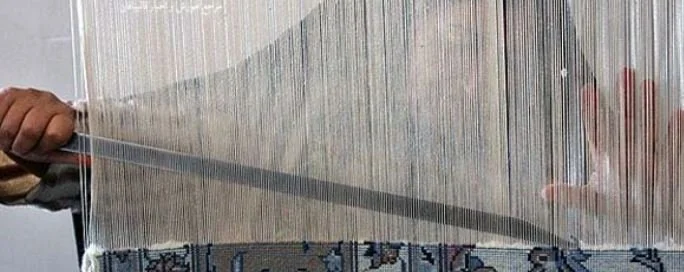
این عکس سیخ پود کشی است
یکی از حرفهایِ پدرم رو یادمه: کتک میزد و با دندونهایِ بههمفشرده داد میزد و میگفت: «به من یکی نباید دروغ بگید. نگفتم دروغ نگید؟» و بعدش هی کتک میزد.
I remember one of my father's lines: he'd hit us, shouting through clenched teeth, "You don't lie to me. Didn't I tell you not to lie?" And then he'd keep hitting.
سالهایی بودن که تمومی نداشتن. فکر میکردم من همیشه کودک میمونم و پدرم هم همیشه اینجوری رفتار خواهد کرد با من، و زمان طی نمیشد. زمان جلو نمیرفت، و تنها وقتی که مهمون میاومد خونهمون، با ما خوب بودن. هر وقت هم میرفتیم خونهیِ دایی یا عمو و عمه، بعد از اومدن کتک میخوردیم که چرا فلان کار رو کردیم و چرا حرف گوش نکردیم و چرا چرا چرا.
تا اینجا کافیه.
Those were years that felt endless. I thought I'd always stay a child, and that my father would always behave this way toward me, and that time simply wasn't passing. Time didn't move forward, and the only time they were kind to us was when guests came to the house. And whenever we went to our uncle's or aunt's place, we'd get beaten afterward for why we'd done this or that, why we hadn't listened, why, why, why.
That's enough for now.
دلیلِ اینکه همیشه من و امید با همیم و هیچوقت از هم جدا نمیشیم، اینه که یاد گرفتیم حامی و پشتیبان و غمخوارِ همدیگه باشیم. هیچوقت یه خواننده که زندگیِ ما رو نزیسته، این حرفها و پاراگرافها رو کاملاً درک نمیکنه، و انتظاری هم ندارم.
I always wish, from the bottom of my heart, that no child anywhere in the world would ever face violence — especially at the hands of the people they call mother and father. That no child would ever soil themselves from being beaten, or taste that terror, that mixture of snot and tears mixed with the sting and pain of endless beatings, and then curling up alone in isolation — which, for me and Omid, at least happened together.
The reason Omid and I are always together and never apart is that we learned to be each other's support, backup, and comfort. A reader who hasn't lived our life will never fully understand these words and these paragraphs, and I don't expect them to.
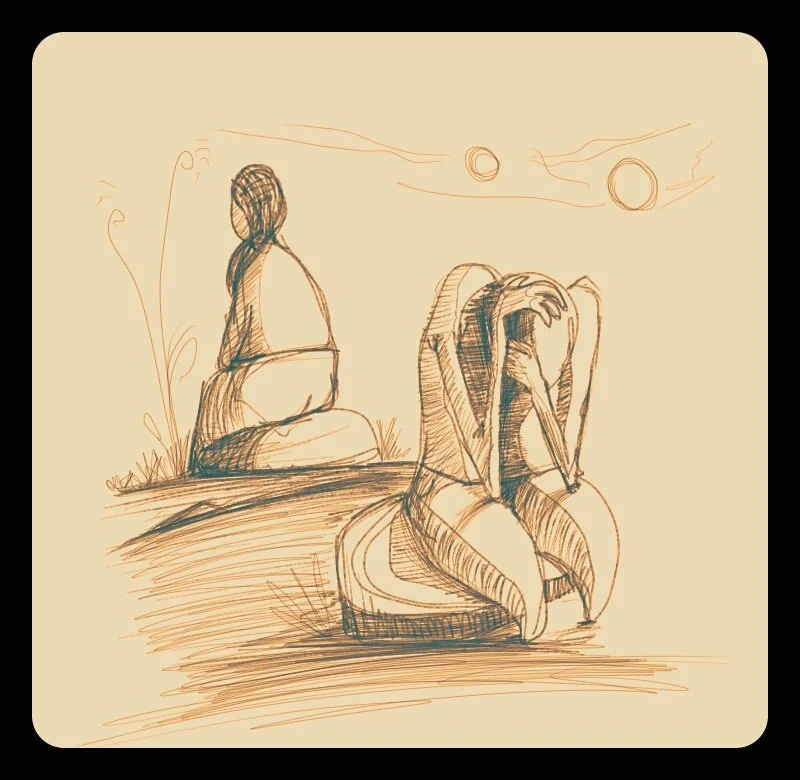
این رو سال ها بعد طراحی کردم. طراحی دیجیتال
بعضی روزها هم مادرم گازمون میگرفت؛ قاشق رو روی اجاق داغ میکرد، ما رو میگرفت و قاشقِ داغ رو روی پاهامون میذاشت تا بسوزیم. یک روز زمستون، پدرم من و امید رو از خونه بیرون کرد؛ رفتیم خونهی محمود، همسایهمون، و گریه میکردیم. هیچ جایی نداشتیم.
I remembered my father's beatings — the slaps that would send Omid and me crashing into the wall, the beatings where we could feel the taste of blood in our own heads, where we'd wet ourselves and beg, "Dad, please, don't hit us, what did we even do? Dad, please, let's talk, let us explain... Dad, Mom, please don't let him hit us, please..."
Some days my mother would bite us; she'd heat a spoon on the stove, grab us, and press the burning spoon against our legs until it burned. One winter day, my father threw Omid and me out of the house; we went to our neighbor Mahmoud's place and cried. We had nowhere to go.
تازه فهمیدم که توی اون شرایط، اگه دست و پام رو هم قطع میکردن، چیزی نمیتونستم بگم؛ چه برسه به حرفِ پول و بدتر از اون زندگی مستقل. فریادها، مشتولگدهای پدرم به در و دیوار و کابینتها، و وحشت از اومدنِ کسی به اسمِ هاشم به خونه، اونقدر توی وجودمون ریشه دوونده بود که خودبهخود هرچی داشتیم رو میریختیم جلوی پاشون، فقط که ناراحت نشن.
Only now do I realize that under those circumstances, even if they'd cut off my hands and feet, I wouldn't have been able to say a word — let alone bring up money. The screaming, my father's fists and kicks against doors, walls, and cabinets, and the terror of someone named “Hashem coming to the house, had taken such deep root in us that we'd automatically hand over everything we had, just so no one would be upset.
یادمه روزی رو که دستِ امید شکسته بود. درد داشت، خیلی هم درد میکشید؛ نوجوان بودیم. از بلندی افتاده بود و یادم نیست دقیقاً چقدر. از شدتِ ترس، با همون دستِ شکسته اومدیم توی خونه. شب رو تا صبح نتونسته بود بخوابه. میترسیدیم باز هم کتک بخوریم. بالاخره نتونست تحمل کنه و دردش رو گفت. البته فکر میکنم مادرم اول متوجه شد و سوال کرد و امید هم زد زیر گریه.
این تنها یه مثال از شرایطِ زندگیِ اون دوران، برایِ من و امید بود.
I remember the day Omid broke his hand. It hurt — he was in real pain; we were teenagers. He'd fallen from some height, I don't remember exactly how far. Out of sheer fear, we came home with his hand still broken. He couldn't sleep all night until morning. We were afraid we'd get beaten again. Eventually he couldn't take it anymore and told them.
This is just one example of what life was like for Omid and me back then.
بله؛ ما شروع کردیم به کار کردن، کار کردن و واریز کردنِ همهچیز؛ و به محضِ اینکه وضع مالیمون رو به راه شد، نقلمکان کردن به تهران - کاش هرگز این کار رو نمیکردن.
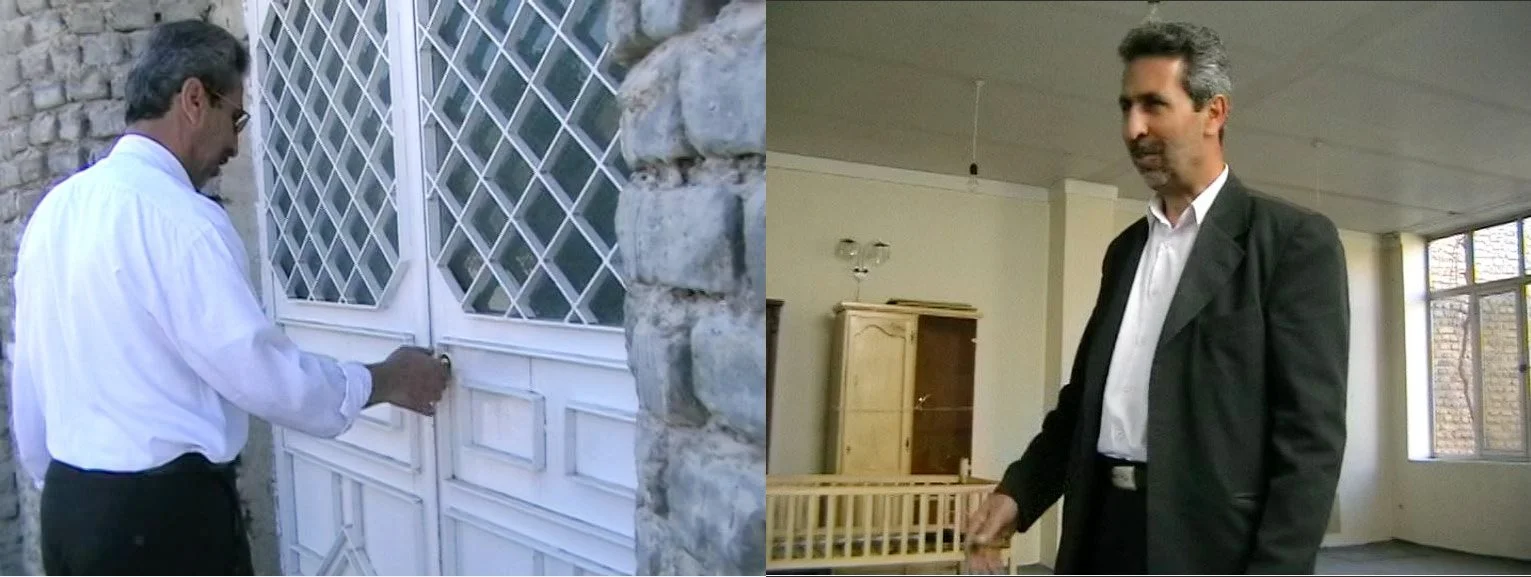
این عکس، پدرم رو دقیقاً توی لحظهای نشون میده که درِ خونه رو برایِ آخرین بار میبنده. از رویِ نوارِ مینیدیوی اسکرینشات گرفتم.
This photo captures my father in the exact moment he's closing the door of the house for the last time. I took the screenshot from the MiniDV tape.
Yes — we kept working and working, depositing everything we earned, and the moment things started looking up financially, they moved to Tehran for a better life. I wish they never had.
سیاهترینِ دورانِ زندگیم قرار بود سیاهتر هم بشه. من و امید میدویدیم و جون میکندیم، پدر و مادر و خواهرم هم منتظر بودن یه روز با پولِ زیاد از راه برسیم و خونه بخریم. خونه داشتیم، ولی نمیدونم چرا فروختنش؛ اونم برای بارِ دوم. یعنی قبل از اثاثکشی از ارومیه به تهران، یه خونه خریده بودیم، خونهی عمو کاظم رو؛ هفتاد متر بود. خونهی ارومیه سیصد متر بود. ولی فروختنش و همون اول ورود از ارومیه، اجارهنشینیِ ما شروع شد.
The darkest period of my life was about to get even darker. No matter how much I said we all needed to work together, it felt like no one listened. I kept running and working myself to exhaustion. My father, my mother, and my sister were waiting for me to come home one day with a lot of money, so we could buy a house. We had a house, but I don't know why they sold it — for the second time. Before we moved from Urmia to Tehran, we had bought a house — my uncle Kazem's house. It was 70 square meters. Our house in Urmia was 300 square meters. But they sold it, and as soon as we arrived from Urmia, we started renting.
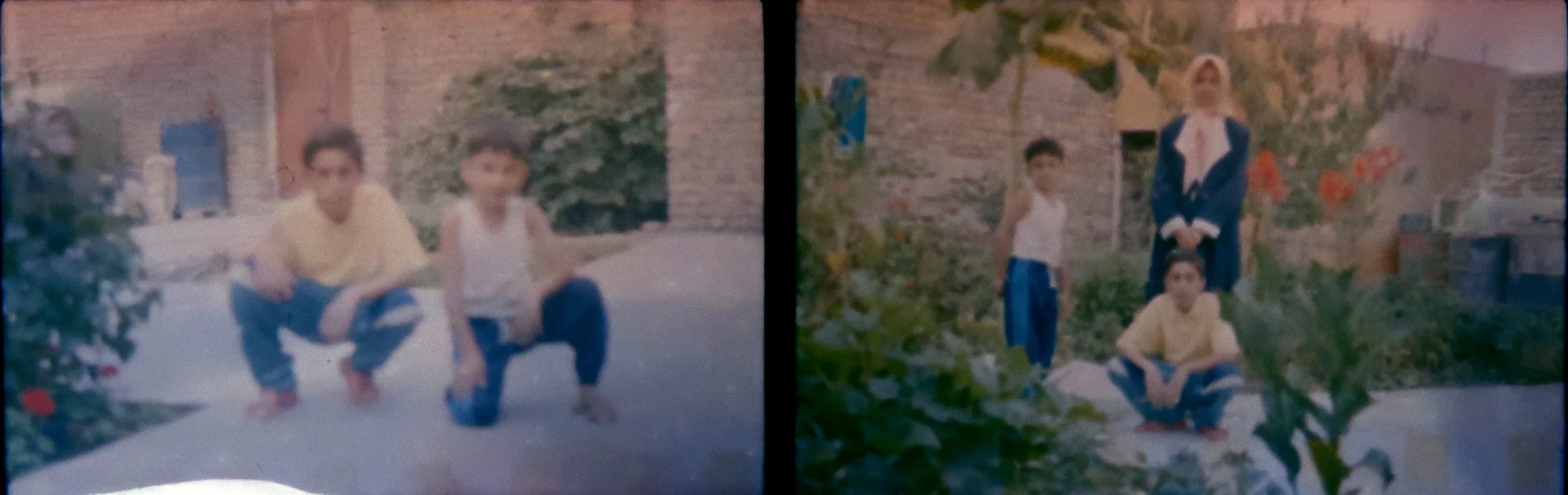
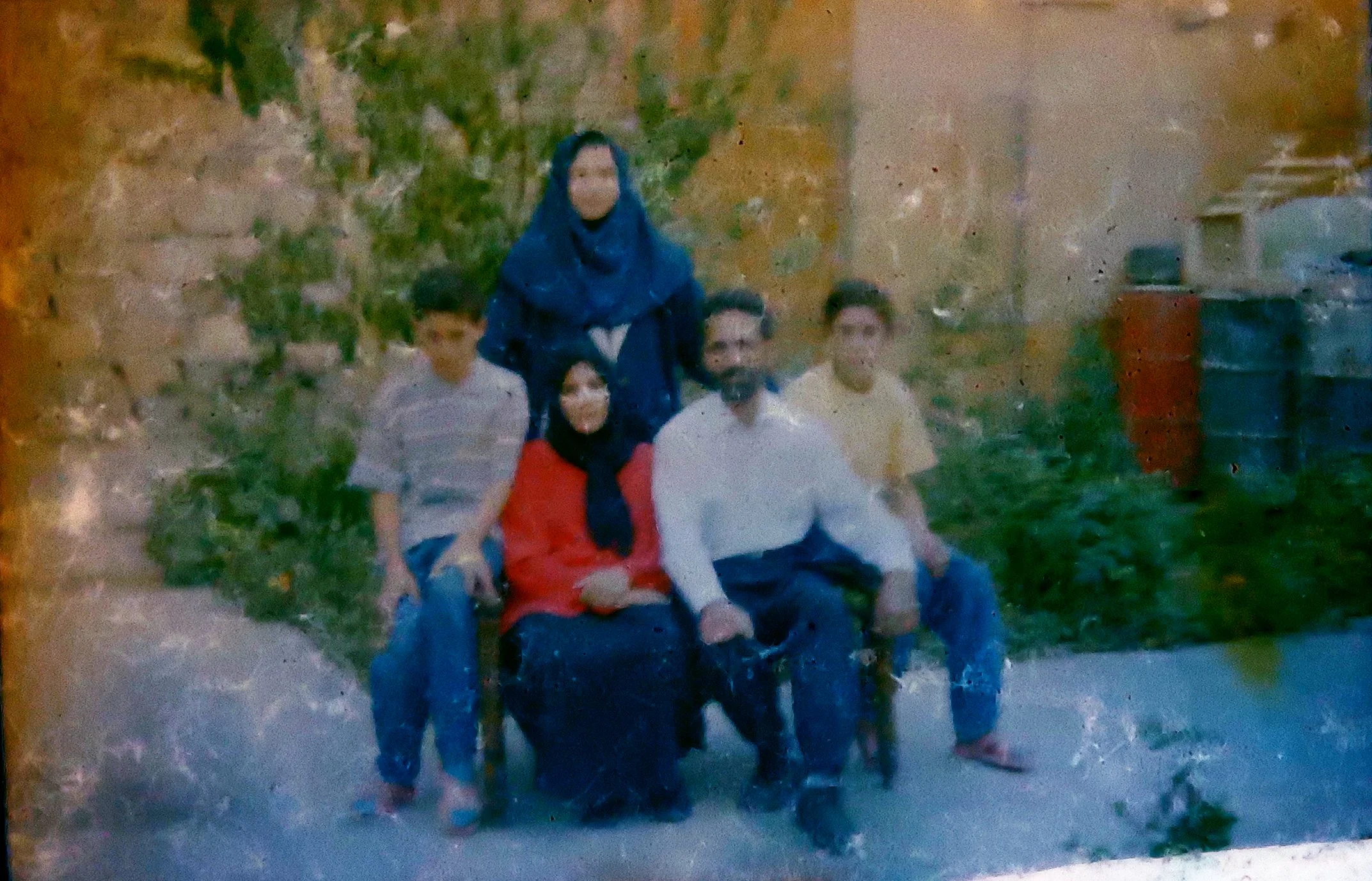
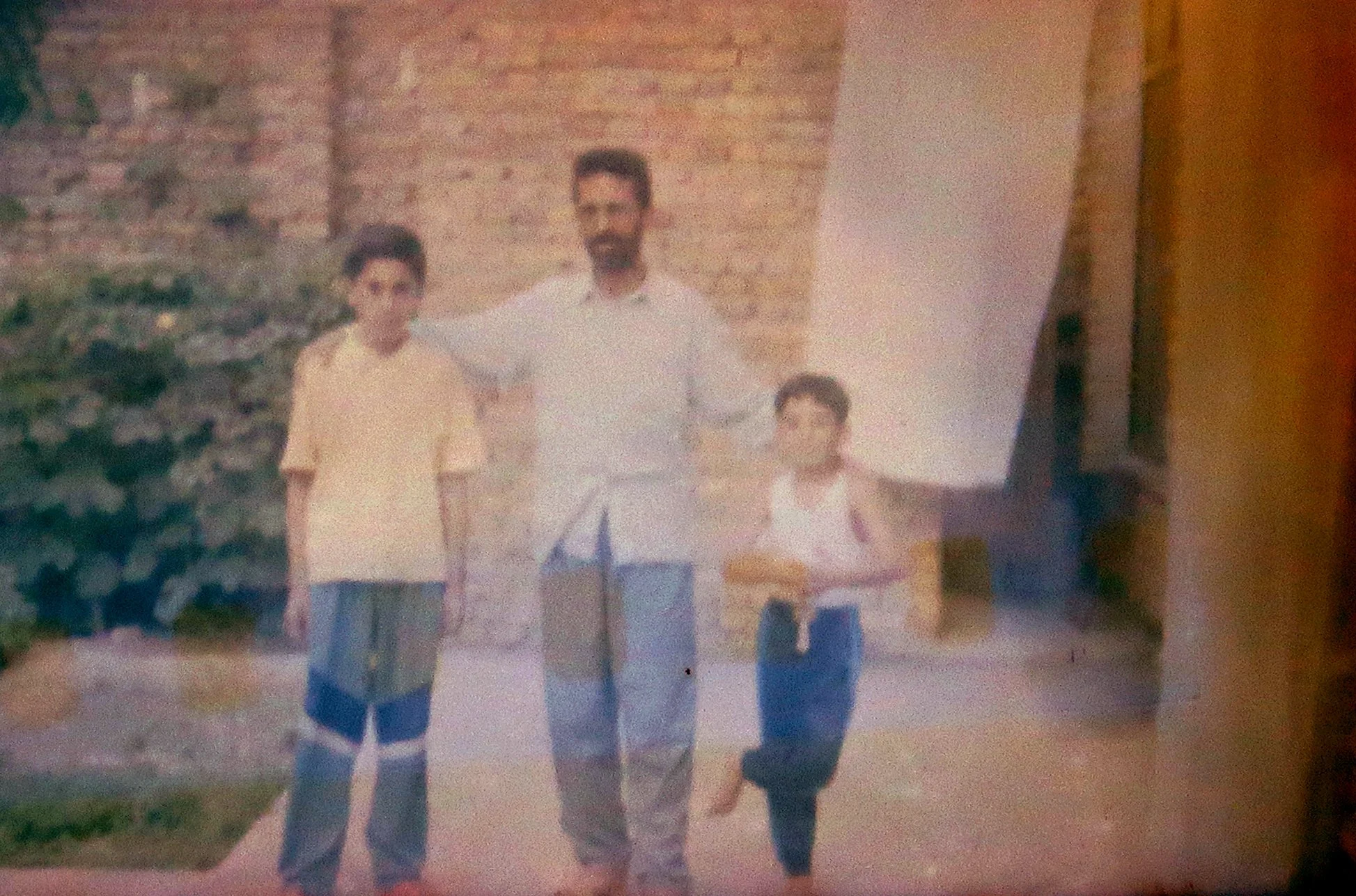
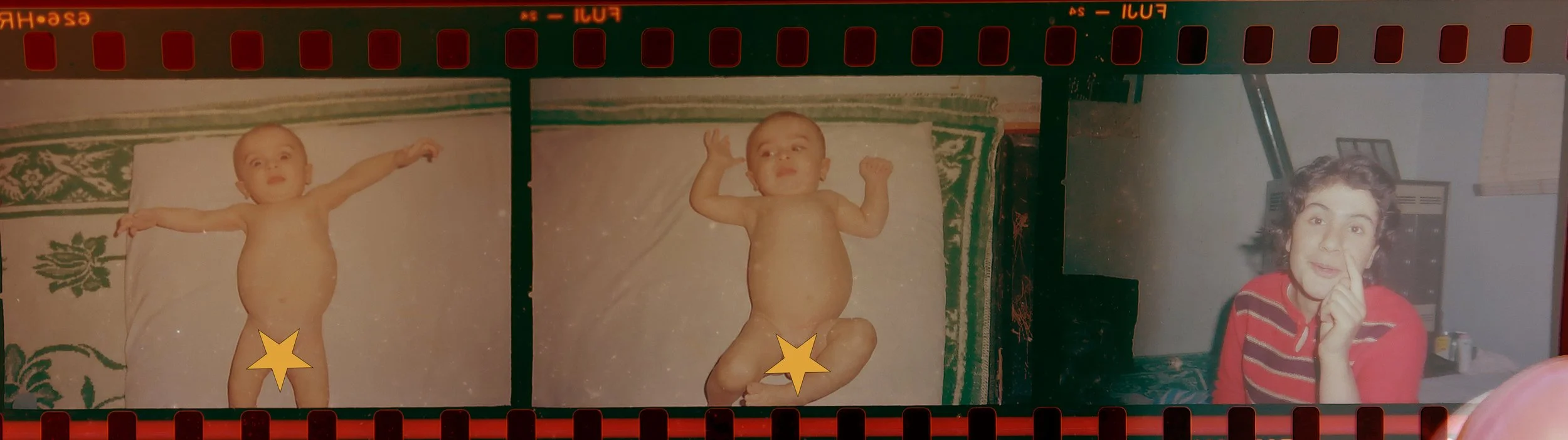
این عکسها رو از لابهلای نگاتیوهای قدیمیِ دورانی که توی ایران زندگی میکردم پیدا کردم. گشتم تا ببینم چطور میتونم خودم توی فتوشاپ اسکنشون کنم و ظاهرشون کنم. خوشبختانه موفق شدم، ولی همه تار بودن. این تصاویر توی خونهی خودمون در ارومیه گرفته شده، با دوربینِ خالهام -که سالهاست هیچ ارتباطی باهاش نداریم.
I found these photos among the old negatives from when I still lived in Iran. I looked into how I could scan and develop them myself in Photoshop. Luckily, I managed it — but they all came out blurry. These pictures were taken in our own house in Urmia, with my aunt's camera; we haven't had any relationship with her for years now.
این عکسها برام مثل تکهای از یک فیلمِ وحشتناکن که توی گذرِ زمان ثابت مونده؛ دقیقاً همونطور که توی خاطراتمه: تار، تیره، توی فضایی مهآلود و بدون کنتراست. ما خیلی فقیر بودیم و تقریباً هیچی نداشتیم. اما از روزی که توی تهران شروع کردیم به کار کردن و حقوق گرفتن، کمک کردیم تا مبلمان بخرن. مادرم همهچیز خرید؛ تقریباً هر وسیلهای که یک زنِ خانهدار ممکنه بخواد، از ماشین گرفته تا لوازمِ خونه، مبل، فرِ گاز، یخچال، جاروبرقی و غیره. من و امید همیشه کار میکردیم و پول میفرستادیم. و از این که مادرم زندگی بهتری خواهد داشت خوشحال بودیم.
این عکس، خونهایه که توی ارومیه پدر و مادرم ساخته بودن.
This photo is of the house my parents built in Urmia.
To me, these photos feel like a fragment of some terrifying film, frozen in time — exactly as they exist in my memory: blurry, dark, hazy, without contrast. We were very poor and had almost nothing. But from the day we started working in Tehran and getting paid, we helped them buy furniture. My mother bought everything — nearly every item a housewife could want: a car, household goods, a sofa, a gas oven, a fridge, a vacuum cleaner, and so on. Omid and I were always working, always sending money.
مادرم همیشه میگفت «همهچیز که پول نیست».
My mother always used to say, "Not everything is about money." But judging by their actions — even now.
My years in Tehran | زندگیام در تهران
توی تهران، درسخوندن برامون فقط یه خاطره شد؛ اصلاً فرصتی براش نمیموند. همیشه سرِ کار بودیم؛ با آقای ابوالحسنی، و بچههای تریدیِ تیم. مثل هادی پورکرمان، مجید محمدی، امیر میرآغاسی، میرامید رضوی، میرتوحید رضوی، علیرضا مهاجر و چند نفر دیگه. تا اینکه آقای ارجمندنیا هم با دلخوری از شرکت استعفا داد.
In Tehran, studying became nothing more than a memory for us — there was simply no time for it. We were always at work: with Bahram Azimi, Mr. Abolhasani, and the 3D team — people like Hadi Pourkarman, Majid Mohammadi, Amir Mirâghâsi, Mir Omid Razavi, Mir Tohid Razavi, Alireza Mohajer, and a few others. Then Mr. Arjmandnia resigned from the company, upset — and that day, overcome with emotion, I cried. Why? I don't know, but I remember it clearly.
کارِ زیادی ساختیم: تمامِ سریالهای شرکتِ گاز، چندین کار برای صبا، کارهای نمایشگاهی، سریالهای تلویزیونی، میانبرنامهها و خیلی پروژهی دیگه. بعد از مدتی هم رفتیم توی استودیویی نزدیک پارک ساعی، شرکتی به اسم «سائس» یا «ساعص» -اسمش دقیق یادم نیست- که اونجا هم «پیشول و میشول» رو ساختیم. اولش آقای هادی پورکرمان استارتش رو زده بود، ولی بعد همهچیزش افتاد گردنِ ما. چند اپیزود جلو بردیم و بعد هم مثلِ همیشه پیشِ آقای سلیمی التماس میکردیم که «چرا پولمون رو نمیدی؟» دلهره و عذابی که از ندادنِ پول میکشیدیم، واقعاً روانمون رو آتیش میزد. جدا از اینکه شبانهروز درگیرِ رفتوآمدِ سرِ کار، کلنجار با نرمافزارها، خودآموزی و تلاش برای ارائهی کارِ باکیفیت بودیم، توی ایران کار کردن یعنی کار کردن و پول نگرفتن.
We made a lot of work: every series for the Gas Company, projects for Saba, exhibition pieces, TV series, interstitials, and many other projects. After a while, we also went to work at a studio near Saei Park, a company called "Saes" or "Saas" — I don't remember the exact name — where we made "Pishol and Mishol." Mr. Hadi Pourkarman had originally started it, but afterward everything fell on us. We produced a few episodes, and then, as always, we'd go begging Mr. Salimi: "Why won't you pay us?" The anxiety and torment of not getting paid set our nerves on fire. Beyond the daily grind of commuting to work, wrestling with software, teaching ourselves, and pushing to deliver quality work — in Iran, working meant doing the work and not getting paid.
این عکس رو امید (برادر دوقلوم) از من گرفت. داشتنِ دوربینی با این کیفیت و عکس در این ابعاد، توی اون دوران یه موهبتِ بزرگ بود. این تقریباً بهترین عکسیه که از اون دوران از من گرفته شده. دفترِ مرحوم آقایِ ابوالحسنی توی فرمانیهست. اتفاقهایِ زیادی اینجا رخ داد، و الان این خونه رو نابود کردن و بهجاش یه ساختمونِ دیگه ساختن. آدرسش رو دیگه اصلاً یادم نیست کجایِ فرمانیه بود.
This photo was taken of me by Omid (my twin brother). Having a camera of this quality, taking photos at this resolution, was a real blessing back then. This is probably the best photo taken of me from that period. This is the late Mr. Abolhasani's office in Farmanieh. A lot happened here, and now they've torn down that building and put up another one in its place. I don't remember at all anymore where exactly in Farmanieh it was.
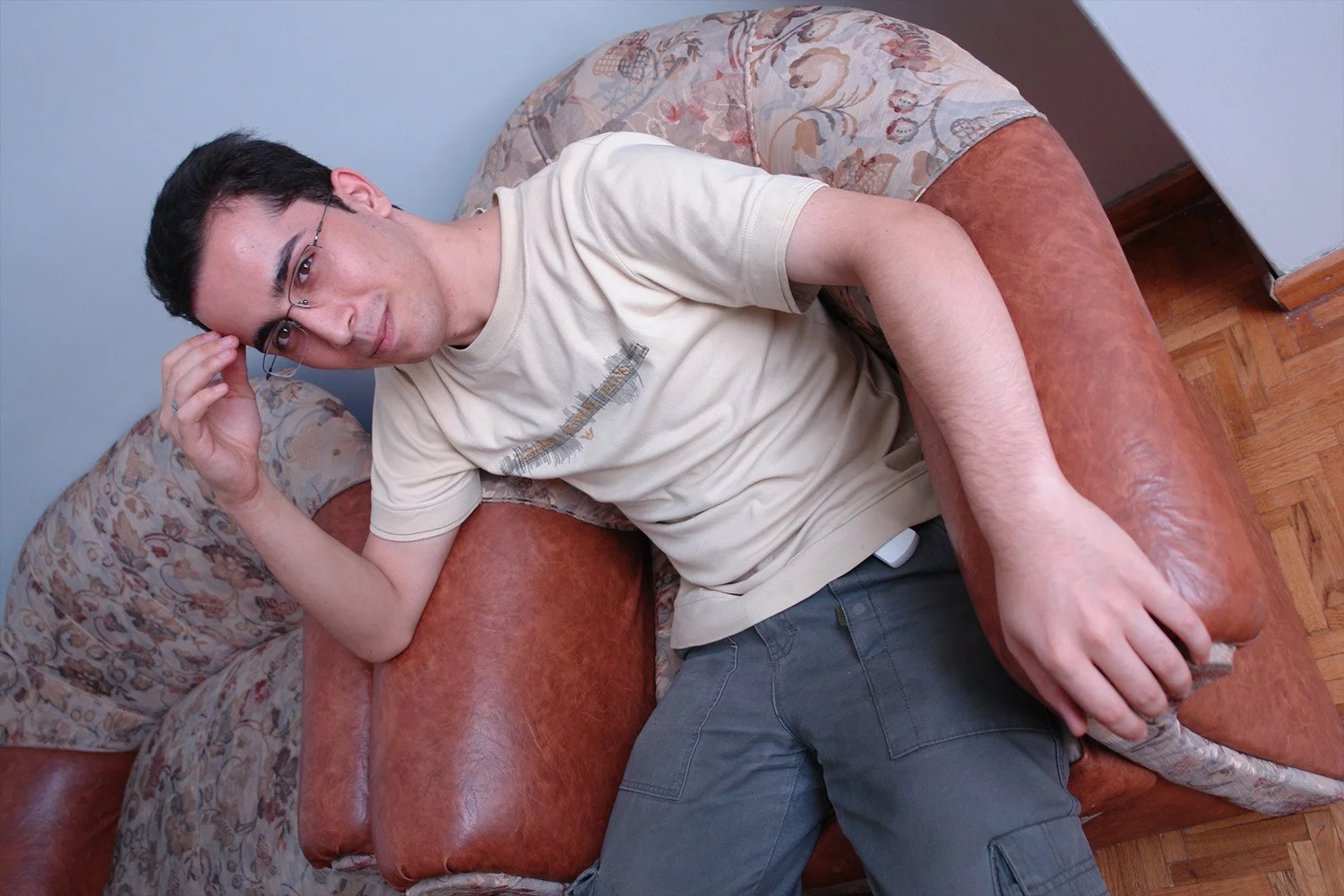
اصلاً یادم نیست چندساله بودم اینجا. احتمالاً بیستویک یا بیستودو ساله بودم.
I honestly don't remember how old I was here. Probably 21 or 22.
اون امپیتریپلیری که از زیرِ تیشرت زده بیرون رو قشنگ یادمه. شبانهروز موسیقی گوش میدادم و کار میکردم، و تمامِ پولی که درمیآوردیم رو تقدیم میکردیم. هر روز از میدانِ آزادی میرفتیم فرمانیه، با اتوبوس و مینیبوس، توی دود و دم و ترافیکِ فلجکننده، زیرِ گرمایِ لهکننده، توی زمستون، گرسنه و خسته میرفتیم و میاومدیم و سگدو میزدیم — و همیشه به آینده و یه زندگیِ بهتر امیدوار بودم.
اینجا اوجِ تولیدِ تیزرهایِ شرکتِ ملیِ گاز بود. بچهها هم غرقِ چیدنِ سیاست بودن، و من و امیدِ شهرستانی و سادهدل هم همیشه خندان و پرانرژی و هیجانزده بودیم.
You can clearly see the MP3 player sticking out from under my t-shirt. I listened to music day and night while working, and we handed over every penny we earned. Every day, we'd go from Azadi Square to Farmanieh, by bus and minibus, through smog and paralysing traffic, under crushing heat, and in winter too, hungry and tired, running ourselves ragged back and forth — and I always stayed hopeful about the future, about a better life.
This was at the peak of producing the National Gas Company's ad spots. The other guys were caught up in office politics, while Omid and I, small-town and naive, stayed happy, energetic, and excited the whole time.
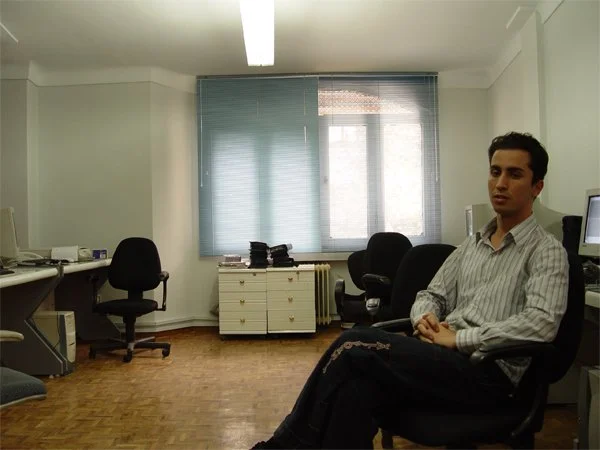
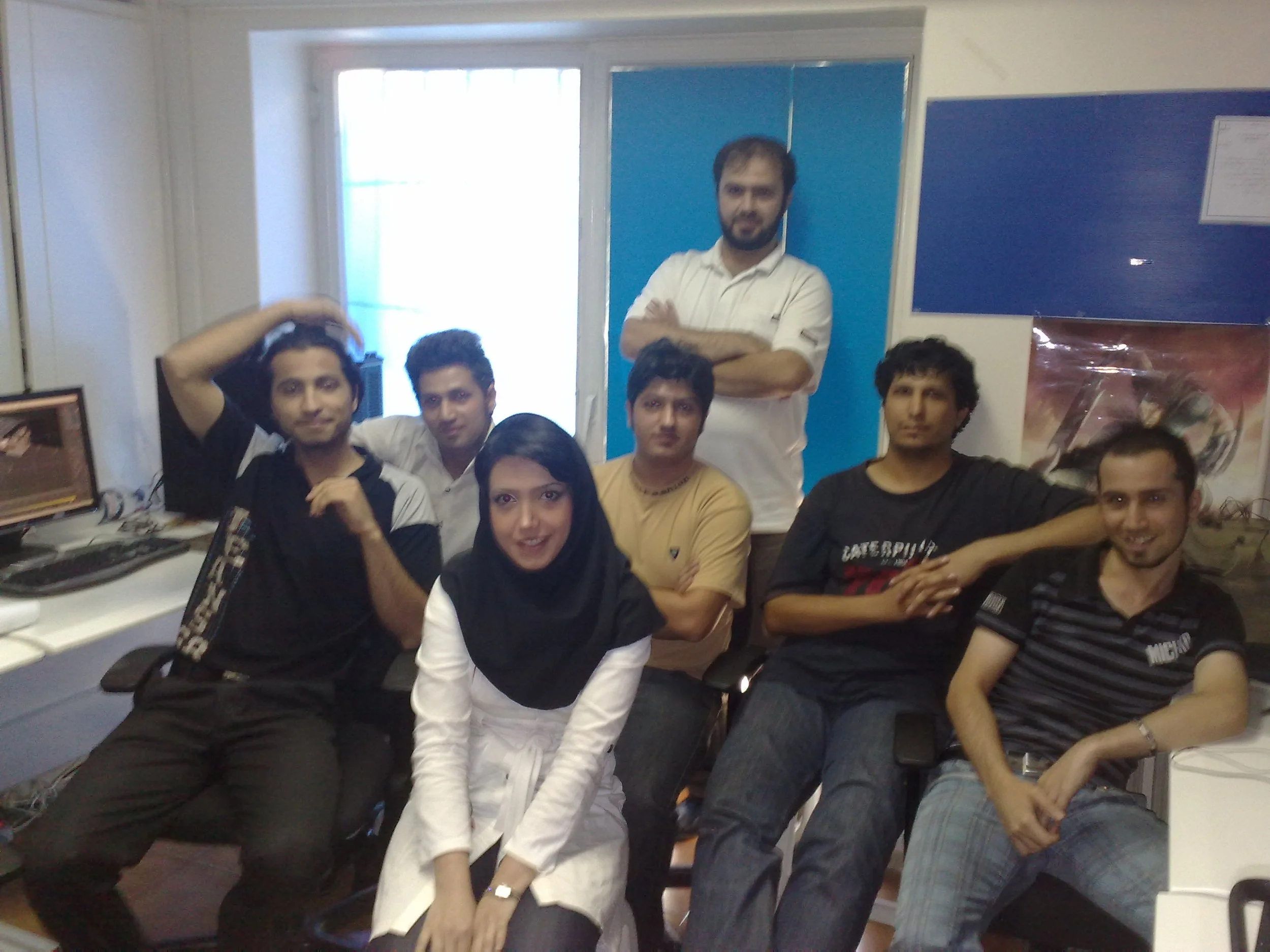
این عکس رو خودم از خودم گرفتم. یادمه، هنوز کسی نبود و ذوقِ آرتیستیم گل کرده بود. اون پشت، کامپیوترِ نزدیکِ پنجره مالِ من بود و همیشهیِ خدا پاش در حالِ کار کردن بودم. پشتِ سرِ من خانم کیایی بود و کنارم هادی پورکرمان، امید برادرم، علیرضا مهاجر و مرحوم مجید محمدی. اینجا هنوز آقایِ ابوالحسنی با آقایِ بهرام عظیمی آشنا نشده بود و کسی هم اسمِ شرکتِ نسلِ اندیشهیِ سبز رو نشنیده بود.
I took this photo of myself. I remember, no one else was around yet, and my artistic enthusiasm had kicked in. That computer over there, near the window, was mine, and I was always, always parked in front of it working. Behind me was Ms. Kiaei, and next to me were Hadi Pourkarman, my brother Omid, Alireza Mohajer, and the late Majid Mohammadi. At this point, Mr. Abolhasani hadn't even met Mr. Bahram Azimi yet, and no one had heard the name Nasl-e Andisheh-ye Sabz company.
میرتوحید رضوی در بدو جوانی :) Mir Tohid Razavi in early youth :)
عکسِ زیر هم من هستم با اون کاپشنِ همیشگیم که آستینهاش پارهپوره و ریشریش بود. اینجا دفترِ دومِ آقایِ ابوالحسنی بود، درست توی همین آدرس. سالیانِ سال این ساختمون آشیونهیِ انیماتورها و کارگردانها و اهالیِ سینما و انیمیشنِ ایران شد، تا وقتِ فوتِ آقایِ ابوالحسنی.
این عکس، ماههایِ اولِ ورودِ ماست که خودمون کارهایِ اثاثکشی رو انجام دادیم. بعدش آقایِ عظیمی بهمون ملحق شد. چه روزهایِ پرهیجان و پرشوری بود، و فکر میکردم دارم توی هالیوود زندگی میکنم. یادمه یه روز، قبل از همهیِ این ماجراها، برایِ پیدا کردنِ کار و کمکِ مالی به خانواده، از ارومیه کوبیدیم اومدیم شرکتِ حور، و ترسانولرزان درخواستِ کار کردم. پدرم هم بود؛ خونهیِ عمو حیدر رفته بودیم. هیچوقت یادم نمیره، از شدتِ هیجان، که تونستم گوشهیِ موهایِ آقایِ عظیمی رو از سالنی که توش نشسته بودم ببینم. باورم نمیشد. فرم رو پر کردم و با ترس، میزانِ حقوقِ درخواستی رو هم نوشتم. کاش یادم بود چقدر نوشته بودم، ولی اون فرم همون شد و دیگه هیچوقت کسی از حور باهام تماس نگرفت — اما حالا، با آقایِ عظیمی اینجوری عکس گرفته بودم؛ کسی که سیاساکتی میساخت و تبِ انیمیشن در ایران به اوج رسیده بود.
The photo below is also me, with that jacket I always wore, the one with frayed, torn-up sleeves. This was Mr. Abolhasani's second office, right at this address. For years, this building became the nesting ground for Iran's animators, directors, and film and animation people, until the time of Mr. Abolhasani's passing.
This photo is from the first months after we moved in, when we did the moving-in work ourselves. Mr. Azimi joined us after that. What exciting, spirited days those were — I thought I was living in Hollywood. I remember one day, before all of this happened, we drove straight from Urmia to the Hoor company, looking for work and a way to help the family financially, and, trembling with fear, asked for a job. My father was there too; we'd gone to uncle Heydar's place. I'll never forget, out of sheer excitement, catching a glimpse of the edge of Mr. Azimi's hair from the hall I was sitting in. I couldn't believe it. I filled out the form and, nervously, wrote down the salary I was asking for. I wish I remembered what number I'd written, but that form went nowhere, and no one from Hoor ever contacted me again — but now, here I was, having taken a photo like this with Mr. Azimi, the man who made "Siasakti," at the very peak of Iran's animation fever.
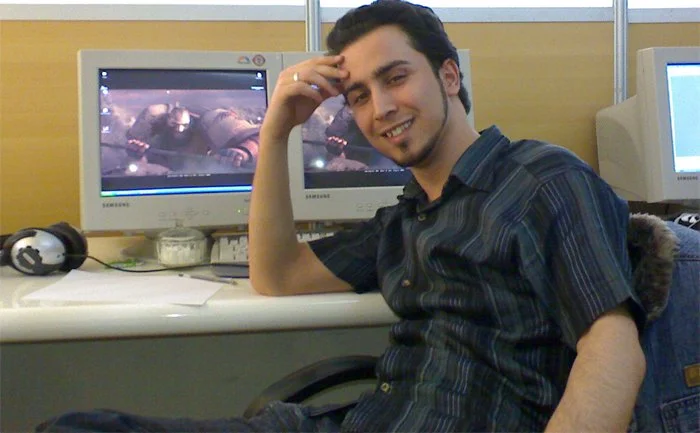
این عکس رو امید از من گرفته. چقدر امیدوار بودم، و سنِ چهلویکسالگی رو توی دورهایِ نامعلوم تصور میکردم. البته الان هم امیدوارم، ولی خب، اون احساسِ عمیقِ حسرت رو نمیشه نادیده گرفت. خوشحالم که اون روزها تموم شدن و من دیگه اون آدمِ سابق نیستم.
This photo was taken of me by Omid. How hopeful I was — imagining age 41 as something in some far, undefined distance. Of course, I'm still hopeful now too, but that deep sense of longing can't be ignored. I'm glad those days are over, and I'm not that same person anymore.
این همون عکسیه که در بالا بهش اشاره کردم. خانم نوشین واقف، بهرام عظیمی، من، حمید علیخانی و مرحوم مجید محمدی. کامپیوتری که پشتِ خانم واقف معلومه، کامپیوترِ من بود، همونی که عکسِ بالا رو باهاش گرفتم. این عکس رو هم بازم یادم نیست چه کسی گرفته.
This is the same photo I mentioned above. Ms. Nooshin Vaghef, Bahram Azimi, me, Hamid Alikhani, and the late Majid Mohammadi. The computer visible behind Ms. Vaghef is mine — the same one I took the photo above with. And again, I don't remember who took this one either.
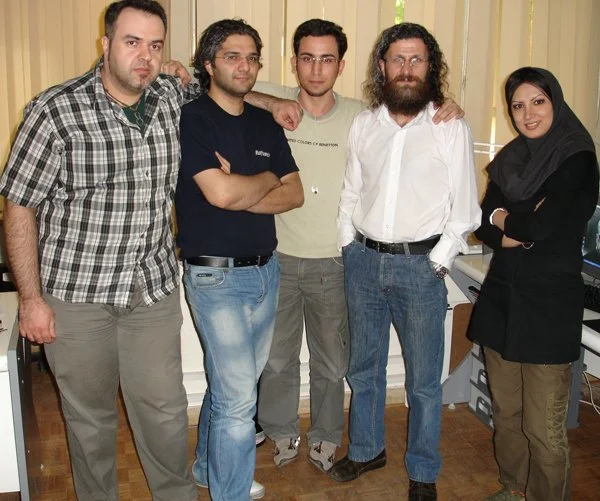
خانم نوشین واقف، بهرام عظیمی، میرتوحید رضوی، حمید علیخانی و مرحوم مجید محمدی
شب و روز کار میکردیم، و هر چیزی که ماهبهماه میگرفتیم رو تقدیم میکردیم. نه چیزی برایِ خودمون میخریدیم، نه به خودمون بهعنوانِ یه انسان حتی فکر میکردیم، چه برسه اقدام هم بکنیم؛ هم من، هم امید. خودمون رو زیرِ بارِ مسئولیتِ عظیمی احساس میکردیم، و حالا بارِ زندگیِ خانوادهای که از ارومیه اومده بود، با سه نفرِ دیگه، هم روی دوشمون بود. پدرم کمکم به فکرِ بازنشستهکردنِ خودش افتاد، و باید چندین ماه حقوقِ خودش رو خودش واریز میکرد؛ من و امید هم تنها منبعِ درآمد بودیم، و همهیِ این مراحل هم طی شد.
We worked day and night, and offered up whatever we earned, month after month. We didn't buy anything for ourselves, we didn't even think of ourselves as human beings, let alone act on it; both me and Omid. We felt the weight of an enormous responsibility on us, and now the burden of the family that had come from Urmia, three more people, was on our shoulders too. My father gradually started thinking about arranging his own retirement, and had to fund his own contributions for several months himself; Omid and I were the only source of income, and all of that process went ahead too.
تنها چیزی که از مادرم یادمه، زخمزبونهاش و چهرهیِ جدی و نگاهِ دوختهش به فرشِ رویِ زمین بود. من دلقک بودم؛ دلقکبازیِ زیادی درمیاوردم تا بخنده. میپریدم بغلش و همیشه میگفتم درست میشه، و شبها گریه میکردم که چرا زندگی باید با من اینطوری بکنه؟
شب و روز کار میکردم. هیچ رابطهیِ اجتماعیای نداشتم، جز محلِ کار. پولی هم توی جیبم نبود که با همکارها یه شام بریم یا یه دایرهای از رفقا تشکیل بدیم. همهچیز رو از فاصلهیِ دور نگاه میکردم، و همیشه یاد گرفته بودم از جمع دوری کنم، مبادا هزینهای تراشیده بشه؛ همین ترسها و اضطرابها بود که شد جزئی از هویتم، و انزوایِ من و امید طوری شکل گرفت که دیگه نمیتونستیم جورِ دیگهای فکر کنیم. انگار یه ماهی که دیگه نمیدونه داخلِ آبه، چون دیگه توش غرقه.
The only thing I remember of my mother is her sharp remarks, her serious face, and her gaze fixed on the carpet on the floor. I was the clown; I'd act the fool constantly just to make her laugh. I'd jump into her arms and always say it'll be fine, and at night I'd cry, asking why life had to treat me this way.
I worked day and night. I had no social life outside of work. There wasn't even money in my pocket to go grab dinner with coworkers or form a small circle of friends. I watched everything from a distance, and I'd always learned to keep away from groups, in case it cost me something; those same fears and anxieties became part of my identity, and Omid's and my isolation took shape in a way that we could no longer think any other way. Like a fish that no longer knows it's in water, because it's simply drowning in it.
تمامِ دغدغهام انجامدادنِ یه کارِ بزرگ بود که پولِ خوب بیاره تا از این شرایط راحت بشم؛ اما زهی خیالِ باطل، مخصوصاً جایی که سوادِ مالی و رابطهیِ بینِ کار و آدمها و پول رو کسی بلد نباشه. هرچقدر هم تلاش کنی، در نهایت برمیگردی سرِ خونهیِ اول — و به اینها اضافه کنید شروعِ نابودیِ اقتصادِ ایران رو، که تا به امروز هم ادامه داره.
My only concern was pulling off something big that would bring in good money so I could finally get out of that situation; but it was all wishful thinking, especially in a place where no one around you understands financial literacy or the relationship between work, people, and money. However hard you try, you end up right back at square one — and add to all of this the start of Iran's economic collapse, which continues to this very day.
اینجا چند نمونهکار از کارهایِ اون دوران میذارم تا ببینید.
Here, I'm including a few samples of work from that period for you to see.
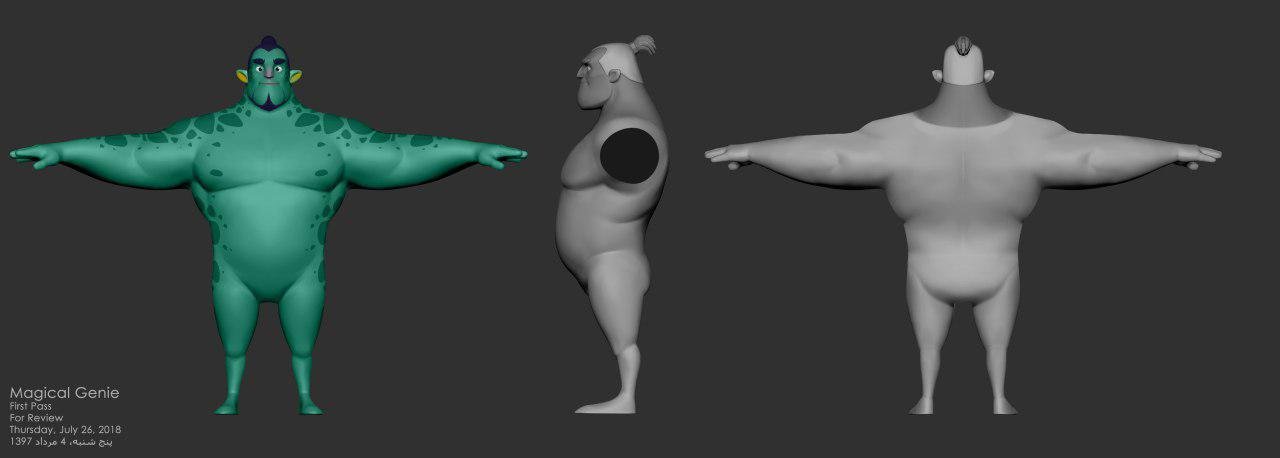
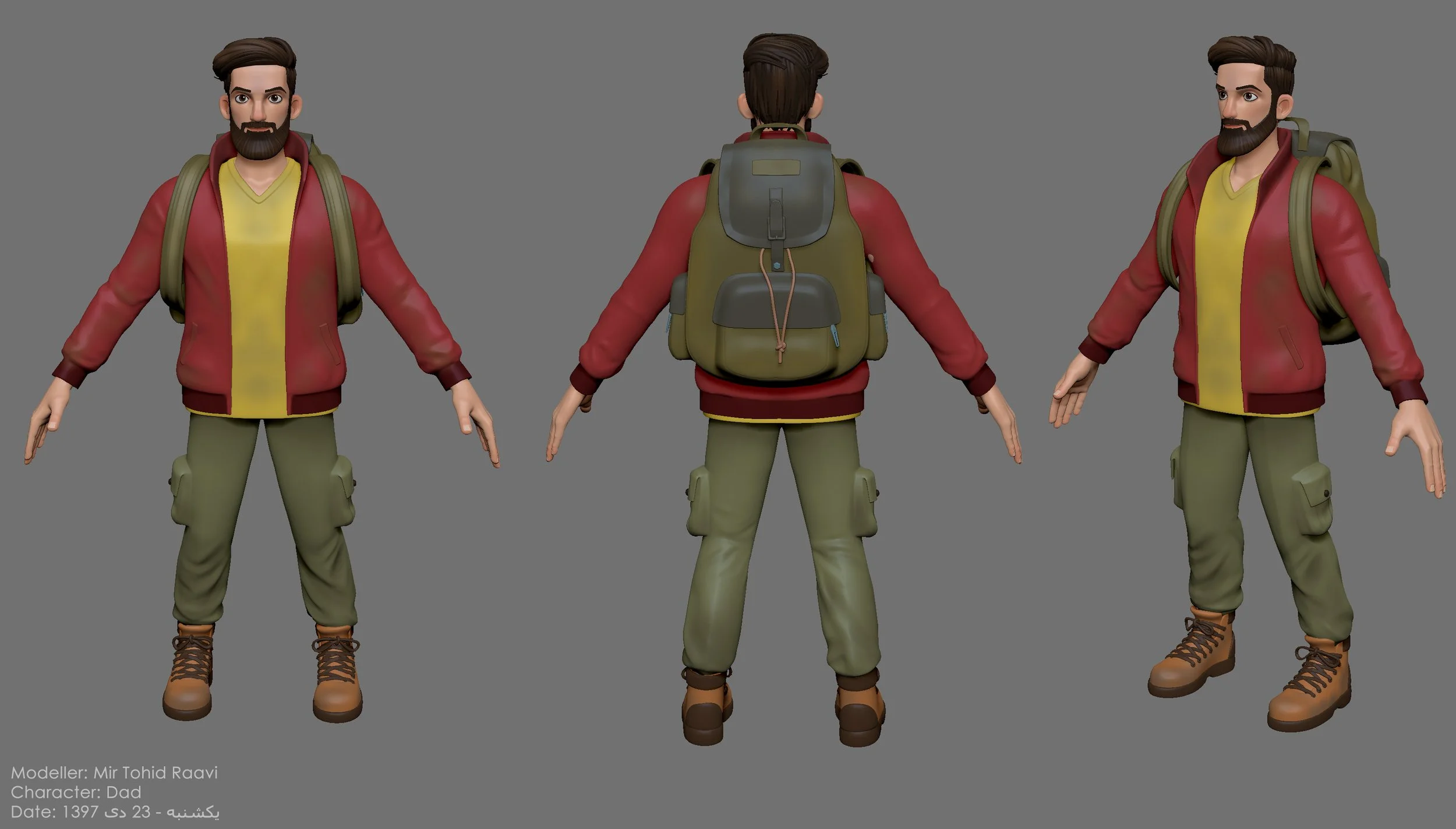
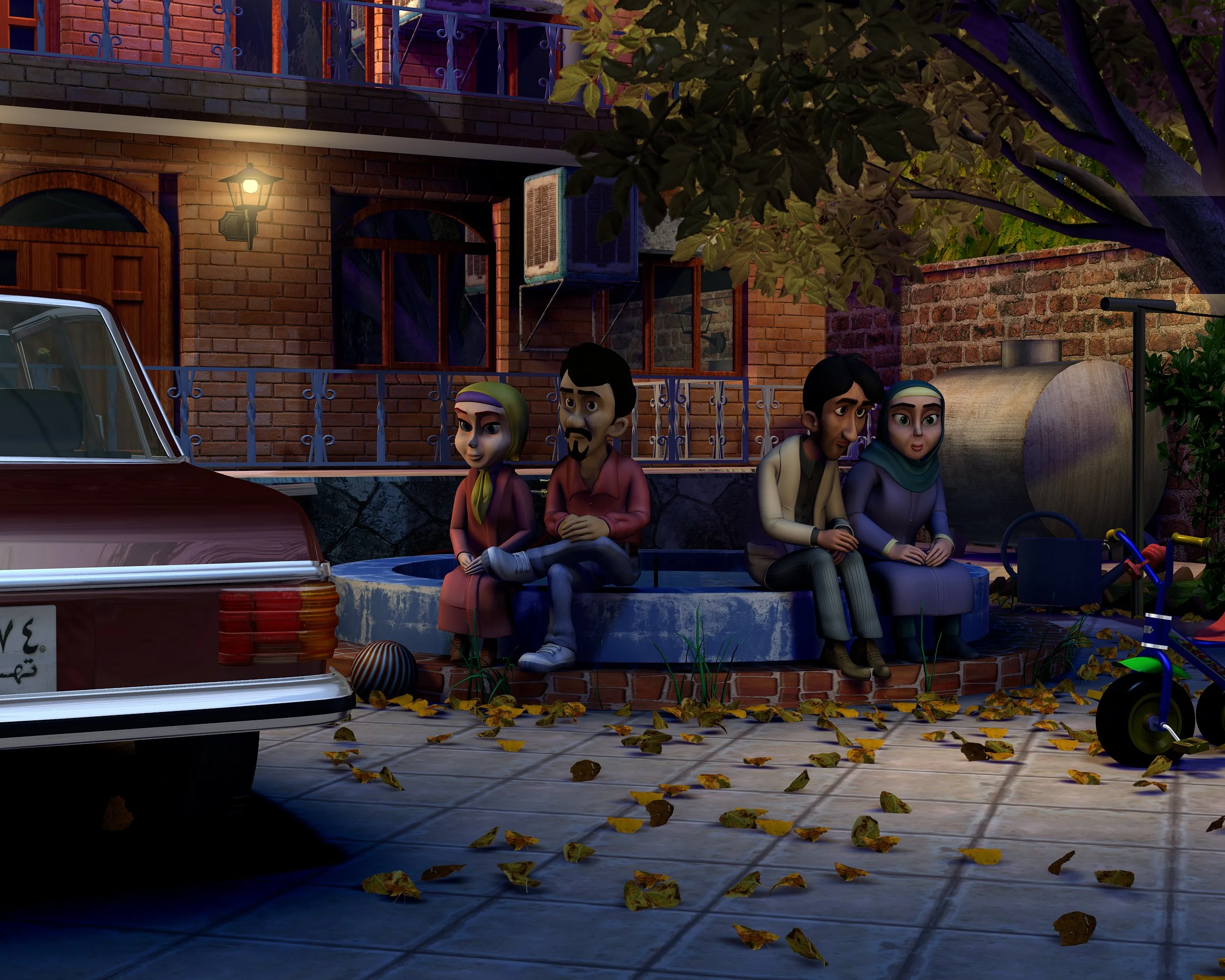
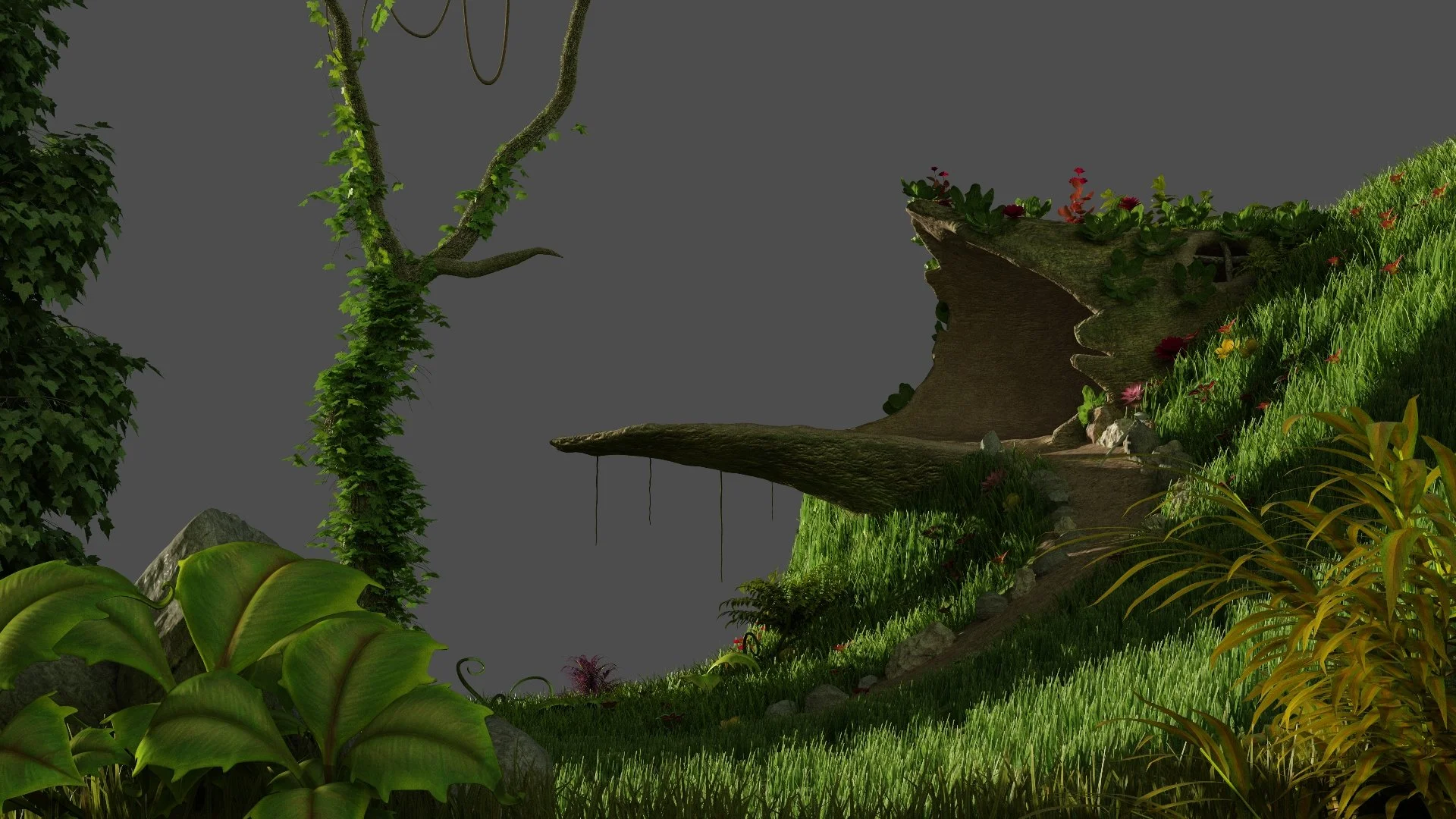
تیزرِ تولیپرس از اون کارهاییه که هنوز بهش افتخار میکنم. همهیِ انیمیتها رو منِ بیستوچندساله، که همهچیز رو تجربی یاد گرفته بود، انجام داده، و هنوز باورم نمیشه که این کار رو من انجام دادم. یادمه که همهیِ همکارها اونموقع از این انیمیت سرخوش شده بودن، و تمومِ تلاشمون این بود که کار خوب از آب دربیاد. ریگِ شخصیتها رو هم امید، برادرِ دوقلوم، انجام داده بود. چه دورانِ سرخوش و هیجانانگیزی برایِ من و امید بود.
The Tulipers ad is one of the pieces I'm still proud of. I did all the animation myself, back when I was in my early twenties and had learned everything through trial and error, and I still can't quite believe I made this. I remember all my colleagues at the time getting genuinely giddy over that animation, and all our effort went into making sure the work turned out well. My twin brother Omid did the character rigging. What a joyful, exciting period it was for both of us.
Tehran 1500 Future film - 2009 - 1388
24 ساله شده بودیم
بعد از موفقیتهای پیاپیِ آقای ابوالحسنی و موفقیتهای آقای بهرام عظیمی و ما و بقیهی دلباختگانِ دنیای سهبعدی، آقای ابوالحسنی مصمم شدند قدمِ بزرگِ دیگهای بردارن؛ چون دیگه انیمیشنِ ایران کسی رو جز ایشون نداشت، و هم توانِ مالی رو داشتند و هم سختافزار و نیروی انسانیای که من و امثالِ من طیِ این سالها، با تولیدِ صدها دقیقه انیمیشن و گیم، یاد گرفته بودیم.
بالاخره کلیدِ تولیدِ انیمیشنِ «تهران ۱۵۰۰» زده شد و با همهی رنجها و سختیها، این پروژه بعد از بیش از ۵ سال تموم شد؛ متأسفانه به شکست انجامید و خاطراتِ تلخ و شیرینِ زیادی از خودش به جا گذاشت. توی تیمِ تهران ۱۵۰۰، من و برادرم هم مسئولِ مدلسازیِ شخصیتها بودیم و هم مسئولِ لیآوت، مدلسازی و تکسچرینگِ بخشی از وسایلِ صحنه.
By then, my twin brother Omid and I were 24. After the string of successes by Mr. Abolhasani, and the successes of Mr. Bahram Azimi and us and the other 3D-world devotees, Mr. Abolhasani became determined to take another big leap — Iranian animation, after all, had no one left but him, and he had both the financial capacity and the hardware and manpower that I and others like me had built up over the years by producing hundreds of minutes of animation and games.
Eventually, production on the animated film "Tehran 1500" was greenlit, and despite all the hardship, the project took more than five years to finish. Unfortunately, it failed, leaving behind plenty of bittersweet memories. On the Tehran 1500 team, my brother and I were responsible for character modelling, as well as layout, modelling, and texturing for some of the set props.
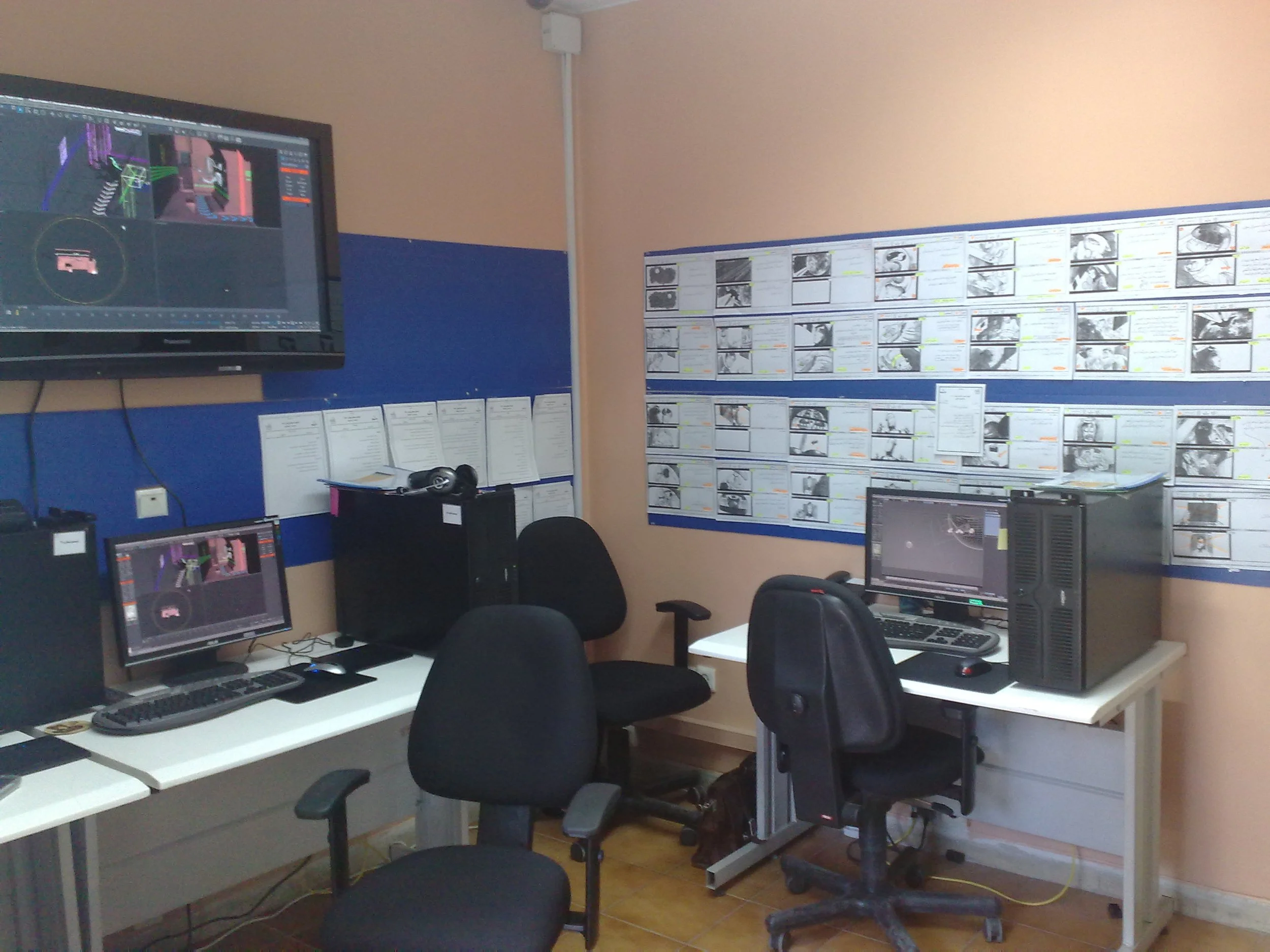
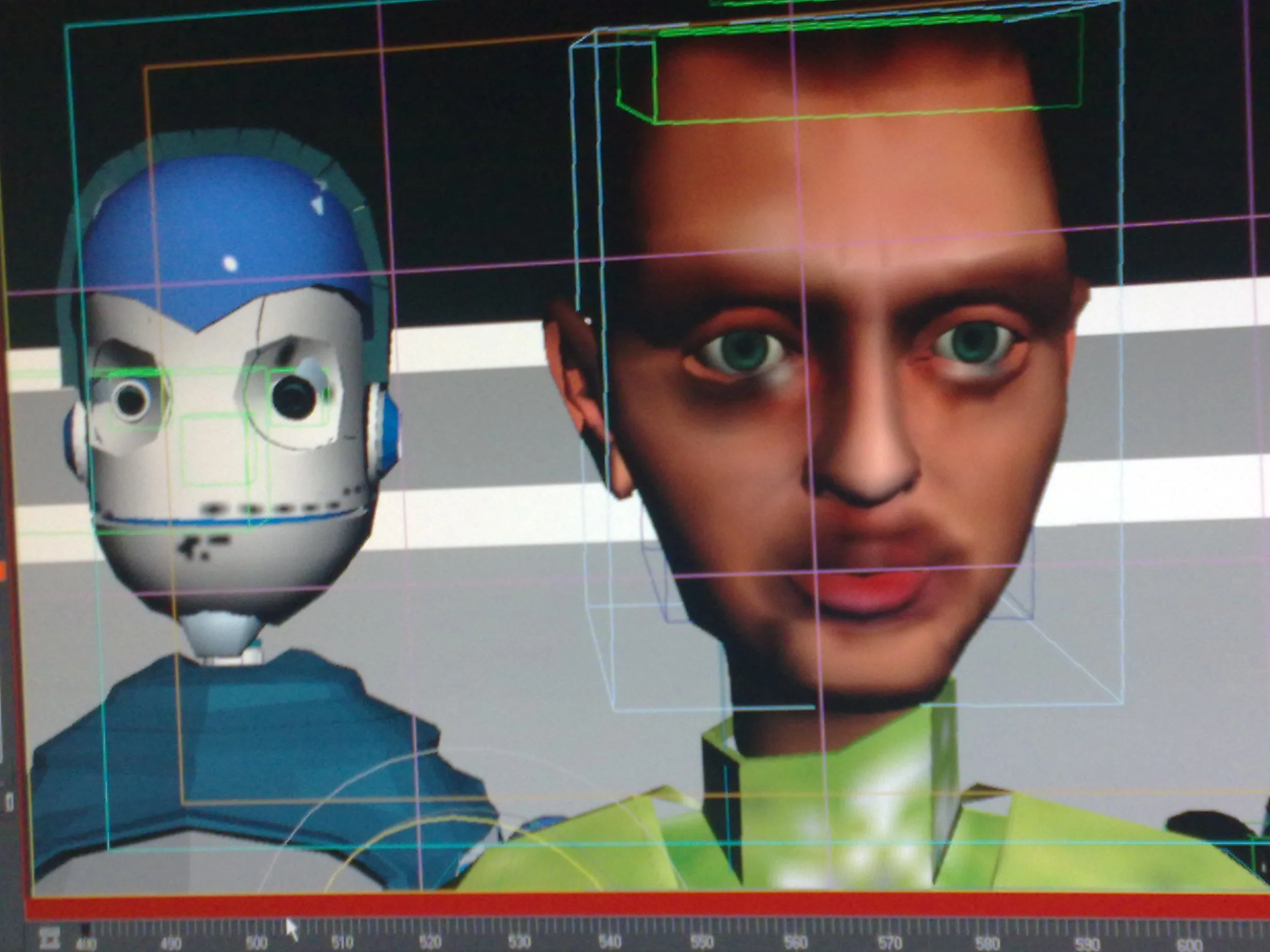
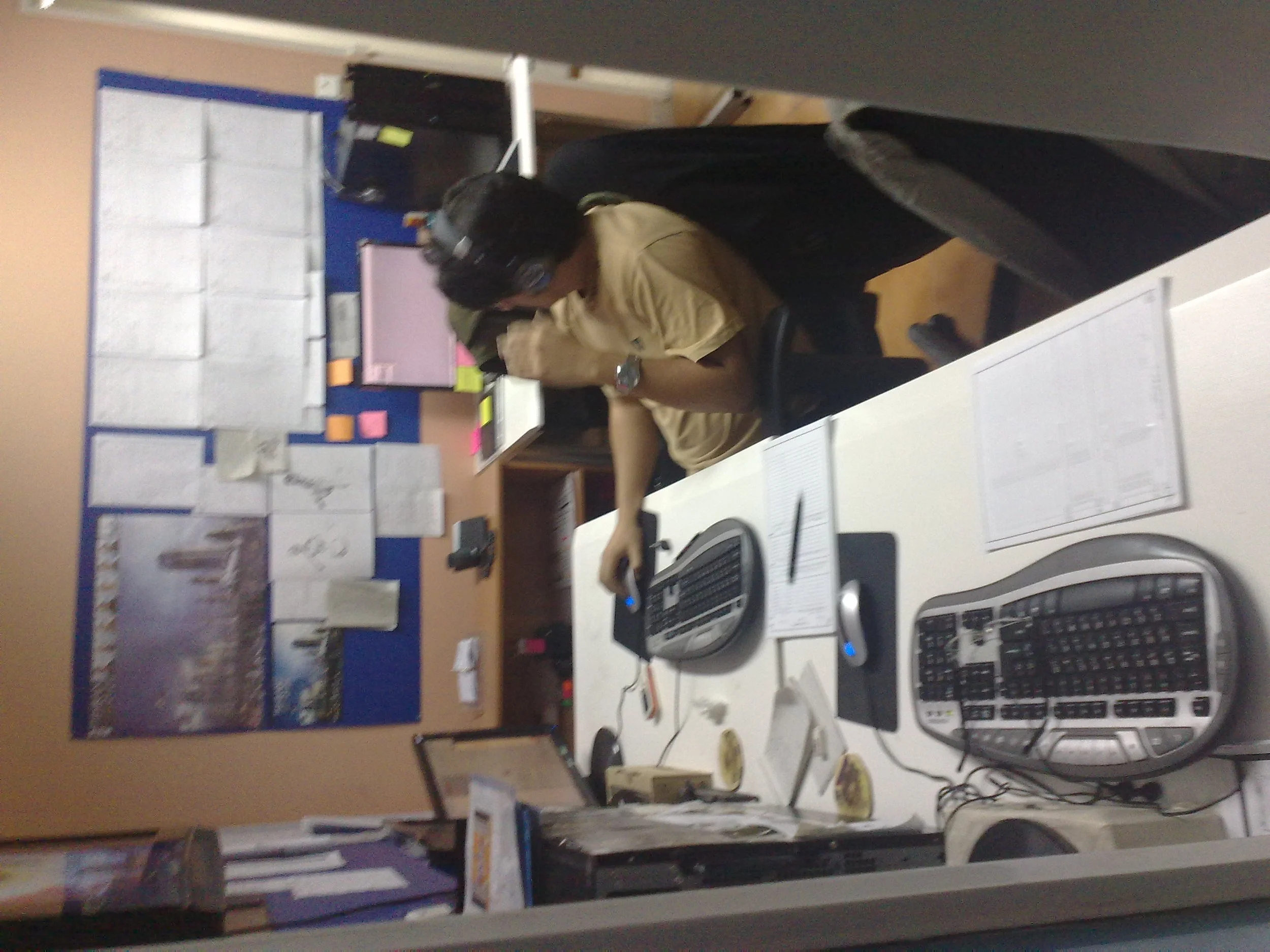
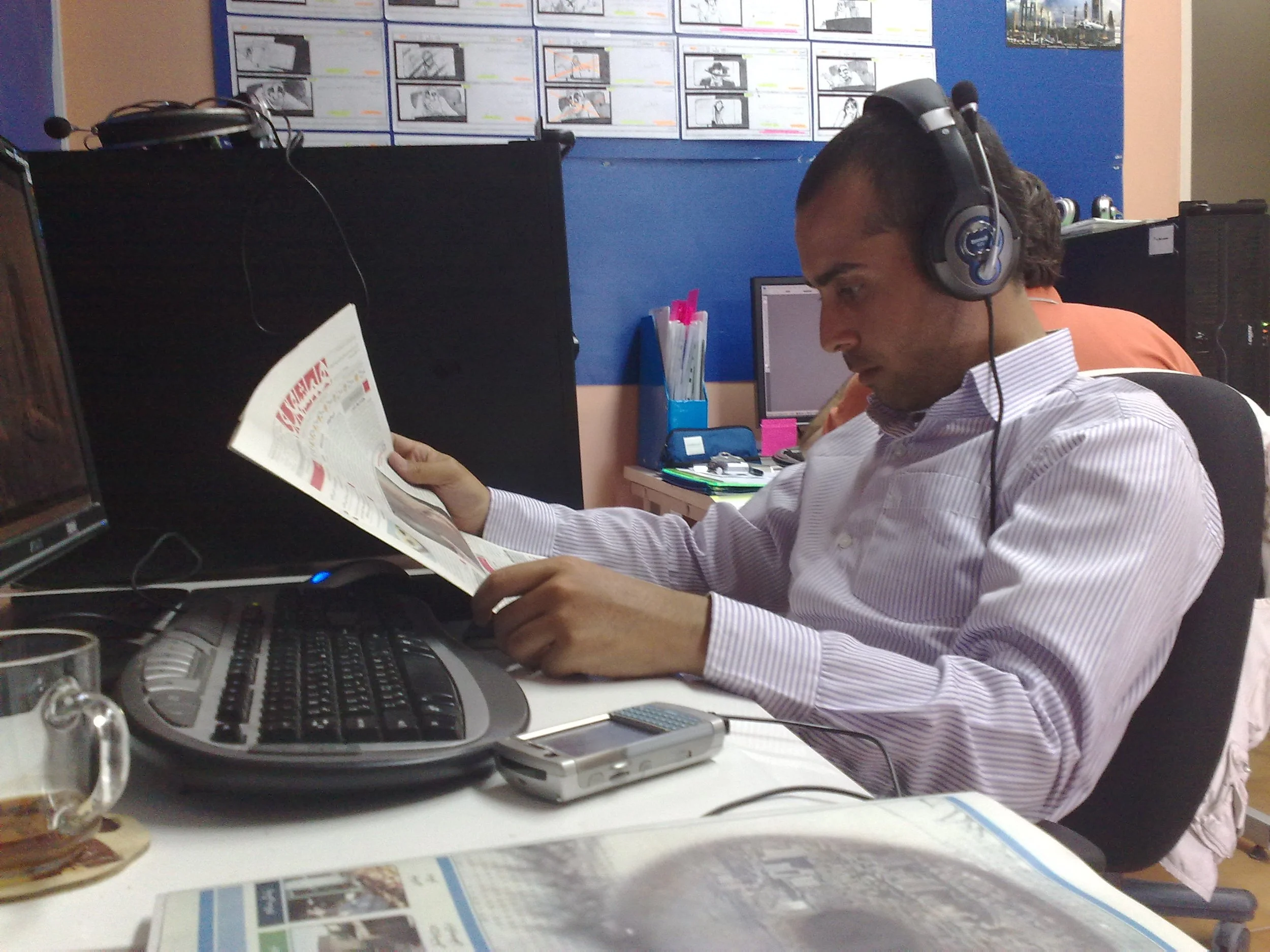
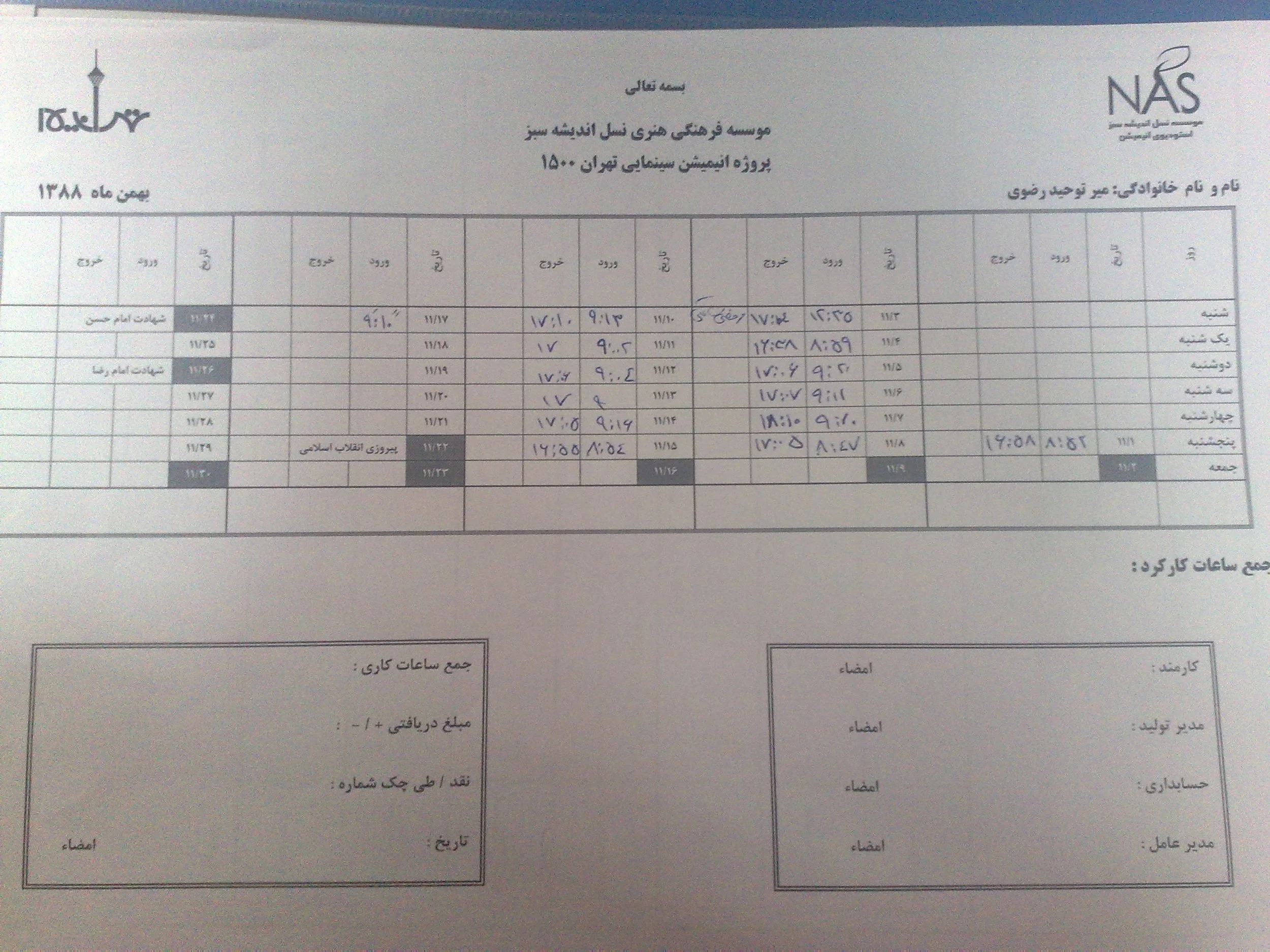
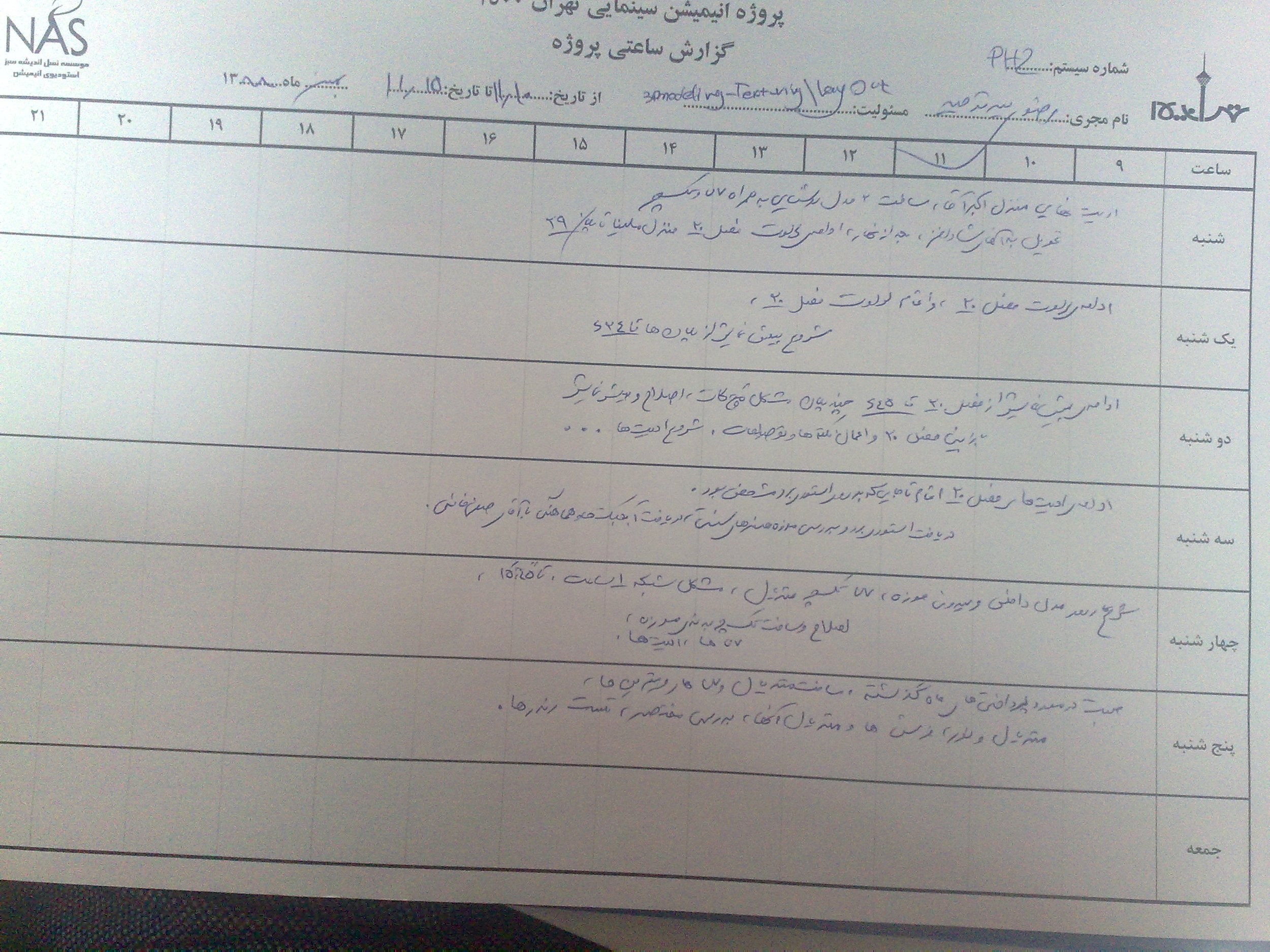
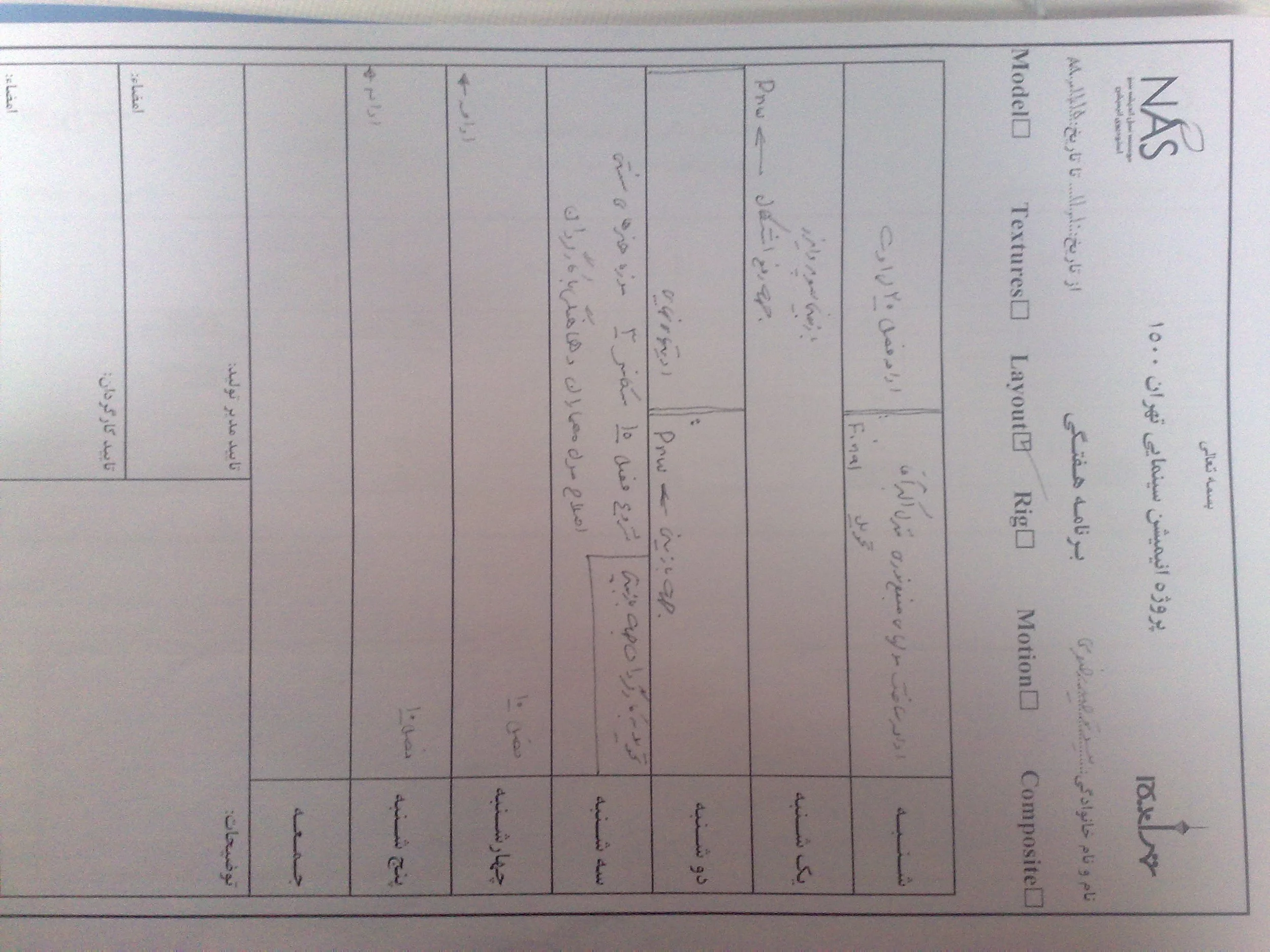
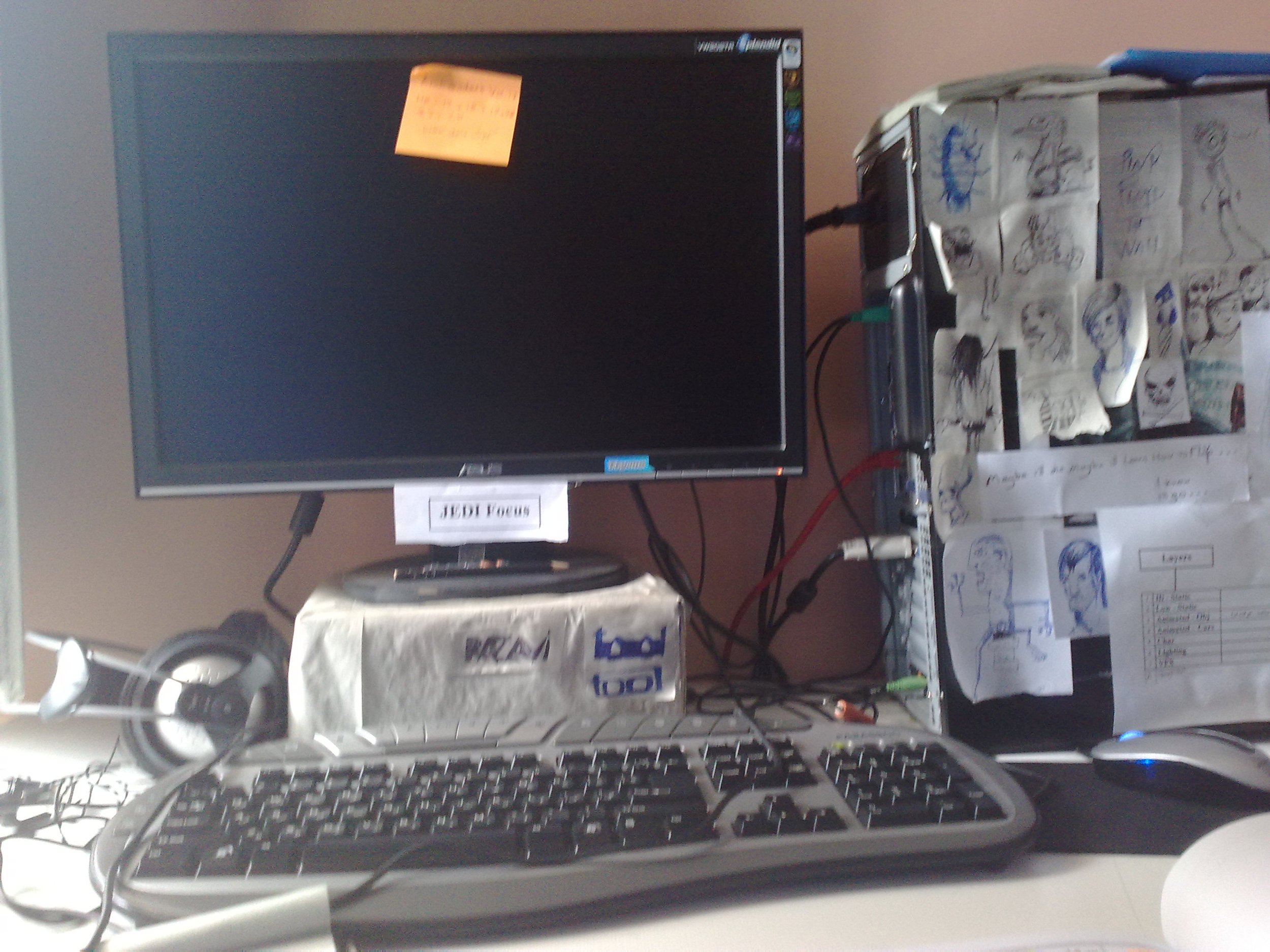
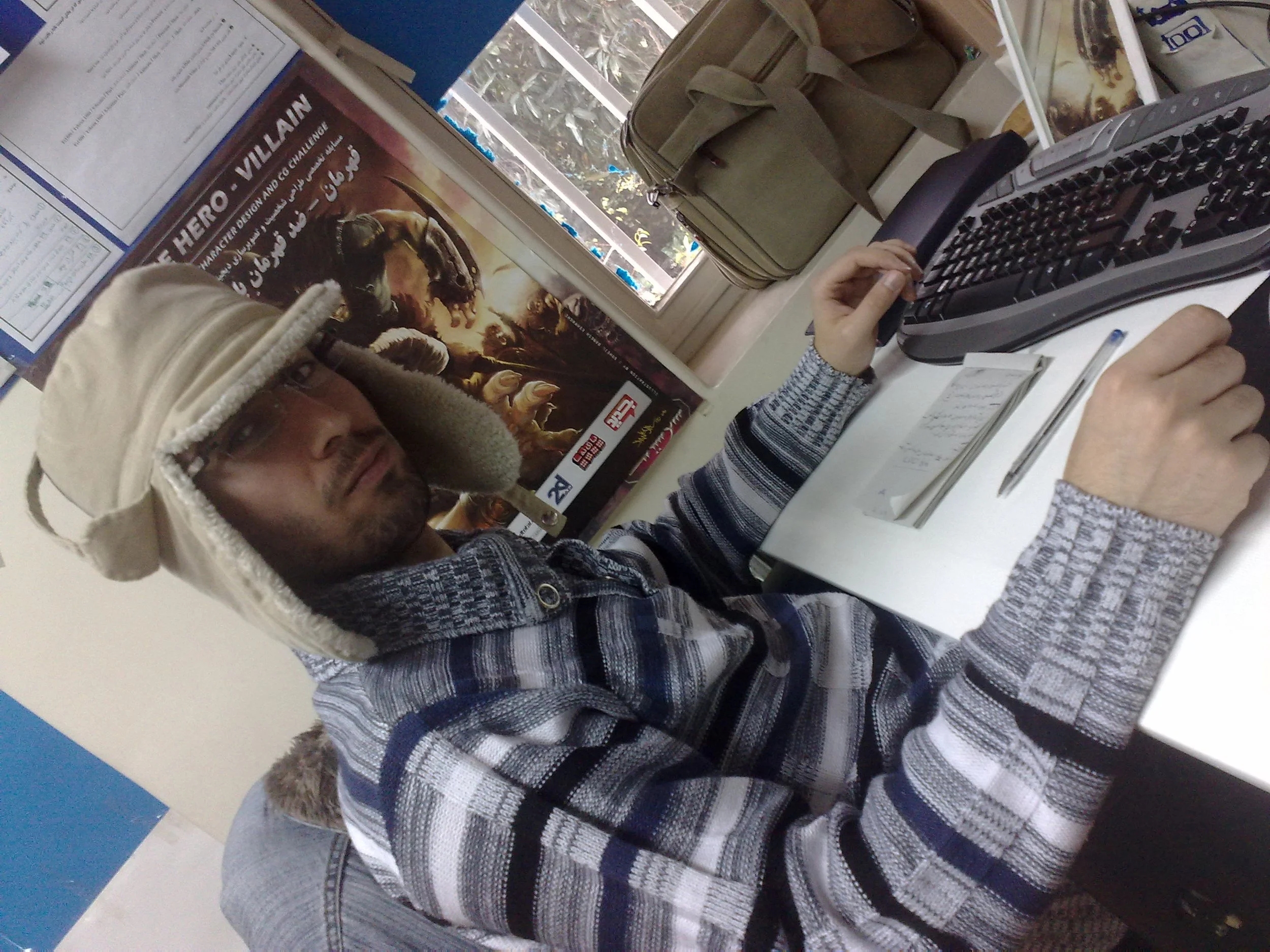
Tehran 1500 is an Iranian animated comedy animation directed by Bahram Azimi. As the first feature-length animated film made in Iran, it opened in theaters at Nowruz 1392 (March 2013).
The film was dubbed twice; the original dub was produced at the Young Voice Actors Association studio.
Plot summary
The story follows a girl named Nazi (Hedieh Tehrani), who leaves her studies on the Moon and travels to Tehran to fulfill the wish of her 160-year-old grandfather, Akbar Agha (Mehran Modiri), who believes his time to die has come. In the year 1500, robots live alongside people, and wealthy individuals — thanks to advanced medical technology — can live up to 160 years. Akbar Agha wishes to be buried in the Artists' Section after his death, so his granddaughter Nazi must prove to the authorities that her grandfather truly was an artist. Along the way, she meets a taxi driver named Javad (Bahram Radan).
من و فرزاد ملکی
اینجا یه مهمونی بود که دقیقاً یادمه همهی بچهها از همهی پروژههایِ آقایِ ابوالحسنی یهجا جمع شده بودن، و آقایِ ابوالحسنی تکتکِ بچهها رو که میدید میگفت: «یادتون باشه همهتون روی پروژهی تهران ۱۵۰۰ کار میکنید.» منظورشون این بود که تیم توی چشمِ مدیرانی که از شهرداریِ تهران اومده بودن بزرگ دیده بشه، تا هزینهی تولید یهجورایی توجیه بشه. عجب دورانی بود.
فرزاد ملکی الان دیگه سالهاست استرالیاست، و این عکس رو با دوربینِ گوشیِ اون دوران، اصلاً یادم نیست کی گرفته. من هم که قیافهام عینِ آمیبه. چقدر اعتمادبهنفس داشتم و احساس میکردم داریم جهان رو جابهجا میکنیم. دورانِ پرهیجانی بود.
This was a party — I remember clearly that everyone from all of Mr. Abolhasani's projects had gathered together in one place, and whenever Mr. Abolhasani saw each person, he'd say, "Remember, all of you are working on the Tehran 1500 project." What he meant was that the team needed to look bigger in the eyes of the officials who'd come from the Tehran Municipality, so the production costs could somehow be justified. What a time that was.
Farzad Maleki (His facebook) has been in Australia for years now, and this photo, taken with a phone camera of that era, I honestly don't remember who took. As for me, my face looks like an amoeba. I had so much confidence back then, and I felt like we were moving the whole world. It was such an exciting period.
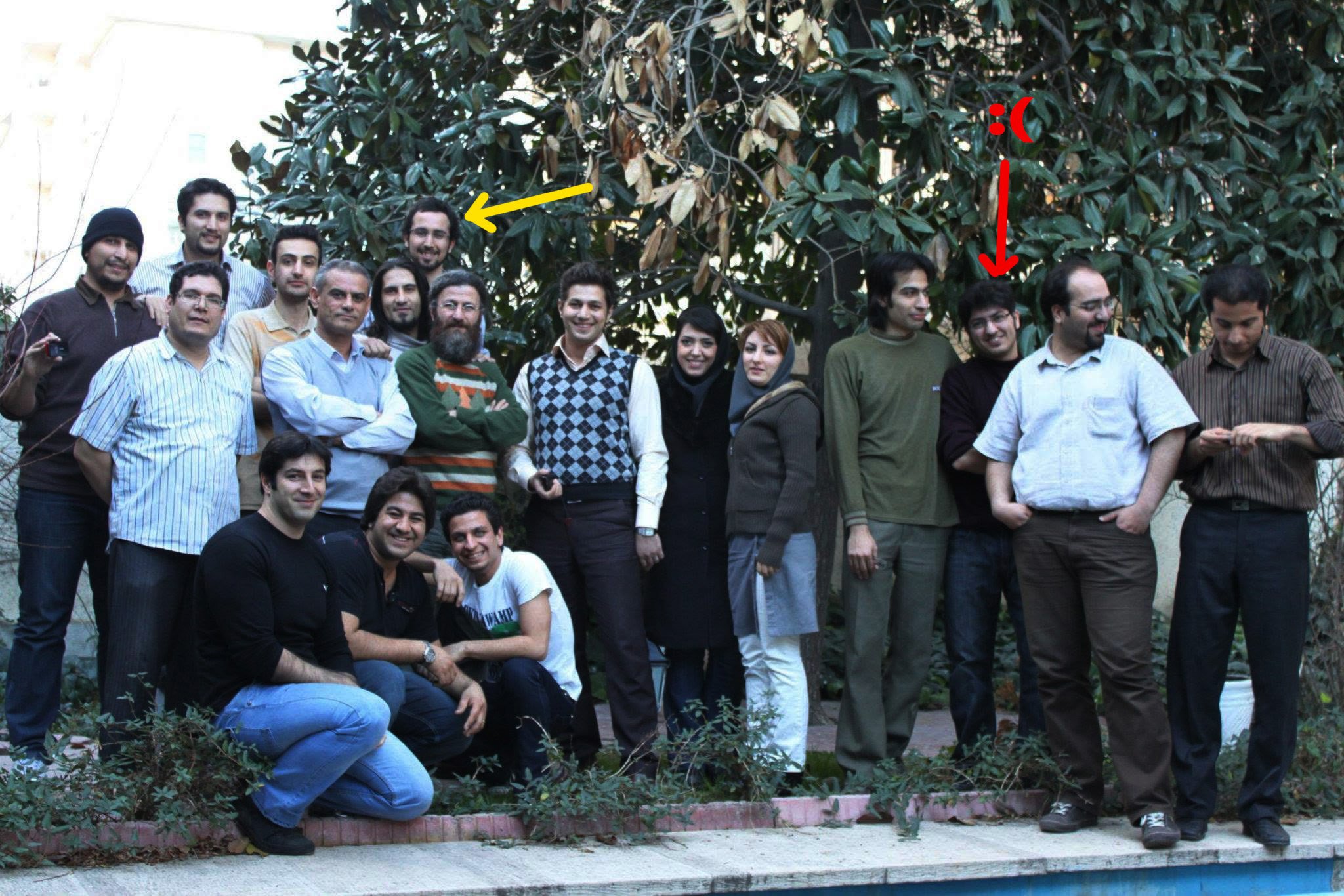
اینجا جمع شده بودیم برایِ عکاسی. من هم اونجا مشخصه قیافهام، مثلِ همیشه خوشحال. مرحوم یاشار خانپور هم از تهِ دلش میخنده، ولی متأسفانه چند سالیه که از پیشِ ما رفته. حتی اینجا هم چندبار باهم خوشوبش کرده بودیم که ناگهان خبرِ خودکشیِ یاشار رو از سمتِ آقایِ عظیمی دریافت کردم. البته هنوز هم باورم نشده. یاشار هم بارِ زندگی رو به دوش میکشید و خیلی تلاش میکرد. اولین روزی که اومد توی پروژهی تهران ۱۵۰۰ رو قشنگ یادمه. حرف نمیزد. در سکوت نشست و یه منبتکاریِ پیچیده برایِ یکی از لوازمِ صحنه رو مدلسازی کرد؛ همه کف کرده بودیم. پسرِ خیلی باستعداد و آقایی بود. رندر و تمومِ چالشهایِ رندرینگِ این فیلمِ سینماییِ سنگین رو خودش به دوش کشید؛ حتی سالها پس از ترکِ این پروژه، یاشار همچنان با رندرینگ درگیر بود، و در نهایت هم، مثلِ همهی پروژههایِ ایران، یه تجربهی تلخ براش موند. روحش شاد. چقدر حیف شد که یاشار دیگه برایِ همیشه رفته.
This was a photo shoot we'd gathered for. My face is clear there too, happy as always. The late Yashar Khanpour is also laughing from the heart, but sadly, it's been a few years now since he's been gone. Even here, we had exchanged pleasantries a few times, and then, out of nowhere, I got word of Yashar's suicide from Mr. Azimi. Honestly, I still haven't fully accepted it. Yashar was also carrying the weight of life on his shoulders and trying so hard. I remember his first day on the Tehran 1500 project clearly. He didn't talk. He sat in silence and modeled an intricate wood-carving detail for one of the set props, and all of us were blown away. He was an incredibly talented and dignified young man. He carried the rendering and all the rendering challenges of that heavy feature film on his own shoulders; even years after leaving this project, Yashar was still caught up in rendering, and in the end, like every project in Iran, it left him with a bitter experience. May his soul rest in peace. What a loss that Yashar is gone for good now.
I'm sorry — that's a hard loss to write about, especially alongside a memory that's clearly still warm for you.
خیلی گشتم و در آخر این آرشیو طلا از عکس ها رو پیدا کردم.
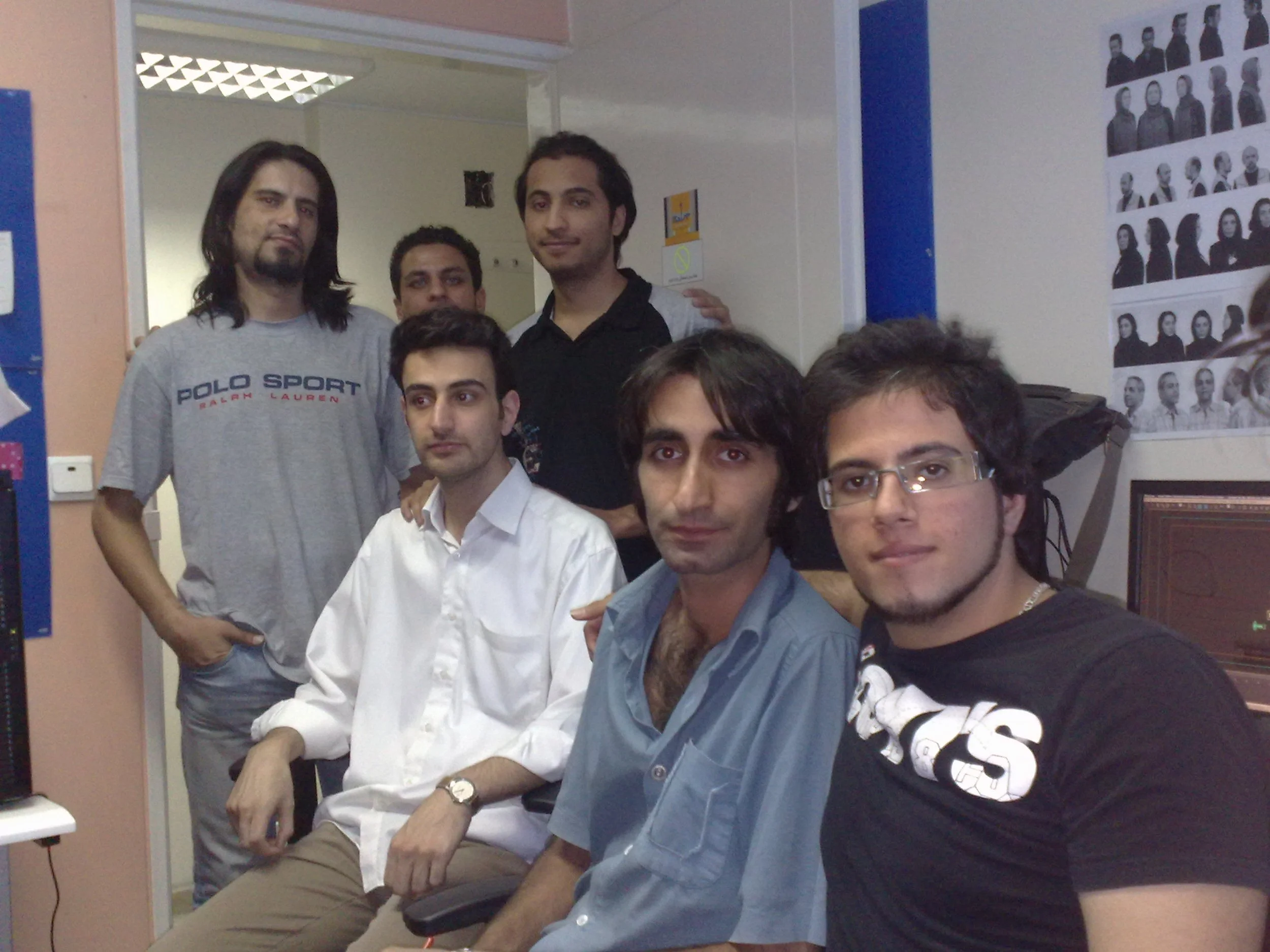
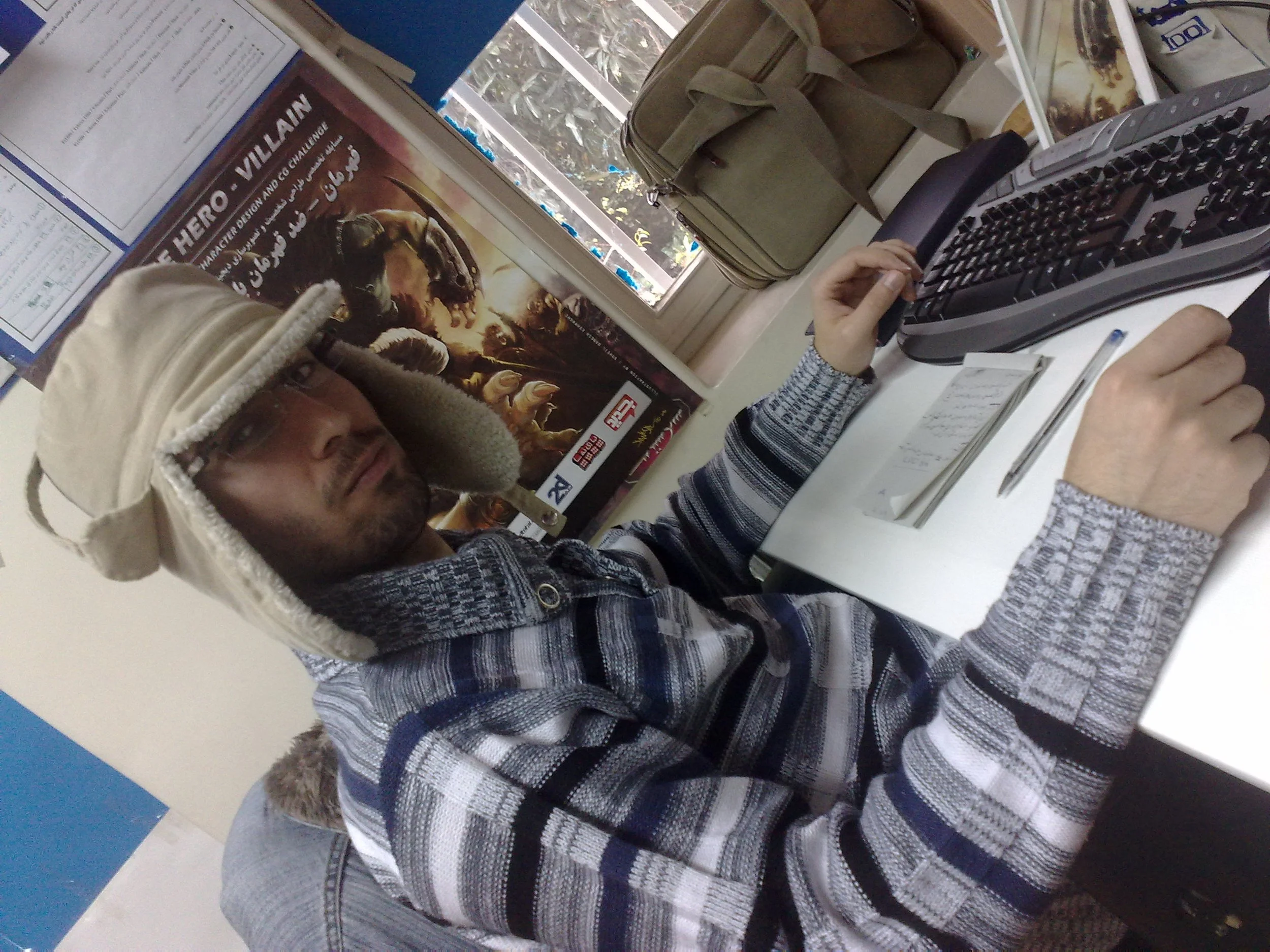
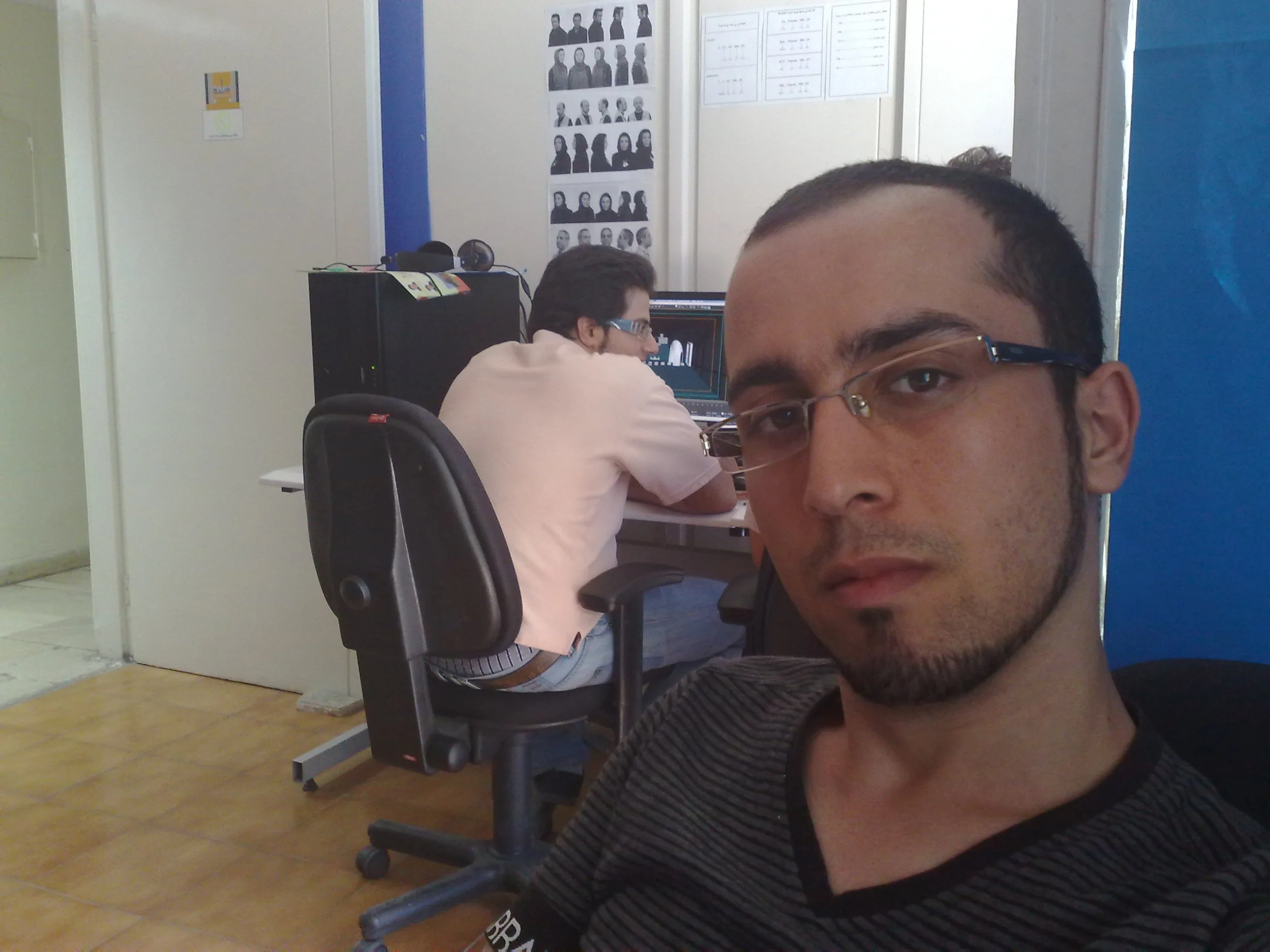
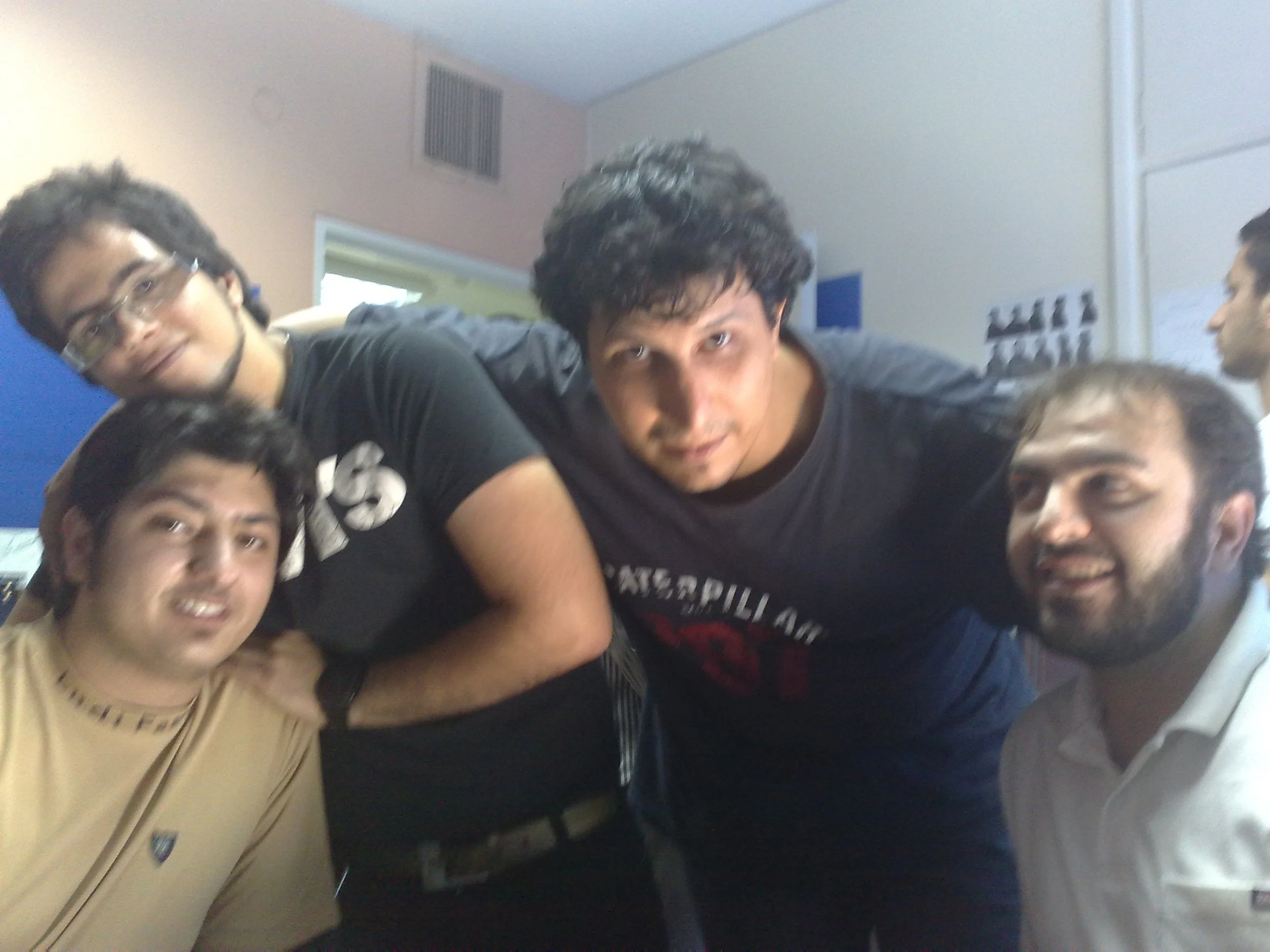
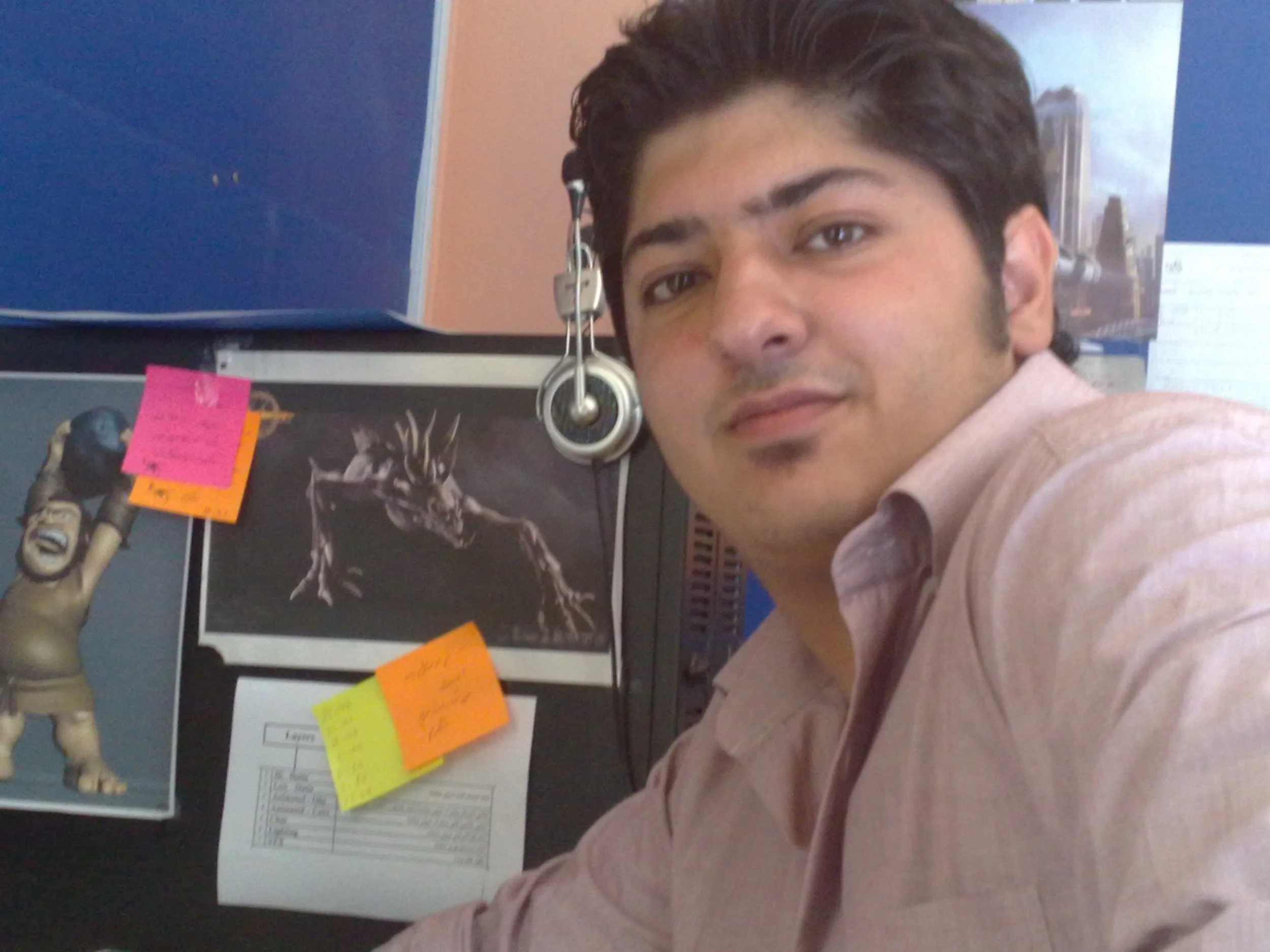
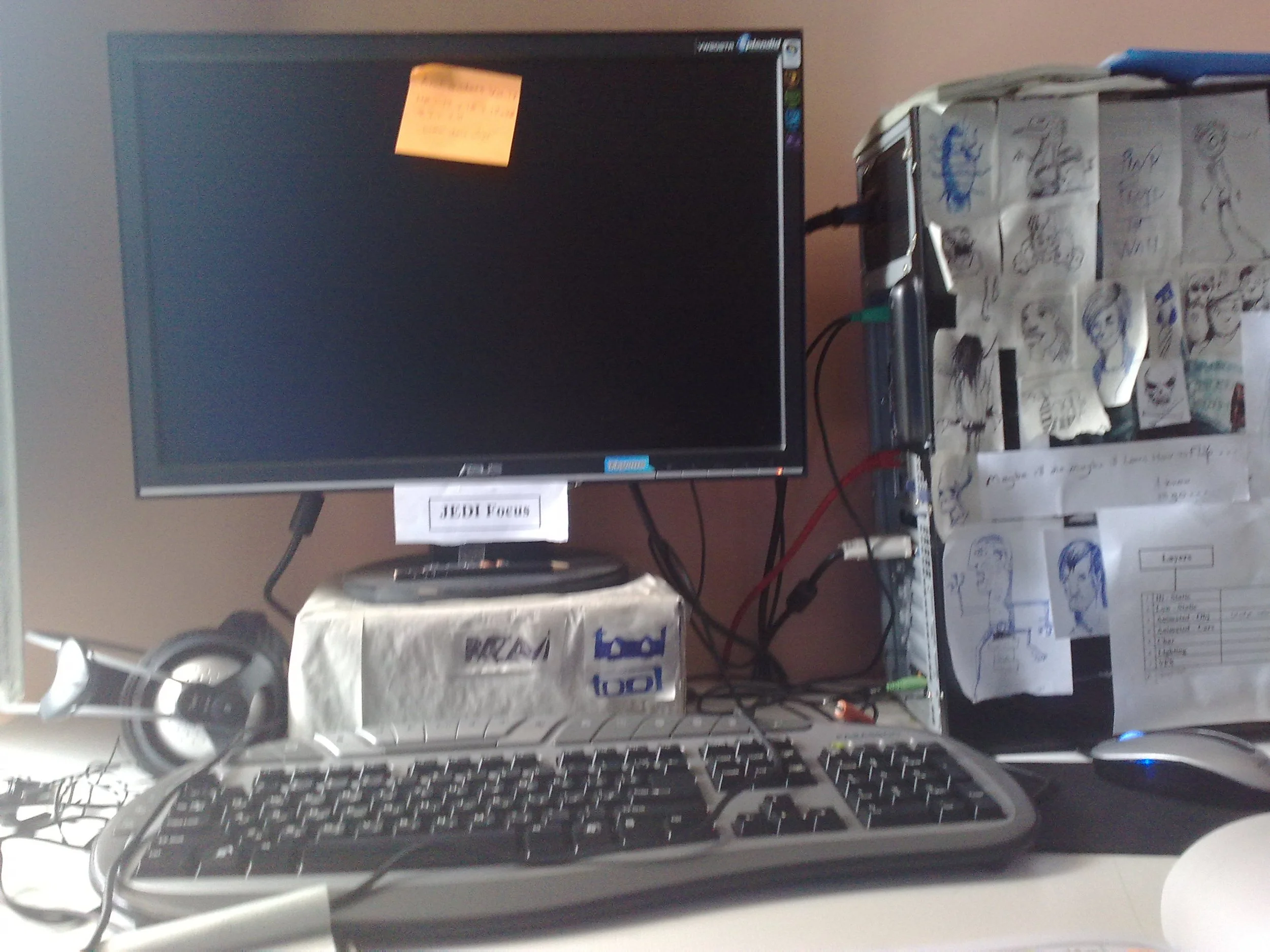
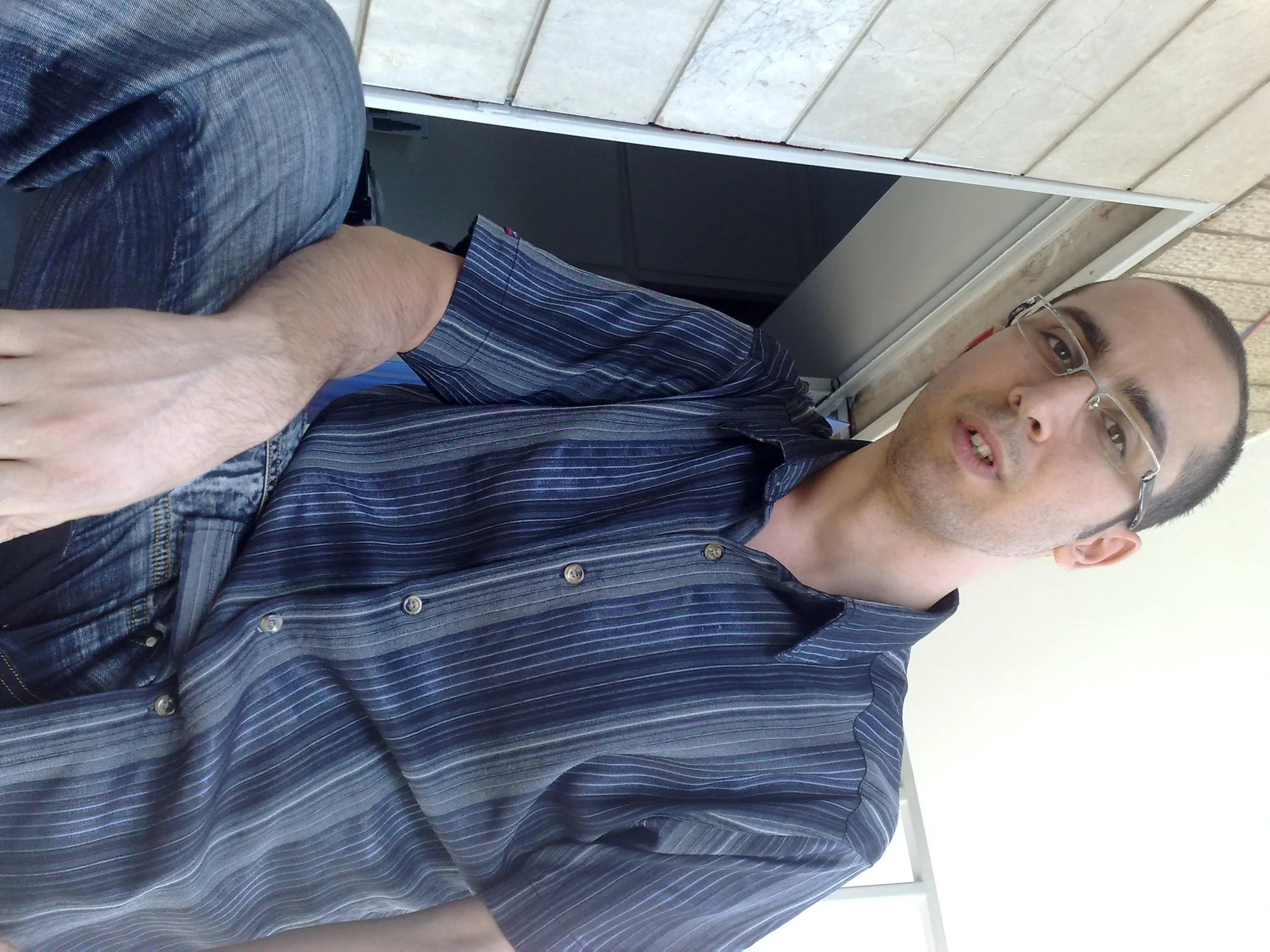
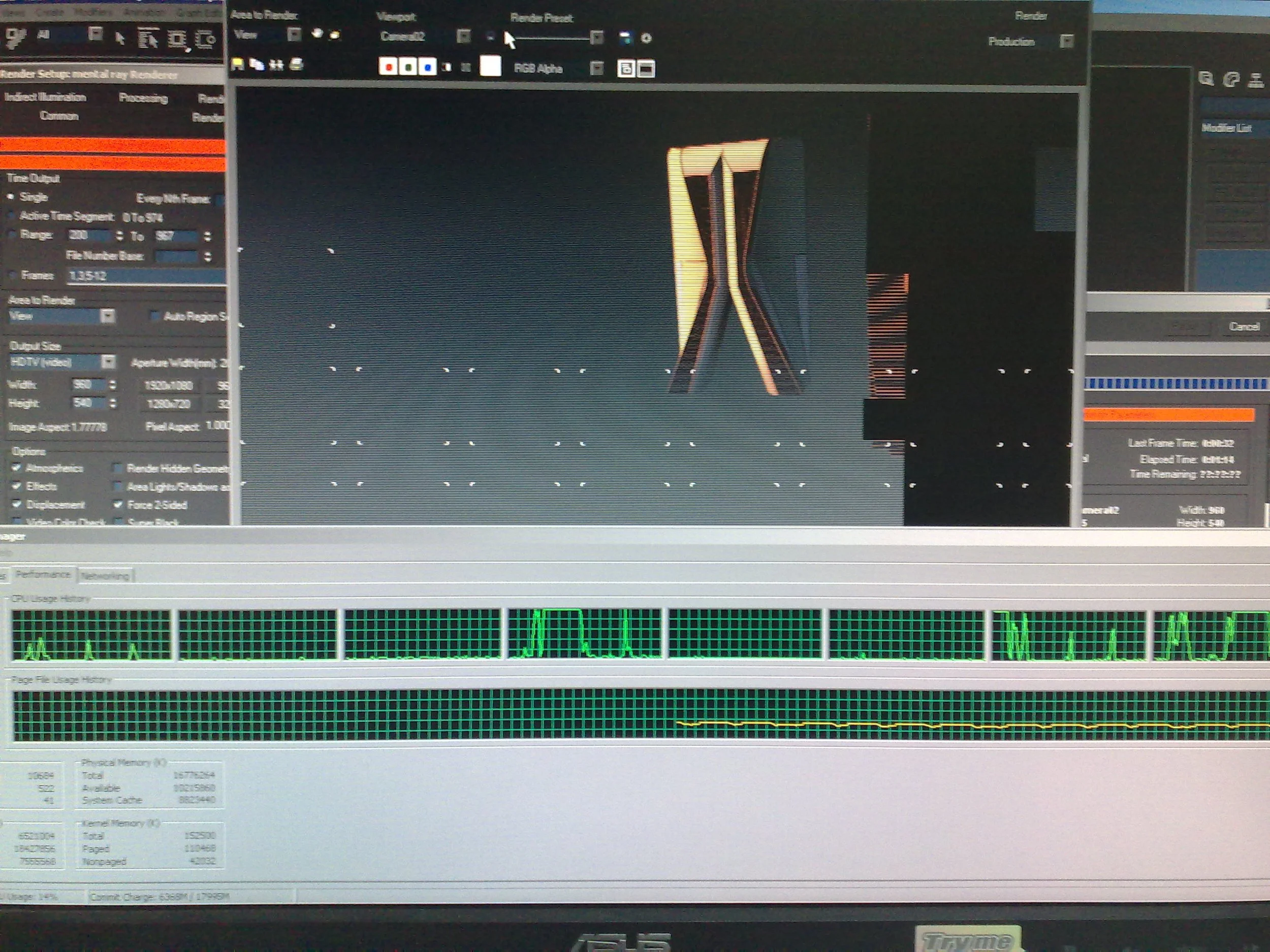
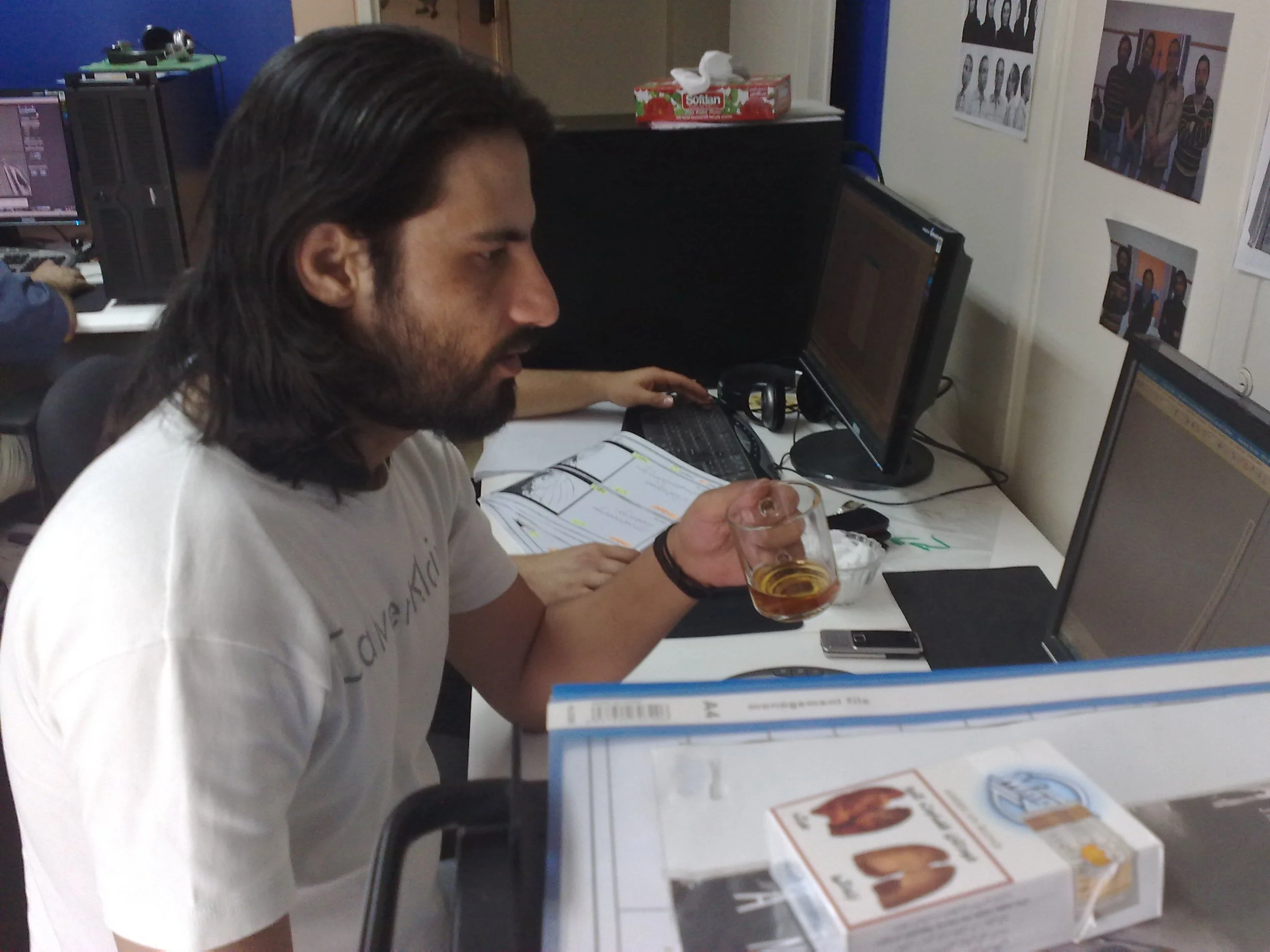
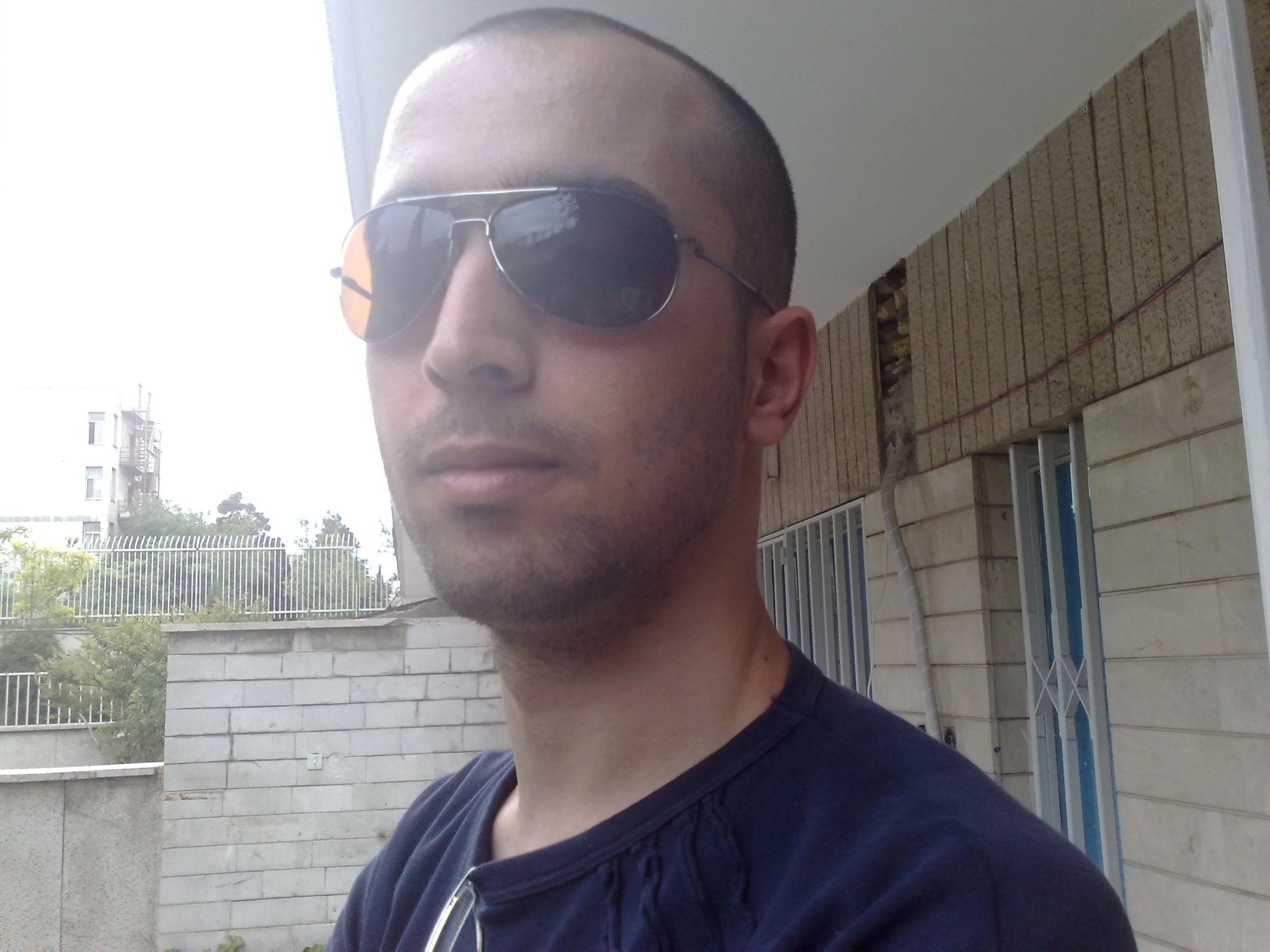
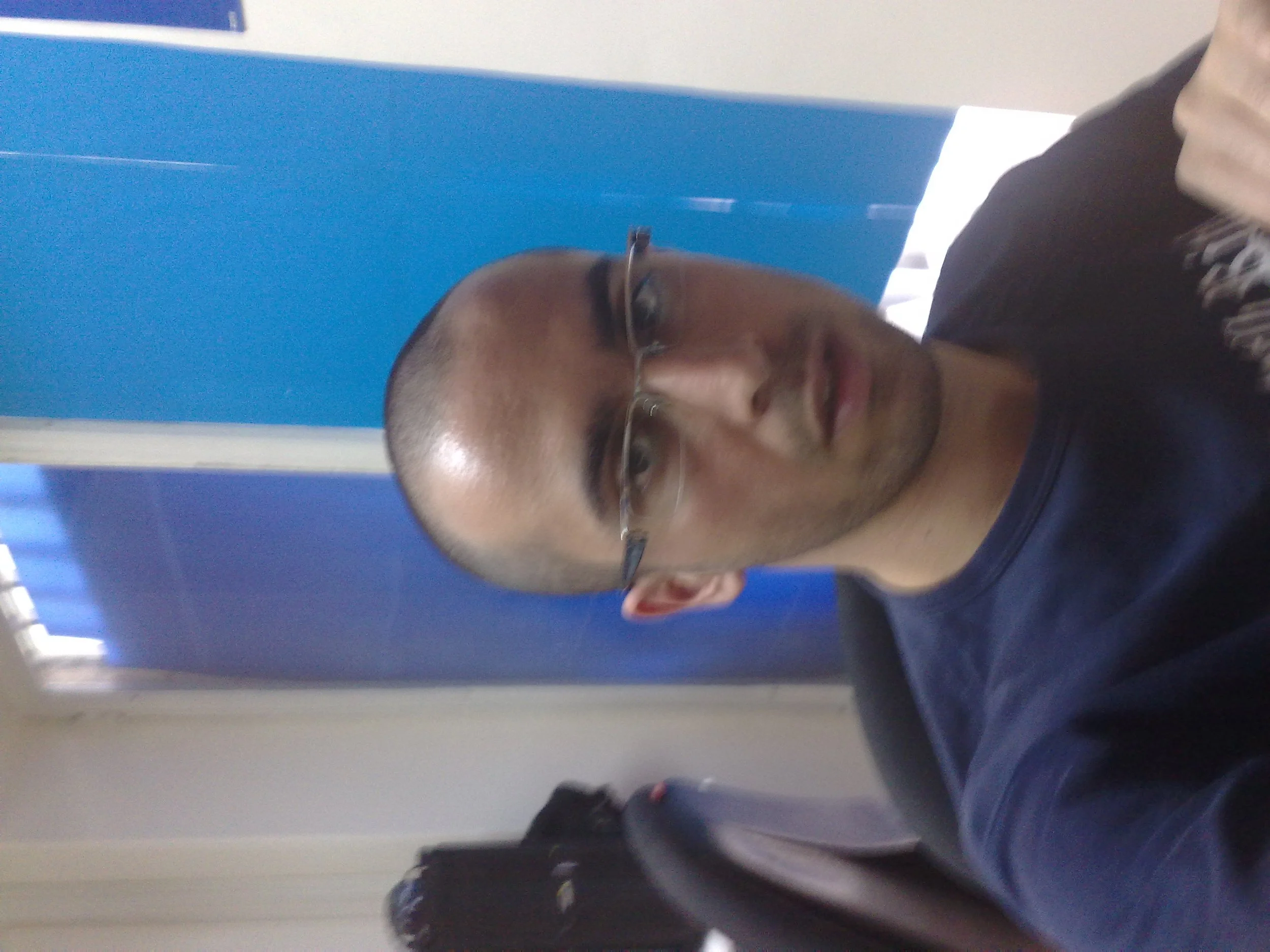
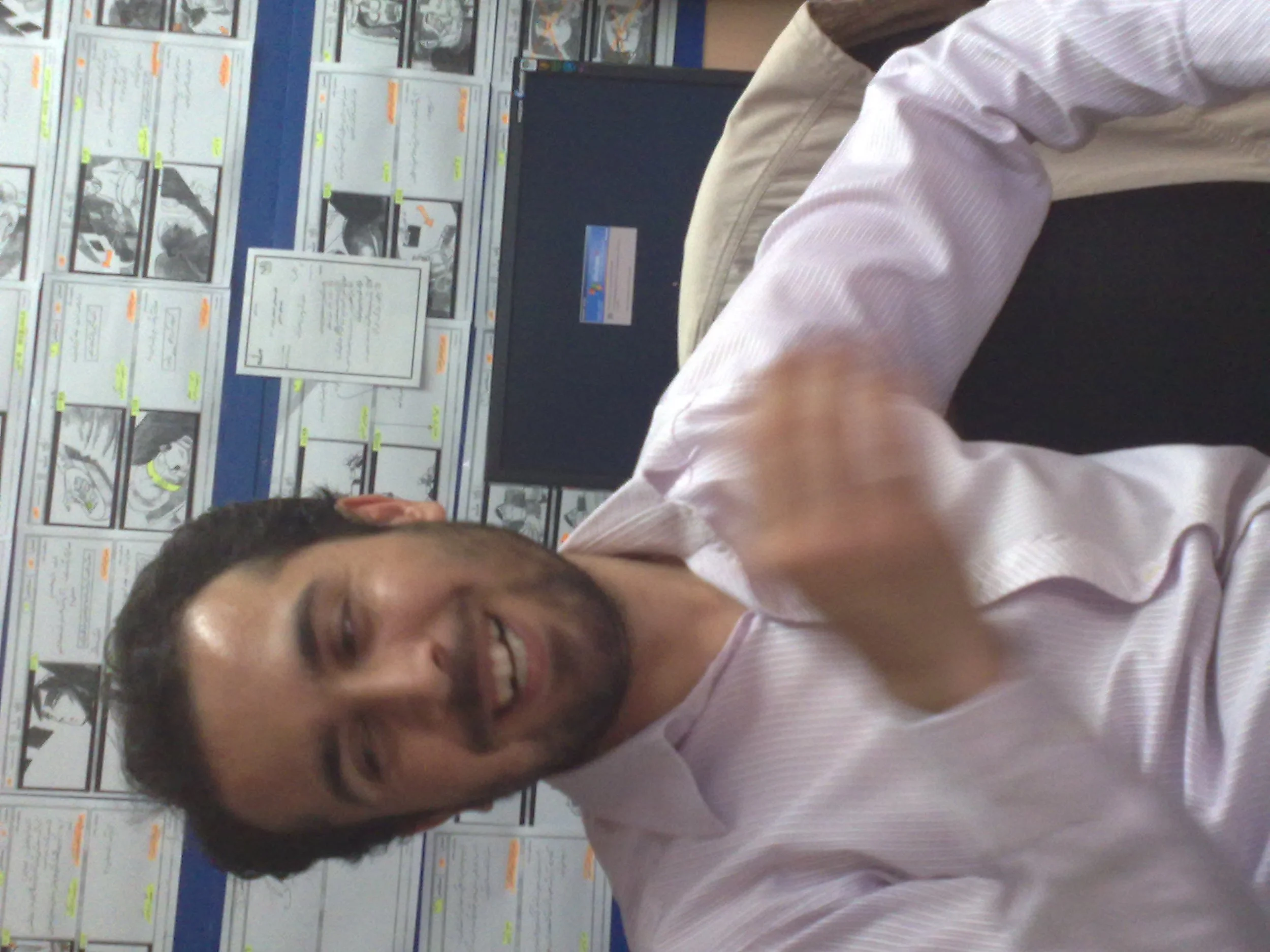
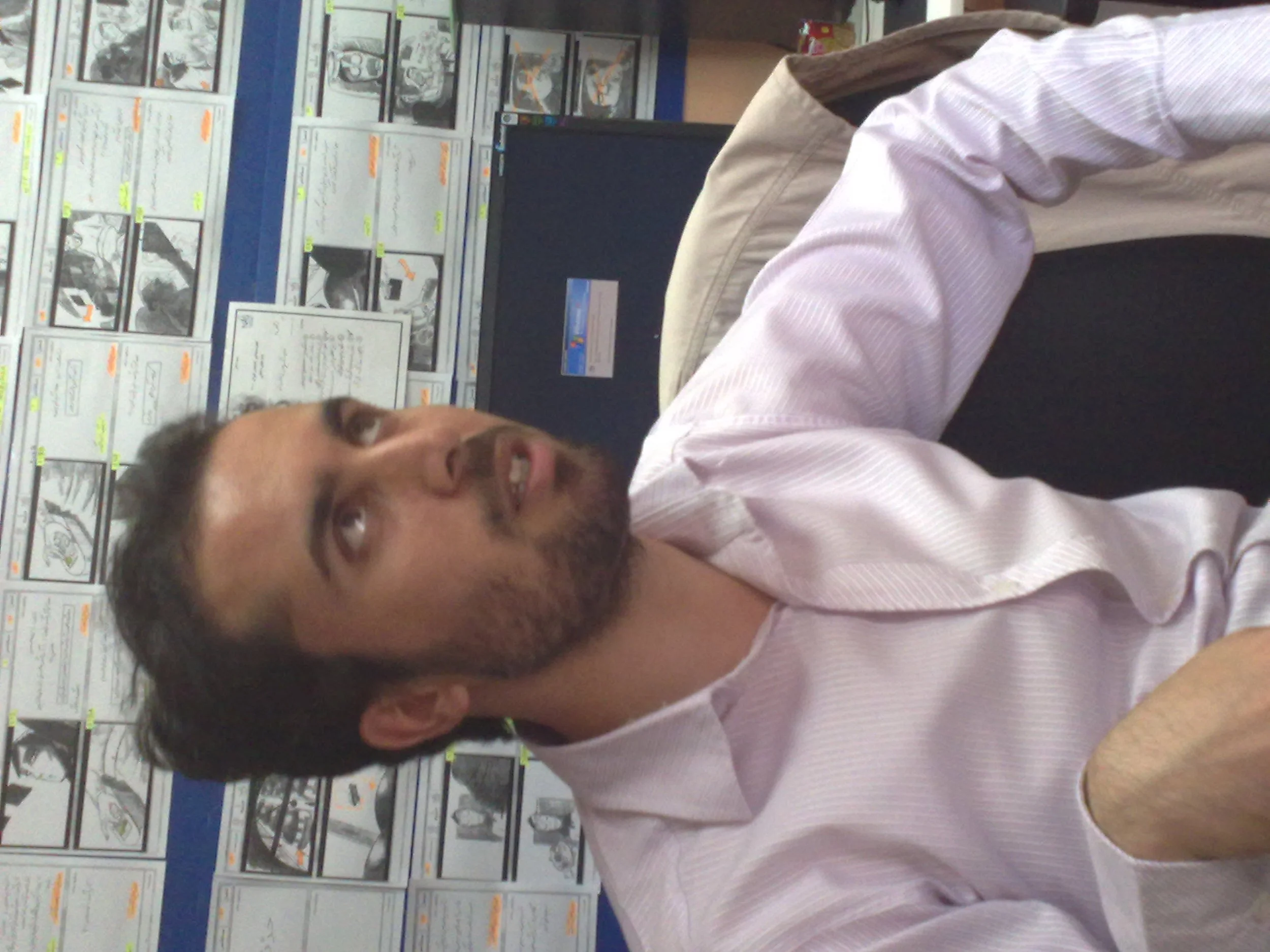
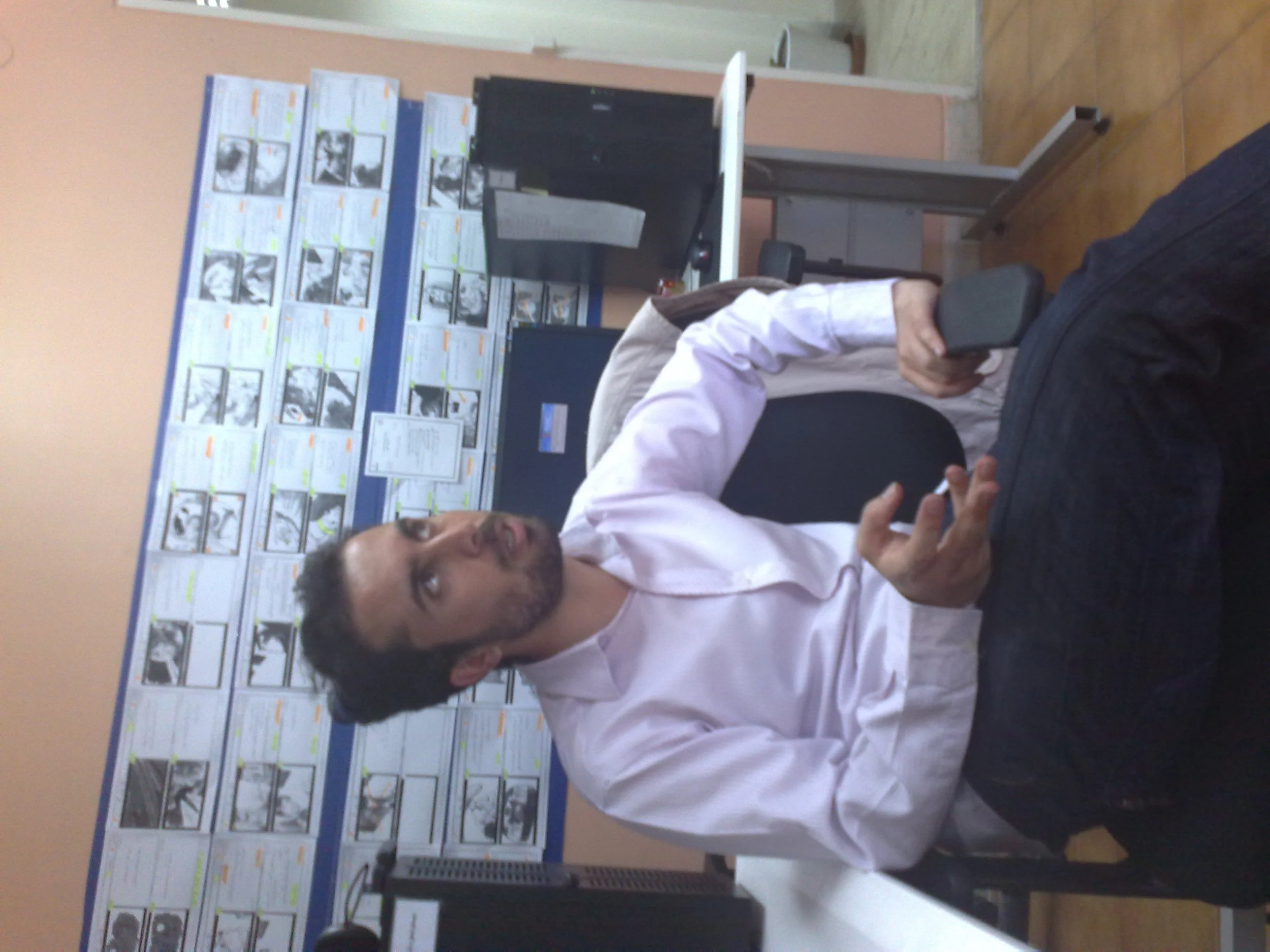
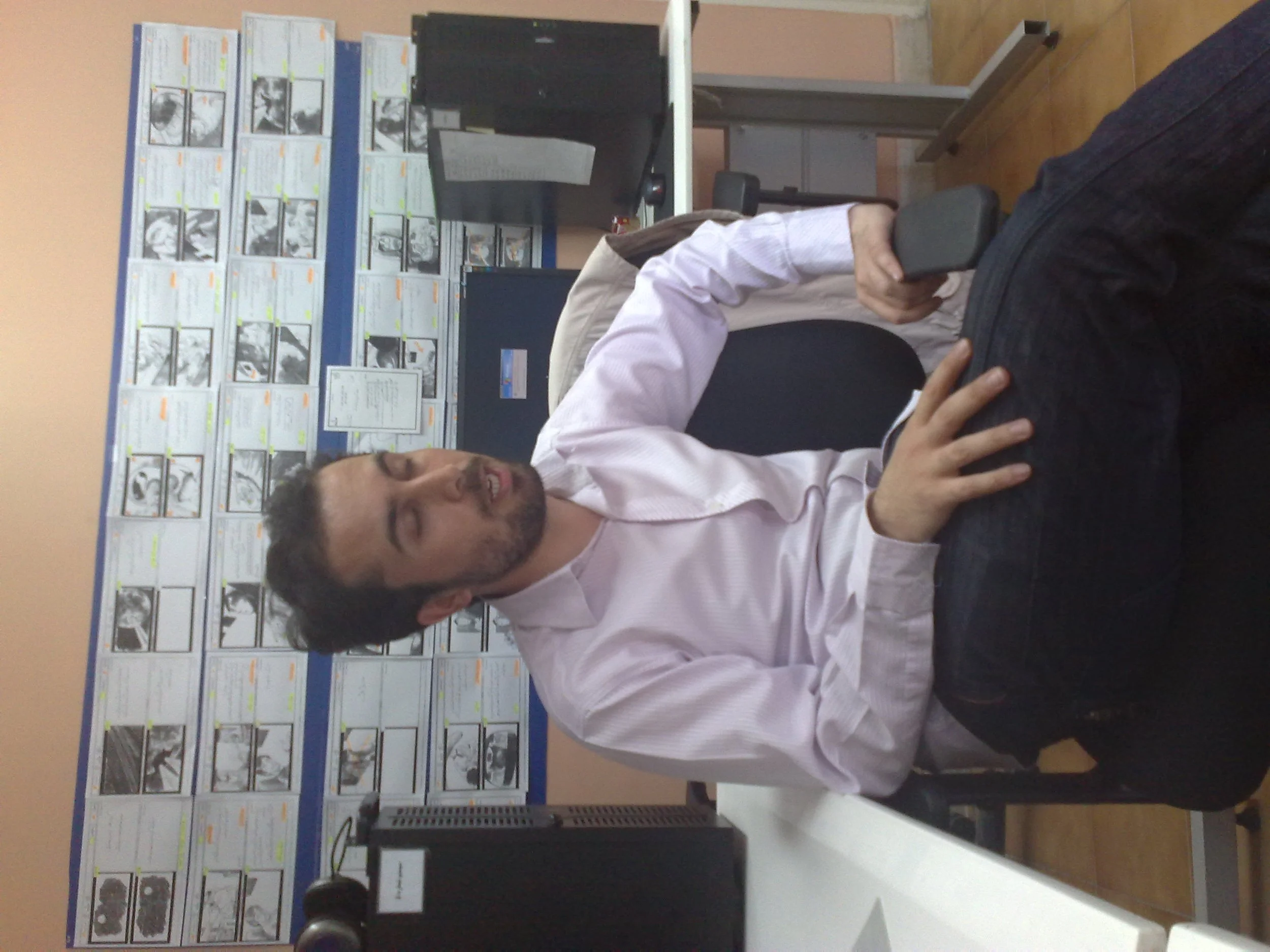
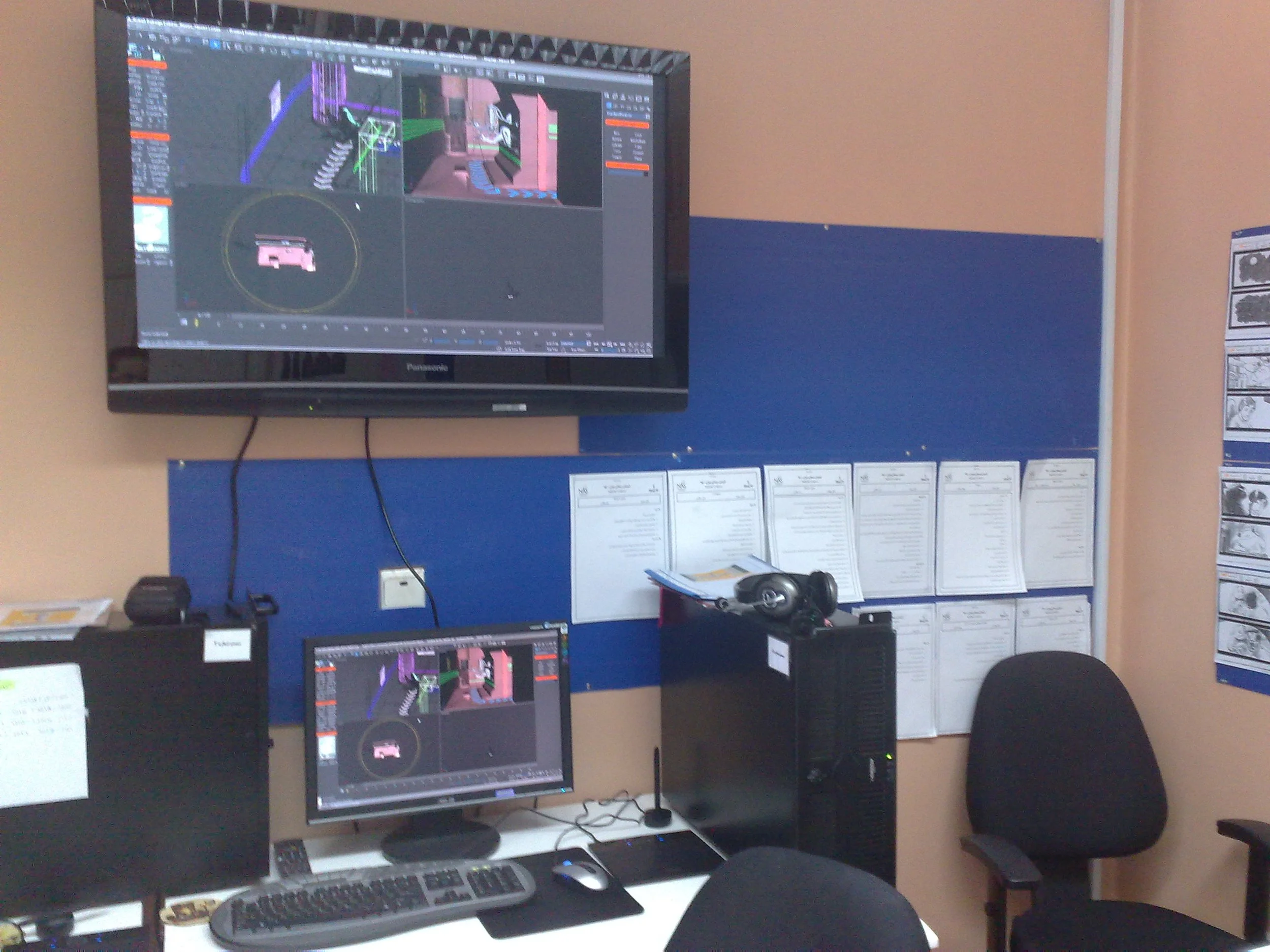
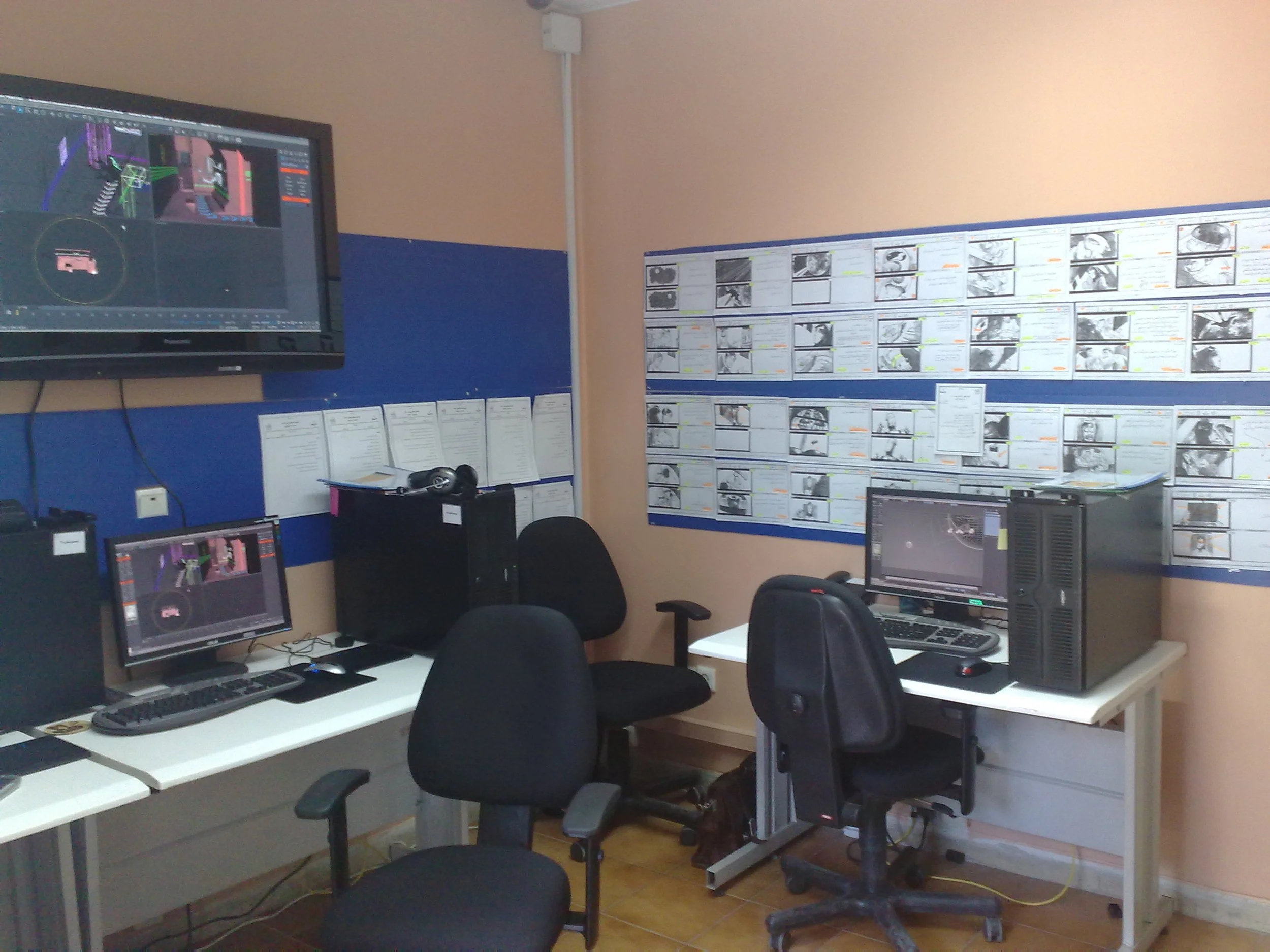
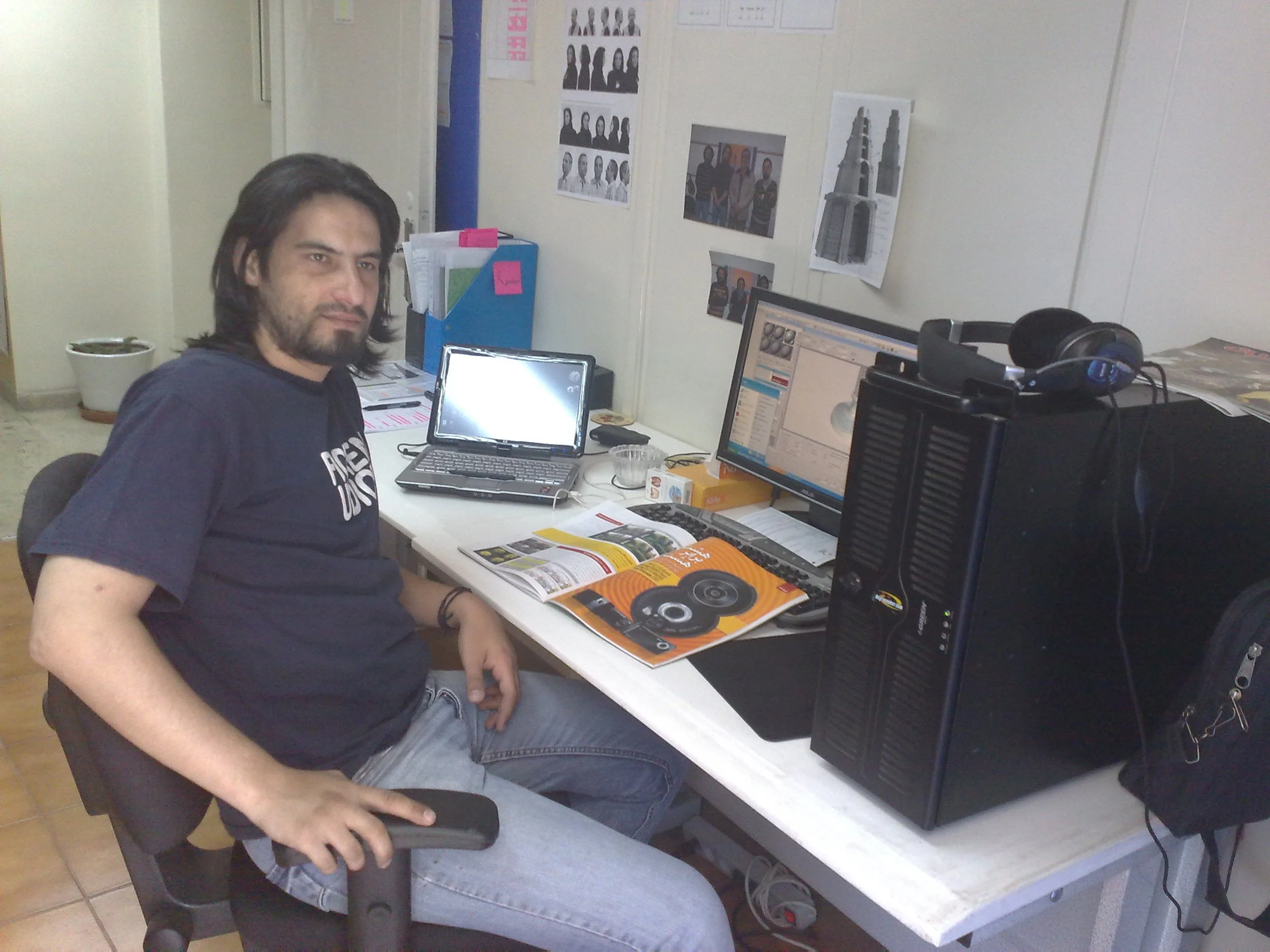
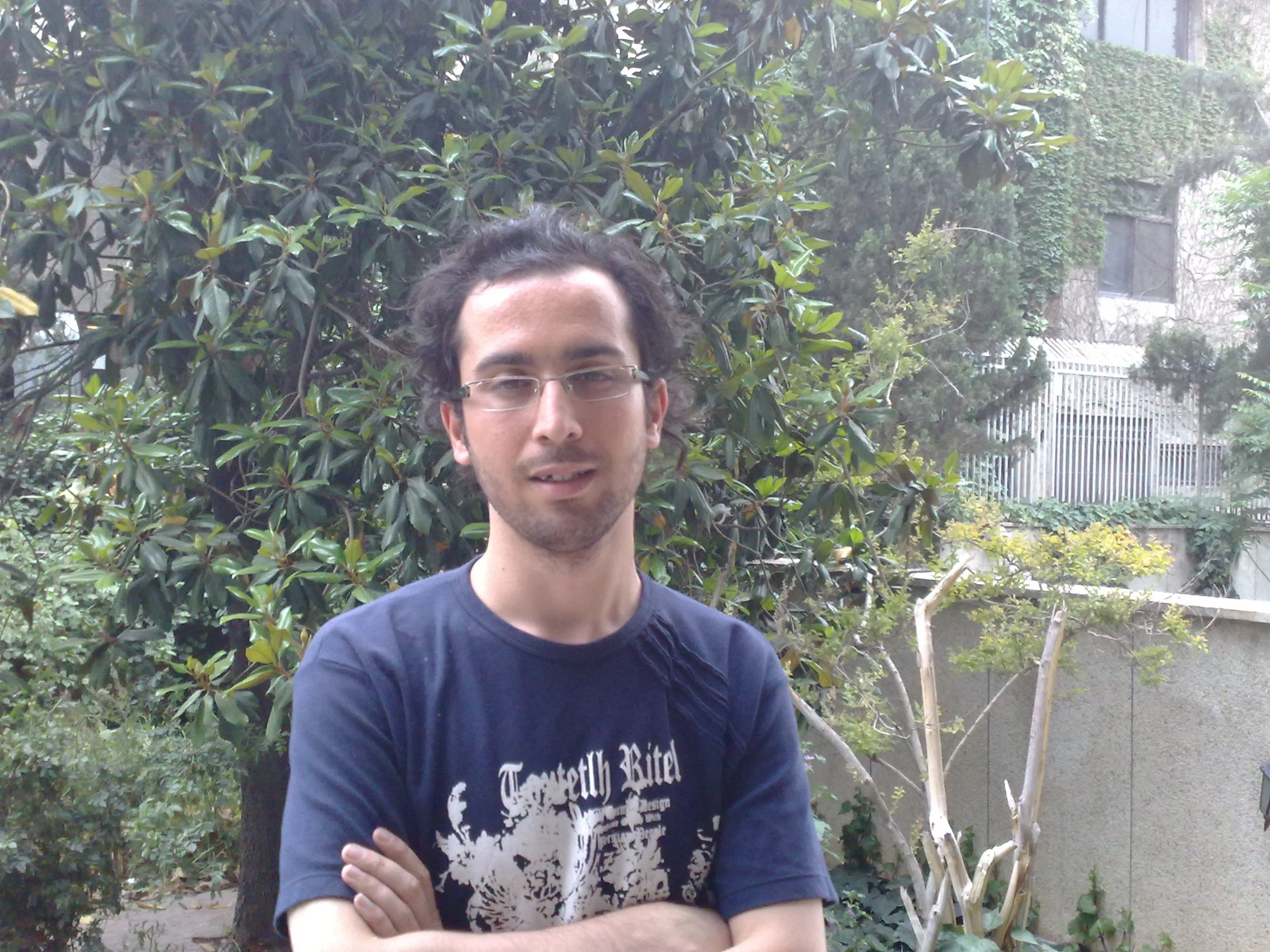
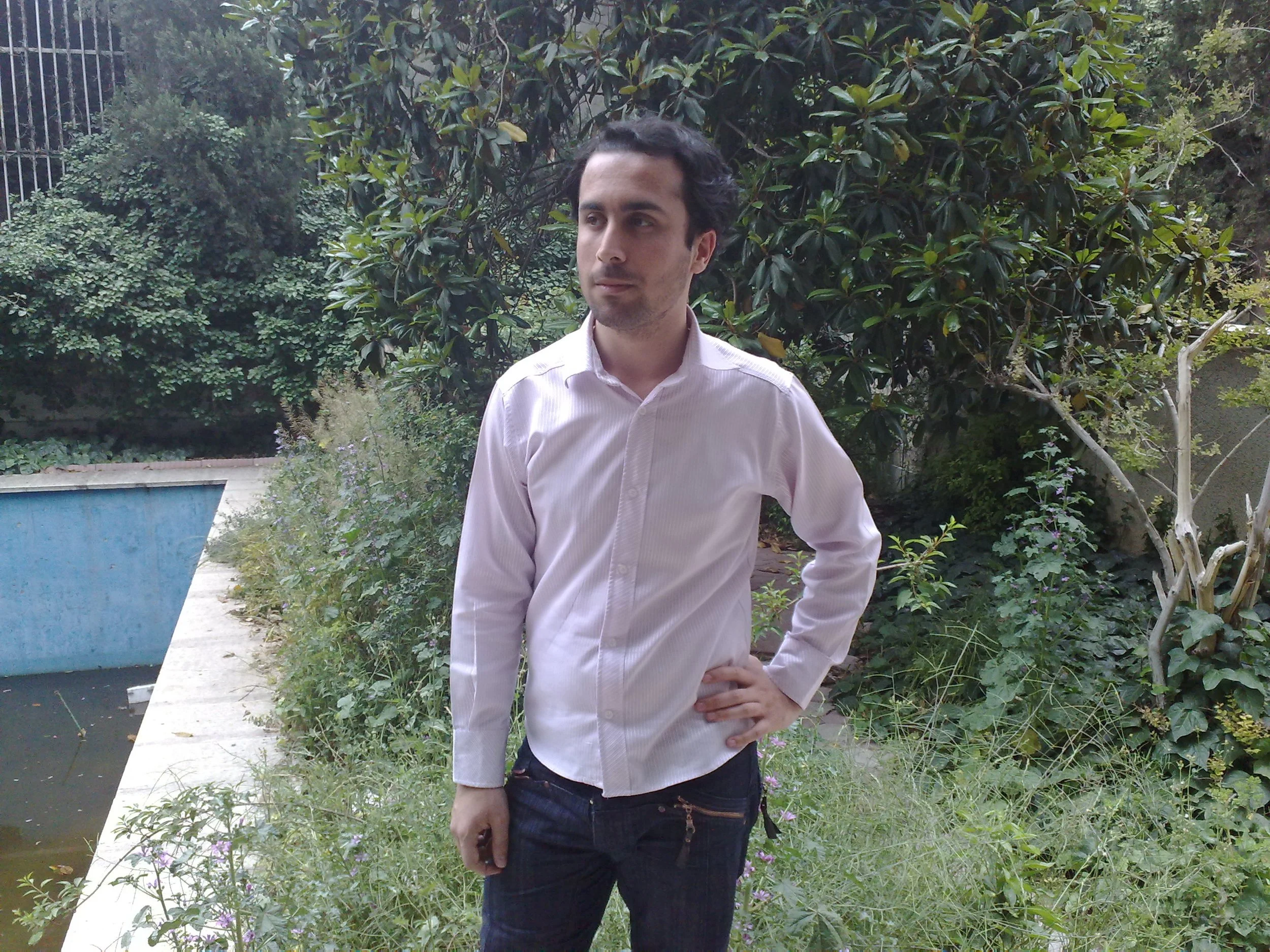
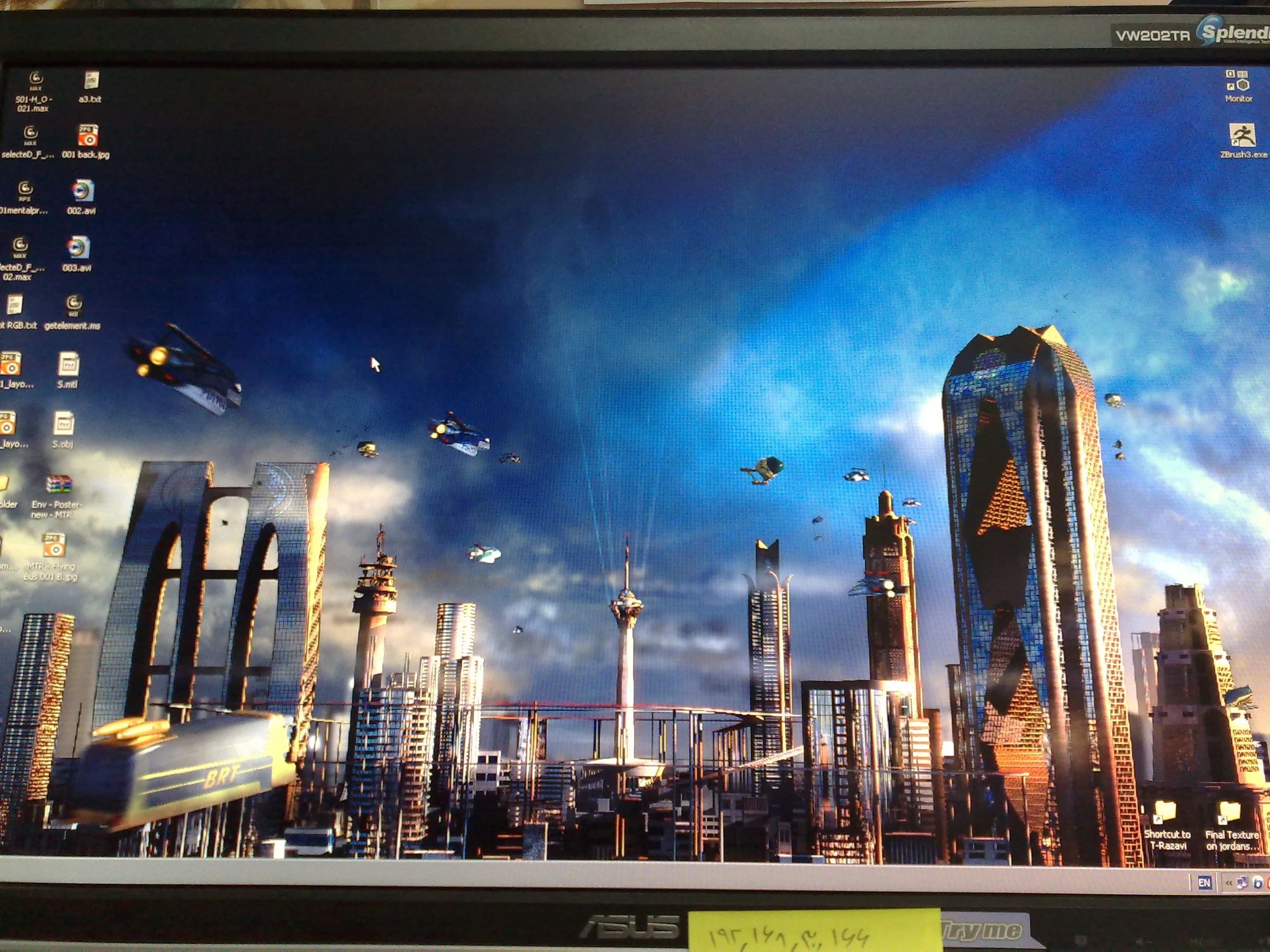
و در تاریخ 25 .5.1388
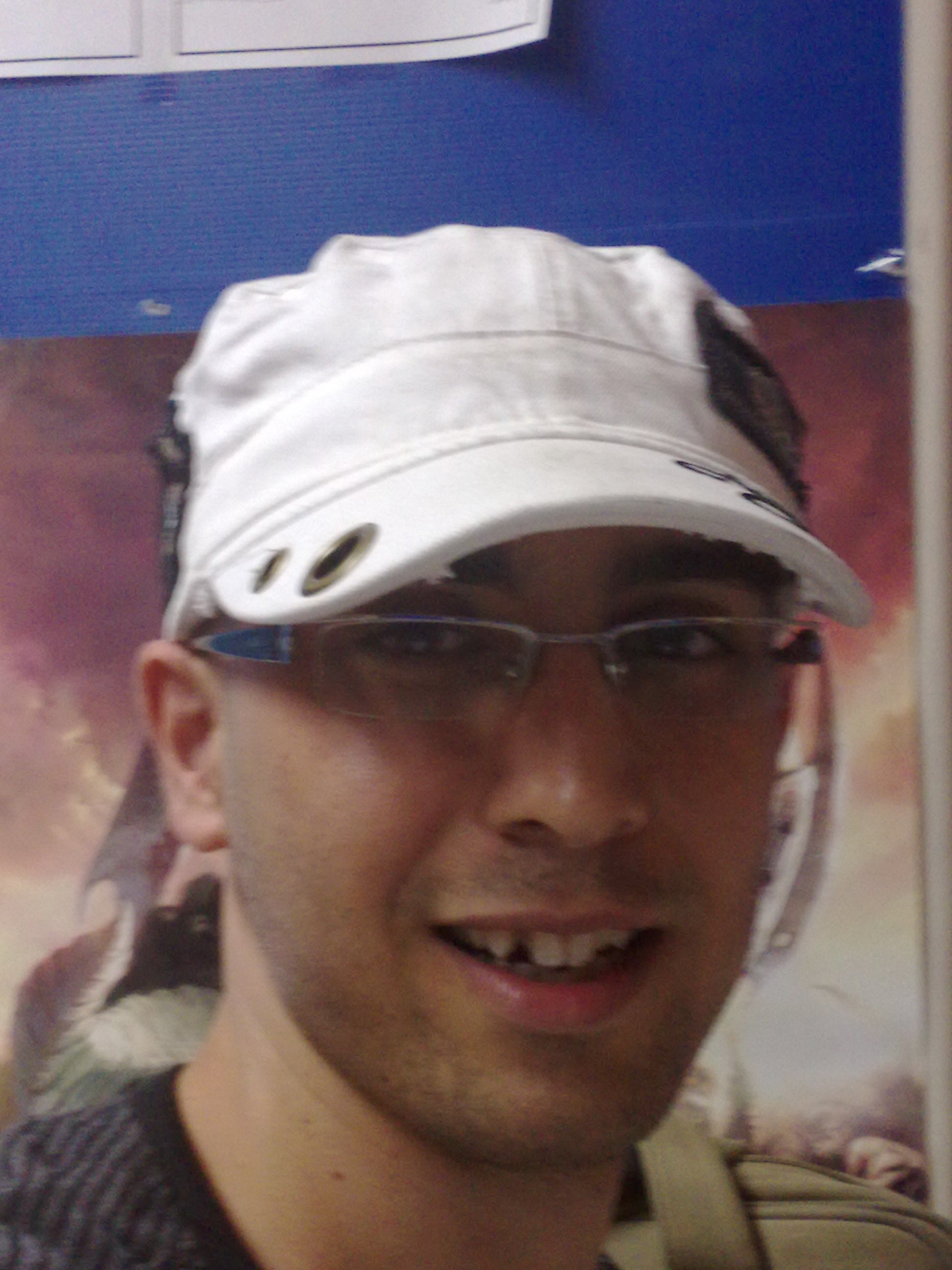
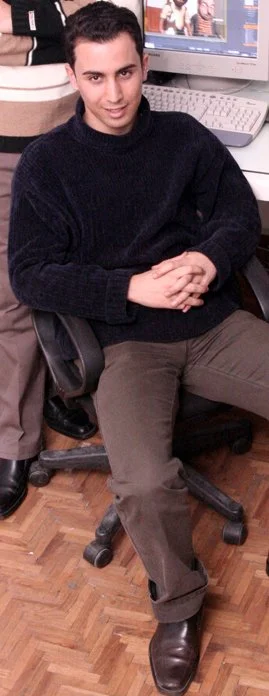
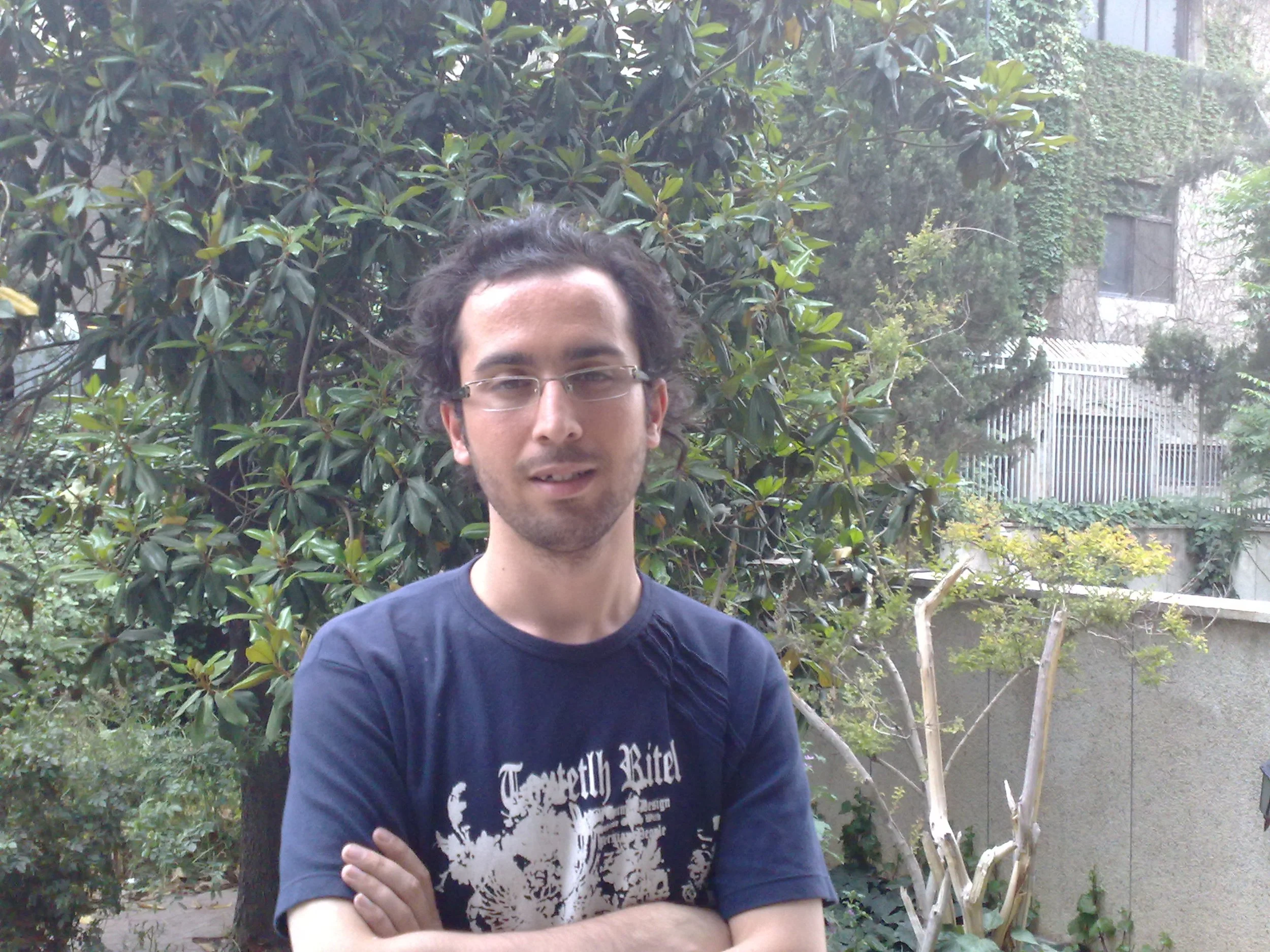
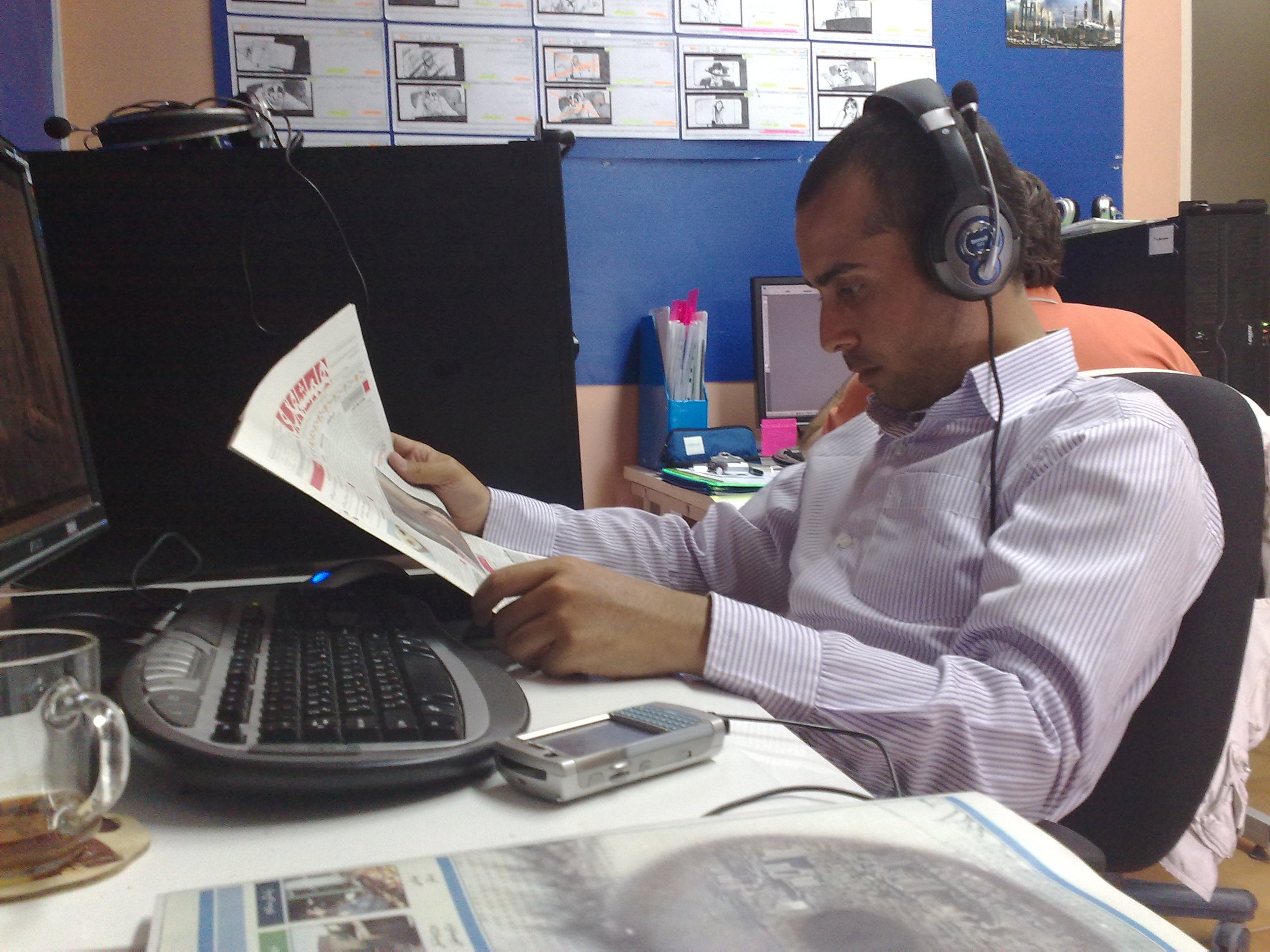
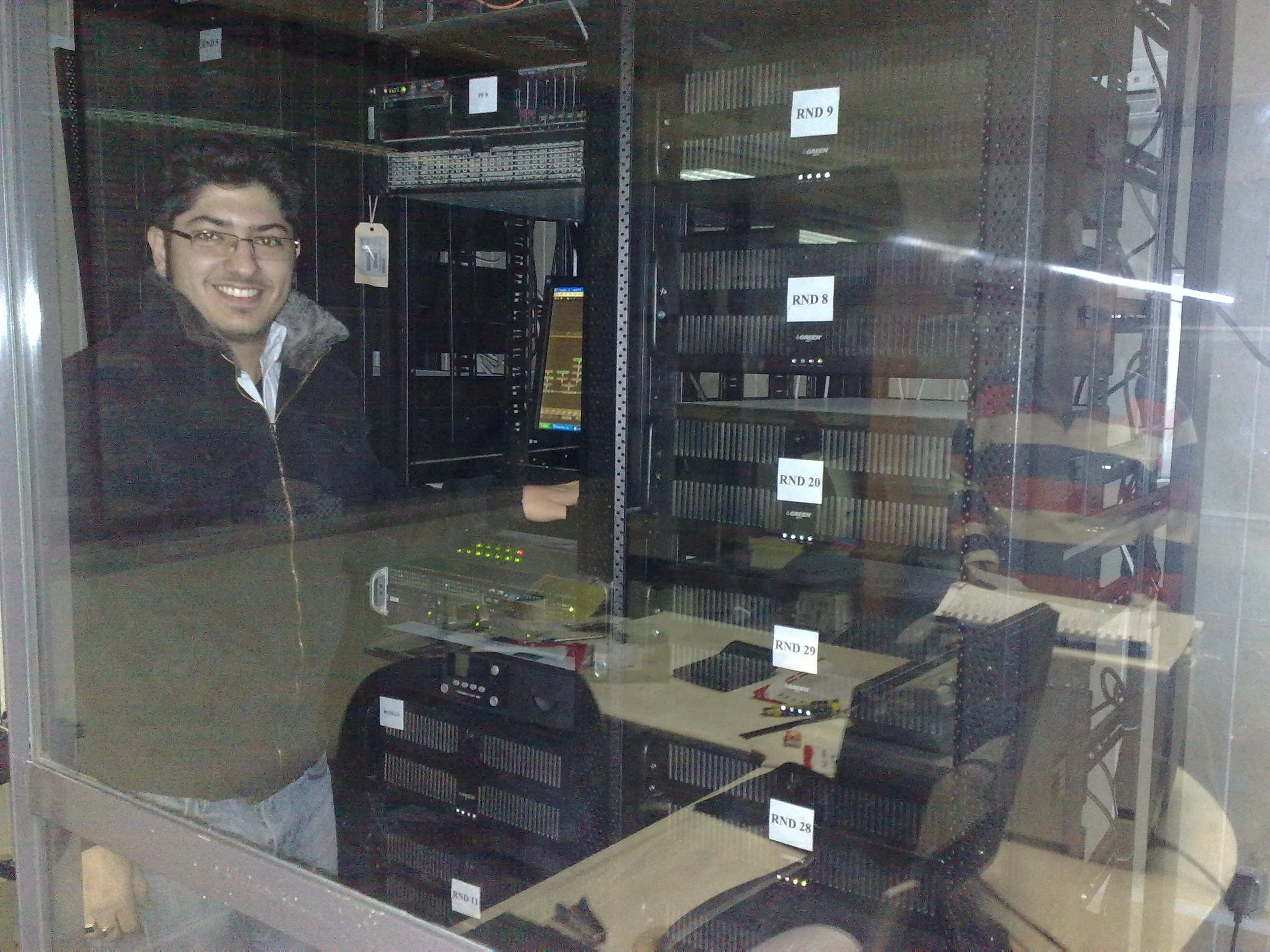
و در واپسینِ ماههایِ سالِ هشتادوهشت، از مرحوم یاشار خانپور، کنارِ رندرفارمِ فیلمِ تهران هزاروپونصد، عکس گرفتم. روحت شاد، پسر. از یاشار فقط خاطراتِ خوب و خندههاش و سخاوت و مهربونیهاش یادمه، و واقعاً کم پیدا میشن آدمهایی اینشکلی.
In the final months of 1388 (2009/2010), I took this photo of the late Yashar Khanpour, next to the render farm for the Tehran 1500 film. Rest in peace, man. All I remember of Yashar are good memories — his laughter, his generosity, his kindness. People like that are genuinely rare to find.
Garshasp video game
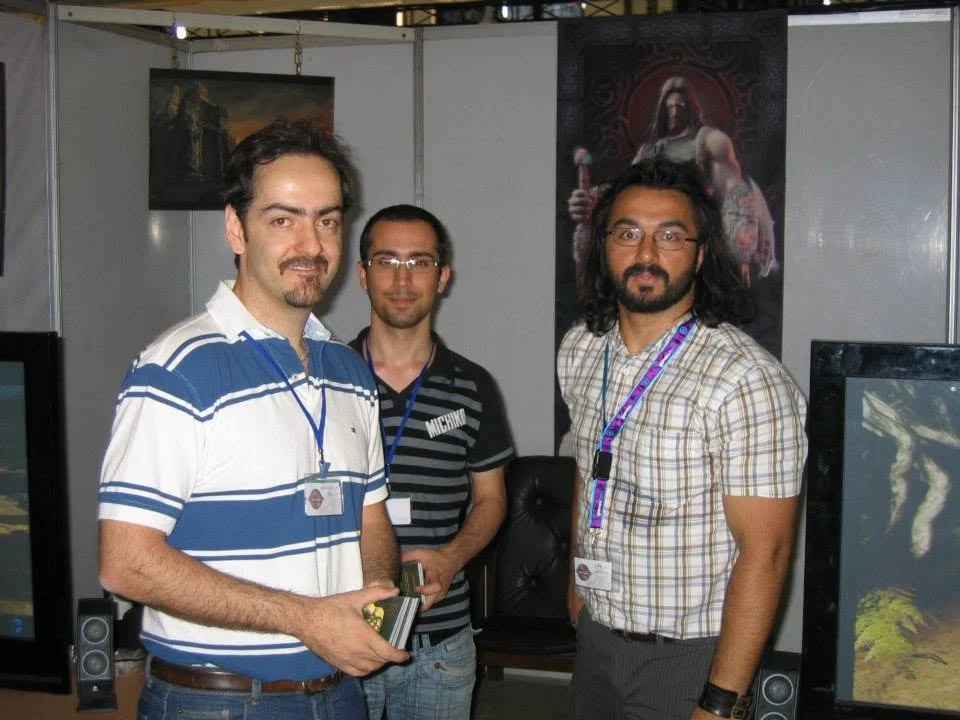
همزمان با کار توی تهران ۱۵۰۰، پام رسید به شرکتِ فنافزار. چطور؟ رفته بودم نمایشگاهِ رسانههای دیجیتال و میخواستم ببینم چه چیزهای تازهای قراره وارد بازار بشه و کلاً چه خبره. یه غرفه خیلی توجهم رو جلب کرد و دیدم خیلیها جلوش جمع شدن و دارن بازی با نام گرشاسپ رو تماشا میکنند!
دقیق یادم نیست چطور شد که سرِ صحبت با تیمِ گرشاسپ باز شد و با کی صحبت کردم، ولی سیروس پورلطیفی رو خوب یادمه. یه بازی با الهام از گاد آو وار ساخته بودن که دهنِ همه از کیفیتِ بازی باز مونده بود و توجهِ همه رو جلب کرده بود. پیشِ خودم گفتم من که تجربهی بازیِ رایانهای ندارم، این میتونه گزینهی خوبی باشه، حداقل یه چیزی یاد بگیرم. به سیروس گفتم من سهبعدی کار میکنم و سوابقم رو گفتم، و خیلی جالب بود که گفت یه تست بهت میدیم، اگه اوکی شدی بیا شروع کن به کار.
تست رو اجرا کردم و صبحها توی تهران ۱۵۰۰ کار میکردم و عصرها میکوبیدم و توی ترافیکِ خفهکننده میرفتم سیدخندان. یه دفترِ کوچیک، پر از دودِ سیگار و آدمهایی عاشقِ کارِ گیم و باسواد؛ چیزی که توی صنعتِ گیم و انیمیشنِ مملکت خیلی کم پیدا میشد. از شدتِ هیجان نمیدونستم چیکار کنم، علیالخصوص که محمد مدرس و سهیل دانشاشراقی هم اونجا بودن و با سیروس و آقای فصیحی و بقیه، یه تیمِ ستاره تشکیل شده بود. از اینکه تونسته بودم وارد این پروسه و تولید بشم، خیلی خوشحال بودم. شب و روز کار میکردم، و روندِ کار با نرمالمپ و بهینهسازی و رندرِ انجین رو اونجا خیلی یاد گرفتم؛ مخصوصاً کار با زیبراش رو اونجا شروع کردم.
سیروس خیلی صبور بود و همش سیگار لول میکرد و از لابهلایِ دودِ سیگار روی کارهام باهام نظر میداد؛ سهیل هم، بهقولِ خودمون، همش گراز میزد و به سادگی و سادهدلیِ من میخندید، ولی محیط خیلی حرفهای بود. از منظرِ مالی هم، گاهی آقای فصیحی توی پاکتِ نامه پول میاورد؛ رقمِ صد هزار تومن رو قشنگ یادمه.
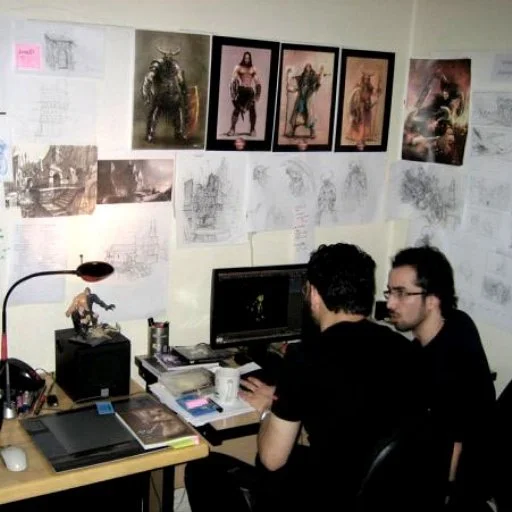
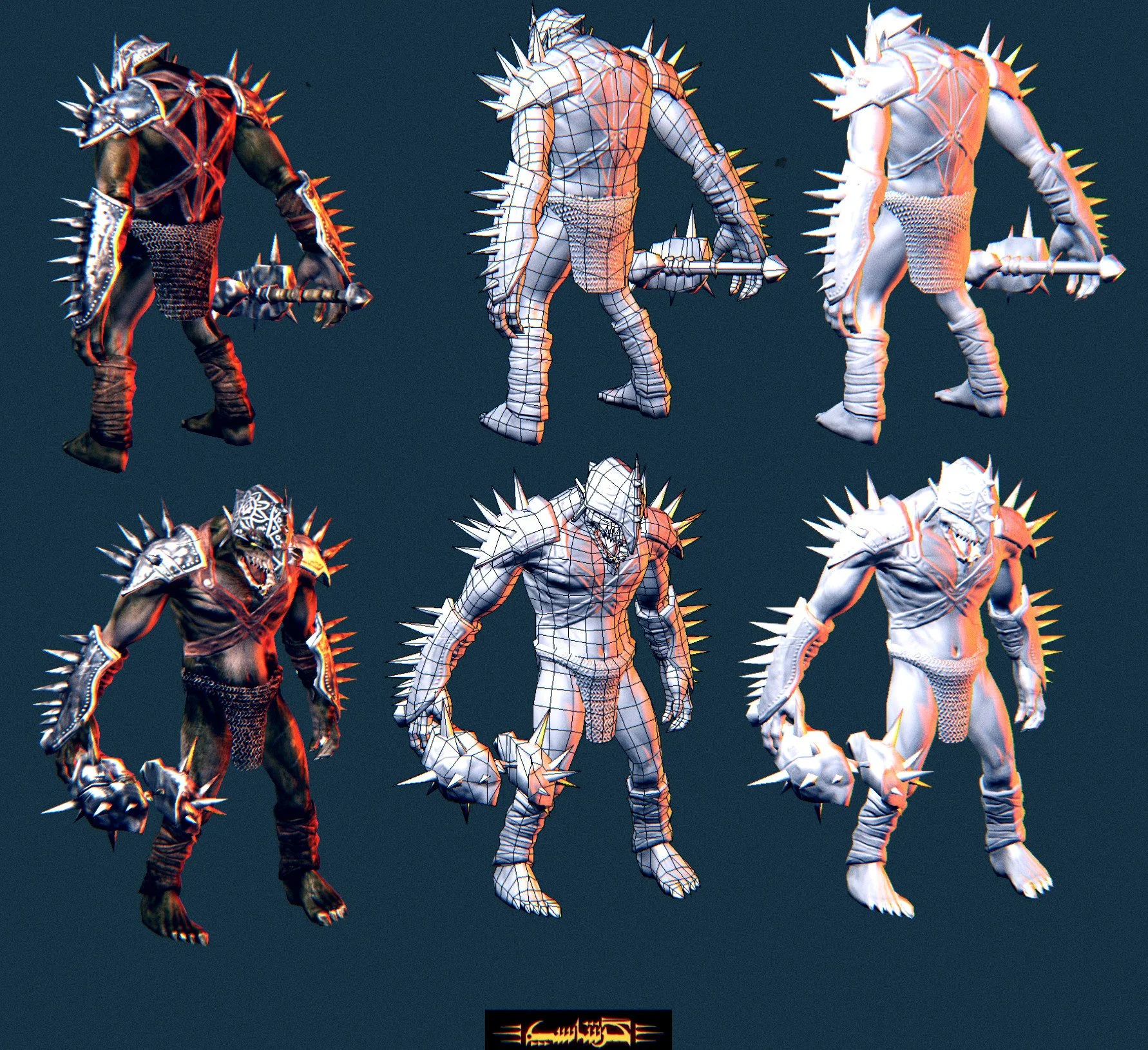
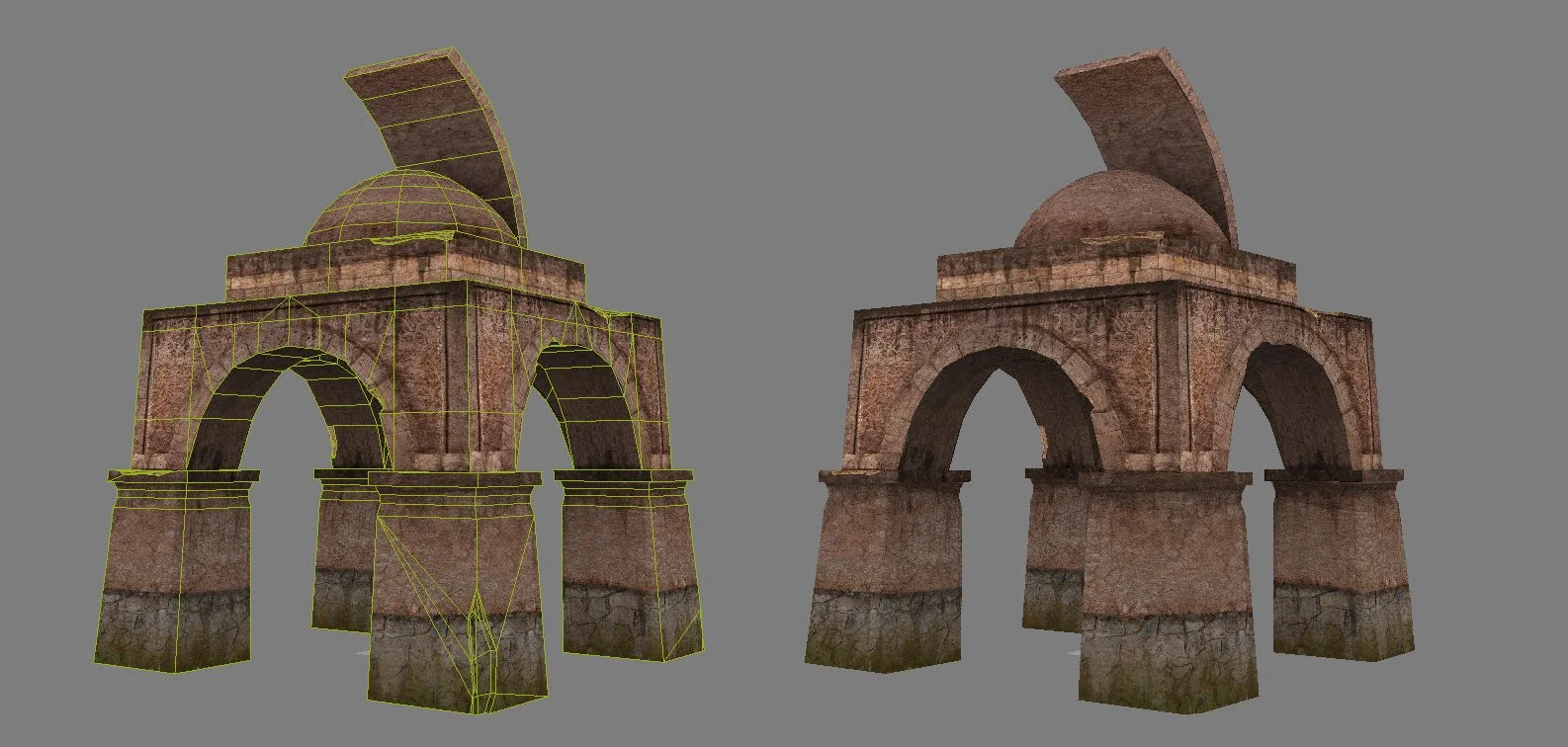
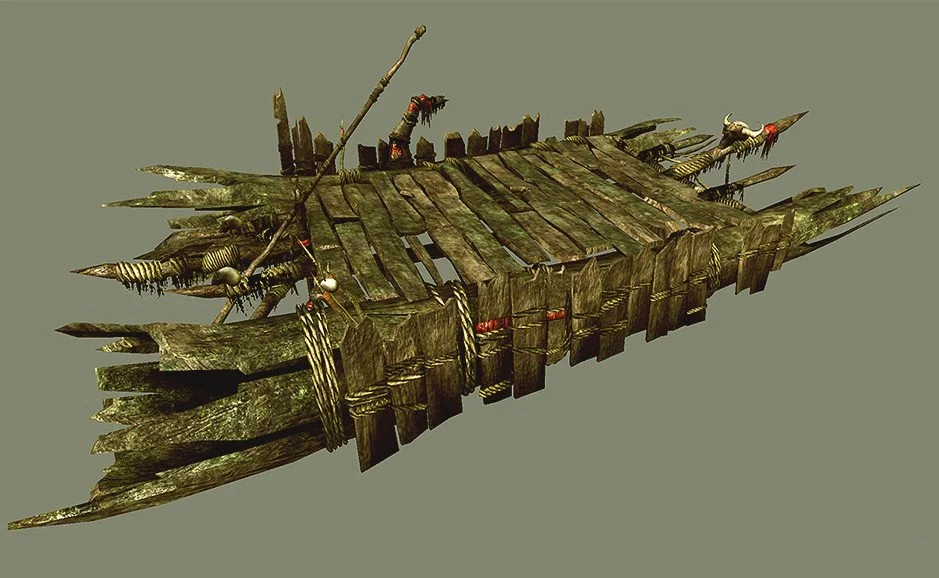
اینجا چند تا کار از اون دوران، و یه عکس — تنها عکسِ من با سیروس در حینِ کار — رو میذارم تا ببینید.
While working at Tehran 1500, I also found my way to Fanafzar. How? I had gone to a digital media expo, wanting to see what new things were coming to market and what was going on in general. One booth really caught my attention, and I saw a lot of people gathered in front of it.
I don't remember exactly how the conversation with the Garshasp team started, or who I first spoke to, but I remember Sirous Pourlatifi well. They had made a game inspired by God of War, and everyone's jaws dropped at the quality — it had grabbed everyone's attention. I thought to myself, since I had no video game experience, this could be a good opportunity, at least to learn something. I told Sirous I worked in 3D and told him about my background, and interestingly, he said they'd give me a test — if I passed, I could start working.
14 September 2015
یک عکس خیلی نادر از من، آرش جعفری و امیرحسین فصیحی | A very rare photo of me, Arash Jafari, and Amirhossein Fasihi.
I did the test, and I'd work mornings at Tehran 1500, then rush out in the evenings through suffocating traffic to Seyed Khandan. It was a small office, full of cigarette smoke and people who were passionate about games and genuinely knowledgeable — something that was very rare in the country's game and animation industry. I was so excited I didn't know what to do with myself, especially since Mohammad Modarres and Soheil Danesheshraghi were also there, and together with Sirous, Mr. Fasihi, and the others, they'd formed a real dream team. I was so happy to have gotten into this process and this production. I worked day and night, and I learned a lot there about normal maps, optimization, and the render engine — and that's especially where I started working with ZBrush.
Sirous was very patient, always rolling his own cigarettes, and he'd give me feedback on my work through the smoke. Soheil, as we used to say, was always "acting the wild boar," teasing me for my naivety and simplicity, but the environment was very professional. On the financial side, Mr. Fasihi would sometimes bring cash in an envelope — I remember the amount clearly: 100,000 tomans.
Here, I'll include a few pieces from that period, and one photo — the only photo I have of myself with Sirous while we were working.
The gameplay - 2012
خیلی از اصطلاحاتِ مربوط به دنیایِ بازی رو توی پروژهی گرشاسپ یاد گرفتم. با انجینِ اوگر کار میکردیم. این رو هم خوب یادمه که وسطِ تولید، تکنولوژیِ نرمالمپ از راه رسیده بود و جهان توی تبِ نرمالمپ میسوخت؛ تصمیم گرفته شد که همهچی رو مجدداً نرمالمپ بیک کنیم یا اضافه کنیم تا بازی یهو قدیمی به نظر نرسه. این تصمیم خیلی به تولید فشار آورد، ولی نتیجهاش تاریخسازی در سطحِ کشور شد. استقبال از بازی بینظیر بود، و از اینکه توی این تیم نقشآفرینی کرده بودم و رشد کرده بودم، به خودم میبالیدم.
عمرِ من توی گرشاسپ خیلی کوتاه بود، به یه سال هم نکشید. فشارهایِ کاری و هزینهها و مسیر و ترافیک، و بعدش مسائلِ مالی، مجبورم کرد که دیگه توی تیم نباشم؛ و راستش هنوزم هرازگاهی فکر میکنم کاش همین مسیر رو با بچهها ادامه میدادم. ولی اونا هم همه فکرِ مهاجرت رو توی سر داشتن؛ سیروس همیشه داشت پورتفولیوش رو پولیش میزد و آخرش تونست بره نیوزیلند، کمپانیِ وتا دیجیتال، و الان سالهاست که اونجاست. محمد مدرس هم رفت آمریکا.
I learned a lot of game industry terminology working on the Garshasp project. We worked with the Ogre engine. I also clearly remember that partway through production, normal mapping technology arrived, and the whole world was burning with normal-map fever; the decision was made to re-bake normal maps onto everything, or add them where missing, so the game wouldn't suddenly look outdated. That decision put a lot of pressure on production, but the result made history nationally. The reception for the game was phenomenal, and I took pride in having played a part on that team and grown from it.
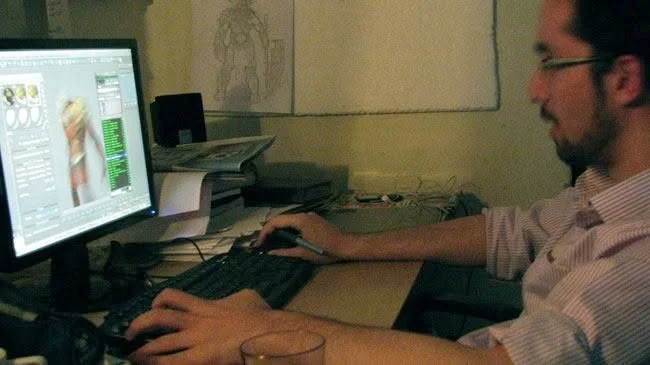
سخت مشغول کار در شرکت فنافزار روی بازی گرشاسپ Hard at Work at Fanafzar on the Garshasp Game
My time at Garshasp was very short — less than a year. Work pressure, expenses, the commute and traffic, and then financial issues forced me to leave the team. Honestly, even now, I sometimes think I wish I had stayed on that path with the guys. But they all had emigration on their minds too — Sirous was always polishing his portfolio and eventually made it to New Zealand, to Weta Digital, where he's been for years now. Mohammad Modarres went to the US as well.
2010 - 2012
توی میانهی تولیدِ انیمیشنِ تهران ۱۵۰۰، با تجربهی بیشتری که پیدا کرده بودیم، تصمیم گرفتیم یه استودیوی خودمون راه بندازیم. تمومِ انرژی و بخشی از زندگی و پولمون رو صرفِ دوندگی بینِ این اداره و اون اداره کردیم. آخرش هم هرجا میرفتیم مسئولین میگفتن «آقای ابوالحسنی همین الان اینجا بودن»، یعنی به شما کاری نمیدن، برید دنبالِ کارِ خودتون. ولی در نهایت بهواسطهی آقای منبتی تونستیم یه پروژهی دهقسمتیِ انیمیشن با شهرداریِ تهران ببندیم.
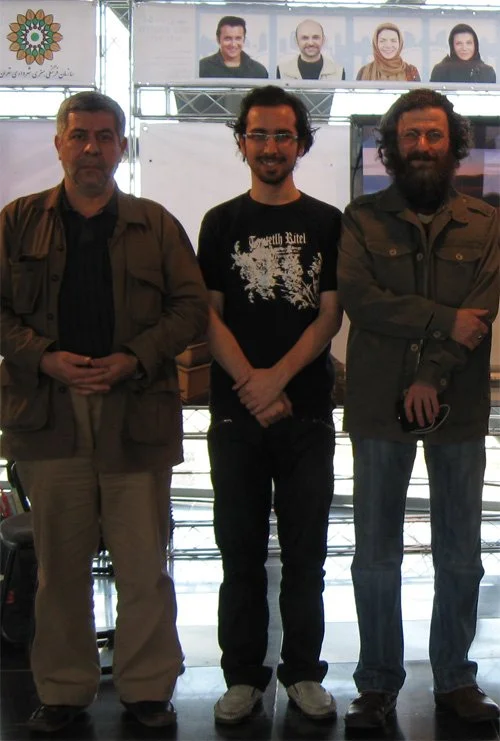
من و آقای عظیمی و آقای منبتی در غرفه تهران هزاروپونصد در یک نمایشگاهی که یادم نیست کجاست و چه زمانی بود
Me, Mr. Azimi, and Mr. Manbati, at the Tehran 1500 booth in an exhibition — I don't remember where or when.
یه روز هم آقای عظیمی من رو صدا کرد به دفترِ فرمانیه و گفت شنیده که دارم پروژه میگیرم و نباید این کار رو بکنم، و چیزهایی از این دست که هیچوقت فراموش نمیکنم. الان میدونم نیتِ ایشون مثبت بود، ولی شرایطِ سختِ خانواده مجبورم کرده بود این کار رو بکنم؛ وگرنه من توی اون سنوسال نباید زیرِ اون فشارهای کمرشکن میبودم، اونقدر که شب و روزِ قبل از هر جلسه حالت تهوع داشتم و چشمام از حدقه بیرون میزد. نباید اونجور زندگیای رو تجربه میکردم.
In the middle of making the Tehran 1500 animation, with more experience under our belts, we decided to start our own studio. We put all our energy, and all of our money and our lives, into running between one office and another. In the end, wherever we went, the officials would say, "Mr. Abolhasani was just here" — meaning they wouldn't give us any work, and we should go find something else to do. But eventually, thanks to Mr. Manbati, we managed to land a ten-episode animation project with the Tehran Municipality.
One day, Mr. Azimi even called me into his office in Farmanieh and told me he'd heard I was getting projects, and that I shouldn't be doing that — along with other things I'll never forget. I know now his intentions were good, but my family's harsh situation had forced me into it. At that age, I shouldn't have been under that kind of crushing pressure in Iran — pressure so bad that I felt nauseous day and night before every meeting, and my eyes would practically pop out of their sockets. I shouldn't have had to live that kind of life.
راه انداختنِ استودیو و زیرِ بارِ قانون، قرارداد، مسئولیت و مالیات رفتن، کارِ گرونی بود؛ ولی بالاخره تونستیم شب و روز کار کنیم و کار رو از دفتری که توی سیدخندان کرایه کرده بودیم تحویل بدیم. حوصلهی وارد شدن به جزئیات رو ندارم، ولی اشتباهاتِ استراتژیکِ زیادی مرتکب شدیم؛ از جمله کرایه کردنِ اون دفتر که یه ضررِ مطلق بود. اون پروژه رو میشد حتی توی خونه هم پیش برد، ولی خب، کسی نمیتونست حریفِ خواهرم بشه؛ حتی سرِ خریدِ یه ماشین هوندا سانتافه هم پافشاری کرد. چون آخرش همهچیز با ضرر تموم شد، چند سال بعد دولت هم گیر داد که مالیاتمون رو ناقص دادیم و باید ۱۵ میلیون تومنِ دیگه هم بدیم، که اون رو هم دادیم.
اما سرِ این پروژه، تا تصویب شدنش و تموم کردنِ ۱۰ قسمت انیمیشنِ ۱۰ دقیقهای، خون گریه کردم؛ هرچند بعدها فهمیدم که اون خون گریه کردنها در برابرِ کاری که از استودیوی «دوشیری» توی ترکیه گرفتیم، هیچی نبود.
Setting up the studio and taking on the weight of regulations, contracts, liability, and taxes was expensive. But we managed to work day and night regardless, and delivered the work out of an office we'd rented in Seyyed Khandan. I don't have the patience to get into all the details, but we made plenty of strategic mistakes — including renting that office, which was a pure loss. That project could easily have been done from home, but there was no arguing with my sister, since she's the one who runs the house; she even pushed hard for buying a Honda Santa Fe. Since everything ended up at a loss, a few years later the government came after us too, saying we'd underpaid our taxes and owed another 15 million tomans — which we also paid.
But over this project — getting it approved and finishing all 10 episodes of the 10-minute animation — I cried blood. Though later I realized that blood-crying was nothing compared to what we went through with the work we took on from the Düşyeri studio in Turkey. It was 30 minute of LELIKO animation.
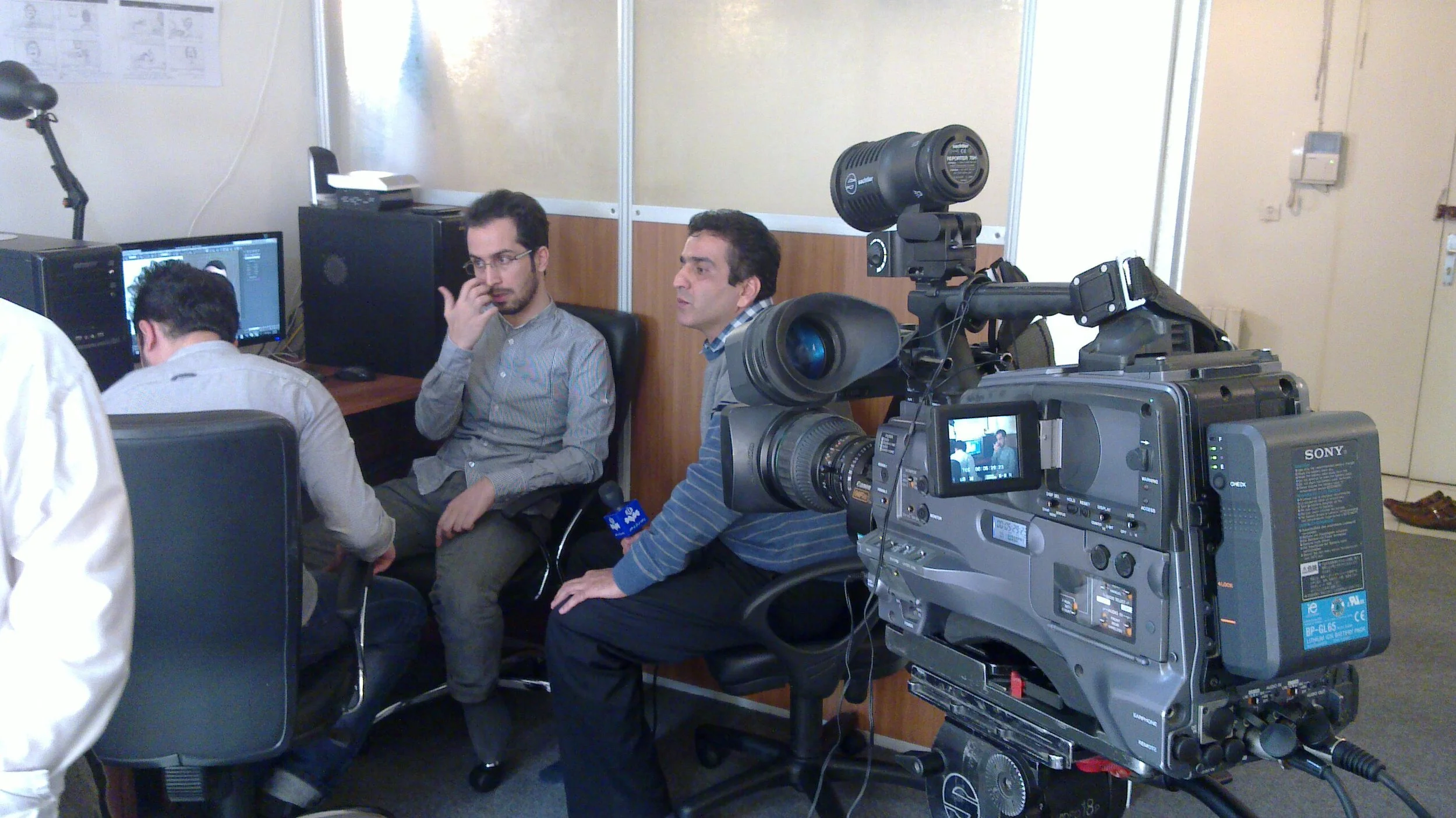
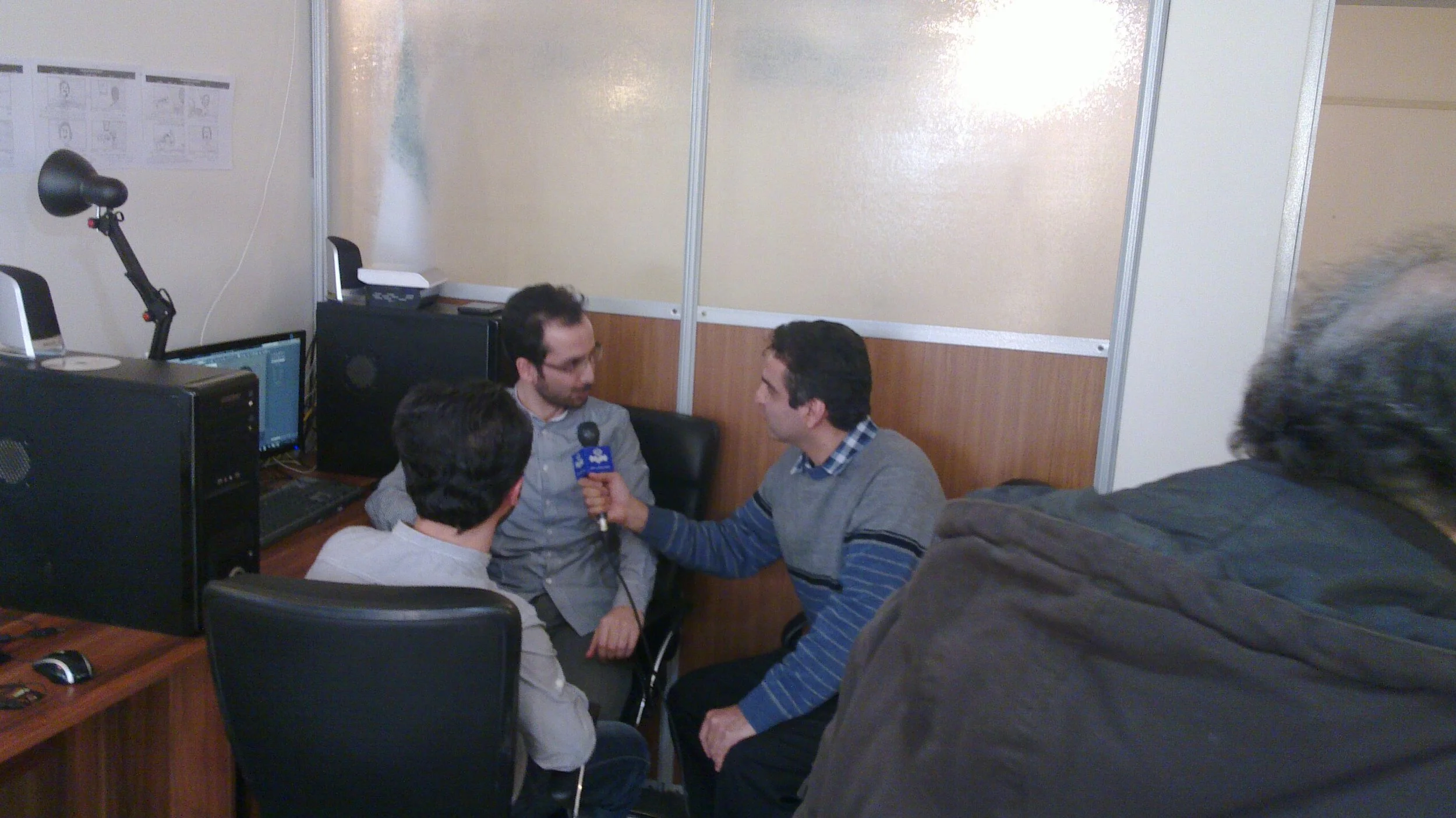
توی این عکسها، گروهی از تلویزیونِ ایران اومده بودن تا دربارهی پروژهی انیمیشنِ «تهرانیها» گزارش تهیه کنن و باهامون مصاحبه کردن؛ دربارهی روندِ کار، شخصیتها، چالشها و هدفِ تولید. امید هم روبهروم نشسته بود. ولی یادم نیست که این گزارش بالاخره از تلویزیون پخش شد یا نه.
In these photos, a crew from Iranian National Television had come to put together a report on the "Tehrani-ha" animation project and interviewed us — about the workflow, the characters, the challenges, and the goals of the production. Omid was sitting across from me too. But I don't remember whether this report ever actually aired.
در نهایت پروژهیِ تهرانیها تموم شد. روزی سیزده تا پونزده ساعت کار میکردیم؛ هم من، هم امید. چند نفر رو هم اضافه کردیم به تیم، ولی از پسِ هزینههاشون برنیومدیم؛ اونا هم طبقِ معمول لاکپشتی کار میکردن، و هر چقدر توضیح میدادیم که باید سرِ موقع همهچی تموم بشه، انگار هیچی نمیشنیدن. روزِ تعطیل و استراحت هم نداشتیم. ولی آخرش تمومِ پول دود شد و رفت هوا. سرِ اجاره، سرِ هزینههایِ تولید، نداشتنِ دانشِ کافی، هزینههایِ خونه و ماشین و هزار تا کوفتوزهرمارِ دیگه، همهچی به هیچ ختم شد. چقدر دوندگی کردیم تا پروژهیِ دوم رو بگیریم، ولی آخرش نشد. بعد از سالها دوندگی، وقتی از پولِ باقیمونده خرج کردیم و باز هم به صفر رسیدیم، پدرم به دیوار تکیه داد و پرسید: «حالا باید چیکار کنیم؟»
In the end, the Tehrani-ha project was finished. We worked thirteen to fifteen hours a day; both Omid and me. We added a few people to the team, but we couldn't afford them; they also worked at a snail's pace as usual, and no matter how much we explained that everything needed to finish on time, it was like they weren't listening. We had no days off, no rest. But in the end, all the money went up in smoke. Between rent, production costs, not having enough know-how, home and car expenses, and a thousand other headaches, everything ended in nothing. We ran ourselves ragged trying to land a second project, but in the end it didn't happen. After years of running around, when we'd spent down the remaining money and hit zero again, my father leaned against the wall and asked, "So what do we do now?"
ما ایرانیها یه جمله داریم که میگه وقتی کسی دیگه پولی نداره و به صفر رسیده، باید با سیلی صورتش رو سرخ نگه داره، تا رنگِ زردِ صورتش از شدتِ نداری و گرسنگی رو اطرافیان نبینن. و حالا بعد از این همه سال تلاش و فشار و دوندگی و دنبالِ این و اون رفتن و پیگیریکردن و پول جورکردن، و حرومکردنِ همهچیز برایِ خودم و امید، حالا باید با سیلی صورتمون رو سرخ نگه میداشتیم.
We Iranians have a saying: when someone has no money left and has hit zero, they have to slap their own face red so the pale yellow of their skin, from hunger and destitution, doesn't show to the people around them. And now, after all those years of effort, pressure, running around, chasing down this person and that, following up, scraping money together, and giving up everything, for myself and Omid, we now had to slap our own faces red.
Mohammadreza Alimardani محمدرضا علیمردانی
کار با محمدرضا علیمردانی، مشهورترینِ هنرمندِ صداپیشه، یکی از تجربههایِ ارزشمند توی تولیدِ انیمیشنِ تهرانیها بود. یادمه اومده بود دفتر و از روندِ زندگیِ کوفتی که داشت میگفت؛ از فشارهایِ مالی و زخمِ اطرافیانش حرف میزد. کار کردیم و کار کردیم، و صداها انصافاً خوب از آب دراومدن. محمدرضا استعدادِ ویژهای داشت توی تبدیلکردنِ یه دیالوگِ معمولی به یه عنصرِ ماندگار، و خیلی روی زندهکردنِ شخصیتها تأثیر داشت. الان ولی سالهاست از ایشون بیخبرم و امیدوارم هرجا هست موفق باشه و روبهراه.
Working with Mohammadreza Alimardani, the most famous voice actor, was one of the valuable experiences in producing the Tehrani-ha animation. I remember he came to the office and talked about the miserable life he was going through — the financial pressures, the wounds inflicted by people around him. We worked and worked, and the voices honestly turned out great. Mohammadreza had a special talent for turning an ordinary line of dialogue into something memorable, and he had a huge influence on bringing the characters to life. But it's been years now since I've heard anything from him, and I hope wherever he is, he's doing well and thriving.
Time at Vijeh School — One-Year Graphic Design Course
دوران شرکت در کلاس یک ساله طراحی گرافیک در مدرسه ویژه
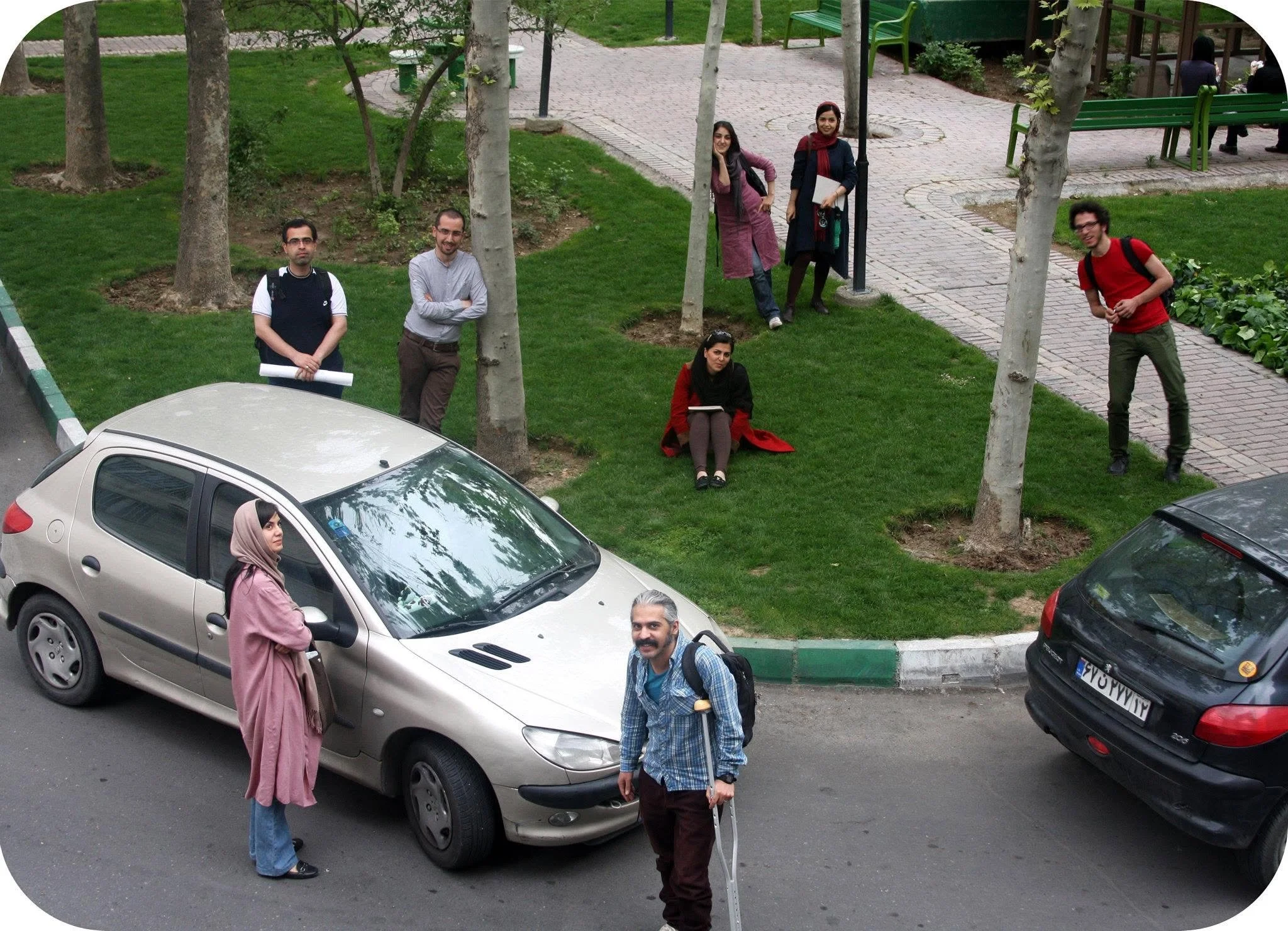
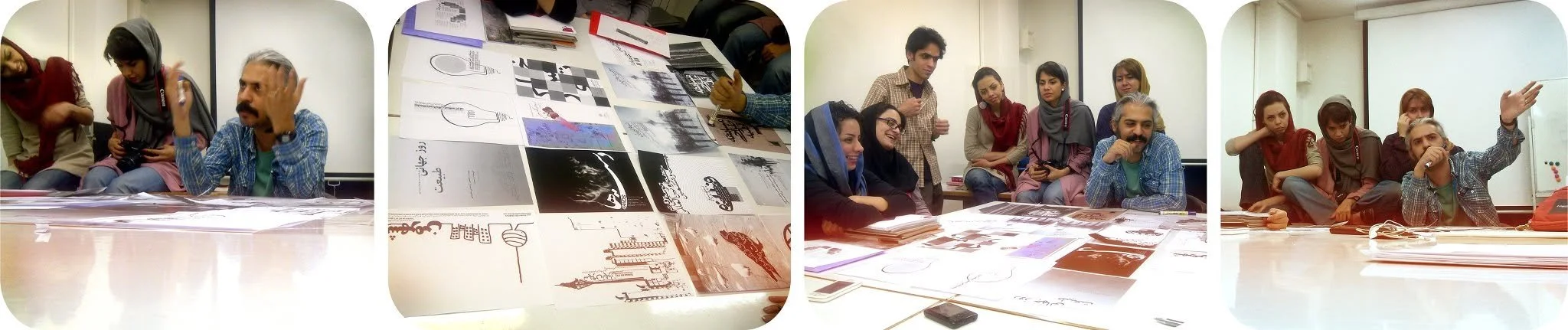
عکس رو مونا قرهیاضی گرفته. من تکیه دادم به درخت. اسامیِ بچهها رو دیگه یادم نیست و امیدوارم خودشون این مطلب رو پیدا کنن و بنویسن :) ولی فرهاد فزونی با عصا به دوربین نگاه میکنه و میخنده.عکس رو مونا قرهیاضی گرفته. من تکیه دادم به درخت. اسامیِ بچهها رو دیگه یادم نیست و امیدوارم خودشون این مطلب رو پیدا کنن و بنویسن :) ولی فرهاد فزونی با عصا به دوربین نگاه میکنه و میخنده.
Photo by Mona Gharehyazi. I'm leaning against the tree. I don't remember the other students' names anymore, and I hope they find this piece themselves and write in :) But Farhad Fozouni, leaning on his cane, is looking at the camera and laughing.
درس خوندن و بهترینِ نسخه از خودم بودن رو همیشه دوست داشتم، ولی قرار نیست برایِ یاد گرفتنِ چیزی حتماً به مدرسه رفت. زندگیِ من با تمومِ سختیهاش داشت بهم میگفت مسیرِ درست چطوریه، اما چون زبانِ بیتکلم داره و باید با چشمهایِ باز نگاه کرد و متوجه شد، برایِ من یکی چالشبرانگیز بود. اسمِ مدرسهی ویژه به گوشم خورده بود و میدونستم بهترینهایِ گرافیکدیزاینِ کشور اونجا تدریس هم میکنن. با تمومِ تلاش یه ذره پول جمع کردم، اصلاً نمیدونم چطور، ولی رفتم و ثبتنام کردم. از دفتری که توی خیابونِ سیدخندان اجاره کرده بودیم تا مدرسهی ویژه خیلی راه نبود و میرفتم و میاومدم. خیلی تلاش کردم نقاشی هم یاد بگیرم پیشِ استاد مهردادِ جمشیدی، ولی بعداً به این موضوع میپردازم.
توی ویژه، افتخارِ شاگردیِ اساتیدی چون فرهادِ فزونی، مریمِ کهوند، آریا کسایی رو داشتم؛ کلاسهایی که بهشدت روی اعتمادبهنفسم تأثیر گذاشتن. من همیشه خجالتی و کمرو بودم و تمومِ تلاشم رو میکردم تا با فضایِ جدیدِ مدرسه خو بگیرم، چون مثلِ مدرسهی کلاسیکِ ایرانی نبود و گفتگومحور و آزادانه بود. کلاسهایِ جستجویِ آقایِ فرهاد فزونی واقعاً خوب بودن و اونجا یاد گرفتم که به خودم و منحصربهفردبودنم بیشتر تکیه کنم. چون توی فضایِ مدرسهی ویژه بهشدت خجالتی بودم و عکس نمیگرفتم. یادمه مونا قرهیاضی رو که اهلِ دوربین بود و چندتا عکس گرفته که اینجا میذارمشون.
با انرژیِ دورانِ جوونیم، توی اون دوره خیلی امیدوار بودم و خیلی با اشتیاق توی کلاسها شرکت میکردم. از کلاسِ مبانیِ رنگِ خانم کهوند هم خیلی چیزها یاد گرفتم، و به جرأت میتونم بگم ترسم از رنگ و بازیکردن با رنگها سرِ همون کلاسها ریخت. چه دورانِ سرشار از امیدی بود.
از شدتِ فشارِ کاری و تحویلِ پروژهی تهرانیها — دوبلورها، رندرها، لیآوت و انیمیت که دستِ ناصر نجفیان بود، که الان سالهاست رفته ژاپن، آدمِ کاردرست و نازنینی که هیچوقت تجربهی کار کردن باهاش رو فراموش نمیکنم، حرفهای و منظم — همهی اینها، بهکنارِ شرکت در کلاسها، چنان ازم انرژی میگرفت که نمیتونم وصفش کنم. الان اون خستگیها رفتن و سنم از چهل گذشته، ولی هنوزم به تصمیمِ خودم برایِ شرکت در کلاسهایِ مدرسهی ویژه و حمایتِ امید افتخار میکنم.
I always loved studying and becoming the best version of myself, but you don't necessarily need school to learn something. My life, with all its hardships, kept telling me what the right path was — but since that's a language without words, one you have to see and understand with open eyes, it was a real challenge for me. I had heard of Vijeh School, and I knew that some of the country's best graphic designers taught there. Through a lot of effort, I scraped together a little money — I honestly don't know how — but I went and enrolled. It wasn't far from the office we'd rented on Seyed Khandan Street to Vijeh School, so I commuted back and forth. I also tried hard to learn painting under Master Mehrdad Jamshidi, but I'll get to that later.
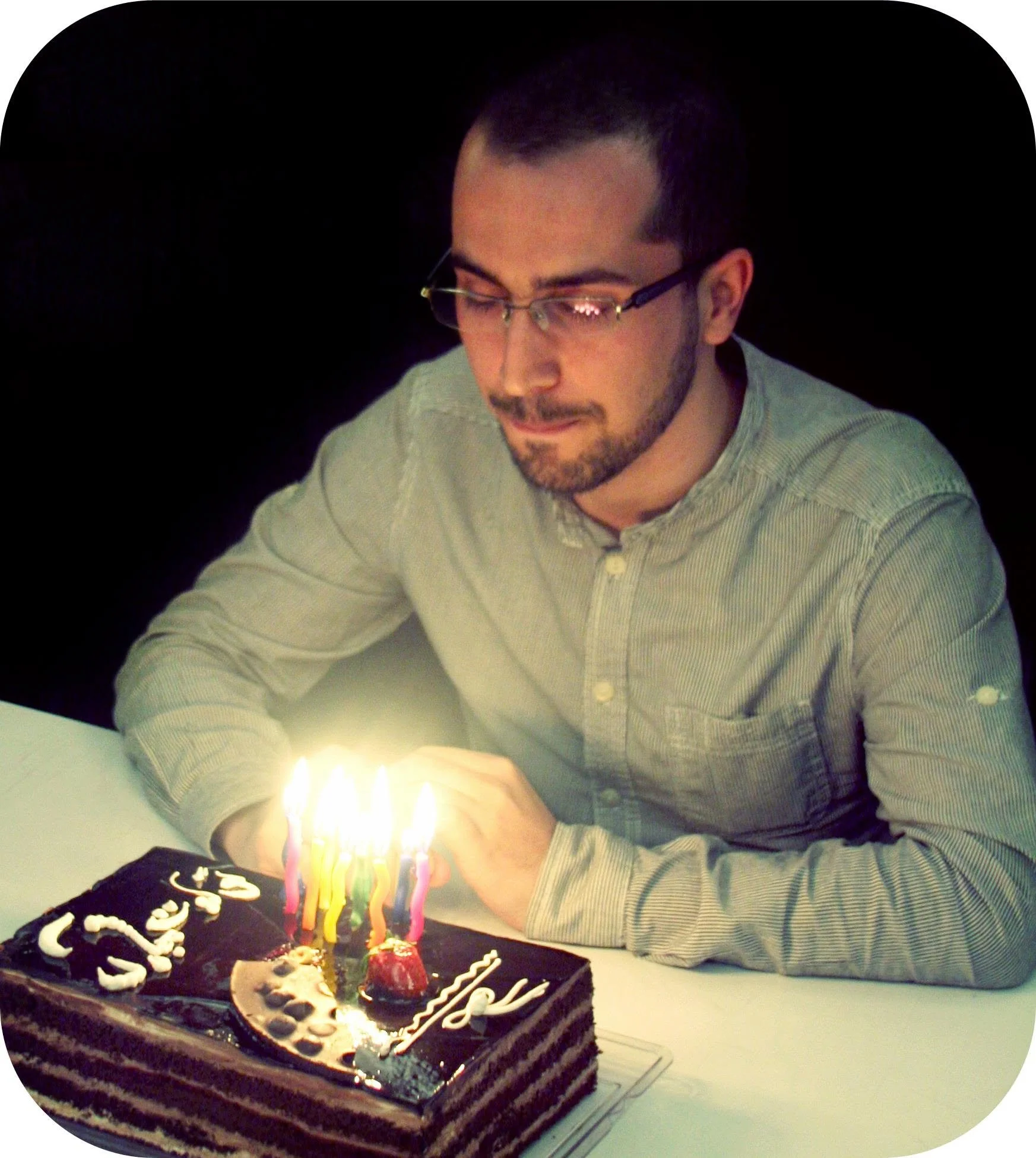
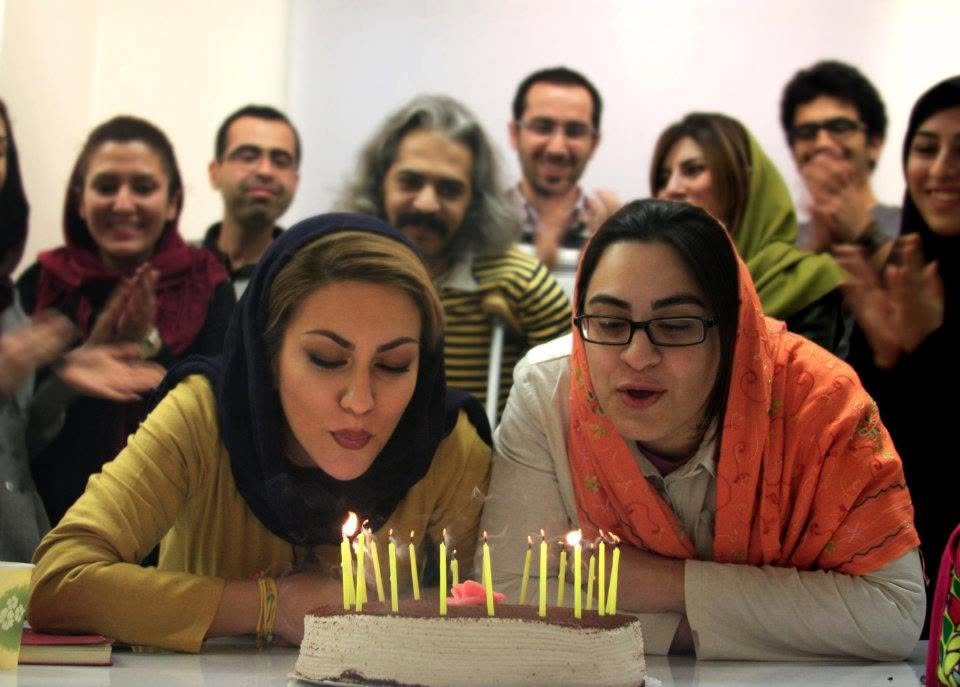
اینجا بچههایِ کلاس برام تولد گرفته بودن. نمیتونم نگم که فقط با نوشتنِ این مطلبِ مربوط به مدرسهی ویژه و دیدنِ این عکس، بغض کردم. چقدر خاطراتِ خوب کم دارم، و چقدر نادرن لحظاتی که درونشون احساسِ آدمبودن و زندهبودن بکنم. دستتون درد نکنه بچهها، و مرسی که در سختترین دورانِ زندگیم در کنارم بودید.
Here, the classmates threw me a birthday party. I can't not admit that just writing this piece about Vijeh School and seeing this photo made a lump rise in my throat. How few good memories I have, and how rare the moments are where I feel truly human and alive inside them. Thank you so much, everyone — and thank you for being by my side during the hardest period of my life.
At Vijeh, I had the honor of studying under teachers like Farhad Fozouni, Maryam Kahvand, and Aria Kasaei — classes that had a huge impact on my self-confidence. I was always shy and timid, and I did everything I could to get used to the new environment, since it wasn't like a traditional Iranian classroom — it was discussion-based and free-flowing. Mr. Farhad Fozouni's research-oriented classes were genuinely excellent, and that's where I learned to rely more on myself and my own uniqueness. I only have a couple of photos from that period, not many, because I was so shy in the Vijeh environment that I didn't take pictures. I remember Mona Gharehyazi, who was into photography and took a few shots, which I'll include here.
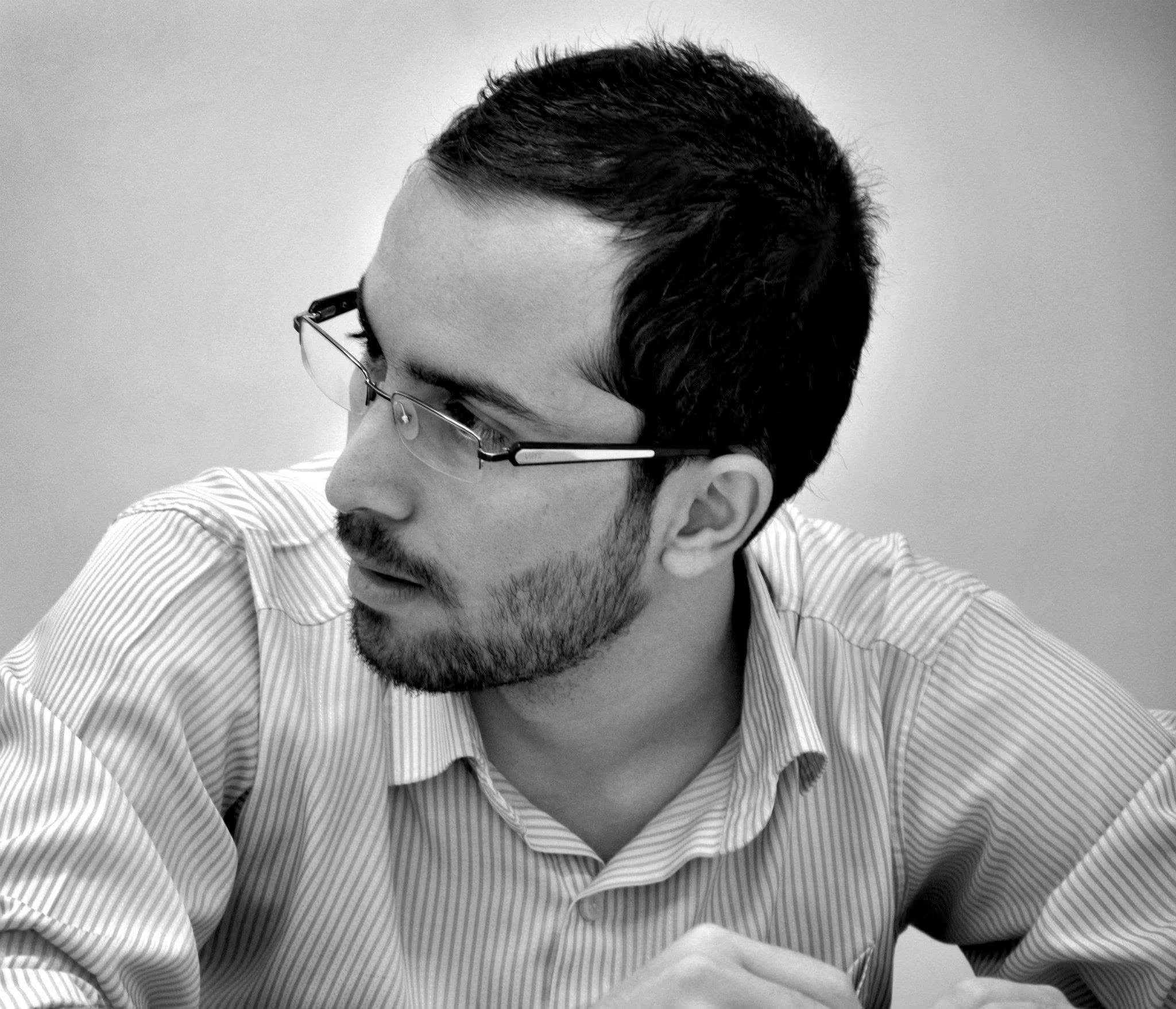
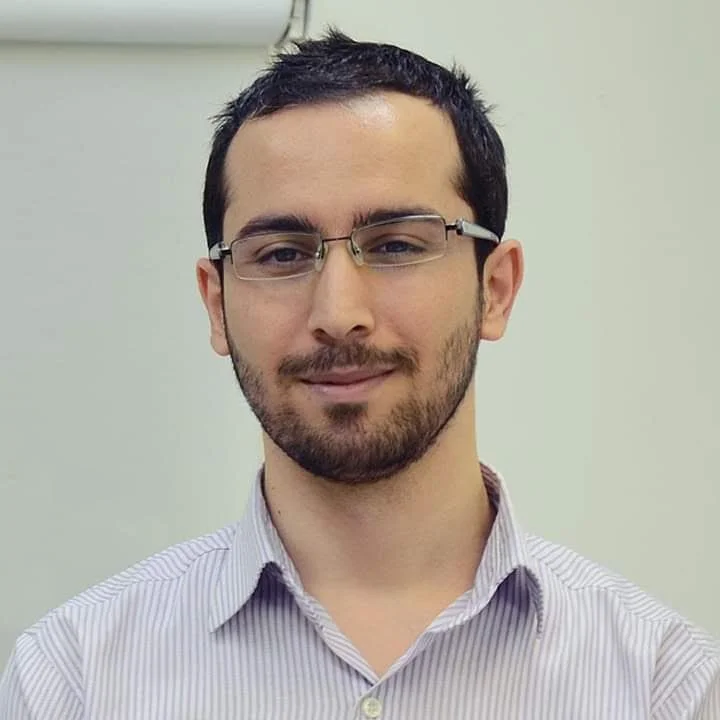
این عکسها رو هم مونا گرفته. دمت گرم مونا :) از معدود عکسهایِ بسیار باکیفیت از اون دوران، سالِ ۲۰۱۲، هستن که دارمشون. دوربینِ خوب داشتن برام آرزو بود. از چشمهام توی عکس معلومه که چقدر فشار روم بود. ما ایرانیها یه مثل داریم که میگه: «کونِ پاره، لبِ خندون».
These photos were also taken by Mona. Thanks, Mona :) They're among the very few high-quality photos I have from that period, 2012. Having a good camera was a dream of mine back then. You can tell from my eyes in the photo how much pressure I was under. We Iranians have a saying: "torn pants, smiling lips" — putting on a happy face no matter how bad things really are underneath.
With the energy of my youth, I was very hopeful during that period and threw myself into the classes with real enthusiasm. I also learned a lot from Ms. Kahvand's color fundamentals class, and I can honestly say my fear of color and playing with color dissolved right there in those classes. What a period so full of hope it was.
Between the intense pressure of work and delivering the Tehrani-ha project — the voice actors, the renders, the layout and animation, which was in the hands of Naser Najafian, who's been in Japan for years now, a genuinely skilled and wonderful person whose experience working together I'll never forget, professional and organized — all of this, on top of attending classes, drained more energy out of me than I can describe. That exhaustion is gone now, and I'm past 40, but I still take pride in my decision to attend those classes at Vijeh School, and in Omid's support.

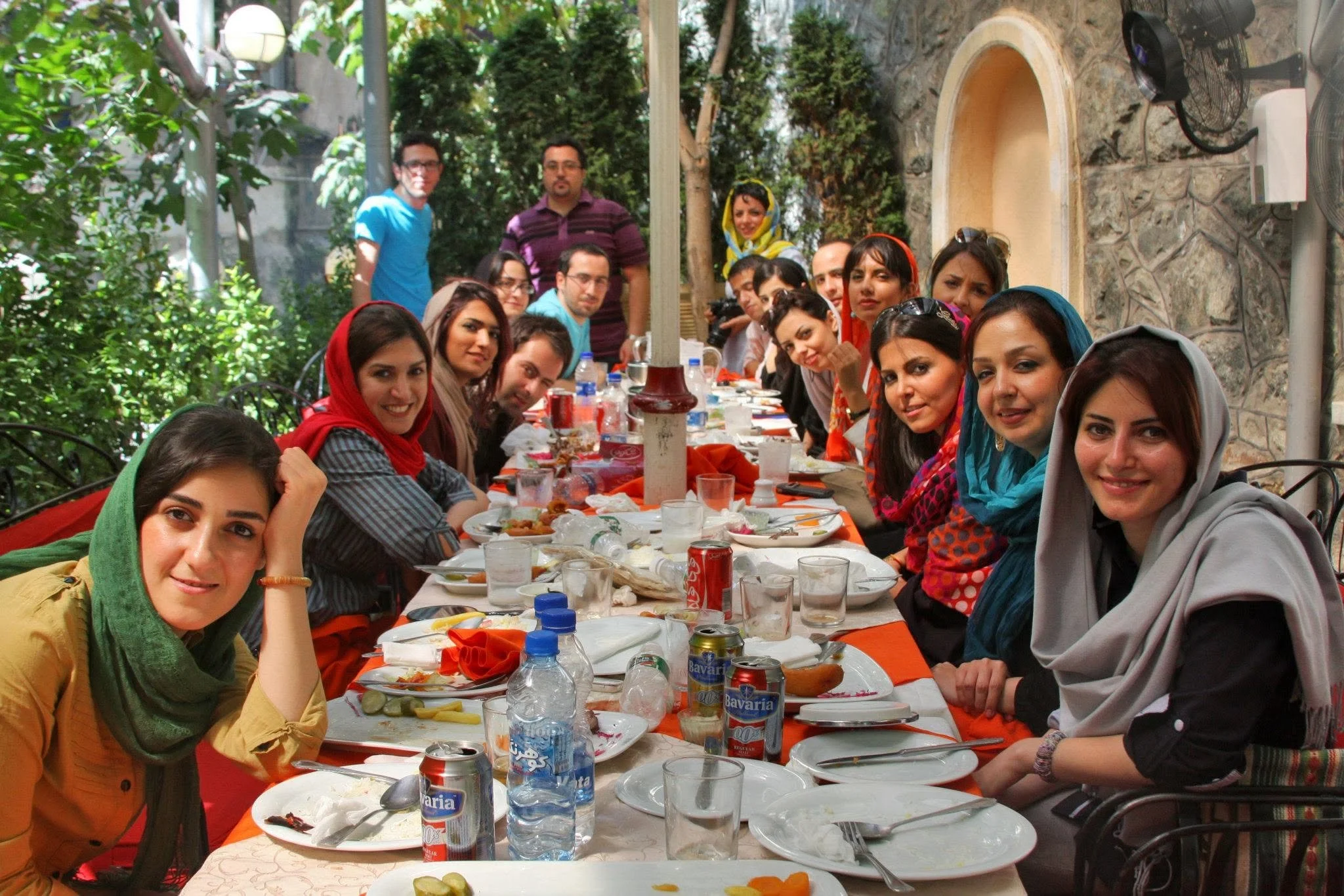
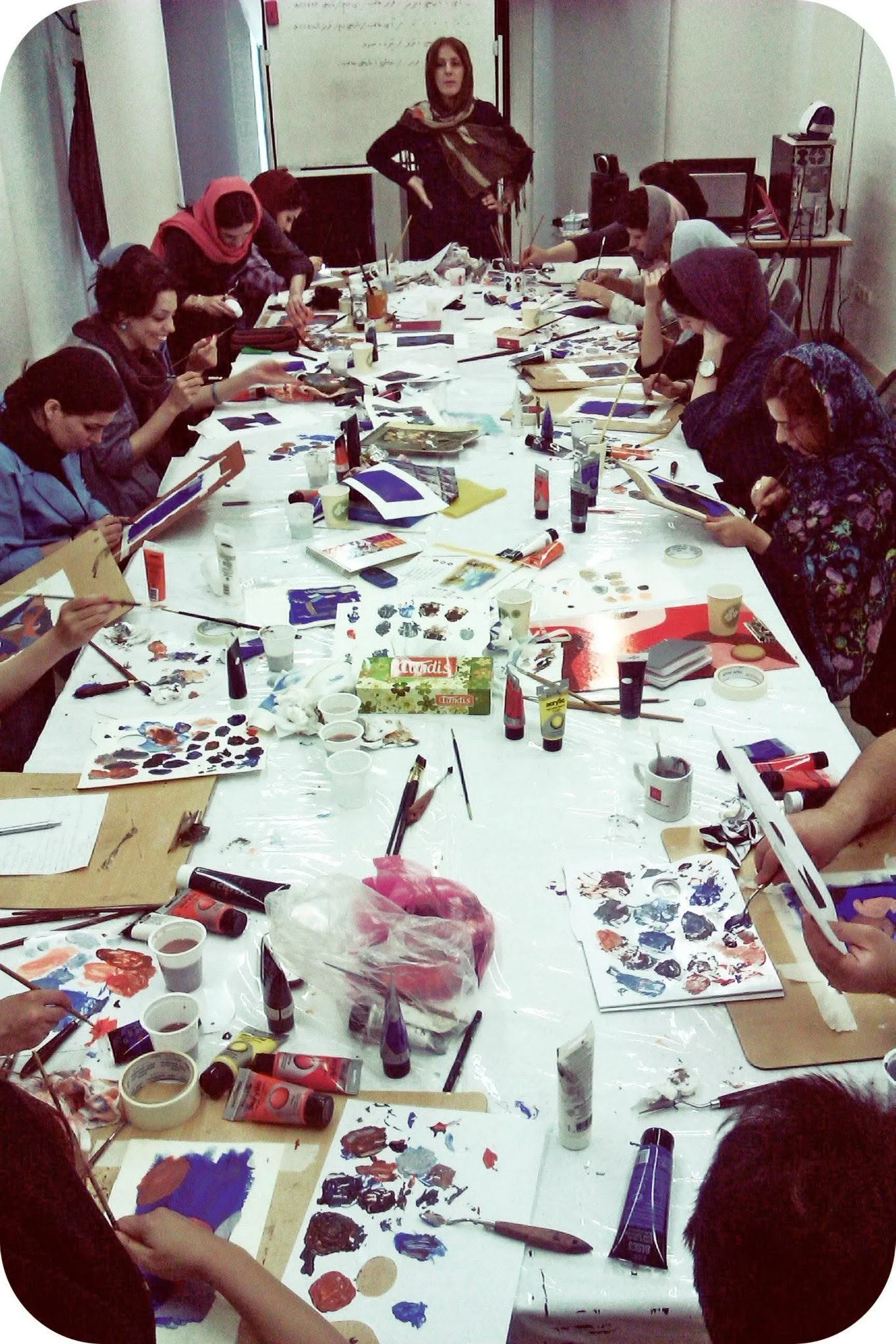
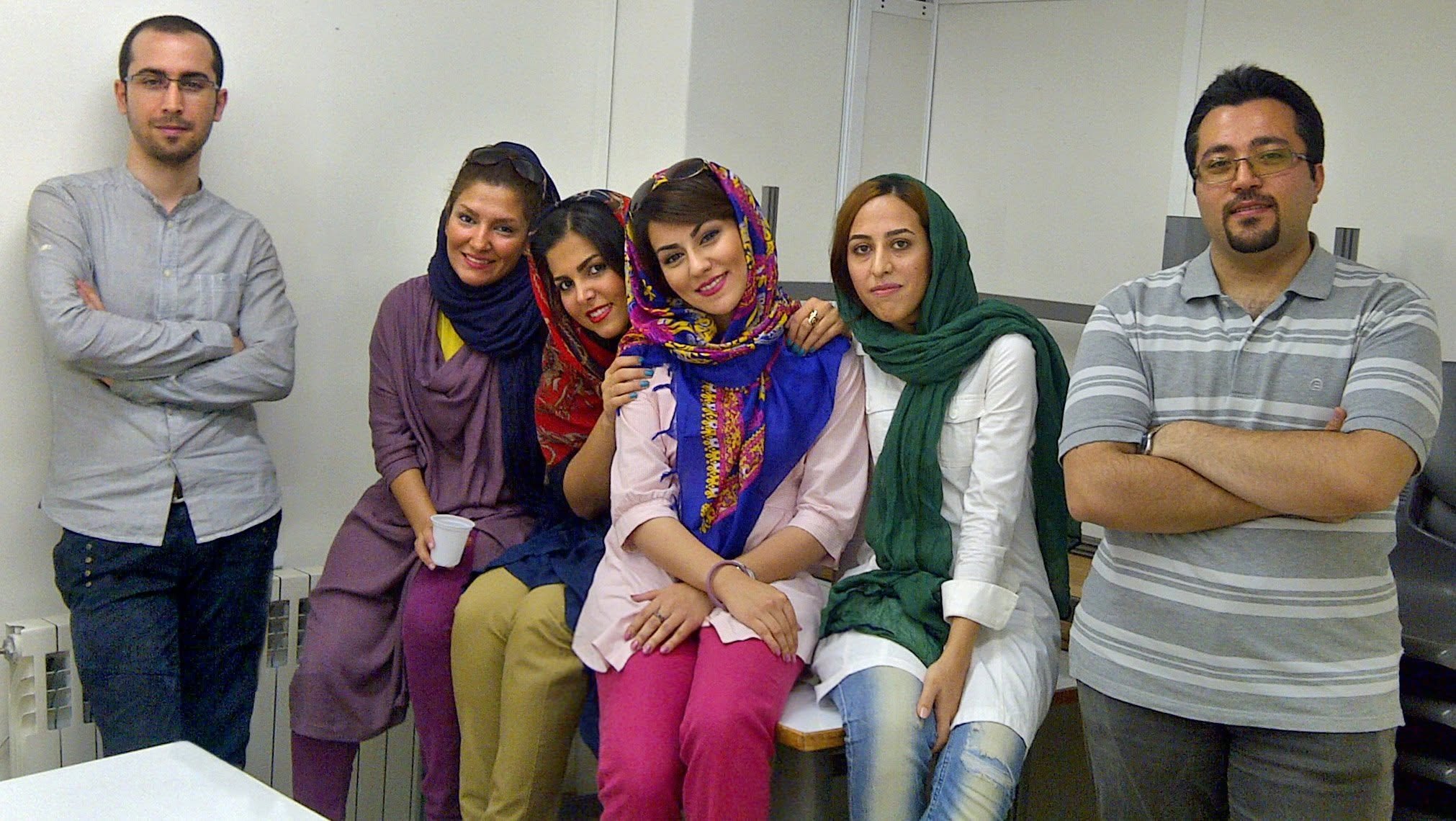
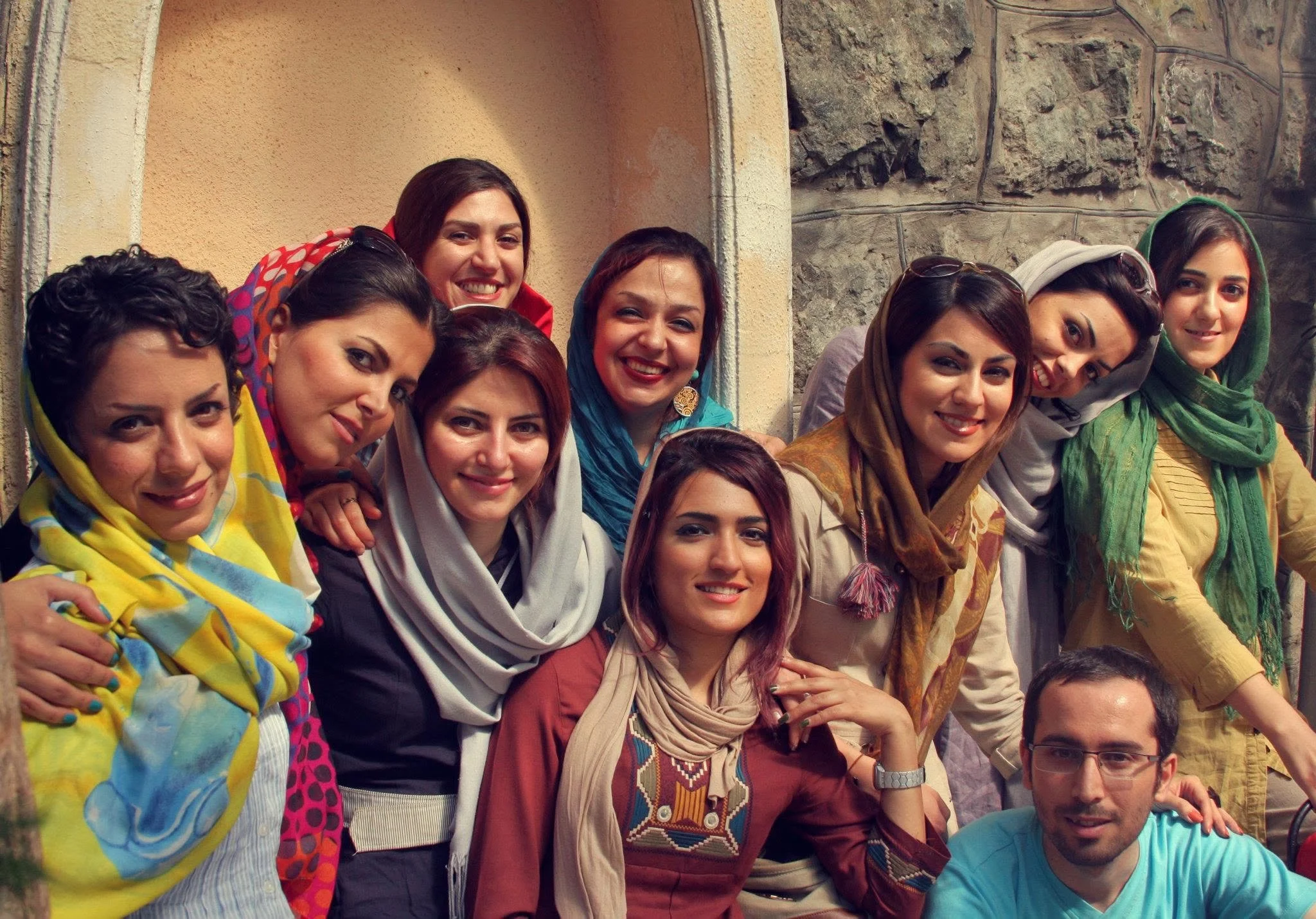
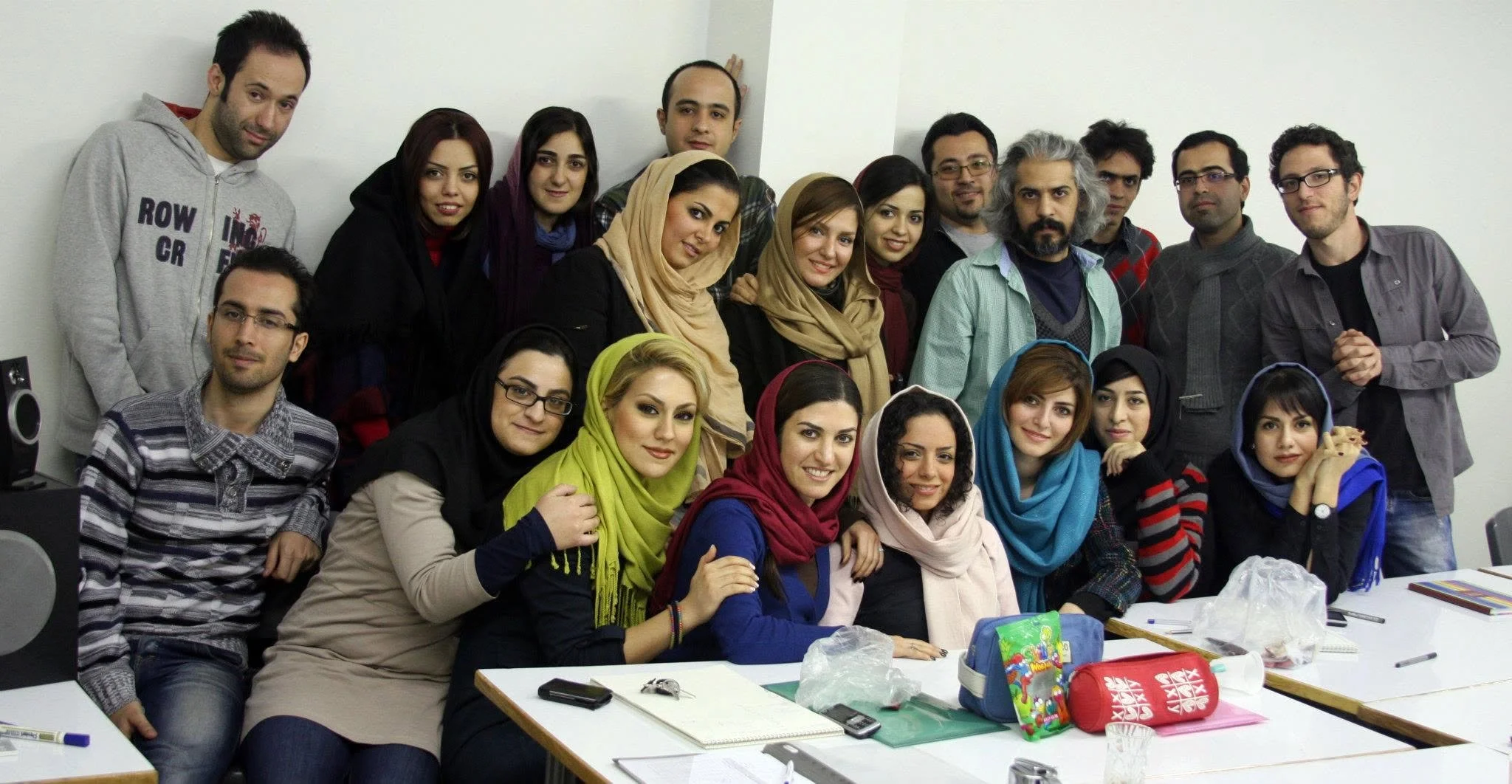
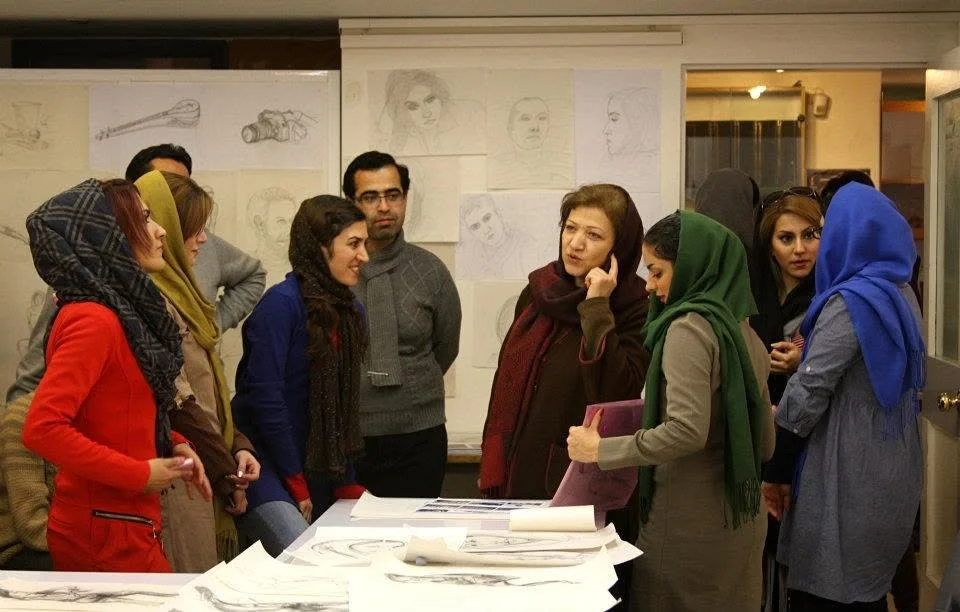
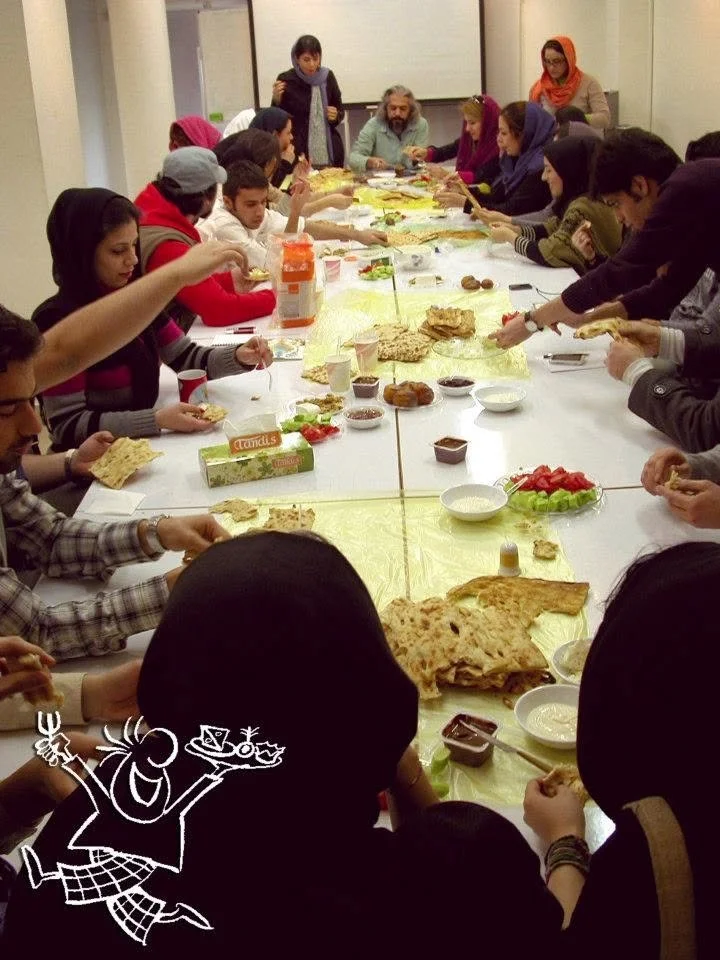
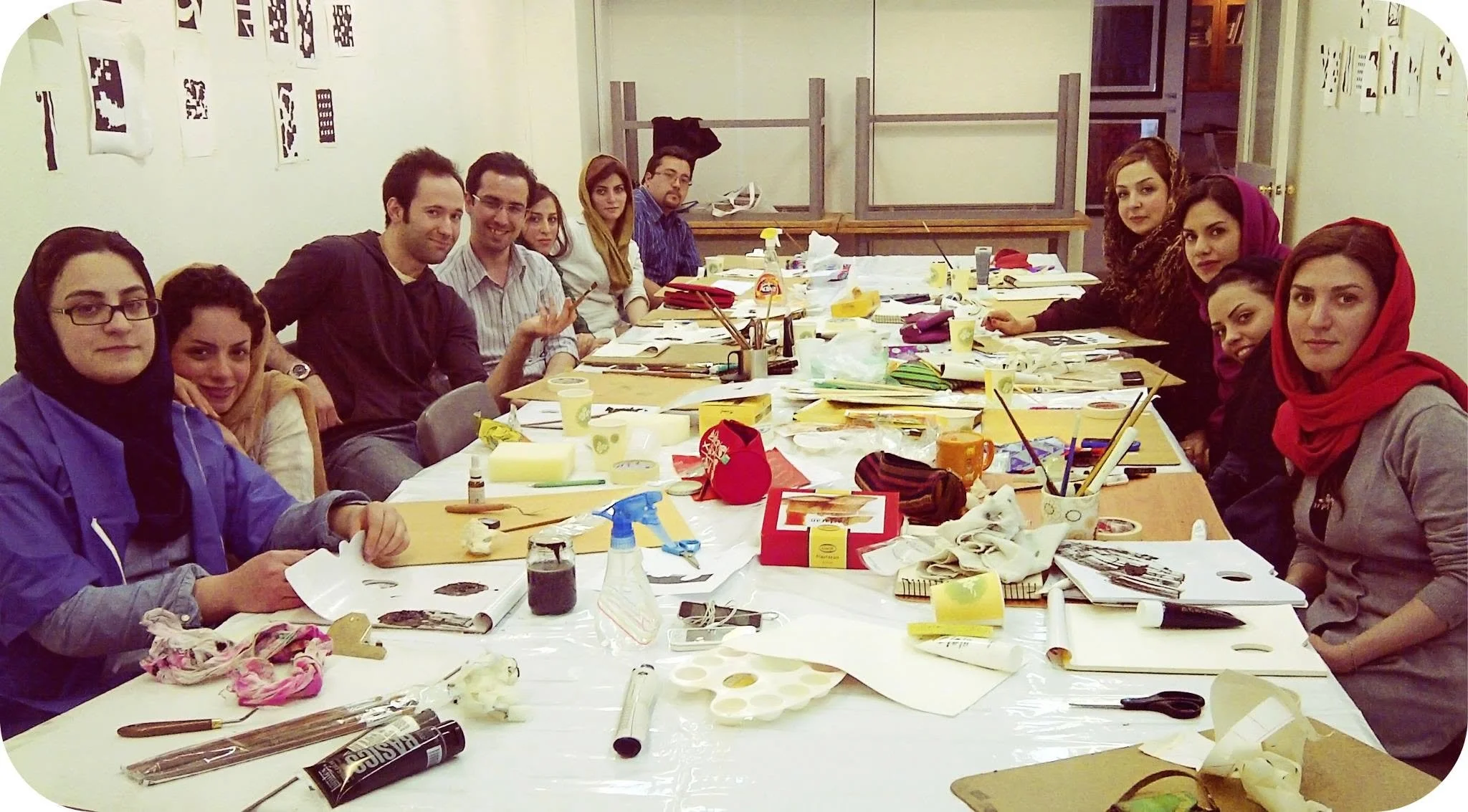
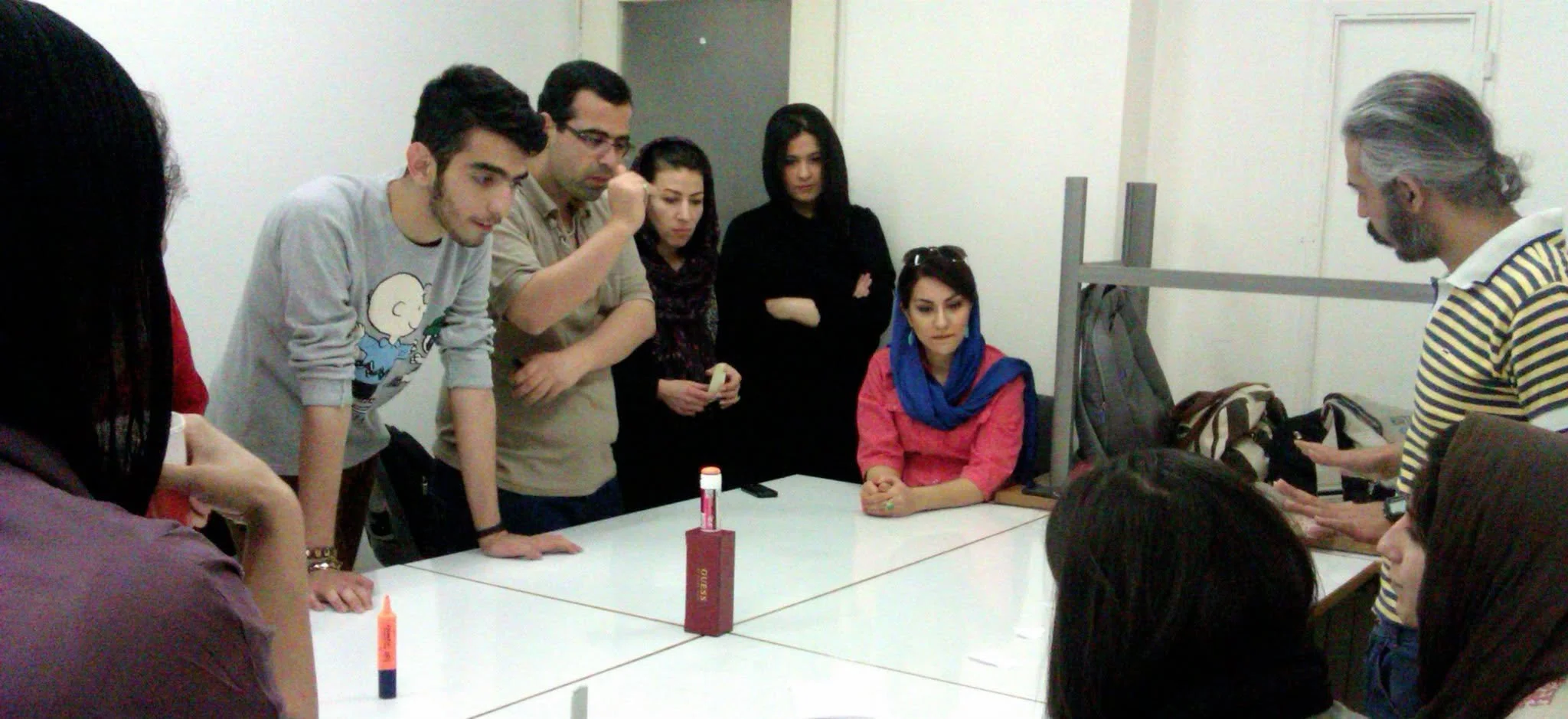
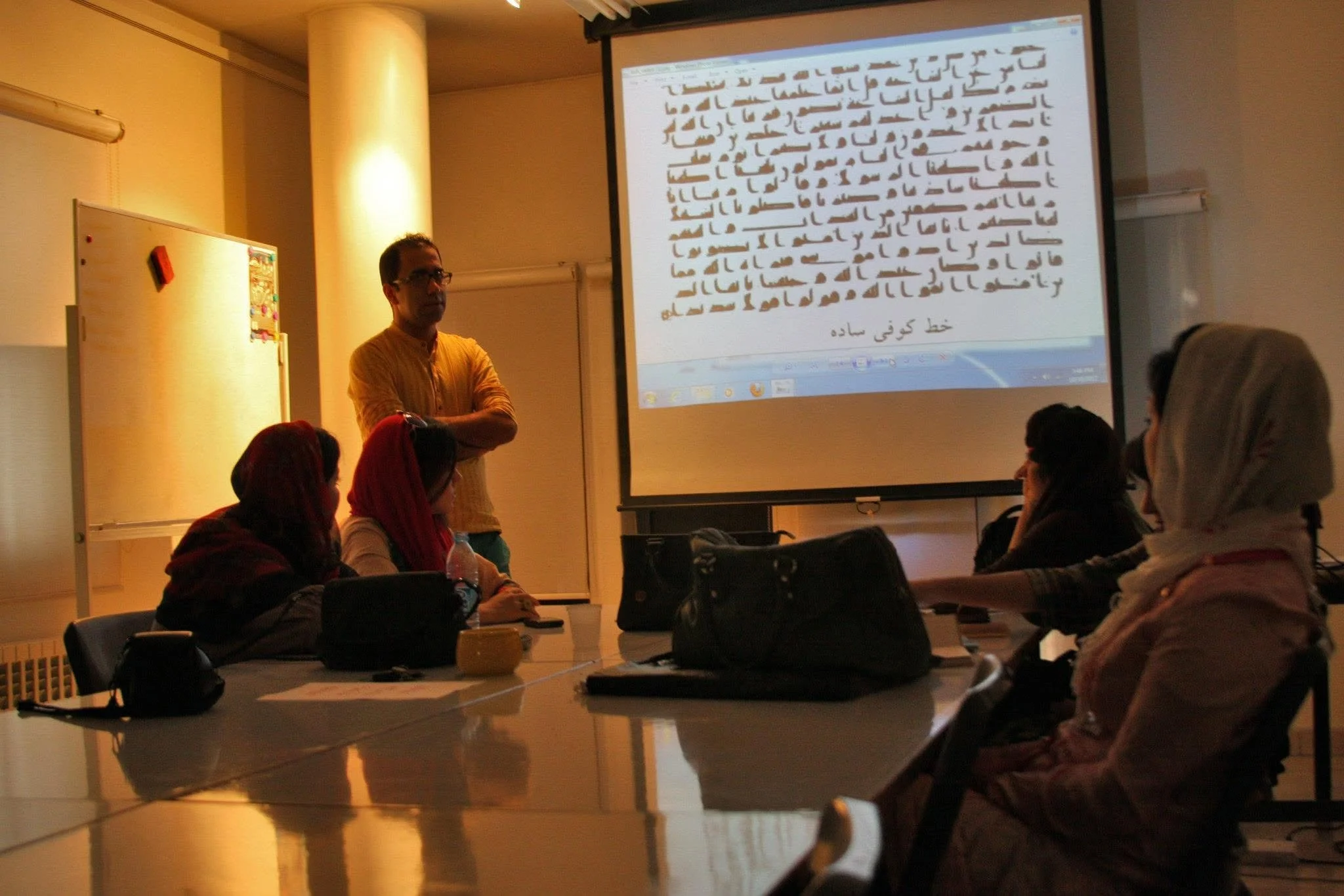
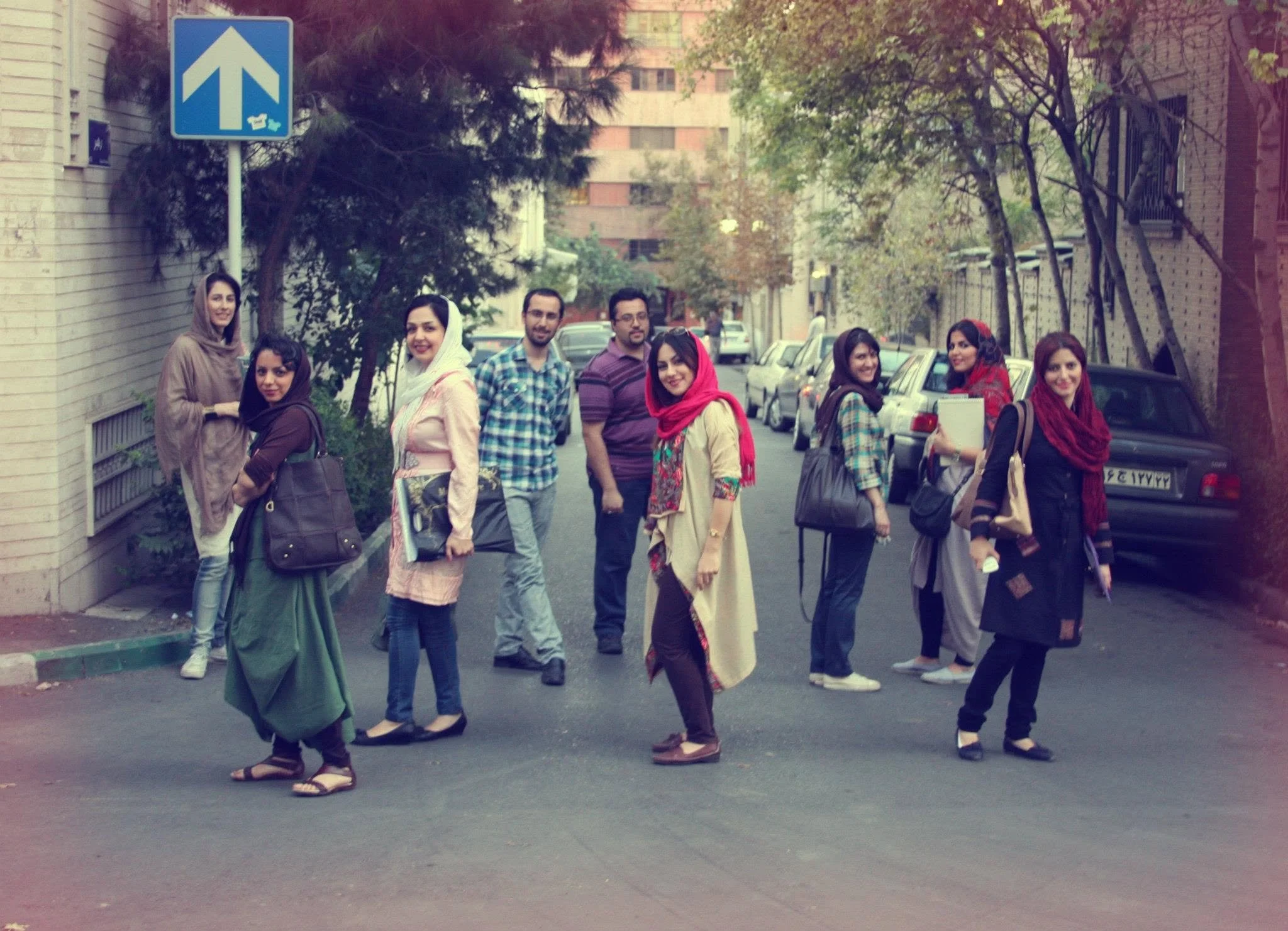
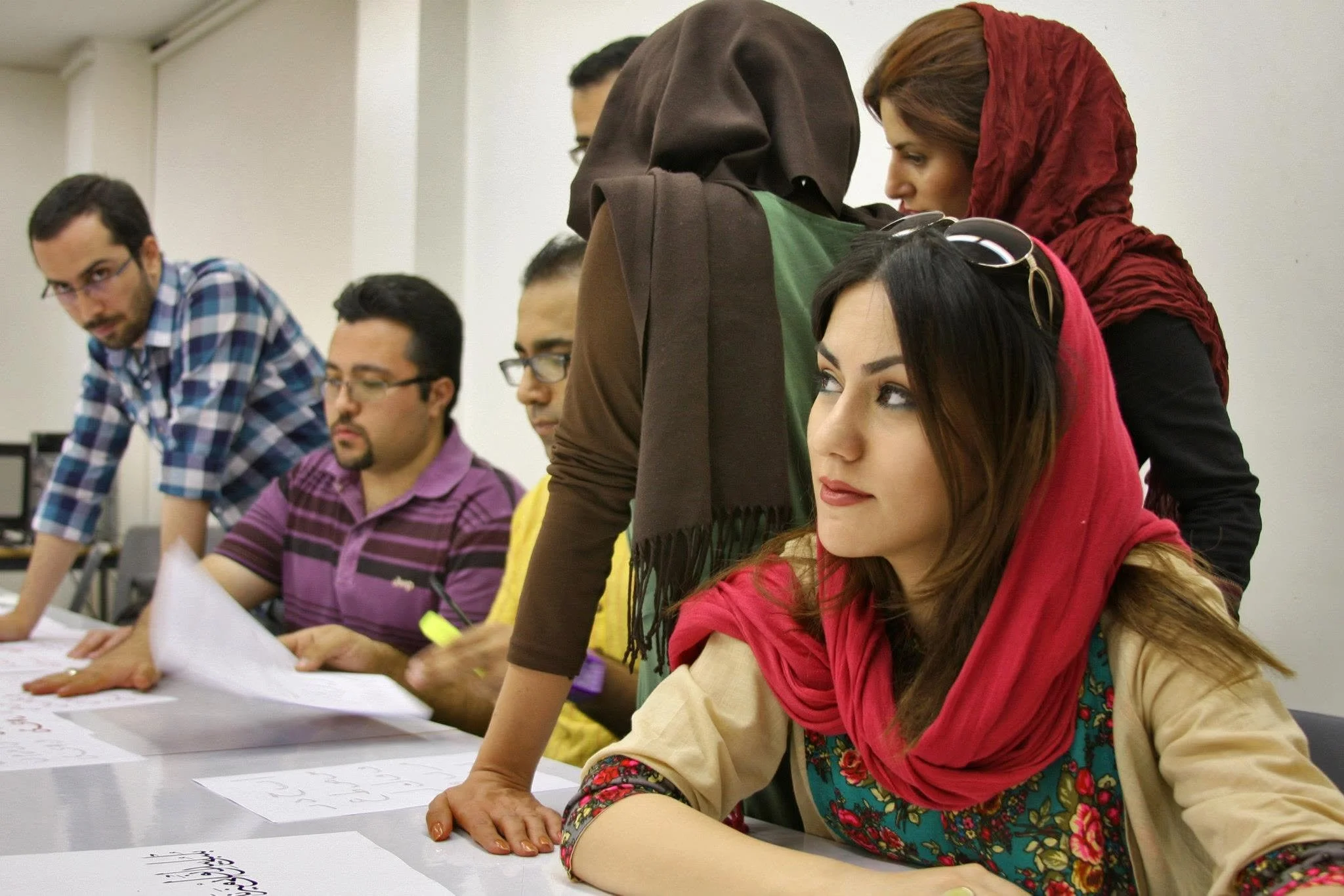
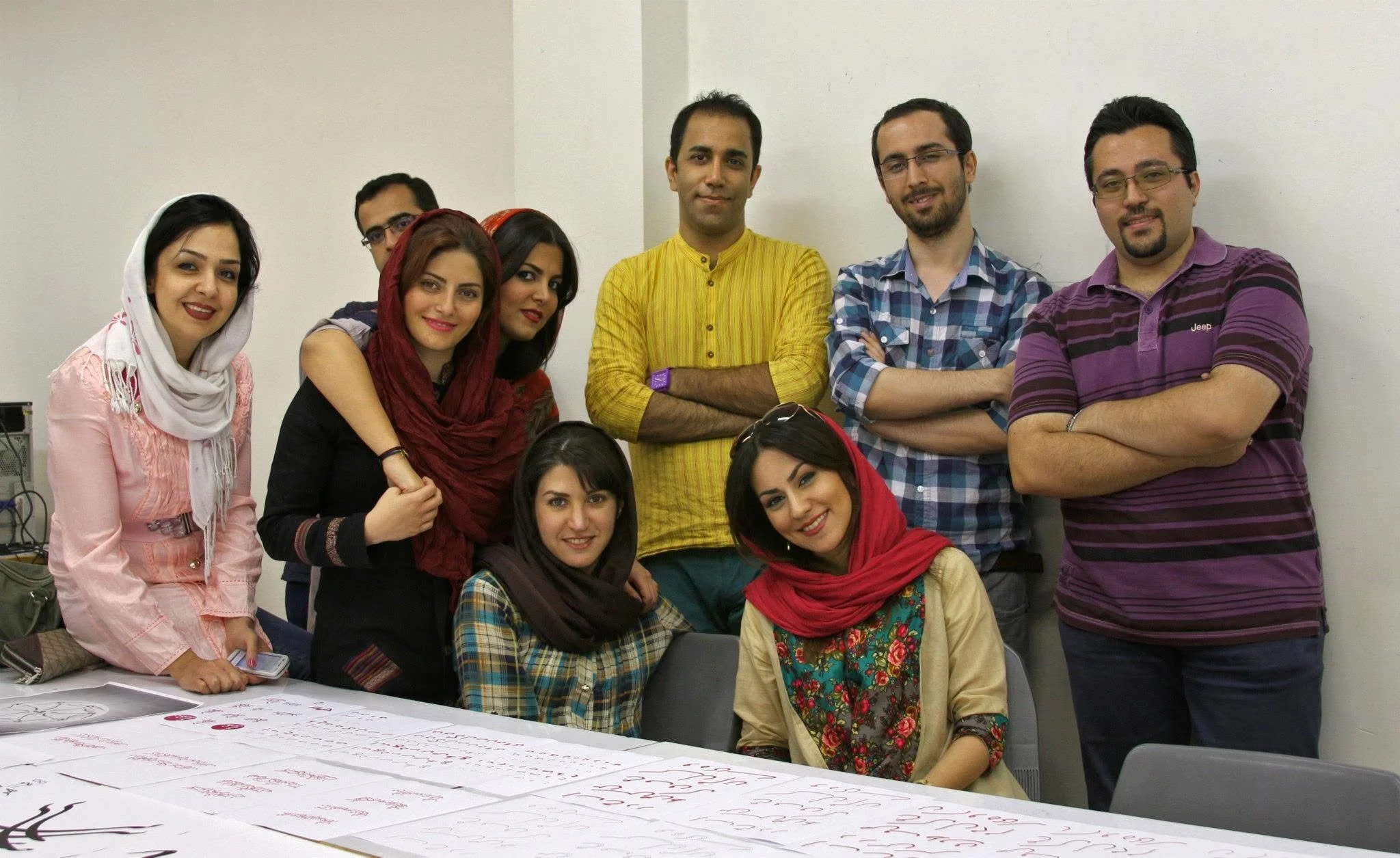
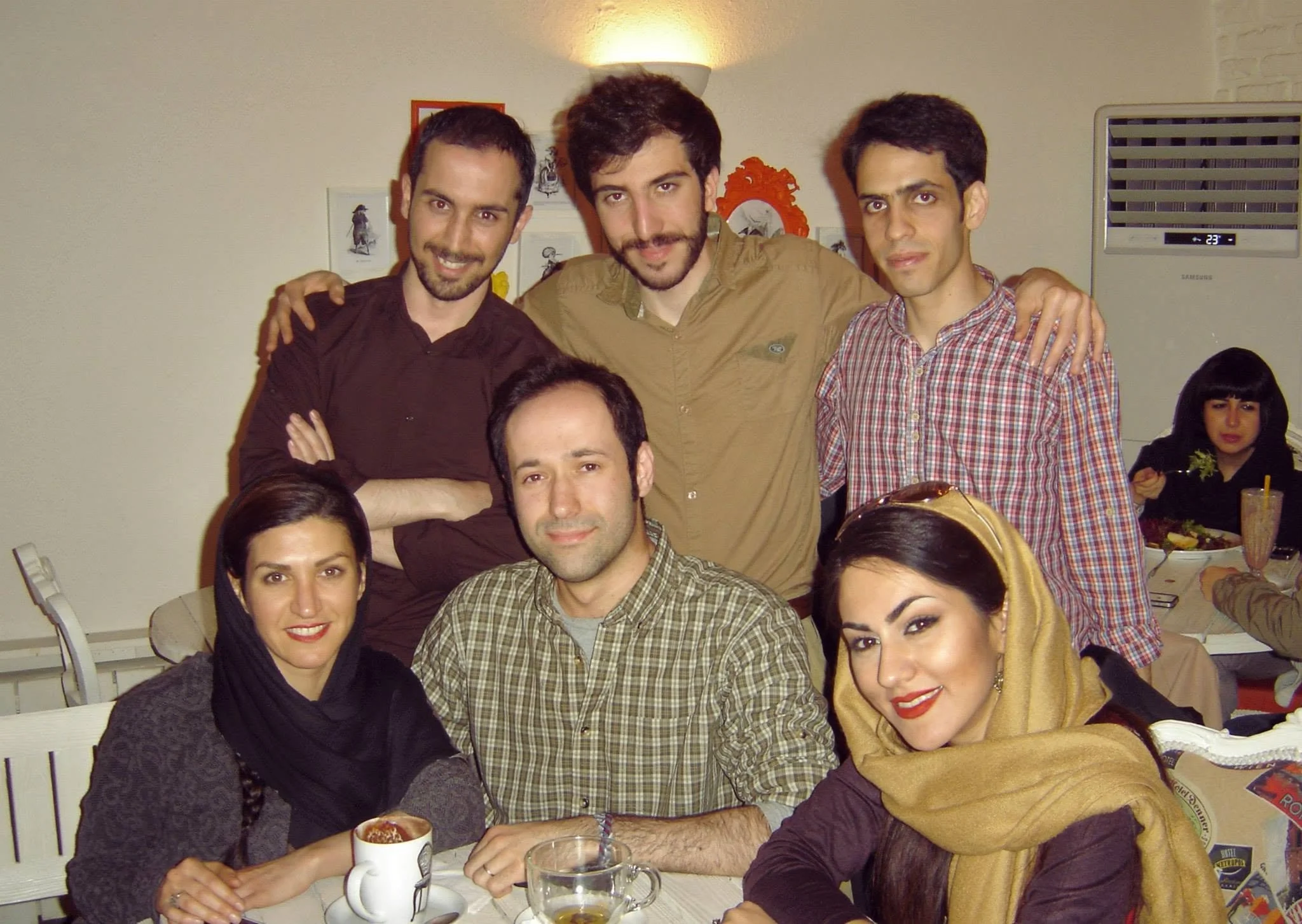
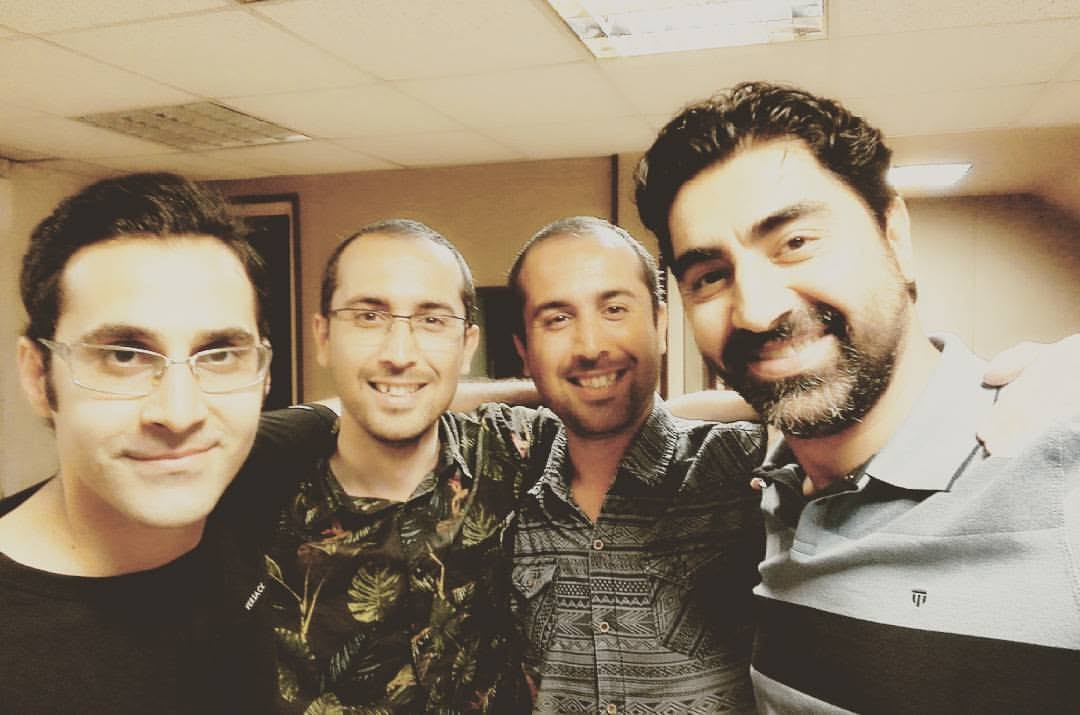
خدایِ من! این همه عکس از دورانِ مدرسهی ویژه توی گالریِ فیسبوکِ مونا و پریسا پیدا کردم. چقدر عکس گرفته بودیم! هیچکدوم یادم نبود. رفته بودیم ناهار خوردن! البته الان گویا توی ایران حجاب به این شکل اجباری نیست و نسلِ جدید راحتتر هستن :)
My god! I found all these photos from the Vijeh School days in Mona and Parisa's Facebook gallery. We took so many photos! I didn't remember any of them. We had gone out for lunch! Though apparently in Iran, hijab isn't mandatory in this way anymore now, and the new generation seems to have it easier :)
از اینکه توی این عکسها من هم حضور دارم، واقعاً خوشحالم. چقدر چهرهام کودکانه بود و چقدر تغییر کردم. تغییر در مسیرِ رشد.
I'm truly glad that I'm present in these photos too. How childlike my face was, and how much I've changed. Change on the path of growth.
Lunching our first website 2010:
راه اندازی نخستین وب سایت مون
www.puyanama.com
با ظهورِ اینترنت و تبِ راهاندازیِ وبسایت، با امید مصمم شدیم یه وبسایت راه بندازیم. اسمش رو «پویانما» گذاشتیم؛ معادلی برای واژهی انگلیسیِ «انیماتور» بود و هست. توی سالِ ۲۰۱۰ میلادی، یعنی ۱۳۸۹ شمسی، رسماً لانچش کردیم. الان که این متن رو مینویسم، هنوزم از اون تصمیم و اقدامی که کردیم خیلی خوشحالم؛ چون پویانما الان تبدیل شده به معتبرترین و بهترین منبعِ فارسیزبان برای انیمیشن، و هنوز هم با تولیدِ پادکستها و ریلز و شورتهای کوتاه، تجربهها و نکتههای مرتبط با دنیای گیم و انیمیشن رو با بقیهی کشور به اشتراک میذاریم.
طیِ این همه سال که پایِ پویانما هزینه و انرژی گذاشتیم، هیچکس نه پولی بهمون داد، نه سراغی ازمون گرفت. عملاً ۱۱۶۸ مطلب توی زمینههای گوناگون توی سایت منتشر کردیم و بالای ۸۰ اپیزود پادکست هم منتشر کردیم. با فروپاشیِ اقتصادِ کشور، نگهداریِ پویانما دیگه برامون هزینهی سرسامآوری داشت که جز عشق و علاقه به تولیدِ محتوا، توی سالهایی که هیچکس نمیدونست تولیدِ محتوا اصلاً چیه، نمیشه توجیهش کرد. بر اون شدیم که هاست و دامین رو منتقل کنیم به جمهوریِ چک، که به کمکِ آقای محسنِ مریدیِ عزیز این اتفاق هم افتاد؛ که توی بخشِ مهاجرت به پراگ در موردش مینویسم..
With the rise of the internet and the excitement around building websites, Omid and I decided to launch a website of our own. We named it "Puyanama," a Persian equivalent for the English word "animator." We officially launched it in 2010, which was 1389 in the Persian calendar. Even now, as I write this, I am still happy about that decision. Puyanama has since become the most credible and best Persian-language source for animation, and we still share experiences and tips about gaming and animation with the rest of the country through podcasts, reels, and short-form videos.
Over all these years of putting money and energy into Puyanama, no one ever paid us, and no one ever checked in on us. We have published 1,168 articles across various topics on the site, and released over 80 podcast episodes. As the country's economy collapsed, maintaining Puyanama became a huge financial burden for us — something that can only be explained by our love and passion for content creation, in years when nobody even knew what "content creation" meant. We decided to move the hosting and domain to the Czech Republic, which happened with the help of our dear friend Mohsen Moridi — something I will write more about in the section on moving to Prague.
راهاندازیِ وبسایت توی جایی مثلِ ایران، توی اون سالهایی که ما شروع کردیم، عملاً ریسکِ زیادی داشت و ضررِ زیادی هم کردیم. هیچوقت یادم نمیره یه جایی به اسمِ «پارمین وب» پیدا کرده بودیم و درخواستِ طراحیِ سایت دادیم؛ با یه کنترلپنل برای ثبتنامِ کاربر و یه نوع پلتفرم که قرار بود اونجا تبدیل بشه به یه هاب. قربونِ دستِ پارمینوبیها برم که تا میتونستن ما رو چاپیدن، و آخرش فقط قبضِ پرداختِ هزینه میفرستادن که پرداخت نباید دیر بشه؛ اما وبسایت کو؟ هیچکس نبود جوابگو باشه. آخرش هم با ضررِ زیاد و پرداختِ هزینه، یه وبسایتِ ناقص تحویل گرفتیم و در نهایت بهمون گفتن که از پسش برنمیان.
طراحیِ سایت توی اون سالها مثلِ راکت هوا کردن بود؛ همه تیز کرده بودن تا سرمون کلاه بذارن. آخرش بعد از یاد گرفتنِ مبانی و اصطلاحات، مخصوصاً به کمکِ امید، تونستیم یهکم با وردپرس آشنا بشیم و باهاش کار کنیم. همین آشناییِ با وردپرس نجاتمون داد، و از اون تاریخ تا امروز روی وردپرس جلو رفتیم، بدونِ اینکه دیگه درگیرِ شرکتهای سودجوی طراحیِ سایت بشیم.
یه مدتی بعدش هم لوگوی وبسایت و هویتِ بصریش رو ریدیزاین کردیم. برای سومین بار
Launching a website in a place like Iran, in the years we started, carried real risk — and we lost a lot of money because of it. I will never forget finding a company called "Parmin Web" and asking them to design our site, with a control panel for user registration and a kind of platform meant to become a hub. Bless the folks at Parmin Web, who milked us for everything they could and, in the end, just kept sending payment invoices insisting we not be late — but where was the website? No one was ever there to answer for it. In the end, after a lot of financial loss, we received an incomplete website, and eventually they told us they simply couldn't deliver it.
Web design in those years was like a gold rush — everyone had sharpened their knives to cheat people. Eventually, after learning the basics and the terminology, especially thanks to Omid, we got a bit familiar with WordPress and started working with it. That familiarity with WordPress saved us, and from that point until today, we have built everything on WordPress, without ever getting tangled up with predatory web design companies again.
Sometime later, we also redesigned the website's logo and visual identity:
این لوگو ترکیبیه از حرفِ «پ» فارسی و حرفِ «A» انگلیسی، که نقطههای حرفِ «پ» نقشِ اجزای صورت رو بازی میکنن؛ انگار یه شخصیتِ کارتونیه با دهنی باز و چشمهایی گشاد که خیره شده به دنیای بیانتهای انیمیشن.
This logo combines the Persian letter "پ" with the English letter "A." The dots of the "پ" act like facial features — as if it's a cartoon character with an open mouth and wide eyes, staring into the endless world of animation. He also has a little hat :D
طیِ این شونزده سال، بهطور مداوم پویانما رو پشتیبانی کردیم و سرپا نگهش داشتیم؛ به این امید که یه روز انیمیشنِ کشور یه پایگاهِ مستقل داشته باشه، بدونِ وابستگی به هیچ نهاد یا شخصی. همیشه تلاش کردیم مطالبِ خوب و درجهیک رو ترجمه و منتشر کنیم. شب و روز پایِ پویانما تلاش کردیم، و امیدوارم بعدِ مرگِ ما دو برادر، حداقل چراغِ پویانما روشن بمونه و یه نفرِ دیگه از ایران، به همین اندازه دلسوزانه، راهمون رو ادامه بده.
For sixteen years, we have continuously supported Puyanama and kept it standing, hoping that one day the country's animation industry would have an independent home, without depending on any institution or individual. We always tried to translate and publish good, first-rate material. We worked day and night for Puyanama, and I hope that after the two of us brothers are gone, Puyanama's light will at least stay on, and someone else from Iran will carry our path forward with the same devotion.
