Czech Glass, American Grain: Flexaret IVa & CineStill Dynamic 400 D - Part 2
In this second part, I want to share my experience shooting with CineStill 400D color negative film.
The Flexaret is a medium format camera that takes 120 film. I started out excited, convinced I’d end up with some exceptional analog color shots — but things turned out a little differently!
It was the weekend, and the shop we always buy from was closing in an hour or two. I rushed over, since our weeks are so packed there’s hardly any time left for photography. Inside, I found myself drowning in a sea of color negatives. I told the clerk I wanted a 120 color film — something fairly cheap but with good quality. They recommended this one; the “D” stands for Daylight, meaning the film is balanced for shooting in daylight. The Kodak films were a bit pricier — I plan to test one of those too, but for now I started with this one.
Omid, Art, and I headed out and took a few shots along the way. Luckily, it was a lovely sunny day — exactly what this film craves. We tried hard not to burn through the whole roll in the first few minutes. Digital cameras, and even phones, have trained all of us to shoot as much as we like, as if storage never runs out. But analog photography — especially medium format — doesn’t work that way. You get 12 frames per roll at most, and you pay for both the film and the lab’s developing and scanning. It’s the complete opposite of the digital world. So with every frame, a kind of hesitation — or rather, an obsession — creeps in: should I advance the film or not?
Anyway, we finished the roll and dropped it off to be developed and scanned.
توی این قسمت دوم میخوام تجربهم از عکاسی با نگاتیو رنگی سینهاستیل ۴۰۰ دی رو براتون تعریف کنم.
فلکسارت یه دوربین مدیومفرمته که فیلم ۱۲۰ میخوره. با این فکر که قراره کلی عکس رنگی آنالوگِ معرکه بگیرم، با ذوق شروع کردم؛ ولی خب، نتیجه یه کم برعکس شد!
آخر هفته بود و مغازهای که همیشه ازش خرید میکنیم قرار بود یکی دو ساعت دیگه ببنده. با عجله خودمو رسوندم، چون وسط هفته اونقدر سرمون شلوغه که اصلاً وقتی برای عکاسی نمیمونه. رفتم تو و وسط اون همه نگاتیو رنگی حسابی گیج شده بودم. به فروشنده گفتم یه فیلم ۱۲۰ رنگی میخوام که هم ارزون باشه، هم کیفیتش خوب باشه. اونم همین نگاتیو رو پیشنهاد داد؛ اون «دی» توی اسمش یعنی دِیلایت، یعنی فیلم برای عکاسی توی نور روز بالانس شده. فیلمهای کداک یه کم گرونتر بودن. قصد دارم اونا رو هم یه بار تست کنم، ولی فعلاً با همین شروع کردم.
با امید و آرت زدیم بیرون و توی راه چندتا عکس گرفتیم. از شانسمون یه روز آفتابیِ دلچسب بود؛ دقیقاً خوراکِ همین فیلم. کلی زور میزدیم که همون چند دقیقهی اول کل حلقه رو تموم نکنیم! آخه دوربینهای دیجیتال و حتی گوشی، همهمونو اینجوری بار آوردن که هر چقدر دلت بخواد عکس بگیری و انگار حافظه هیچوقت تموم نمیشه. ولی عکاسی آنالوگ، مخصوصاً مدیومفرمت، اصلاً اینجوری نیست. هر حلقه نهایتاً ۱۲ تا عکس داره و هم پول فیلم رو میدی، هم پول ظهور و اسکن لابراتوار رو؛ یعنی دقیقاً برعکس دنیای دیجیتال. واسه همین سرِ هر فریم یه دودلی، یا بهتره بگم یه وسواسی میاد سراغت که حالا فیلمو جلو بزنم یا نه!
خلاصه، حلقه رو تموم کردیم و دادیمش که ظاهر و اسکنش کنن.
یه کم از تاریخچهی این فیلم:
سینهاستیل یه شرکت آمریکایی از لسآنجلسه که از سال ۲۰۱۲ فیلم میفروشه. فیلمهاش رو کداک تولید میکنه و بعد خود سینهاستیل بعضیهاشونو دستکاری میکنه تا توی لابراتوارهای معمولی هم ظاهر بشن. ۴۰۰ دی، که اسم کاملش ۴۰۰ داینامیکه، بهار ۲۰۲۲ معرفی شد، اونم نه به روش معمول، بلکه با یه کمپین تأمین مالی جمعی که حامیهاش رو «فیلممیکر» صدا میکردن. همون دو ساعت اول بیشتر از ۷۵ هزار دلار پول جمع شد. استقبال اونقدر زیاد بود که با بیشتر از ده هزار حامی، هدف تولیدش توی فرمت ۱۲۰ و لارجفرمت هم محقق شد و حتی قرار شد فیلم ۲۲۰ هم دوباره با همین امولسیون برگرده.
شرکت هیچوقت رسماً نگفته پایهی این فیلم دقیقاً چیه، ولی خیلیا حدس میزنن همون فیلم سینمایی کداک ویژن۳ ۲۵۰ دی باشه. روی کاغذ ایزوش میشه. emulsiveamateurphotographer۴۰۰ـه، ولی میشه تا ۲۰۰ پول و تا ۳۲۰۰ پوشش کرد، و با شیمی استاندارد سی-۴۱ ظاهر
A bit of history about this film:
CineStill is a Los Angeles-based company that has been selling film since 2012. Its emulsions are manufactured by Kodak, and CineStill then modifies some of them so they can be processed in regular commercial labs. 400D, short for 400Dynamic, was announced in spring 2022 — not in the usual way, but through a crowdfunding campaign whose backers were called “Film Makers.” Within just over two hours of launch, it had raised more than $75,000. The response was so strong that, with over 10,000 backers, it also unlocked production in 120 and large format, and even brought back 220 film in this new stock.
CineStill has never officially confirmed what the film is based on, but many believe it’s Kodak’s VISION3 250D motion picture stock. It’s rated at ISO 400, but can be pulled to 200 or pushed as far as 3200, and it’s developed in standard C-41 chemistry.
Sources:
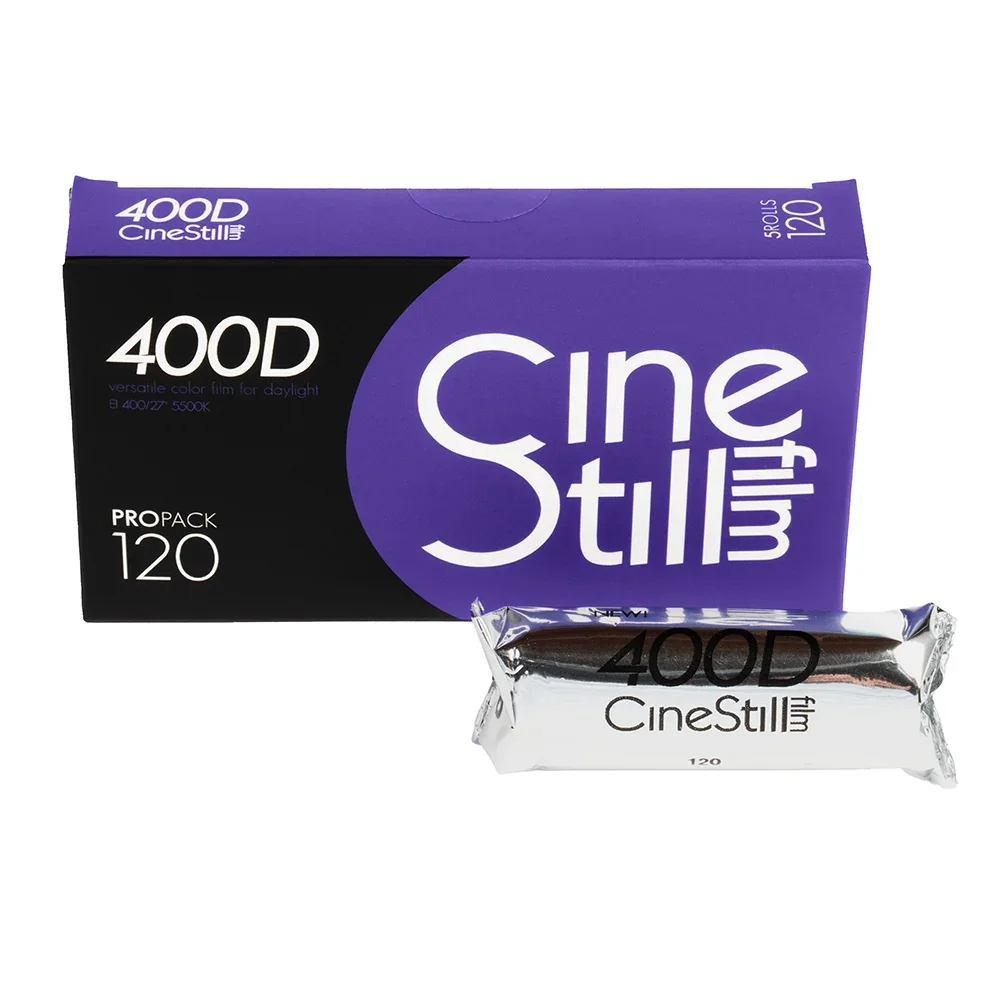
A photo of the CineStill film
تصویری از فیلم سینهاستیل
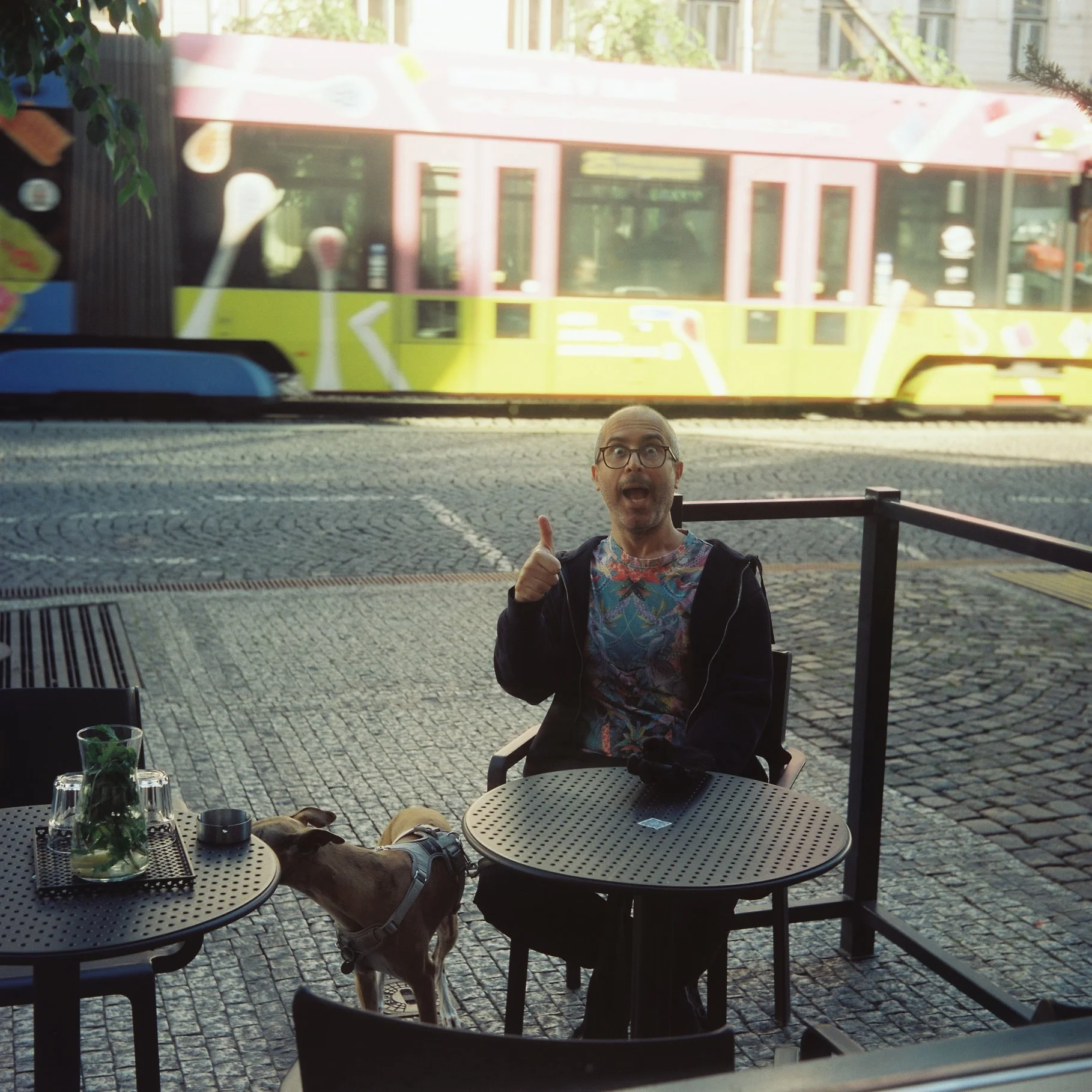
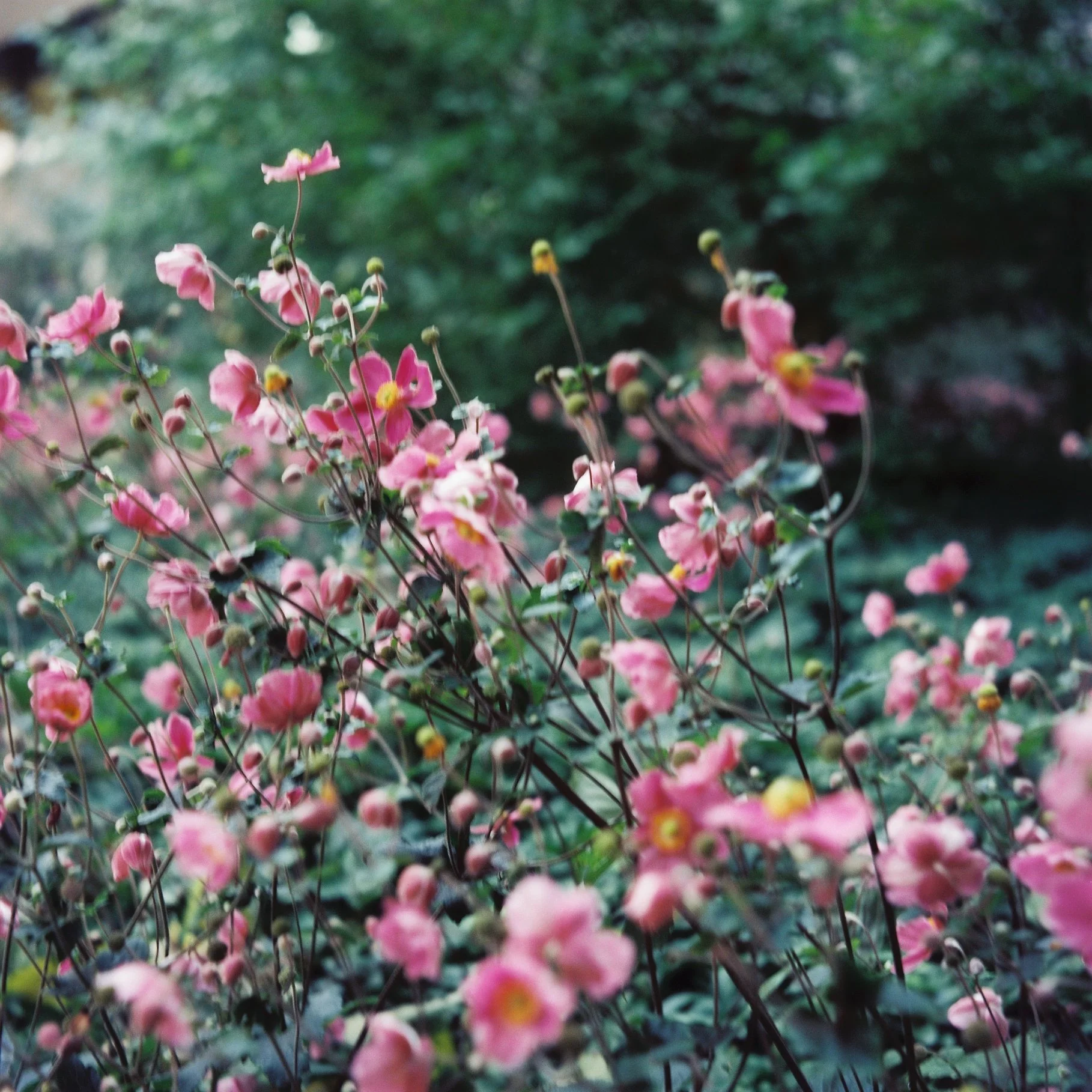
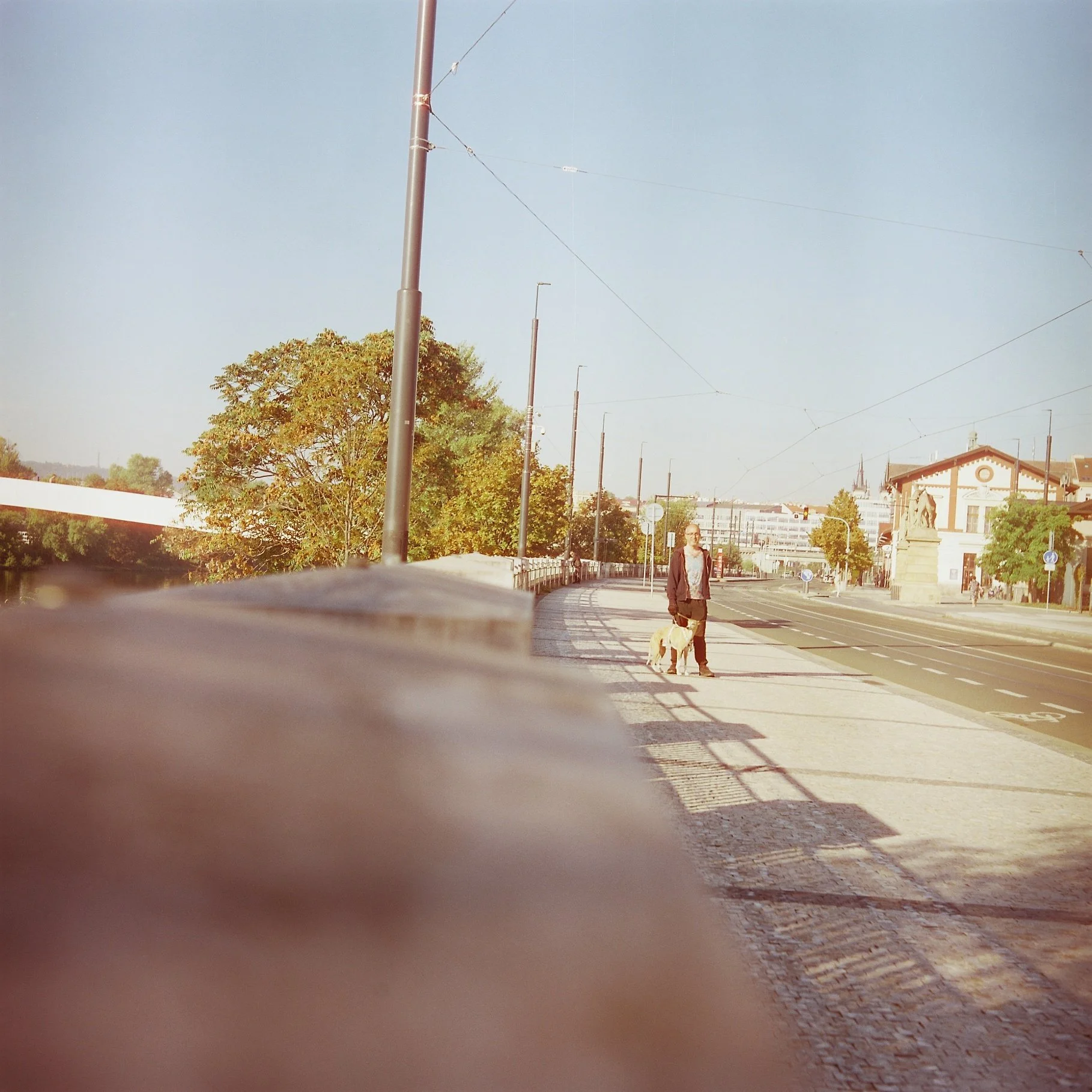
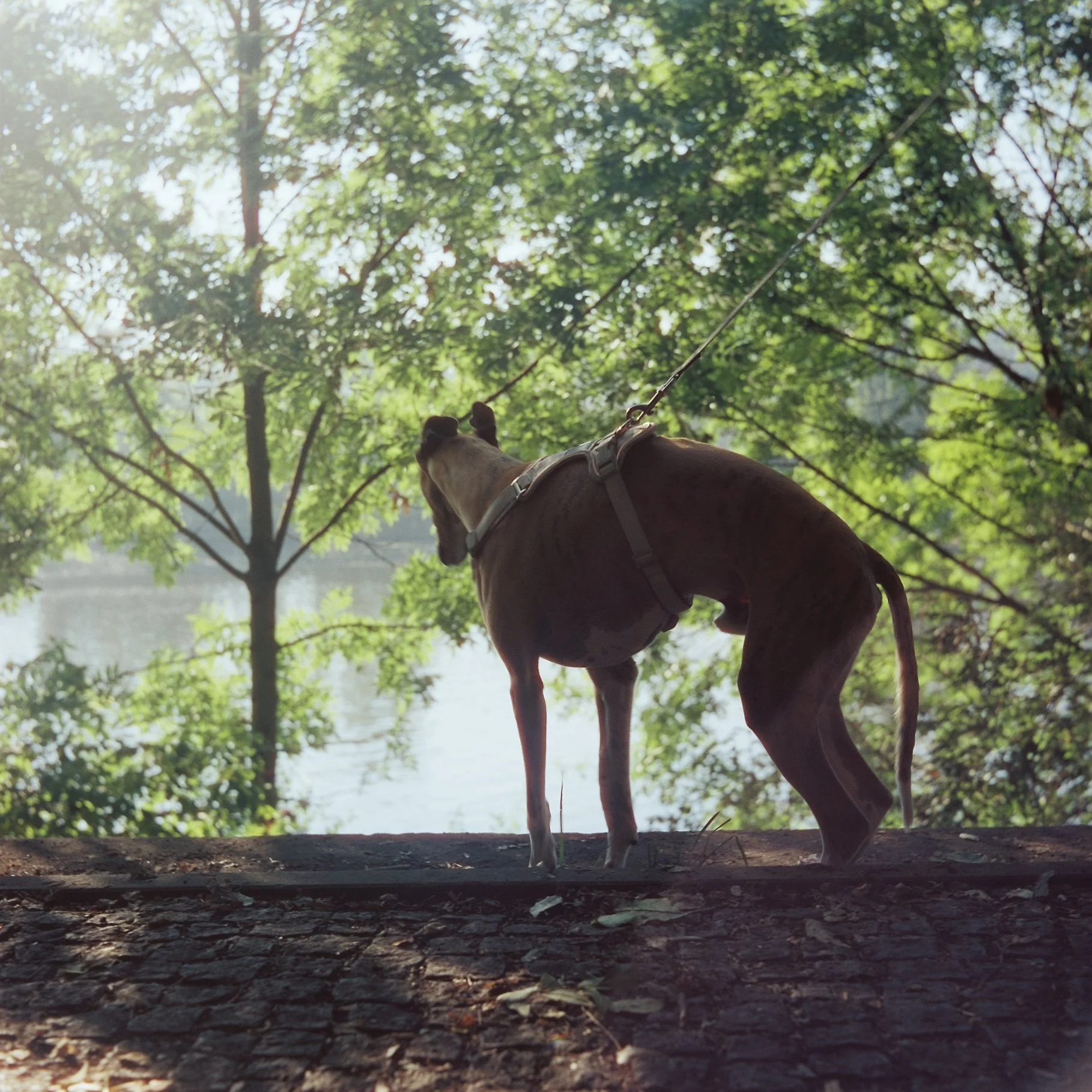
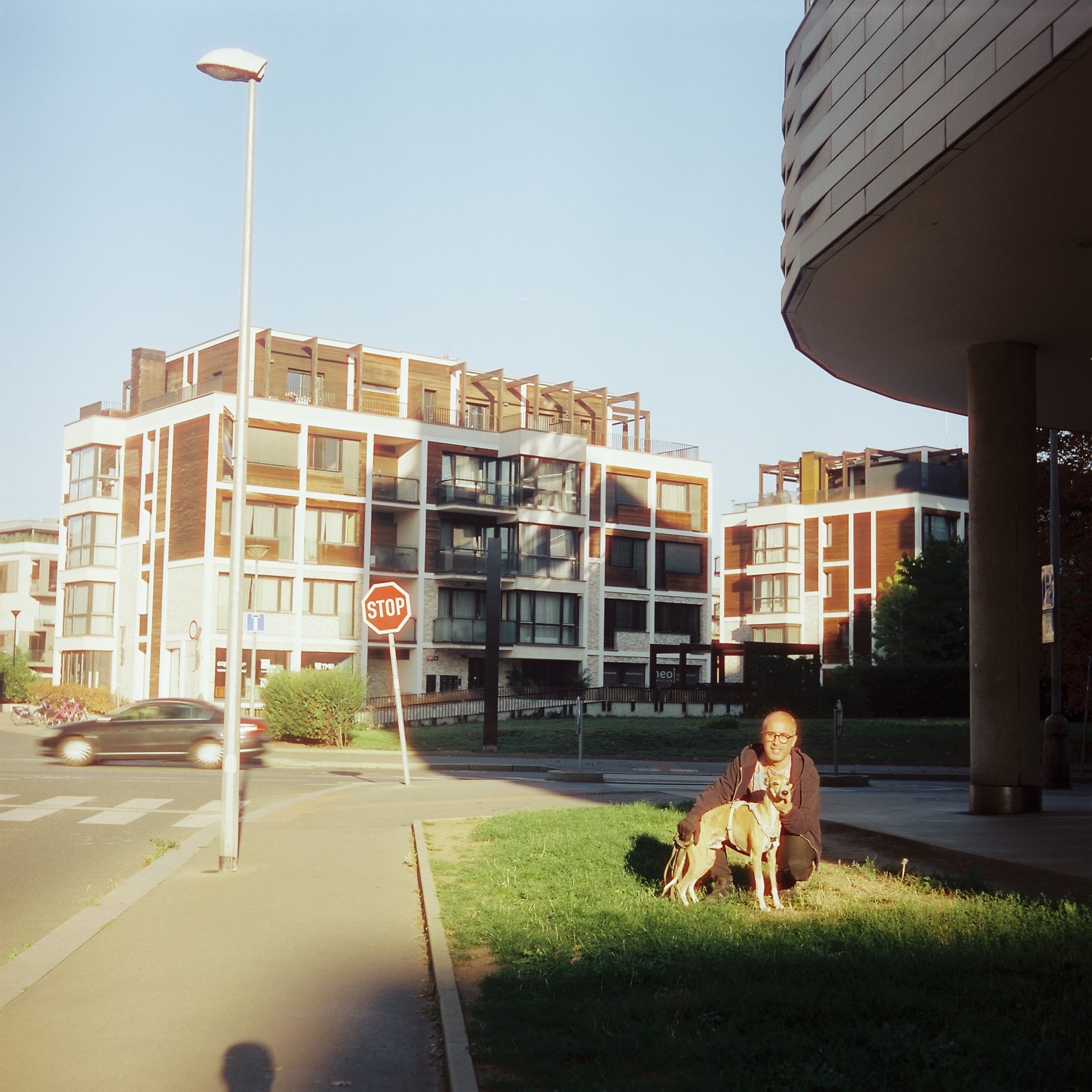
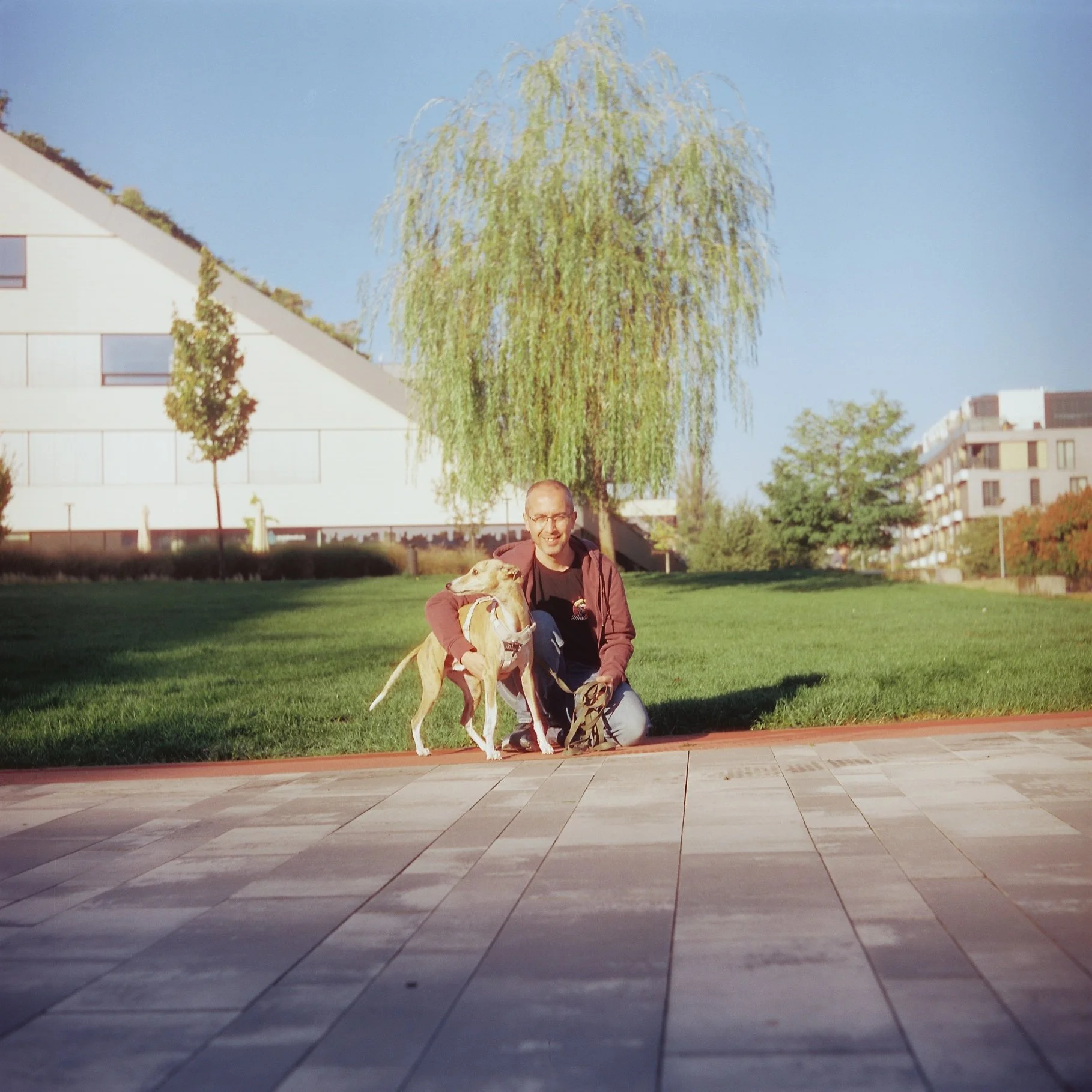
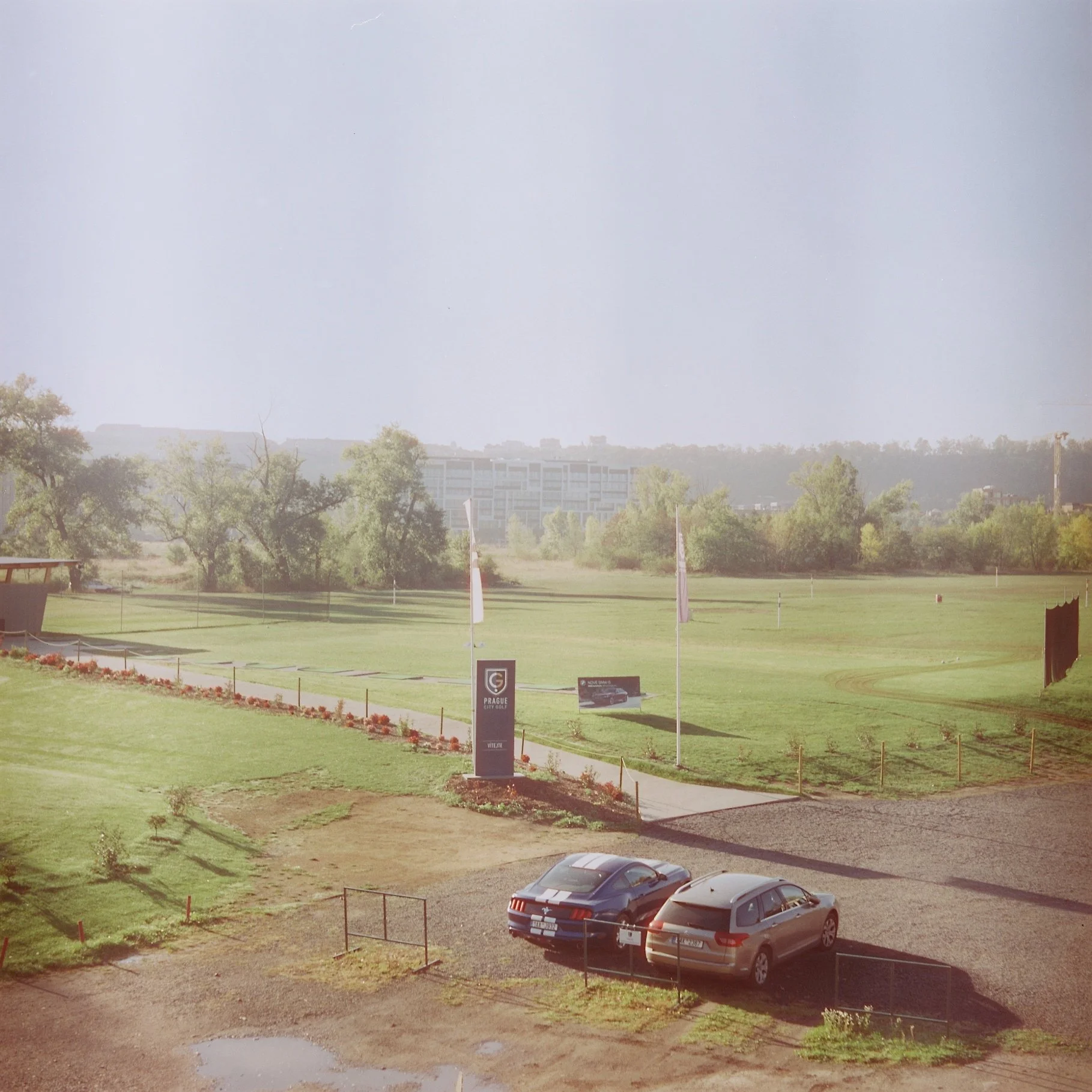
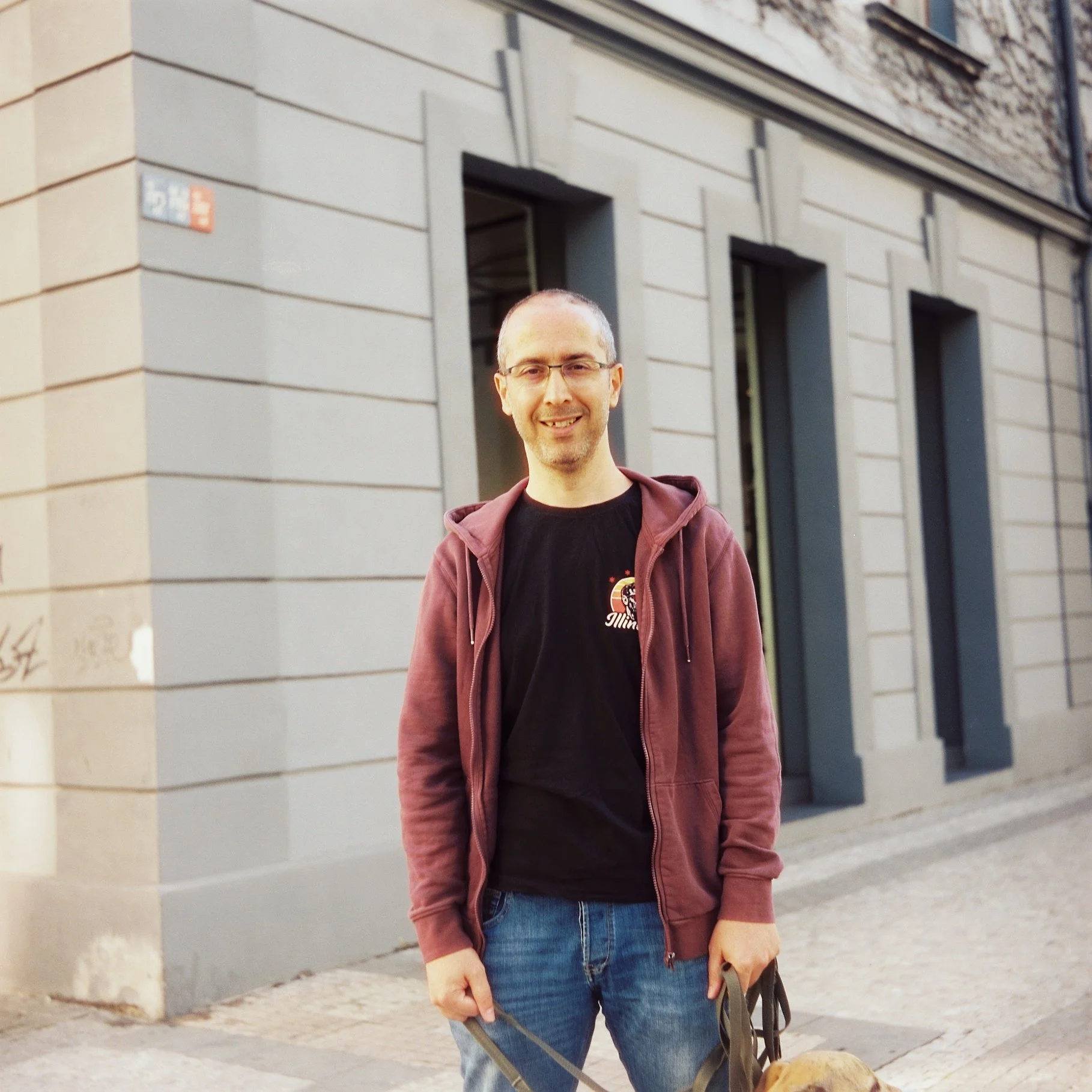
The Results I Got
نتیجهای که گرفتم



حرف آخر:
آخرش به این نتیجه رسیدم که این تفاوت توی کیفیت و رنگ و لعاب عکسها از خود دوربین و تنظیماتی بود که برای هر موقعیت نوری و هر عکس انتخاب میکردم. توی اینترنت چندتا عکس دیدم که با همین مدل دوربین و همین فیلم گرفته شده بودن و صد برابر بهتر بودن؛ همین بیشتر حالیم کرد که این ناپایداری از خود دوربین و کیفیت لنزشه. حالا باید یه حلقهی دیگه سینهاستیل بندازم، این بار با دیافراگم بستهتر، تا نتیجهها رو بررسی کنم.
Final Thoughts:
In the end, I came to the conclusion that the differences in the quality and color of these photos came down to the camera itself and the settings I chose for each lighting situation and each shot. I came across a few photos online taken with the same camera model and the same film, and they were a hundred times better, which made it even clearer to me that the inconsistency came from the camera and the quality of its lens. Now I need to shoot another roll of CineStill, this time with a smaller aperture, so I can analyze the results.
