Czech Glass, British Grain: Flexaret IVa & HP5 - Part 1
I had never held a twin-lens reflex (TLR) camera until my dear friend and colleague Jarda lent me his father’s: a Meopta Flexaret IVa, made in the former Czechoslovakia — a country that has since become two independent nations, the Czech Republic and Slovakia, each with its own currency.
Meopta is a well-known optics and lens manufacturer that, back in the 1950s, also produced still and movie cameras to meet market demand — though it stopped making them long ago.
I couldn’t believe I was actually holding it! These cameras have a real identity and character of their own, and working with them takes a particular taste and way of seeing — which, luckily, I enjoy endlessly.
These medium-format cameras are essentially two lenses mounted vertically, one above the other:
The top lens is used only for viewing, framing, and focusing.
The bottom lens takes the picture and carries the main controls — shutter speed, aperture, and shutter cocking.
Focusing is done with a lever beneath the taking lens; pushing it left or right moves both lenses together, so you know your subject is in focus.
A 45-degree mirror sends the image up to the viewing screen on top — entirely mechanical, no electricity or batteries needed. Given its age, this one’s screen is a little dim, but it’s perfectly usable.
Jarda handed it over with all its accessories: a leather case, filters for black-and-white photography, a shutter release cable, and the original instruction manual in Czech. The leather case and the camera carry an old, nostalgic smell that’s impossible to describe. I never came across anything like it back in Iran — it’s strange and very particular. Maybe it’s the texture of the leather, I’m not sure, but to me it’s the smell of age, authenticity, analog, and charm.
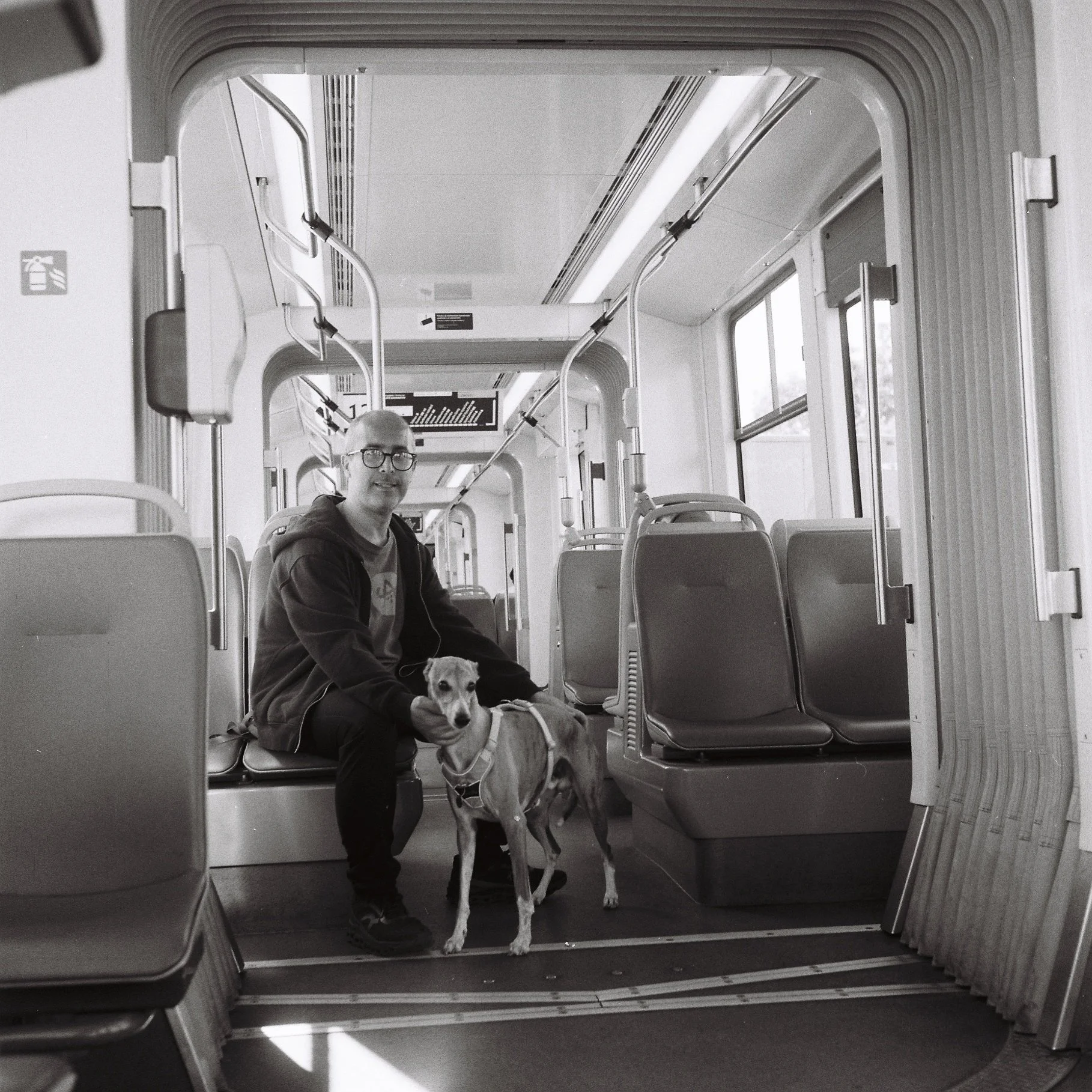
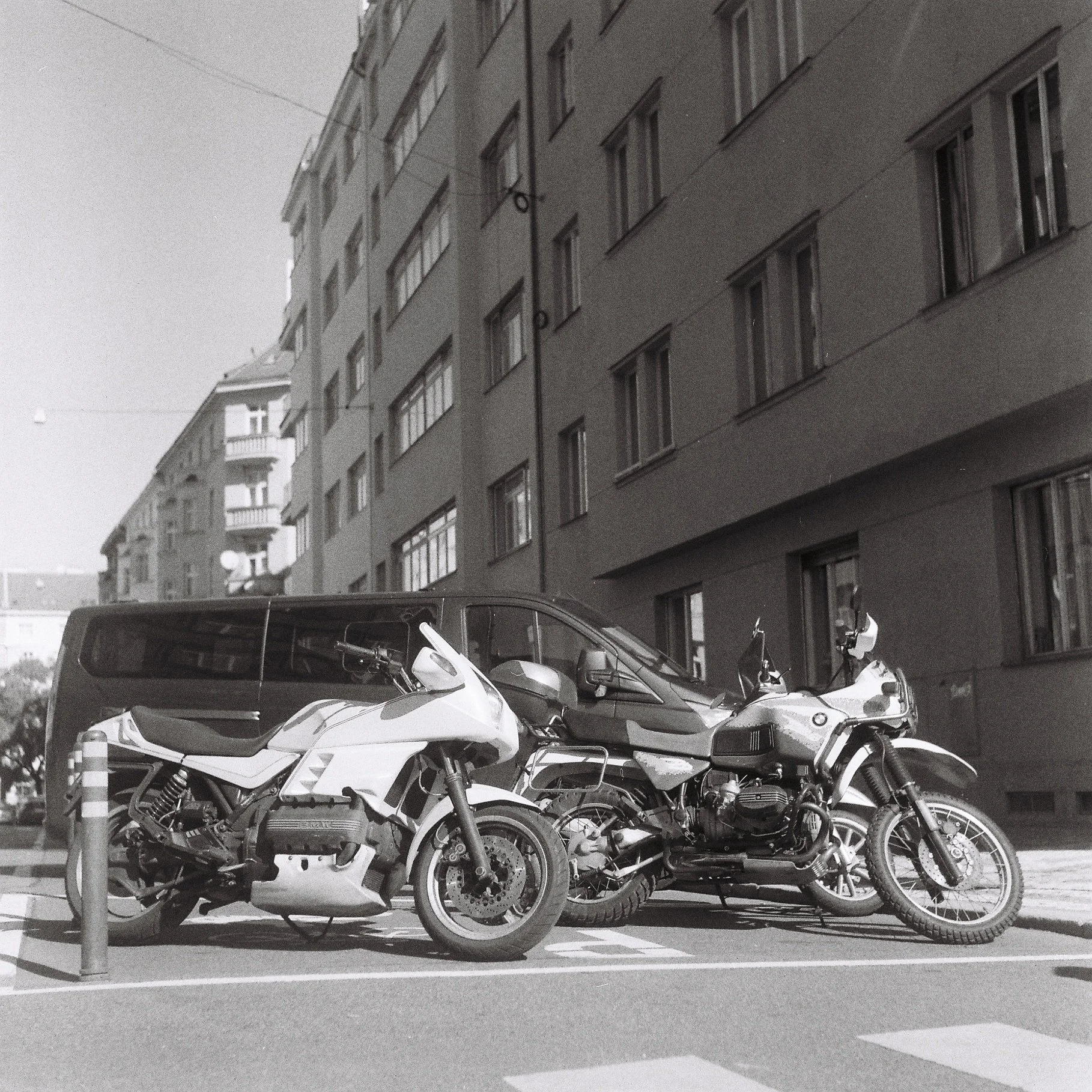
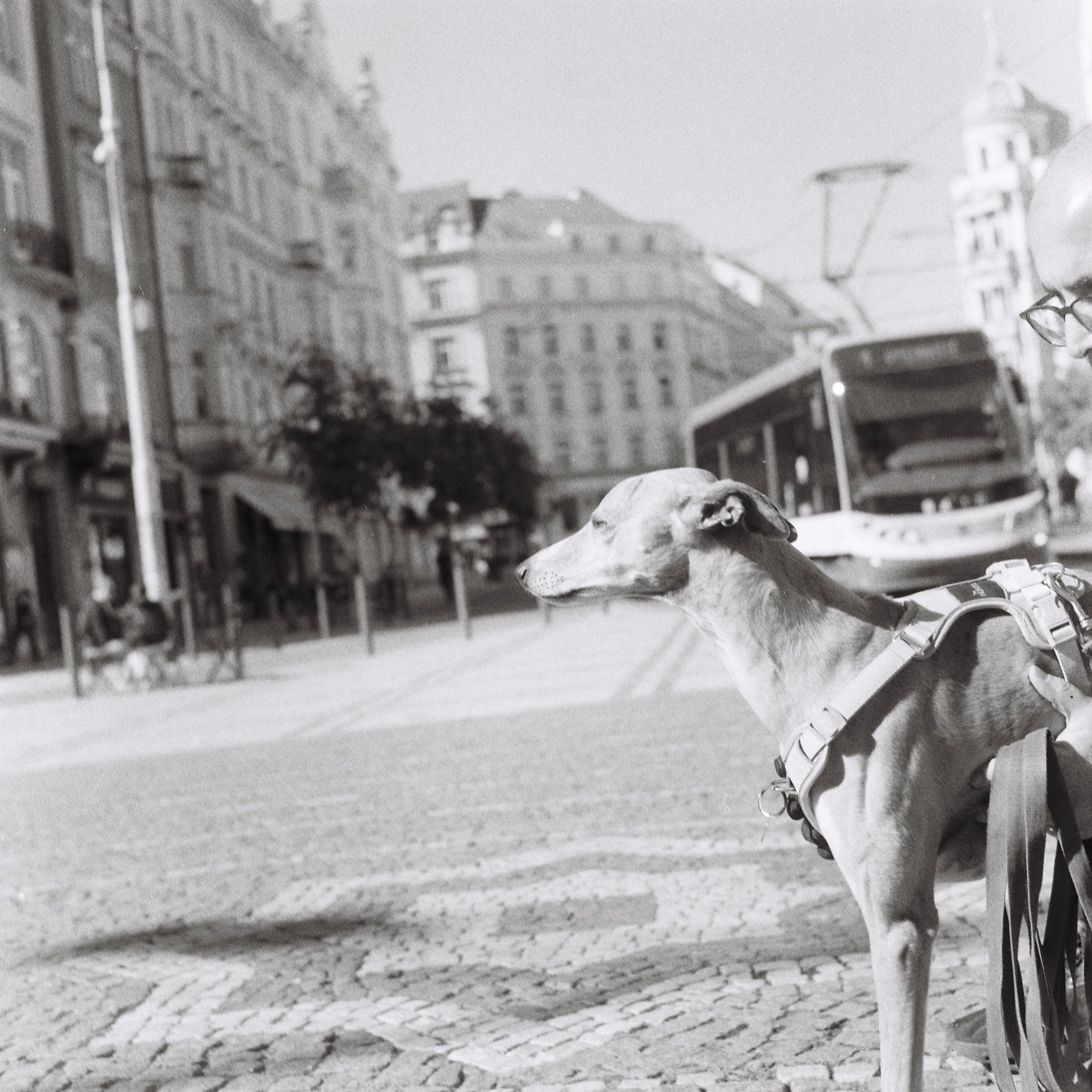
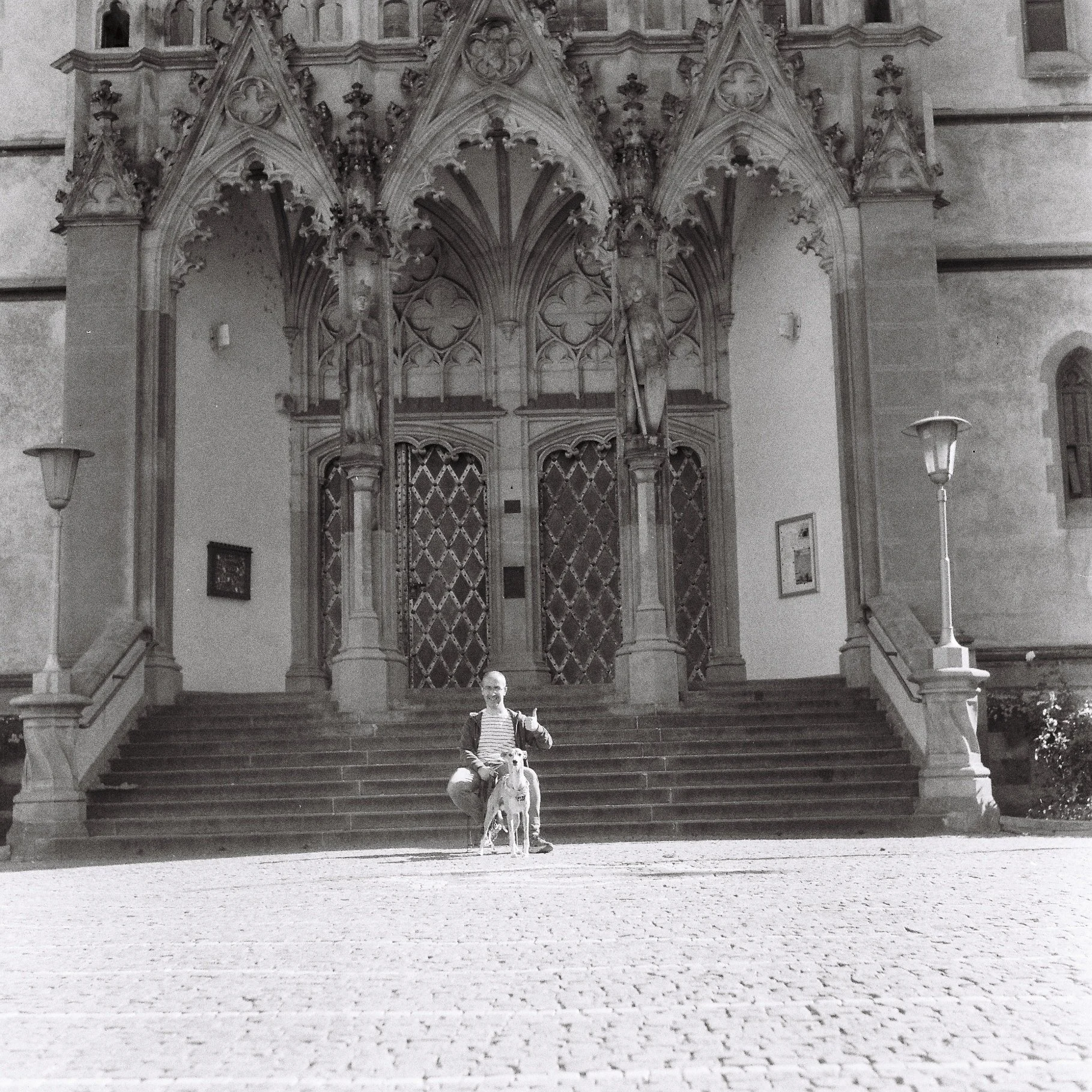
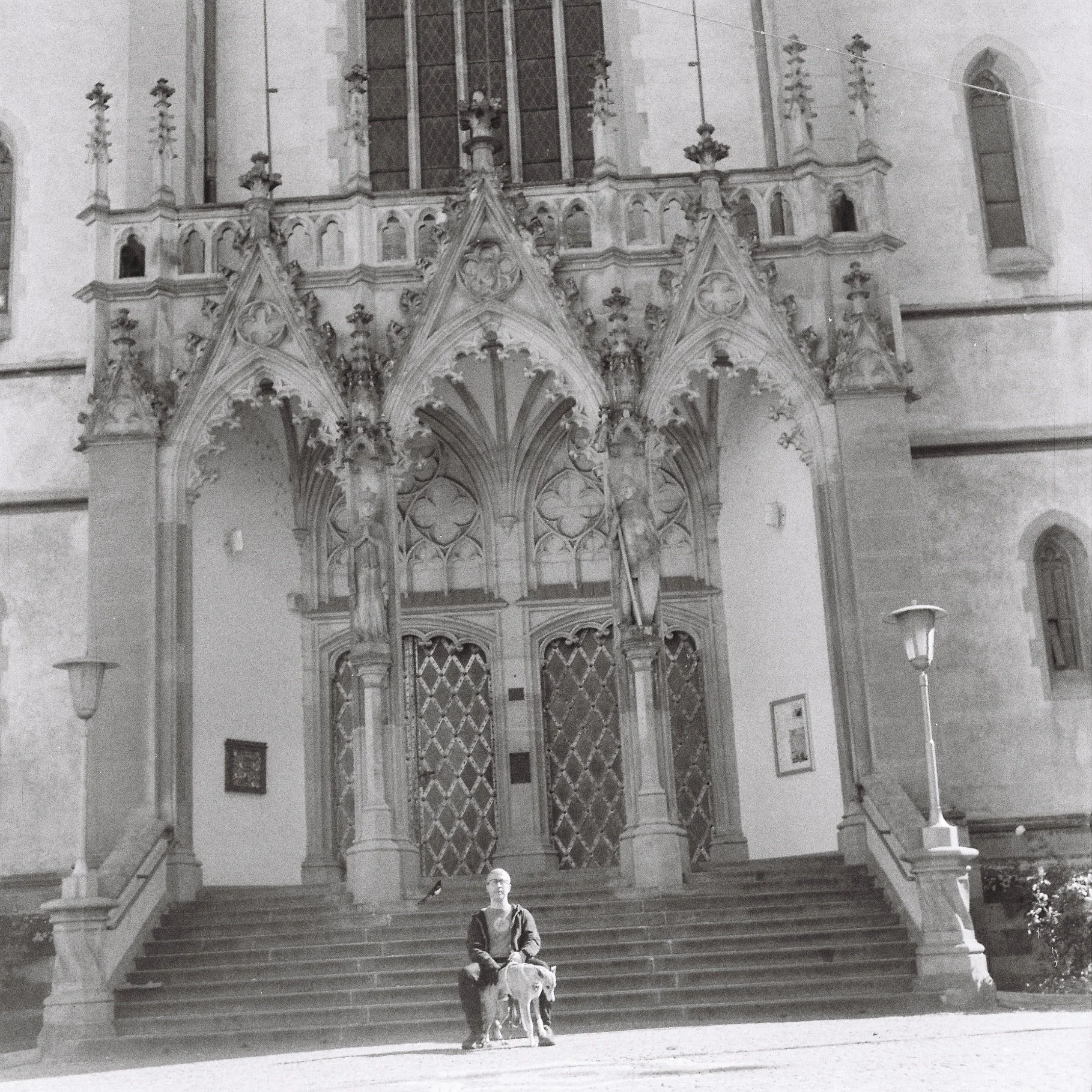
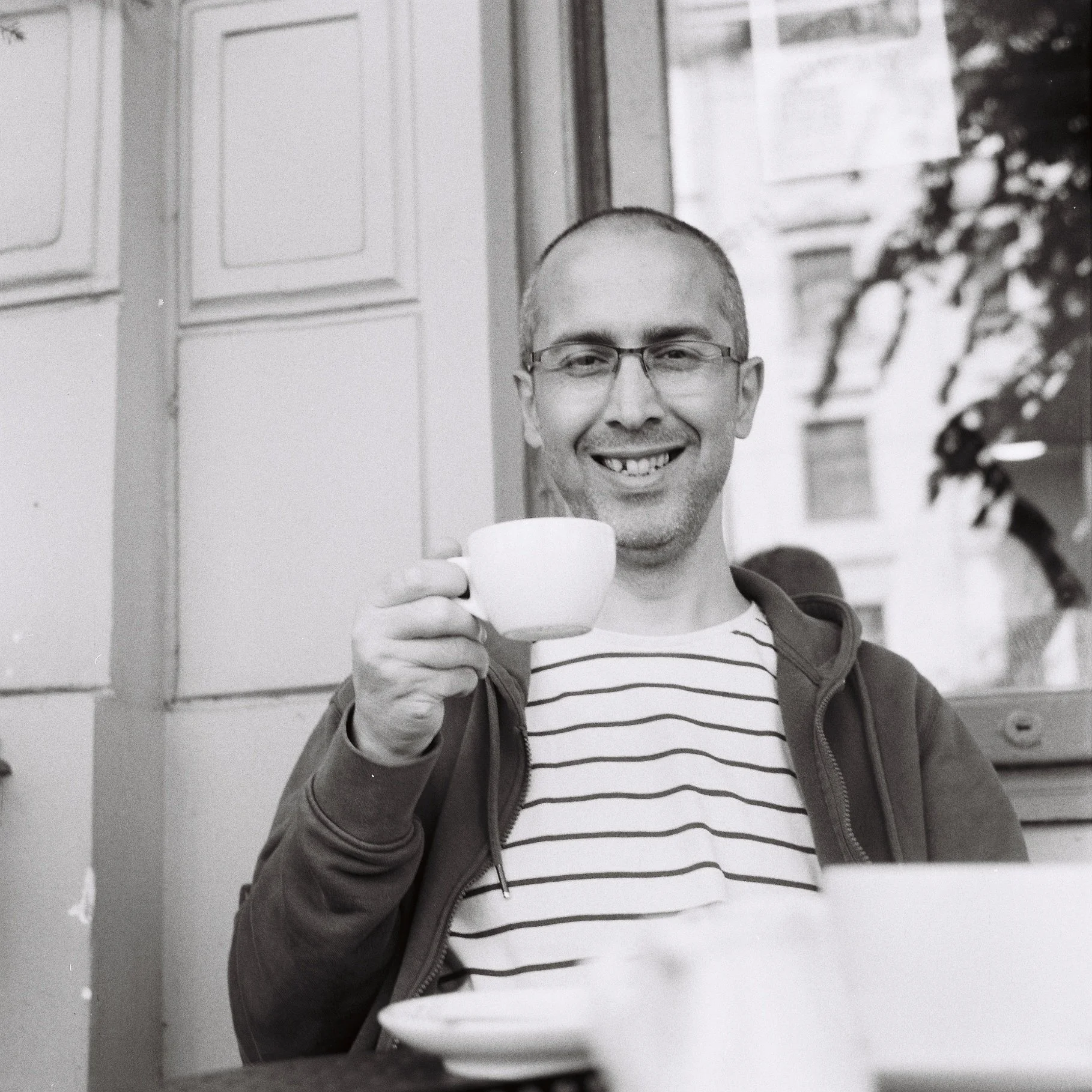
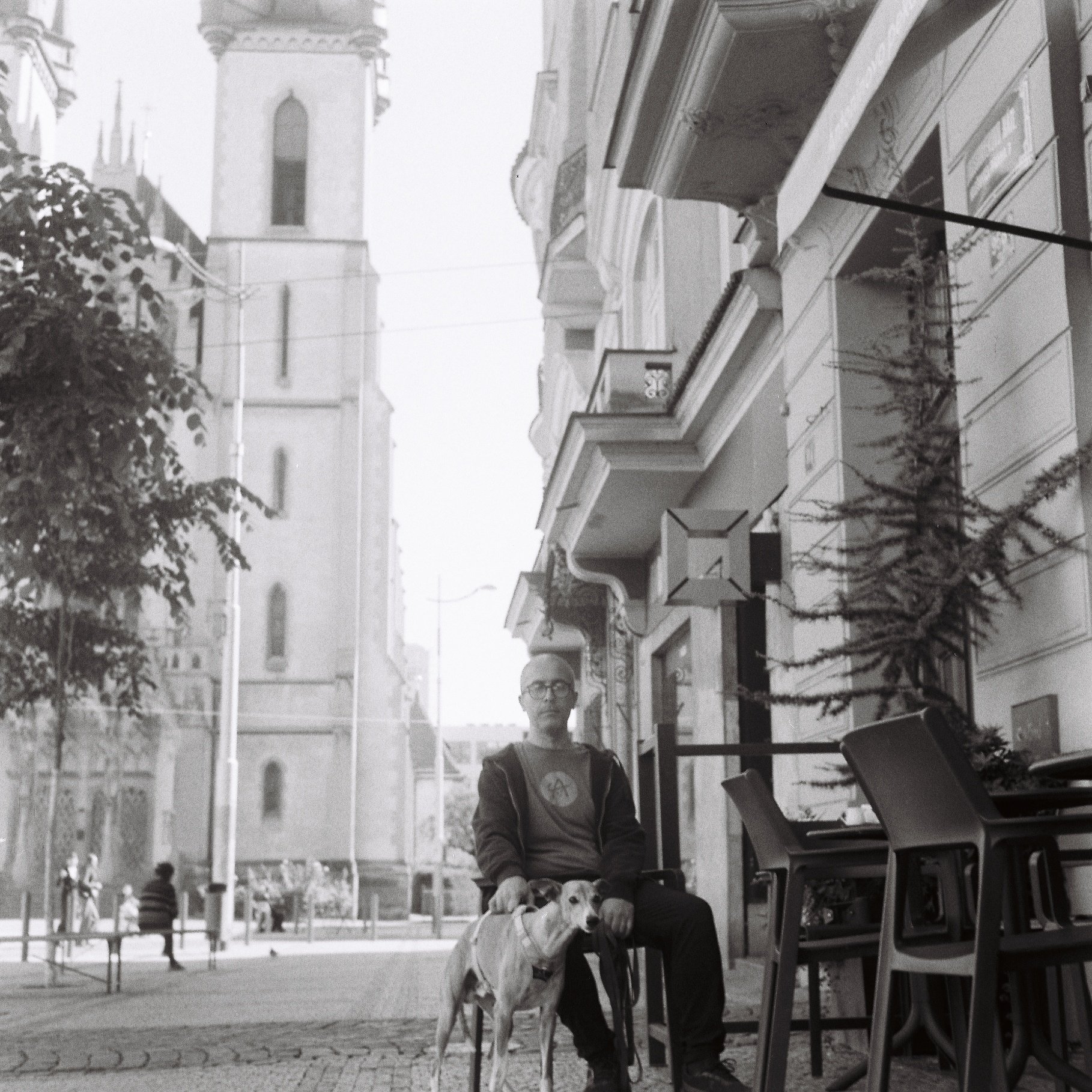
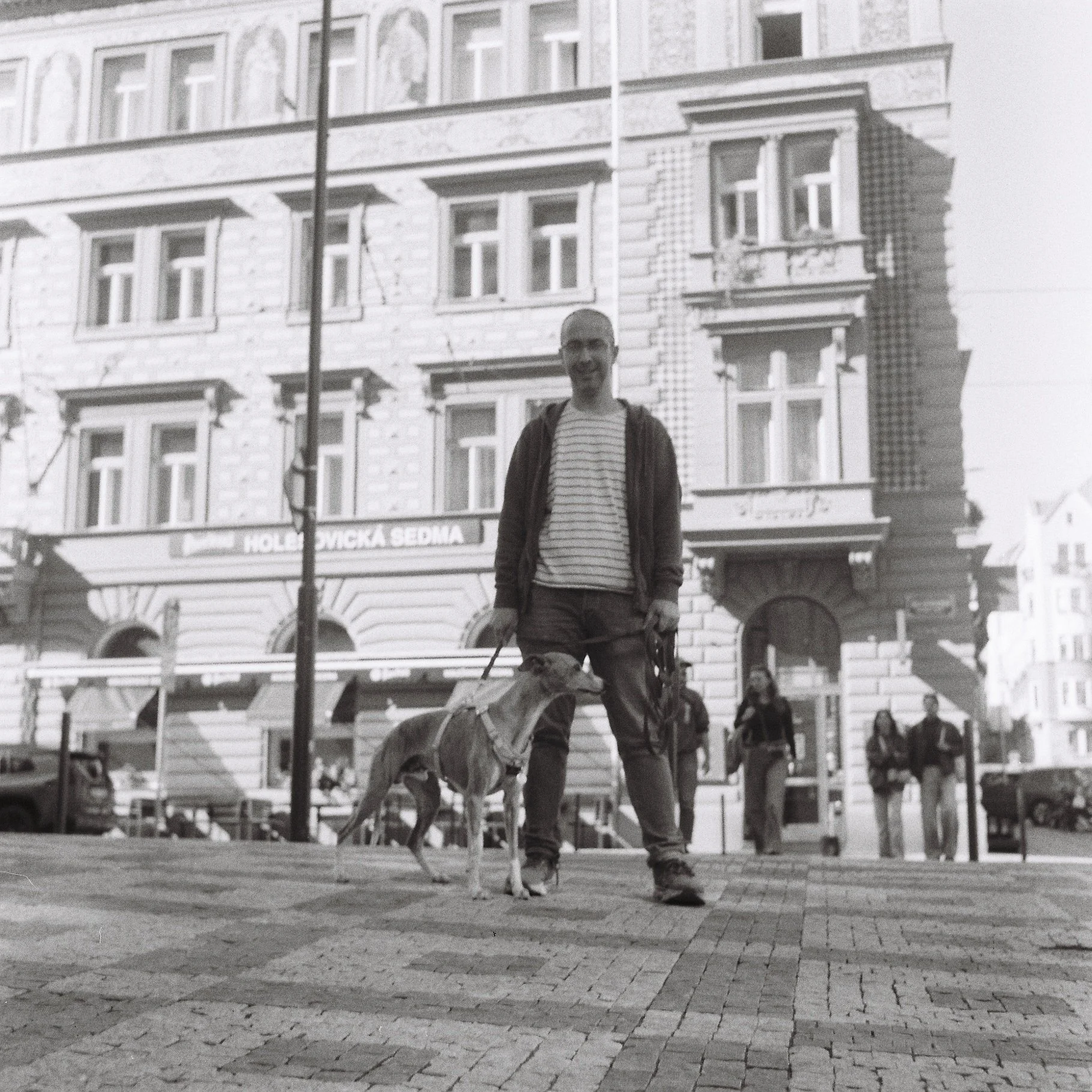
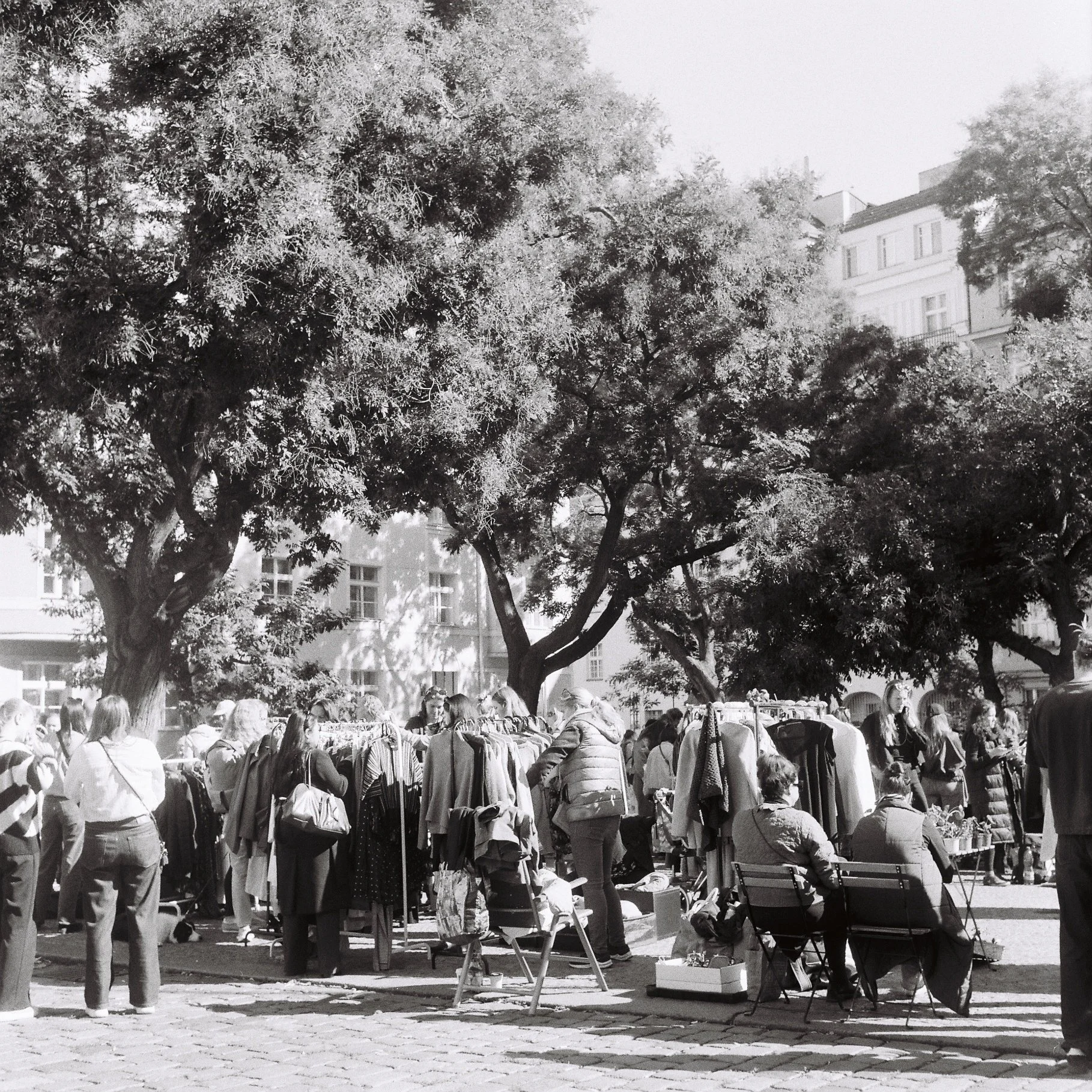
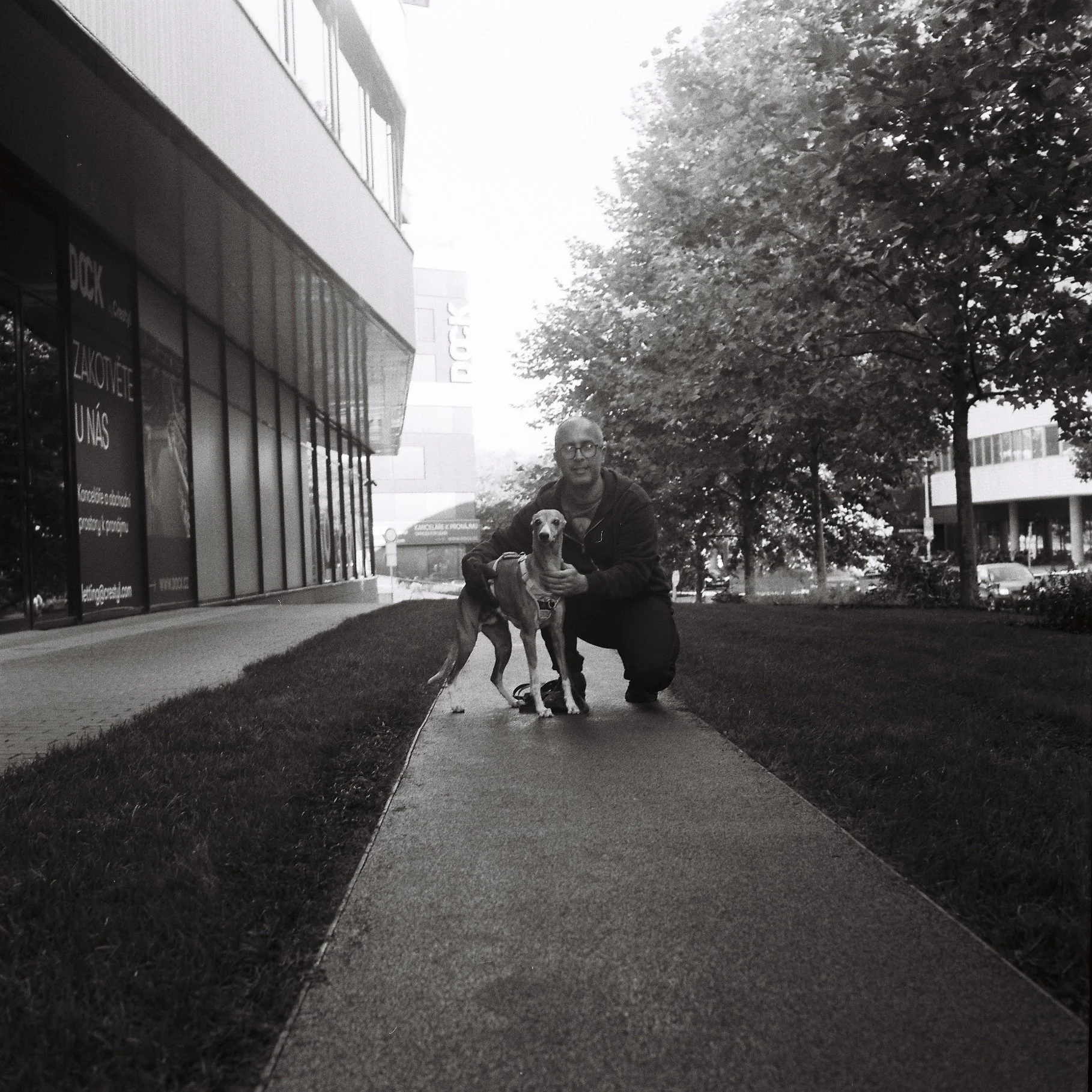
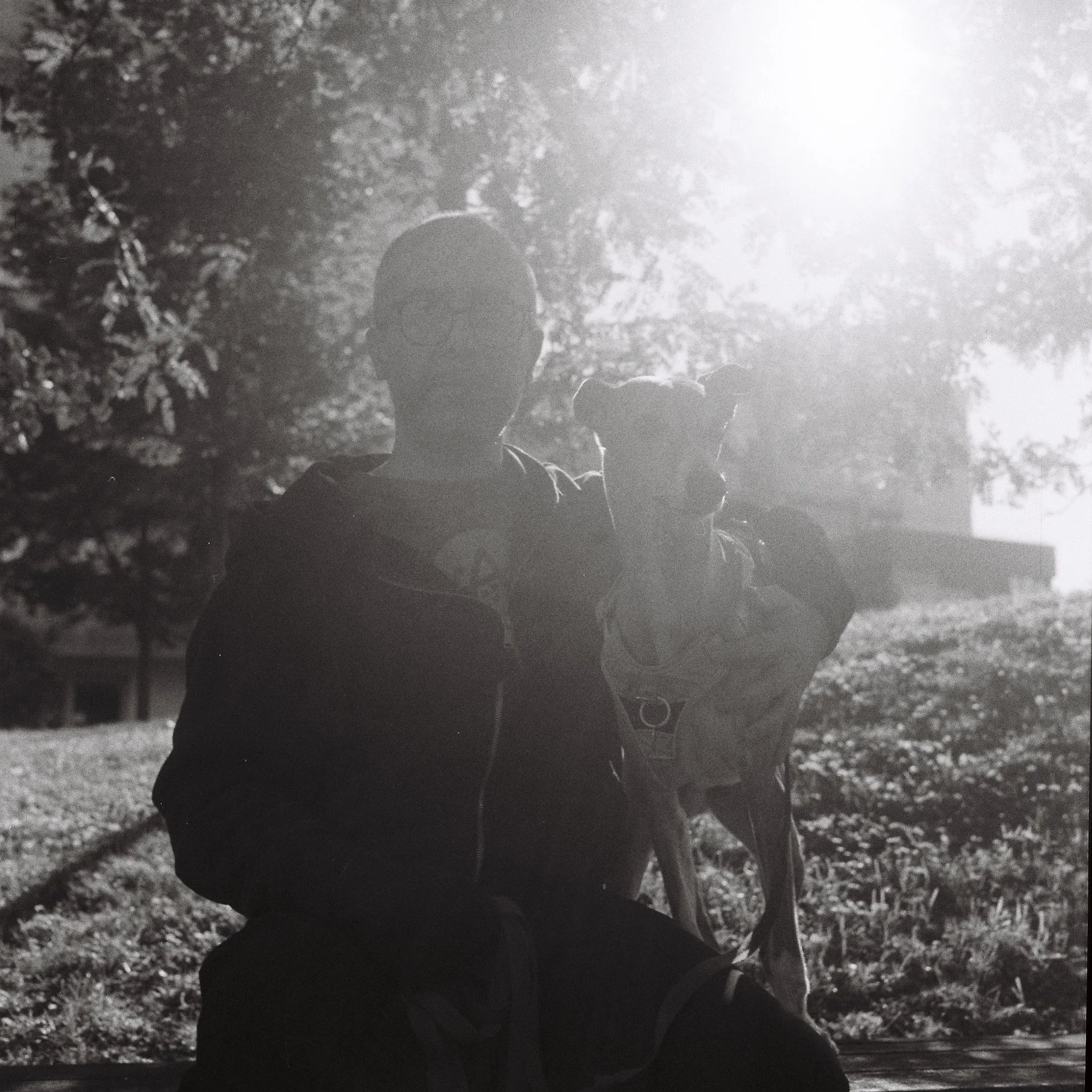
We loaded a roll of Ilford HP5 Plus 400 and headed out — Omid, Art, and me.
تا قبل از اینکه یاردا، دوست و همکار عزیزم، دوربین پدرش رو بهم قرض بده، هیچوقت یه دوربین دولنزی یا همون تی اِل آر دستم نگرفته بودم. یه مئوپتا فلکسارت آی وی اِی، ساخت چکسلواکی سابق؛ همون کشوری که حالا شده دو تا کشور مستقل، جمهوری چک و اسلواکی، هر کدوم با واحد پول خودش
مئوپتا یه شرکت خیلی معروف توی ساخت عدسی و اپتیکه که توی دههی پنجاه میلادی، برای جواب دادن به نیاز بازار، دوربین عکاسی و فیلمبرداری هم میساخت؛ هرچند خیلی وقته تولیدشون رو کنار گذاشته
باورم نمیشد این دوربین توی دستمه! این دوربینها یه هویت و شخصیت خاص دارن و کار باهاشون یه سلیقه و نگاه خاص میخواد؛ که خوشبختانه من یکی بینهایت ازش لذت میبرم
این دوربینهای مدیومفرمت در اصل دو تا لنزن که عمودی روی هم سوار شدن
لنز بالایی فقط برای دیدن سوژه، کادربندی و فوکوس کردنه
لنز پایینی عکس رو ثبت میکنه و تنظیمات اصلی مثل سرعت شاتر، دیافراگم و کوک کردن شاتر روی همونه
برای فوکوس، یه اهرم زیر لنز پایینی هست که با هل دادنش به چپ یا راست، هر دو لنز با هم جلو و عقب میرن و اینجوری مطمئن میشی سوژهت توی فوکوسه
تصویر هم با یه آینهی ۴۵ درجه به صفحهی دید بالای دوربین میرسه؛ کاملاً مکانیکی، بدون برق و باتری. صفحهی این یکی به خاطر سنوسالش یه کم تاریکتره، ولی کاملاً قابل استفادهست
یاردا دوربین رو با همهی متعلقاتش بهم داد: کیف چرمی، فیلترهای مخصوص عکاسی سیاهوسفید، کابل شاتر و دفترچهی راهنمای قدیمی به زبون چکی. این کیف چرمی و خود دوربین یه بوی نوستالژیک قدیمی دارن که اصلاً نمیشه توصیفش کرد. ایران که بودم هیچوقت همچین بویی به مشامم نخورده بود؛ خیلی خاص و عجیبه. شاید به خاطر جنس چرم کیفش باشه، نمیدونم؛ ولی برای من یعنی بوی قدمت، اصالت، آنالوگ و جذبه
یه حلقه Ilford HP5 Plus 400 انداختیم توش و زدیم بیرون؛ من و امید و آرت
Shooting with these cameras is a bit of a challenge, especially when framing — the image on the viewing screen is reversed. Turn the camera left and the image moves right, and so on.
Keeping the camera level is another challenge, since it reacts to the slightest change in how you hold it. Because it was my first time shooting with one, I spent a few seconds fiddling with the framing of every shot until it felt just right.
The camera gives you 12 frames per roll, so you have to be really deliberate with every shot — each press of the shutter means the cost of film, developing, and scanning :)
عکاسی با این دوربینها یه کم چالشبرانگیزه، مخصوصاً موقع کادربندی؛ چون تصویر توی صفحهی دید برعکسه. دوربین رو که به چپ میچرخونی، تصویر میره سمت راست، و همینطور الی آخر
صاف نگه داشتن دوربین هم خودش یه چالشه، چون به کوچکترین تغییر توی نحوهی گرفتنش حساسه. از اونجایی که بار اولم بود باهاش عکاسی میکردم، سر هر عکس چند ثانیه فقط با کادرش ور میرفتم تا به دلم بشینه
این دوربین ۱۲ فریم عکس میگیره، پس باید حسابی با دقت شاتر رو زد؛ چون هر بار فشردنش یعنی هزینهی نگاتیو، لابراتوار و اسکن :)