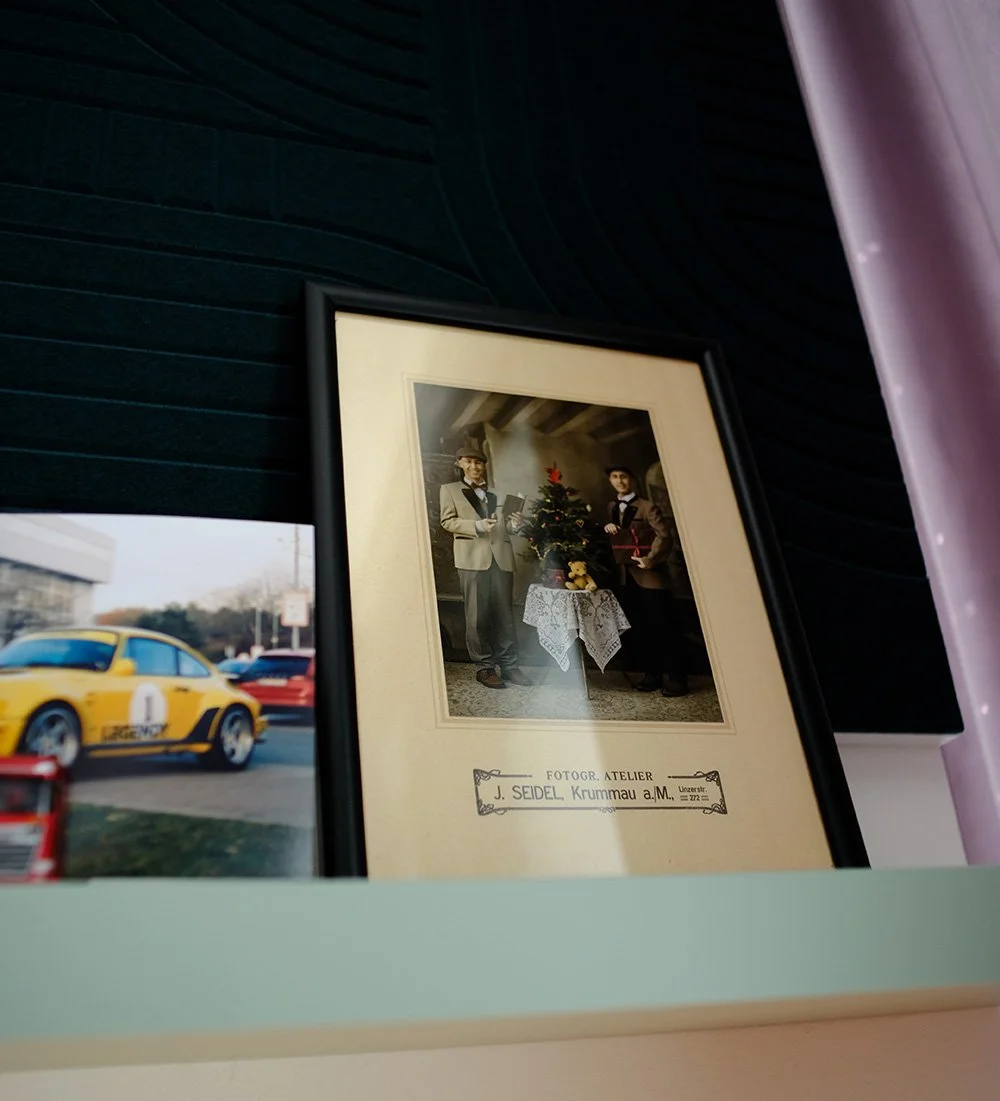
Back in Time at Seidel: A Photo Studio Frozen in 1905
By now, you’ve probably figured out that I have a real soft spot for old photographs and vintage camera gear. In September 2025, Omid and I took a trip to Český Krumlov, a fairytale medieval town so unique that nothing I say about it could do it justice. Before we set off, I searched online for places worth seeing and came across the Seidel Photo Studio Museum. It’s an Art Nouveau villa packed with retro photography equipment, and it still offers photo sessions using the same furnishings, props, and painted backdrops Mr. Seidel worked with in the late 19th and early 20th centuries.
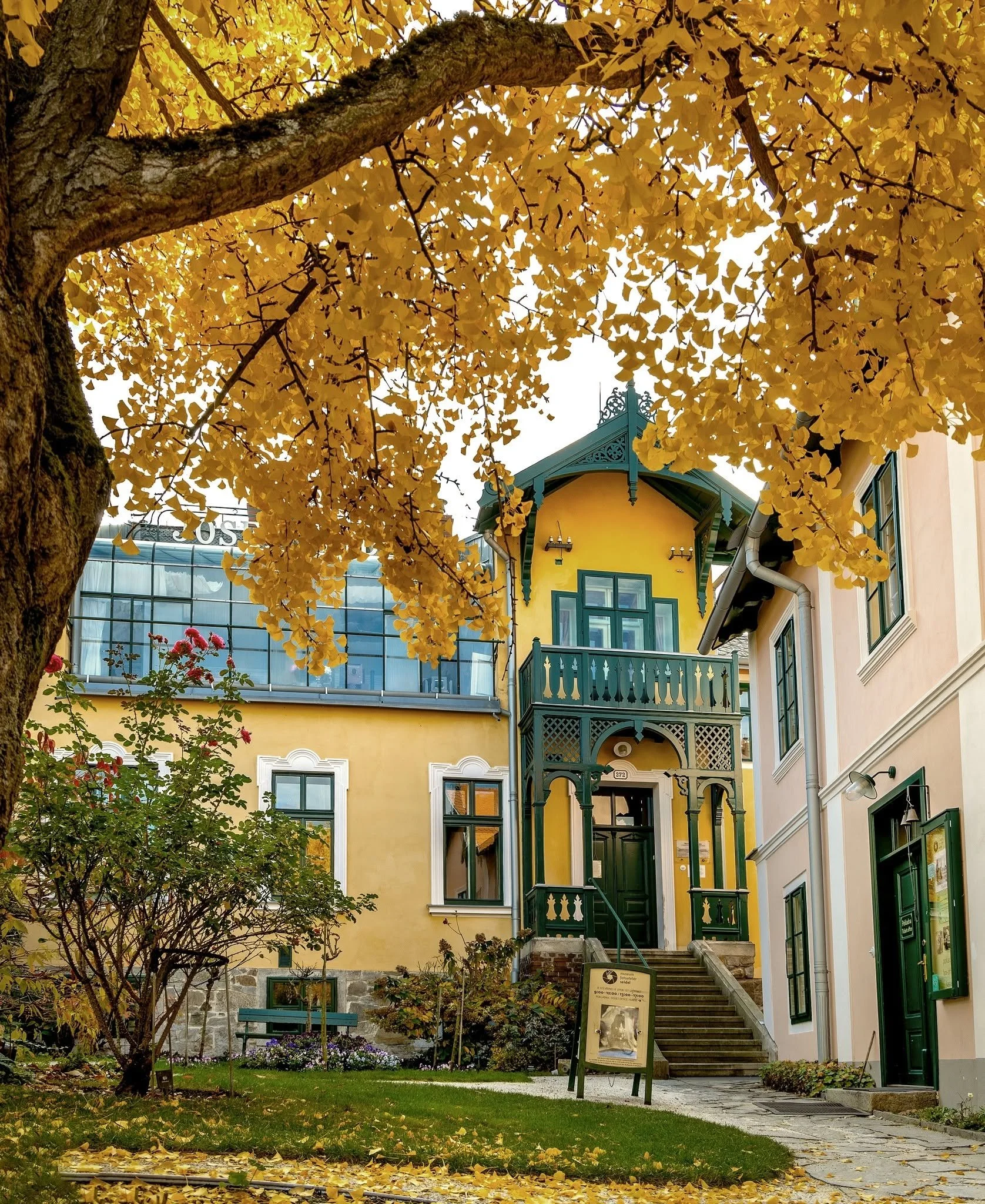
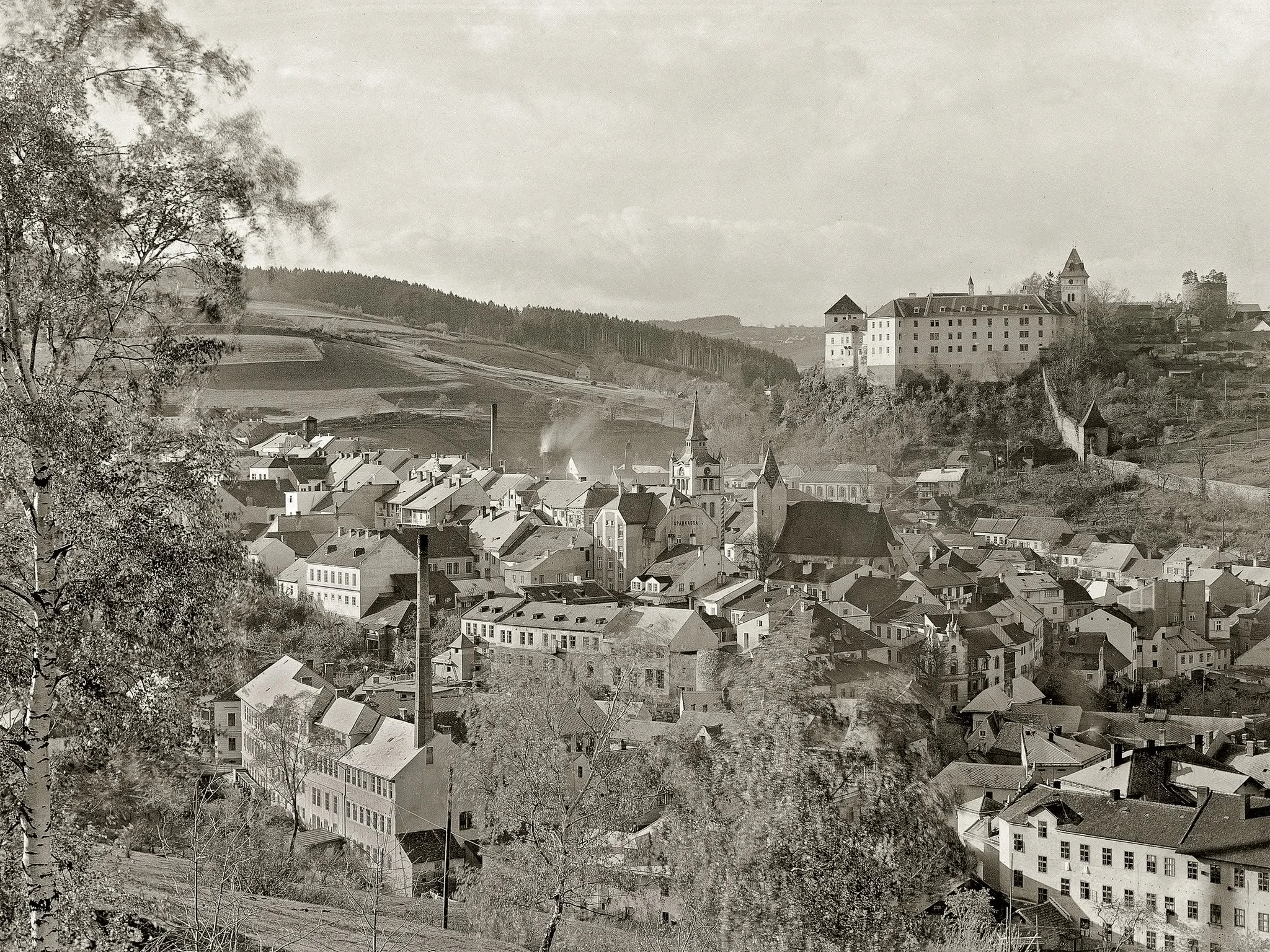
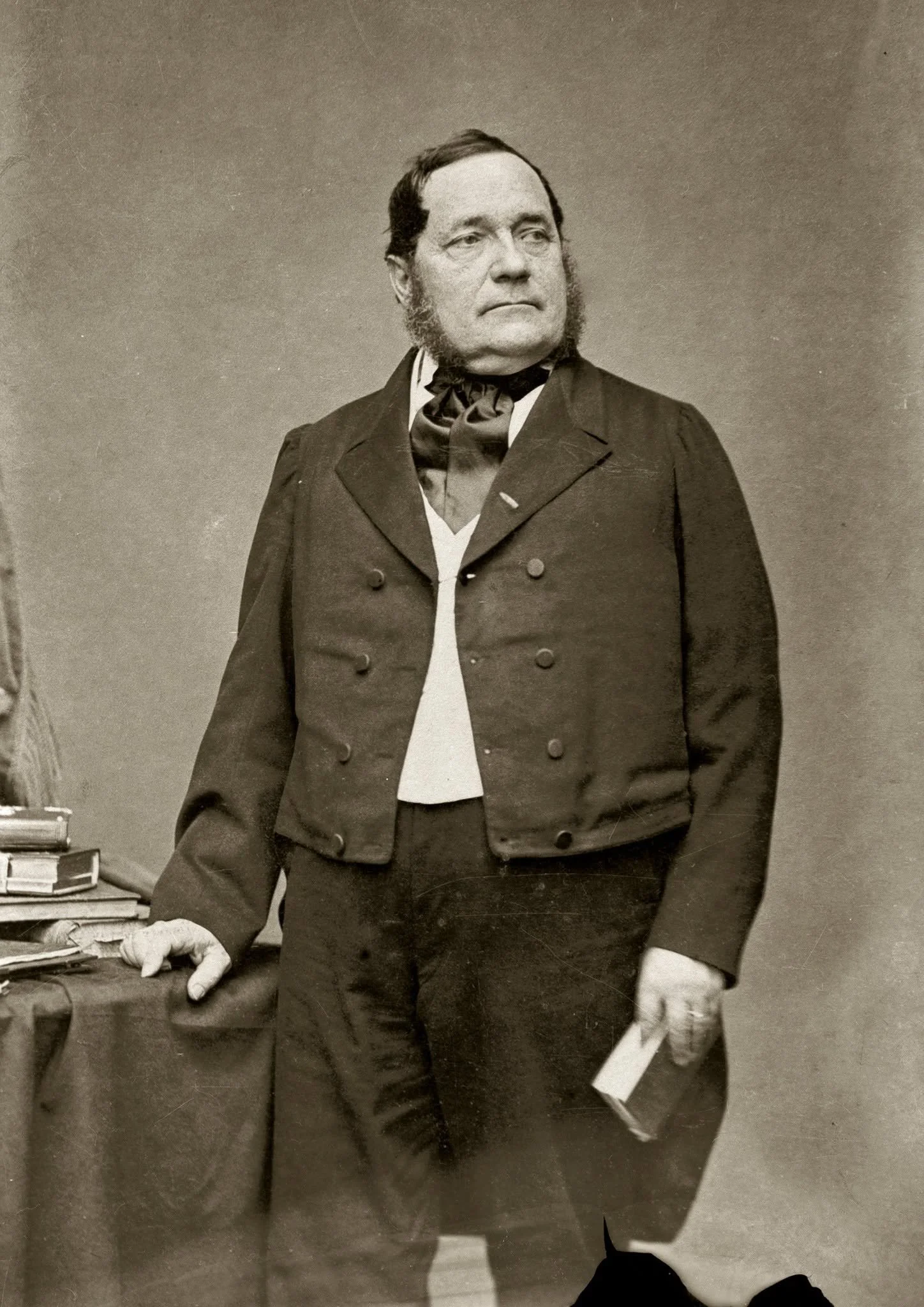
Josef Seidel was born in 1859 in Líska and started his career as an apprentice in a photography studio. One of his most important legacies is how he documented the everyday lives of people in his time, and especially the landscapes and nature of the region. That gives his work enormous cultural value.
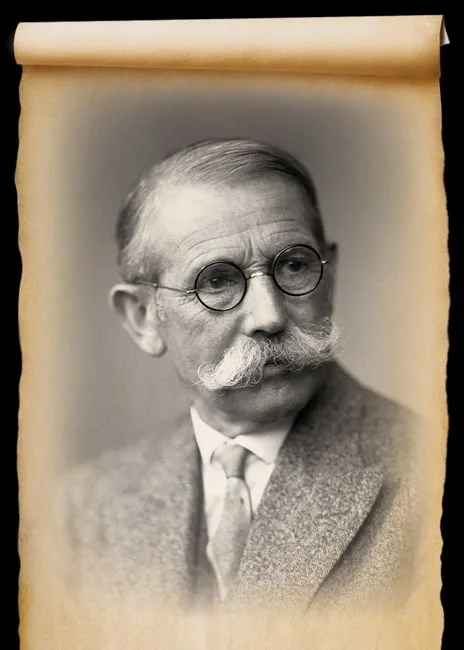
Josef Seidel at the age of 61.
ژوزف سیدل در ۶۱ سالگی.
A Short History of the Seidel Studio
The beginning: Seidel originally came from the area around Děčín, from a family of glass-cutters. After arriving in the Šumava region in 1886, he heard that a local photographer had died and left behind a widow and a fully equipped studio in Krumlov. He rushed there and took the studio over. In 1905, he built the Art Nouveau house at Linecká 272, designed as both a studio and a home for his family. The Peculiarity of the Seidel Company
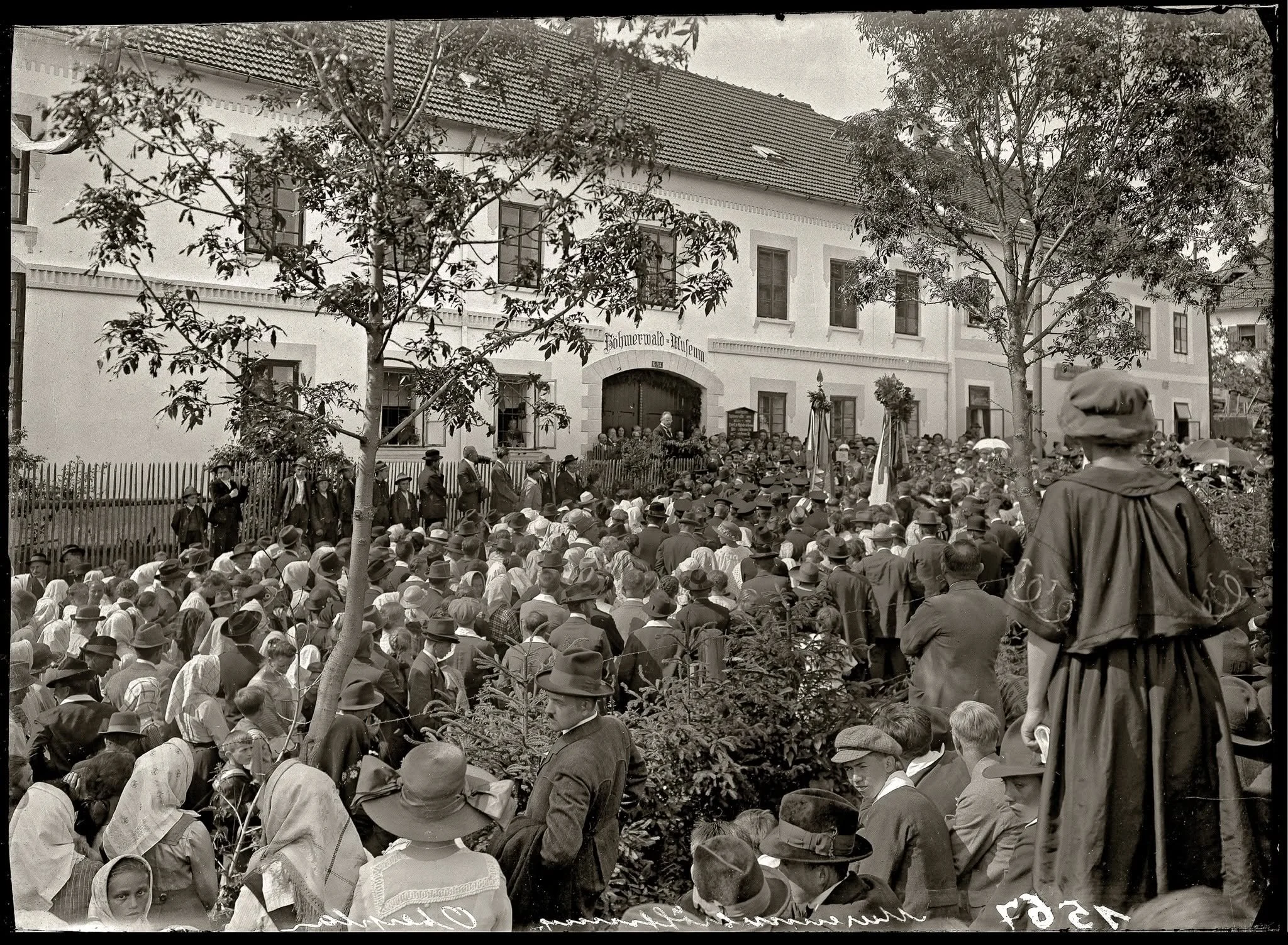
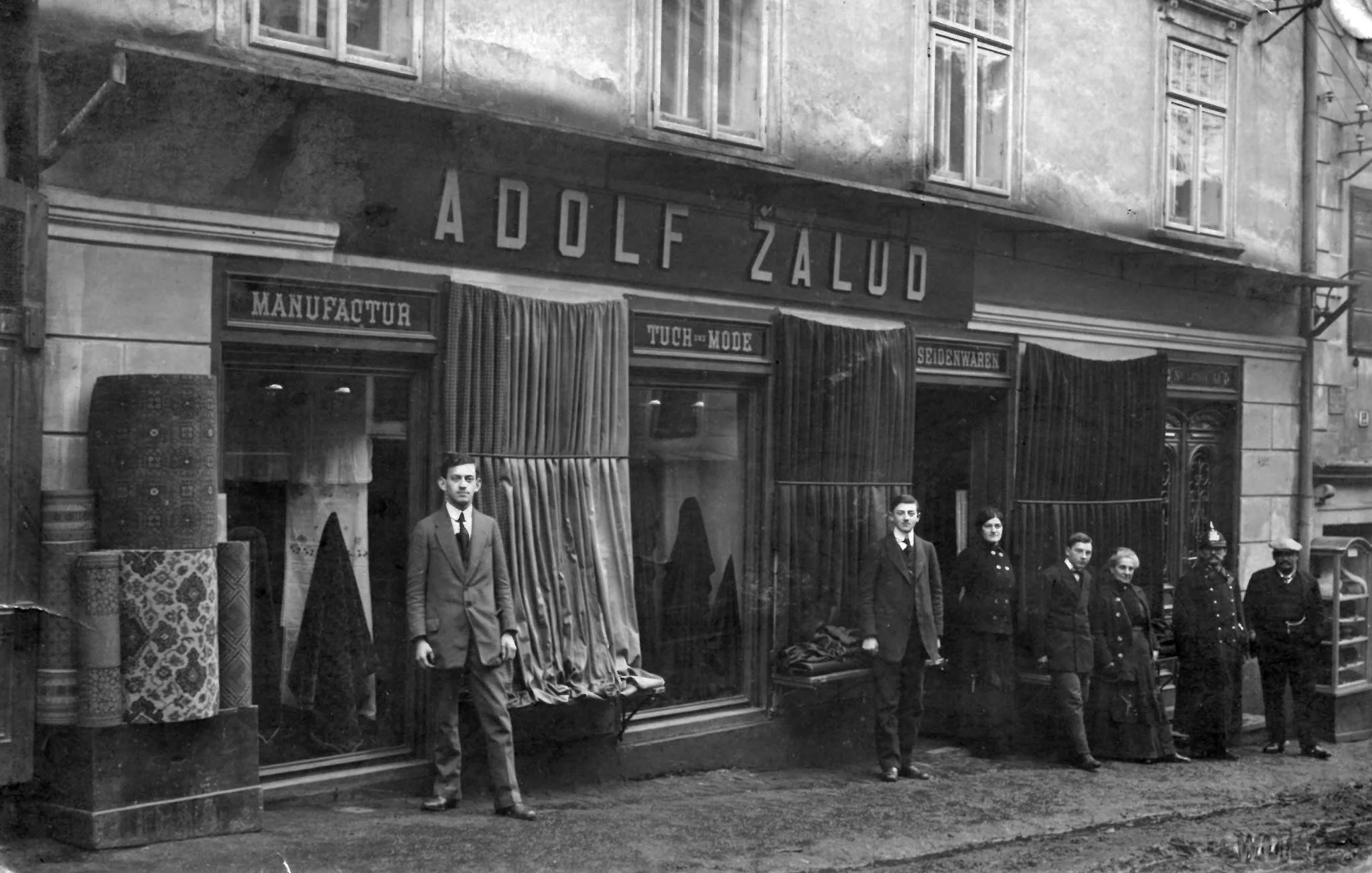
The golden years: The Seidel studio became a highly respected brand, closely linked with postcards of Český Krumlov and the wider Šumava region. His photographs appeared in regional newspapers and magazines, and in the folklore studies of local historian Josef Blau. Over the decades, the studio built up an archive of about 140,000 images, most of them glass negatives, capturing the town, its people, the surrounding area, and much of the Šumava Forest. The Peculiarity of the Seidel Company
The decline: Josef Seidel died in 1935, and his son František, then 27, took over the thriving business. In 1949, the Communists confiscated more than 5,000 negatives used for postcards, which ended local production. In 1953, the studio was closed for good. The state publisher Orbis went on printing Seidel’s postcards without crediting him. After that, František almost never went back into the studio and worked only in his darkroom, which is probably why the studio survived in its original form. František died in 1997. Why should we definitely not miss the Museum Fotoateliér Seidel when visiting Krumlov?
The revival: In 2005, the Český Krumlov Development Fund bought the house and all its contents from the Seidel heirs and spent more than two years restoring it. The restoration fully respected the authenticity of the original building and its furnishings. The museum opened to the public in 2008, with very little structural work. The restoration was also documented in the film “The Beautiful Flight of the Bees” (2009). Filming began in January 2006 and lasted three years. Proti proudu času. V ateliéru Seidel
Today: The museum still keeps the original, working equipment, the darkroom, and the photographer’s personal belongings. Visitors can even have their portrait taken in period costume in front of an original historical backdrop. visitceskykrumlovvisitceskykrumlov
We took the bus into town, and the next day we headed to the Seidel Studio. We paid the entrance fee and stepped into the villa. The moment I walked in, the atmosphere of the building hypnotized me: all those original objects, the smell of old wood, and the feeling of time passing. I couldn’t believe I was actually walking around inside that house. I don’t remember the exact order of the tour, since they gave us a brochure, a map, and an audio guide. You punched in each room’s number and it told you about that room, what it was used for, and the tools inside. So I’ll write it the way I remember it, but keep it short.
A flight of steps leads up to the villa’s main entrance, a door painted jade green. As soon as I set foot on the first step, I said to Omid, “God knows who’s walked up and down these stairs.” The entrance opens into a hallway. On the left is the room where the bookkeepers and retouchers worked and where finished photos were handed over to customers. It’s full of old typewriters, shelves stacked with negatives and prints, and all kinds of photography tools. This room also has a large door leading into Mr. Seidel’s bedroom, with a double bed and a beautifully ornate antique stove. Here’s the interesting part: there was no electricity in Český Krumlov at the time, but when Seidel designed the villa, he planned space for cables and wiring. Thanks to that, electricity was easily installed later, and the rooms even have ventilation.
Next, we reached the darkroom itself, a large room filled with all the retro equipment for developing photos and reproducing postcards. Along the wall stood a row of white metal sinks and tables, used for washing and rinsing negatives and for copying and printing postcards and photos.
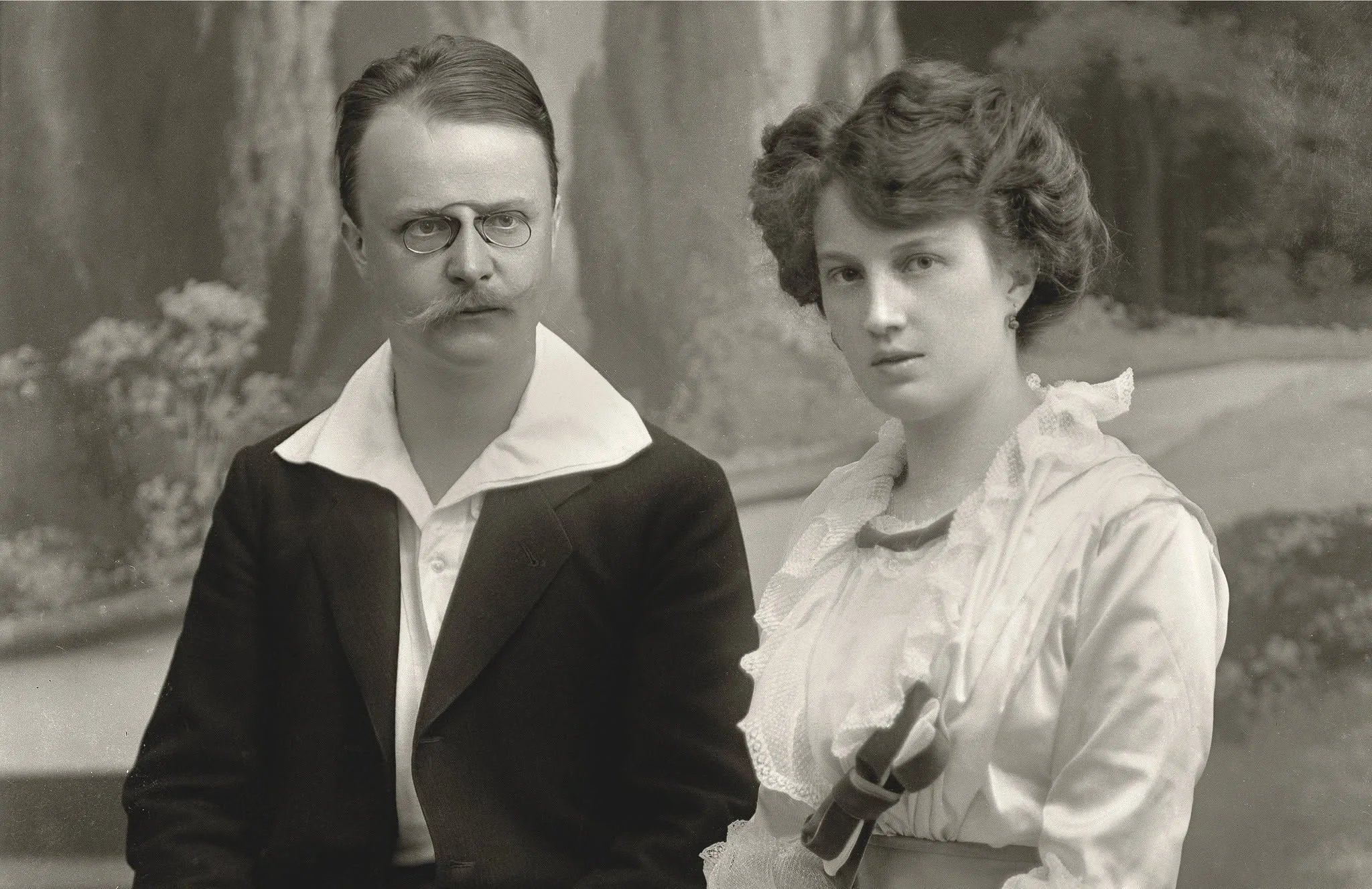
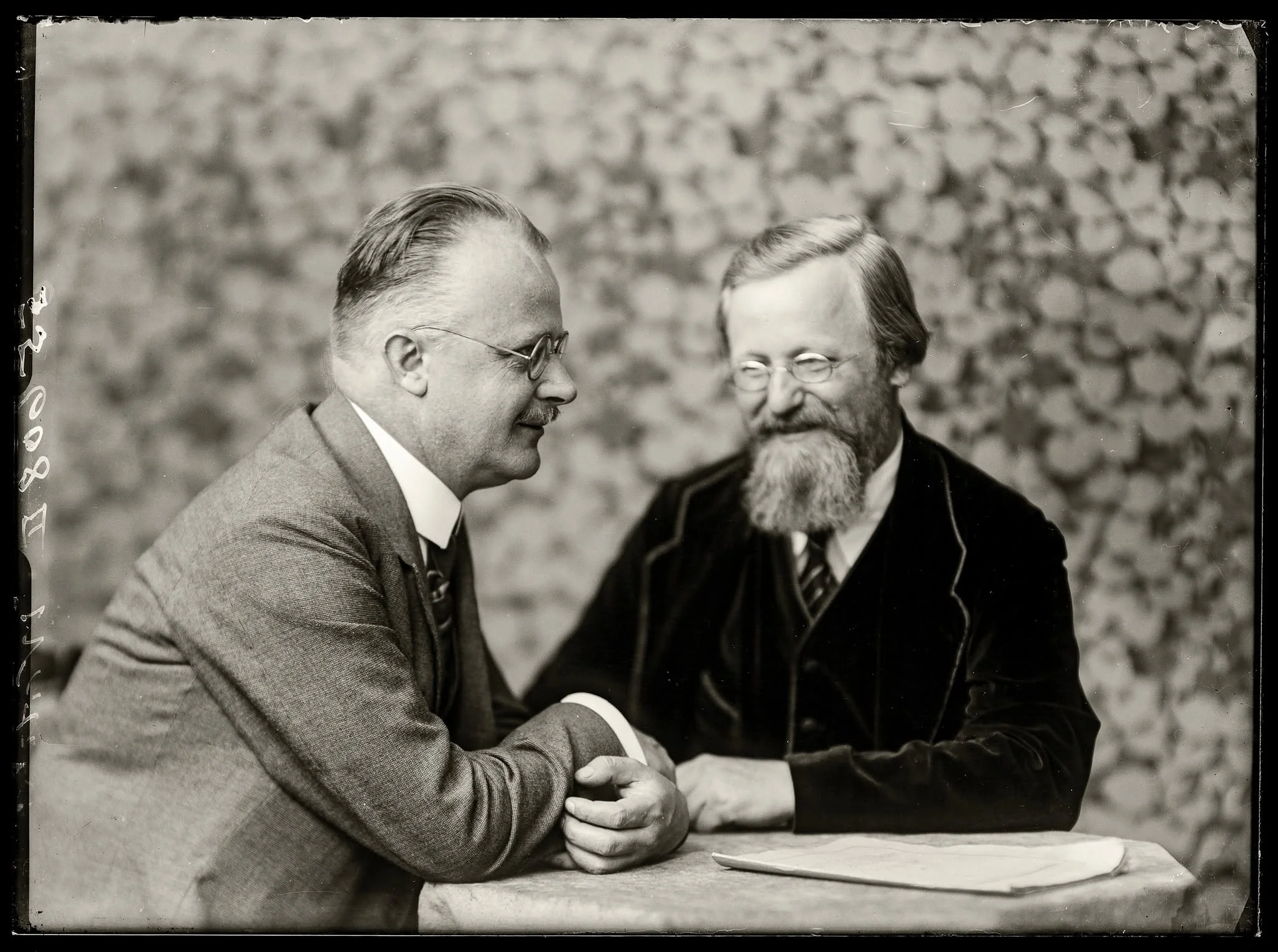
هانس واتسلیک، یکی از حامیهای مهم موزهی شوماوا تو هورنی پلانا، با خانمش کارولینه (لینا) پاشروا، تو آتلیهی سیدل، سال ۱۹۲۵.
Hans Watzlik, one of the key supporters of the Šumava Museum in Horní Planá, with his wife Karoline (Lina) Pascherová at the Seidel Photo Studio, 1925.
The most fascinating part for me was a room on the second or third floor. It was beautifully decorated, with patterns painted across the walls and ceiling, and a row of racks hung with all sorts of costumes. This was where customers waited before their portraits. Glass cabinets displayed Mr. Seidel’s personal belongings. This room led into the main photo studio, more of a hall really, with a ceiling made entirely of glass and large black and white curtains. The white ones worked like a giant diffuser, and when they didn’t need much light, they drew the black ones.
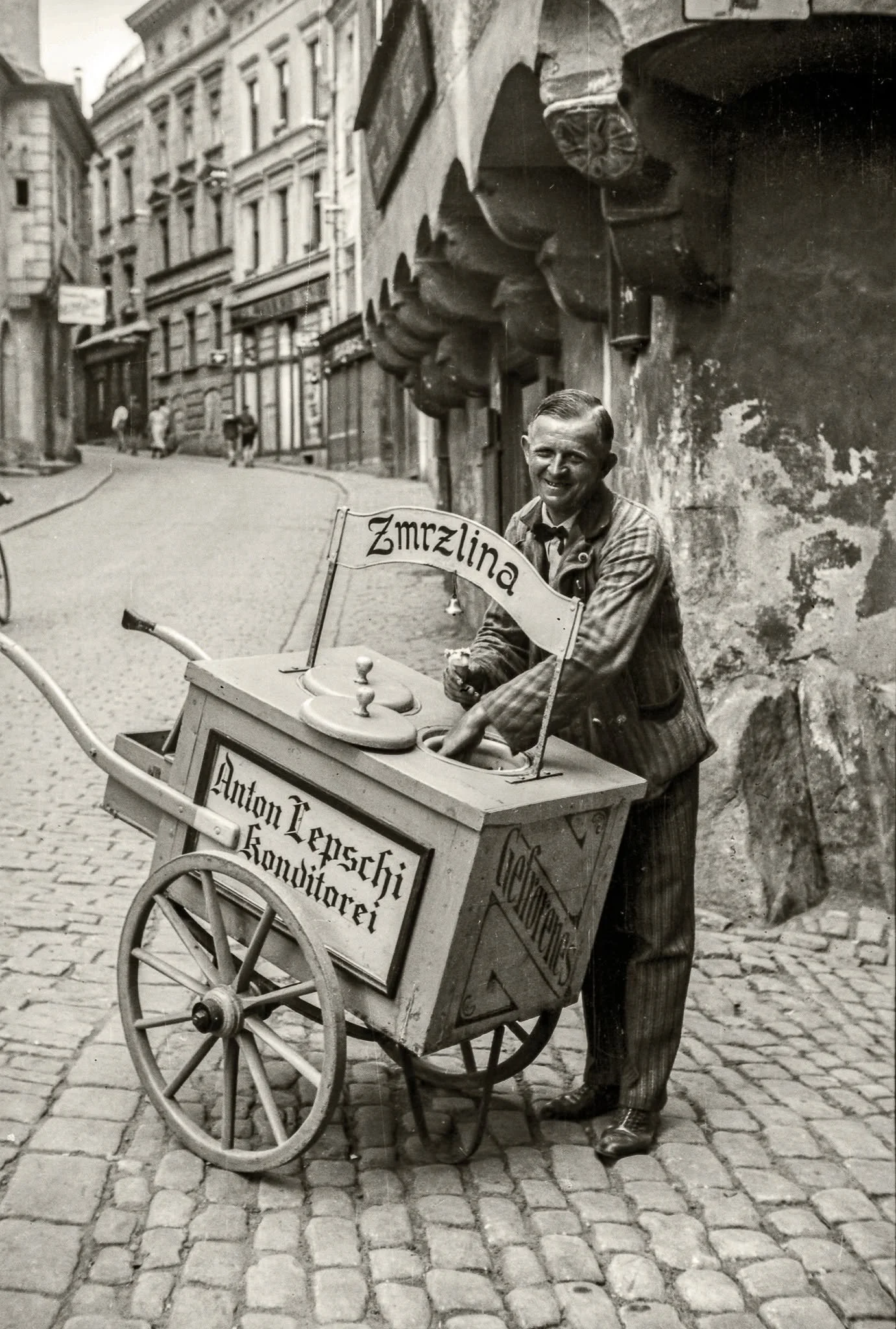
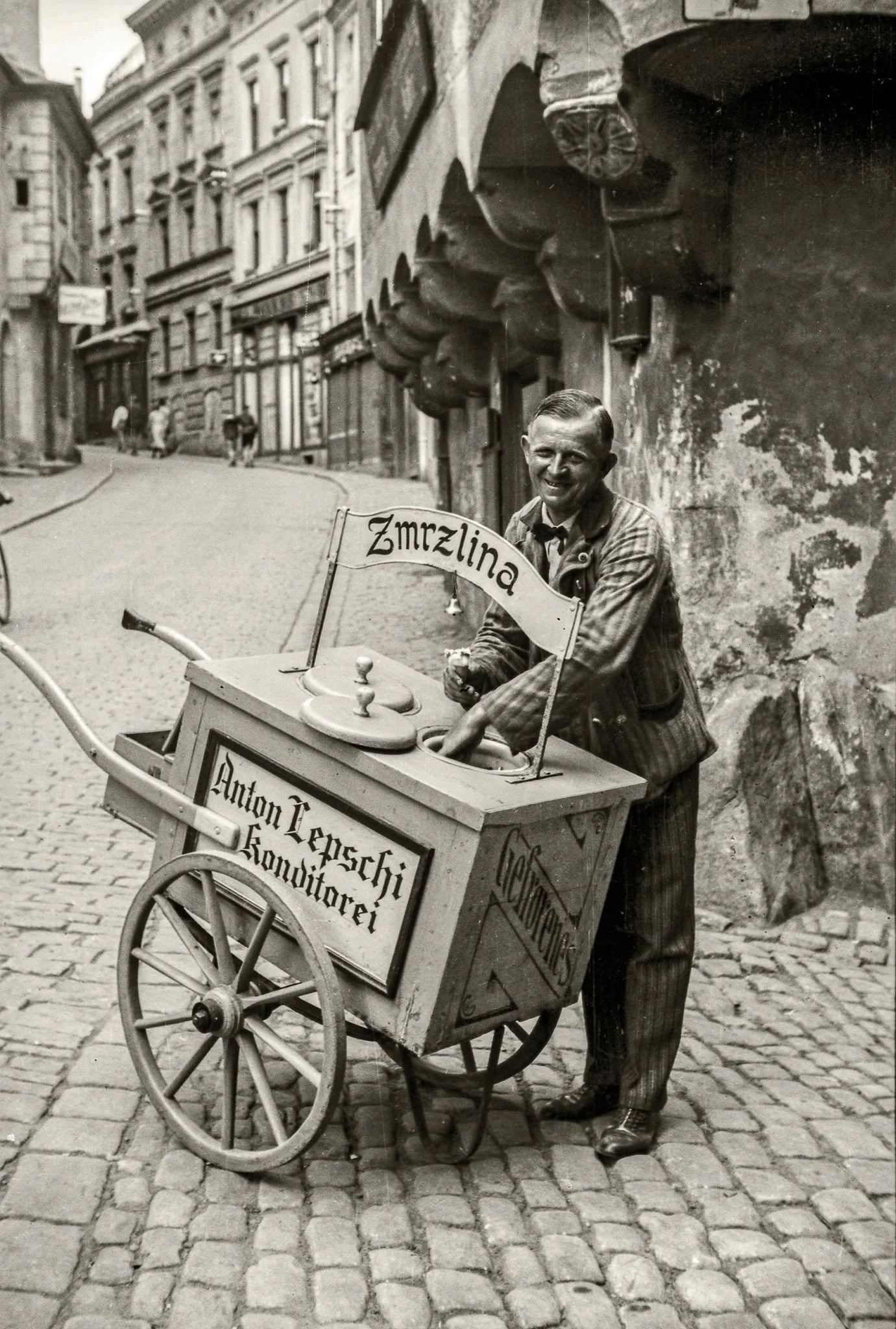
An ice cream seller with his cart, photographed by Josef Seidel.
یه بستنیفروش با گاریاش، عکس از ژوزف سیدل.
This was exactly where the original painted backdrops stood, along with the original white bench where Mr. Seidel photographed his customers. Even the current President of the Czech Republic, Petr Pavel, had visited with his wife and had their picture taken here.
The studio was full of old photographs. There was even a board showing famous people who had their portraits taken there, including Mr. Petr Pavel and his wife, Eva Pavlová. There were large-format bellows cameras too, and a small room stuffed to the brim with props used to decorate the shots and set the mood. It was a truly impressive space.
On our way out of the villa, we asked at reception whether they had any openings for a photo session. The receptionist said we’d need to book because everything was full. She told us the price and said the earliest she could offer was two months later. We booked on the spot: November 28, 2025, back at the studio, this time to be photographed! I was so excited! At first she assumed we were tourists. When she found out we live and work in Prague, she looked relieved, since it was unlikely we’d suddenly call to cancel. After all, nowhere in the Czech Republic is really that far away. So we booked, and the plan was to come back to Český Krumlov on a cold autumn day.
Farsi/Persian version
〰️*〰️
Farsi/Persian version 〰️*〰️
تا الان دیگه حتماً فهمیدید که من یه علاقهی خاصی به عکسها و وسایل عکاسی قدیمی دارم. سپتامبر ۲۰۲۵ با امید رفتیم چسکی کروملوف. یه شهر قرونوسطایی و افسانهای که هرچی از خاص بودنش بگم کم گفتم! قبل از اینکه راه بیفتیم، یه سرچی تو اینترنت کردم ببینم چه جاهایی برای دیدن داره، که یهو خوردم به موزهی عکاسی ژوزف سیدل. یه ویلای آرتنوو پر از وسایل عکاسی رترو که هنوزم عکاسی میکنه! اونم با همون دکور و وسایل و پسزمینههایی که خود آقای سیدل اواخر قرن نوزده و اوایل قرن بیست ازشون استفاده میکرد.
خود آقای سیدل سال ۱۸۵۹ تو شهر لیسکا به دنیا اومد و کارش رو با شاگردی تو یه استودیوی عکاسی شروع کرد. یکی از مهمترین کارهاش اینه که زندگی روزمرهی مردم اون دوره رو ثبت کرده، مخصوصاً منظرهها و طبیعت اون منطقه رو، و همین به کارهاش یه ارزش فرهنگی خیلی زیادی داده.
یه تاریخچهی کوتاه از آتلیهی سیدل
شروع کار: سیدل اصالتاً بچهی اطراف دچین بود و از یه خانوادهی شیشهتراش میاومد. سال ۱۸۸۶ اومد منطقهی شوماوا و شنید یه عکاس تو کروملوف فوت کرده و یه بیوه با یه آتلیهی کامل و مجهز از خودش به جا گذاشته. سریع خودش رو رسوند اونجا و آتلیه رو تحویل گرفت. سال ۱۹۰۵ هم همین خونهی آرتنوو رو تو خیابون لینتسکا شمارهی ۲۷۲ ساخت که هم آتلیه بود، هم خونهی خانوادهش.
دوران اوج: آتلیهی سیدل کمکم یه برند حسابی معتبر شد و اسمش با کارتپستالهای چسکی کروملوف و کل منطقهی شوماوا گره خورد. عکسهاش تو روزنامهها و مجلههای محلی چاپ میشد و حتی تو پژوهشهای فولکلوری یوزف بلاو، تاریخنگار محلی، هم ازشون استفاده شد. تو این سالها یه آرشیو حدوداً ۱۴۰ هزارتایی جمع شد که بیشترش نگاتیو شیشهای بود. از خود شهر و آدماش گرفته تا اطراف شهر و بخش بزرگی از جنگل شوماوا.
دوران افول: ژوزف سیدل سال ۱۹۳۵ فوت کرد و پسرش فرانتیشک که اون موقع ۲۷ سالش بود، کسبوکار پررونقش رو تحویل گرفت. ولی سال ۱۹۴۹ کمونیستها بیشتر از ۵ هزار تا از نگاتیوهای کارتپستال رو مصادره کردن و دیگه عملاً کار تموم شد. سال ۱۹۵۳ هم آتلیه برای همیشه بسته شد. بعدش انتشارات دولتی اوربیس کارتپستالهای سیدل رو بدون اینکه حتی اسمش رو بیاره چاپ میکرد! فرانتیشک از اون به بعد تقریباً هیچوقت پاش رو تو آتلیه نذاشت و فقط تو تاریکخونهش کار میکرد. احتمالاً به خاطر همینه که آتلیه دستنخورده باقی مونده. فرانتیشک سال ۱۹۹۷ فوت کرد.
زنده شدن دوباره: سال ۲۰۰۵ صندوق توسعهی چسکی کروملوف خونه رو با همهی وسایلش از وارثهای سیدل خرید و بیشتر از دو سال روی بازسازیش کار کرد. بازسازی هم طوری انجام شد که اصالت ساختمون و وسایلش کاملاً حفظ بشه. آخرش سال ۲۰۰۸ بدون تغییرات اساسی تو ساختمون، به عنوان موزه درش رو به روی مردم باز کرد. جالبه بدونید یه مستند به اسم «زنبورها زیبا پرواز کردند» هم سال ۲۰۰۹ دربارهی همین بازسازی ساخته شد. فیلمبرداریش از ژانویهی ۲۰۰۶ شروع شد و سه سال طول کشید.
امروز: هنوزم وسایل و دوربینهای اصلی که سالم و قابلاستفادهان، تاریکخونه و وسایل شخصی خود عکاس اونجا نگهداری میشن. تازه میتونید با لباسهای اون دوره جلوی پسزمینهی تاریخیِ اصلی عکس بندازید!
با اتوبوس خودمون رو رسوندیم شهر و فرداش رفتیم آتلیهی سیدل. بلیت ورودی رو خریدیم و رفتیم تو ویلا. همین که پام رو گذاشتم داخل، حالوهوای ساختمون با اون همه وسیلهی اصل و بوی چوب کهنه و حس گذر زمان، کلاً هیپنوتیزمم کرد. باورم نمیشد دارم تو اون ساختمون قدم میزنم. ترتیب بازدید دقیقاً یادم نیست، چون یه بروشور و یه نقشه و یه راهنمای صوتی بهمون داده بودن که شمارهی هر اتاق رو میزدی و دربارهی اون اتاق و کاربردش و وسایلش توضیح میداد. ولی همونطور که یادمه مینویسم، اونم خلاصه.
جلوی ورودی اصلی ویلا چندتا پله میخوره میره بالا تا برسی به در اصلی که رنگش سبز یشمیه. تا پام رو گذاشتم رو پلهها به امید گفتم: «خدا میدونه چه آدمایی از این پلهها رفتوآمد کردن!» از ورودی میرسی به یه راهرو که سمت چپش اتاق حسابدارها و روتوشکار و تحویل عکس به مشتری بود. پر از ماشینتحریرهای قدیمی و قفسههای پر از نگاتیو و عکس و وسایل عکاسی. همین اتاق یه در بزرگ داشت که باز میشد به اتاقخواب آقای سیدل، با یه تخت دونفره و یه بخاری تزئینی خیلی عتیقه. جالبیش اینجاست که اون موقع چسکی کروملوف اصلاً برق نداشت، ولی سیدل موقع طراحی ویلا جای کابل و سیمکشی رو در نظر گرفته بود. واسه همین الان خیلی راحت برقکشی شده و اتاقها حتی تهویه هم دارن.
بعد رسیدیم به خود تاریکخونه، یه اتاق بزرگ با همهی وسایل رترو برای ظهور عکس و چاپ کارتپستال. روی دیوار یه ردیف سینک فلزی سفید و میز بود که برای شستن و آبکشی نگاتیوها و کپی و تکثیر کارتپستال و عکس ازشون استفاده میشد.
ولی جذابترین قسمت برای من یه اتاق تو طبقهی دوم یا سوم بود. خیلی قشنگ تزئین شده بود، کلی طرح روی دیوارها و سقفش نقاشی شده بود و یه ردیف رختآویز پر از لباس داشت. اینجا جایی بود که مشتریها منتظر نوبت عکاسی میموندن. چندتا ویترین شیشهای هم بود که وسایل شخصی آقای سیدل رو توش گذاشته بودن. این اتاق میرسید به یه اتاق، یا بهتره بگم سالن اصلی عکاسی، با یه سقف کاملاً شیشهای و پردههای بزرگ سیاه و سفید. پردههای سفید یه جورایی کار یه دیفیوزر غولپیکر رو میکردن و هر وقت نور زیاد لازم نداشتن، پردههای سیاه رو میکشیدن.
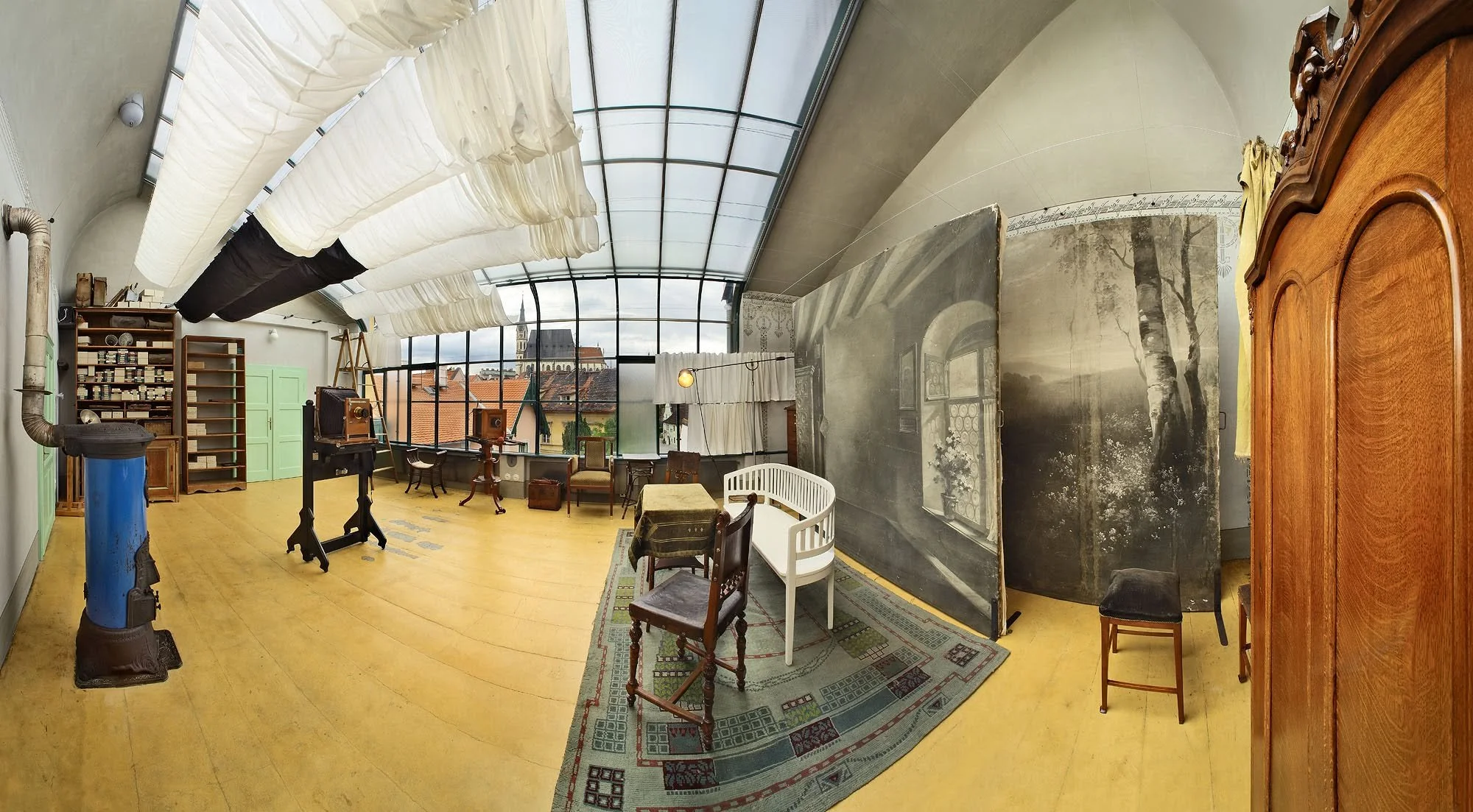
A panorama of the main photo studio on the third floor, with Seidel’s original painted backdrops, the original white bench, and the display cabinets.
اینم یه عکس پانوراما از سالن اصلی عکاسی تو طبقهی سوم. پسزمینههای نقاشیشدهی اصلی، همون نیمکت سفید معروف و قفسهها کامل توش معلومن.
دقیقاً همینجا بود که اون پسزمینههای نقاشیشدهی اصلی، کنار نیمکت سفید اصلی، قرار داشتن. آقای سیدل مشتریهاش رو روی همین نیمکت و جلوی همین پسزمینهها عکاسی میکرد. حتی رئیسجمهور فعلی چک، آقای پتر پاول، هم با خانمش اومده بودن اینجا و عکس انداخته بودن!
سالن پر بود از عکسهای قدیمی. حتی یه بُرد بود که عکس آدمای مشهوری که تا حالا اونجا عکس گرفته بودن روش بود، و عکس آقای پتر پاول با خانمش اِوا پاولووا هم بینشون بود. دوربینهای آکاردئونی لارجفرمت هم بود و یه اتاق کوچیک که تا خرخره پر بود از وسایلی که برای تزئین عکس و دادن حالوهوا بهش استفاده میشد. واقعاً سالن تأثیرگذاری بود.
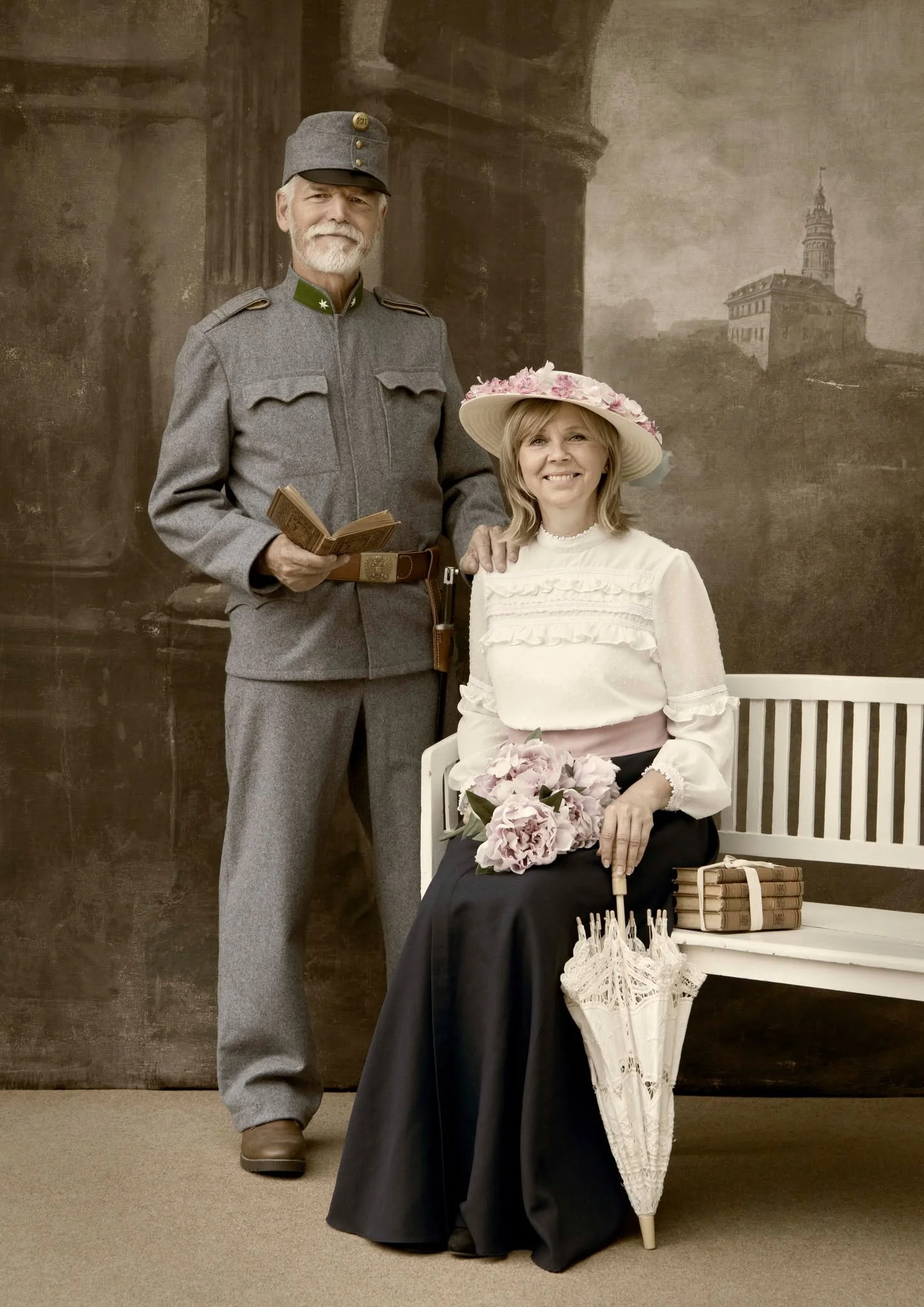
آقای پتر پاول، رئیسجمهور چک، و خانمش اِوا پاولووا تو استودیوی سیدل.
عکس از صفحهی فیسبوک موزهی آتلیهی سیدل
Czech President Petr Pavel and his wife, Eva Pavlová, at the Seidel Studio.
Photo: Museum Fotoatelier Seidel / Facebook
بعد از این تجربه، موقع بیرون اومدن از ویلا، از رسپشن پرسیدیم وقت خالی برای عکاسی دارن یا نه. گفت باید وقت بگیرید چون همهش پره. قیمت رو گفت و گفت زودترین وقتی که میتونه بده برای دو ماه دیگهست. ما هم همونجا رزرو کردیم: بیستوهشتم نوامبر ۲۰۲۵، دوباره استودیو، این بار برای عکاسی! وای که چقدر هیجانزده بودم! منشی اولش فکر میکرد ما توریستیم. وقتی فهمید تو پراگ کار و زندگی میکنیم، یه نفس راحت کشید، چون دیگه بعید بود یهو زنگ بزنیم و بگیم نمیتونیم بیایم. هرچی باشه تو چک همهجا به هم نزدیکه. خلاصه رزرو کردیم و قرار شد یه روز سرد پاییزی دوباره برگردیم چسکی کروملوف.
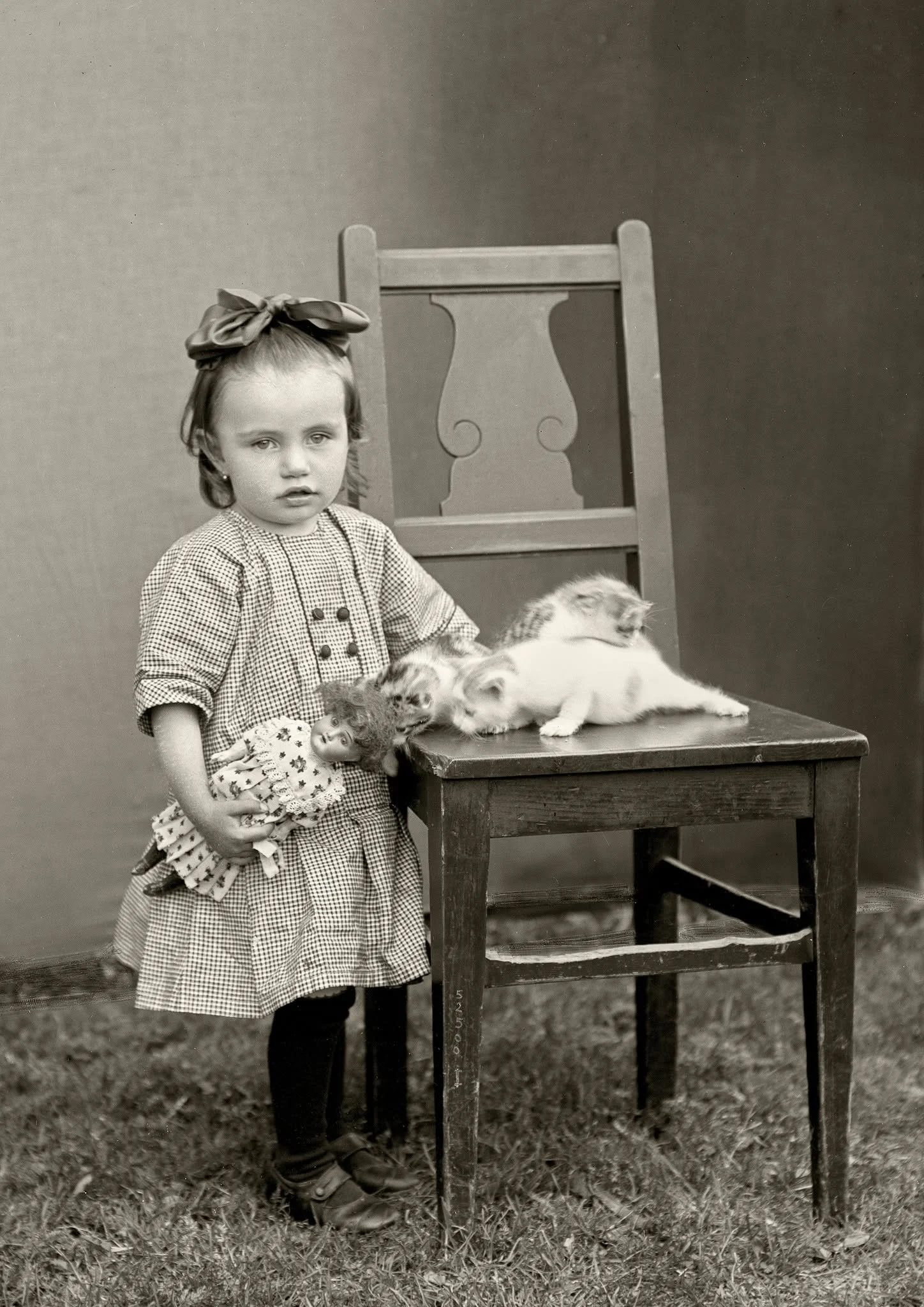
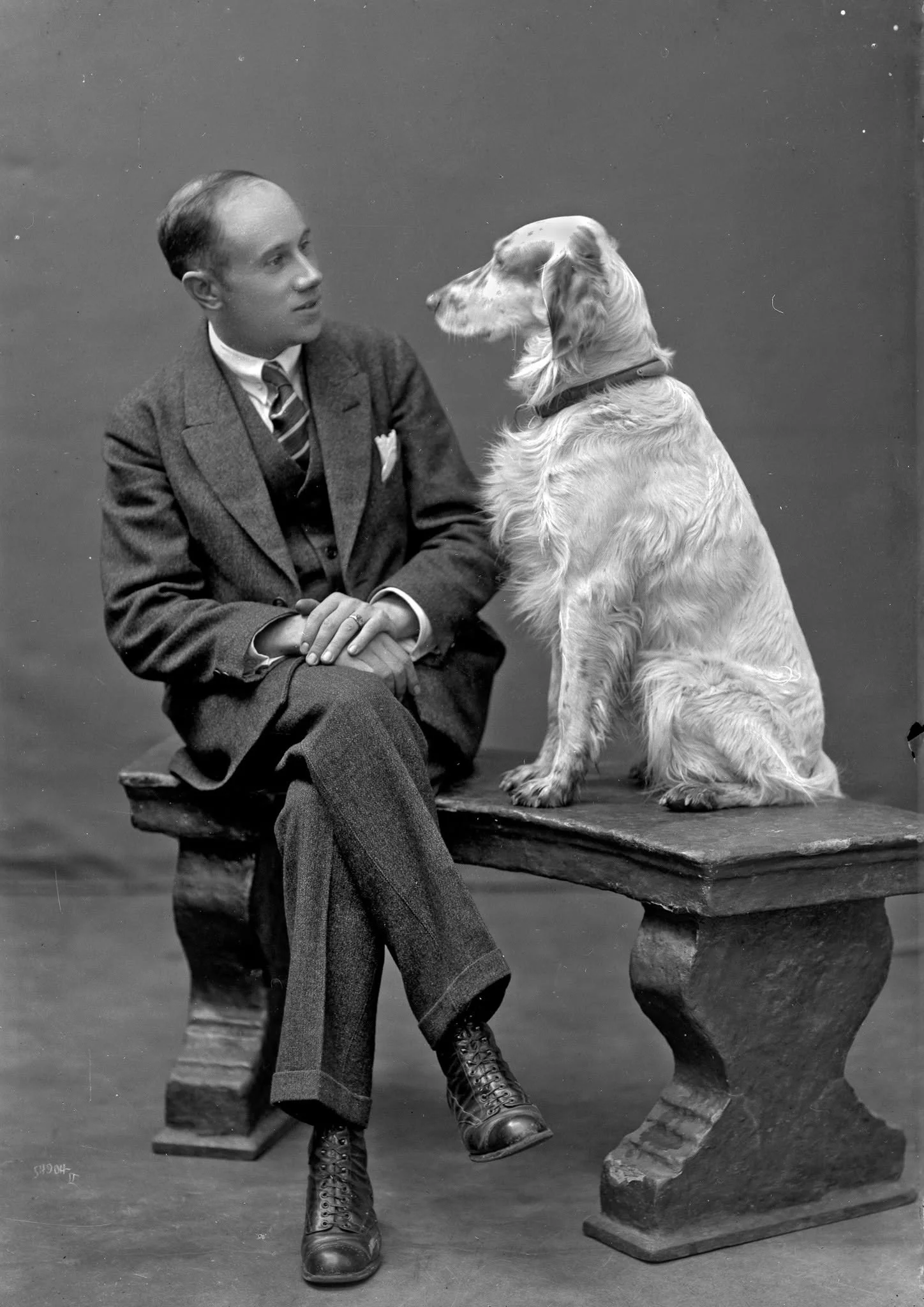
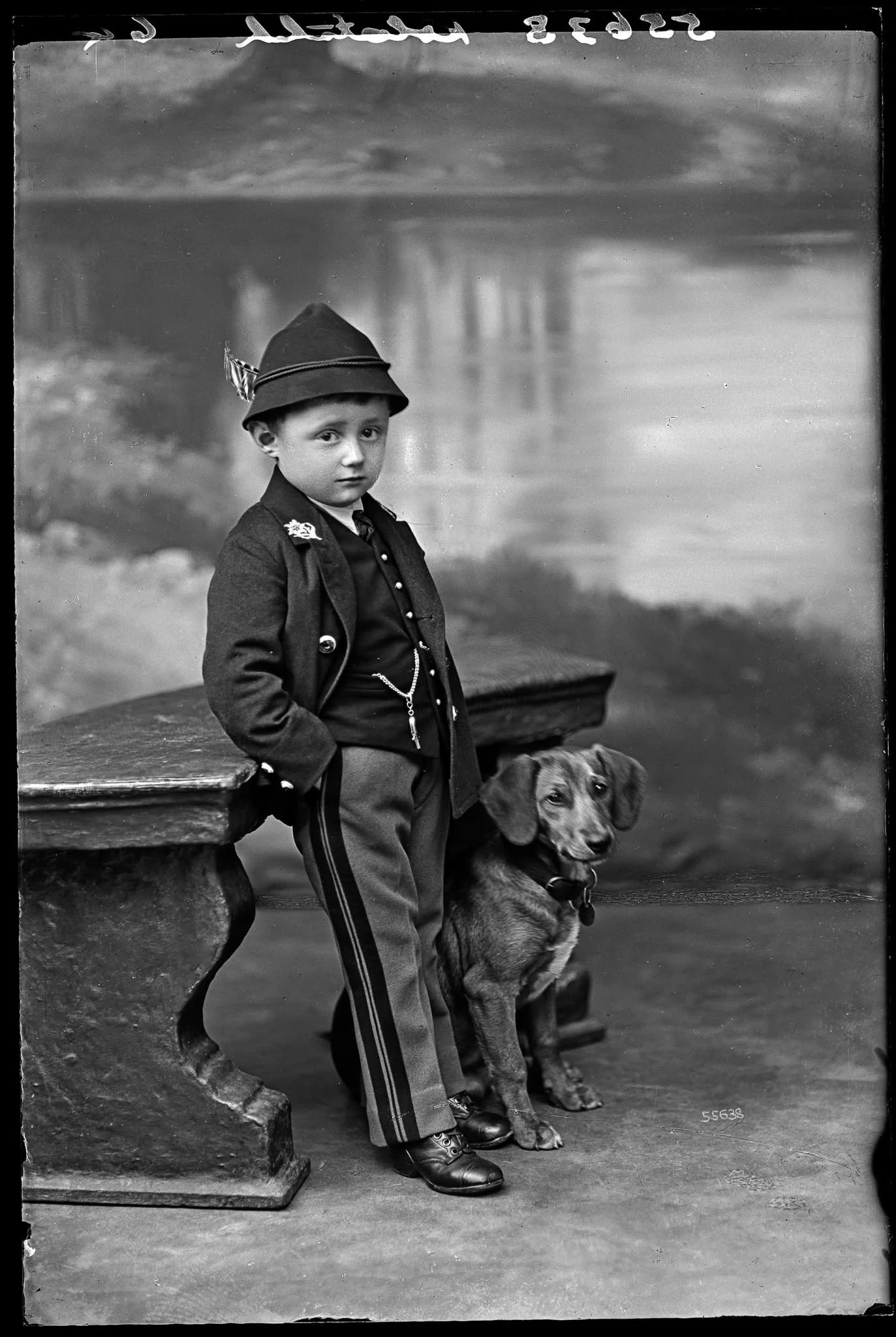
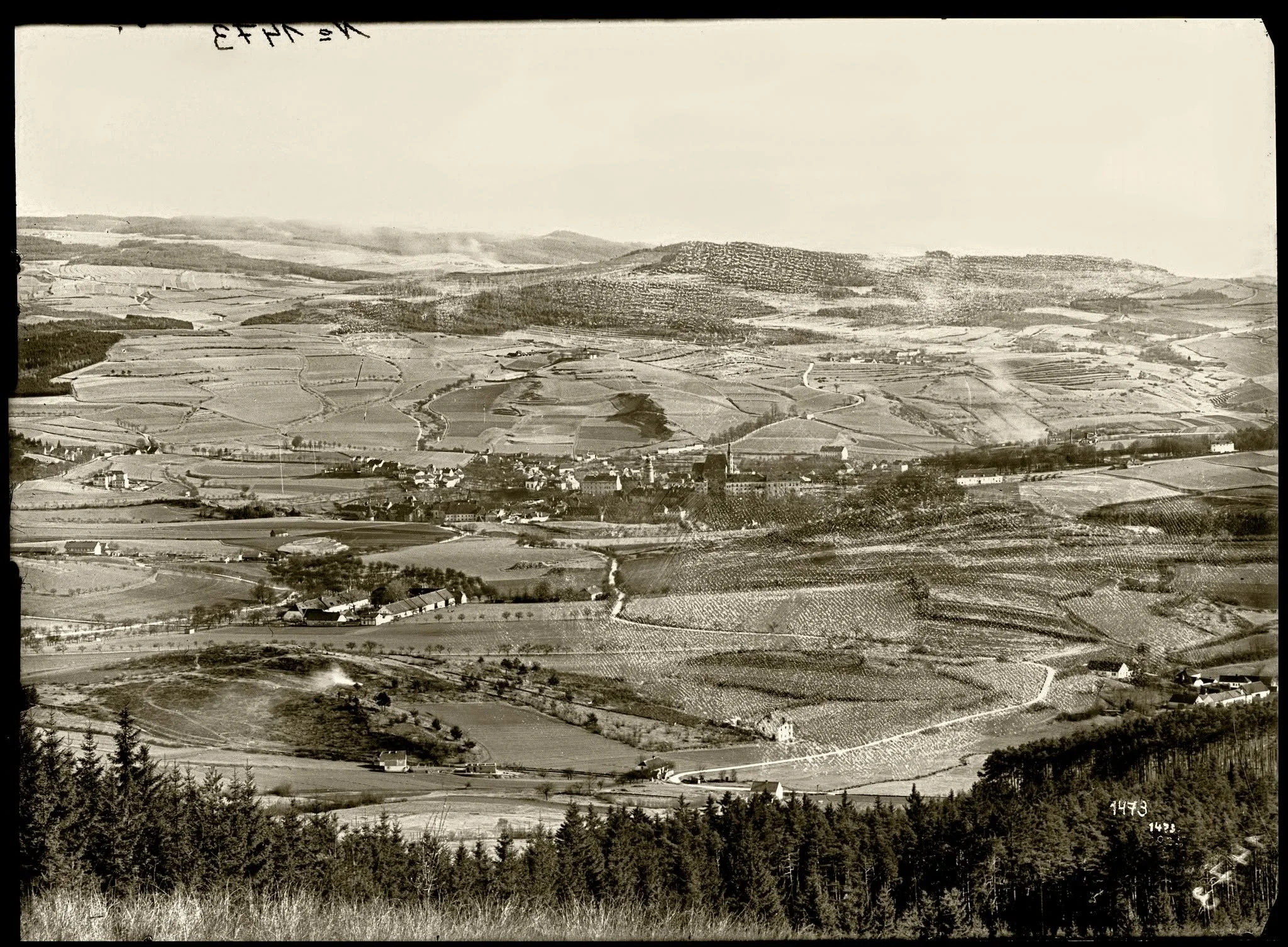
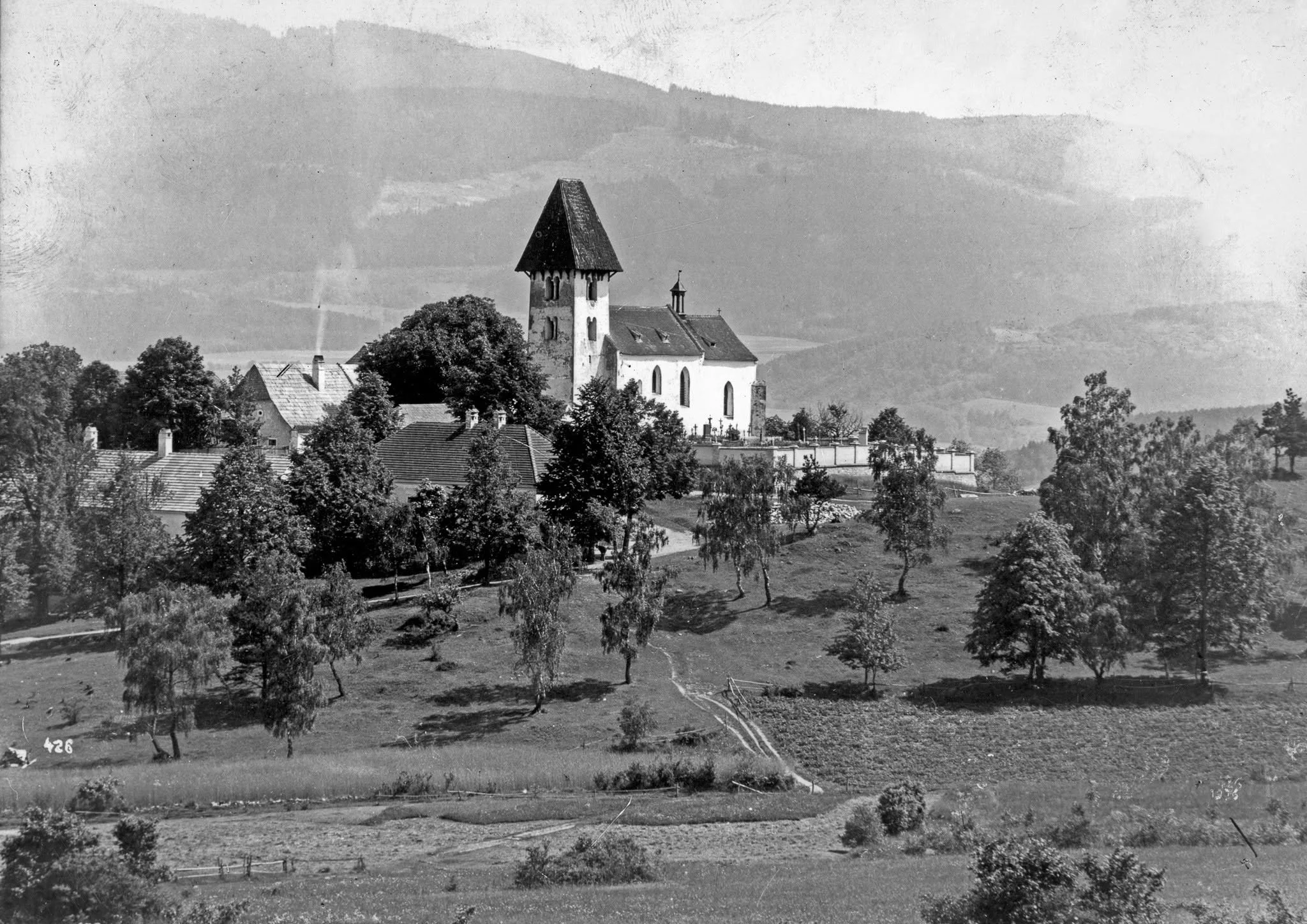
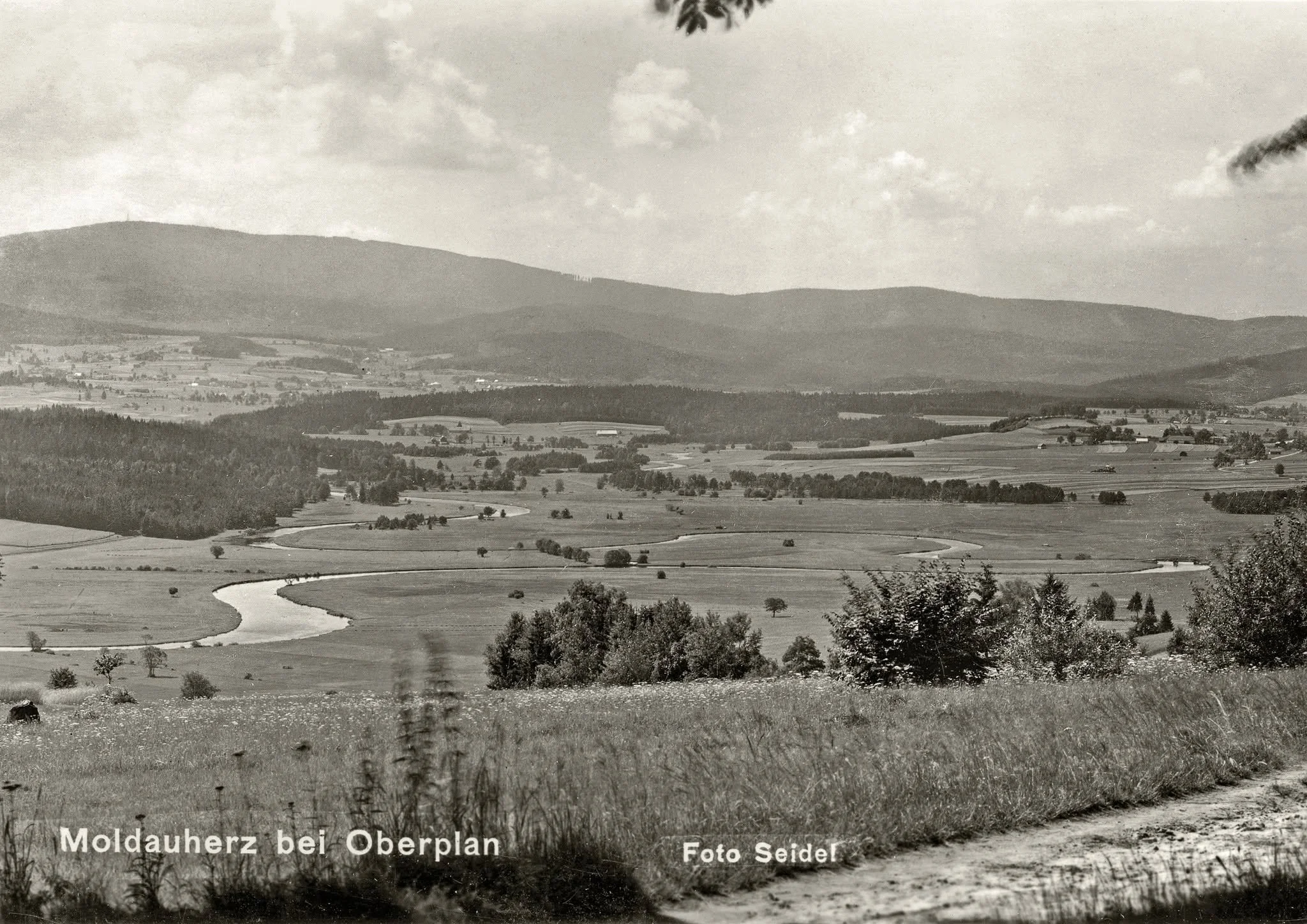
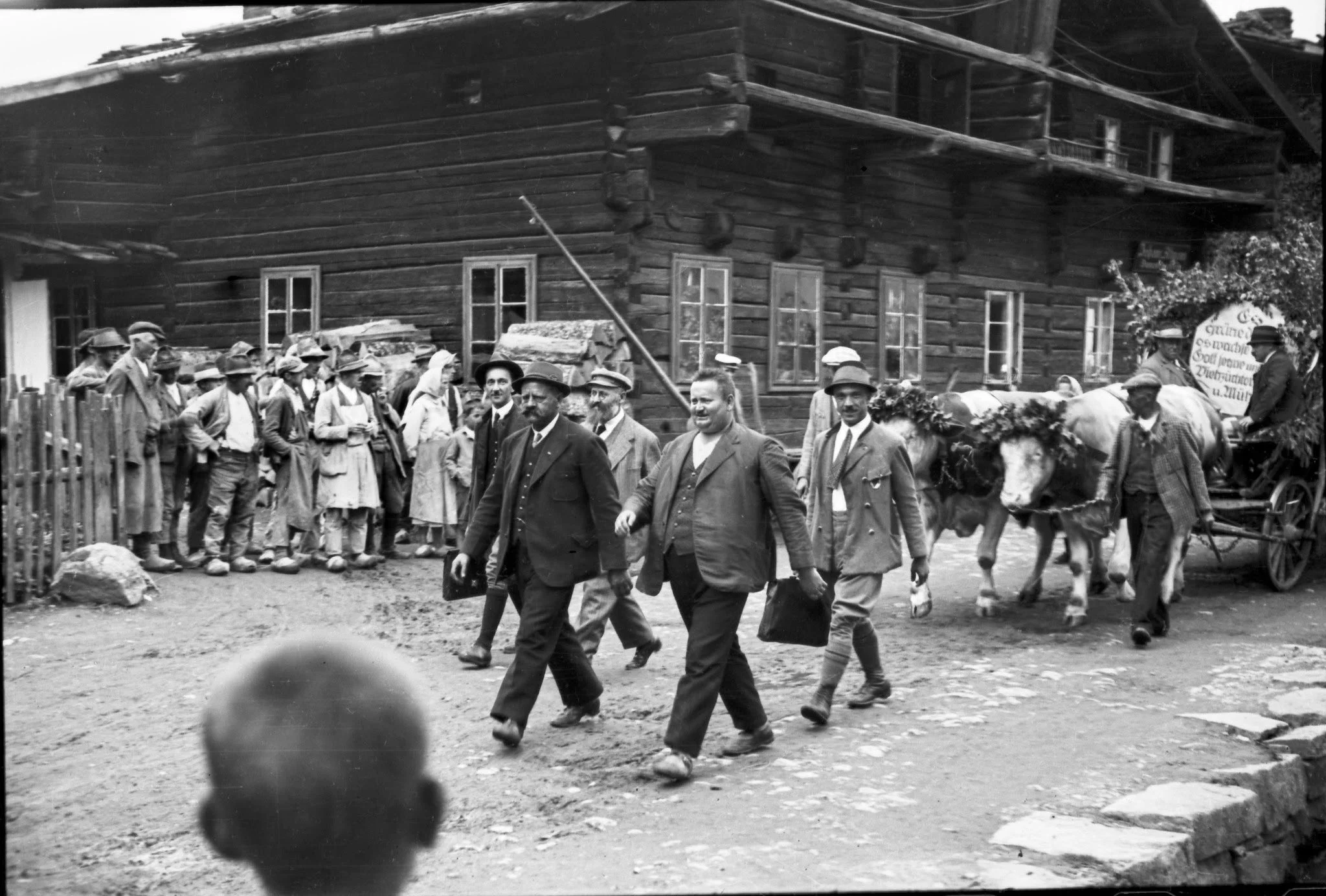
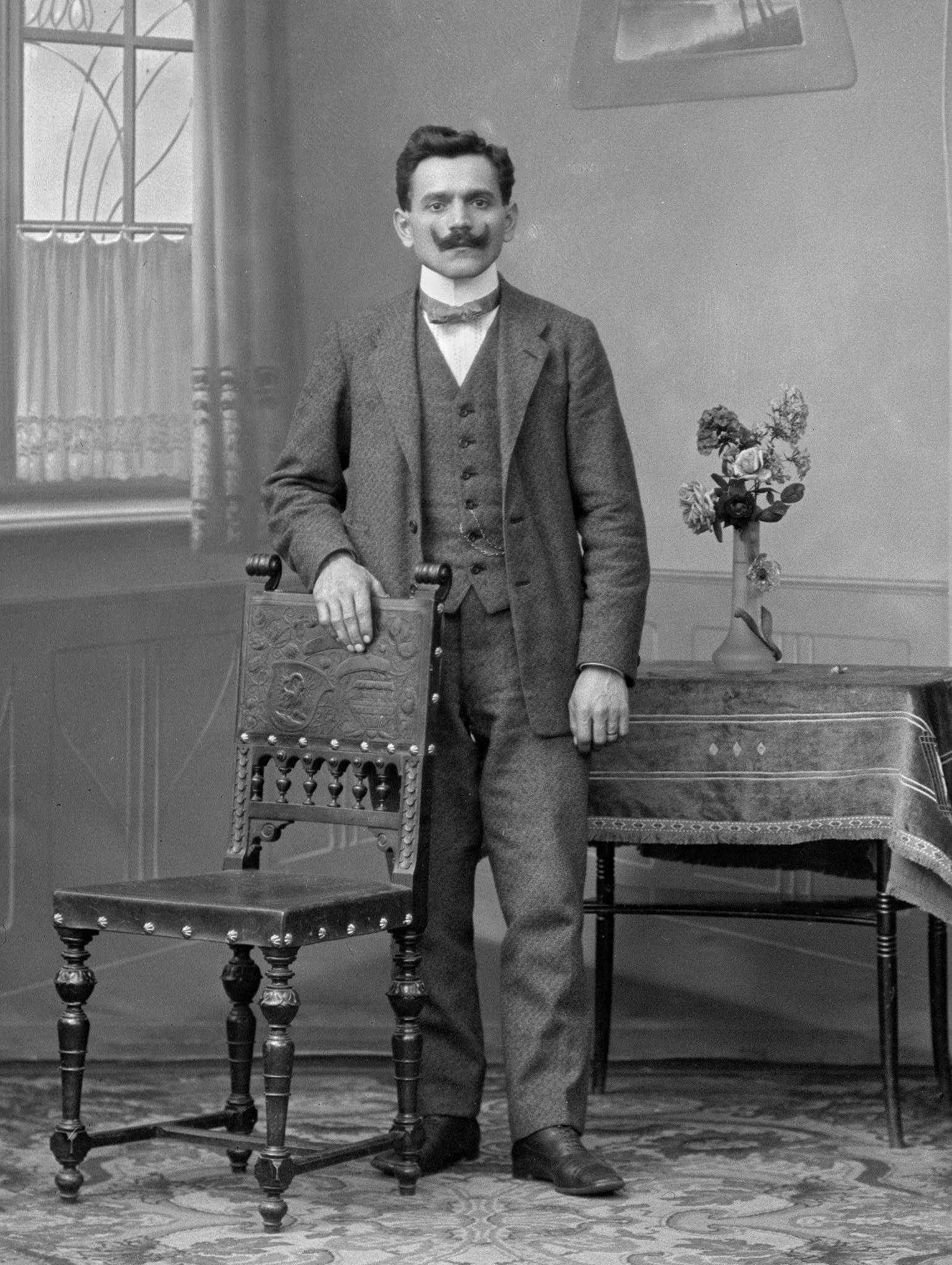
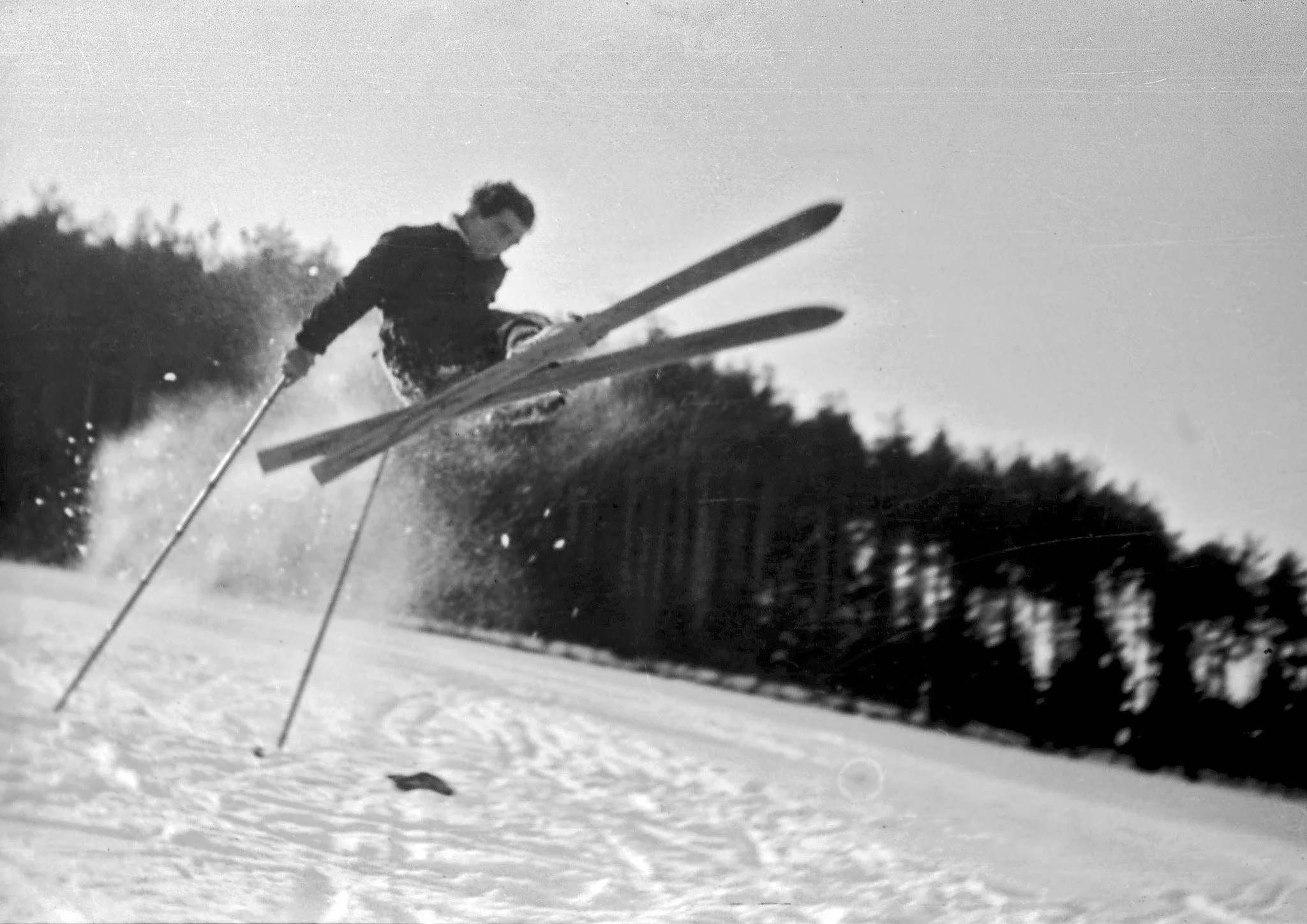
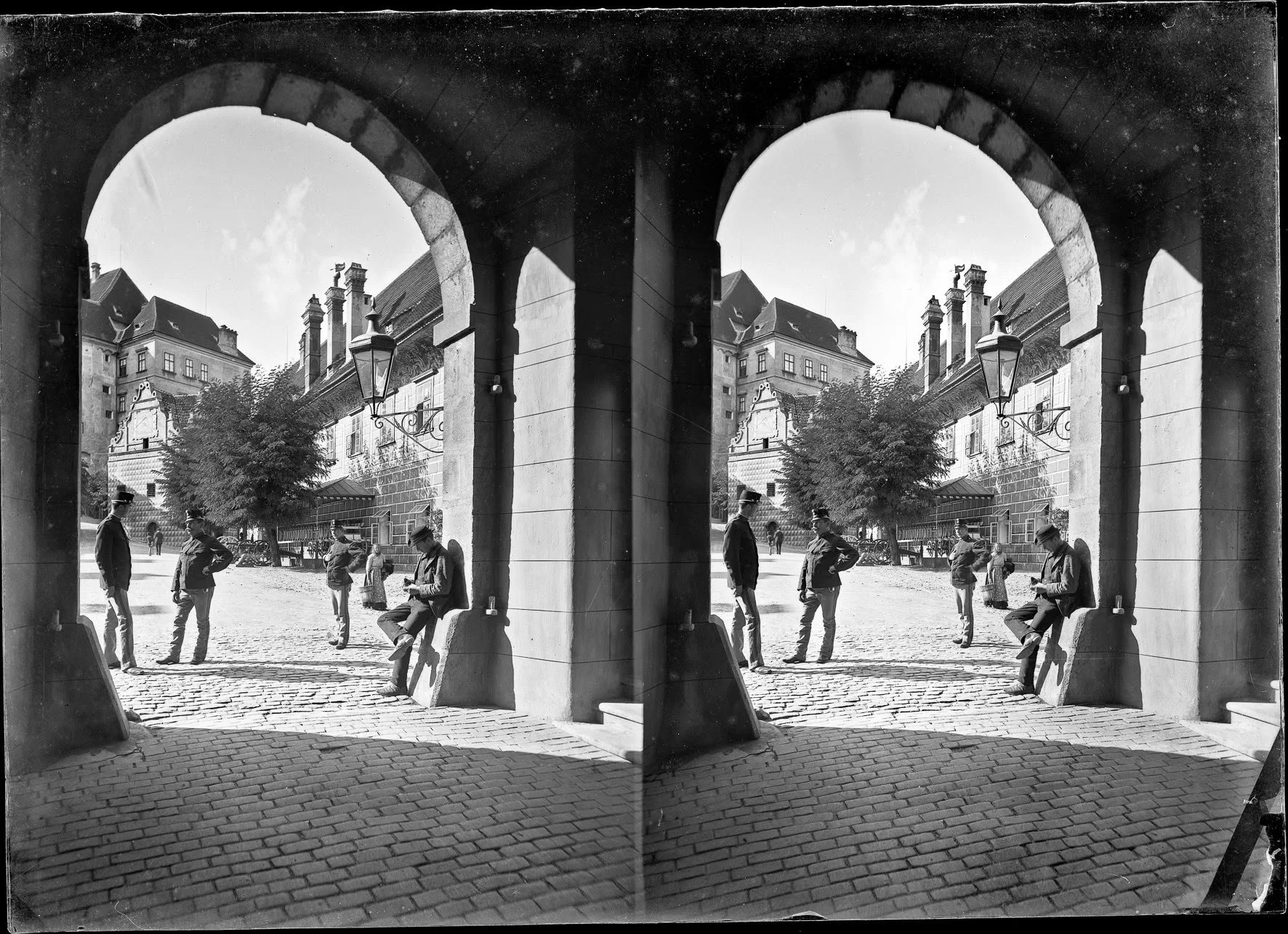
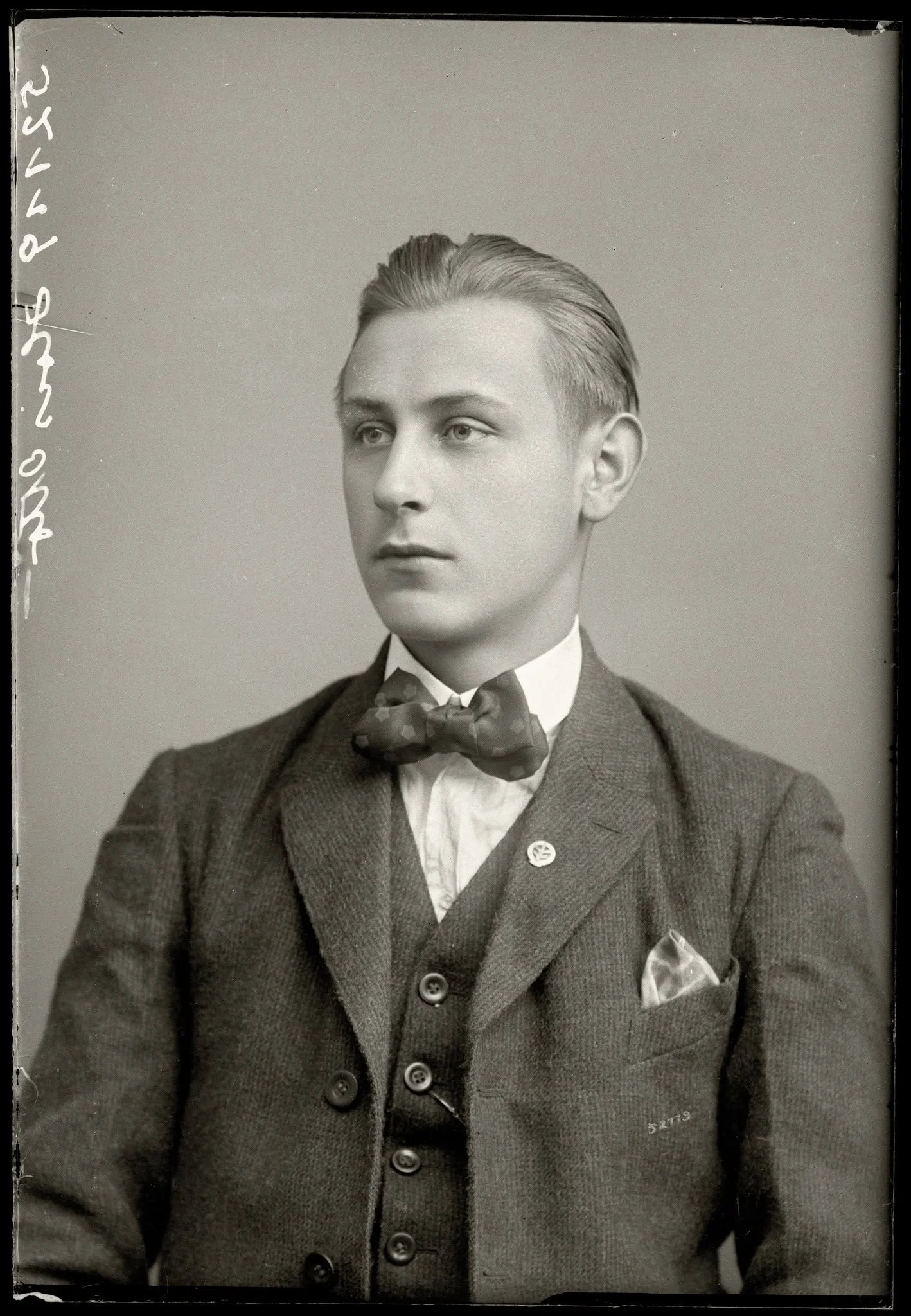
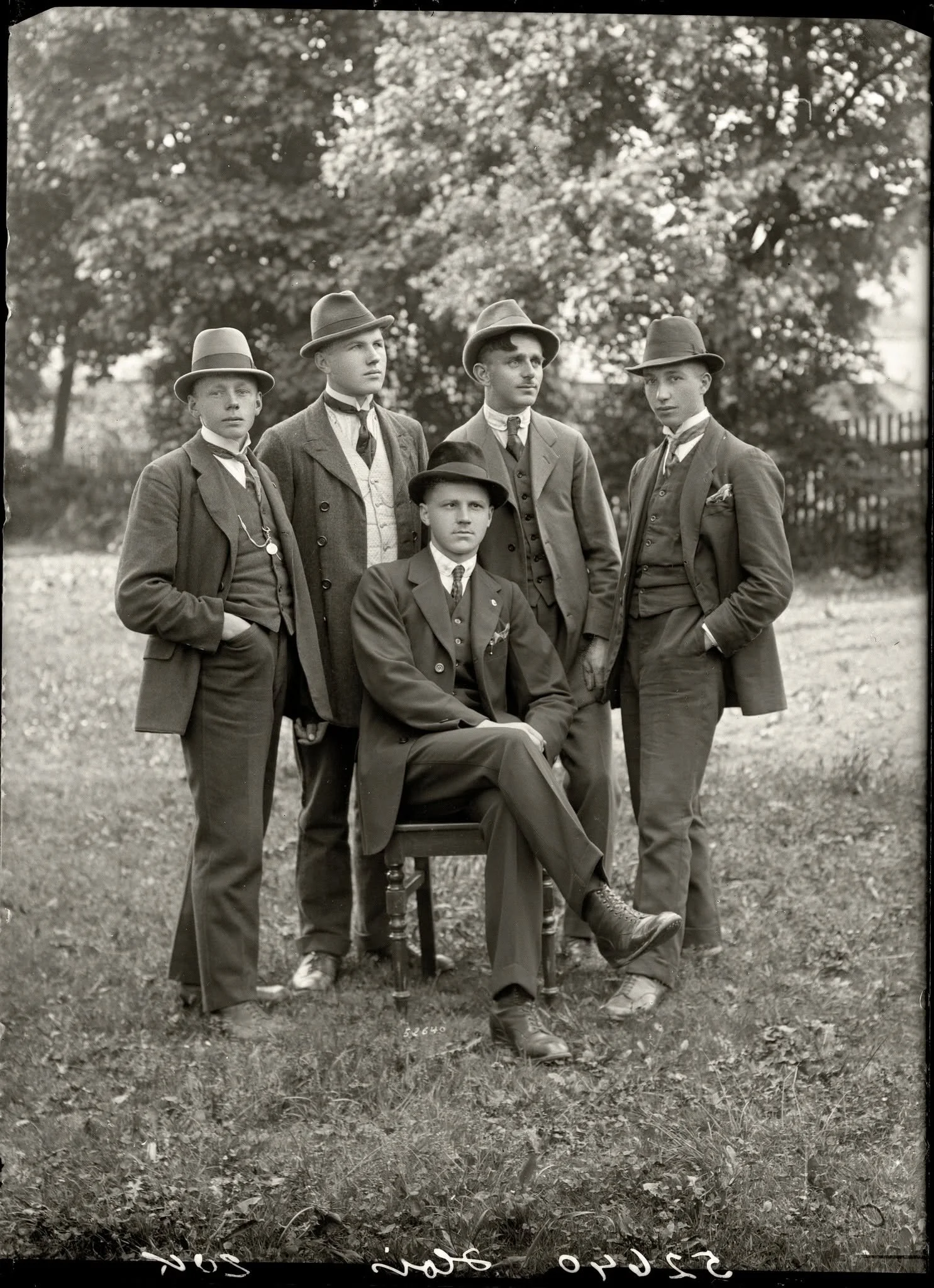
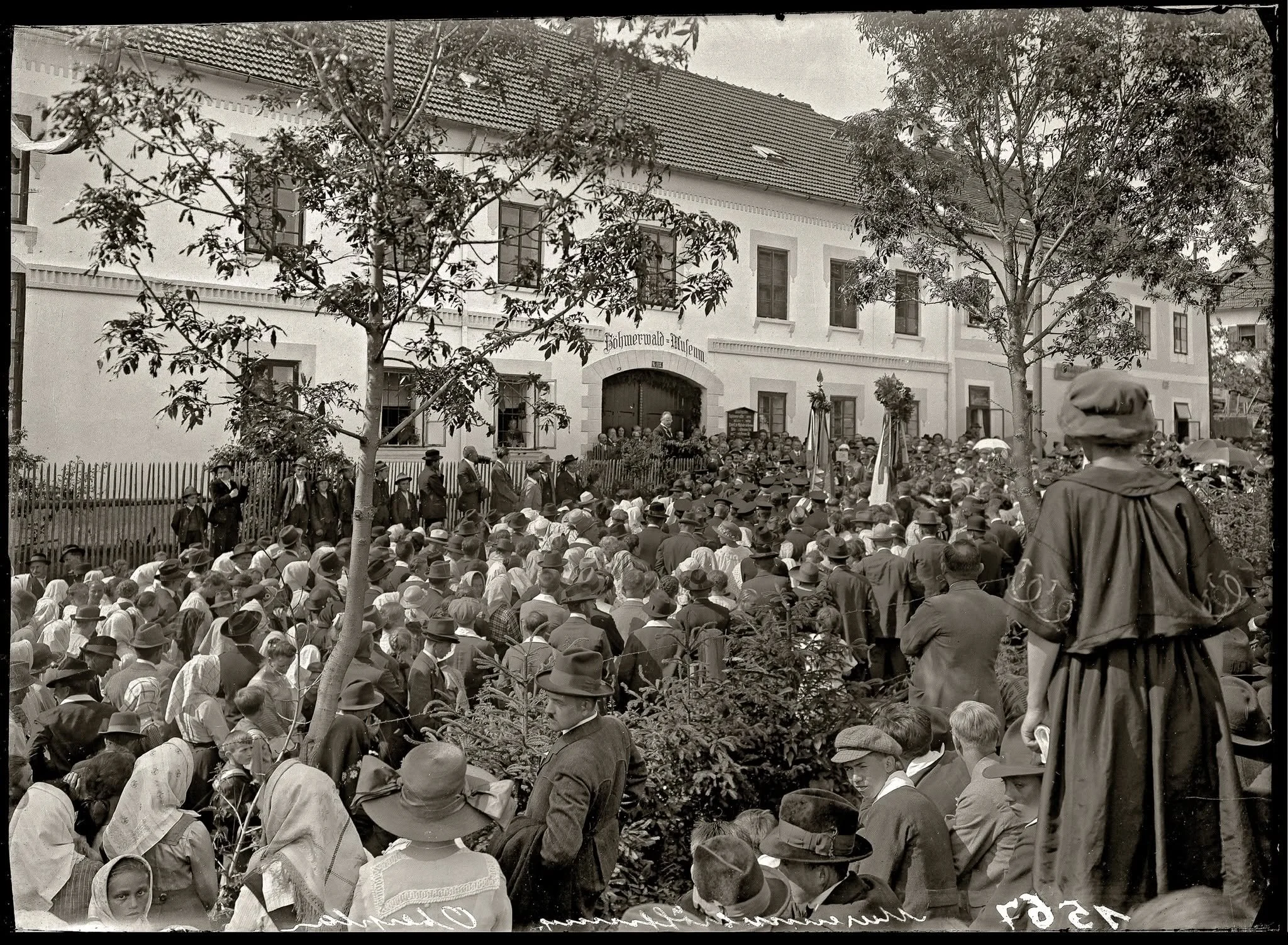
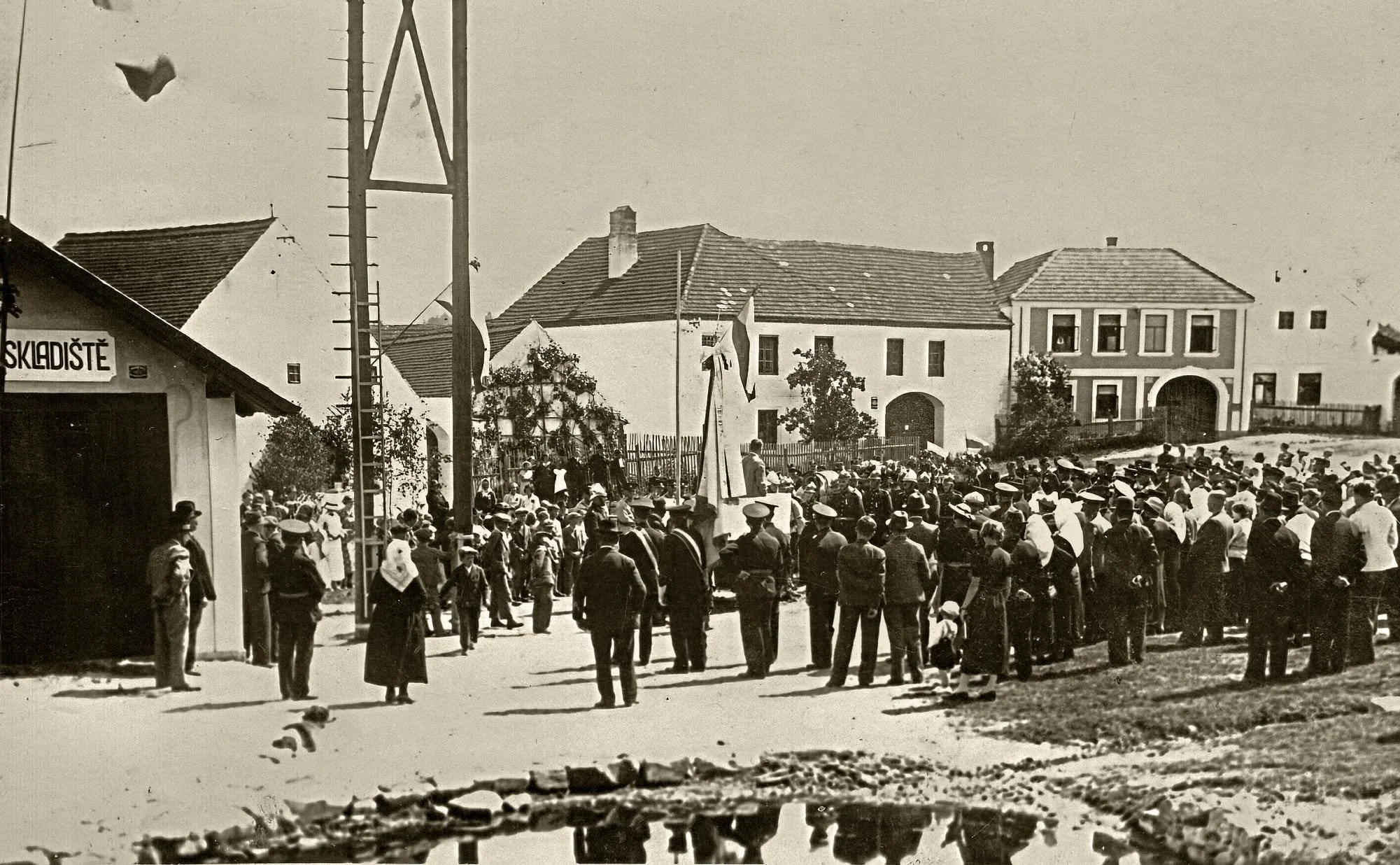
Here’s a selection of photos, all taken from the Seidel Photo Studio’s Facebook page. To see more, visit their Facebook page.
اینجا چندتا عکس میذارم که همهشون رو از صفحهی فیسبوک آتلیهی عکاسی سیدل برداشتم. برای دیدن عکسهای بیشتر، یه سر به فیسبوکشون بزنید.
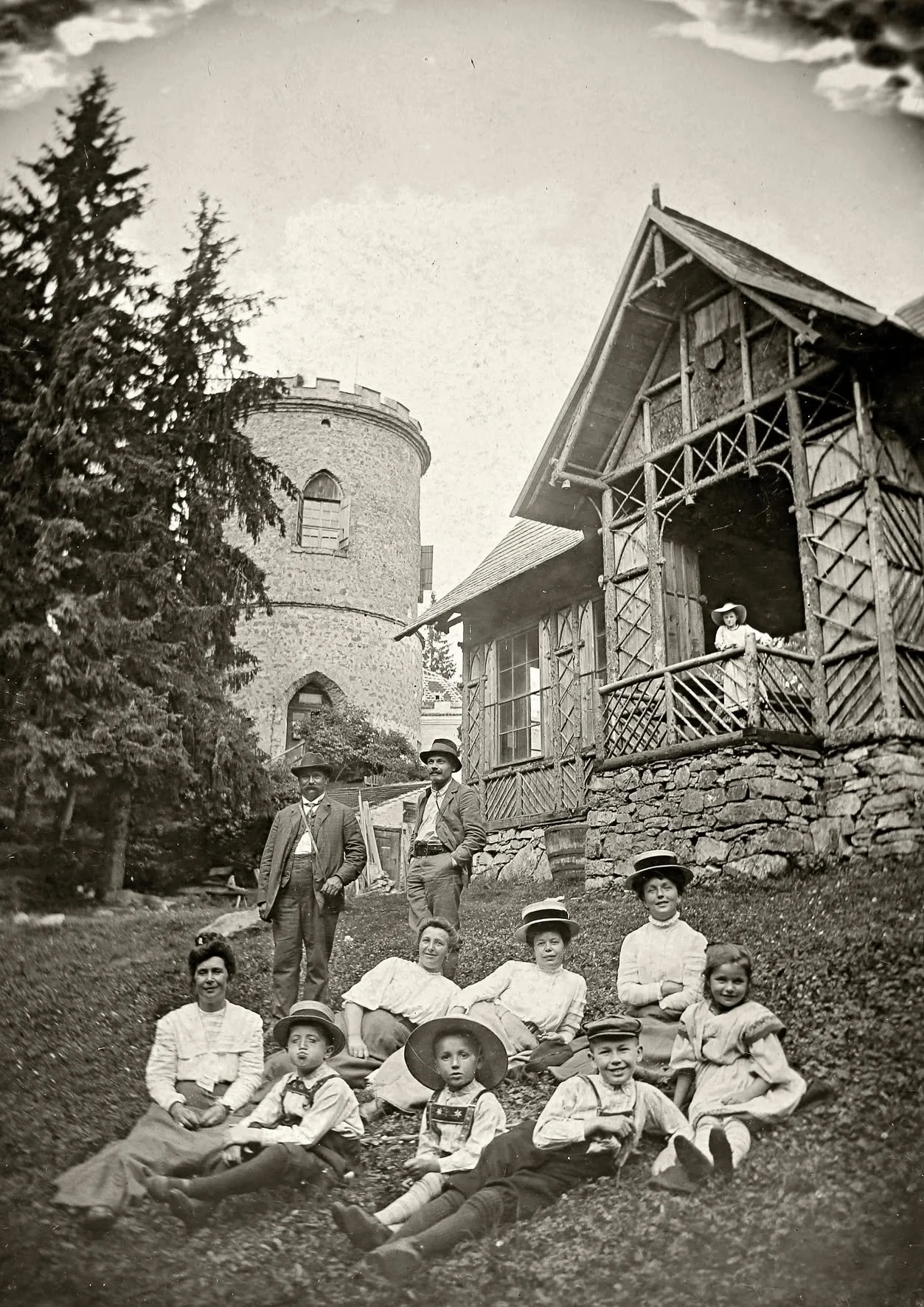
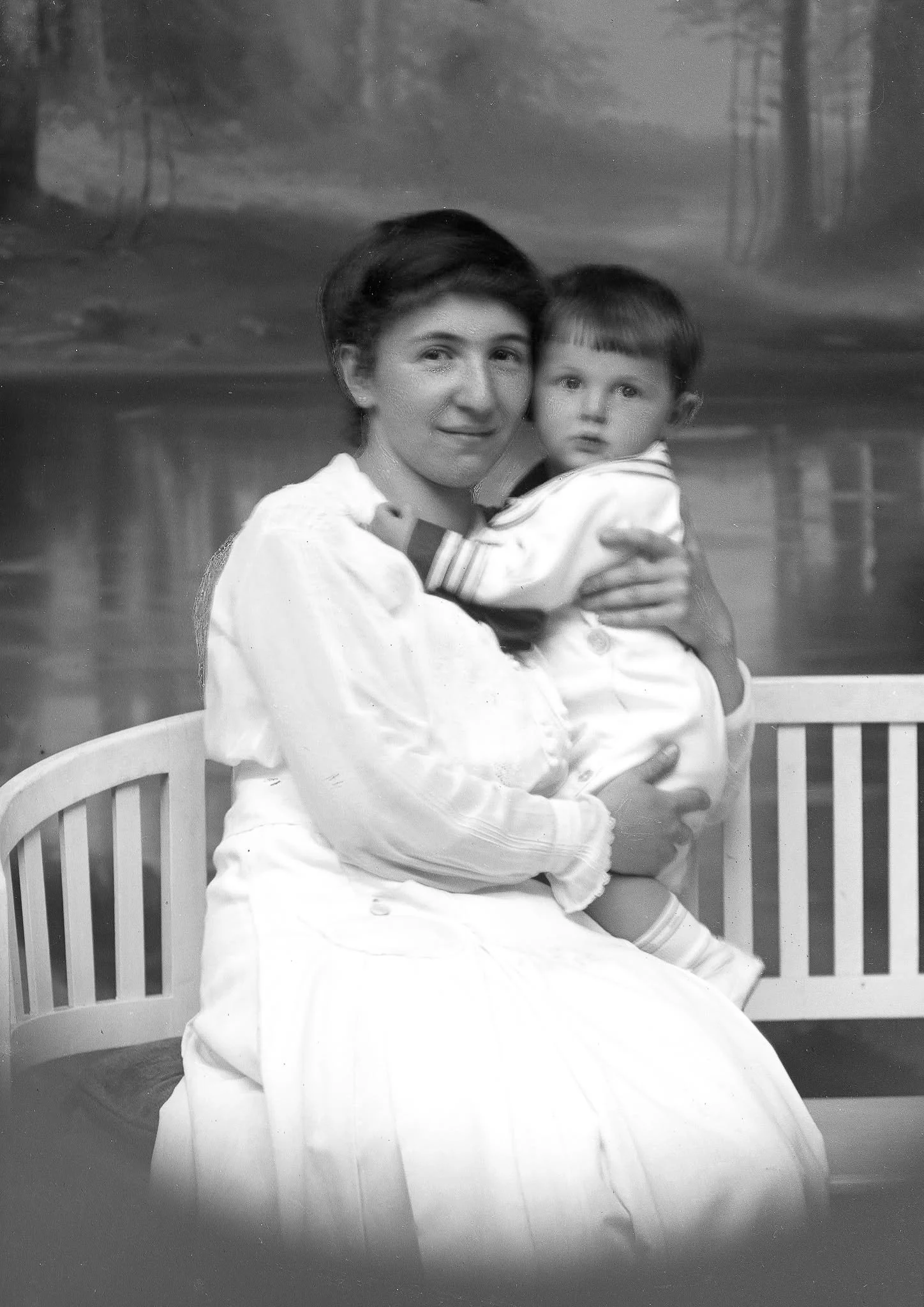
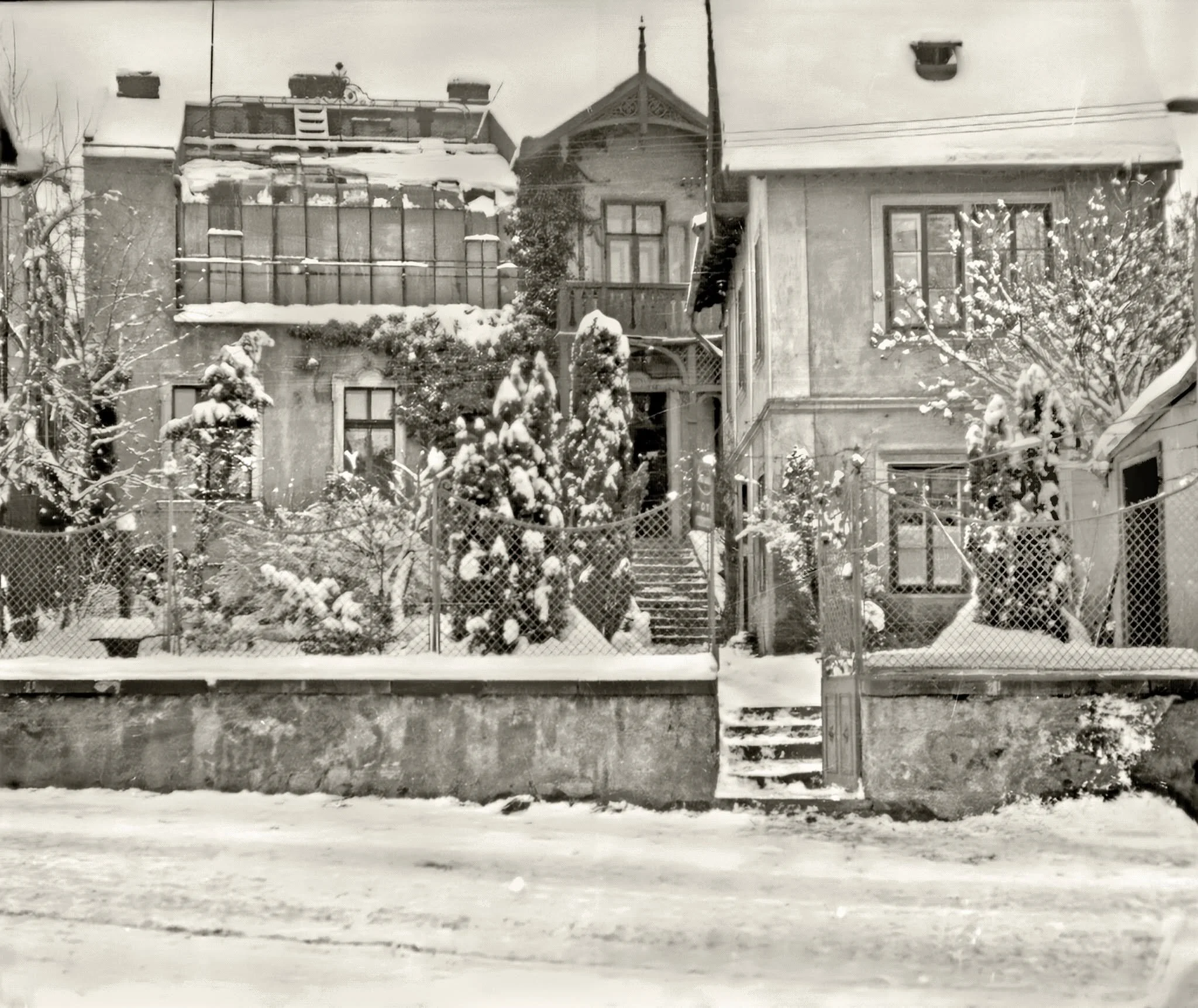
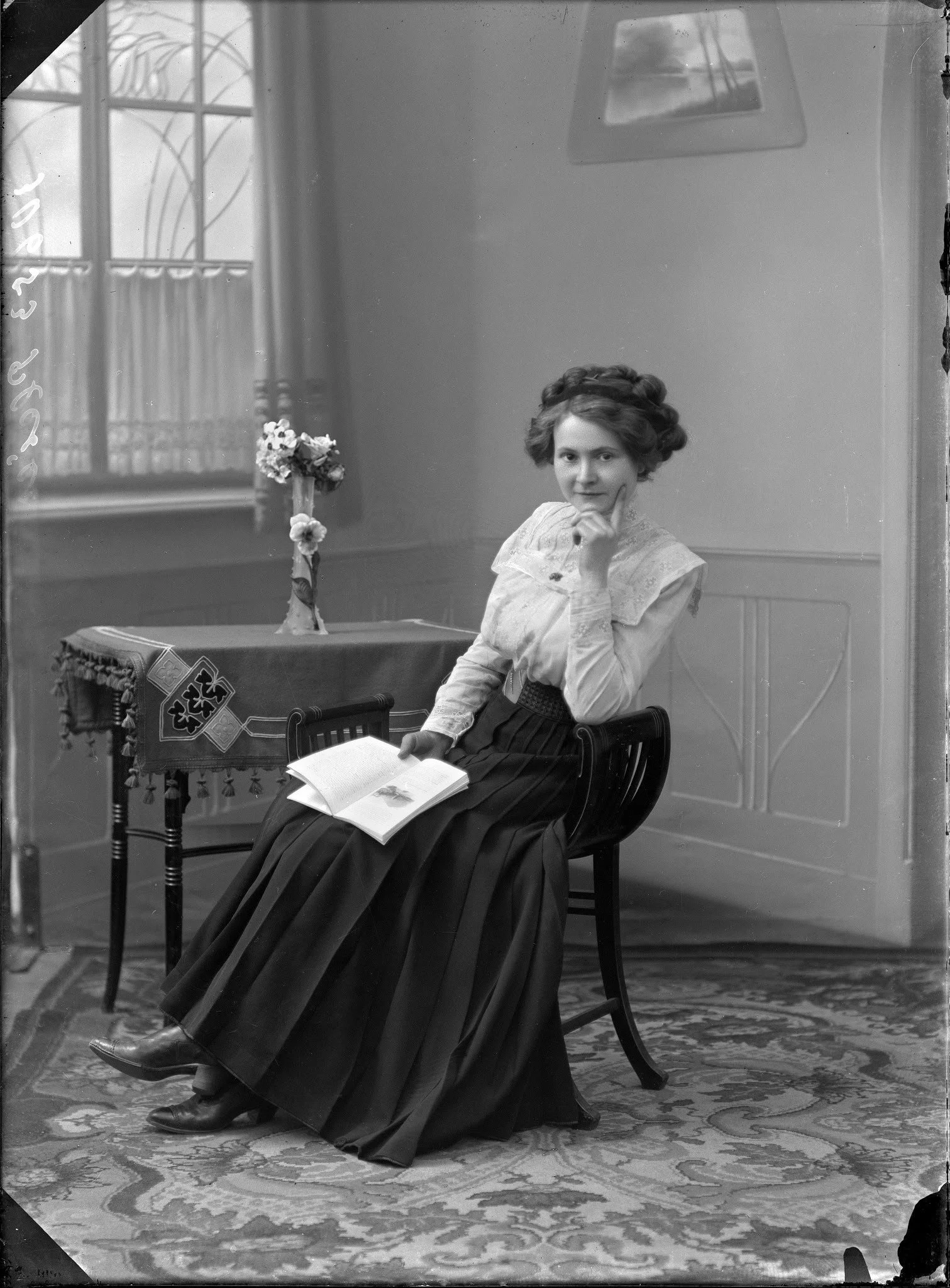
برگشت به کروملوف؛ نوبت ما
Back to Krumlov: Our Turn
On a cold autumn day, we set off for Český Krumlov again, this time for just one night (last time we’d stayed two). We arrived, and the next day we headed to the studio. But before that, we treated ourselves at a café. What coffee, and what a breakfast! The place didn’t look fancy at all, but the breakfast was absolutely amazing. It’s called Kavárna Linecká. I’ll share some photos of it here.
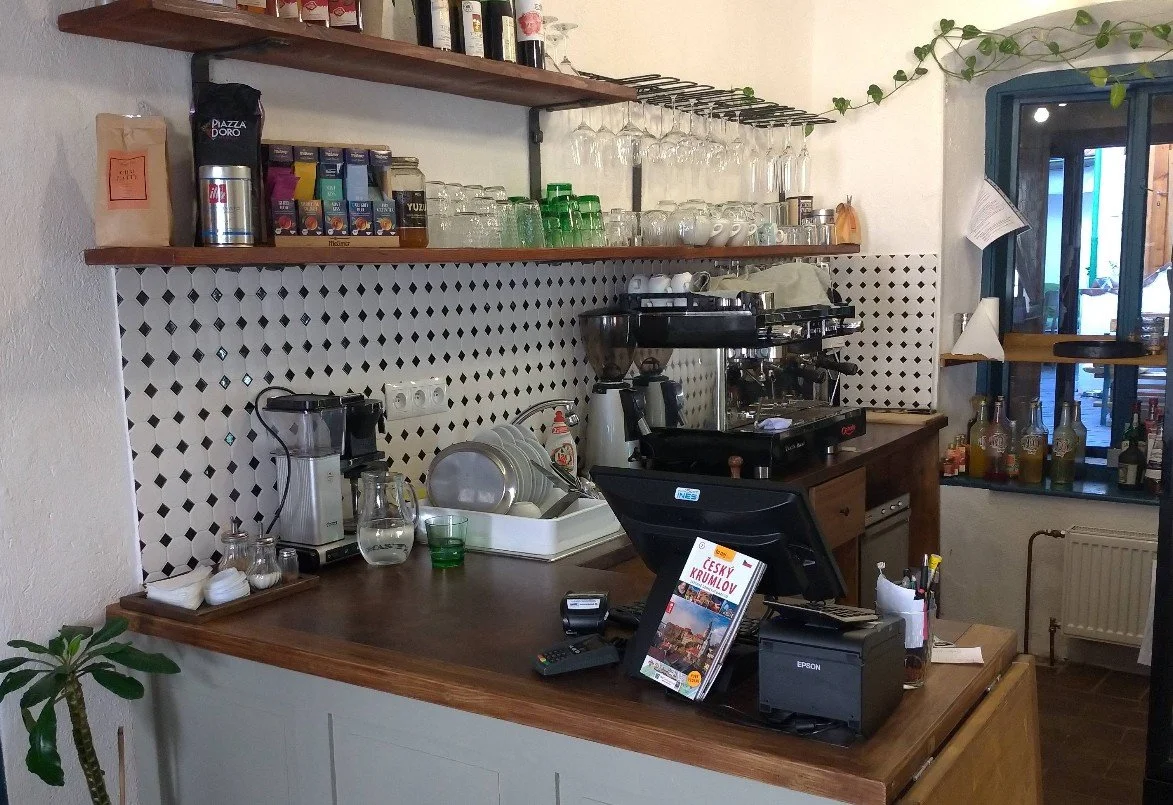
A look inside the café.
اینم یه نما از داخل کافه.
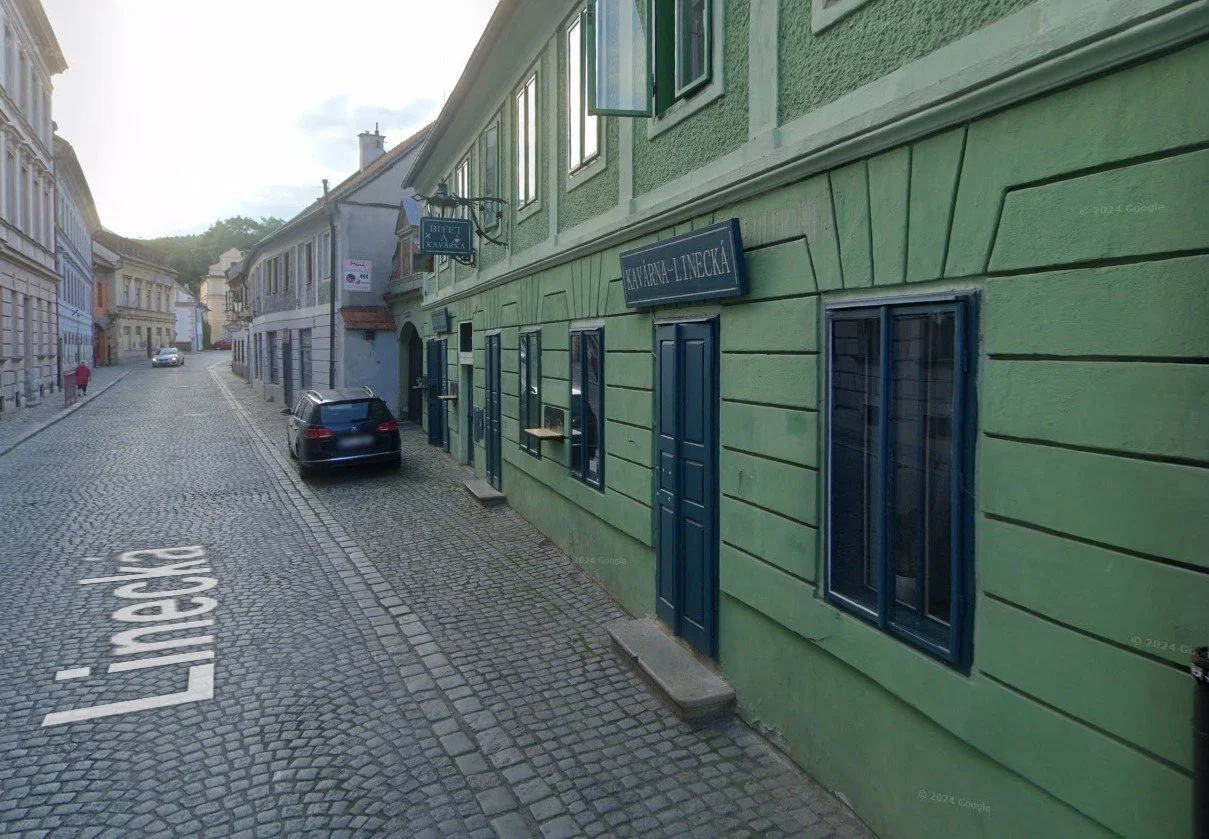
The café from the outside: just a modest door and two windows.
نمای بیرون کافه، فقط یه در ساده و دوتا پنجره.
We went inside, climbed the stairs, and stepped into a narrow hall lined with racks of vintage clothes, hats, and glasses. A young woman, who was both the photographer and the stylist, gave us her suggestions. In the end, Omid and I went full 18th century and got ready. I’ll also share a screenshot I took from the vlog we made for our Instagram Reels. As Omid put it, we were both dressed as grooms, just without any brides :)
One thing that disappointed me was seeing the digital Canon camera she used to photograph us. I was expecting a large-format analog camera, the kind where you pull a cloth over your head to take the shot, but no such luck. Still, the result turned out absolutely amazing. We had to wait a long time for it, though, almost a month, I think.
Our idea was a travel theme, inspired by our own journey from Urmia to Prague. I really wanted the photo to capture that feeling. But since the Christmas season was in full swing, the photographer suggested a Christmas theme instead. It suited the time of year, and the set was already decorated. We agreed. After all, we’d never had a real Christmas photo in our lives, and we’d never celebrated Christmas either. This felt like the perfect excuse to have a Christmas portrait of us captured forever, in a studio with this much history, using these very tools.
The photographer handed Omid a wrapped present and gave me a book and a pipe. We struck our pose, and click! She pressed the shutter, and this photo was captured forever.
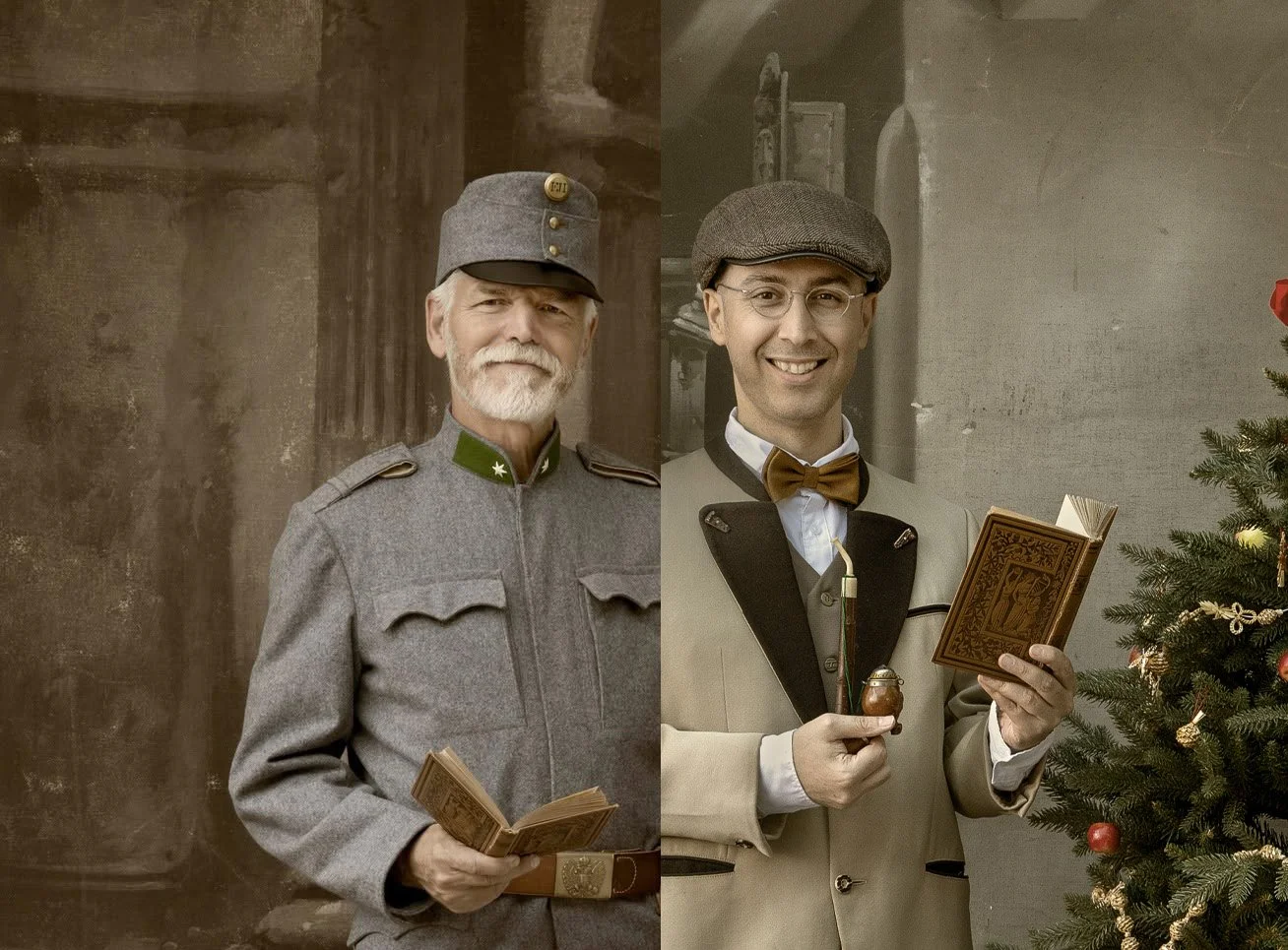
Later, when I looked at this photo next to the one of Mr. Petr Pavel, I realized the little book in my hands is the very same one he’s holding :)
یه روز سرد پاییزی دوباره راه افتادیم سمت چسکی کروملوف، این بار فقط برای یه شب، دفعهی قبل دو شب مونده بودیم. رسیدیم و فرداش رفتیم استودیو. البته قبلش تو یه کافه یه دلی از عزا درآوردیم! چه قهوهای، چه صبحونهای! کافهای که اصلاً ظاهر خفنی نداشت، ولی صبحونهش واقعاً محشر بود. اسمش کافه لینتسکاست. عکسهاش رو اینجا میذارم.
رفتیم تو، پلهها رو رفتیم بالا و رسیدیم به یه سالن باریک که پر بود از رختآویزهای لباس قدیمی و کلاه و عینک. یه خانم جوون که هم عکاس بود هم استایلیست، پیشنهادهاش رو میداد. خلاصه من و امید یه تیپ قرن هجدهمی زدیم و آماده شدیم. یه عکس هم اینجا میذارم که از ولاگ ریلز اینستاگراممون اسکرینشات گرفتم. به قول امید، دوتایی داماد شده بودیم، فقط عروس نداشتیم! :)
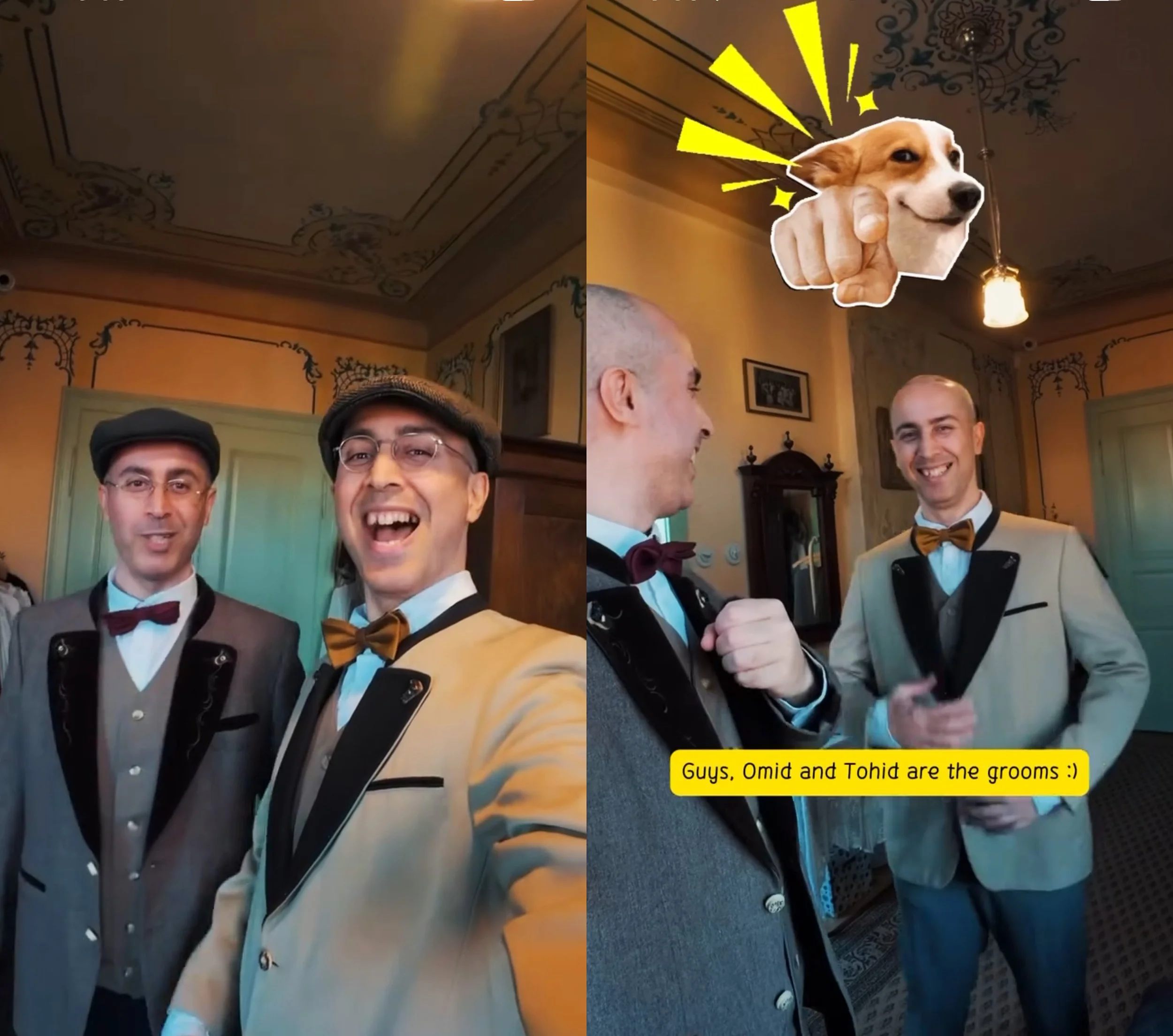
A behind-the-scenes shot: two very happy grooms, over the moon :)
اینم یه عکس از پشت صحنه، دوتا دامادِ خرکیف! :)
یه چیزی که یه کم توی ذوقم زد، دوربین دیجیتال کانن بود که خانمه باهاش ازمون عکس گرفت. انتظار داشتم یه دوربین آنالوگ لارجفرمت ببینم، از همونا که یه پارچه میکشی رو سرت و عکس میگیری، ولی خبری ازش نبود. با این حال نتیجه واقعاً محشر از آب دراومد. البته کلی هم براش صبر کردیم، فکر کنم نزدیک یه ماه.
ایدهی ما یه تم سفر بود، سفری که از ارومیه شروع شده بود و رسیده بود به پراگ. خیلی دلم میخواست عکسمون همین حسوحال رو داشته باشه. ولی چون فصل کریسمس بود و همهجا حالوهوای کریسمس داشت، خانم عکاس گفت بهتره تم کریسمسی باشه، هم به موقعیت میخوره، هم دکورش آمادهست. ما هم قبول کردیم. هرچی باشه هیچوقت تو عمرمون یه عکس کریسمسی واقعی نداشتیم و هیچوقت هم کریسمس رو جشن نگرفته بودیم. این بهونهی خوبی بود که تو همچین استودیویی، با این همه وسیله و سابقه و تاریخ، یه عکس کریسمسی ازمون برای همیشه ثبت بشه.
خانم عکاس یه کادو داد دست امید، یه کتاب و یه پیپ هم داد دست من. ژست گرفتیم و چیک! دکمهی شاتر رو زد و این عکس برای همیشه ثبت شد.
بعدش که این عکس رو کنار عکس آقای پتر پاول دیدم، گفتم ای دل غافل! این کتابچهای که دست منه، همونیه که اونم دستش گرفته! :)
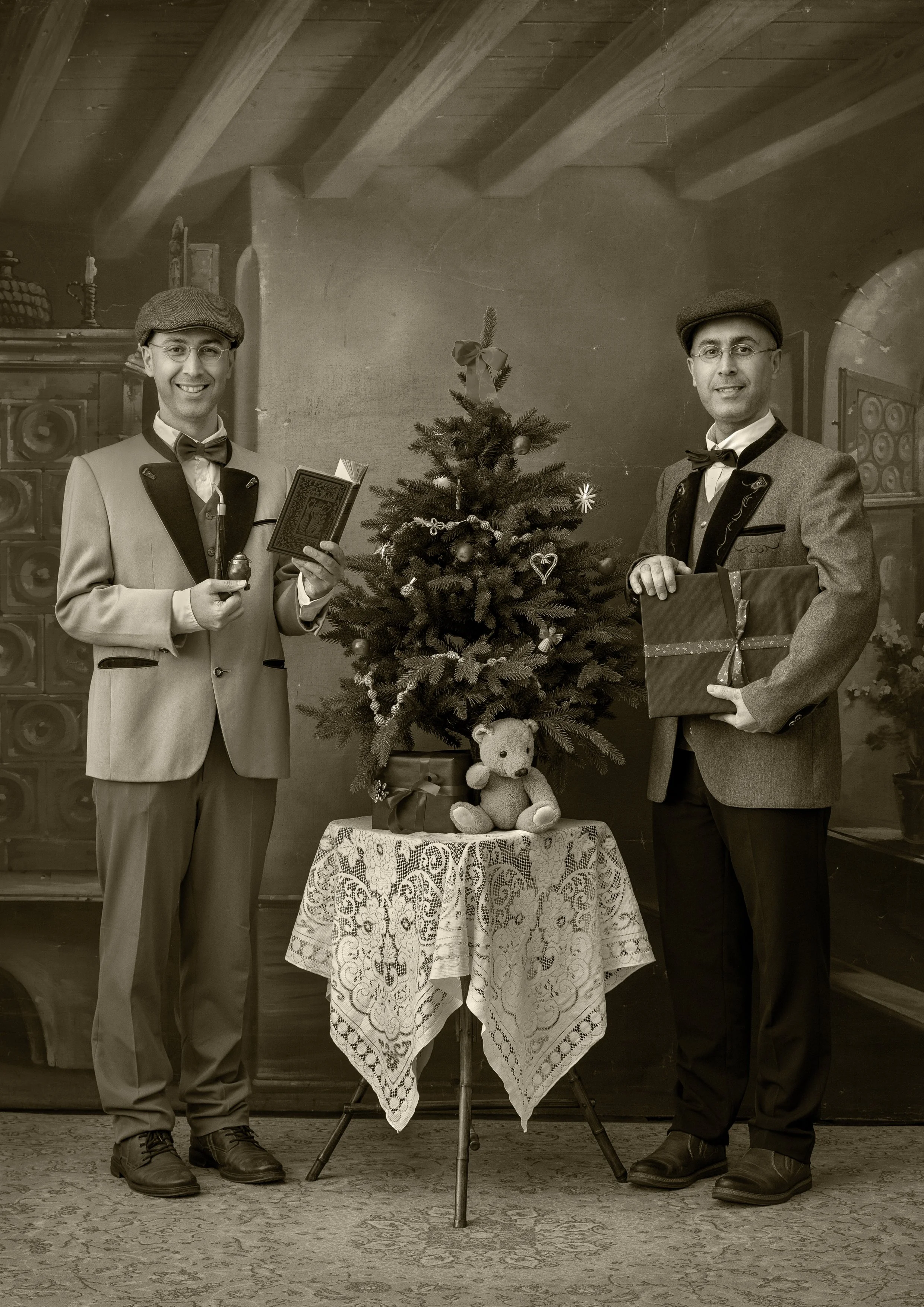
میر امید رضوی و میر توحید رضوی
Mir Omid Razavi and Mir Tohid Razavi
They also gave us a color version, without the old-style monotone look.
یه نسخهی دیگه هم بهمون دادن که رنگیه و اون حالت مونوتون قدیمی رو نداره.
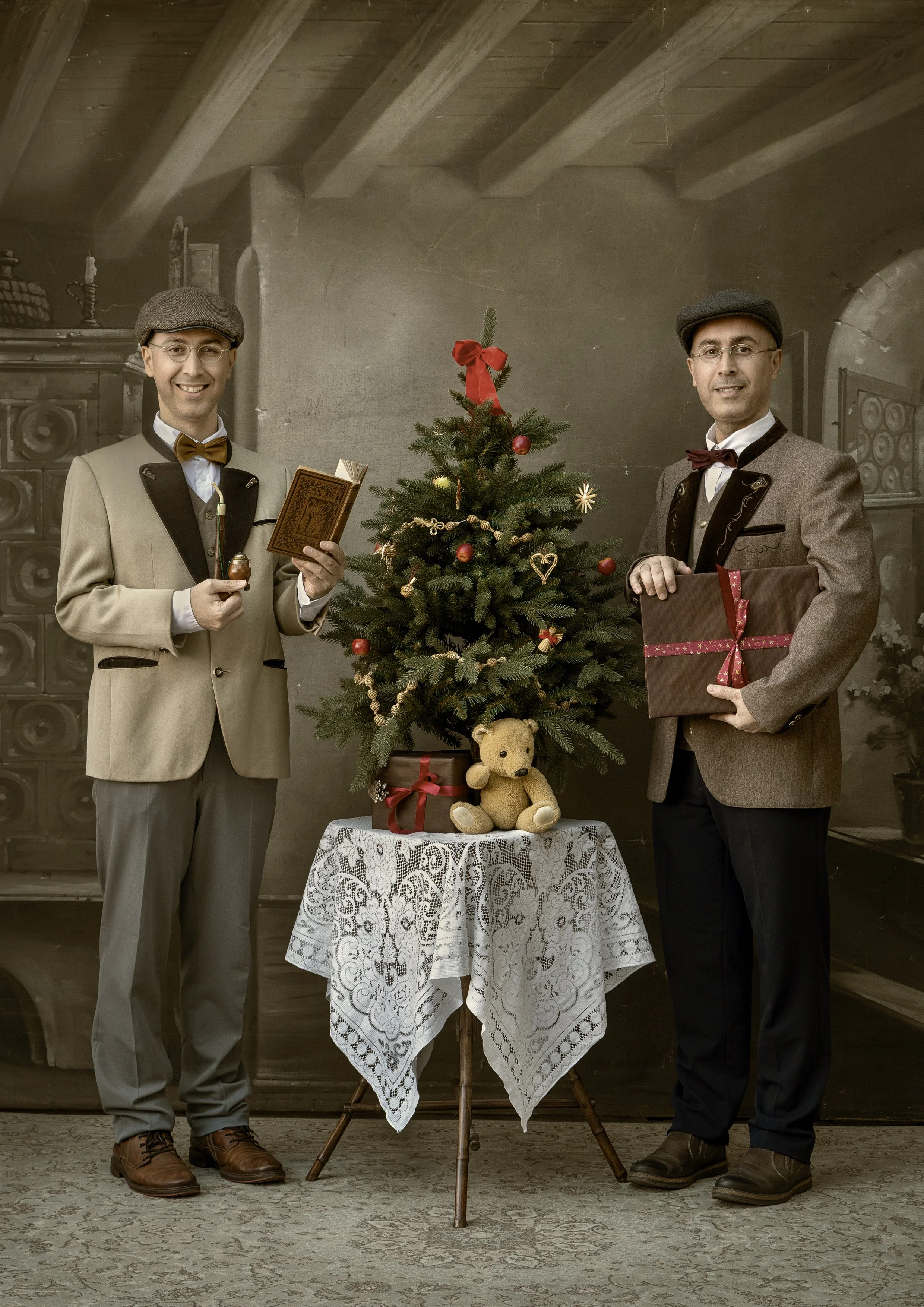
میر امید رضوی و میر توحید رضوی
Mir Omid Razavi and Mir Tohid Razavi
A side-by-side shot showing the little book in the President’s hands and in mine. I find this so sweet and fascinating. How lovely is that? :)
اینم یه عکسدرعکس که کتابچهی دست آقای رئیسجمهور و دست من رو کنار هم نشون میده. این برام واقعاً شیرین و جالبه. چه قشنگه! :)
:D
تجربهی رفتن به آتلیهی سیدل رو هیچوقت فراموش نمیکنم و این عکسها رو تا همیشه دوست خواهم داشت. مرسی که وقت گذاشتید و خوندید!
I’ll never forget our visit to the Seidel Studio, and I’ll always love these photos. Thank you for taking the time to read this.
And of course, we also ordered two printed, framed copies. We put the smaller one up at the office, so this memory is always right in front of us.
و صد البته دوتا نسخهی چاپی قابشده هم سفارش دادیم. نسخهی کوچیکتر رو گذاشتیم تو شرکت تا این خاطره همیشه جلوی چشممون باشه.