My Experience with the Werra 3 and Kodak UltraMax 400
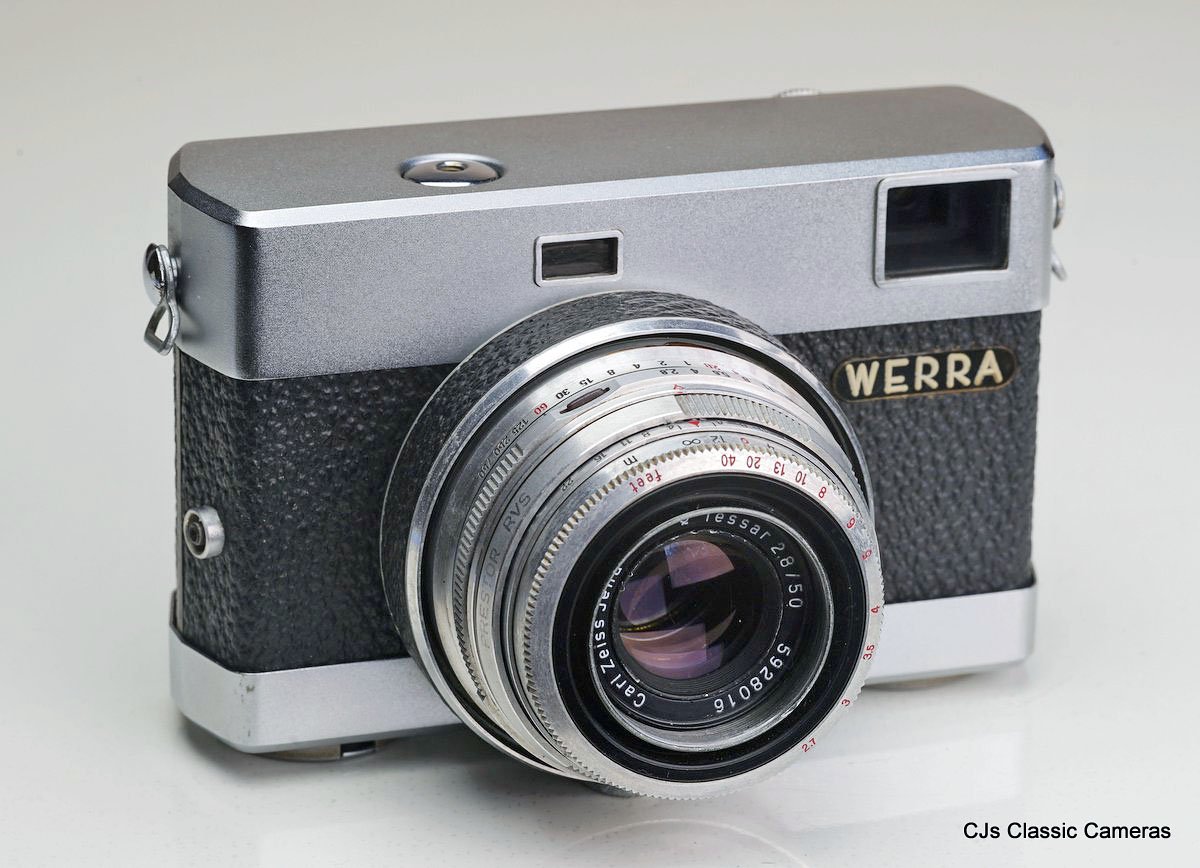
This camera is another East German masterpiece, and I can confidently say it carries one of the finest lenses in the world, truly worthy of the Carl Zeiss name. It's a very special camera: incredibly light and, as usual, completely analog and mechanical.
The lens on this remarkable camera is a Zeiss Tessar 50mm, and the body is wrapped in a leatherette covering that gives it a secure, non-slip grip.
One of the things that surprised me most the first time I held it was that there's no lever or knob for advancing the film. In fact, you don't see any controls at all: just a shutter button on top and a lens on the front! The Werra is genuinely one of the most minimal and beautiful analog cameras I've ever held, and I'm so glad I actually got to shoot with it.
Designing the Werra came with its own challenges. It was designed by Werner Broche and Kurt Wagner, and one of their main goals was to keep the price low, around 100 marks at the time. But affordability didn't mean compromising on quality. The camera was produced in the town of Eisfeld, on the banks of the Werra River, which is where it gets its name.
The Werra stayed in production until 1968, with 22 different models made over its lifetime.
Unfortunately, my copy is missing its lens cap, the very piece that gives the camera its unique look. Cleverly, the cap could be mounted in reverse on the lens to act as a lens hood.
Another feature of this camera is its interchangeable lens system. The lens screws onto the body, and you can also mount 35mm and 100mm lenses. In my opinion, these three focal lengths cover just about everything you'd need in most photography situations.
On the back is a viewfinder that's bright enough to frame your shots with ease. The rangefinder is very precise: using a set of prisms, it creates a combined image in the viewfinder, and by lining up the vertical and horizontal lines you can be sure your subject is in focus. Using it was a real joy, and the final photos honestly amazed me!
Want to advance the film after taking a shot? This camera is going to surprise you! You have to turn the ring on the front of the camera, the one that matches the body color, and only then are you ready for the next frame. Compared to other cameras of that era, this was a truly unusual and inventive design, and it makes shooting with the Werra all the more enjoyable.
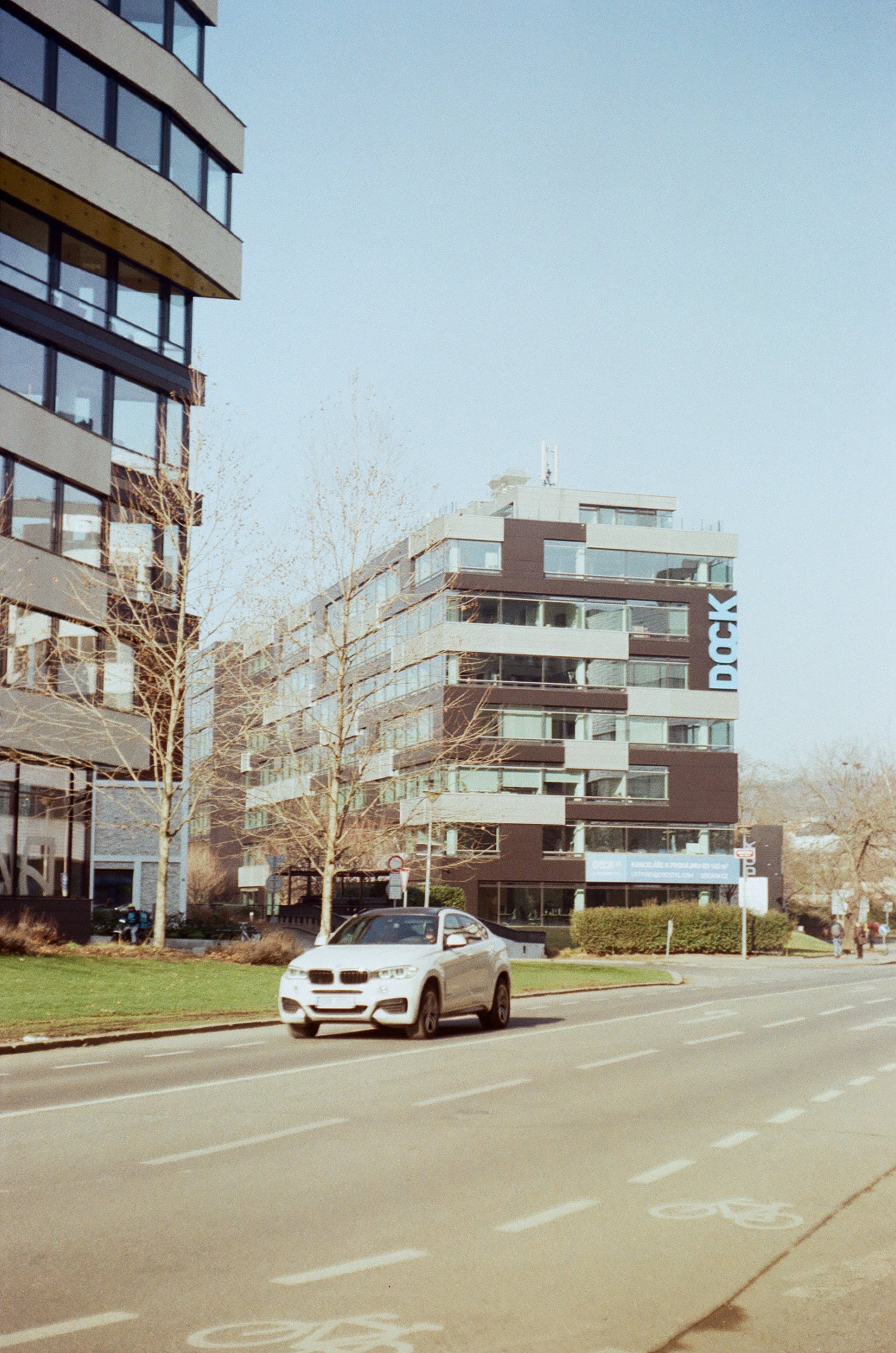
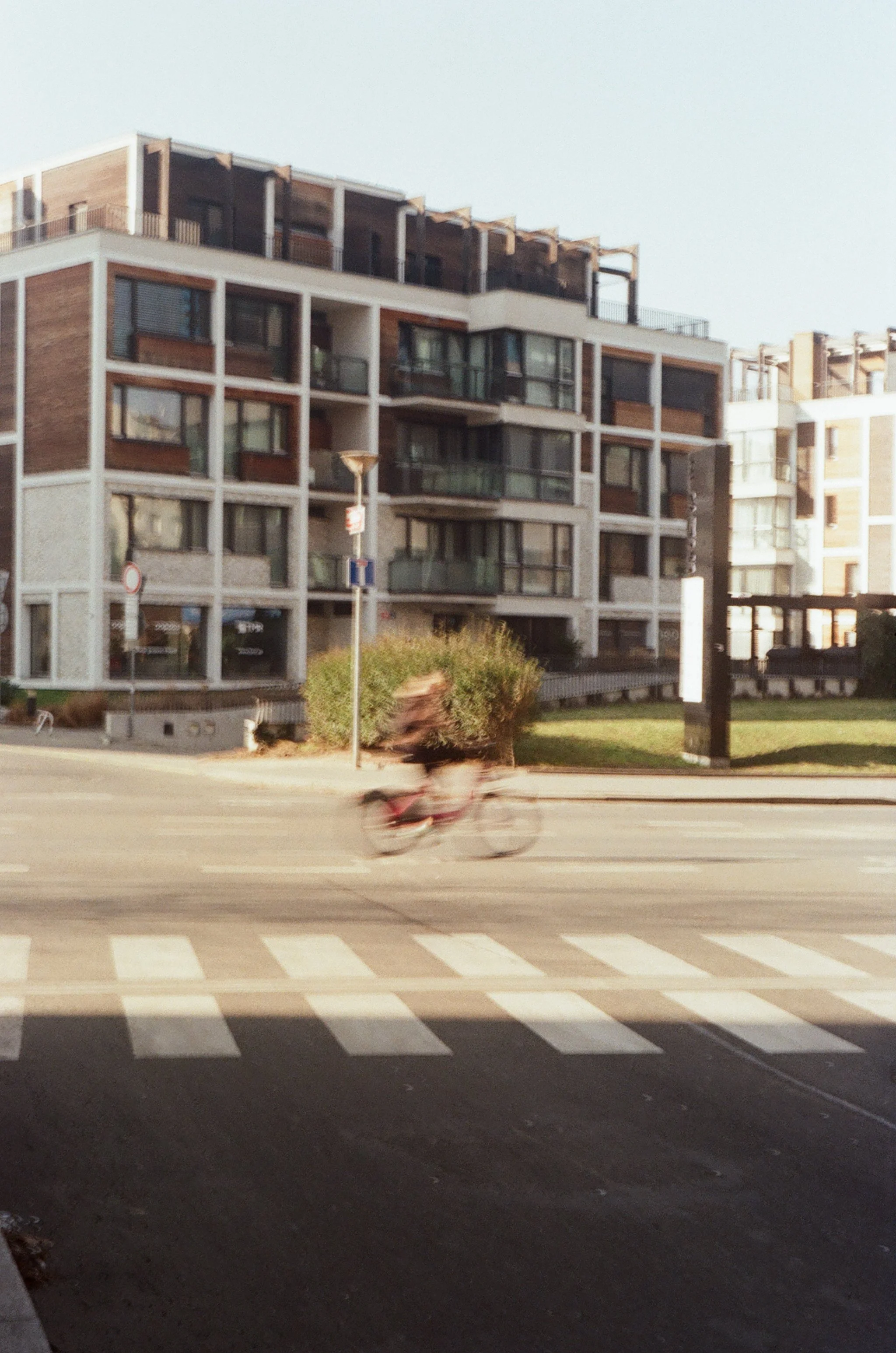
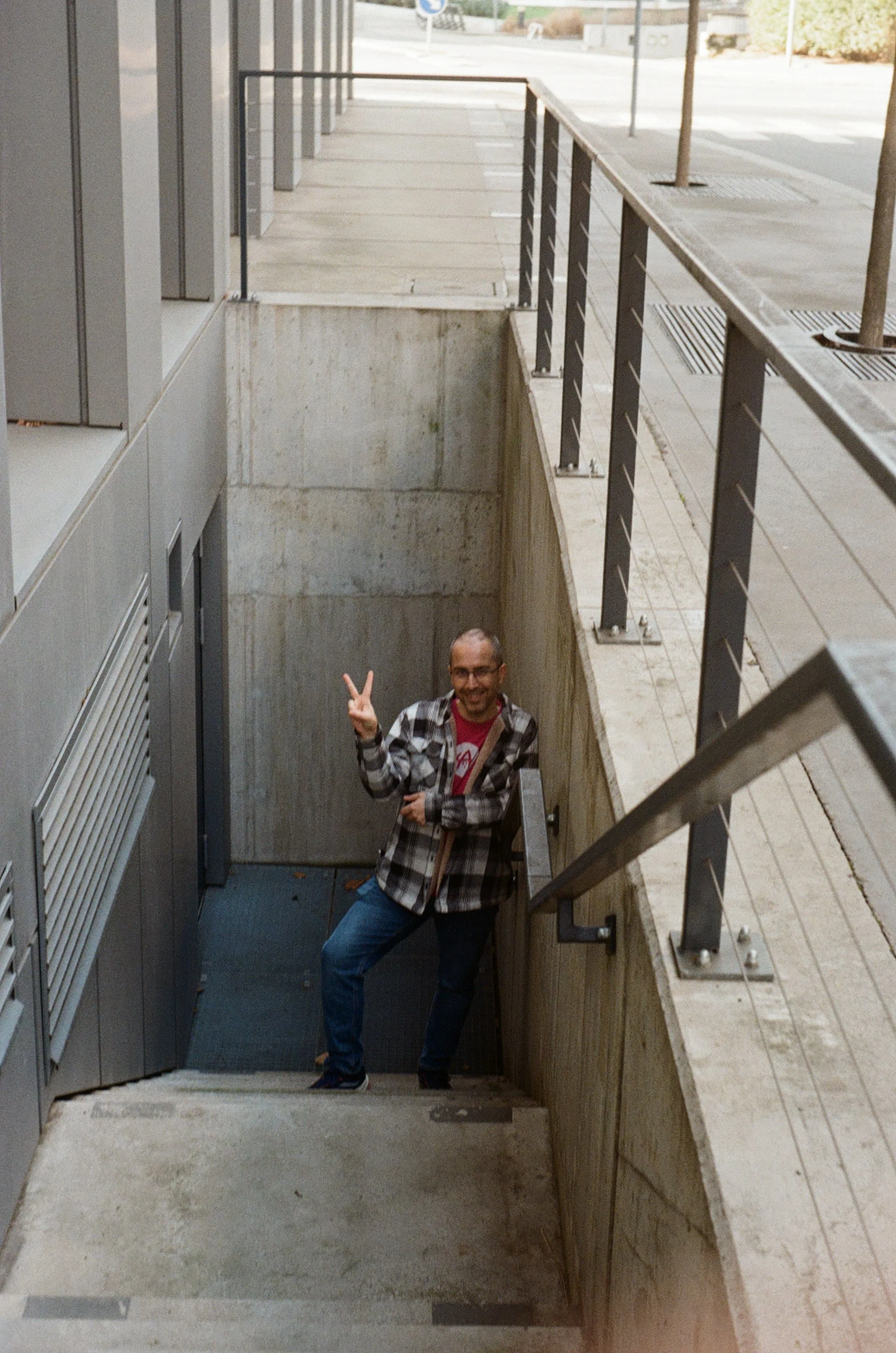
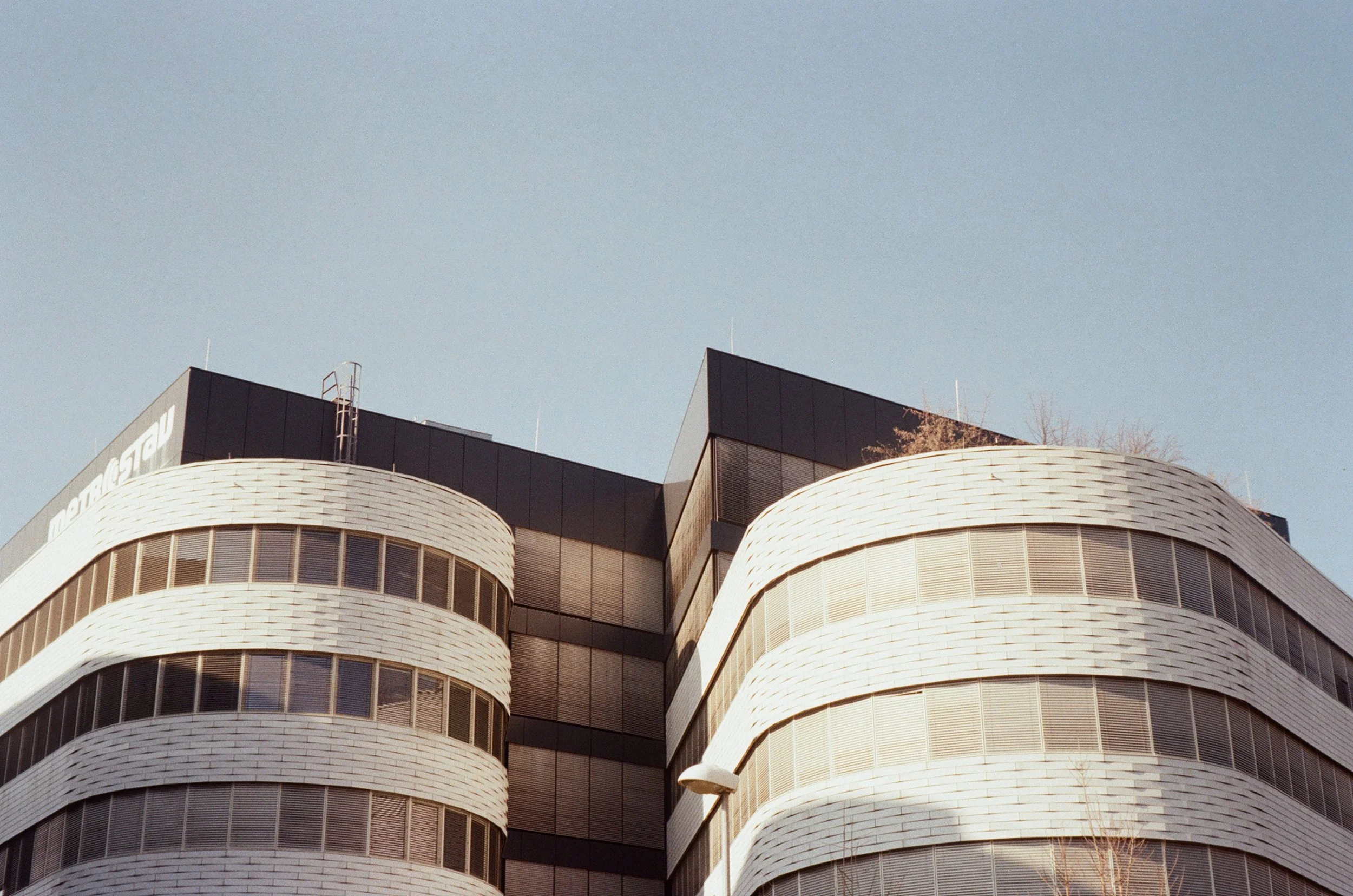
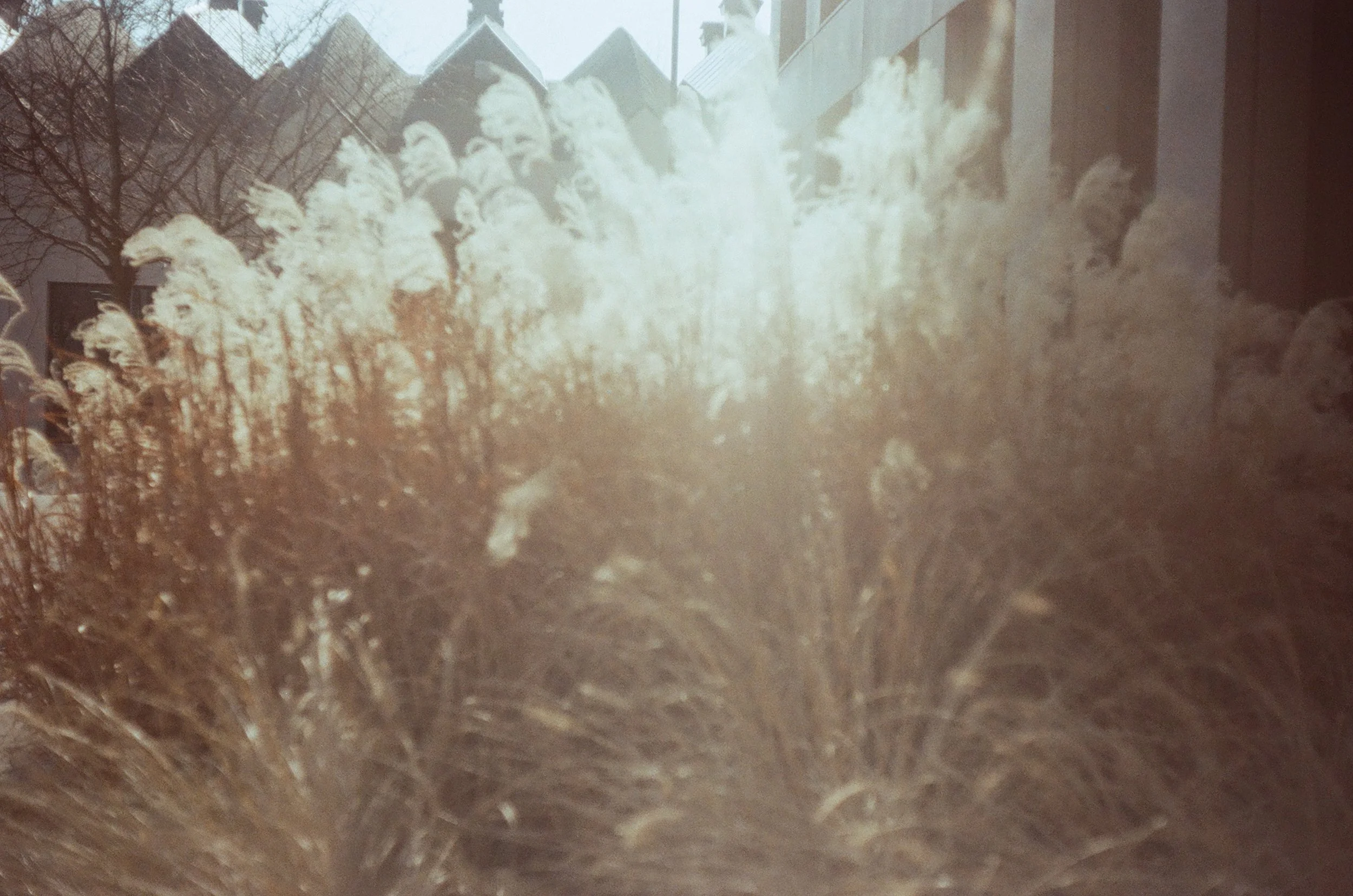
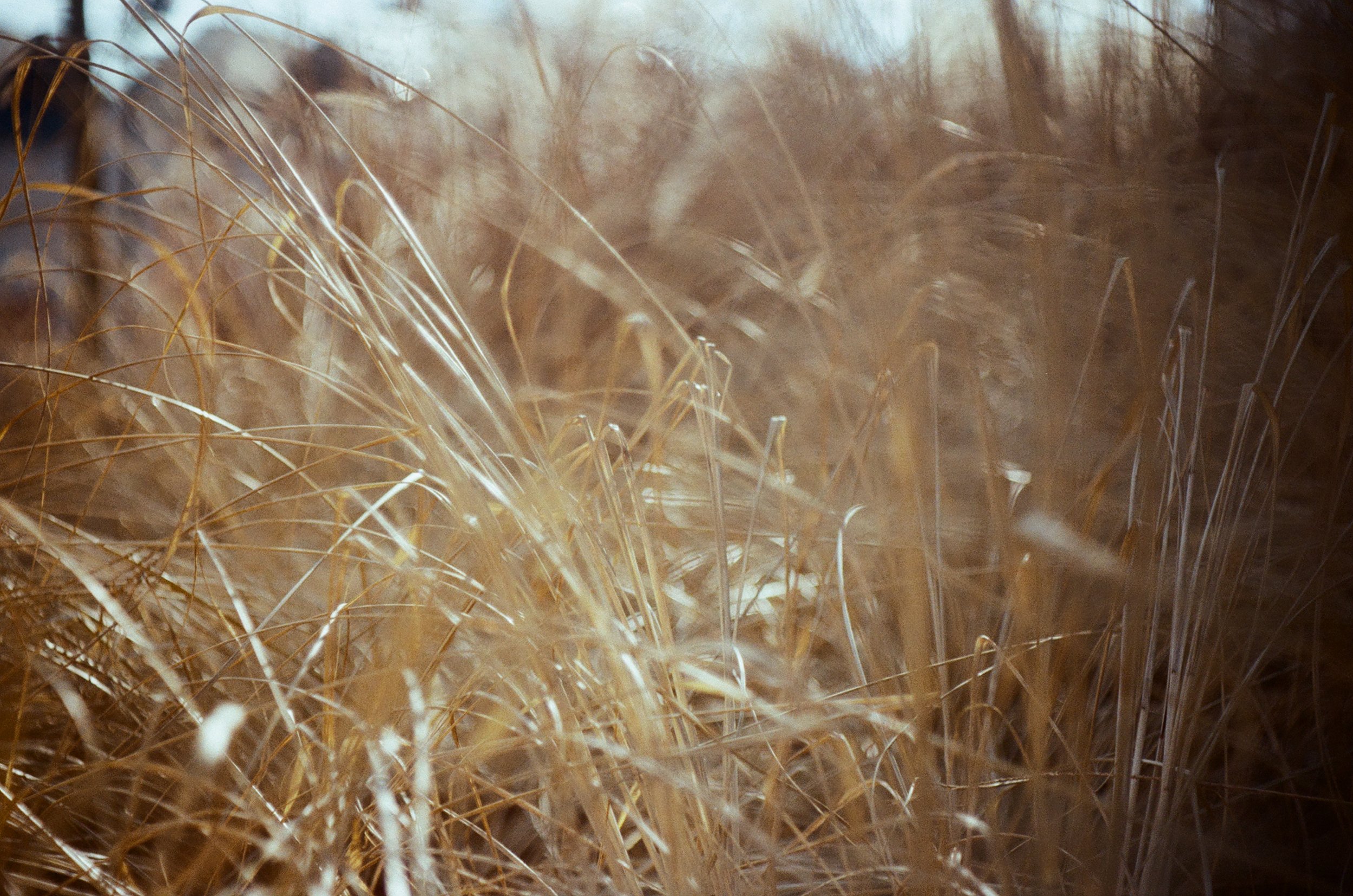
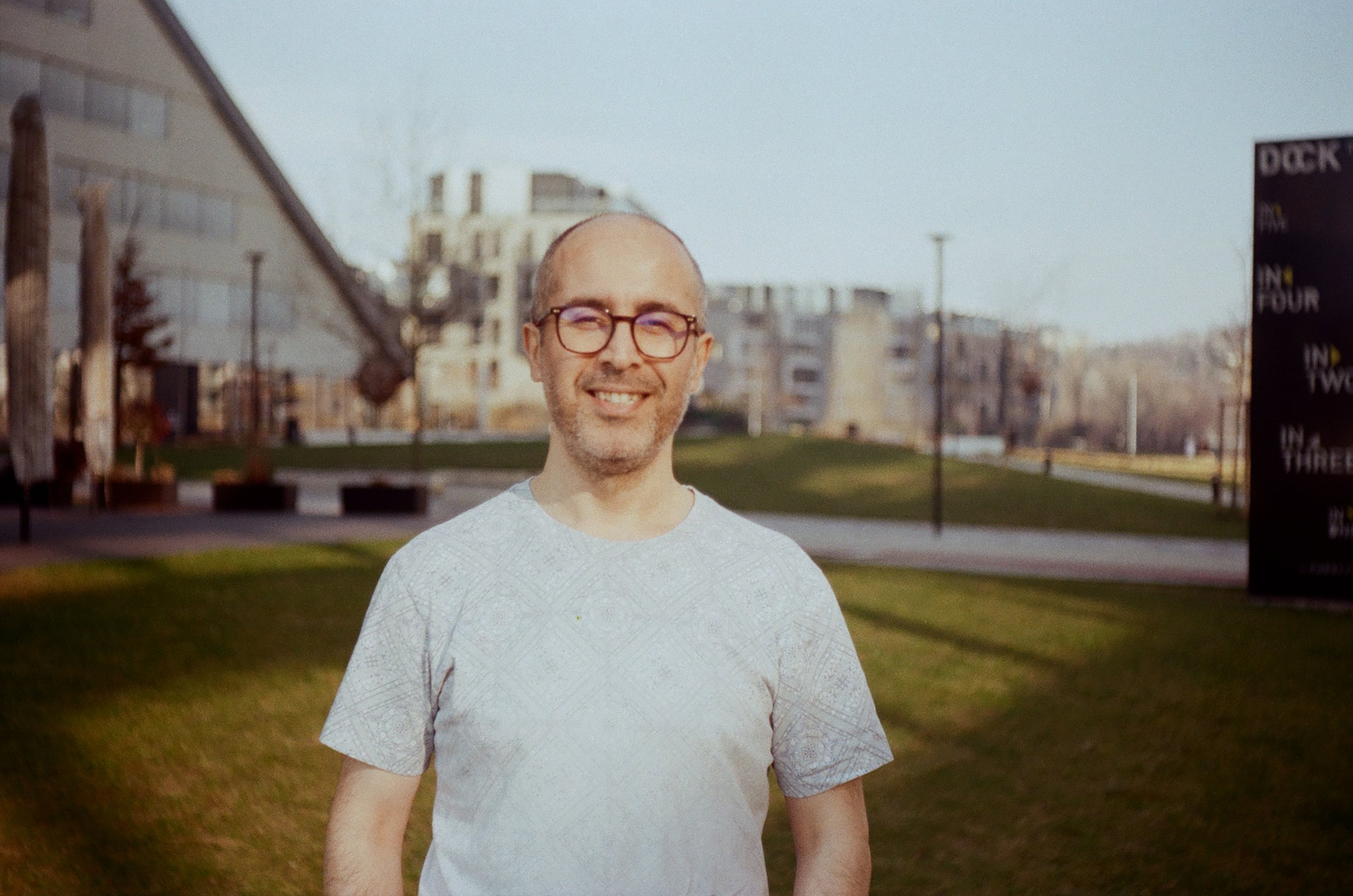
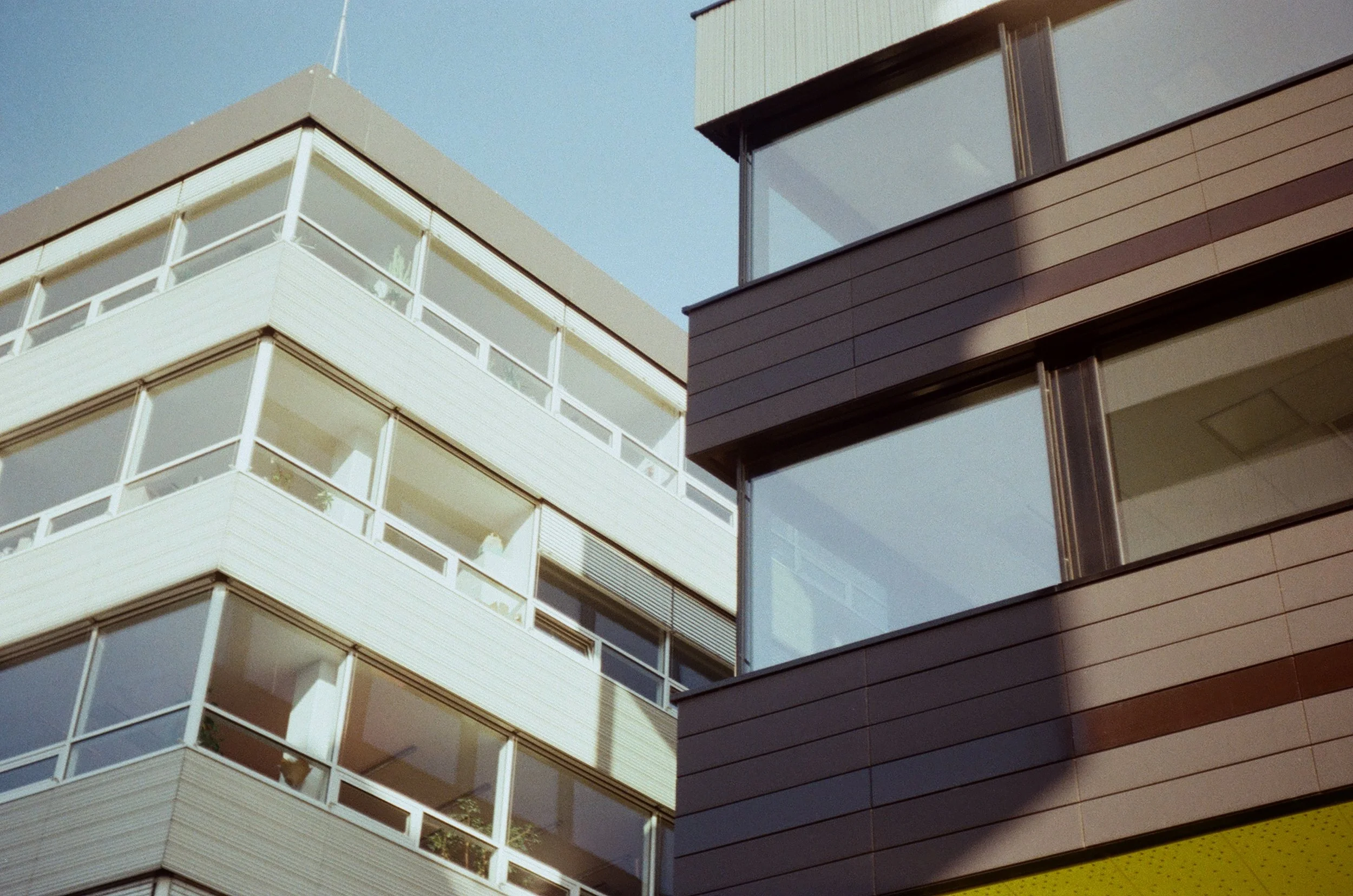
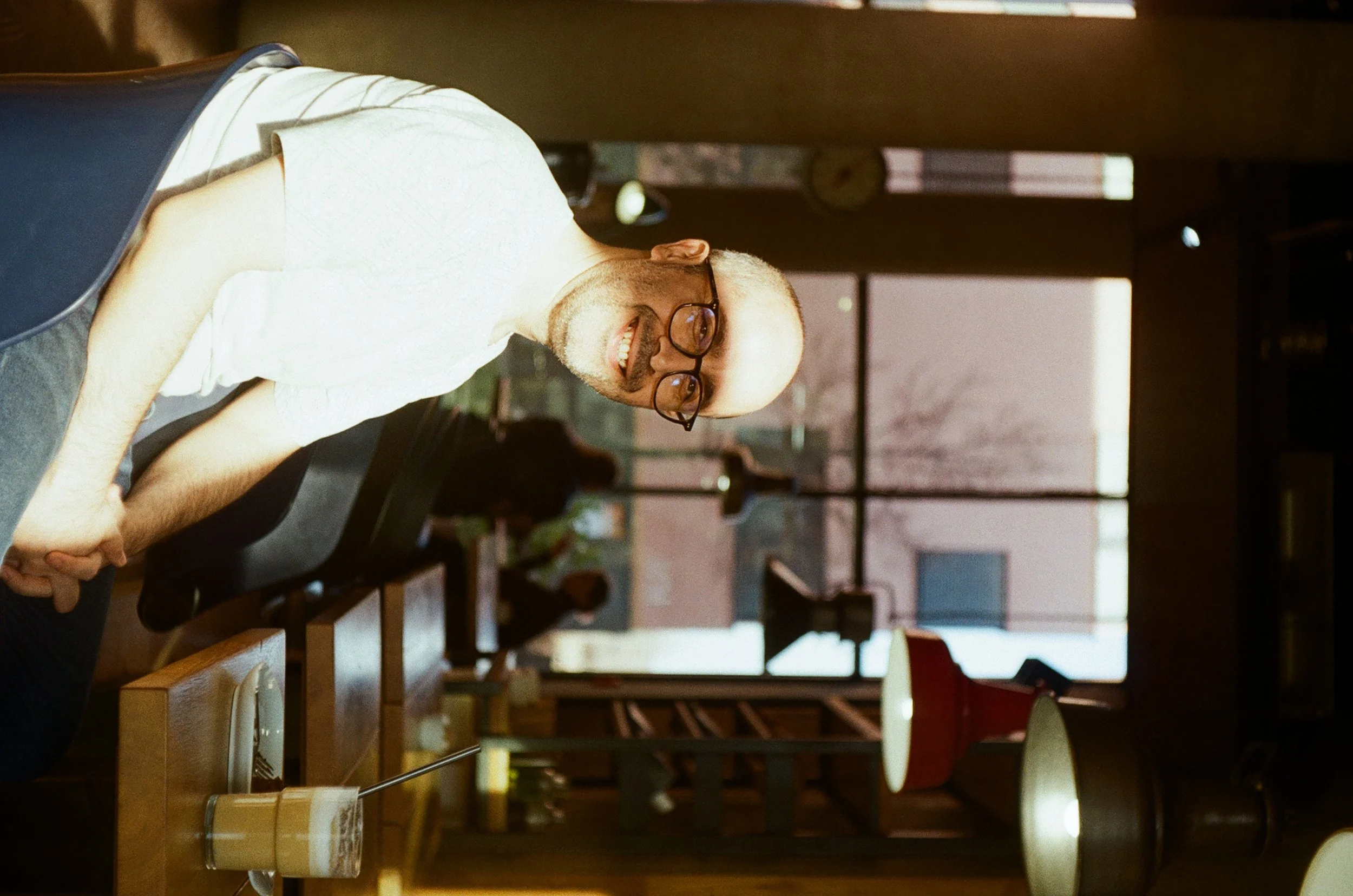
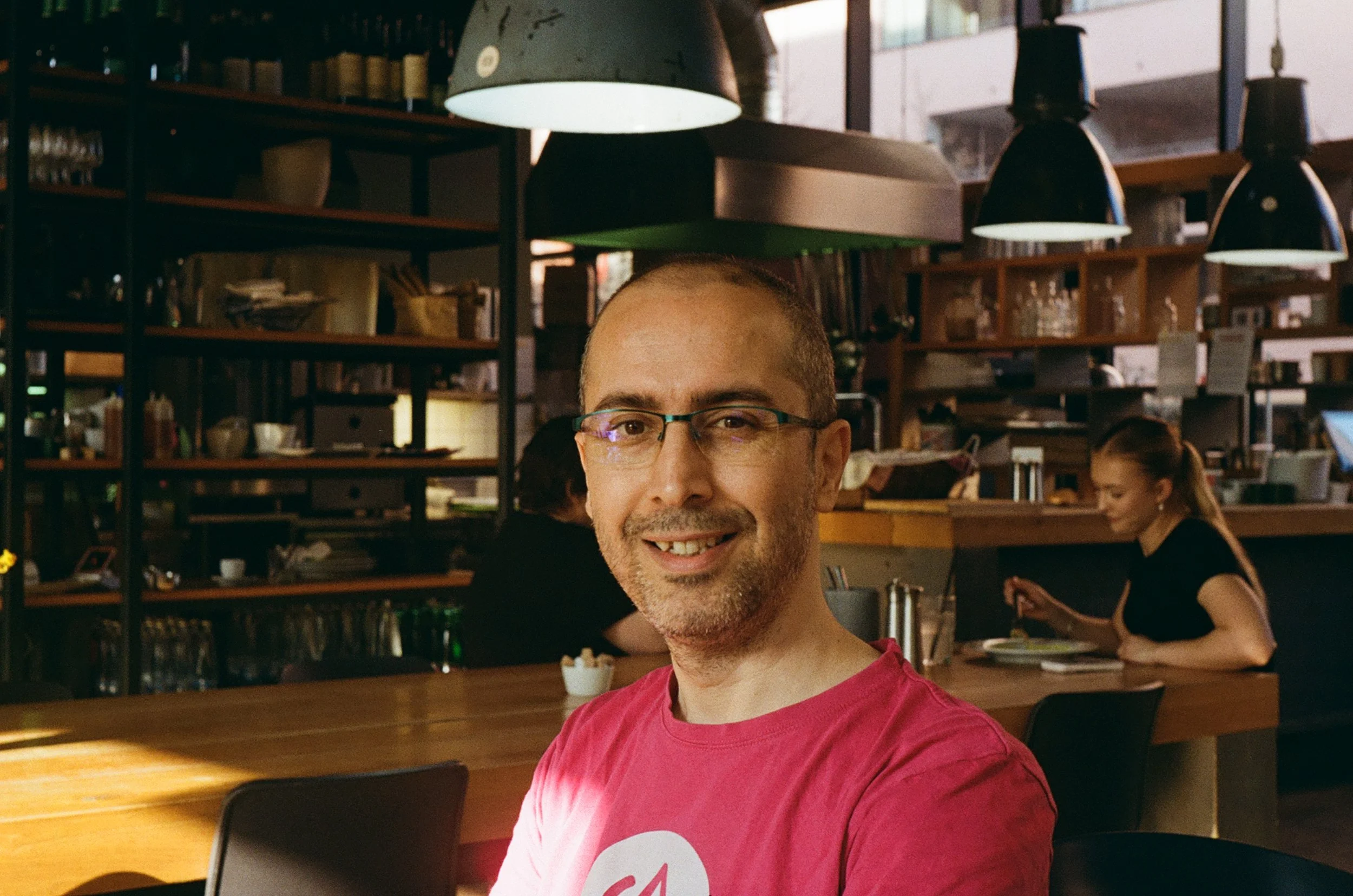
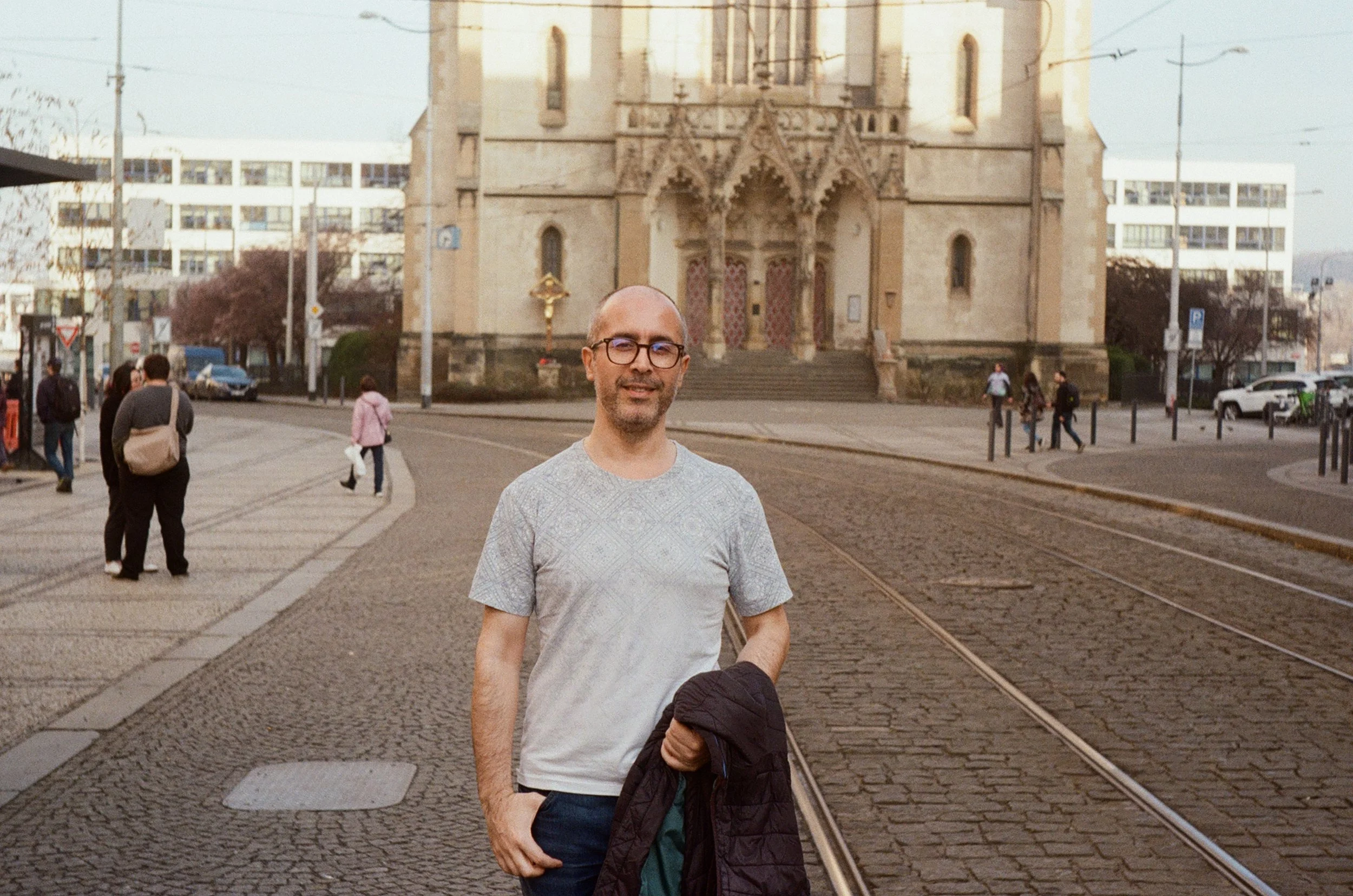
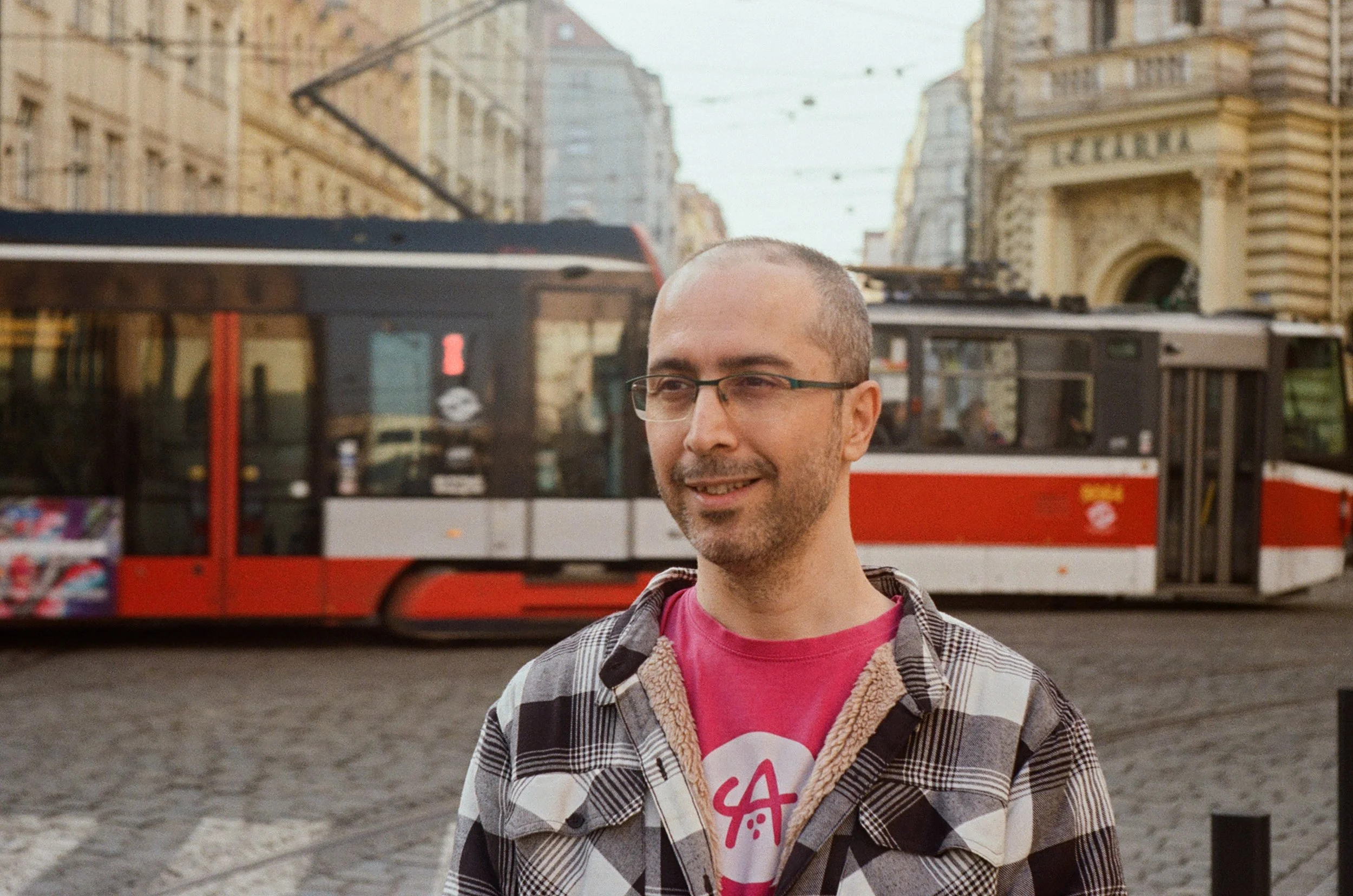
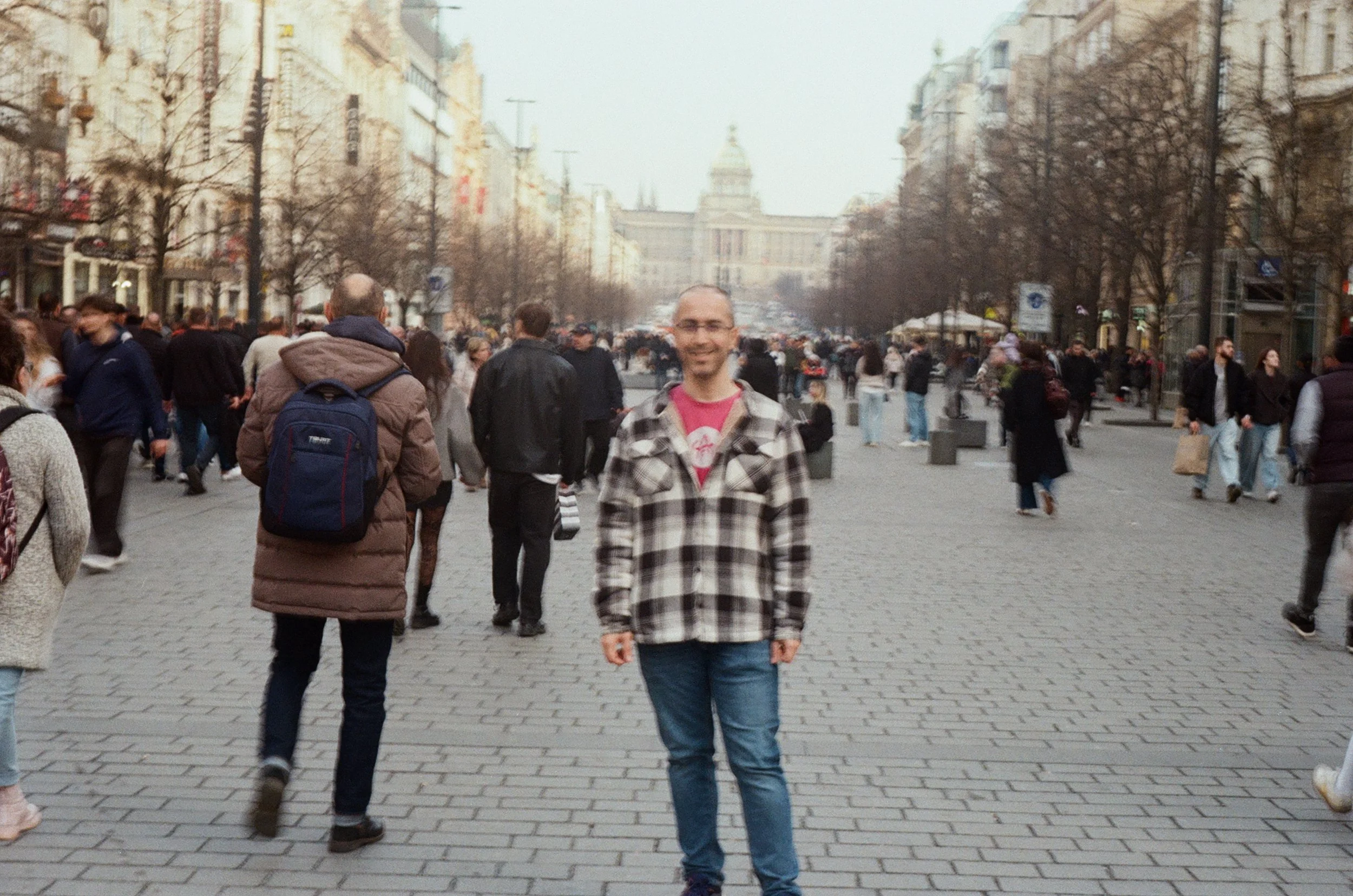
This camera was my very first experience with analog photography. I clearly remember feeling that everything I did was wrong, and that all the photos would come out ruined or useless. We dropped the film off for developing and scanning with a mix of curiosity, anticipation, and a lot of anxiety. When I saw the results, I was so shocked I could hardly believe I'd taken all those photos myself. Contrary to what I expected, every single shot had something to teach me.
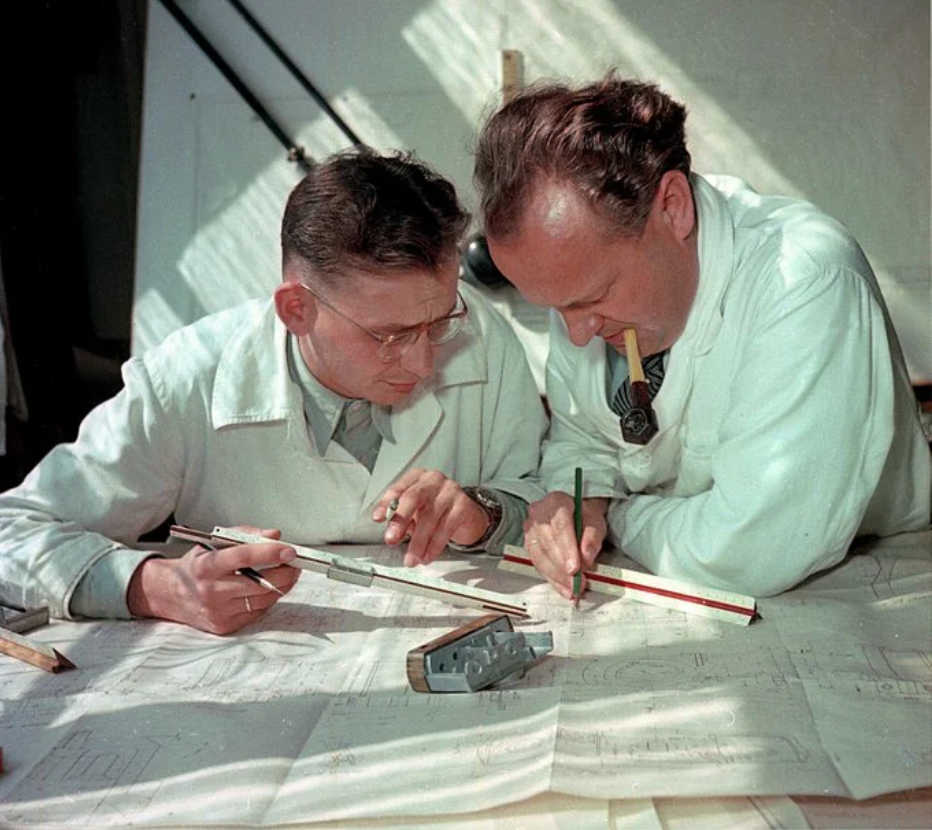
Designers Werner Broche and Kurt Wagner
تجربهی من با دوربین وِرا ۳ و فیلم کداک اولترامکس ۴۰۰
این دوربین یکی دیگه از شاهکارهای آلمانِ شرقیه که با جرئت میتونم بگم بهترین لنز دنیا رو روی خودش داره و واقعاً لایق اسم کارل زایسه. یه دوربین خیلی خاص، خیلی سبک و طبق معمول کاملاً آنالوگ و مکانیکی.
لنزی که روی این دوربین فوقالعاده نشسته زایس تسار ۵۰ میلیمتریه. بدنهش هم یه روکش پلاستیکیِ چرممانند داره که باعث میشه توی دست سُر نخوره.
یکی از چیزایی که وقتی برای اولین بار دستم گرفتمش حسابی غافلگیرم کرد این بود که هیچ اهرم یا کلیدی برای جلو زدن فیلم نداره. اصلاً کلید خاصی روش نمیبینی؛ فقط یه دکمهی شاتر بالاش هست و یه لنز جلوش! وِرا واقعاً یکی از مینیمالترین و قشنگترین دوربینهای آنالوگیه که تا حالا دستم گرفتم و خیلی خوشحالم که باهاش عکاسی هم کردم!
طراحی وِرا هم چالشهای خودش رو داشت. این دوربین رو ورنر بروخه و کورت واگنر طراحی کردن و یکی از اصلیترین معیارهاشون این بود که قیمتش پایین بمونه؛ چیزی حدود صد مارک توی اون دوره. ولی ارزون بودن به این معنی نبود که از کیفیتش کم بشه. محل تولیدش هم شهری به اسم آیسفلد کنار رود وِرا بود و اسم دوربین هم از همین رود میاد.
این دوربین تا سال ۱۹۶۸ تولید میشد و ۲۲ مدل مختلف ازش ساخته شد.
مدلی که من دارم متأسفانه درِبِ لنزش رو نداره؛ همون کاوری که اون ظاهر یونیک رو بهش میده. جالبیش اینه که میشد همین کاور رو برعکس روی لنز سوار کرد تا نقش هود و سایهبون لنز رو بازی کنه.
یکی دیگه از ویژگیهاش اینه که سه تا لنز مختلف براش ساخته شده. لنز روی بدنه پیچ میشه و میتونی لنزهای ۳۵ و ۱۰۰ میلیمتری رو هم روش ببندی. به نظرم توی بیشتر موقعیتهای عکاسی همین سه تا لنز کاملاً آدم رو بینیاز میکنه.
پشت دوربین یه ویوفایندر هست که به اندازهی کافی روشنه و راحت میشه باهاش شاتها رو کادربندی کرد. فاصلهیابش هم خیلی دقیقه؛ با چند تا منشور مختلف یه تصویر ترکیبی میسازه و وقتی از ویوفایندر نگاه میکنی، میتونی خطهای عمودی و افقی رو روی هم بندازی و اینجوری مطمئن بشی تصویرت توی فوکوسه. استفاده از این قابلیت واقعاً کیف داشت و عکسهای نهایی حسابی شگفتزدهم کرد!
میخوای بعد از هر عکس فیلم رو جلو بزنی؟ این دوربین قراره حسابی غافلگیرت کنه! باید رینگی رو که جلوی دوربین هست و همرنگ خود بدنهست بچرخونی، تازه بعدش میتونی عکس بعدی رو بگیری! این ویژگی در مقایسه با دوربینهای اون دوره واقعاً غیرعادی و خلاقانه بود و لذت کار با این دوربین رو چند برابر میکنه.
این دوربین اولین تجربهی من با عکاسی آنالوگ بود. خوب یادمه که مدام حس میکردم هر کاری میکنم اشتباهه و قراره همهی عکسها خراب بشن یا به درد نخورن. با یه عالمه کنجکاوی، انتظار و استرس فیلم رو دادیم برای ظهور و اسکن، و وقتی نتیجه رو دیدم اونقدر شوکه شدم که باورم نمیشد همهی این عکسها رو خودم گرفتم. برخلاف تصورم، هر کدوم از عکسها یه چیزی داشت که میشد ازش یاد گرفت.