Dust, Light Leaks and Time: Shooting with a Zeiss Ikon Ikonta
For as long as I can remember, I've loved old photographs. Back when I lived in Iran, my whole window to the outside world was a slow internet connection that trickled into the house drop by drop. Even through countless VPNs and filter-breakers, I found my way to photography and art sites. Flickr and Pinterest were regular stops, and Blogger especially, where so many people posted old photos. I'd sink into those images and imagine the lives, the voices, the people and their conversations, with no sense of time passing. I'd quench my thirsty soul as much as I could, then close the tabs with burning eyes and an overflowing mind.
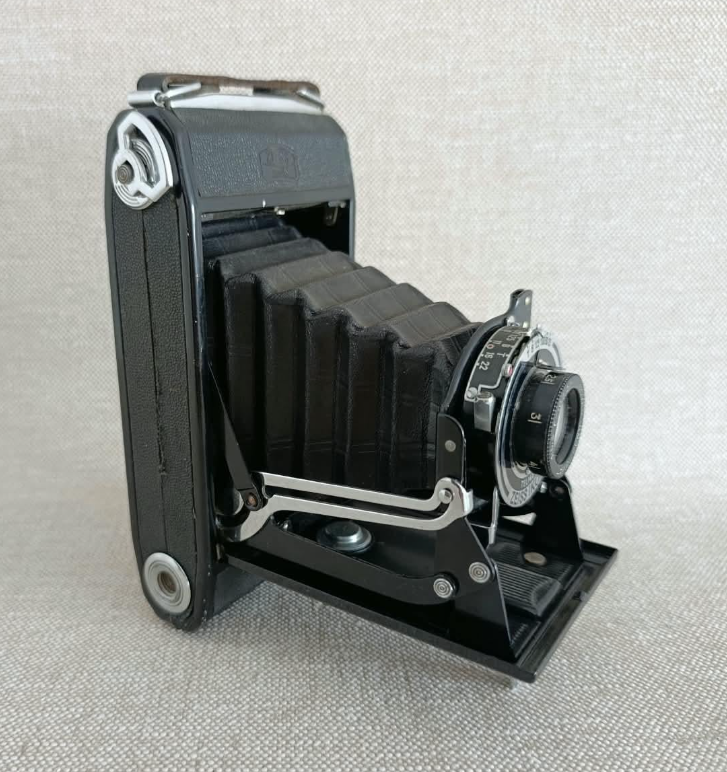
I came across this camera completely by chance. I don't remember exactly how, but suddenly I was searching for Zeiss Ikon folding cameras. As it turns out, finding them in Prague isn't hard at all. I wanted, by any means possible, to get my hands on the kind of camera that had captured those old photos, and eventually I did.
This folding camera has a Nettar Anastigmat lens from Zeiss Ikon, 75mm f/4.5. It takes 120 roll film, which makes it a medium-format camera.
The first time I held it, I was amazed and delighted by how compact it was. I imagined being someone special living in the late 1930s, lucky enough to own a camera at a time when not everyone could. That feeling went straight to my head.
The camera is fully mechanical. You set everything yourself, and you even have to estimate the distance to your subject. It's a strange kind of thrill. When you open the camera, the lens springs out on its own and locks into place on two struts. You cock the shutter by hand, and you set the shutter speed and aperture on the lens itself. After every shot you wind the film forward, watching the frame numbers on the back through a small red window.
It does have a few light leaks, which is completely understandable for its age. Honestly, though, I fell in love with them, and with the dust that settles on the film inside the camera. As you walk around with it, jostle it, or slip it into your bag or pocket, specks and particles land on the film and show up in the photos. I'm sharing all of them so you can see.
Omid and I ran two tests, one in color and one in black and white: Kodak 400 and Fomapan 400.
A Brief History
Carl Zeiss originally built high-end optics. In 1926 it brought several German camera makers together in Dresden to form its own camera company, Zeiss Ikon.
A couple of years after launching the Ikonta, Zeiss Ikon released a lower-spec line of it under the name Nettar.
The Nettar 515 was a folding camera that made 6×4.5 cm frames on 120 film, produced from 1937 to 1940.
These were the smallest cameras in the 4.5×6 format. Compared to the Ikonta, they came with simpler lenses and shutters, and their struts had only two parts instead of three.
They were made mainly before the war, with production continuing until the fall of the Third Reich, and production didn't resume afterward.
This version, with the Nettar f/4.5 75mm lens and a Klio shutter, was a "family" model: entry-level, but good enough to make solid black-and-white pictures. The 4.5×6 format was also economical, getting more frames out of each roll.
For a budget camera that's nearly ninety years old, the sharpness of this lens was the biggest surprise of the whole test.
خاک، نشتی نور و زمان؛ عکاسی با زایس آیکون ایکونتا
از وقتی یادمه، همیشه عاشق عکسای قدیمی بودم. اون موقع که ایران زندگی میکردم، کل دنیای من به بیرون یه اینترنت کند بود که قطرهقطره میرسید خونه. با هزار جور ویپیان و فیلترشکن خودمو میرسوندم به سایتای عکاسی و هنری. فلیکر و پینترست از اونایی بودن که خیلی بهشون سر میزدم، مخصوصاً بلاگر که کلی آدم اونجا عکس قدیمی پست میکردن. غرق میشدم توی عکسا. زندگیها، صداها، آدما و حرفاشونو تصور میکردم و اصلاً گذر زمانو حس نمیکردم. تا جایی که میشد روح تشنهمو سیراب میکردم و بعد با چشمای سوزون و ذهنی پر، سایتا رو میبستم.
خیلی اتفاقی به این دوربین برخوردم. دقیق یادم نیست چطور، ولی یهو دیدم دارم دربارهی دوربینای تاشوی زایس آیکون سرچ میکنم. اتفاقاً پیدا کردن این دوربینا توی پراگ اصلاً کار سختی نیست. هر جور شده میخواستم دستم برسه به همون دوربینی که اون عکسای قدیمی رو ثبت میکرد، و آخرش هم موفق شدم.
این دوربین تاشو یه لنز نتار آناستیگمات از زایس آیکون داره، ۷۵ میلیمتری با دیافراگم ۴.۵. فیلم رول ۱۲۰ میخوره و جزو دوربینای مدیومفرمته.
اولین بار که دوربینو دستم گرفتم، از اینکه انقدر جمعوجوره هم کیف کردم هم تعجب. خودمو جای یه آدم خاص تصور میکردم که اواخر دههی سی میلادی زندگی میکنه و تونسته یه دوربین داشته باشه. نعمتی که اون موقع هر کسی نداشت. حسابی از این حس سرمست بودم.
دوربین کاملاً مکانیکیه و همهچی رو باید خودت تنظیم کنی، حتی فاصلهت تا سوژه رو هم باید خودت تخمین بزنی. یه هیجان عجیبی داره. دوربینو که باز میکنی، لنز خودش میاد بیرون و با دو تا اهرم سر جاش قفل میشه. شاترو باید کوک کنی و سرعت شاتر و دیافراگم هم روی خود لنز تنظیم میشه. هر بار هم باید فیلمو جلو بزنی تا بتونی عکس بعدی رو بگیری. شمارهی فریمها هم پشت دوربین از زیر یه پنجرهی قرمز کوچیک معلومه.
البته دوربین یه کم نشتی نور داره که با این سنوسال کاملاً قابل قبوله. ولی راستش من عاشق همین نشتی نور و گرد و خاکی شدم که توی دوربین روی فیلم میشینه! وقتی عکس میگیری و موقع راه رفتن دوربین تکون میخوره یا میذاریش توی کیف و جیبت، این ذرهها و غبارا میافتن روی فیلم و توی عکس خودشونو نشون میدن. همهشونو میذارم که ببینین.
من و امید دو تا تست گرفتیم، یکی با فیلم رنگی و یکی با سیاهوسفید: کداک ۴۰۰ و فوماپن ۴۰۰.
یه تاریخچهی کوتاه
کارل زایس اولش فقط لنز و اپتیک درجهیک میساخت. سال ۱۹۲۶ توی درسدن چند تا کارخونهی دوربینسازی آلمانی رو با هم یکی کرد و زایس آیکون به وجود اومد.
دوربینای تاشوی ۶×۶ زایس آیکون که فیلم ۱۲۰ میخوردن، از ۱۹۳۷ تا ۱۹۵۳ توی کاتالوگ بودن و چهار نسل ازشون اومد.
حدود ۱۹۵۱ تا ۱۹۵۲ مدل ۵۲۳/۱۶ اومد که منظرهیابش توی بدنهی بالایی جا گرفته بود.
وقتی بستهست، حدود ۵۴۰ گرم وزن داره و ابعادش تقریباً ۱۳.۵ در ۷.۸ در ۴.۵ سانتیه.
با اومدن دههی پنجاه، دوران دوربینای تاشو تموم شد .
نتیجه
عکسا دقیقاً همون حس خاکگرفته، نوستالژیک و قدیمی رو دارن و از این بابت خیلی خوشحالم. لنزش هم برخلاف انتظارم خیلی شارپ و باکیفیته، و توی عکسایی که فوکوسشون درسته کاملاً معلومه.
The Results
The photos have exactly that dusty, nostalgic, old-time feel I was hoping for, and I couldn't be happier. The lens is unexpectedly sharp, and its quality really shows in the frames that are in focus.
Omid and I ran two tests in Prague's Old Town, one in color and one in black and white: Kodak 400 and Fomapan 400.
من و امید دو تا تست توی شهر قدیمی پراگ گرفتیم، یکی با فیلم رنگی و یکی با سیاهوسفید: کداک ۴۰۰ و فوماپن ۴۰۰.
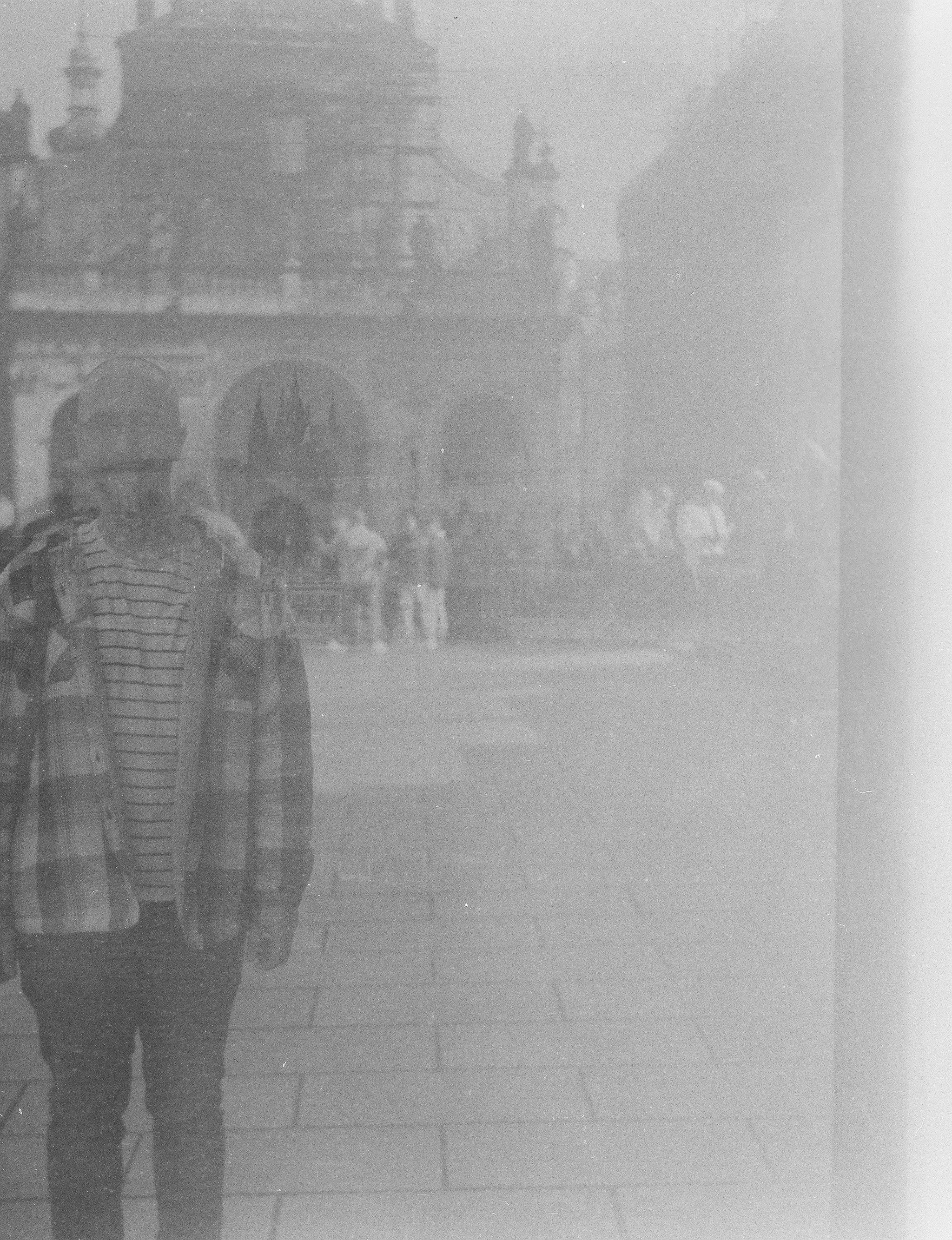
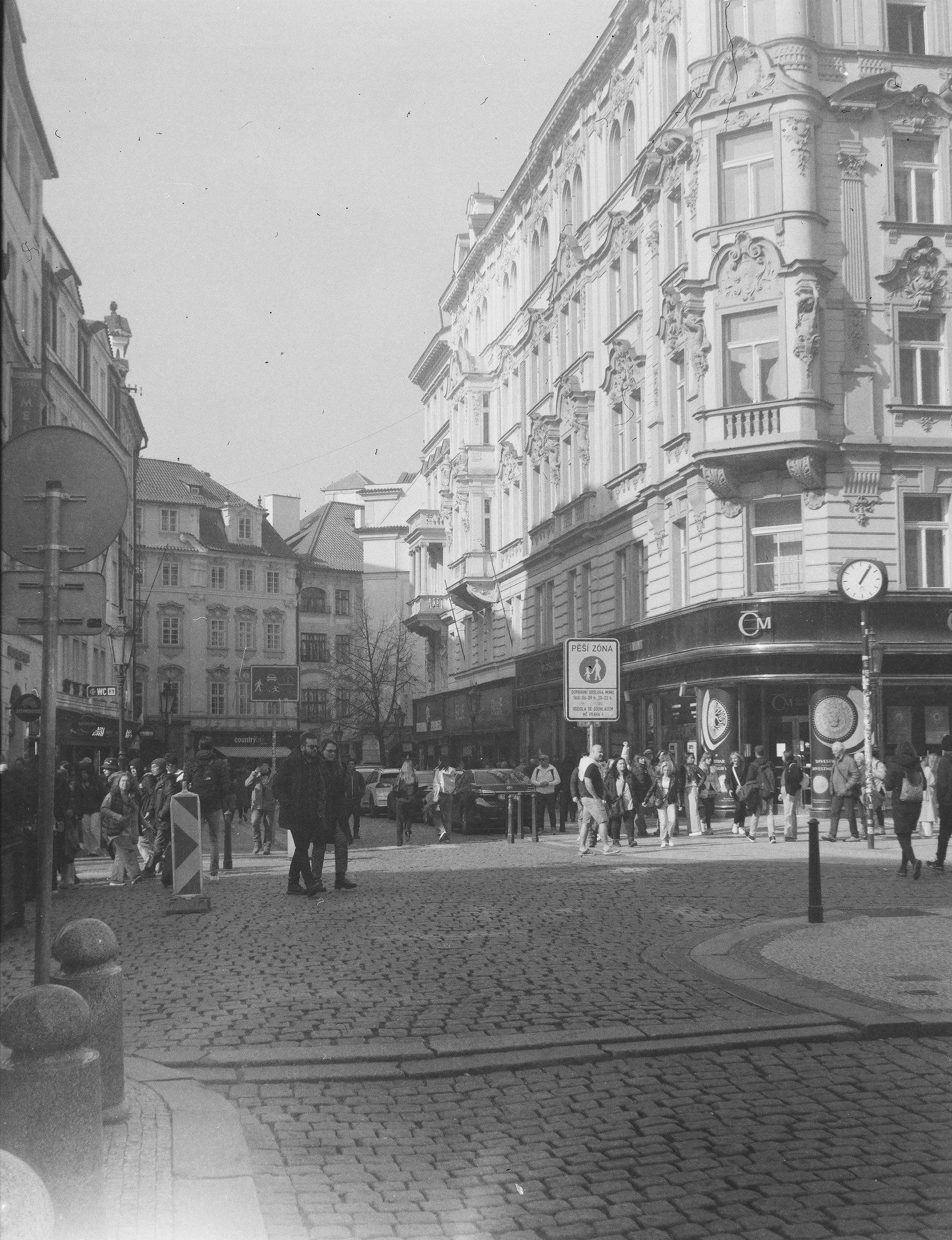
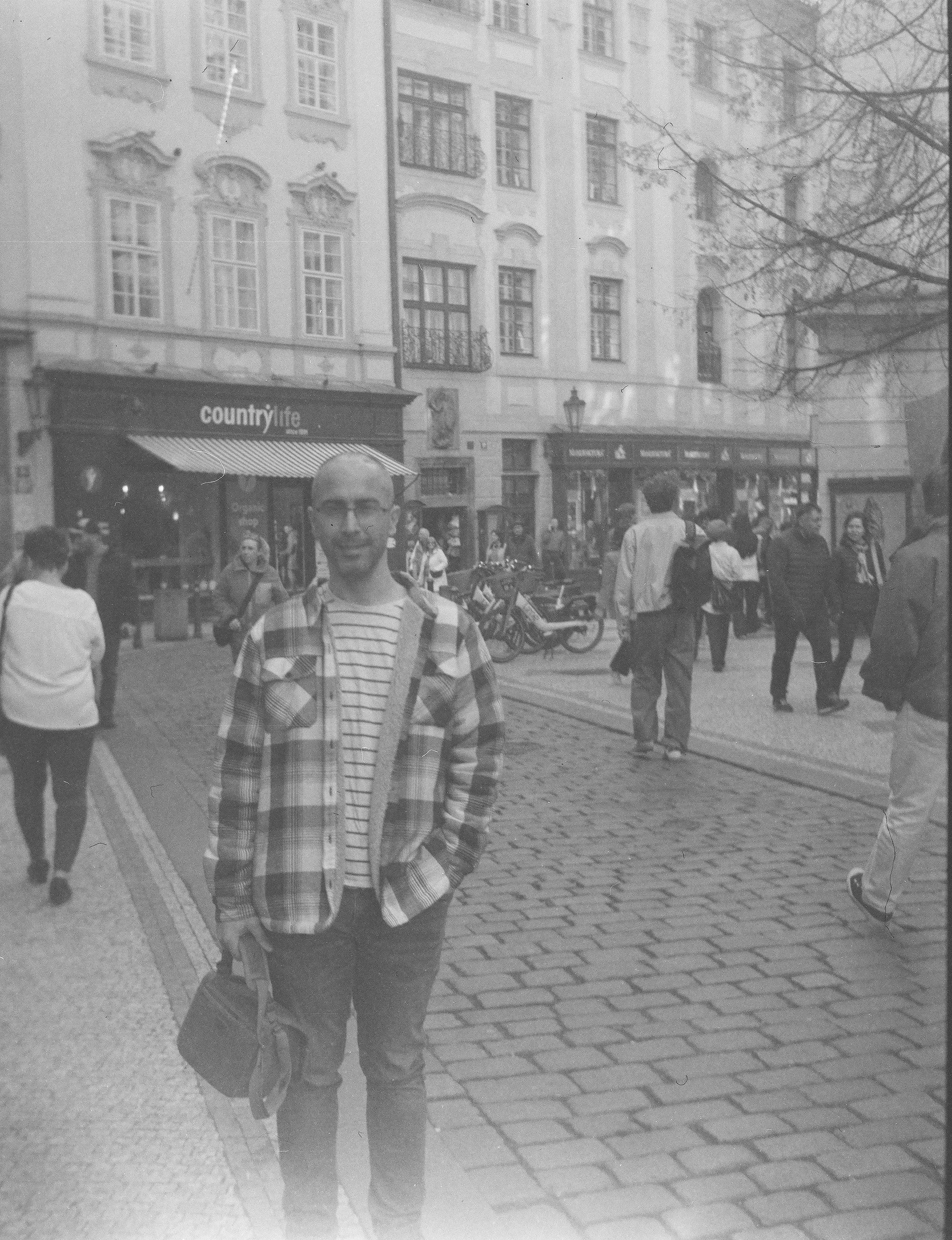
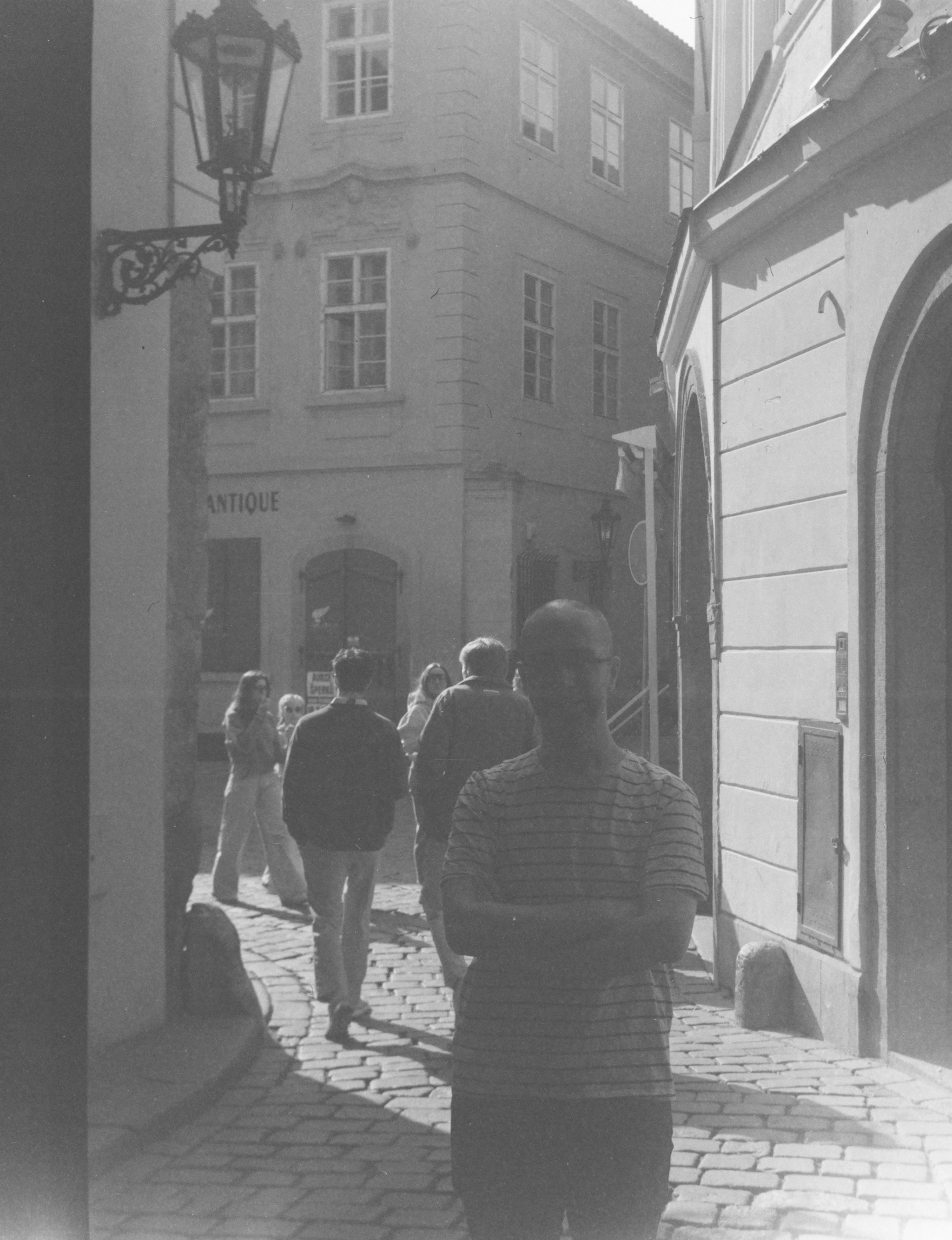
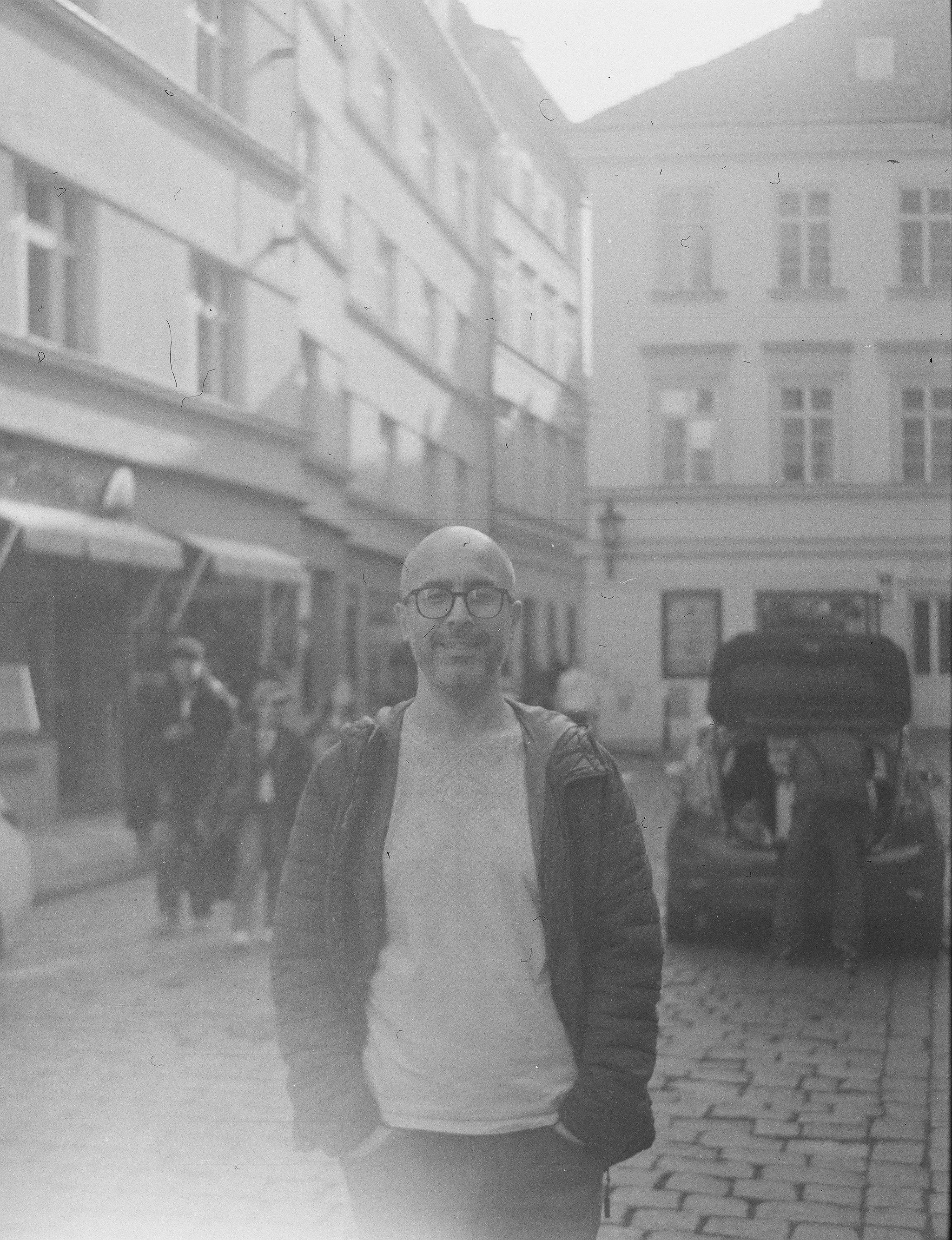
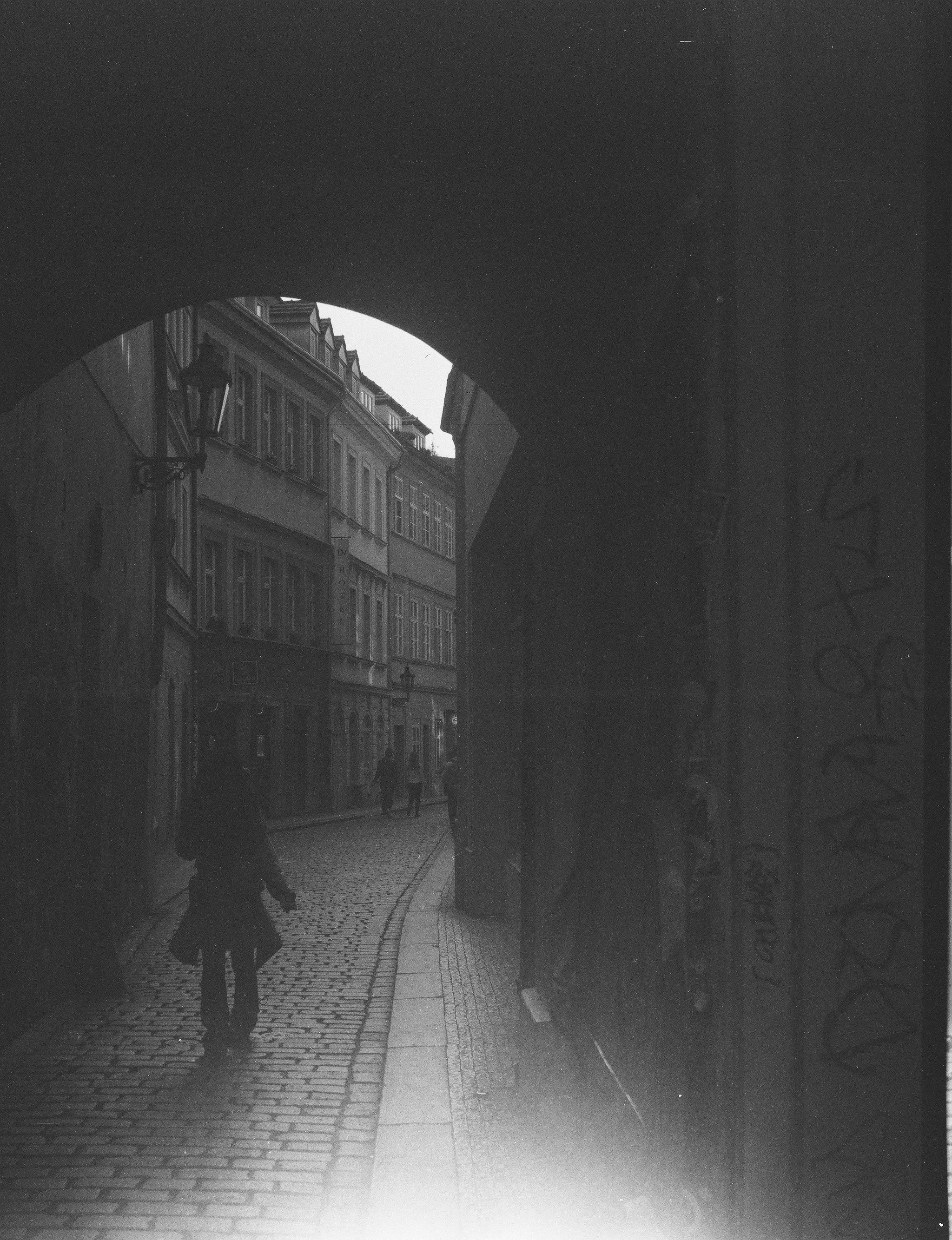
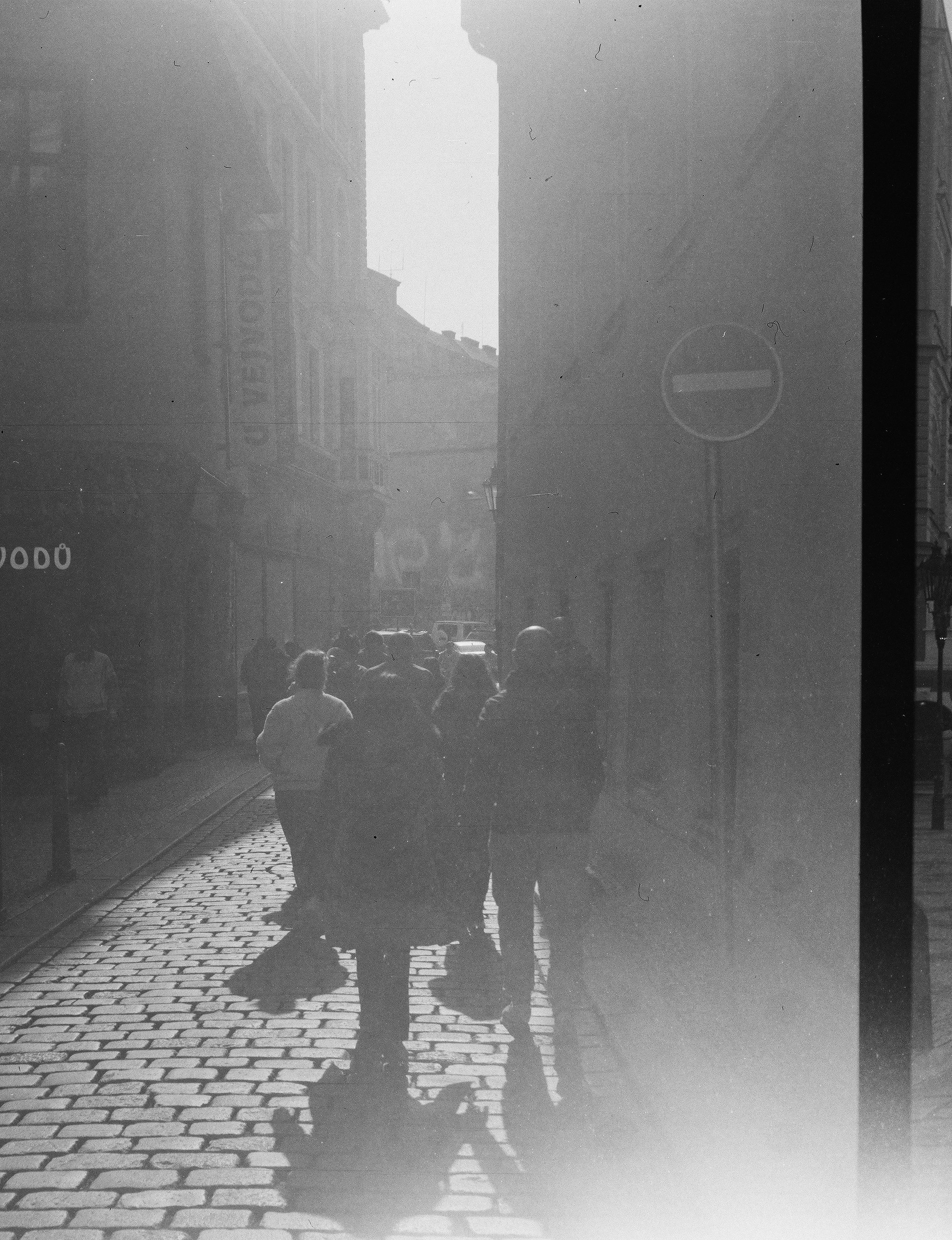
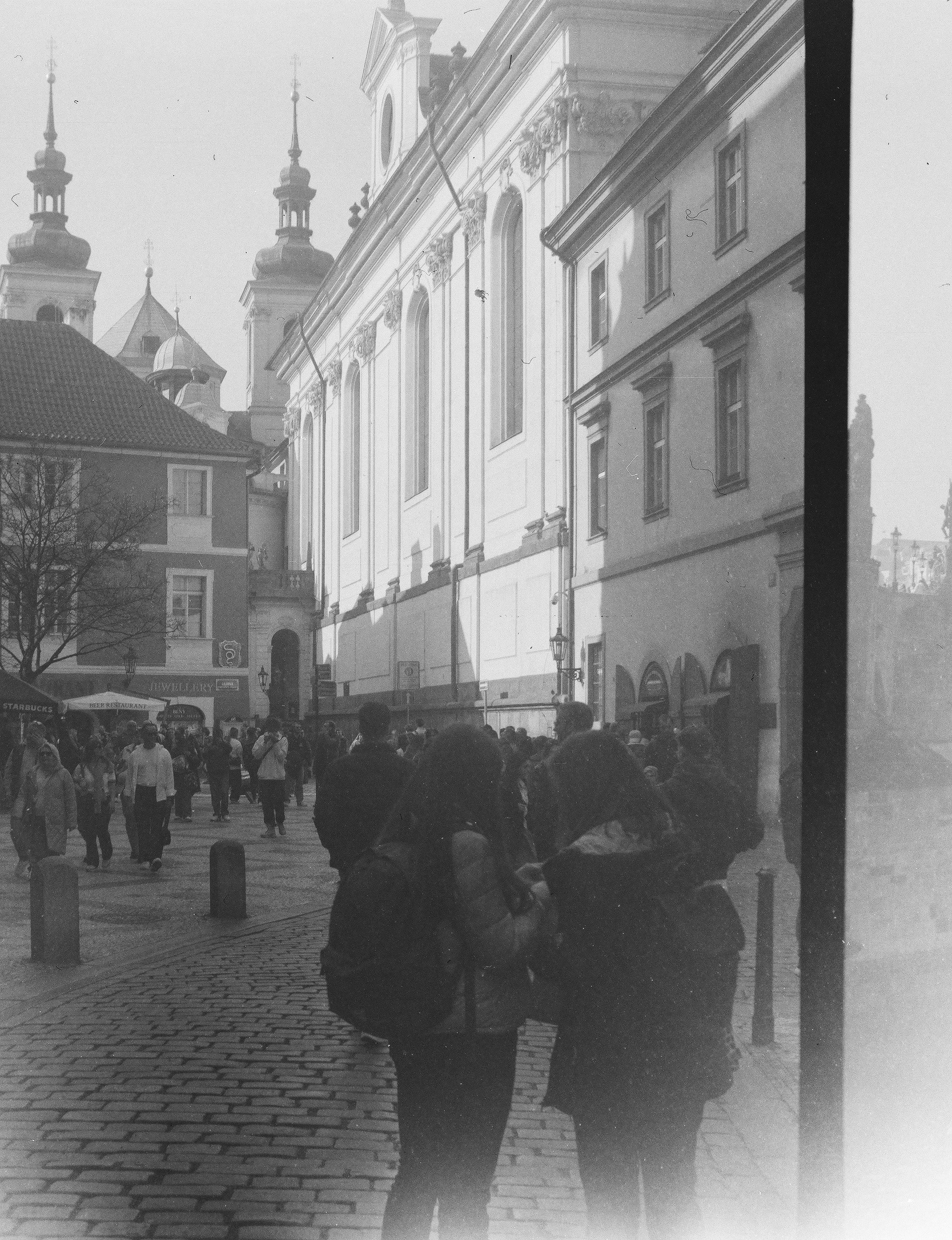
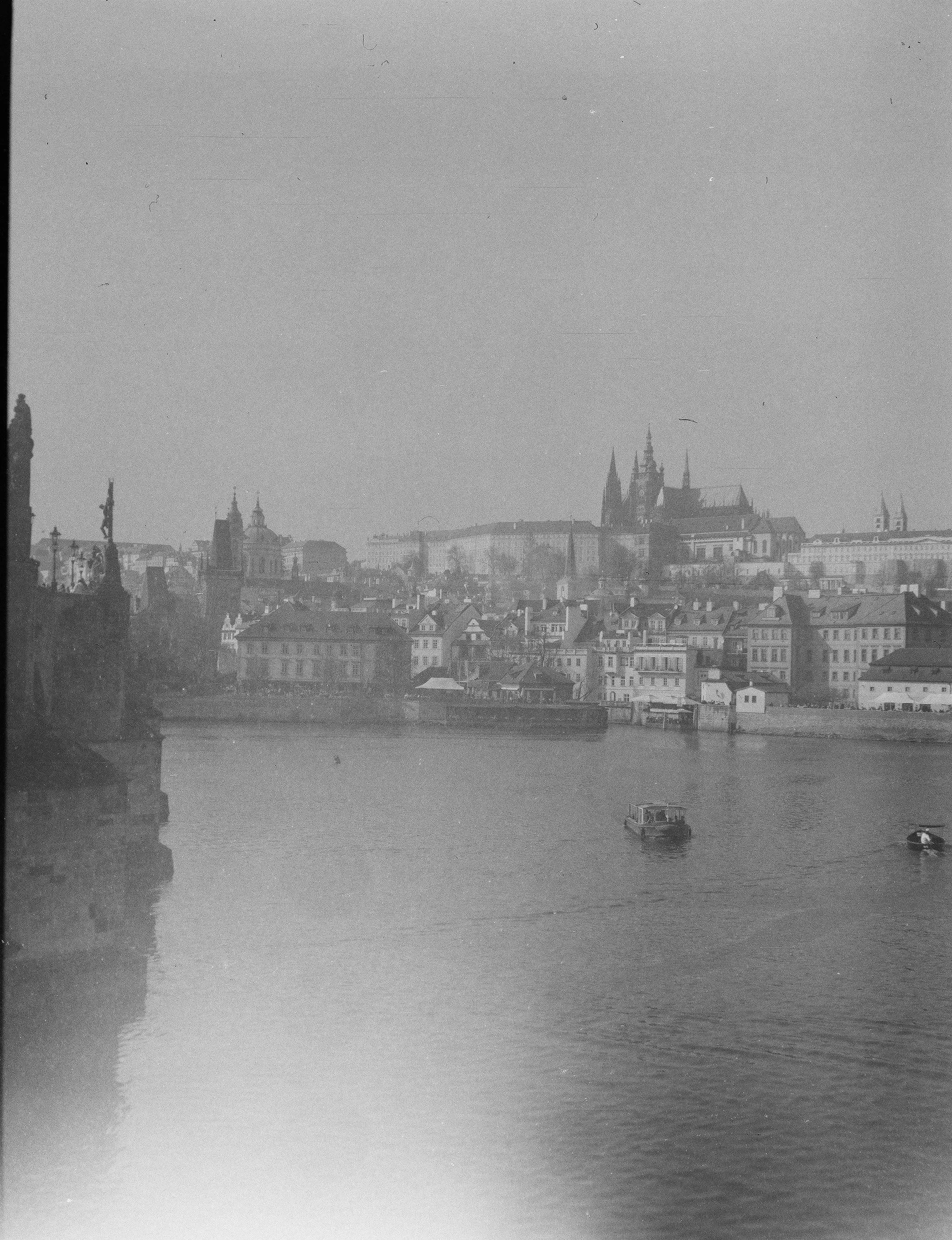
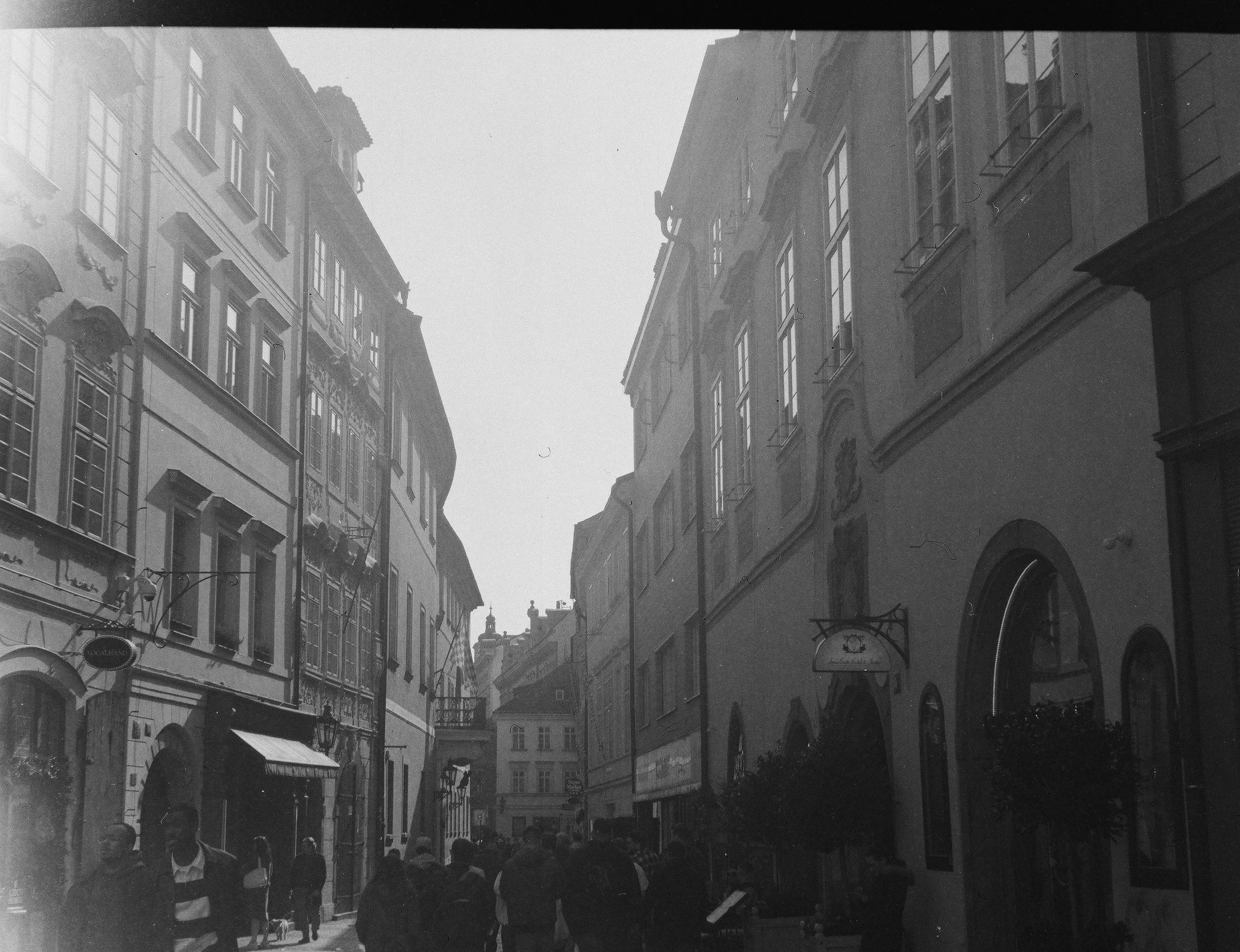
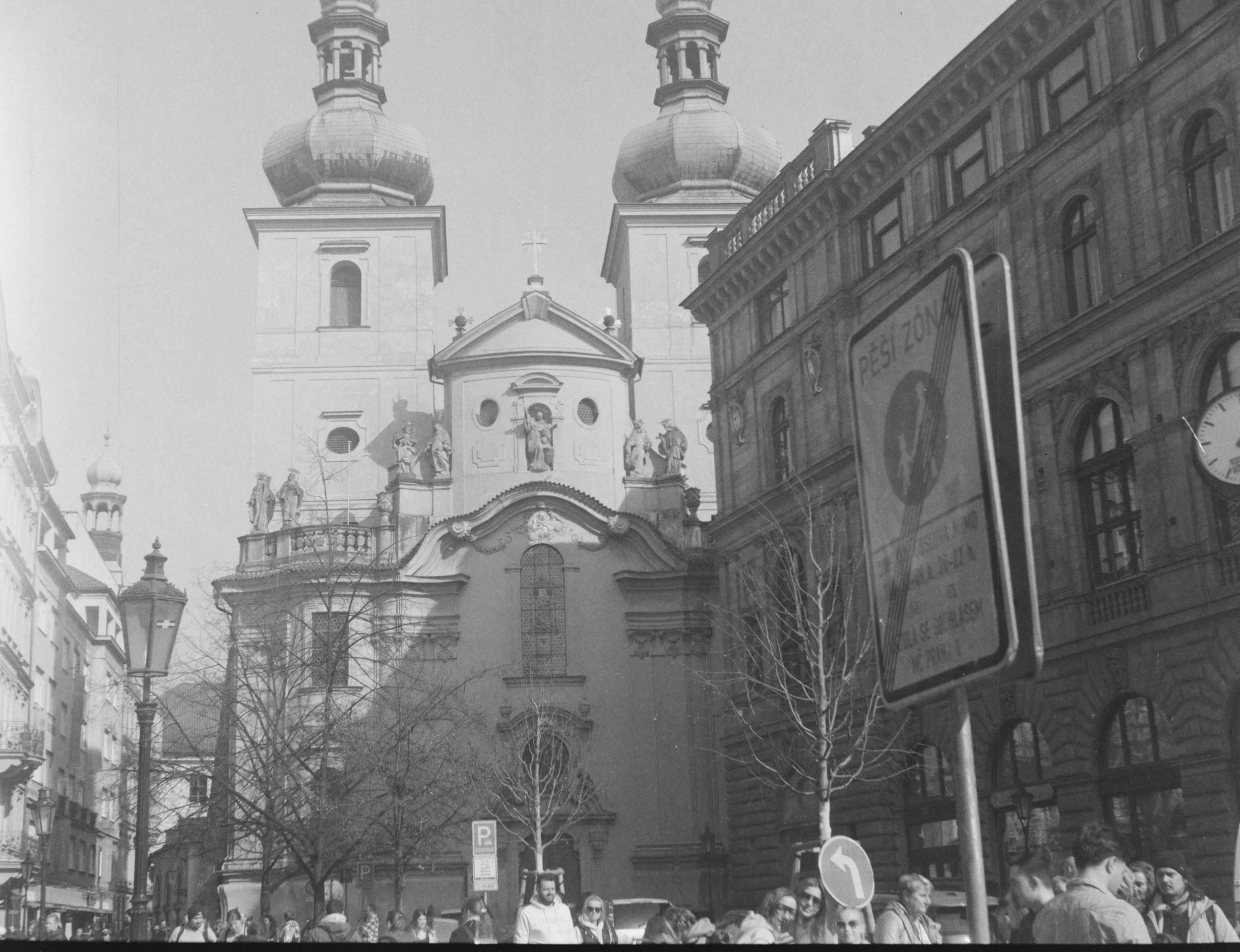
وقتی این دوربین ساخته شد، هنوز نگاتیو رنگی برای عکاسای معمولی وجود نداشت. فیلم رنگی ما چیزی بهش نشون داد که توی دوران خودش هیچوقت ندیده بود.
When this camera was made, color negative film didn't exist yet for everyday photographers. Our color roll gave it something it never saw in its own time.
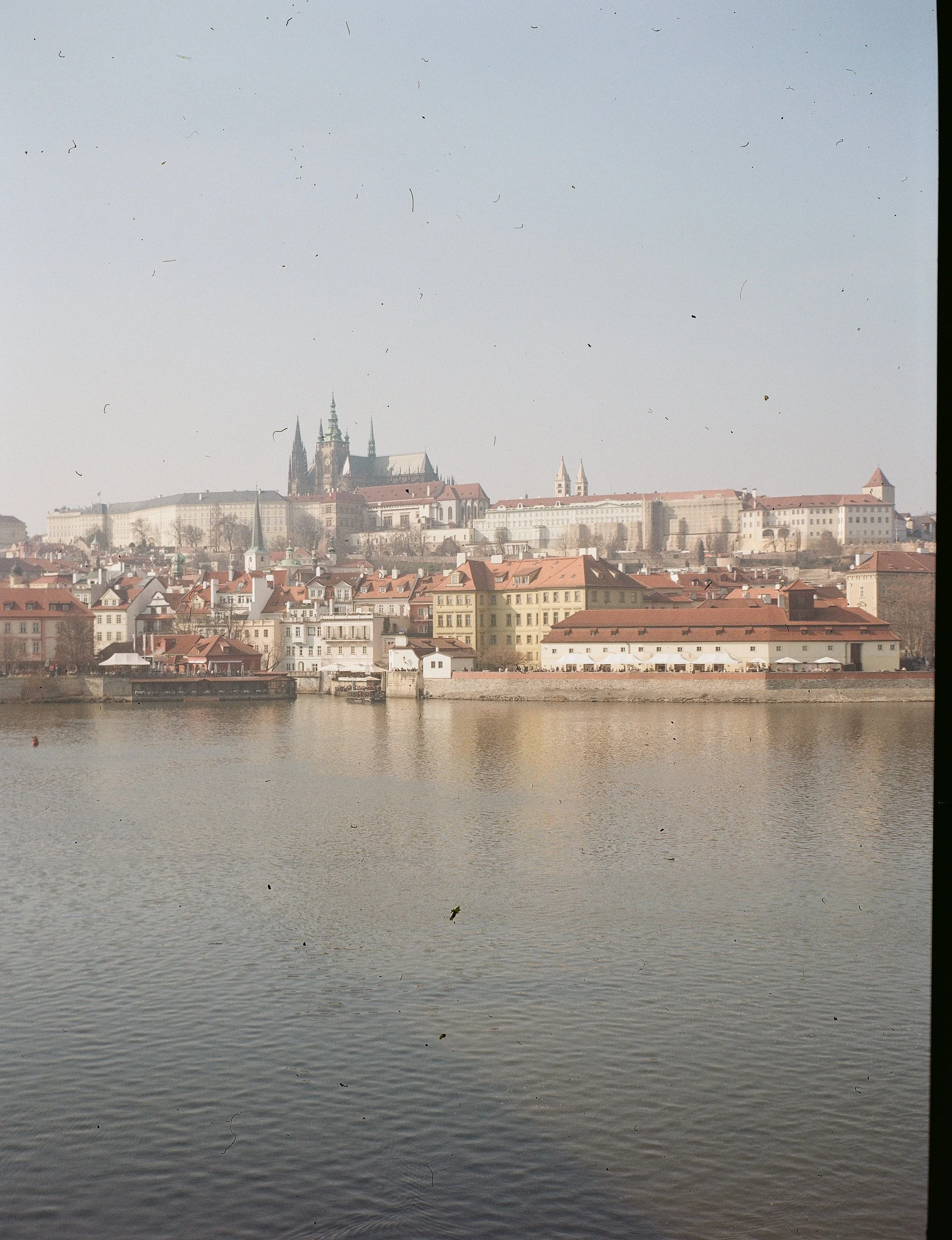
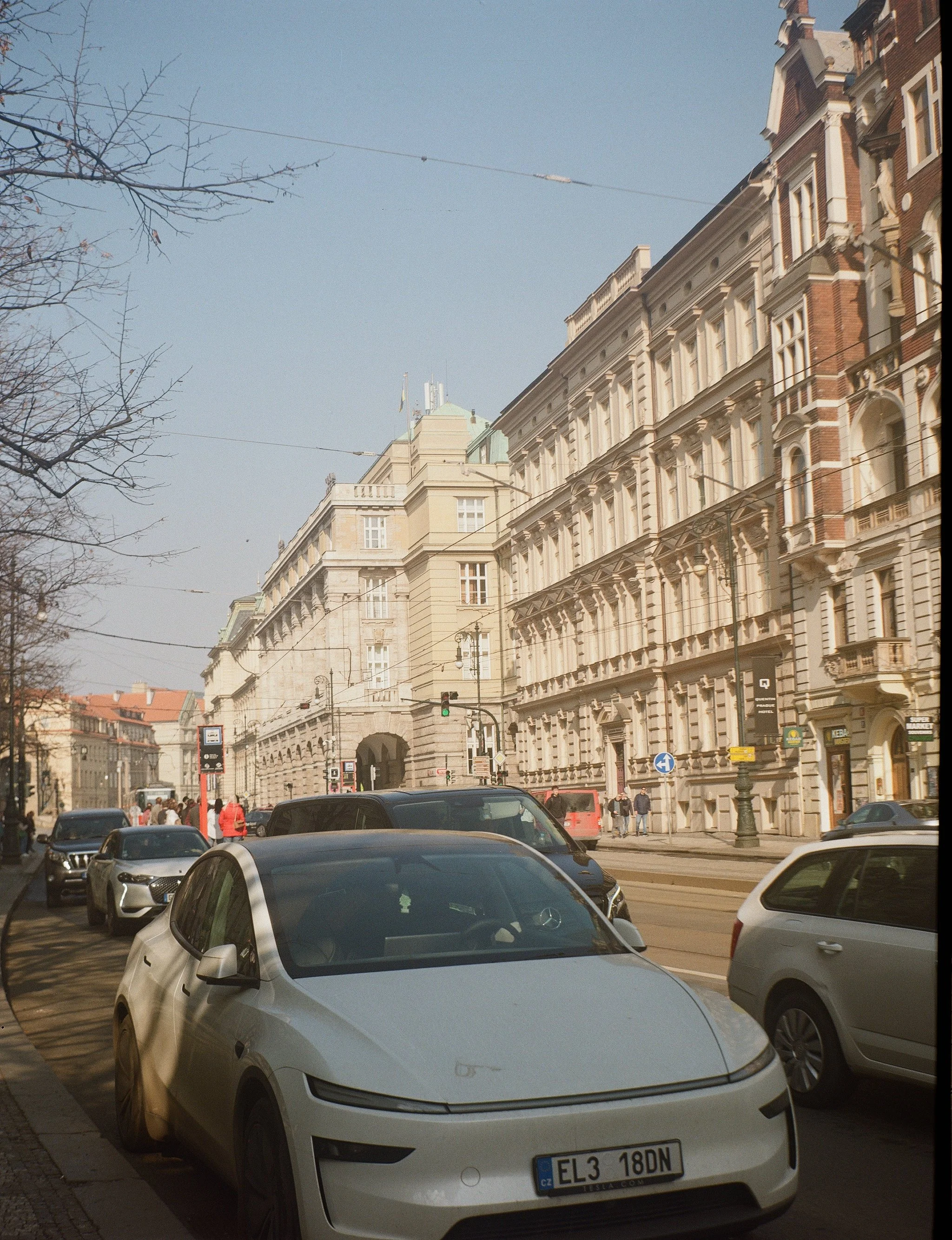
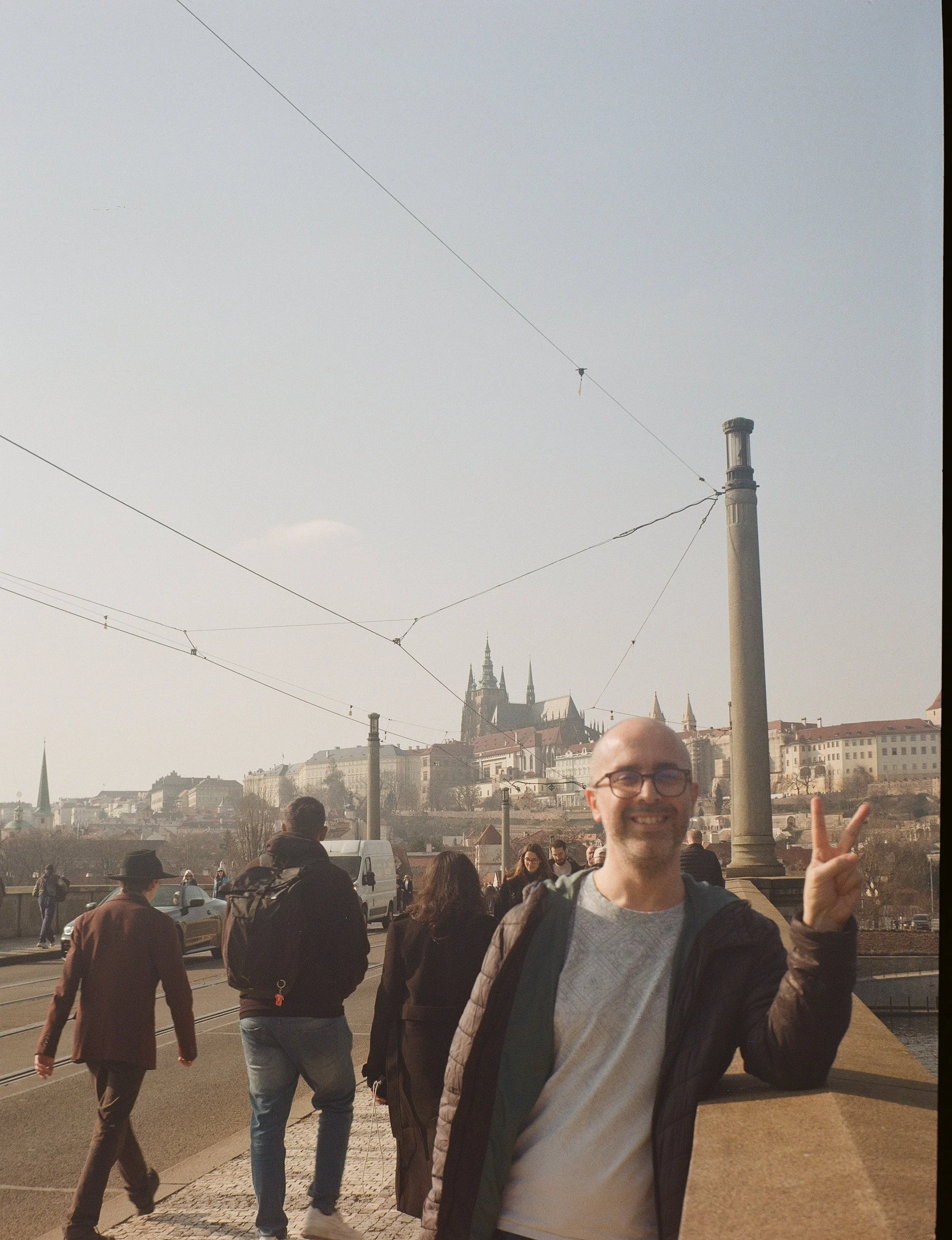
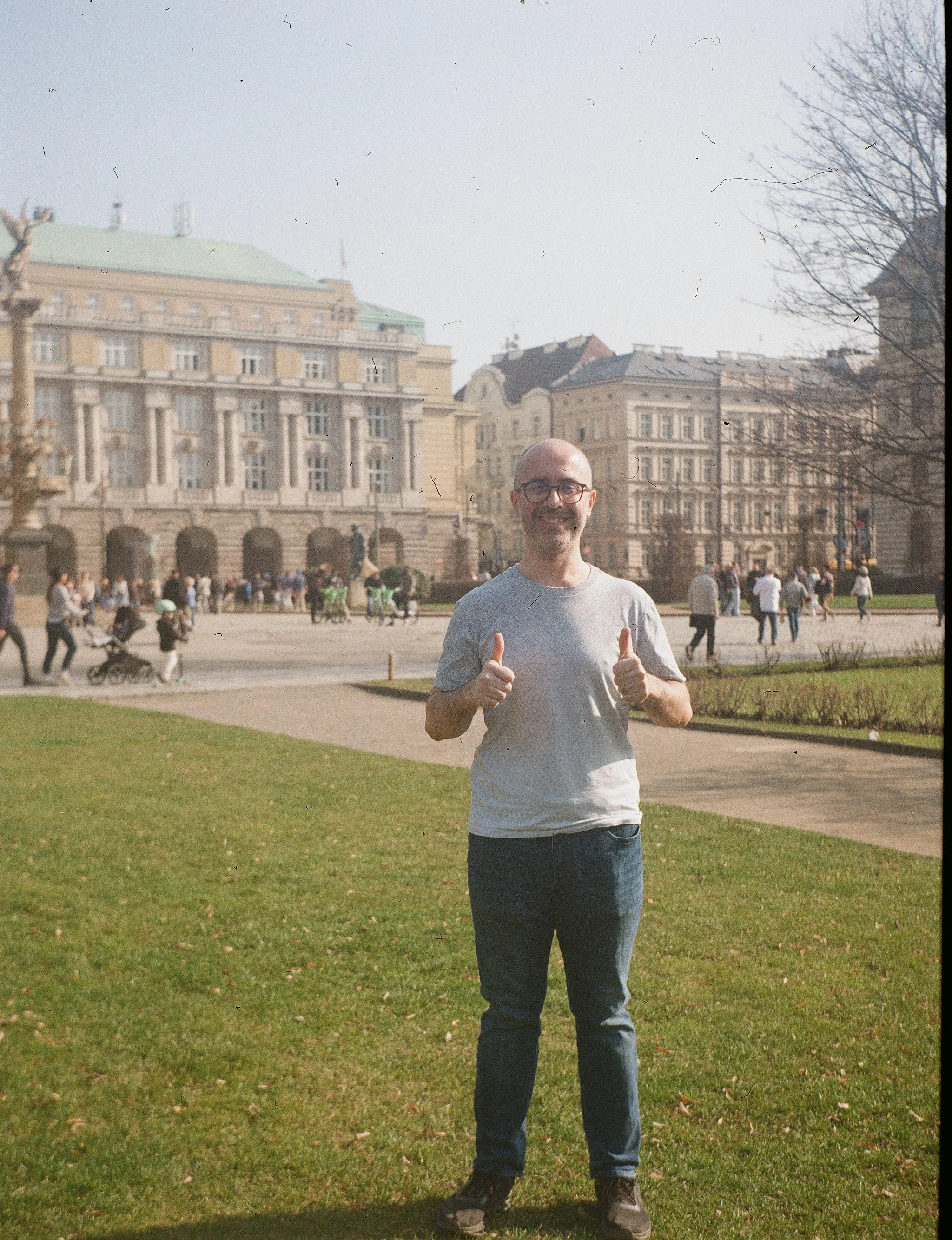
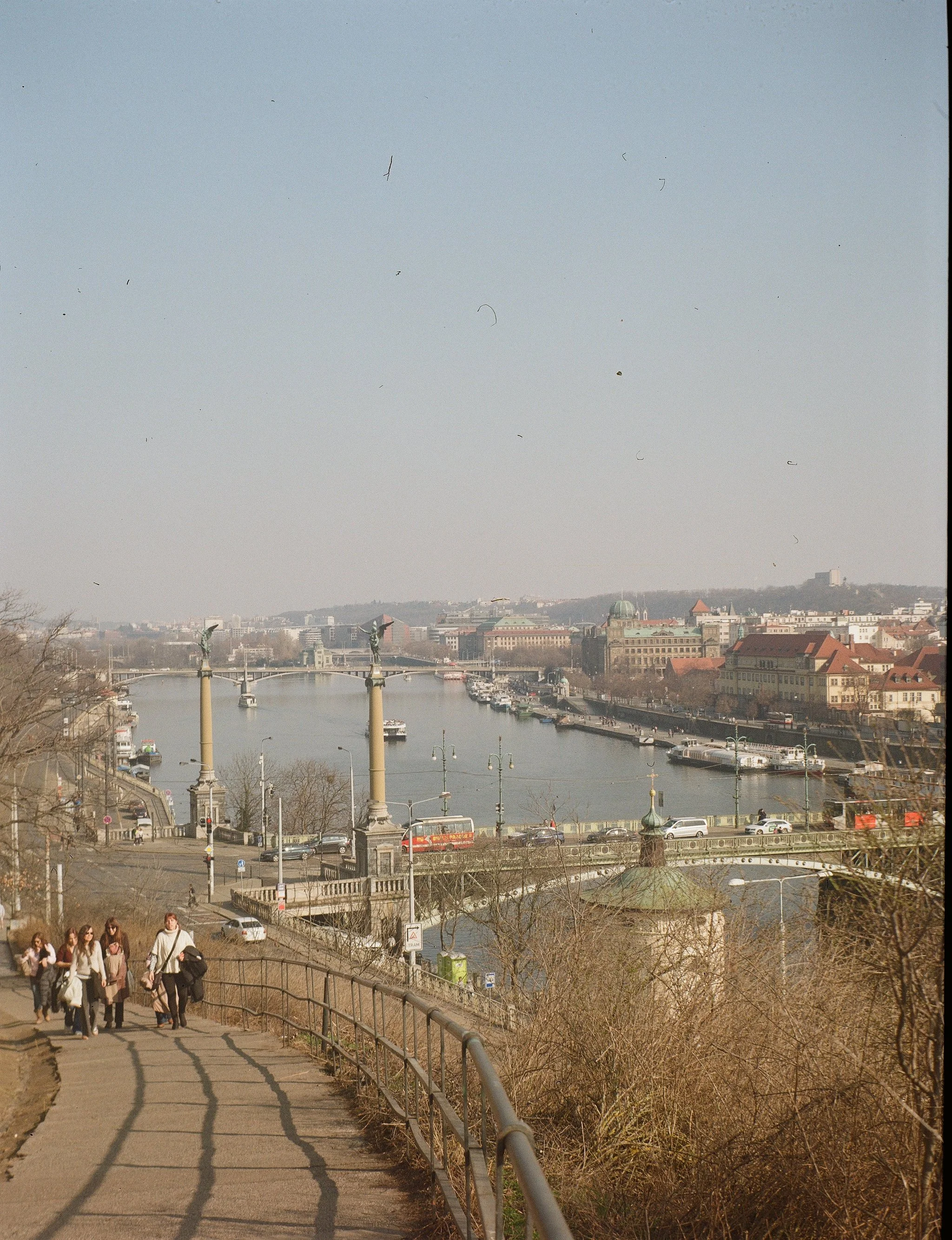
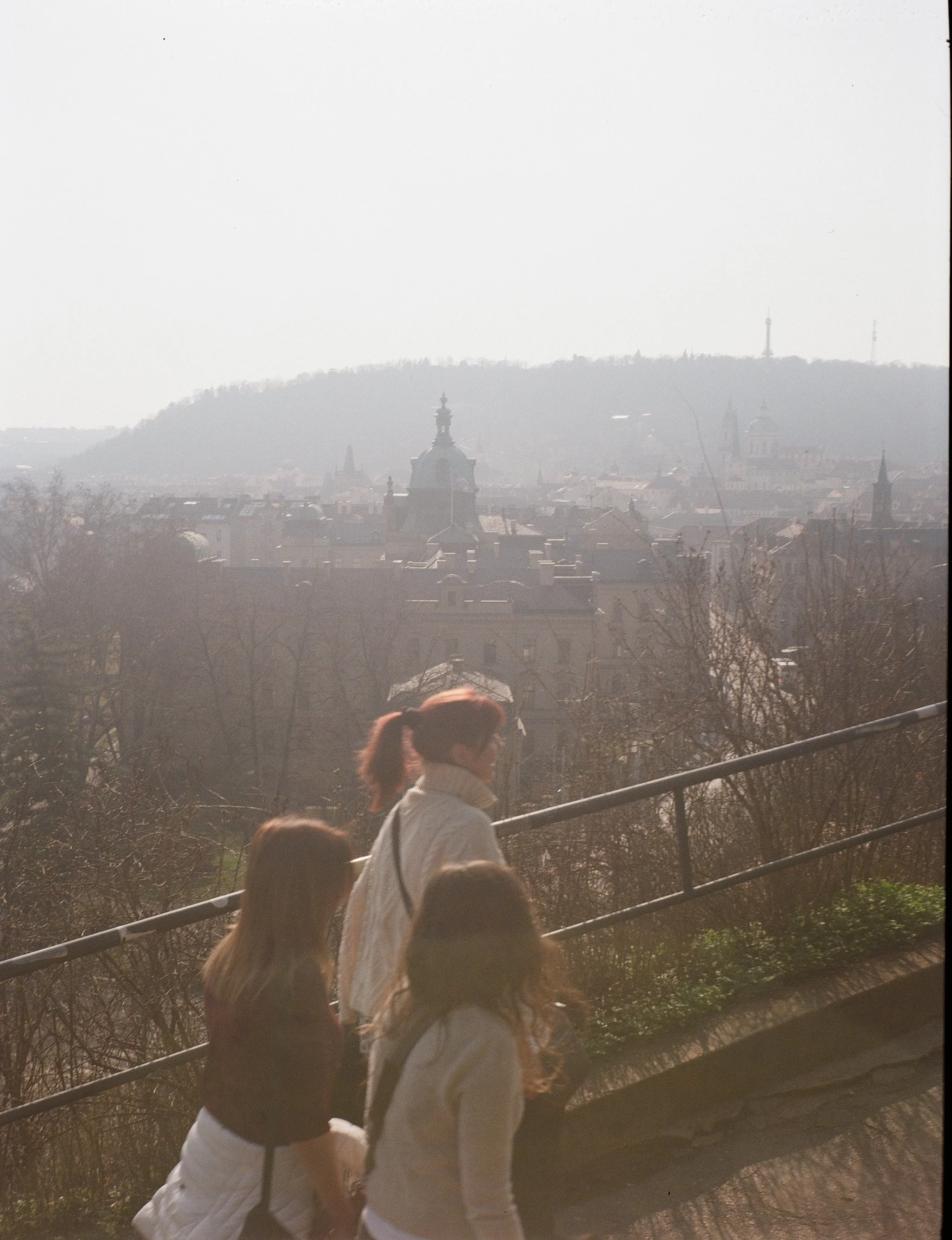
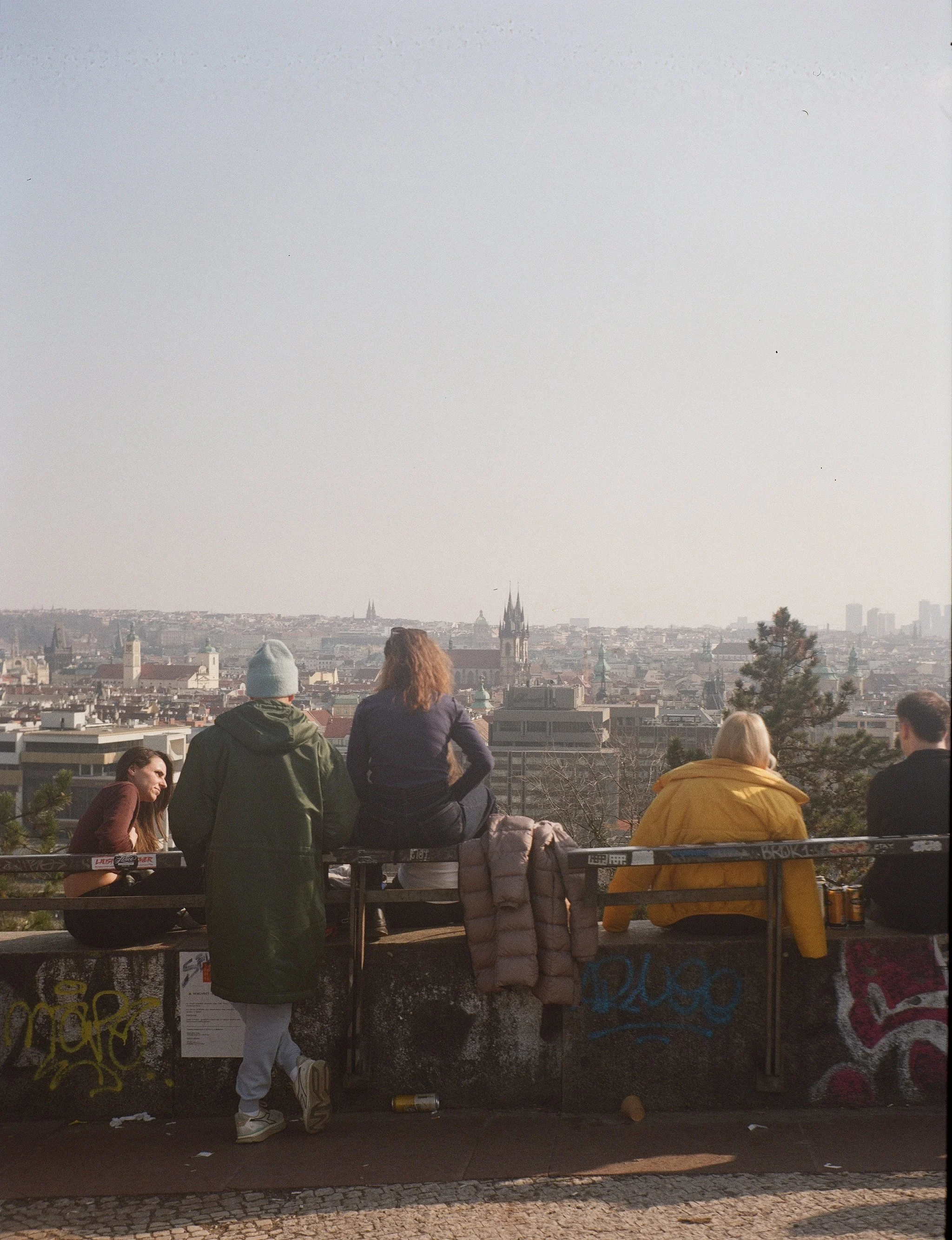
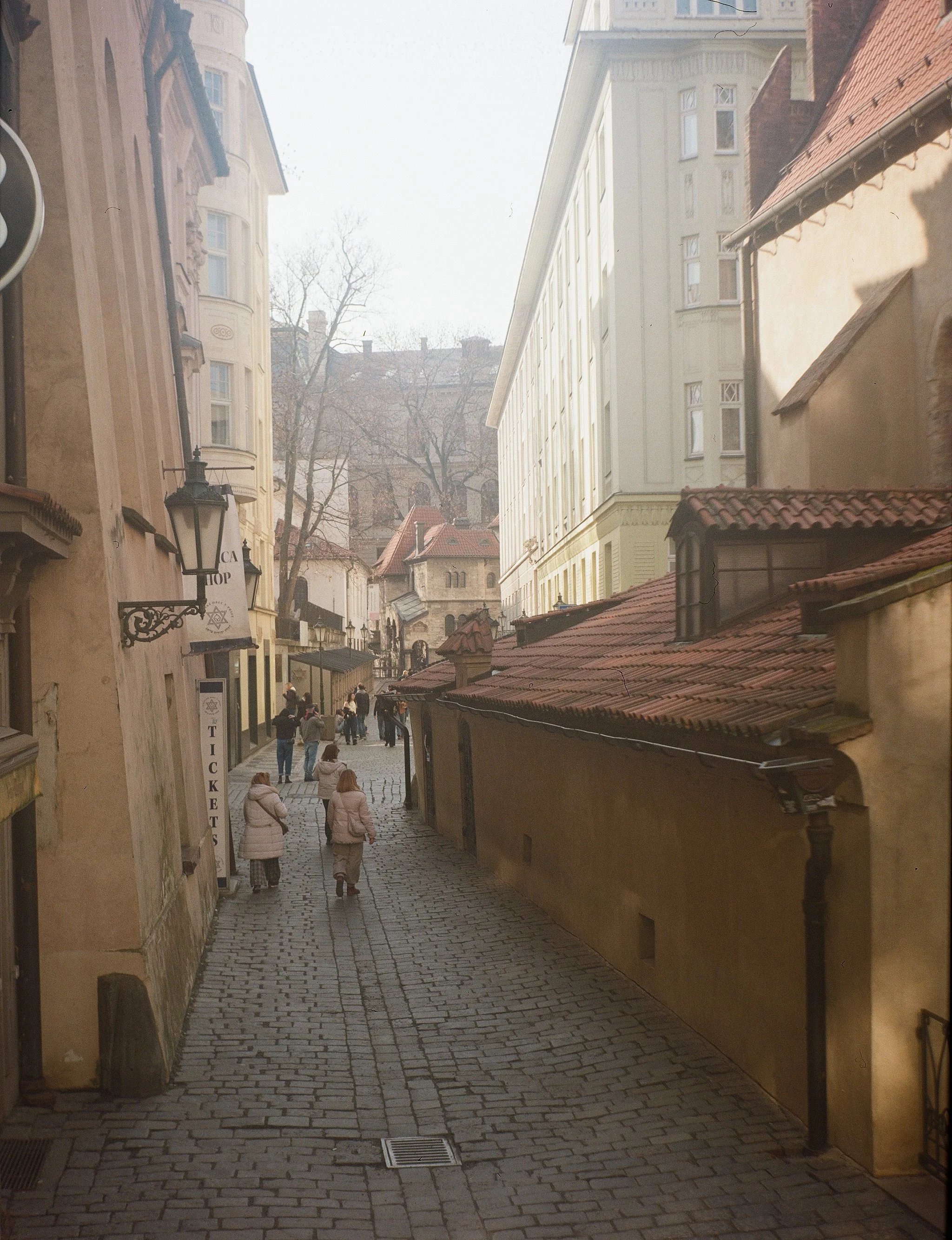
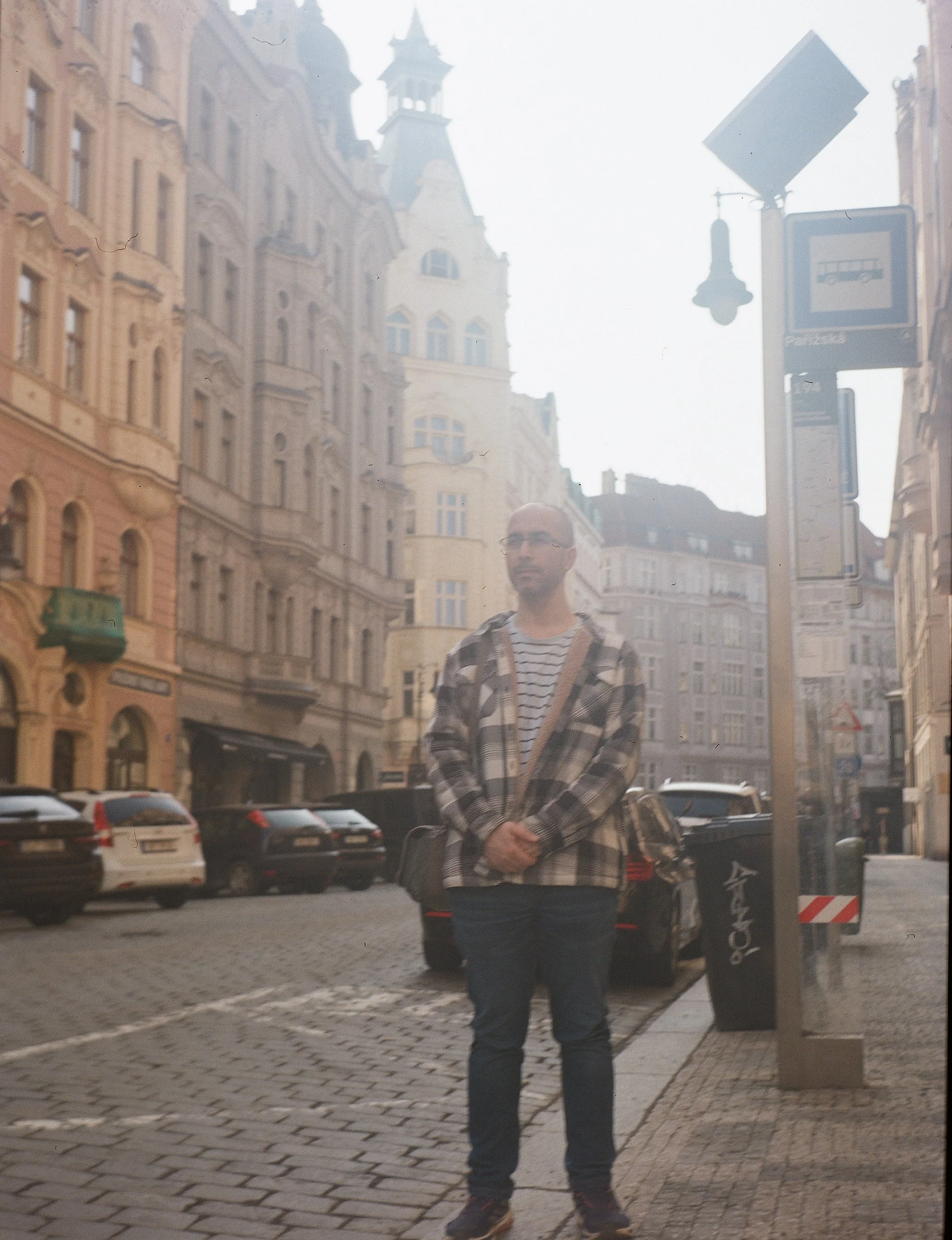
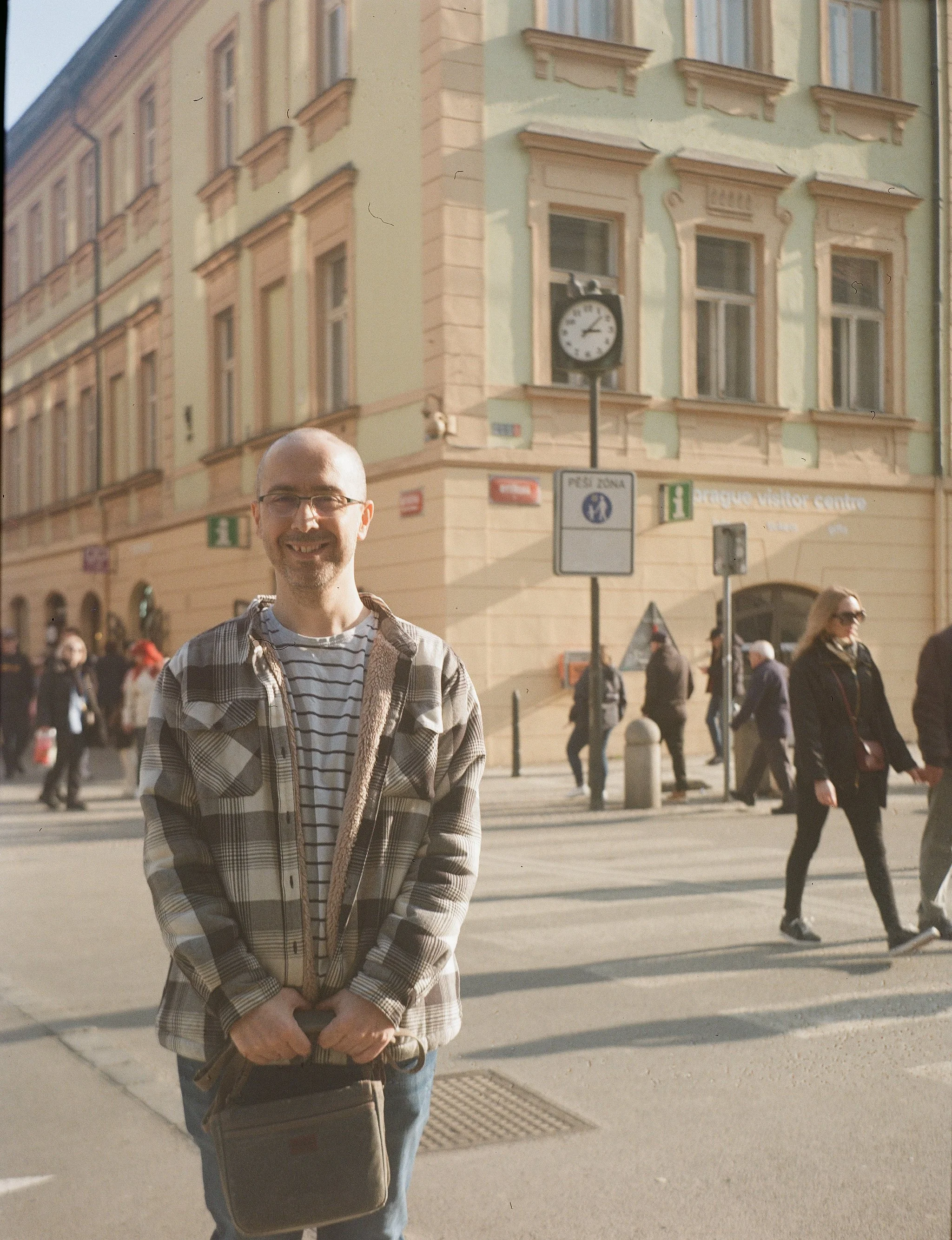
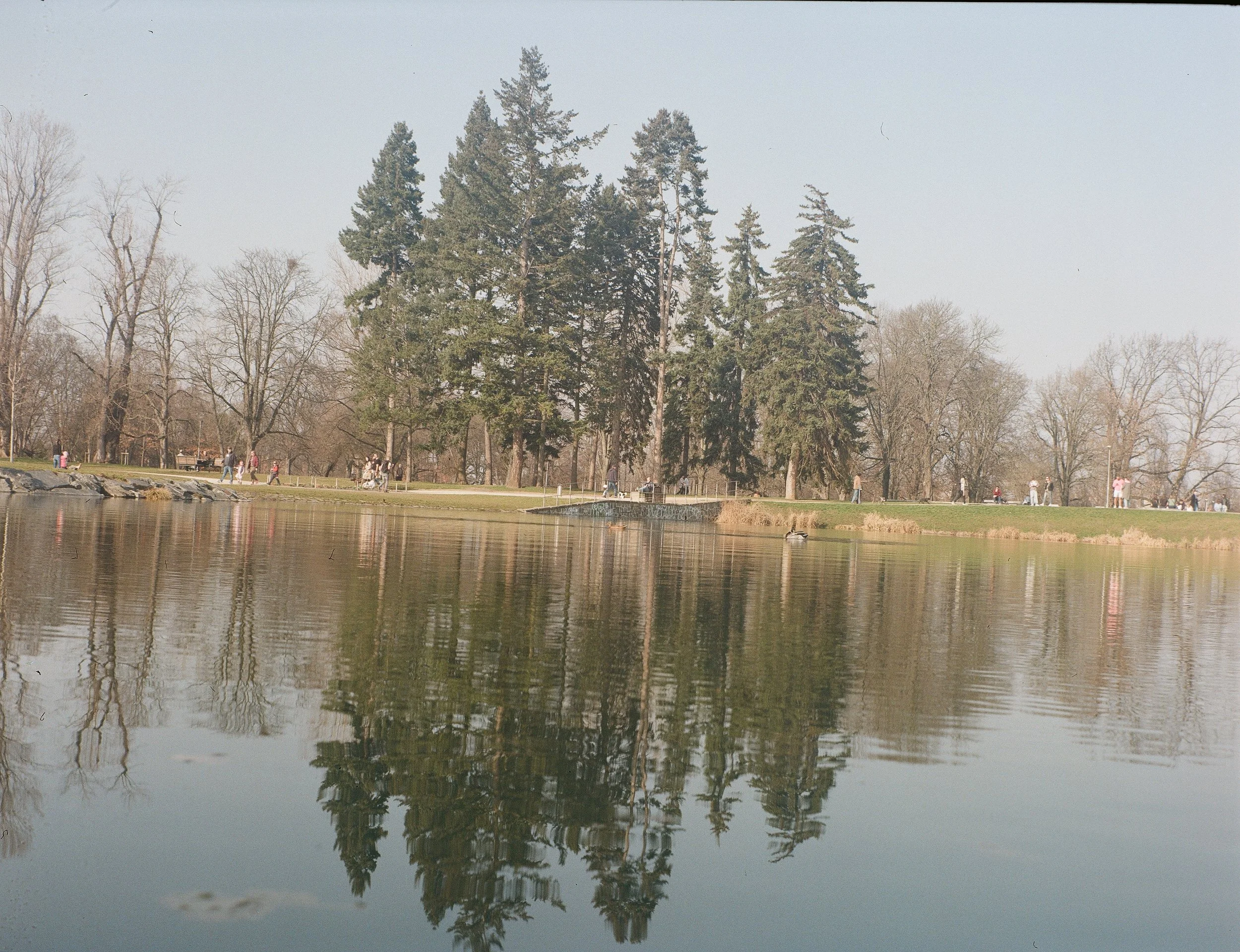
I love every single one of the color shots. For its age, this camera takes stunning pictures, and I'm still amazed at how sharp they are.
همهی عکسای رنگی رو دوست دارم. این دوربین با این سنوسال عکسای محشری میگیره و هنوز از اینکه انقدر شارپن تعجب میکنم.
