A Short Experience with the Smena 8M and Kodak UltraMax 400 - Spring 2026
یه تجربهی کوتاه با سمنا ۸ اِم و کداک اولترامکس ۴۰۰
دوست و همکار عزیزم، یاردا، باز هم هوامو داشت و این بار یه دوربین سمنا ۸ اِم گذاشت دستم. این یه دوربین آیکونیک و حسابی معروفه که شرکت لومو از ۱۹۷۰ تا ۱۹۹۵ میلادی تولید و پخشش میکرد.
این دوربین ساخت شوروی بود و هدف اصلیش این بود که ارزون باشه و دست همه برسه. اینو از بدنهی تمامپلاستیکی و تنظیمات ساده و ازپیشتعیینشدهش راحت میشه فهمید. ولی دوربینی که دست من بود یه لنز بهطرز عجیبی باکیفیت داشت. لنزش ۴۰ میلیمتریه با دیافراگم f/4 و میشه تا f/16 بستش. فوکوسش از یک متر تا بینهایته و وزنش هم حدود ۲۸۰ گرمه.
کلش از پلاستیکه و تنها چیز واقعاً باکیفیتش همون لنز شیشهای کوچولوشه. خیلی ذوق داشتم که این دوربین رو دستم گرفتم و از کار کردن باهاش، هرچند کوتاه، کلی لذت بردم.
یه حلقه کداک اولترامکس ۴۰۰ انداختم توش و با امید زدیم بیرون. این دوربینا هیچ پیشنمایشی بهت نمیدن، پس عملاً نمیدونی داری چیکار میکنی. باید همهچی رو بر اساس نور محیط تو ذهنت تصور کنی، تنظیمات رو روی دوربین پیاده کنی و بعد عکس بگیری.
بعد از هر بار شاتر زدن باید فیلم رو جلو بکشی، وگرنه دابل اکسپوژر میگیری؛ که اتفاقاً یکی از معروفترین و جذابترین ویژگیهای این مدل دوربیناست. منم ازش در امان نموندم و چند بار یادم رفت فیلم رو جلو ببرم و دو تا عکس افتاد روی هم.
پیچ فیلمکشش خیلی کوچیک و خیلی سفت بود؛ جوری که تا فیلم رو کامل برگردونم عقب و از دوربین درش بیارم، انگشتام دیگه بیحس شده بود.
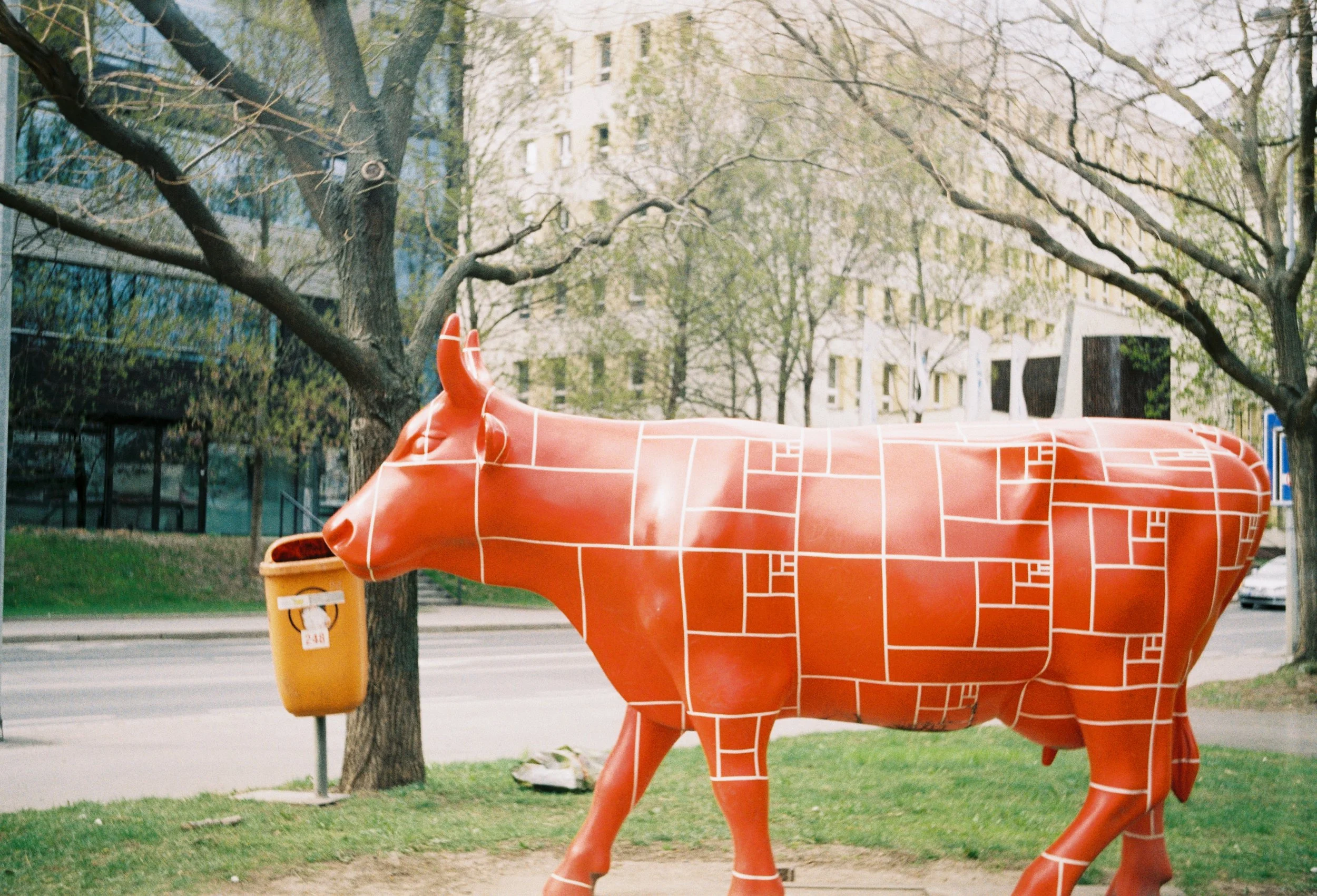
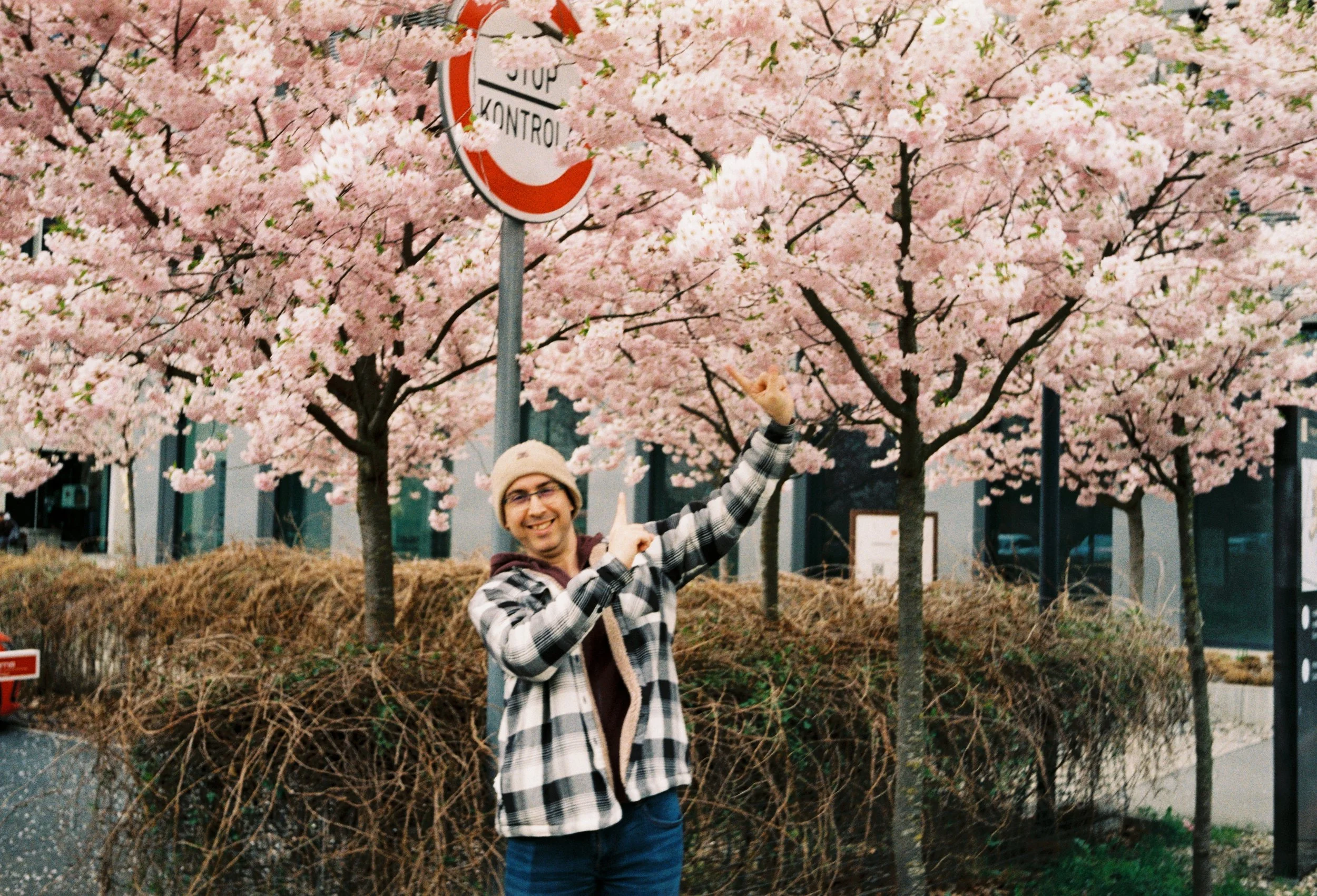
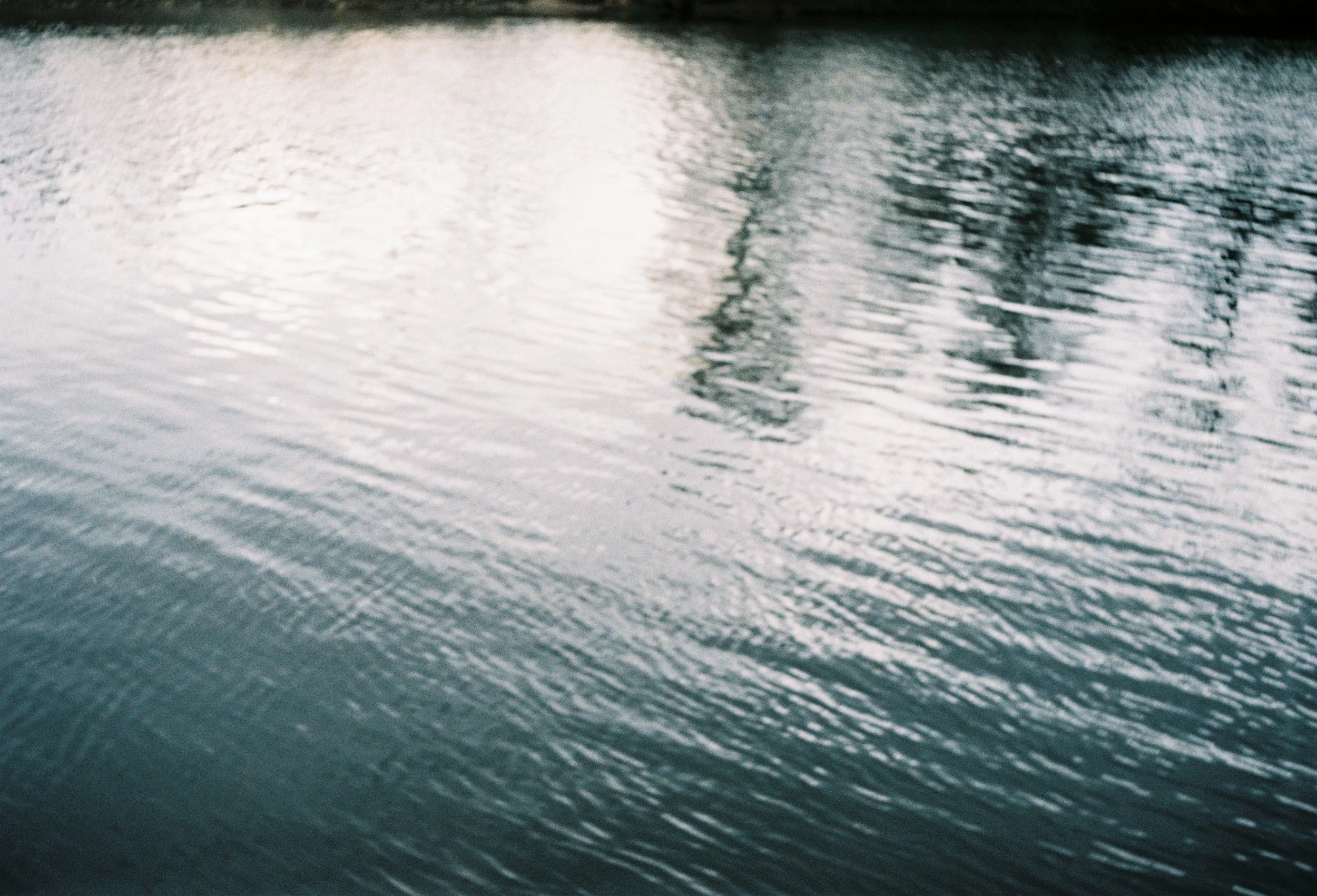
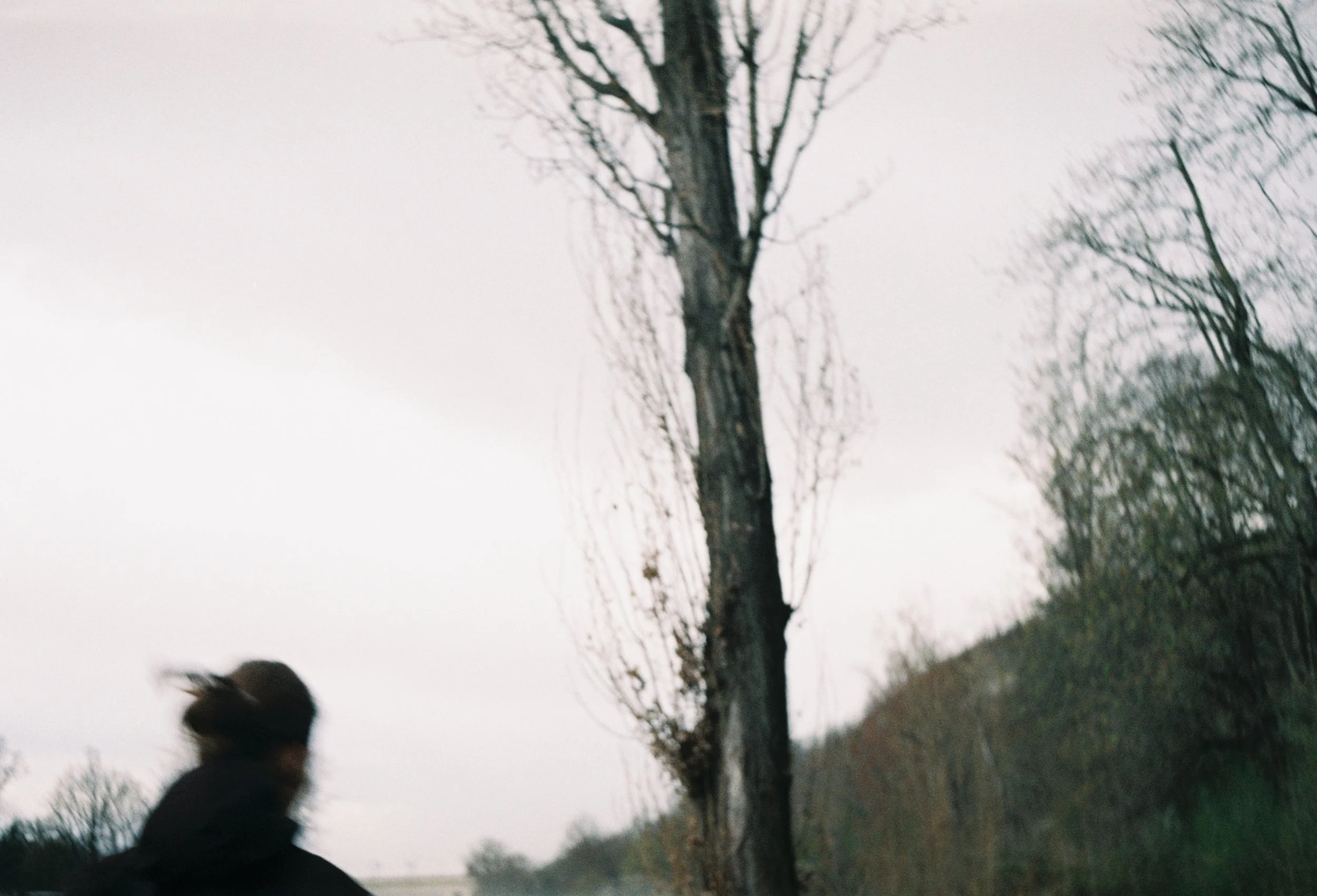
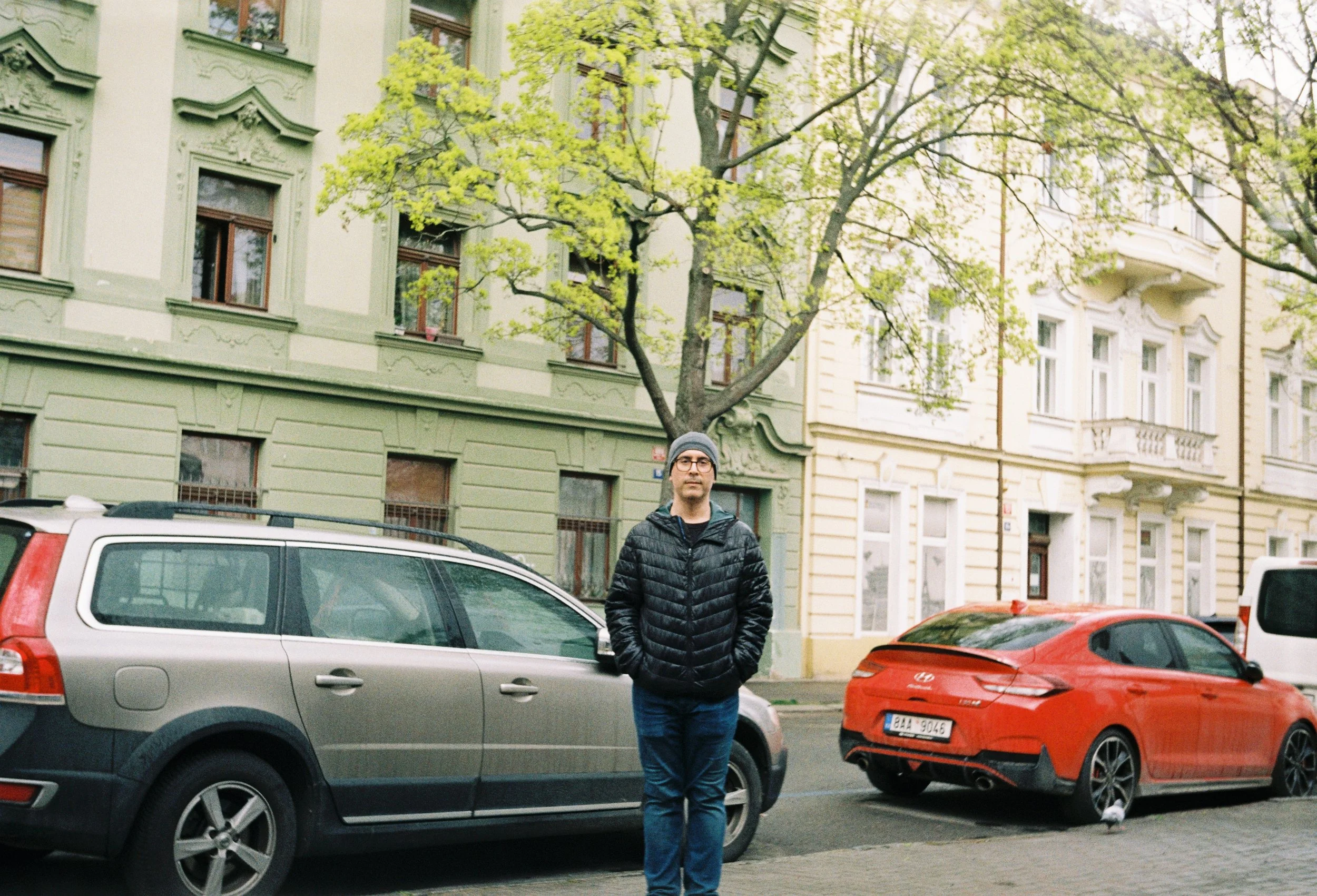
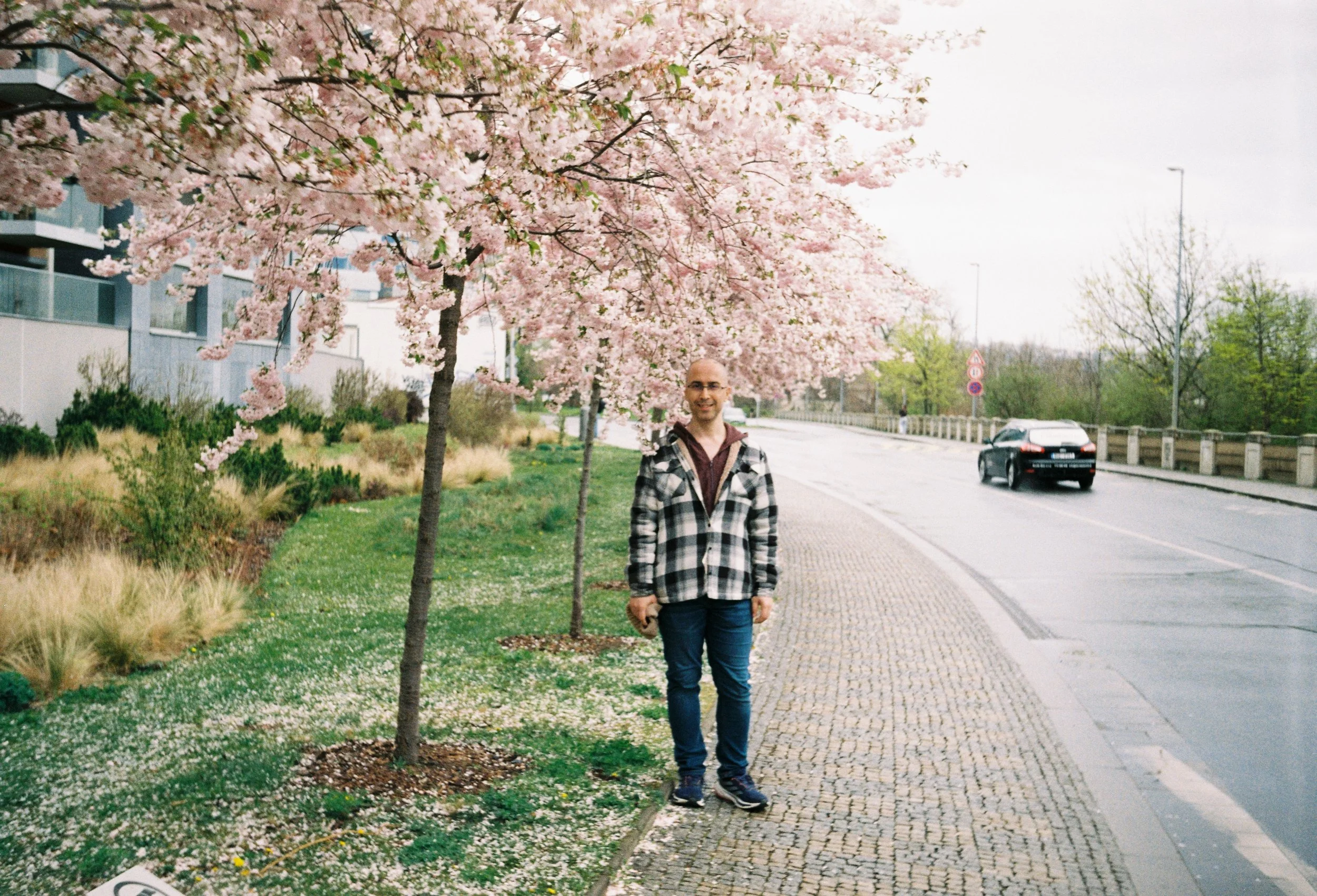
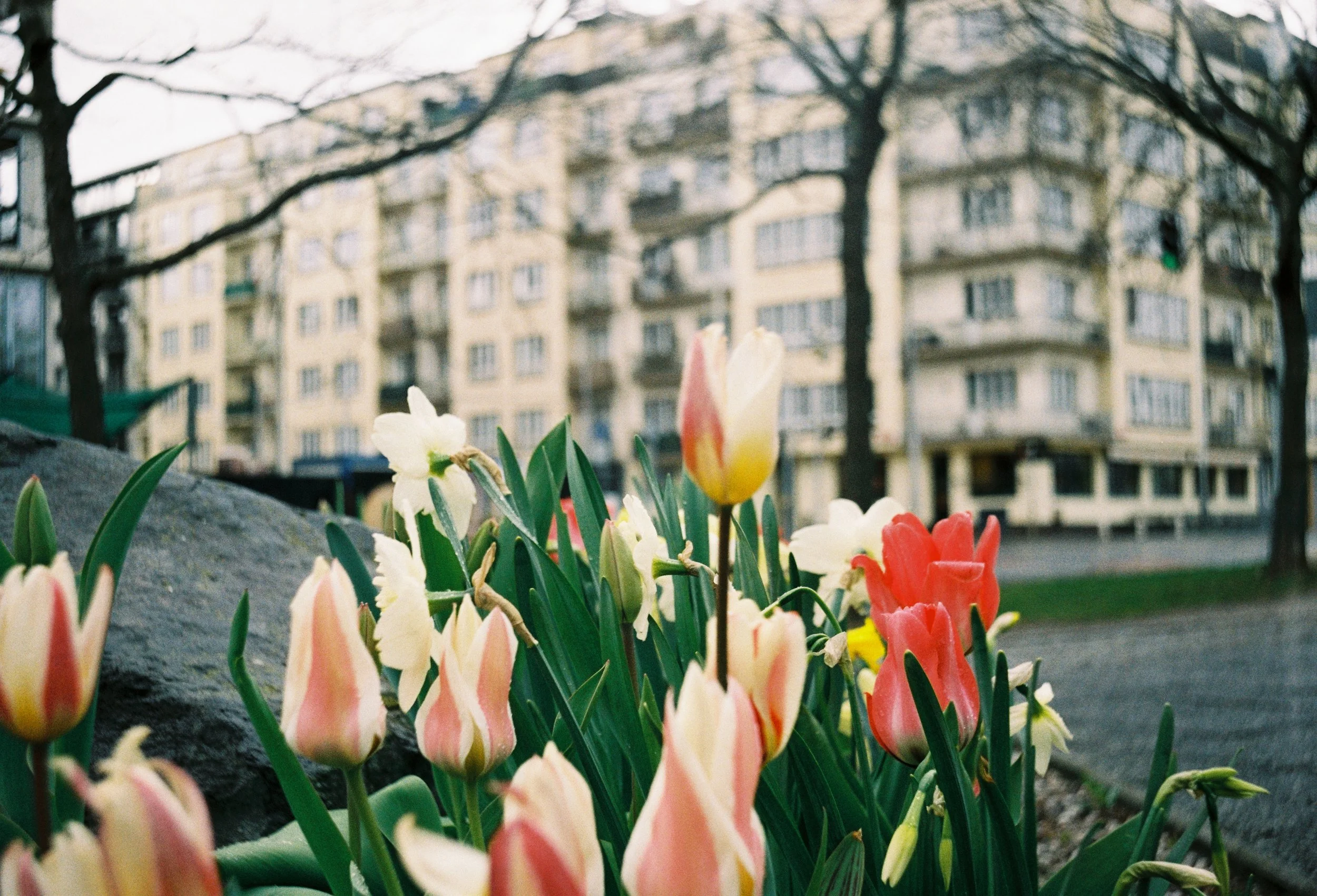
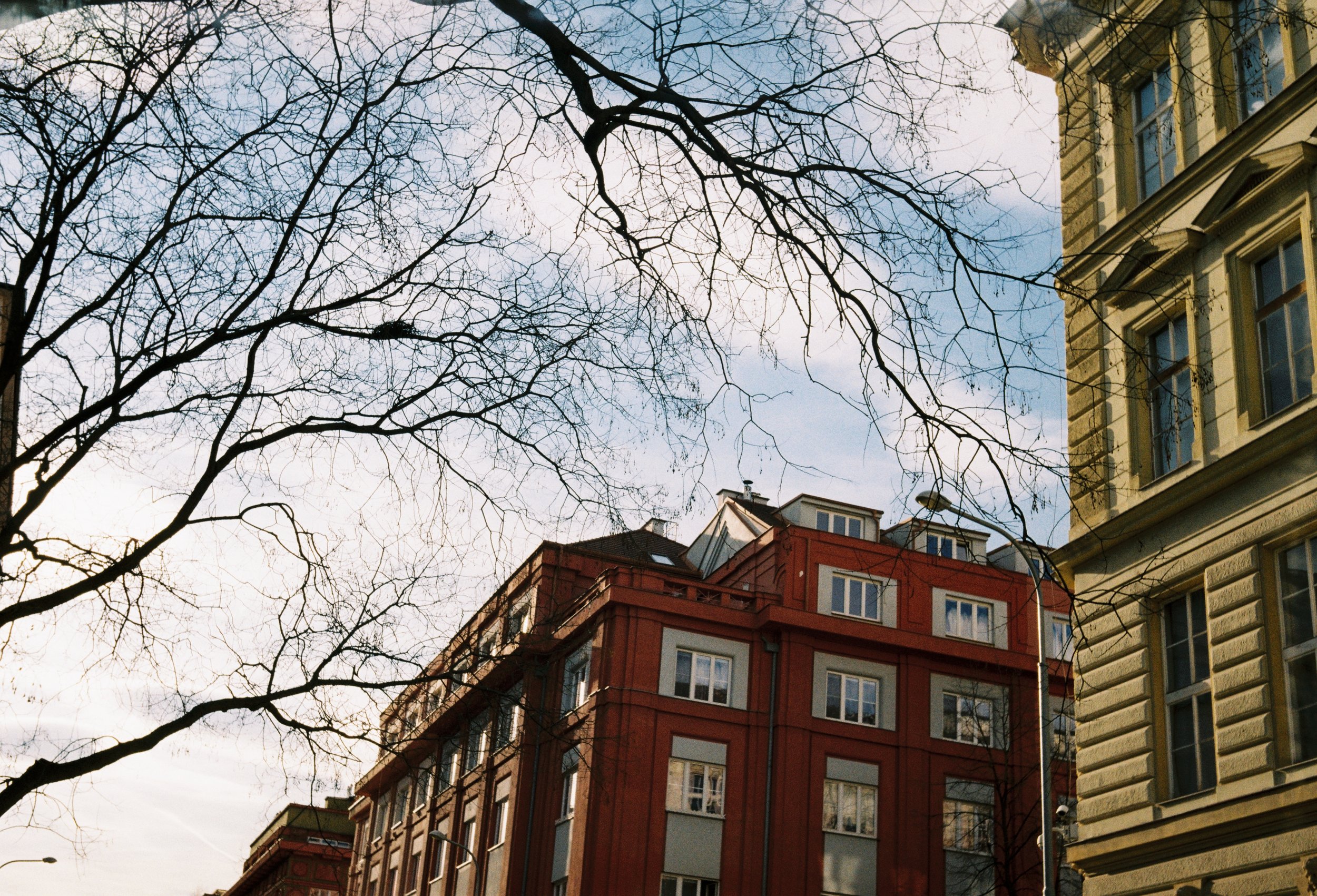
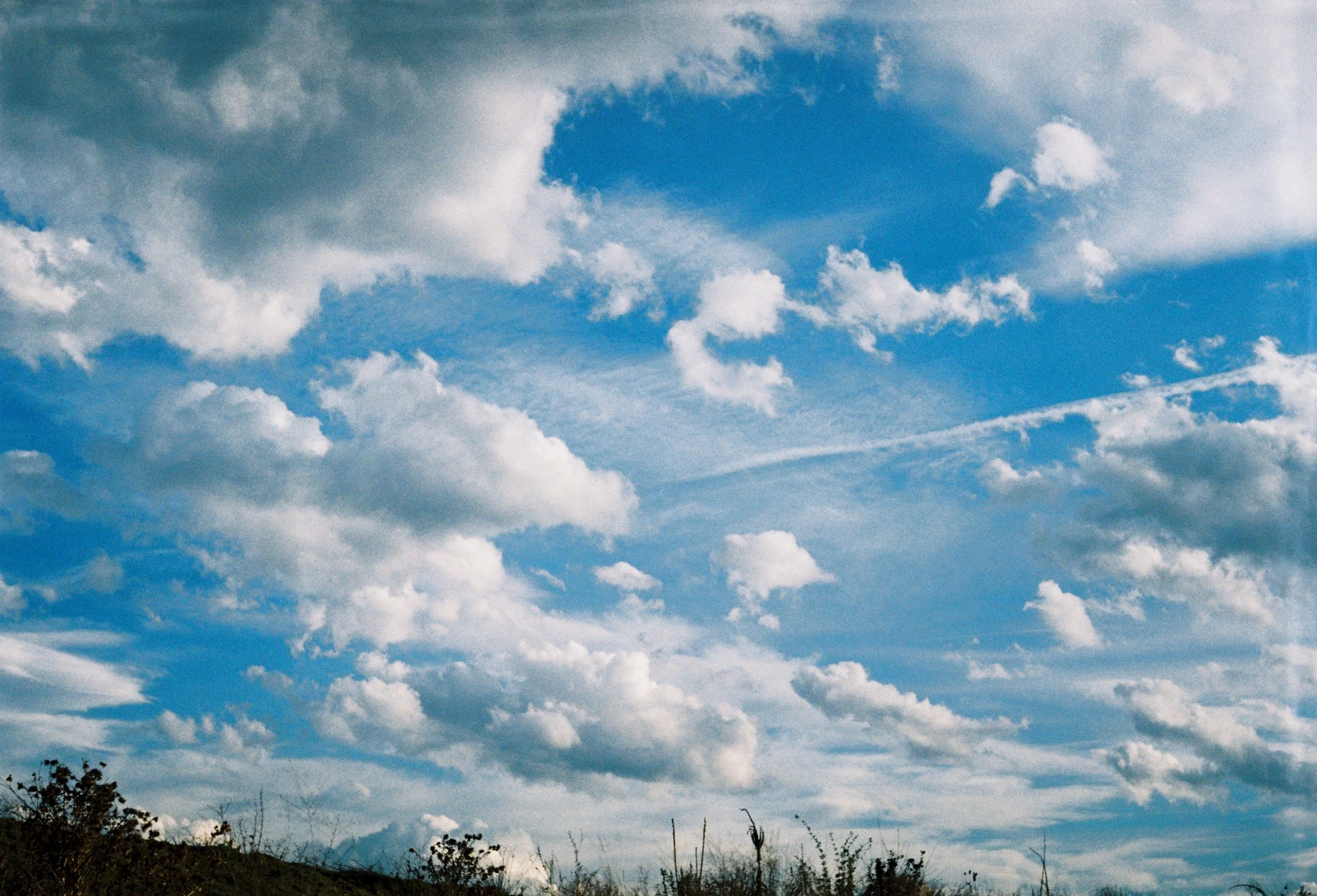
.دو بار با این دوربین رفتیم عکاسی: یه بار تو پراگ و یه بار تو پلزن. عکسا رو اینجا میذارم که ببینید.
یه کم تاریخچه
«سمنا» تو زبان روسی یعنی «نسل نو» یا «جانشین»؛ اسمی که برای یه دوربین مخصوص جوونا و تازهکارها انتخاب شده بود.
خانوادهی سمنا از دههی ۱۹۵۰ تو کارخونهی لومو در لنینگراد (سنپترزبورگ امروزی) شروع شد.
سمنا ۸ اِم نسخهی بهروزشدهی سمنا ۸ بود و از ۱۹۷۰ تا ۱۹۹۵ تولید شد.
میگن حدود ۲۱ میلیون عدد ازش ساخته شده، که اونو جزو پرتولیدترین دوربینهای تاریخ میکنه.
لنزش یه لنز سهالمانی به اسم T-43 بود و شاترش از ۱/۱۵ تا ۱/۲۵۰ ثانیه بهعلاوهی حالت B کار میکرد.
روی پیچهاش بهجای عدد، علامتهای آبوهوا (آفتابی، ابری و...) و آدمک برای فاصلهی فوکوس داشت تا هر کسی بتونه باهاش عکس بگیره.
تو دههی ۹۰ و ۲۰۰۰ هم به لطف جنبش لوموگرافی دوباره حسابی محبوب شد.
My dear friend and colleague Jarda looked out for me once again, and this time he lent me a Smena 8M — an iconic, well-known camera produced and distributed by LOMO between 1970 and 1995.
It was made in the Soviet Union, and its main purpose was to be affordable and accessible to everyone, which is obvious from its all-plastic body and simple preset controls. Yet the one I had came with a surprisingly good lens: a 40mm f/4 that stops down to f/16. Focus ranges from one meter to infinity, and the whole camera weighs about 280 grams.
It's made entirely of plastic, and its only truly high-quality element is that small glass lens. I was really happy to hold this camera in my hands and enjoyed shooting with it, even if only briefly.
I loaded a roll of Kodak UltraMax 400 and headed out with Omid. Since cameras like this give you no preview at all, you never really know what you're getting. You have to visualize everything in your head based on the light, translate that into settings on the camera, and then take the shot.
After every press of the shutter, you have to advance the film — otherwise you get a double exposure, which is one of the best-known and most charming quirks of these cameras. I was no exception: a few times I forgot to wind on and ended up with two frames stacked on top of each other.
The winding knob was tiny and very stiff. By the time I managed to rewind the film fully and get it out of the camera, my fingers were practically numb.
We went out shooting with it twice — once in Prague and once in Plzeň. Here are the photos.
A Brief History
"Smena" means "new generation" or "successor" in Russian — a fitting name for a camera aimed at young people and beginners.
The Smena family began at LOMO in Leningrad (today's St. Petersburg) in the 1950s.
The Smena 8M was an updated version of the Smena 8 and was produced from 1970 to 1995.
Around 21 million units are said to have been made, putting it among the most-produced cameras in history.
It used a three-element T-43 lens and a shutter ranging from 1/15 to 1/250 sec, plus Bulb.
Instead of just numbers, its dials featured weather symbols (sunny, cloudy, etc.) and figure icons for focus distance, so anyone could use it.
In the 1990s and 2000s, it found a second life thanks to the Lomography movement.
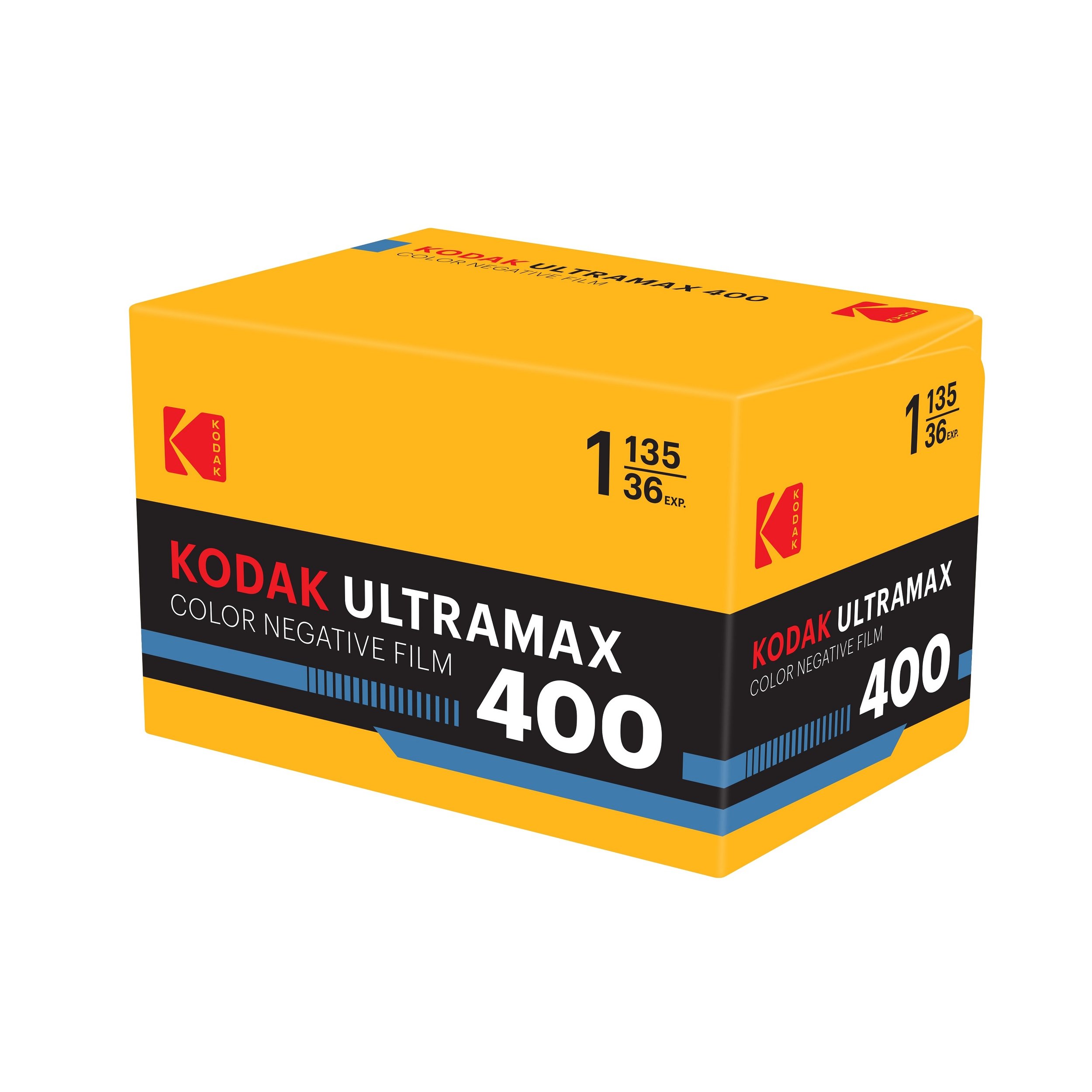
Kodak Ultra Max 400
با جرئت میتونم بگم اولین تجربهم با این دوربین خیلی خوب از آب دراومد و همهی عکسا رو دوست دارم. هنوز از کیفیت لنز و عکسا شگفتزدهم، و از نگاتیو فوقالعادهی کداک که رنگها و کنتراست محشری داره. هیچوقت انتظار نداشتم یه دوربین به این کوچیکی، سادگی و قدیمیای همچین کیفیتی بهمون بده. البته دست لابراتوار هم درد نکنه که نگاتیوها رو خیلی خوب ظاهر و اسکن میکنن.
I can honestly say my first experience with this camera turned out really well, and I love every single photo. I'm still amazed by the quality of the lens and the images, and by Kodak's wonderful film, with its beautiful color rendering and contrast. I never expected such a small, simple, old camera to deliver this kind of quality. And of course, big thanks to the lab for developing and scanning the negatives so well.