A few weeks ago, I was having lunch with a colleague, and we started talking about photography. At one point, he said he had some old vintage cameras and asked if I wanted to try them. Before he even finished the sentence, I said, "Of course, I'd love to!" A few days later, he brought a bag with two cameras in it. As you can probably guess from the title of this post, one of them was a Voigtländer Bessa 6x9.
Since then, I have been trying to find some free time to use it. Here is a short historical fact: this camera was made in Germany in 1929, and I still can't believe how well it has been kept. Almost 100 years later, it still works perfectly, and the lens quality is still very good.
It has a Voigtar 4.5 lens with an 85mm focal length, and it uses 6x9 film. This means it uses 120 roll film, and you usually get eight photos per roll. You can see the frame numbers through a small red window on the back of the camera. I bought a roll of Ilford HP5 Plus, ISO 400, and I used it to take my first roll of photos right away.
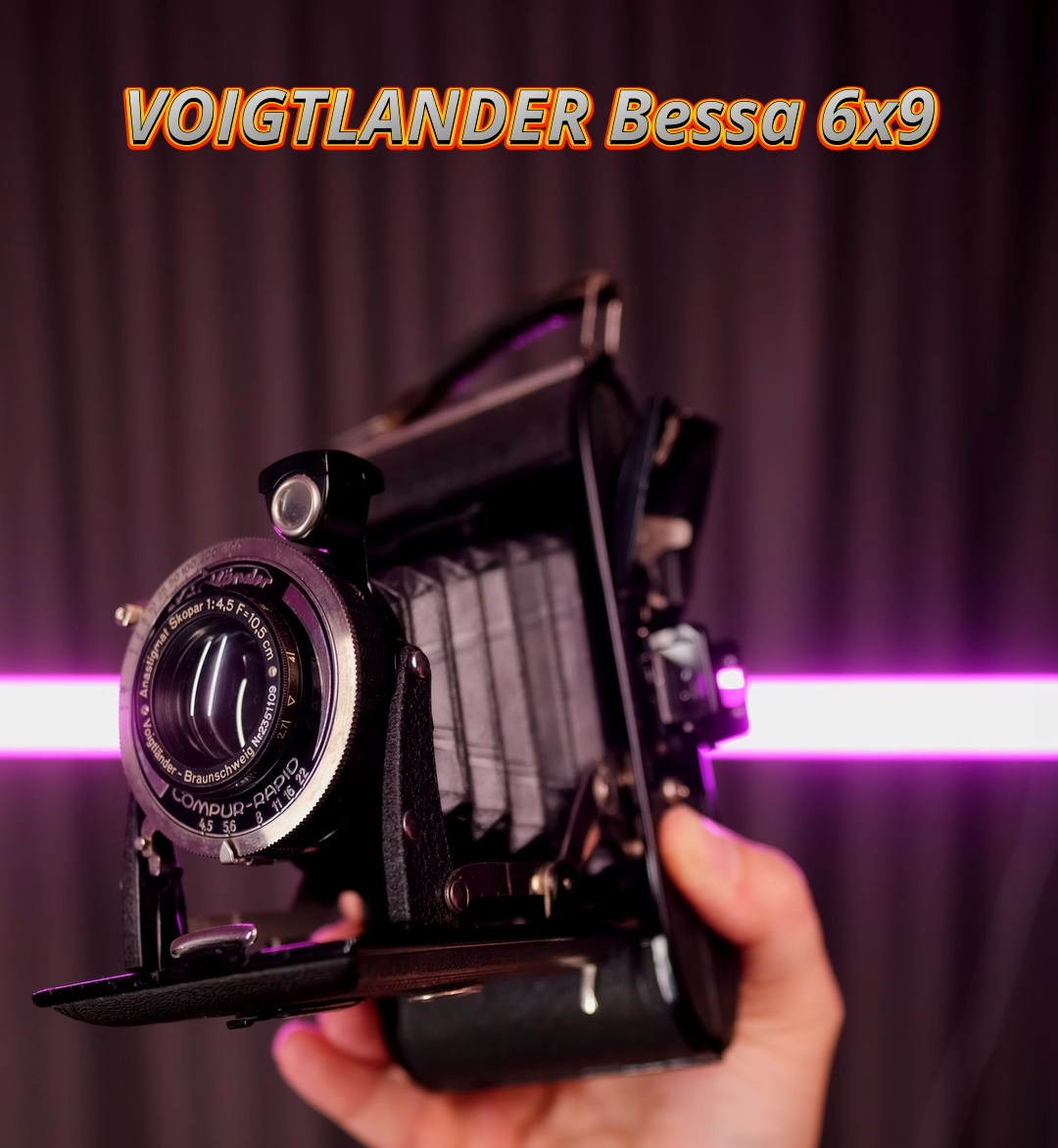
Voigtländer Anastigmat Skopar 1:4.5, f=10.5cm lens
Using this camera meant a lot of guessing, and I also had to use my imagination. Because I did not want to use a light meter, I tried to think about the exposure triangle in my head — that means aperture, shutter speed, and the film's ISO. This is a bit like the old "Sunny 16" rule that photographers used before light meters were common. It worked okay for a first try, but I know I will need to start using a real light meter at some point. From what I have read, a light meter makes it much easier to get the exposure right. Analog photography is expensive, so this can really make the difference between good photos and wasted film. :D
این دوربین در سال 1307 عرضه شد
چند هفته پیش، سر ناهار با یکی از همکارانم گفتوگوی ساده و بیهدفی دربارهی عکاسی داشتیم. در یک لحظه، او گفت که چند دوربین قدیمی و کلاسیک دارد و پرسید که آیا دوست دارم امتحانشان کنم. هنوز جملهاش تمام نشده بود که با هیجان گفتم «البته، خیلی هم دوست دارم!» چند روز بعد، او با کیفی حاوی دو دوربین سر کار آمد؛ و همانطور که احتمالاً از عنوان این پست حدس زدهاید، یکی از آنها این بود:
Voigtländer Bessa 6x9 f/4.5
از همان روز تلاش کردم وقت آزادی پیدا کنم تا با آن کار کنم. فقط بهعنوان یک نکتهی تاریخی کوتاه: این دوربین در سال ۱۹۲۹ در آلمان ساخته شده، و هنوز هم باورم نمیشود که پس از نزدیک به یک قرن اینقدر خوب نگهداری شده است؛ کاملاً بینقص کار میکند و کیفیت نوریاش هم واقعاً خوب است.
این دوربین به این لنز مجهز است:
Voigtländer Anastigmat Skopar 1:4.5, f=10.5cm lens
و از فیلم رول ۱۲۰ در قالب ۶ در ۹ سانتیمتر استفاده میکند که معمولاً هشت فریم روی هر رول جا میشود و شمارهی فریمها هم از پنجرهی قرمزرنگ پشت دوربین دیده میشود. فیلمی که خریدم این بود:
Ilford HP5 Plus, ISO 400
و بلافاصله اولین رول را با آن گرفتم.
کار کردن با این دوربین به مقدار زیادی حدس و گمان -و البته تخیل- نیاز داشت. چون نمیخواستم از نورسنج استفاده کنم، سعی کردم مثلث نوردهی، یعنی دیافراگم، سرعت شاتر و ایزو فیلم را در ذهنم تصور کنم. با این حال میدانم که دیر یا زود باید سراغ استفاده از نورسنج بروم. از آنچه خواندهام، نورسنج بخش زیادی از حدسوگمان را از بین میبرد، و چون عکاسی آنالوگ گران است، همین موضوع میتواند تفاوت بین گرفتن فریمهای قابلاستفاده و هدر دادن فیلم را رقم بزند
The Result:
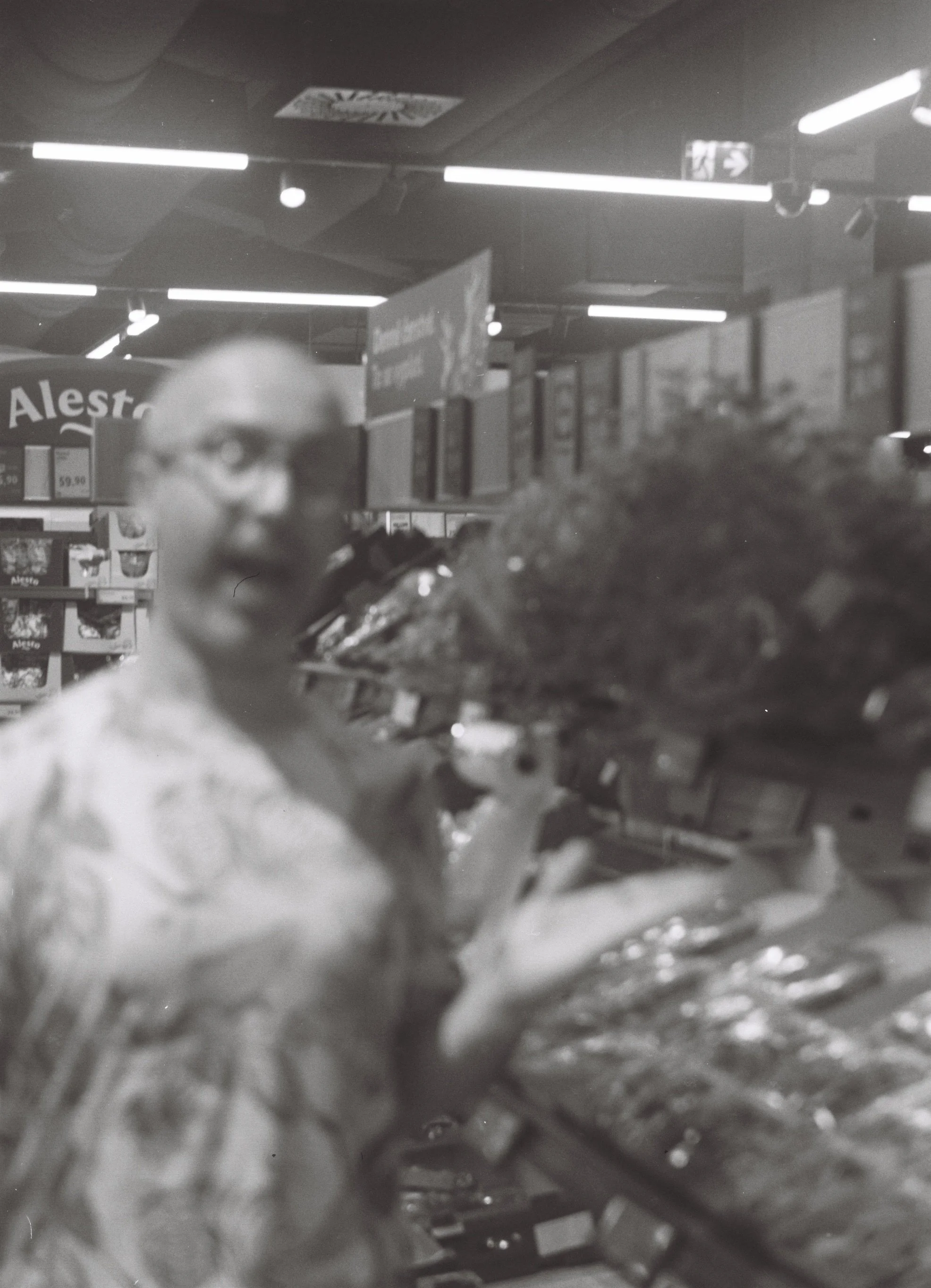
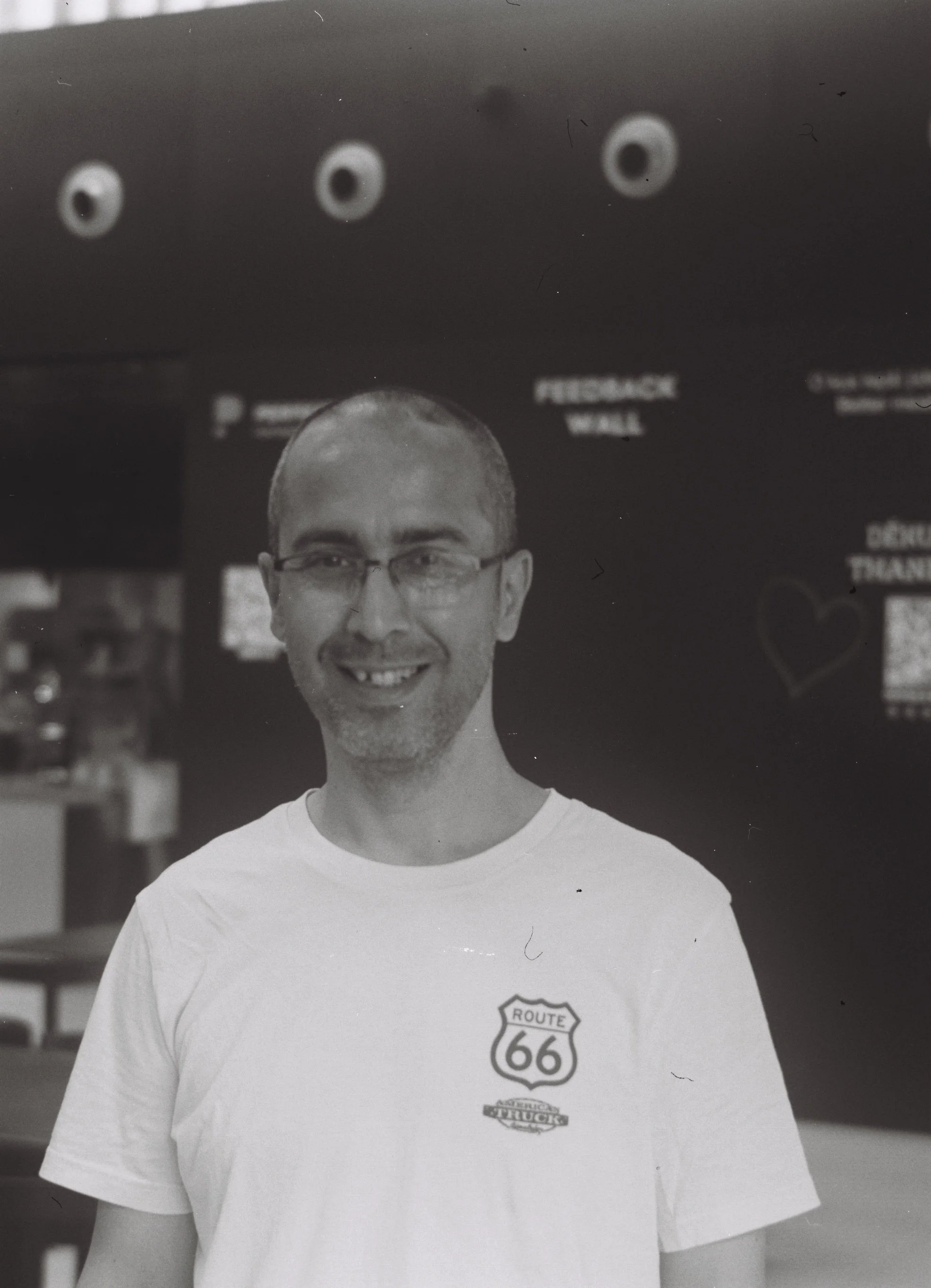
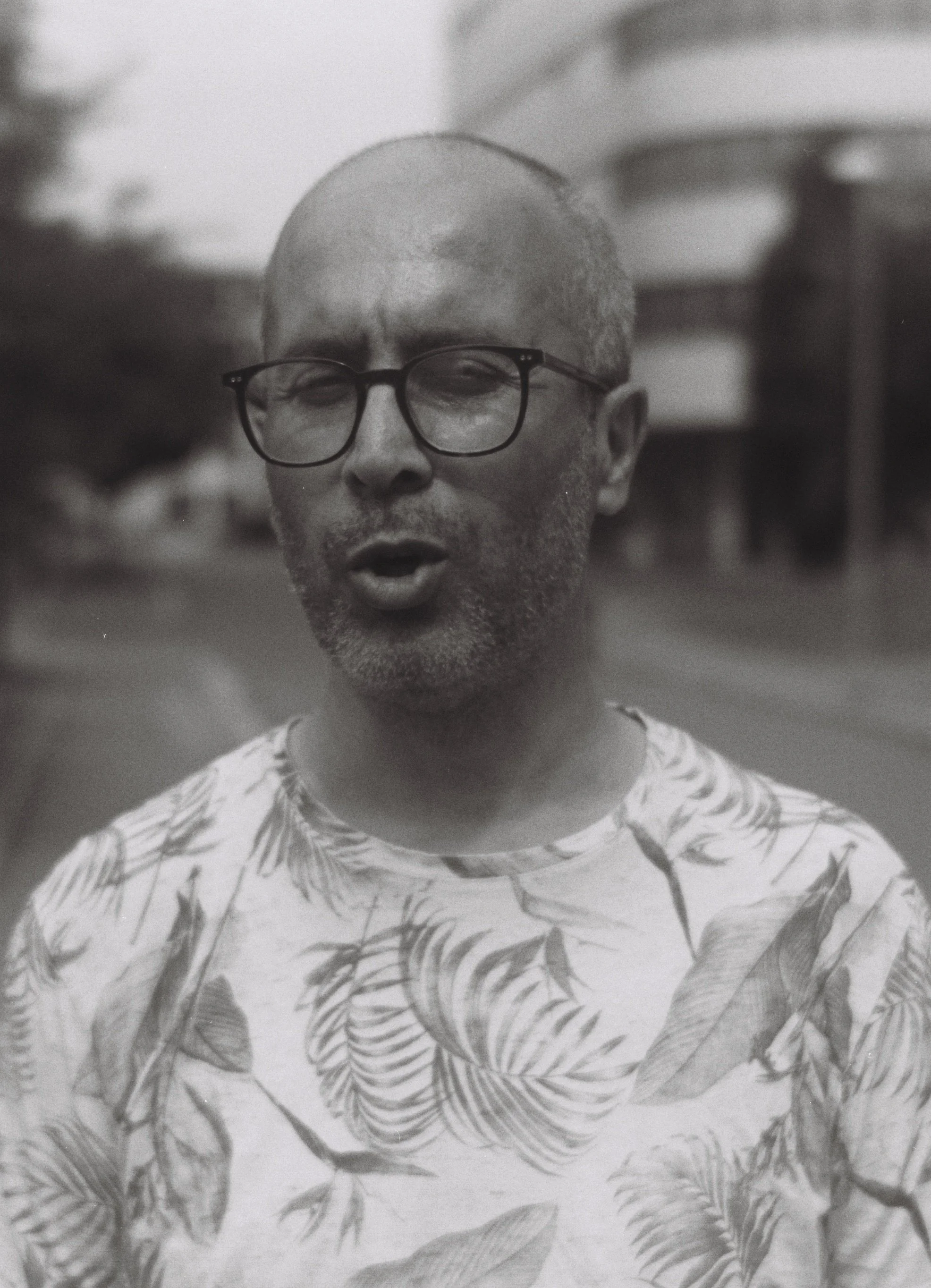
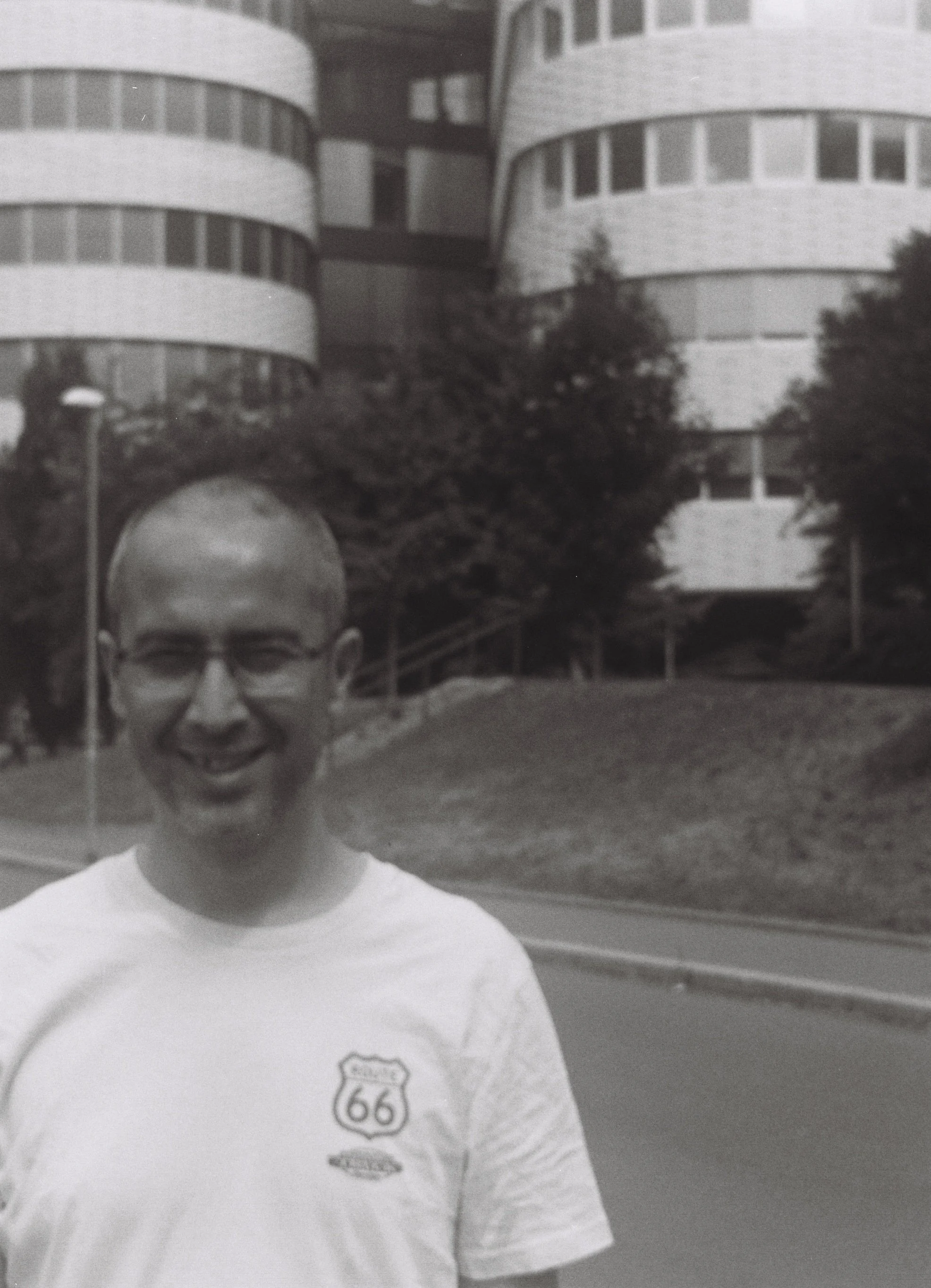
Here are the photos from my first roll, straight out of the lab. I did not do any post-processing. The results surprised me. Unfortunately, there was some dust and dirt inside the camera, and you can see the effect on some of the pictures. I also made some focusing mistakes, so a few photos came out blurry, and twice I forgot to wind the film forward, so I ended up with a couple of accidental double exposures :D But other than that, I really loved the old-school, vintage look of the images. The film itself has very fine grain and great quality, and now I feel like experimenting more with black-and-white photography. We will see!
عکسهای رول اول را بدون هیچ پردازشی، درست همانطور که از لابراتوار تحویل گرفتم، اینجا گذاشتهام. نتیجهی کار برایم غافلگیرکننده بود. متأسفانه مقداری گرد و غبار و ذرات داخل دوربین بود که تأثیرش را روی بعضی از عکسها میبینید. همچنین در فوکوس چند عکس اشتباه کردم و آنها کمی تار شدهاند، و دو بار هم یادم رفت فیلم را جلو بزنم که باعث شد چند دابل اکسپوژر ناخواسته داشته باشم :D اما جدای از اینها، واقعاً از حس قدیمی و کلاسیکی که این عکسها دارند خوشم آمد. کیفیت و ریزدانگی این فیلم آنقدر خوب است که الان وسوسه شدهام بیشتر با عکاسی سیاهوسفید تجربه کنم. باید دید!